Where to go in winter: These holiday destinations are our favourites during the cold season
In Germany, we tend to find winter rather cold and dark. We miss the warmth, the sun and the light. That’s why we’re only too happy to pack our bags and set off. This raises the question: where should we travel to in winter?
When planning our trips, we let our hearts guide us. We dream of the seaside, the mountains and charming cafés in European cities. We’ve put together six sunny destinations, two snow-covered regions and a few city breaks for you – complete with the information that really helps when making a decision: temperature, flight time, time difference and the best time to visit.
Where is it warm even in winter? Our top sunny destinations
We learnt once in geography lessons that it’s always summer somewhere. This is because our Earth is slightly ‘tilted’ and one part of the planet is more inclined towards the Sun. During our summer months, this is the Northern Hemisphere; during our winter months, it is the Southern Hemisphere.
That’s why summer in Australia runs from December to February and reaches up to 37 degrees in some regions, whilst we’re freezing at 5 degrees in Germany. So let’s start right there.
Destination 01
Australia
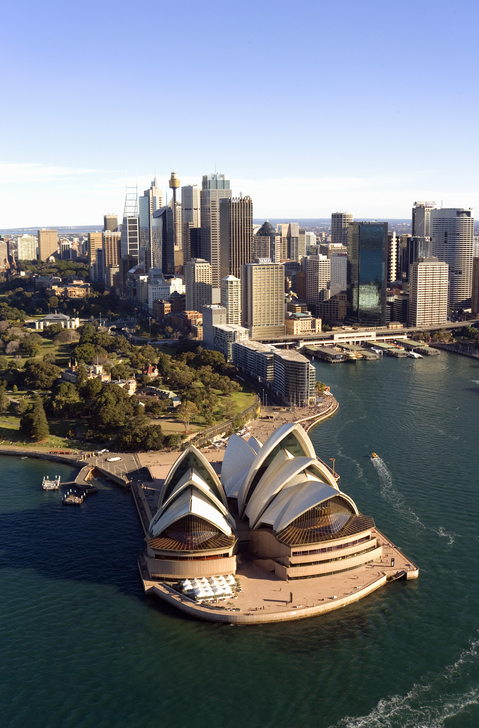
If you have a bit more time to spare, you should consider Australia. The flight often takes over 24 hours, but the trip is well worth it. Whether the Sydney Opera House or the Great Barrier Reef off the north-east coast – Australia captivates with its blend of modern cities and unique natural landscapes.
Good to know: An environmental fee is charged for visiting the Great Barrier Reef, which is already included in the price with most tour operators. When booking, ask whether it is charged separately.
For those who prefer to stay in shallower waters: Bondi Beach near Sydney is one of the world’s most famous city beaches – with a coastal walking trail to Coogee and one of Australia’s most beautiful seawater swimming pools.
Destination 02
Canary Islands
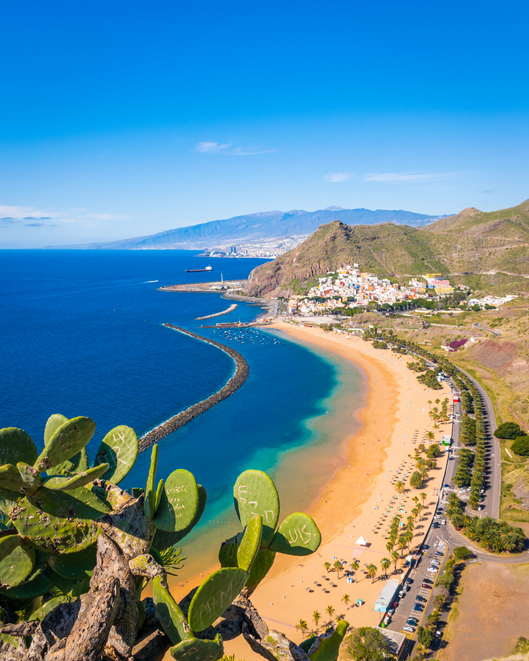
Whether it’s Gran Canaria, Fuerteventura or Tenerife: on the islands off the north-west coast of Africa, temperatures stay at least 20 degrees all year round. The sea breeze ensures a pleasant climate on hot days.
What’s more, it rarely rains, so you’re virtually guaranteed good weather. If you don’t want to spend all your time on the beach, you can explore the islands on a hike through the varied landscapes.
Practical information: The flight time is only four to five hours and there is no significant time difference. This makes the Canary Islands a viable option even for a shorter winter holiday.
Destination 03
Thailand
If you’re looking for really warm weather, head to Thailand. Temperatures are usually between 20 and 30 degrees, though it’s cooler in the north of the country.
Thailand captivates visitors with its stunning beaches and turquoise waters. The country’s varied landscape and culture promise a holiday that will be remembered for a long time to come, even away from the beaches.
Visiting local markets is doubly worthwhile: you’ll discover the country’s cuisine and buy directly from local vendors. When it comes to elephants, make sure you choose reputable sanctuaries that do not offer riding or swimming experiences.
Destination 04
Egypt
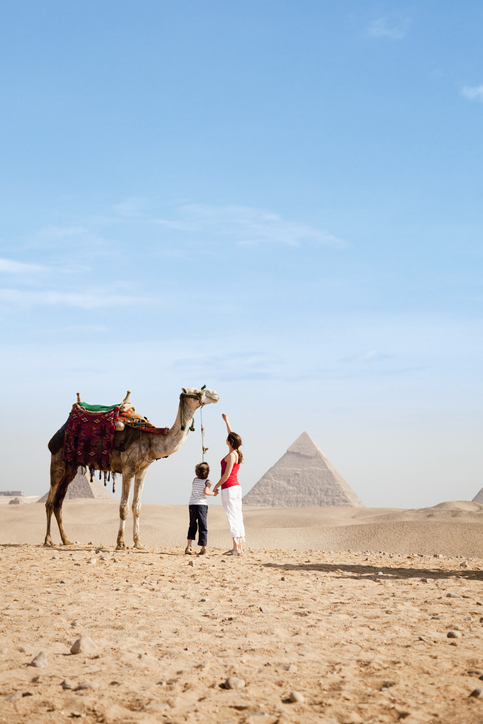
Who hasn’t dreamt of marvelling at the famous pyramids or crossing the Nile? From November to February, you can do just that in pleasant daytime temperatures of around 20 degrees. It cools down significantly at night, so be sure to pack a jacket.
What makes this North African country so special is that you can really unwind and enjoy idyllic landscapes. A highlight is a camel ride through the desert followed by dinner in a traditional Bedouin village.
Destination 05
South Africa
One fact that never ceases to surprise us: even though the flight takes around ten hours, there’s no time difference. Germany and South Africa are in the same time zone during winter. So no jet lag.
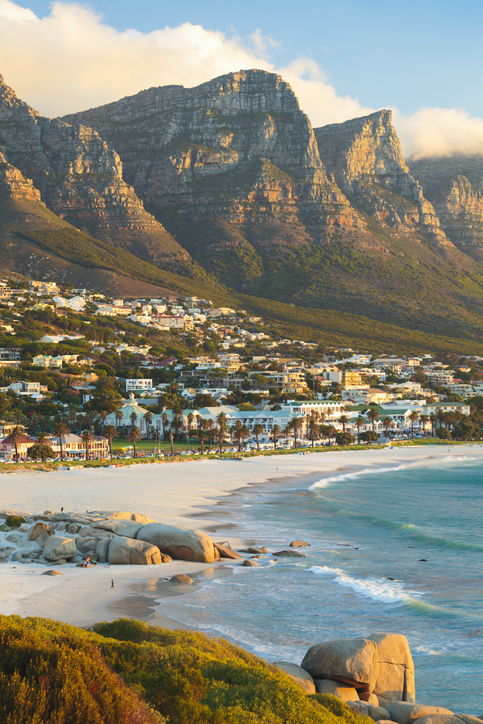
If you’re planning to travel to South Africa, Cape Town is the best place to start. Situated at the foot of Table Mountain, the city combines nature with a multicultural atmosphere. From the summit, you’ll enjoy sweeping views over the city and the ocean.
There’s plenty to discover outside Cape Town too, not least the Drakensberg Mountains. When going on safaris, make sure you find out in advance how the animals are treated. You should avoid programmes where you can stroke lions or feed cubs – this causes the animals a great deal of stress.
Destination 06
Mexico
When asked “Where to travel in winter?”, Mexico isn’t the first place that springs to mind for many people. Yet there are plenty of reasons to visit: Caribbean beaches, colourful cities and a wealth of cultural diversity. The temple complexes, in particular, delight visitors from all over the world.
The climate varies significantly depending on the region. The best time to travel is between December and May, with temperatures around 30 degrees.
Mexico is one of the most biodiverse countries on Earth. In the sea you’ll encounter turtles, dolphins, rays and whales; in the jungle, monkeys, sloths and toucans; and in the desert, coyotes, black bears and lynx.
A direct comparison of sunny holiday destinations
Which destination suits you best depends mainly on three things: how much time you have, how long you’re willing to spend on a plane, and how much jet lag bothers you.
Destination
Temperatures in winter
Flight time from Germany
Time difference
Canary Islands
20 to 24 degrees
4 to 5 hours
1 hour ago
Egypt
20 to 25 degrees
4 to 5 hours
1 hour ago
South Africa
25 to 30 degrees
around 10 hours
none
Thailand
25 to 32 degrees
around 11 hours
6 hours ago
Mexico
25 to 30 degrees
around 12 hours
7 hours ago
Australia
25 to 37 degrees
over 24 hours
8 to 10 hours before
Information current as of
All information is for guidance only and is correct as of August 2026. Temperatures vary depending on the region and the year; flight times depend on the departure airport and any stopovers. The time difference changes with daylight saving time. Check entry requirements and connections before booking.
A rule of thumb for trip duration: the longer the flight, the longer the stay should be. For Australia, it’s worth spending at least three weeks; for the Canary Islands, one week is enough.
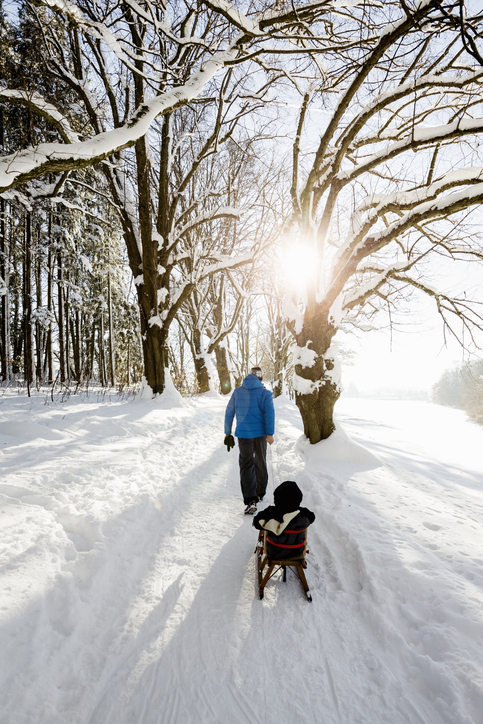
Off to the snow
You don’t have to travel far to escape the grey winter. The most beautiful snowy regions are right on your doorstep and can be reached by car or train.
Austria and Tyrol
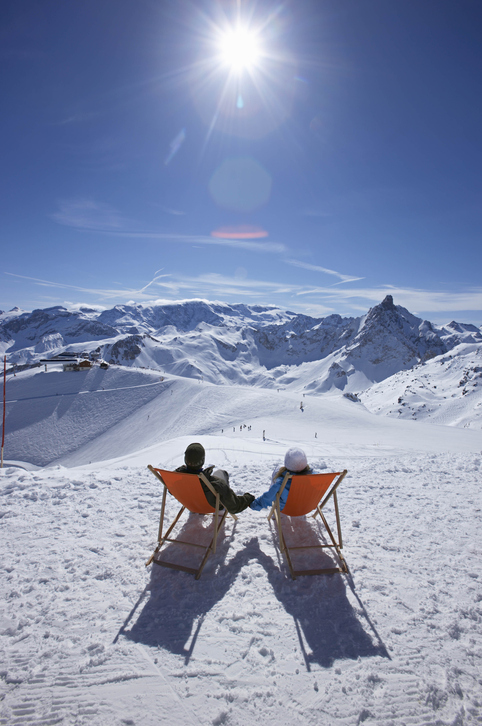
As an alternative to the often rainy weather in Germany, a winter holiday in Austria is well worth it. Whilst particularly popular for skiing holidays, hikes through the snow-covered landscapes are also a real experience here.
Switzerland
Another winter classic, with picturesque snow-covered landscapes and a very well-developed rail network extending right up to the mountain resorts.
Bavaria and Saxon Switzerland
If you’d like to stay in Germany, you’ll find suitable destinations here. The region around the Zugspitze is ideal for both skiing and snow hiking.
A planning tip: Snow conditions at lower altitudes now vary considerably. If you’re relying on snow, it’s worth checking the altitude of the ski resort and the latest snow reports before you book. Many regions also offer a ski bus from the station to the valley station – handy if you’re travelling without a car.
City breaks in winter
Our favourite to finish with: train journeys to European cities. City breaks are particularly recommended in the run-up to Christmas. Decorated shop windows here, small Christmas markets there and twinkling lights everywhere – cities such as Paris, Antwerp, Brussels, Amsterdam and Nuremberg enchant visitors in December with their special atmosphere.
Travelling by train is often not only more comfortable but also cheaper than flying – and an experience in its own right.
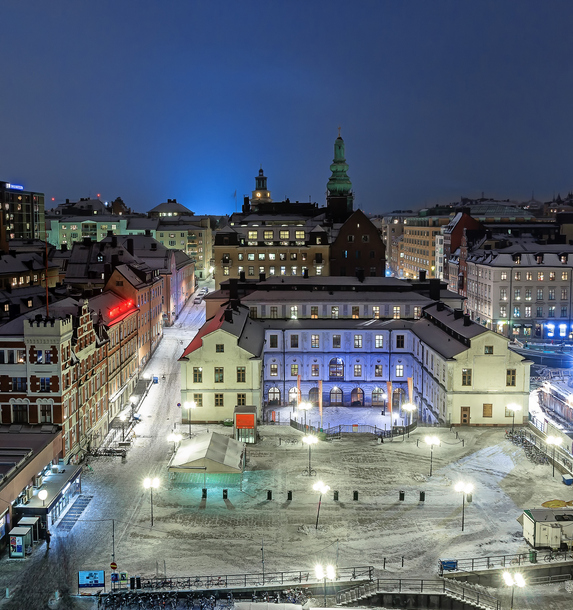
A seasonal night train runs between Hamburgand Stockholm: you board your compartment in the evening and arrive in the Swedish capital the next morning, well-rested. Your first stop should ideally be at a bakery, where you can order a kanelbulle, Sweden’s favourite cinnamon bun. Afterwards, you can explore the city by bus and underground.
These six points will help you find the right winter destination:
Flight time and time difference: For holidays of less than a week, it’s not worth travelling to a destination with a flight time of over ten hours. Otherwise, jet lag will eat up half your holiday.
Check the rainy season: warm doesn’t automatically mean dry. In parts of Thailand and Mexico, there are distinct rainy seasons that vary from region to region.
Entry requirements: Clarify visa requirements, passport validity and vaccination recommendations well in advance, as some procedures can take weeks.
Travelling without a car: Check whether your destination can be reached by train or shuttle bus. This saves you from having to hire a car and often a lot of stress.
Guaranteed snow: When planning a skiing holiday, pay attention to the altitude and current snow reports rather than the pictures in the brochures.
Interaction with animals: Find out in advance about safaris, elephant camps and dolphin programmes. Reputable operators avoid direct contact.
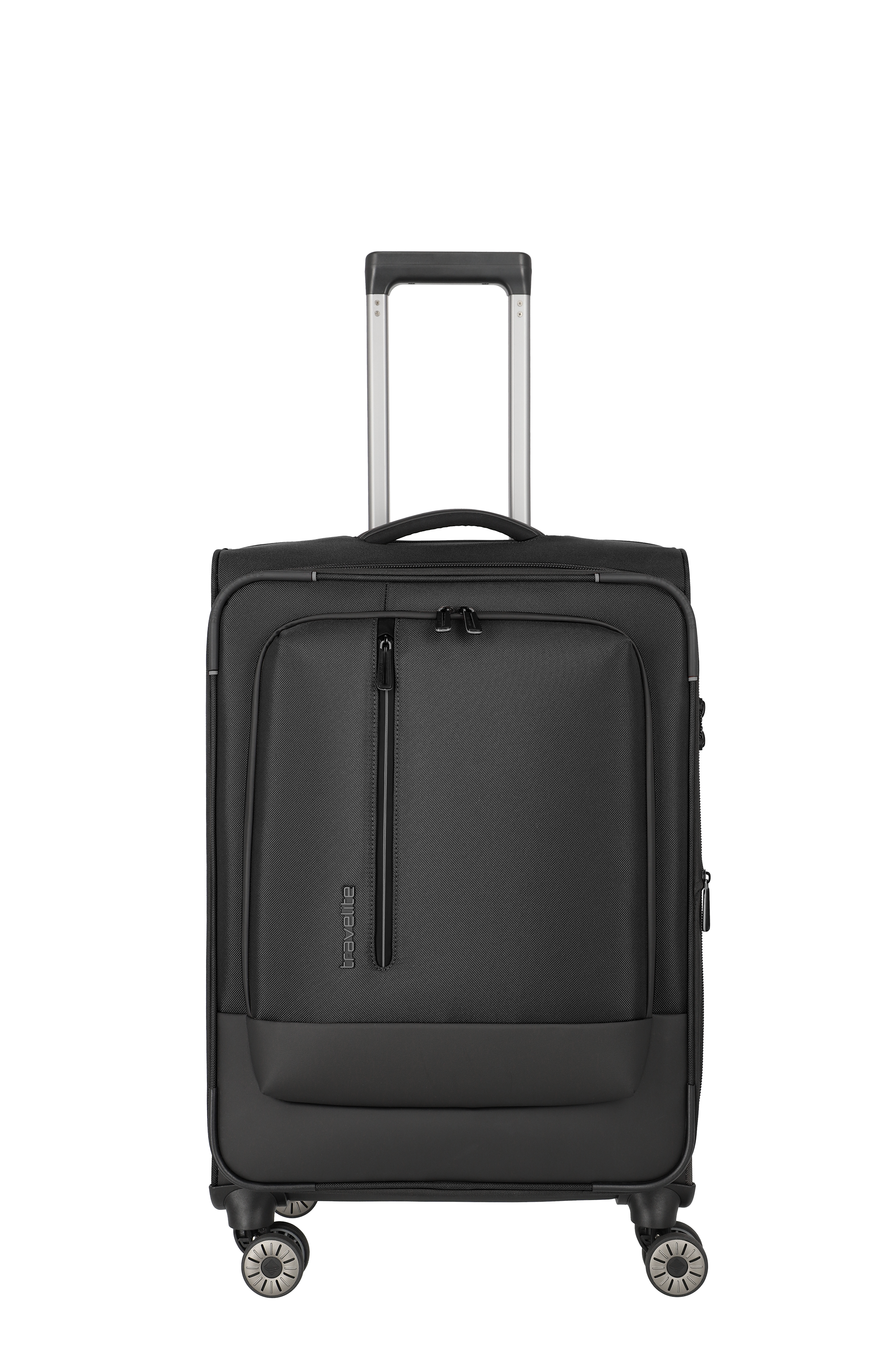
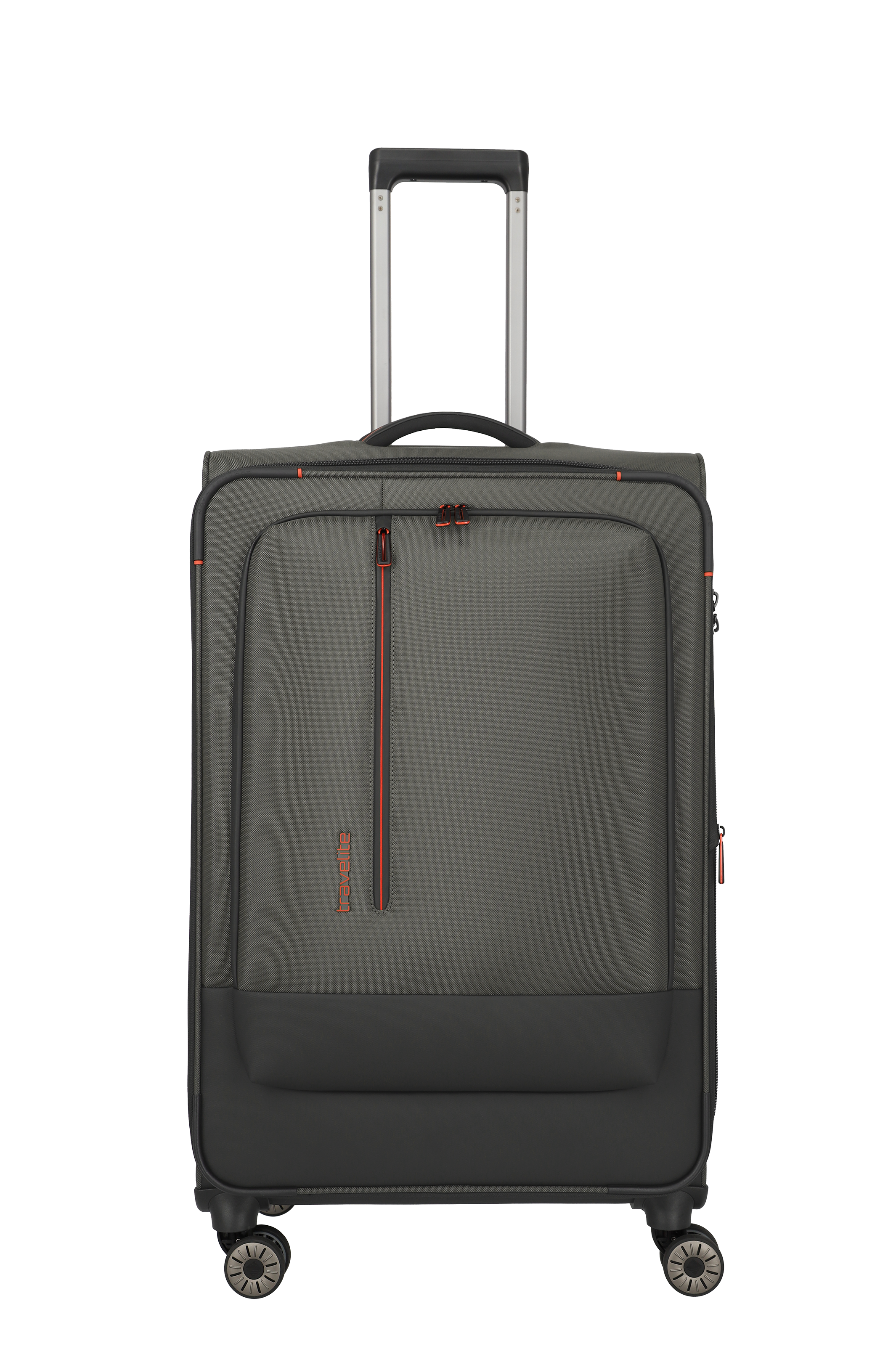
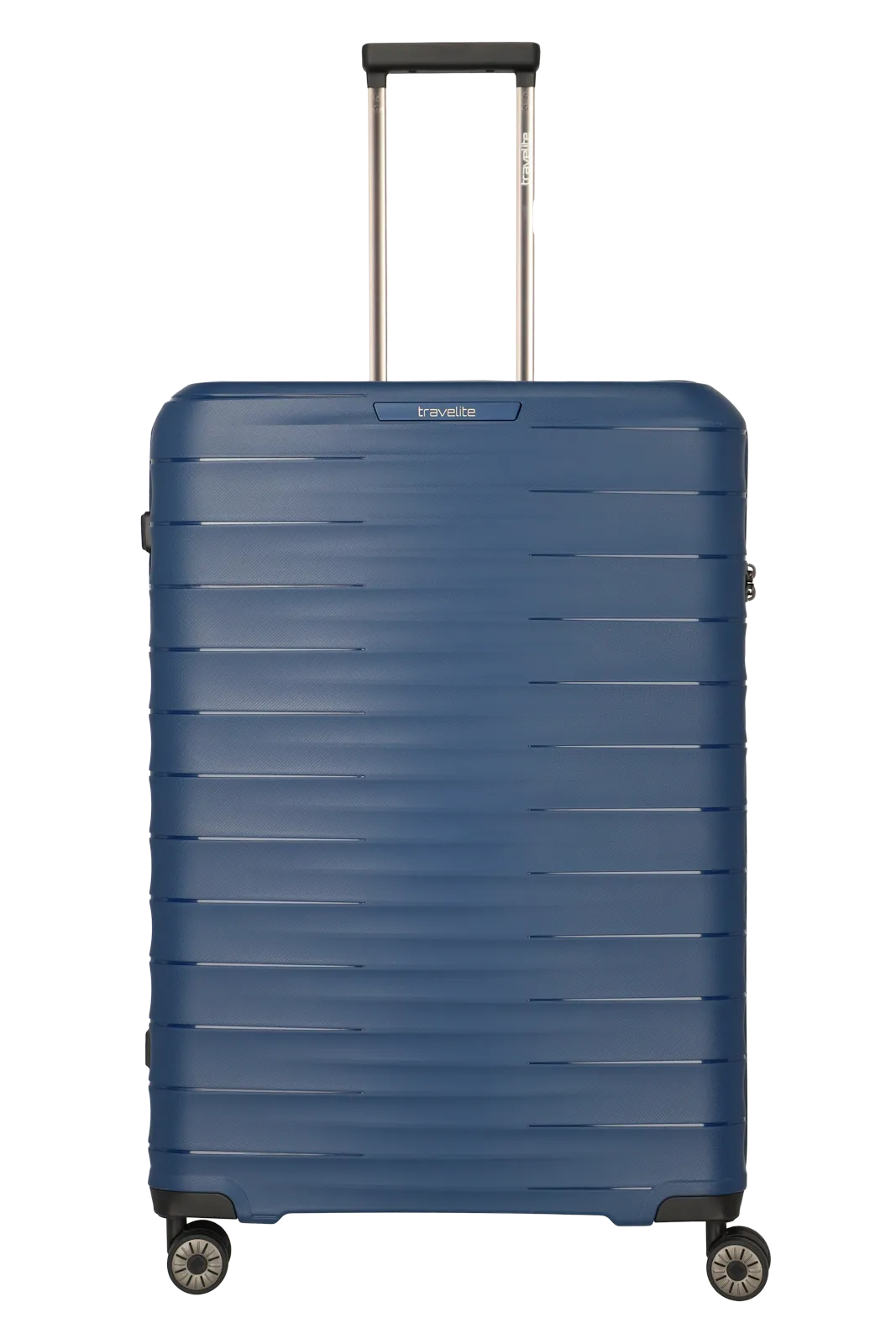
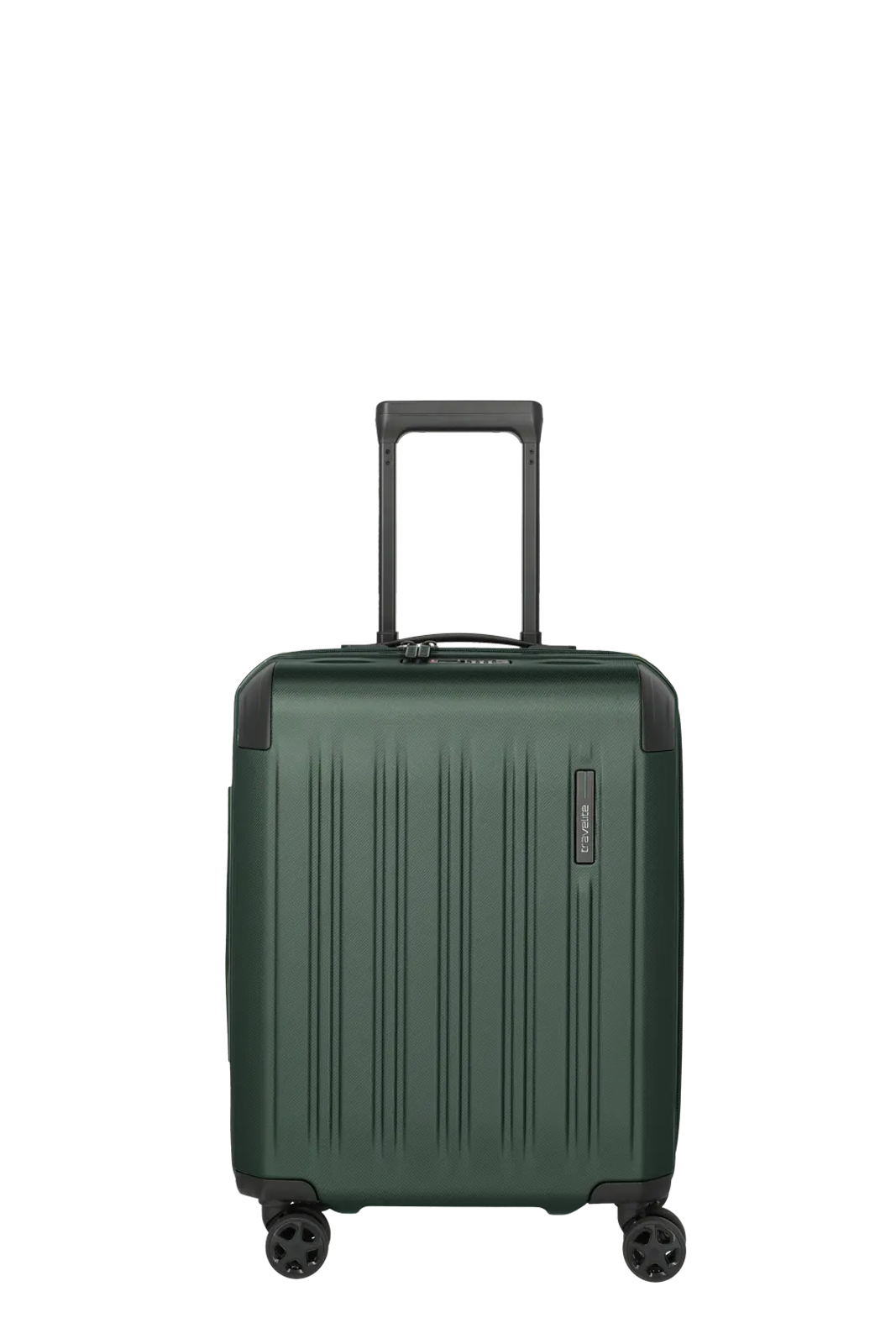
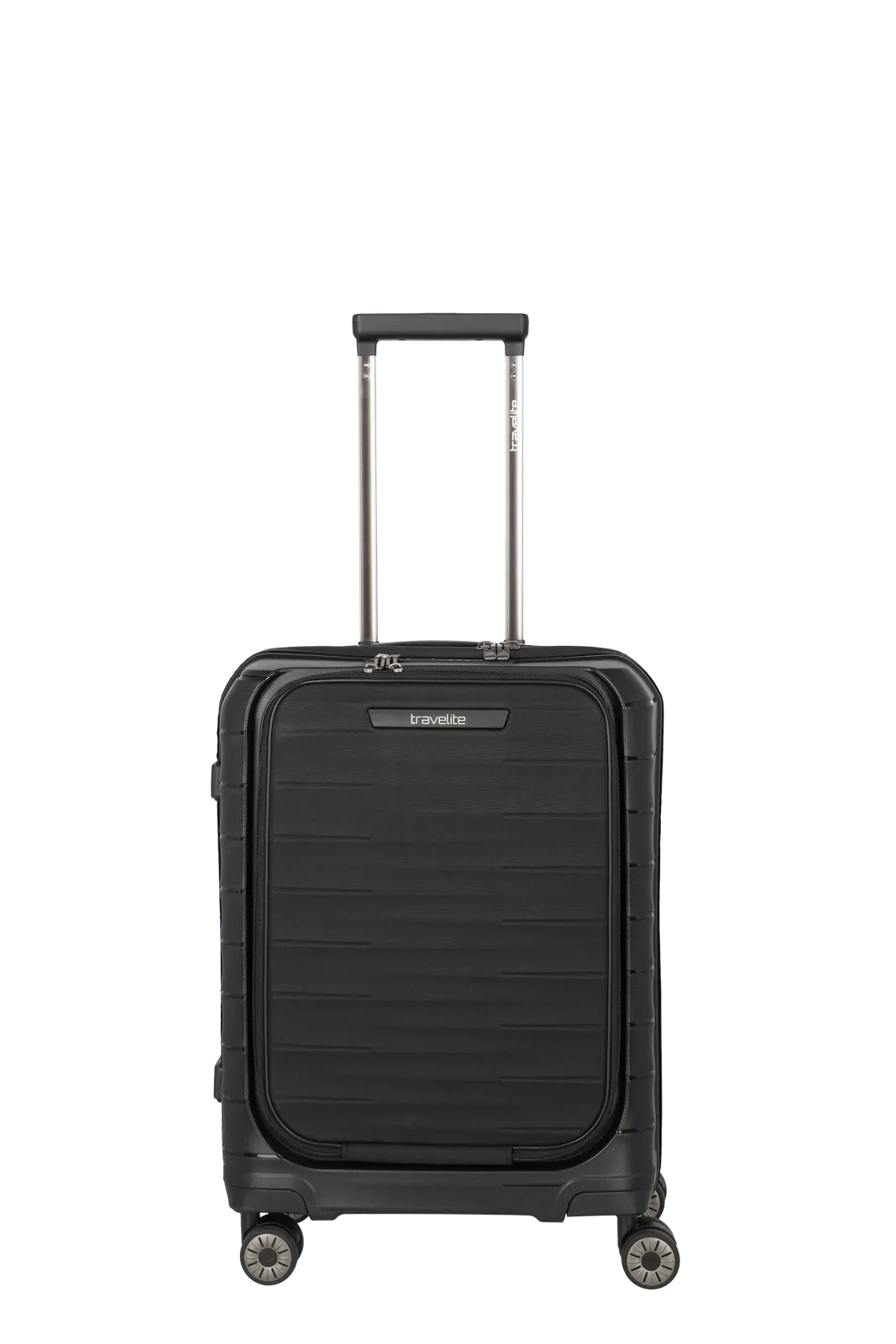
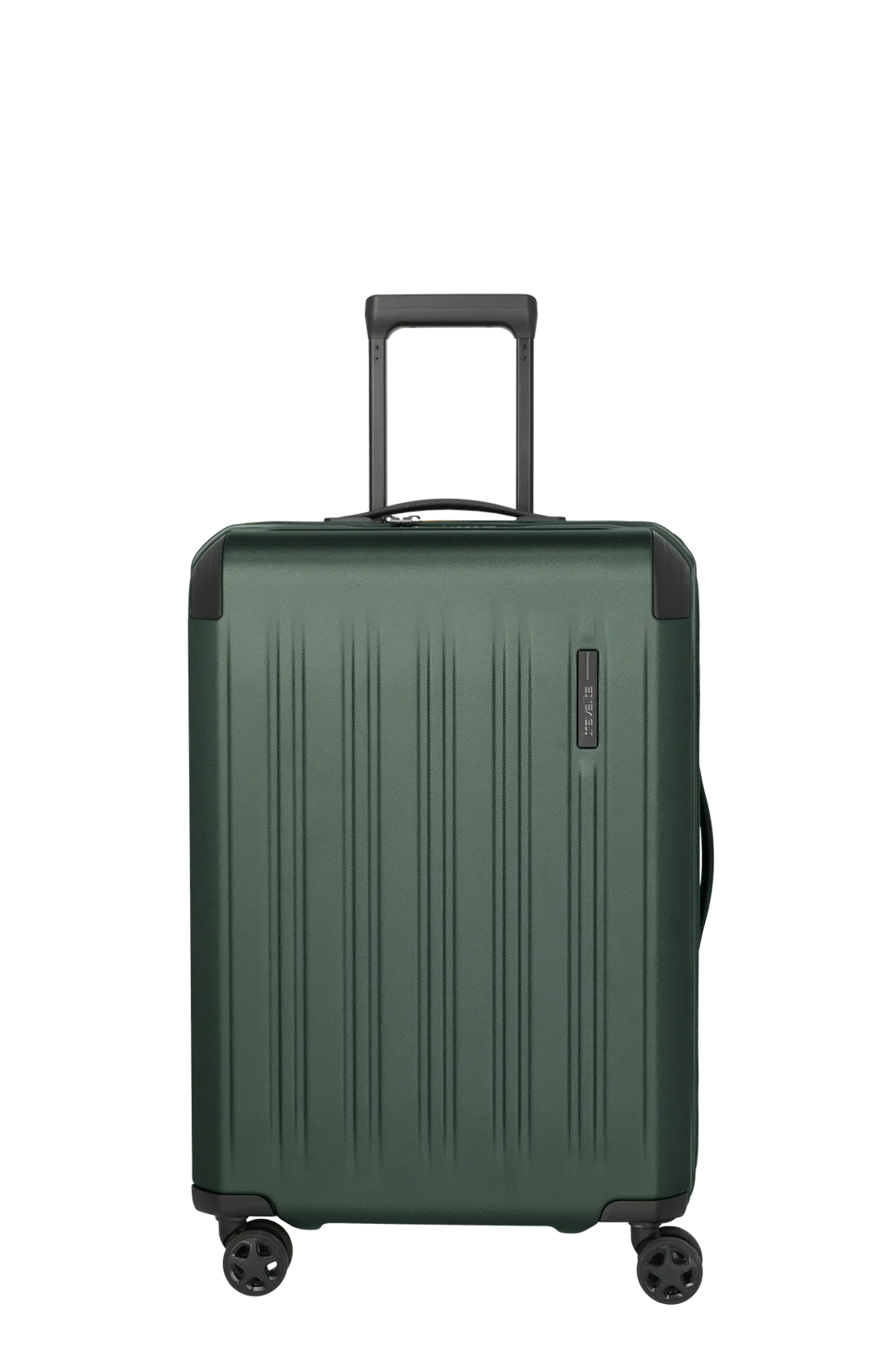
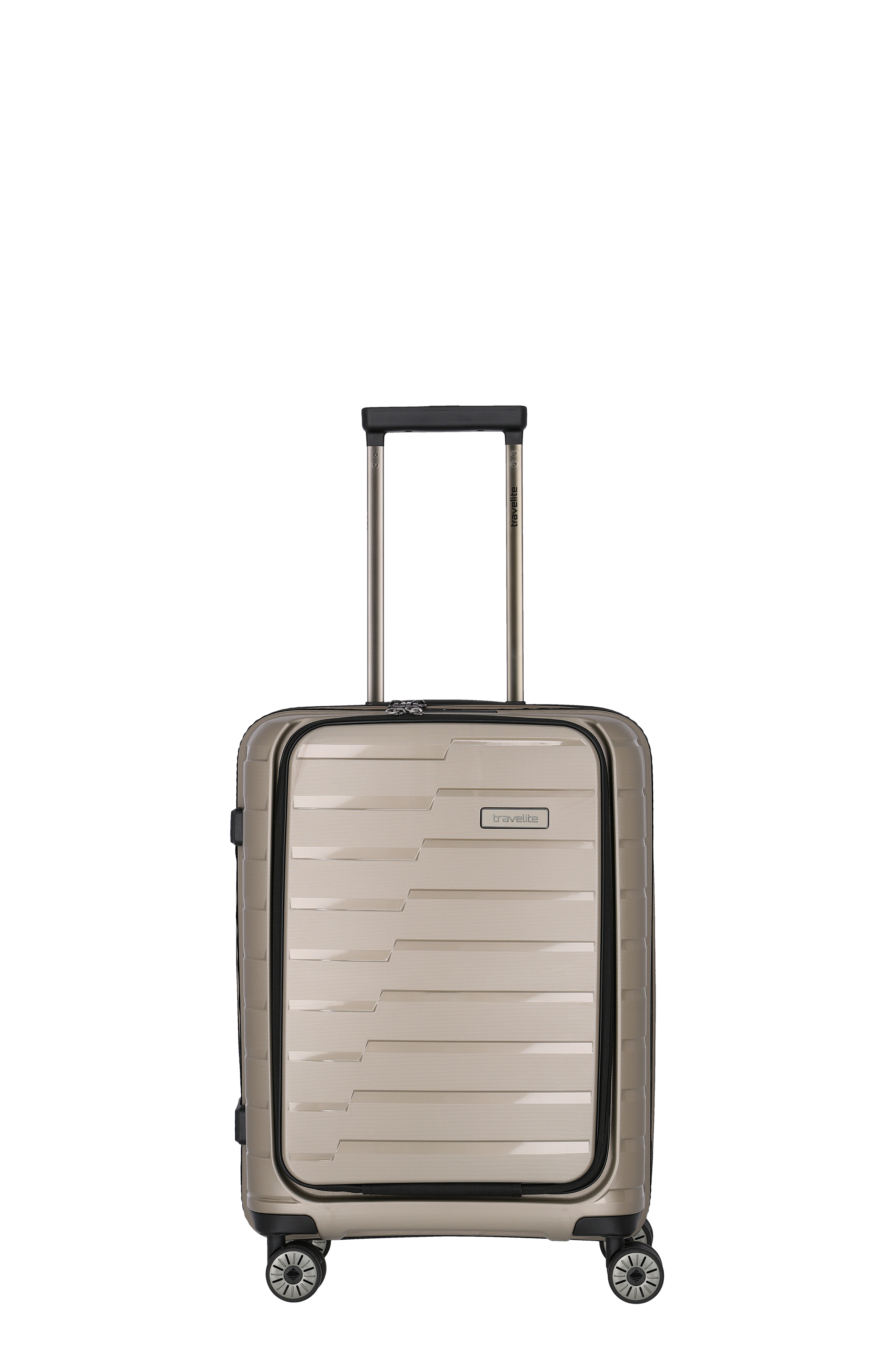
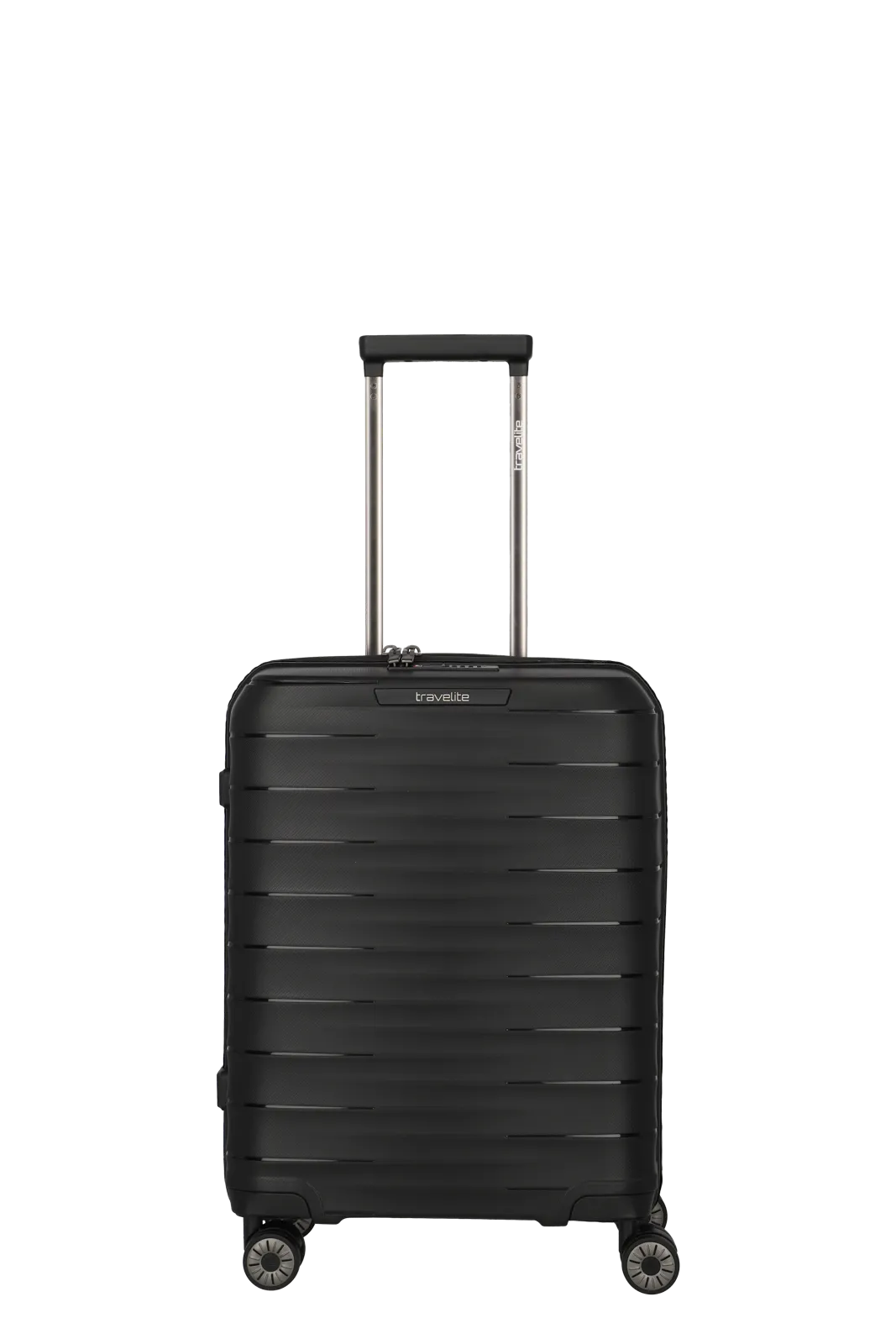
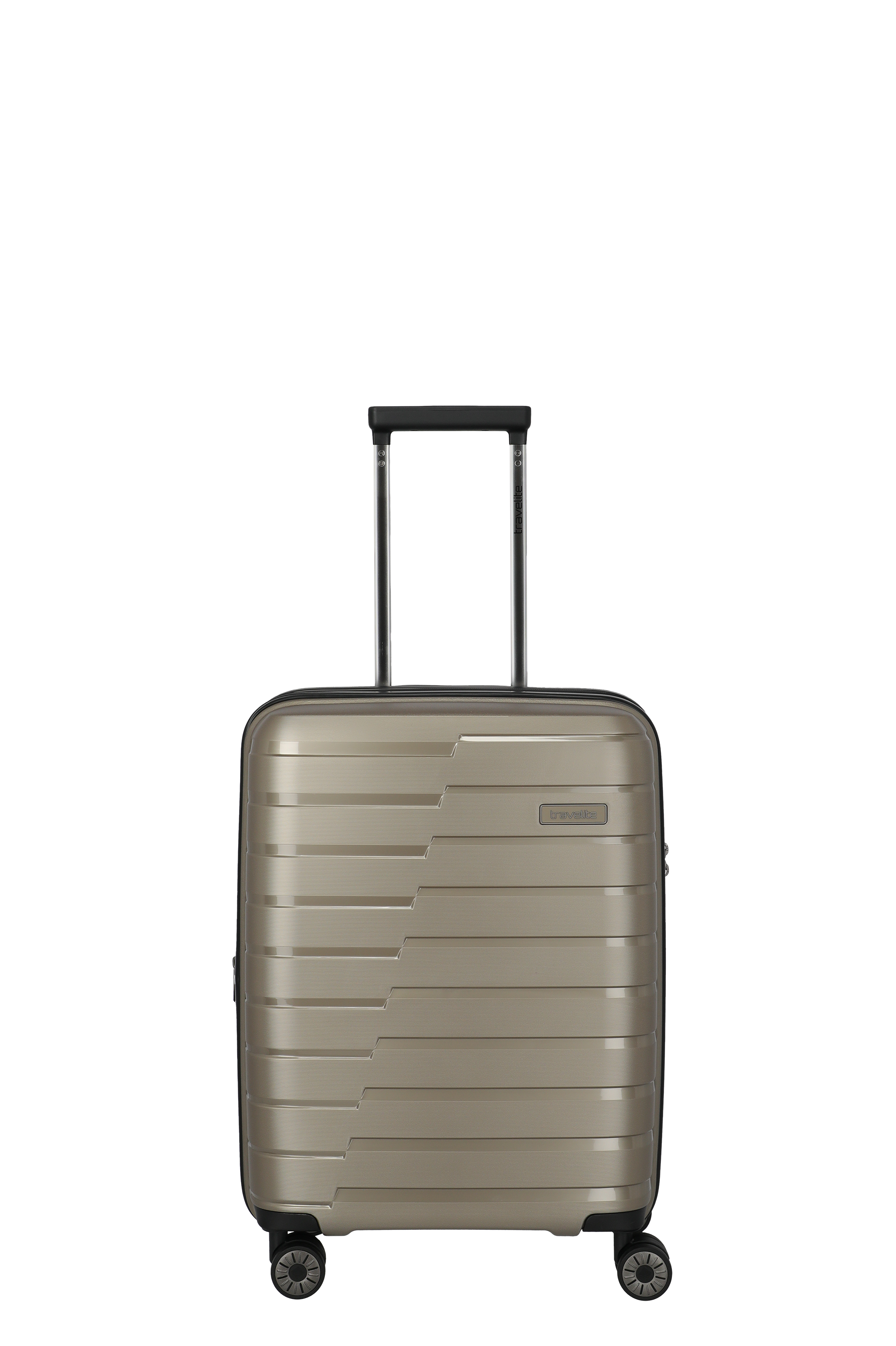
The right luggage for a winter holiday
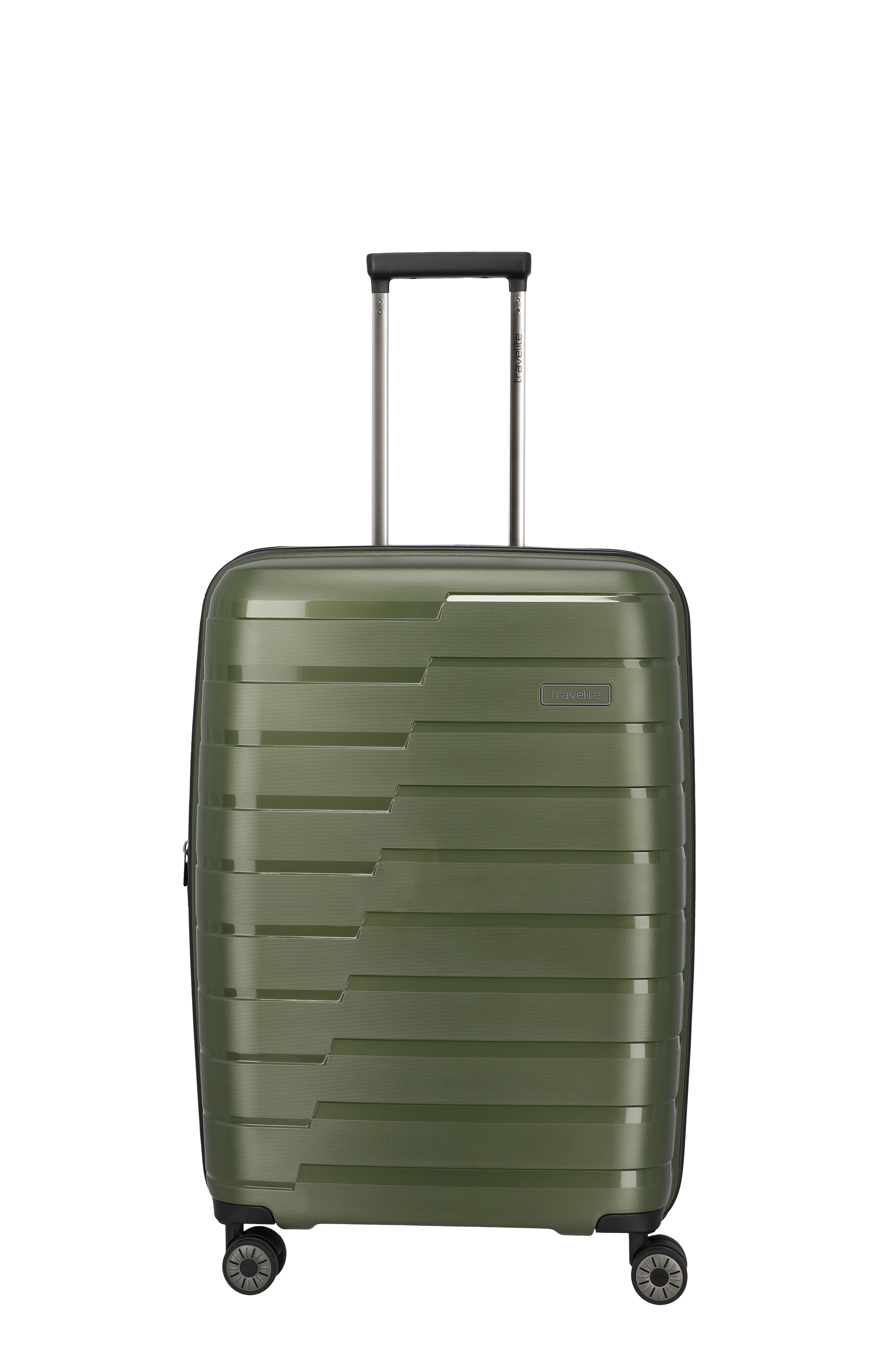
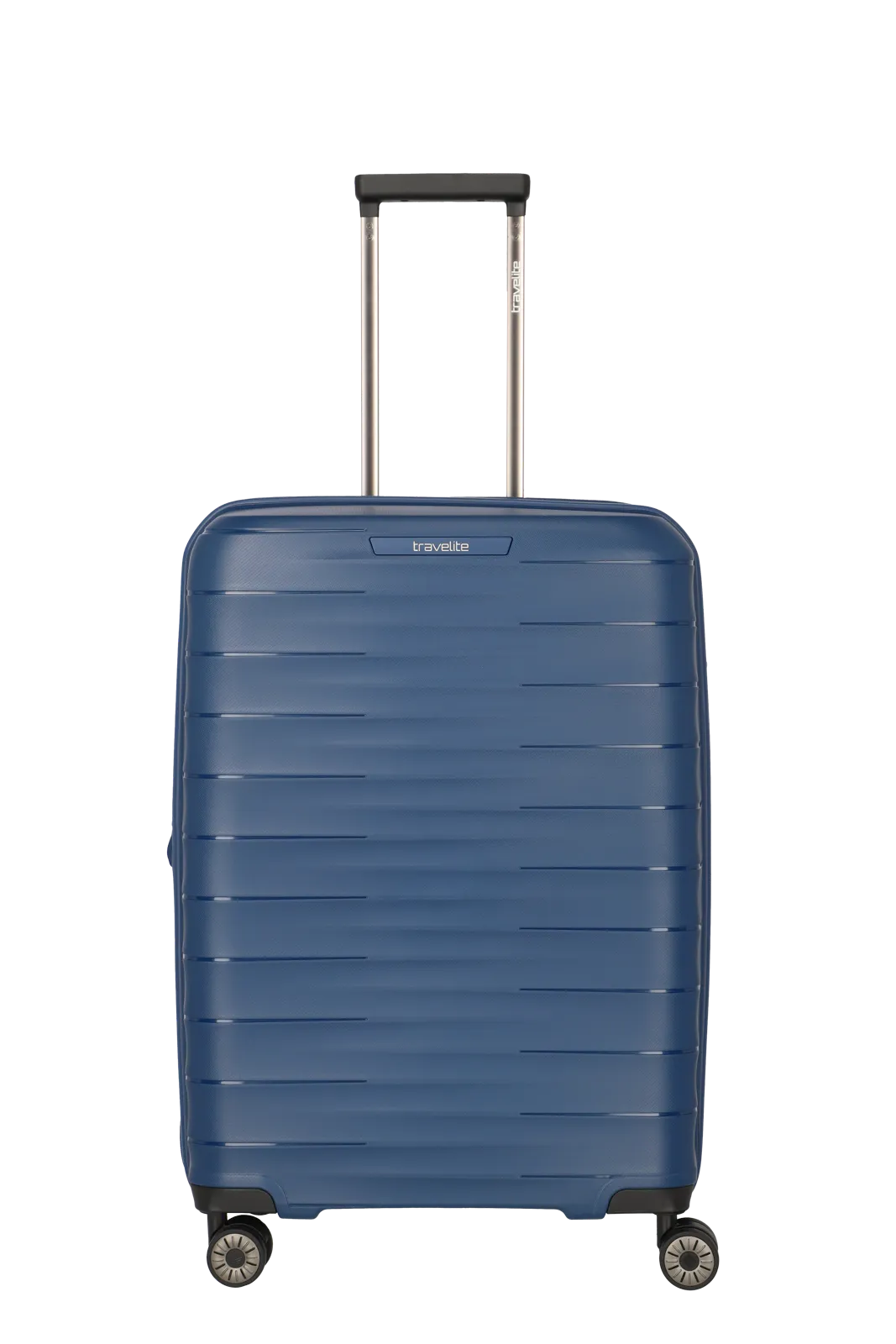
Winter holidays place two very different demands on your luggage. For a long-haul trip to a sunny destination, you’ll need few and lightweight items; for a skiing holiday, you’ll need considerably more space.
Long-haul holidays to sunny destinations
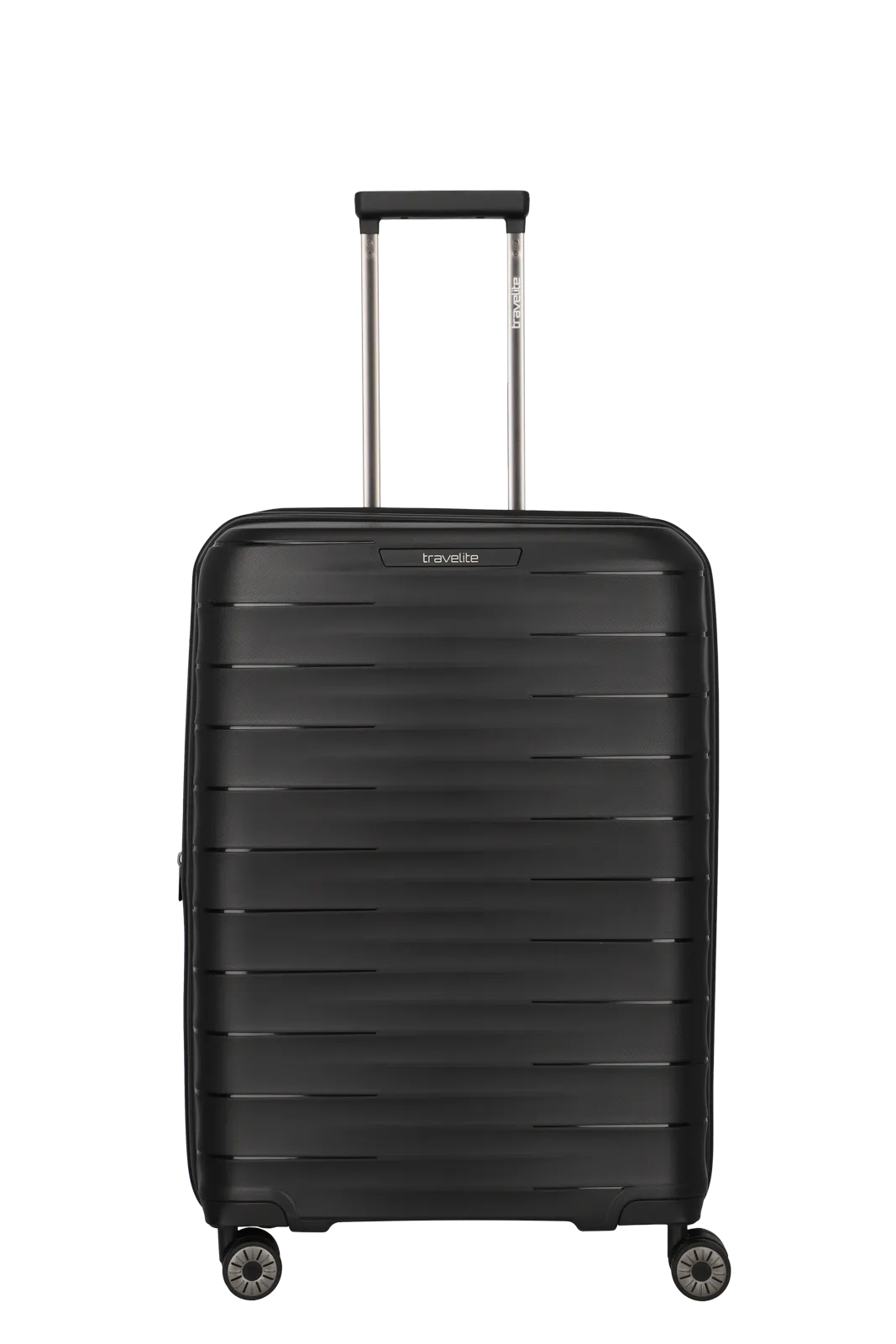
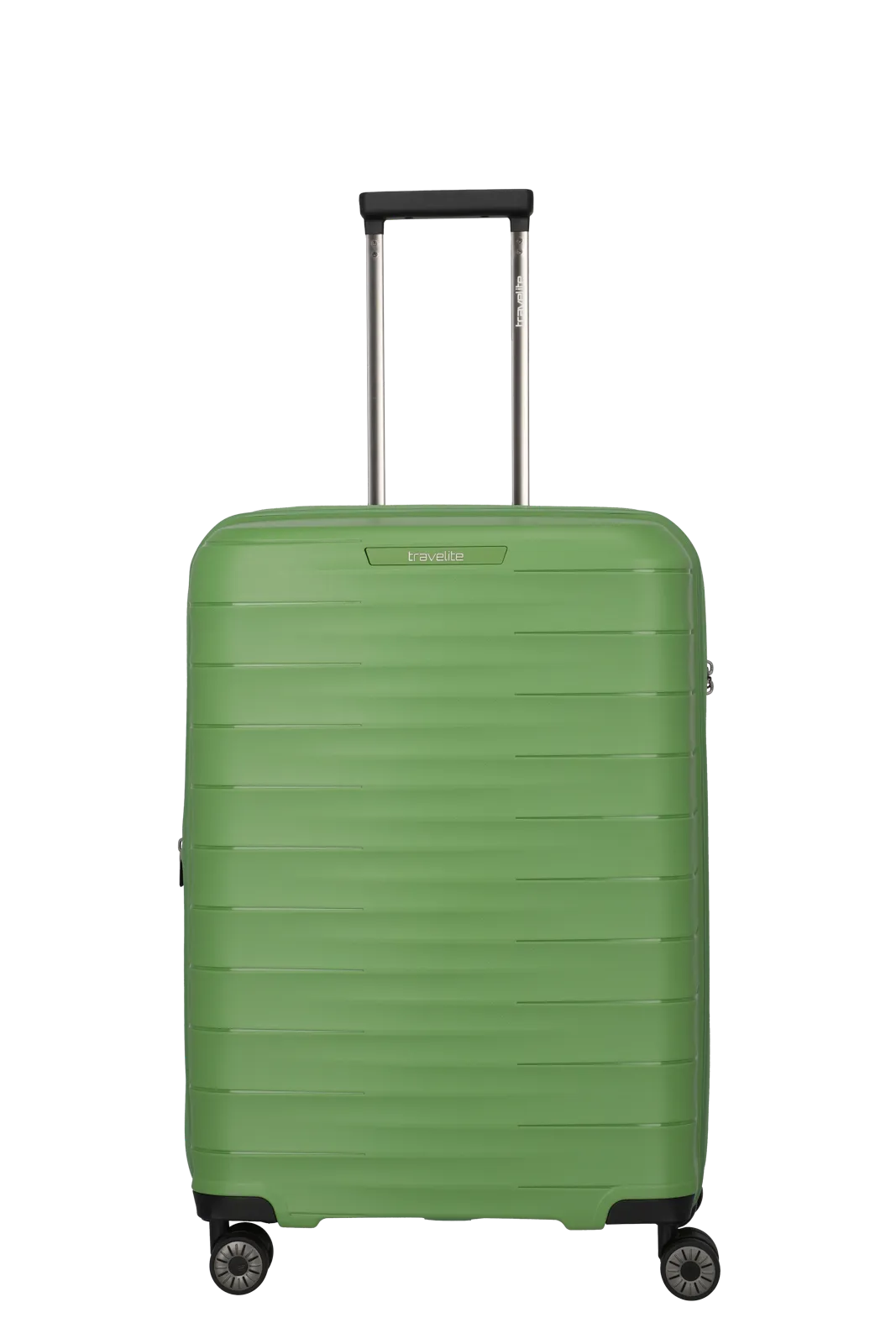
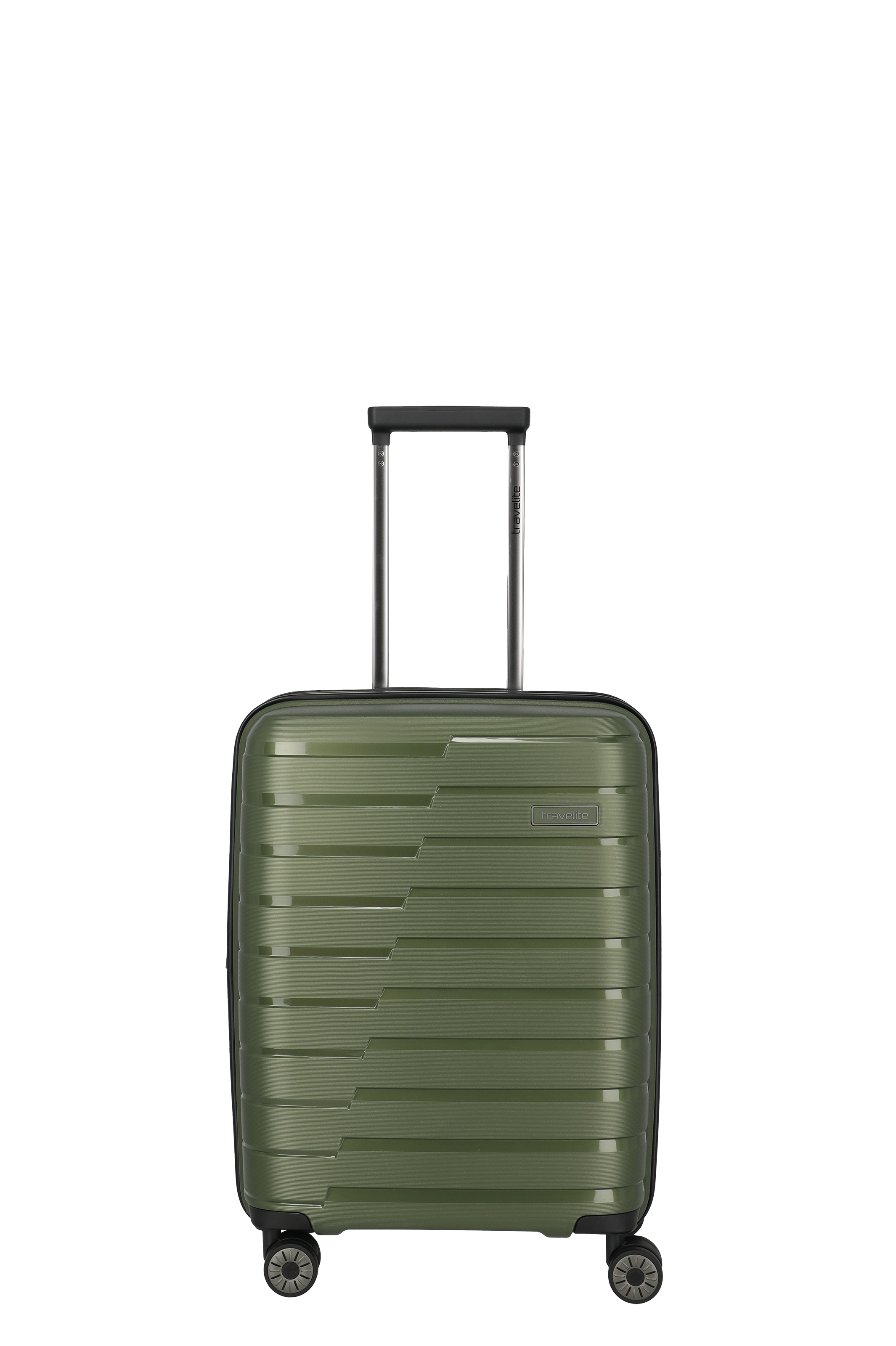
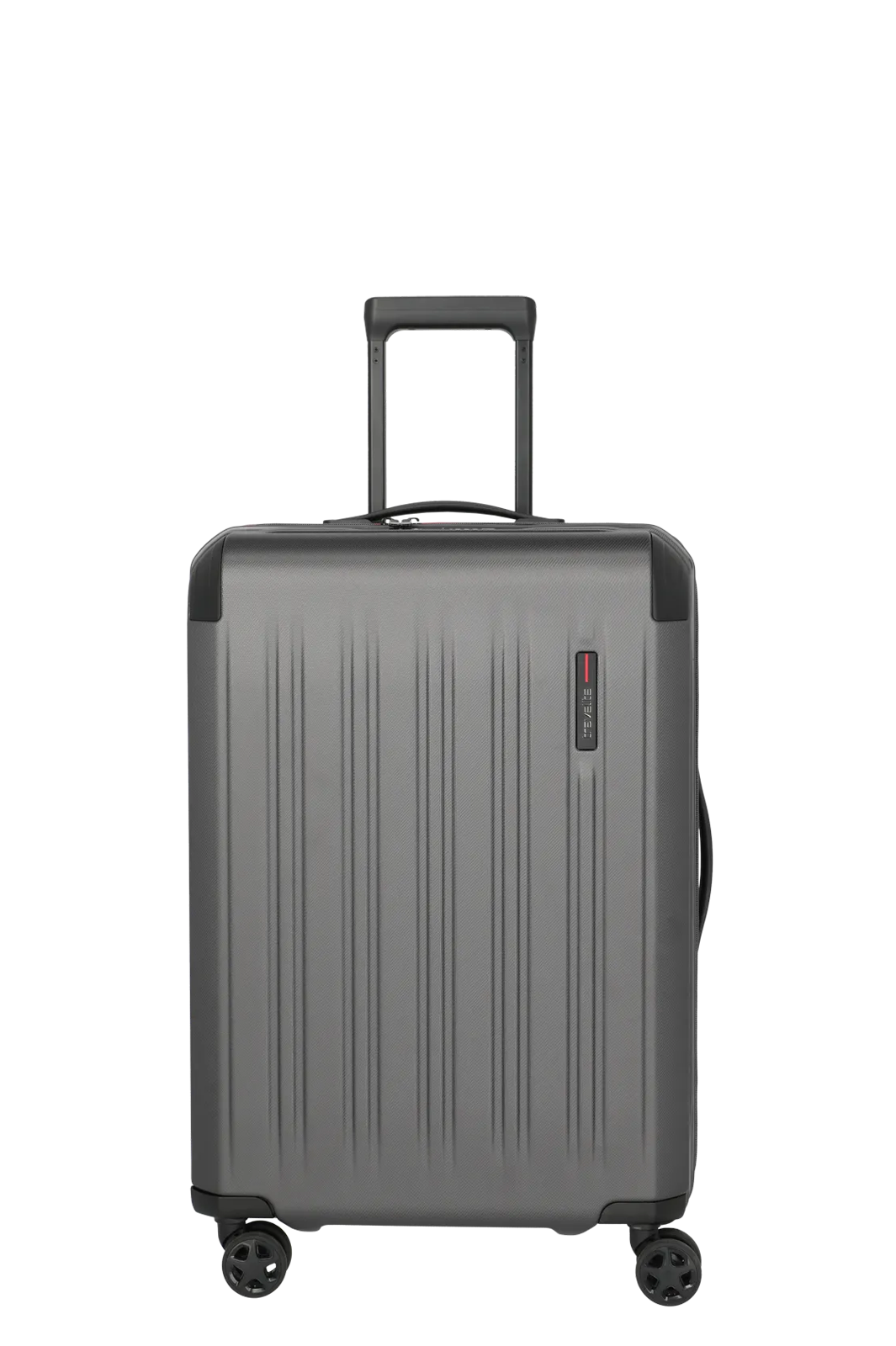
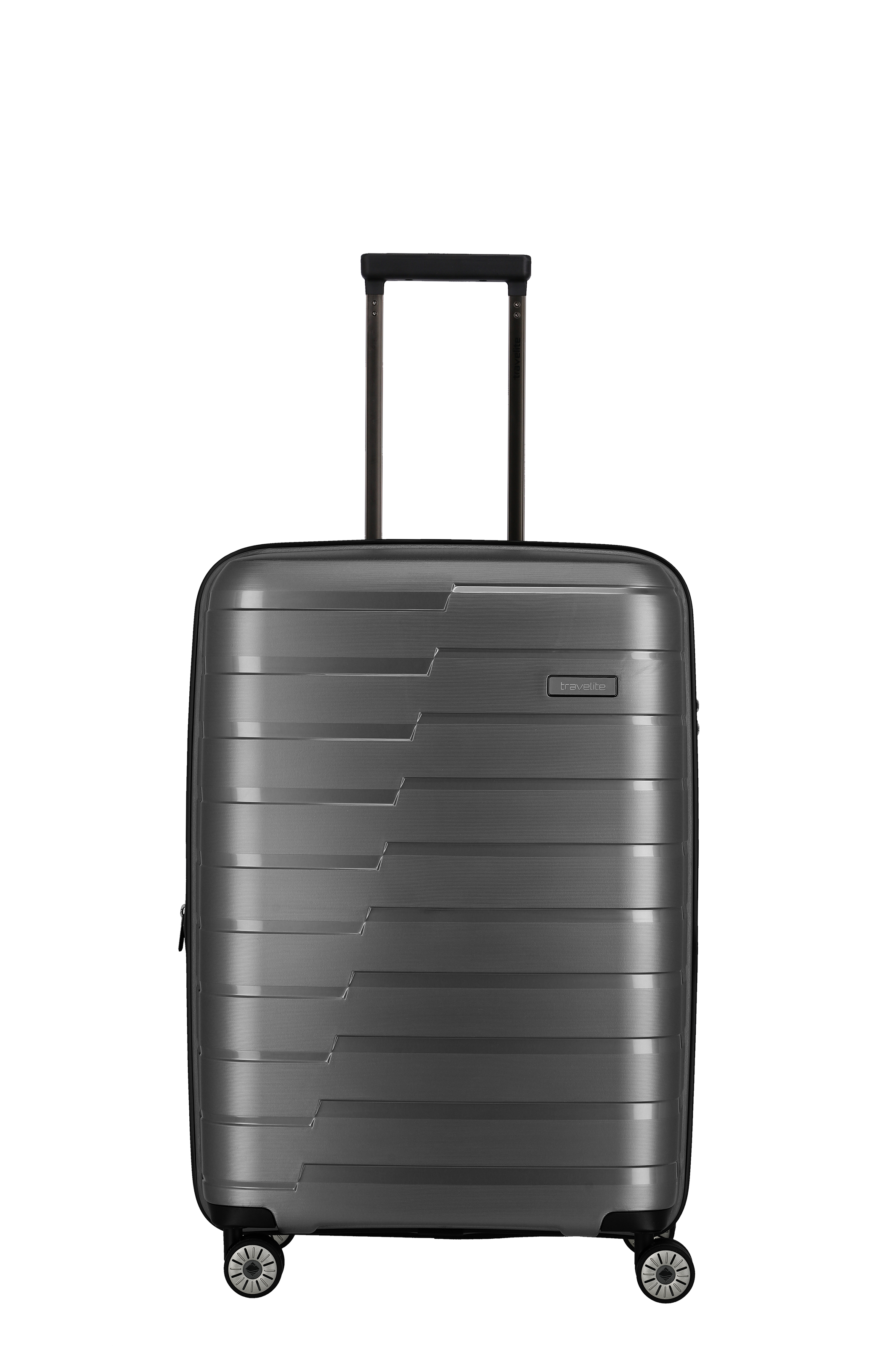
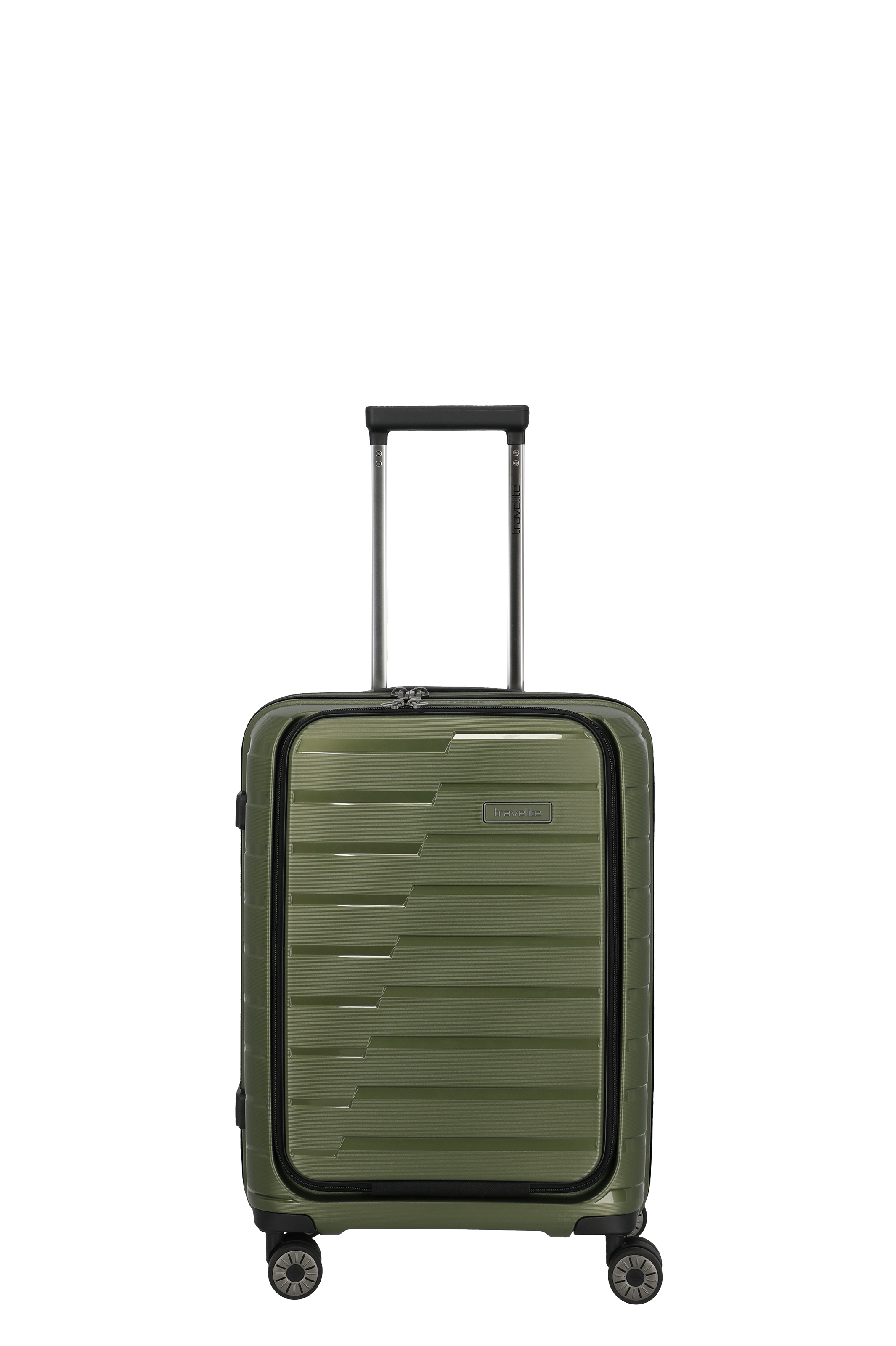
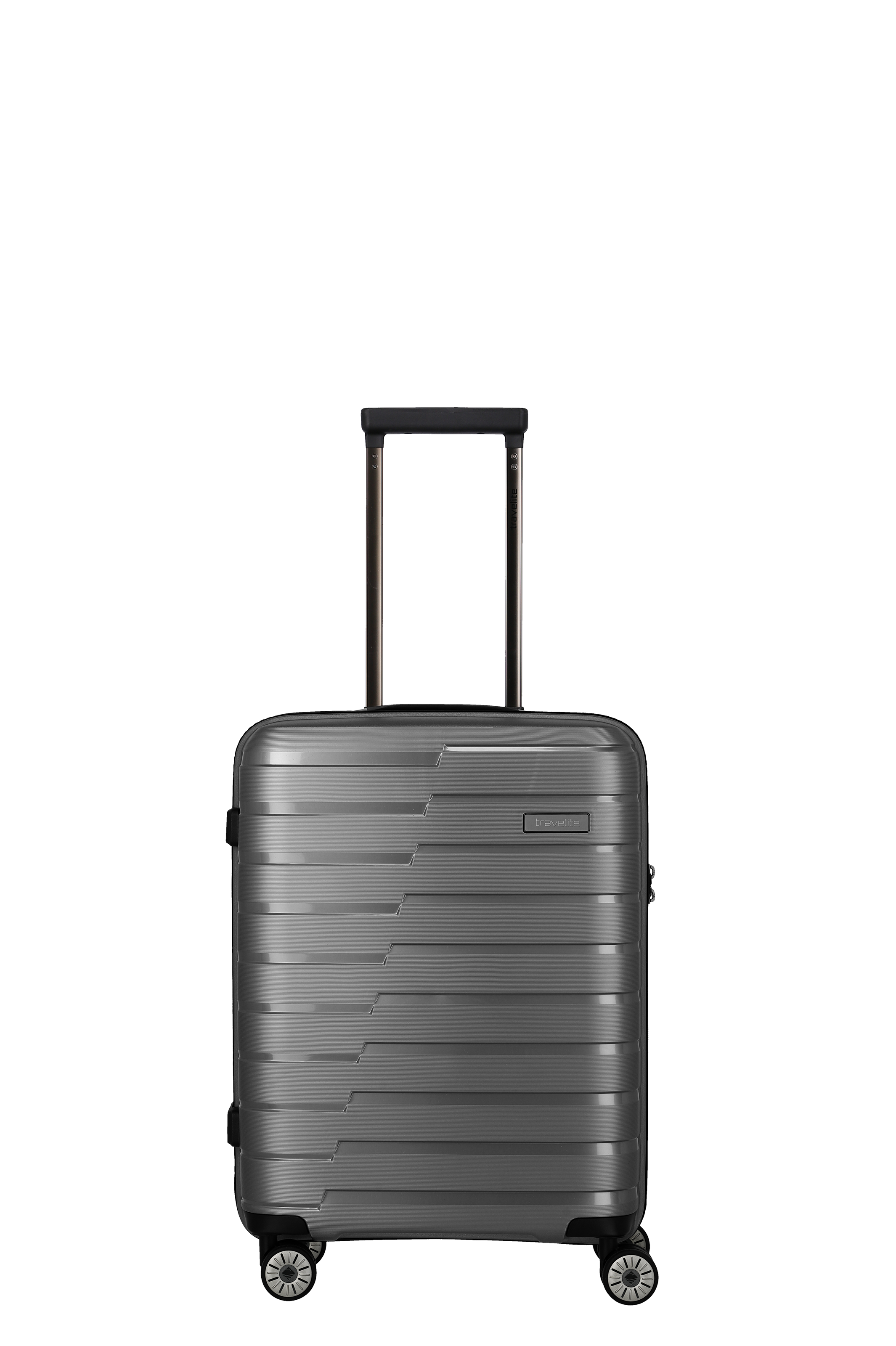
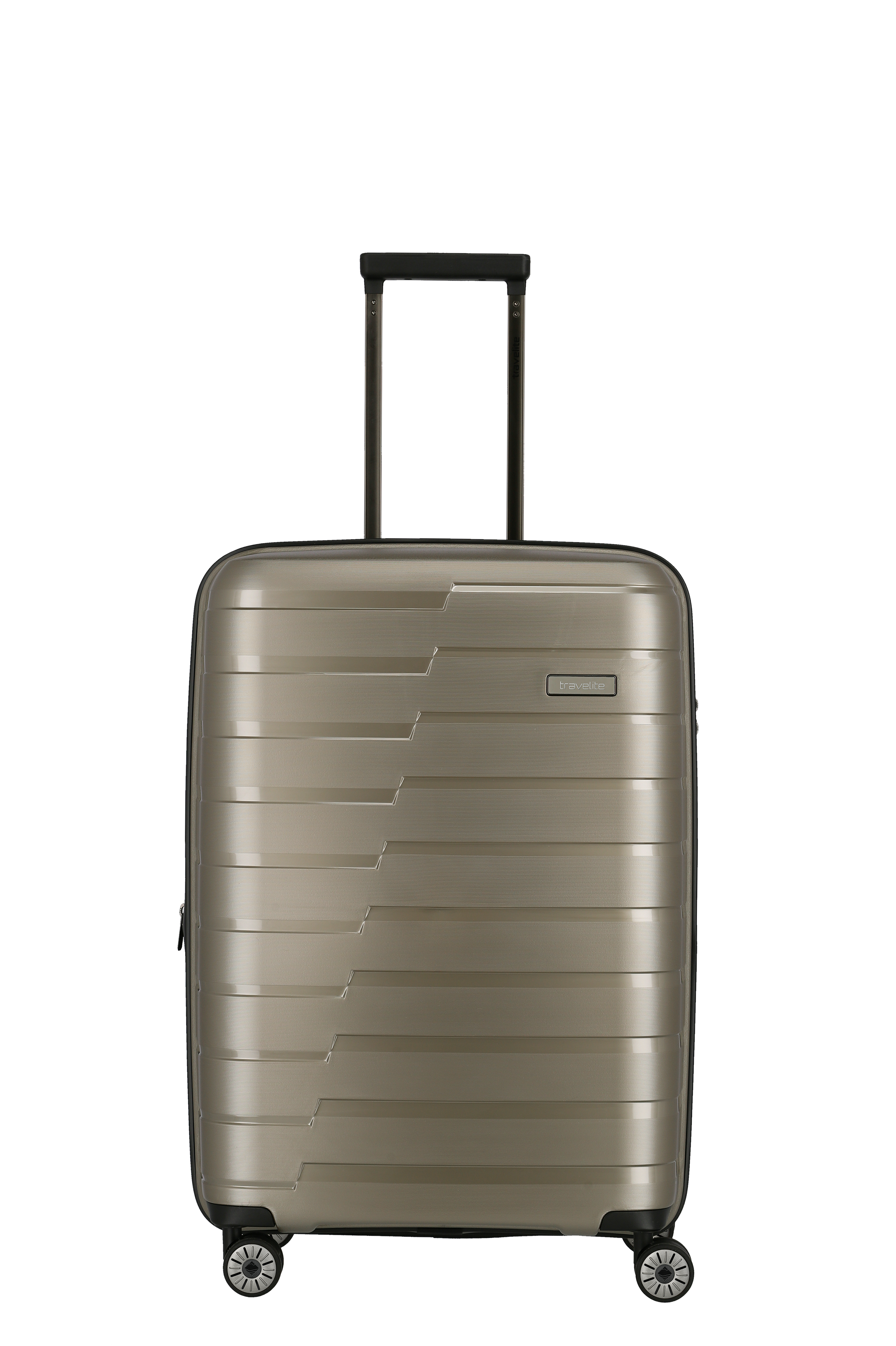
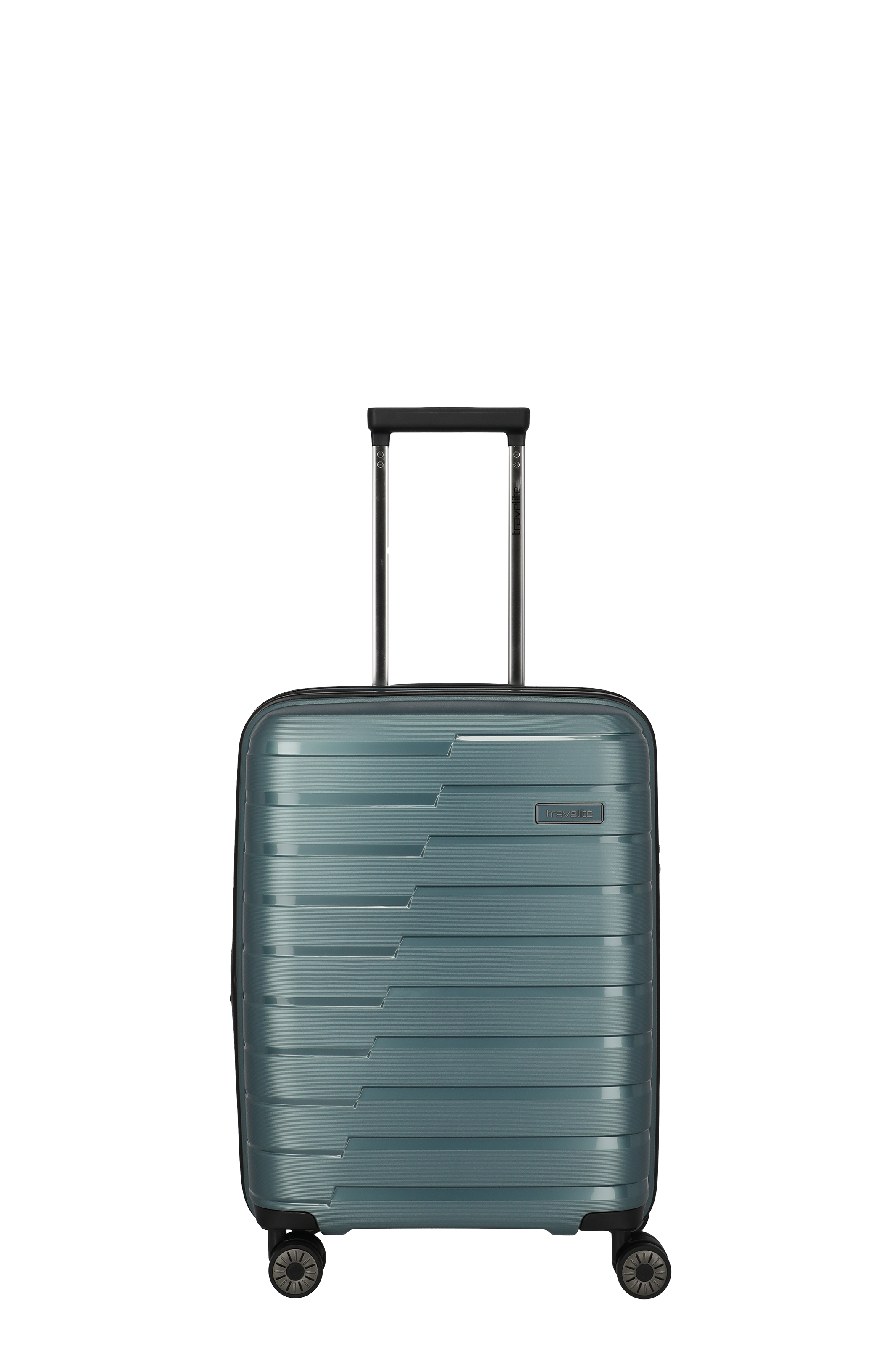
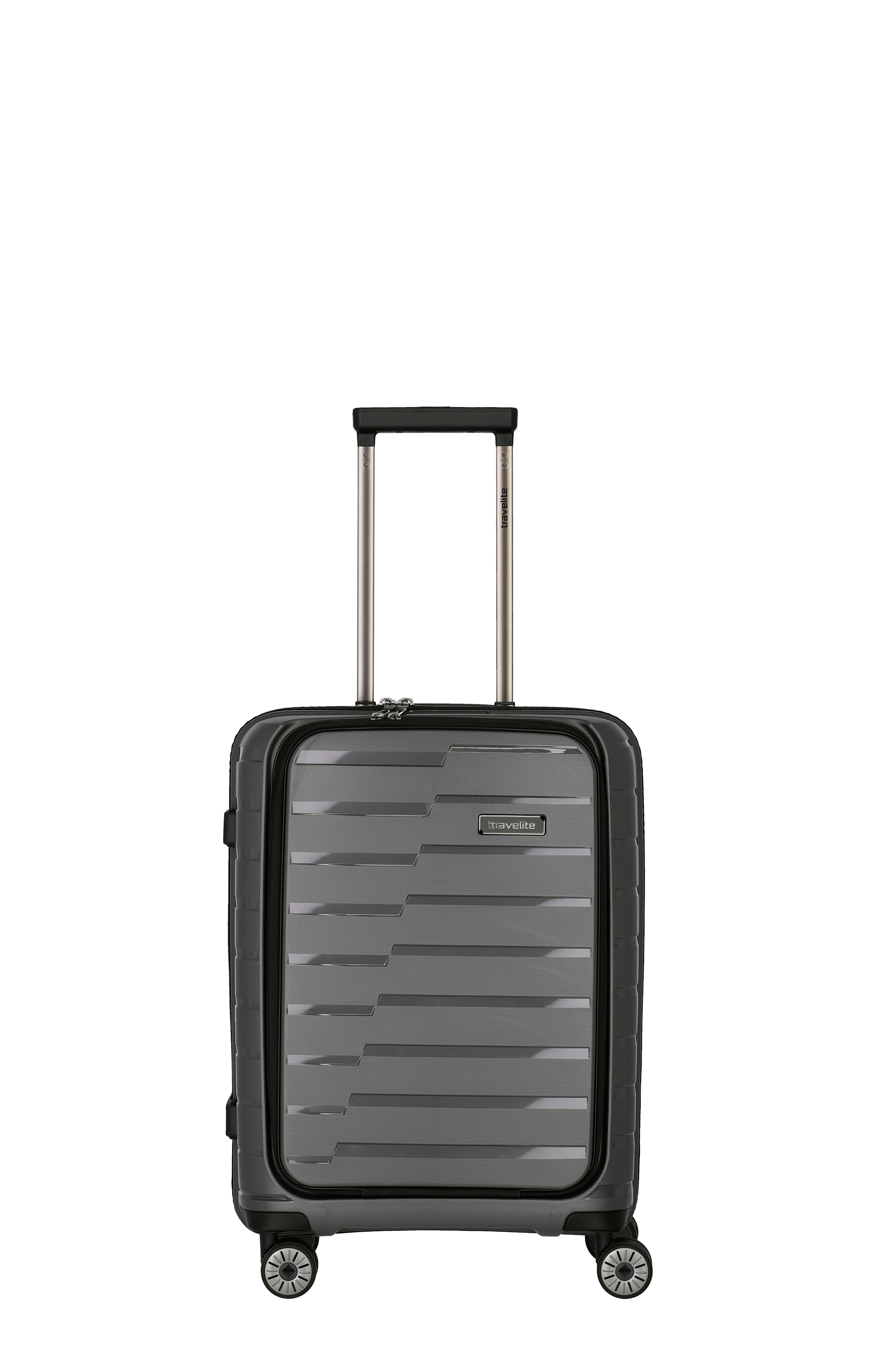
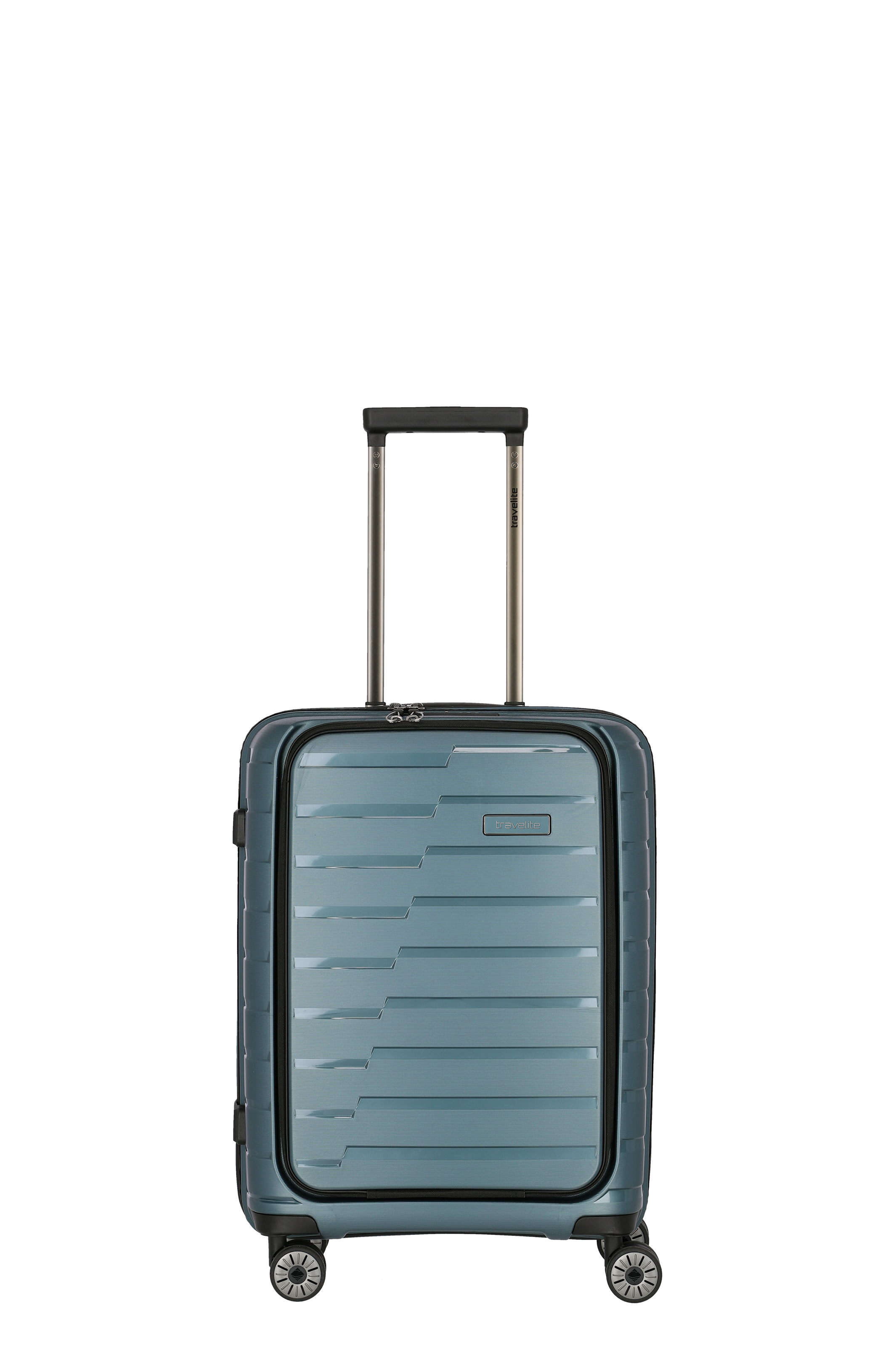
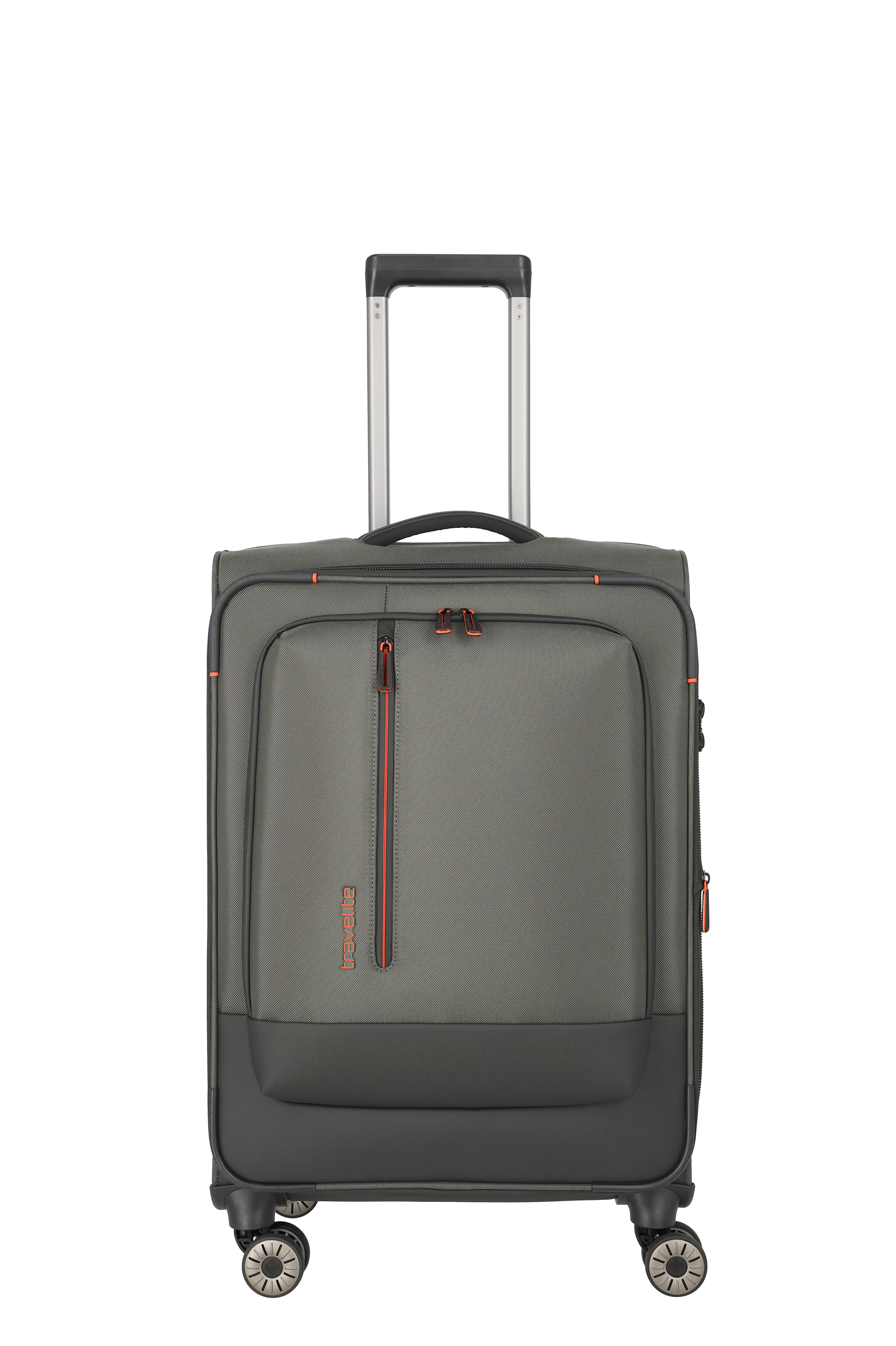
Lightweight clothing takes up little space. A medium-sized suitcase is usually enough for two weeks; for shorter trips, a carry-on suitcase will suffice. Remember to pack a jacket for cool evenings, particularly in Egypt and the desert.
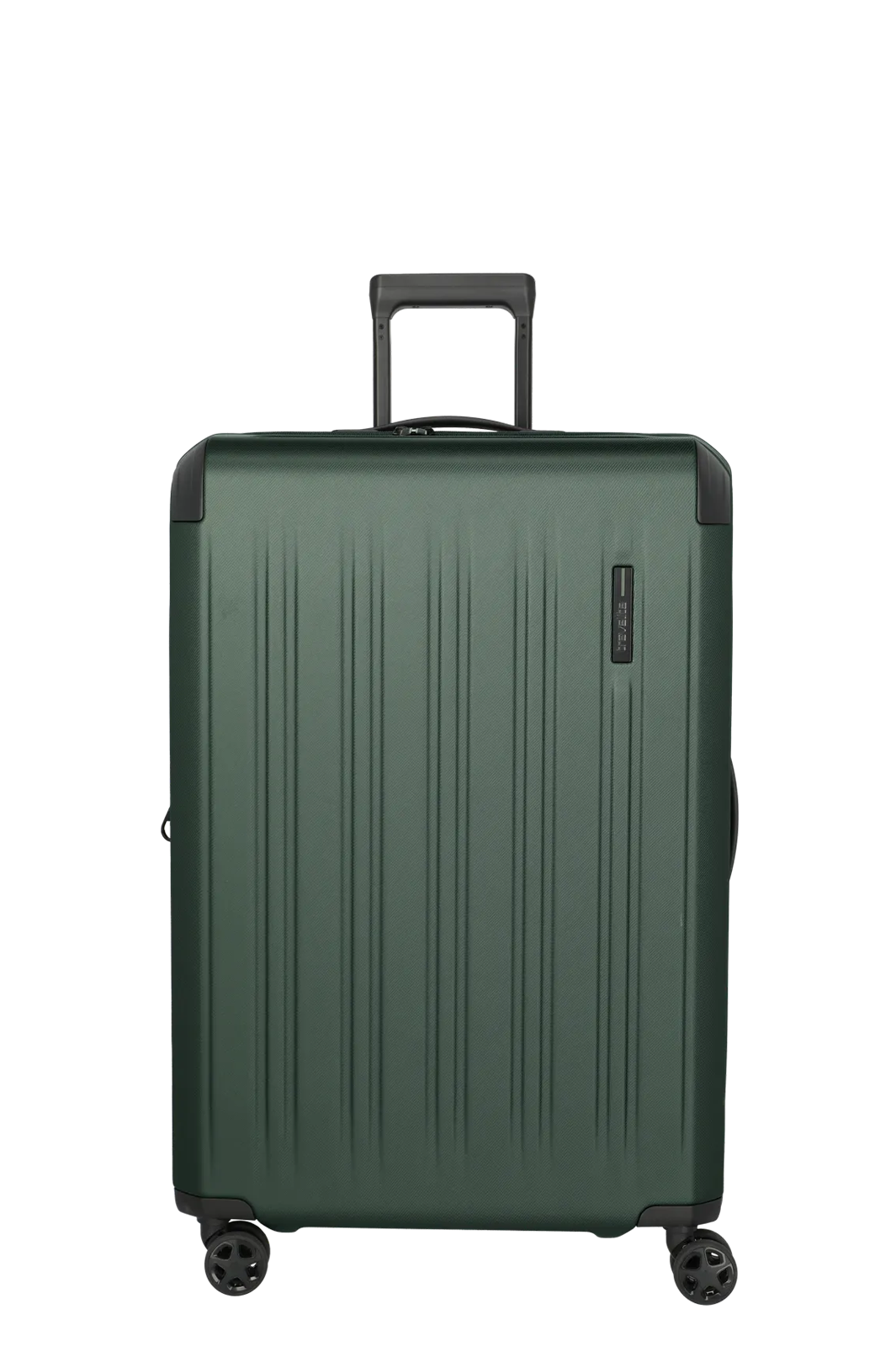
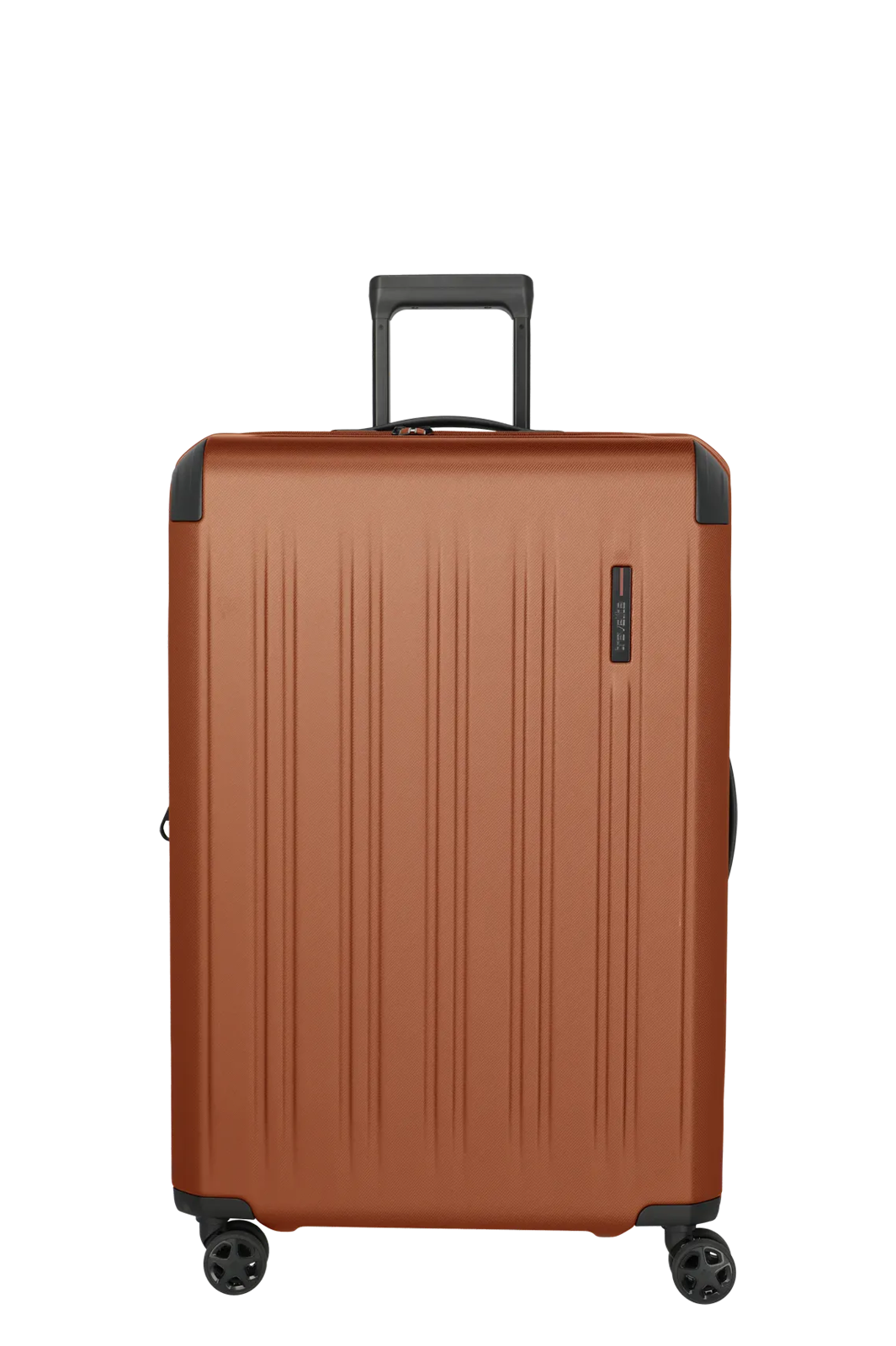
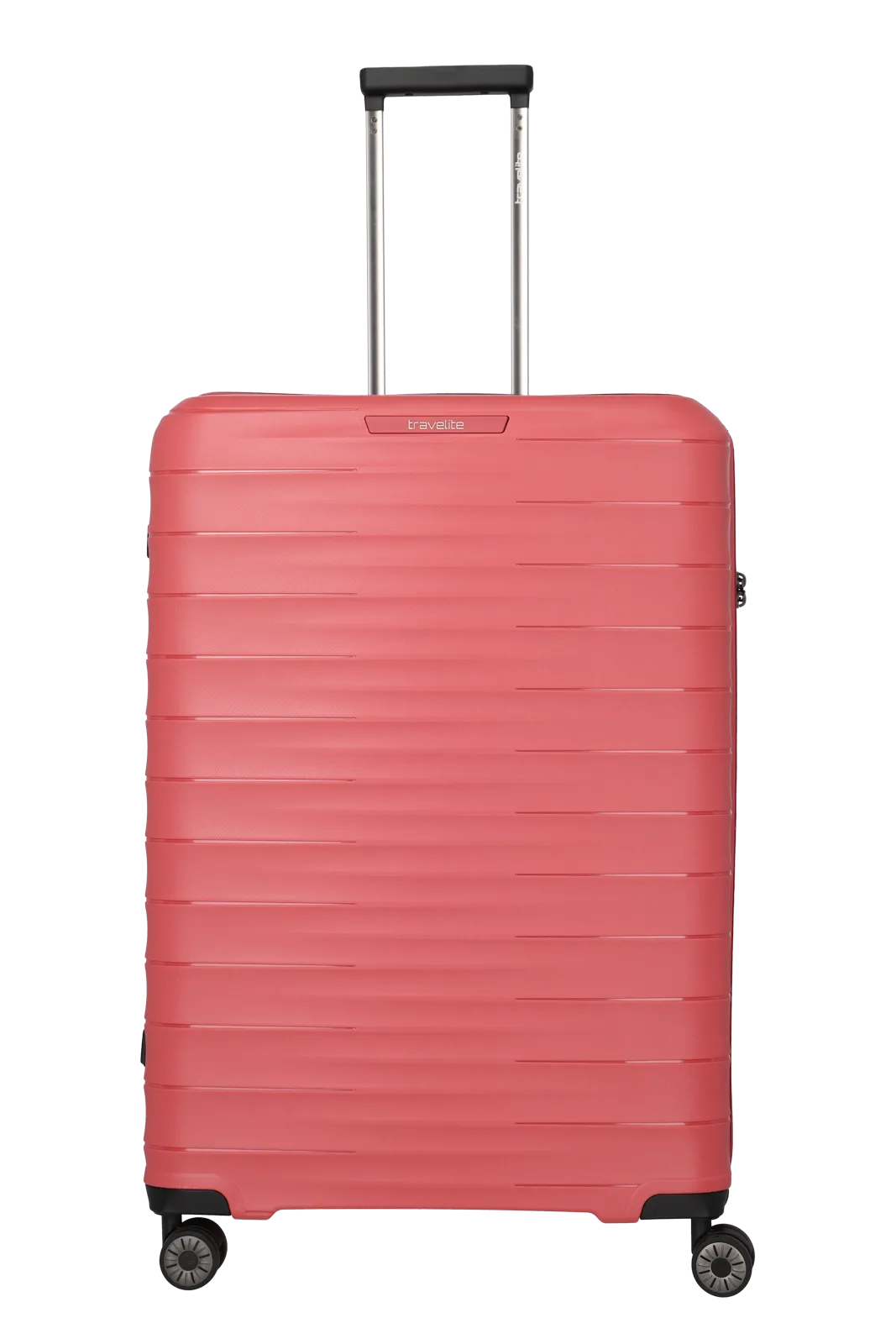
If you’re travelling as a family or alternating between short and long trips, a set of suitcases is handy because you can mix and match the sizes depending on your trip. Our article on suitcase sizes shows which size is best for what.
It is the height of summer in the Southern Hemisphere at this time of year. In Australia, temperatures can reach up to 37 degrees in some regions, whilst in South Africa and Mexico they range from 25 to 30 degrees. Closer to home, yet still warm, are the Canary Islands and Egypt, with temperatures of around 20 to 25 degrees.
Which winter destination is suitable for a week’s holiday?
The Canary Islands and Egypt. Both can be reached in four to five hours and have virtually no time difference, you won’t lose a day of your holiday to jet lag. For Thailand, Mexico or Australia, you should allow considerably more time.
Is there a long-haul destination without jet lag?
South Africa. Although the flight takes around ten hours, there is no time difference during the German winter. You arrive and settle straight into the rhythm – a real advantage on shorter trips.
What size suitcase do I need for a skiing holiday?
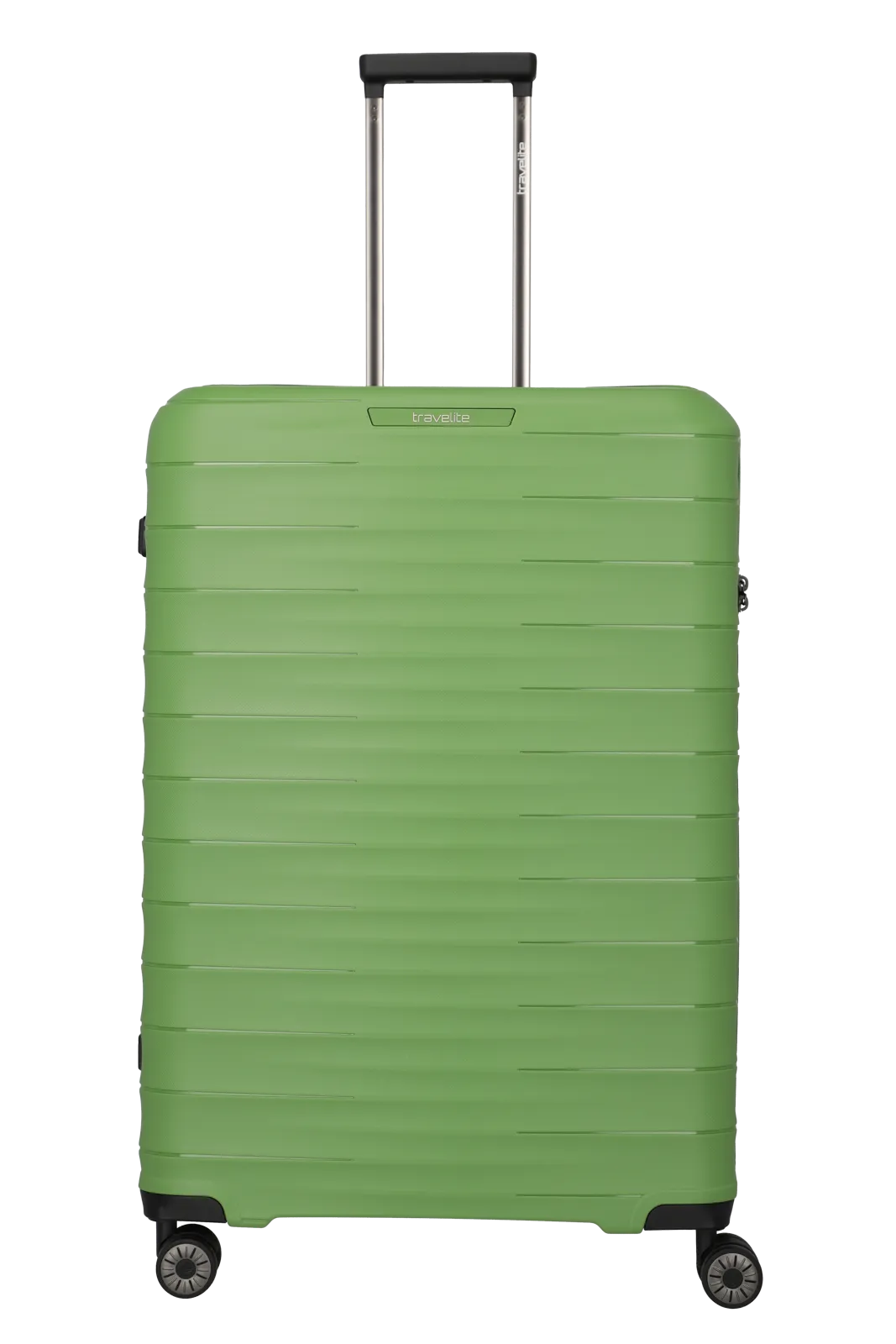
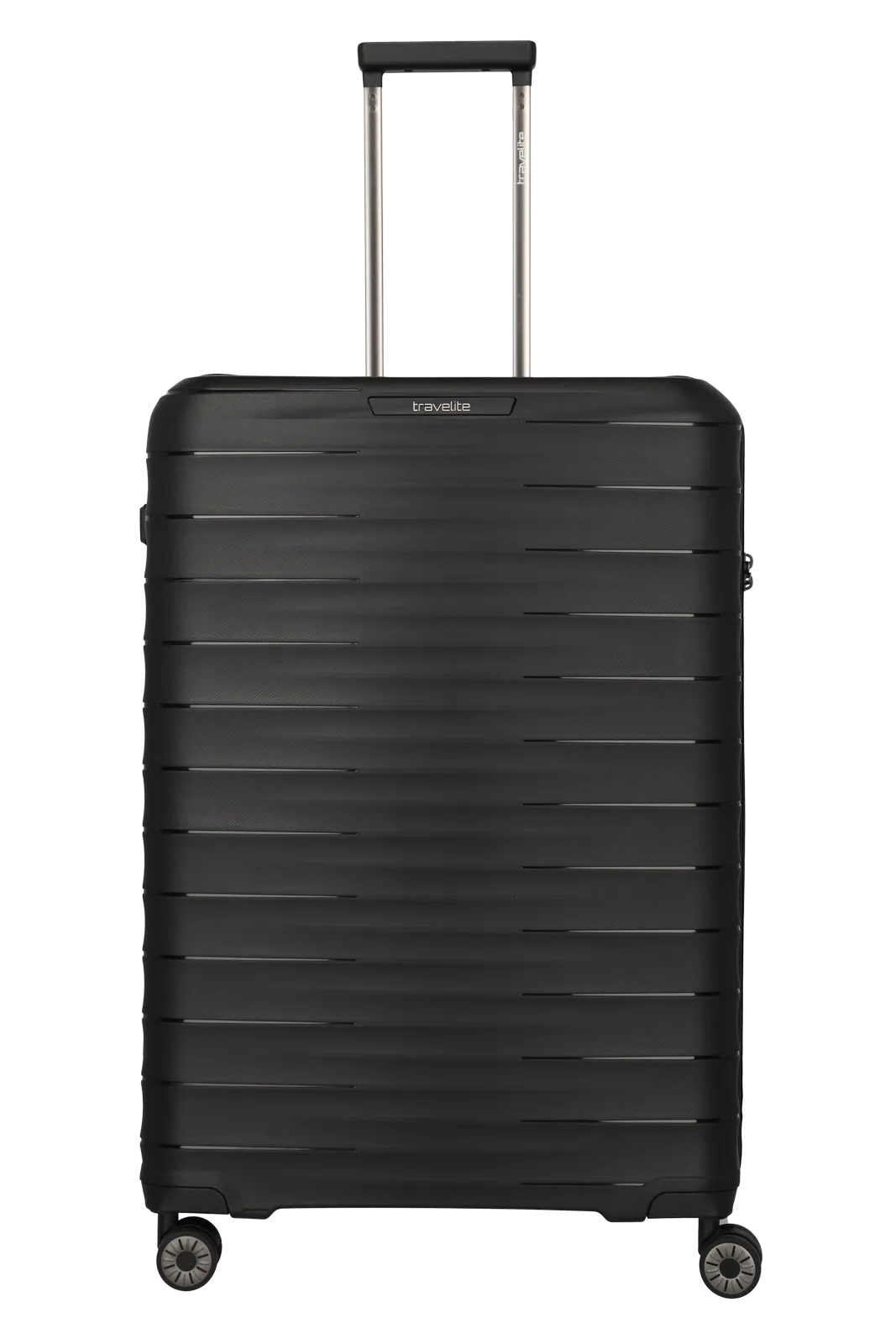
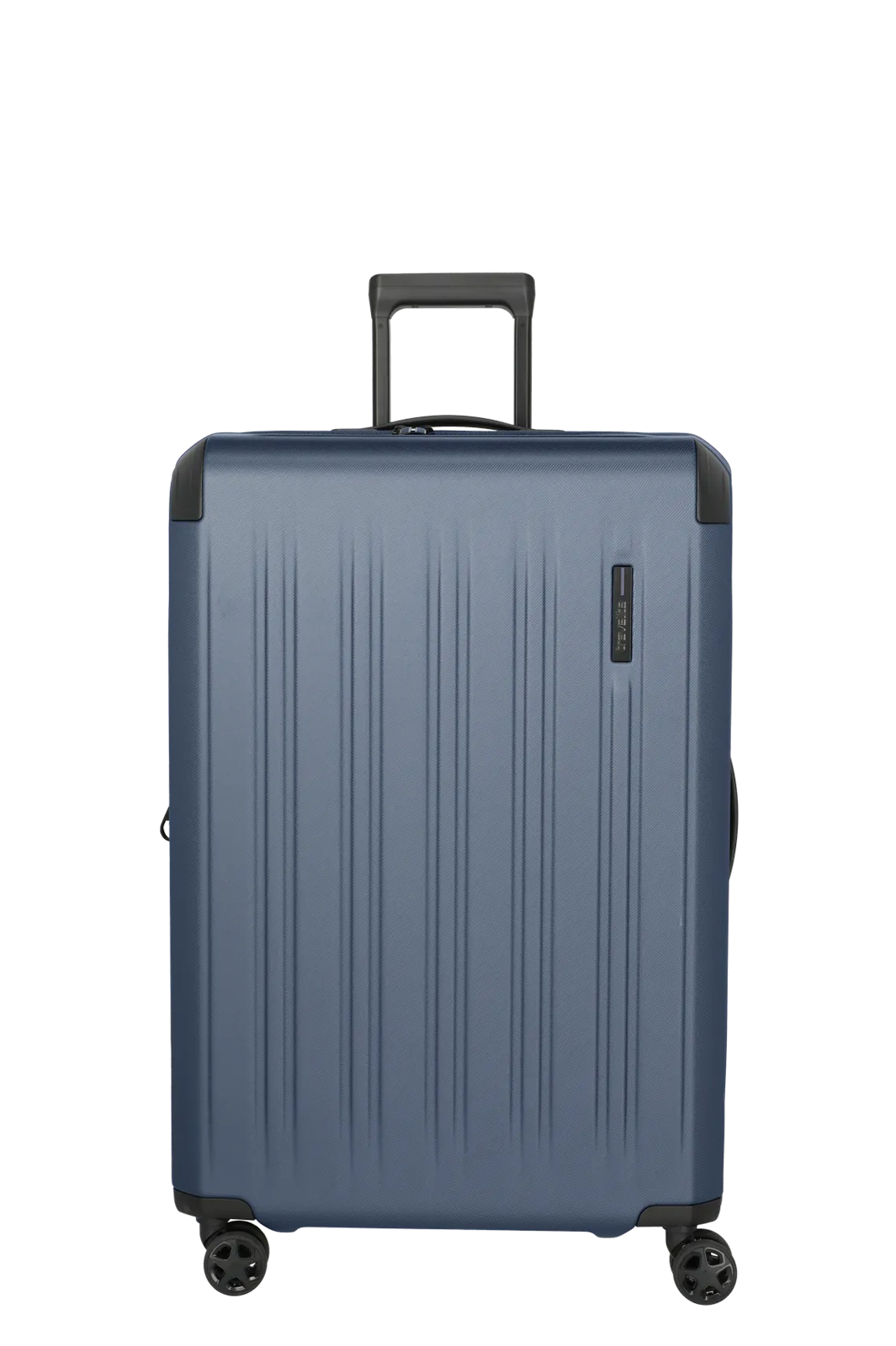
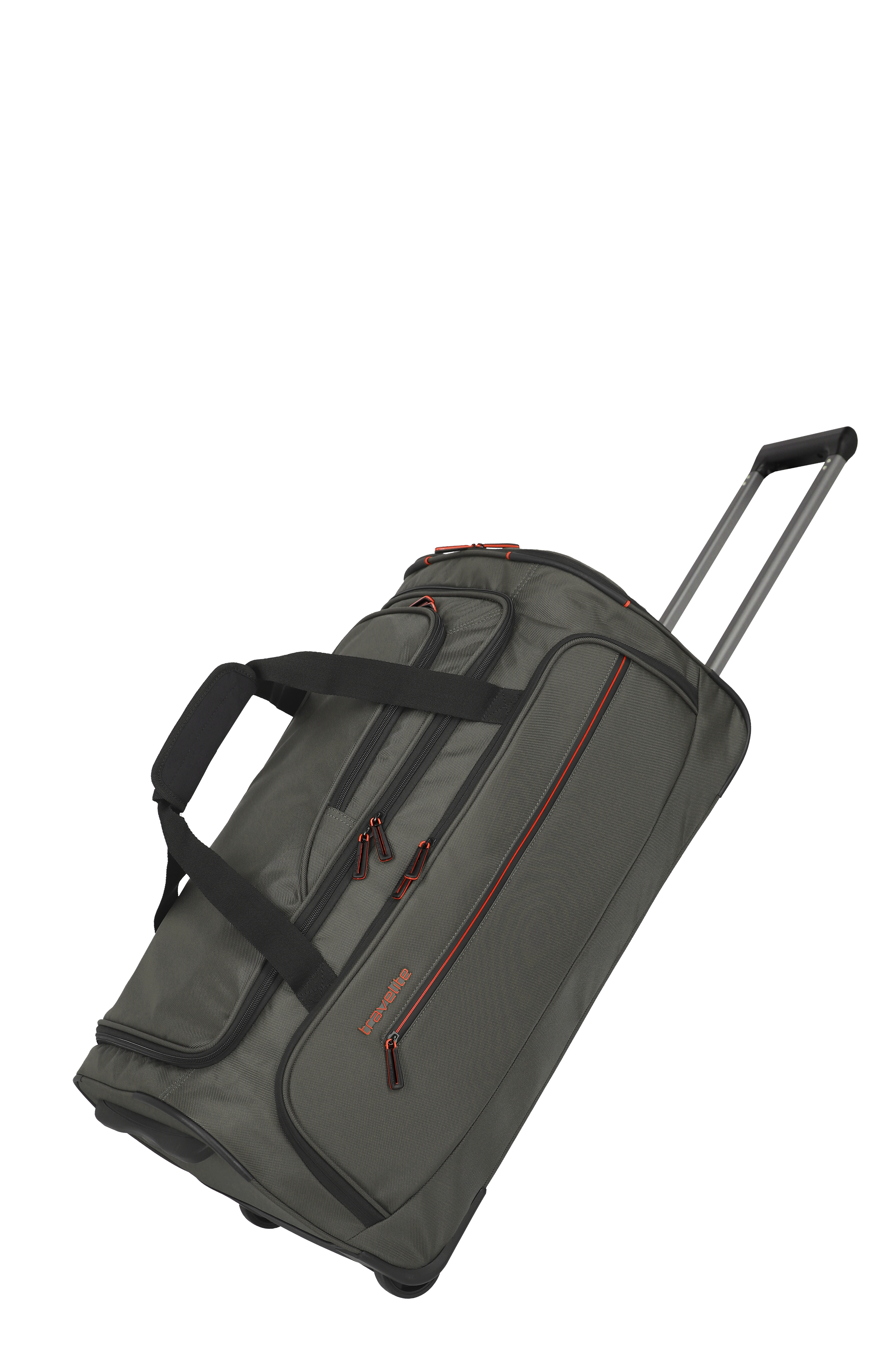
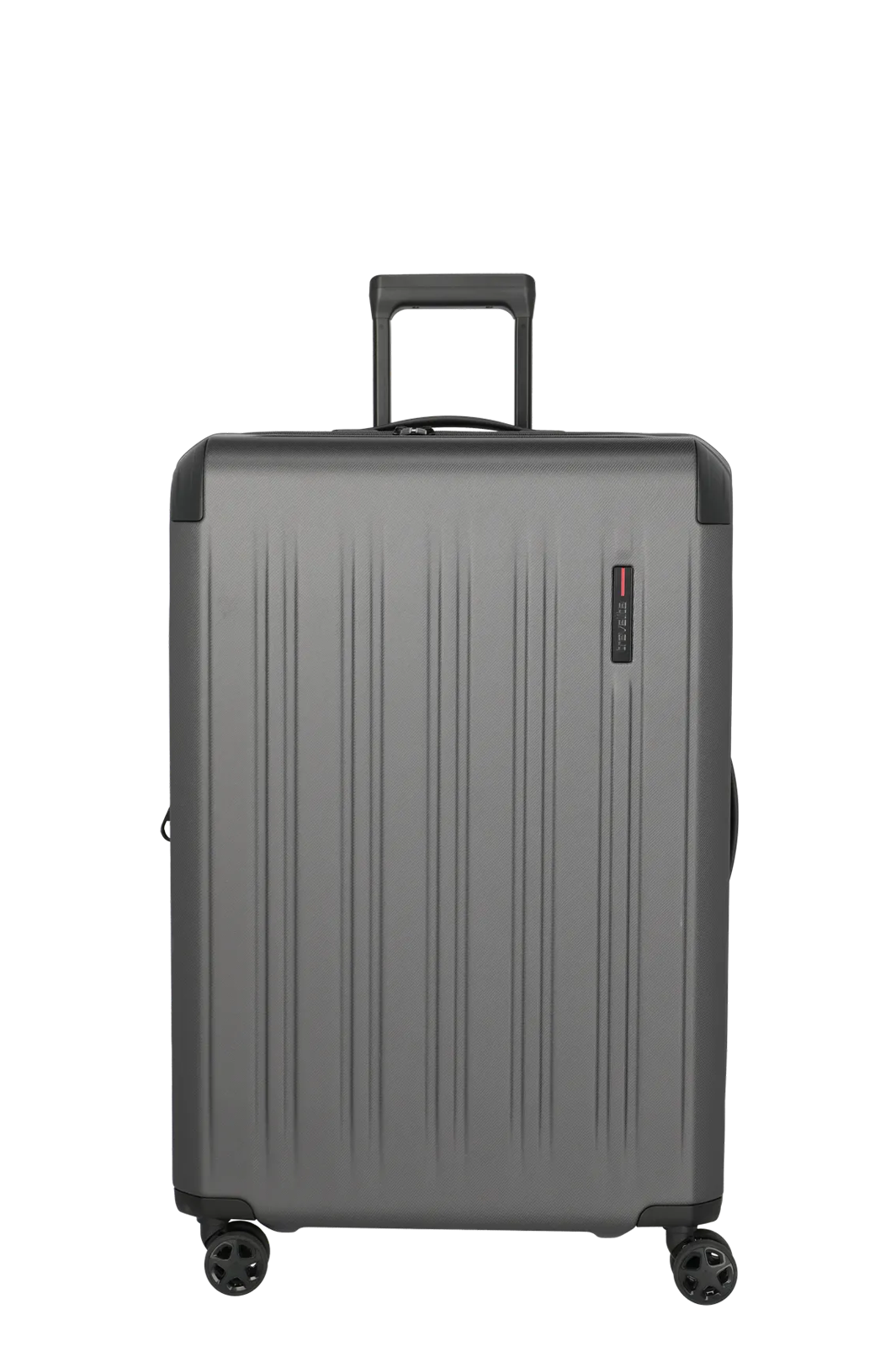
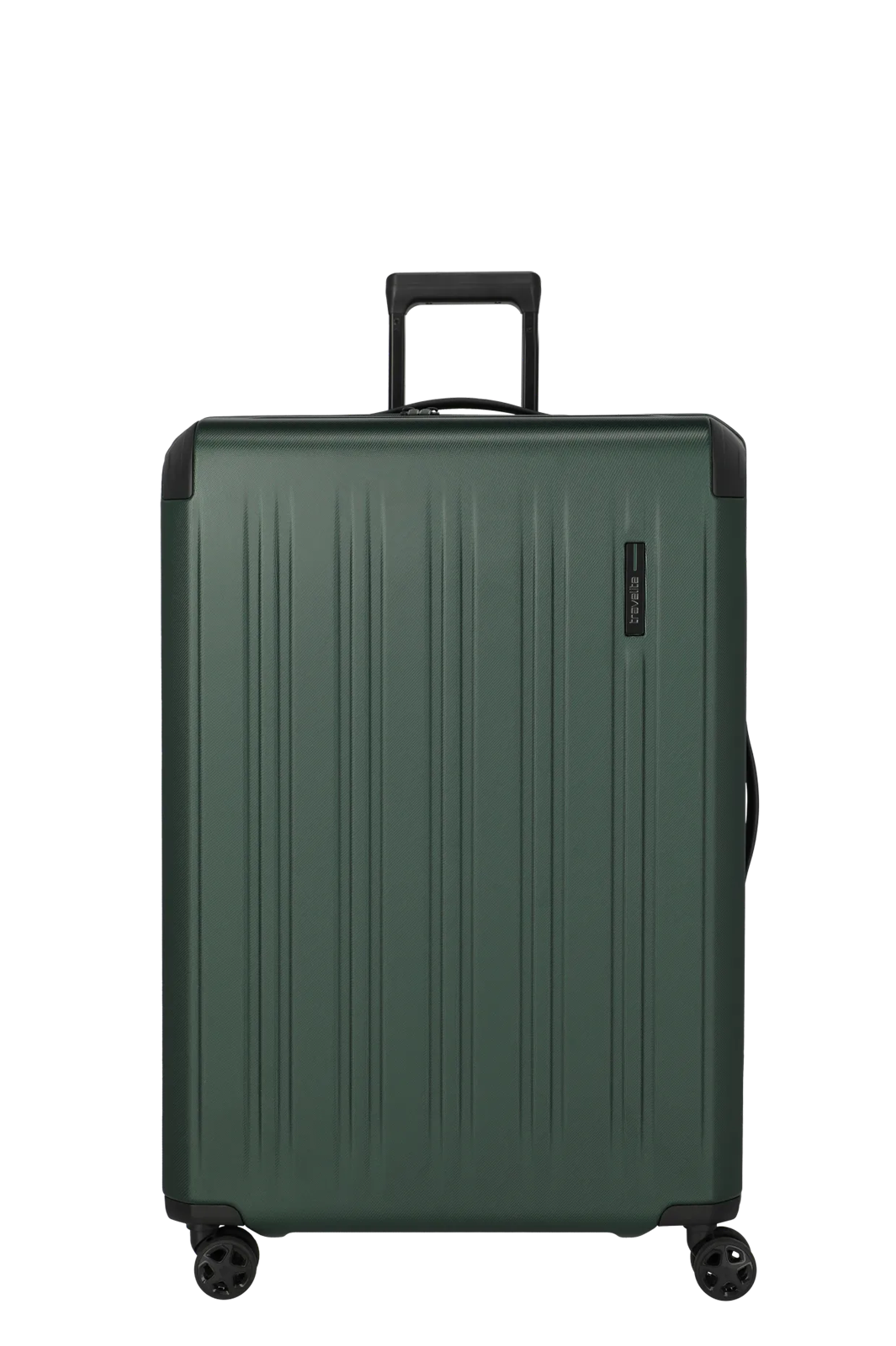
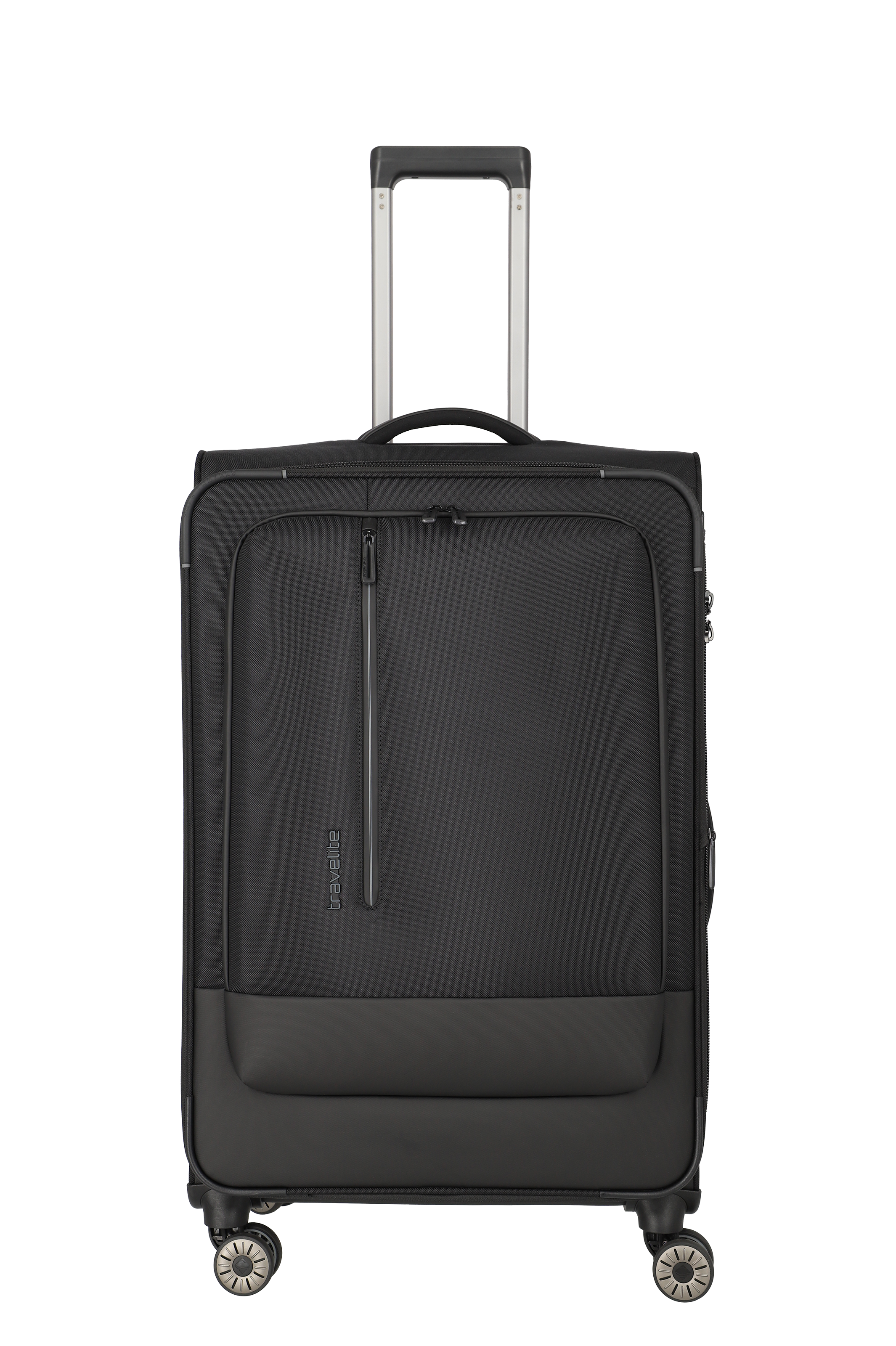
For a week’s skiing holiday, a large suitcase is the right choice. Winter clothing takes up noticeably more space than summer clothes: a down jacket alone takes up a third of a medium-sized suitcase. It’s best to pack your ski boots and helmet in a separate bag.
Is a city break in winter worth it?
Especially in December. The towns are decked out in festive decorations, there are Christmas markets, and hotel prices are often lower than in summer outside the Advent weekends. You can reach many European destinations easily by train.
What do I need to bear in mind on safaris and during animal encounters?
Avoid activities involving direct physical contact, such as stroking lions, feeding cubs or riding elephants. Reputable operators maintain a safe distance from the animals, limit group sizes and do not advertise guaranteed sightings.
Functional cookies are absolutely necessary for the functionality of the web shop. These cookies assign a unique random ID to your browser so that your unhindered shopping experience can be guaranteed over several page views.
Activated cookies:
Saves which cookies have already been accepted by the user for the first time.
CSRF token:
The CSRF token cookie contributes to your security. It strengthens the security of forms against unwanted hacker attacks.
Cache handling:
The cookie is used to differentiate the cache for different scenarios and page users.
PayPal:
The cookie is used for payment processing via PayPal.
CAPTCHA integration
Timezone:
The cookie is used to provide the system with the user's current time zone.
Information on origin:
The cookie stores the referrer and the first page visited by the user for further use.
Cookie settings:
The cookie is used to store the cookie settings of the site user over several browser sessions.
Session:
The session cookie stores your shopping data over several page views and is therefore essential for your personal shopping experience.
Marketing cookies are used to display advertisements on the website in a targeted and individualized manner across multiple page views and browser sessions.
Bing Ads:
This cookie is used by Bing to gather anonymous information on how visitors are using the website.
Microsoft Conversion Tracking:
Cookie for Microsoft's tracking and advertising service.
Customa Tracking:
Stores the identified advertising source (campaign, referrer) for marketing attribution by Customa (Trust in Dialog Services GmbH).
Customa:
This cookie is used by customa (trust in dialog Services GmbH) for marketing and optimization purposes.
trbo:
trbo personalises content and product recommendations in this shop. To do this, information about your browsing and clicking behaviour (e.g. products viewed, shopping basket contents) is processed and stored in your browser in order to display personalised recommendations and pop-ups based on this information.
Open AI:
Used to measure and optimise our advertising campaigns. In doing so, usage data may be transmitted to OpenAI.
Google Ads Conversion:
We use the Google Ads Conversion Tag for optimised display and performance evaluation of our Google Ads ads (text/discovery ads) in order to show you the most suitable offers in your Google search. This means that adverts in your Google search or in your Google Discovery feed can be optimally tailored to your needs.
Google AdSense:
The cookie is used by Google AdSense to promote advertising efficiency on the website.
Facebook Pixel:
The cookie is used by Facebook to display personalized advertising offers based on user behavior to users of websites that integrate Facebook services.
Adcell:
Adcell uses cookies to analyse visitor traffic on the website. Furthermore, the origin of orders and the interaction of adverts can be tracked.
Google conversion tracking:
In order to show you the most suitable offers in your Google search, we use the Google Ads Conversion Tag for optimized playout and performance evaluation of our Google Ads (text/discovery ads). This way, ads in your Google search or in your Google Discovery feed can be tailored to your needs.
Tracking cookies help the shop operator to collect and evaluate information about the behaviour of users on their website.
Conversion and usertracking via Google Tag Manager:
Google Tag Manager allows tags to be integrated centrally via a user interface. Tags are small sections of code that can track activities. Script codes from other tools are integrated via the Google Tag Manager. The Tag Manager makes it possible to control when a specific tag is triggered.
Google Analytics:
Google Analytics is used for traffic analysis of the website. Thereby statistics about website activities can be created and read out.
Hotjar:
Hotjar cookies are used to analyze website activities of users. The site user is identified by the cookie over several page views and his or her behavior is analyzed.
These cookies are used to display personalised adverts.
Facebook Pixel:
For the placement and optimization of Facebook ads, you can agree to the integration of the Facebook Pixel in our shop.
These cookies allow the website to provide better functionality and personalisation. They can be set by us or by third-party providers whose services we have added to our pages. The purpose of these cookies is to provide you with a more personalised experience on our Site based on your previous visits and selections.
YouTube video:
This is a video player service. It can be used by the user to watch, share, comment on and upload videos.
Neocom purchase advisor:
Neocom cookies are used to provide and optimise the interactive product advice tool on our website. They enable personalised user guidance and allow user preferences to be saved during the advice session.
StoreLocator:
Allows Google Maps to be loaded on this page.
Action Bar:
Saves whether the action bar at the top has been clicked away by the user.
Privacy settings
To provide you with the best possible experience on our websites, we use cookies and various technologies. These help us to provide the functions of our sites, personalise content and adverts for you, and integrate social media.







.png?ts=1750248569)


_400x400 Kopie.png?ts=1760433160)
.png?ts=1750248453)