
Winter holiday packing list – what you really need to pack in your suitcase
A winter holiday often means more luggage than at any other time of year. Thick jackets, warm jumpers, sturdy shoes and functional kit quickly take up a lot of space and can easily make it hard to keep track of everything. On top of that, the cold, snow and changeable weather place special demands on clothing and kit.
To help you pack stress-free and ensure you’ve got everything you need, here’s a comprehensive packing list for your winter holiday. You’ll also find practical tips on how to organise your luggage effectively and make the most of the available space.
As a luggage specialist, travelite helps you pack your suitcase for your winter holiday so that everything has its place – neatly organised, well protected and ready for any winter activity.
Contents
- 01 Packing list for a winter holiday: the most important essentials at a glance
- 02 What you should sort out before packing
- 03 Winter holiday packing list – your basic checklist
- 04 Detailed packing lists for different types of winter holidays
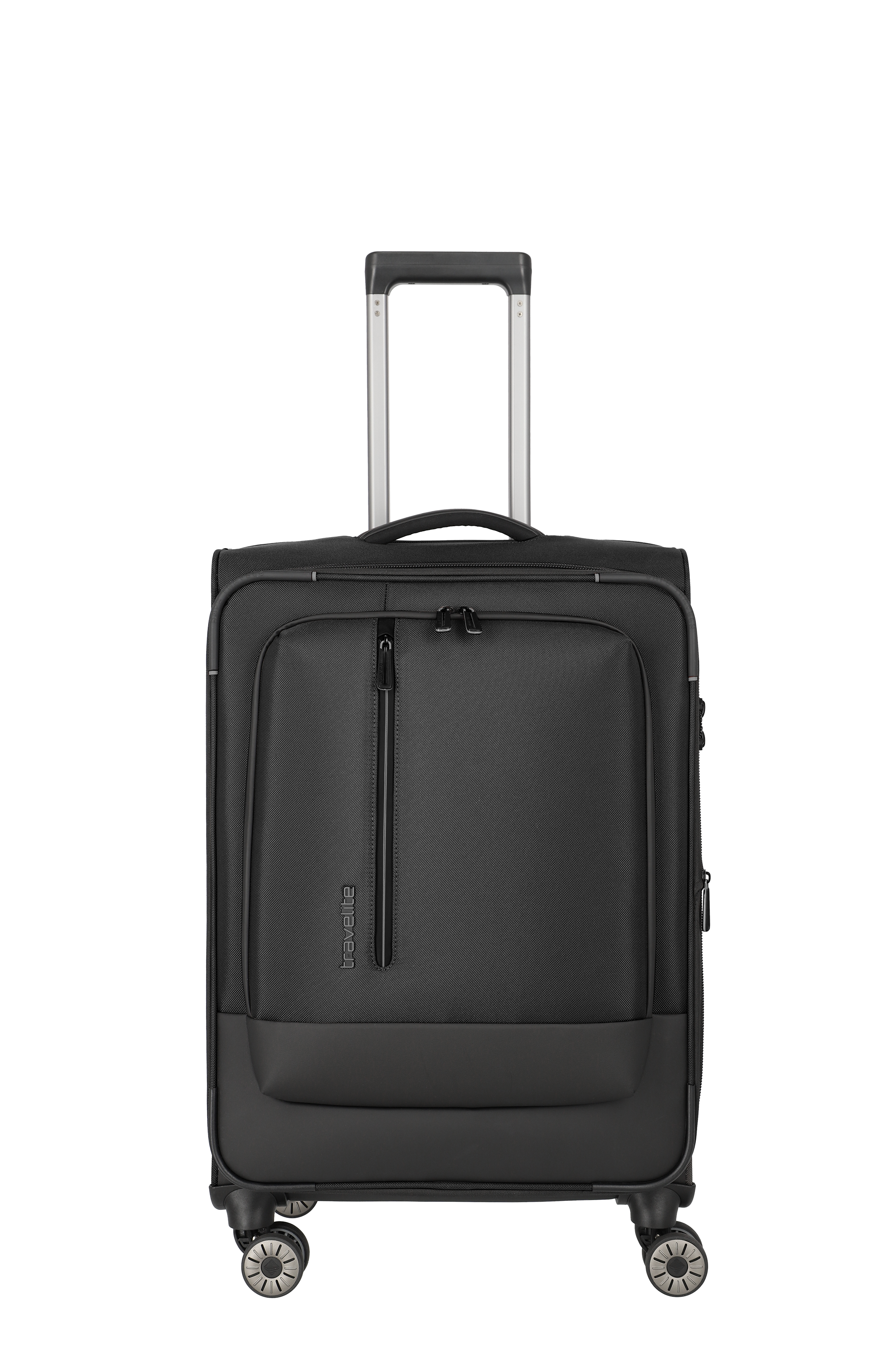
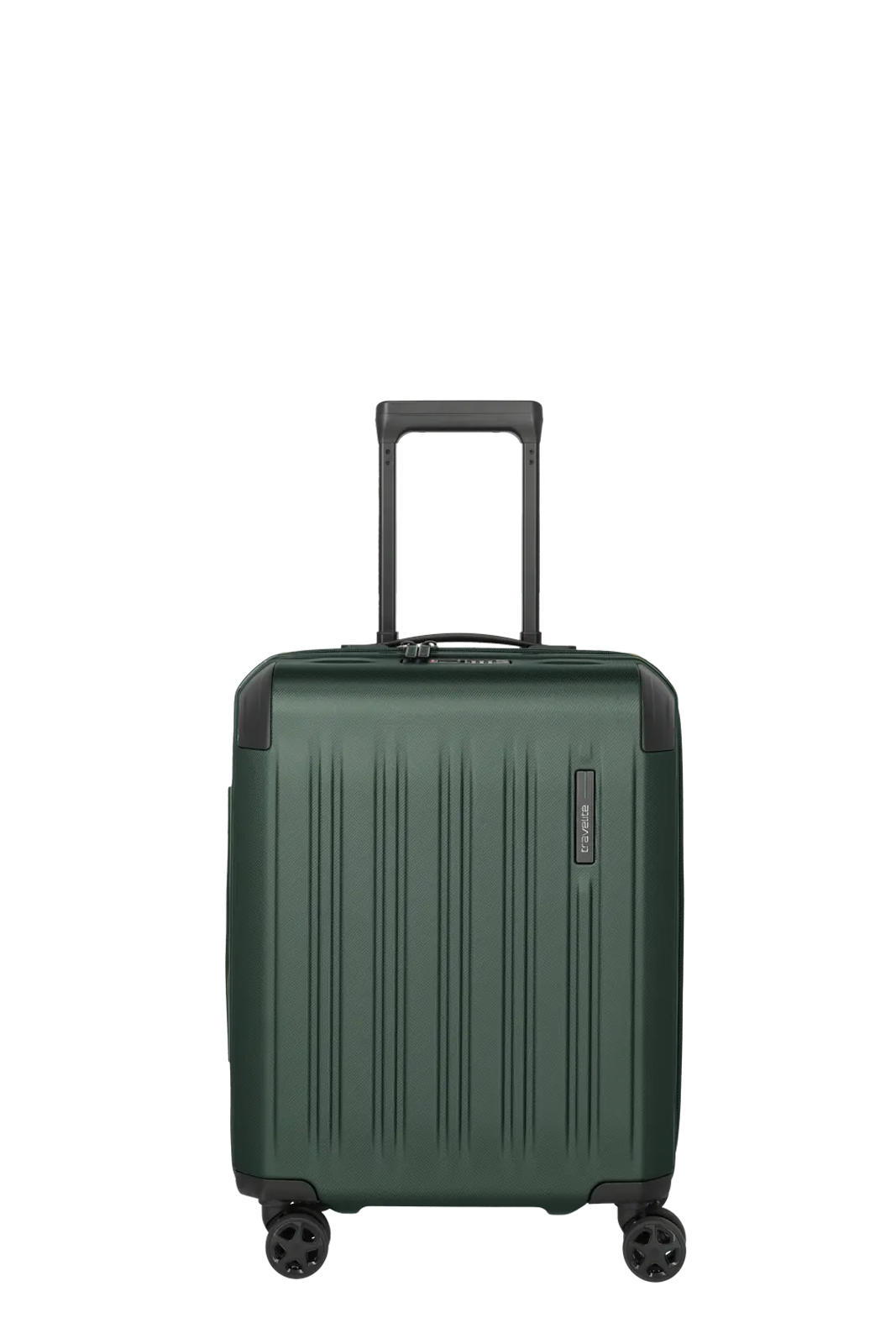
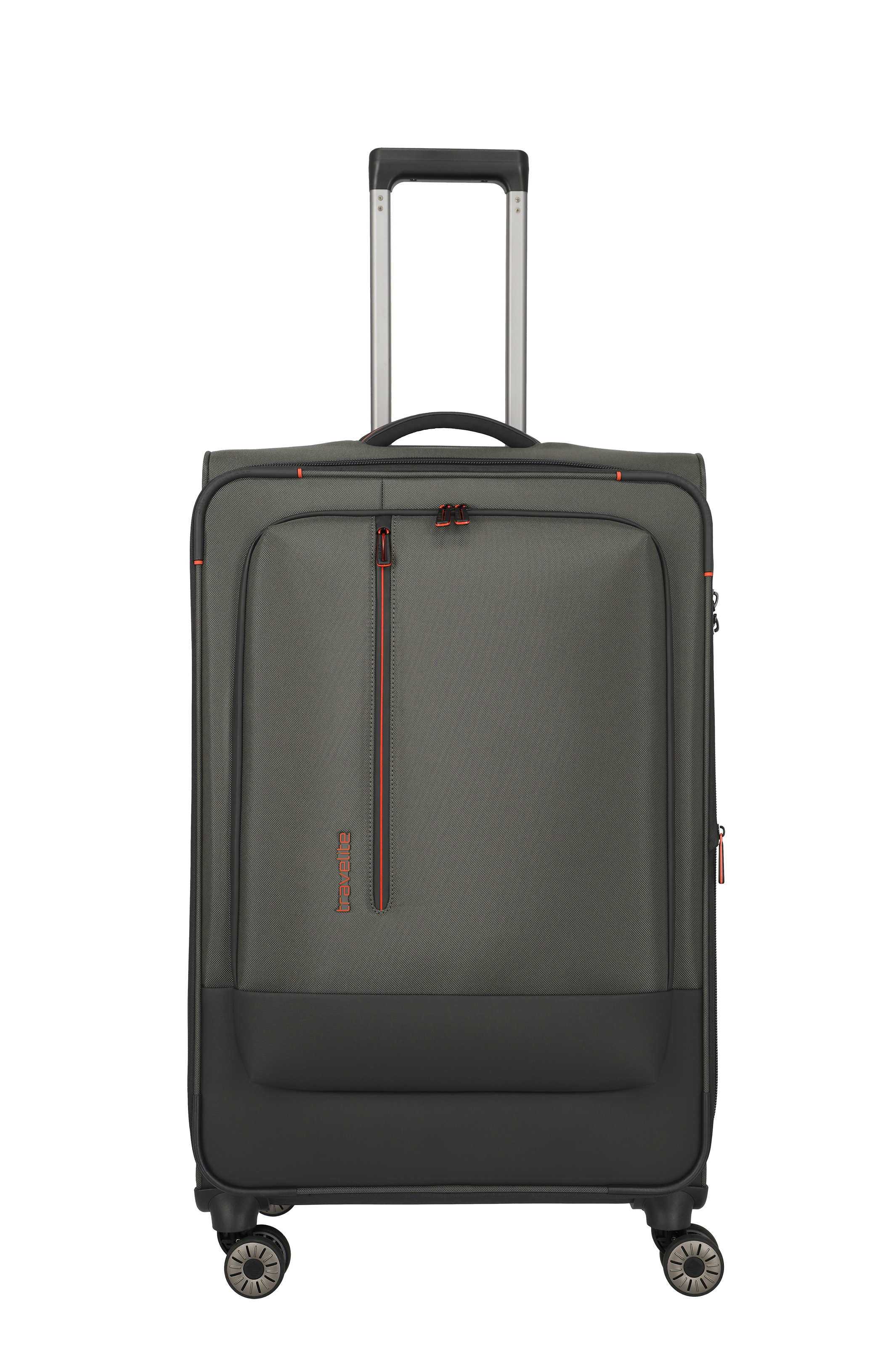
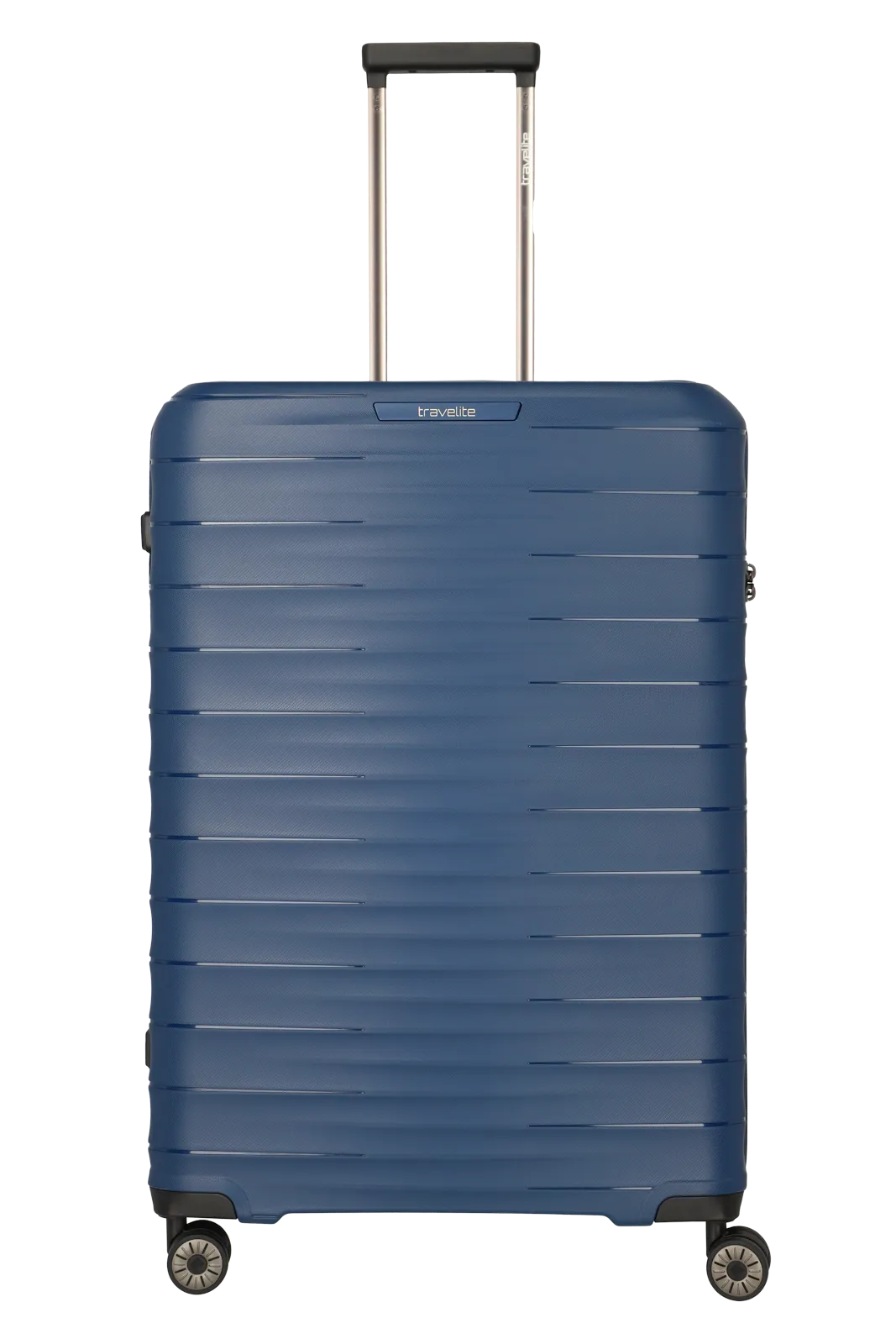
- 05 Which suitcase is right for your winter holiday?
- 06 How to pack your winter suitcase smartly
- 07 Conclusion on the winter holiday packing list: be well prepared for the snow
- 08 Frequently asked questions about the winter holiday packing list (FAQ)
Packing list for a winter holiday: the most important essentials at a glance
If you only want to take the essentials, this quick overview will help. These items should definitely be in your suitcase, whether you’re heading off on a skiing holiday, a city break or a spa weekend:
- Warm, non-slip shoes – ensure a secure grip on snow and ice
- Functional underwear – keeps you warm and dries quickly
- Weatherproof winter jacket – protects against the cold, wind and changeable mountain weather
- Hat, gloves and scarf – essential in freezing temperatures
- Personal documents – ID, tickets, booking confirmation
- Proof of your travel insurance – ready to hand in an emergency
- Basic first-aid kit essentials – painkillers, plasters and personal medication
What you should sort out before packing
Before you start packing your suitcase, it’s helpful to clarify a few basic points. These will determine how extensive your packing list should be and which items are really essential for your winter holiday. If you go through these questions first, the actual packing process will be much easier and you’ll be able to tailor your selection to your specific needs.
Suitable clothing depending on the length of your trip
For a weekend away, a compact suitcase with a few outfits that can be easily mixed and matched is usually sufficient. For a week or longer, you should allow for extra clothing, spare socks, several layers and, if necessary, specialist equipment. The length of your stay also determines how many toiletries and how many changes of clothes you’ll need.
Optimise your packing list according to the type of trip
The nature of your trip has the greatest impact on what you need to pack.
- Skiing or snowboarding: more functional clothing, protective gear and ski equipment.
- Winter hiking and outdoor activities: more robust clothing, hiking boots, a day rucksack, and weatherproof extras.
- City break or short trip: warm everyday clothing, comfortable shoes and space-saving luggage.
- Wellness holiday: swimwear, a bathrobe, a sauna towel and comfortable outfits for indoors.
What you’ll need for each type of accommodation
What else you’ll need varies depending on your accommodation.
- Hotel with a spa area: Towels or bathrobes are often provided, so you don’t need to pack as much.
- Holiday flat or chalet: You’ll usually need to bring your own towels, slippers and even some food for the first few days.
Choosing your luggage based on your mode of travel
How you’re travelling affects both the type of luggage you take and how you pack it.
- Car: flexible storage space, ideal for larger suitcases or wheeled travel bags.
- Train: lightweight, easy-to-manoeuvre luggage is essential, as is a small rucksack for all your essentials.
- Air travel: ensure your luggage meets weight and size restrictions, and pack essential items in your carry-on.
Adapt your packing list to the climate
Not all winters are the same. It can be significantly colder in the Alps than in a major European city. Check temperature forecasts, wind conditions and possible precipitation in advance. This will help you decide how warm your clothing should be and whether additional layers of protection are advisable.
Winter holiday packing list – your basic checklist
This is your basic kit, whether you’re going on a skiing holiday, a city break or a spa break. With these essentials, you’ll have everything you need without taking too much luggage. Winter holidays come with their own particular challenges, as warm clothing, weatherproof gear and small extras can quickly take up a lot of space. This guide will help you pack in an organised way and ensure you don’t forget anything – no matter what your winter holiday involves.
Clothing and accessories
When packing, it’s worth following the layering principle: several thin layers keep you warmer than a few thick ones. This allows you to adapt flexibly to temperature and activity.
- Underwear
- Functional underwear
- Socks (including warm winter socks)
- Jumper
- Fleeces
- Jeans or other trousers
- Comfortable clothing for the evenings
- Winter jacket
- Rain jacket or lightweight softshell jacket
- Headwear
- Gloves
- Scarf or shawl
- Pyjamas
Shoes
Good footwear is essential for winter days. It should keep your feet warm and provide a secure grip on snow and ice.
- Winter boots
- Casual shoes suitable for snow
- Slippers or bath slippers
- Optional: smart shoes for an evening out in town
Hygiene and cosmetics
During the colder months, your skin needs special care, so make sure you pack everything you need for your daily skincare routine.
- Toiletries bag containing a toothbrush, deodorant, shower gel and shampoo
- Skincare for dry winter skin
- Lip care
- Sun cream with a high sun protection factor
- After-sun lotion, if you’re travelling to high-altitude mountain regions
First-aid kit
A small, well-stocked first-aid kit ensures you’re prepared for typical winter ailments.
- Standard medicines
- Personal medication
- Plasters
- Painkillers
- Remedies for colds, diarrhoea and sore throats
- Heating plasters
- Cold balm
Documents and finances
All important documents should be easily accessible and complete to ensure there are no delays on arrival.
- ID card or passport
- Driving licence
- Health insurance card
- Travel documents
- Booking confirmation
- Ski pass or online ticket
- Credit or debit card
- Some cash
Technology and gadgets
A few technical aids are useful for comfort and to help you find your way whilst travelling.
- Smartphone with charger
- Power bank
- Headphones
- Camera
- Memory card
- Charging cables for all devices
- Plug adaptors for travelling abroad
- Optional: e-book reader, tablet or head torch
Miscellaneous
Small extra items can be particularly handy on a winter holiday.
- Water bottle
- Snacks
- Travel towel
- A small padlock for your suitcase
- Reusable bags for dirty laundry
Extended packing lists for various winter holidays
These lists complement the basic checklist and help you tailor your luggage specifically to your planned activities. This way, you’ll only pack what you really need and be perfectly prepared for any kind of winter holiday.
Packing list for a skiing holiday
For active days on the slopes, you’ll need specialised functional clothing and suitable protective gear in addition to your basic kit.
- Ski jacket
- Ski trousers
- Ski base layers
- Ski socks
- Helmet
- Ski goggles
- Gloves (a second pair is recommended)
- Neck warmer
- Your own skis or snowboard, if applicable
- Ski poles
- Avalanche equipment for off-piste activities
Packing list for winter hiking and outdoor activities
For longer trips in the snow, comfortable, sturdy and weatherproof gear is essential. Make sure you have plenty of freedom of movement and stay warm.
- Hiking trousers
- Softshell trousers
- Snow gaiters
- Trekking poles
- Backpack for day trips
- Thermos flask
- Seat pad
Packing list for a winter city break
For winter city breaks, you’ll need warm, practical clothing that still looks good and is easy to mix and match.
- Comfortable, warm shoes suitable for city wear
- 1–2 outfits for restaurants or bars
- Small crossbody bag or daypack
Packing list for a winter spa weekend
For relaxing days at the spa or in the hotel, it makes sense to pack lightly but choose your items carefully.
- Swimwear
- Swimwear for spa areas
- Bathroom slippers
- Your own bathrobe or sauna robe
- A sauna towel, if required
- Book or e-book
- Small wellness items such as face masks or massage oil
Packing list for a winter holiday with children
Travelling with children requires a bit more planning. Packing the right items in the children’s suitcase ensures that everyone stays warm, safe and happy.
- Child-friendly clothing using the layering principle
- Spare gloves and a spare hat
- Favourite cuddly toy
- Games and books
- Nappies
- Wet wipes
- Children’s medicines
- Children’s passport
Which suitcase is right for your winter holiday?
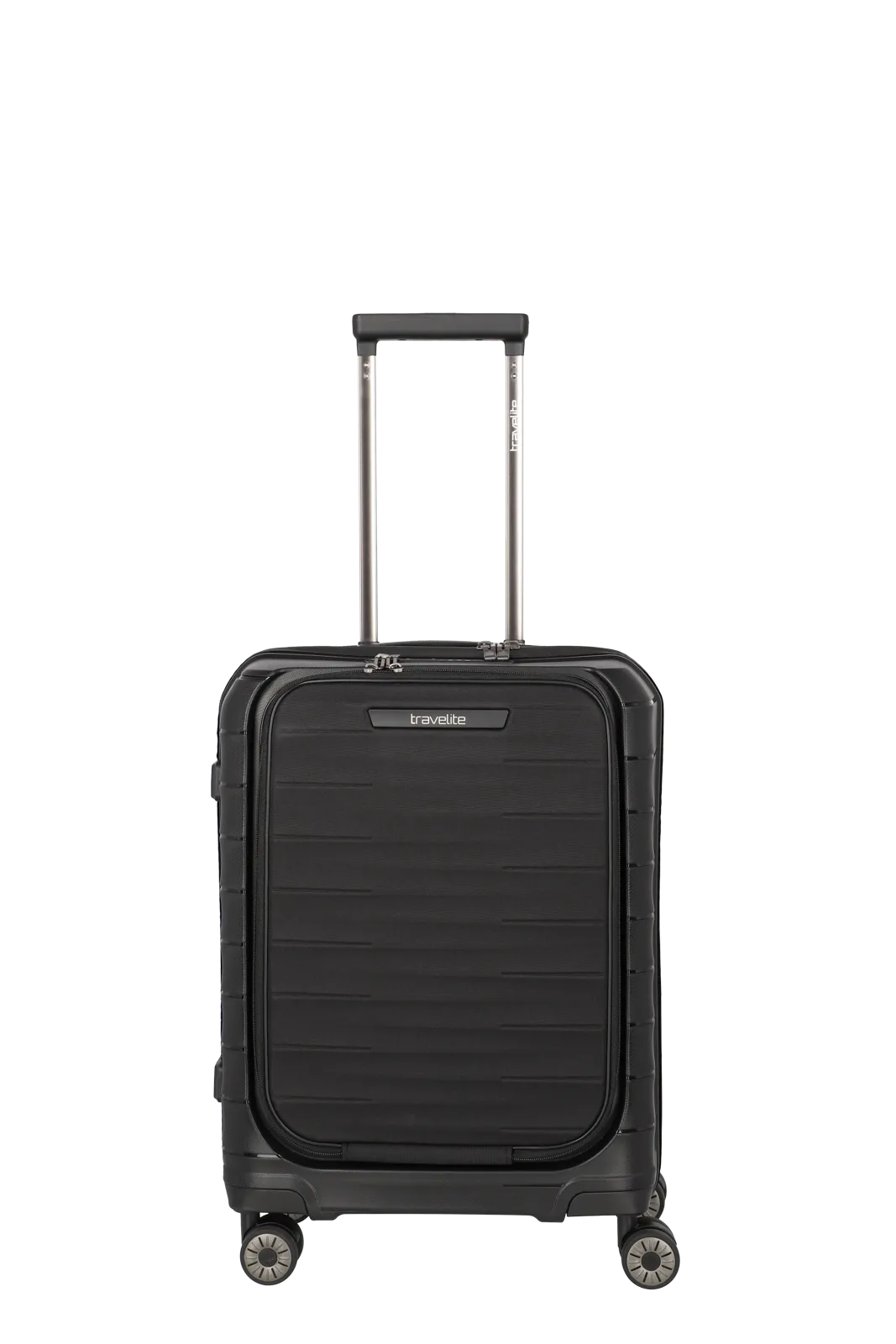
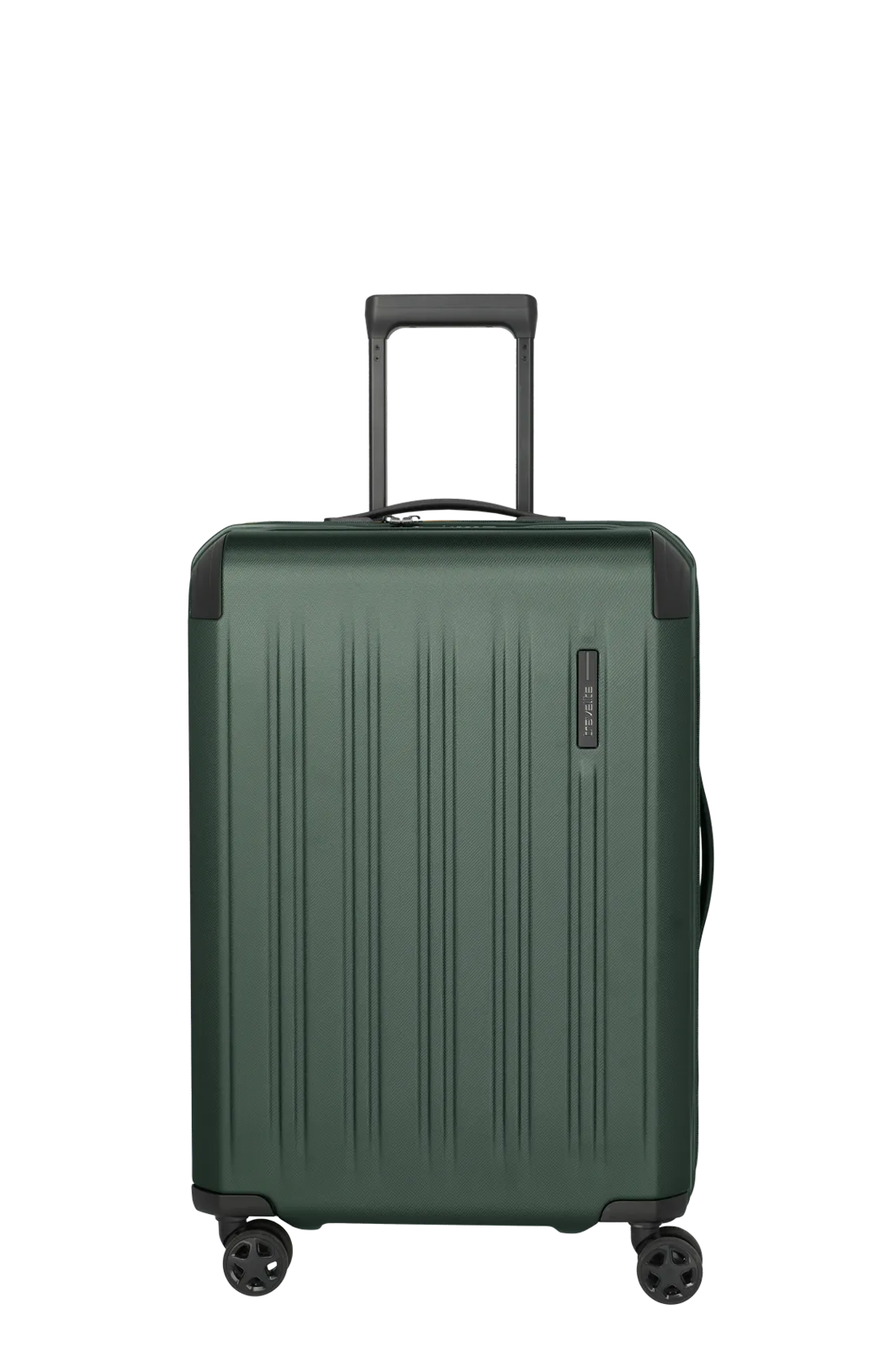
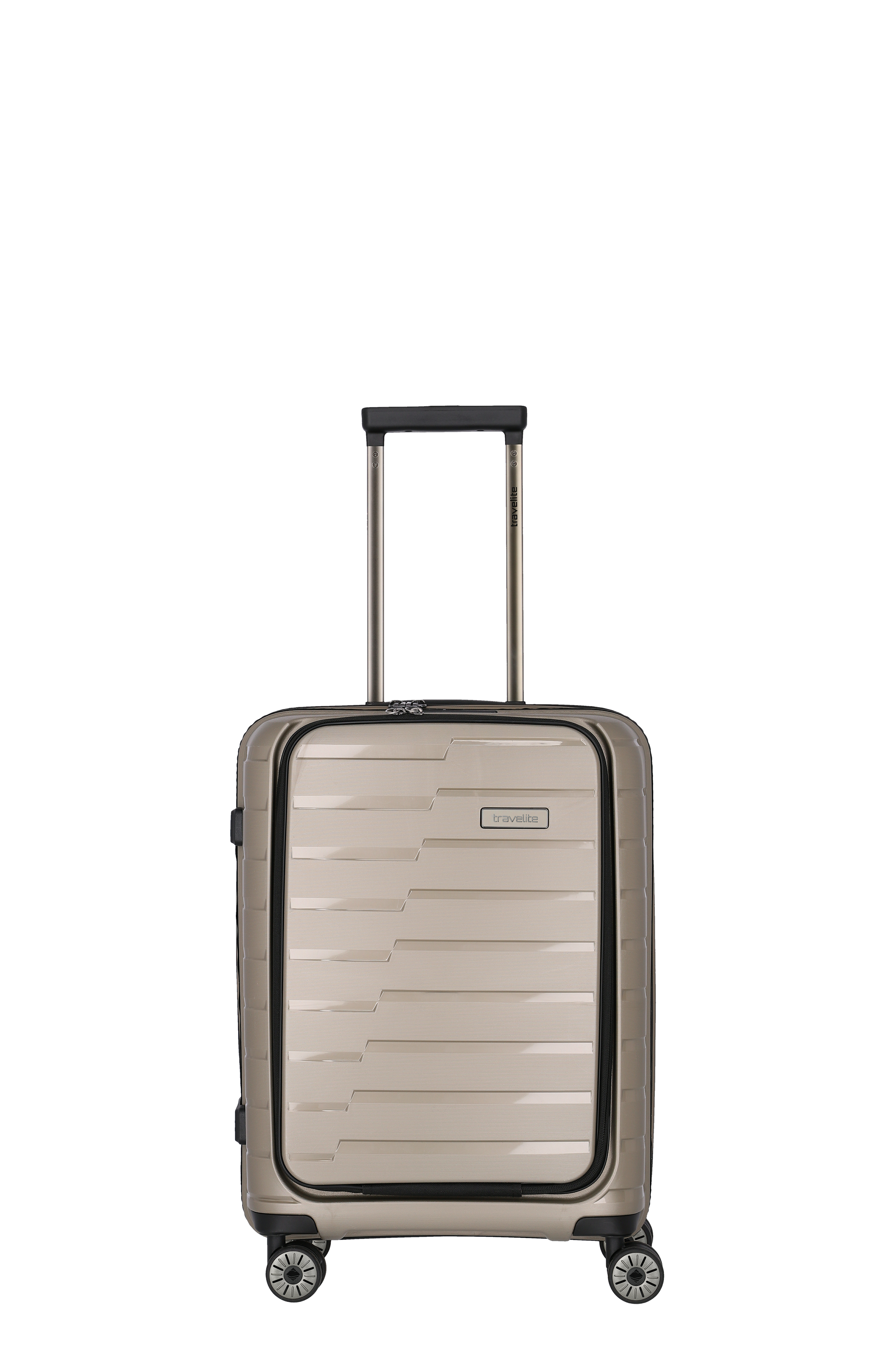
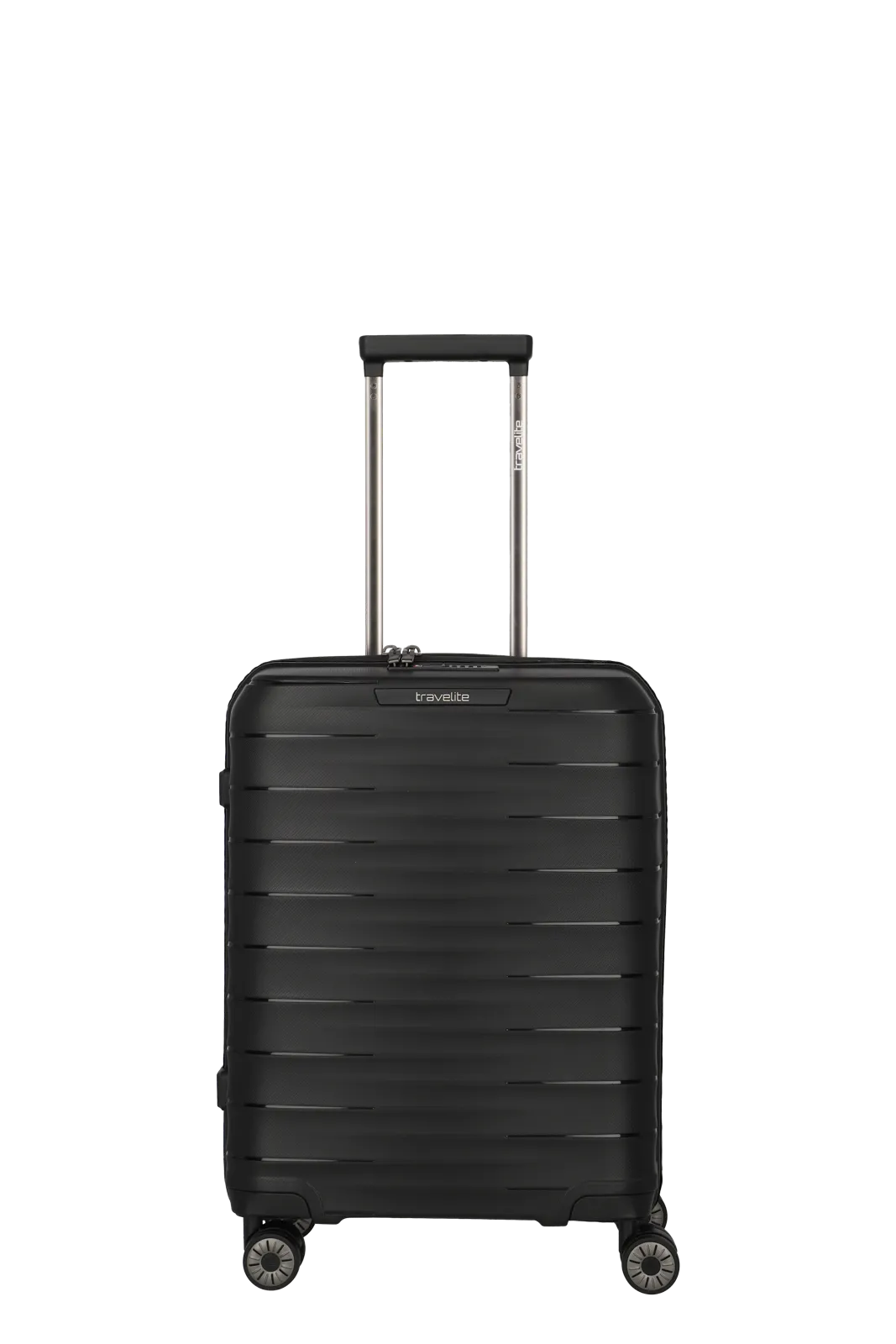
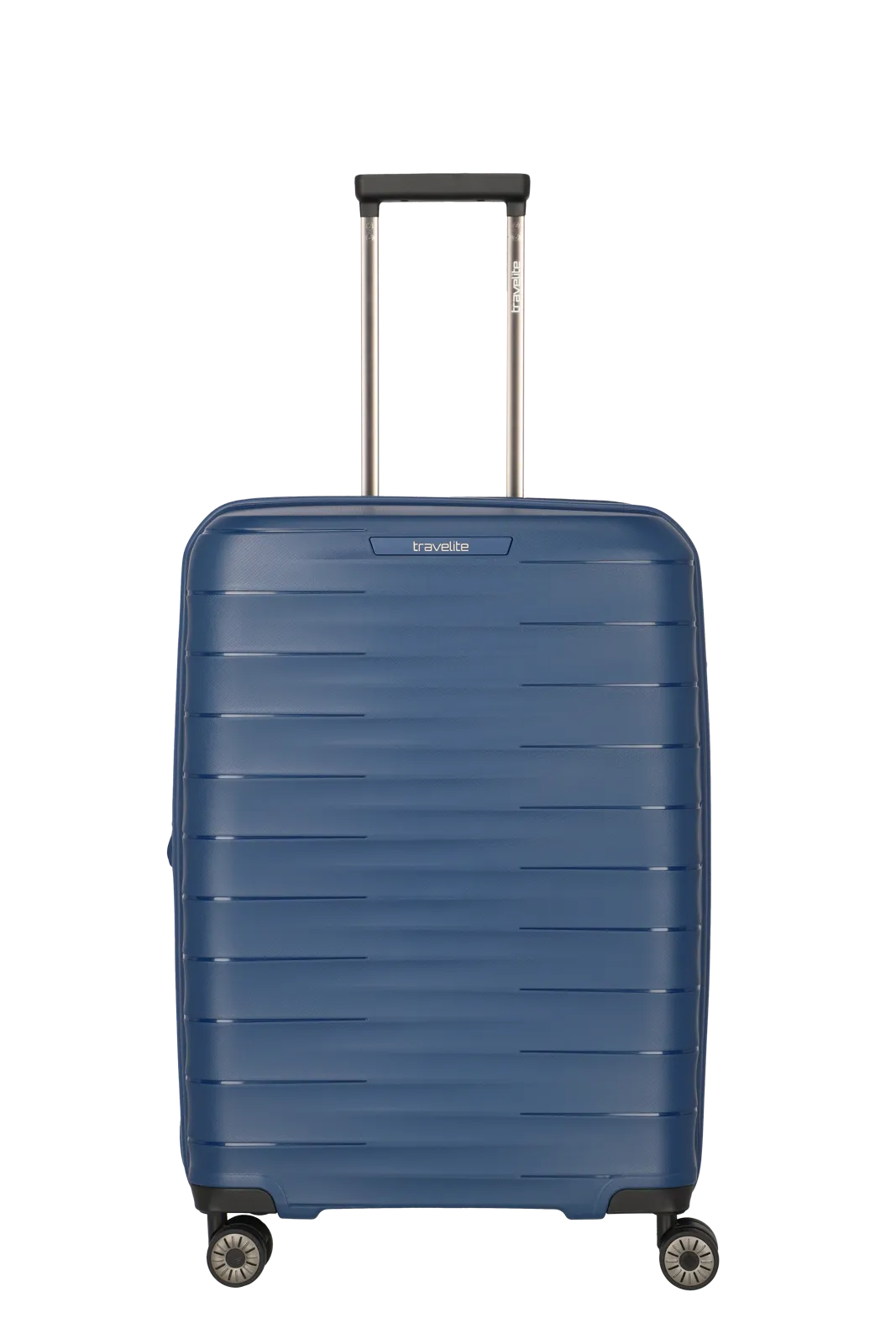
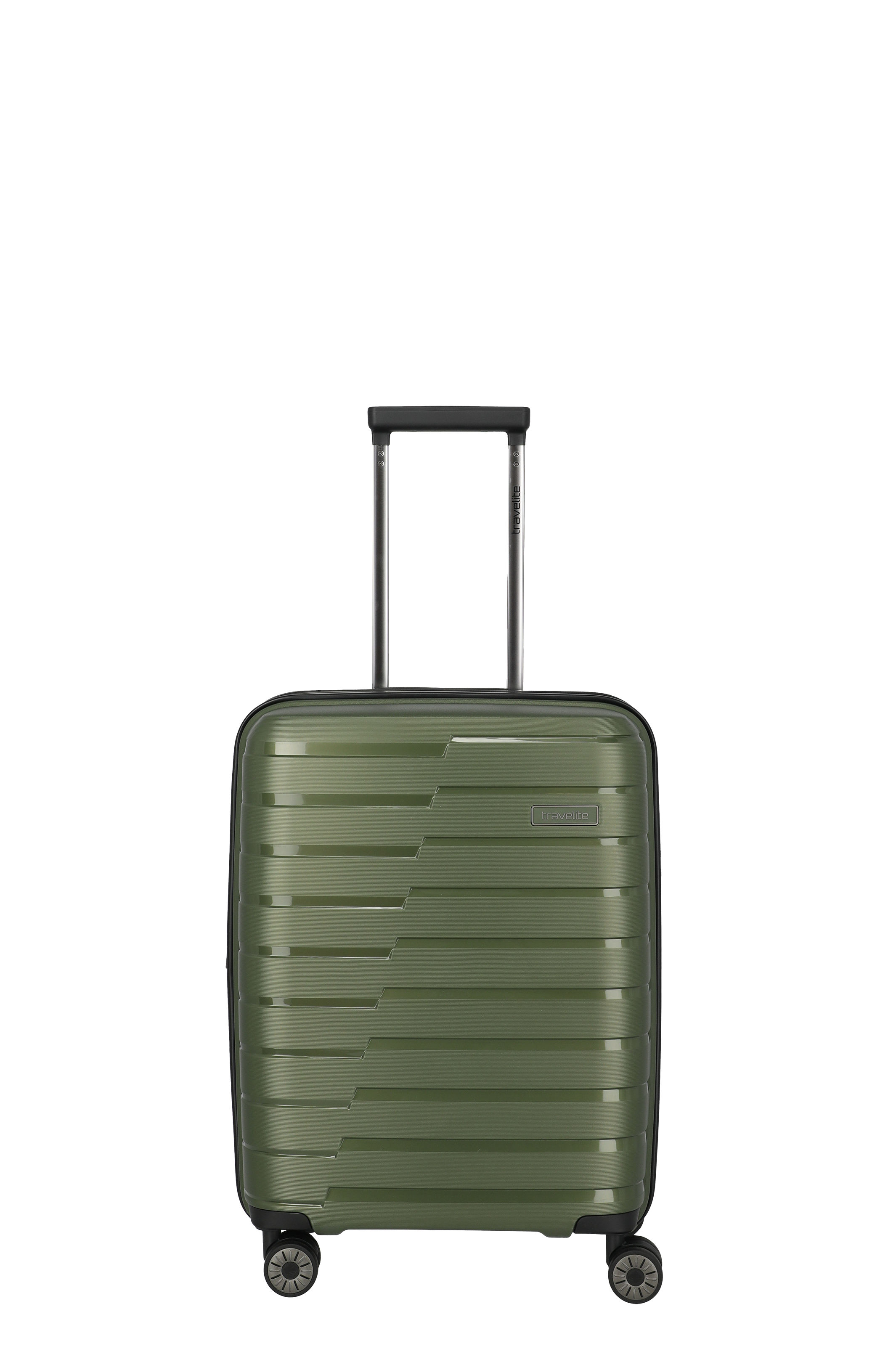
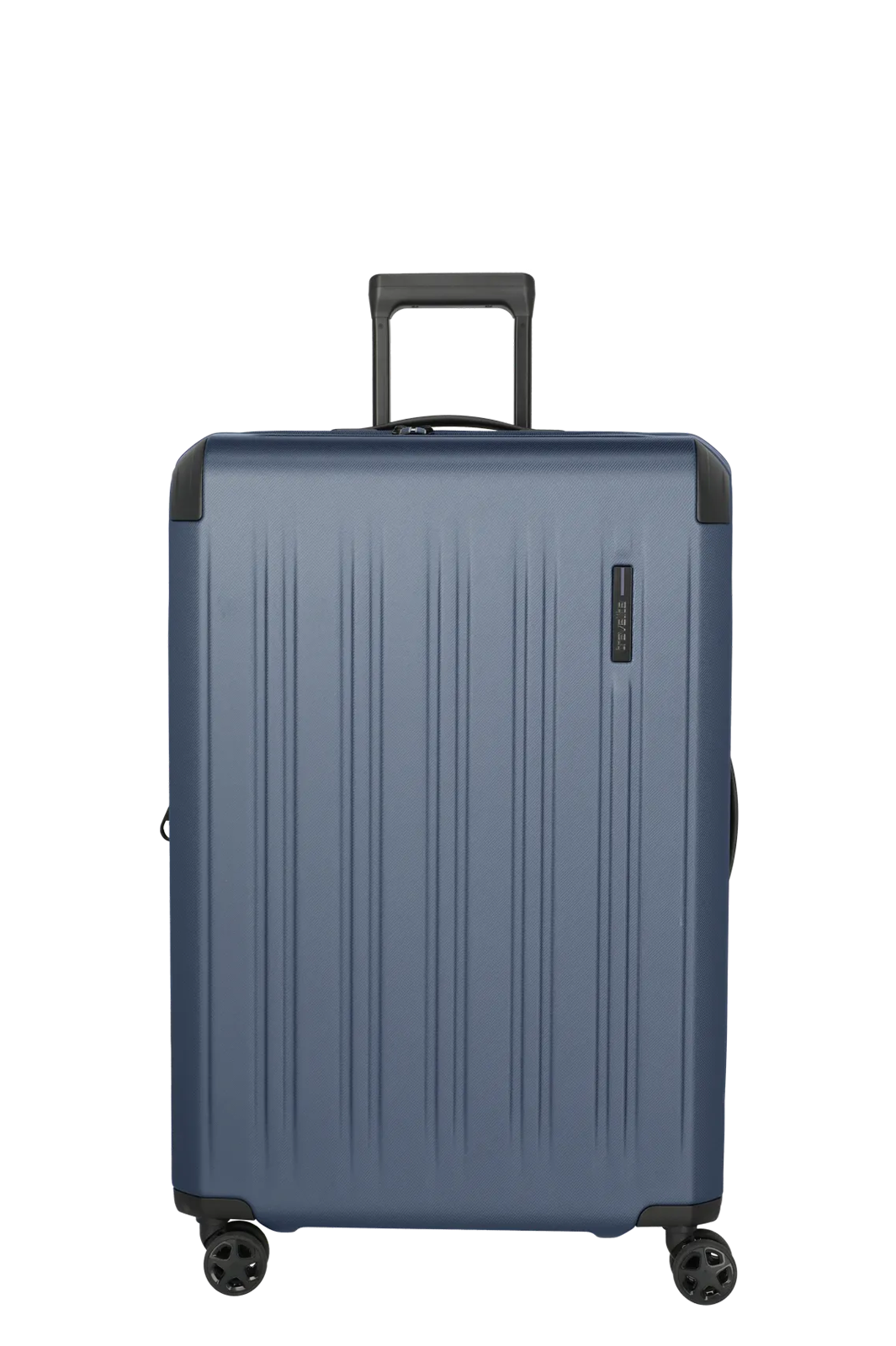
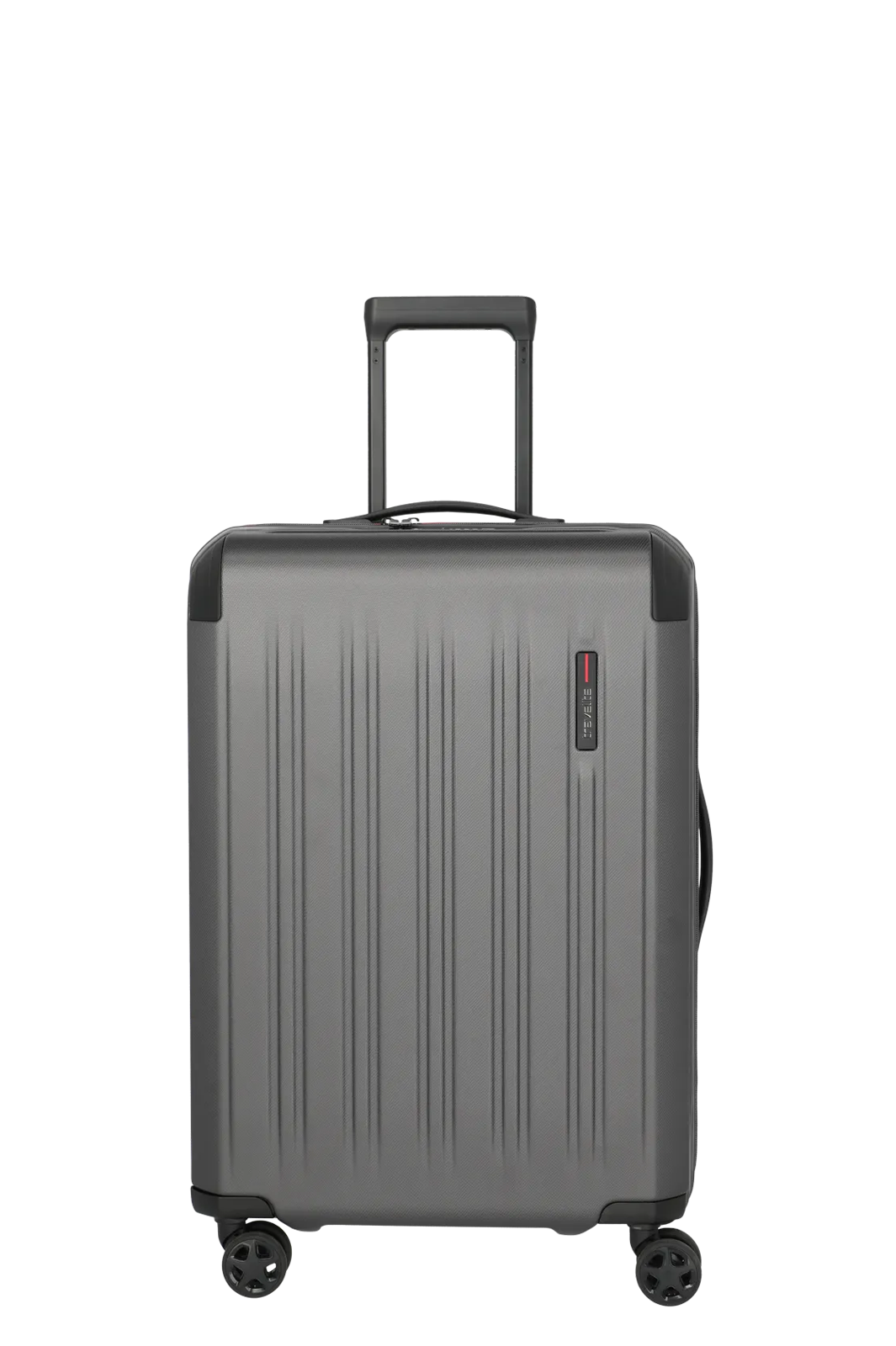
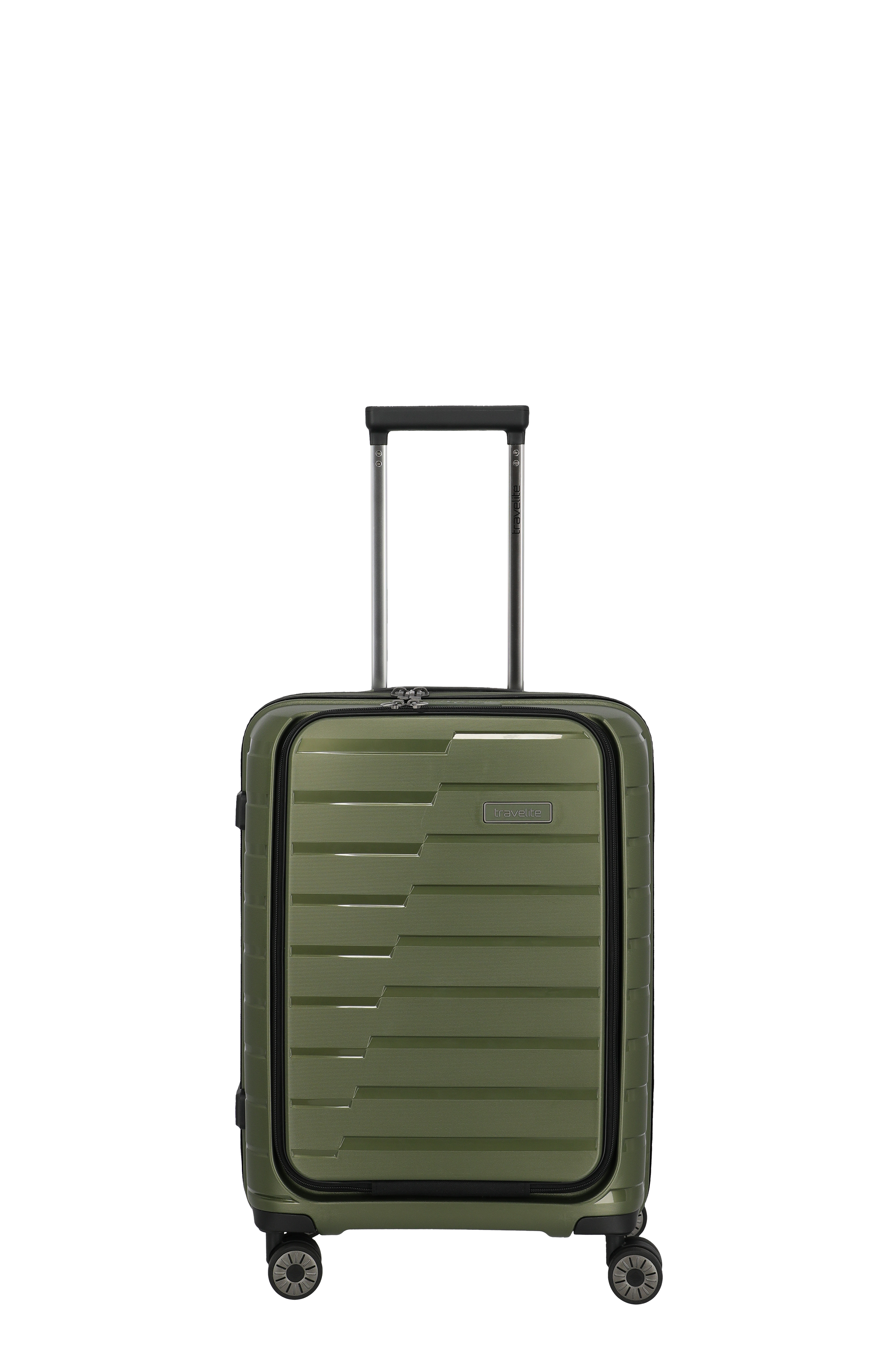
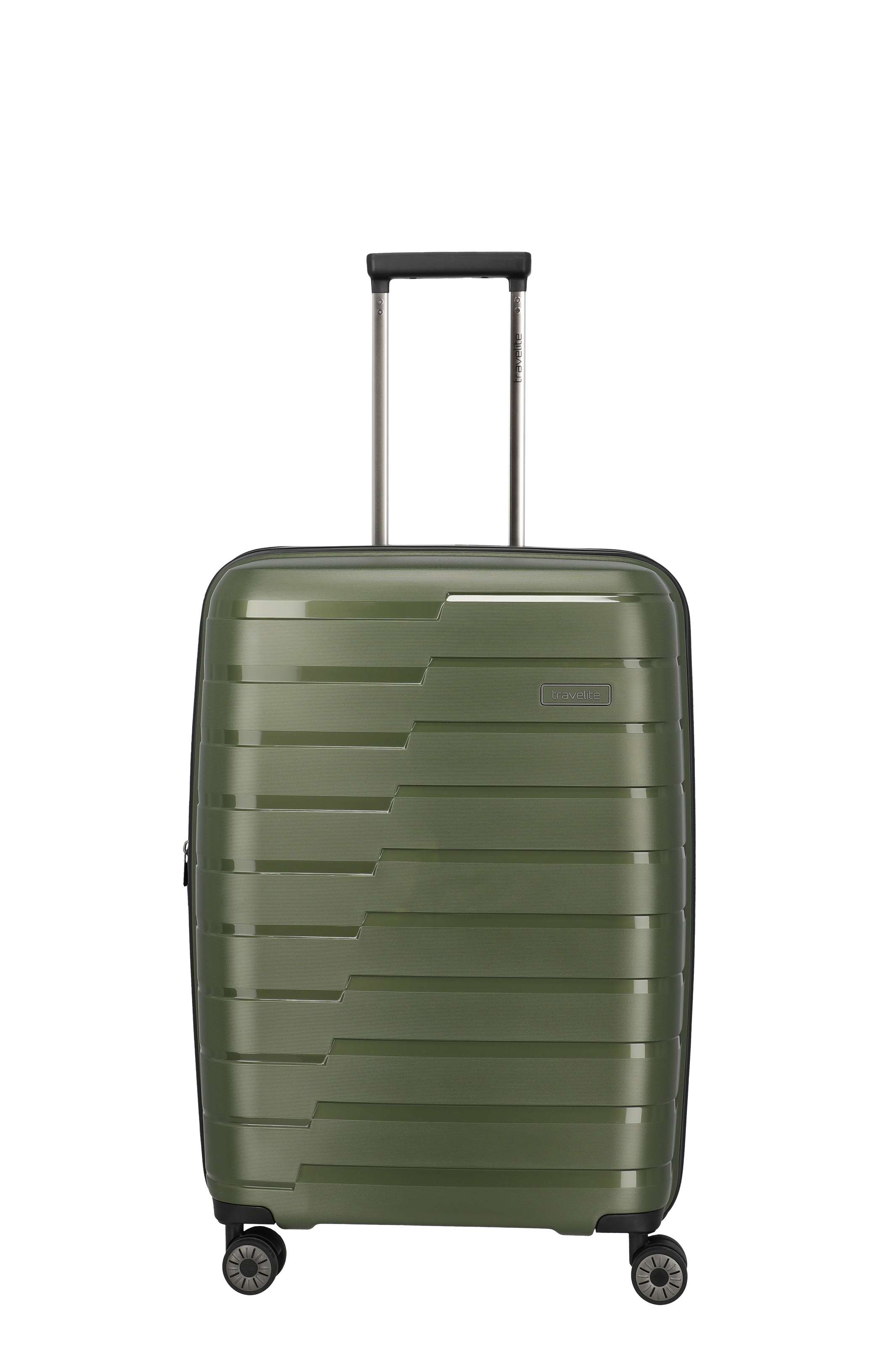
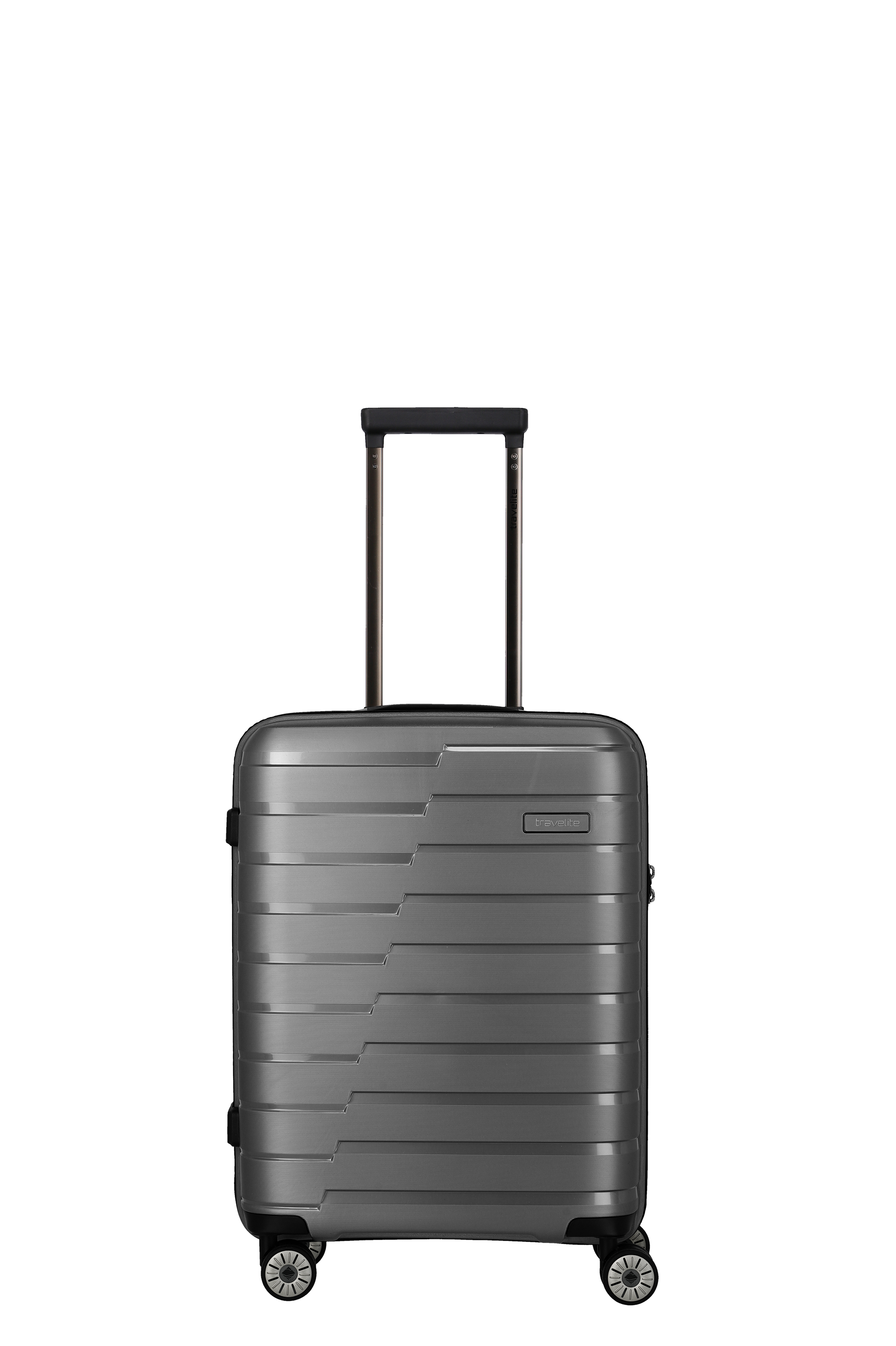
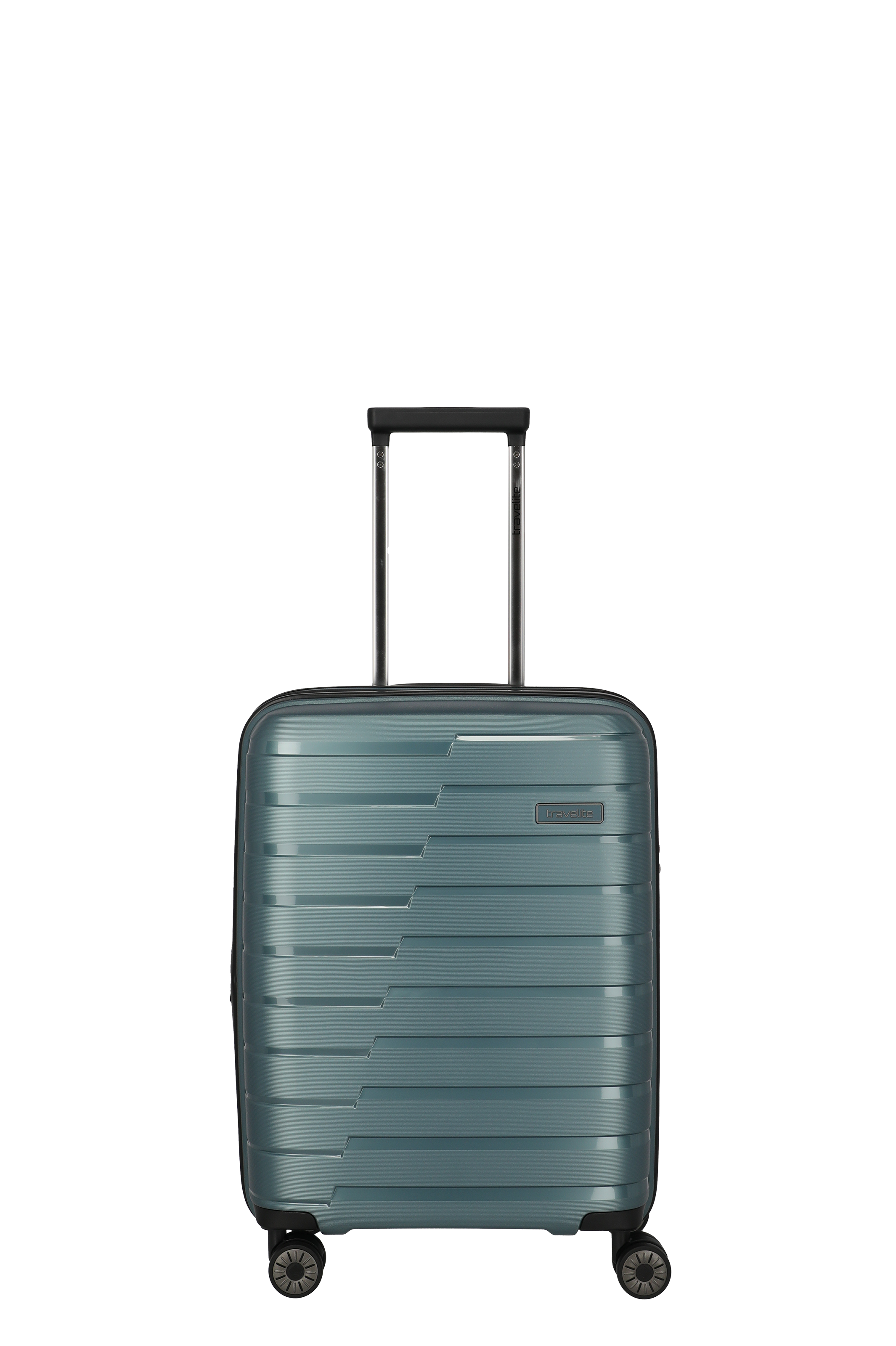
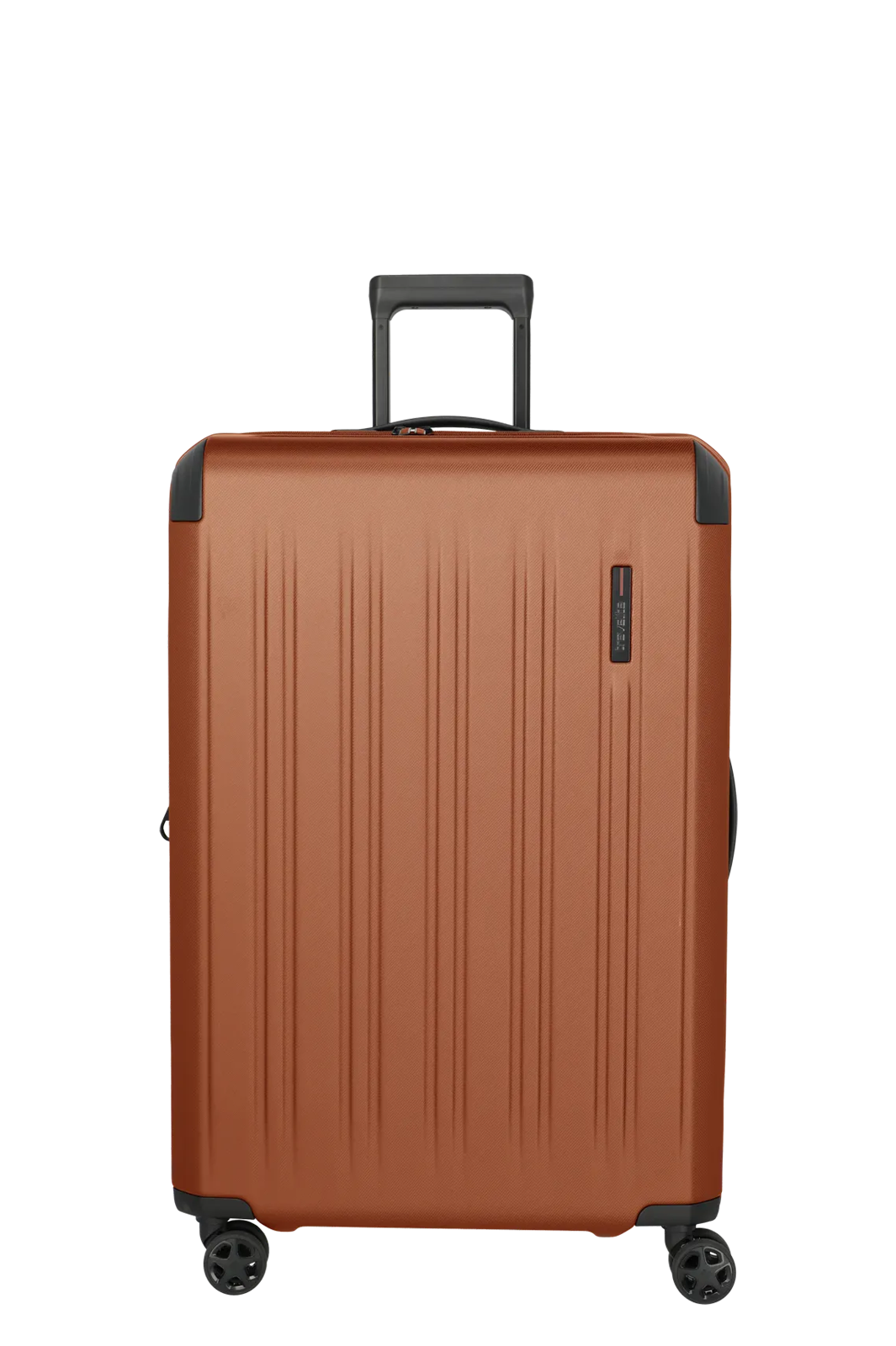
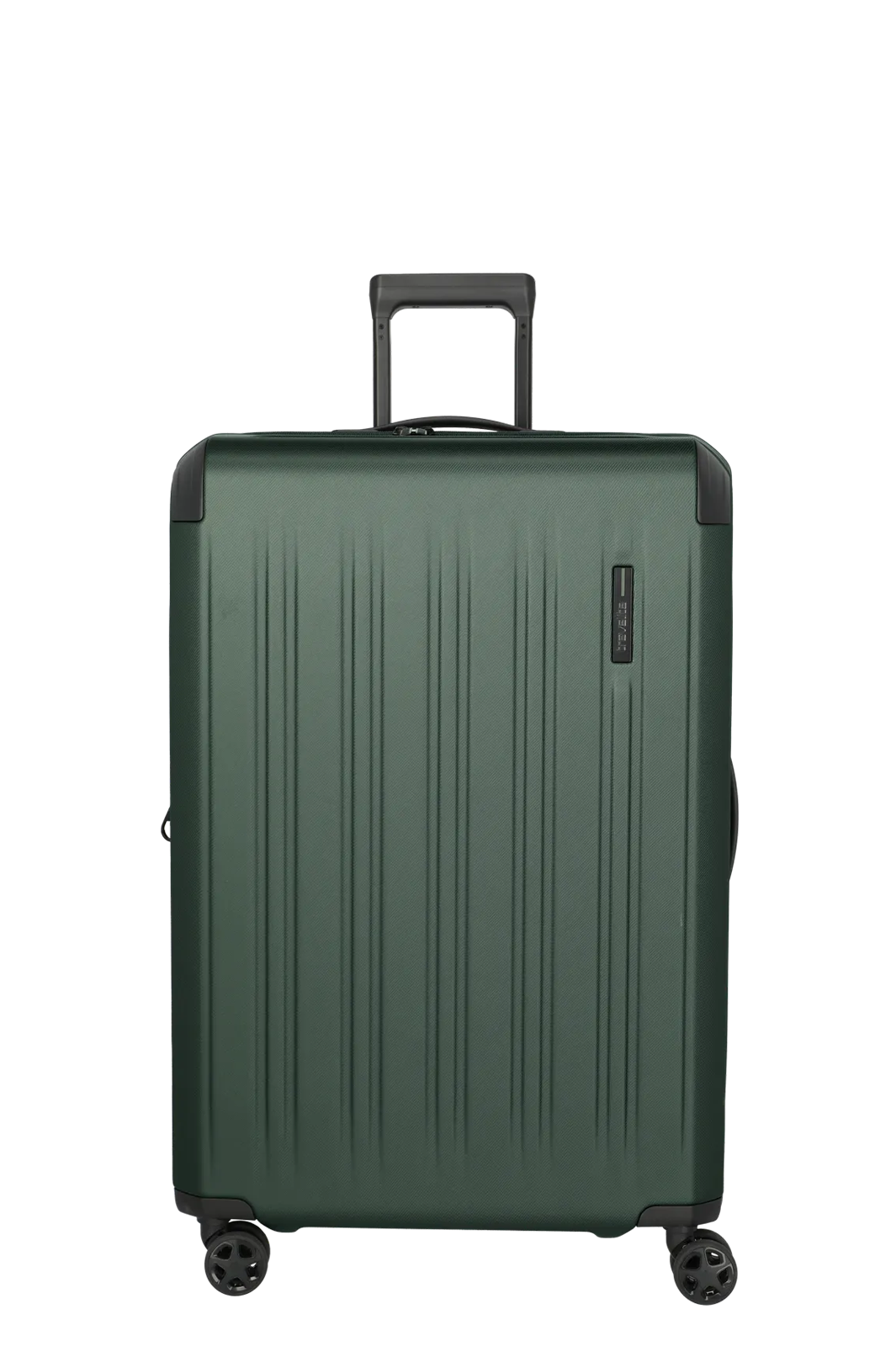
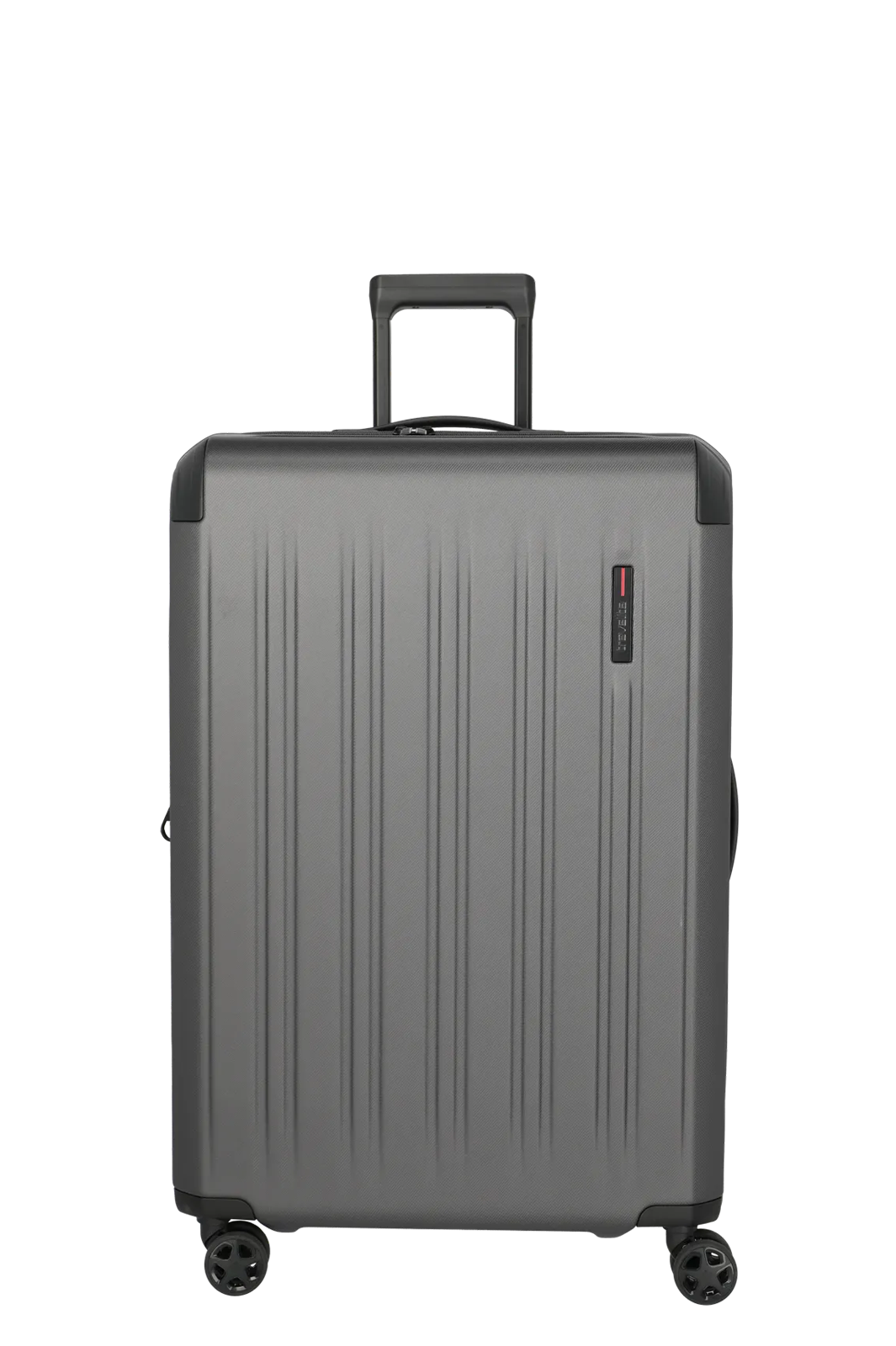
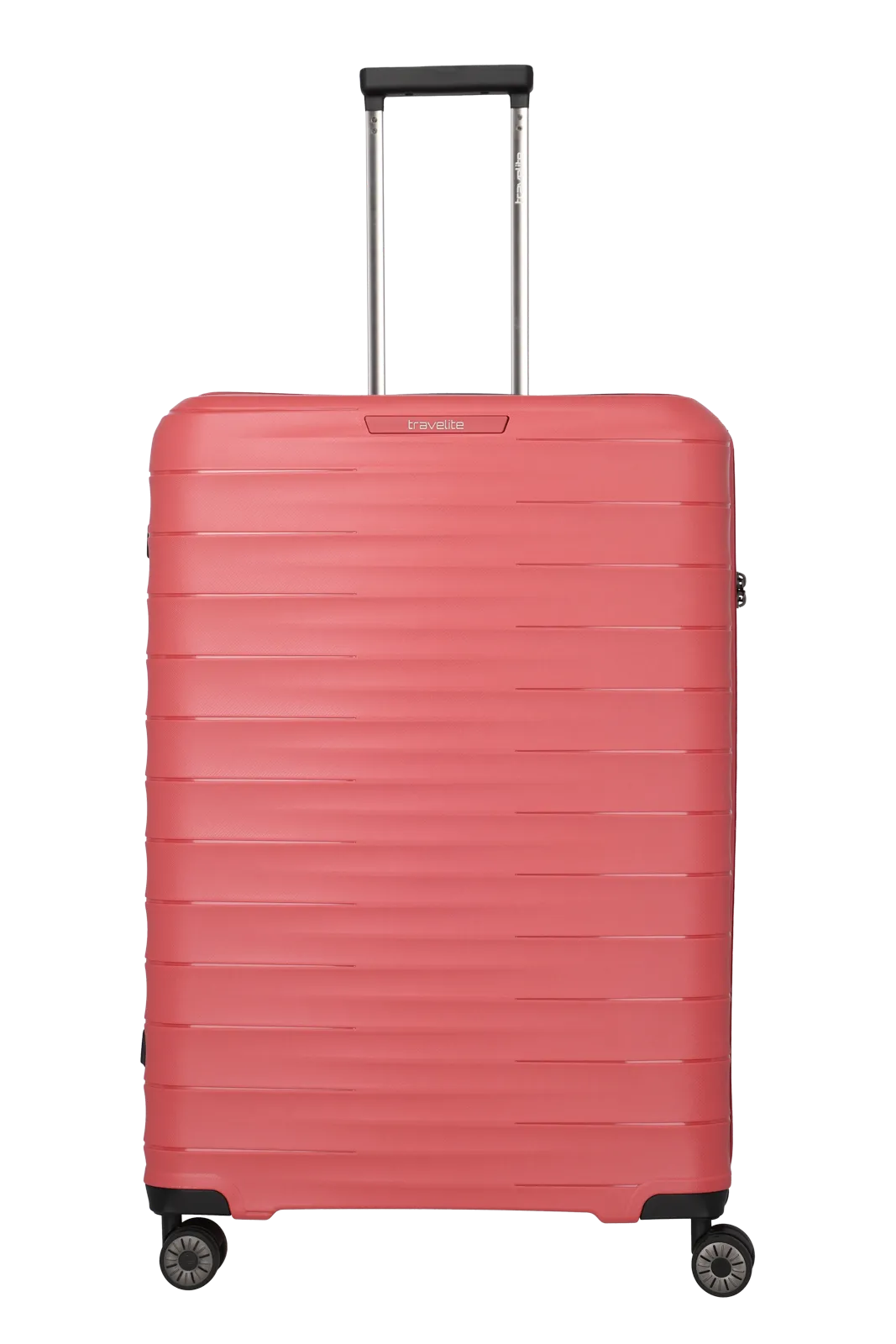
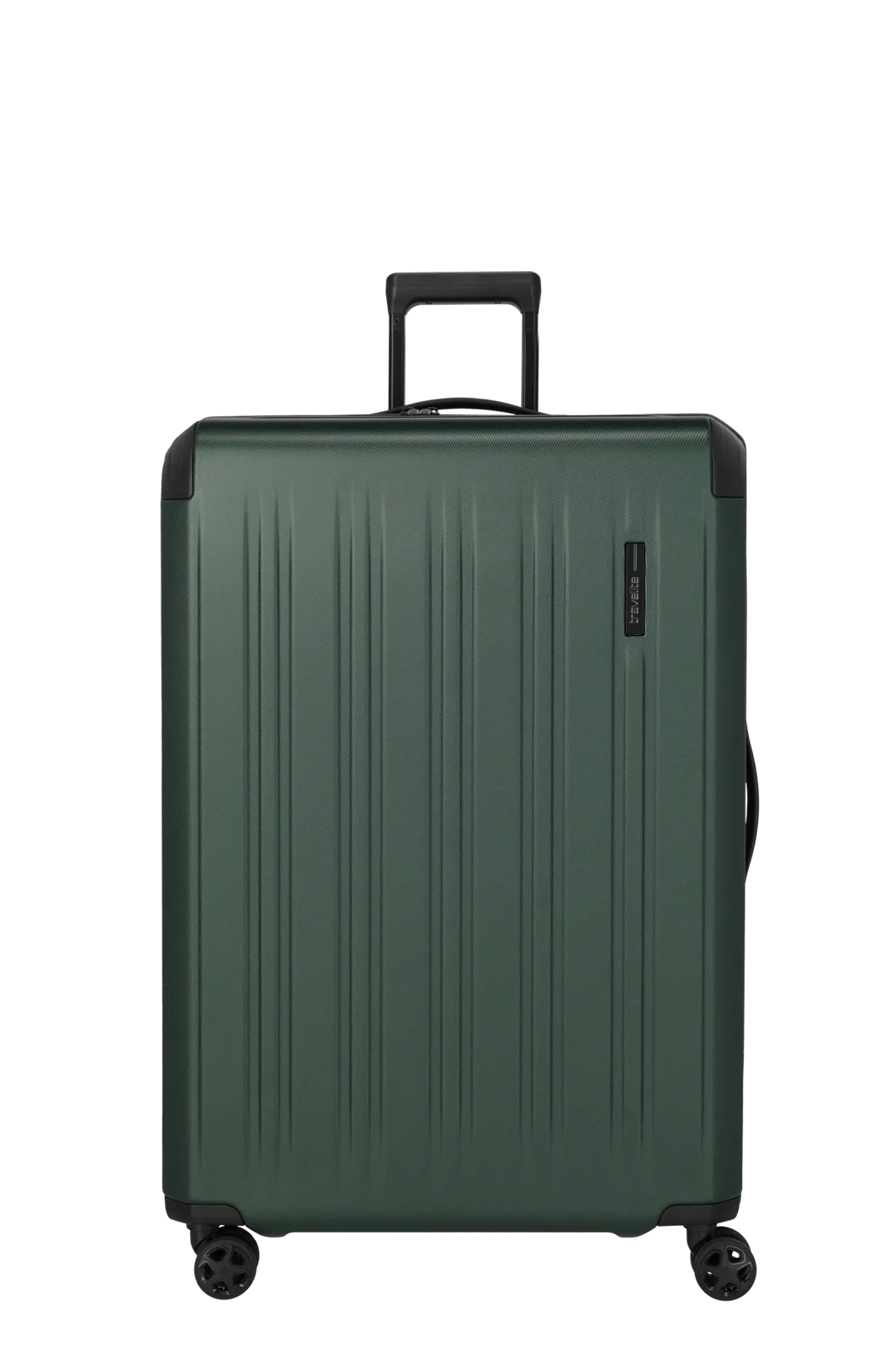
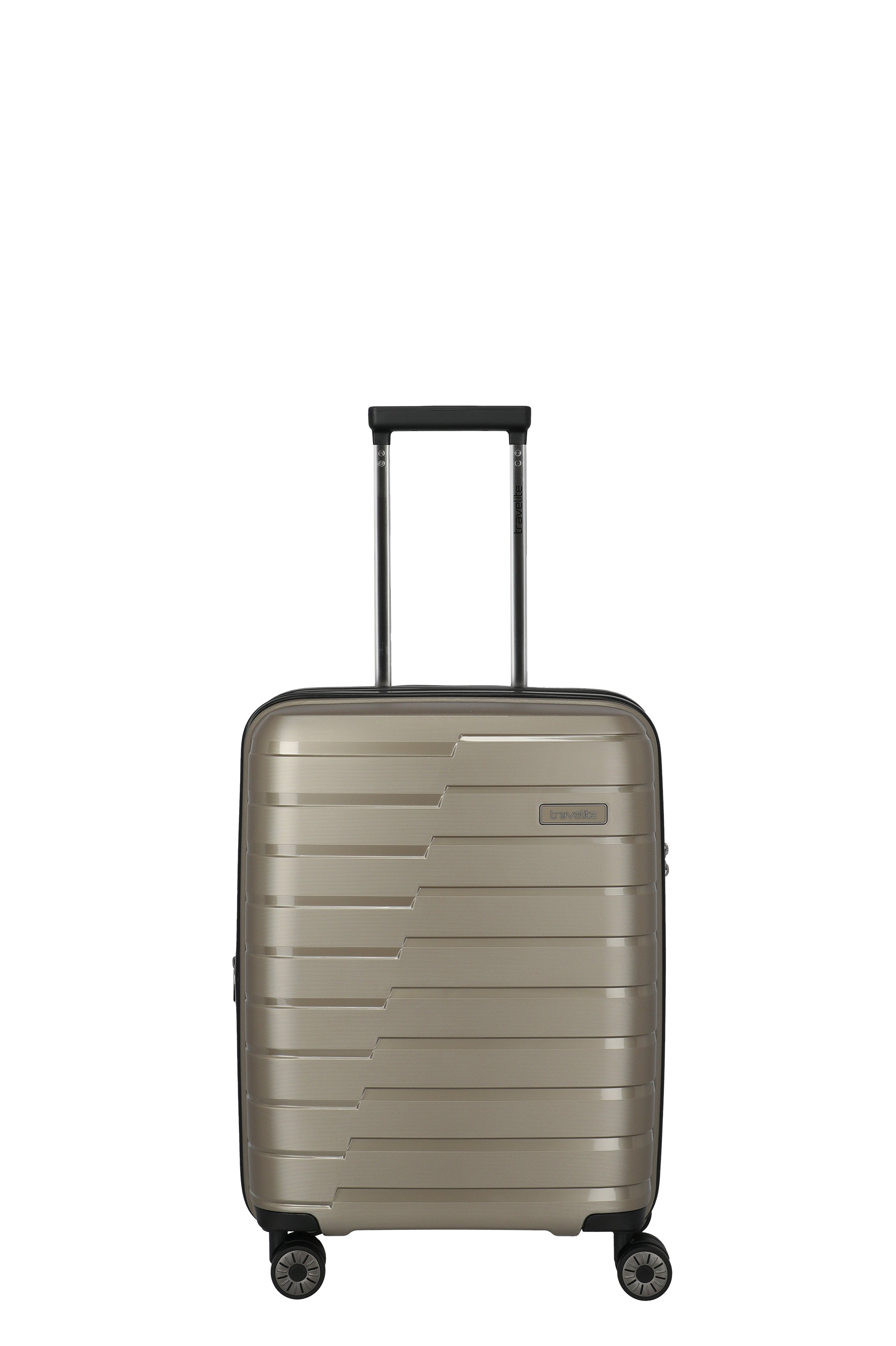
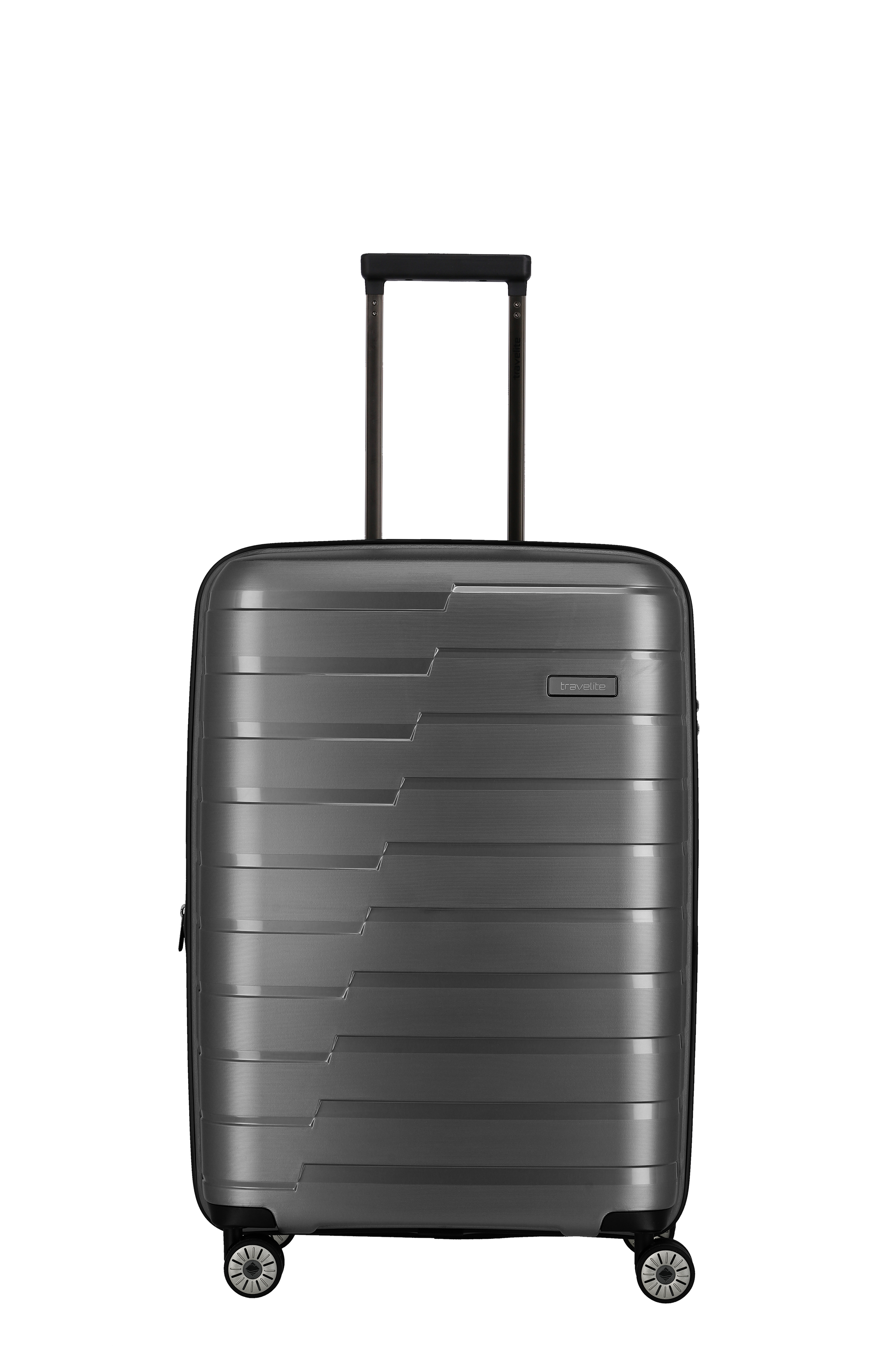
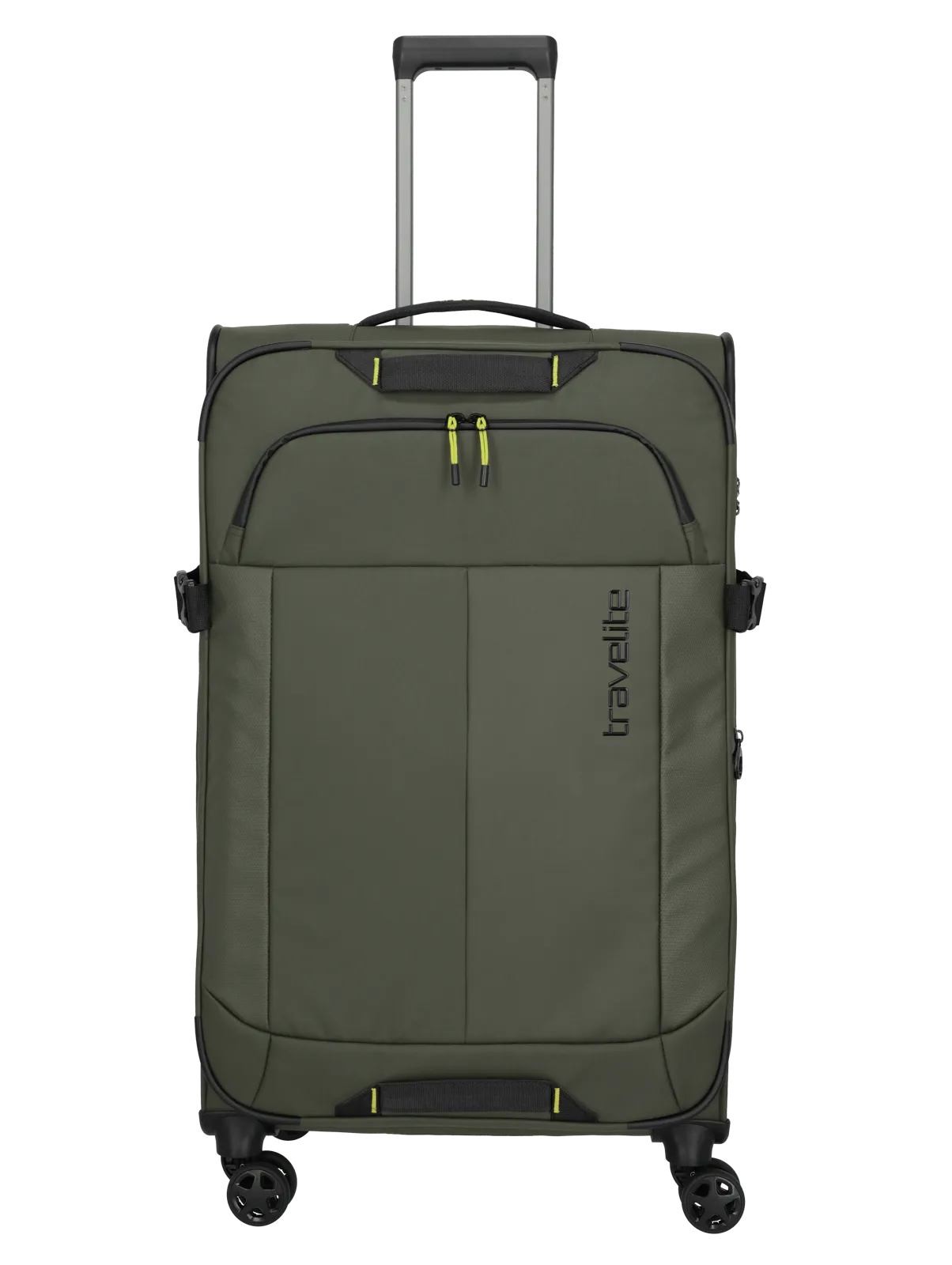
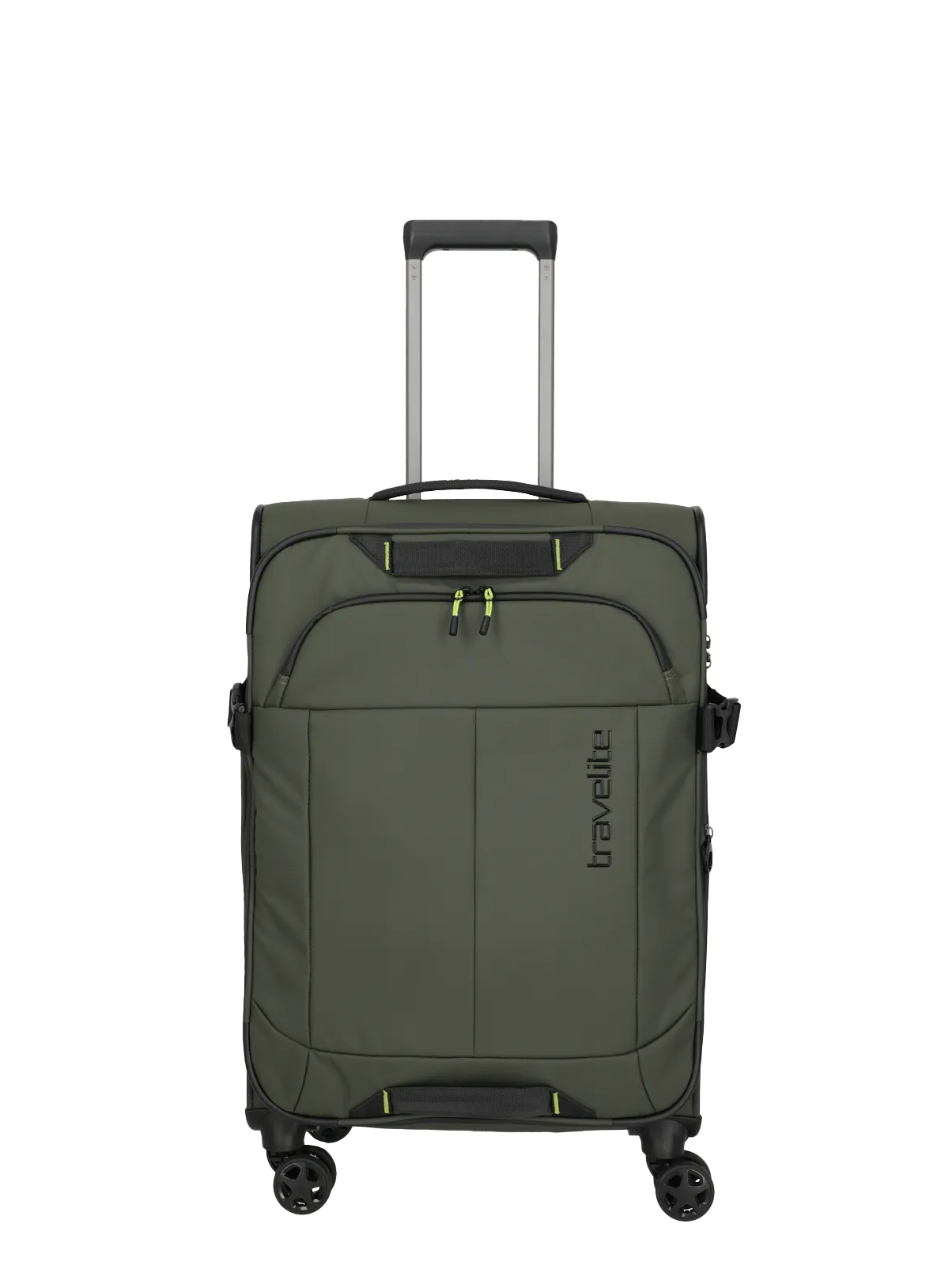
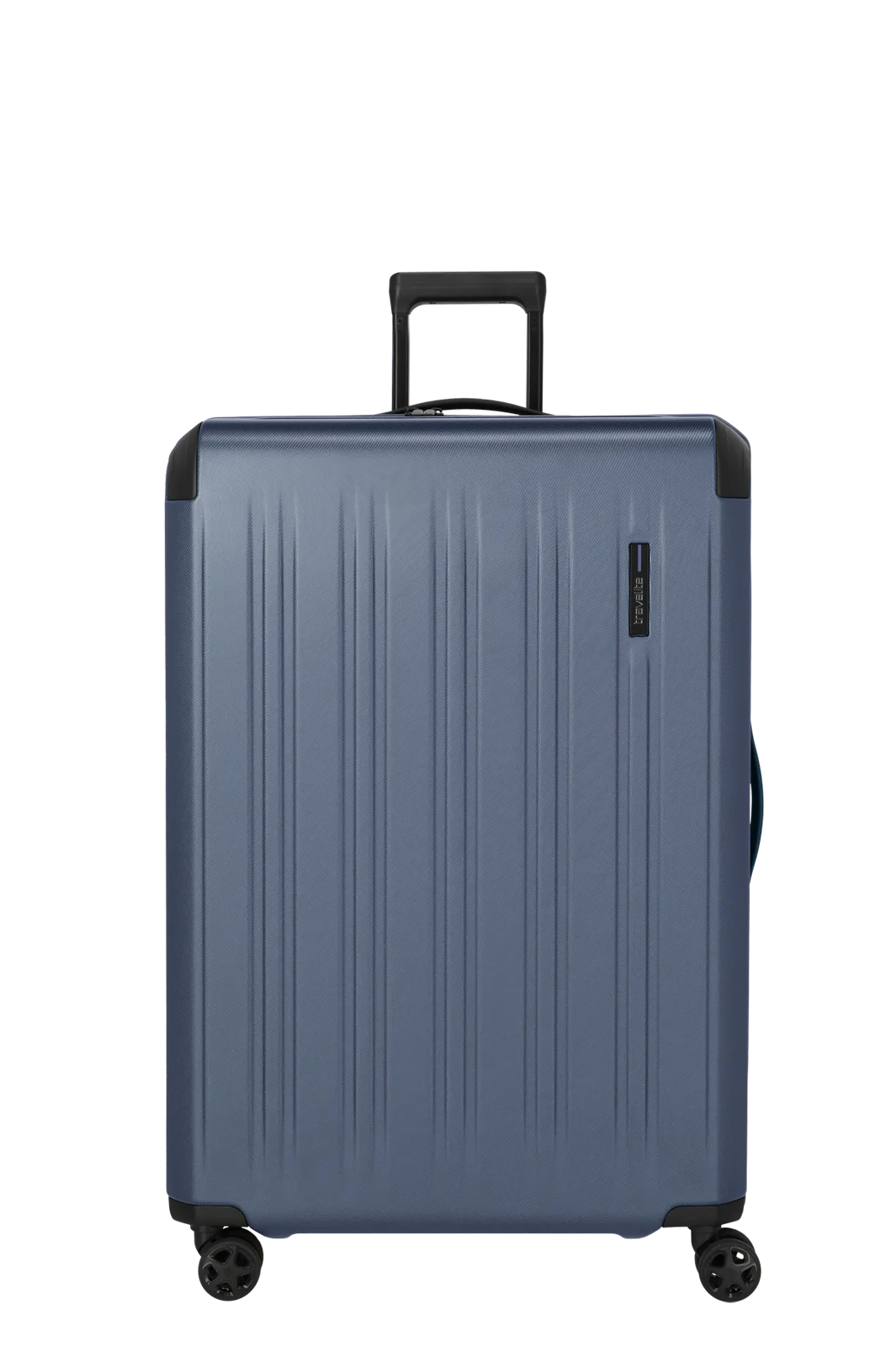
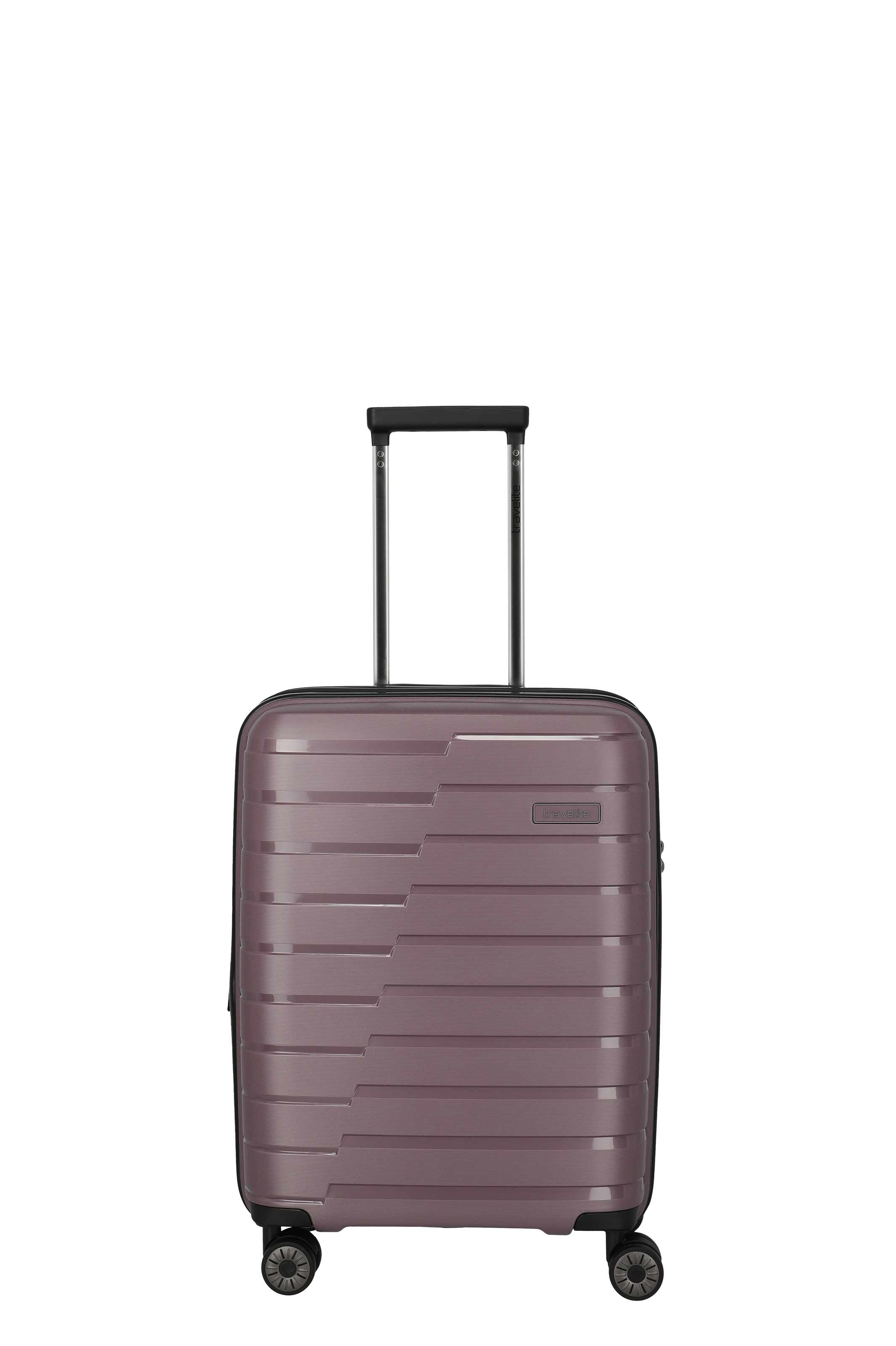
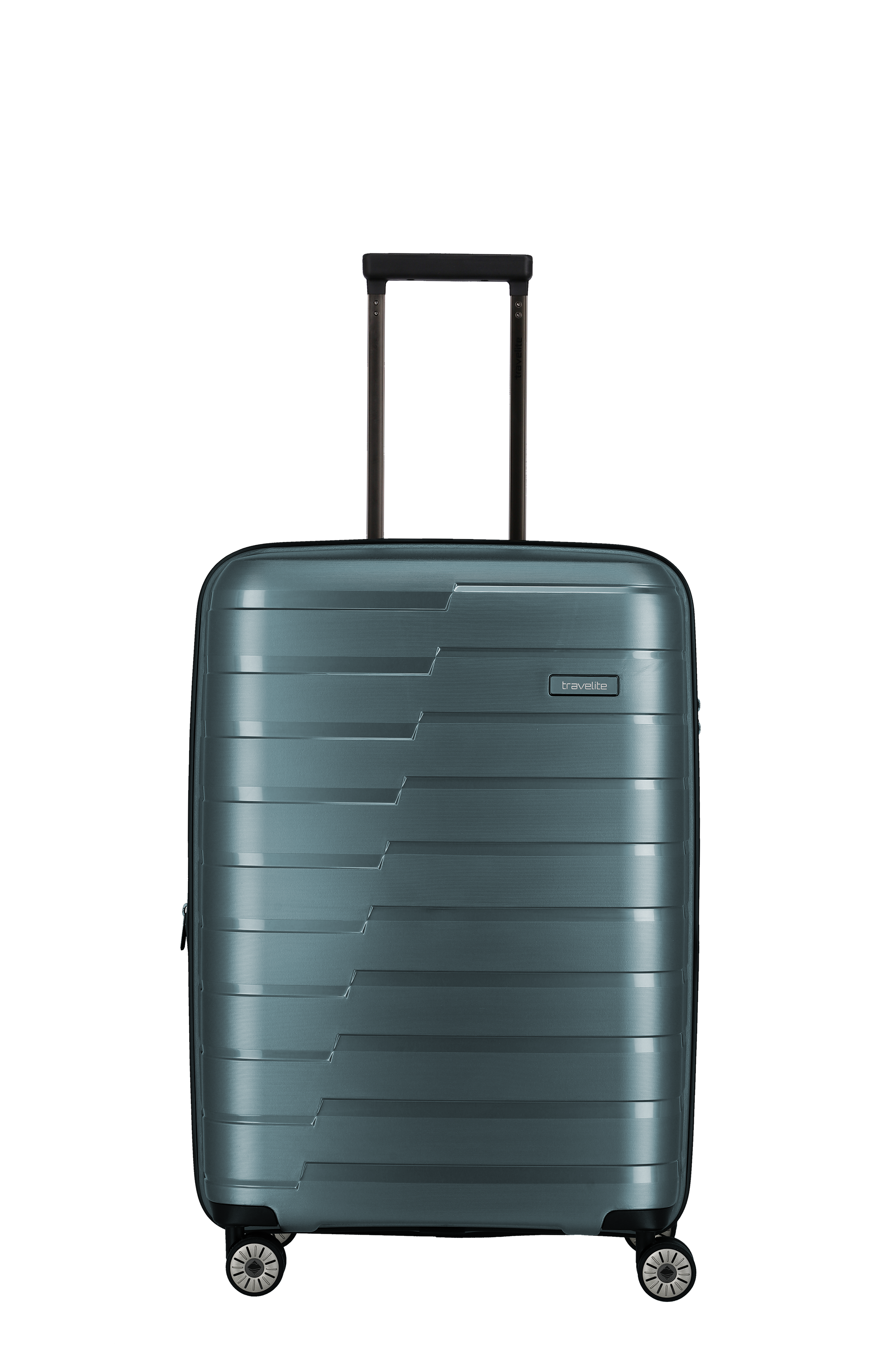
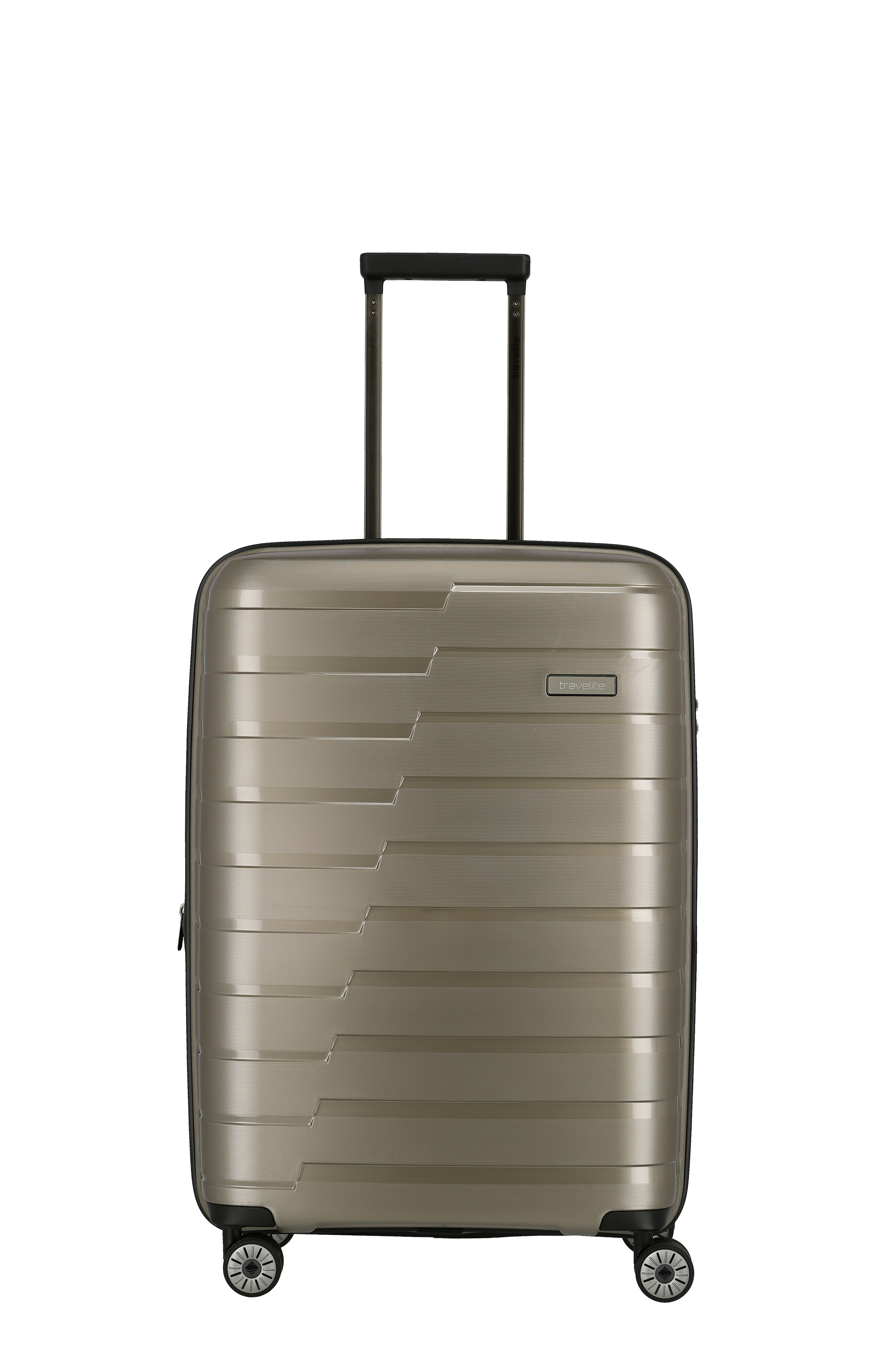
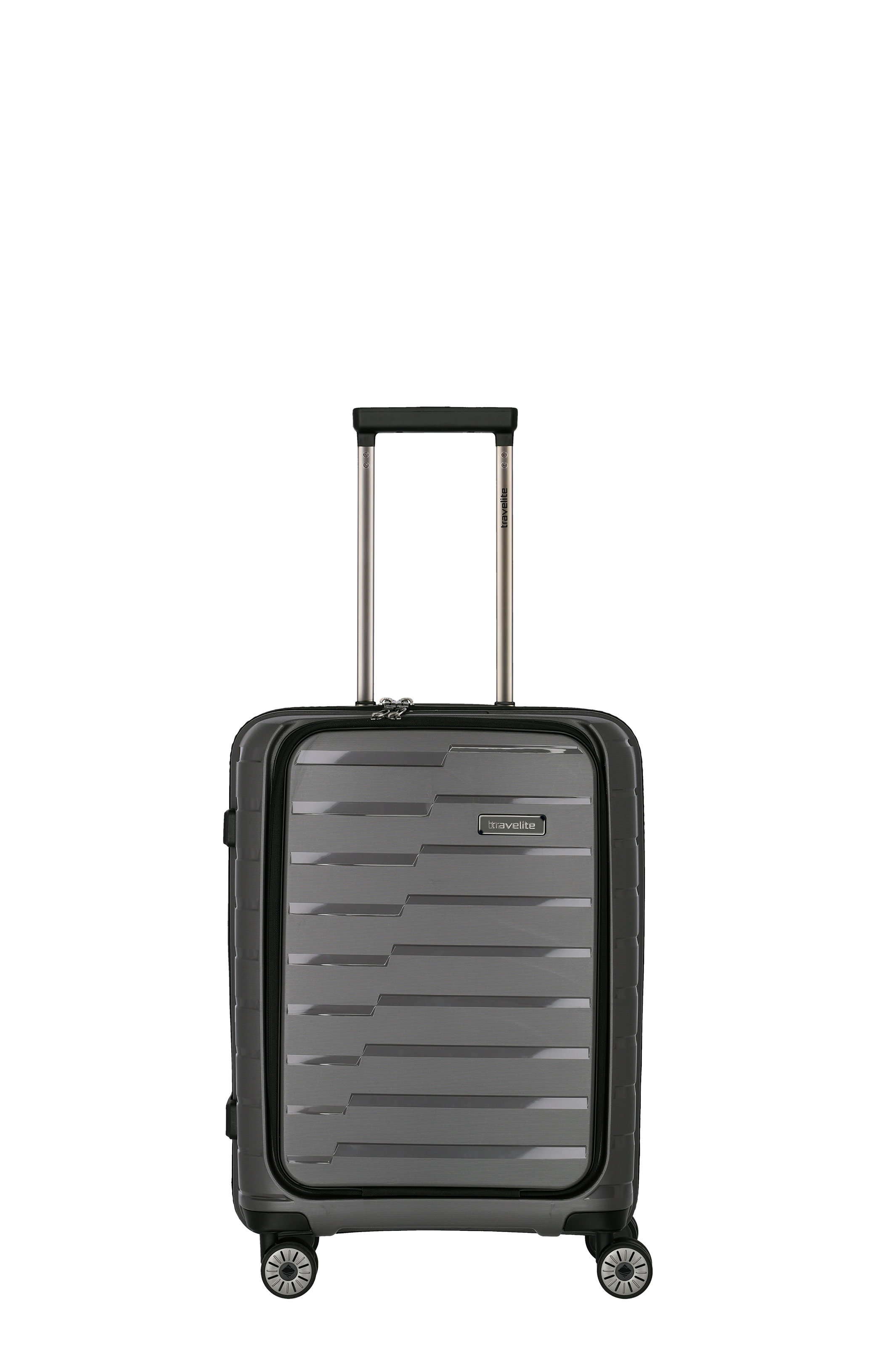
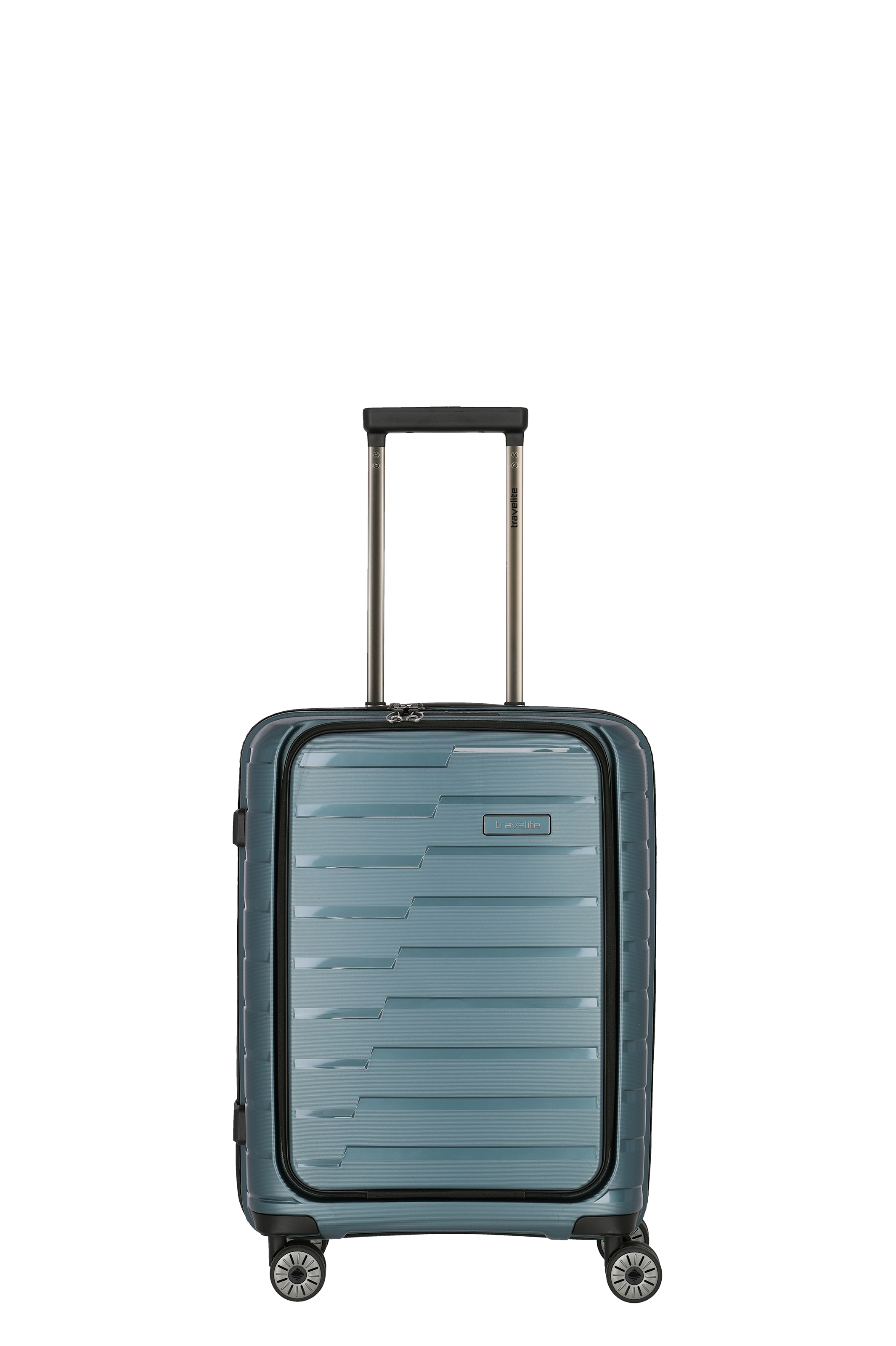
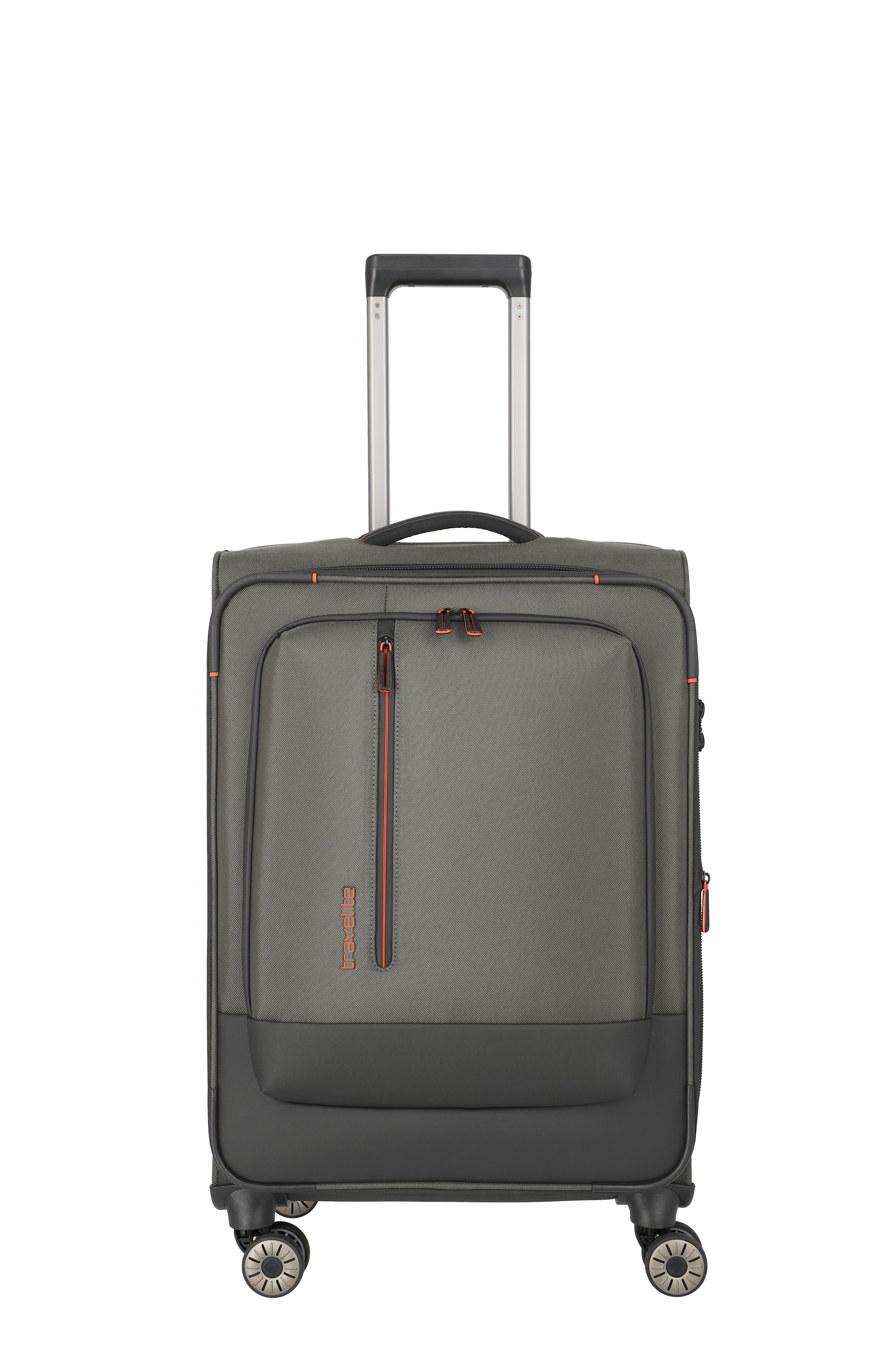
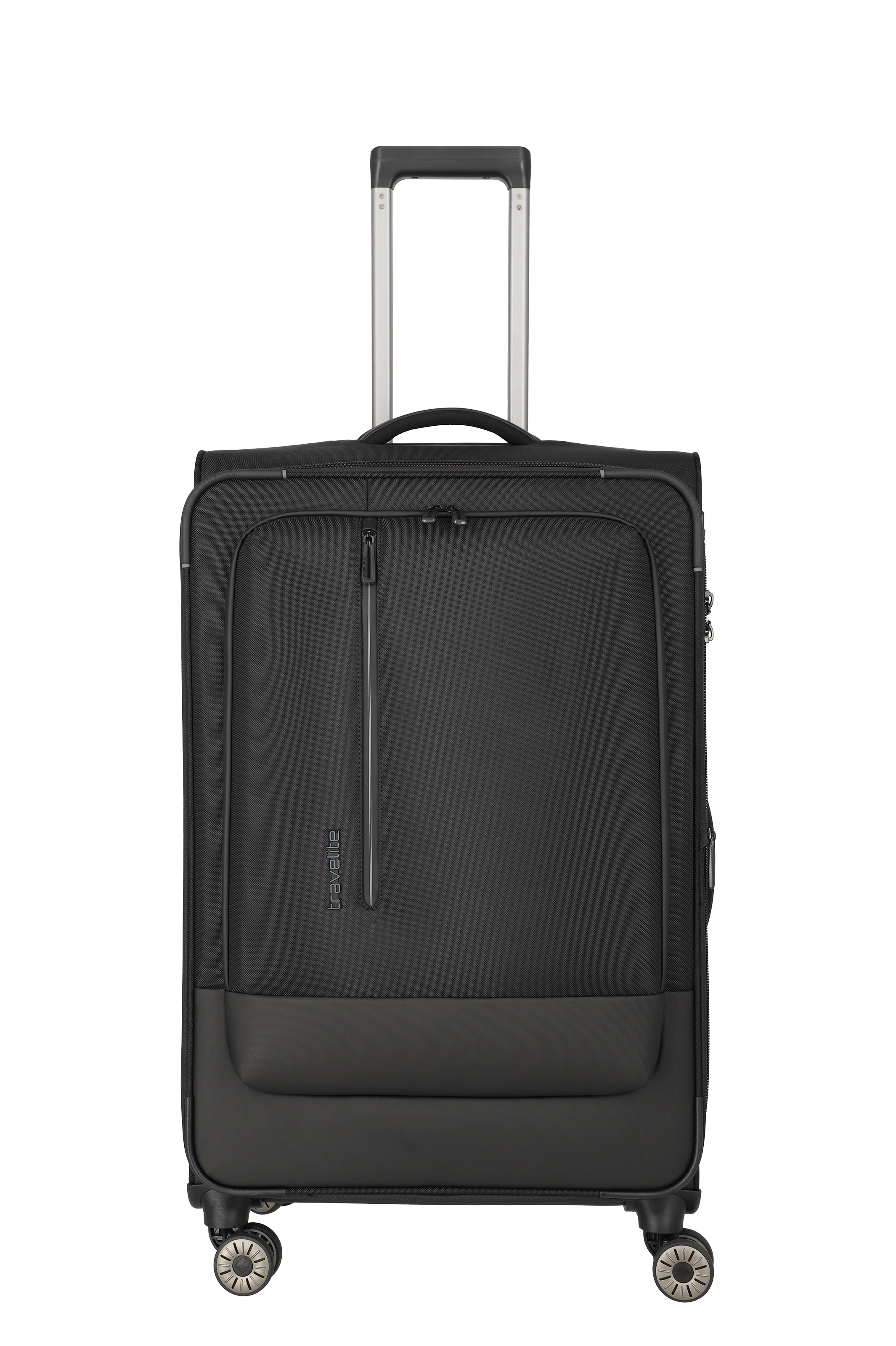
As a luggage expert, travelite offers helpful guidance on choosing the right suitcase. The right luggage solution is particularly crucial in winter, as warm clothing, sturdy shoes and high-performance equipment take up more space and need to be transported safely. With the right combination of suitcase, travel bag and rucksack, you’ll travel comfortably and safely – whether by car, train or plane.
Hard-shell suitcases vs. soft luggage in winter
Both types of suitcase have clear advantages in winter. Which option is best for you depends on your destination, mode of transport and personal preference.
- Hard-shell suitcases: sturdy, stackable and particularly weather-resistant – ideal for slush or uneven paths
- Soft luggage: more flexible and often lighter, easily adaptable for car or train journeys, and ideal if you need variable storage space
Suitcase sizes compared: how much space you’ll need in winter
As winter clothing takes up considerably more space, it’s worth choosing the size of your suitcase carefully.
- S (cabin-sized suitcase): perfect for a weekend away or a short city break
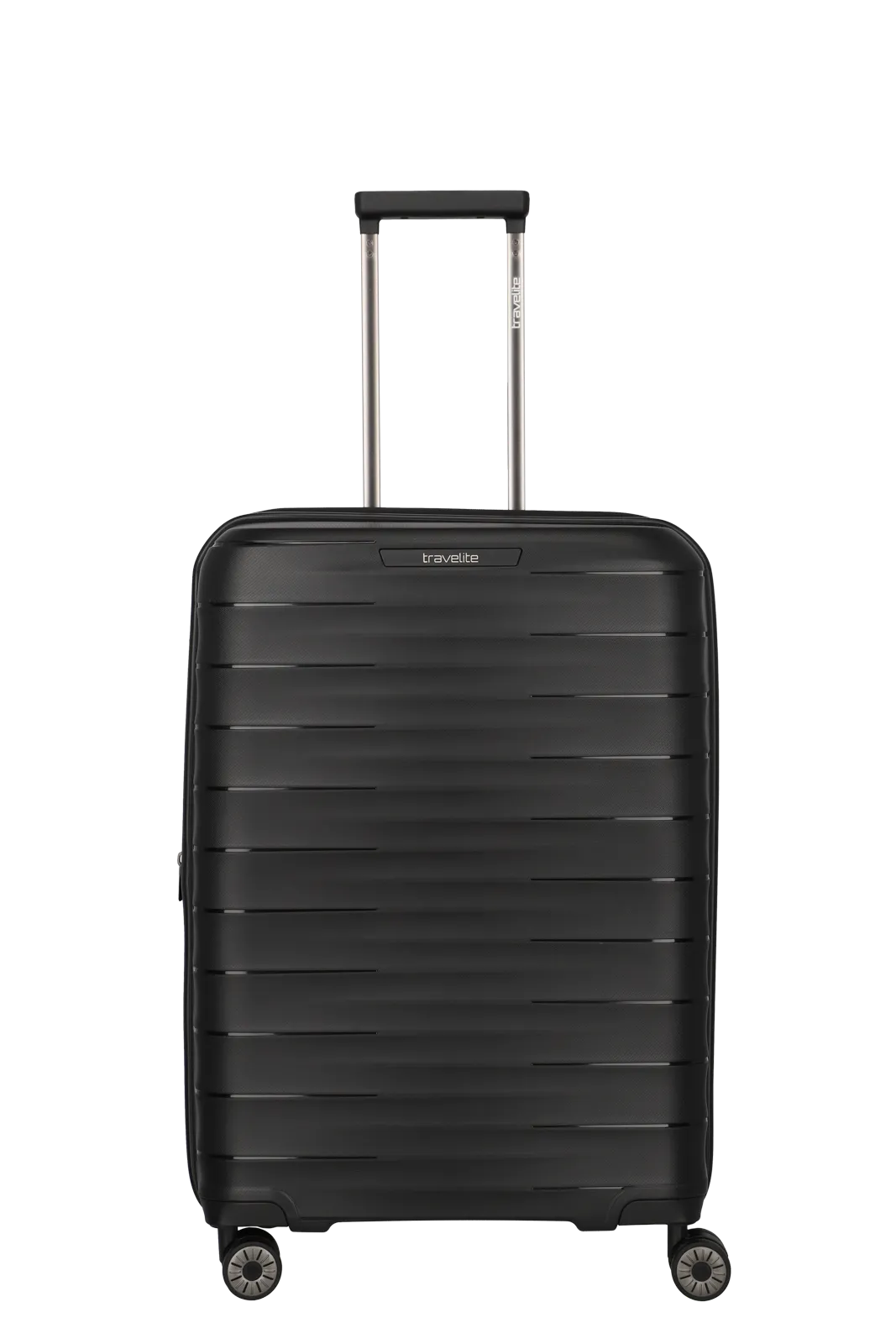
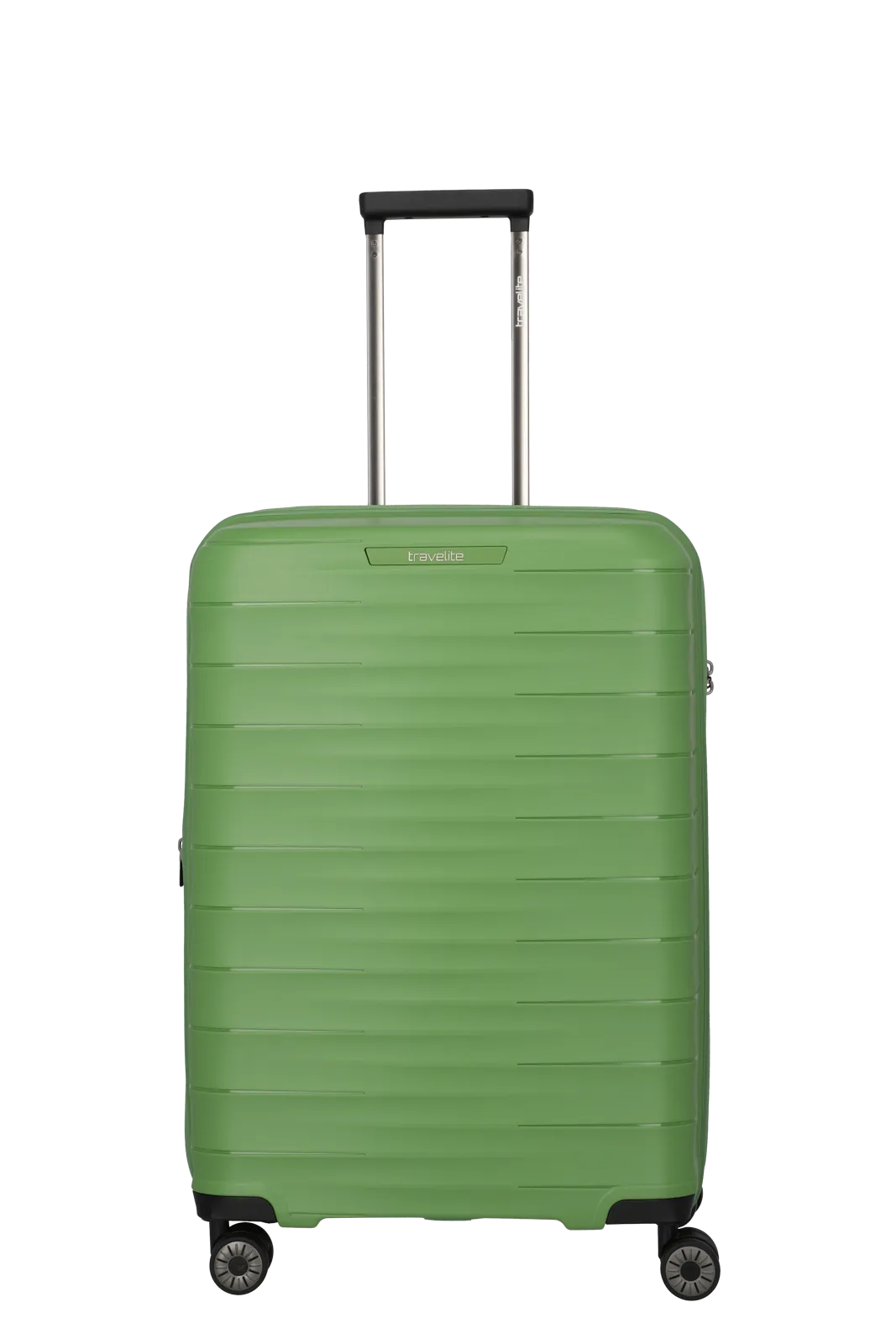
- M (medium size): ideal for a winter holiday lasting around a week
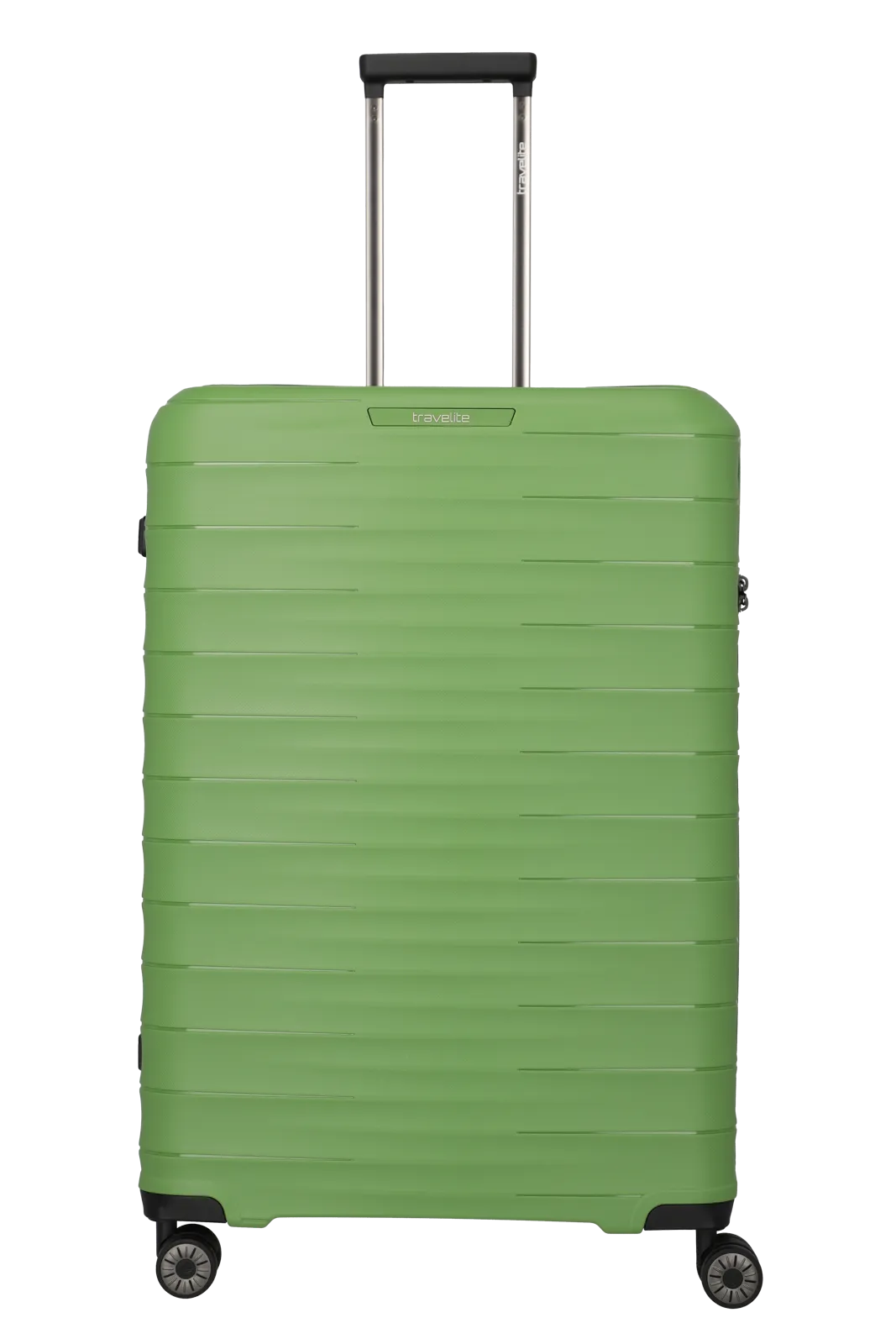
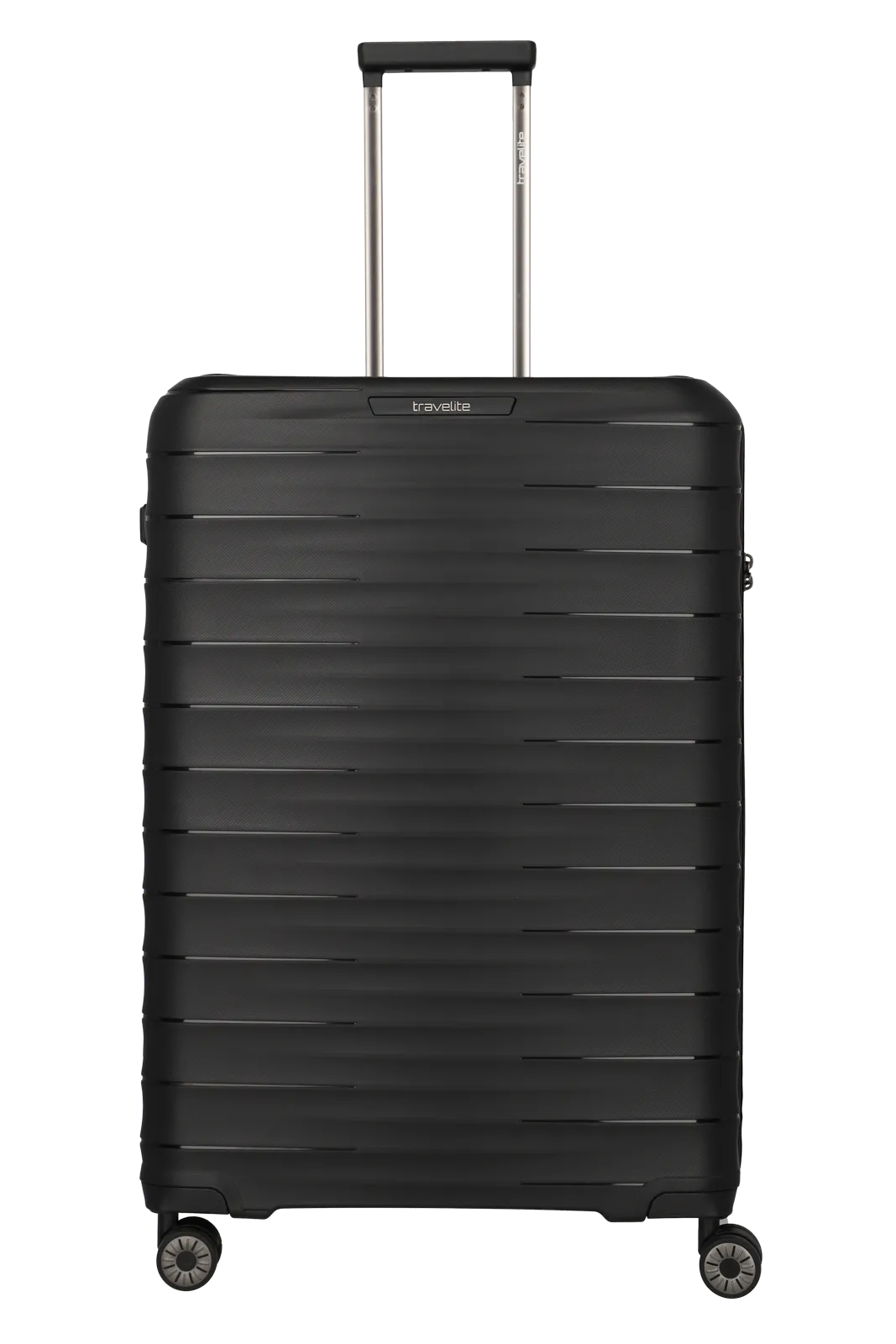
- L (large size): recommended for 10–14 days or trips with a lot of gear
Tip: Since thick jackets and warm jumpers take up more space, it’s fine to choose a size larger in winter.
How to pack your winter suitcase smartly
In winter in particular, it’s worth packing in an organised and space-saving way. Thick clothing, sturdy shoes and extra equipment take up more space than summer luggage. With a few simple techniques, you can make the most of your suitcase’s storage space and keep everything organised at all times.
- Pack your clothes using the layering principle: stack layers neatly on top of one another and plan your outfits in advance so that you only take what you really need.
- Store bulky items in a space-saving way: roll jumpers and fleeces instead of folding them, and place large items such as winter jackets or ski trousers at the bottom or very top of your suitcase so that they don’t crush the rest of your clothes.
- Use packing aids: Compression bags or packing cubes help reduce the bulk of your winter clothes whilst ensuring your luggage is neatly organised.
- Ensure a clean separation in your suitcase: always place shoes in separate bags and put dirty or wet laundry in designated compartments so that the rest of your luggage remains protected.
- Distribute the weight sensibly: place heavy items as close to the wheels as possible so that the suitcase remains stable and is easy to pull.
- Keep an eye on weight limits: when travelling by air, check in good time how much luggage is allowed to avoid additional charges and ensure a stress-free check-in.
Conclusion on the packing list for a winter holiday: be well prepared for the snow
A winter holiday places special demands on clothing, equipment and luggage. Thick fabrics, changeable weather conditions and a variety of activities mean you need to pack more carefully than for many other trips. With a well-structured packing list, you can keep track of everything and ensure you’re fully prepared for any situation – whether on the slopes, strolling through the town or in the spa area.
If you put your outfits together using the layering principle, pack bulky items in a space-saving way and tailor your packing system to your mode of transport and the duration of your trip, you’ll make the best use of the available space. This also involves keeping important items within easy reach and stowing delicate equipment safely.
travelite supports you with robust, well-designed and easy-to-use luggage solutions that are perfectly tailored to the demands of a winter holiday. This way, you can travel in comfort and stay well organised, allowing you to focus right from the start on what really matters: a relaxing and eventful time in the snow.
Frequently asked questions about the winter holiday packing list (FAQ)
How early should I start packing for my winter holiday?
Ideally, you should start two to three days before departure. This gives you enough time to buy any missing clothes or equipment, plan washing machine loads and check the weather forecast. It’s particularly sensible to make last-minute adjustments to your packing list for winter holidays in the mountains.
How many outfits do I need for a week’s winter holiday?
For a seven-day trip, two to three mix-and-match outfits for the evening and sufficient functional clothing for daytime activities are usually enough. As you’ll be wearing several layers on top of one another, the layering principle allows you to wear the same clothes multiple times without compromising on comfort. It’s important to pack enough socks and a change of underwear.
What should you definitely pack in your hand luggage for a winter holiday?
Your carry-on should contain documents, personal medication, electronic devices, chargers and essential winter items such as a hat, gloves or technical underwear. Should your suitcase be delayed, you’ll have everything you need to hand to stay warm and remain flexible.
How can I stop my suitcase from becoming too heavy for my winter holiday?
Choose lightweight yet warm technical fabrics; roll rather than fold thicker items of clothing, and place heavy items close to the wheels of your suitcase. Before packing, check your airline’s guidelines and weigh your luggage in good time to avoid any nasty surprises. Less is often more, especially when it comes to warm layers.
What size suitcase is best for a skiing holiday?
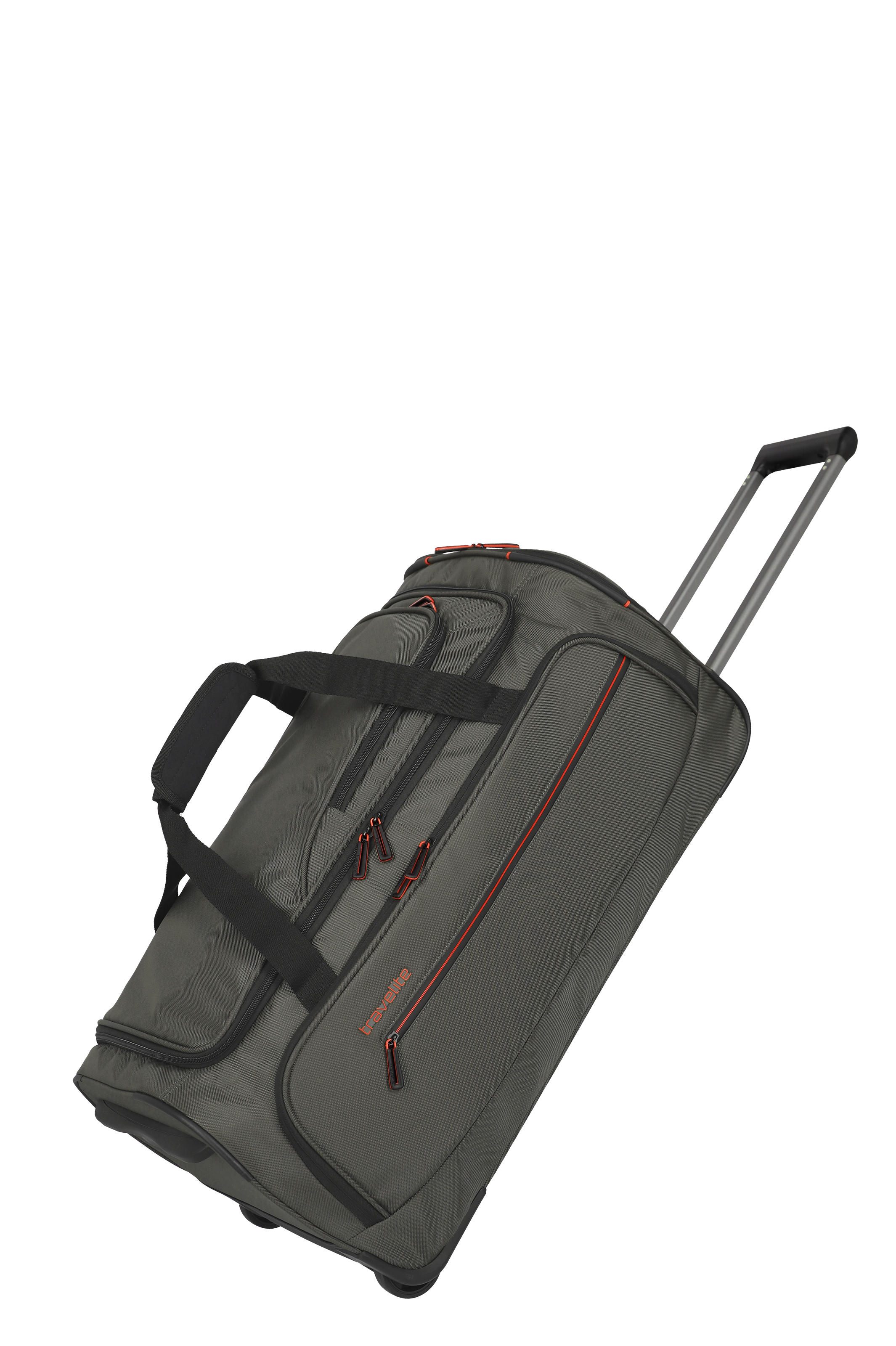
For a classic skiing holiday lasting around a week, a medium or large suitcase is recommended. Winter clothing, ski gloves and thick layers take up more space than summer luggage. If you’re taking extra gear or going away for longer, you should opt for a large suitcase or a combination of a suitcase and a wheeled duffle.
What should be on a complete packing list for a winter holiday?
A comprehensive packing list should include warm clothing using the layering principle, sturdy shoes, functional underwear, accessories such as a hat, gloves and a scarf, toiletries, a small first-aid kit and important documents. In addition, depending on the type of holiday, you should pack specific equipment such as skiing, hiking or spa accessories.





_400x400 Kopie.png?ts=1760433160)