

City break in Europe: Our 5 favorite destinations
Do you also have that wanderlust inside you? That urge to experience new cultures, admire breathtaking architecture and savour the delights of local cuisine? Then pack your bags, because a city break through Europe could be just the thing for you!
Europe, the continent that enchants like no other with its historical treasures, picturesque landscapes and vibrant cities, is just waiting to be discovered by you. Whether you want to stroll through the romantic streets of Paris, experience Rome’s impressive history up close, or immerse yourself in the vibrant life of cities like Berlin or Barcelona – a city break through Europe offers you endless opportunities to do just that. Here are 5 hidden gems that are sure to delight you.
Contents
Our 5 insider tips for your city break in Europe
Berlin, London or Paris: popular cities in Europe that we all know, and many of us have certainly visited at least one of them. Each of these cities has its own distinctive charm and a wealth of sights that attract tourists from all over the world.
But Europe has much more to offer. Away from these well-known destinations, there are numerous other cities that are just as worth visiting and fascinating in their own way. Cities that lie a little off the beaten track can often offer surprising experiences and unforgettable moments.
1. Porto, Portugal:
Porto, also known as "Cidade Invicta" or "The Unconquered City", is Portugal’s second-largest city and is picturesquely situated at the mouth of the River Douro. It is particularly famous for its port wine, which is stored and aged in the wine cellars of Vila Nova de Gaia, on the opposite side of the river. Porto is rich in historic architecture and impressive buildings. The heart of the city is the old town of Ribeira, a UNESCO World Heritage Site. Here you’ll find colourful houses nestled against steep hillsides, narrow cobbled streets and the impressive Porto Cathedral, the Sé. Also well worth a visit is Livraria Lello, one of the most beautiful bookshops in the world, renowned for its breathtaking interior and as the inspiration for the "Harry Potter" series.
2. Bologna, Italy:
Bologna, the capital of the Emilia-Romagna region in northern Italy, is a historic city with a lively atmosphere, characterised above all by Europe’s oldest university, the Università di Bologna. The city is famous for its red-brick buildings, which have earned it the nickname "La Rossa" or "The Red One". Two of its most famous landmarks are the "Due Torri" (Two Towers), Garisenda and Asinelli, which were built during the Middle Ages. If you climb the more than 400 steps of the Asinelli Tower, you’ll be rewarded with a breathtaking view over the city. Bologna is often referred to as the culinary capital of Italy. The city is home to many world-famous dishes such as spaghetti Bolognese, mortadella and tortellini. A stroll through the Quadrilatero, the old market district, is an absolute must if you want to sample the delicious local cuisine.
3. Ljubljana, Slovenia:
The Slovenian capital is one of the greenest cities in Europe. With its medieval castle, the many bridges over the River Ljubljanica and a vibrant arts scene, Ljubljana is a real hidden gem. In the heart of Ljubljana lies the picturesque Old Town, which stretches along the River Ljubljanica. Here you’ll find numerous buildings designed by the famous Slovenian architect Jože Plečnik, including the striking Three Bridges and the impressive National and University Library.
4. Liège, Belgium:
Liège is one of Belgium’s oldest cities and offers a fascinating blend of history, culture and modern life. Particular highlights include the Montagne de Bueren staircase and the lively Le Carré district. The Montagne de Bueren steps are one of Liège’s best-known attractions. This impressive flight of steps comprises 374 steps leading up a steep hill. From the top, you’ll enjoy a breathtaking view of the city. The Le Carré district is the heart of Liège’s nightlife. Here you’ll find a wide variety of bars, clubs and restaurants, which are often open until the early hours of the morning. This district is known for its lively and friendly atmosphere.
5. Bilbao, Spain:
Famous for the Guggenheim Museum, Bilbao has far more to offer than just this landmark. The city boasts a vibrant cultural scene, excellent Basque cuisine and impressive architecture. The cultural and economic centre of the Basque Country in northern Spain has undergone an astonishing transformation in recent decades. The former industrial city has been transformed into a vibrant metropolis with outstanding architecture, first-class gastronomy and a lively arts scene. Bilbao’s charming old town, Casco Viejo, is a labyrinth of narrow streets, filled with traditional Basque taverns, which are famous for their Pintxos (the Basque answer to tapas), and small boutiques. The seven streets that form the heart of Casco Viejo are a lively place that preserves the city’s history.
What’s the ideal suitcase for a city break in Europe?
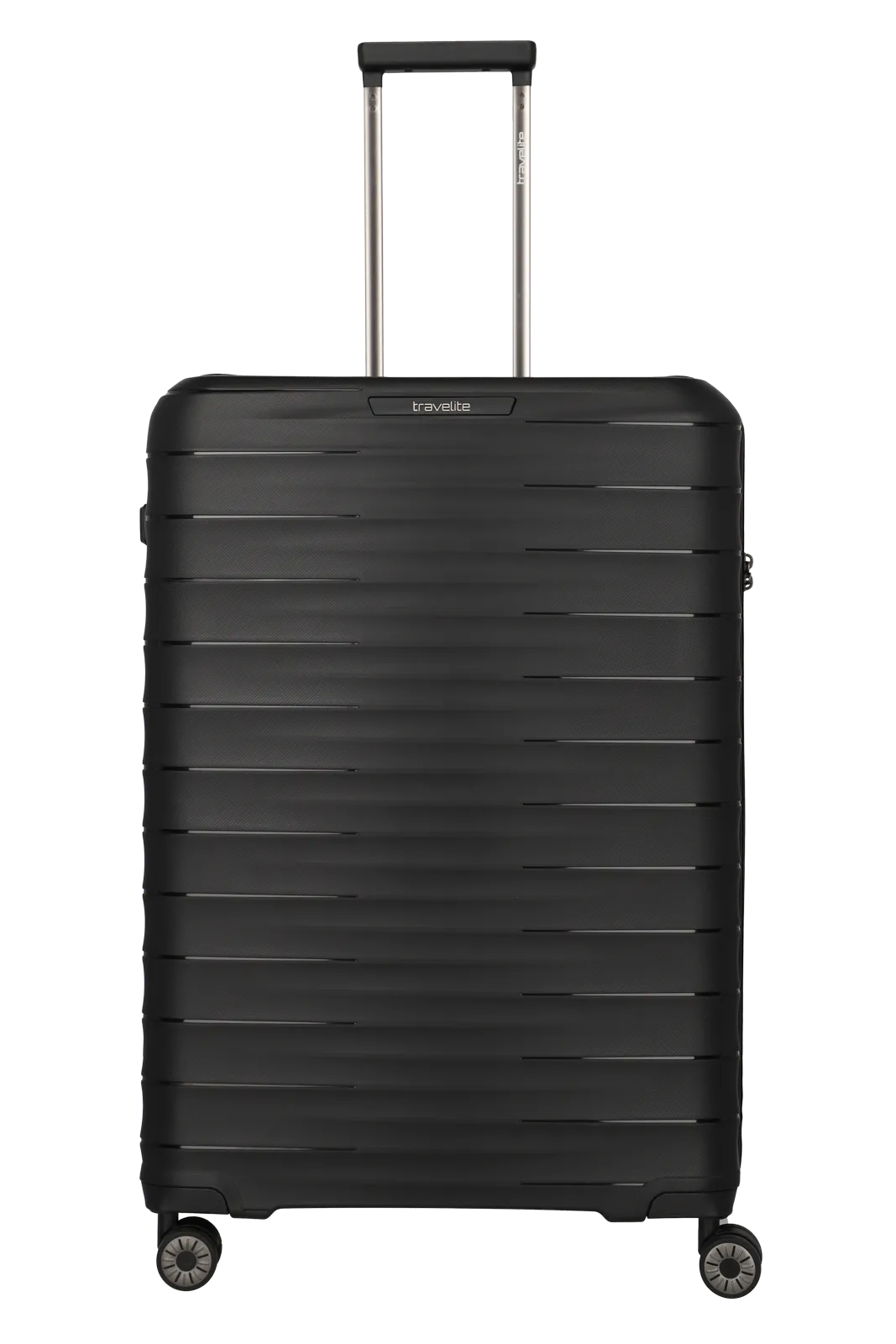
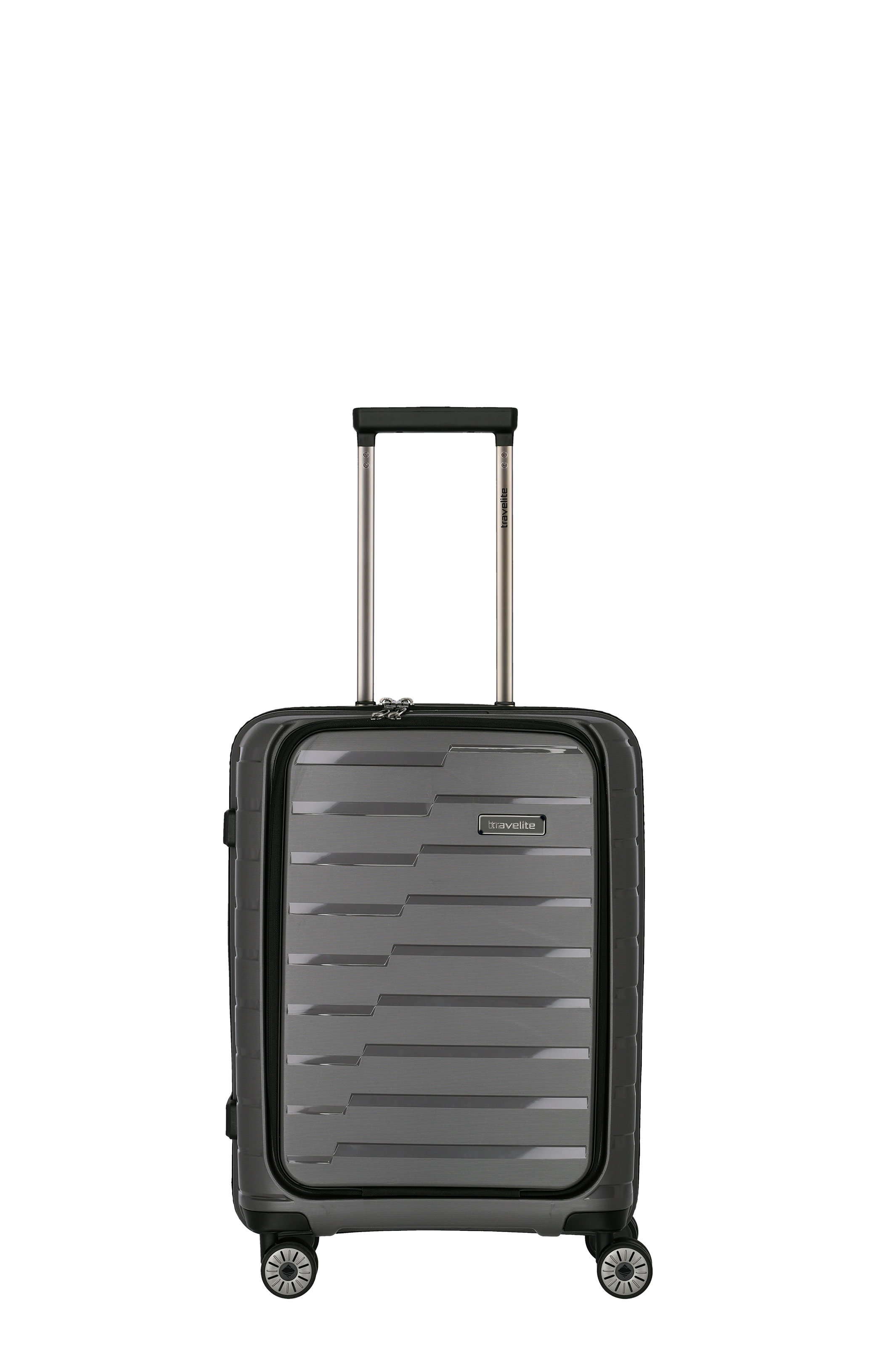
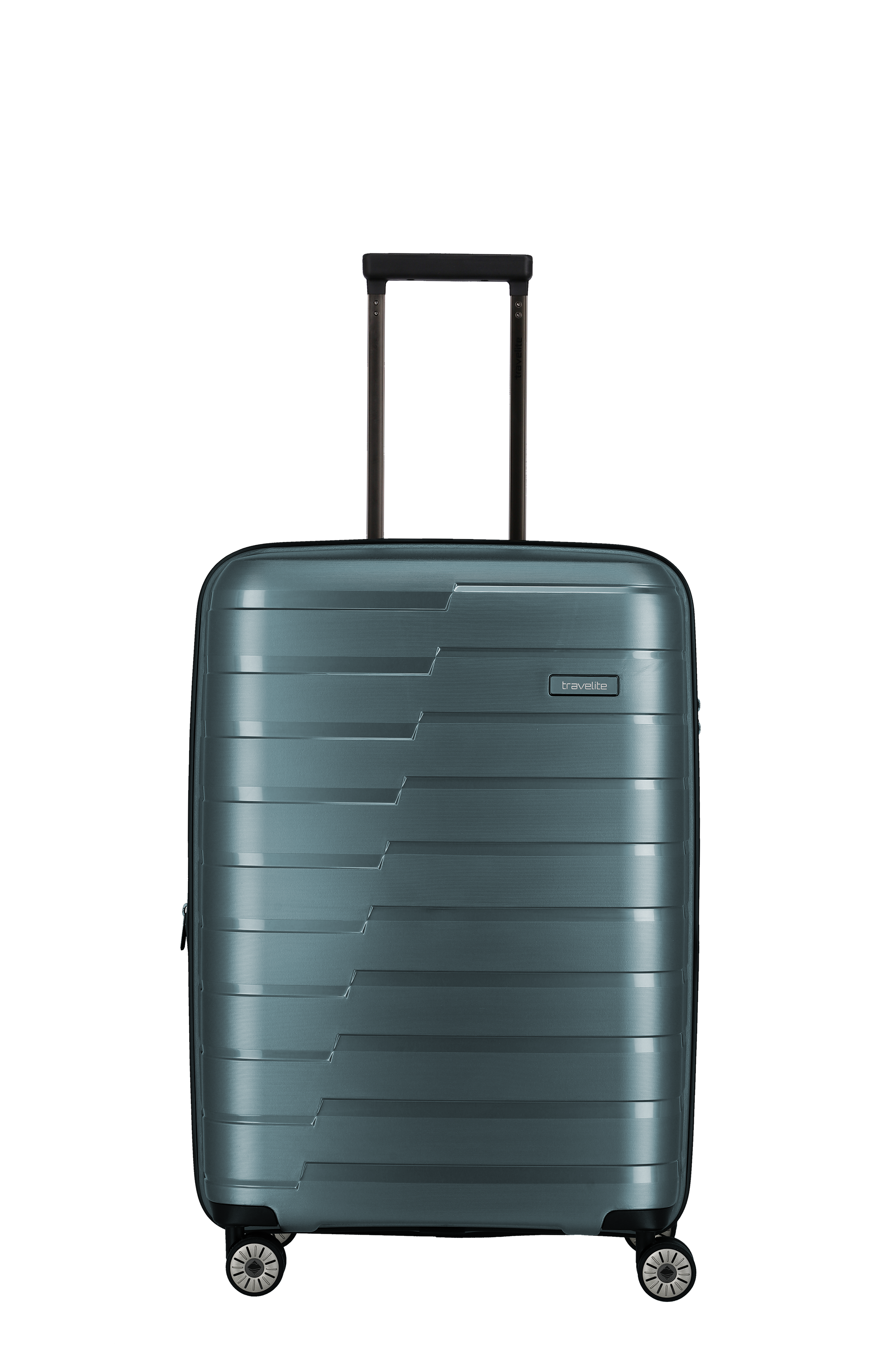
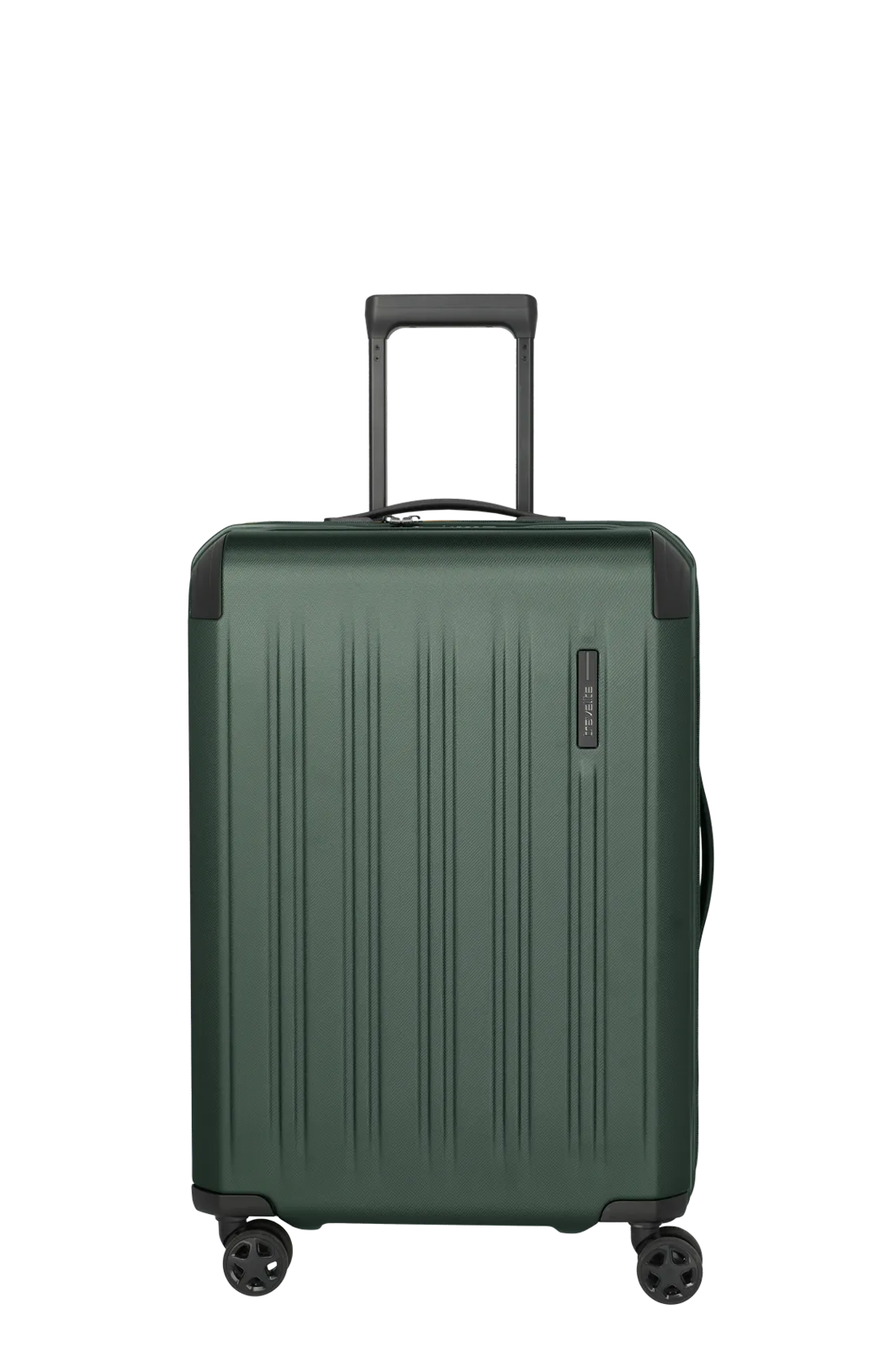
Choosing the ideal suitcase for a city break in Europe depends on various factors, including the length of your trip, your destination, the time of year and your personal preferences. Here are a few tips to help you find the ideal luggage and the perfect suitcase size:
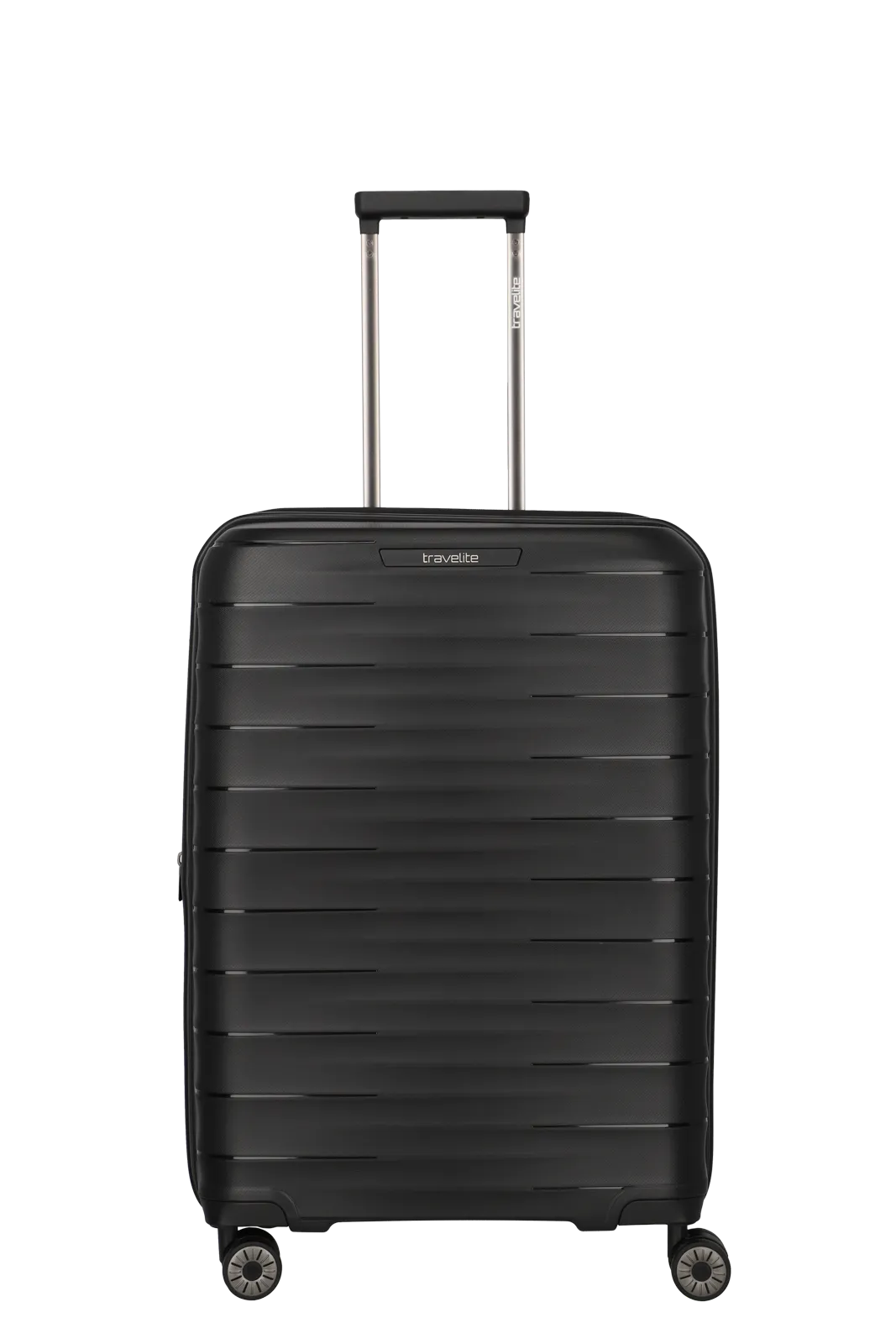
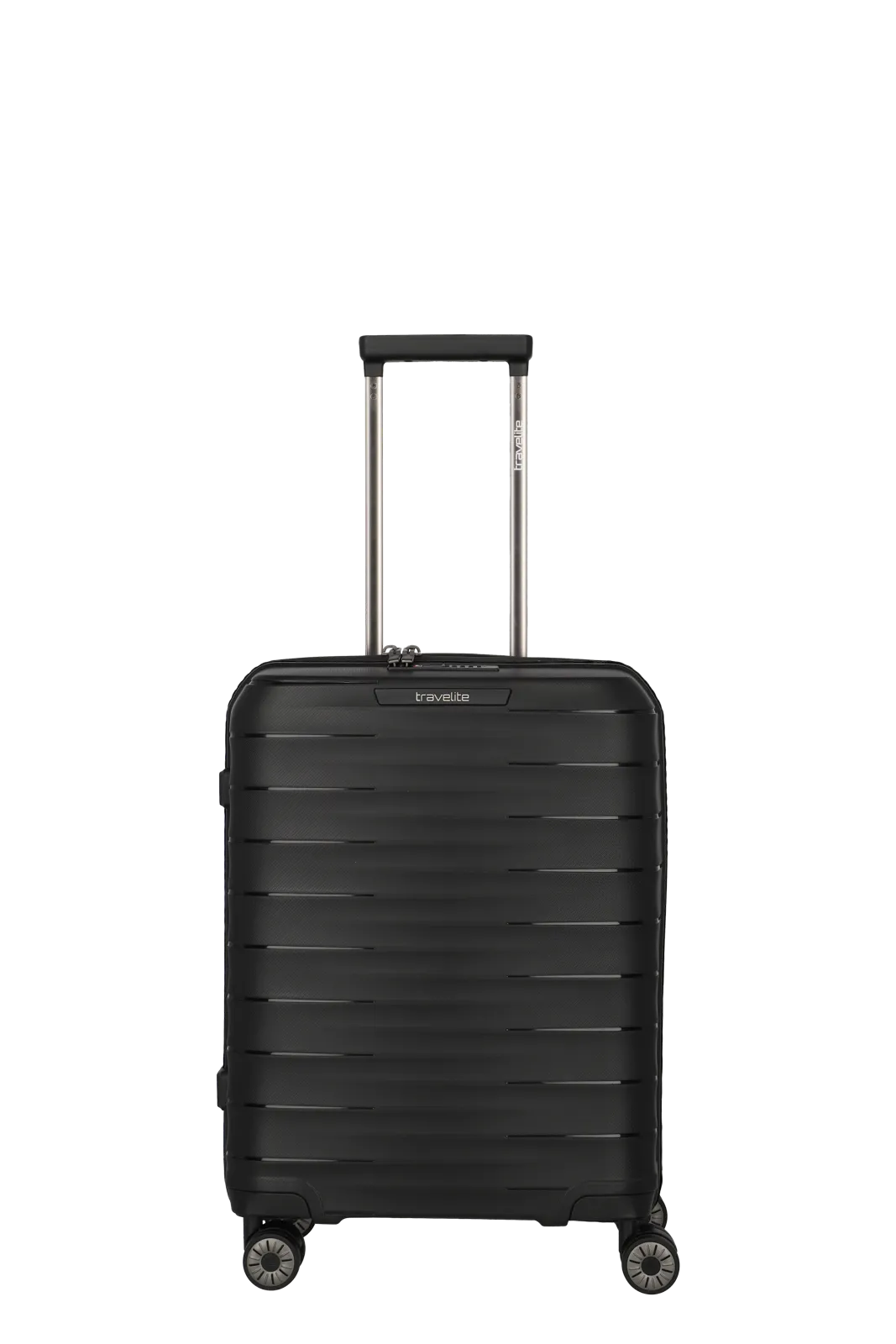
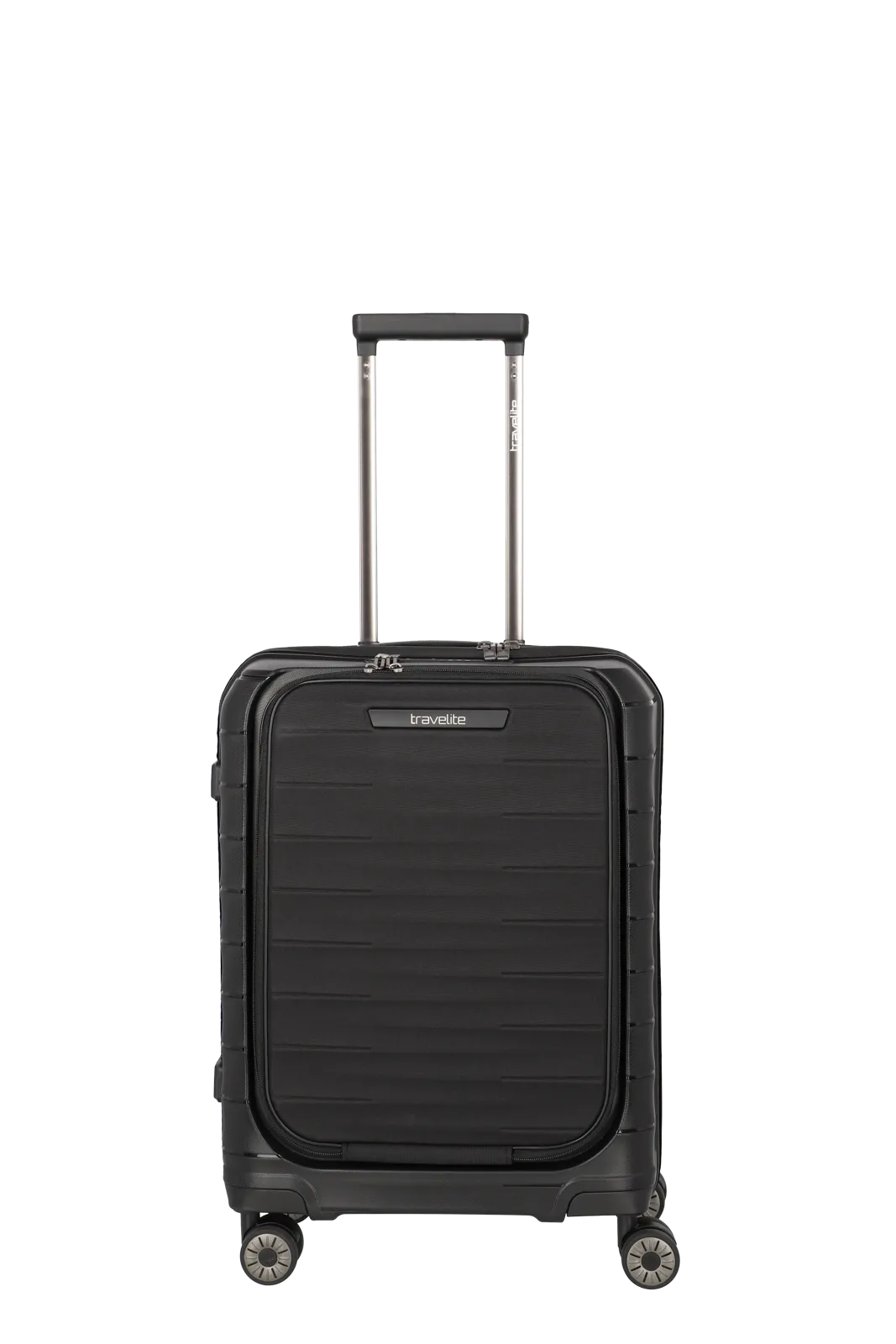
Size: For a short city break lasting a few days, a carry-on suitcase is usually sufficient. These often measure around 55x40x20 cm, which is accepted as hand luggage by most airlines. However, if you’re travelling for longer or need more space for souvenirs, a medium-sized suitcase (around 65–70 cm high) might be more suitable.
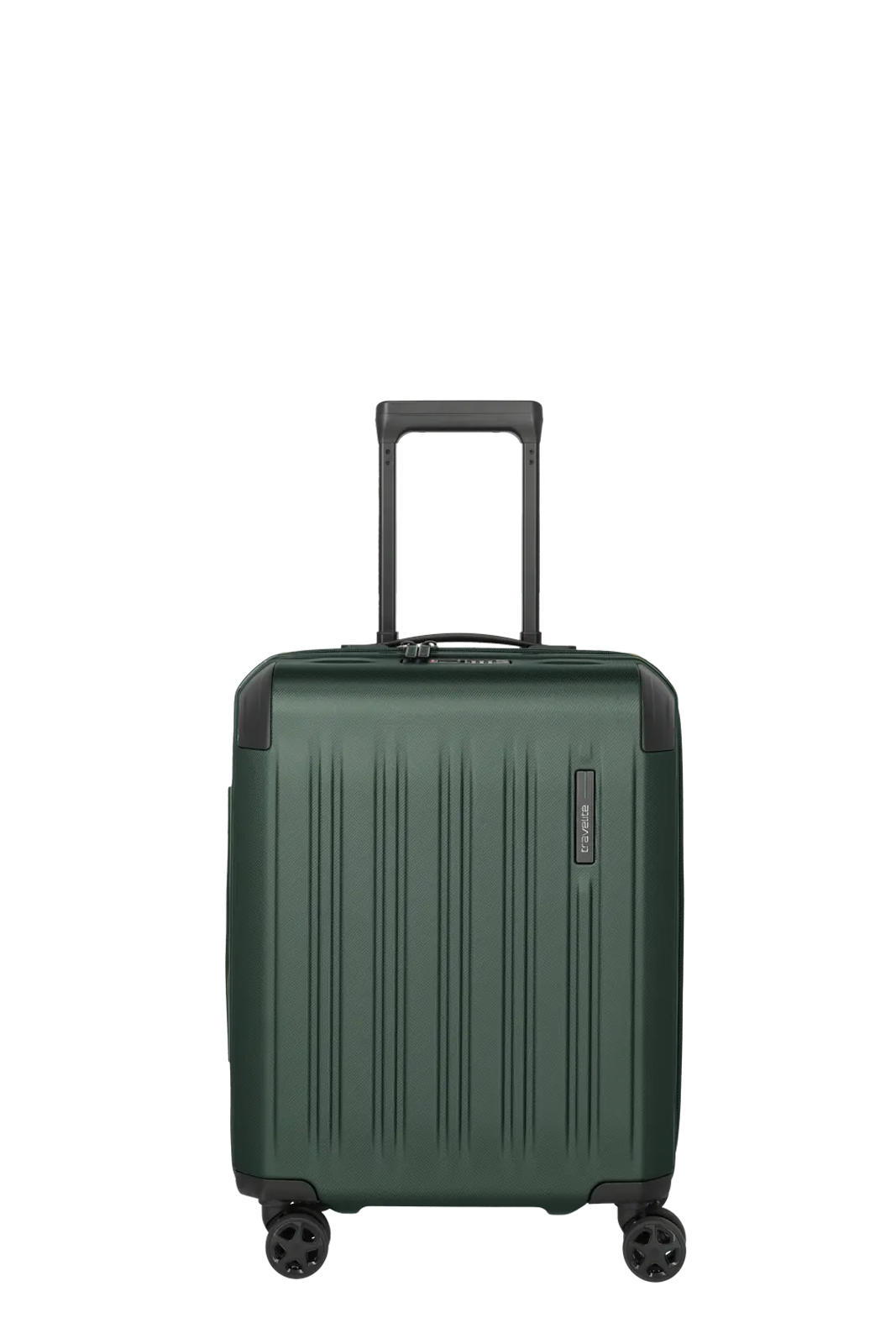
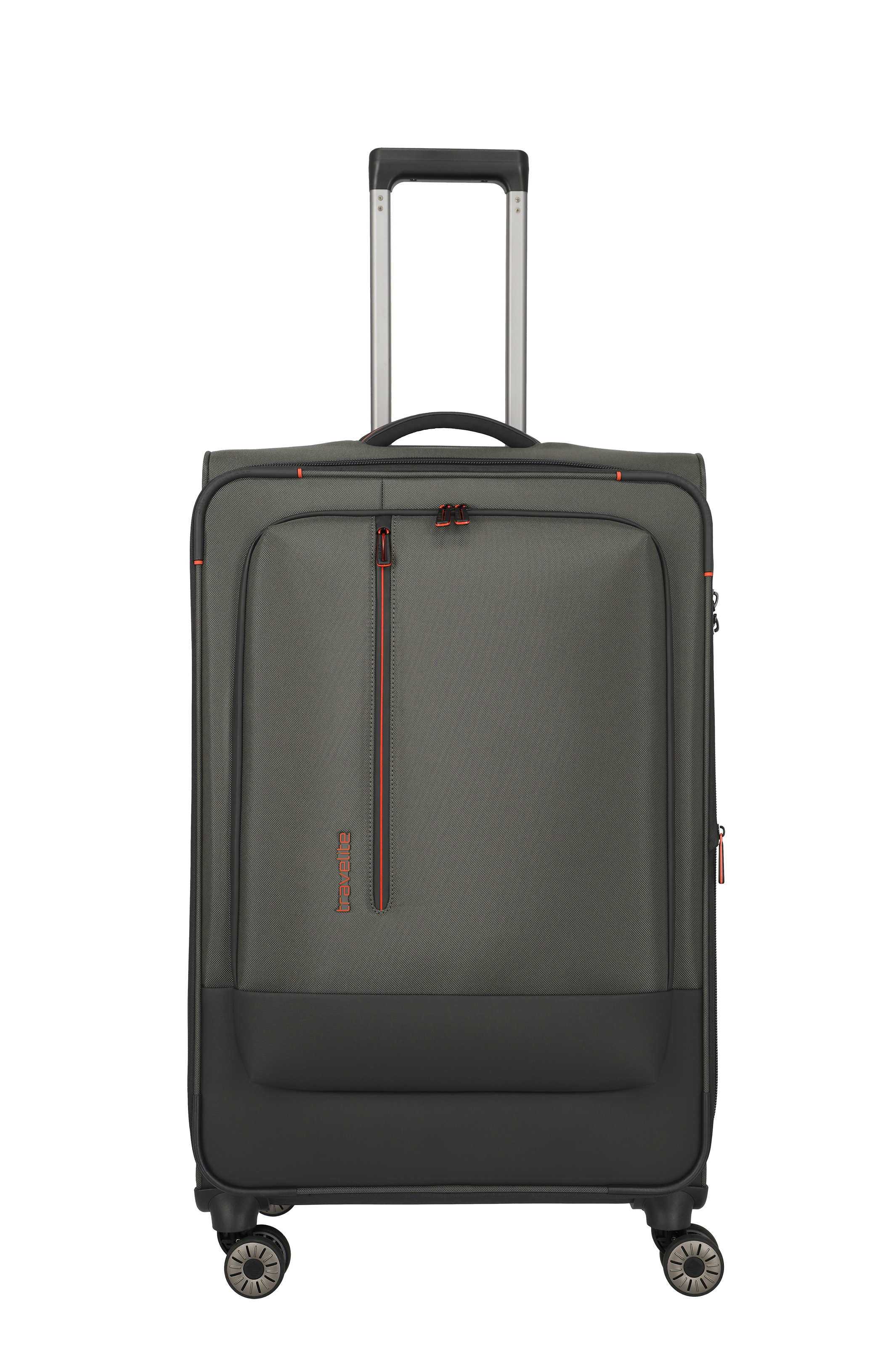
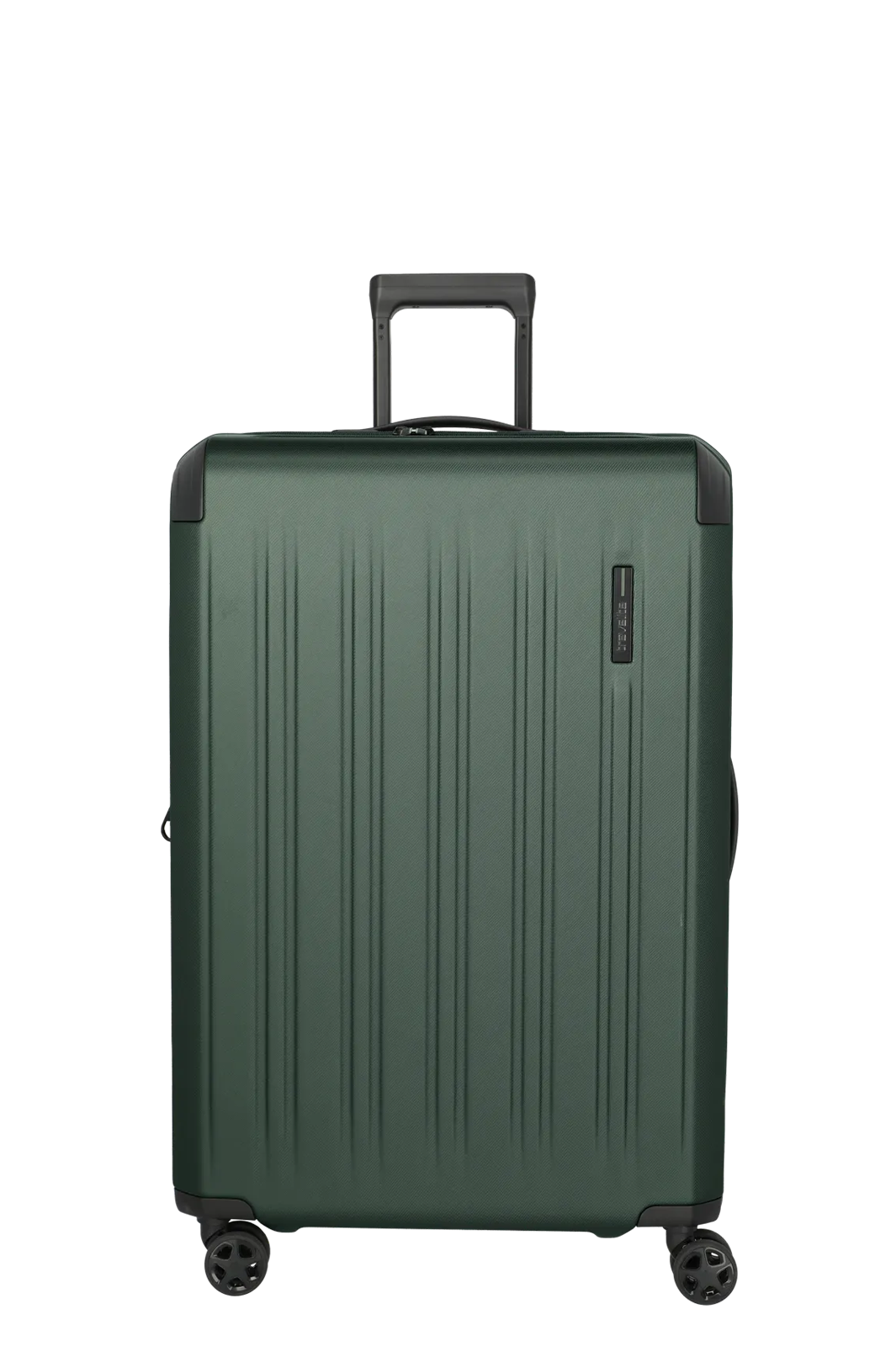
Hard-shell or soft-sided suitcases: Hard-shell suitcases offer better protection for your belongings and are water-repellent. However, they are less flexible than soft-sided suitcases, which can make packing a little more difficult. Soft-sided suitcases are generally lighter and offer more flexibility, which can be useful when you’re trying to fit everything into your suitcase.
Interior layout: Look for a suitcase that has useful features such as separate compartments, inner pockets or packing straps. These can help you organise your belongings, make the most of the space in your suitcase and keep your treasures securely in place. Our travelite suitcases impress in every version with a clever internal layout and high-quality interior.
A city break in Europe is a fantastic way to experience the diverse culture, history and cuisine of this fascinating continent. From the hidden gems in Liège and Ljubljana to vibrant cities such as Porto, Bologna and Bilbao – Europe is full of exciting and unique cities just waiting to be discovered. We hope our tips have inspired you for your next city break in Europe and wish you an exciting journey.
Frequently asked questions about city breaks in Europe
Which cities are suitable for a city break away from the usual favourites?
Aside from Paris, Rome or London, Porto, Bologna, Ljubljana, Liège and Bilbao are well worth a visit. These cities combine history, good food and lively neighbourhoods and are usually less crowded than the major cities. They’re ideal for a long weekend because you can explore the old towns on foot.
Is a carry-on suitcase enough for a city break?
For a city break lasting just a few days, a carry-on suitcase is usually sufficient. Many airlines accept suitcases measuring around 55 x 40 x 20 cm as carry-on luggage; your airline will specify the exact dimensions. If you’re staying longer or planning to buy souvenirs, a medium-sized suitcase around 65 to 70 cm in height is a better fit.
Hard-shell or soft-sided luggage: which is better for a city break?
A hard-shell suitcase offers better protection for your belongings against knocks and moisture. Soft-sided luggage is usually lighter and offers a bit of give when packing if space is tight. For short trips with little luggage, it therefore comes down to whether you prioritise protection or flexibility.
How do you manage with a suitcase on cobblestones?
On cobbled streets, such as in the old towns of Porto or Bilbao, it’s best to pull your suitcase behind you, tilted slightly so it rolls on two wheels. That way, the wheels roll more smoothly and the suitcase is less likely to tip over. For routes with lots of stairs, a sturdy carrying handle comes in handy, allowing you to lift the suitcase briefly.
Do you need a passport for a city break in Europe?
As a German national, you can travel within the EU with a valid identity card; a passport is not required for Portugal, Italy, Slovenia, Belgium and Spain. Make sure your ID card is valid for the entire duration of your trip. For destinations outside the EU, check the entry requirements with the Federal Foreign Office.
What should you pack in your day rucksack for a city break?
In the day rucksack pack your ID, wallet, mobile phone, a power bank and a water bottle. If the weather is changeable, add a lightweight rain jacket. That way, you can be out and about all day without having to pop back to your accommodation.







_400x400 Kopie.png?ts=1760433160)