Camino de Santiago routes: Find the right route for your pilgrimage
Is a pilgrimage to Santiago de Compostela on your bucket list? Whether you’re an experienced hiker or a newcomer to the Camino de Santiago, here you’ll find out how to plan your Camino route properly and what you mustn’t forget to pack.
The Way of St James or Ways of St James: what routes are there?
The Way of St James, also known as Camino de Santiago, is not a single route, but a network of pilgrimage routes stretching across the whole of Europe, all leading to the Cathedral of Santiago de Compostela in north-western Spain.
You can choose your starting point from almost any major town or city in Europe. There are even stages that start right on your doorstep, such as on the Palatinate Way of St James or other German sections.
The reasons for going on a pilgrimage are as varied as the routes themselves: spiritual or religious motivation, coming to terms with personal setbacks, discovering culture and countryside – or simply the desire to slow down.
An overview of the four main routes
Route
Length
Character
Camino Francés
around 800 km
The original route. Very good signposting, extensive facilities, plenty of encounters. Ideal for beginners.
Caminho Português
around 240 km from Porto
It splits into an inland route and a coastal route. Both are well worth doing and offer a shorter alternative to the Francés.
Camino Primitivo
around 320 km
The oldest and most challenging route. It leads through the mountains of Asturias, is little-used and involves significant elevation gain.
Camino del Norte
around 820 km
The coastal route along the Bay of Biscay. Spectacular scenery, but hillier and with more changeable weather.
Can’t make up your mind? Then base your decision on the time you have available. If you’re planning a two-week trip, it’s better to start on the Português route from Porto. If you have six weeks to spare, take the Francés route from the Pyrenees.
How do I want to travel: on foot, by bike or with a dog?
Walking creates the deepest connection with the landscape and the cultural treasures along the way. It is the option that most pilgrims choose.
On foot
The classic option. You can get through everywhere, don’t need any special arrangements and it’s the easiest way to collect your stamps. For the Compostela, the last 100 kilometres are sufficient.
By bike
Significantly faster, though some sections are impassable and must be bypassed. To receive the certificate, you must cover at least 200 kilometres.
With a dog
Possible, but requires careful planning: not all hostels allow pets. Check with the accommodation providers in advance and, in summer, be mindful of the heat and the condition of your pet’s paws.
On horseback or by boat
Both options are possible and have deep-rooted traditions. By boat, the rule is: 100 nautical miles for the Compostela. If travelling by horse, you’ll need accommodation with stables, and the route must be planned well in advance.
How far can I walk in a day?
The duration varies depending on your pace; you’ll usually need four to six weeks for the entire Camino Francés. This main route stretches for just under 800 kilometres from the Pyrenees to Santiago de Compostela. It became well known in Germany mainly through Hape Kerkeling’s book “Ich bin dann mal weg".
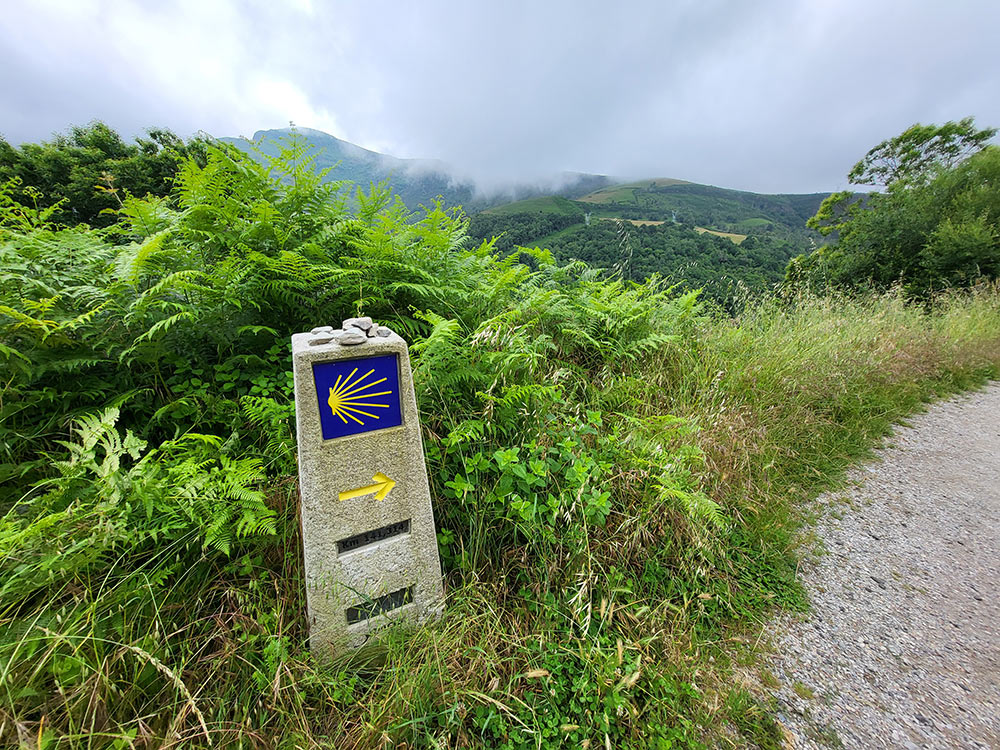
Along the way yellow arrows, the distinctive scallop shell and prominent stones mark the route. A good starting point is around 15 kilometres a day. This gives your body time to adjust. Later on, you can gradually increase your distance up to around 35 kilometres.
A rule of thumb for planning your stages: make a conscious effort to keep the first week short. Most people give up in the first few days because they walk too far too quickly. Blisters and strained tendons can develop early on and then plague you for weeks.
Find accommodation along the route
There are several options when looking for accommodation. You can book in advance via popular booking portals or just go with the flow and enquire spontaneously at the official pilgrim hostels. You’ll almost always find a place to sleep.
During the peak season between June and September, it’s worth booking accommodation, at least for the final stages before Santiago, as many routes converge there.
How much does the Camino de Santiago cost?
The costs vary depending on your budget and expectations. At the lower end of the scale, the Camino is one of the cheapest long-distance walks in Europe.
Official pilgrim hostels with dormitories and bunk beds are the classic low-budget choice. For greater comfort, there are accommodation options in all price ranges, right up to hotel rooms.
Post
Price range
A bed in the dormitory of a pilgrims’ hostel
from around €8
Private room or guesthouse
up to around €90 per night
Pilgrim’s menu in the evening
around €8 to €15
Breakfast
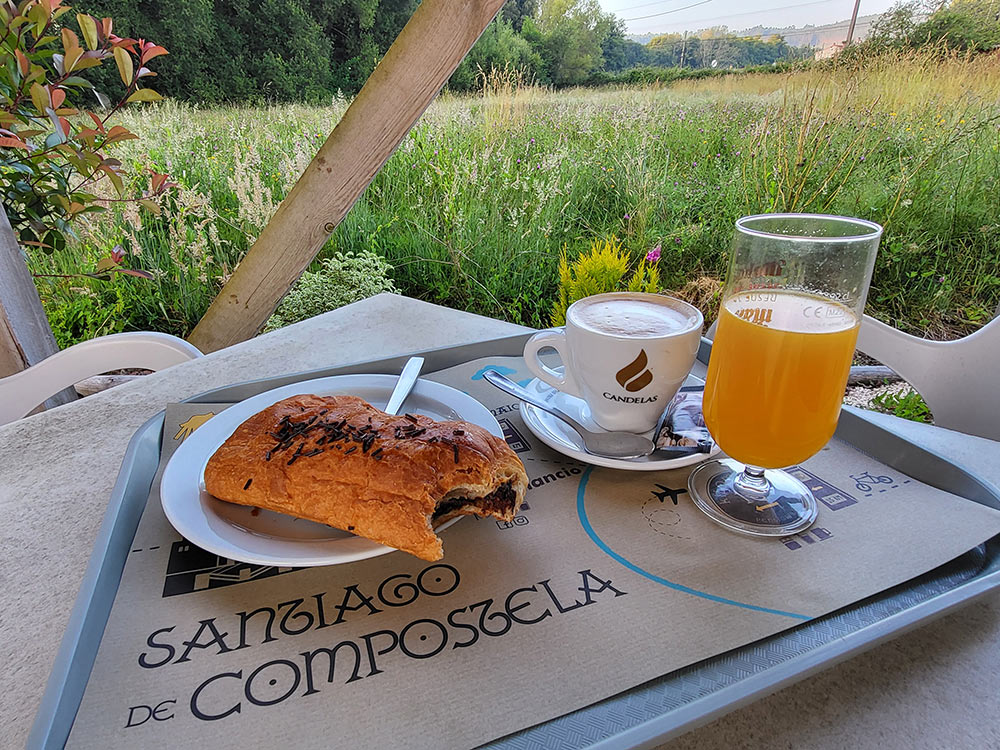
from around €4.50
Little things like chorizo or tortilla
around €5
Information current as of
All prices are indicative as of August 2026 and vary significantly depending on the region, season and type of accommodation. On the final stages before Santiago, they are usually higher than in the countryside. Check the current prices before your trip.
To foster a sense of community, some hostels and private individuals along the route offer food and drink in exchange for a voluntary donation. These so-called ‘donativos’ rely on everyone giving what they can.
Packing for the Camino de Santiago: the essentials
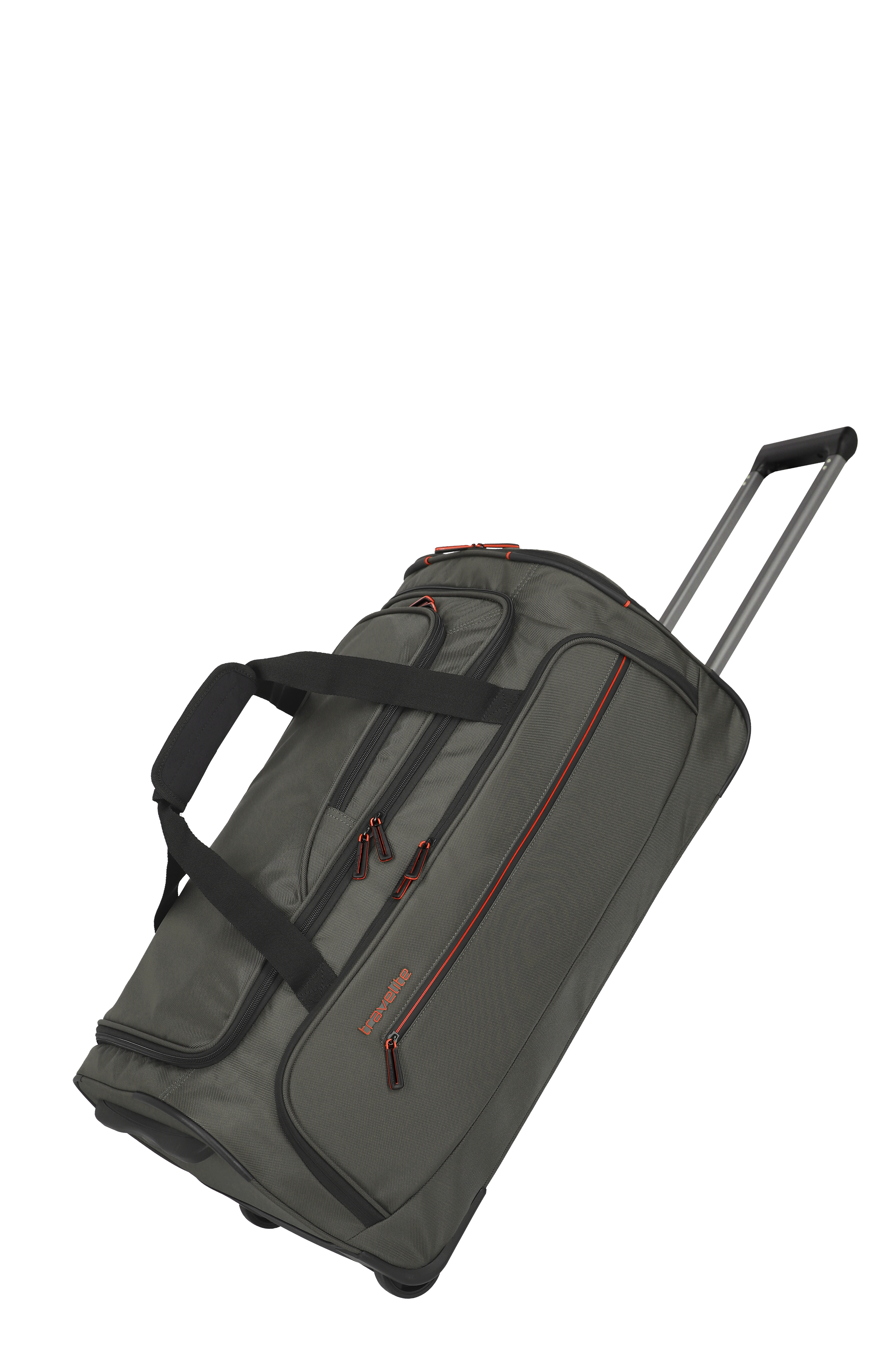
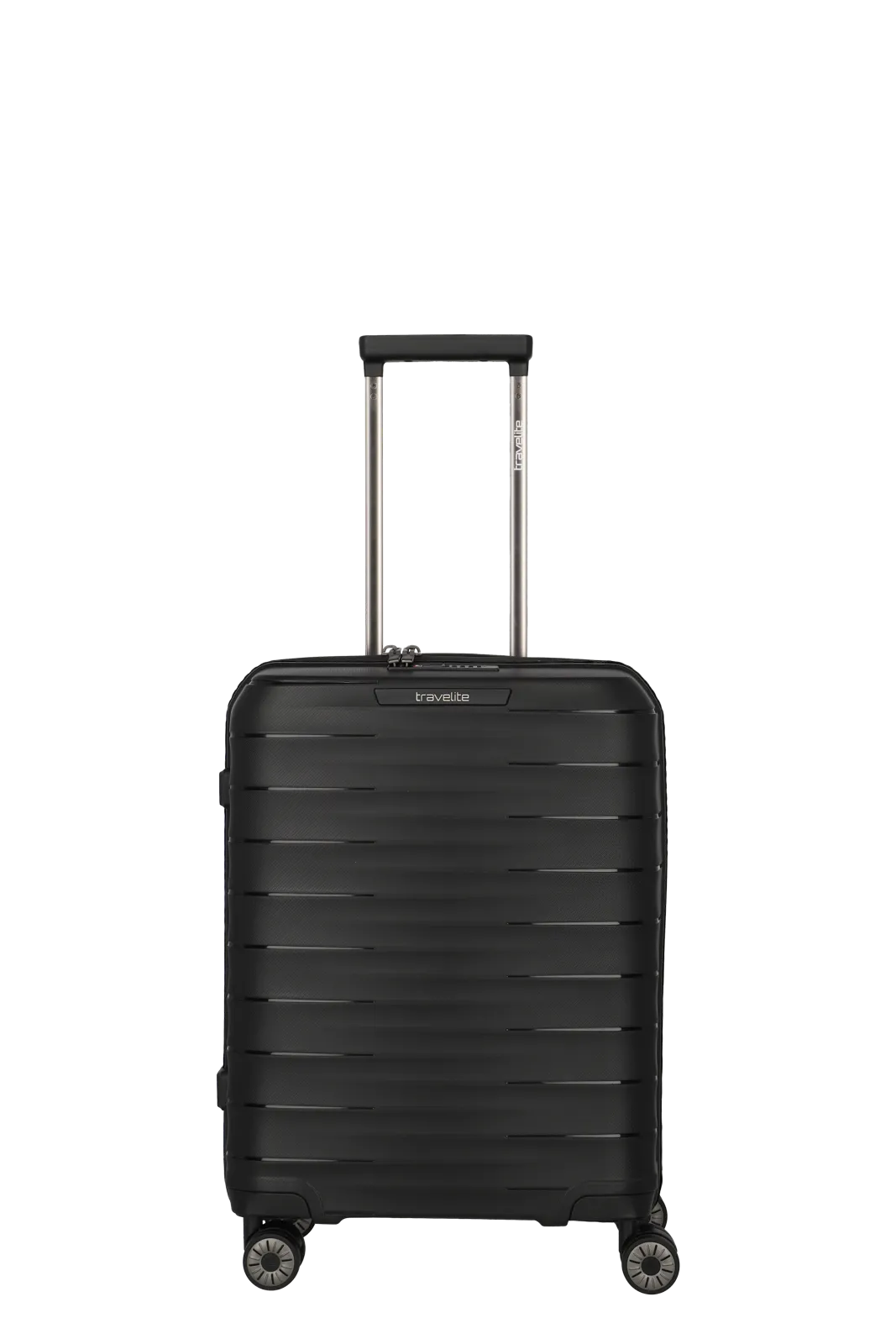
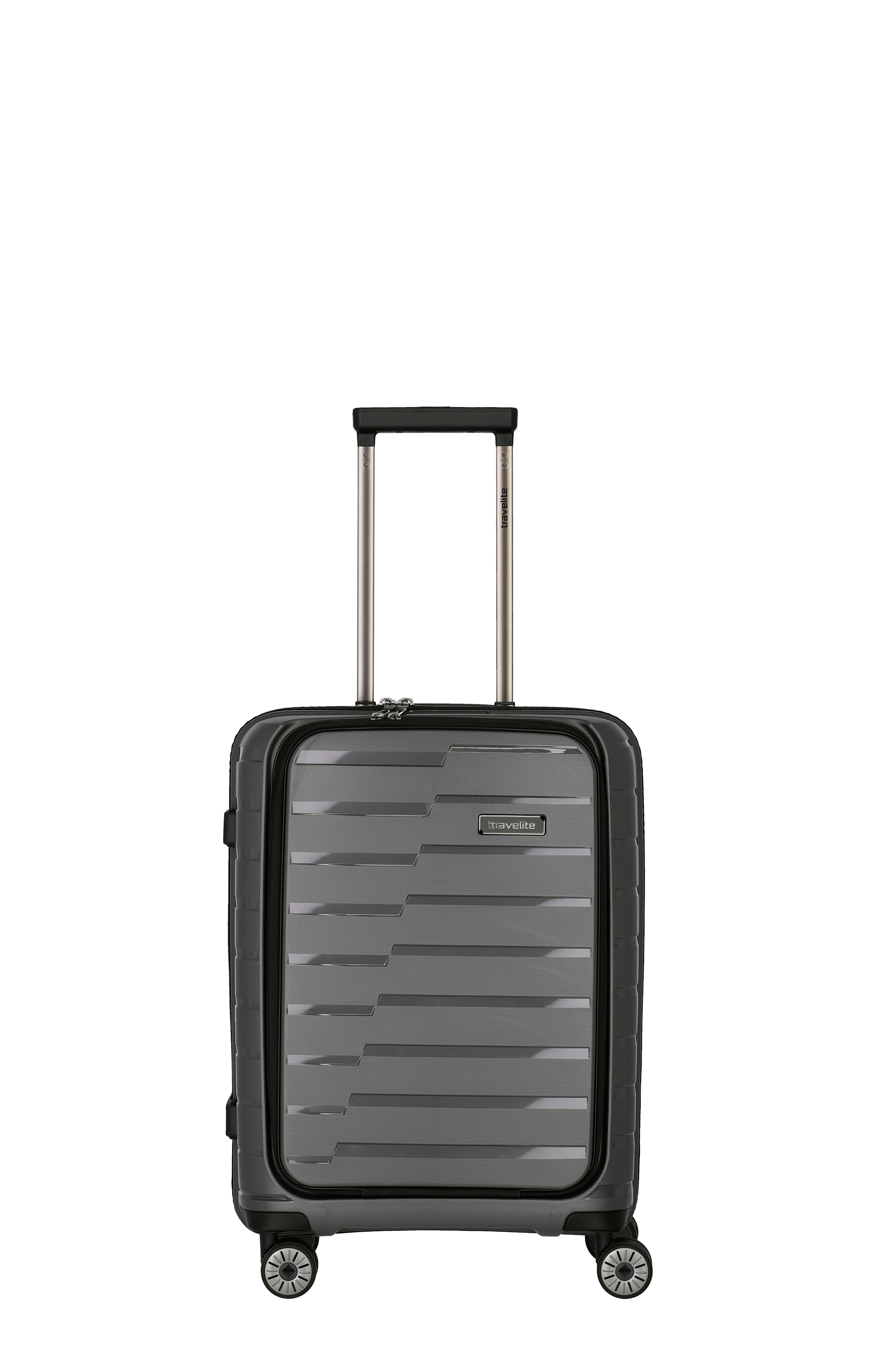
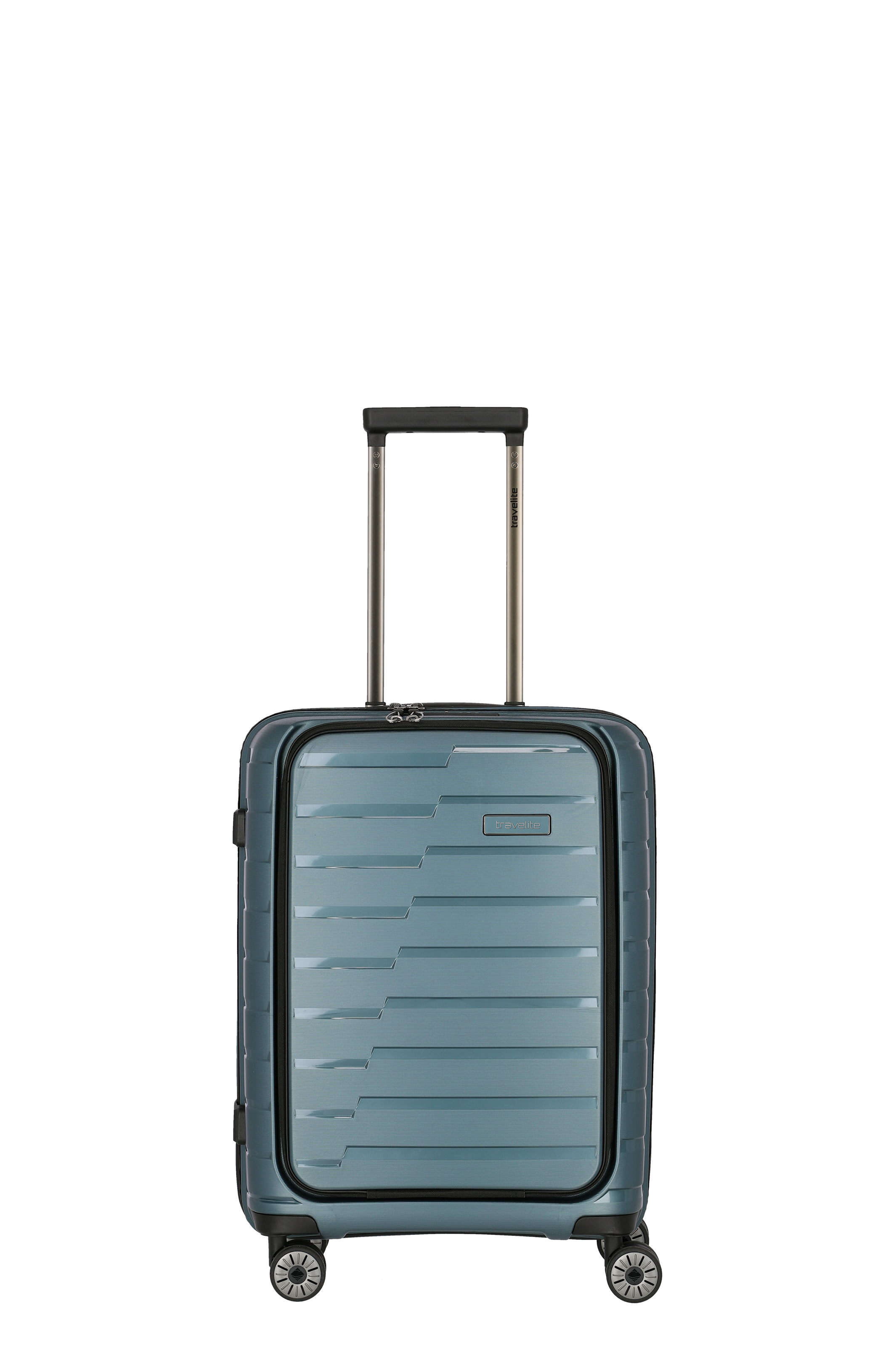
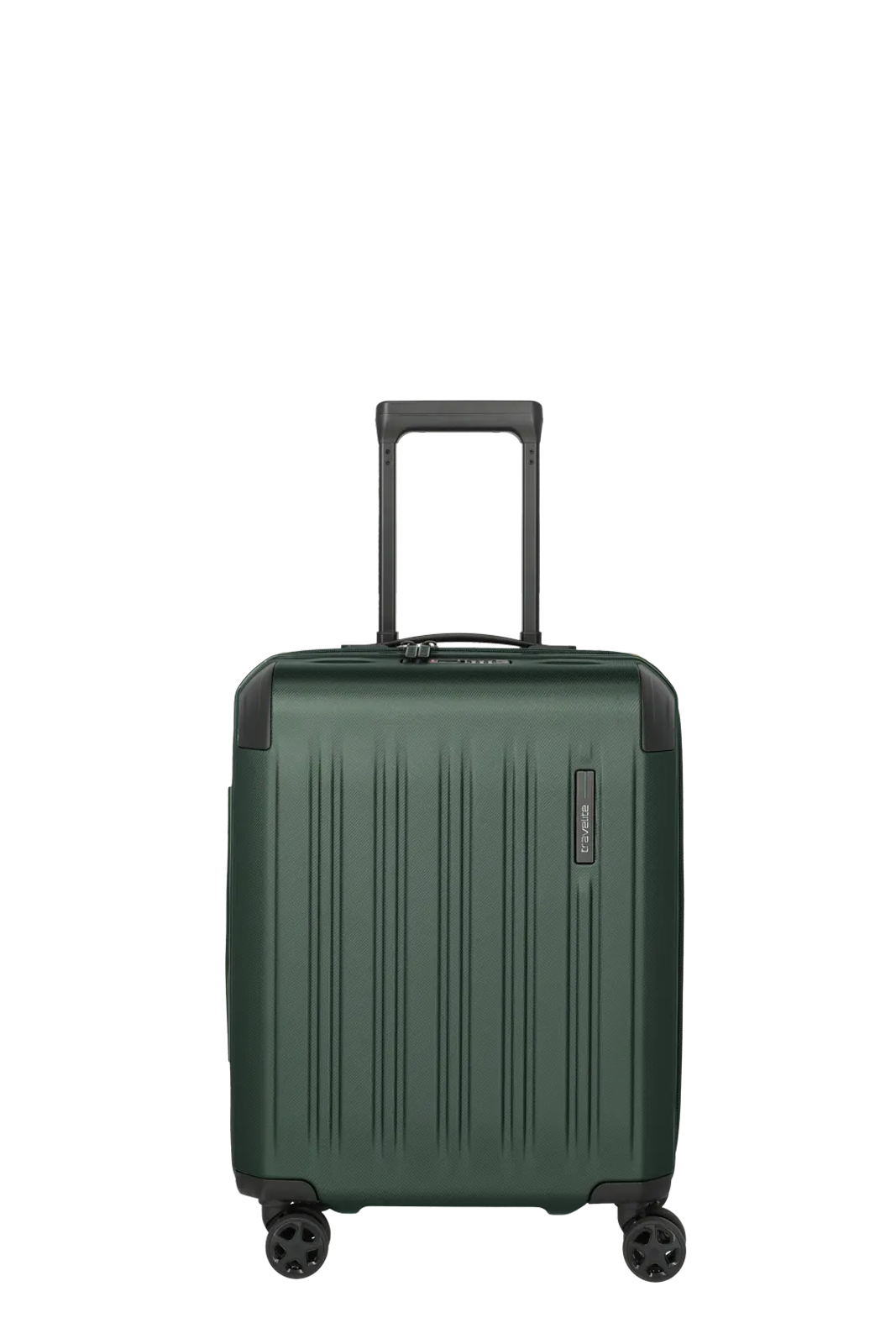
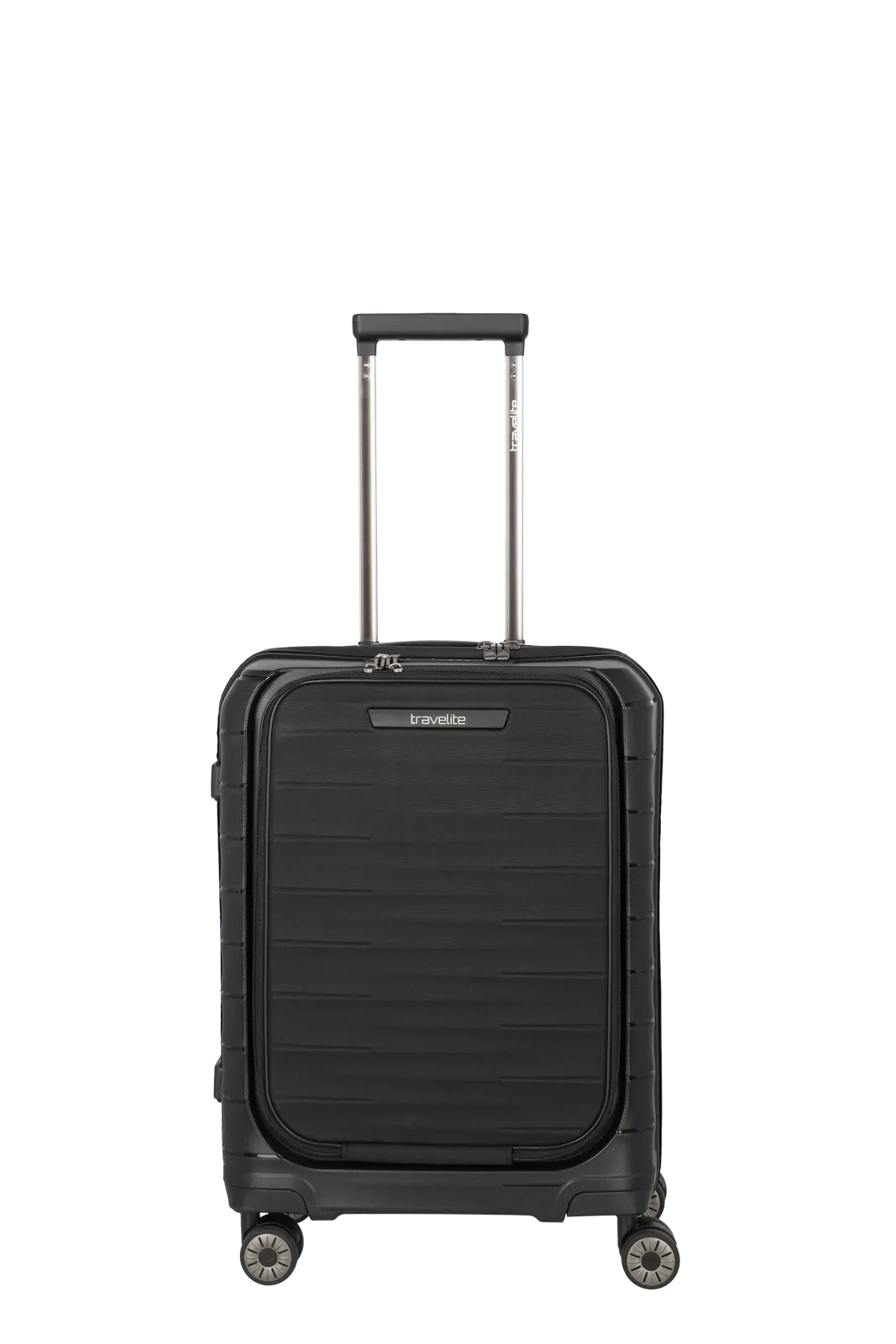
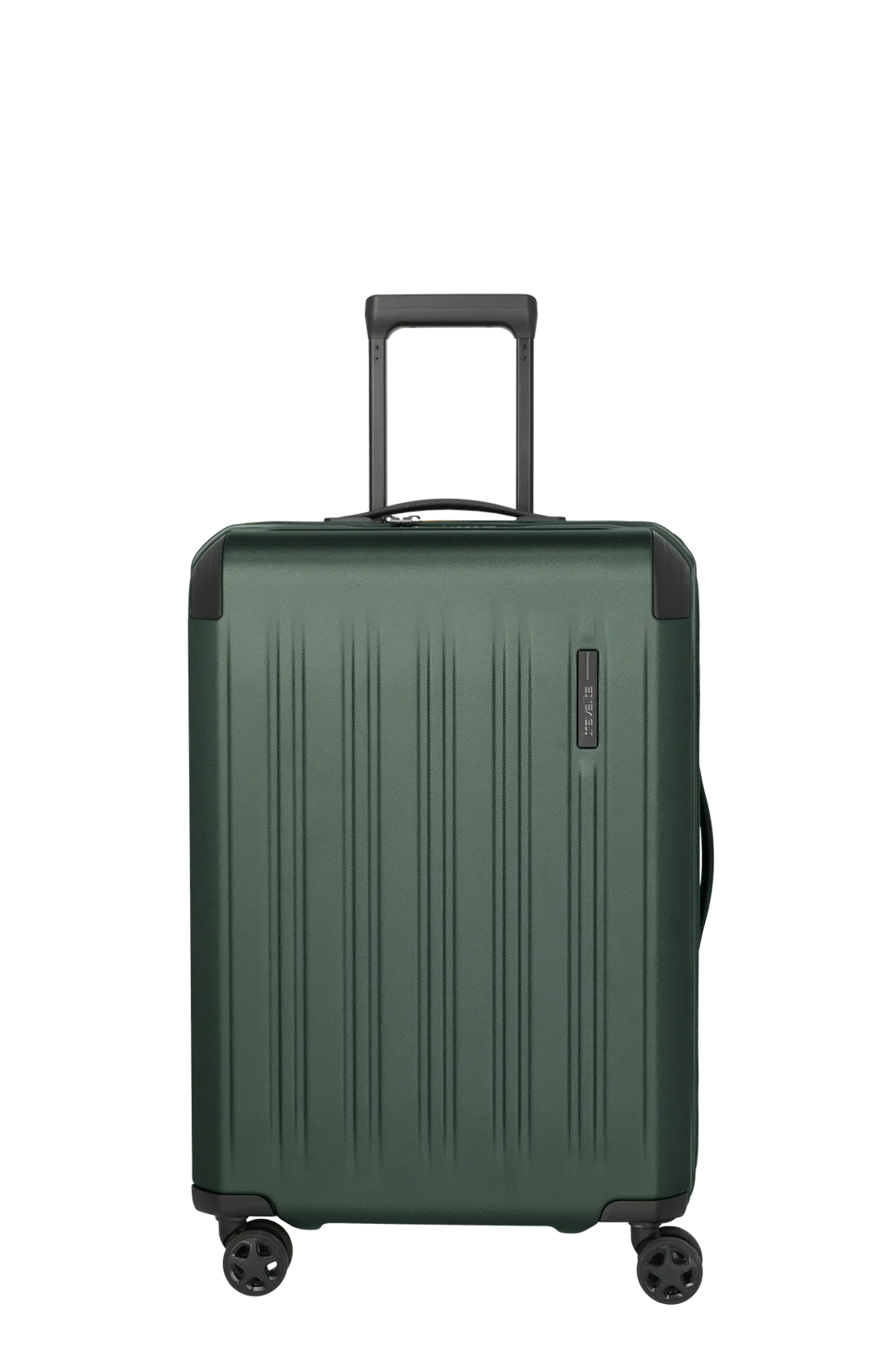
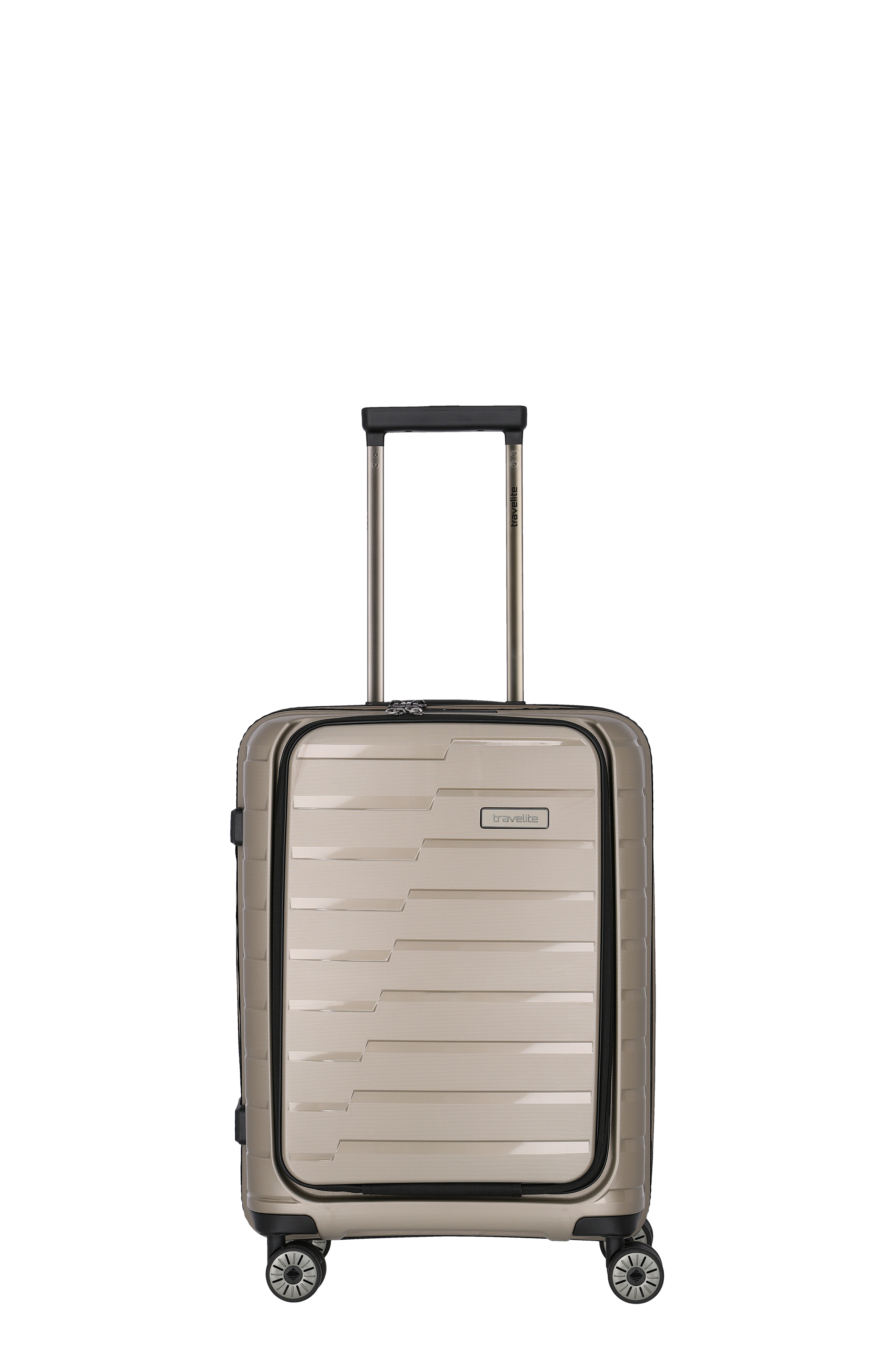
Every gram counts. A tried-and-tested rule of thumb is that your luggage shouldn’t weigh more than ten per cent of your body weight to avoid overexertion. So, if you weigh 70 kilograms, that’s a maximum of seven kilos.
Essential gear
Hiking backpack, as light as possible
Rain cover for your rucksack
Lightweight sleeping bag
Reusable water bottle
Clothing
Three sets each of T-shirts, underwear and socks
Well-broken-in walking boots
Flip-flops for the evening and the showers
Lightweight rain jacket
Miscellaneous
Documents and pilgrim’s passport
Travel-size toiletries
Small first-aid kit with blister plasters
Power bank and charging cable
Why three sets of clothes? One to wear, one to dry and one as a spare, in case you don’t fancy doing a wash in the evening. And your feet won’t want to be stuck in your walking boots all day – they’ll be glad to get some air now and then.
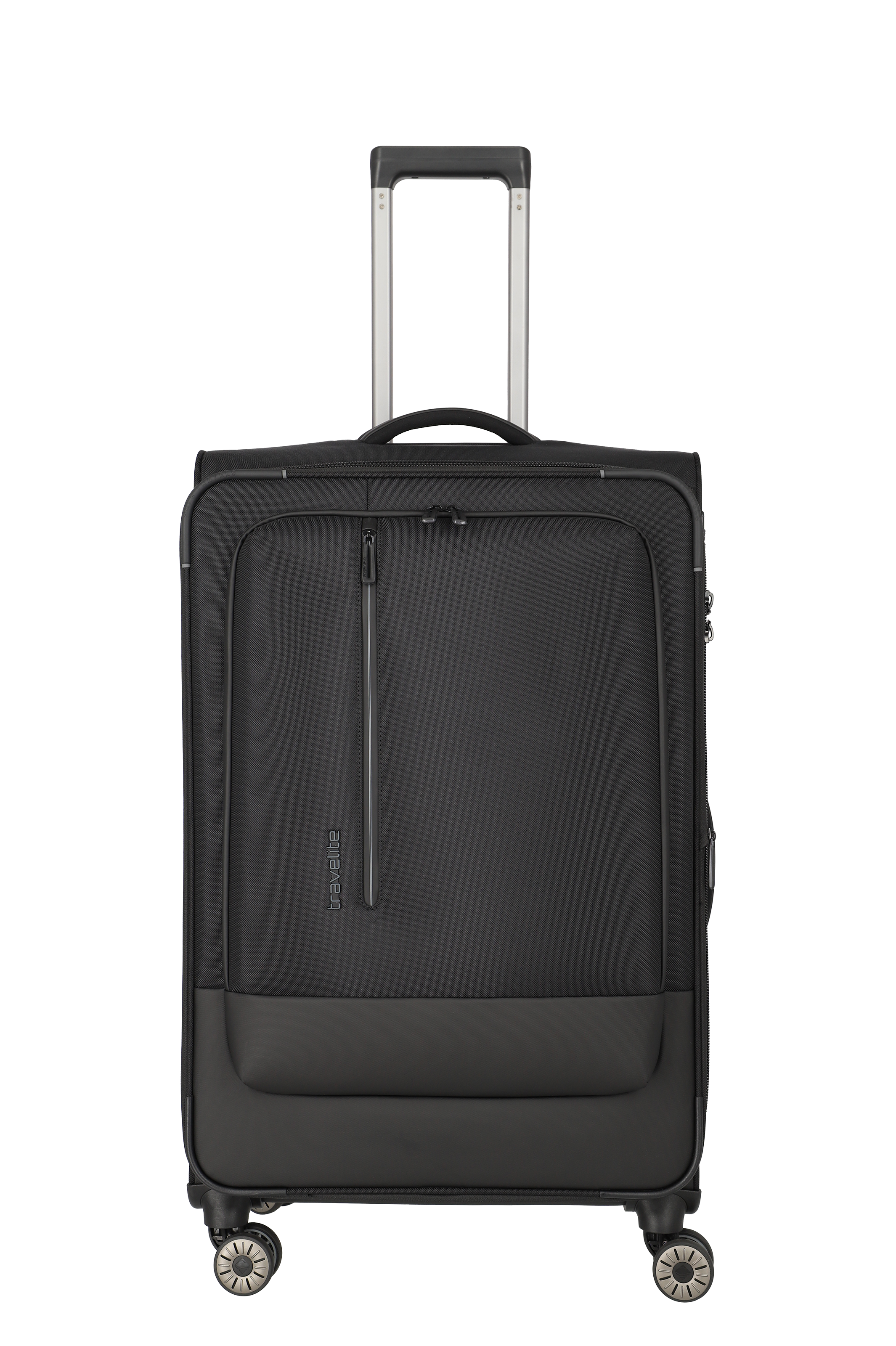
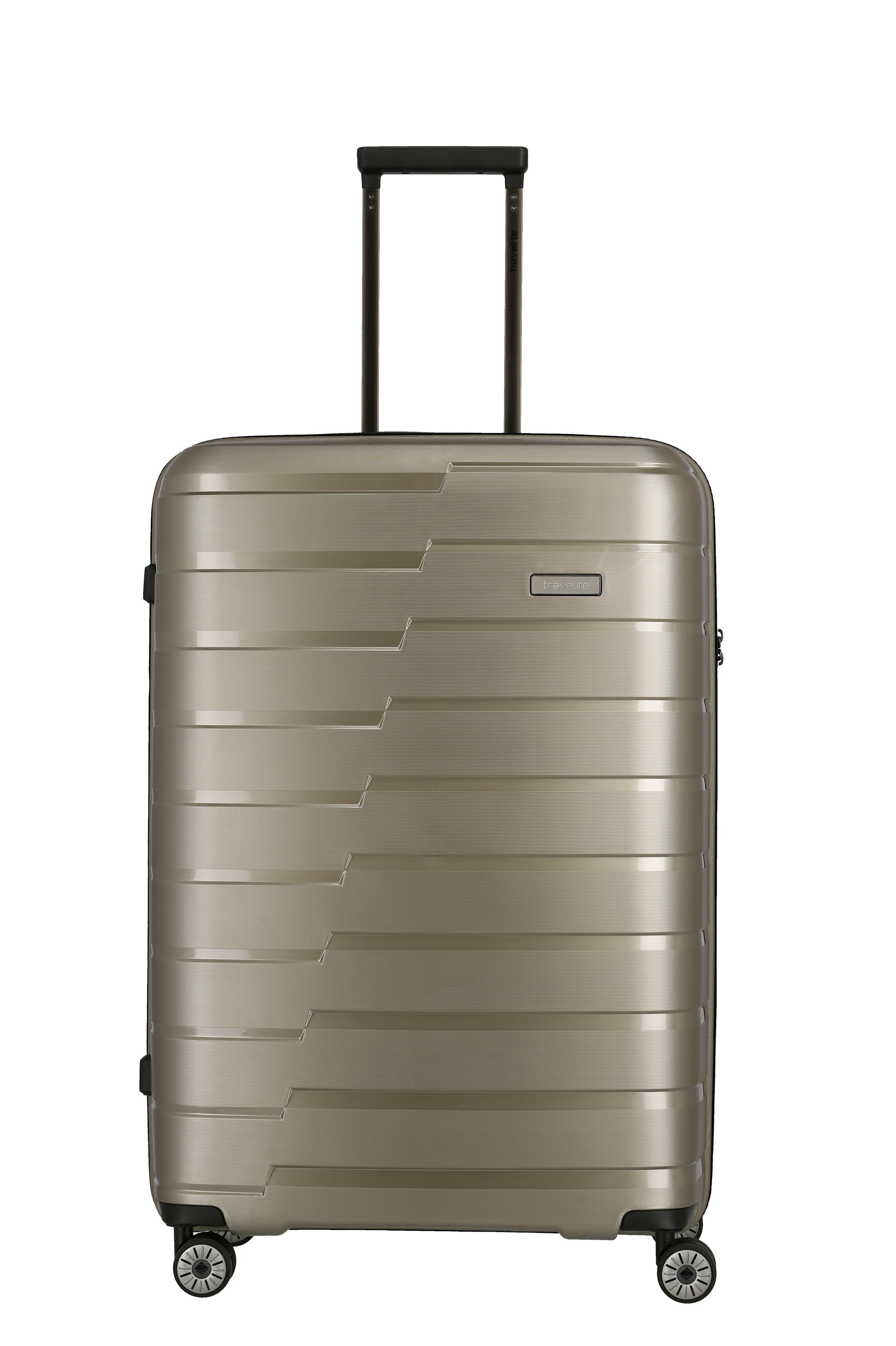
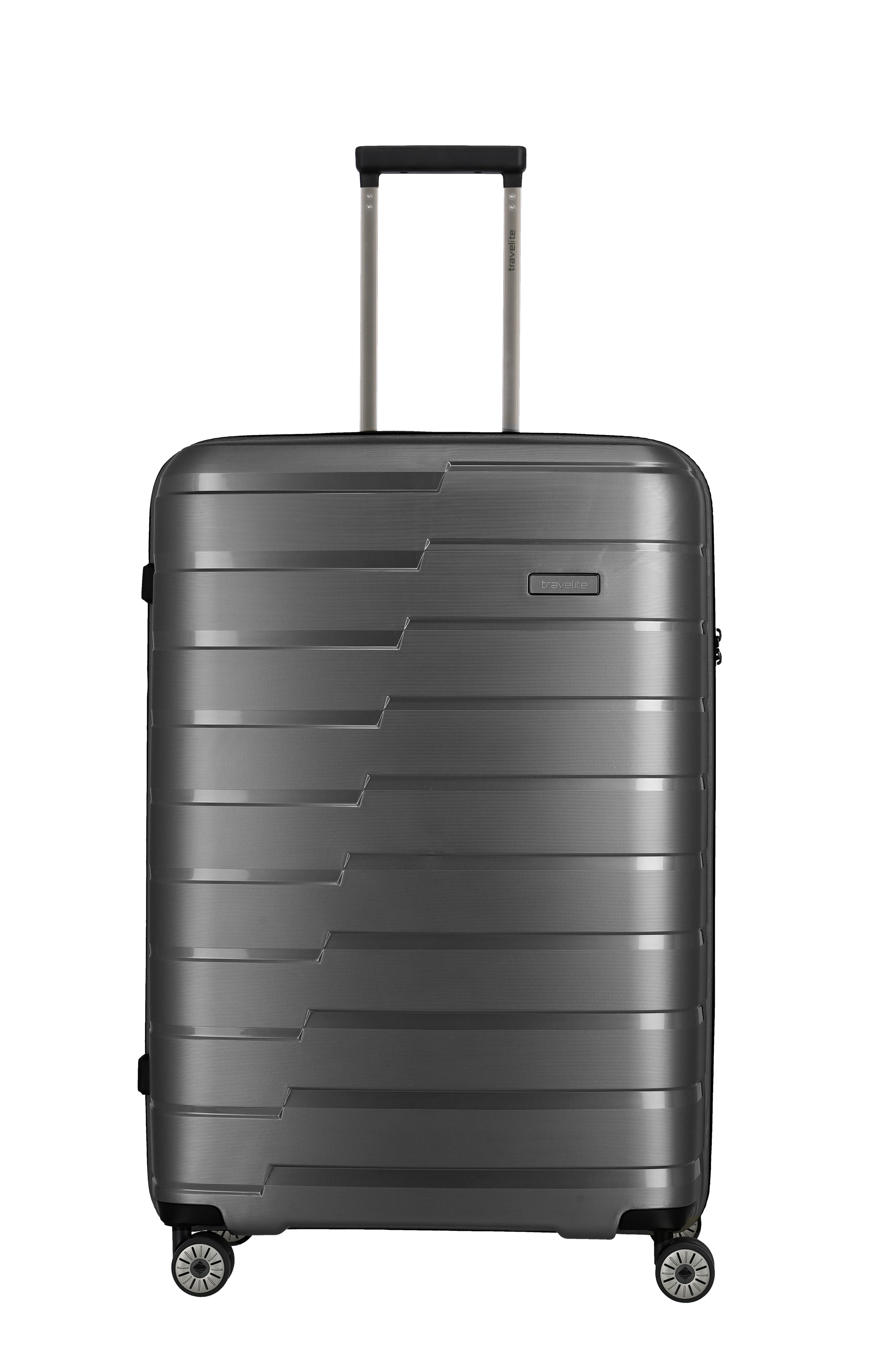
The most important piece of gear is your backpack. It should fit your back properly, have a sturdy hip belt and weigh as little as possible when empty. You’ll find suitable models in our selection of hiking rucksacks and outdoor rucksacks. We’ll show you how to distribute the weight properly in our tips on backpacking and in our article on hiking holidays in Europe.
What should I do if I can’t carry heavy loads?
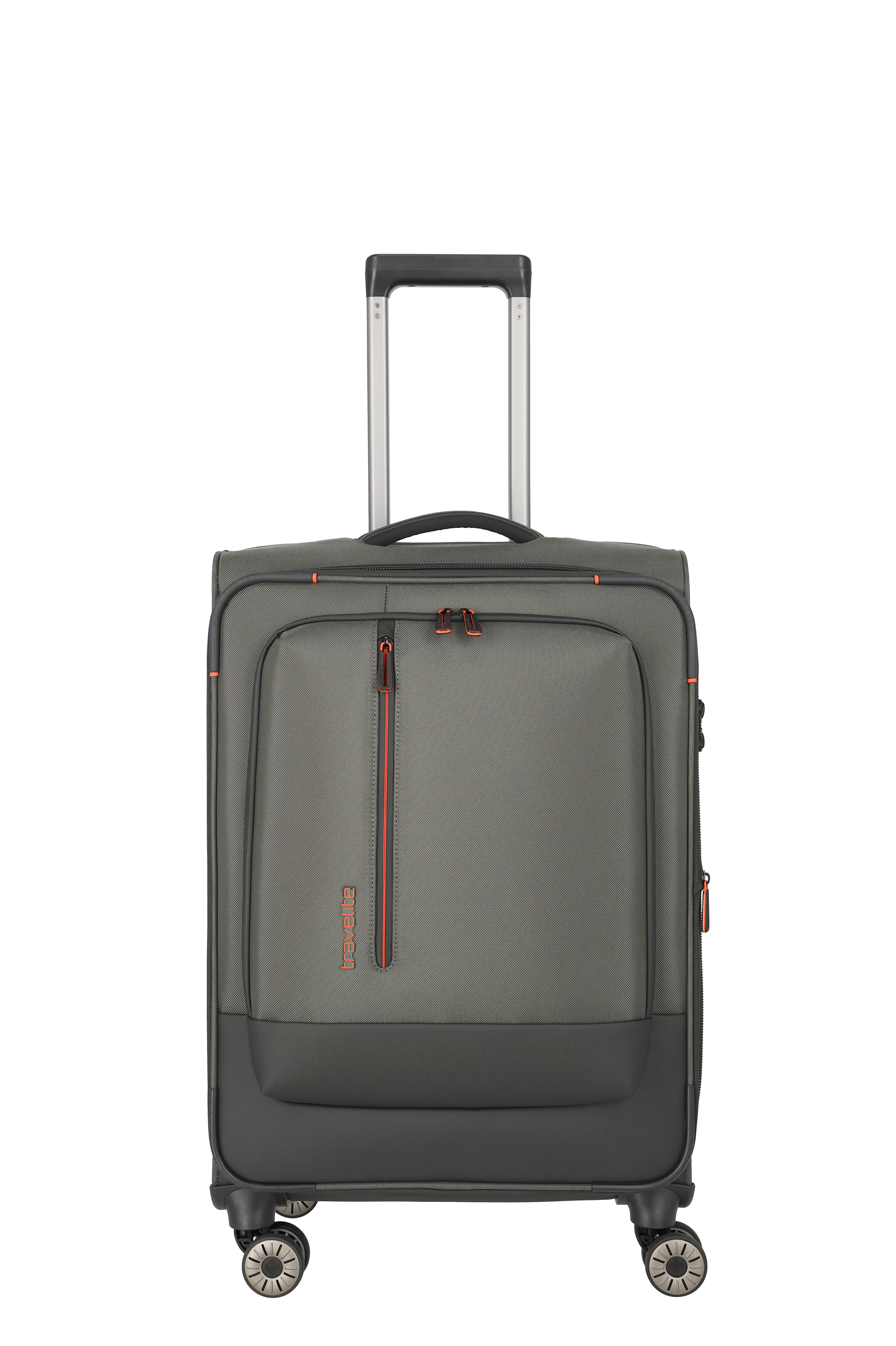
If you’ve overestimated your stamina, you can use the luggage transport service. The service takes your rucksack from one accommodation to the next, so you only need to walk with a day rucksack. You can book it directly at the hostels along the route, usually from one day to the next.
Everything you need to know about the pilgrim’s passport
The pilgrim’s passport, the Credencial, is a key item on your route. You can get it for a small donation from the St James’s societies before you set off – or on the spot at major pilgrimage sites such as Porto, Saint-Jean-Pied-de-Port or Sarria.
The pilgrim’s passport not only gives you access to the official hostels, but also connects you to a long-standing tradition.
How to get your Compostela
To receive the Compostela – the pilgrim’s certificate – at the end of your journey, you must have covered a minimum distance:
100 kilometres on foot
200 kilometres by bike
100 nautical miles by boat
Over the final 100 kilometres, you’ll collect at least two different stamps every day. Getting the same stamp twice – for example, from your accommodation in the evening and again in the morning – doesn’t count. But that’s no problem: you can get stamps everywhere along the route, in churches, cafés, restaurants and hostels.
Route planners, apps and travel guides
Perfect planning depends on three things: the route, accommodation and the weather. There are digital tools to help with all three.
Digital 01
Camino apps
Specialised apps show you detailed maps, stage profiles and up-to-date information on hostels. You enter your start and finish points and receive a personalised route. The Buen Camino app is widely used.
Digital 02
Accommodation and weather
A popular booking site for last-minute accommodation and a weather app of your choice are all you need. Especially on the Northern Route, it’s worth checking the forecast every day.
Digital 03
Put your mobile phone away deliberately
Our tip: Use the app for navigation, then put your mobile away. Most encounters on the Camino happen when nobody is staring at a screen.
The best guidebooks for the Camino de Santiago
If you prefer to read a book, here are three tried-and-tested titles for the Camino Francés:
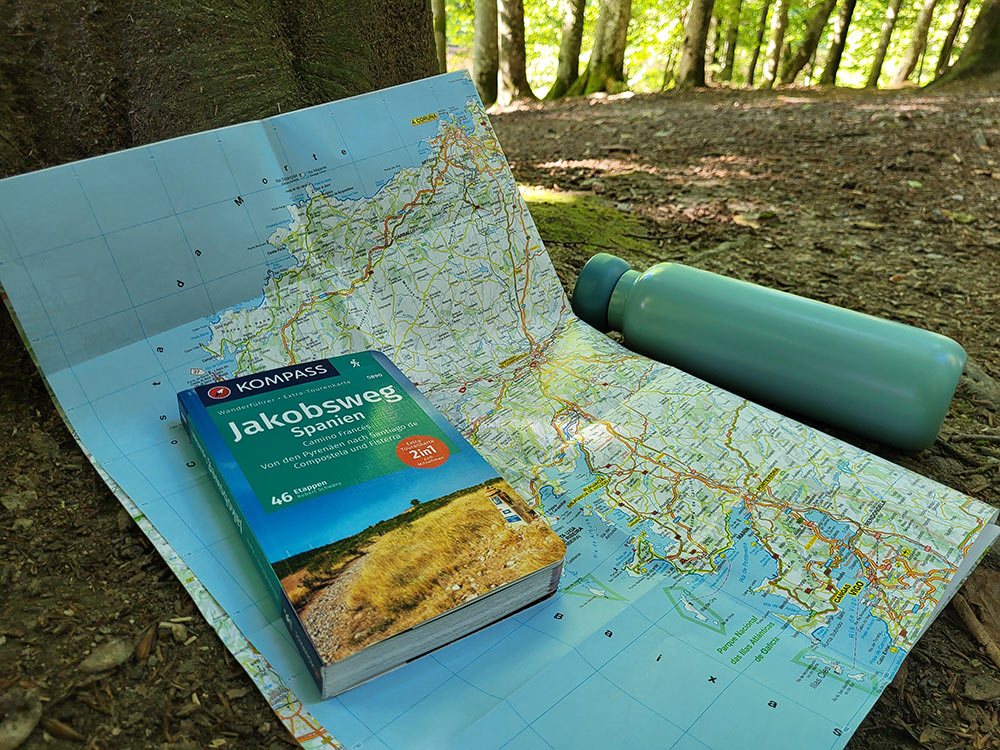
Kompass Walking Guide: The Way of St James in Spain, Camino Francés: featuring an extra route map, a comprehensive cartographic overview and a free GPX data download.
Camino Francés, Outdoor Travel Guide: the classic yellow guide with a personal touch. It presents the route without predefined stages, so you can adapt it on the fly.
Camino Francés, Rother Walking Guide: clear stage breakdown with elevation charts. The right choice if you like to plan systematically.
Your Camino route: Off to Santiago
Whichever route you choose, the journey along the Way of St James will be an unforgettable experience. Ultimately, the only important thing is that the route suits your schedule, your fitness level and the reason for your trip.
So lace up your walking boots and get ready. Your Camino awaits you. Buen Camino!
Frequently asked questions about the Camino de Santiago
Which Camino route is best for beginners?
The Camino Francés is the best place to start. It is excellently signposted, has the densest network of hostels, and you’ll constantly meet other pilgrims. If you’re short on time, start on the Caminho Português from Porto and walk for around two weeks.
How long does the Camino de Santiago take?
You should allow four to six weeks for the full Camino Francés, which is just under 800 kilometres. If you’re only walking the last 100 kilometres to earn your Compostela, the journey takes around five to six days.
How much may my rucksack weigh?
As a rule of thumb: a maximum of ten per cent of your body weight, including water. For someone weighing 70 kilograms, that’s seven kilos. Anyone carrying more risks knee and tendon problems. Weigh your packed rucksack at home before you set off.
When is the best time to walk the Camino de Santiago?
May, June and September are ideal: mild enough for walking, but not as crowded as in the height of summer. In July and August, it gets very hot on the Meseta, and in winter many hostels on the mountain stages are closed.
Do I need a pilgrim’s passport?
For the official pilgrim hostels, yes, and without it you won’t receive a Compostela either. You can obtain it in exchange for a small donation from the St James’s societies or on site at the major starting points.
Can I walk the Camino de Santiago on my own?
Yes, and most people do exactly that. Setting off alone on the Camino rarely means staying alone: encounters happen almost automatically in the hostels and along the way. You can find further advice in our article on travelling alone.
Functional cookies are absolutely necessary for the functionality of the web shop. These cookies assign a unique random ID to your browser so that your unhindered shopping experience can be guaranteed over several page views.
Activated cookies:
Saves which cookies have already been accepted by the user for the first time.
CSRF token:
The CSRF token cookie contributes to your security. It strengthens the security of forms against unwanted hacker attacks.
Cache handling:
The cookie is used to differentiate the cache for different scenarios and page users.
PayPal:
The cookie is used for payment processing via PayPal.
CAPTCHA integration
Timezone:
The cookie is used to provide the system with the user's current time zone.
Information on origin:
The cookie stores the referrer and the first page visited by the user for further use.
Cookie settings:
The cookie is used to store the cookie settings of the site user over several browser sessions.
Session:
The session cookie stores your shopping data over several page views and is therefore essential for your personal shopping experience.
Marketing cookies are used to display advertisements on the website in a targeted and individualized manner across multiple page views and browser sessions.
Bing Ads:
This cookie is used by Bing to gather anonymous information on how visitors are using the website.
Microsoft Conversion Tracking:
Cookie for Microsoft's tracking and advertising service.
Customa Tracking:
Stores the identified advertising source (campaign, referrer) for marketing attribution by Customa (Trust in Dialog Services GmbH).
Customa:
This cookie is used by customa (trust in dialog Services GmbH) for marketing and optimization purposes.
trbo:
trbo personalises content and product recommendations in this shop. To do this, information about your browsing and clicking behaviour (e.g. products viewed, shopping basket contents) is processed and stored in your browser in order to display personalised recommendations and pop-ups based on this information.
Open AI:
Used to measure and optimise our advertising campaigns. In doing so, usage data may be transmitted to OpenAI.
Google Ads Conversion:
We use the Google Ads Conversion Tag for optimised display and performance evaluation of our Google Ads ads (text/discovery ads) in order to show you the most suitable offers in your Google search. This means that adverts in your Google search or in your Google Discovery feed can be optimally tailored to your needs.
Google AdSense:
The cookie is used by Google AdSense to promote advertising efficiency on the website.
Facebook Pixel:
The cookie is used by Facebook to display personalized advertising offers based on user behavior to users of websites that integrate Facebook services.
Adcell:
Adcell uses cookies to analyse visitor traffic on the website. Furthermore, the origin of orders and the interaction of adverts can be tracked.
Google conversion tracking:
In order to show you the most suitable offers in your Google search, we use the Google Ads Conversion Tag for optimized playout and performance evaluation of our Google Ads (text/discovery ads). This way, ads in your Google search or in your Google Discovery feed can be tailored to your needs.
Tracking cookies help the shop operator to collect and evaluate information about the behaviour of users on their website.
Conversion and usertracking via Google Tag Manager:
Google Tag Manager allows tags to be integrated centrally via a user interface. Tags are small sections of code that can track activities. Script codes from other tools are integrated via the Google Tag Manager. The Tag Manager makes it possible to control when a specific tag is triggered.
Google Analytics:
Google Analytics is used for traffic analysis of the website. Thereby statistics about website activities can be created and read out.
Hotjar:
Hotjar cookies are used to analyze website activities of users. The site user is identified by the cookie over several page views and his or her behavior is analyzed.
These cookies are used to display personalised adverts.
Facebook Pixel:
For the placement and optimization of Facebook ads, you can agree to the integration of the Facebook Pixel in our shop.
These cookies allow the website to provide better functionality and personalisation. They can be set by us or by third-party providers whose services we have added to our pages. The purpose of these cookies is to provide you with a more personalised experience on our Site based on your previous visits and selections.
YouTube video:
This is a video player service. It can be used by the user to watch, share, comment on and upload videos.
Neocom purchase advisor:
Neocom cookies are used to provide and optimise the interactive product advice tool on our website. They enable personalised user guidance and allow user preferences to be saved during the advice session.
StoreLocator:
Allows Google Maps to be loaded on this page.
Action Bar:
Saves whether the action bar at the top has been clicked away by the user.
Privacy settings
To provide you with the best possible experience on our websites, we use cookies and various technologies. These help us to provide the functions of our sites, personalise content and adverts for you, and integrate social media.











_400x400 Kopie.png?ts=1760433160)
.png?ts=1750248453)



.png?ts=1750248569)