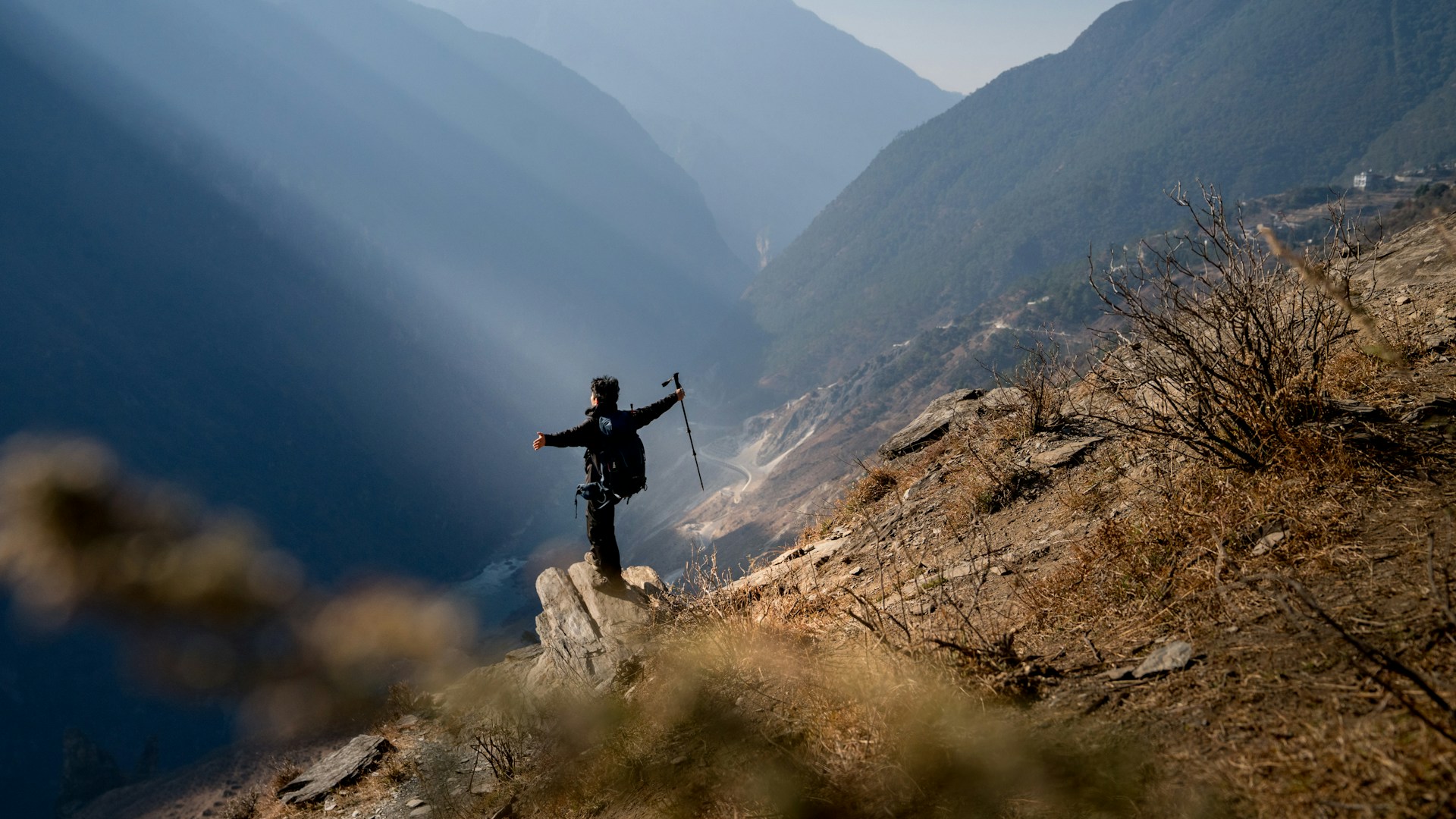
Do you dream of a holiday where you can clear your head, experience nature and travel flexibly at the same time? A hiking holiday in Europe combines varied landscapes with short journeys and a high density of well-maintained routes. Between the Atlantic coast and the high mountains, different climate and vegetation zones are often just a few hours apart. This makes it possible to enjoy both spontaneous short trips and long-distance hikes lasting several weeks.
Whether it’s a coastal path with sea views, a hut-to-hut trek in the mountains or a secluded long-distance trail through Nordic expanses – Europe offers suitable conditions for almost every fitness level and every season. Well-chosen gear ensures structure and comfort on your journey. Functional companions such as the travelite Venture Line provide support on the go with practical rucksack solutions for day’s walks and when moving between locations.
Alongside traditional mountain regions, islands, coastal areas and lesser-known low mountain ranges are also gaining in popularity. The appeal lies in the combination of experiencing nature, cultural diversity and flexible travel arrangements.
Why a hiking holiday in Europe is worthwhile
Hiking combines experiencing nature with relaxation, and Europe is ideal for this. Anyone who enjoys being out in nature will find ideal conditions in Europe: from high mountains to coastal paths and wooded areas, there are routes to suit different abilities and seasons.
Another plus point: many hiking regions are easily accessible, often even by train. This makes a hiking holiday ideal for short breaks or spontaneous weekend trips. From easy day walks to multi-day hut-to-hut tours or long-distance trails spanning several countries – the choice is vast.
A wide variety of landscapes within a small area
The spectrum ranges from the high Alps to Mediterranean coastal paths. In the Alps, panoramic trails, glacier views and mountain hut culture come together. The Pyrenees offer more unspoilt routes with an alpine character between France and Spain. Along the Amalfi Coast or on the Rota Vicentina, on the other hand, sea views, cliffs and Mediterranean vegetation dominate.
This variety of landscapes makes it possible to tailor the nature of your walking holiday to your preferences – from high-alpine stages with significant elevation gain to moderate coastal paths with a gentle gradient.
Good accessibility and infrastructure
A key advantage of Europe is the comparatively short distance between where you live and the hiking region. Many destinations can be reached by train or long-distance coach. Alpine regions in particular, as well as parts of Scandinavia and northern Italy, are well connected to the European rail network. This makes planning easier and reduces the organisational effort involved.
Added to this is a well-established infrastructure:
- extensive networks of signposted walking trails
- Mountain huts and guesthouses in mountainous regions
- clearly signposted long-distance walking routes
- Digital route planning via app and GPS
This makes a hiking holiday suitable for both beginners and experienced mountain walkers planning multi-day stages or cross-border routes.
Flexible travel options
Another advantage is the wide range of travel options:
- customised tours with stages of your own choosing
- organised walking holidays
- Hiking holidays with luggage transport
- Local walks with day trips
Europe also offers a range of climatic options: whilst high-altitude areas are snow-free in summer, many coastal regions and islands are ideal for walks in pleasant temperatures in spring or autumn.
A walking holiday in Europe can therefore be tailored precisely to your fitness level, travel dates and desired level of comfort – from ambitious long-distance trails for keen walkers to leisurely coastal walks.
Hiking holidays in Europe by type of trip
Not every route suits every level of ability. Europe offers a variety of options – from short leisurely walks to long-distance trails lasting several weeks. Your choice should be based on your fitness level, who you’re travelling with and your desired level of comfort.
Hiking holidays for beginners
Beginners benefit from well-signposted trails with moderate elevation gains and a clear structure of stages. Coastal sections such as the Rota Vicentina or parts of the Cinque Terre combine manageable distances with impressive views. Germany’s low mountain ranges also offer easy circular routes with good infrastructure.
Characteristic features of regions suitable for beginners:
- short daily stages
- little technical terrain
- regular places to stop for refreshments
- good public transport links
Hiking holidays with children
For families, safety, variety and flexible stage lengths are the main priorities. Flat alpine trails in the Alps or well-developed low mountain range regions are particularly suitable. Important factors include:
- low elevation gain
- varied nature experiences
- Places to stop for a break
- short transfer times between accommodation and the starting point
Hiking tours with fixed accommodation reduce the organisational effort and ensure predictable daily routines.
Multi-day hiking trips & long-distance hiking trails
Ambitious walkers often opt for long-distance walking routes with a clear structure of stages. Among the best known are:
- E5 long-distance hiking trail – classic Alpine crossing
- GR 10 – Crossing the Pyrenees
- Kungsleden – Long-distance hiking trail through northern Sweden
- The Way of St James – a historic pilgrimage route through several countries
Such routes require a good level of basic fitness and call for precise planning in terms of stages, accommodation and weather windows.
Hiking holidays without luggage
Travellers seeking comfort are increasingly opting for hiking packages that include luggage transfer. The principle is this: during the day, you hike with a light day rucksack, whilst your suitcases are transported to your next accommodation.
Typical features:
- pre-booked accommodation
- clearly defined stages
- daily luggage service
- Plannable route lengths
This model is particularly suitable for coastal walks or moderate Alpine stages and combines physical activity with reduced logistical hassle.
Hiking regions in Europe: from Alpine panoramas to the Atlantic coast
Europe offers a huge variety of options for your hiking holiday – from high peaks to wild coastal paths. The following table gives you a quick overview of the main regions:
| Region |
Highlights |
Best time to visit |
Level of difficulty |
Special features |
| Alps |
Summit hikes, panoramic routes, hut-to-hut walks |
June – September, and even October at lower altitudes |
Easy to challenging |
E5 Alpine crossing, numerous mountain huts |
| Pyrenees |
Landscapes, mountain lakes, national parks |
June – October |
Moderate to difficult |
Less touristy than the Alps |
| Coastal paths |
Cliffs, sea views, Mediterranean flair |
Spring & Autumn |
Easy to moderate |
Rota Vicentina (Portugal), Amalfi Coast |
| Islands |
Volcanic landscapes, lush vegetation, the sea |
All year round (depending on the island) |
Easy to moderate |
Madeira, the Azores, the Canary Islands |
| Scandinavia |
Fjords, open spaces, wilderness |
June – September |
Moderate to difficult |
Secluded long-distance hiking trails, midnight sun |
| Eastern Europe |
Unspoilt nature, mountains & forests |
May – October |
Easy to moderate |
High Tatras, Slovenia, the Baltic States |
The Alps – a classic high-mountain region
The Alps are regarded as the heartland of mountain hiking. Panoramic trails, hut-to-hut tours and high-alpine crossings characterise the range of options on offer. At higher altitudes, the season usually runs from June to September.
Typical:
- significant changes in altitude
- a thriving mountain hut culture
- cross-border routes
- well-marked trails
The Pyrenees – less crowded, with an alpine character
The Pyrenees stretch between the Atlantic and the Mediterranean and offer wide valleys, mountain lakes and challenging high-altitude trails. The GR 10 is one of the region’s best-known long-distance hiking trails.
Characteristic features include:
- fewer visitors than in the Alps
- Alpine stages covering longer distances
- National parks such as the Ordesa y Monte Perdido National Park
Coastal walks – sea views and moderate terrain
On Europe’s coasts, hiking can be perfectly combined with that holiday feeling. Whether along the Amalfi Coast, on Portugal’s Rota Vicentina or by the North Sea – everywhere you go, you’ll be accompanied by the sound of the sea and sweeping horizons. Coastal paths are often well-maintained and therefore also suitable for less experienced walkers.
Islands – unspoilt nature in the Atlantic and the Mediterranean
On islands such as Madeira, the Azores or the Canary Islands, a unique blend of mountains, volcanic landscapes and the sea awaits you. Here, you can hike through lush forests, climb craters or discover spectacular coastal paths. The mild climate makes many of these destinations real year-round favourites.
Scandinavia – Long-distance hikes in sparsely populated regions
Scandinavia is characterised by vast open spaces, fjord landscapes and long-distance hiking trails such as the Kungsleden. The hiking season is concentrated in the snow-free months from June to September.
Features:
- low population density
- long stages
- accommodation close to nature
- a high degree of personal responsibility when planning
Eastern Europe – nature-based alternatives off the beaten track
In Eastern Europe, you’ll still find many little-known hiking regions that spark a true spirit of discovery. The High Tatras, Slovenia’s Triglav National Park and the national parks in the Baltic states offer varied landscapes featuring mountains, forests and lakes. At the same time, you’ll enjoy a peaceful atmosphere far away from the large tourist crowds.
Equipment & packing list for a hiking holiday in Europe
Equipment requirements vary depending on the region, altitude and length of the stages. Whilst a light day rucksack is often sufficient for coastal walks, multi-day alpine tours require more detailed preparation.
- Sturdy walking boots: Treaded soles and sufficient stability are crucial on uneven terrain. At high altitudes, ankle-high boots are recommended; on coastal or low-mountain trails, lighter models are often sufficient.
- Weatherproof clothing in a layered look: This ensures you remain flexible even in changing weather conditions. A breathable base layer wicks moisture away from the body, an insulating mid-layer retains heat, and a windproof and waterproof outer layer protects against rain and wind. Temperature differences between the valley and the summit can be several degrees, particularly in the Alps or the Pyrenees.
- Outdoor backpack for day walks: It should offer enough space for water, snacks, a change of clothes, a first-aid kit, sun protection, as well as maps or a GPS device, and should fit ergonomically. For long-distance trails such as the Kungsleden, you should also ensure balanced weight distribution and effective back ventilation.
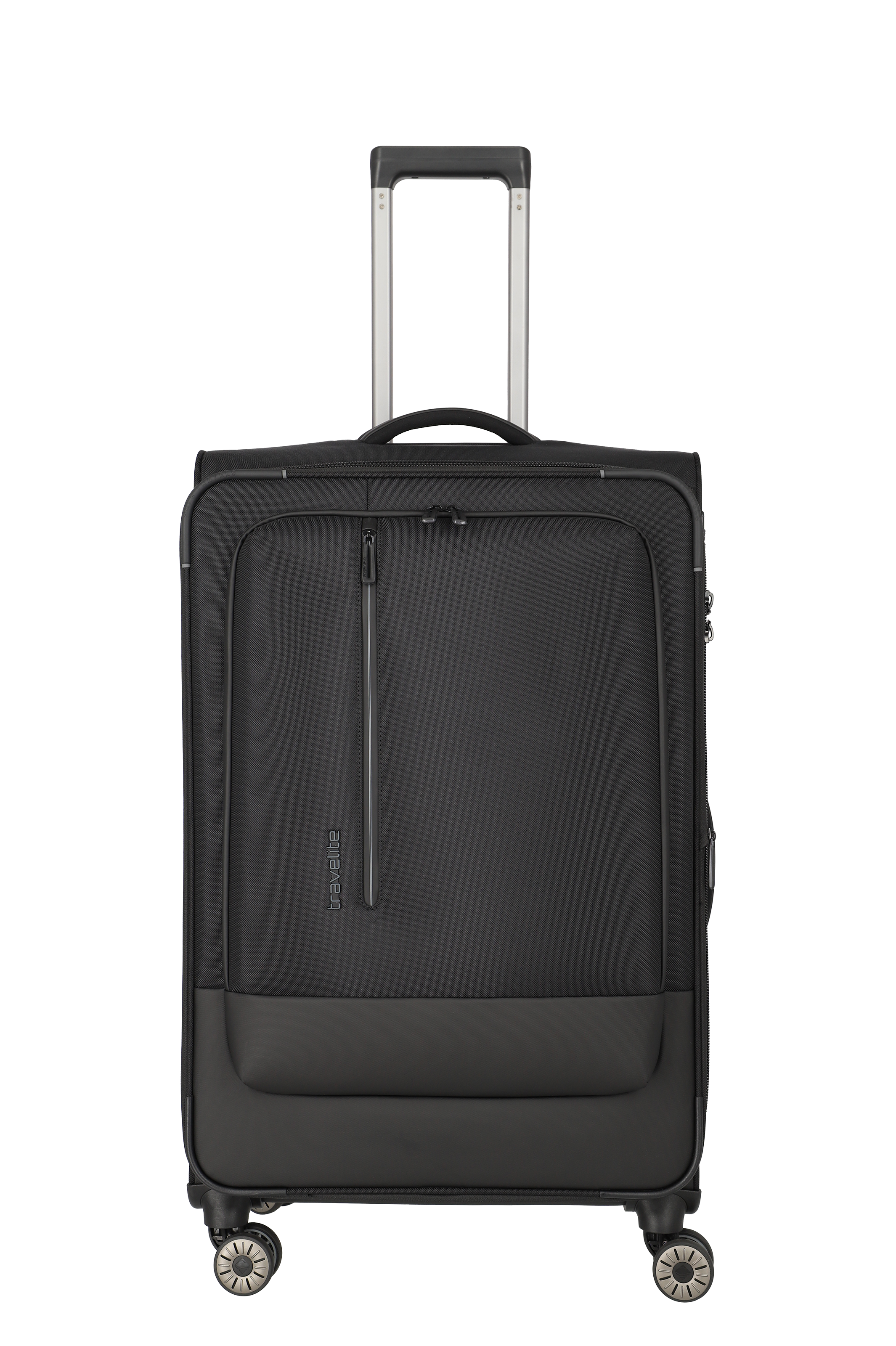
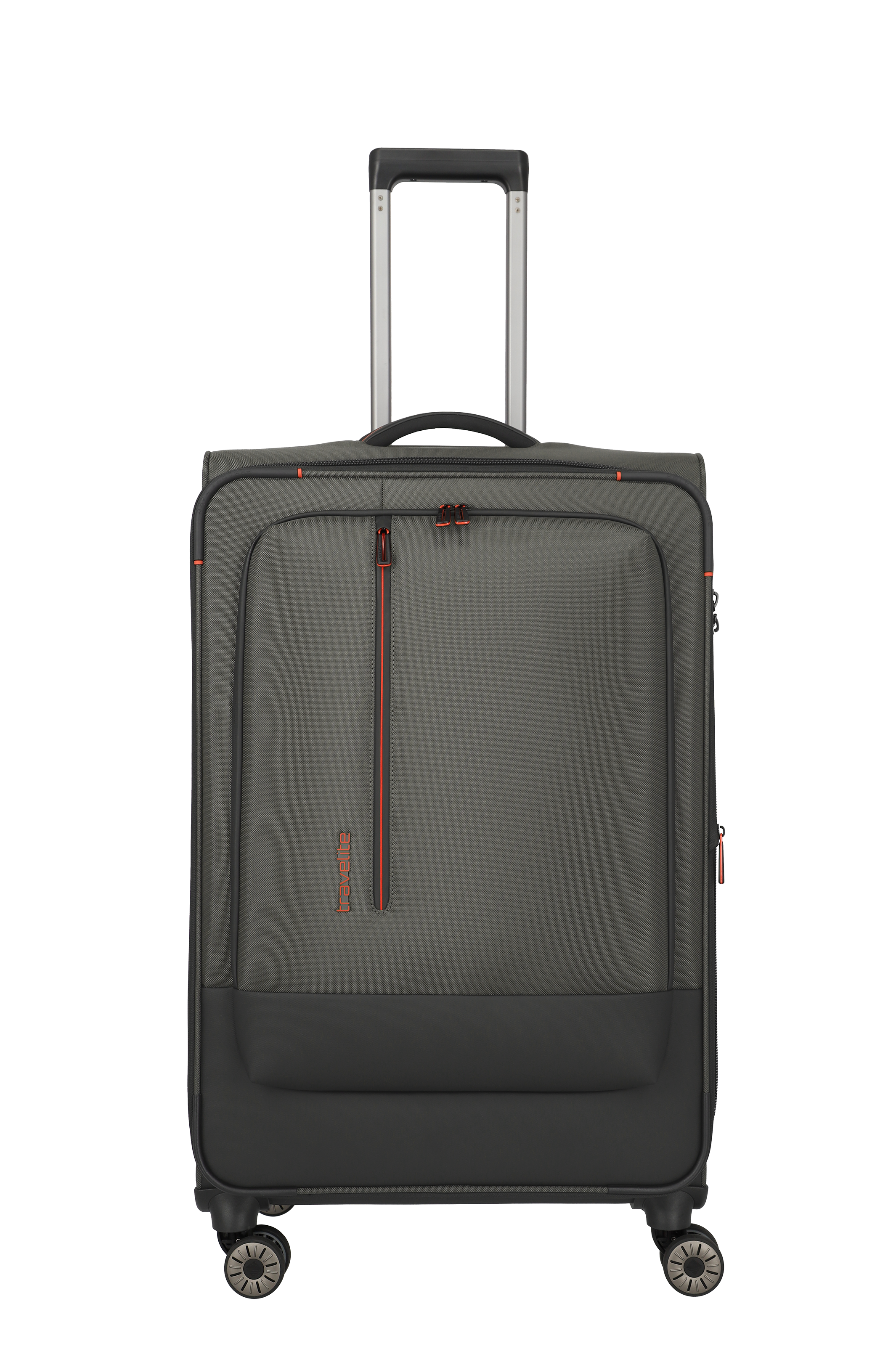
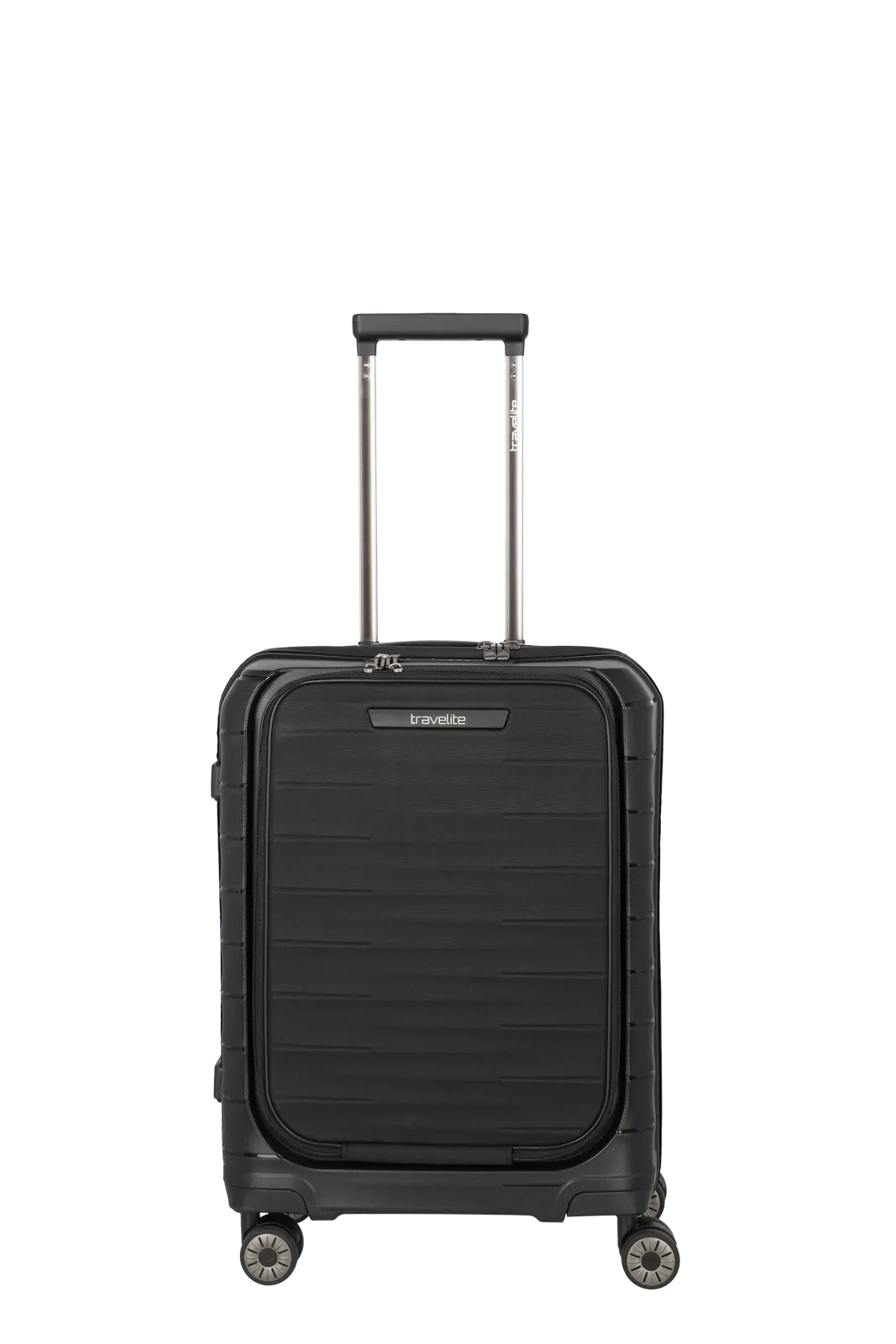
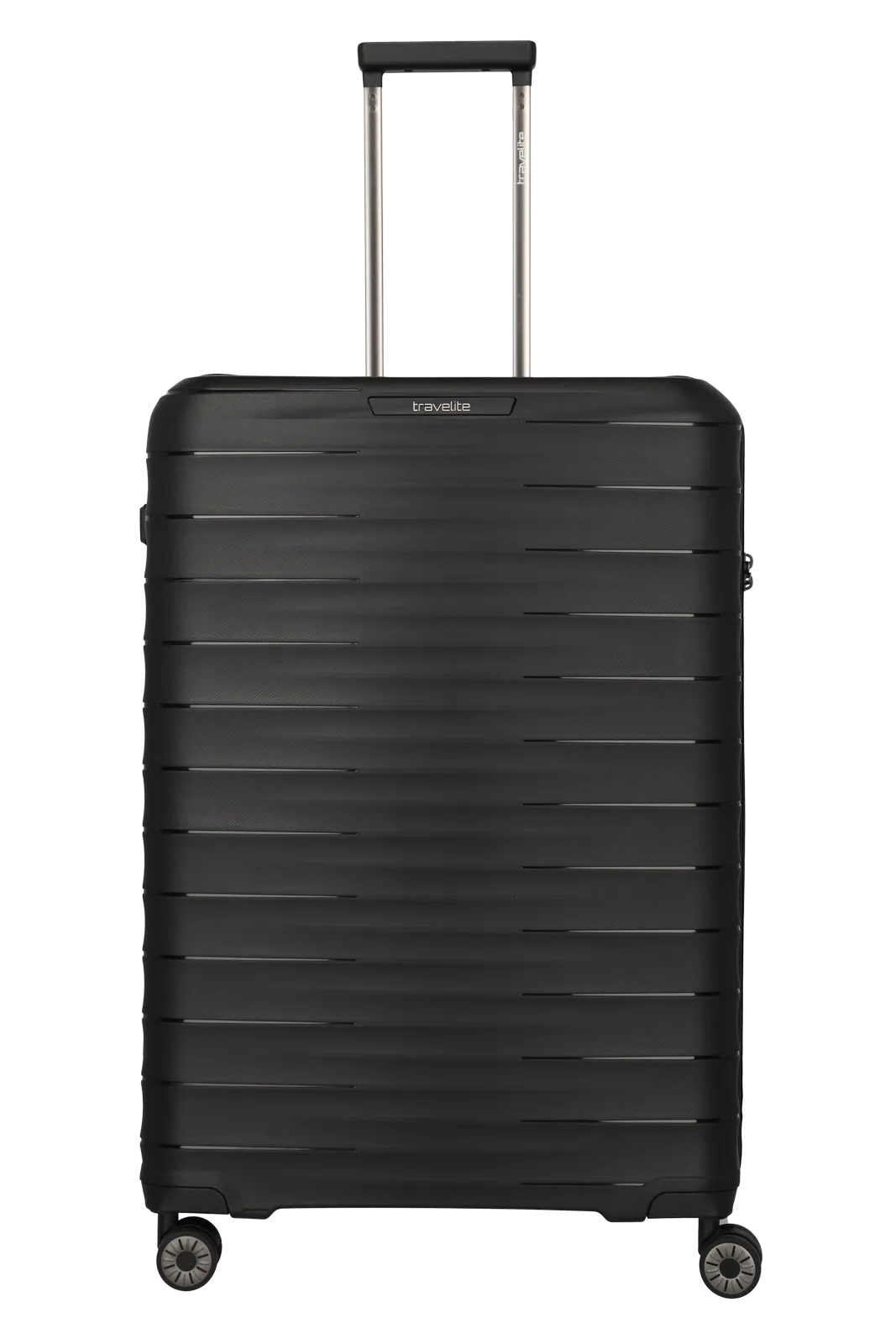
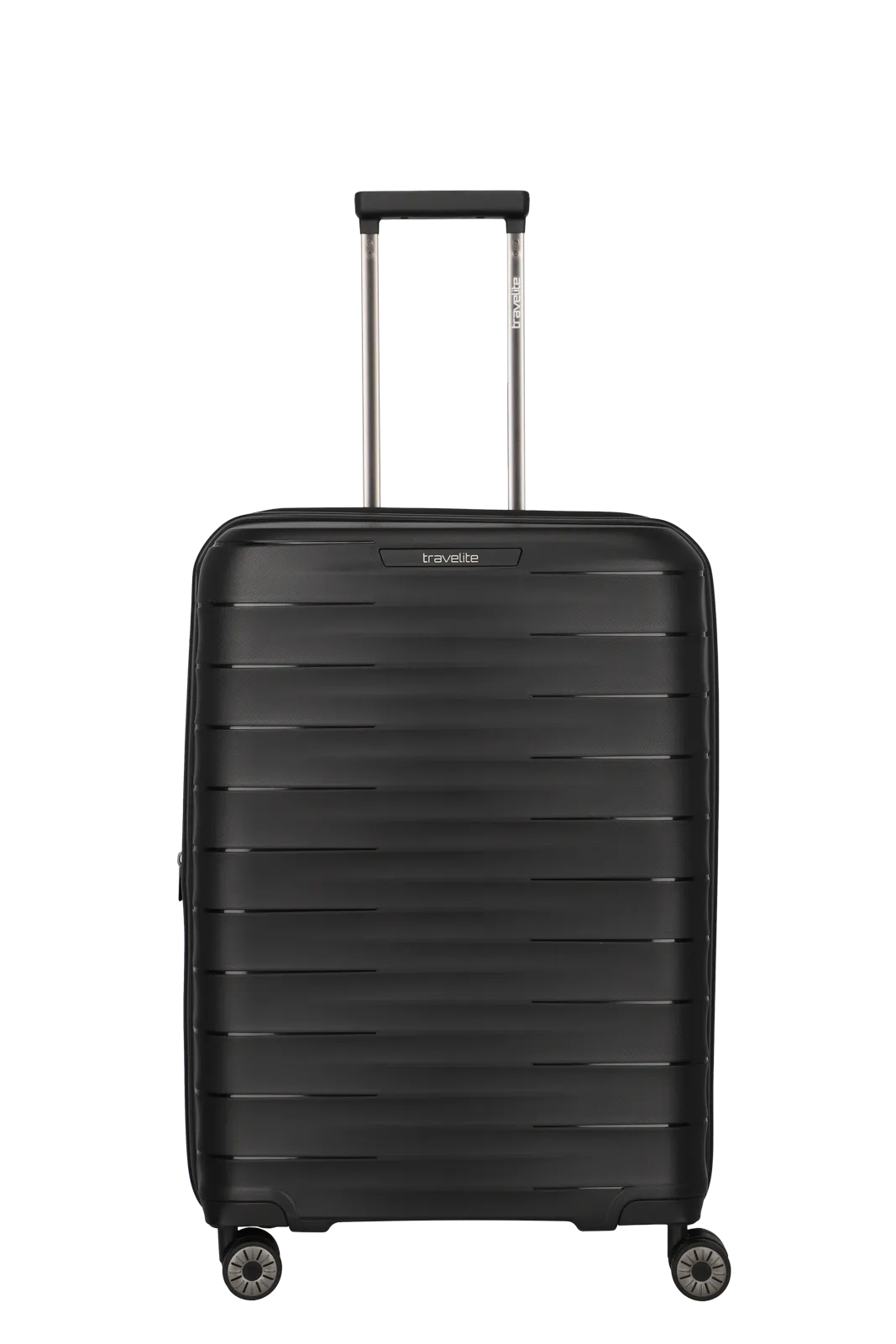
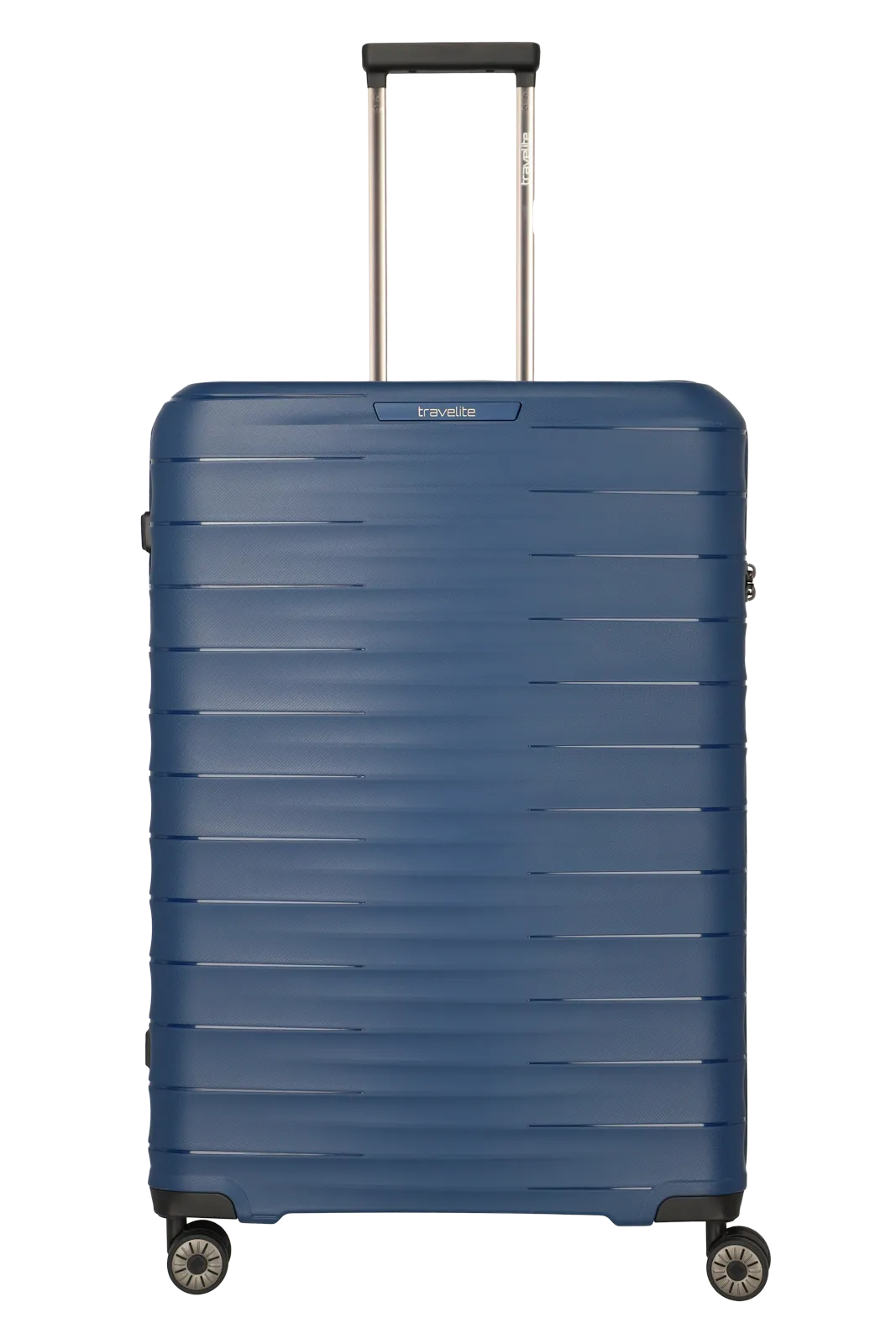
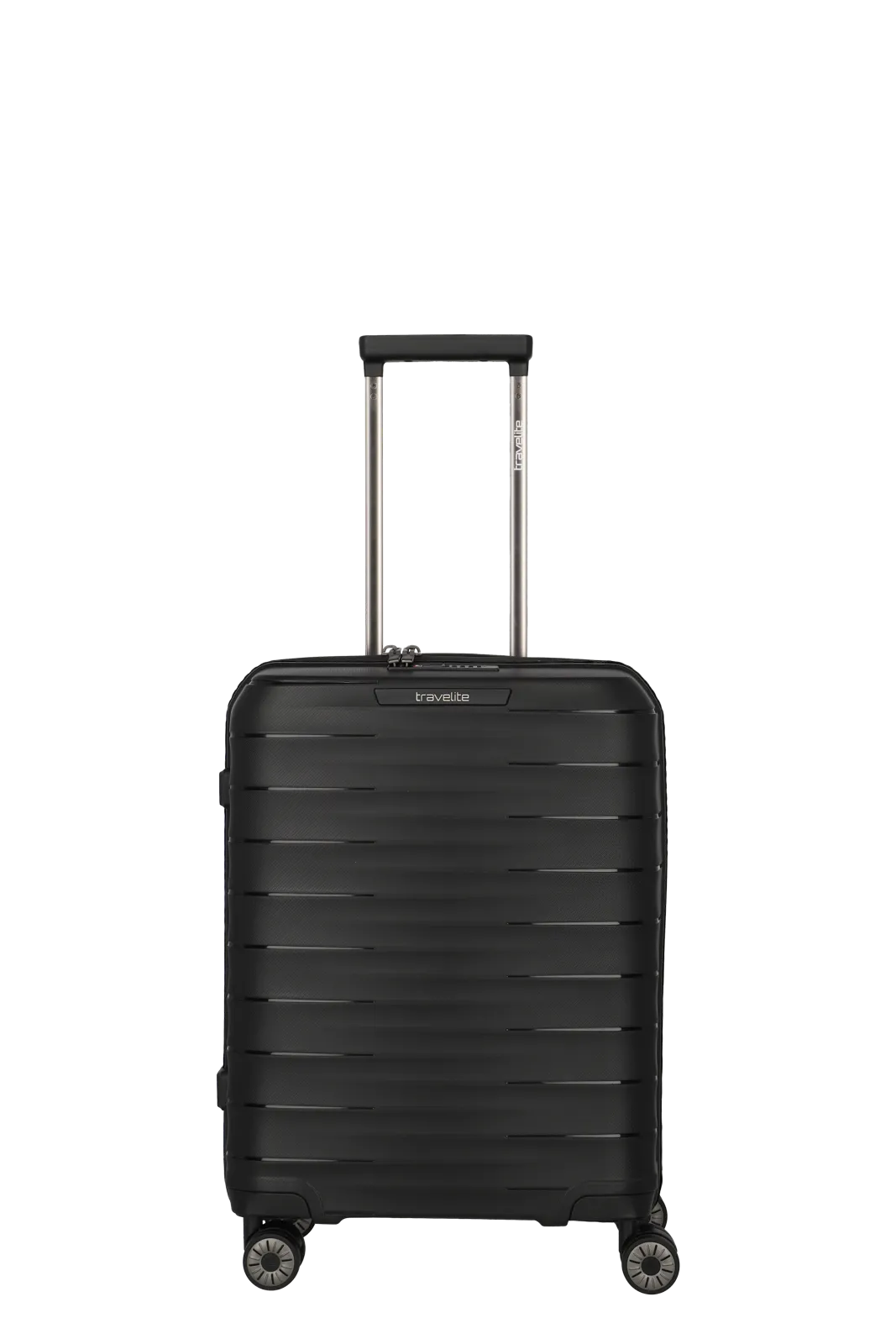
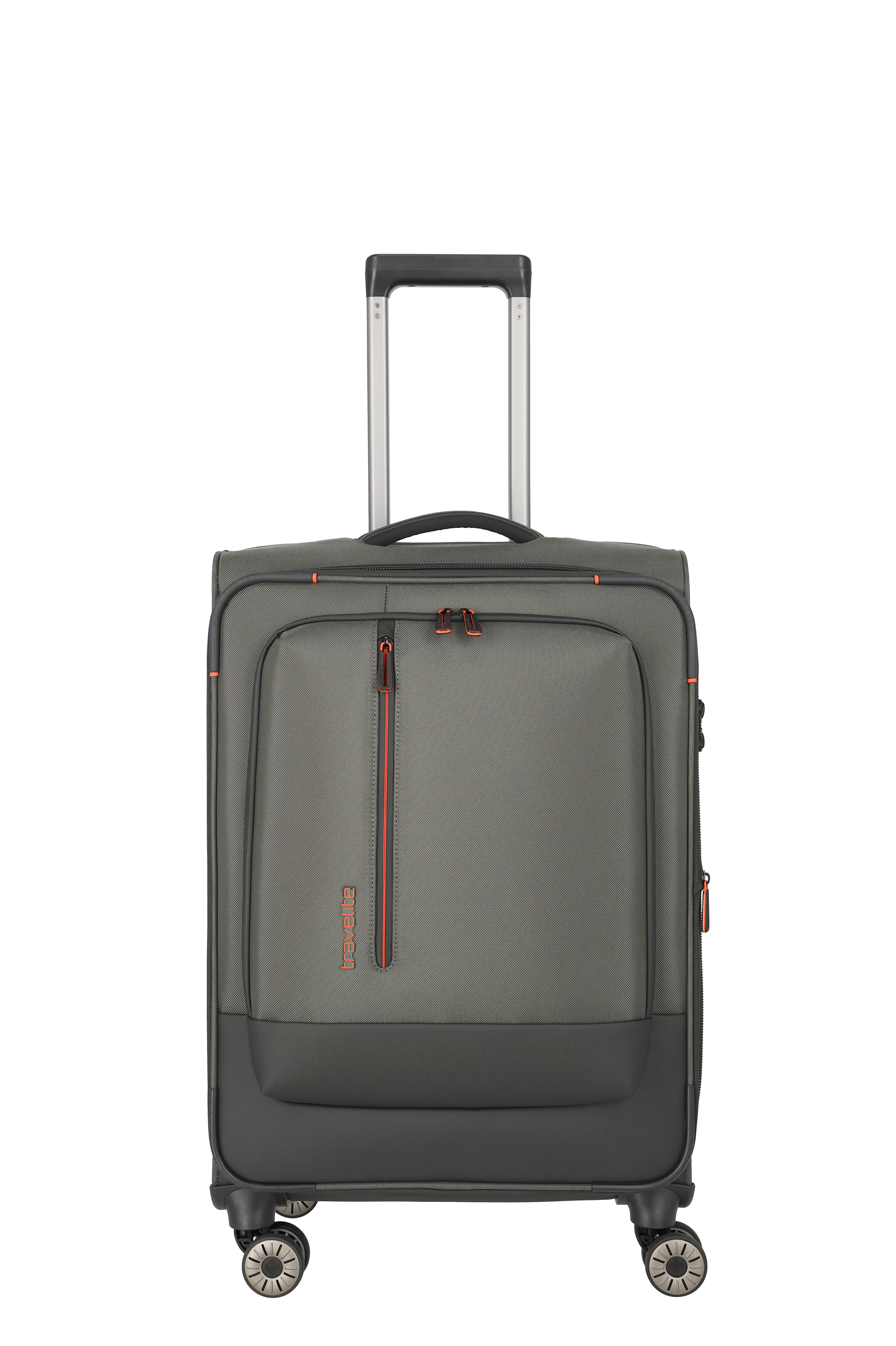
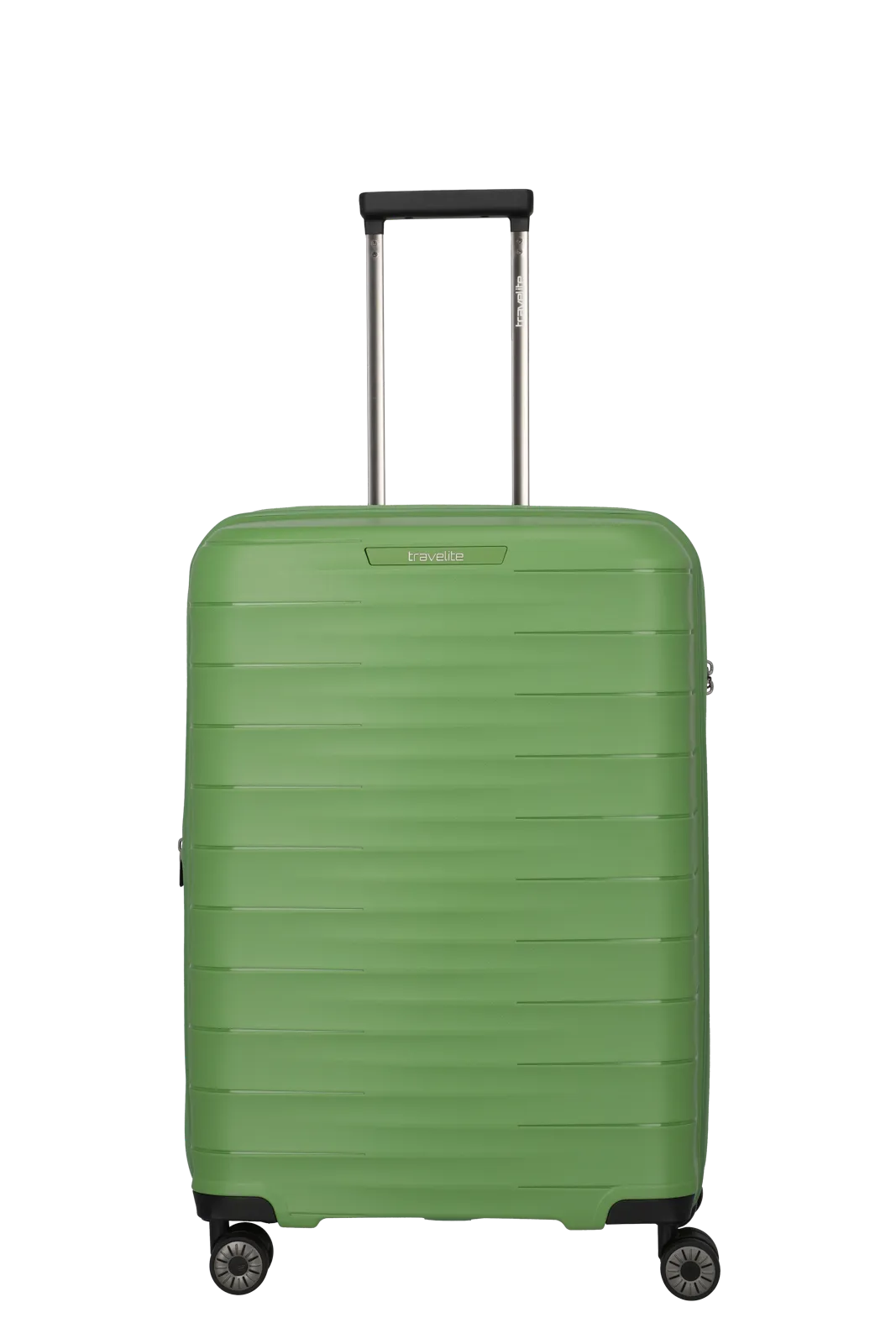
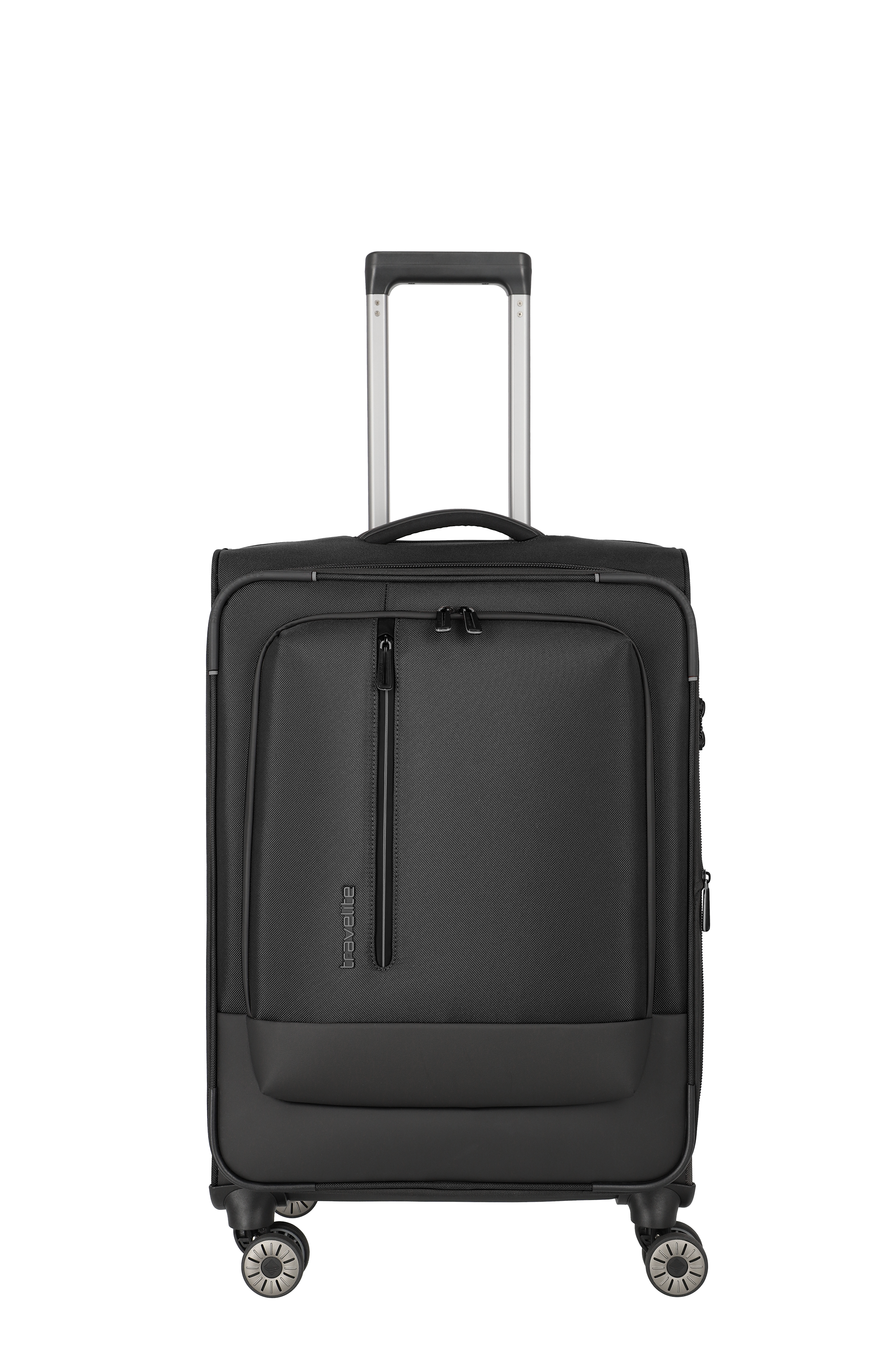
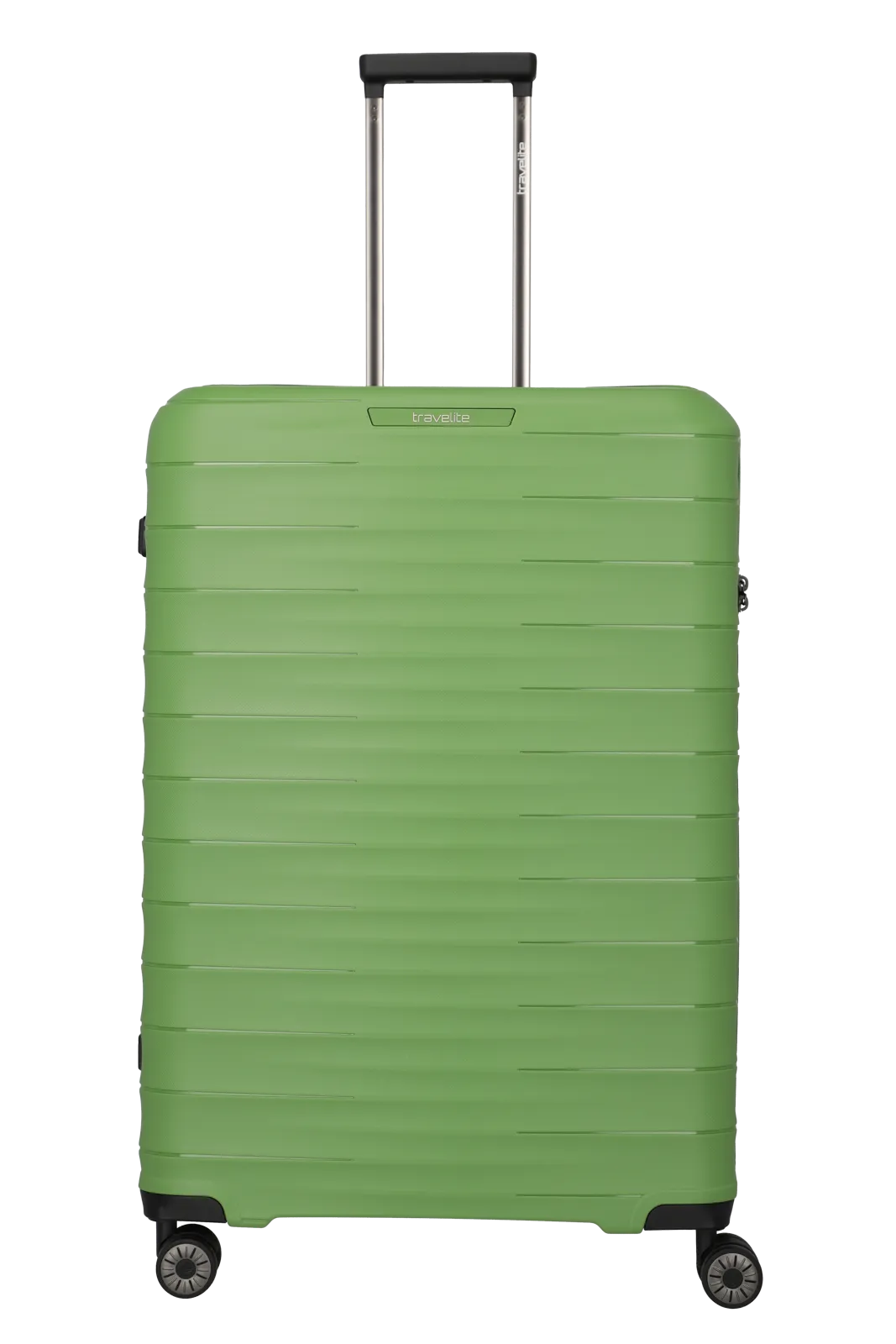
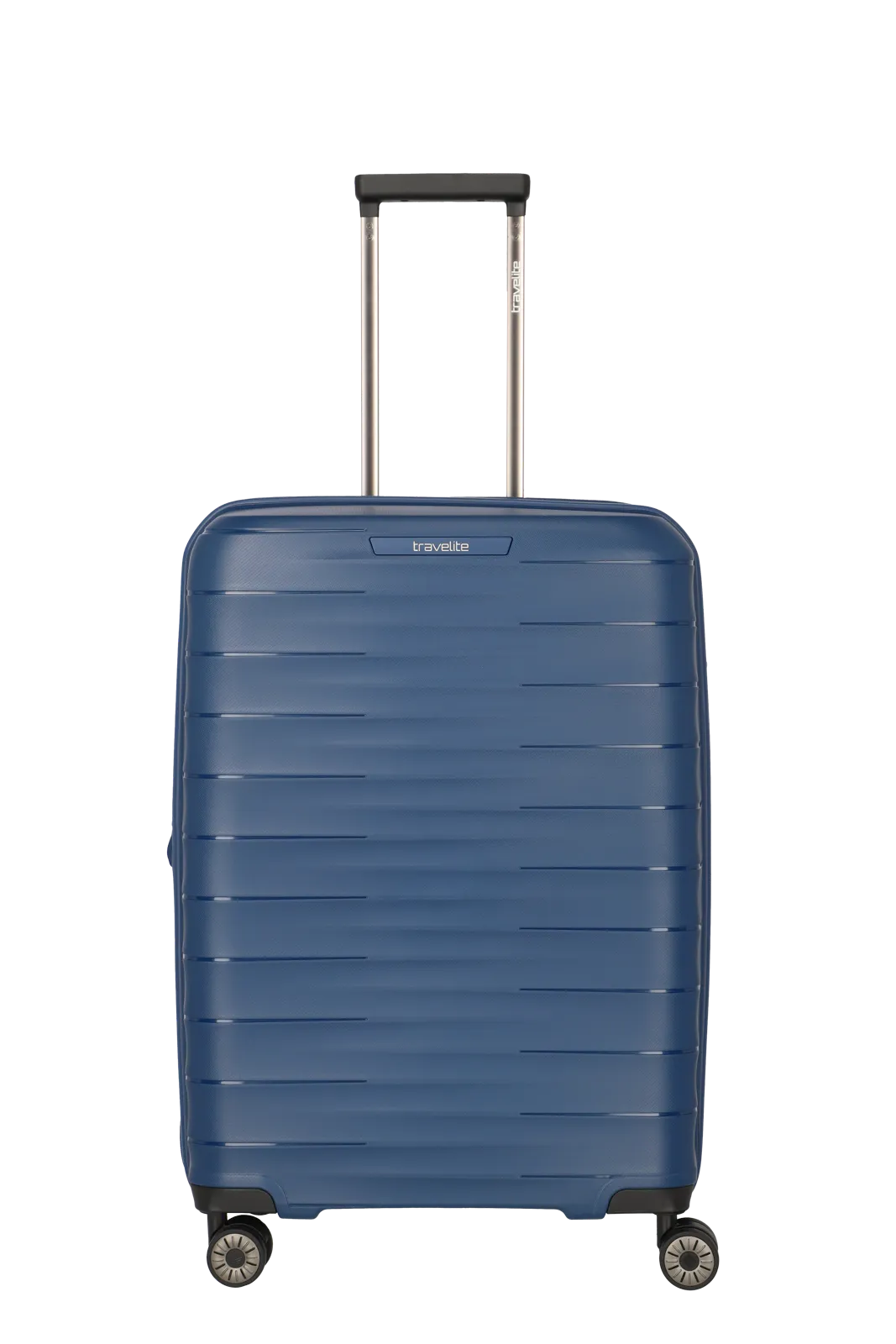
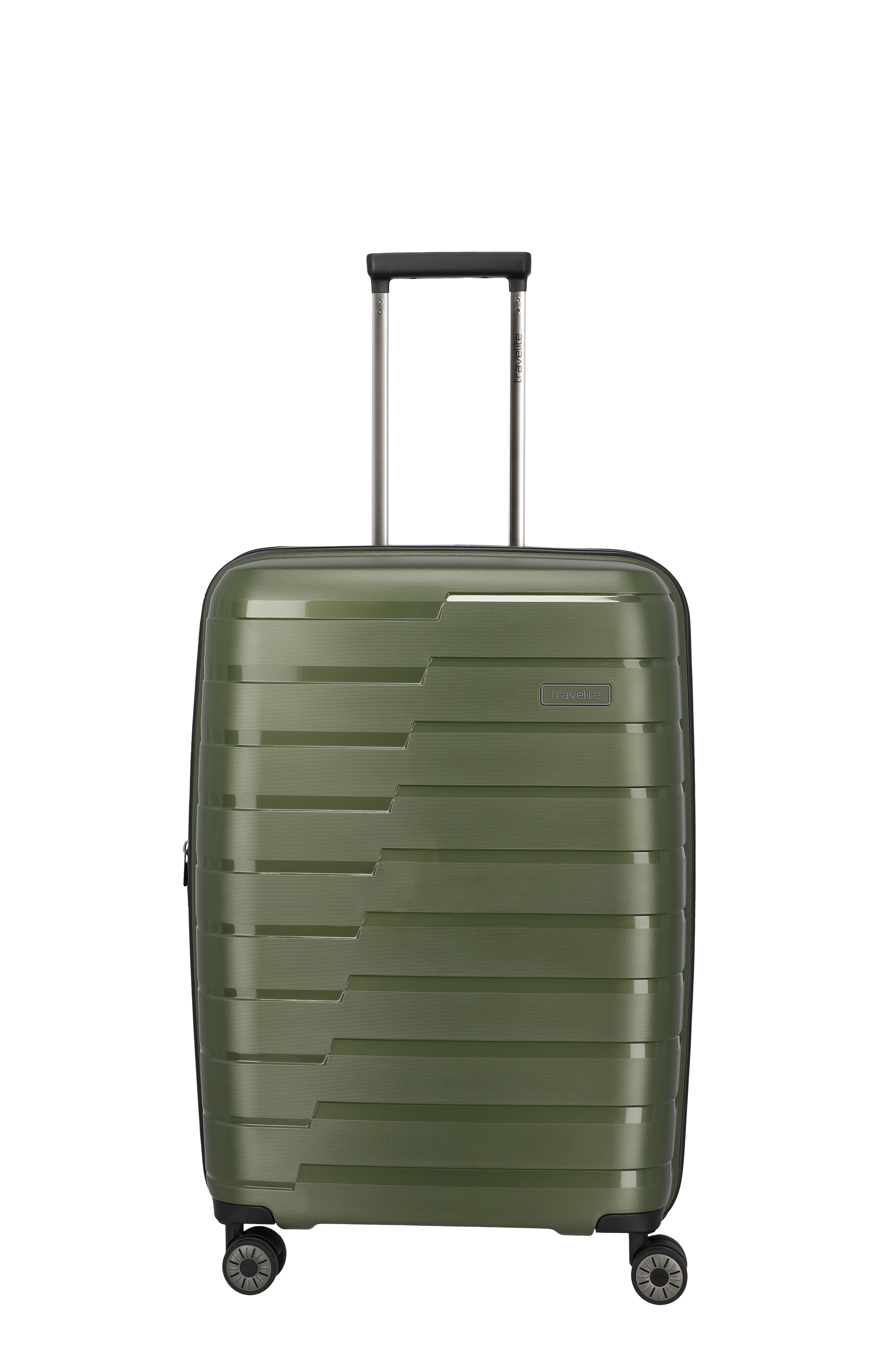
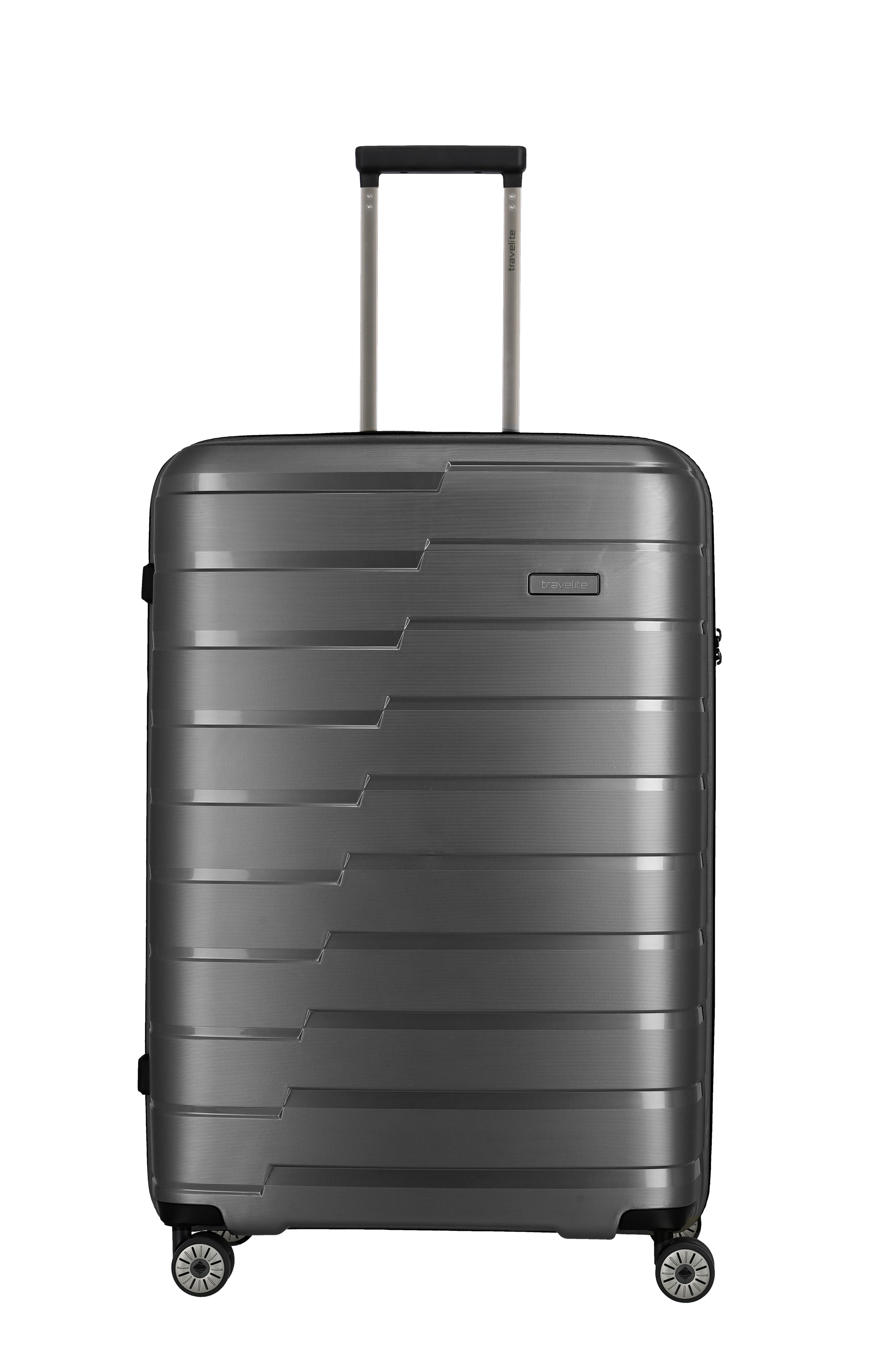
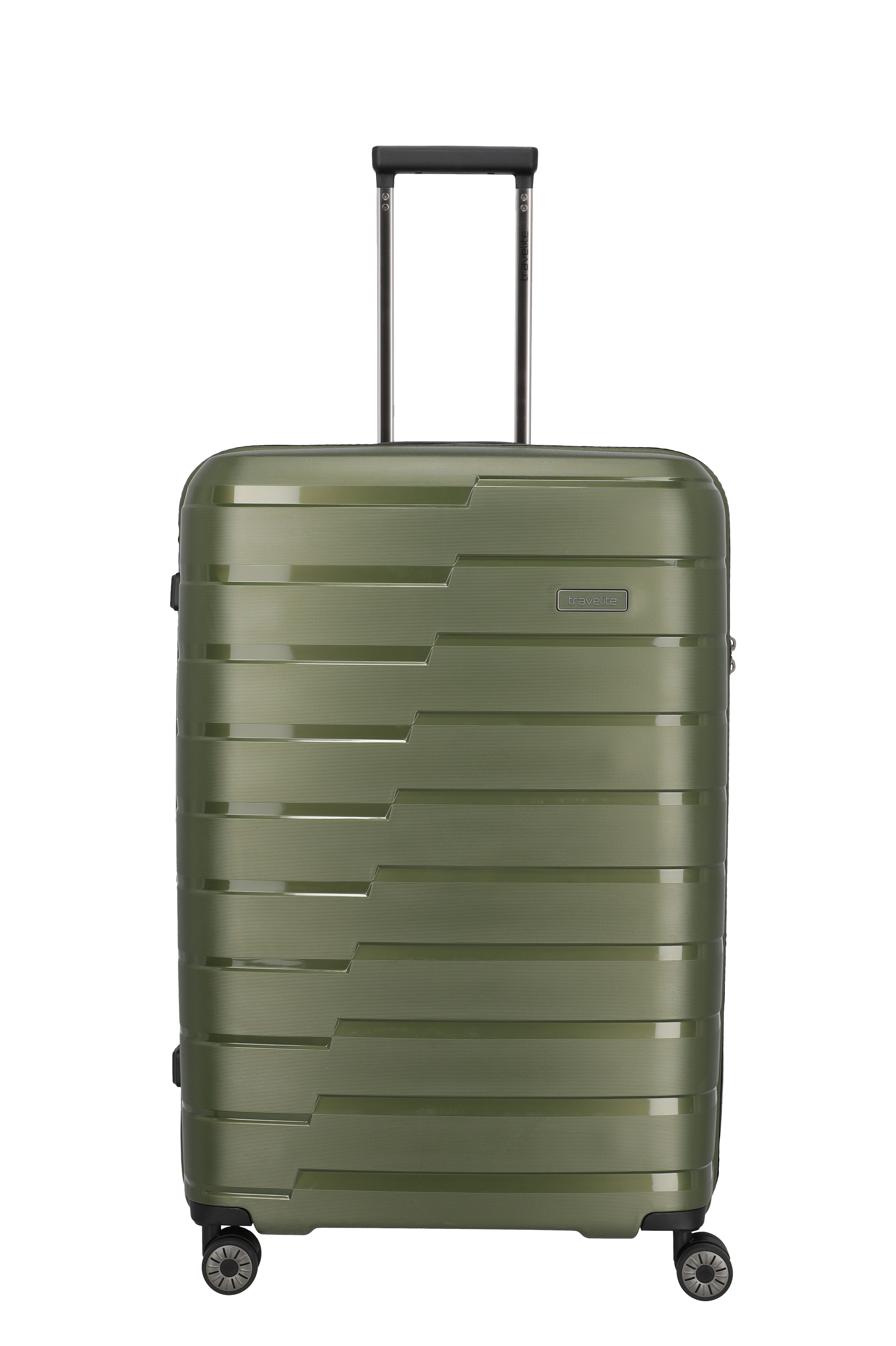
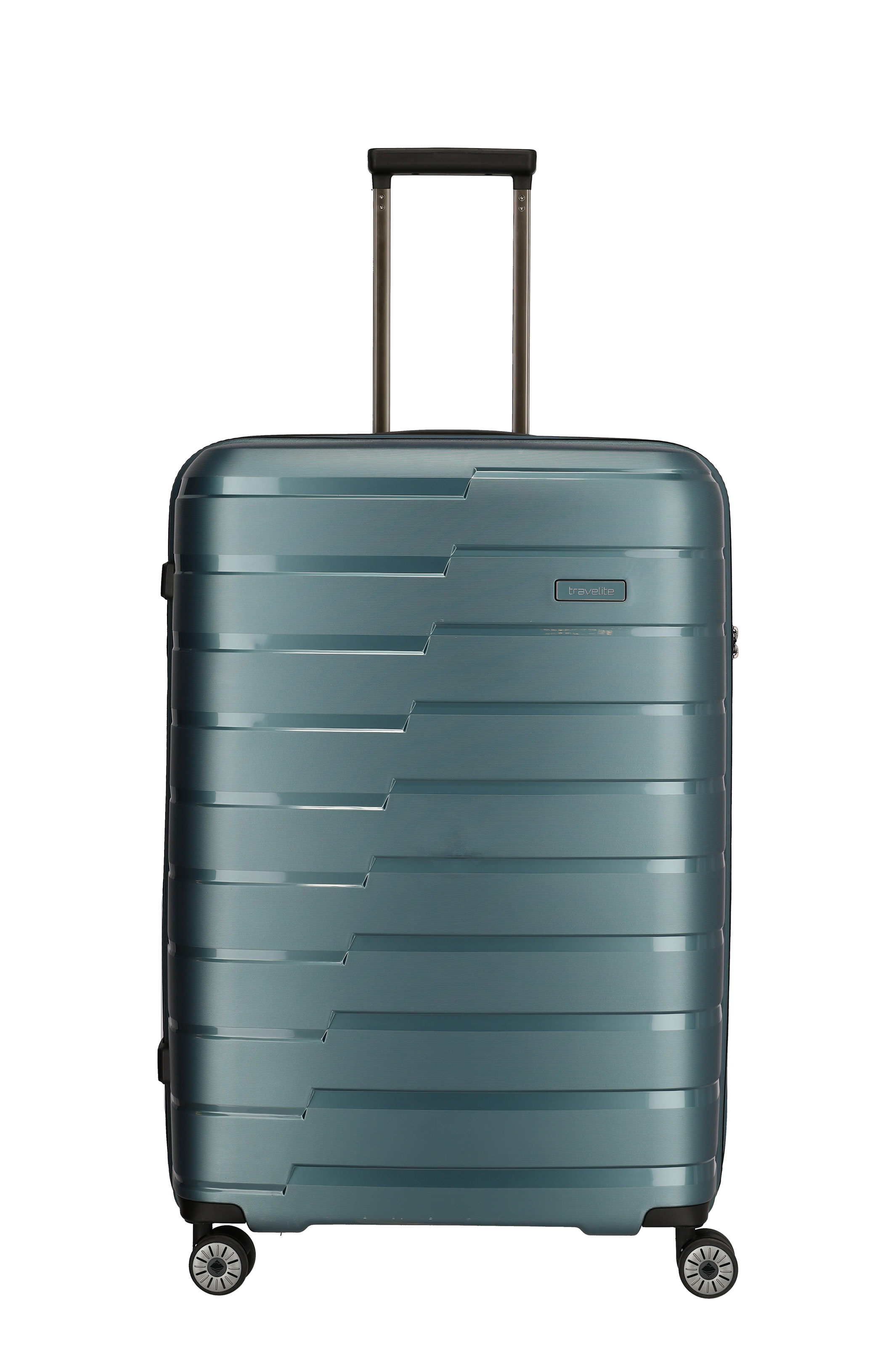
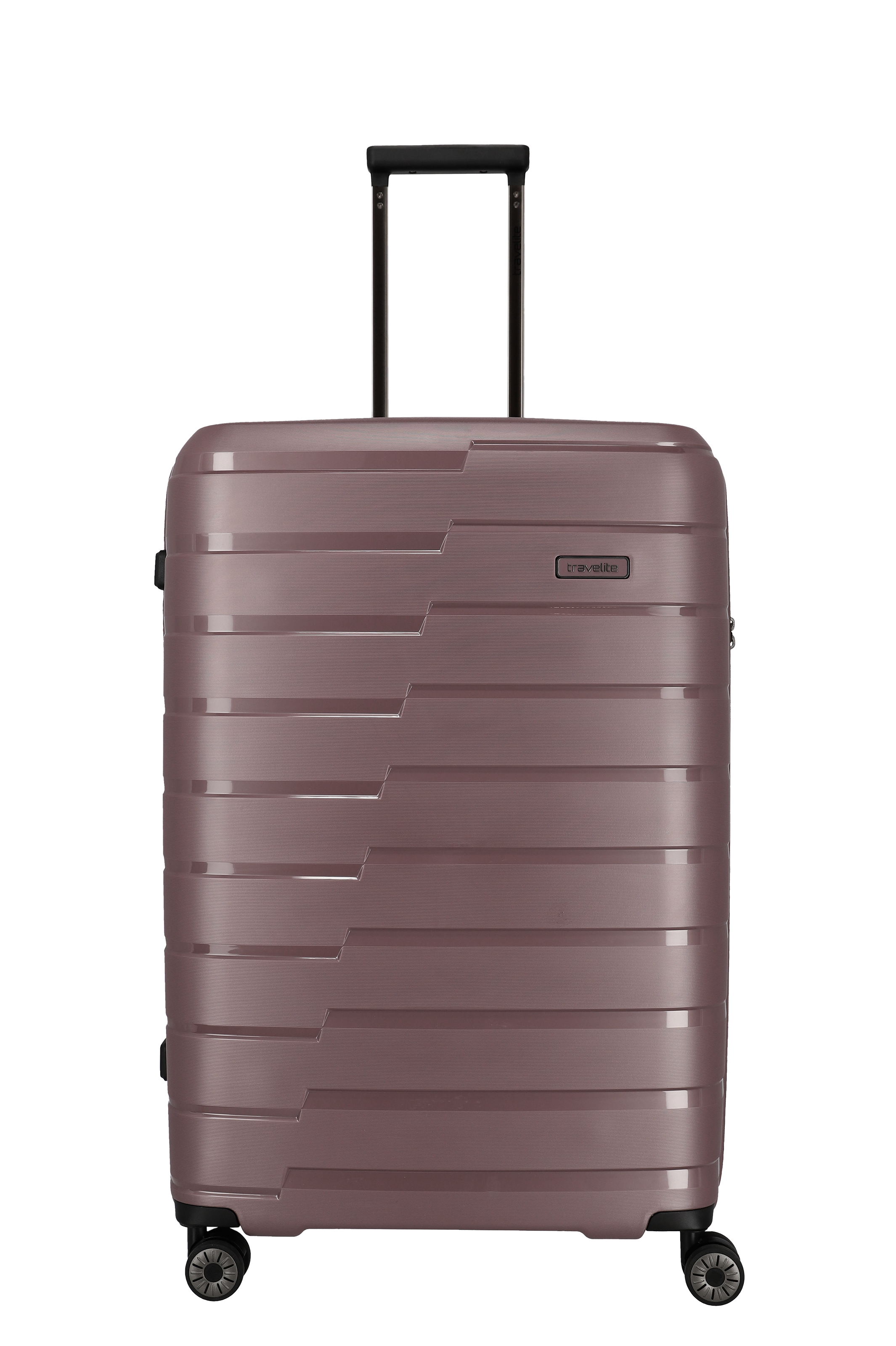
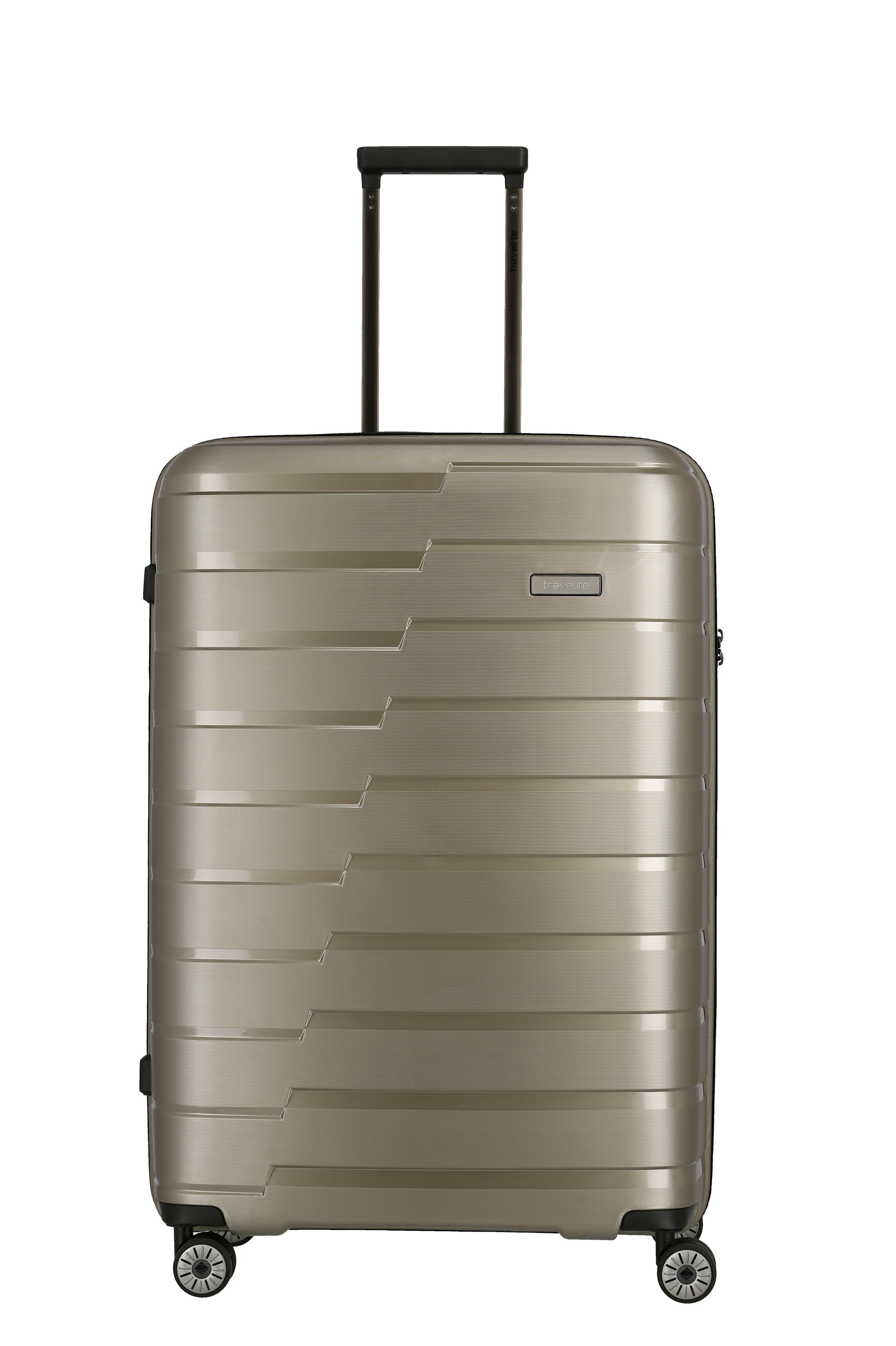
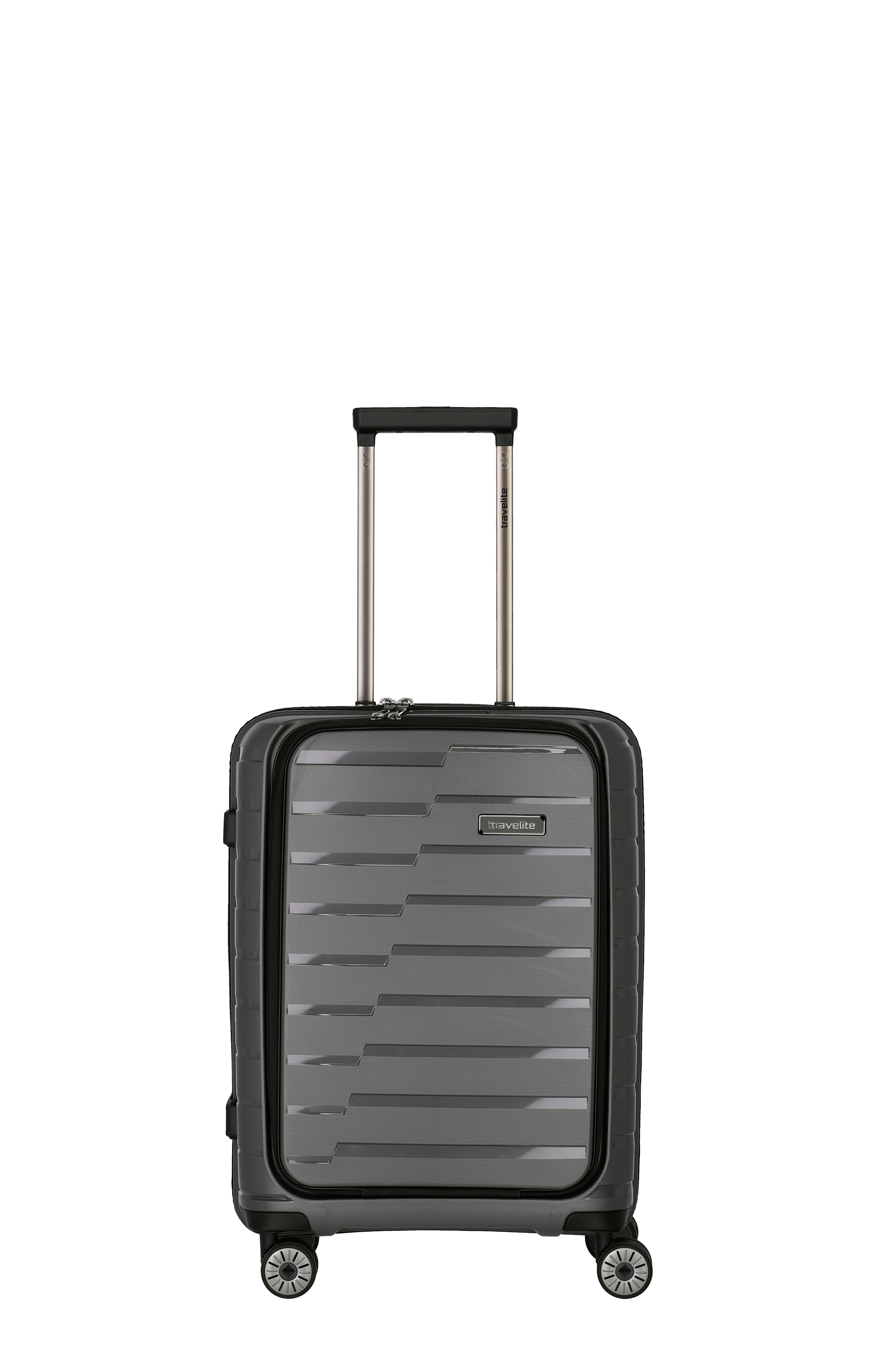
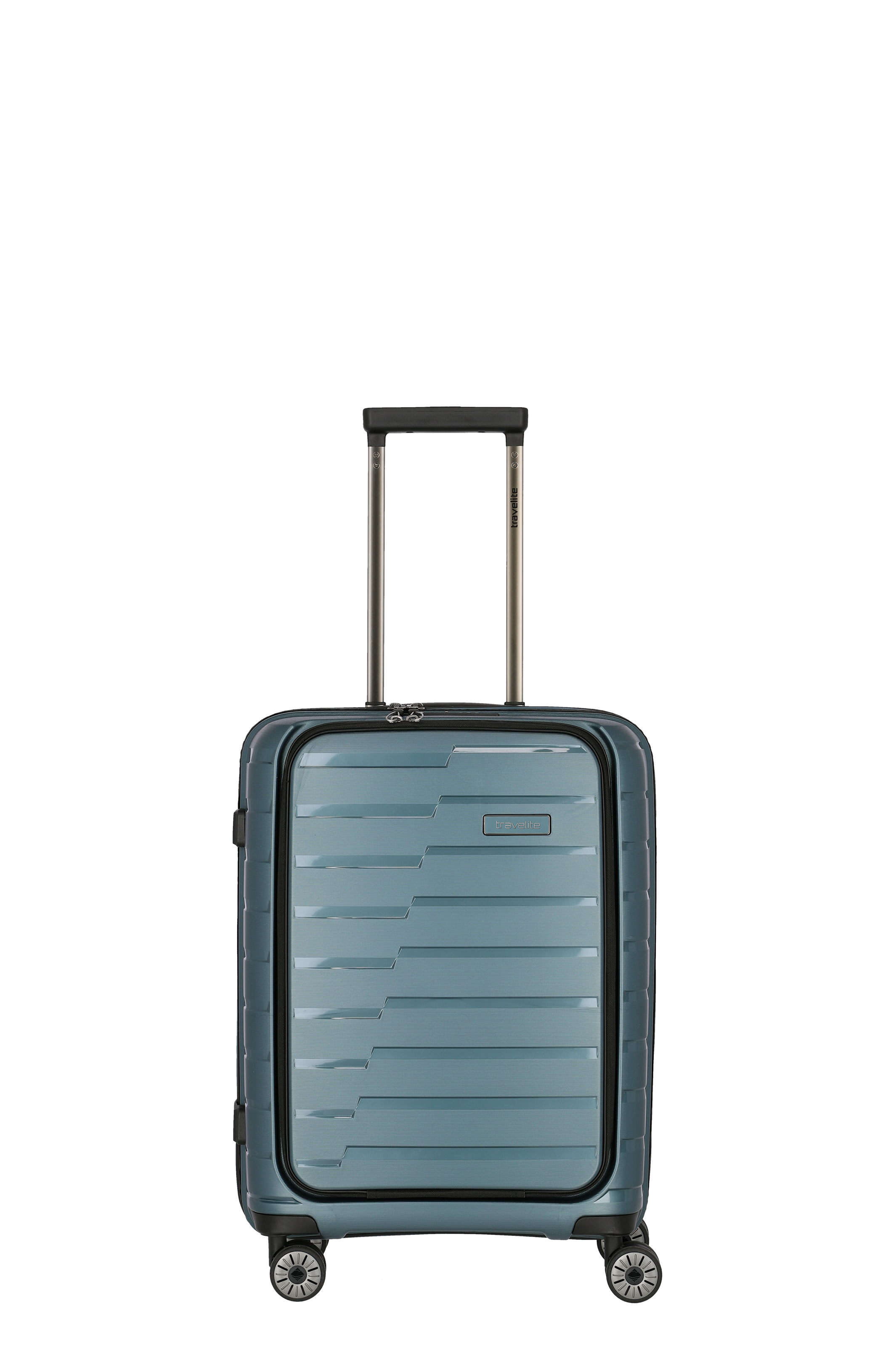
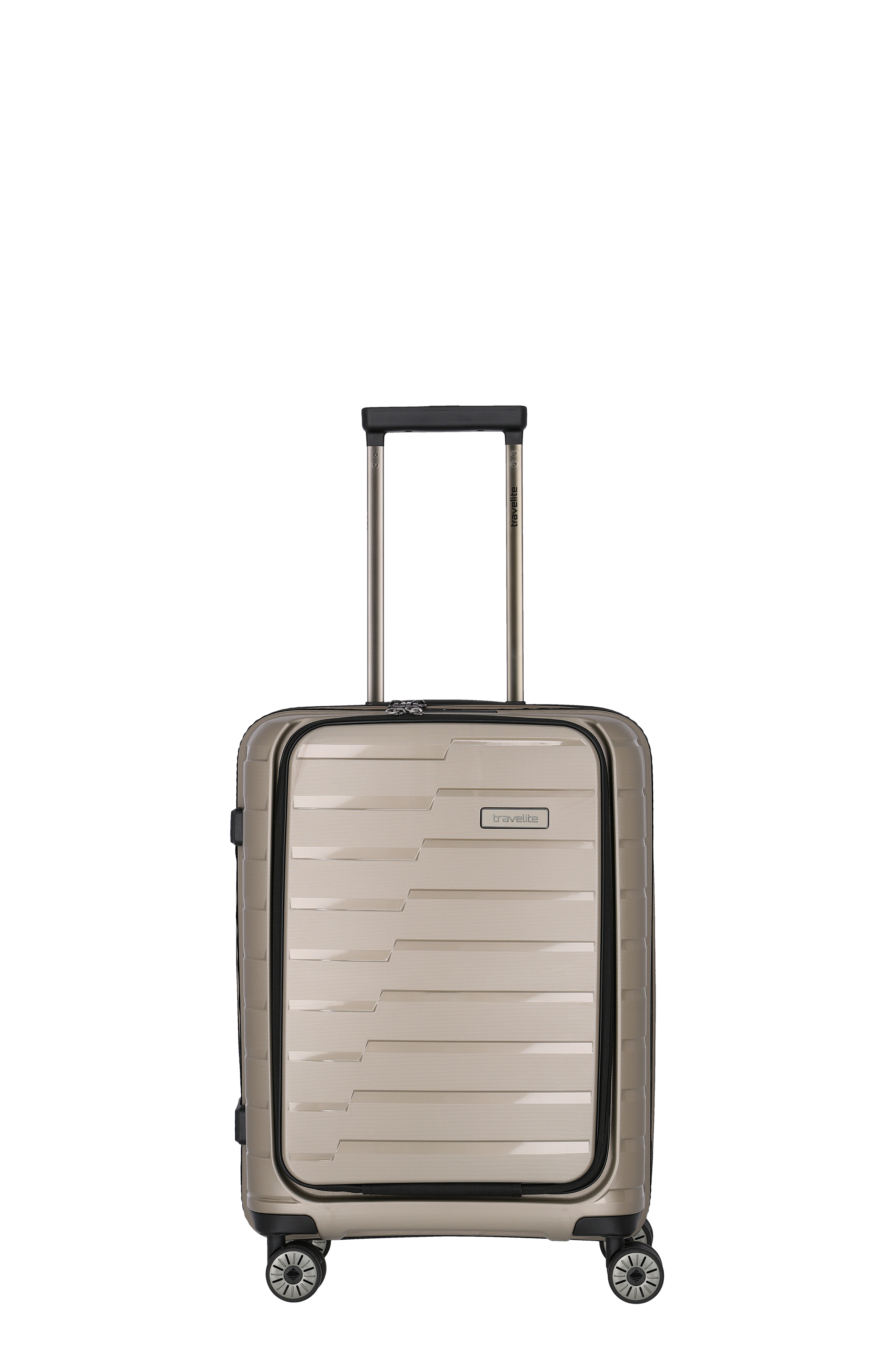
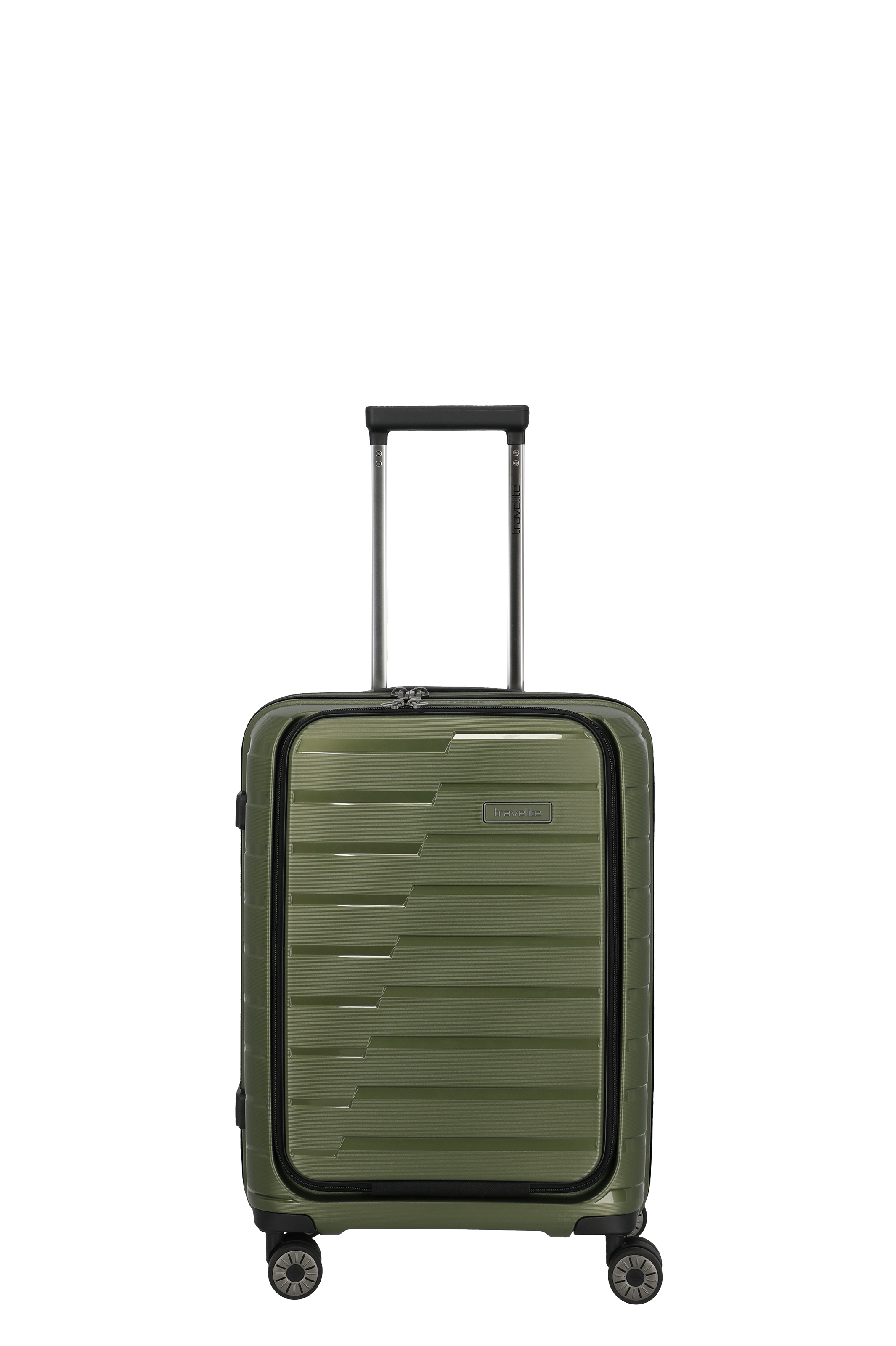
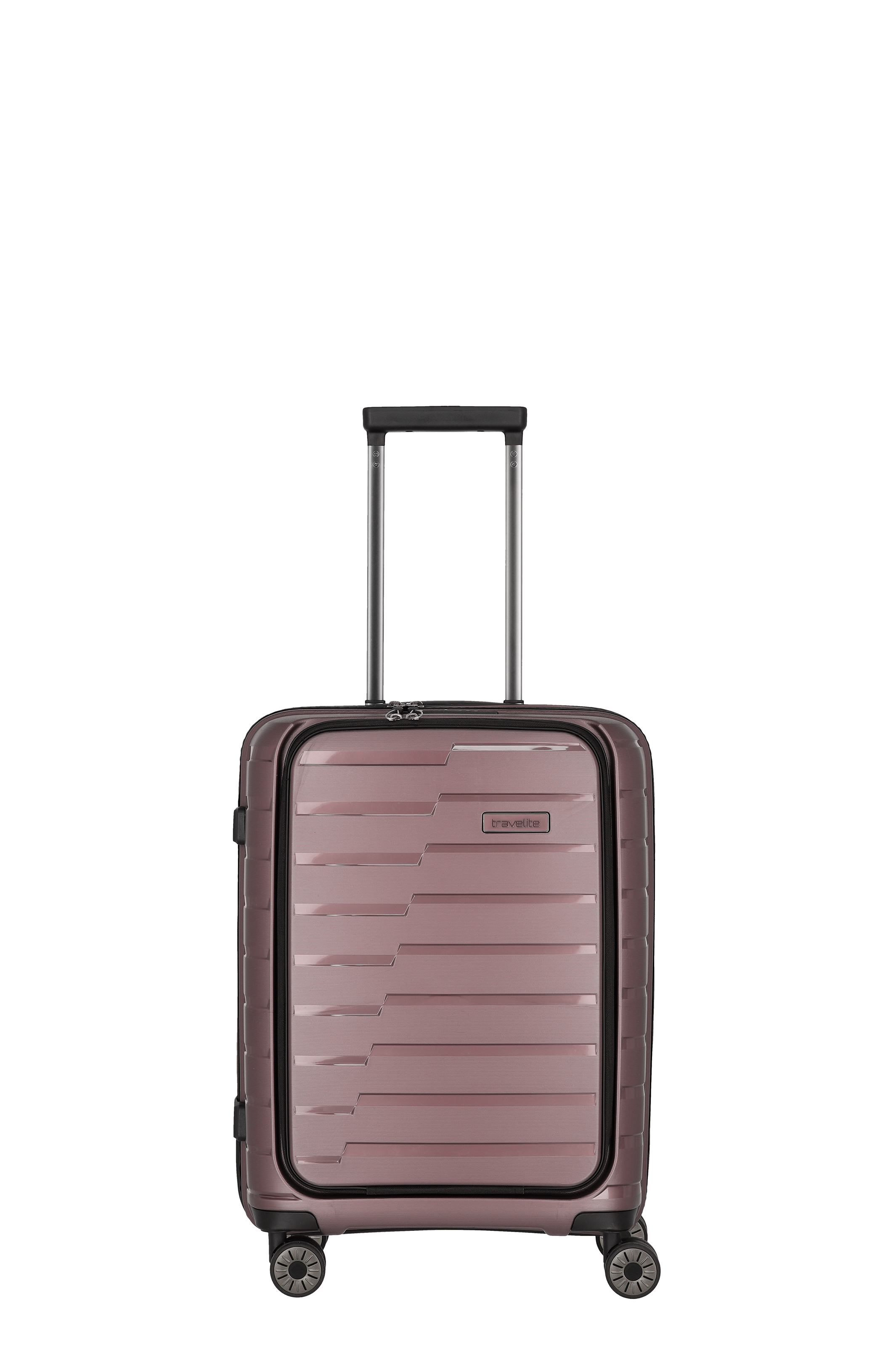
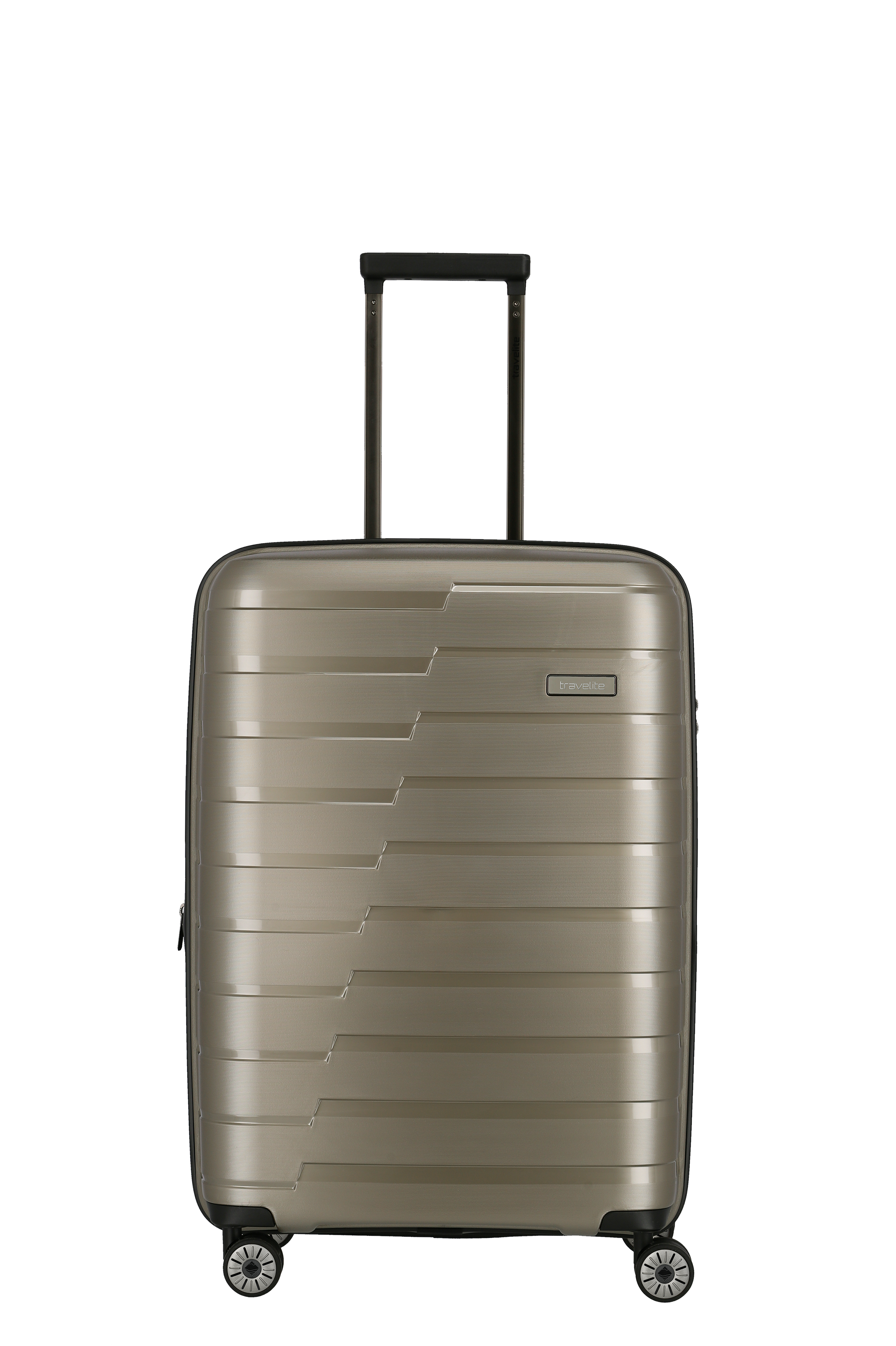
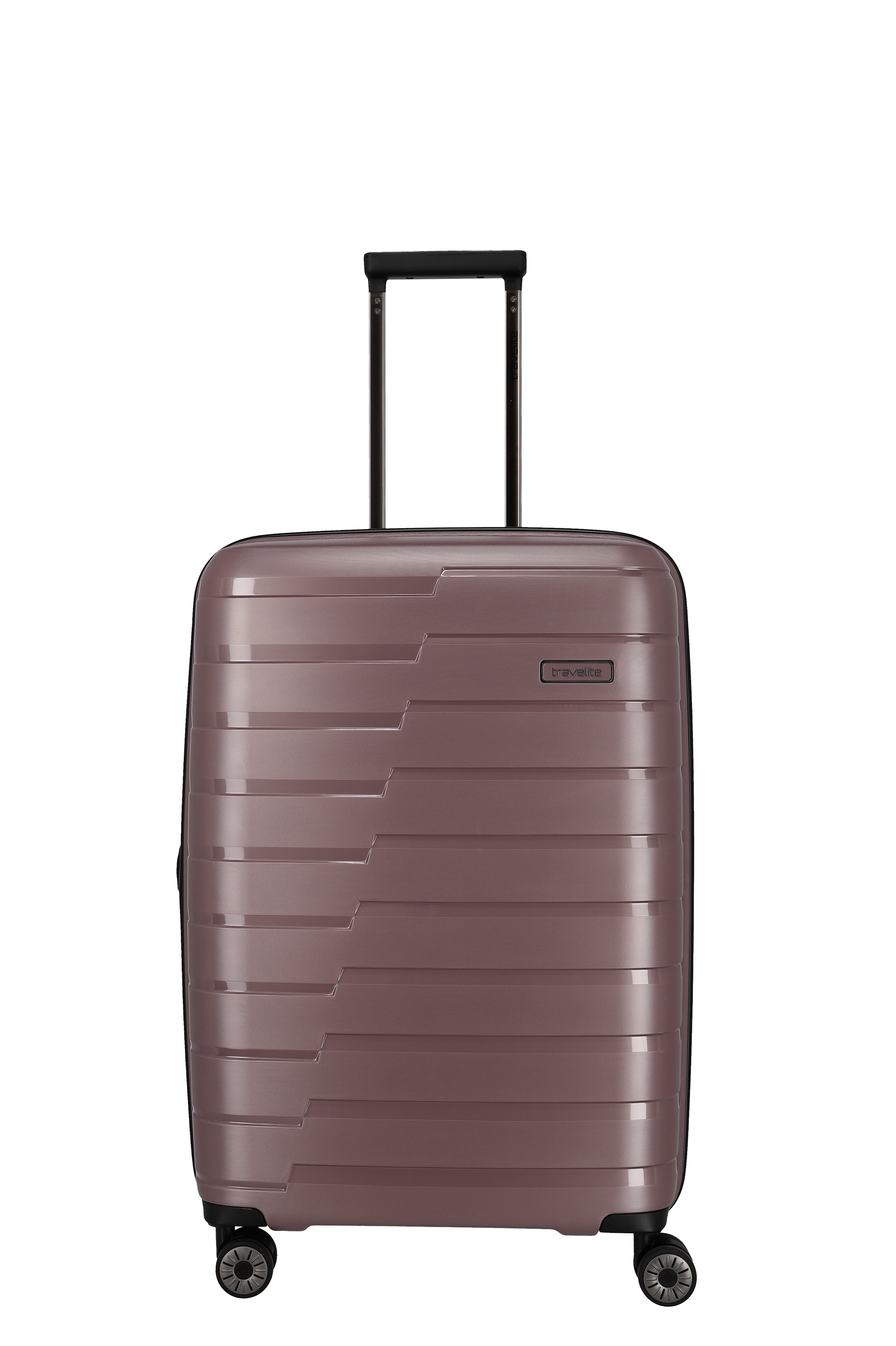
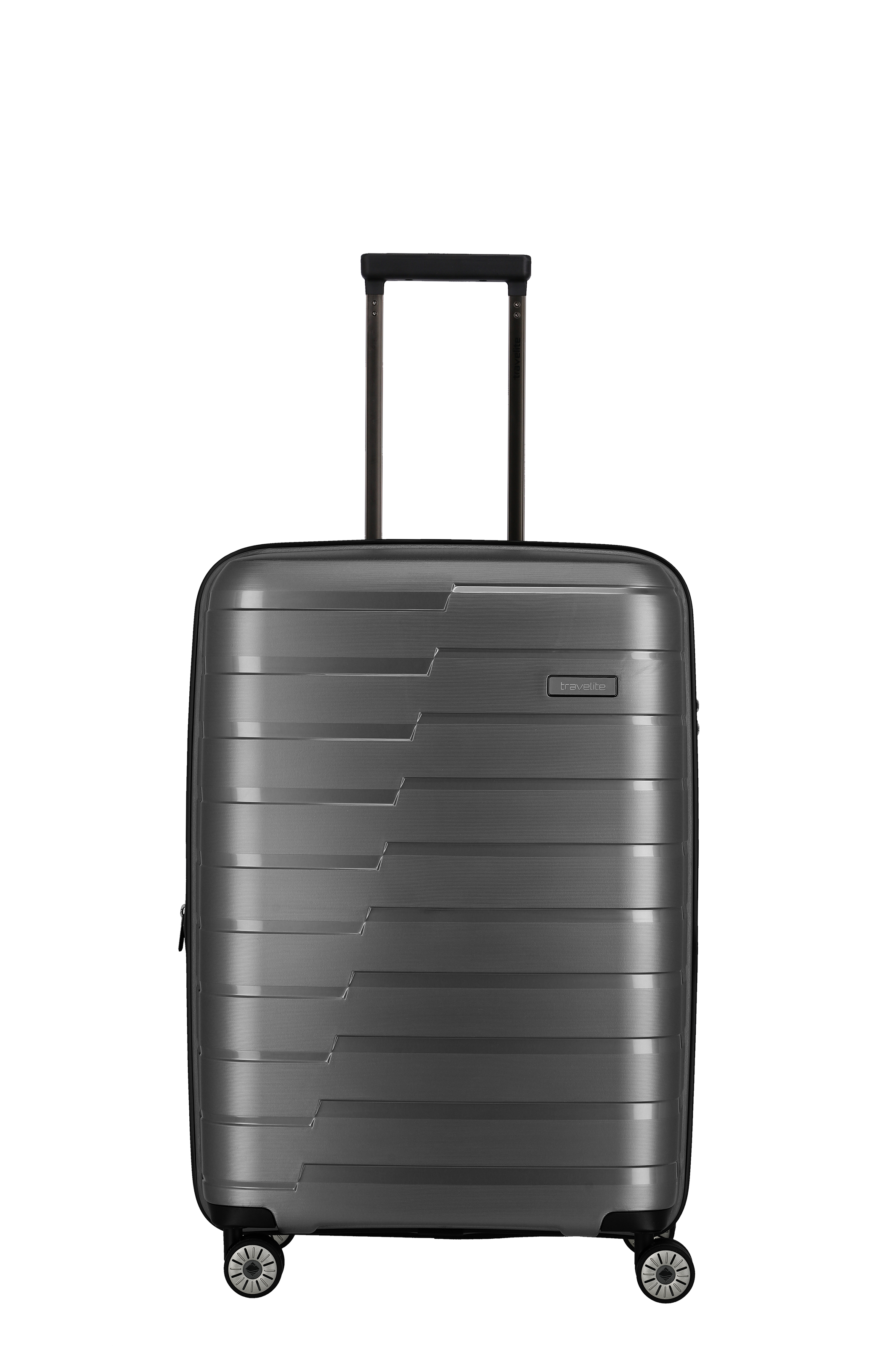
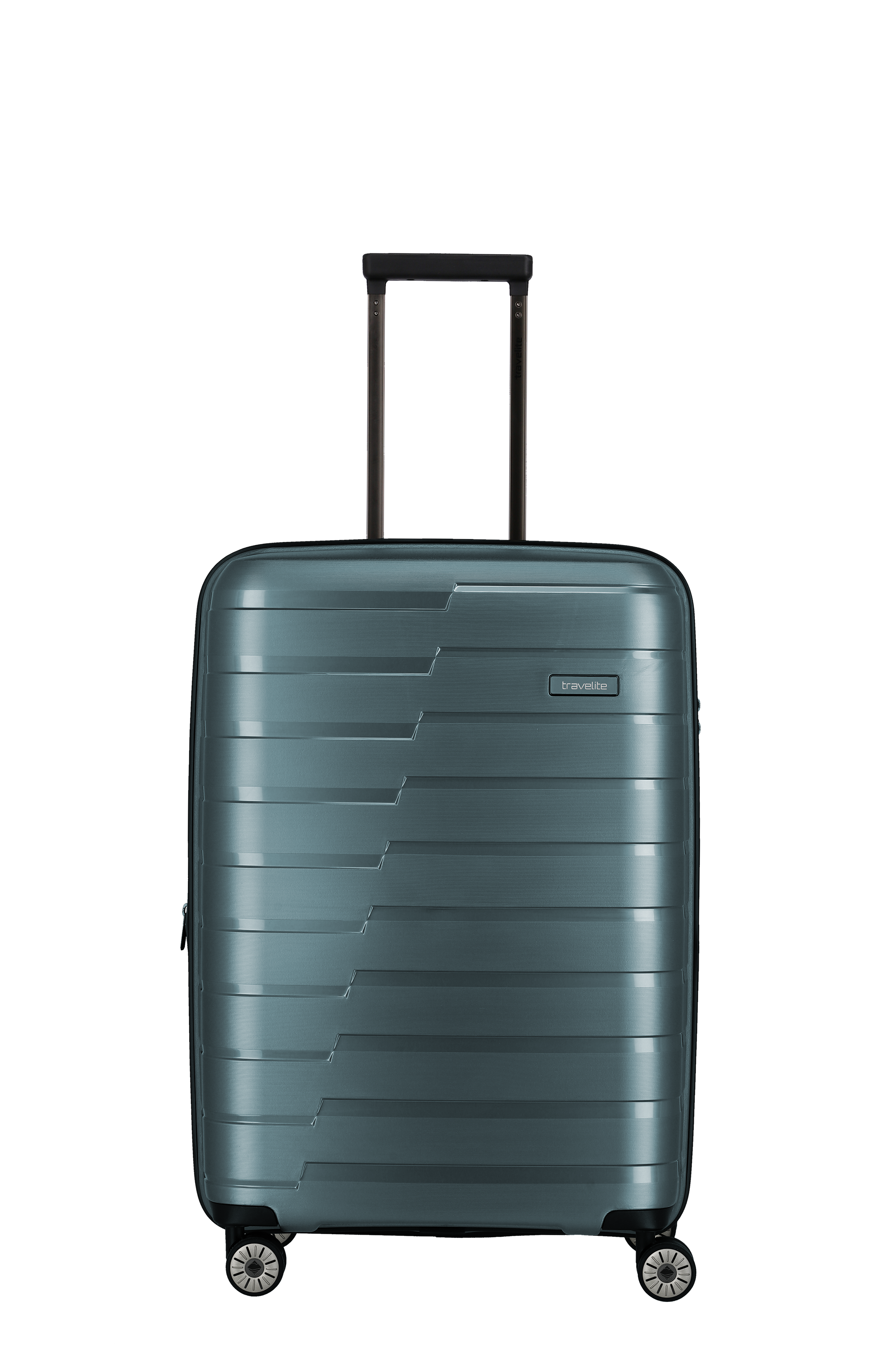
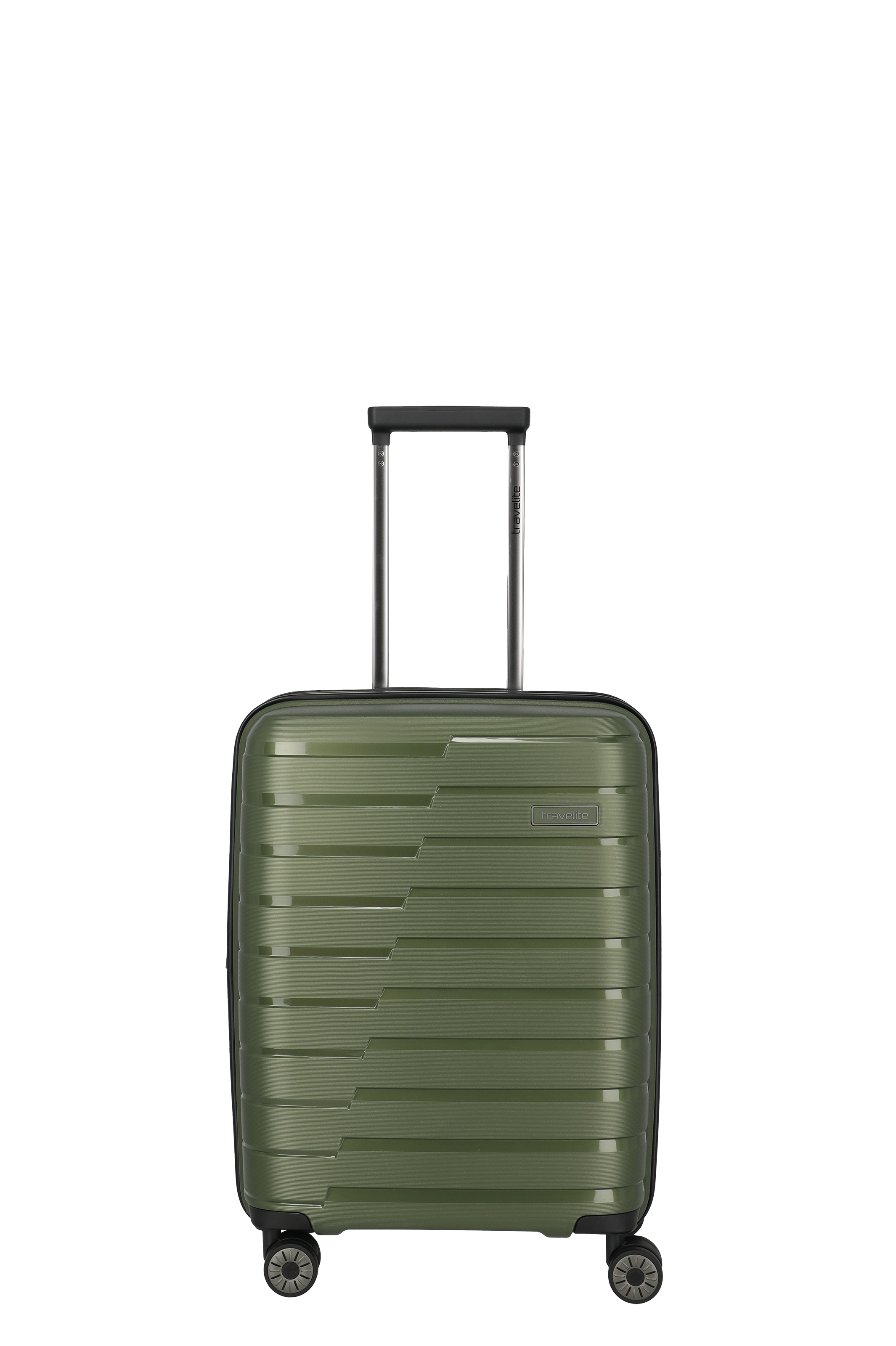
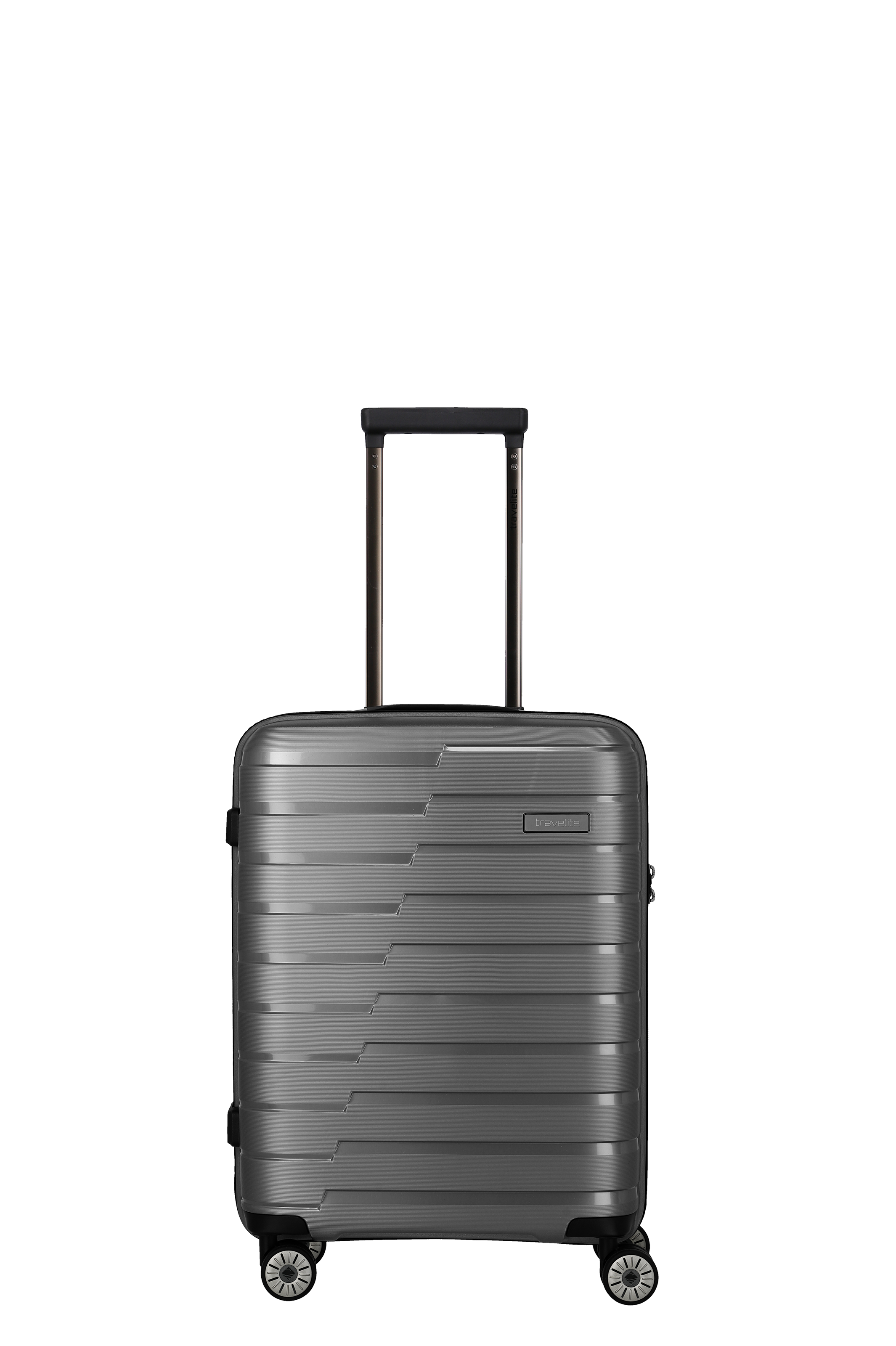
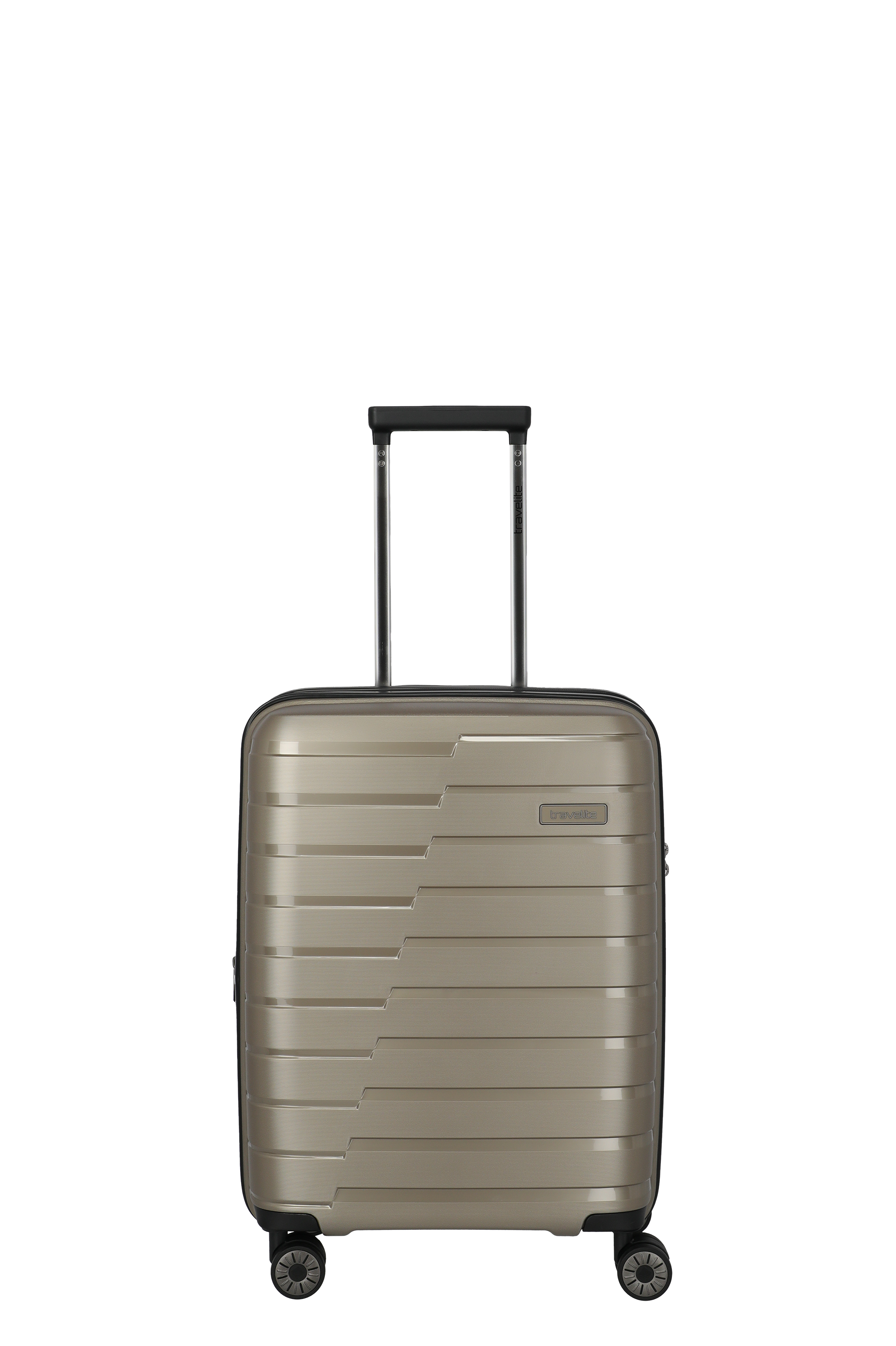
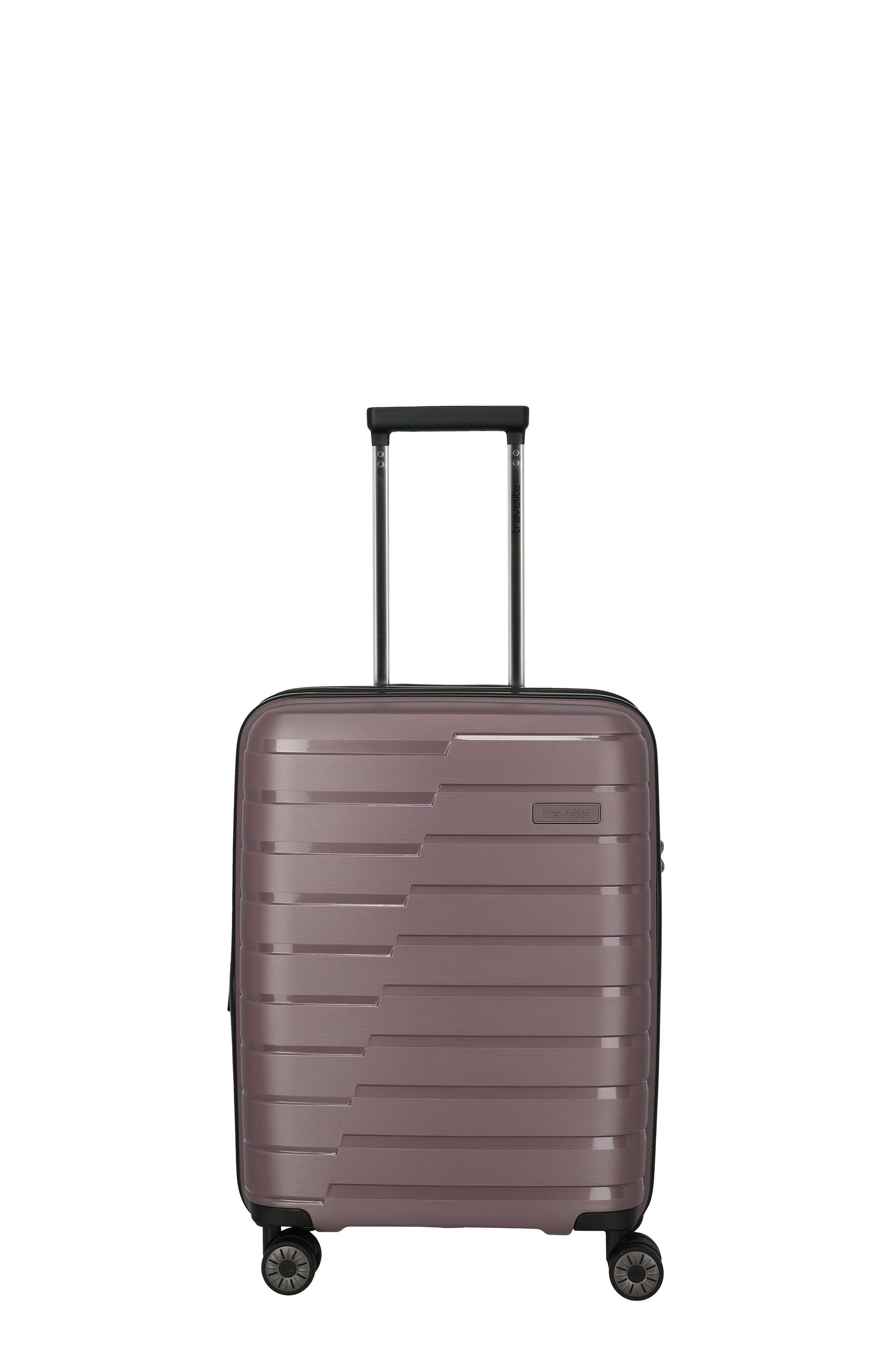
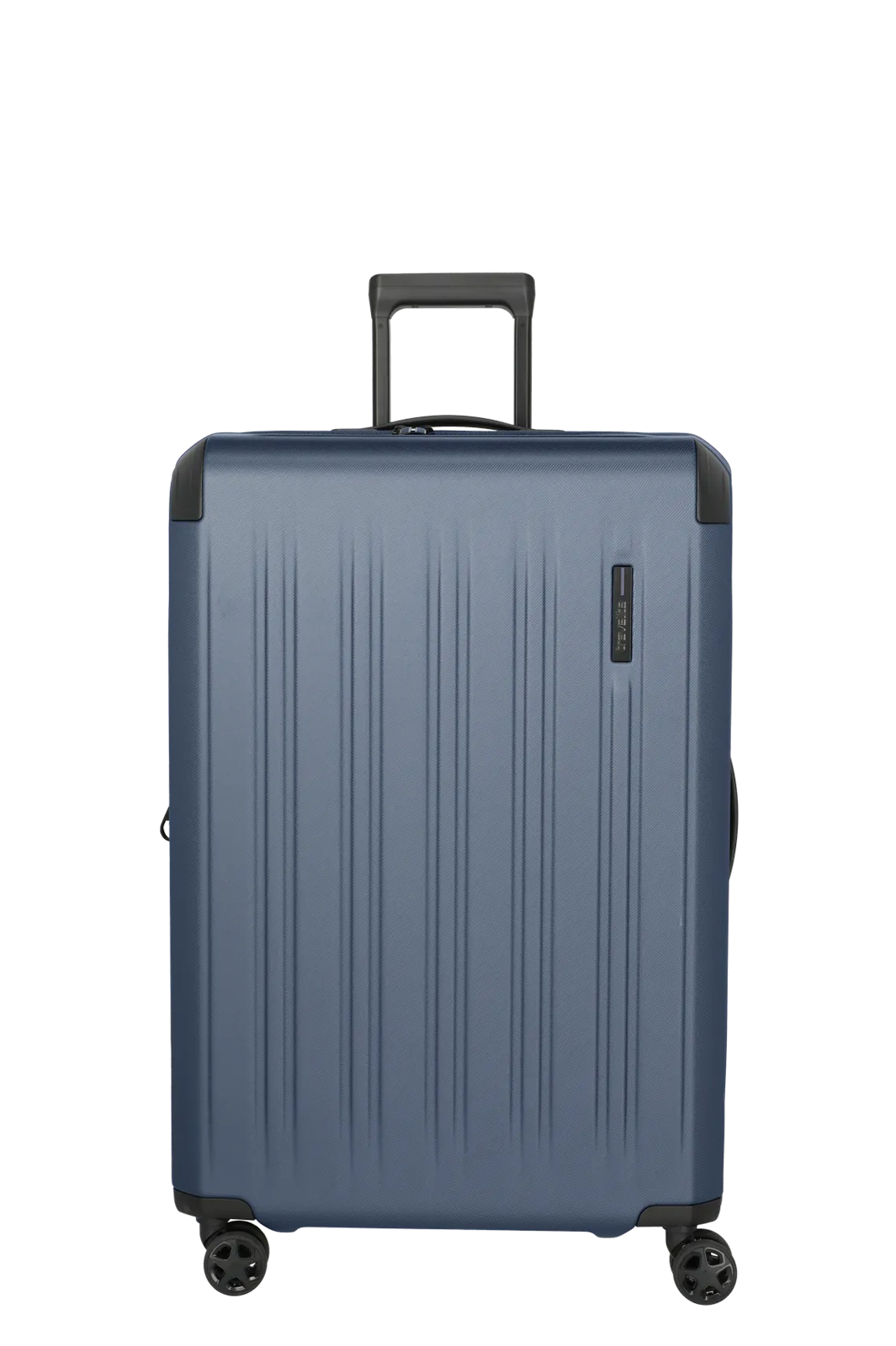
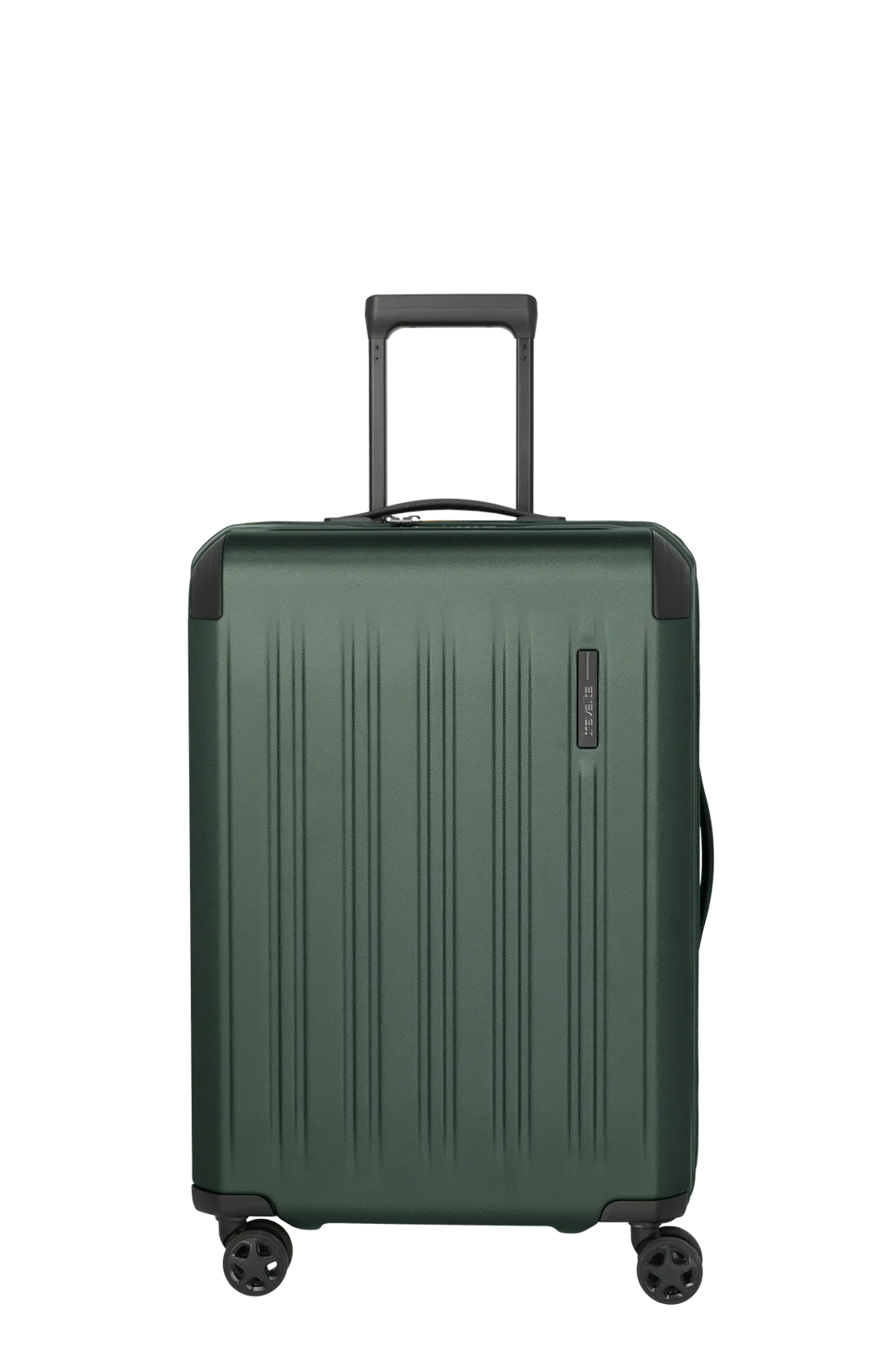
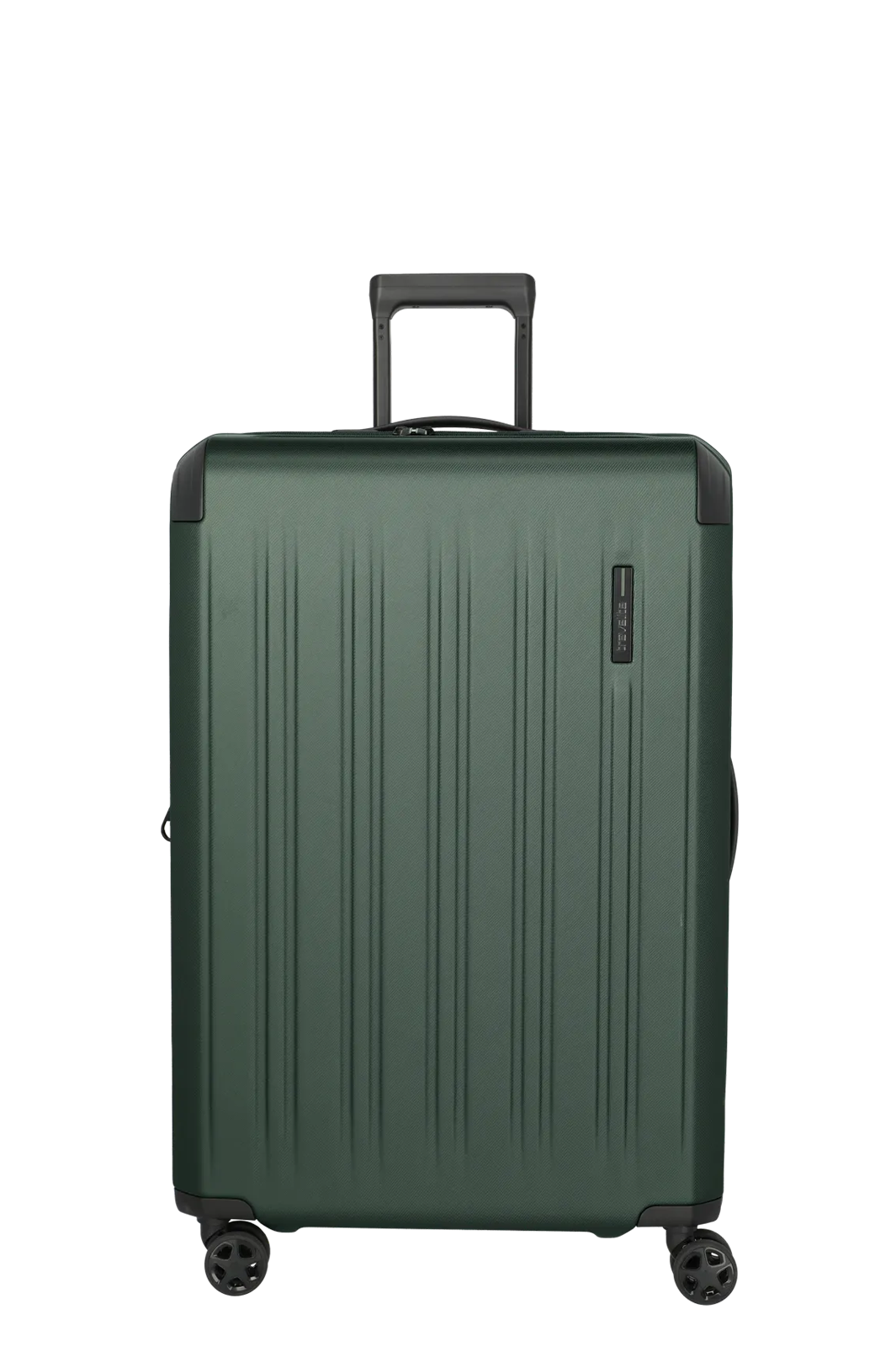
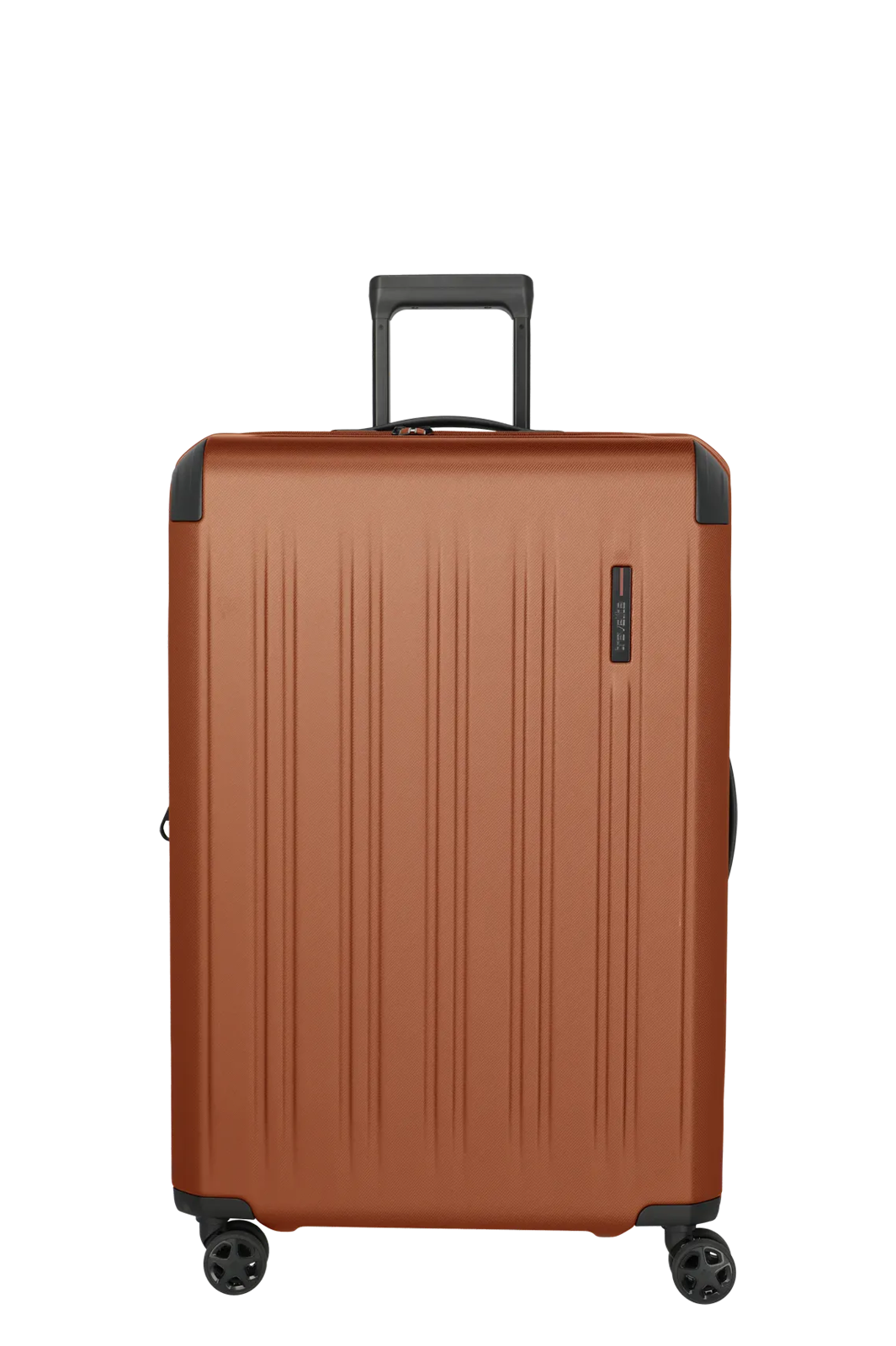
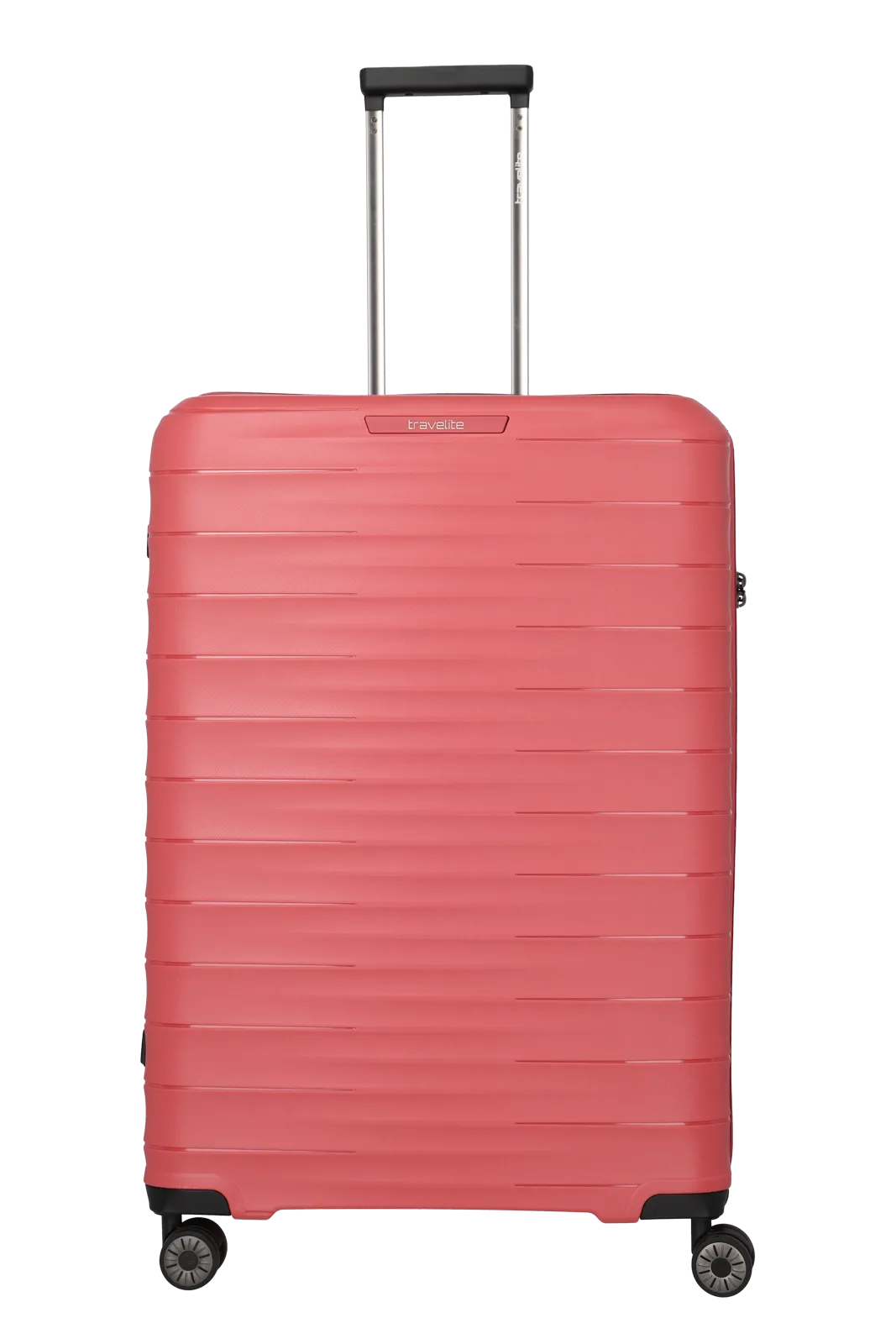
Tip: Less is more. If you pack smartly, you’ll save on weight and have more energy on the go for the actual experience – the hiking itself. Packing cubes, are particularly handy, allowing you to organise your clothes, kit and small items neatly in your luggage. Suitcase sets offer even more flexibility, allowing you to choose the right model depending on the length of your trip and your mode of transport.
Sustainable hiking: How to do it in an environmentally conscious way
Anyone spending time in the great outdoors also bears a responsibility for its conservation. Even small actions make a big difference: always take your rubbish with you, stay on the marked paths and respect the plants and animals along the route. The choice of accommodation also plays a role – family-run guesthouses or sustainable hotels support the local economy and conserve resources.
Your walking holiday will be even more environmentally friendly if you choose a low-carbon way to get there. Many regions in Europe can be easily reached by train or bus, so you don’t necessarily need to travel by car or plane. This way, you’ll not only enjoy your trip, but also help to ensure that the landscapes you wish to explore are preserved for the long term.
Practical tips for planning your walking holiday in Europe
Structured preparation reduces risks and makes your trip more comfortable. As well as choosing the region, planning your itinerary, keeping an eye on the weather and calculating your budget all play a key role.
- Planning your stages: Distances and elevation gains should be realistic and suit your own fitness level. In mountainous regions such as the Alps or the Pyrenees, ascents and descents significantly increase walking time. Having a few spare days allows for greater flexibility in the event of a change in the weather.
- Weather monitoring: At high altitudes, the weather can change within a matter of hours. Even on long-distance walking routes such as the Kungsleden, reliable forecasts cannot be guaranteed. It is advisable to check regional weather services daily.
- Navigation: Digital tools make it easier to find your way around, but they are no substitute for a basic knowledge of map reading. Offline maps or printed material serve as a backup in areas with poor mobile coverage.
- Water supply: In southern regions or on long coastal stretches, natural water sources are not always available. It is particularly important to carry sufficient supplies, especially in summer.
- Budget planning: In addition to accommodation and travel, additional costs such as transfers, national park fees or luggage transport should be taken into account. A transparent breakdown of costs helps to avoid unexpected expenses whilst you’re there.
Conclusion: Hiking holidays in Europe – a wide variety of routes through the mountains, along the coast and on long-distance trails
A hiking holiday in Europe offers an extraordinary range of landscapes and levels of difficulty. The spectrum of possible tours ranges from alpine crossings and coastal paths to long-distance hiking trails lasting several weeks. The well-developed infrastructure, short journeys to the starting points and clearly marked routes make it easy to plan your own trip.
Regions such as the Alps, the Pyrenees or unspoilt areas in Eastern Europe offer a variety of landscapes – from high-altitude panoramic trails to tranquil woodland and lakeside scenery. The range of options is complemented by coastal regions, island walks and long-distance Nordic hiking trails.
With the right gear, realistic stage planning and well-organised luggage, the focus remains on the actual purpose of the trip: being out and about in nature. Whether with backpack on a hut-to-hut tour or with trolley to your next accommodation – with the travel companions from travelite your hiking holiday in Europe can be prepared in a structured way and carried out flexibly.
FAQ: Hiking holidays in Europe
Well-developed coastal paths such as the Rota Vicentina offer manageable stages with moderate elevation profiles. Low mountain ranges or gentle alpine regions are also suitable, as the paths are clearly marked and well-served by infrastructure.
In high mountain ranges, the peak season is usually between June and September, when the trails are free of snow. Southern European coastal regions and islands are particularly suitable for spring and autumn. Due to climatic conditions, long-distance hiking trails in Scandinavia are primarily recommended in summer.
Essential gear includes sturdy walking boots, functional clothing in a layered system, sun protection, sufficient water and navigation equipment. For multi-day tours, you should also pack a change of clothes, a compact first-aid kit and weatherproof gear. For the journey there and back, practical solutions such as packing cubes or a lightweight suitcase help to keep things organised.
Regions in Eastern Europe are widely regarded as quieter. The High Tatras and areas in Slovenia and the Baltic states offer unspoilt natural surroundings with comparatively few visitors.
Yes. Many European regions have easy circular walks and flat coastal paths. However, a realistic assessment of your own fitness and careful planning are still essential, regardless of the route’s difficulty.













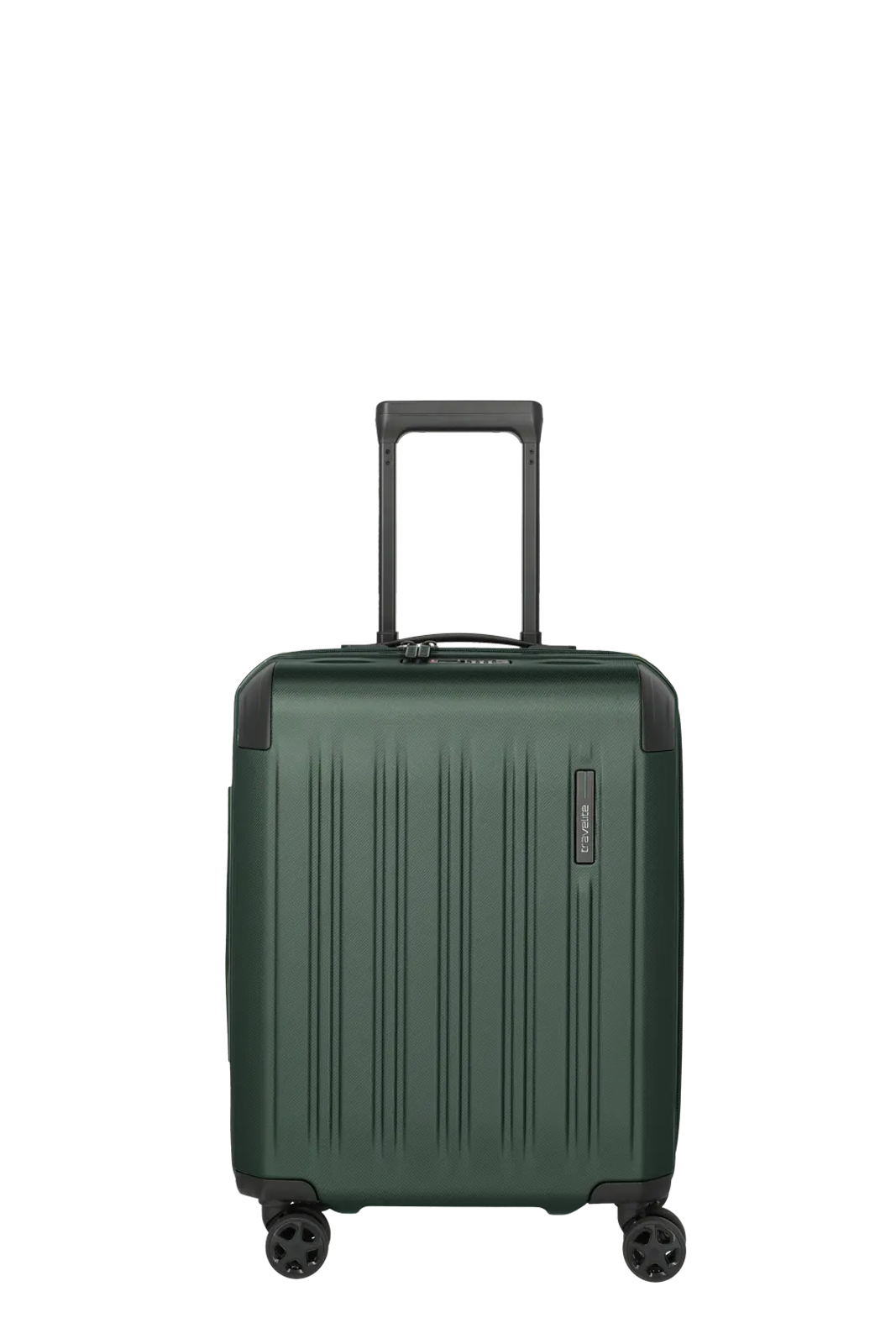
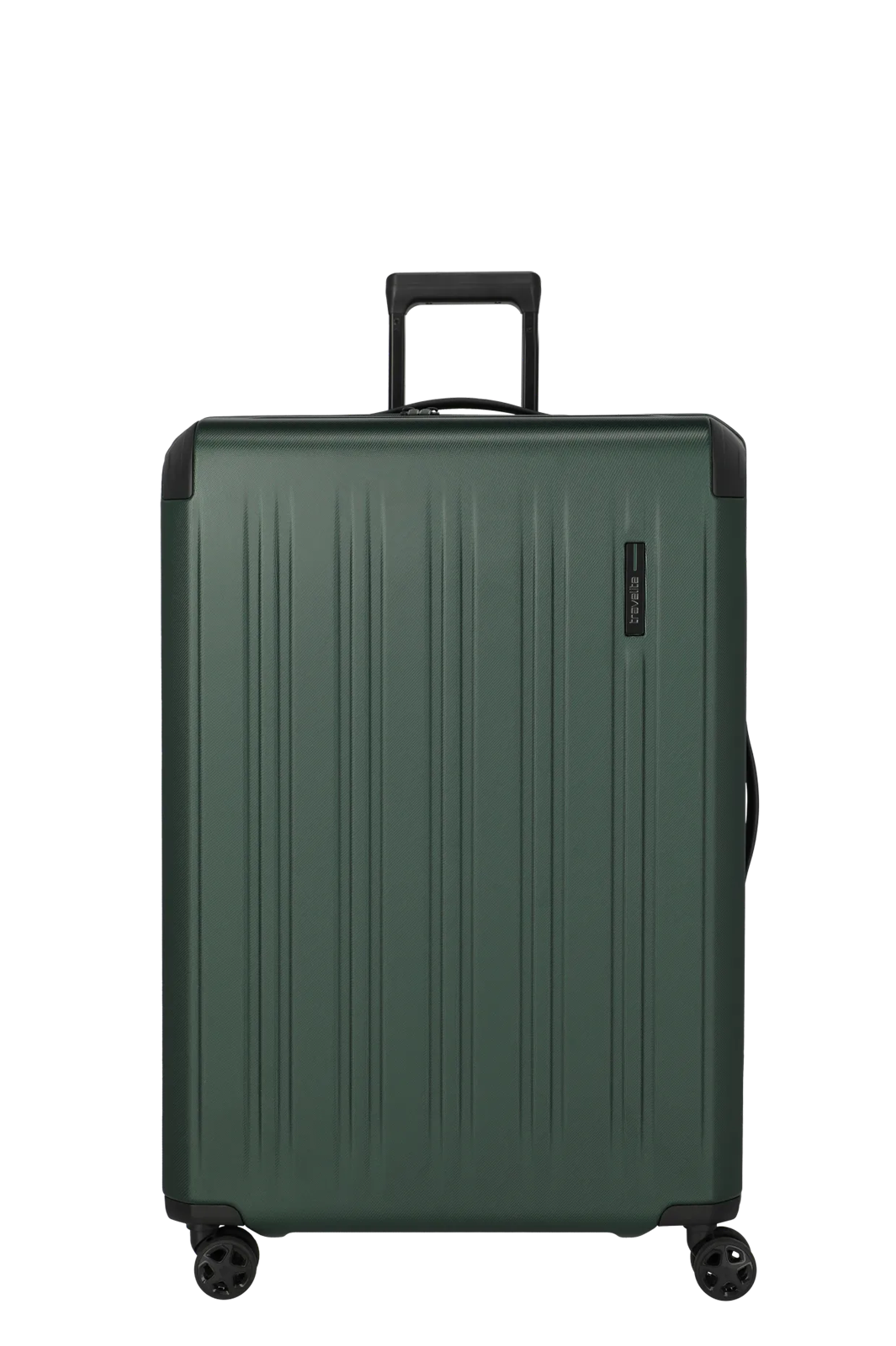
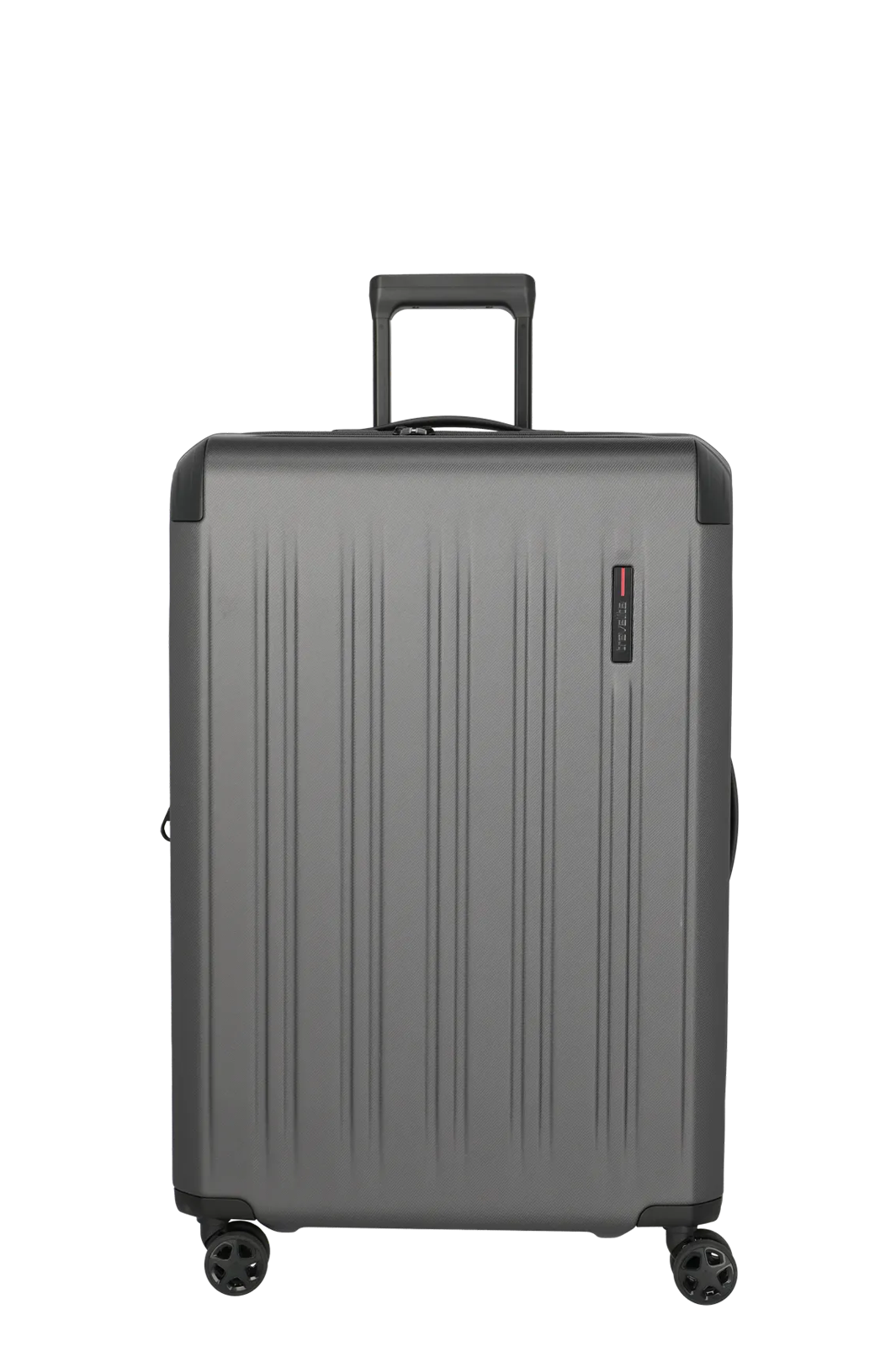
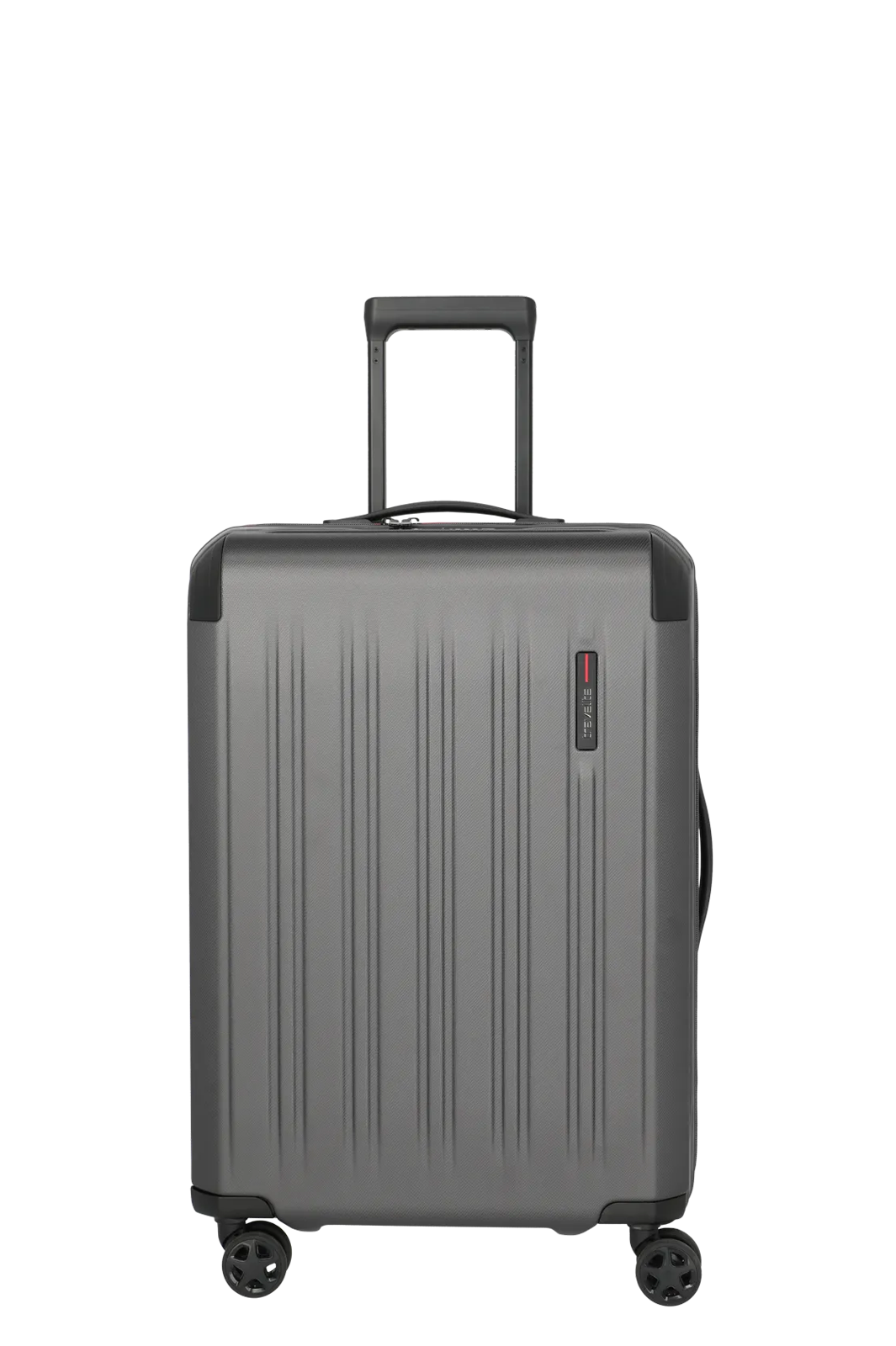


_400x400 Kopie.png?ts=1760433160)
.png?ts=1750248453)

.png?ts=1750248569)