Anyone travelling travelling alone usually experience a mix of emotions. The prospect of complete freedom in shaping one’s daily life is counterbalanced by that queasy feeling in the stomach at the thought of suddenly being on one’s own on the other side of the world. In fact, many people underestimate how much courage that first step takes – and how quickly that uncertainty gives way to a sense of euphoria that one would hardly experience if travelling with others.
A solo trip demands a lot from you, but offers psychological rewards that extend far beyond the holiday itself. Without having to compromise on your choice of restaurant or take account of others’ fatigue, you take full control of your experience. To ensure that initial nervousness doesn’t turn into stress, well-thought-out travel planning is the most important foundation. We’ll look at how you can take the plunge without losing sight of the bigger picture.
Why travel solo? – your time, your rules
Travelling alone is often romanticised as a spiritual journey of self-discovery. In reality, it is above all the most authentic form of travelling. You’ll quickly learn that the world won’t end if you happen to get on the wrong bus or find yourself sitting alone in a restaurant on your first evening. This independence is an experience that nobody can ever take away from you in everyday life.
The advantages are obvious:
- Full control over all decisions: Whether it’s a day at the beach or a mountain hike – you set the pace without having to take other people’s needs into account.
- Personal growth: In new situations, you’ll be challenged to solve problems on your own. This boosts your self-confidence more than any self-help book ever could.
- Easier to meet new people: As a solo traveller, you’re more approachable. Whether in a hostel or a café – the chance of spontaneous encounters and new friendships is significantly higher when travelling alone.
- Maximum flexibility: If you like a place, stay a bit longer. If not, move on. Without compromising, you’ll make the most of every moment of your trip.
- A deeper immersion in the culture: When travelling alone, you’re more attuned to your surroundings. You’re more likely to try exotic food or strike up conversations with locals, leading to stories you’d often miss out on when travelling in a group.
- Independence in everyday life: You’ll learn to rely entirely on yourself. This independence is a skill that will help you in any job and any situation, even after you return home.
It sounds perfect on paper, but in practice it often falls apart due to the fear of that first moment of solitude. Yet it is precisely this moment that is usually the point at which you realise you can achieve much more than you previously thought possible.
The biggest hurdles and how to tackle them with ease
Anyone planning a solo trip for the first time is usually less concerned about the itinerary than about the social aspects. The idea of sitting alone at a table for two in a restaurant, whilst groups are laughing all around you, puts many people off. In practice, this is often the biggest hurdle, but there are strategies to help you avoid feeling like an outsider.
Here are the key strategies for tackling typical challenges faced by solo travellers:
- Eating alone: Look for seats at the bar or at high tables, as this makes it easier to strike up a conversation with staff or other travellers. A book or notebook keeps your hands occupied and signals that you’re enjoying your time on your own.
- Safety and gut instinct: Particularly when it comes to travelling alone as a woman , safety is the main priority. Always listen to your gut feeling and, if in doubt, turn back. There’s no reason to stay in situations that make you feel uncomfortable simply out of a sense of false politeness.
- Confident navigation: Download maps in advance. This will prevent you from standing helplessly on street corners staring at your screen when you have poor signal. You’ll appear more confident and project a greater sense of security.
- Logistics at the station: As no one will be looking after your bag, keep valuables in a small daypack that you carry on your person at all times. For heavy luggage, lockers are the safest option, allowing you to move about freely.
- Hostel precautions: You must have your own padlock for your locker. Never rely on other travellers to keep an eye on your belongings; always secure your possessions yourself.
Proper preparation: planning without overthinking
Smart travel planning is your safety net for your first solo trip, ensuring you don’t have to constantly improvise once you’re there. It’s less about a rigid timetable and more about getting the basics right – logistics, choice of destination and digital tools.
- Top destinations for beginners: Countries such as Portugal or Thailand are ideal, as travelling alone is part of everyday culture there. The infrastructure is intuitive and you’ll meet like-minded people at every turn.
- Choose your accommodation strategically: Choose centrally located hostels or hotels in well-lit neighbourhoods. Use up-to-date reviews to check local safety standards. Many accommodation providers offer special ‘female dorms’ or lockers with CCTV surveillance.
- Digital tools: Use translation apps with a camera function for menus and warning signs. A currency converter will also protect you from being ripped off when you first exchange money.
- A physical safety net: Don’t just save the emergency contact details for the embassy and your insurance company digitally. Write them down on a piece of paper as well, in case your smartphone breaks down or is stolen.
A well-prepared solo trip doesn’t mean having every minute planned down to the minute. It means having the tools in your luggage to be able to react spontaneously to changes in plans. Alongside the ‘ Basics ’, a pair of high-quality sunglasses belongs in your rucksack just as much as your passport, so that you’re prepared for any lighting conditions whilst travelling and don’t end up feeling stressed.
Packing tips for solo travellers: less is more freedom
When travelling alone, there’s no one to keep an eye on your suitcase for a moment or help you carry it. Every extra gram becomes a personal burden by the time you reach the third flight of stairs down to the underground at the latest. If you pack wisely, you gain one thing above all else – mobility.
The weight problem: Why you’ll curse every kilo three times over
Most packing lists are written with the worst-case scenario in mind, not reality. When you’re travelling alone, heavy luggage is your worst enemy. You’ll curse that extra pair of shoes not just at check-in, but every time you drag your suitcase over cobblestones or hoist it onto a packed train. Stick to the essentials. You can buy almost anything you’ve forgotten once you’re there. A light suitcase means that even after a long flight, you’ll still have the energy to walk the last few metres to your hotel, rather than having to rely on an expensive taxi.
Luggage security: locks and hidden compartments
Safety isn’t a luxury on a solo trip, but a necessity. A sturdy TSA lock should be standard to deter opportunistic thieves. Even more important, however, are the essentials: use hidden compartments for emergency cash and a copy of your passport. Always keep your valuables separate. Put some of your money in the safe or deep inside your suitcase, and keep the rest in your rucksack for the day. That way, you’ll never be left completely without funds should anything go missing.
Versatile luggage: your key to independence
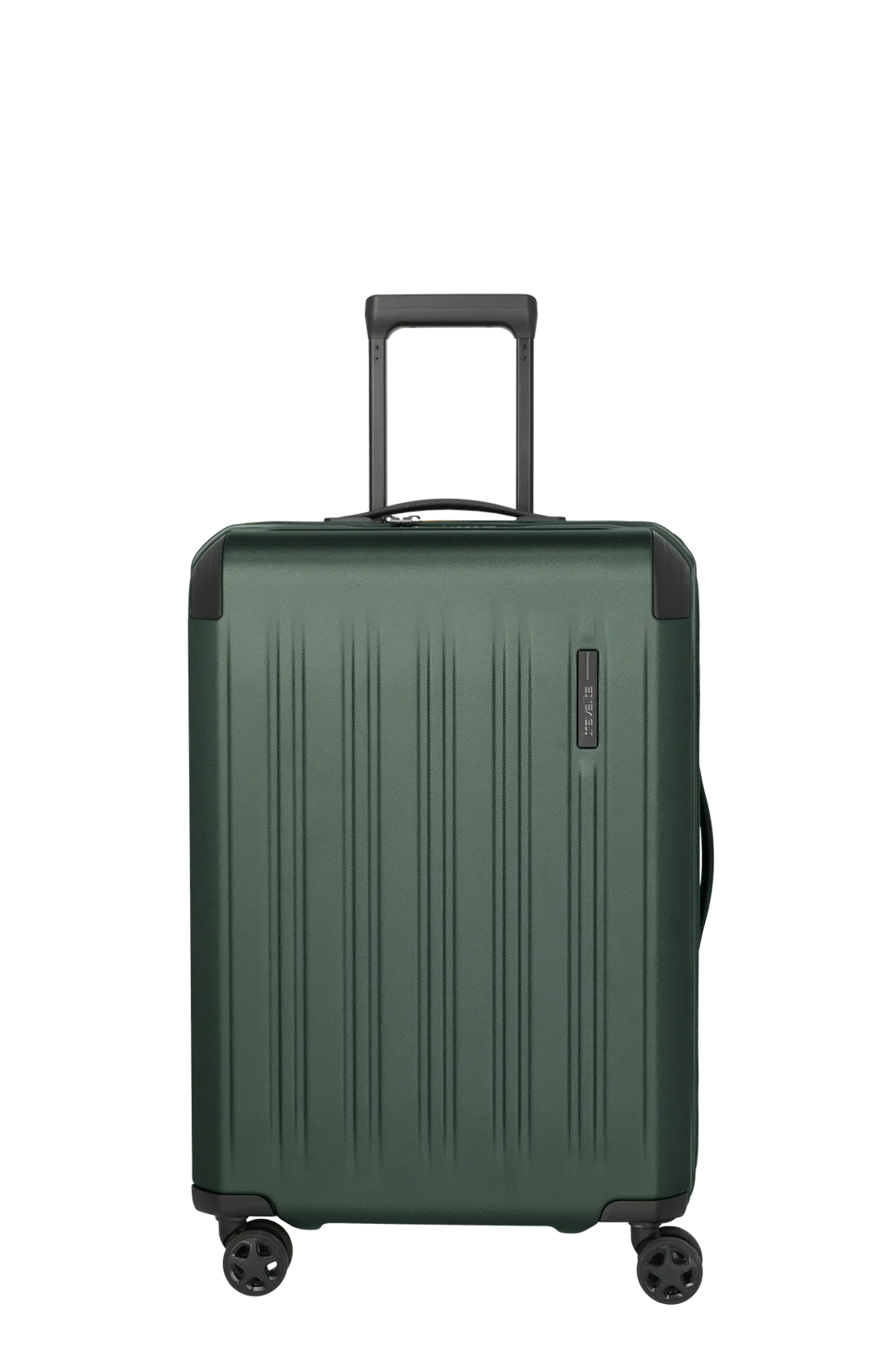
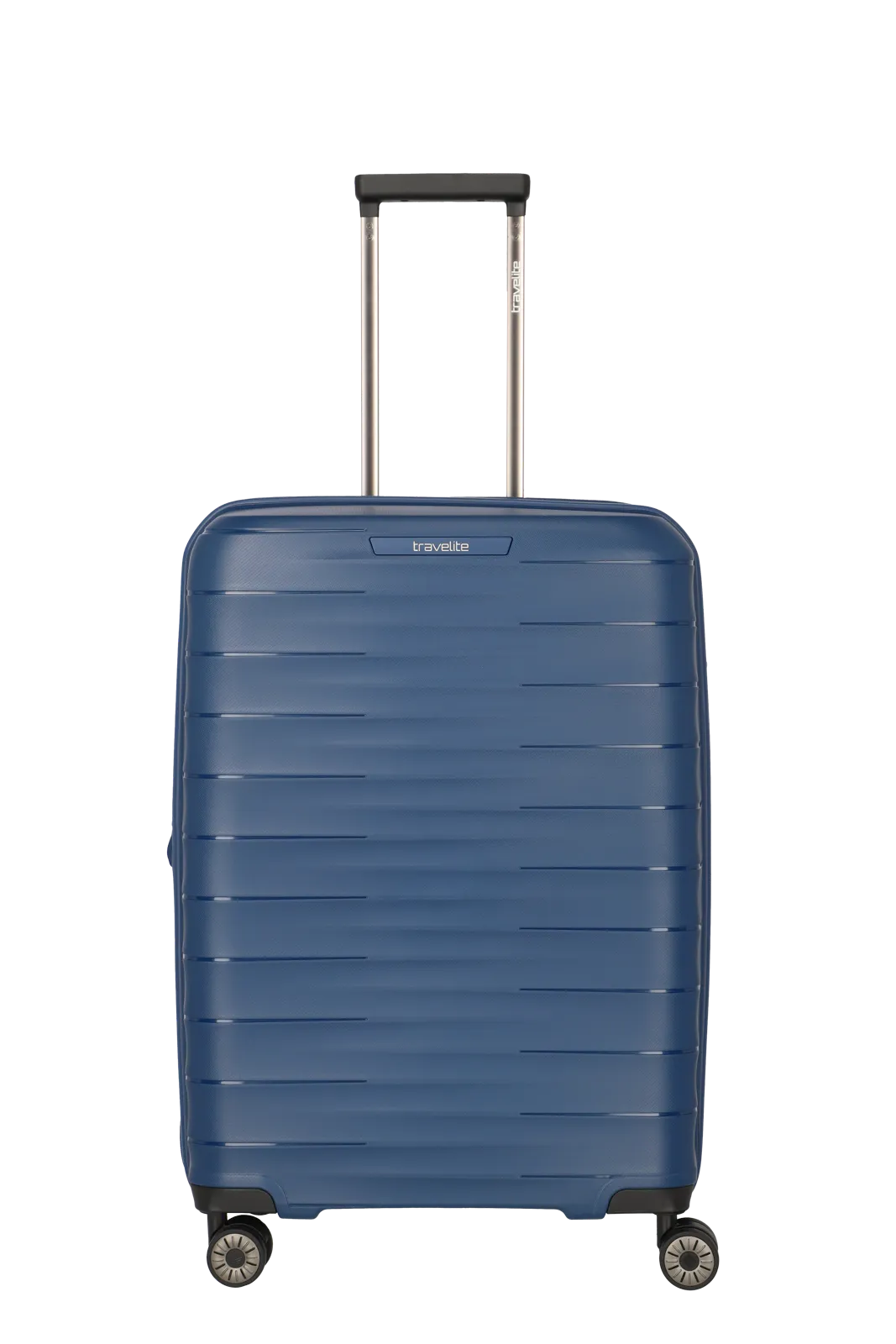
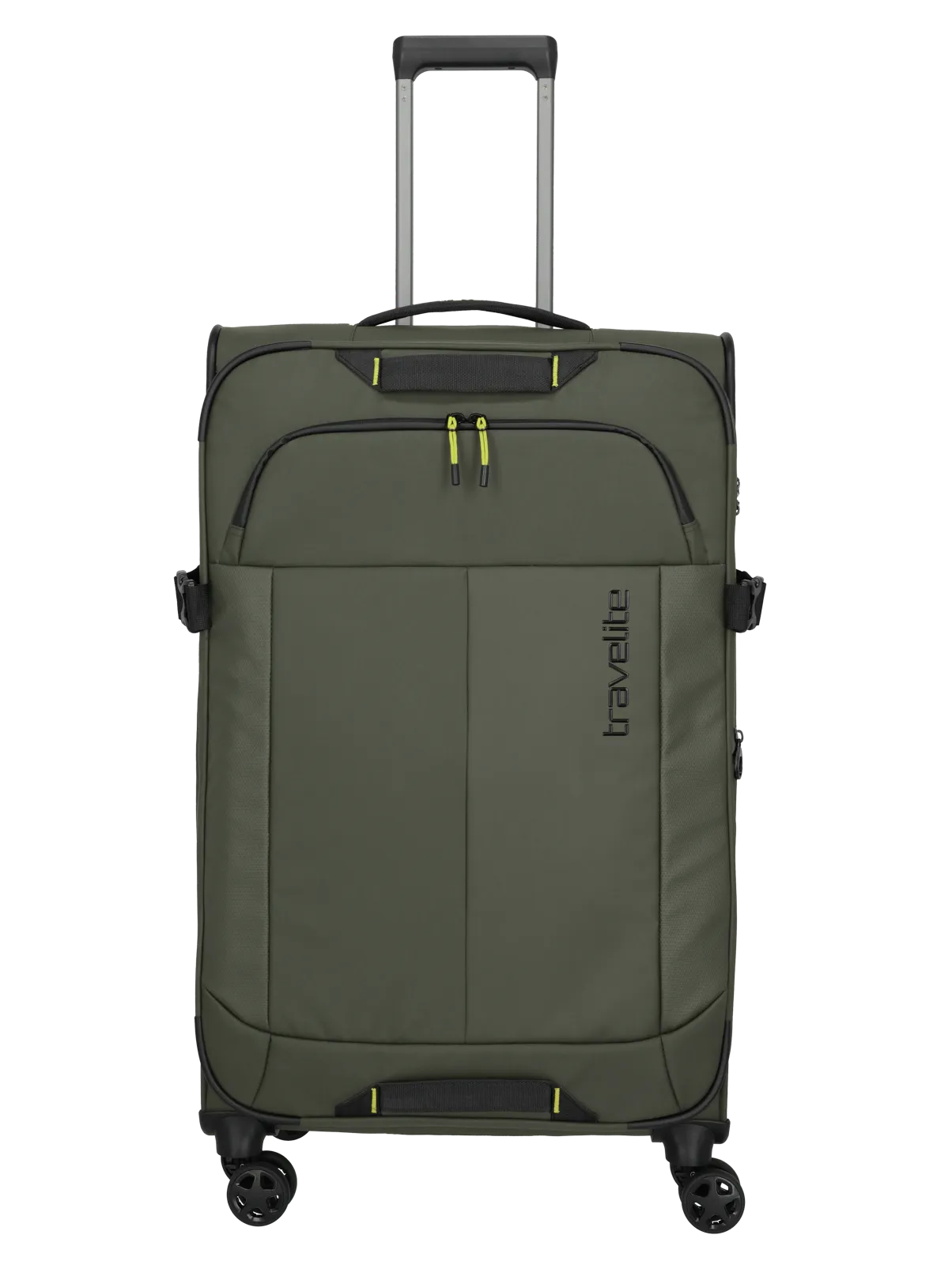
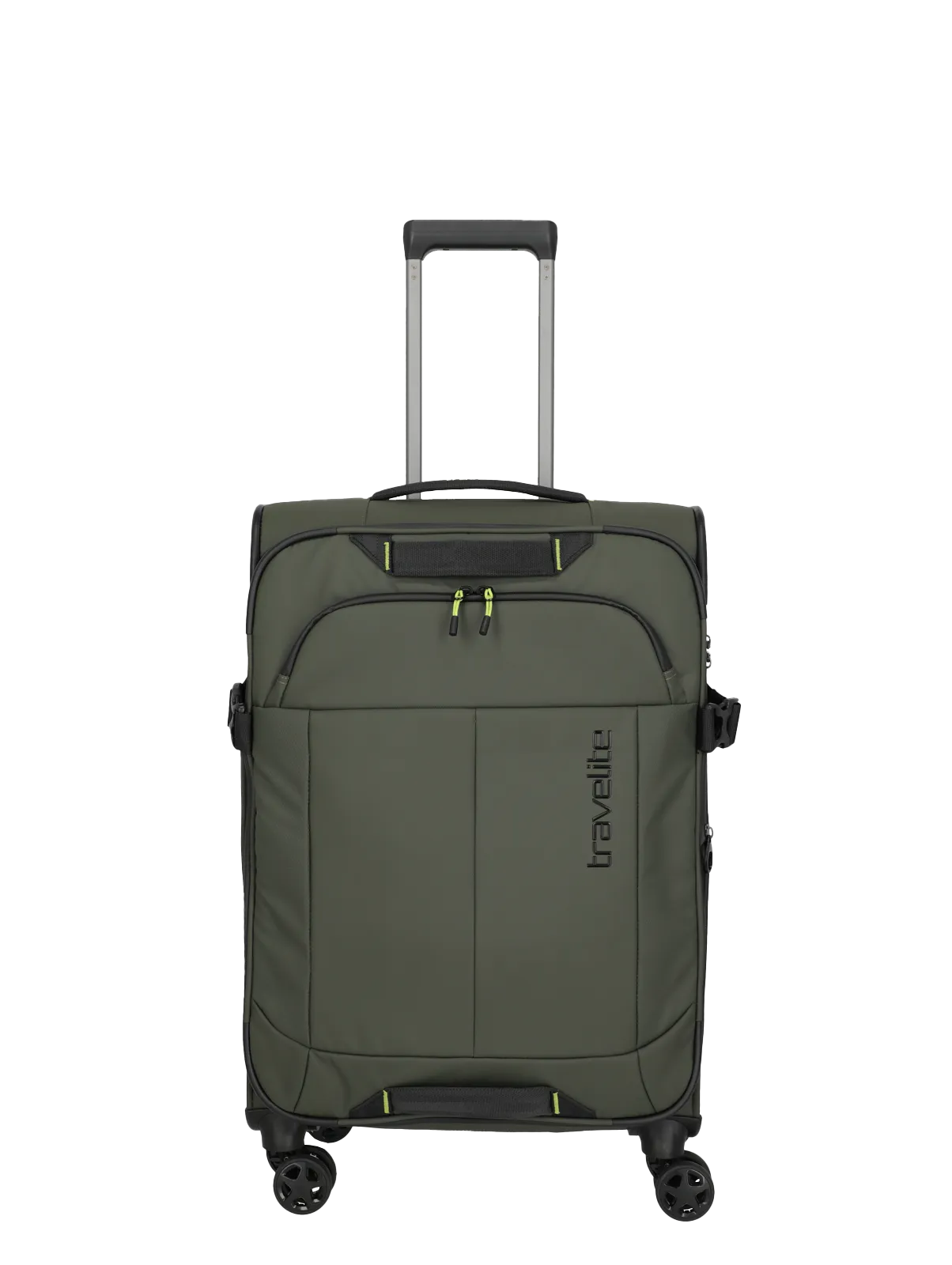
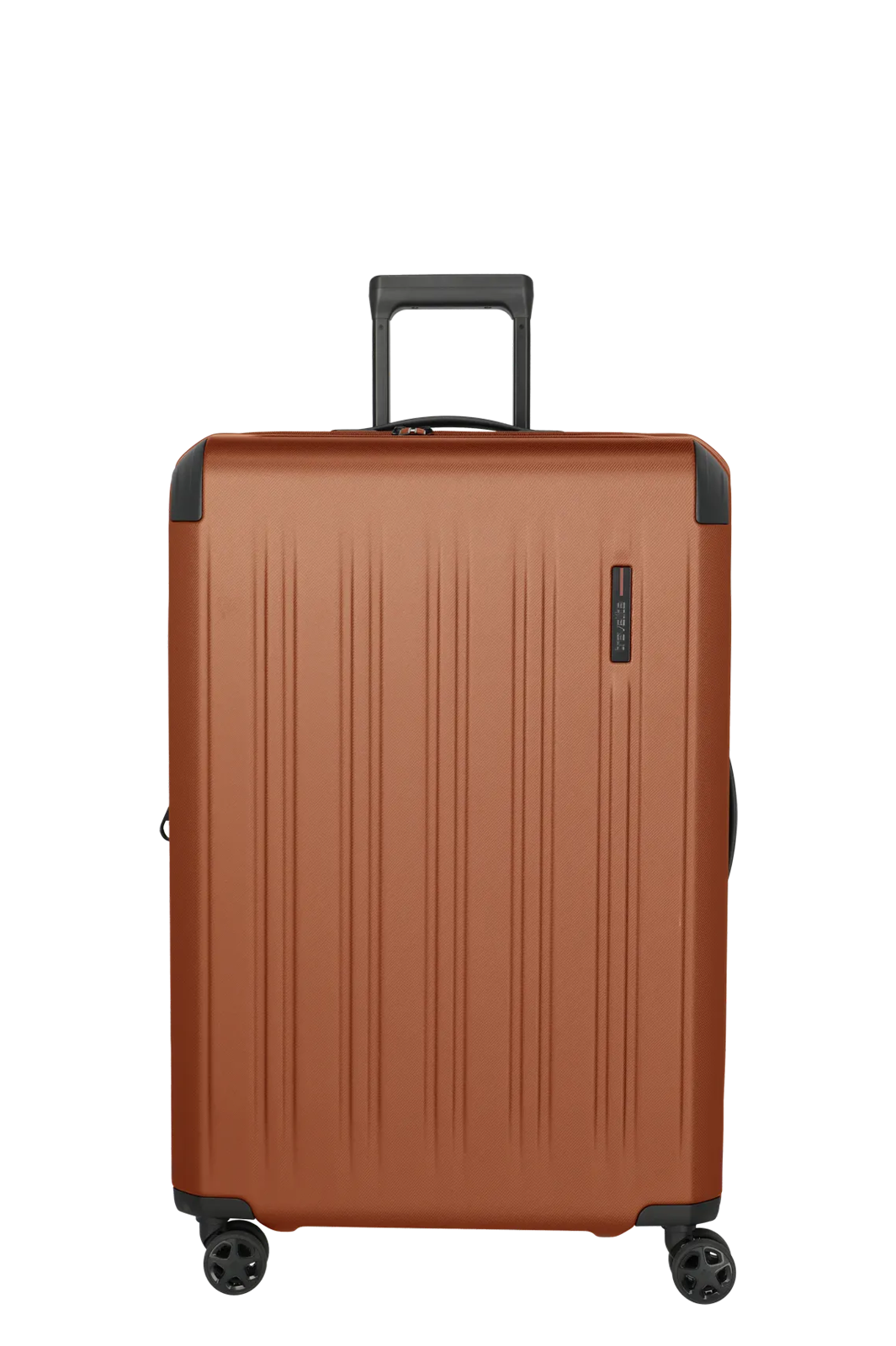
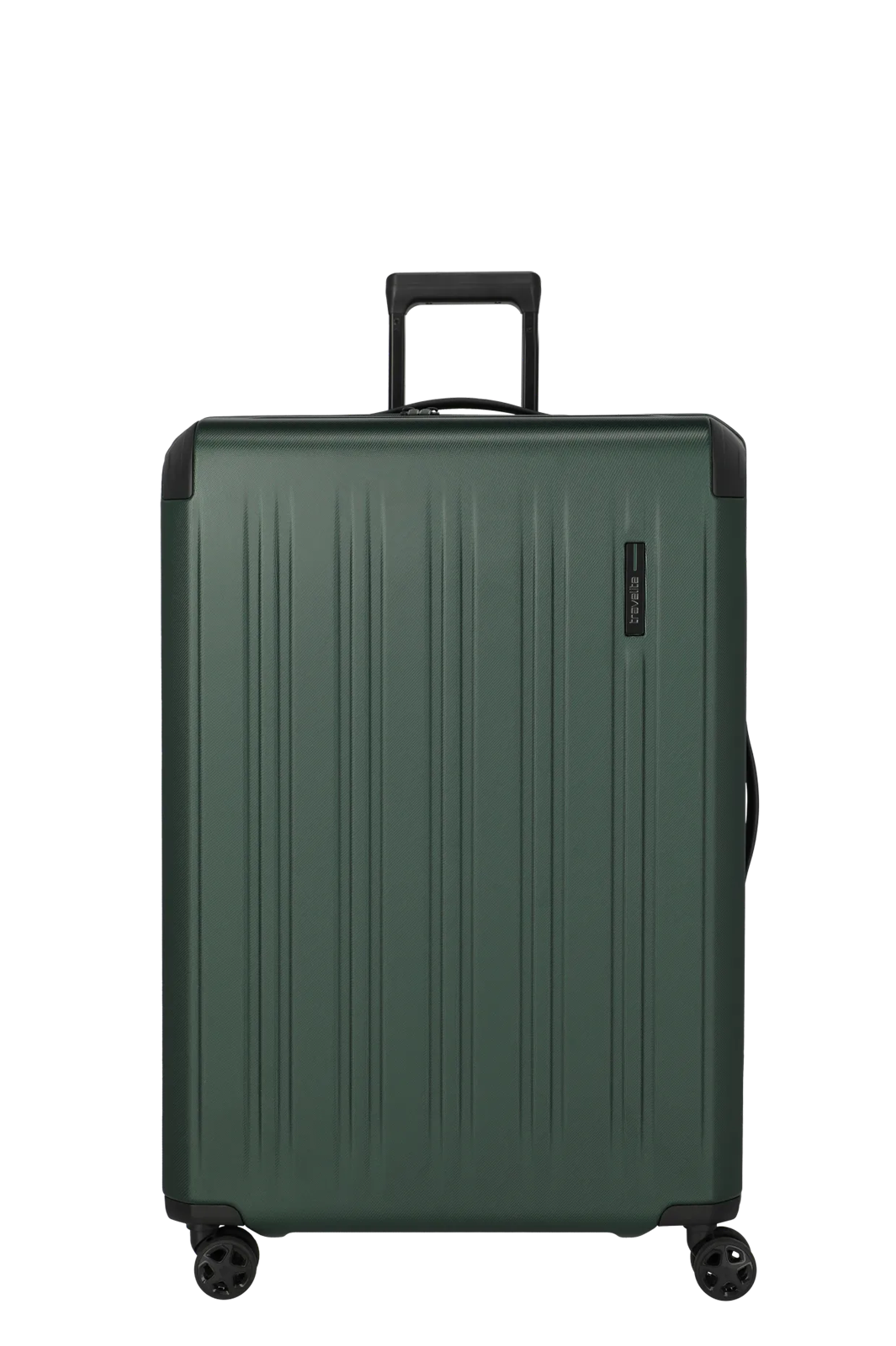
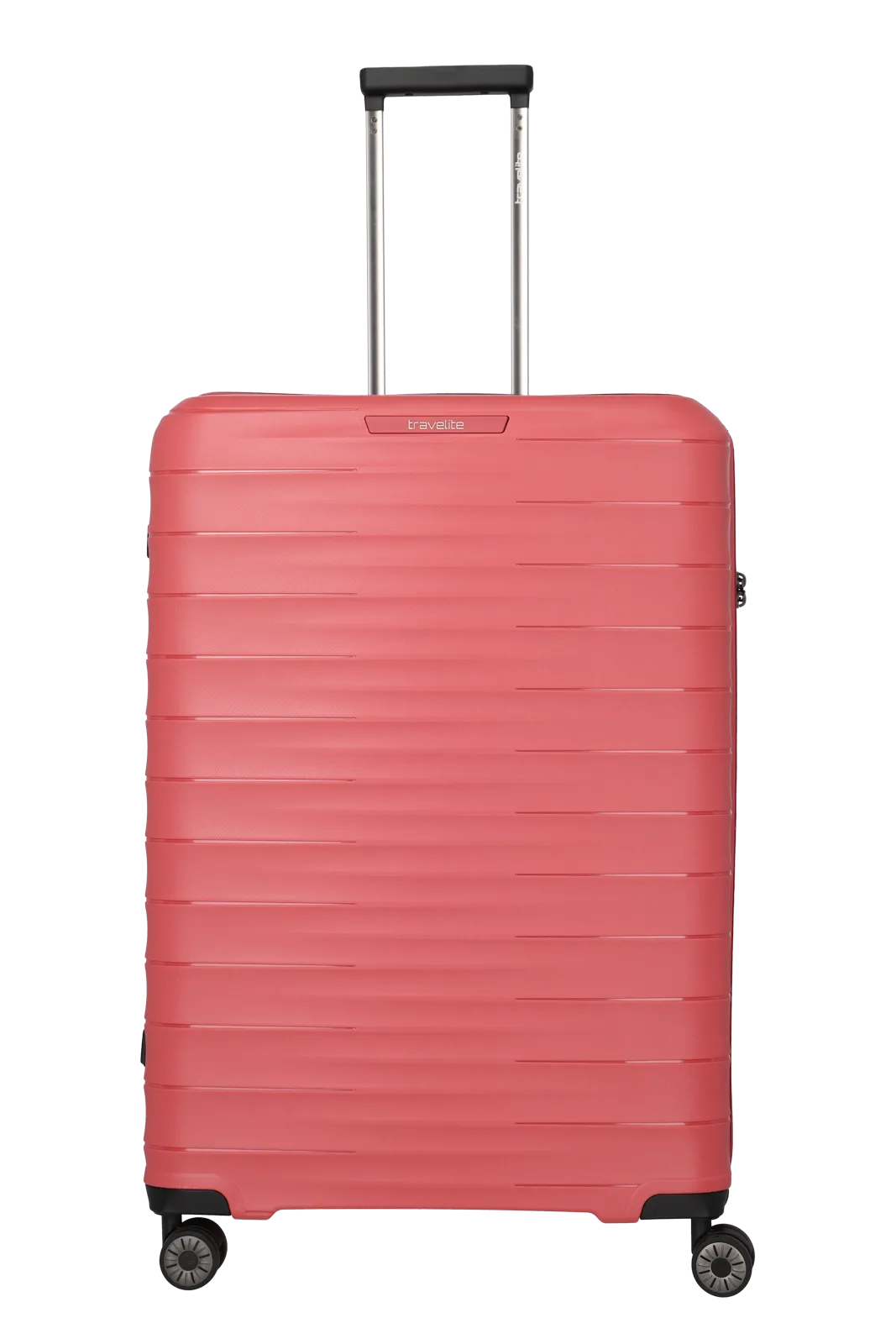
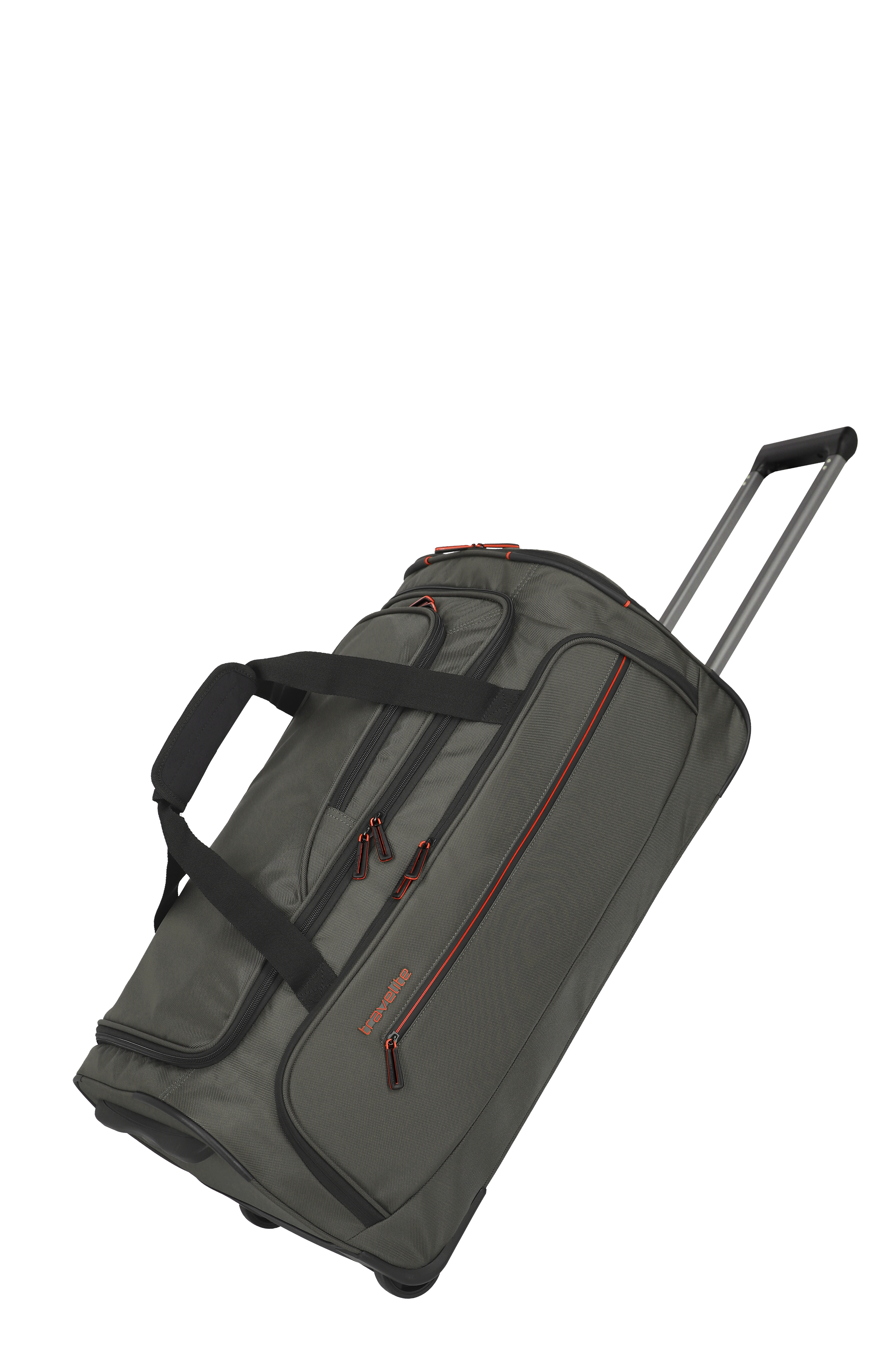
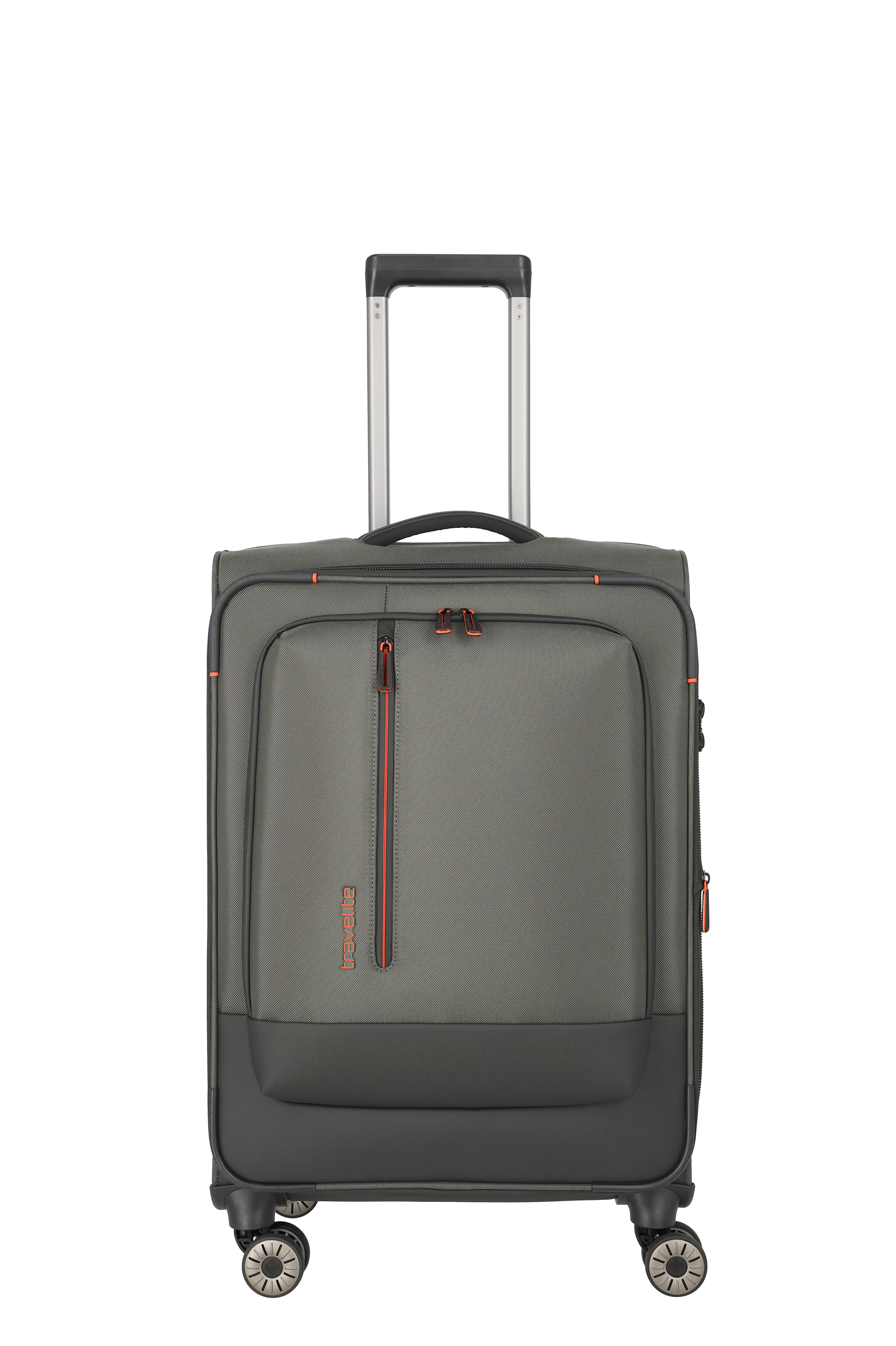
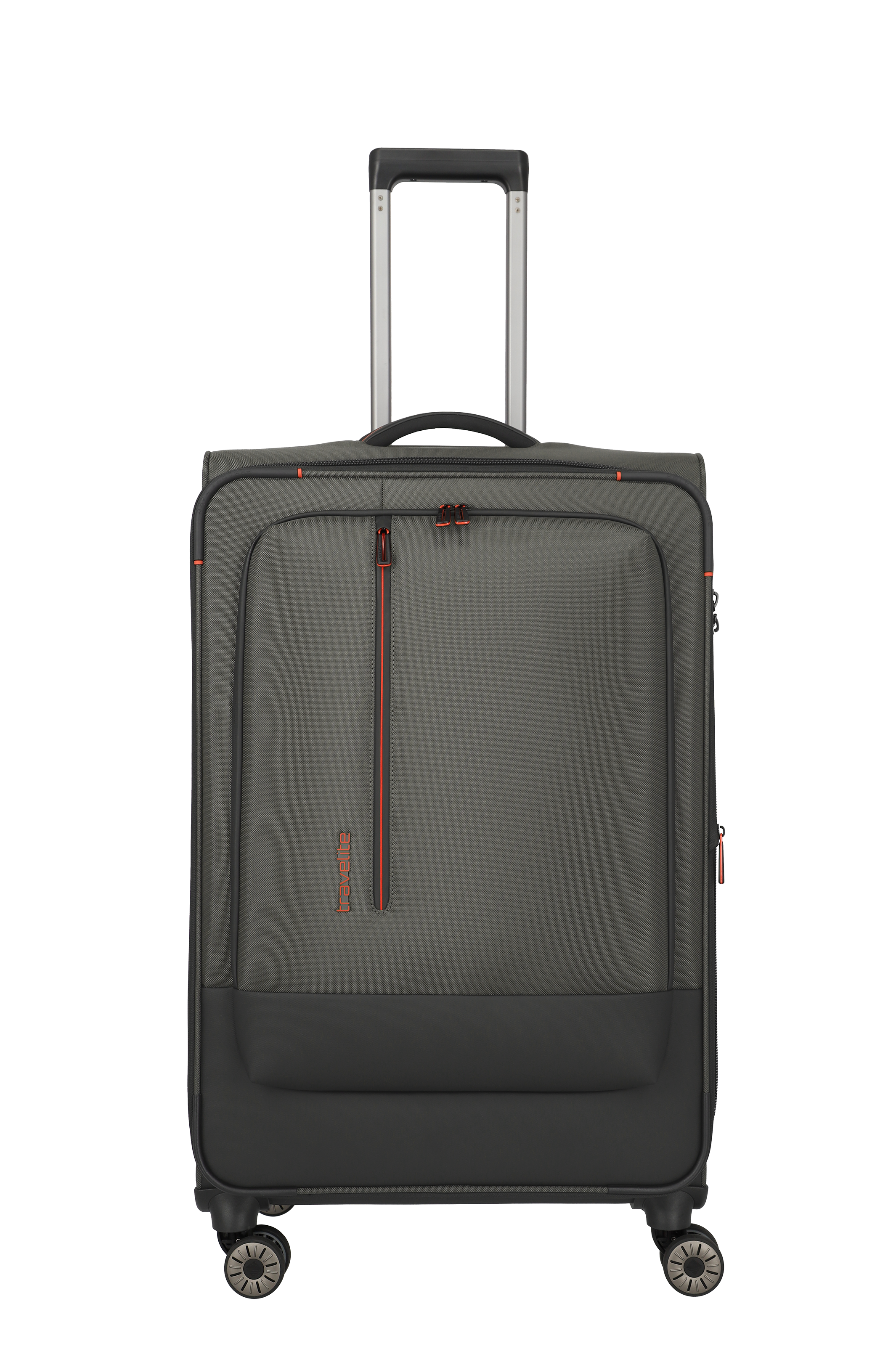
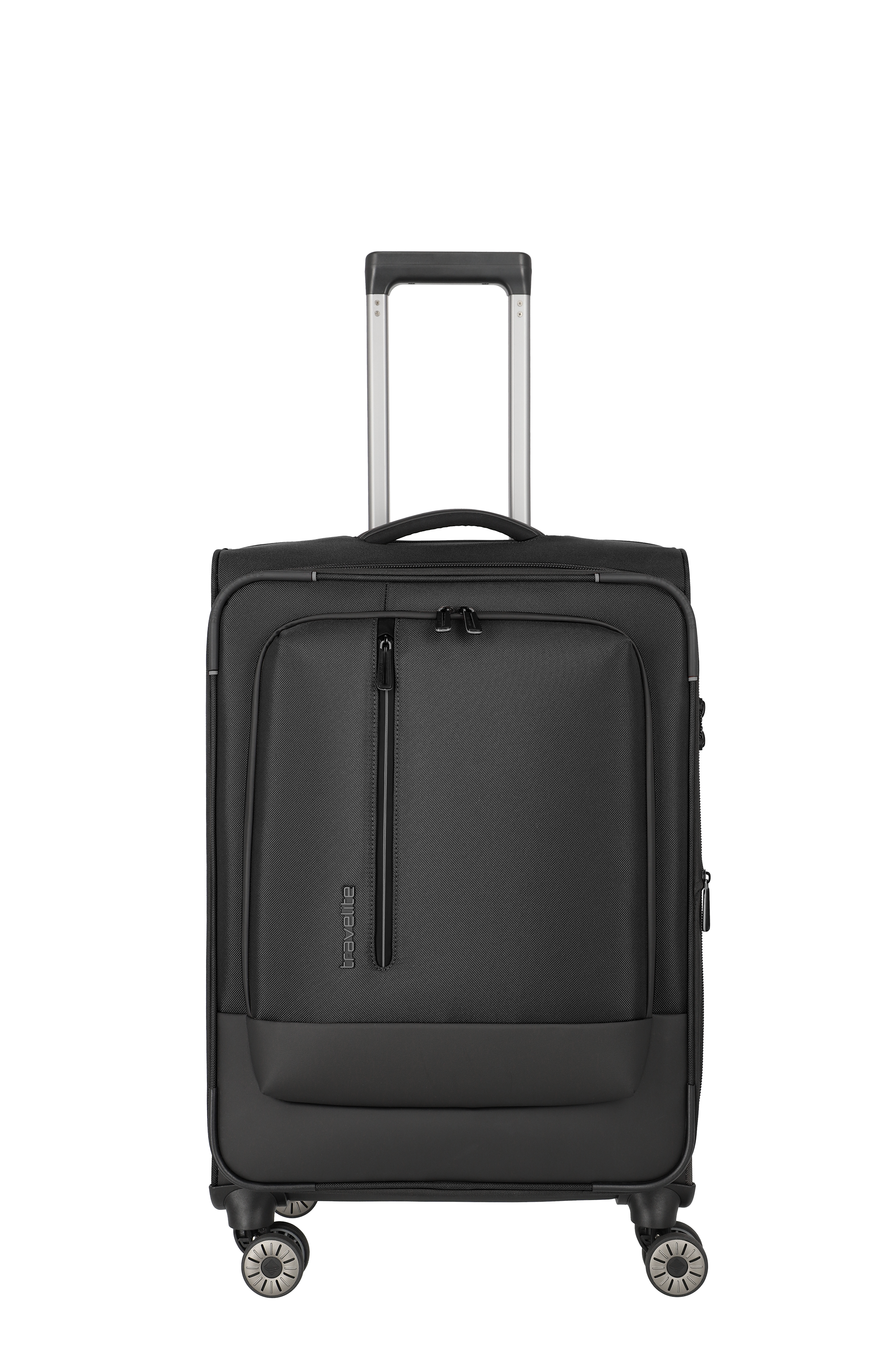
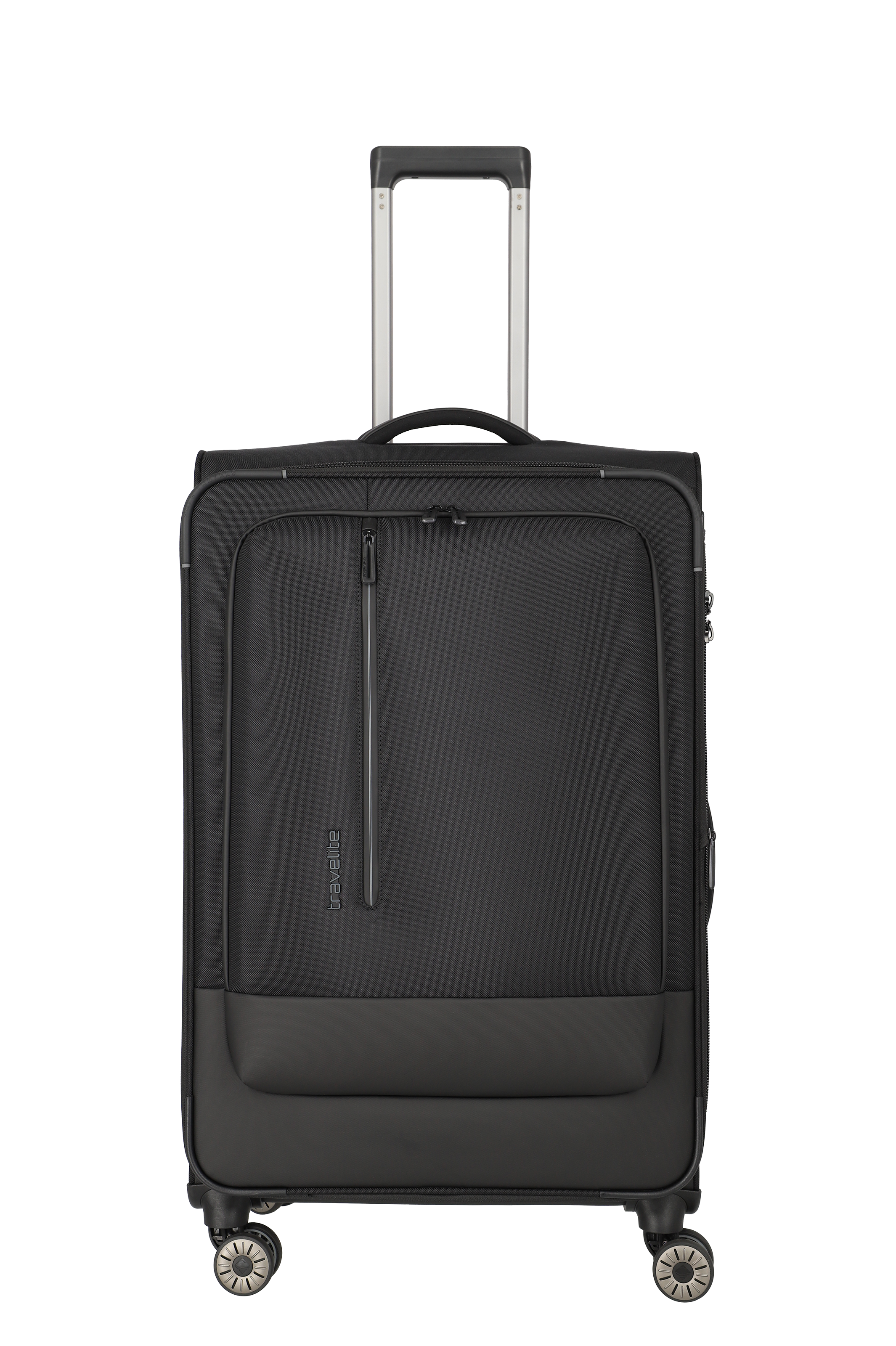
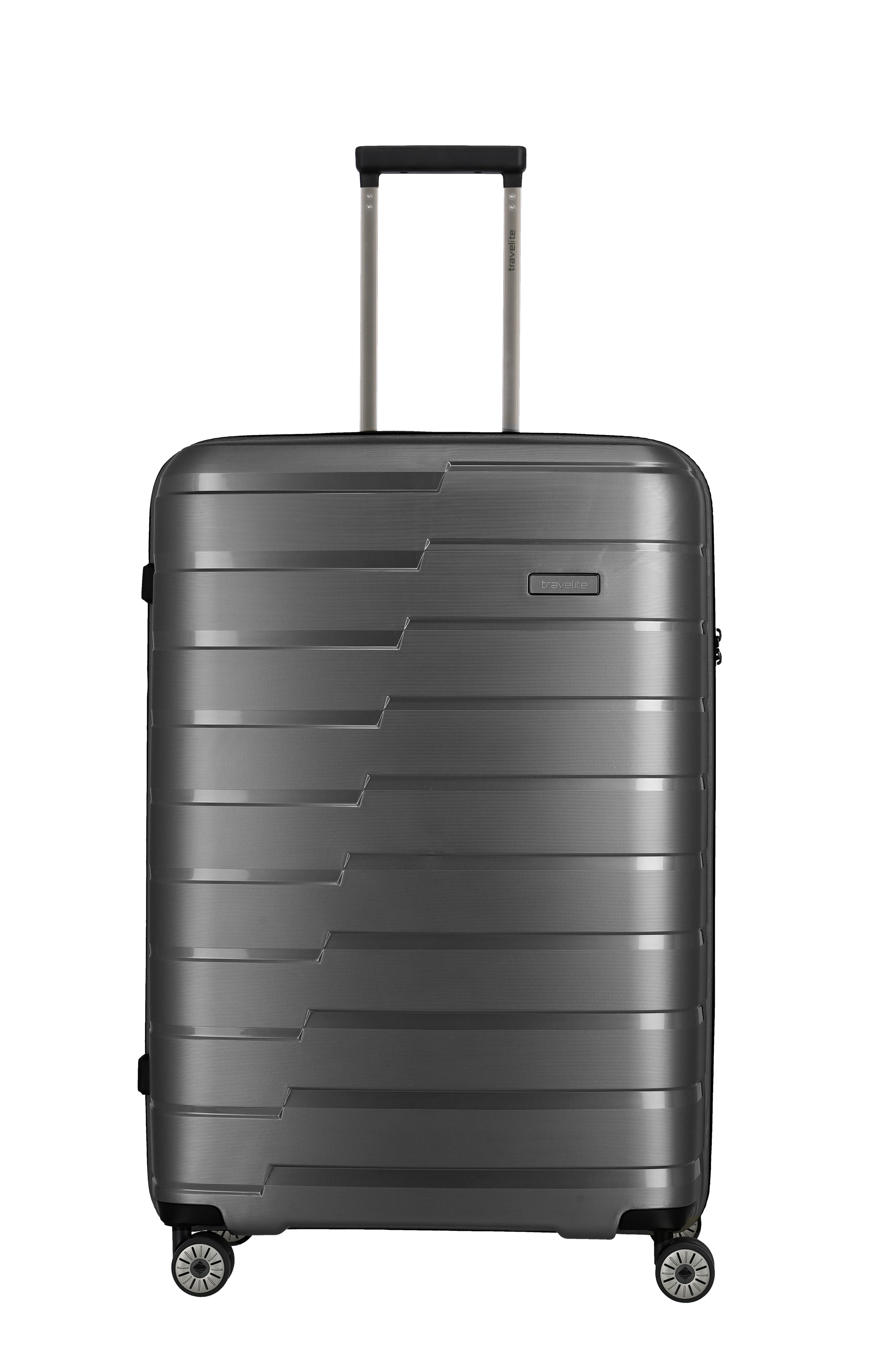
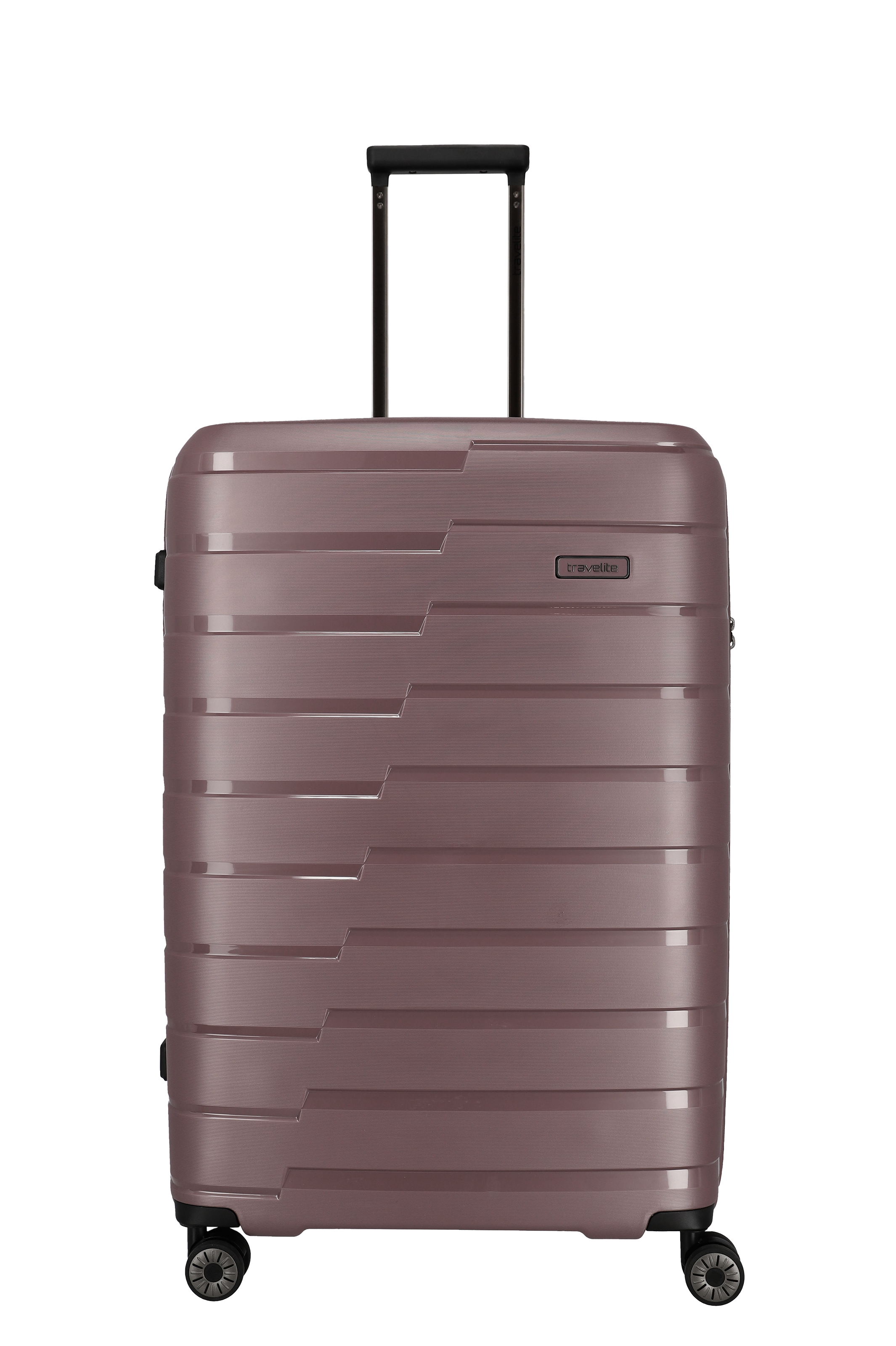
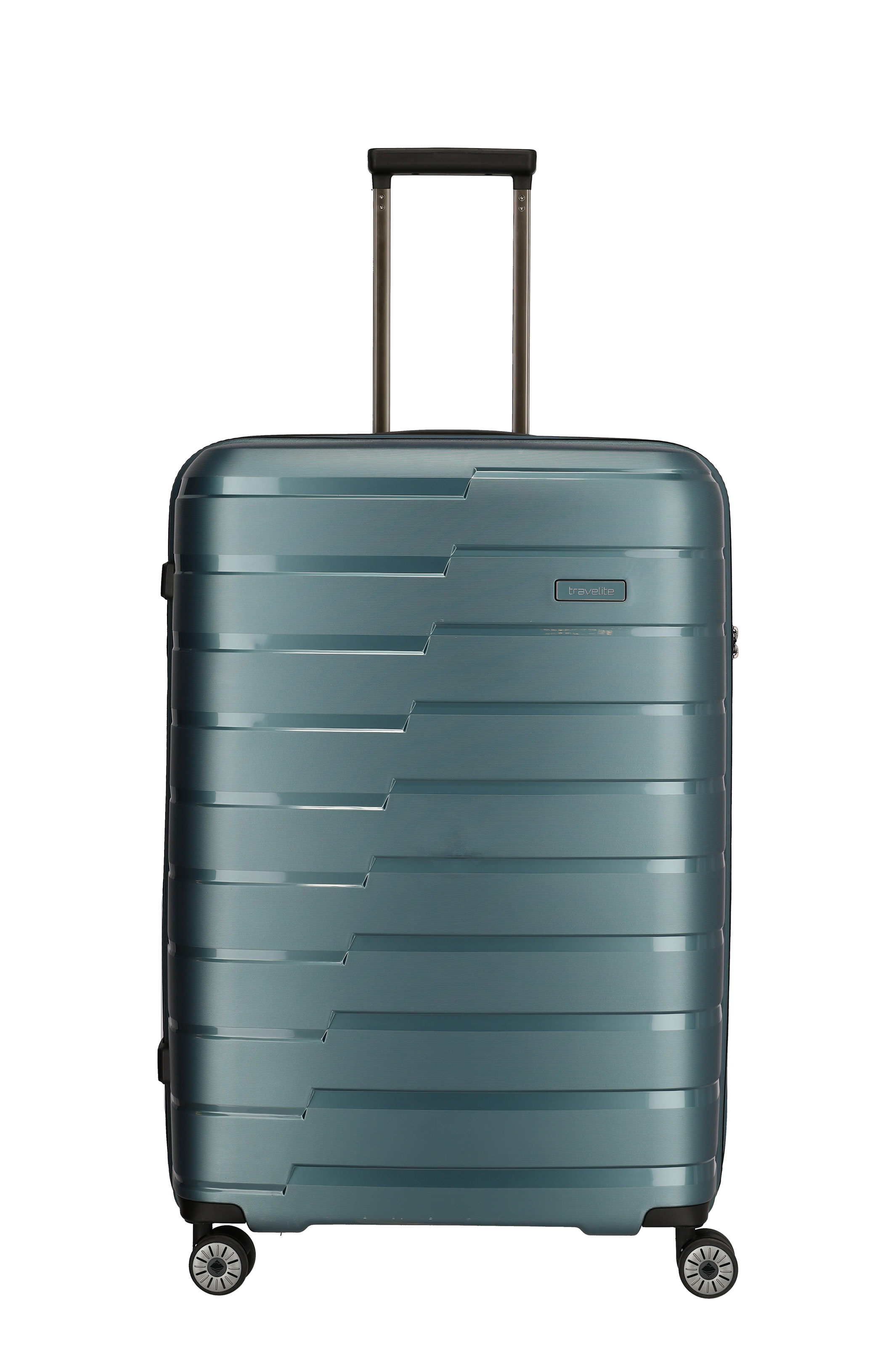
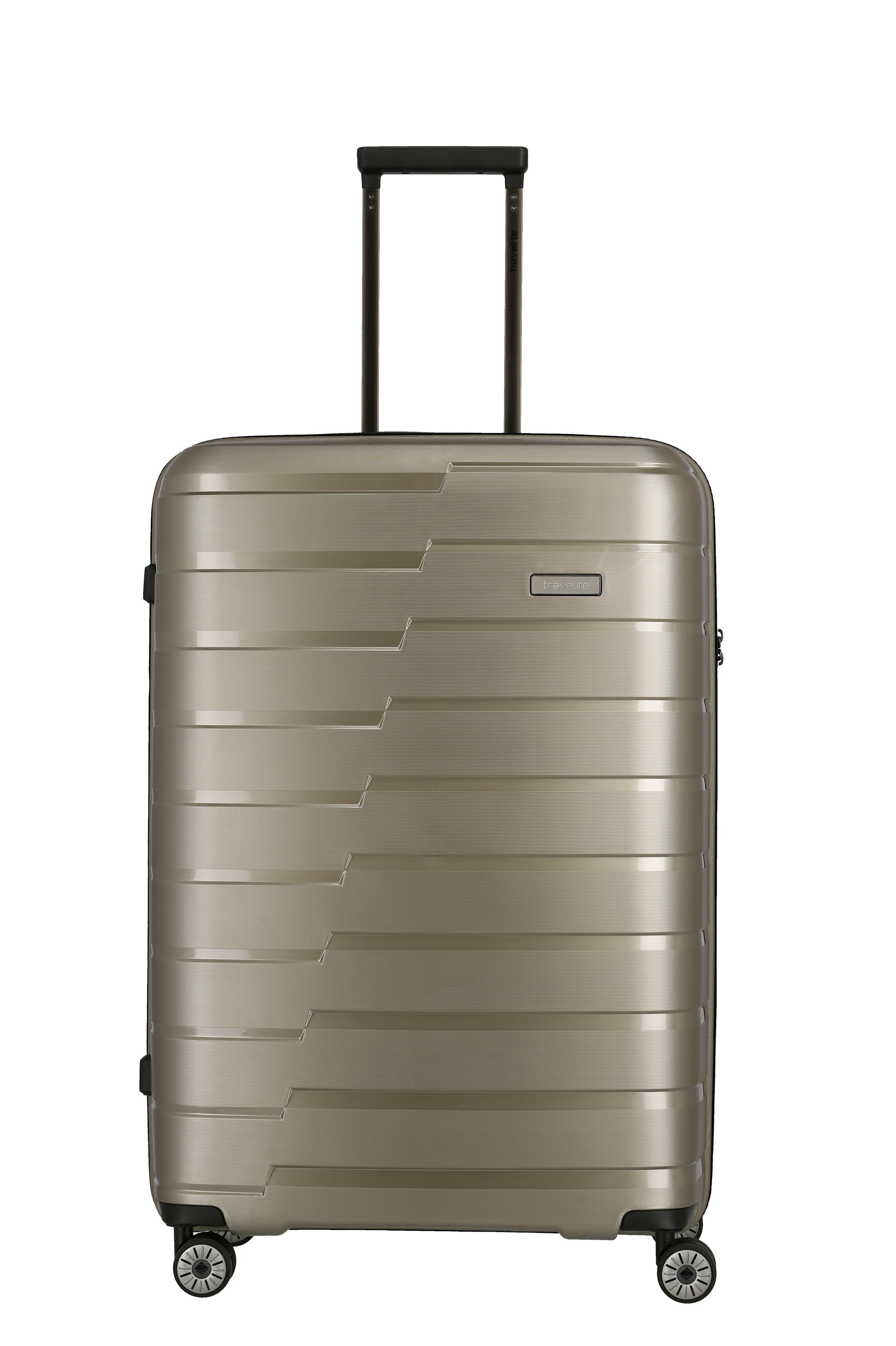
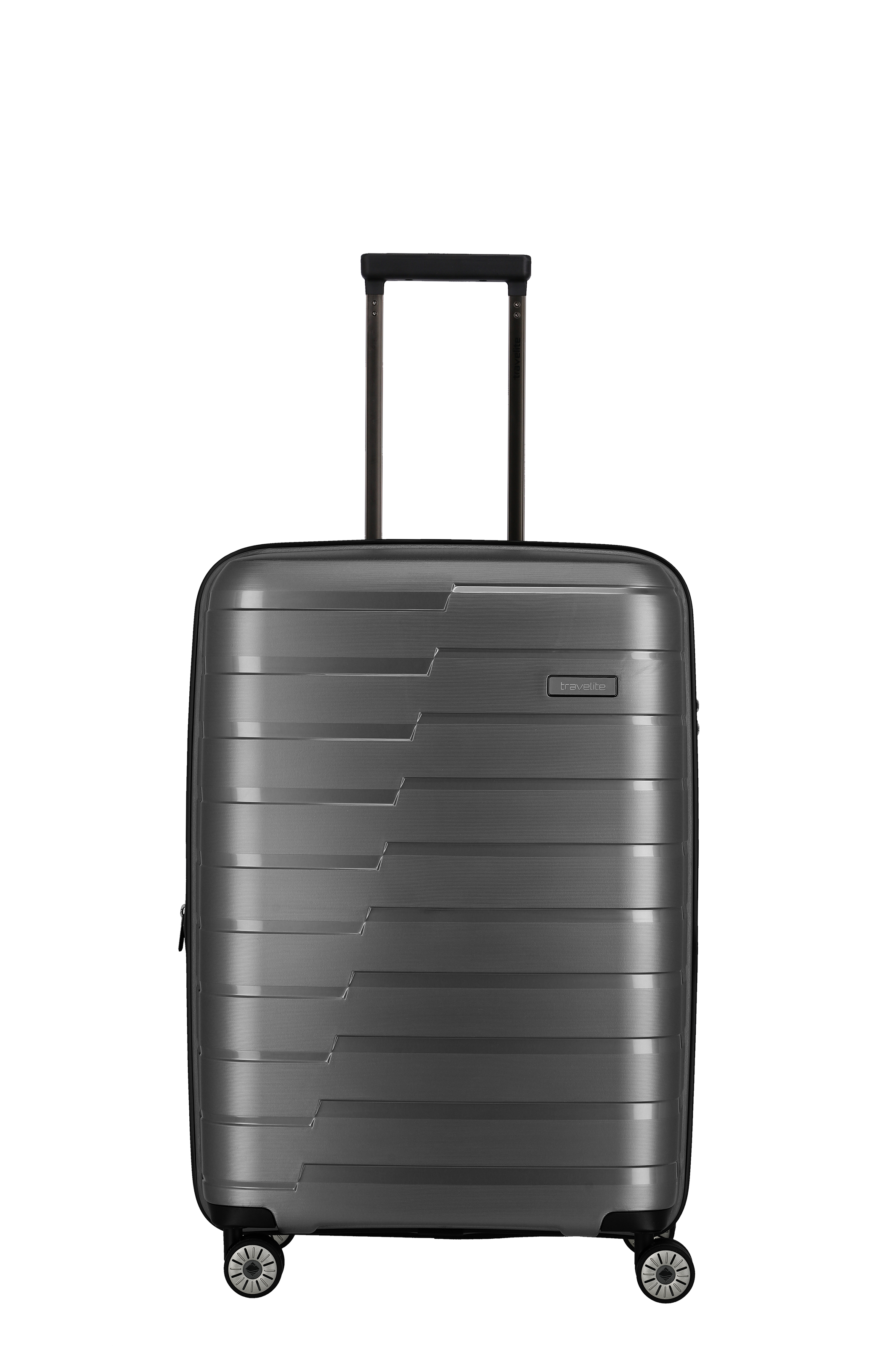
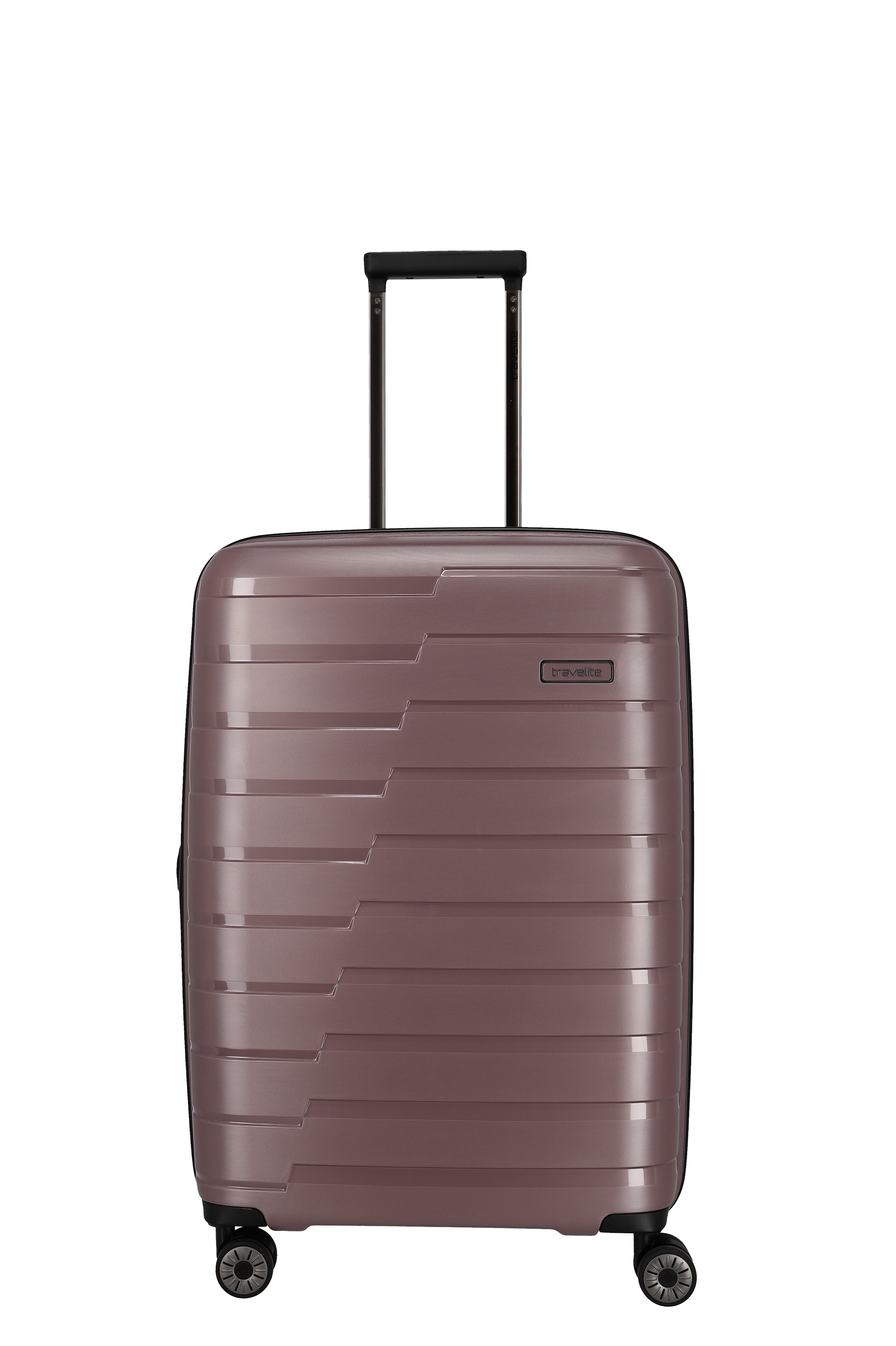
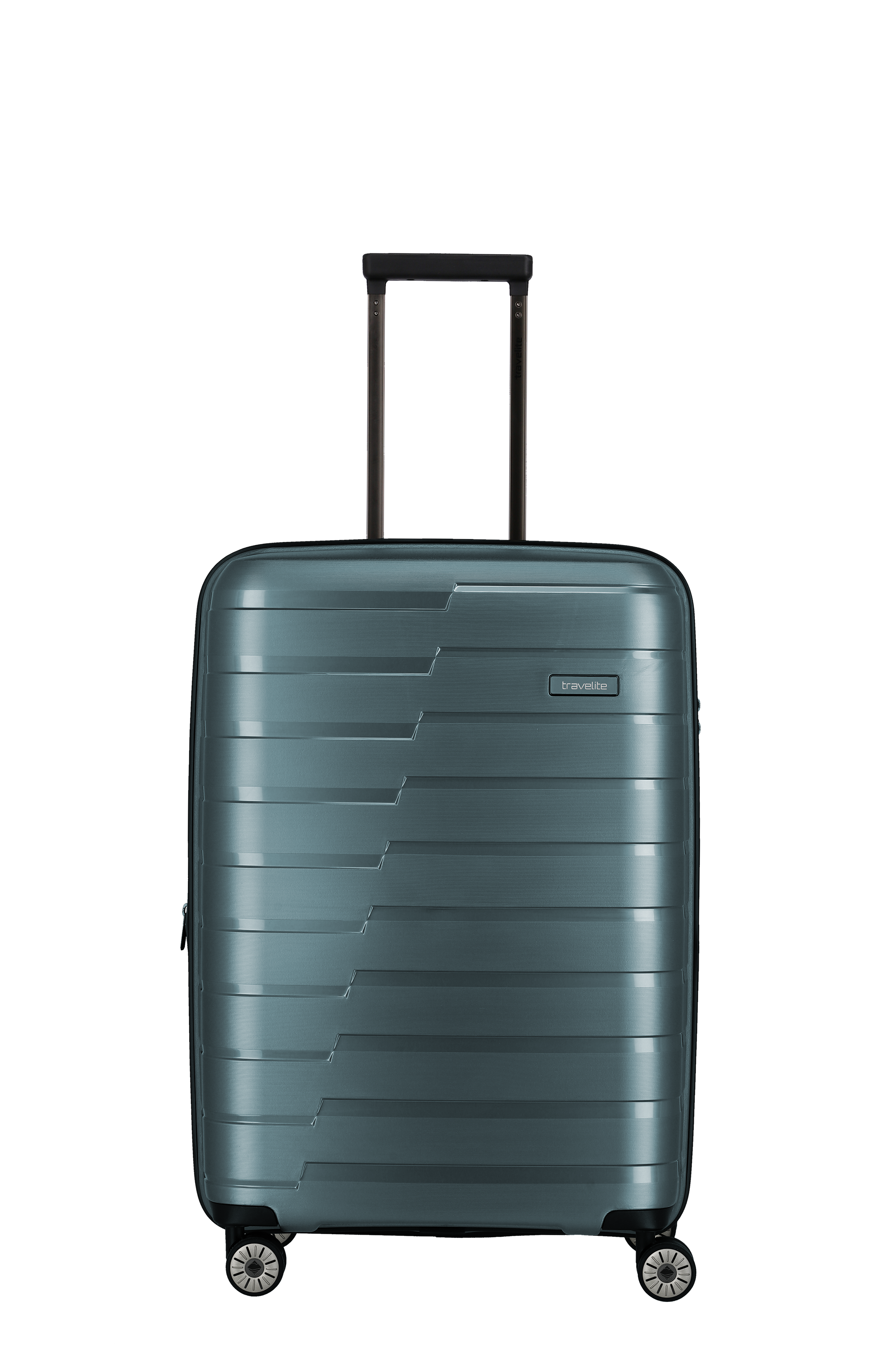
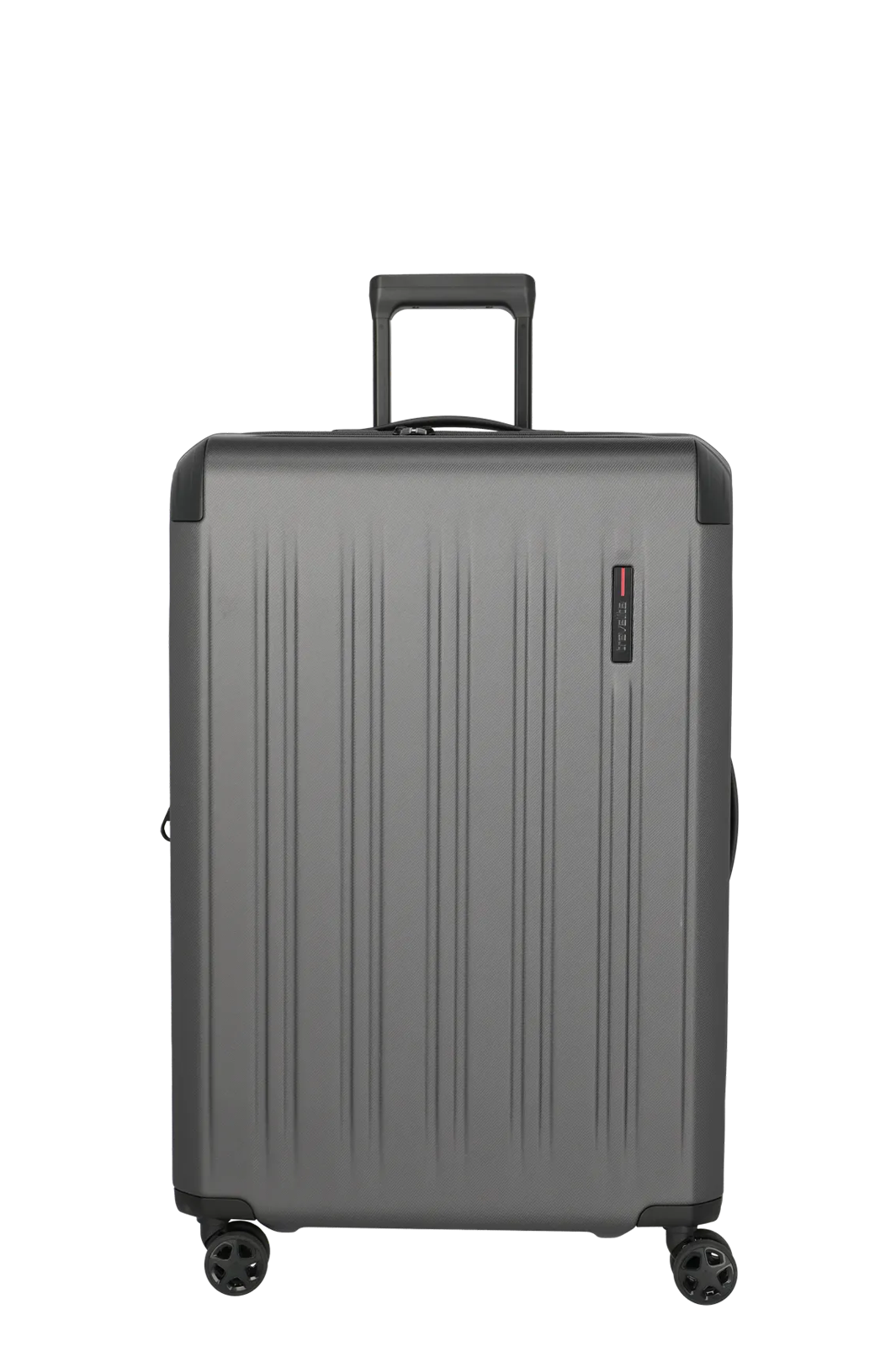
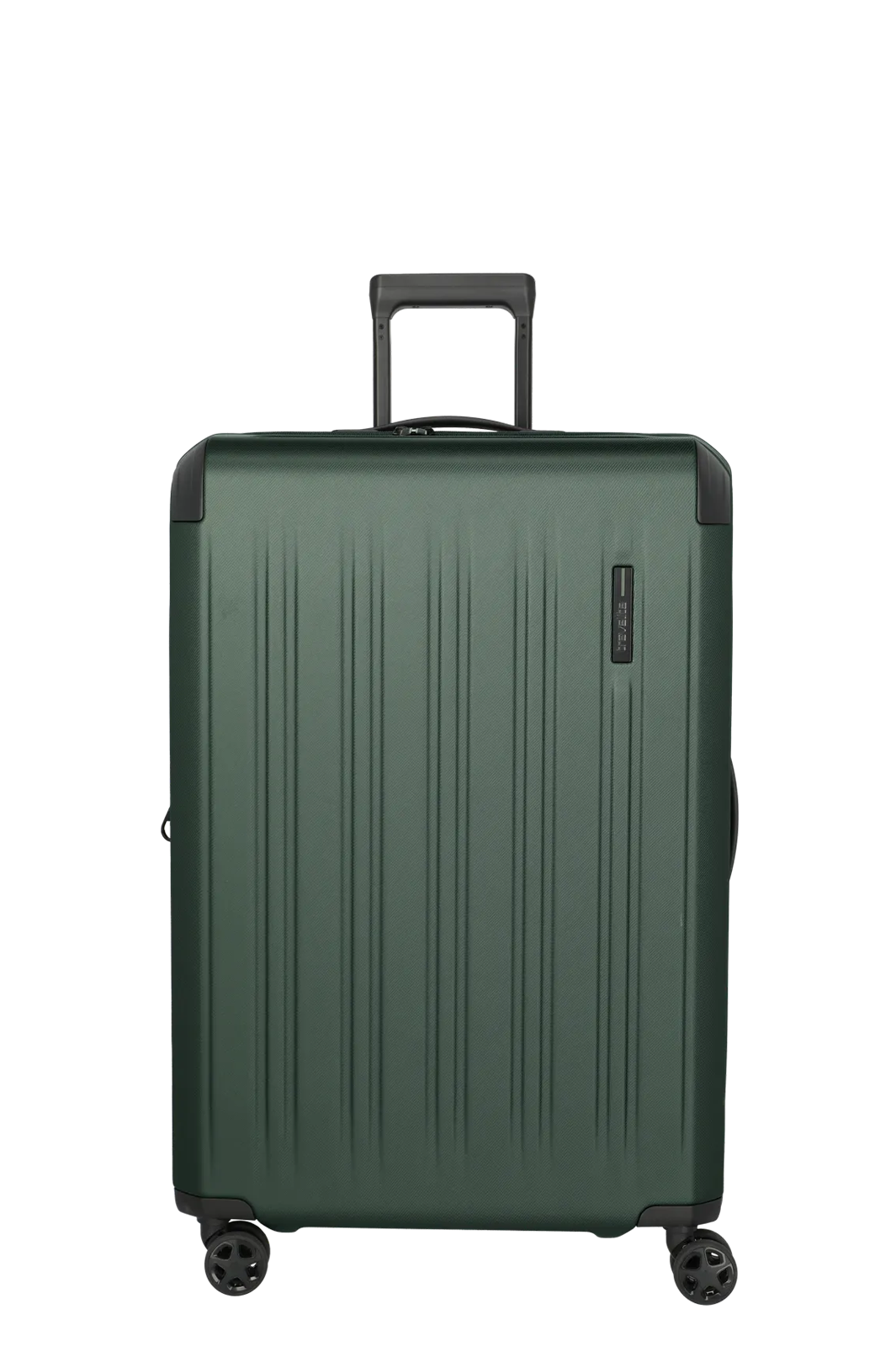
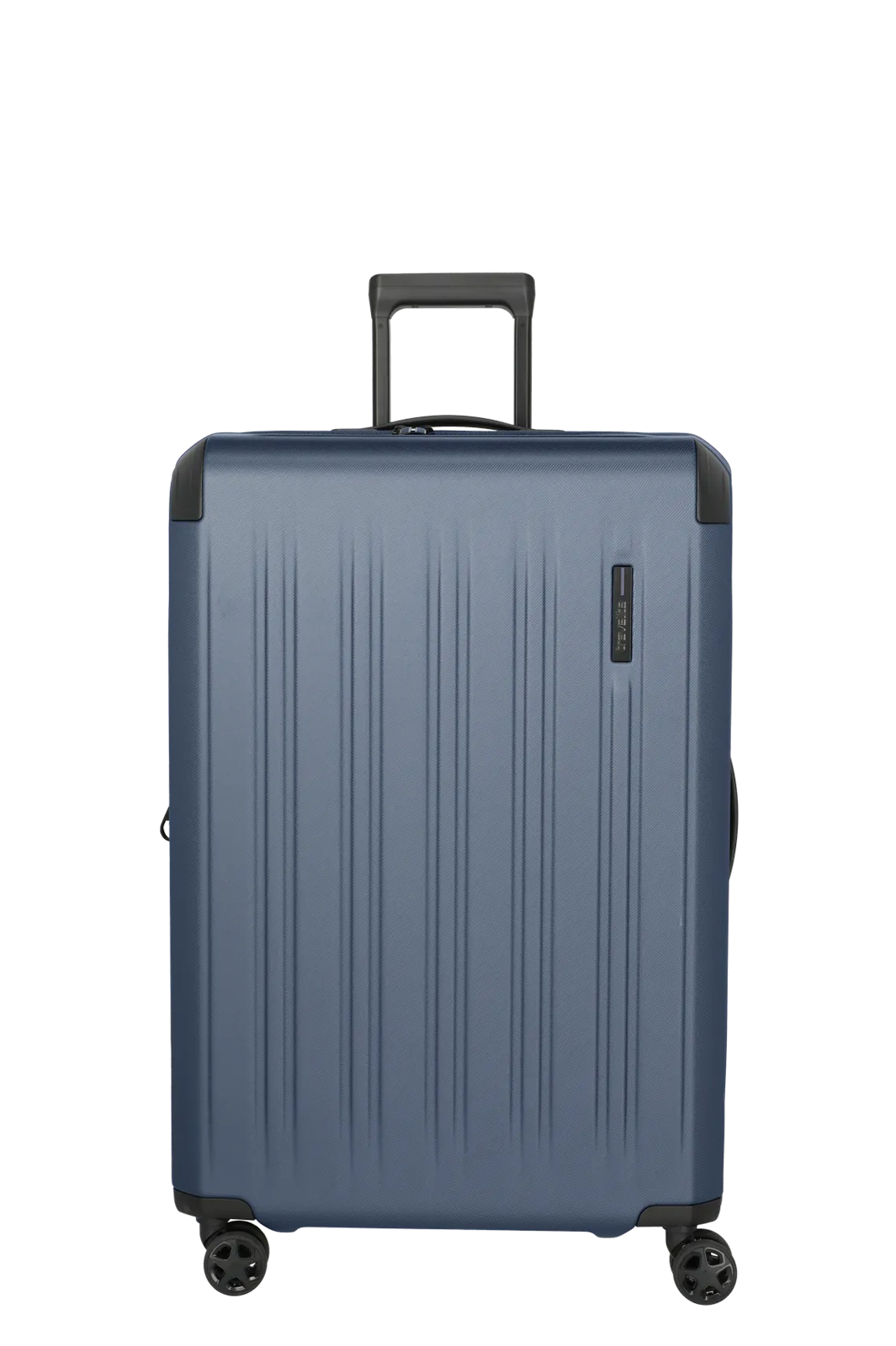
In hectic moments—such as when changing trains at large stations or airports—the value of your luggage becomes apparent. As there is no one else to help carry or keep an eye on your suitcase, mobility is a crucial factor. A lightweight, manoeuvrable suitcase or a well-structured rucksack enables you to navigate stairs in underground stations or uneven paths without assistance.
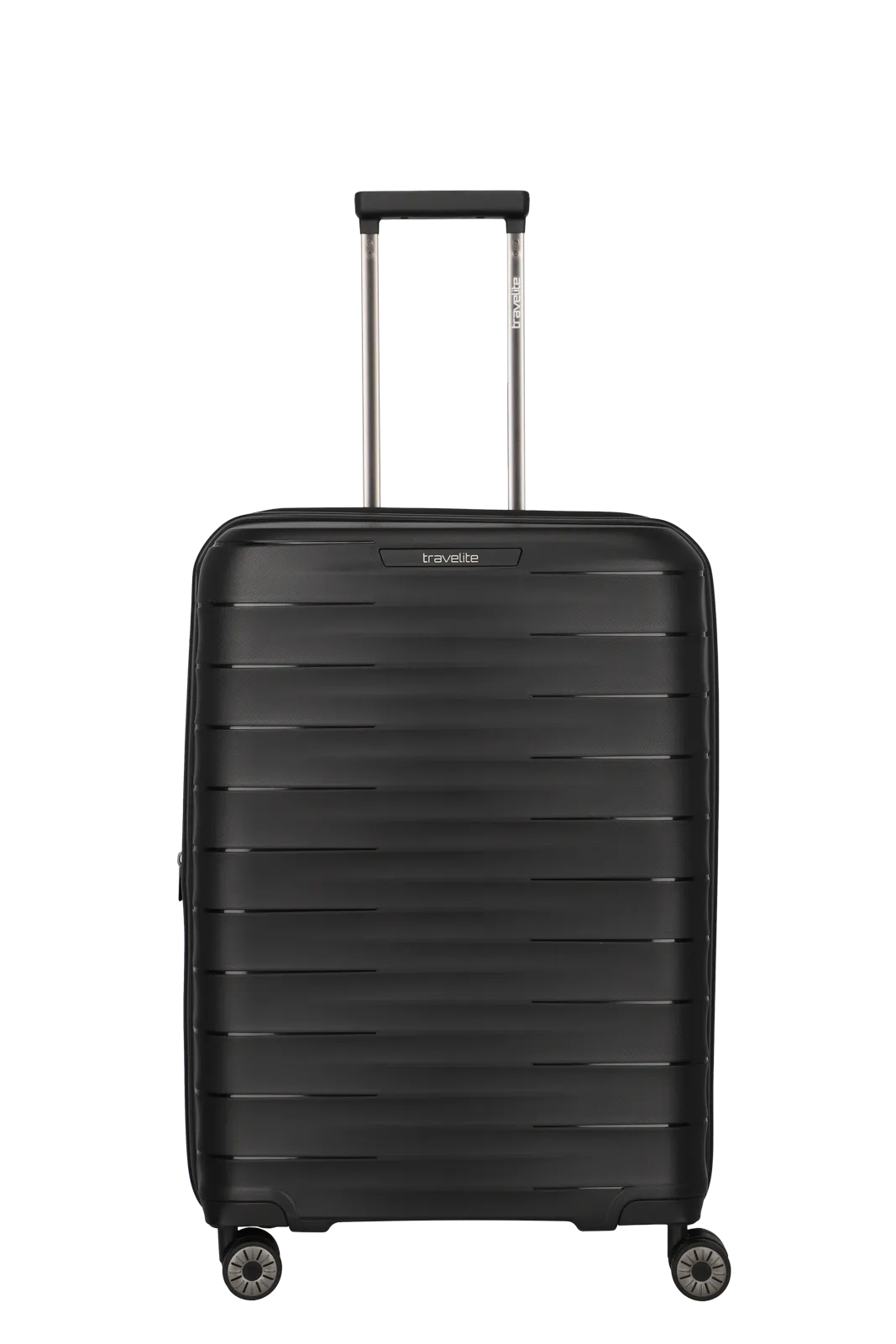
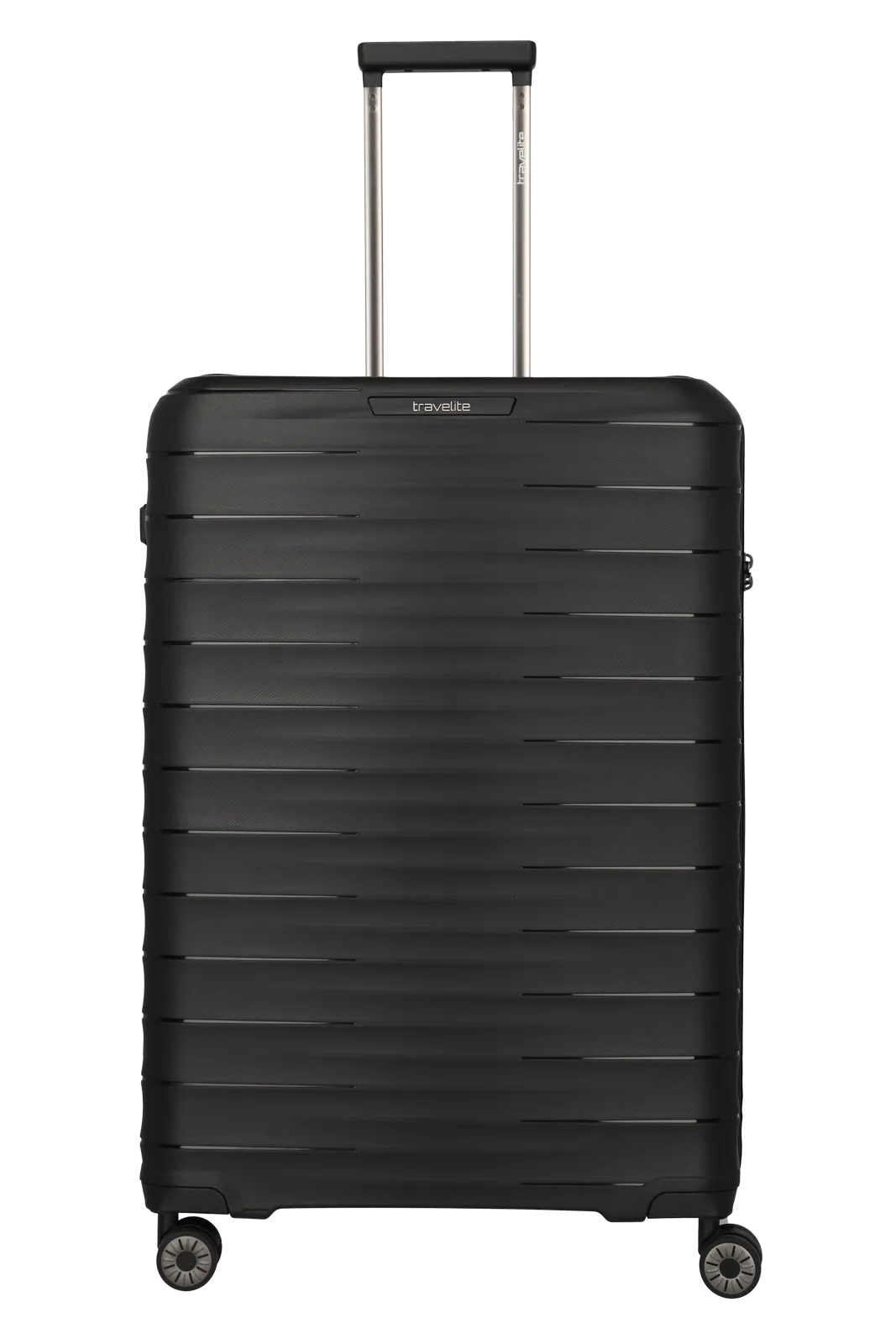
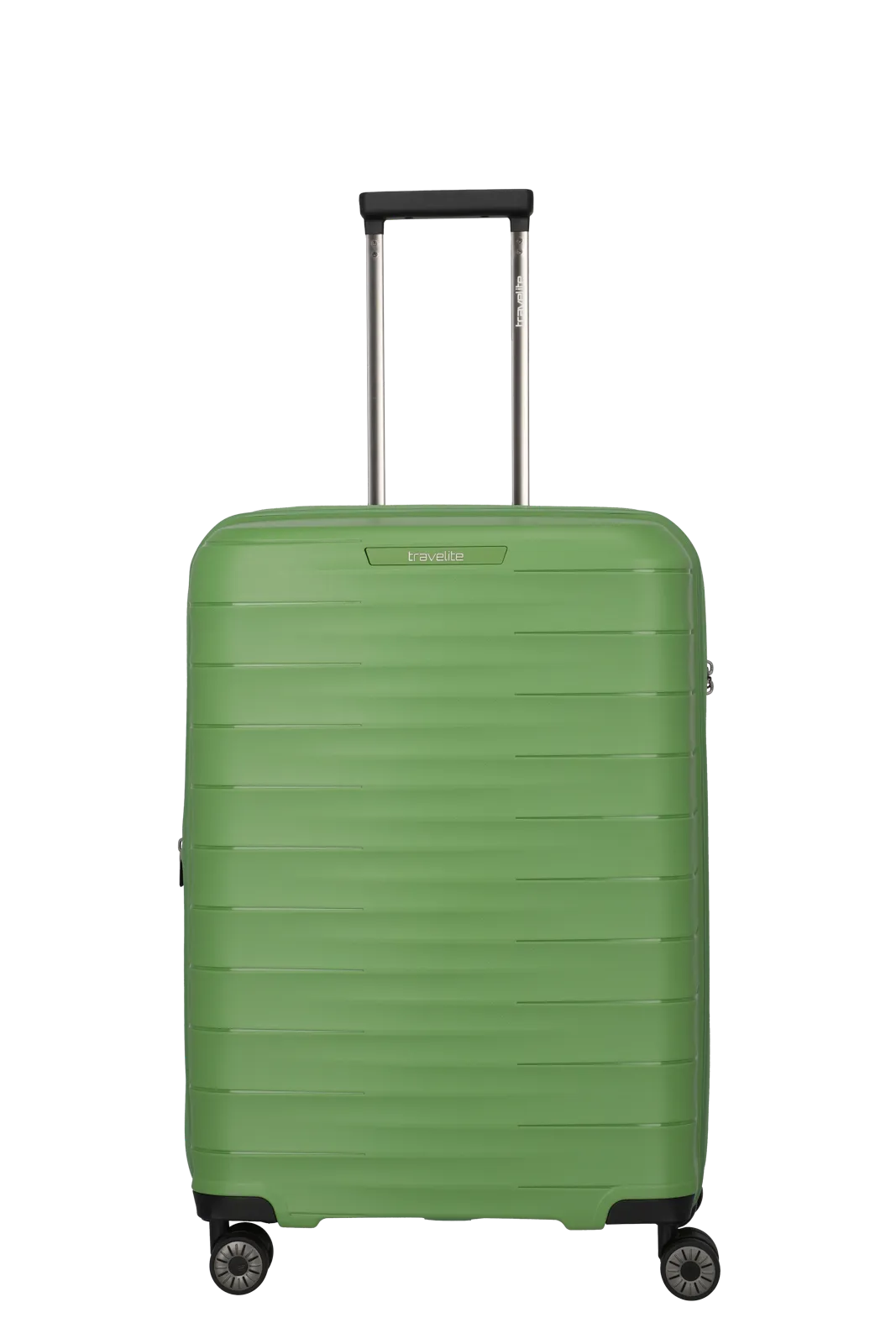
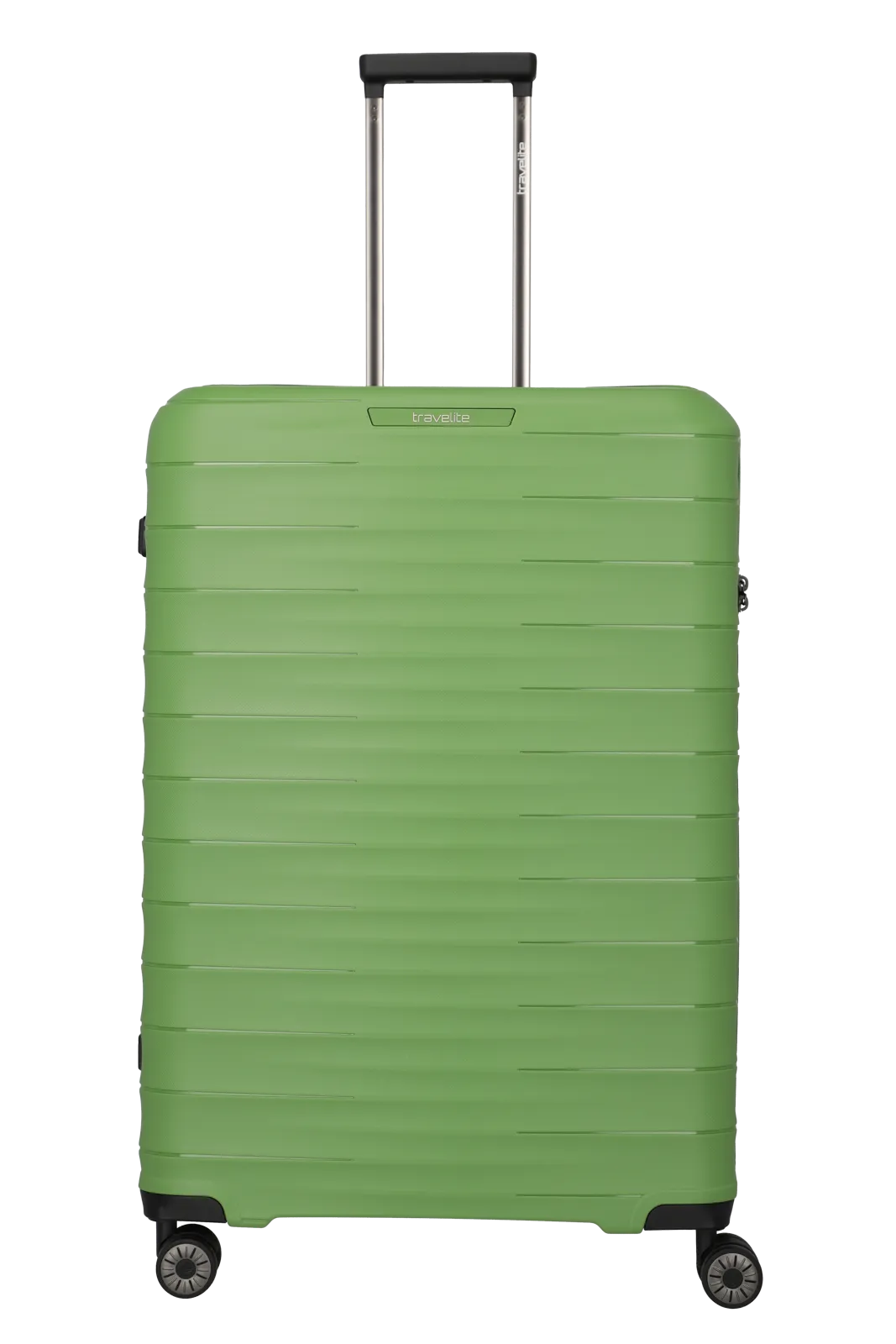
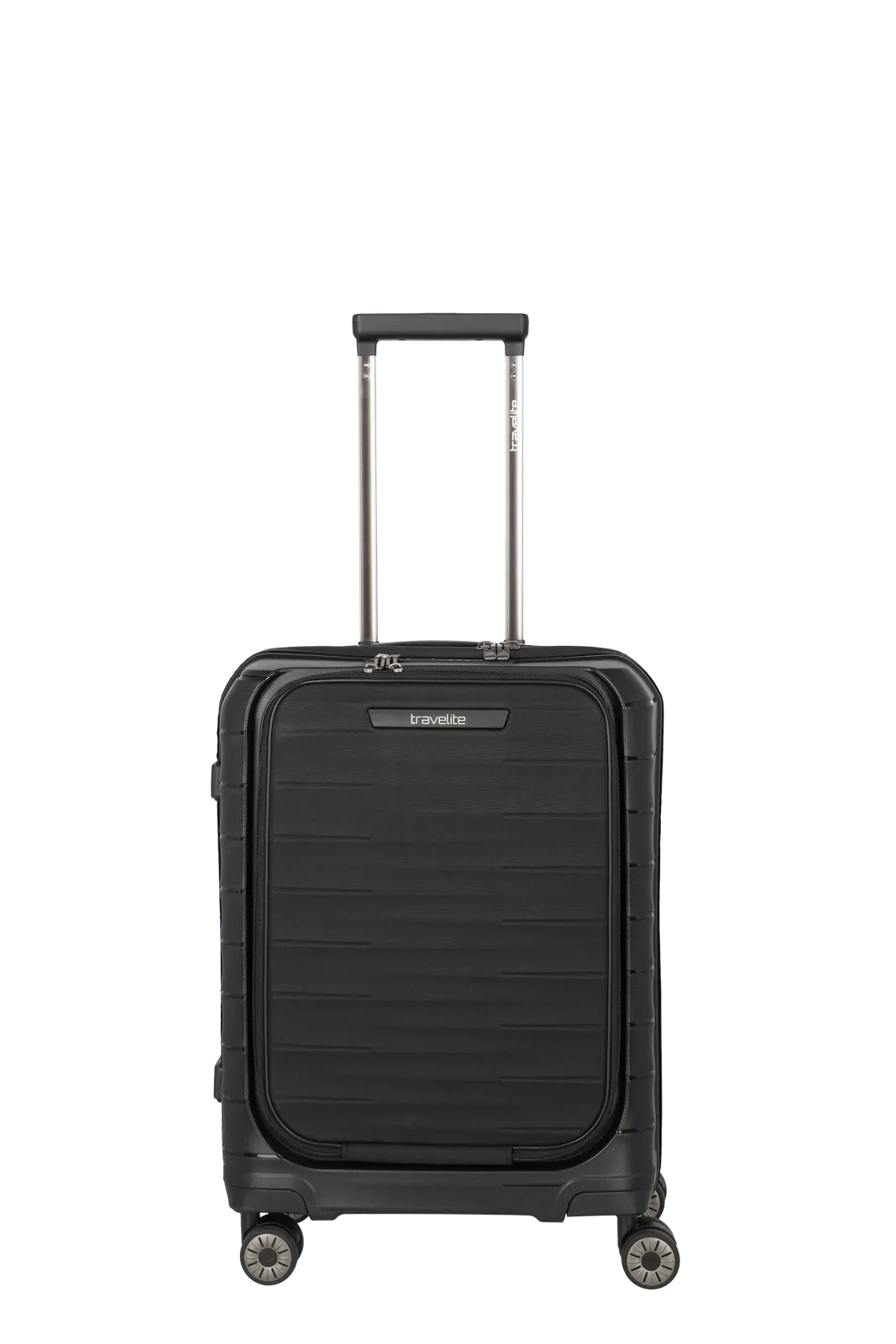
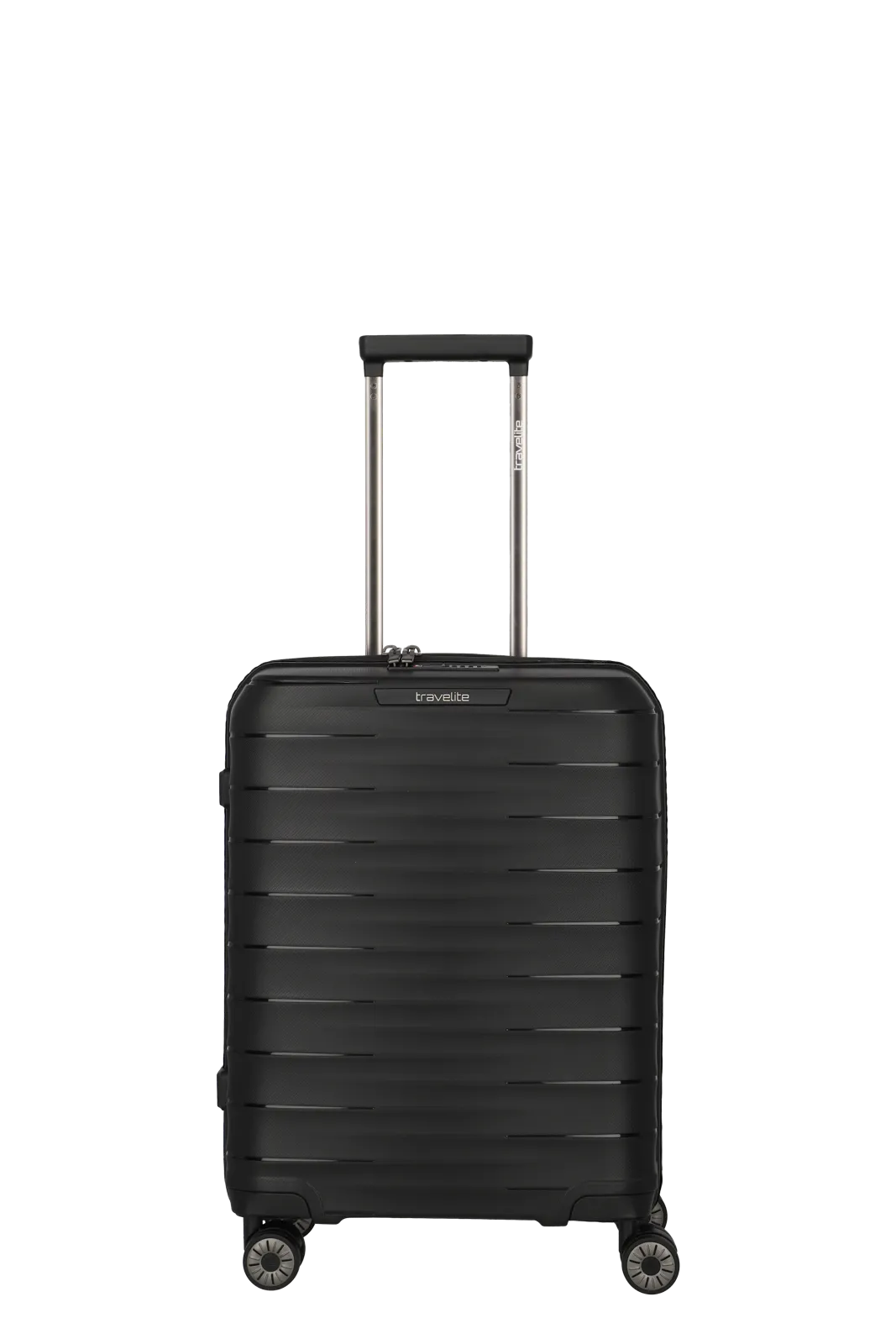
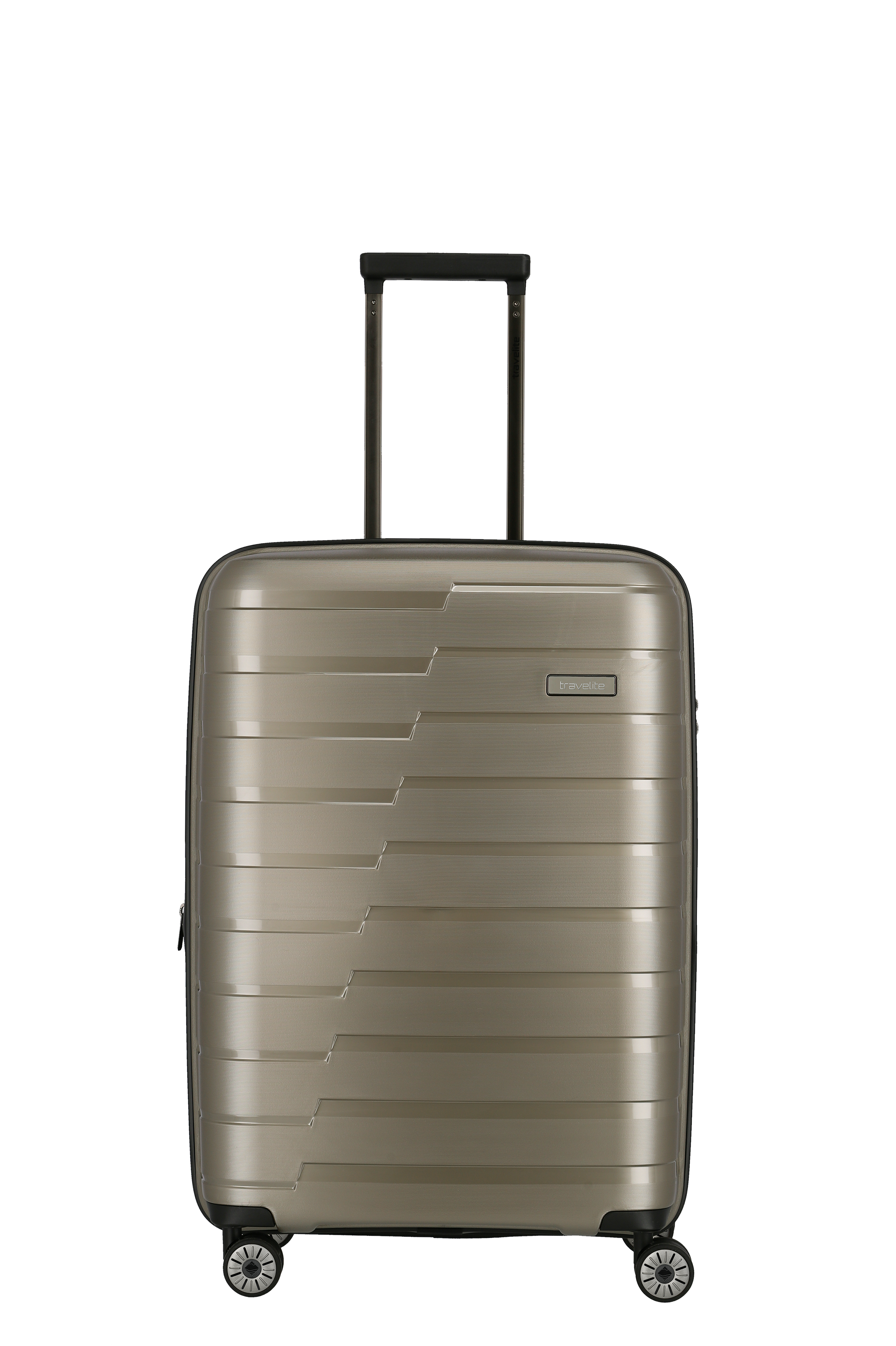
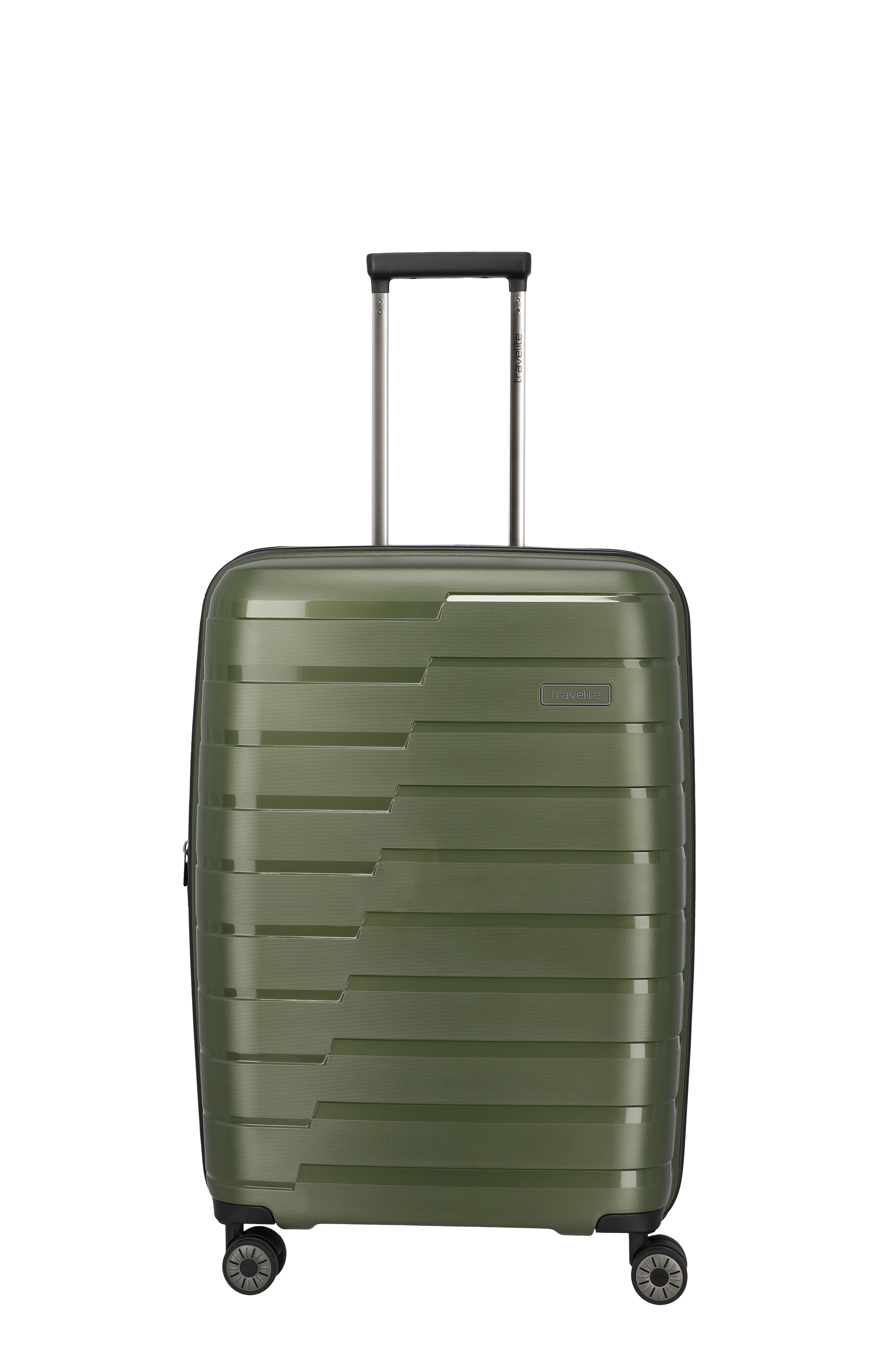
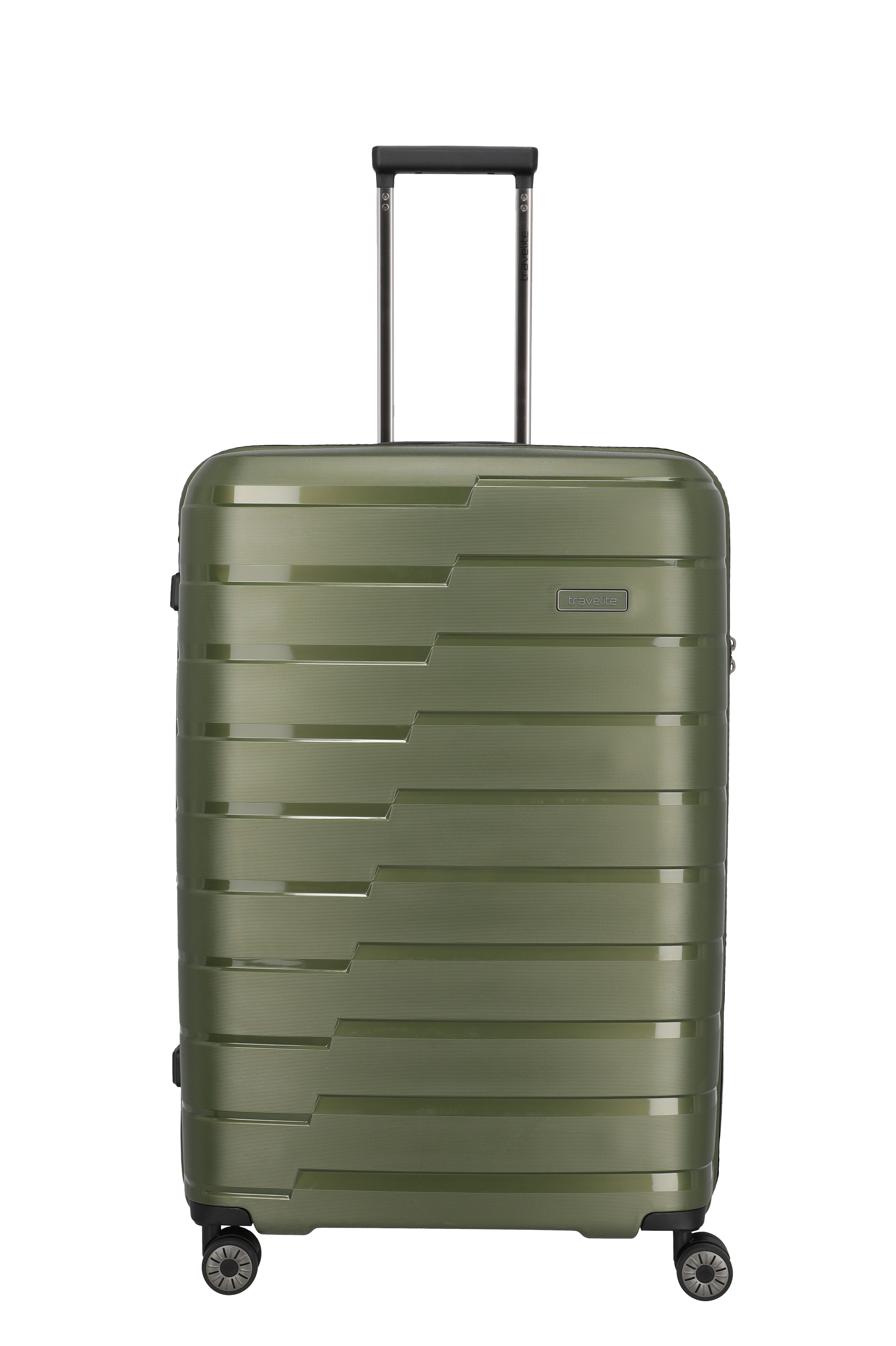
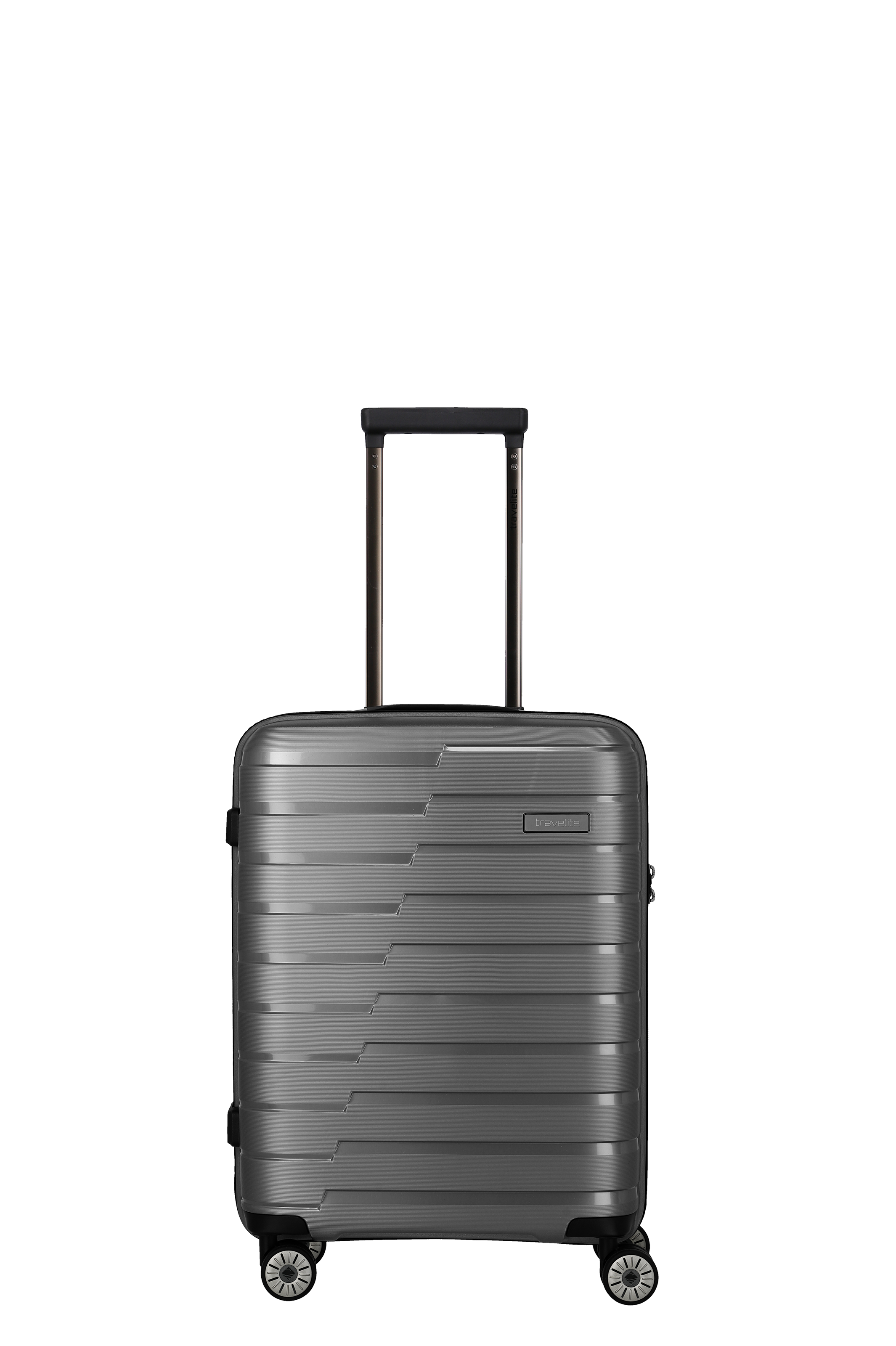
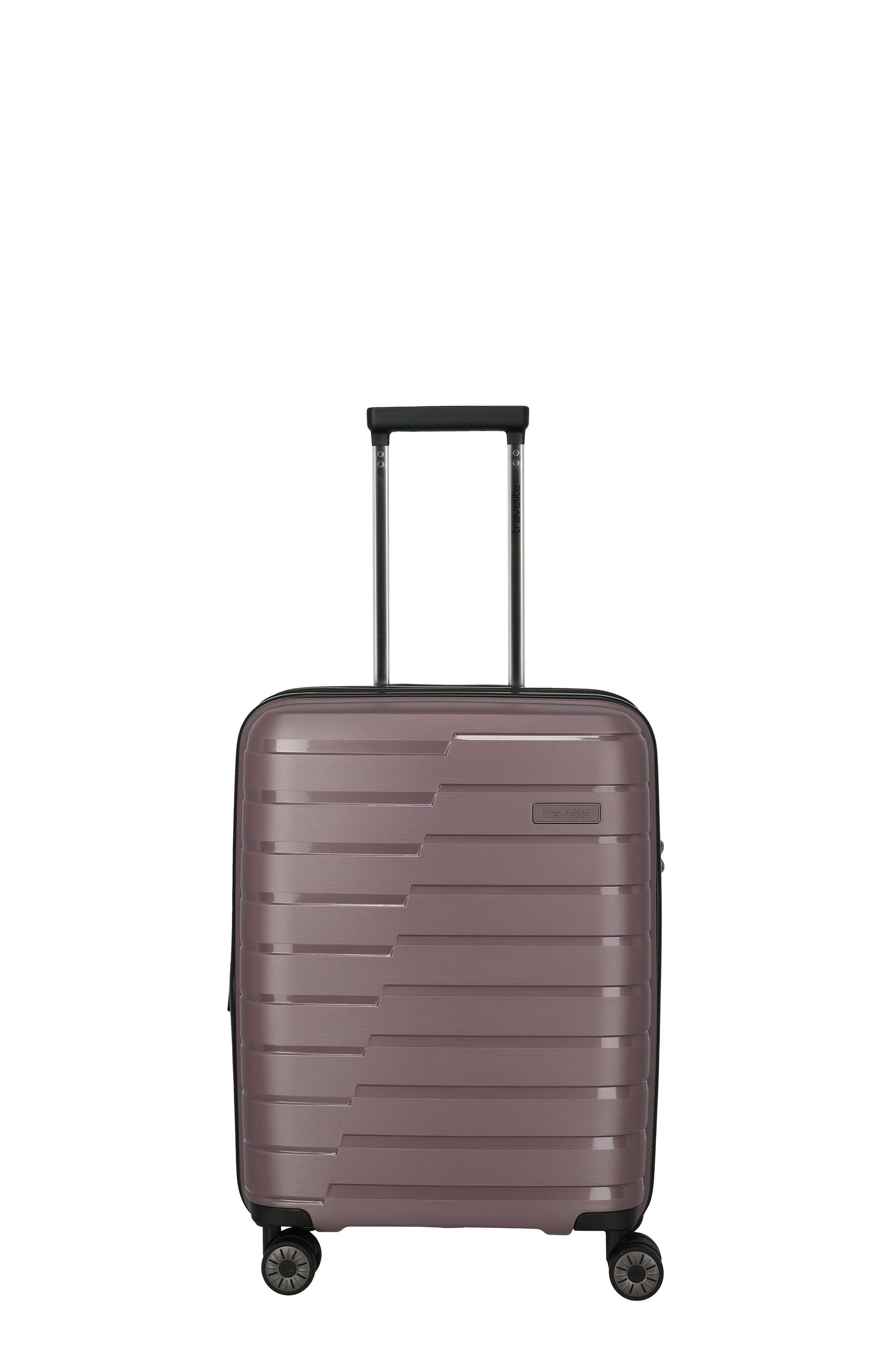
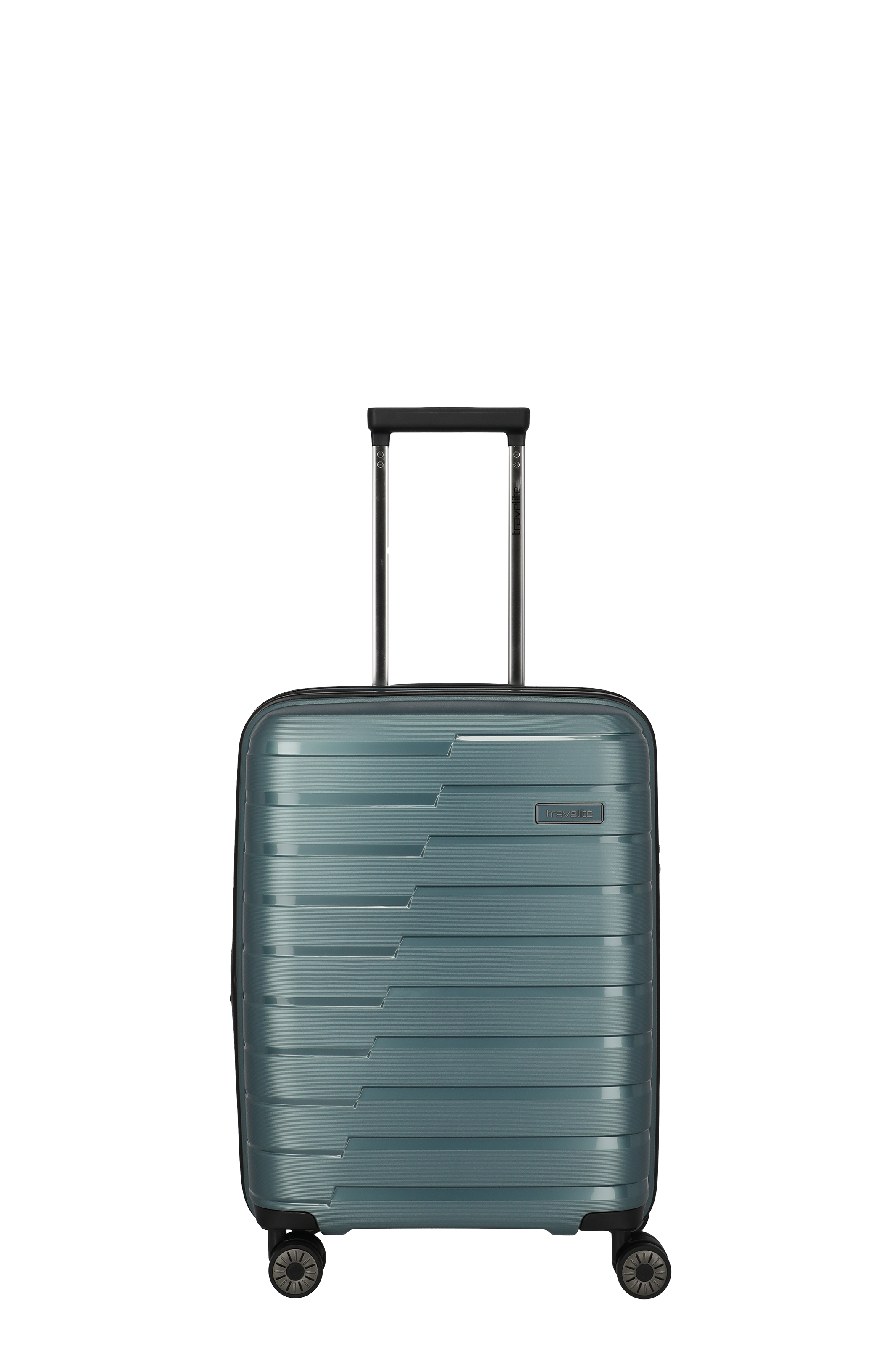
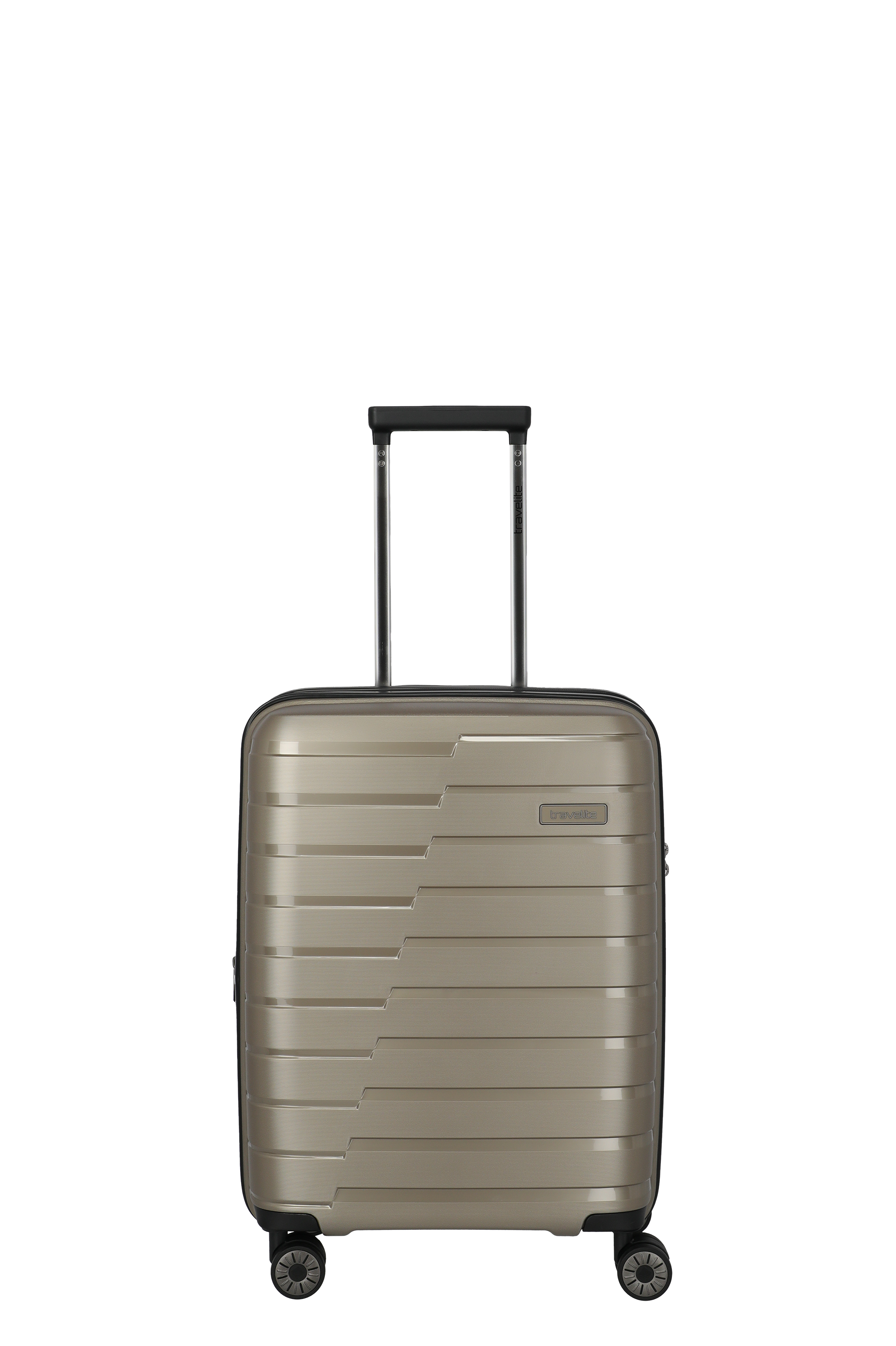
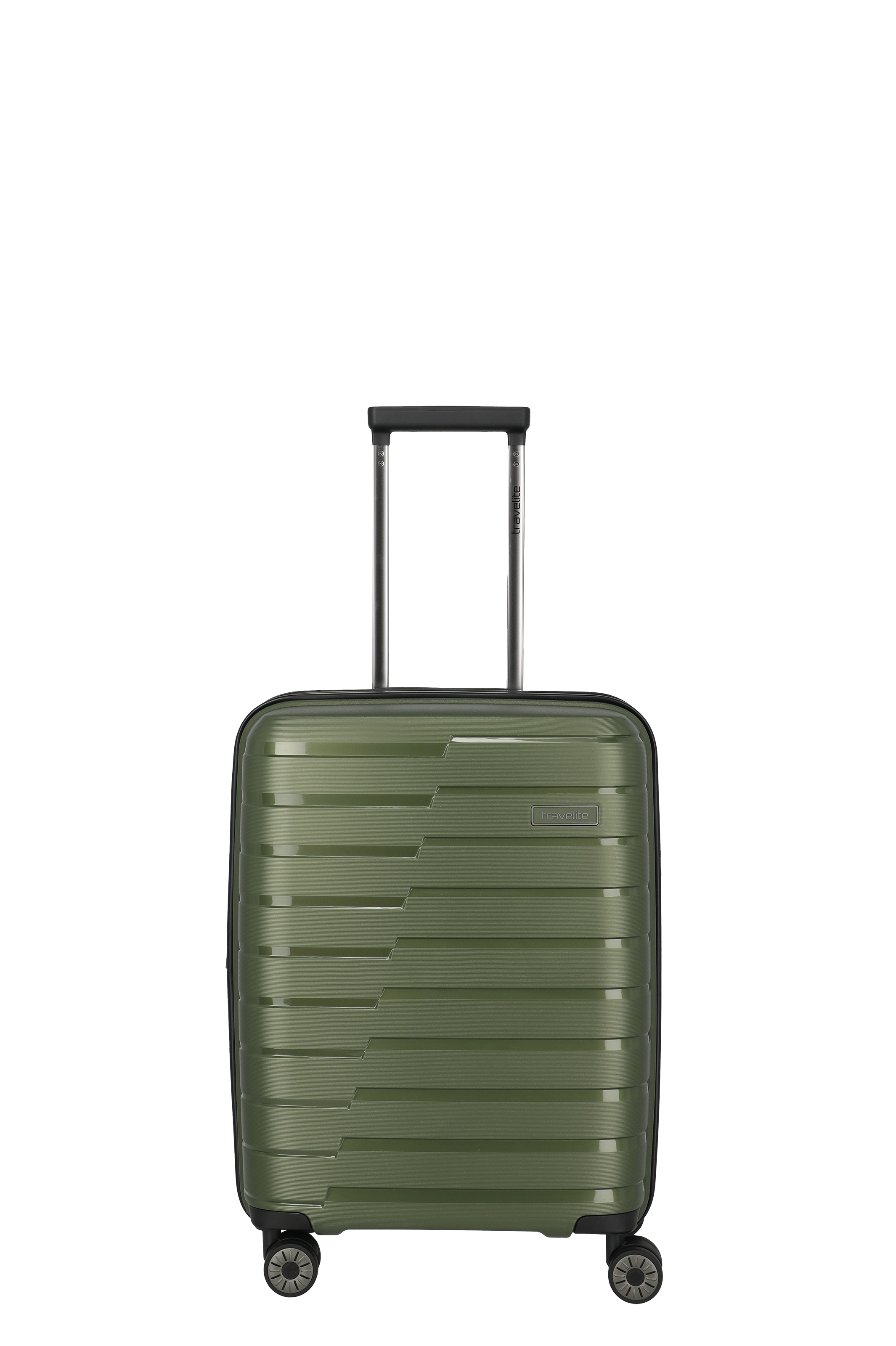
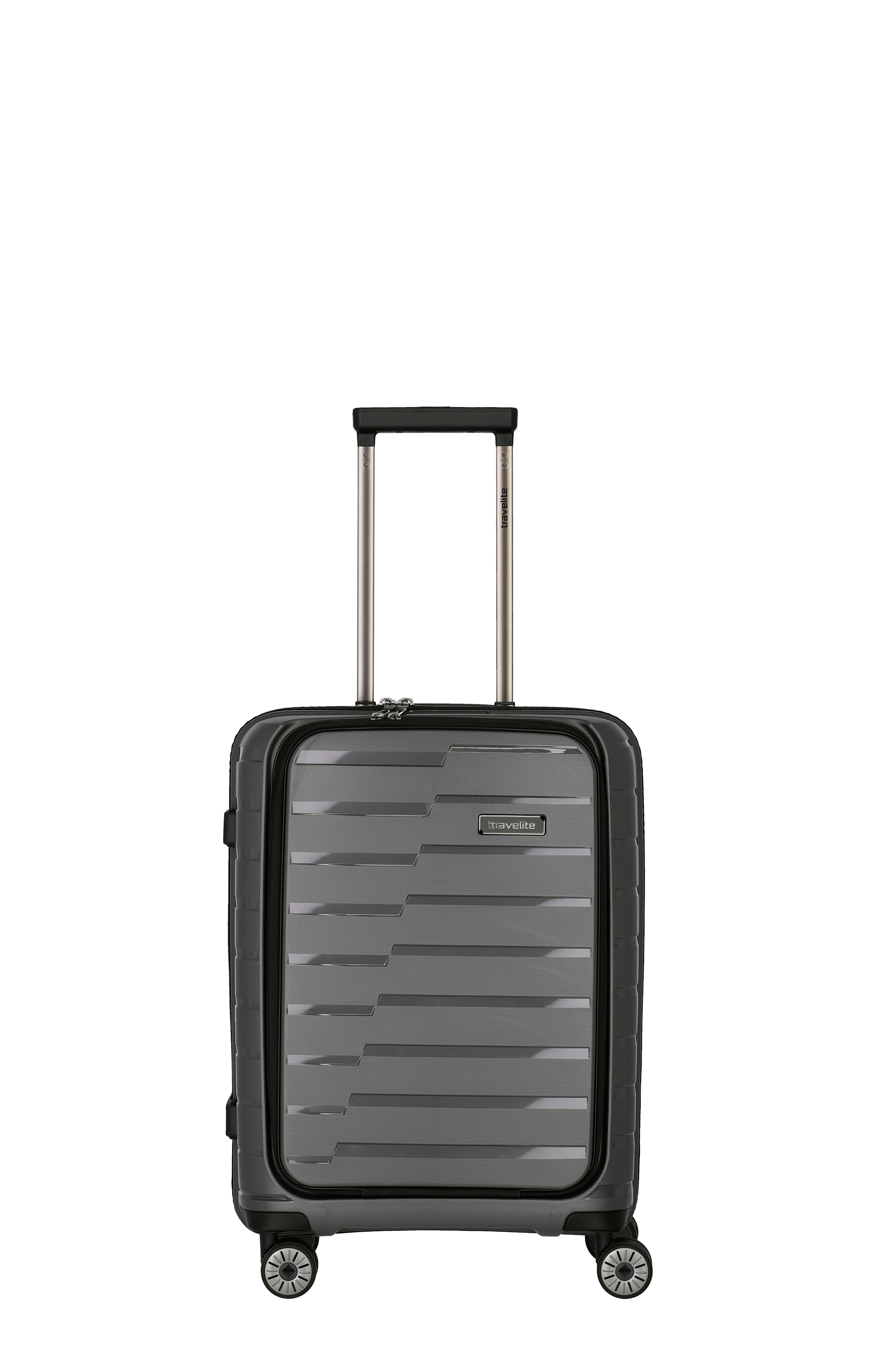
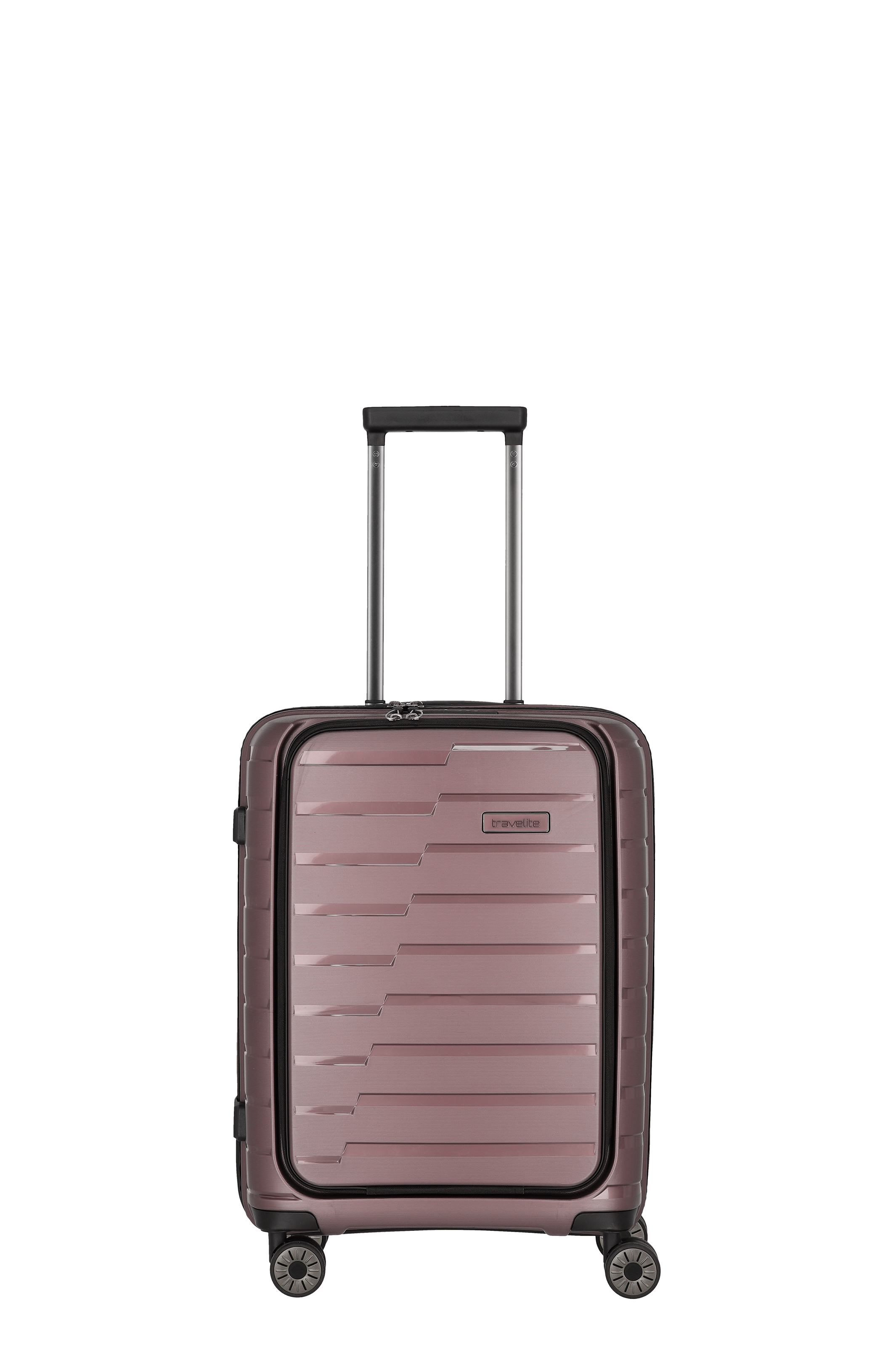
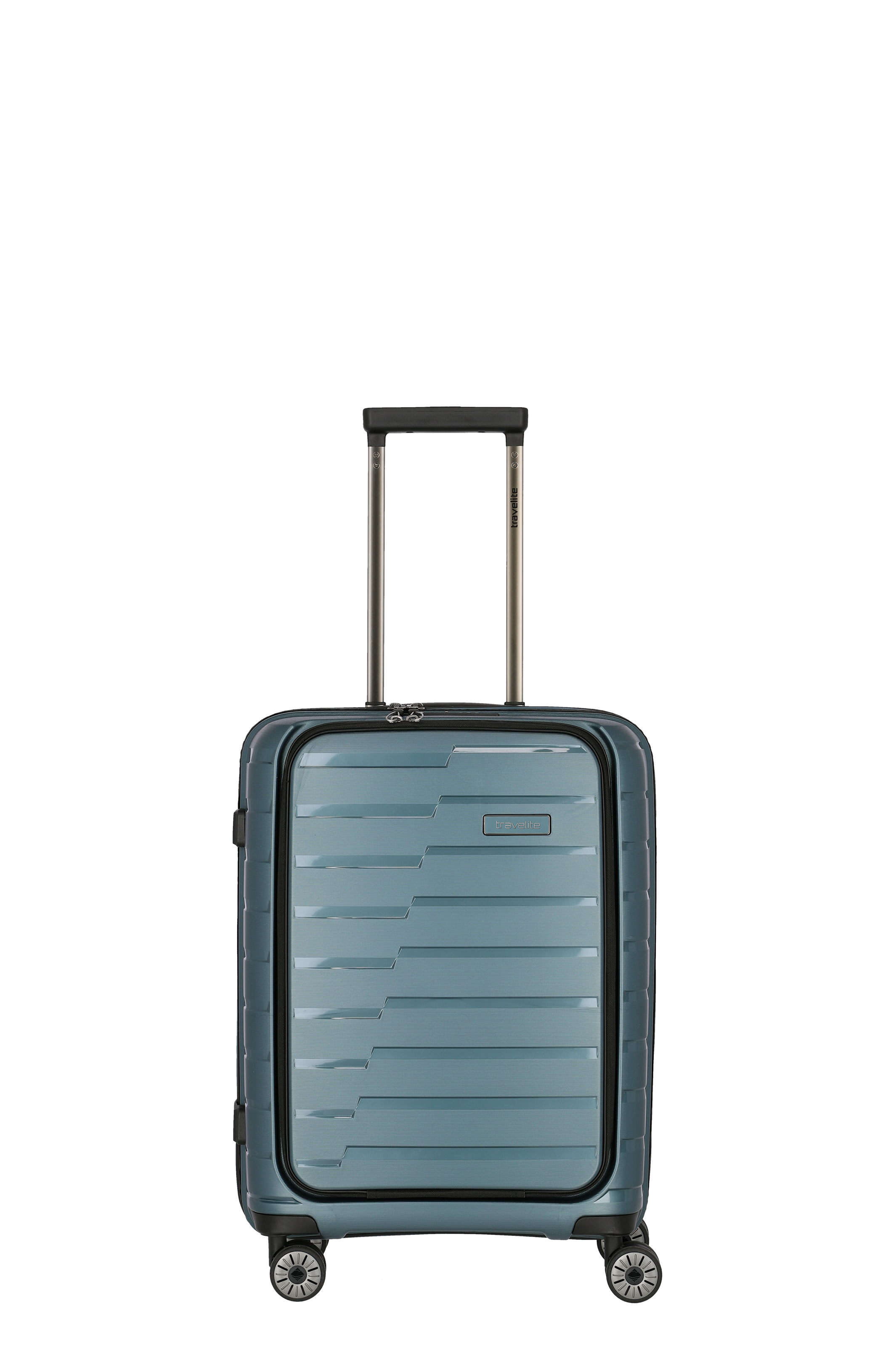
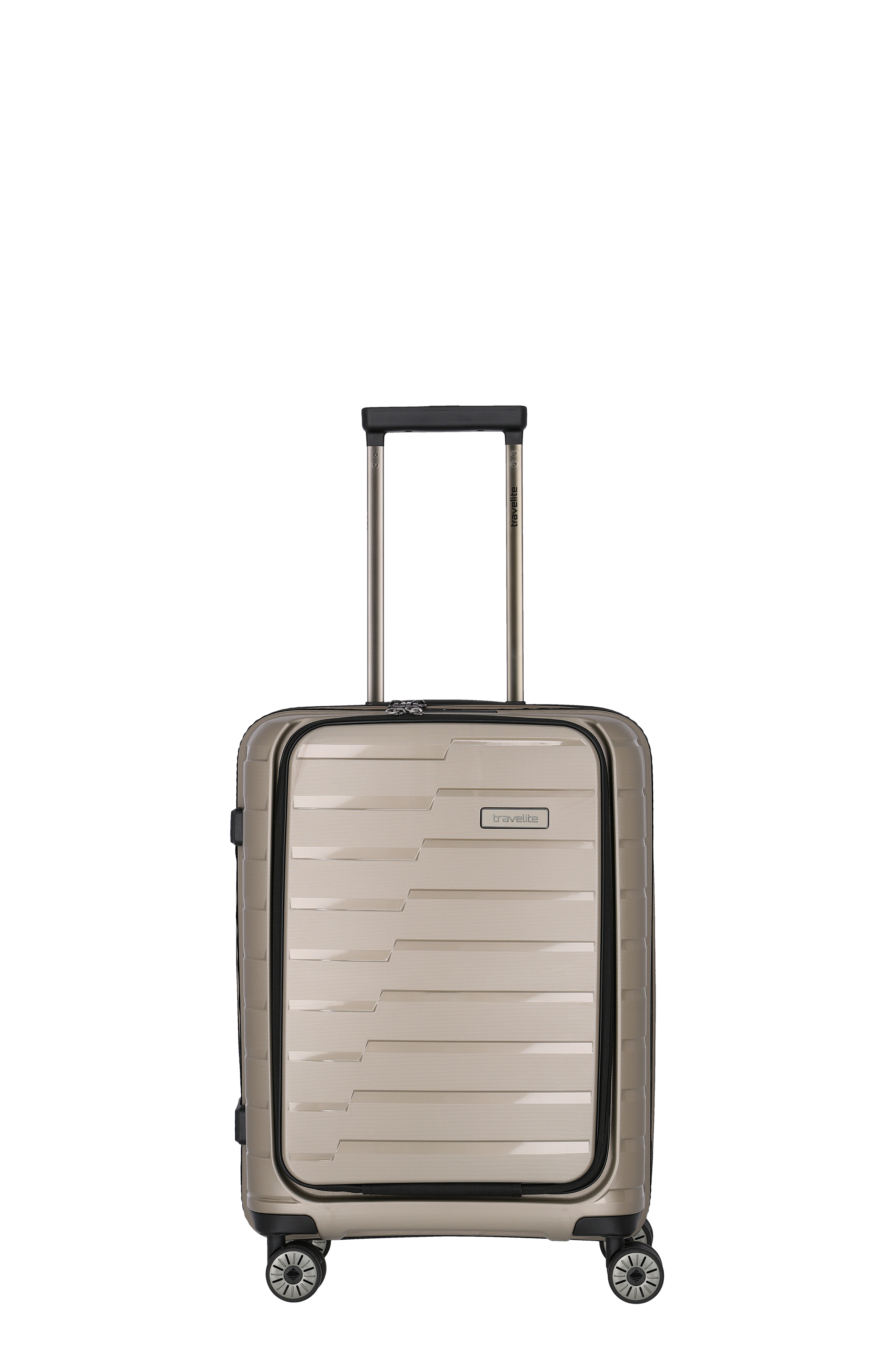
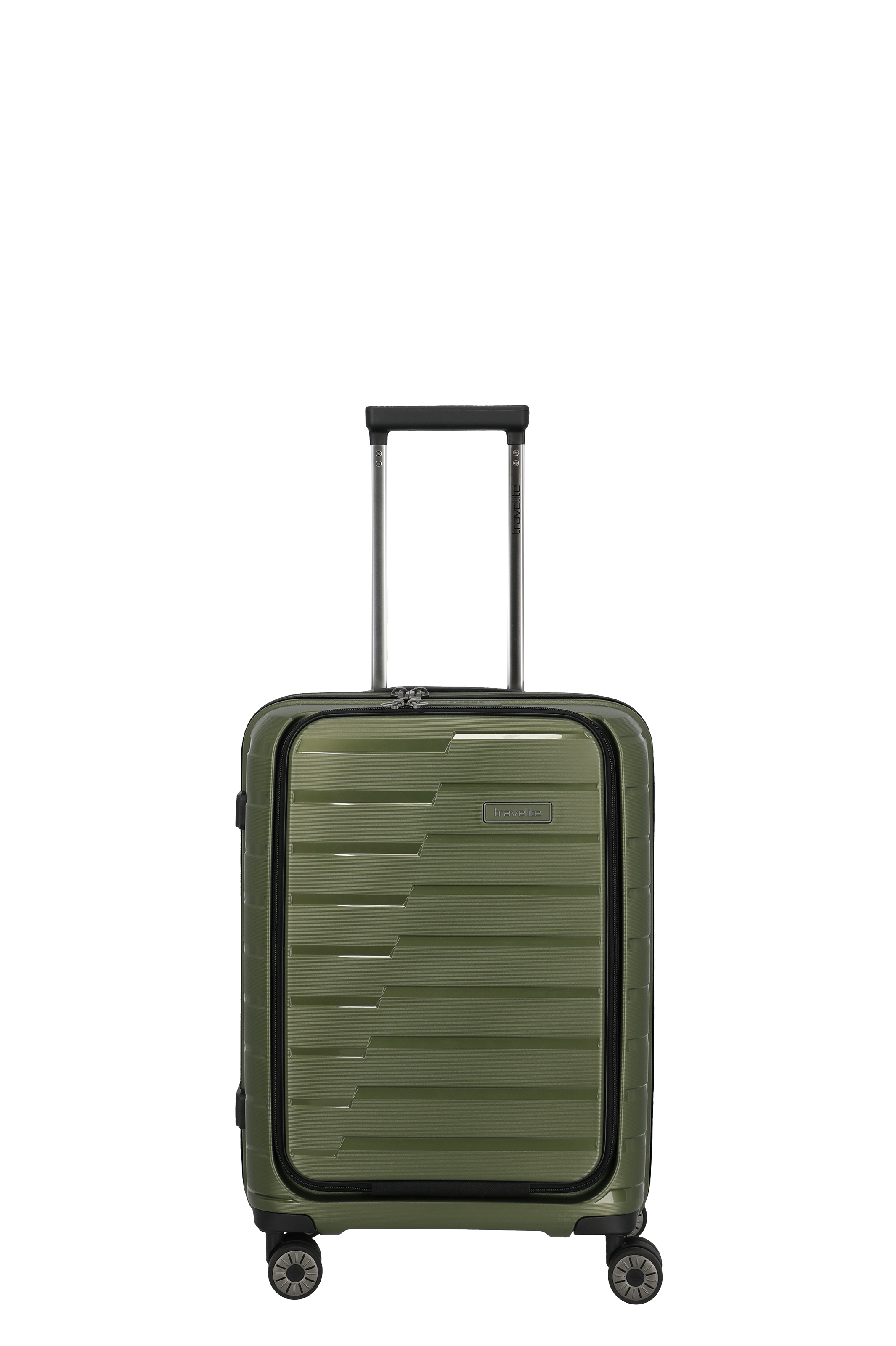
For a solo trip, it’s advisable to use packing organisers to keep your suitcase tidy. A compact carry-on suitcase is ideal here, thanks to its light weight and sturdy shell. This allows you to remain flexible when travelling alone and to manoeuvre your luggage easily yourself at any time.
5 expert tips for when you’re on the move
Anyone travelling travelling alone usually only learn the most important lessons once they’re there. To save you from having to make every mistake yourself, these tried-and-tested tactics will help you make the solo trip .
1. Hostel bars vs. hotel rooms
You’re safe in a hotel room, but isolated. If you’re looking to socialise without being pushy, hostel bars are the ideal place – even if you’re not staying there. Many hostels open their bars to all travellers. Here, it’s perfectly normal to sit alone at the bar and read a book. Conversations often arise naturally, as the barrier to asking a quick “Where are you from?” is virtually non-existent here.
2. The ‘fake wedding ring trick’ and other safety tips
A simple but effective trick for women who want to avoid intrusive questions in certain regions: a plain ring on the ring finger. It often saves you from endless discussions about your relationship status. Another trick is the ‘fake phone call’. If you feel uncomfortable in a taxi or a dark alley, pretend you’re calling someone and giving them your location. This immediately signals to potential troublemakers: someone knows exactly where I am right now.
3. Arriving in daylight – the golden rule of travel planning
The most important rule for planning your trip is: never arrive at a new destination after sunset. Searching for the right address in a foreign city after dark causes unnecessary stress and makes you more likely to lose your bearings. In daylight, everything seems less daunting, the routes are clearer and you have enough time to find an alternative in an emergency, should your booked accommodation not meet your expectations.
4. Connecting with locals via small cafés
Forget the overcrowded tourist hotspots. Sit down in a small café off the main street and watch the world go by. If you ask the barista for their personal recommendation for dinner, you’ll often get better tips than on any online portal. These brief, authentic interactions give you the feeling of being part of the place, rather than just a paying customer.
5. Be patient with yourself: Why it’s okay to spend a day in bed
Many people confuse travelling alone with a non-stop programme of sightseeing and adventure. In reality, a solo trip is mentally demanding. It’s perfectly legitimate to spend a whole day just lying in bed, watching Netflix or reading in the park. You don’t have to prove to anyone how much you’re experiencing. Treat yourself to these breaks to process your impressions – you’re your own boss and no one is dictating your schedule.
Conclusion: Just set off, or spend ages planning?
Ultimately, travelling alone isn’t a question of having the perfect kit, but a decision made in your mind. The fear of that first moment of silence in a restaurant or of feeling lost in a foreign city is completely normal – it’s all part of the process. Once you’ve overcome this hurdle, you gain a sense of freedom that no package holiday can buy.
Good travel planning gives you the safety net you need to be spontaneous. Pack light, trust your gut and don’t be afraid to spend a day doing absolutely nothing. A solo trip isn’t a race to tick off the most sights, but a chance to discover the world at your own pace. With the right gear from travelite by your side, you’ll have at least one less thing to worry about and can focus entirely on what really matters: your own adventure.
FAQ – frequently asked questions about travelling alone
What do you need to bear in mind when travelling alone?
The security of your luggage and ensuring you can be contacted are key. Always let someone at home know your next location. Make sure you have high-quality, lightweight luggage. A manoeuvrable suitcase from travelite will save you stress and effort when changing transport. Also, use offline maps so you can always find your way back to your accommodation.
Where are the best places to travel to on your own?
It depends on personal experience. Beginners are best off visiting European cities such as Lisbon, London or Copenhagen. There is a high concentration of cafés and cultural attractions there, so you never feel lost, even when travelling alone. Experienced solo travellers are often drawn to South-East Asia or Central America, where there is a very large community of solo travellers.
At what age is it acceptable to travel alone?
Legally speaking, minors in Germany are permitted to to travel aloneHowever, many transport operators and hotels have their own age restrictions: often, unaccompanied stays in hostels or hotels are only permitted from the age of 18. For trips abroad, a written declaration of consent from the parents, as well as a copy of their identity cards, is also mandatory.
Where should a woman travel to on her own?
For a woman’s first solo trip, countries with a high level of safety and good infrastructure are ideal. Scandinavia, Iceland, Portugal and the Netherlands are considered particularly safe and straightforward. Those wishing to travel further afield will find that in Thailand or Vietnam, solo travel by women is fully accepted by society and it is easy to find your way around.
Is it a good idea to travel alone?
It is one of the most intense experiences you can have. You learn to rely on your own judgement and to solve problems independently. It boosts your self-confidence enormously, because you realise that you can cope anywhere.
Where should women avoid traveling alone?
There are no blanket bans, but for solo travellers without much experience, countries with conservative gender roles or an unstable security situation (e.g. parts of Central America or certain regions in the Middle East) can be challenging. In such cases, extremely thorough research in advance and respect for local dress codes and behavioural norms are absolutely essential.




.png?ts=1750248569)








_400x400 Kopie.png?ts=1760433160)
.png?ts=1750248453)