A holiday means escaping from everyday life. We go on trips to discover new places and meet new people. What usually gets neglected, however, is the journey within. A retreat holiday combines both: ‘getting away’ and ‘finding oneself’.
It’s all about conscious relaxation and using your energy mindfully. A retreat is a form of wellness for body and soul – a holiday that benefits your mental health.
We’ll tell you where this idea comes from and where you can enjoy a unique retreat holiday.
What is a retreat holiday?
‘Retreat’ is an English word meaning ‘withdrawal’. However, the idea behind it does not originate from Britain, but from Buddhism. For several centuries, Buddhist monks have been retreating to find spiritual enlightenment in silence and solitude.
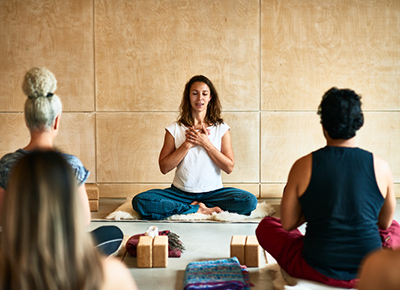
But don’t worry: you don’t have to be a monk, spiritual or, certainly, lonely to go on a retreat holiday. You can decide for yourself how deeply you want to immerse yourself in the tradition. These days, there’s a wide variety of retreat options available. Whilst some programmes adhere very strictly to the monastic approach, other hotels and providers put a modern spin on the retreat concept. Here, participants don’t just meditate on their own, but practise yoga in a group – and the programme is complemented by wellness activities.
What to expect on a retreat
From A for ‘mindfulness’ to Z for ‘Zen’: when you book a retreat holiday, you’ll often see examples of a ‘typical daily routine’ in advance. This will give you an idea of what to expect during your break.
A
Mindfulness
Whether it’s a traditional silent retreat or a more relaxed yoga holiday – every retreat is about experiencing the here and now more consciously. Being mindful of yourself and your surroundings in order to achieve a state where everyday stress is replaced by contentment.
G
Like-minded people
Travelling brings people together; retreats do so even more. Here, you’ll meet people who think along similar lines to you. You all share the same goal: to find peace, reflect on yourselves and give your mind a fresh start.
M
Meditation
Strength lies in stillness. However, our everyday lives are usually characterised by stress rather than tranquillity. On a retreat, you’ll learn to meditate – or deepen your practice. Meditation helps you to draw strength from your inner peace.
Y
Yoga
Greeting the sun in the morning and ‘flowing’ into the day: many retreats nowadays incorporate yoga into the daily routine. This makes sense; after all, this Indian practice is a way of connecting body and mind – and the ideal preparation for deep meditation.
Z
Zen
Zen embodies a ‘culture of silence’, which, amongst other things, represents a connection with nature. It is precisely this aspect that makes a retreat so special: it sharpens your senses to the landscape you are exploring.
Benefits of a retreat holiday – here’s what you can look forward to
A retreat holiday offers a host of benefits for body, mind and soul. Taking a conscious break from the hustle and bustle of everyday life creates space for inner peace and lasting relaxation.
- Stress relief and mental clarity: The deliberate reduction of everyday stress, supported by practices such as meditation and yoga, helps to calm the mind. Many participants report improved concentration and a clearer perspective on personal and professional challenges.
- Promoting physical health: Retreats featuring yoga, Ayurveda or movement-based activities stimulate blood circulation, improve flexibility and help relieve tension.
- Enhanced mindfulness: Focusing on mindfulness techniques such as conscious breathing or mindful eating promotes awareness of one’s own body and surroundings. In the long term, this can contribute to a more positive outlook on life.
- Social connections: Retreats are also opportunities to meet like-minded people and build genuine connections in a relaxed environment. Whether during group meditations or shared meals – the sense of community is often a highlight.
- Long-term benefits: Many retreat guests take valuable tools and routines home with them – such as meditation techniques or new perspectives on nutrition – which also help them in their everyday lives.
Types of retreat – there’s something for everyone
As mentioned earlier, every retreat holiday is entirely individual. The basic idea – that you can find your way back to yourself in tranquillity – remains the same; however, the location, programme and focus vary. To give you an idea of the spectrum, which ranges from absolute silence to action-packed activities, we’d like to introduce you to three different options.
Variant 01
Retreat at a monastery
A retreat in a monastery is probably closest to the fundamental Buddhist philosophy. Here, you can make the most of the prevailing silence to find your own inner peace. The Benediktushof in Lower Franconia, for example, offers the opportunity to retreat into silence for a shorter or longer period and take part in a comprehensive mindfulness programme.
Practical information: You can get there easily by bus and train; the nearest bus stop is only about 190 metres away.
Variant 02
Ayurvedic treatment
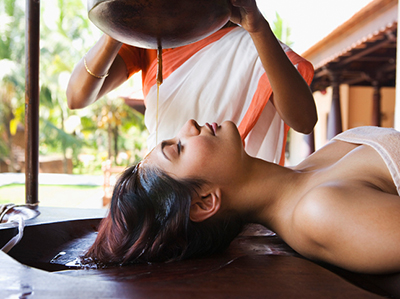
During an Ayurvedic treatment, the focus is on detoxification and regeneration. Ayurveda, the ‘knowledge of life’, is a traditional system of medicine from India and includes treatments such as forehead oil treatments, herbal baths and massages.
The Ayurveda Parkschlösschen near Frankfurt has been offering extended wellness programmes with a fixed daily routine since 1993 – it’s best to plan for at least a week here.
Variant 03
Yoga & Surf Retreat
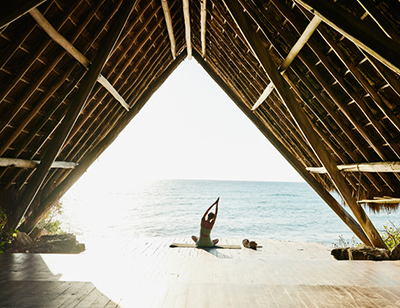
For more excitement and action, try a yoga and surf retreat – arguably the most modern option. Whilst you find peace on the mat, you can burn off energy on the board.
The waves along the Portuguese coast are particularly well-suited to this. On the Costa Verde, the camps usually run from May to October. Our packing list for a beach holiday will tell you what to pack.
An overview of the three types
| Variation | This is for you if … | Typical duration |
| Monastery | … you really want to switch off and can cope with silence. | 3 to 7 days |
| Ayurveda | … you want to focus on your body and prefer a fixed daily routine. | 7 to 14 days |
| Yoga & Surf | … you’re looking for peace and quiet, but don’t want to miss out on exercise. | 5 to 10 days |
The most beautiful retreat destinations in Germany
Although the concept of a retreat originates from Buddhism and yoga and Ayurveda come from India, we don’t have to travel far to find places of retreat and relaxation. There are now many options for a retreat holiday in Germany.
To help you stay relaxed right from the start of your journey, we’ve picked out some locations that are easily accessible by bus and train. Of course, you can also take your own car – but travelling by train eliminates the risk of getting stuck in traffic, and with it a lot of unnecessary stress. You can find out what you need to know about free baggage allowance and luggage in our article on luggage on Deutsche Bahn.
Yoga holiday by the sea at ‘Das Kubatzki’
We’re starting in the north – in St Peter-Ording, to be precise. Here, ‘Das Kubatzki’ invites you to enjoy a moment of Zen by the North Sea. The famous pier – and therefore the beach too – is just a ten-minute walk from the hotel, whilst the large garden puts nature right on your doorstep. And once you’ve had your fill of fresh sea air, you can book a Shiatsu massage in the spa area.
At the minimalist yoga studio, you can roll out your mat twice a day. However, full retreats led by external yoga teachers are also on offer – ranging from tranquillity and mindfulness to flow and jogging. The kitchen follows the philosophy of ‘fair and free, healthy and happy enjoyment’, using fresh, locally sourced produce.
Detox holiday at ‘Das Kranzbach’
The wellness hotel “Das Kranzbach” is situated in the heart of a 130,000 m² mountain meadow. It was once the “holiday castle” of the noblewoman Mary Isabel Portman; today, it is a special retreat in the heart of the forest, dedicated to yoga and meditation.
On multi-day retreats, you’ll receive personalised guidance from specialist trainers whilst enjoying the fresh mountain air. What makes it special is that you can book a detox programme as an add-on. Through therapeutic treatments – Ayurveda is a key focus at ‘Kranzbach’ – exercise and light, wholesome cuisine, you’ll find your true self.
Surfing & Yoga on Sylt with ‘Meermoment’
Did our story about the surfing and yoga retreat in Portugal catch your attention? On Sylt, you can also enjoy the balance between action and tranquillity. ‘Meermoment’ offers a variety of retreats throughout the year, comprising workshops, meditation sessions, walks and themed evenings.
Beach yoga is a great way to really unwind; standing on a surfboard, you feel a particularly intense connection with nature. The programme is rounded off with Ayurvedic-inspired catering. Whether by IC, regional or shuttle services: there are plenty of train connections to Sylt.
A retreat in the mountains at the ‘Mountain Retreat Centre’
Amidst the vastness of the Chiemgau mountains, nature will inspire you to find greater peace. The ‘Mountain Retreat Centre’ helps you realise just how much beauty lies in simplicity. You can retreat, take a deep breath and simply be at one with yourself.
The team has created a space that, far removed from non-stop media consumption, encourages greater introspection and self-reflection. The retreat’s philosophy is: simplicity rather than consumption. Those who check in here will find, by design, few distractions – but plenty of time.
Silence retreat in the Black Forest with ‘Art of Living’
The Buddhist monks have shown the way; now it’s your turn: spend four days in complete silence at the former spa hotel on the edge of the Black Forest. A place that has since become a European yoga centre and attracts like-minded people from over 60 countries.
The focus of the retreat is quite clearly on meditation. You’ll receive daily guidance and learn to calm your mind. The sessions are complemented by breathing exercises, yoga and talks. In between, you can explore nature on walks and enjoy regional, vegetarian cuisine.
Want to get even further away from the everyday? Then take a look at our selection of unique accommodation in Germany – from tree houses to converted lighthouses.
Our planning tips for your retreat holiday
Proper planning is essential to get the most out of your time away. You should clarify these six points beforehand:
01
Find a suitable retreat
Think about what you’re hoping to achieve: relax, get some exercise, or explore mindfulness in greater depth? Comparison websites and guest reviews can help you make your choice.
02
Compare programmes and providers
Pay attention to the details. Some retreats are strict and focused, whilst others offer more flexibility. Check whether the facilitators are qualified and whether the topics match your interests.
03
Planning your budget
Retreat prices vary considerably. Stays at monasteries are often affordable, whilst luxury wellness retreats are significantly more expensive. Take into account travel, accommodation and additional costs such as massages or workshops.
04
Choosing the time and duration
The best time to visit varies depending on the region and type of retreat. A weekend is ideal for beginners, whilst experienced guests often prefer longer stays.
05
Organising your journey
Many retreat venues are in remote locations. Check well in advance what train and bus connections are available, whether a shuttle service is offered, or whether you can share a lift with other participants.
06
Prepare a packing list
Remember to pack comfortable clothing, a journal, a water bottle and personal comfort items. Less is more – take only the bare essentials so you can focus on what really matters.
What you’ll need for a retreat holiday
When you’re packing for your retreat holiday, remember above all that ‘less is more’. Why take unnecessary clutter with you when you actually want to refocus on what really matters? Packing your suitcase with only the essentials is the first step towards getting in touch with yourself. Ask yourself: What do I need to be truly happy?
Of course, your packing list will most likely include fresh clothes and toiletries. But perhaps there are also some very personal items that bring you fulfilment and serve as mindful reminders of who you are and what your hopes and dreams are.
There are also a few specific items you’ll need on a retreat:
Journal and pen
To jot down all your thoughts – or to do a gratitude exercise. Three things each evening are enough.
Yoga or sportswear
So that you can move freely on the mat and feel comfortable whilst meditating. Two sets are enough for a week.
Water bottle
Which you can keep refilling with fresh water and take with you on solo trips into the countryside.
Body lotion with essential oils
Lavender, neroli, sandalwood and ylang-ylang help you to relax. A lovely side effect: whilst applying the cream, you focus on treating your body with mindfulness.
And if you like: a book that introduces you to the philosophy of yoga. You can find out what else to pack in our overview of travel essentials.
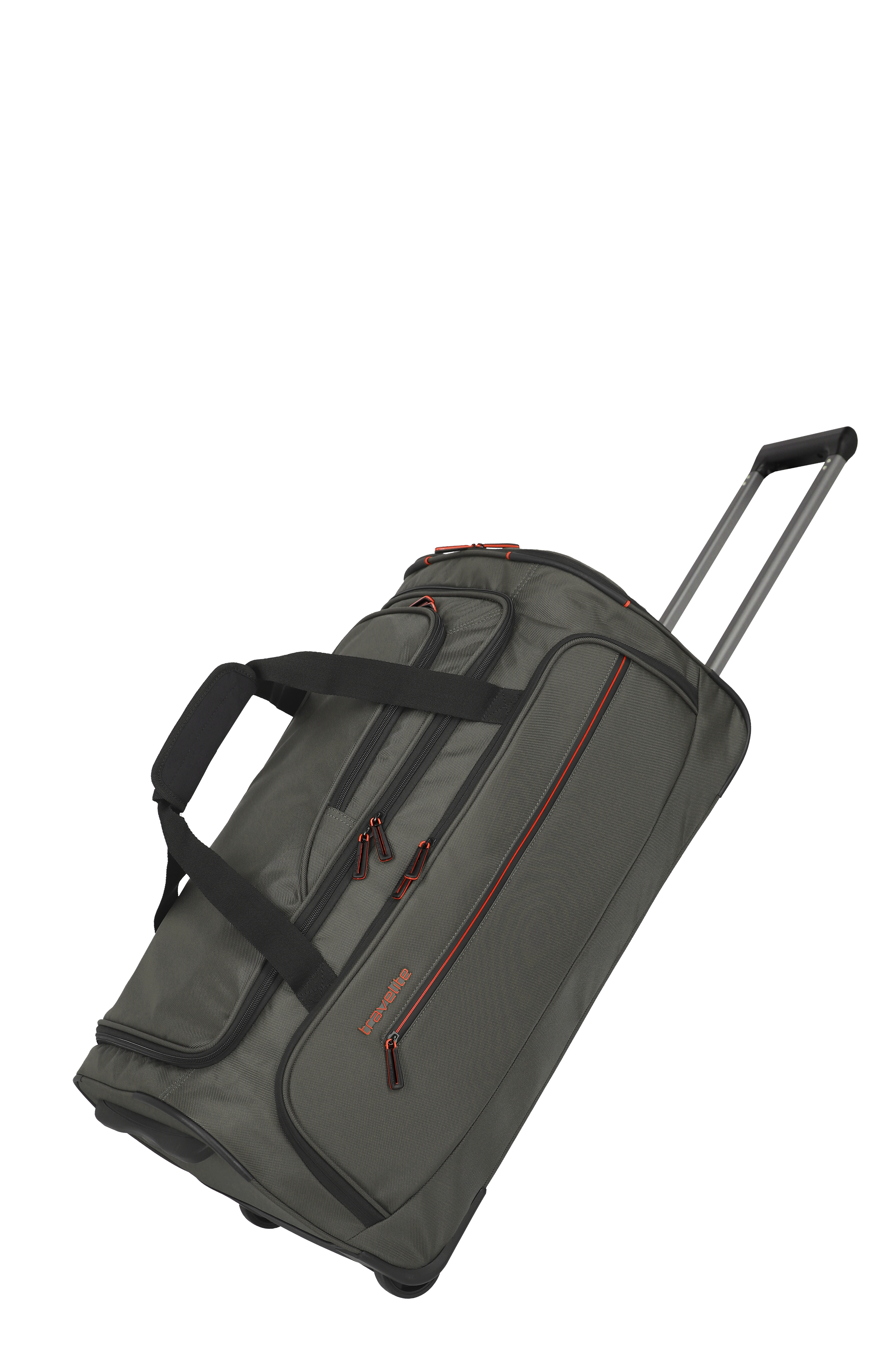
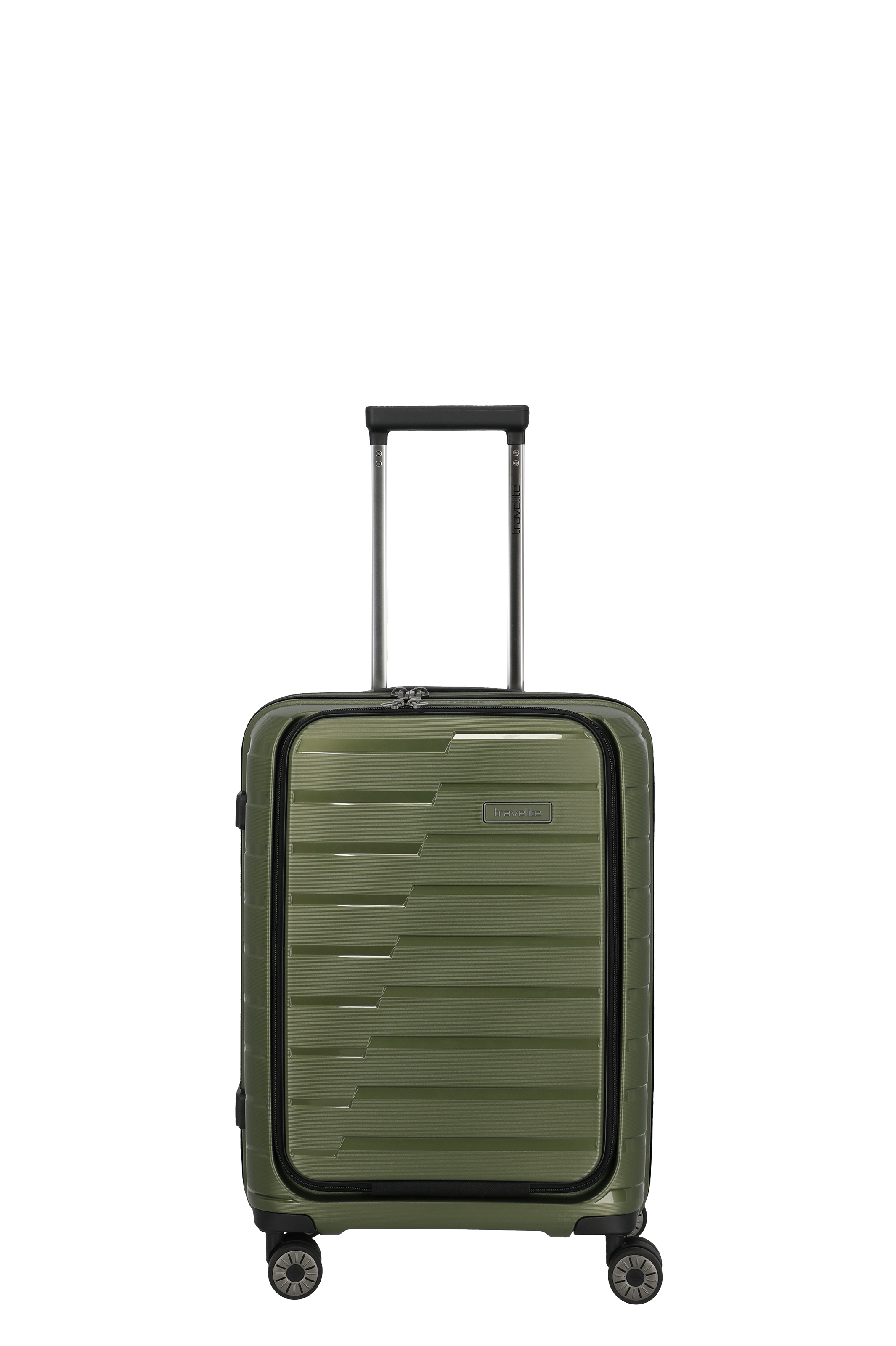
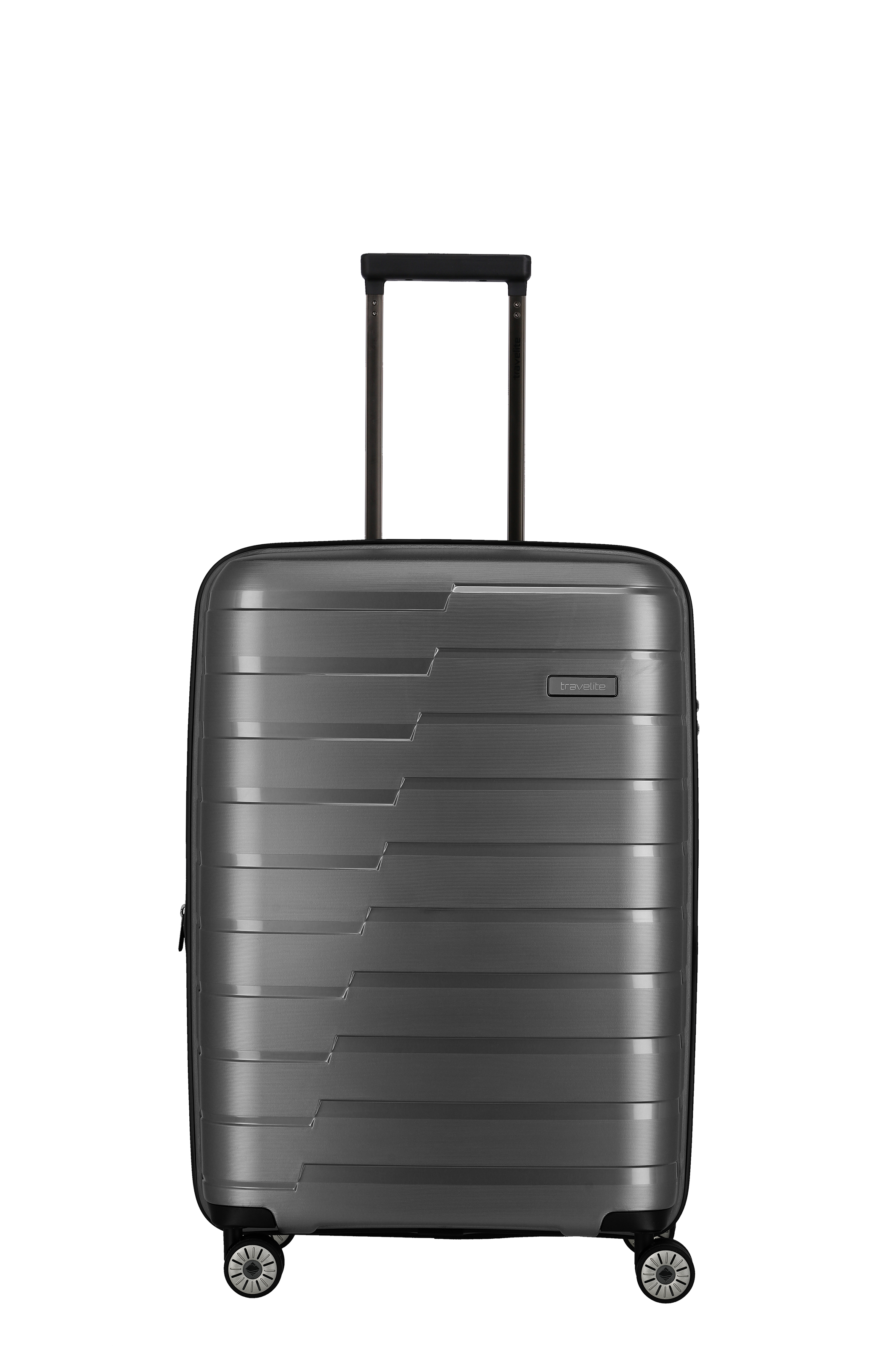
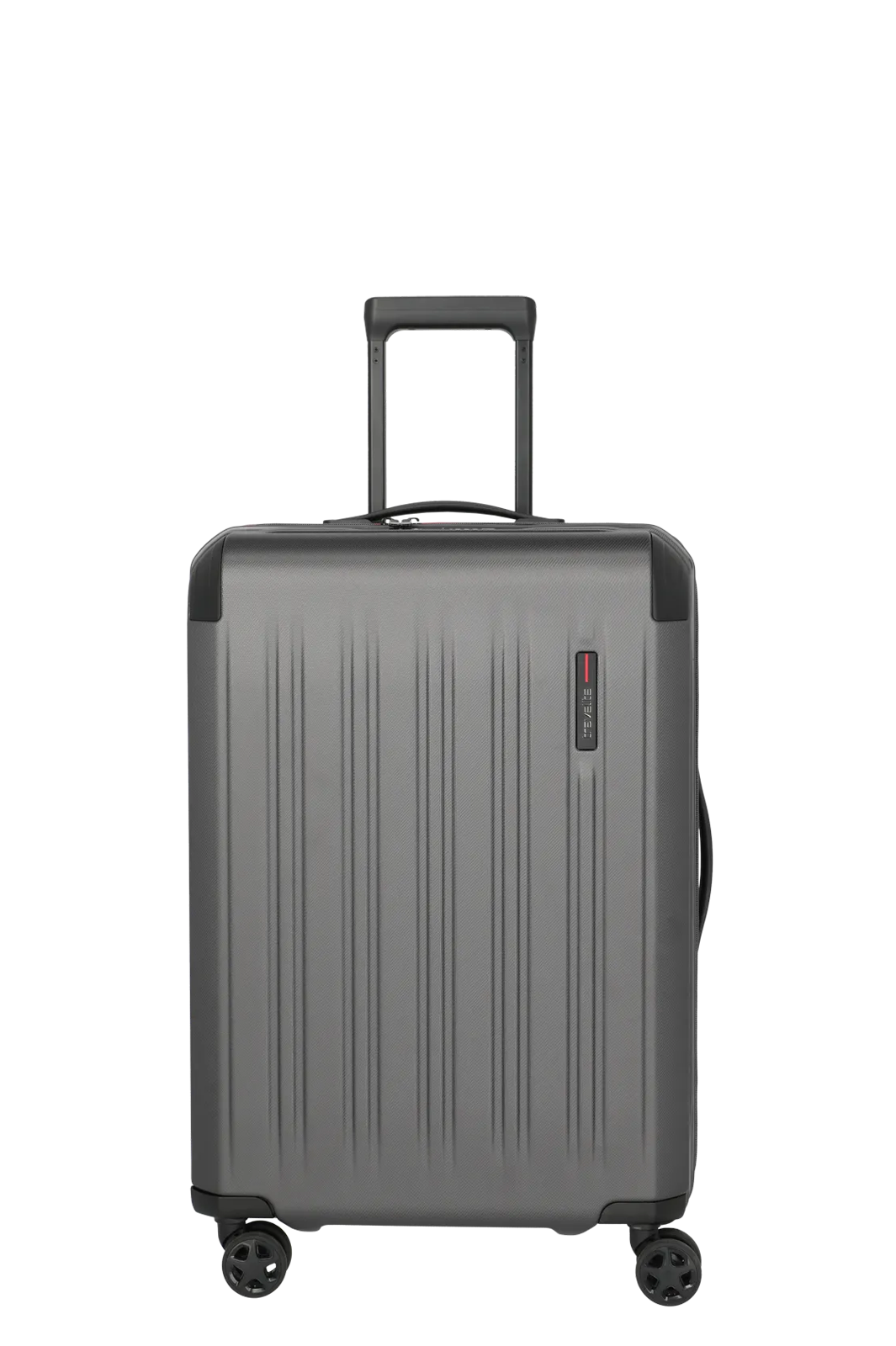
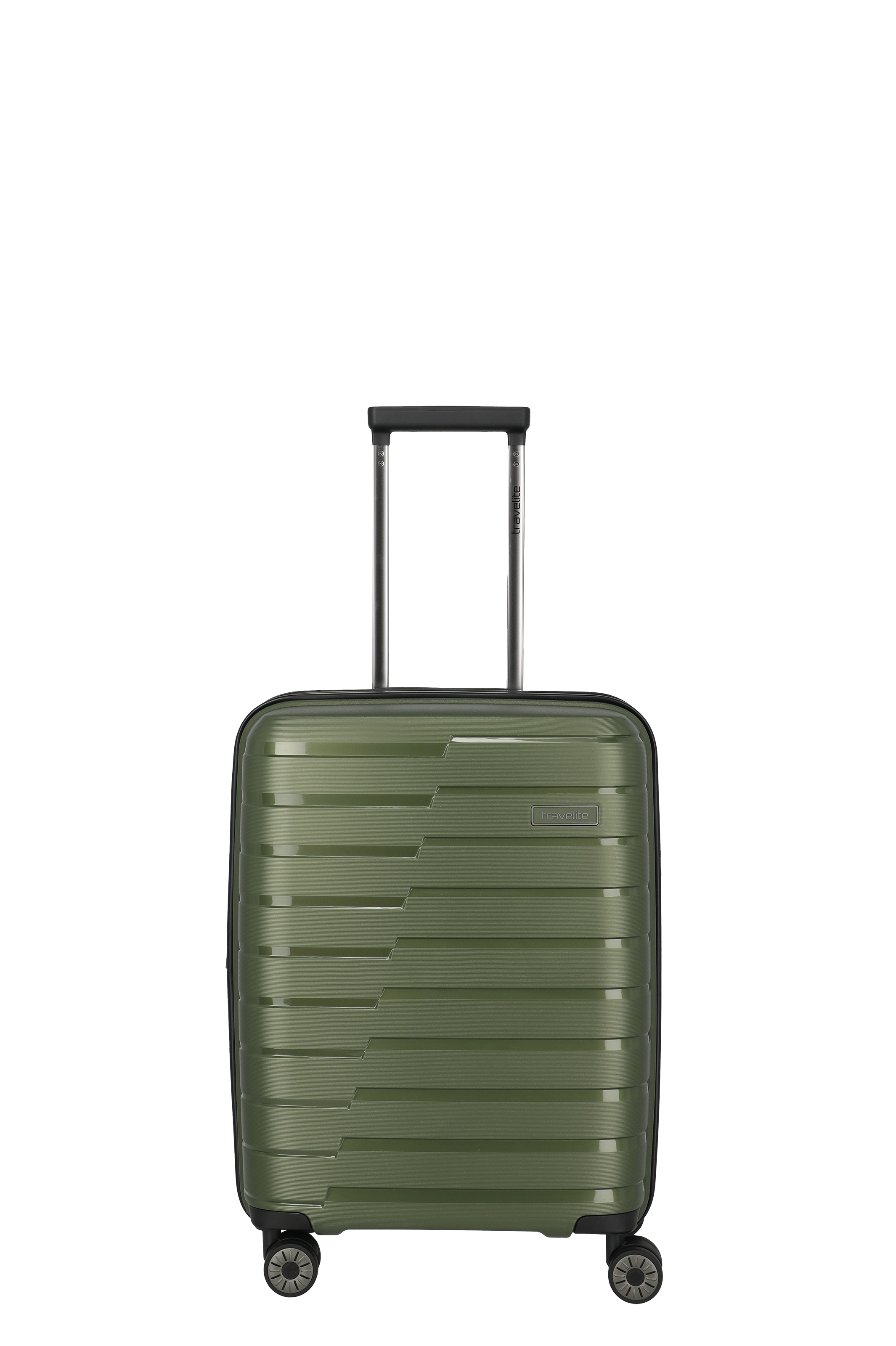
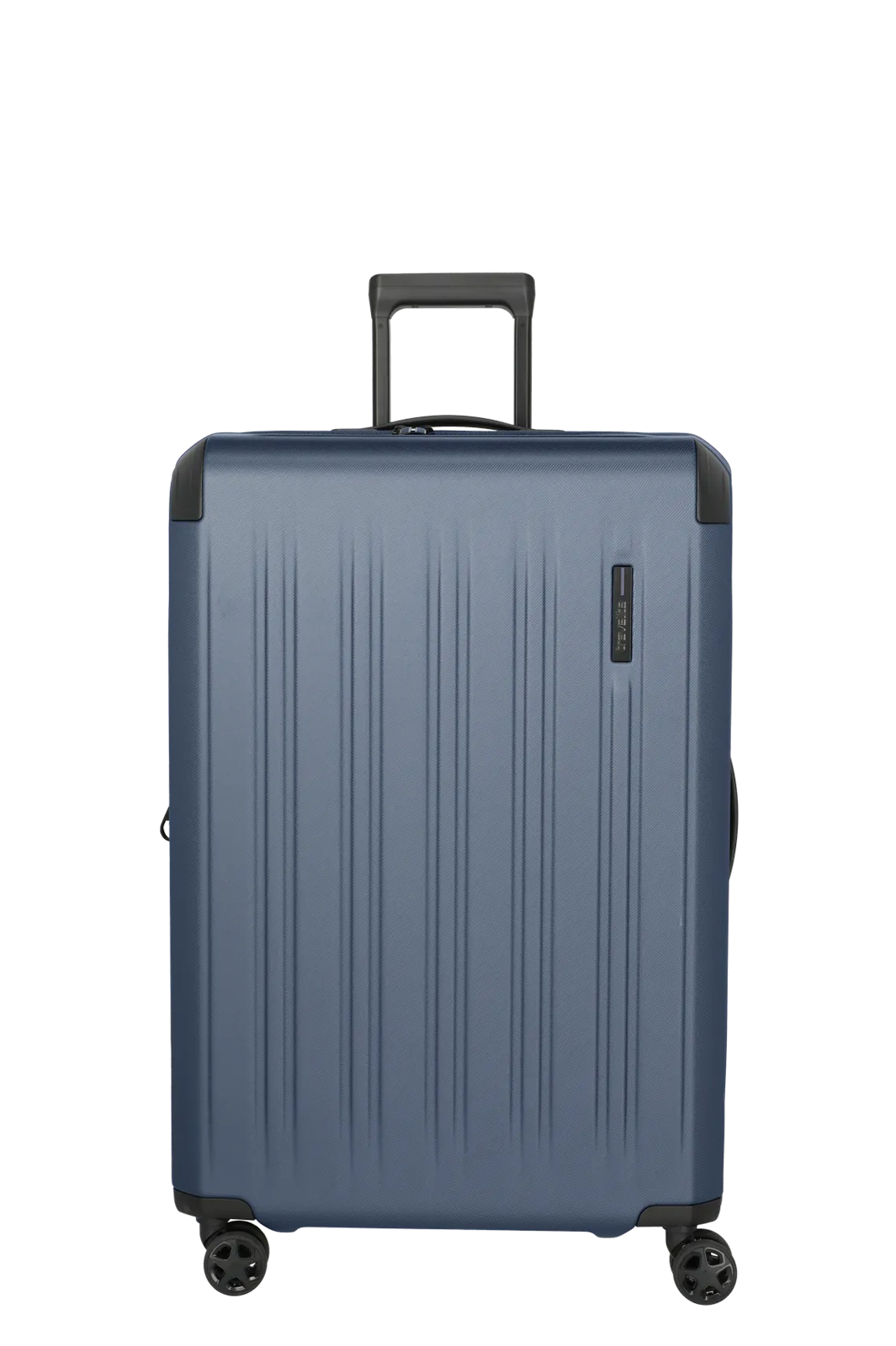
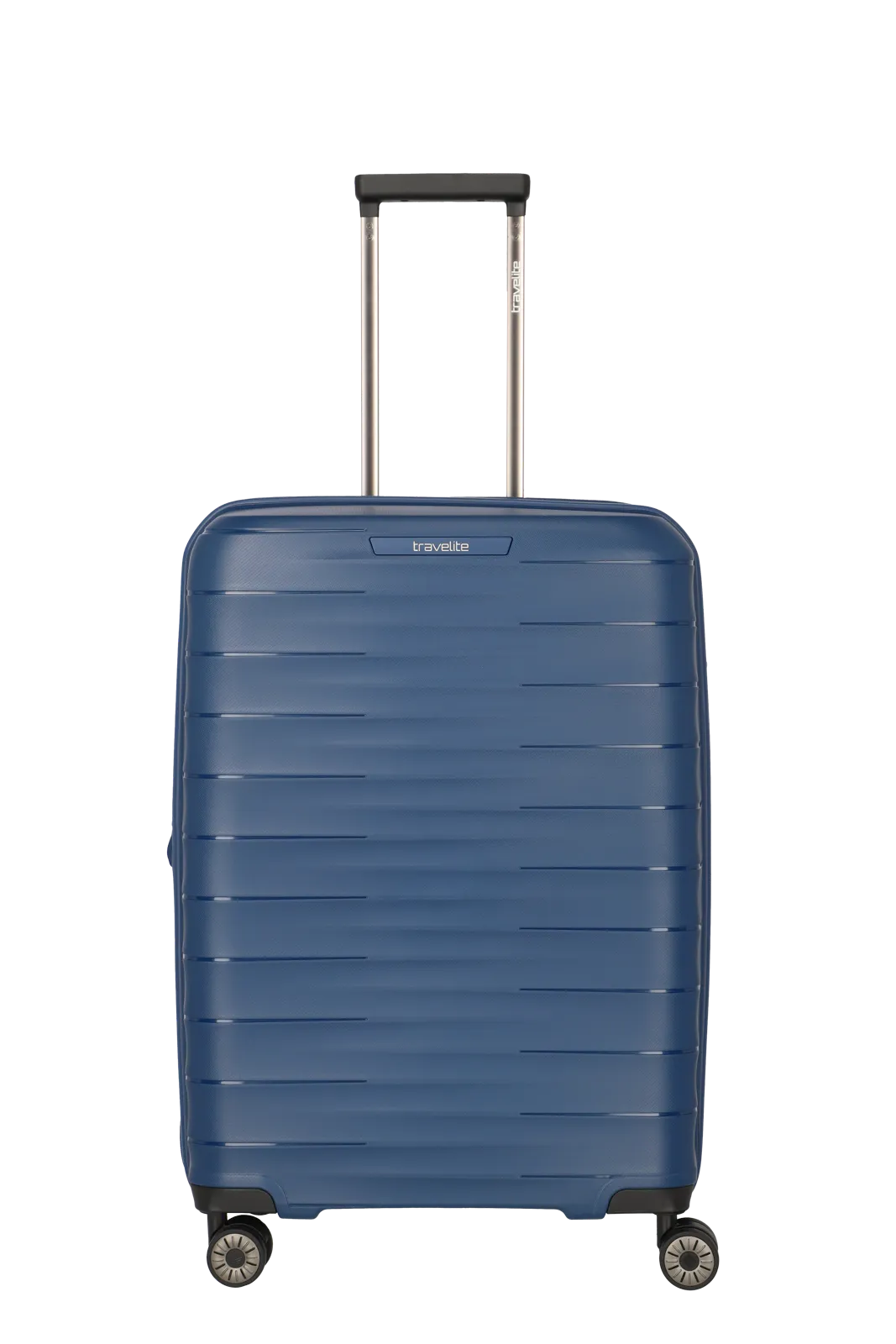
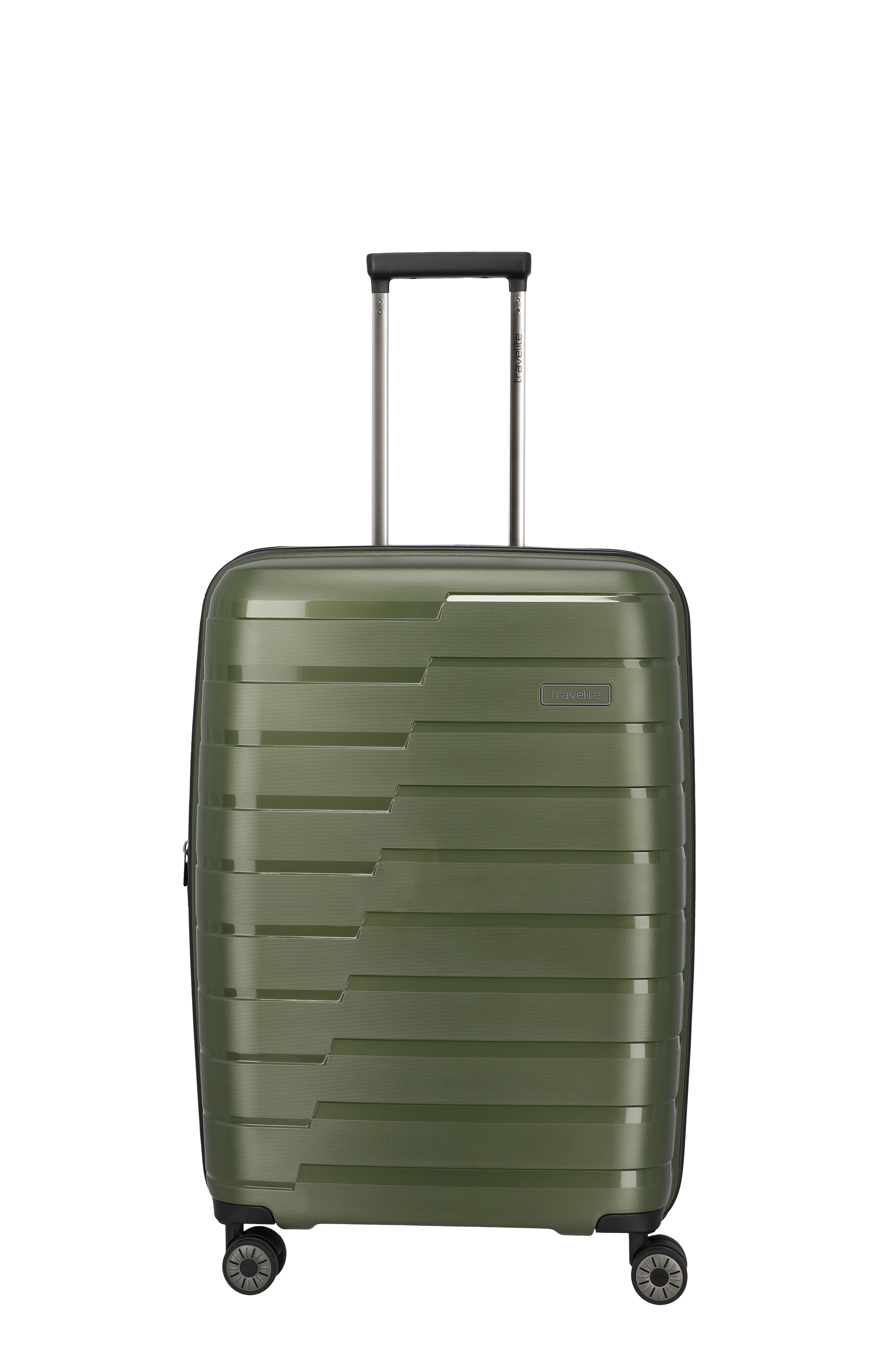
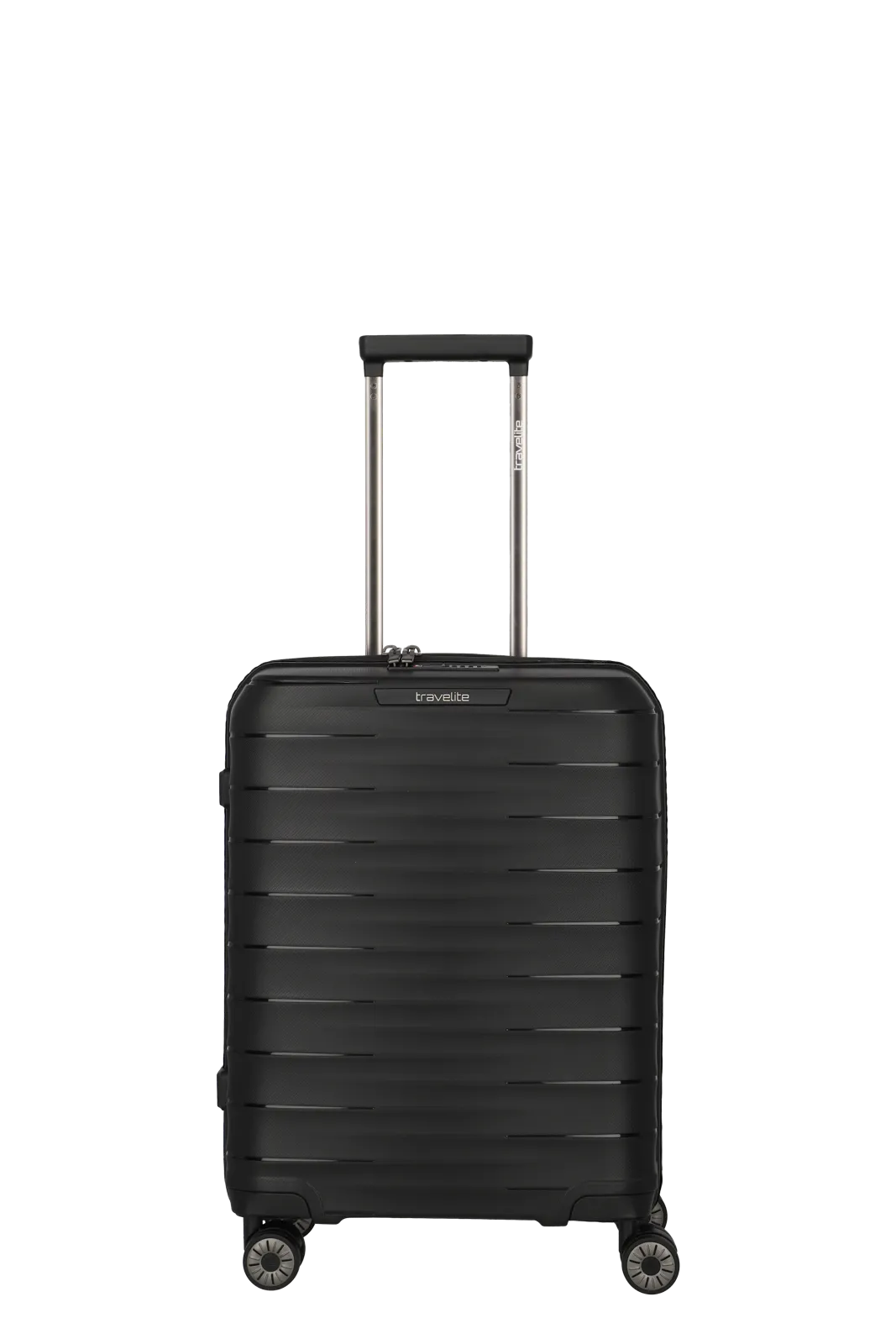
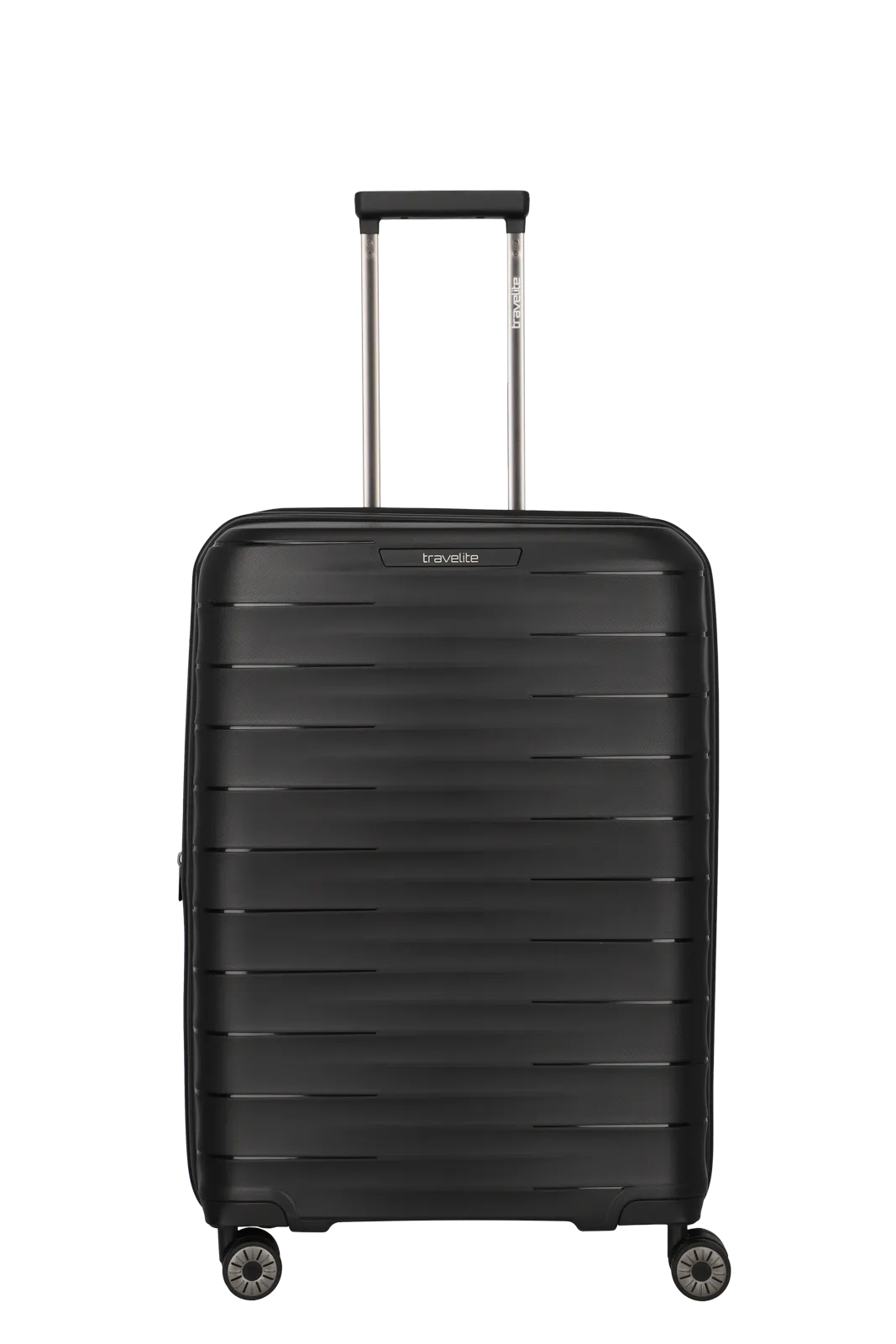
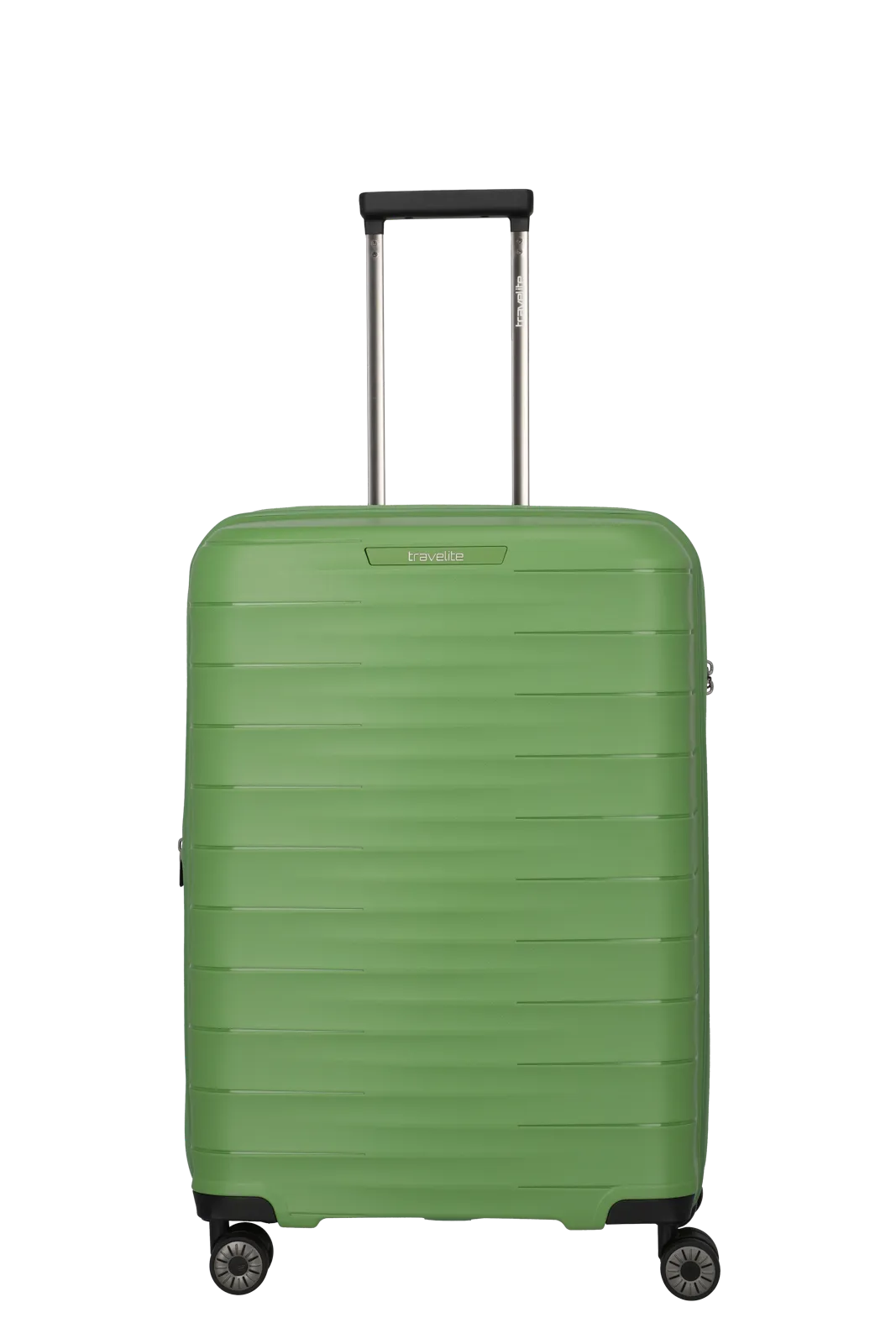
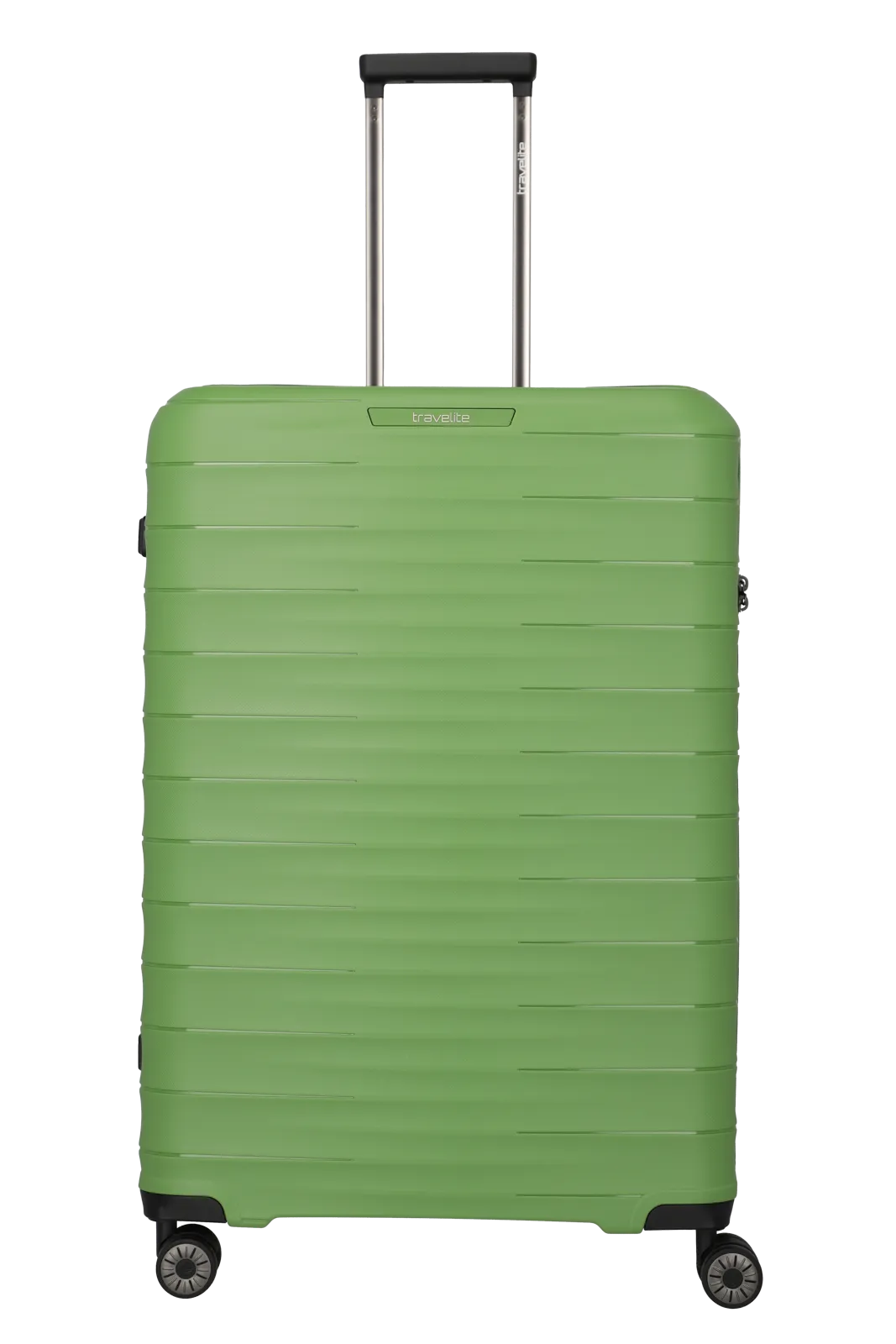
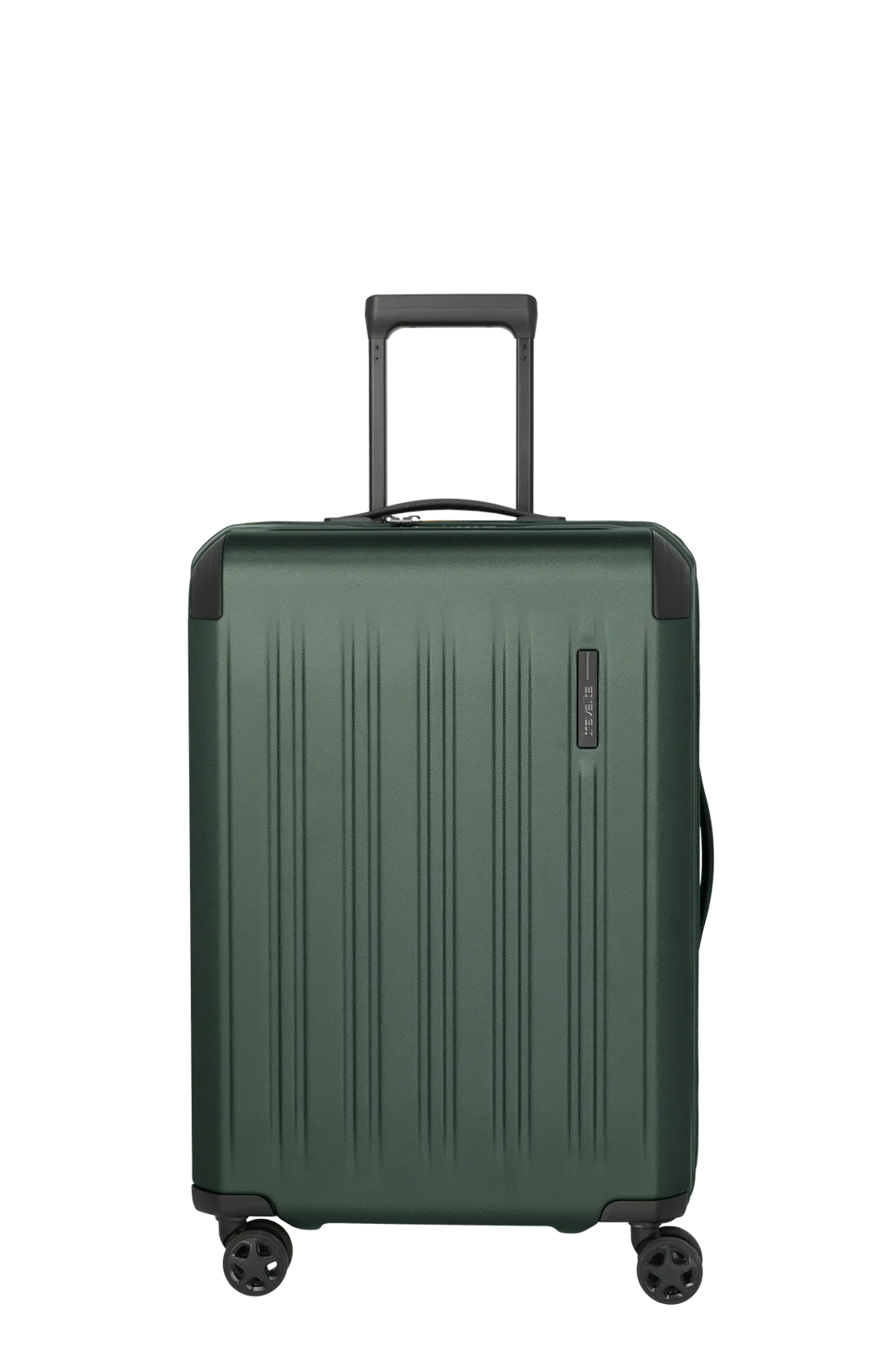
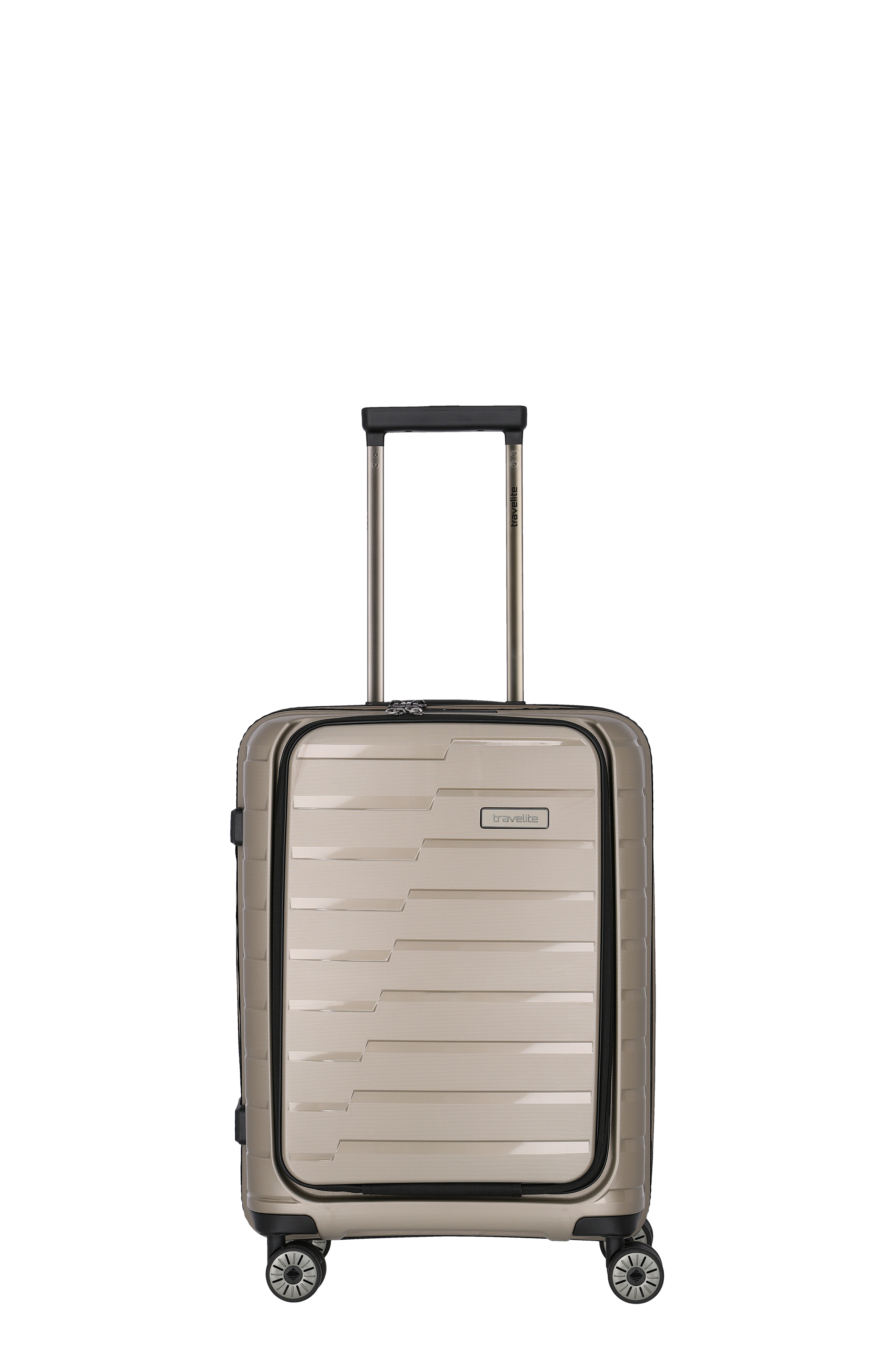
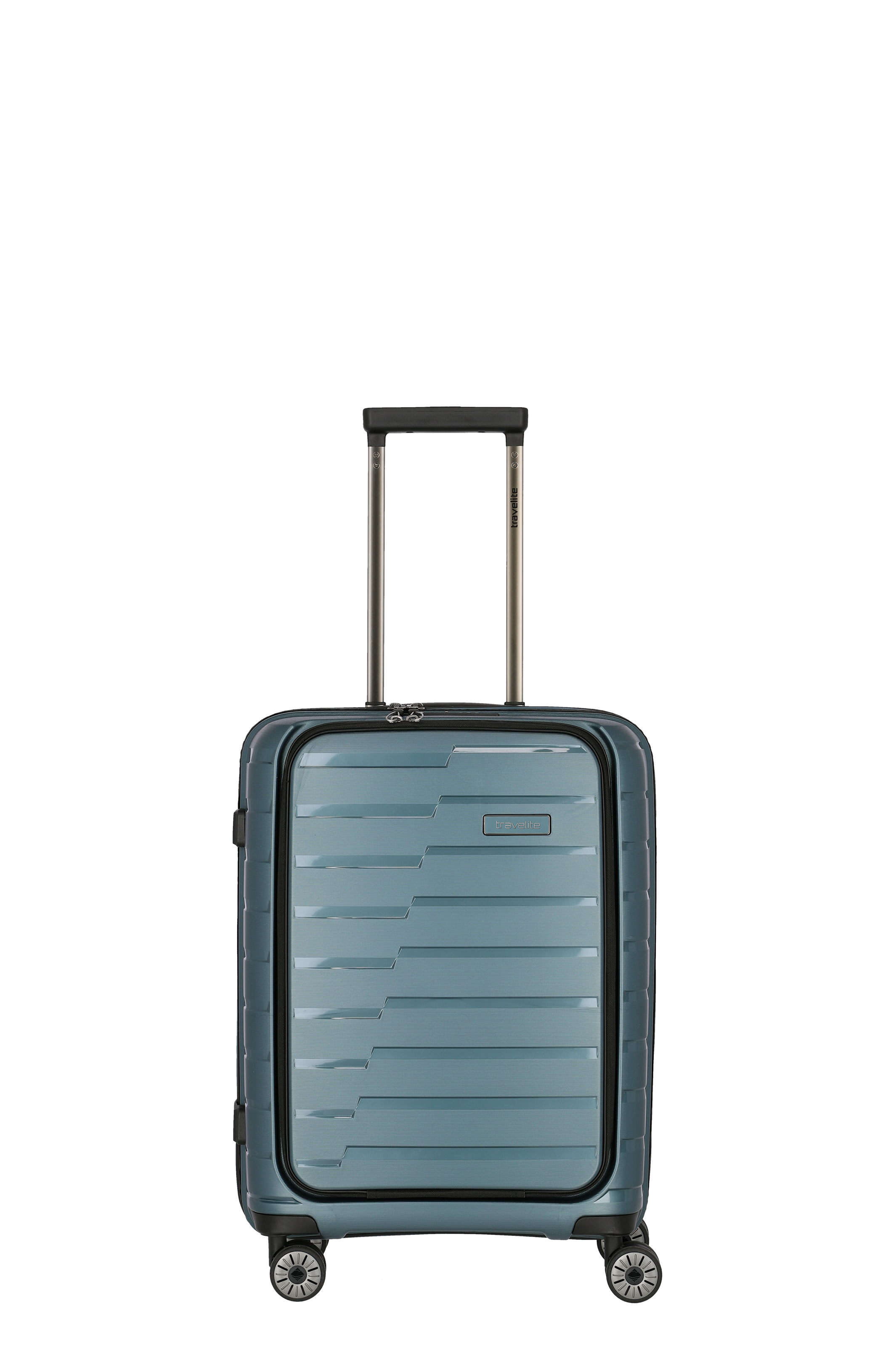
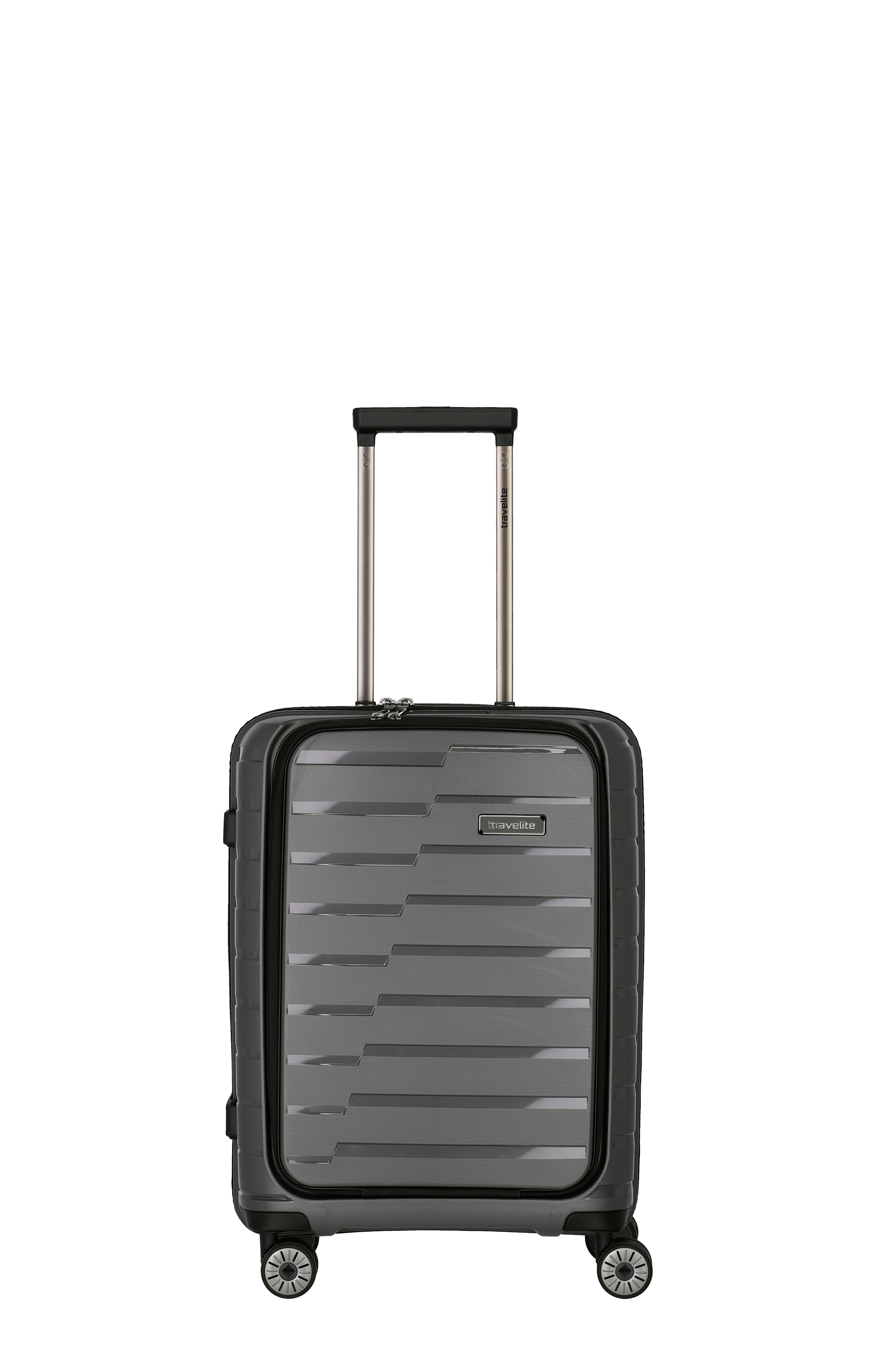
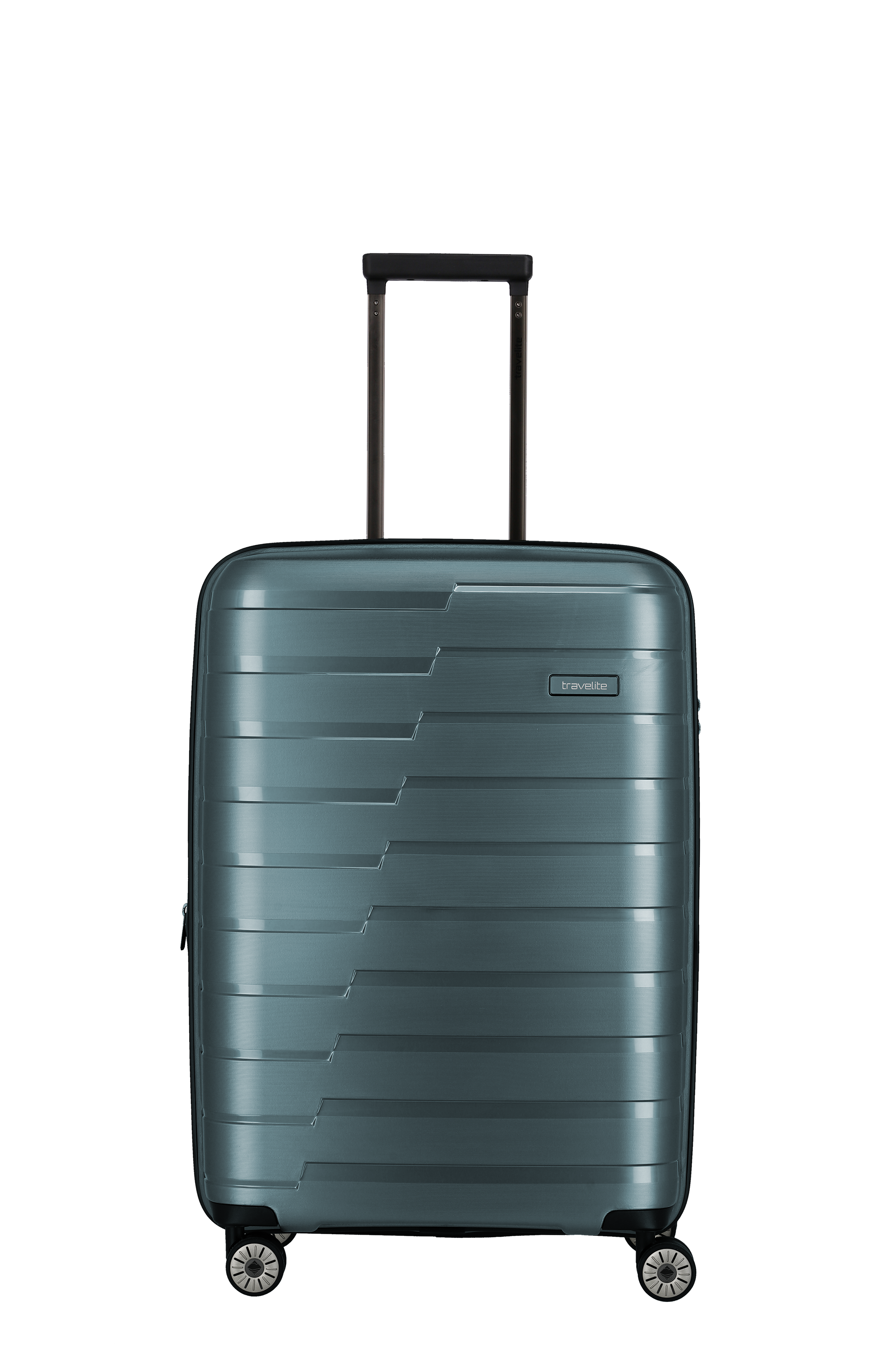
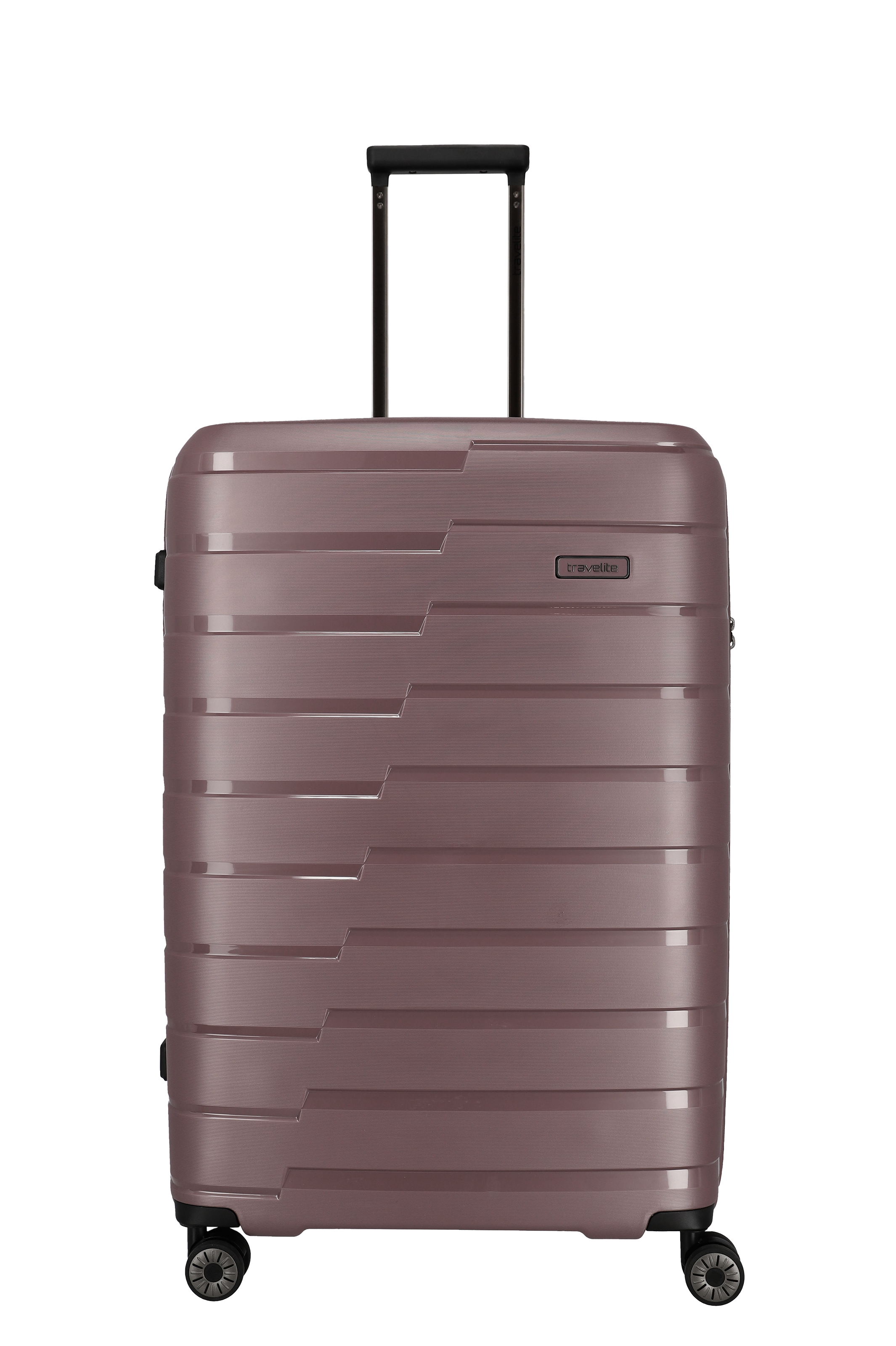
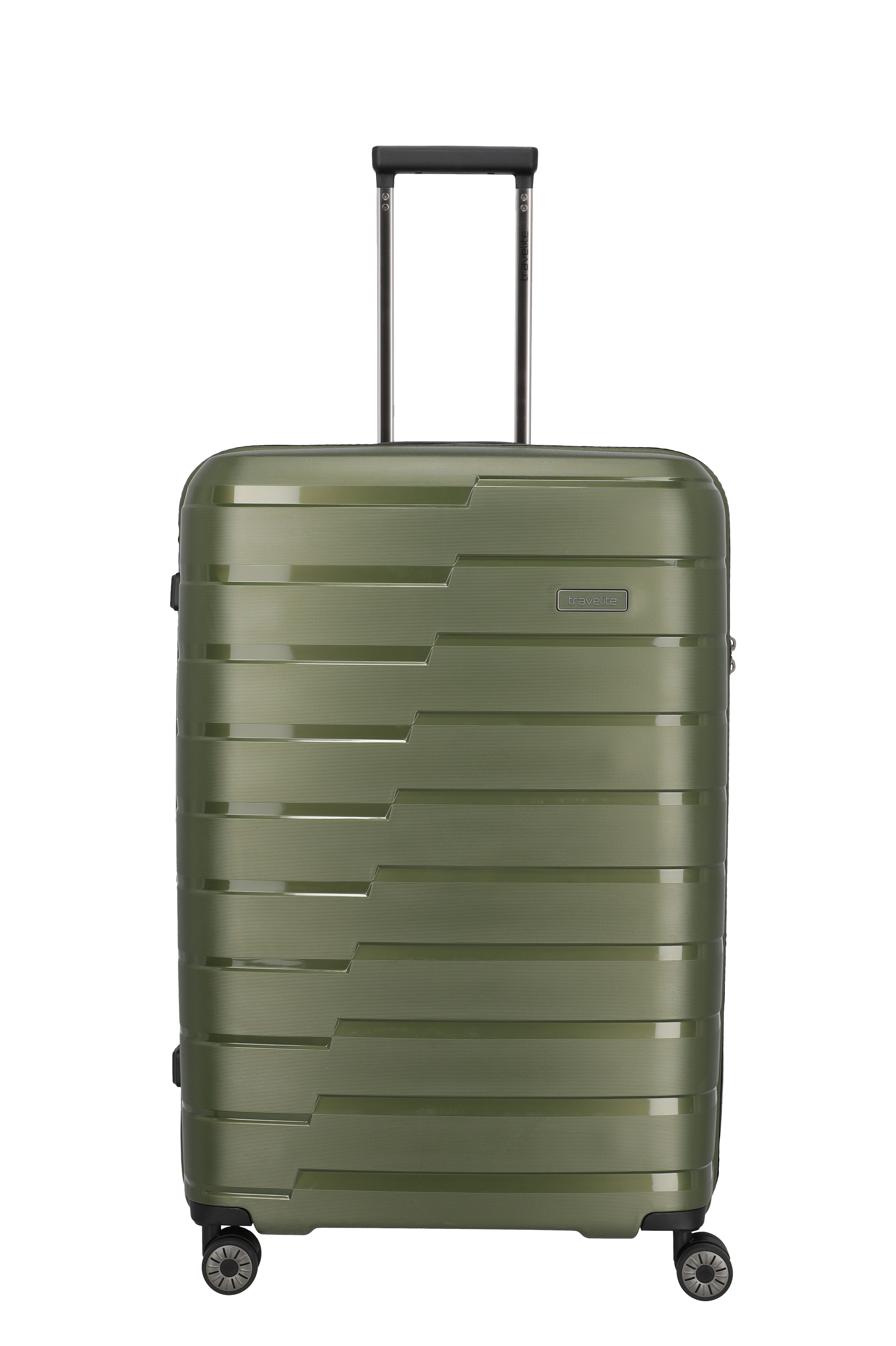
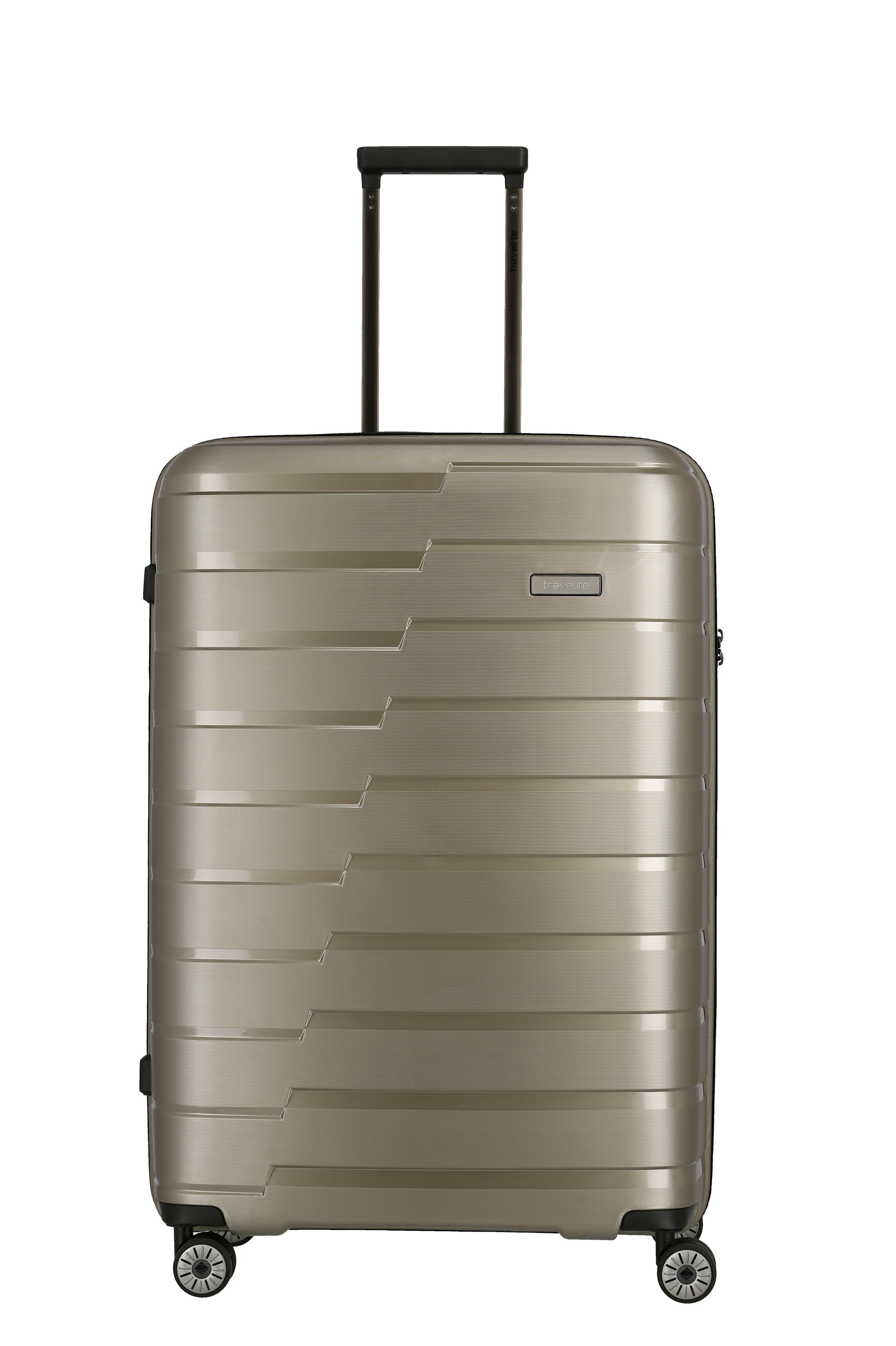
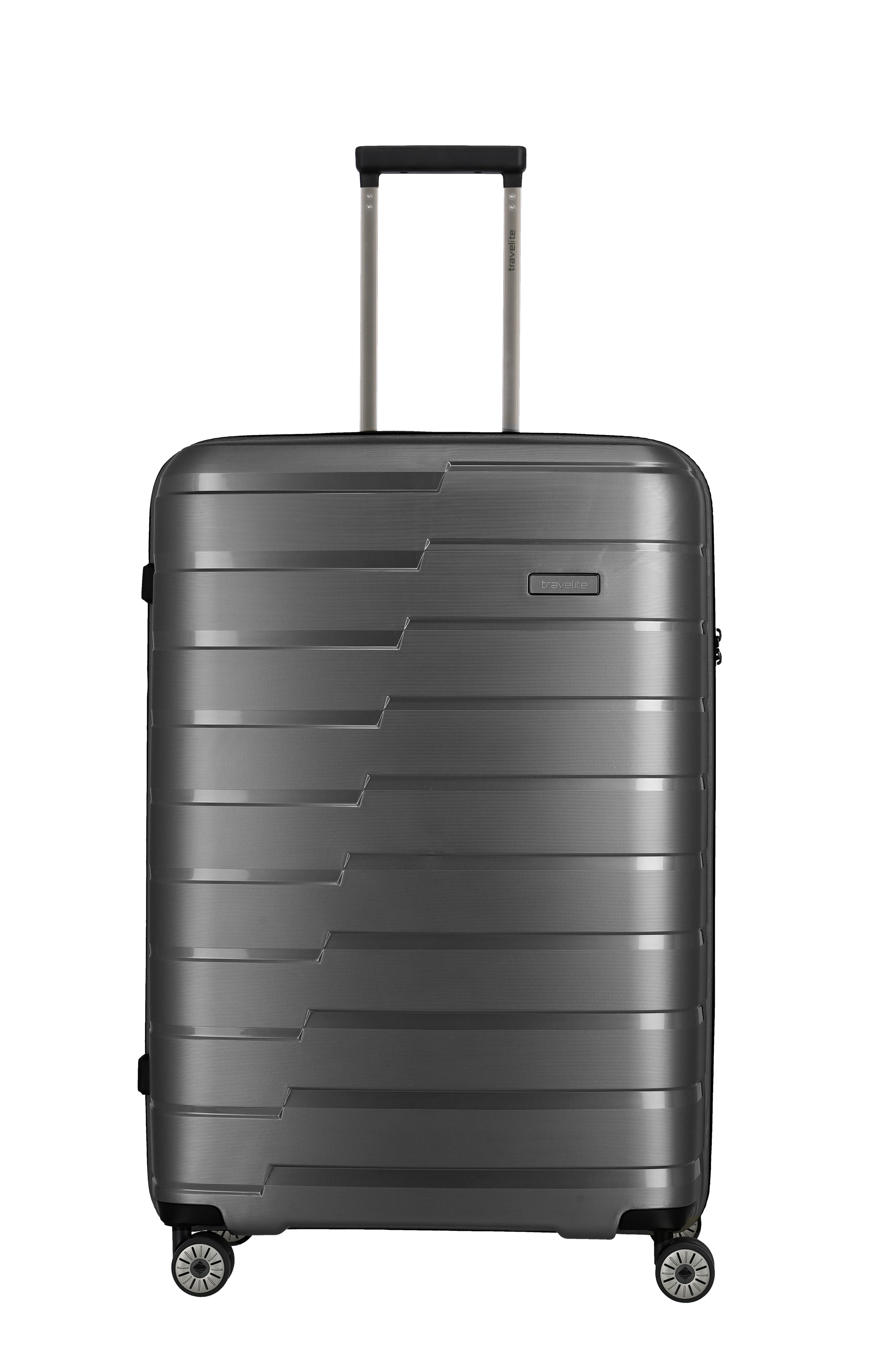
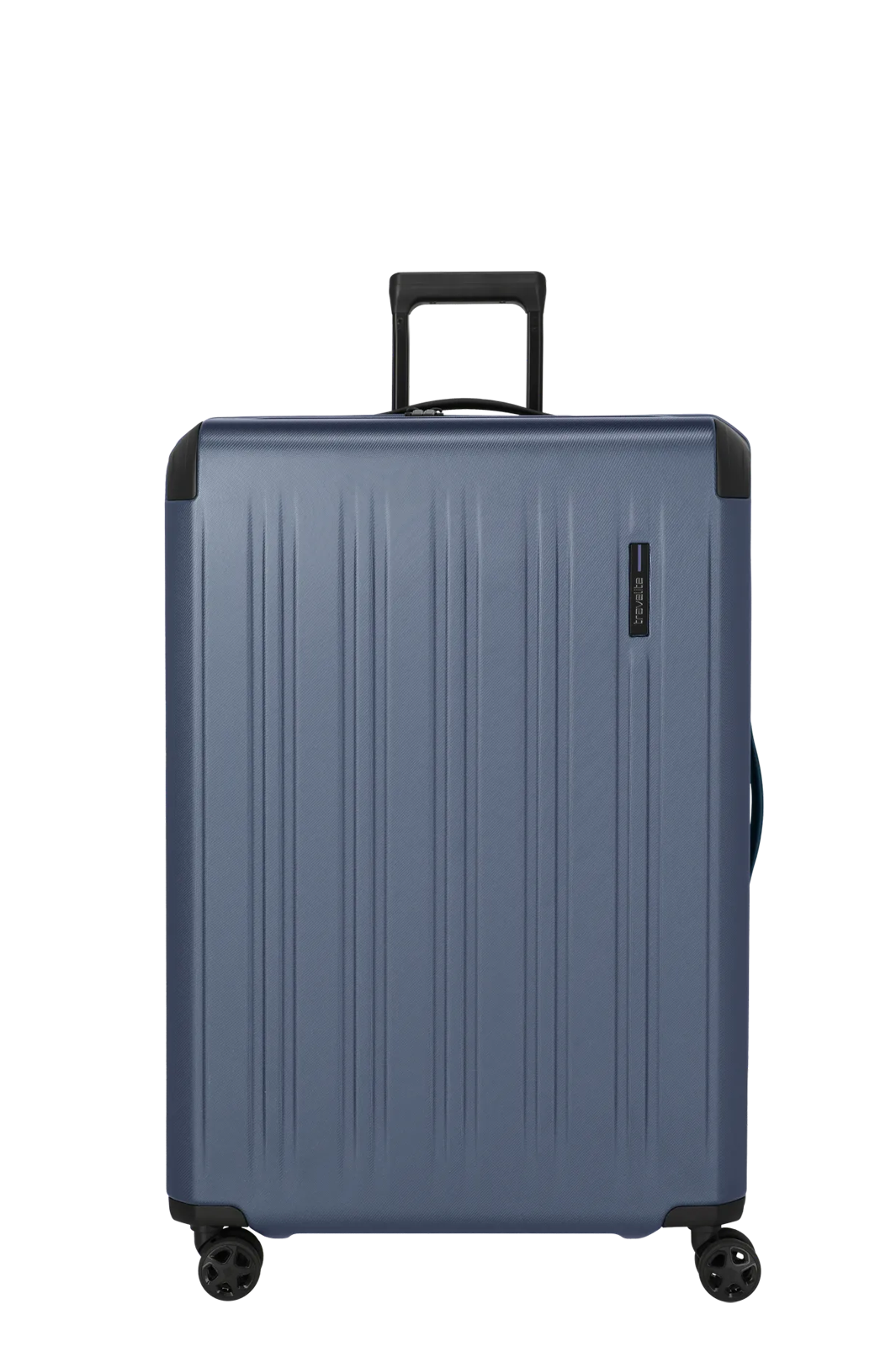
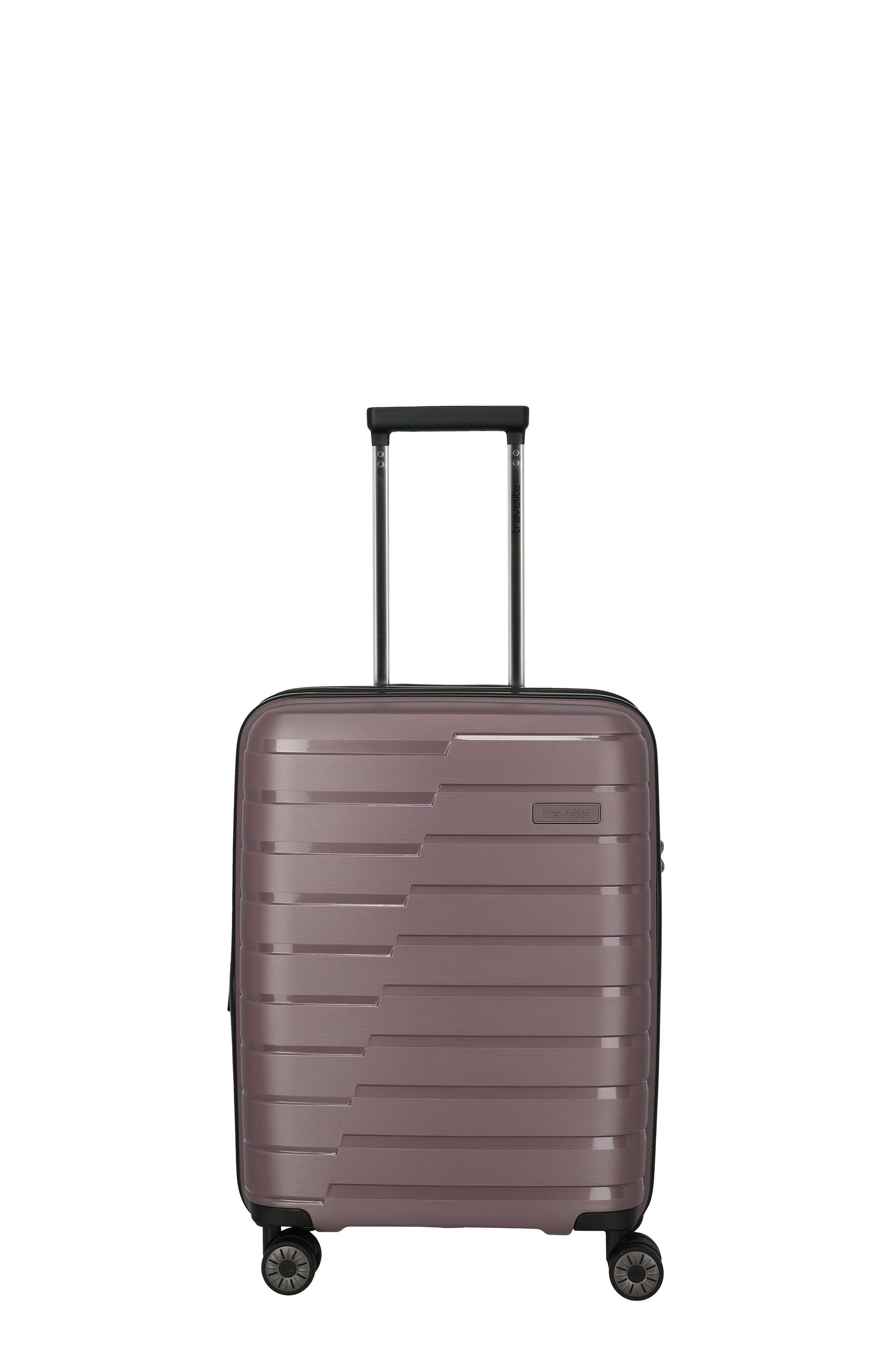
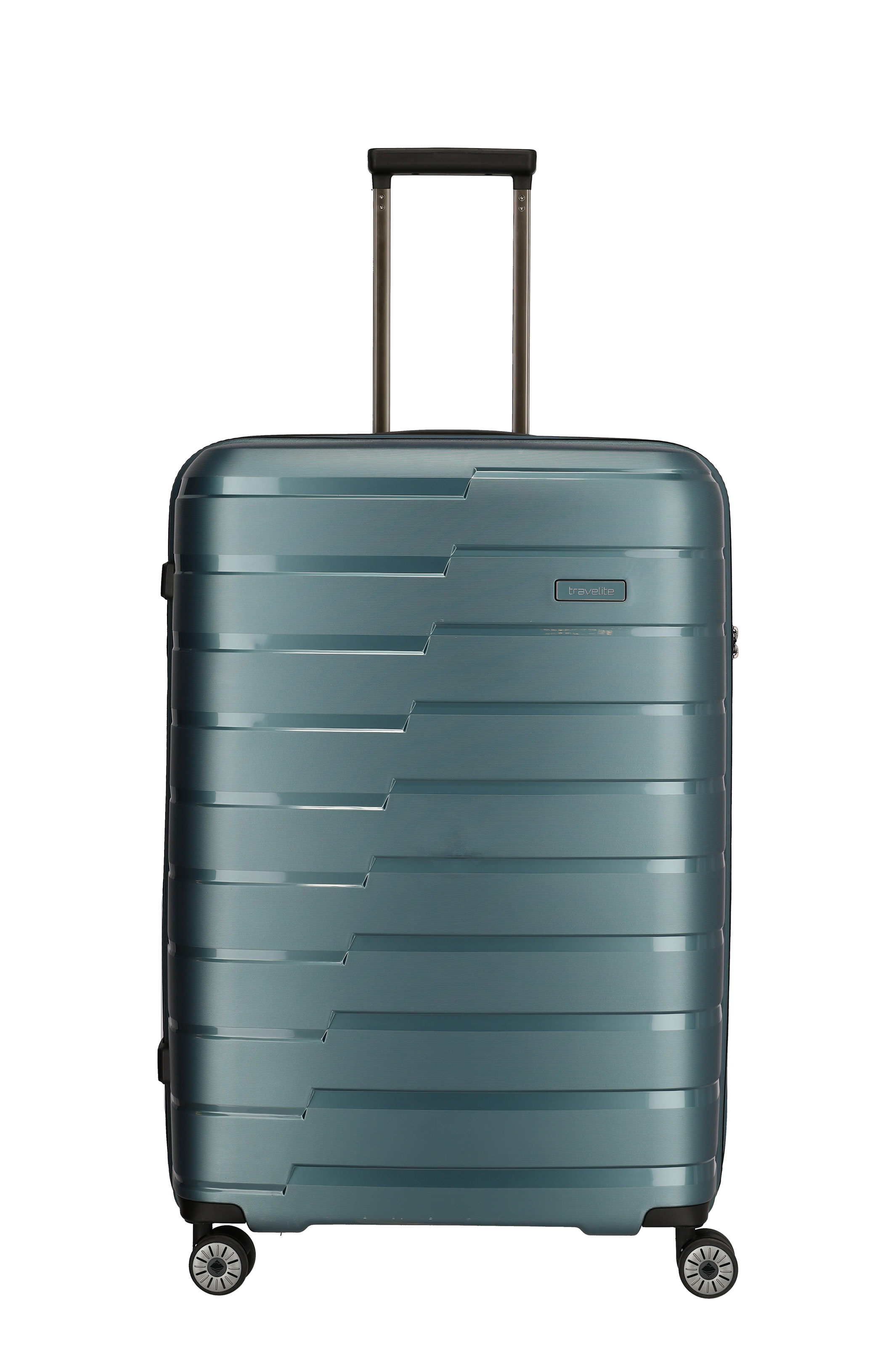
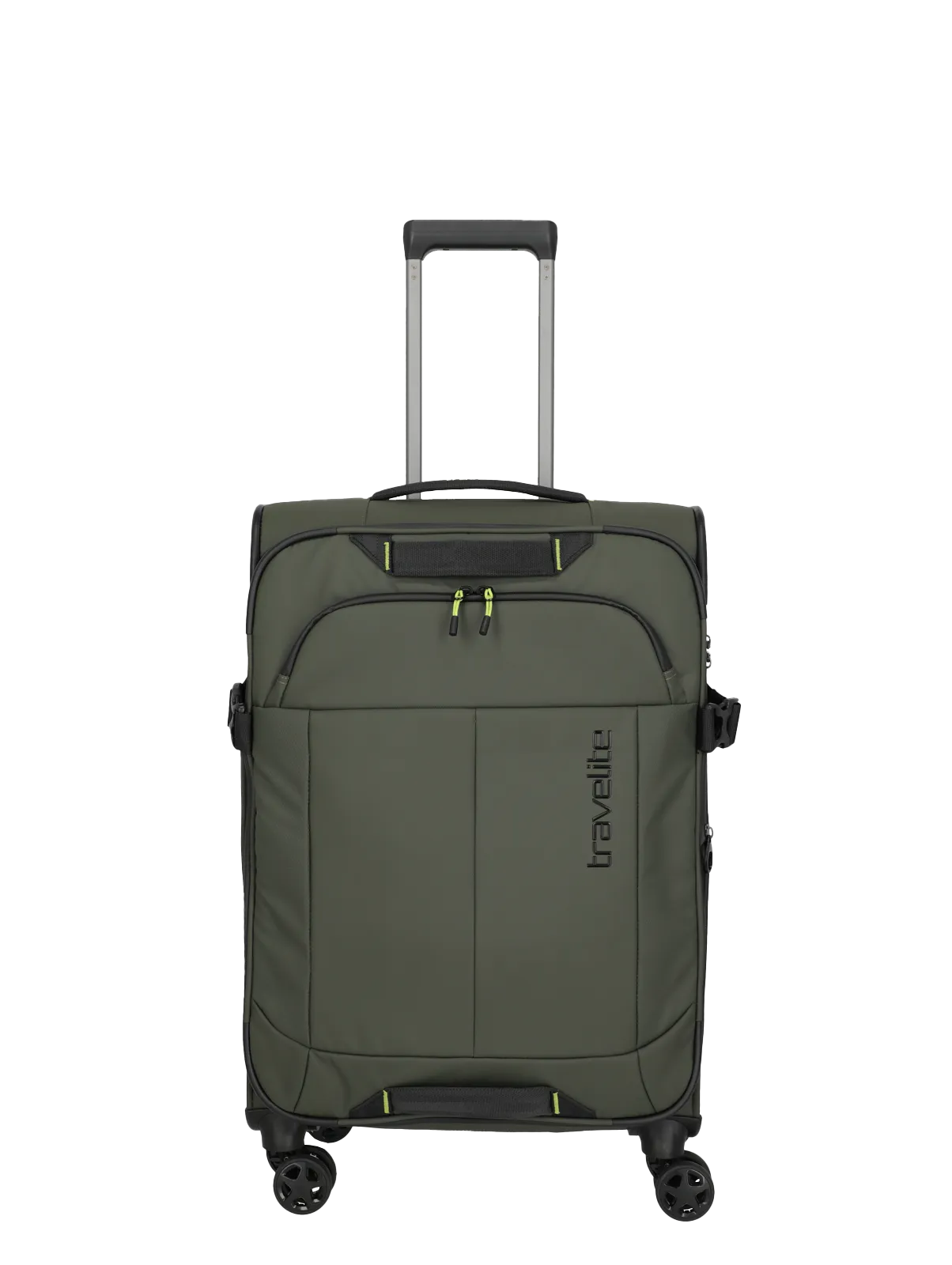
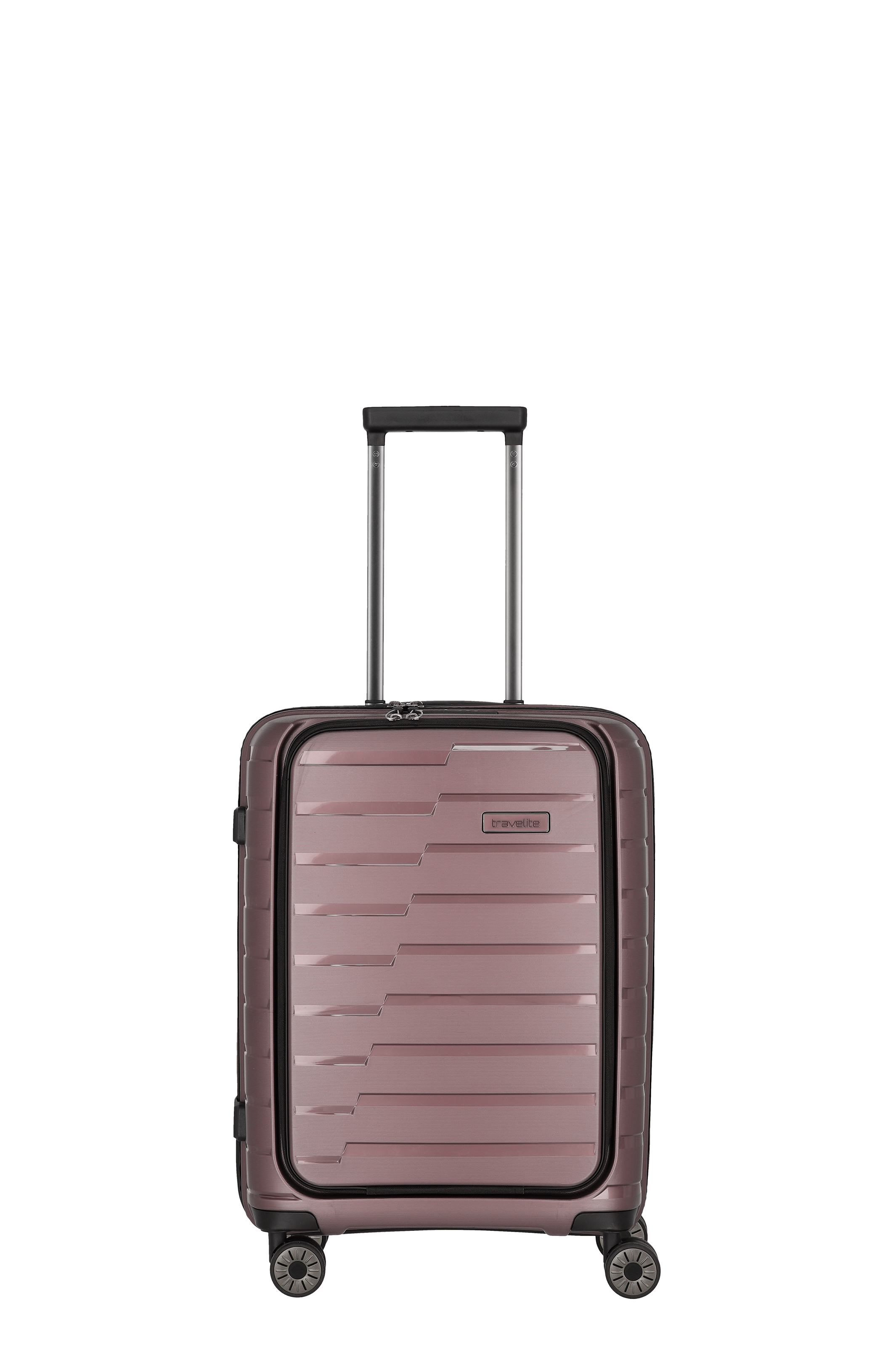
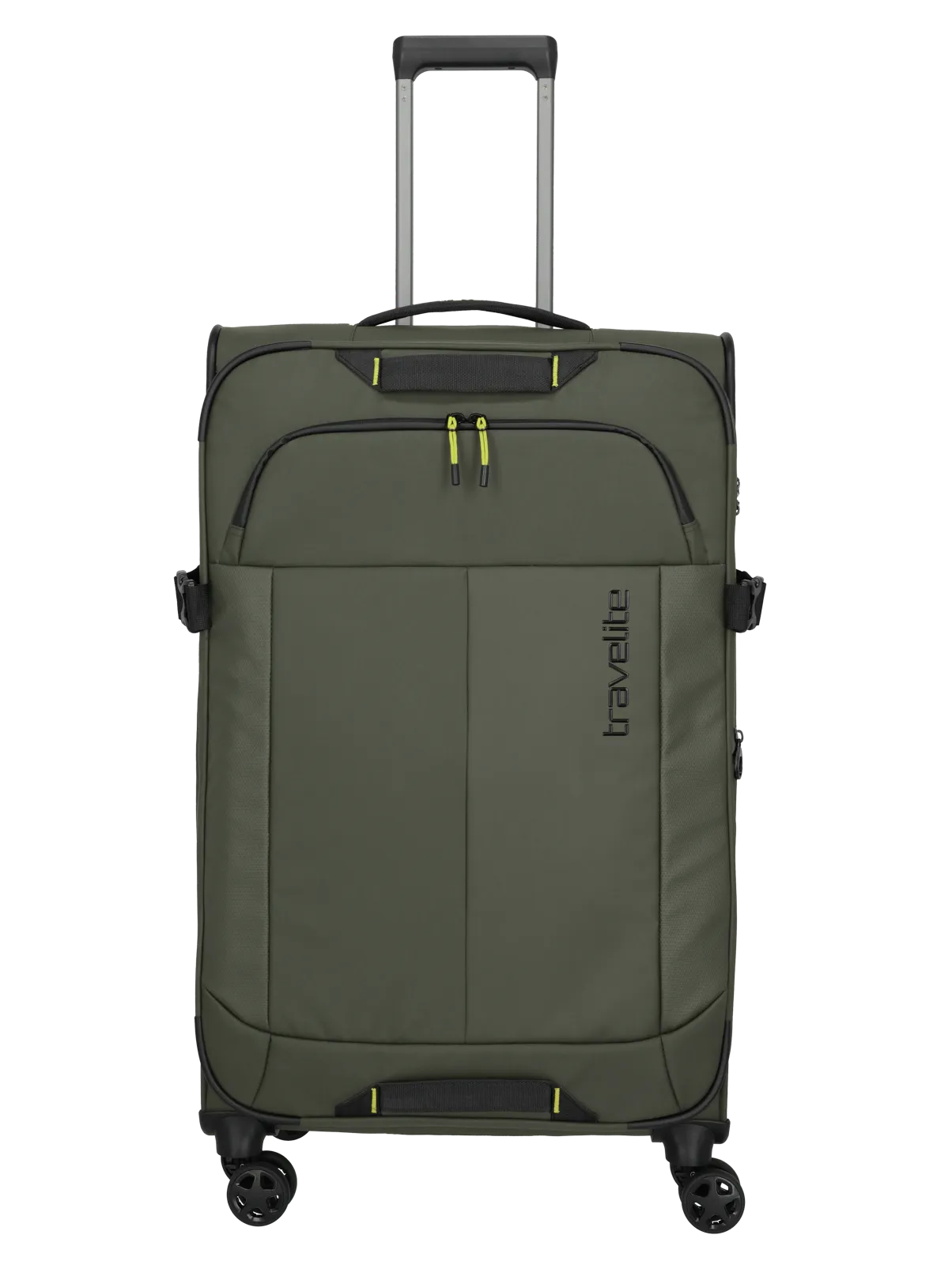
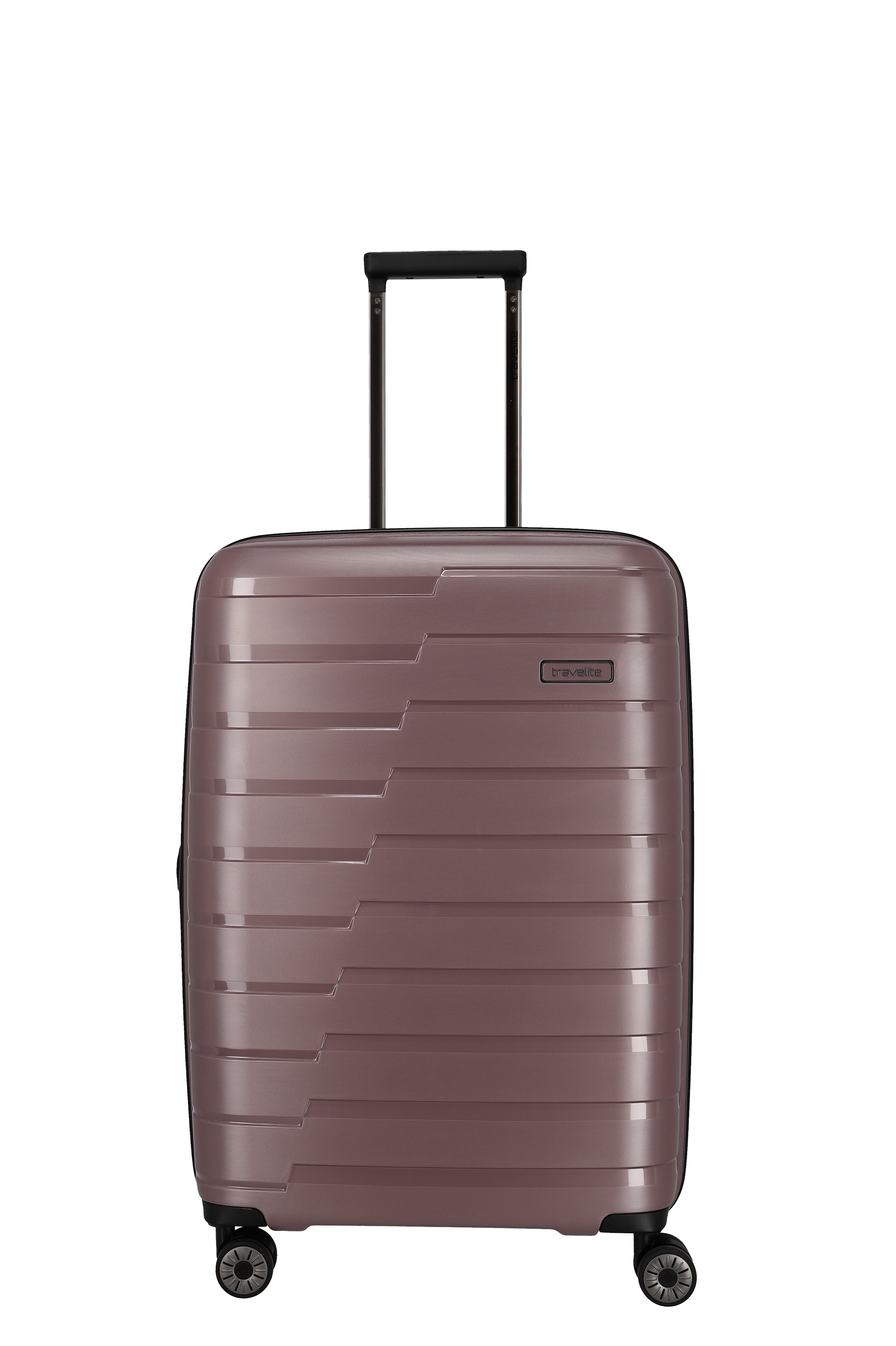
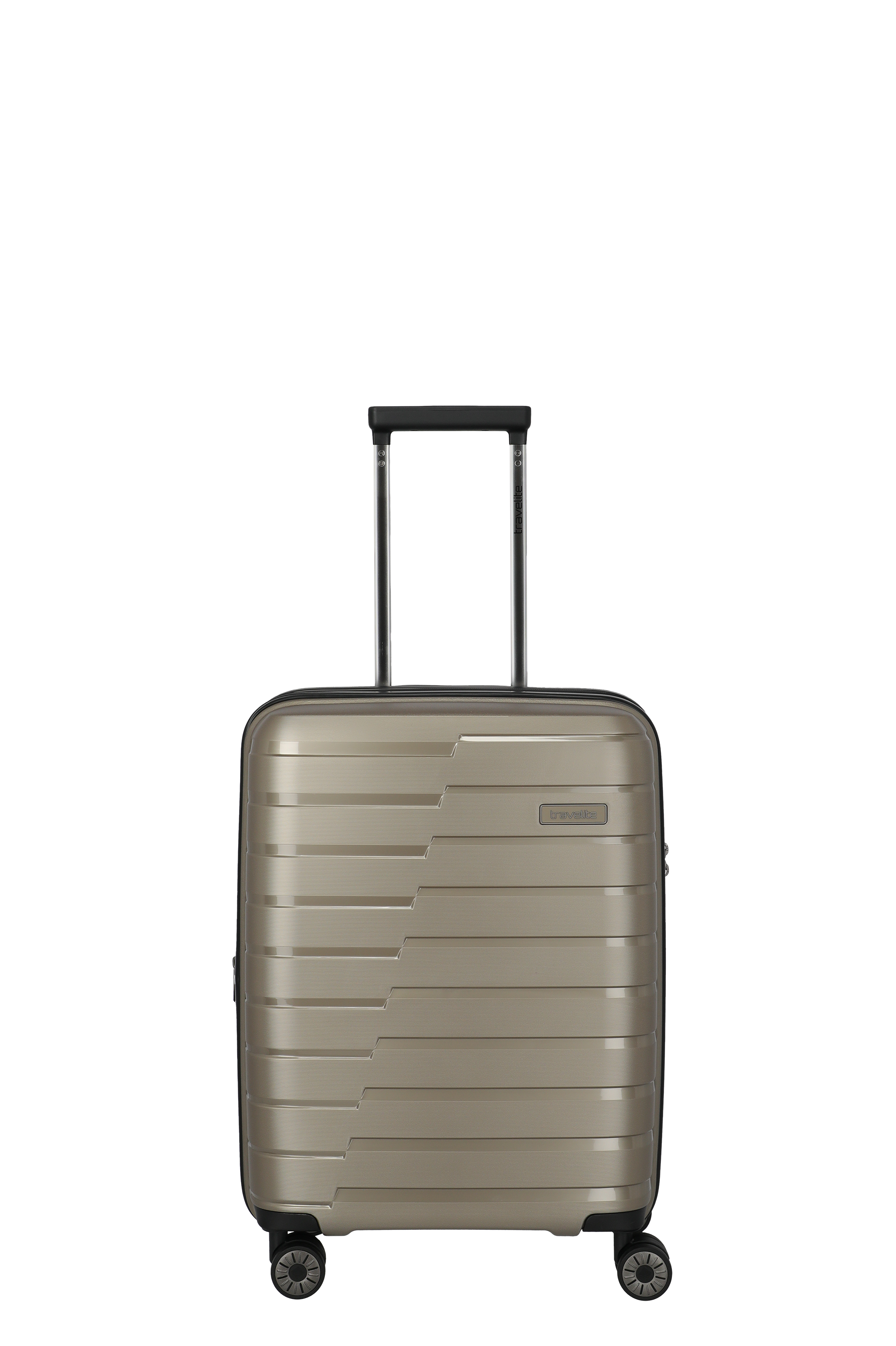
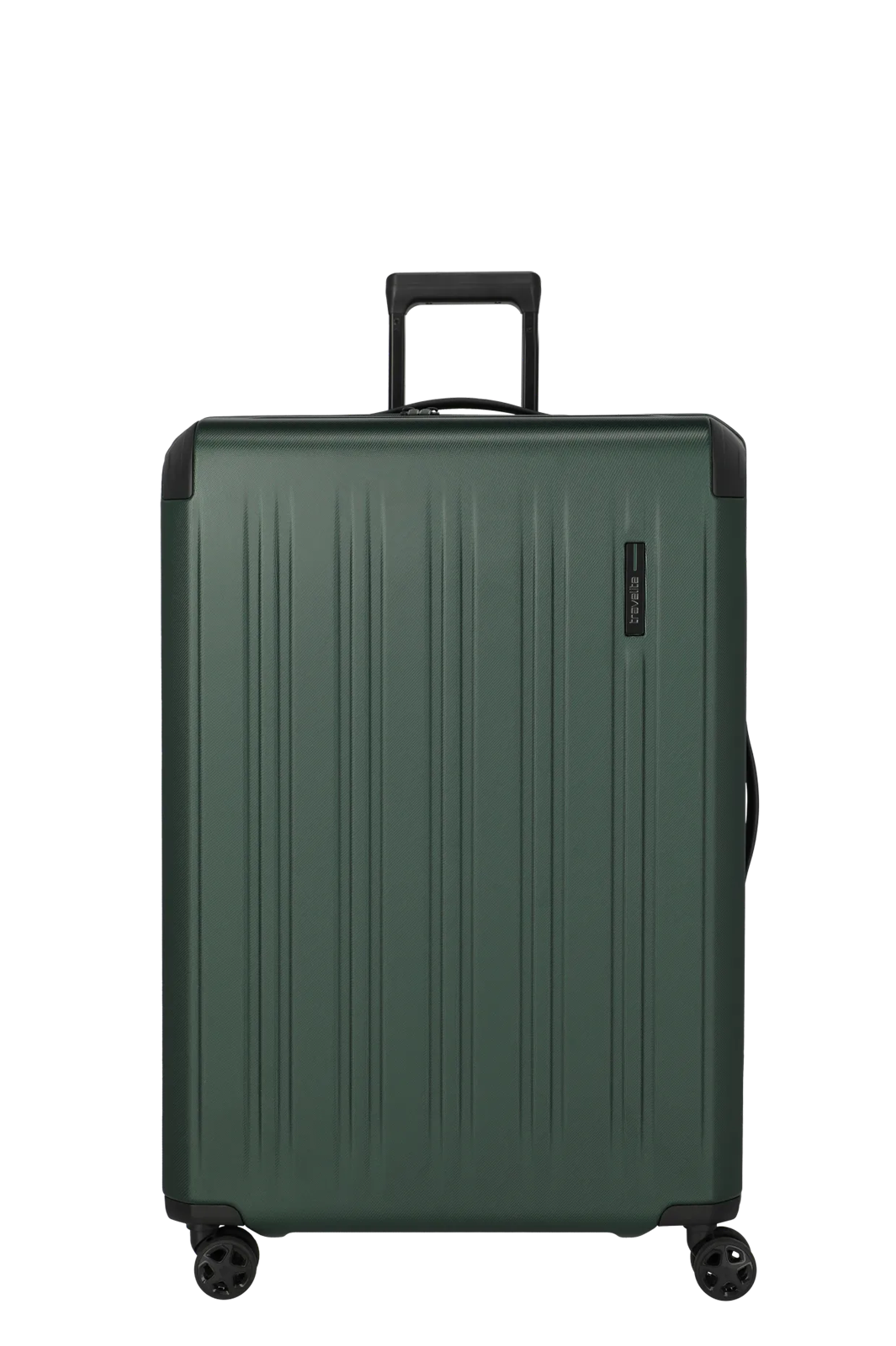
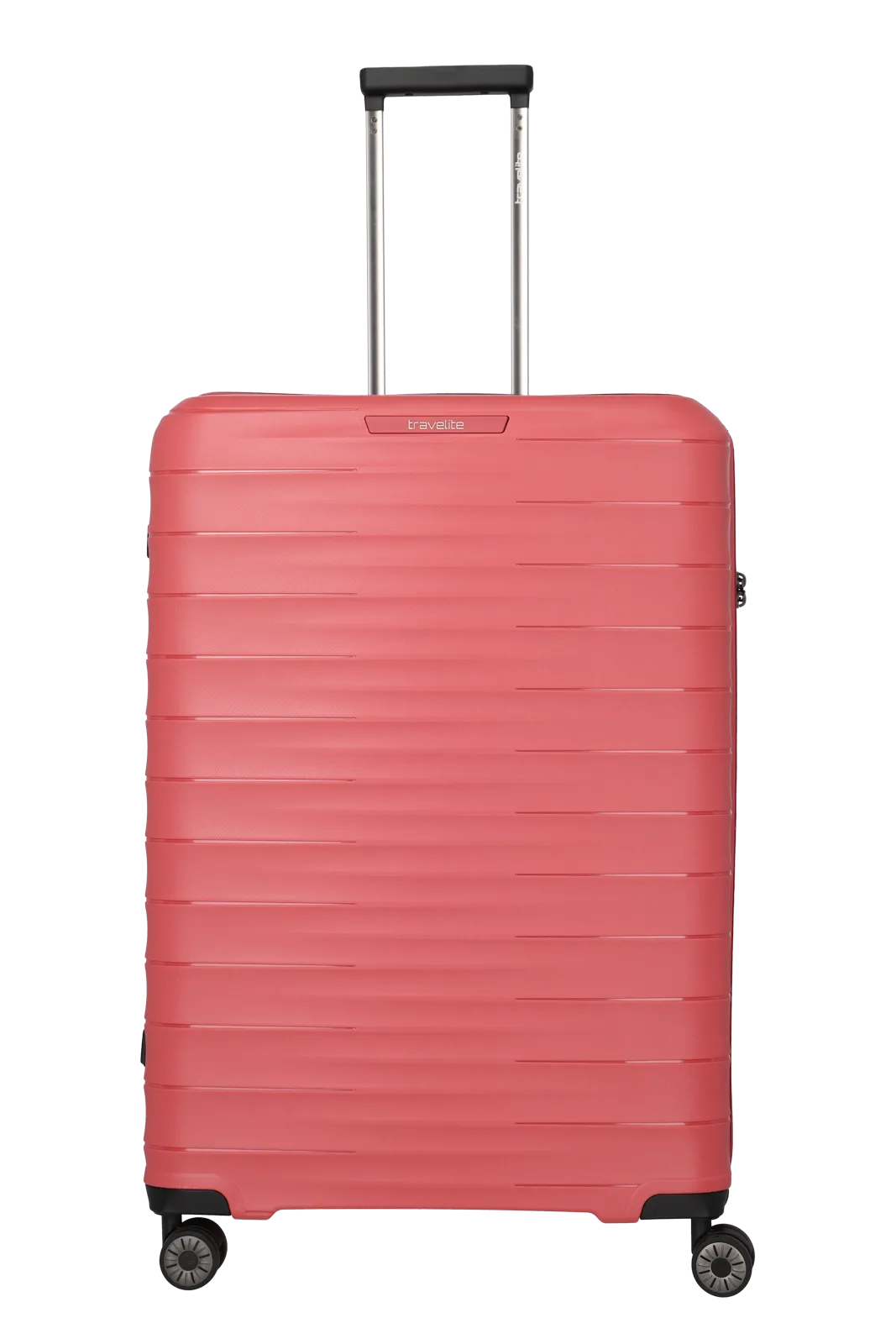
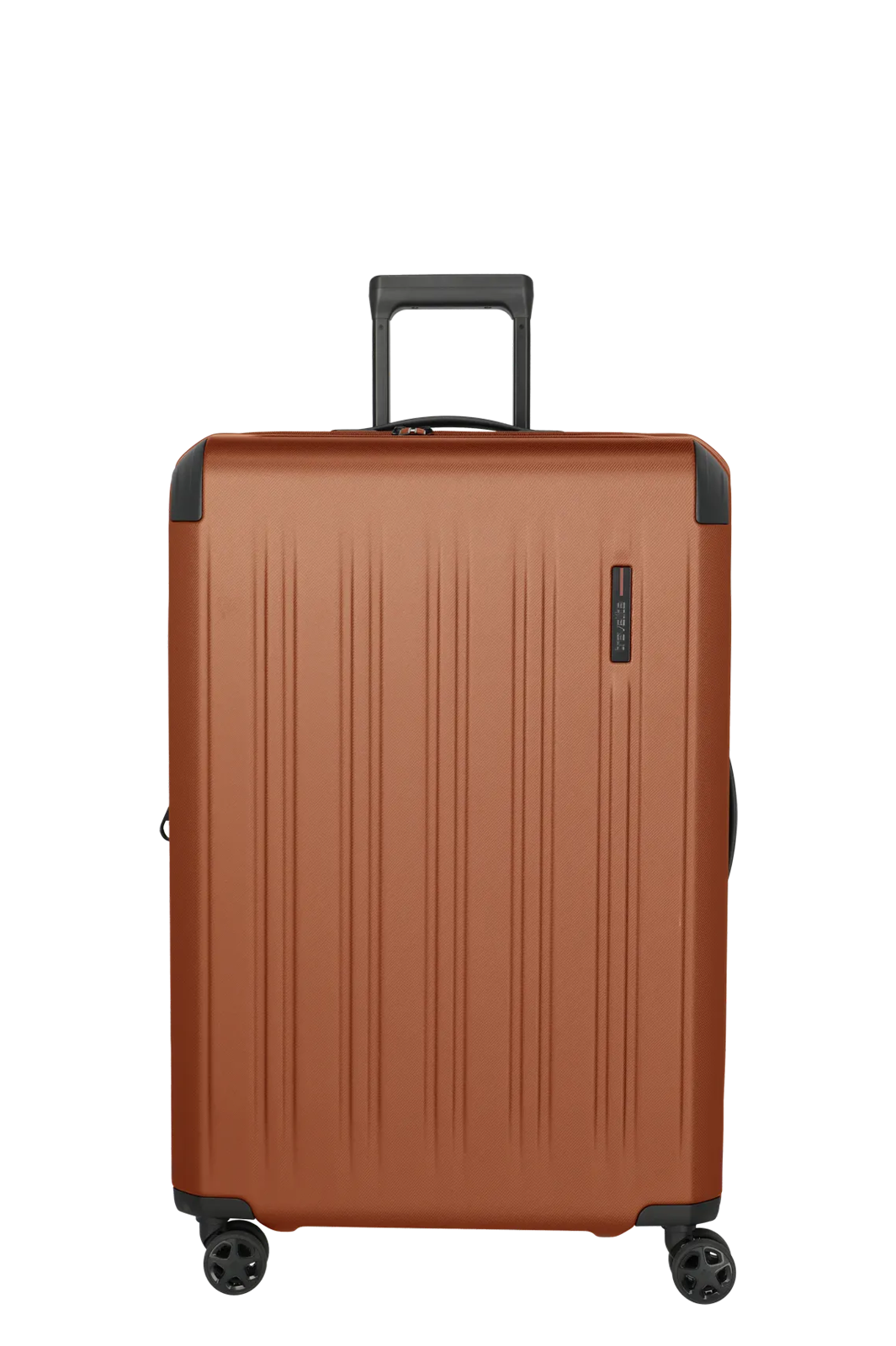
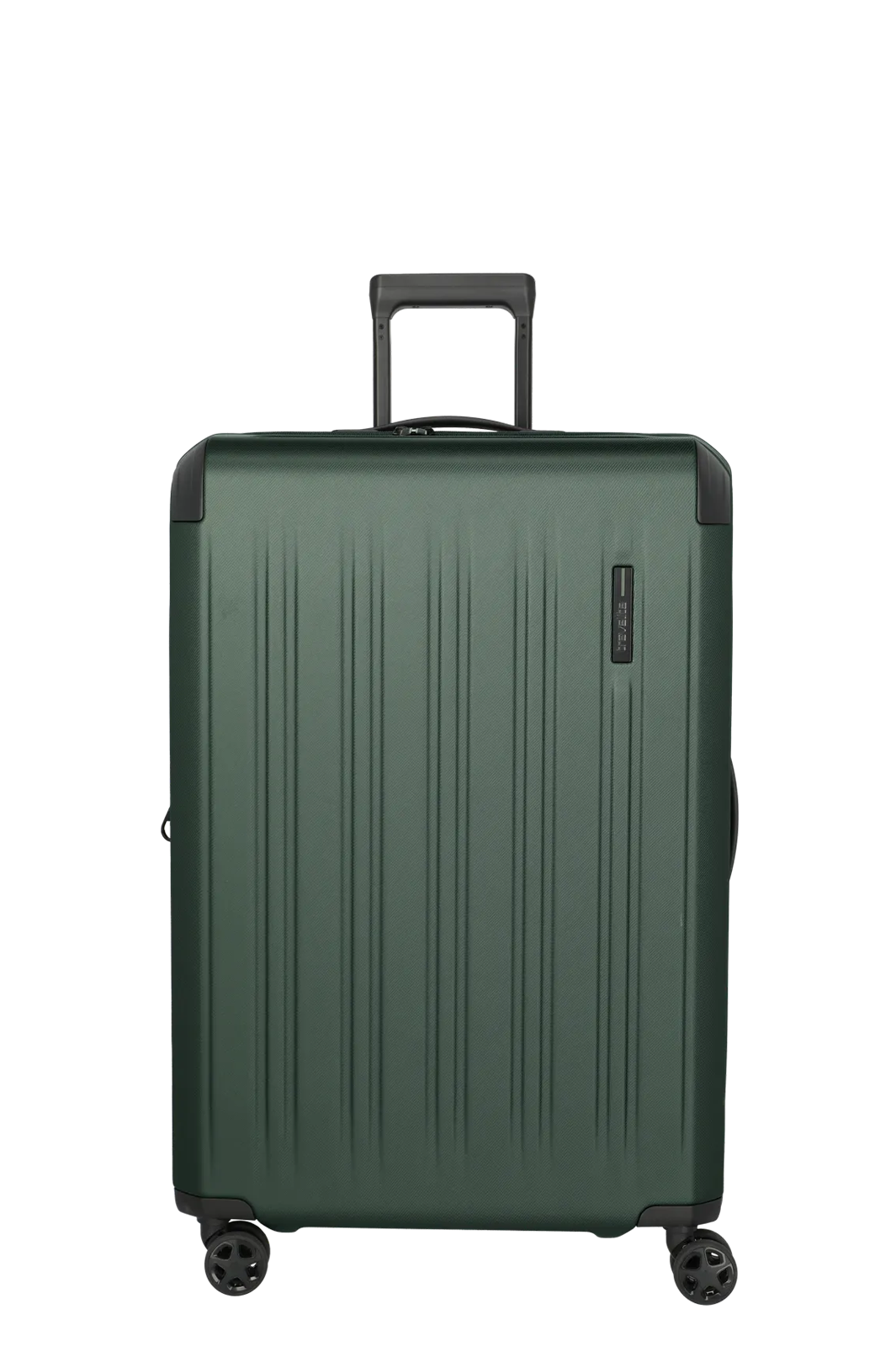
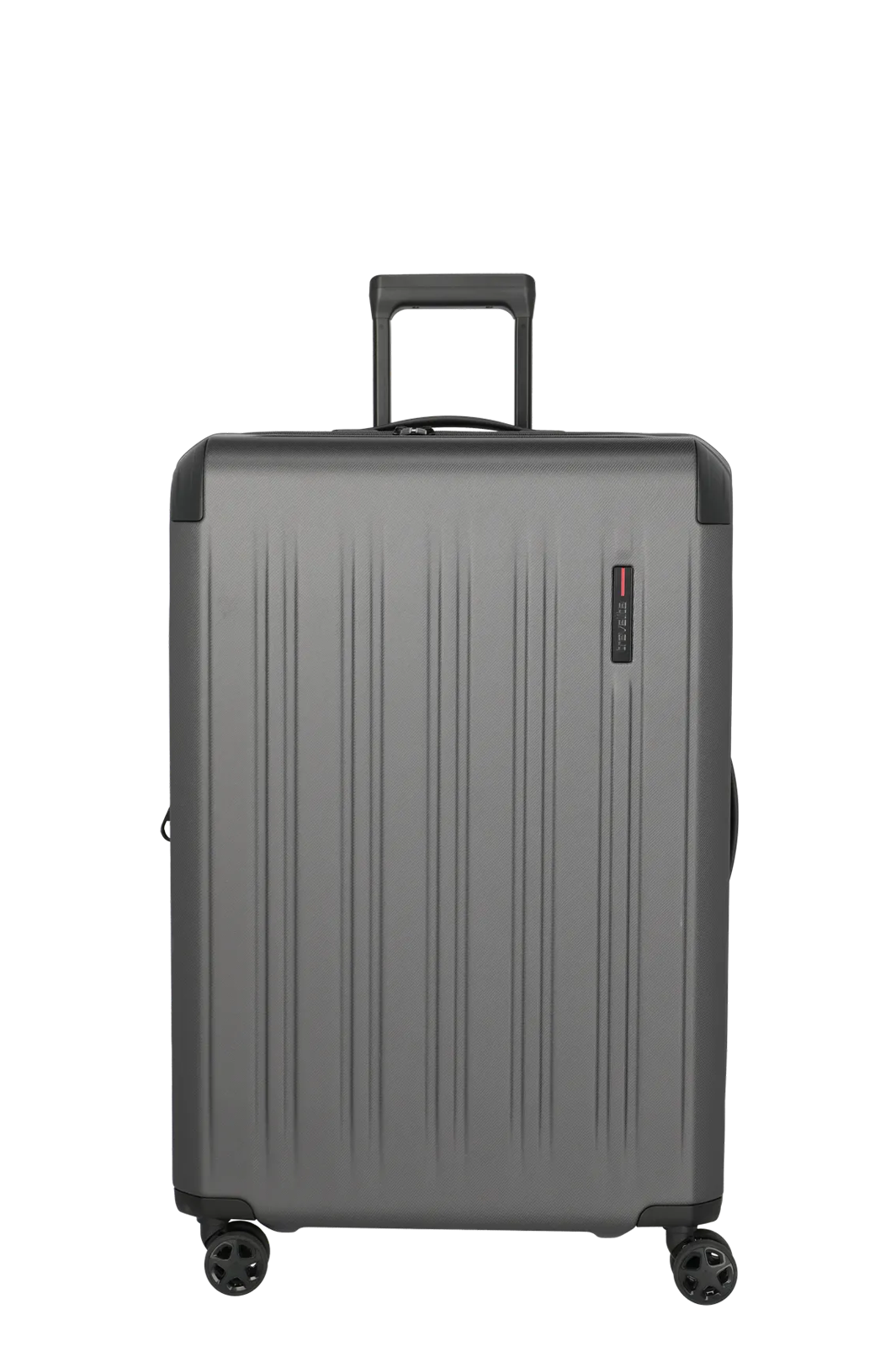
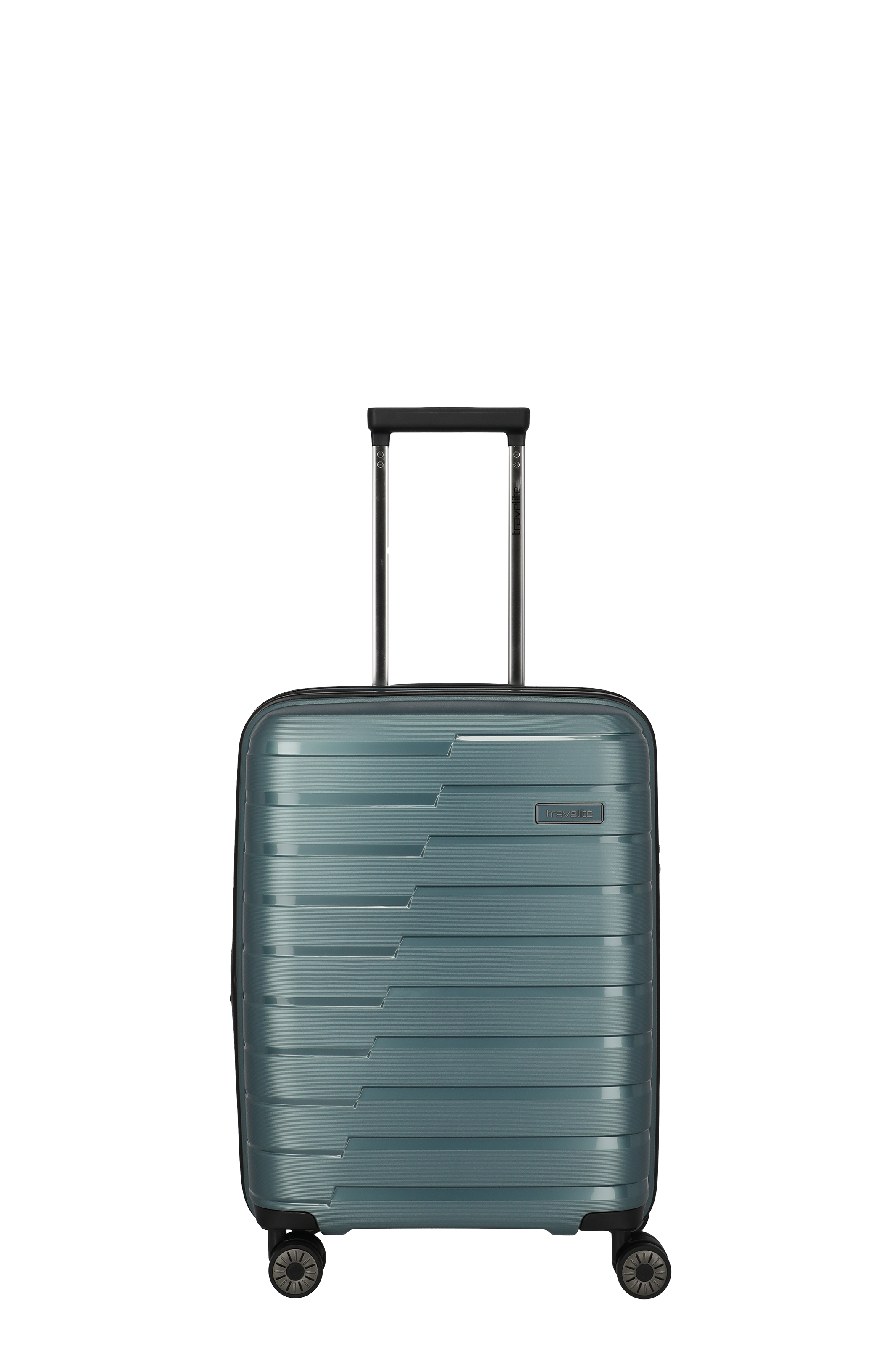
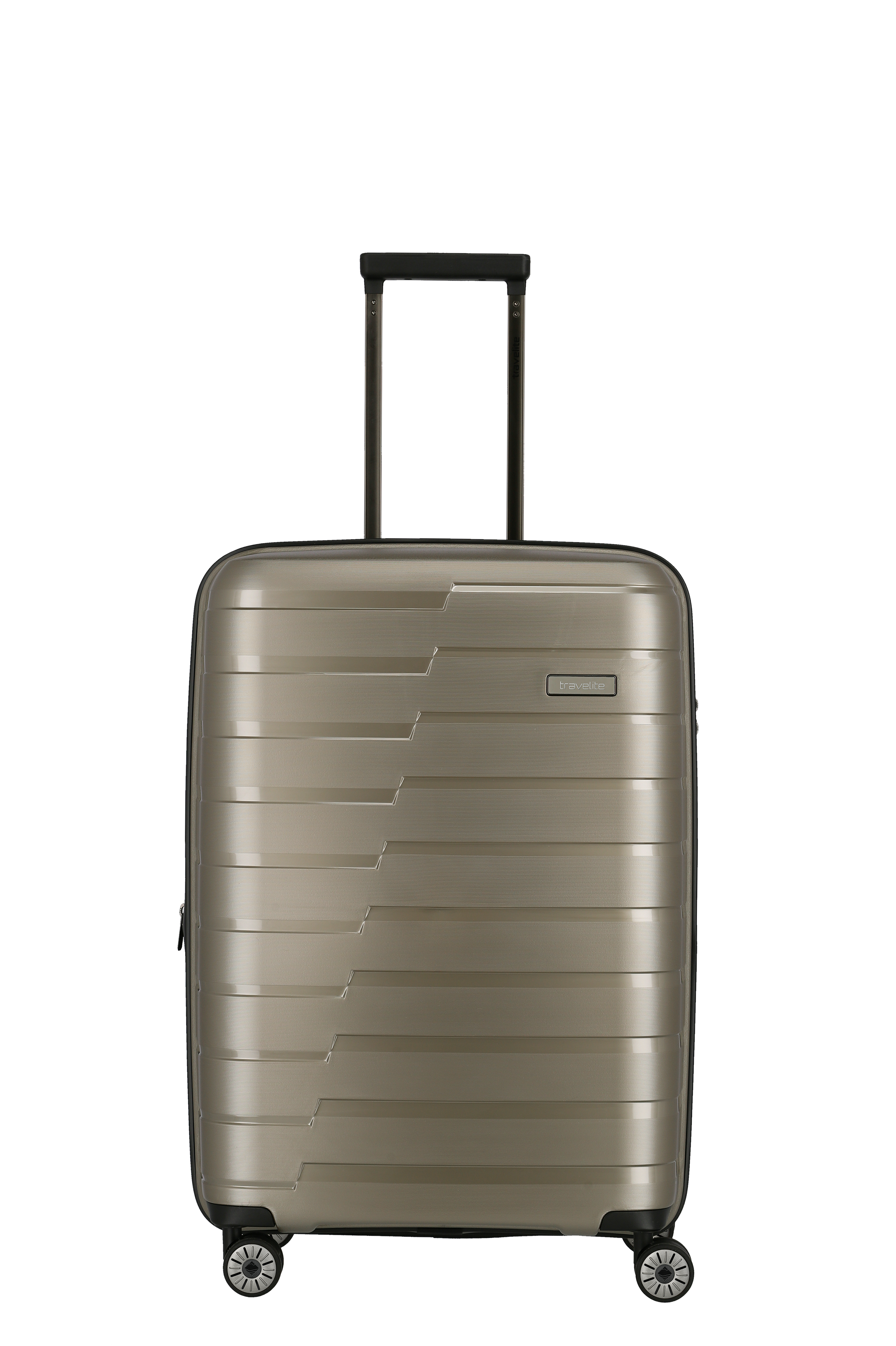
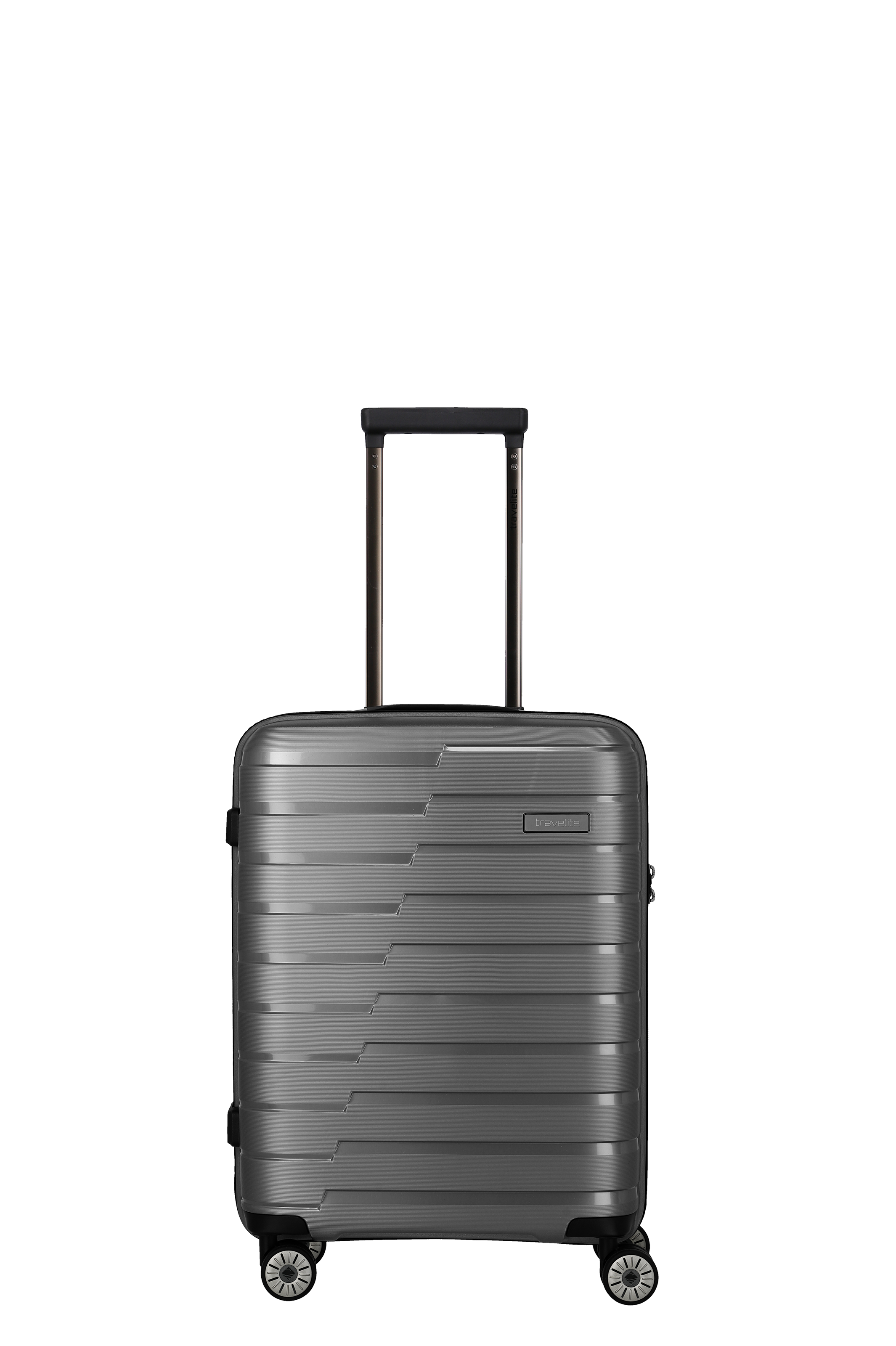
You rarely need much for a retreat: a small suitcase is perfectly adequate for most stays. If you’re only going for a long weekend, a Weekender the simpler choice – especially if you’re travelling by train and want to carry your bag over your shoulder.
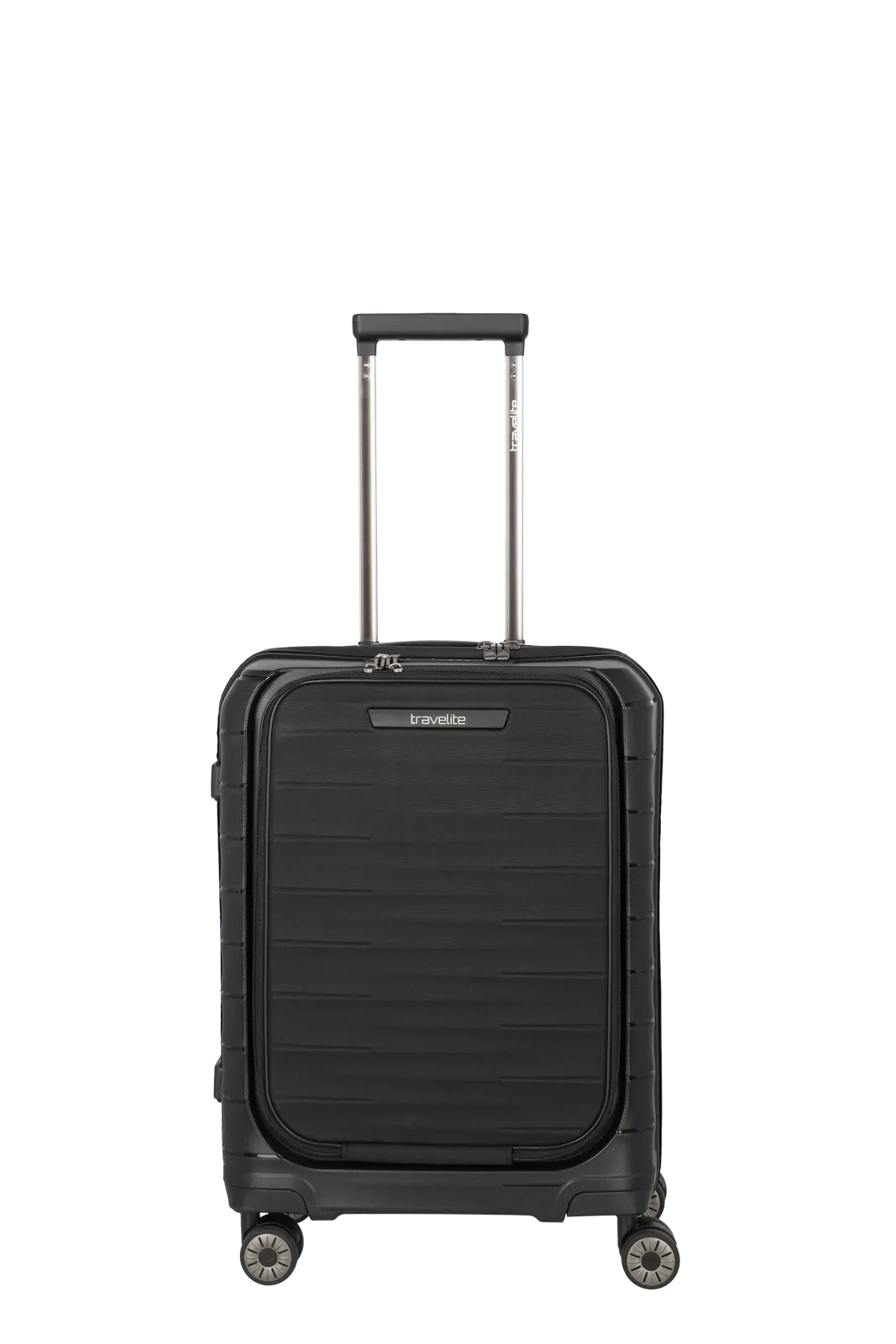
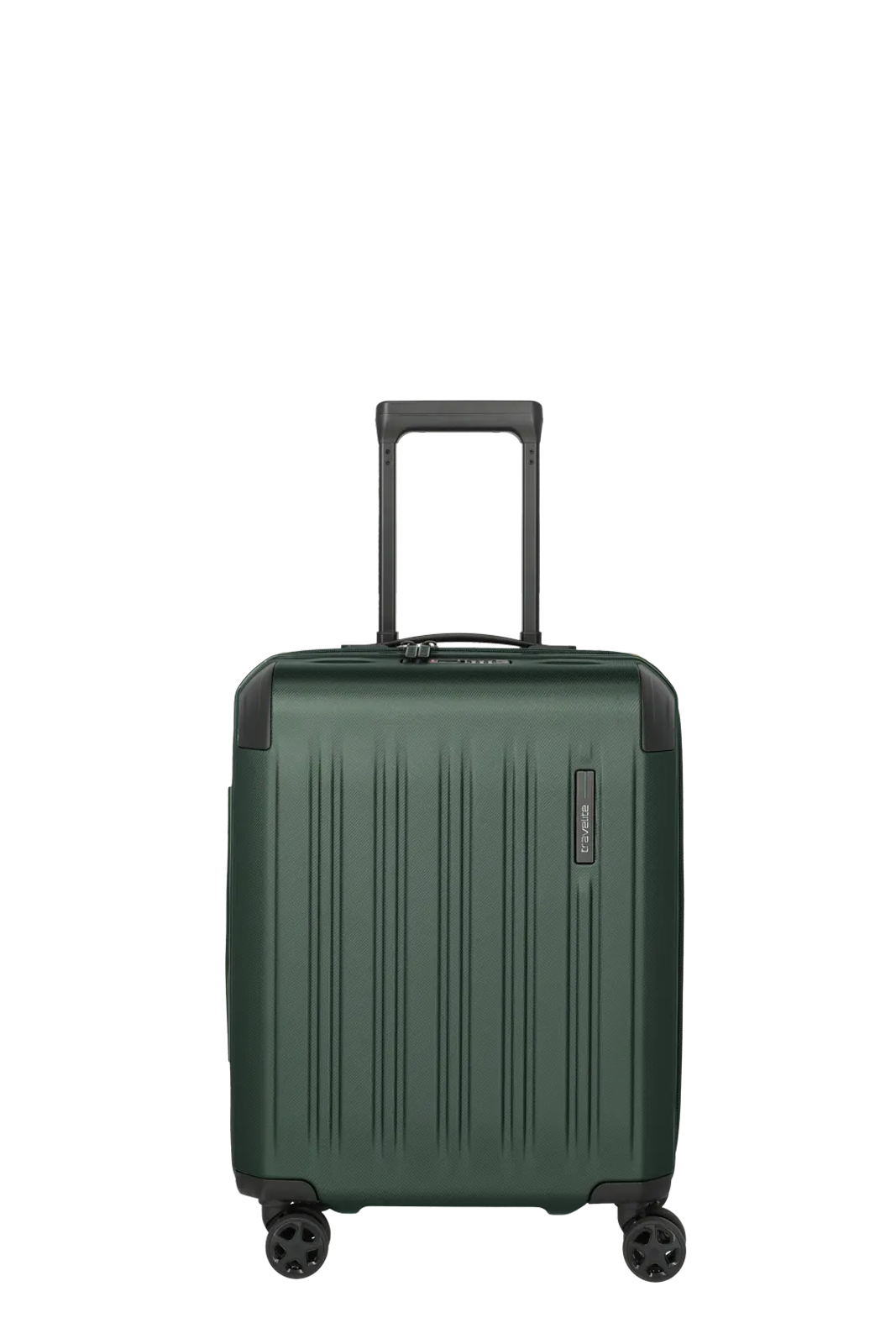
If you’re flying to a yoga retreat in Portugal, you’ll usually manage with hand luggage only. You can find the dimensions and weight limits allowed by Airlines in the hand luggage guide. It’s best to pack toiletries and essential oils in a Toiletry Bag. And we’ll show you how to fit everything in despite limited space in our tips on packing your suitcase.
Frequently asked questions about retreat holidays
How much does a retreat holiday cost?
Prices vary widely. Simple monastery retreats often start at around 150 euros for a weekend, while luxury wellness retreats can cost several thousand euros. Check whether meals and treatments are included in the price.
Can I take part in a retreat without any prior experience?
Yes, most retreats are suitable for both beginners and those with some experience. Organisers usually specify whether prior experience of yoga or meditation is required.
Is a retreat holiday also suitable for solo travellers?
Absolutely. Many participants travel alone to focus entirely on themselves. Retreats also encourage interaction with like-minded people. You can find further tips in our article on travelling alone.
How do I get to my retreat without a car?
Many retreat venues are deliberately situated in remote locations, but are well connected to local and long-distance transport networks. Ask the organiser if there’s a shuttle service from the nearest station; this is often the case at larger venues. We’ve summarised what you need to know about luggage on trains in our article on rail luggage.
How long should a retreat last?
To get started, two to three days are enough to completely switch off. If you want to go deeper – for example, on an Ayurvedic retreat or a silent retreat – it’s best to allow one to two weeks. Experience shows that the first two days are spent simply getting into the right frame of mind.
Can I use my mobile phone?
Many retreats recommend keeping the use of digital devices to a minimum. In silent or mindfulness retreats, their use is often strictly prohibited in order to enhance the experience.


.jpg)













_400x400 Kopie.png?ts=1760433160)
.png?ts=1750248453)



.png?ts=1750248569)