TSA lock: instructions, how it works and important questions for your trip
TSA lock: instructions, how it works and important questions for your trip
For many travellers, a TSA lock is an essential item whenever they’re taking international flights, particularly to the USA. Unlike a standard suitcase lock, it can be opened by authorised security authorities without damaging the lock or the suitcase. So, if your luggage is selected for screening, it remains securely locked and does not need to be forced open. This article explains what distinguishes a TSA lock from a standard combination lock, how the combination of a personal code and a master key works, how to set your lock correctly, and what to do if you ever forget the code.
What is a TSA lock?
TSA stands for the Transportation Security Administration, the US agency responsible for transport security. A TSA lock is a special type of luggage lock recognised by this agency. What makes it special is that TSA agents can inspect your luggage if necessary without breaking the lock or your suitcase. This is made possible by a universal set of keys, which is available exclusively to authorised security personnel.
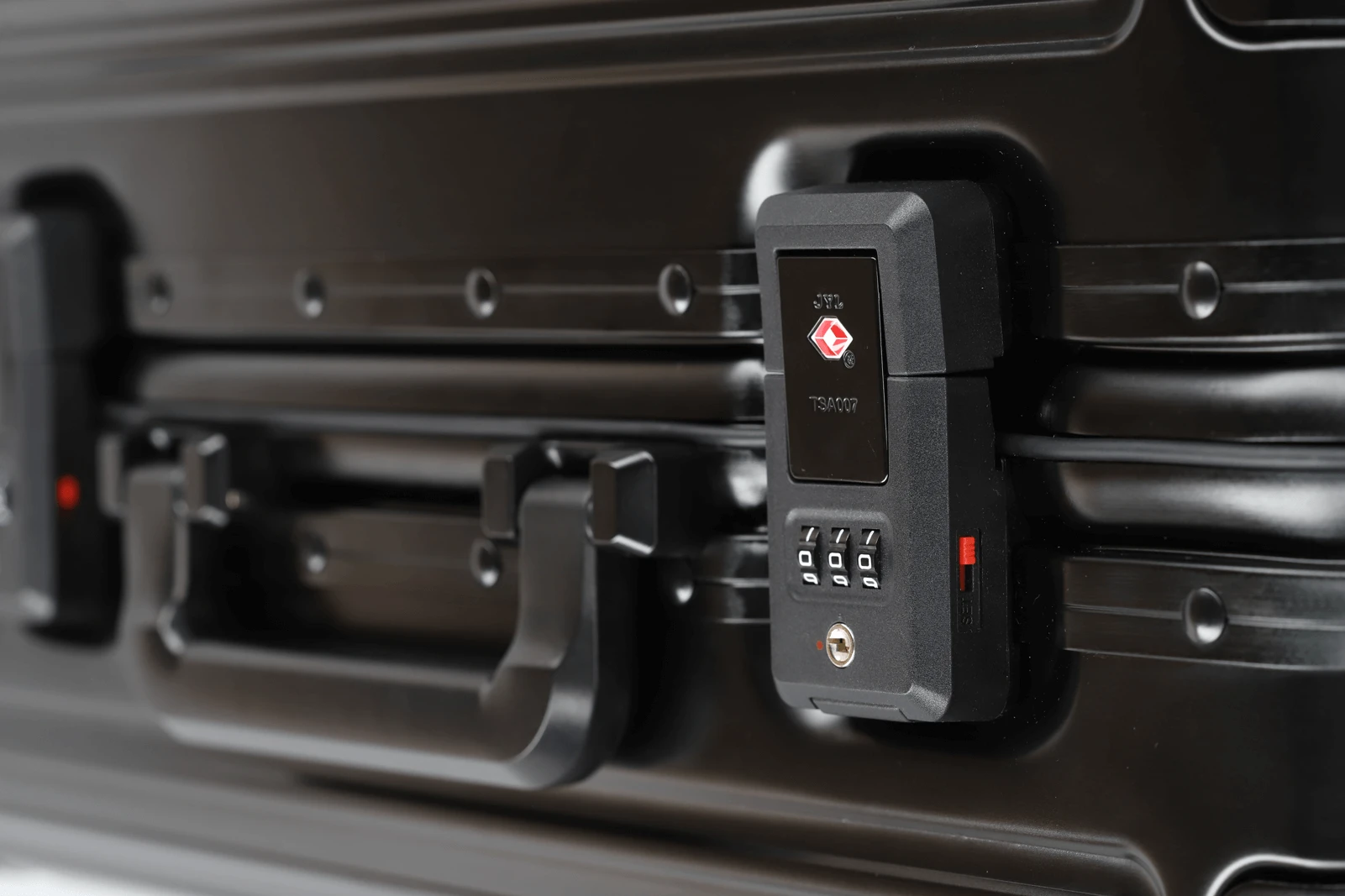
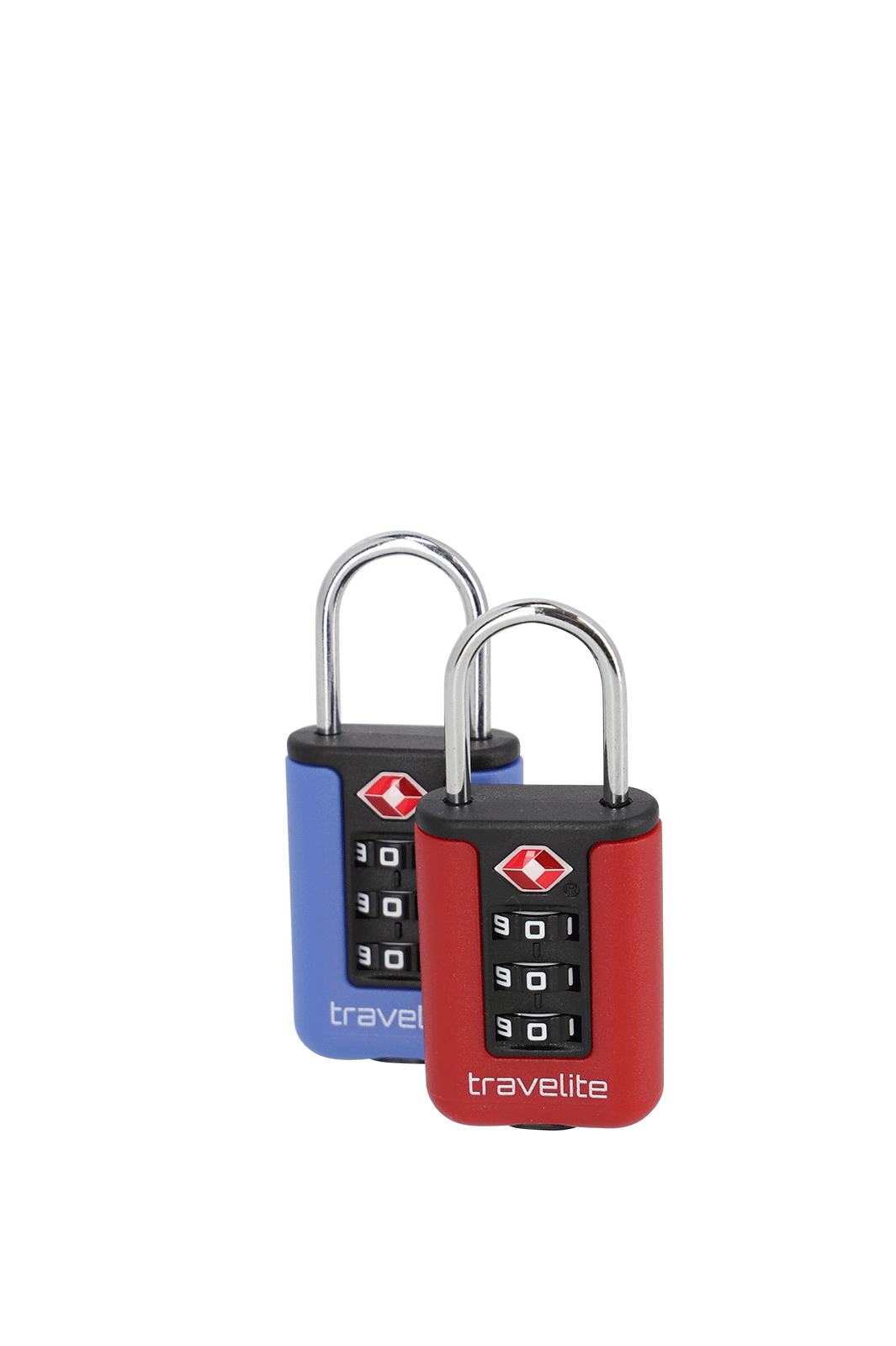
A TSA lock can be recognised by one of two recognised symbols:
Travel Sentry: red diamond symbol
Safe Skies: red and white torch symbol
If neither of these symbols is present, it is a standard combination lock without TSA approval, which security authorities may force open if in doubt.
How does a TSA lock work?
For you as the owner, a TSA lock works just like a normal combination lock. You set your own combination and can change it at any time. In addition, the lock has a second access point: a keyhole that is compatible with a universal TSA key. This key is held exclusively by authorised security agencies such as the TSA in the USA.
If an inspection takes place, officials will open the lock using this master key, search the luggage and then lock it again. Your personal combination remains unaffected and stays active. This means that only you and authorised security staff will continue to have access to your suitcase, whereas standard combination locks without TSA approval may be destroyed during a necessary security check.
How does the TSA key work?
The TSA key is a standardised master key that allows security authorities to open a TSA lock without knowing the personal combination. The system was developed by Travel Sentry Inc., which licences the appropriate lock mechanisms to numerous luggage manufacturers. The keys themselves are held exclusively by authorised bodies such as the TSA in the USA or equivalent authorities in other countries.
If your suitcase is selected for screening, the officers will recognise from the red diamond symbol that they are authorised to open the lock using the master key. After the inspection, the lock is relocked; your own combination remains unchanged and continues to be active.
That is why your suitcase does not come with its own TSA key. This is no oversight, but part of the security concept: if every buyer were to receive such a key, the master key would no longer be restricted to authorised personnel. You yourself use only the combination you have chosen; key access is intended solely for inspection by the authorities.
Are TSA keys legal?
The official master keys are reserved exclusively for security authorities and are not intended for private individuals. The actual purpose of a TSA lock is to allow security checks to be carried out without damaging the lock. Your personal combination remains the standard security measure for accessing your luggage.
In 2015, a blueprint for the TSA master key was published online; since then, instructions for replicating it using a 3D printer have also been circulating on the internet. This does not alter the actual function of the system: TSA locks remain the recognised standard for enabling security checks without damaging the lock.
Is a TSA lock worth it?
The main benefit of a TSA lock is that your luggage does not need to be forced open during a security check. Without TSA approval, a lock may be broken if you cannot be contacted to open it when necessary – for example, if you have already moved on to your next destination. With a TSA lock, you’ll avoid this hassle, and your suitcase will simply be locked up again after security checks.
However, you shouldn’t expect complete protection against theft. As it cannot be ruled out that master keys may be duplicated without authorisation, a TSA lock offers little more security against unauthorised access than a standard combination lock. A TSA lock is therefore particularly useful as a practical safeguard against damage during official checks and as a deterrent, rather than as complete protection against theft.
For which countries do I need a TSA lock?
A TSA lock is particularly important when travelling to the USA and Canada. Security authorities there actively and regularly use the master key, so a TSA lock is more than just a precautionary measure in these countries.
However, the standard is also widely used outside North America, in around 80 countries and at approximately 800 airports:
USA and Canada: actively used by security authorities; highly recommended
EU, including Germany: not compulsory, but advisable in the event of random checks
Other countries: including the UK, Japan, Australia and large parts of Latin America and the Middle East
Do German customs officials have TSA keys?
Yes. German customs also use TSA keys, as the authority itself has confirmed. This is particularly relevant if you are not personally available for a necessary luggage inspection, for example because you have already travelled on. Thanks to the TSA lock, your luggage can be opened, inspected and resealed in such cases without the lock having to be broken.
Setting a TSA lock: step-by-step guide
A TSA lock is normally set to the default code 0-0-0 when you buy it. You can set your own code in just a few simple steps:
Step 1
Find the standard code
When you purchase your ‘ travelite ’ suitcase with a TSA lock, it is usually set to a standard code, often 0-0-0.
Step 2
Putting the lock into setting mode
To set your own code, you must first put the lock into setting mode. On your travelite suitcase, you do this by pressing or turning the lock’s shackle whilst it is open. On some models, there is a special button or lever that you need to press or slide. It’s best to check your lock’s instructions to find the correct mechanism.
Step 3
Setting your personal code
Now choose your own 3- or 4-digit code. Turn the number dials to set your desired combination. Choose a combination that is easy for you to remember but not obvious to others.
Step 4
Save settings
Once you have set your combination, return the lock to its starting position. This may involve pushing the shackle back into its original position or turning the setting dial back to its starting position. Your new code is now set.
Step 5
Test your lock
Finally, you should check that your new code works. Shuffle the numbers, then enter your new combination and try to open the lock. If it opens, you’ve done everything correctly!
Remember that it’s important to memorise your new code properly or keep it in a safe place. A TSA lock is a valuable tool for securing your luggage whilst travelling, and with your personal code, you’ll be even safer on your travels.
How do you open a ‘ travelite ’ suitcase?
How you open your ‘ travelite ’ suitcase depends on the specific model and locking system.
With most travelite zipped suitcases, you first open the built-in combination lock using your personal combination. Only then can the zips be unclipped and the suitcase opened.
On hard-shell suitcases such as the ‘ Next ’ series, a TSA combination lock fitted directly onto the sturdy aluminium frame fulfils this function instead of a traditional zip. Once the correct code has been entered, the frame can be unlocked and the suitcase opened.
If you’re unsure which locking system your specific model has, it’s worth checking the product page or the enclosed instructions.
Forgotten your code? Here’s how to get back in
If you’ve forgotten your combination, the first thing to do is to stay calm.
01
Try familiar codes: Test number sequences that you are familiar with, such as previous codes or combinations with personal significance. Often, after a few attempts, you’ll remember the correct number sequence.
02
Trial and error: With a three-digit combination lock, there are a maximum of 1,000 possible combinations; with a bit of patience, trying them all out usually takes around 20 minutes. For security reasons, TSA locks are deliberately designed without a reset button accessible from the outside.
03
Seeking help: If you’re at the airport, speak to a TSA agent or security staff. If you’re not at the airport, a professional locksmith can usually help – they can usually open the lock without causing any damage.
04
Last resort: Breaking the lock should really only be a last resort, as it will then need to be replaced.
Resetting a standard combination lock on a suitcase
Even without the TSA function, a standard combination lock on a suitcase can be reset. First, open the lock using the current combination or the factory setting, which is often 0-0-0. Then press the small adjustment button on the side of the lock with a pointed object such as a ballpoint pen; you will often hear or feel a slight click. Now set your new desired combination and release the button to save the setting. Finally, check that the lock opens with the new code.
TSA-approved lock suitcases from travelite
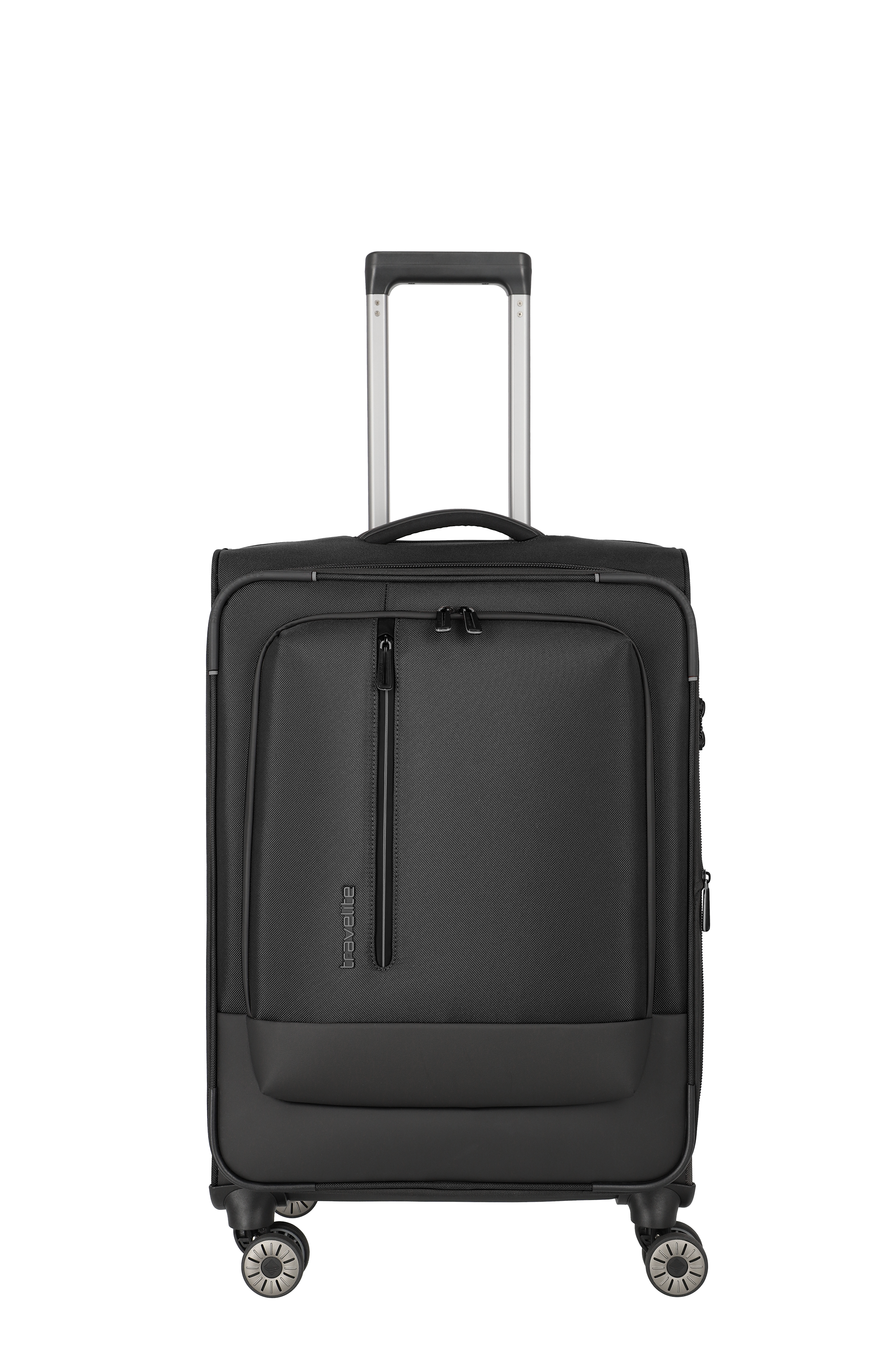
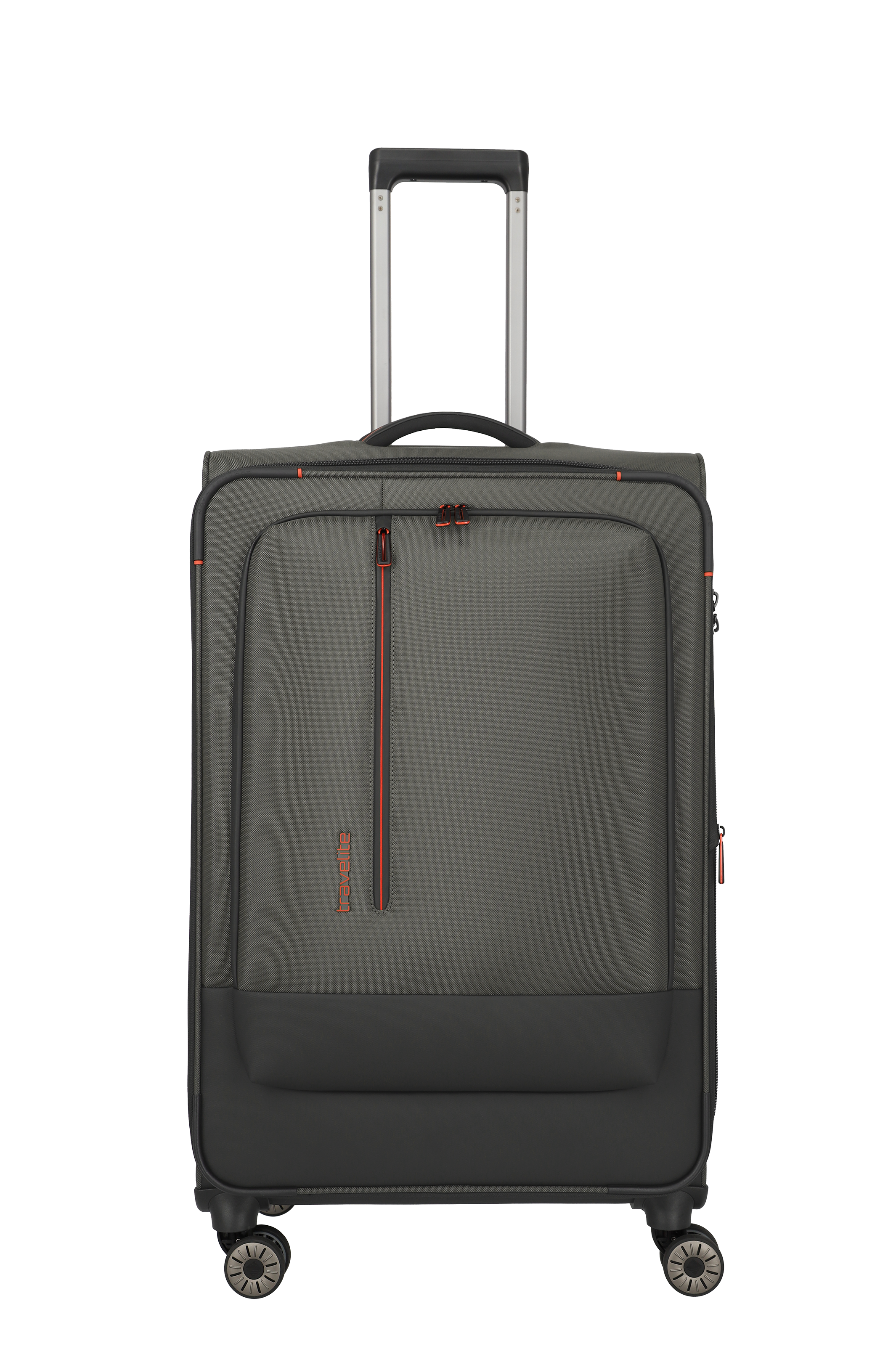
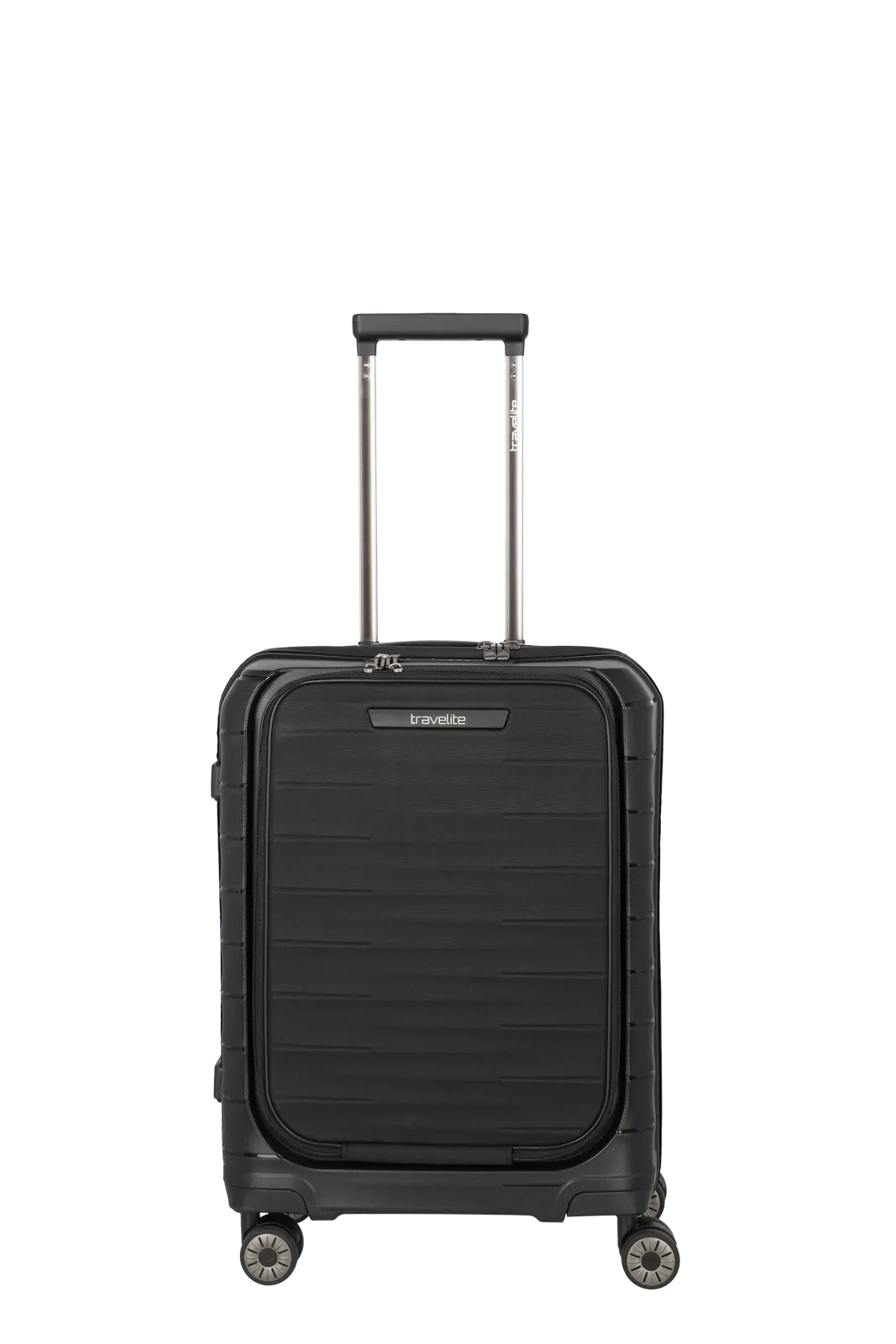
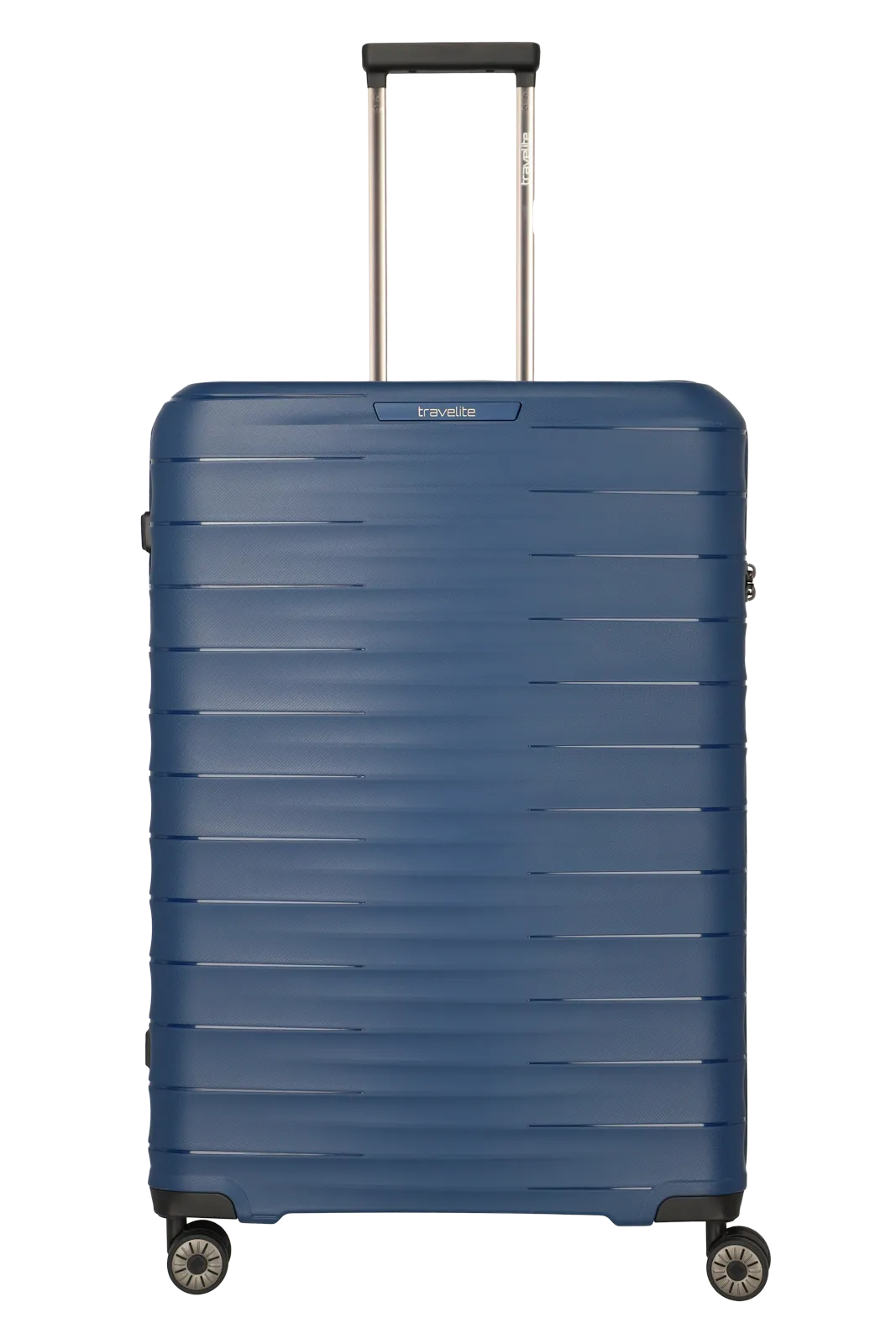
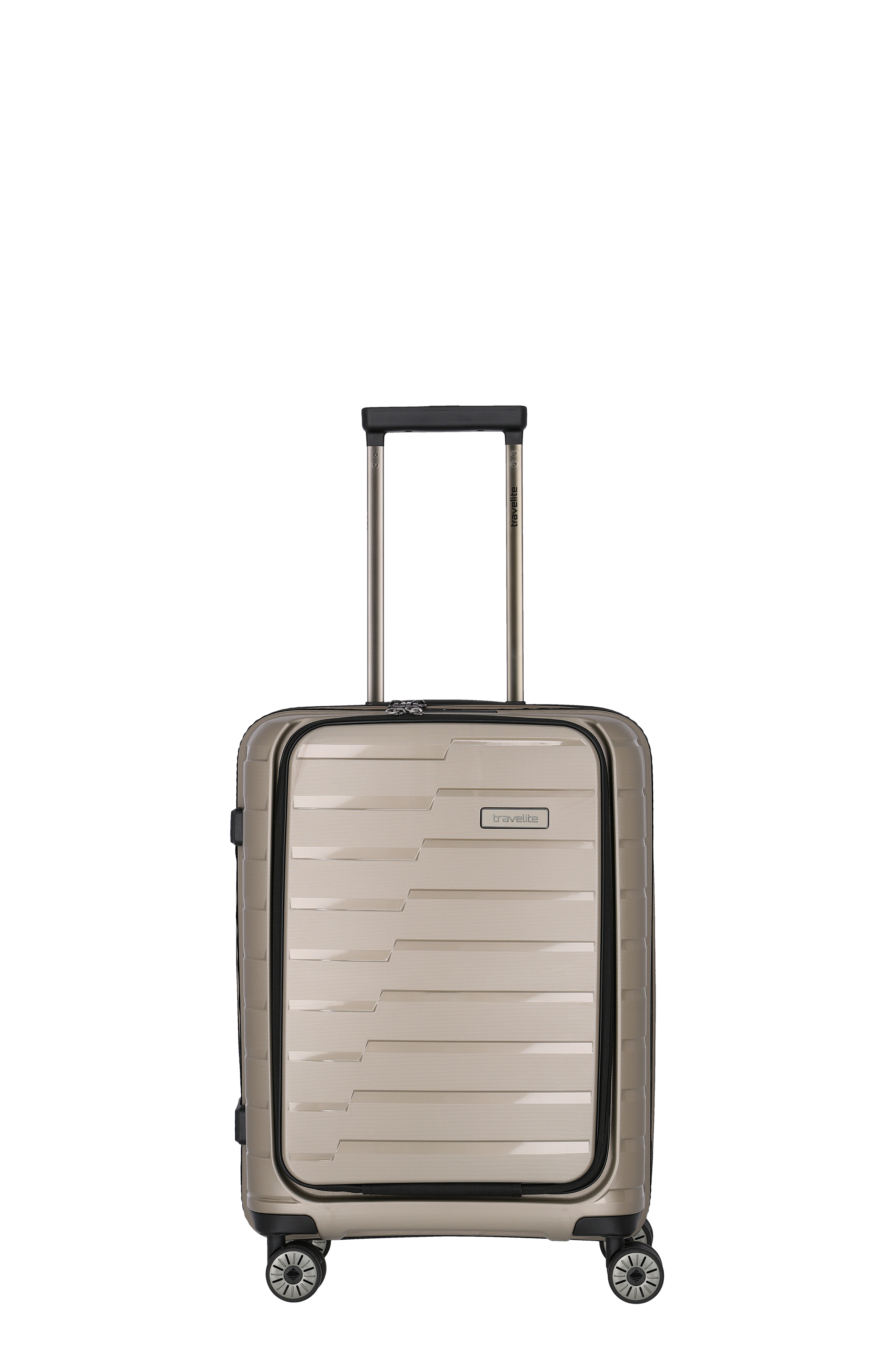
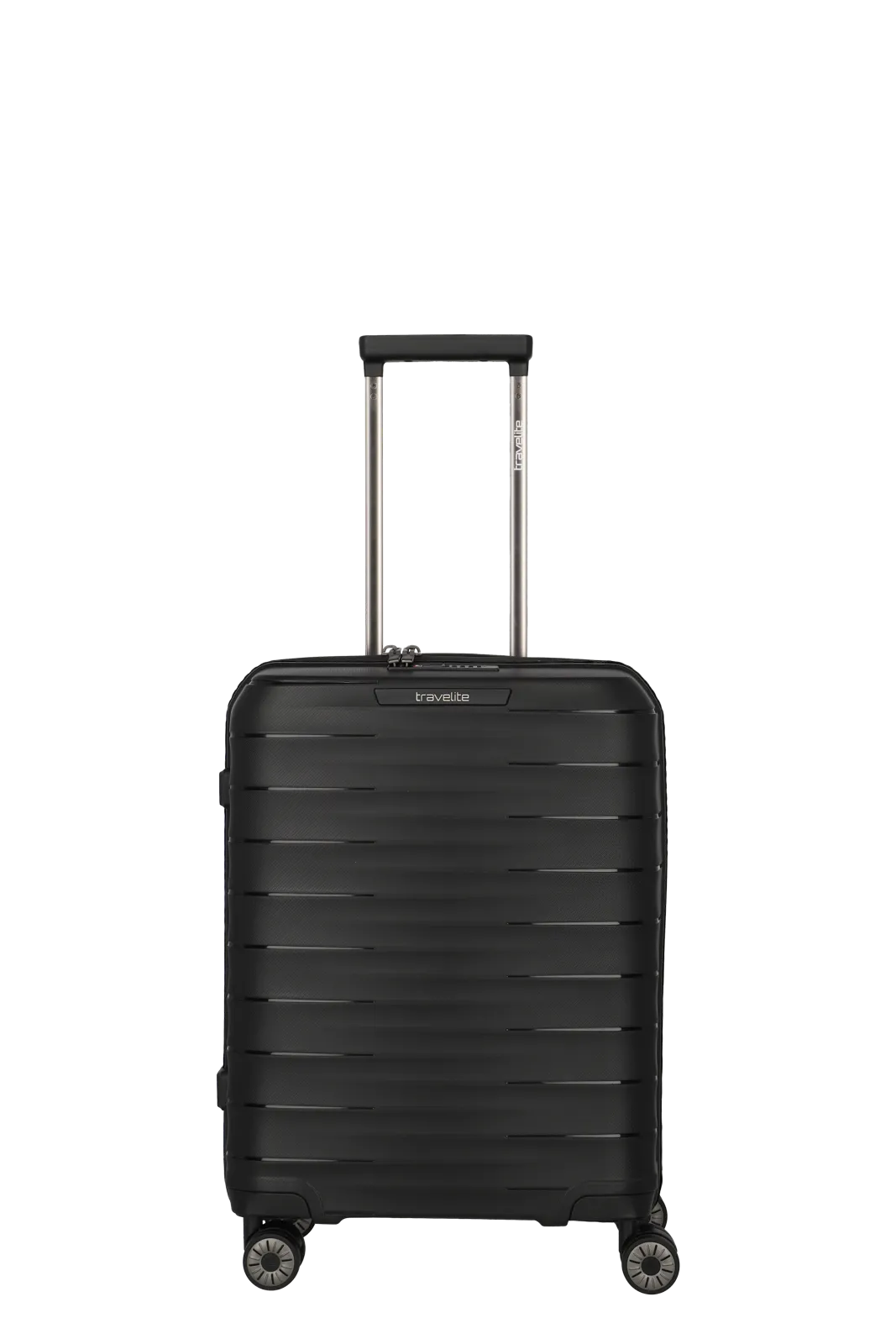
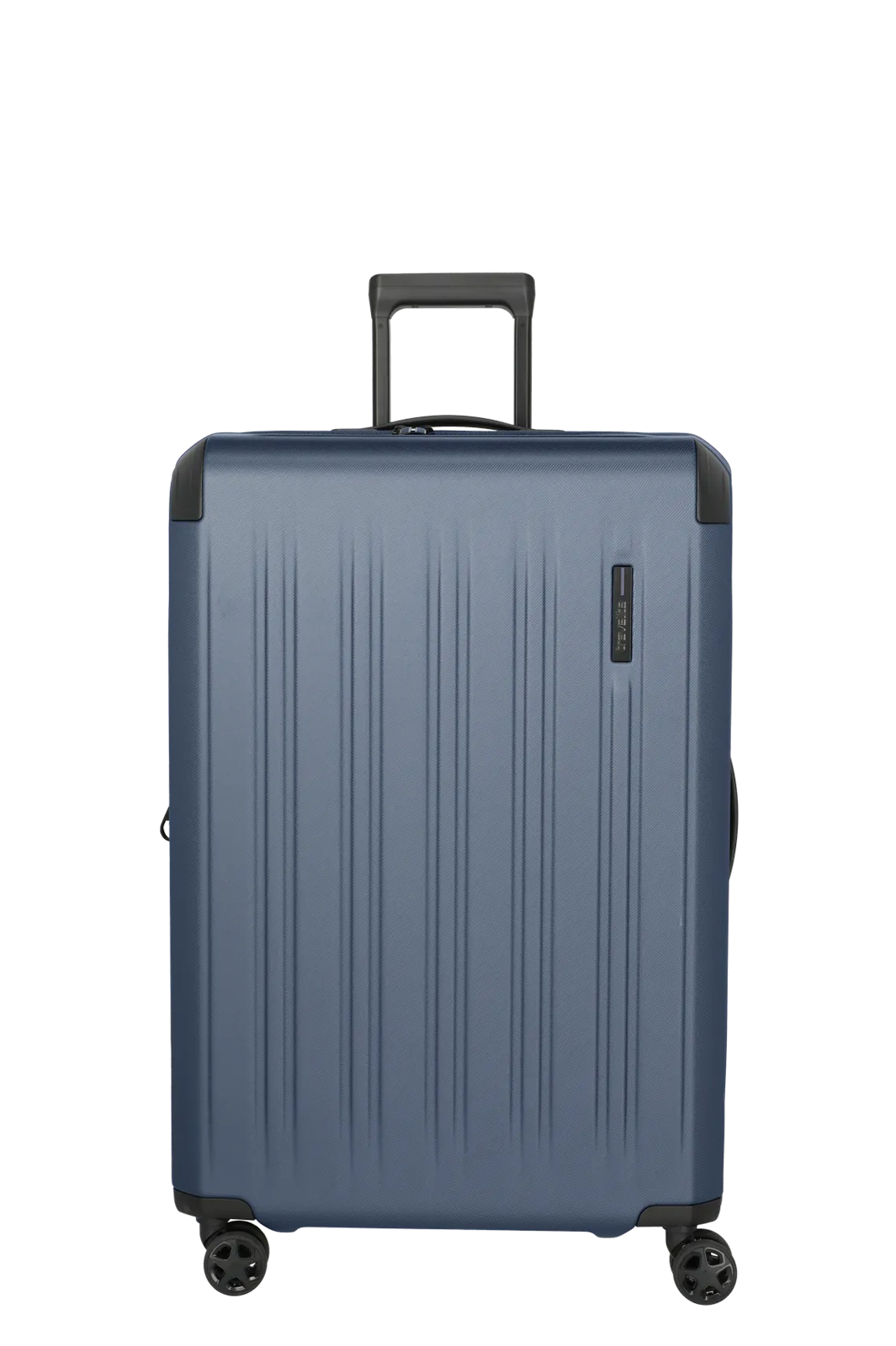
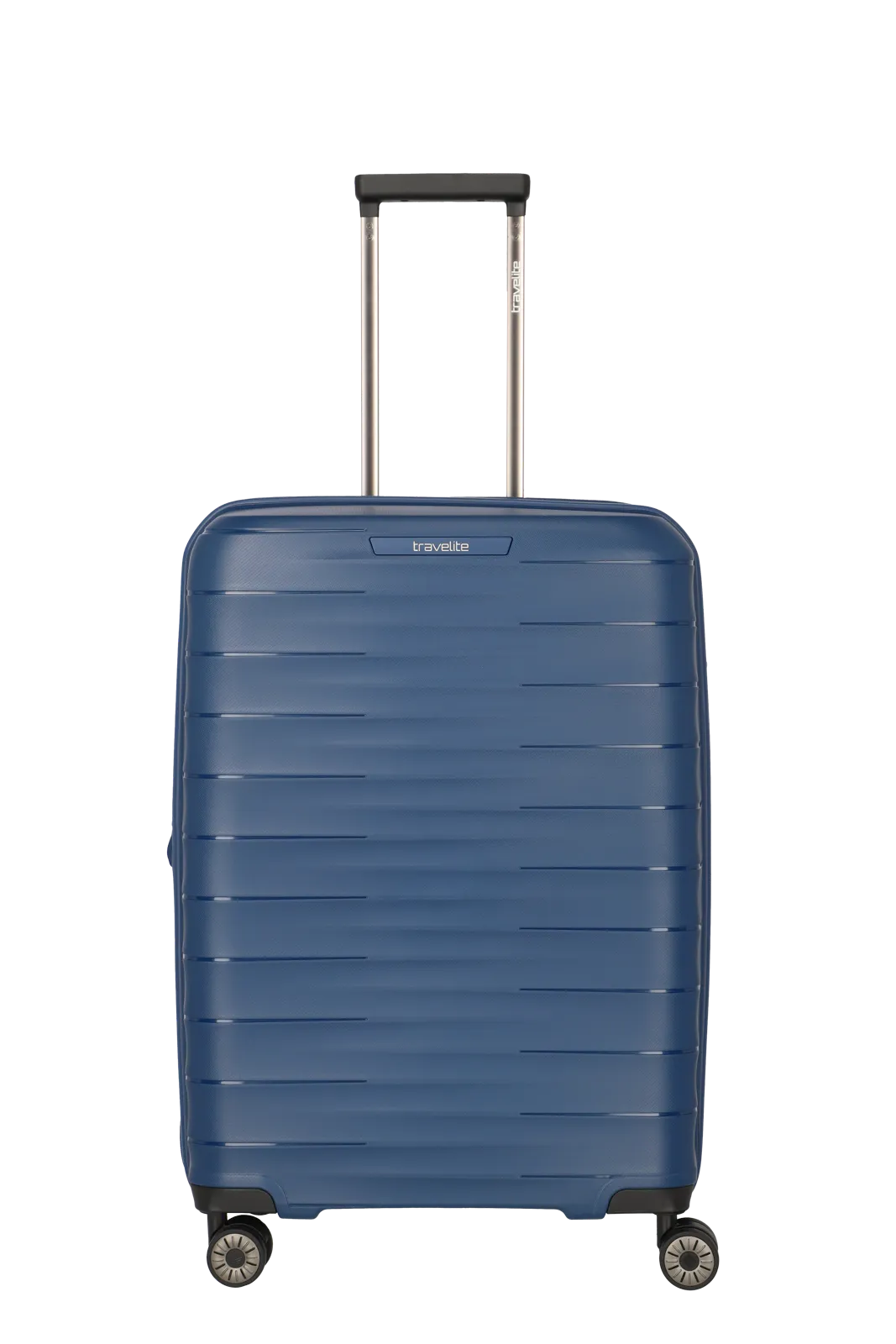
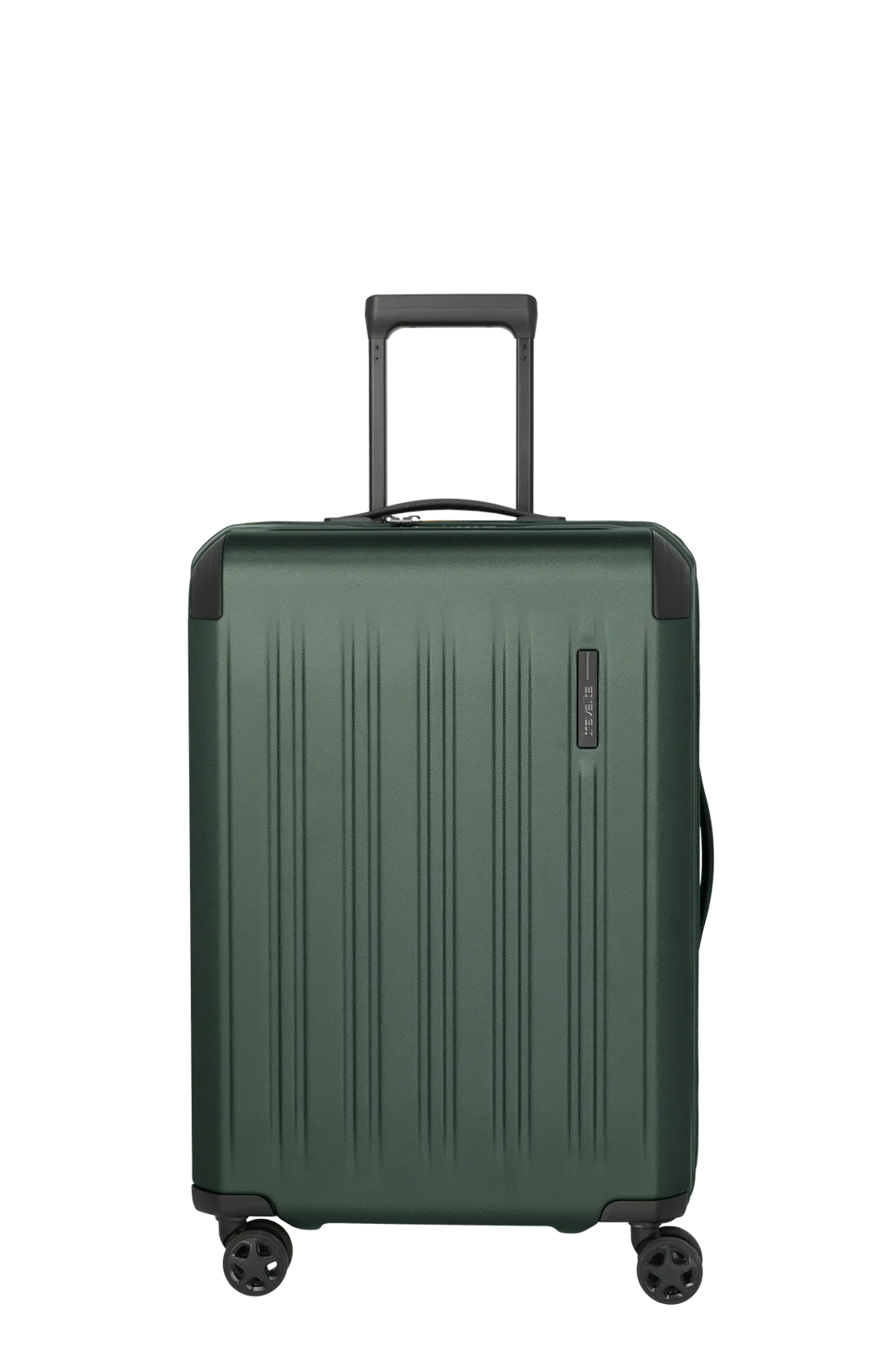
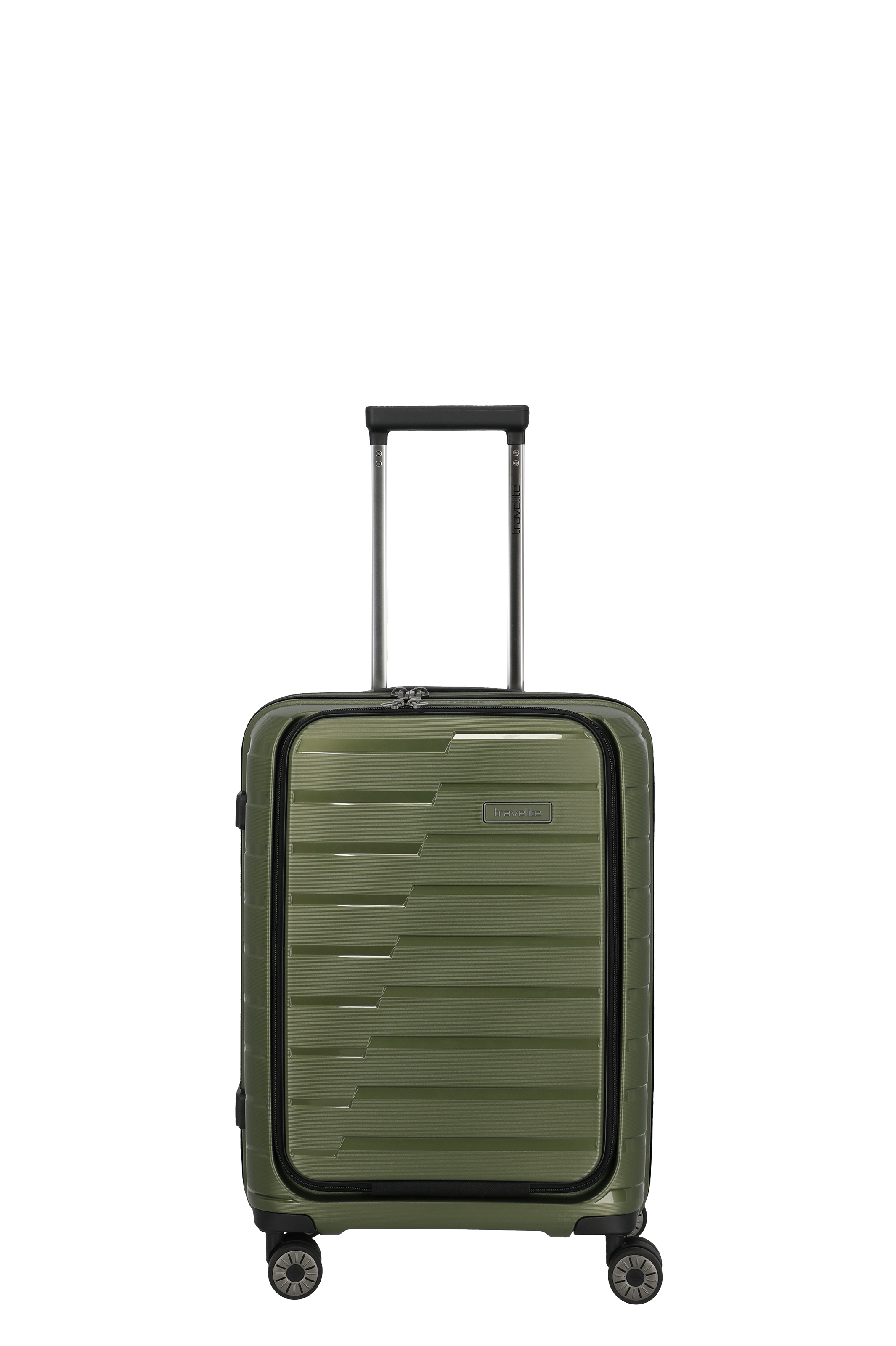
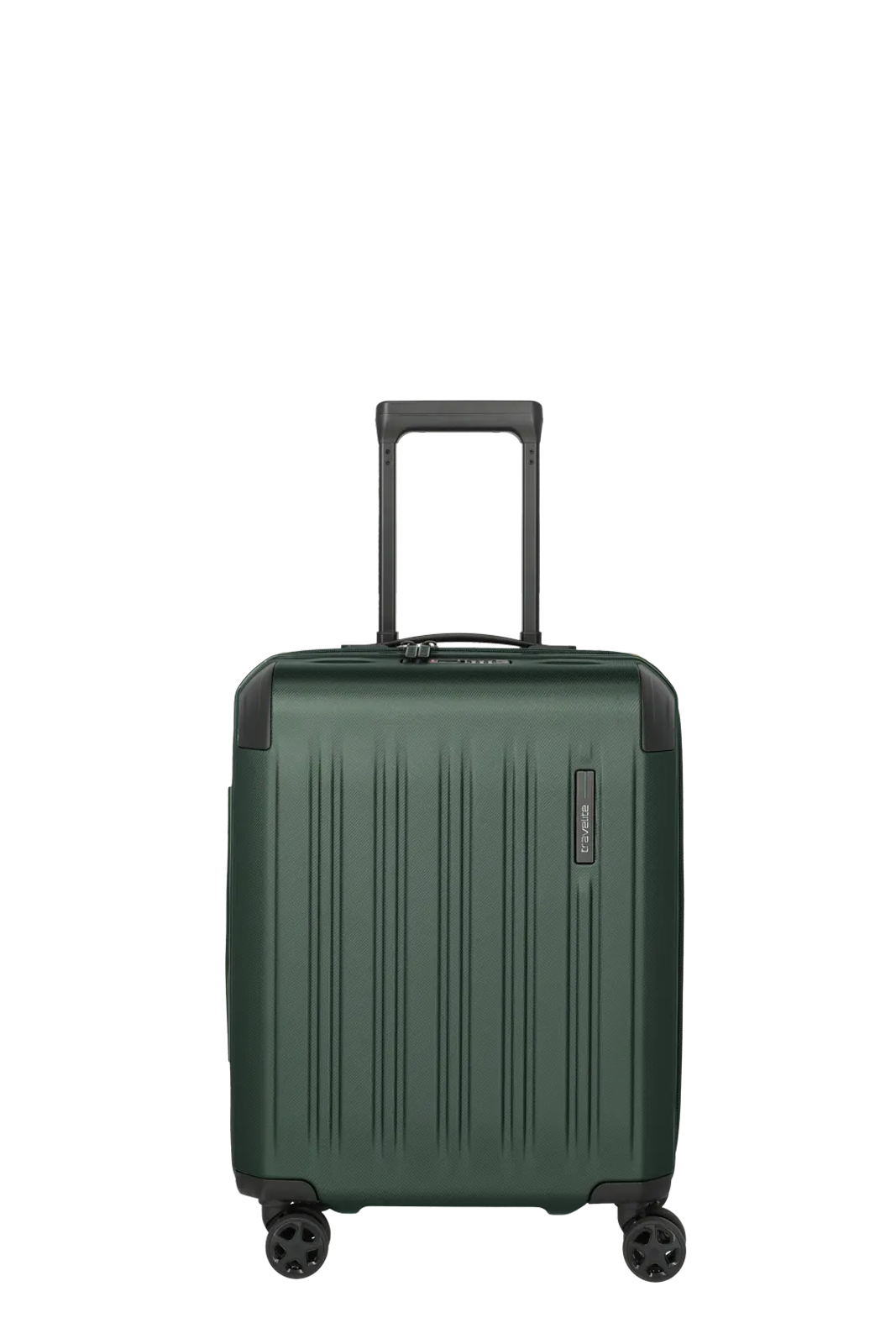
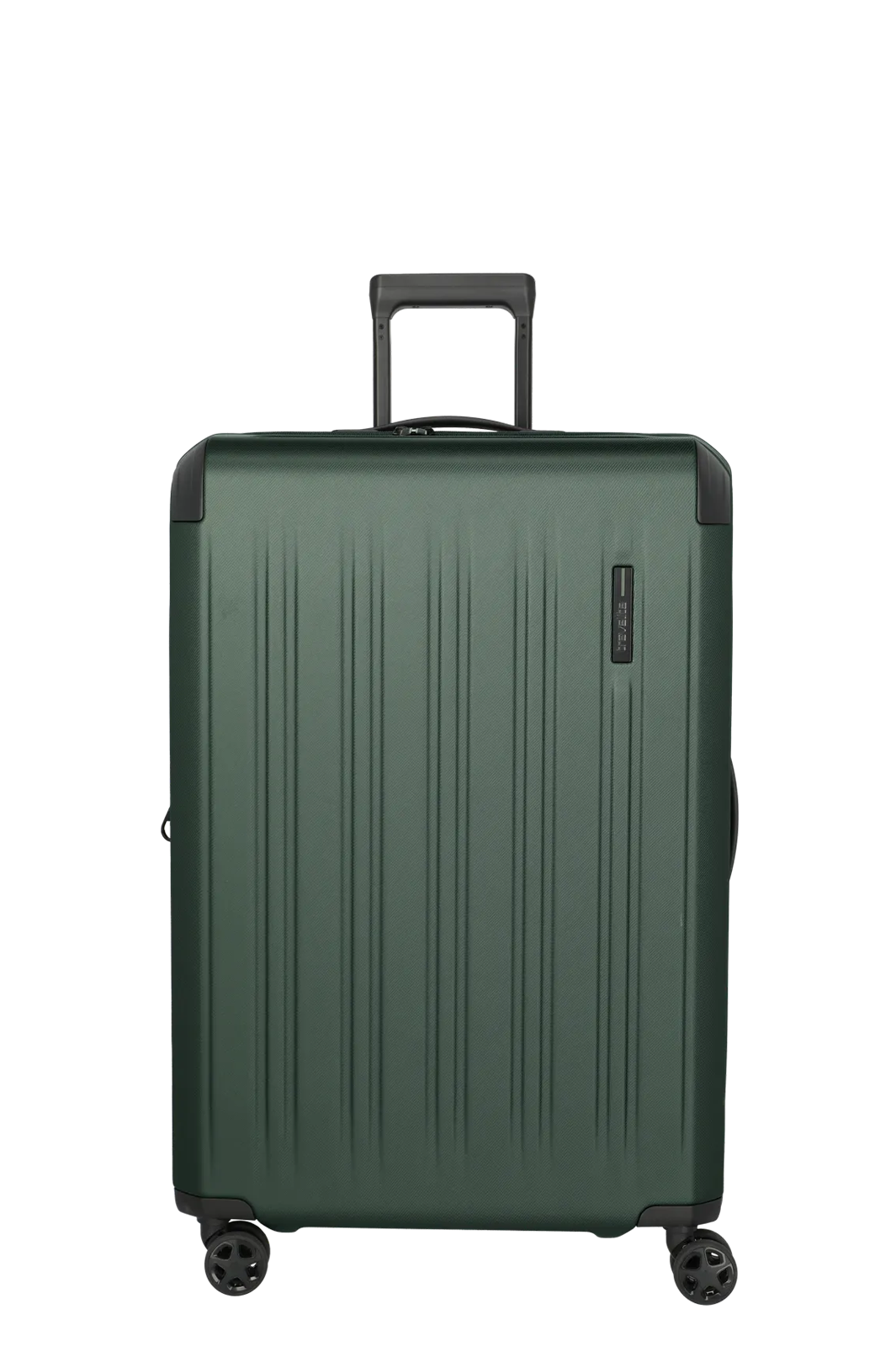
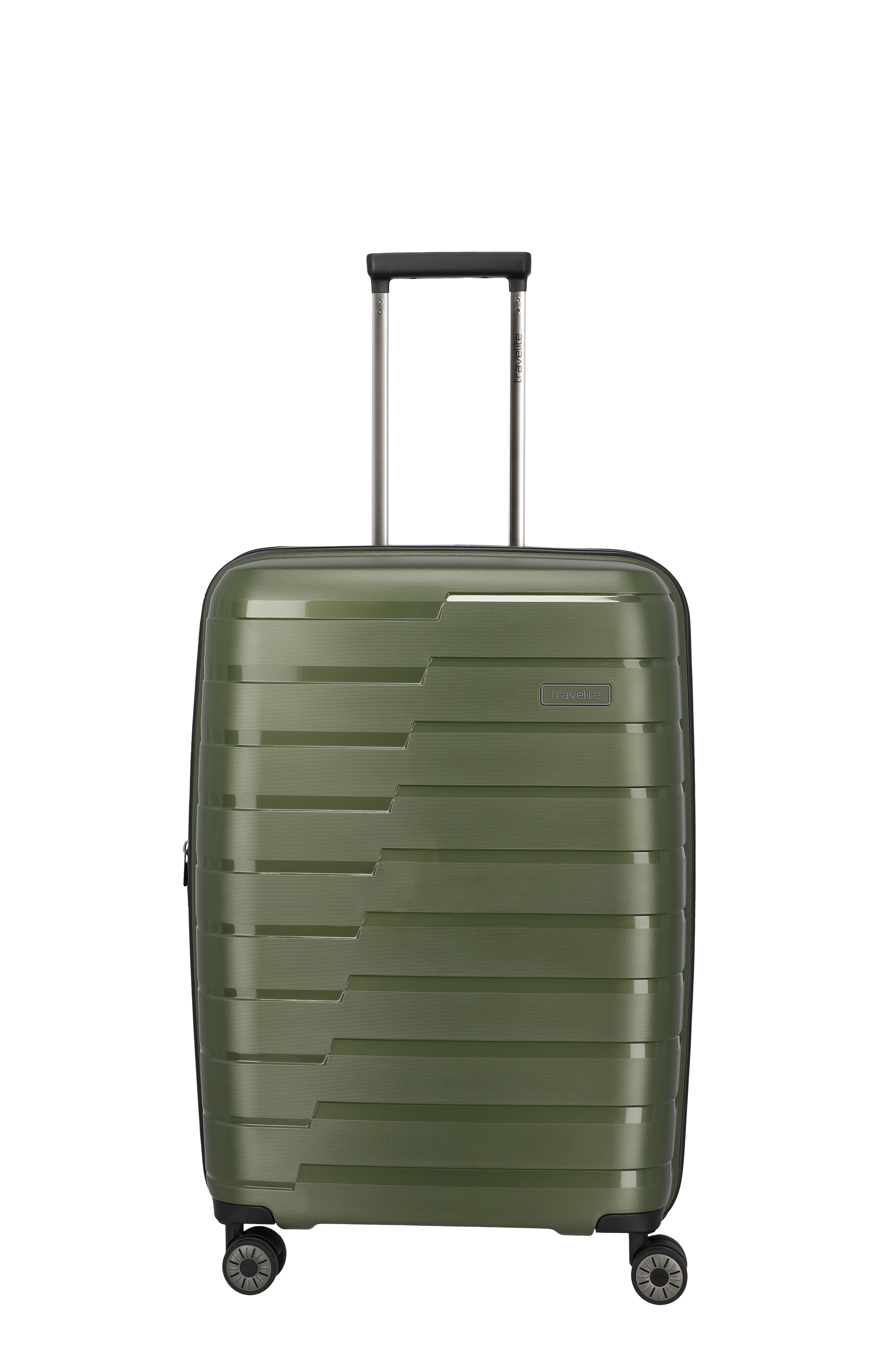
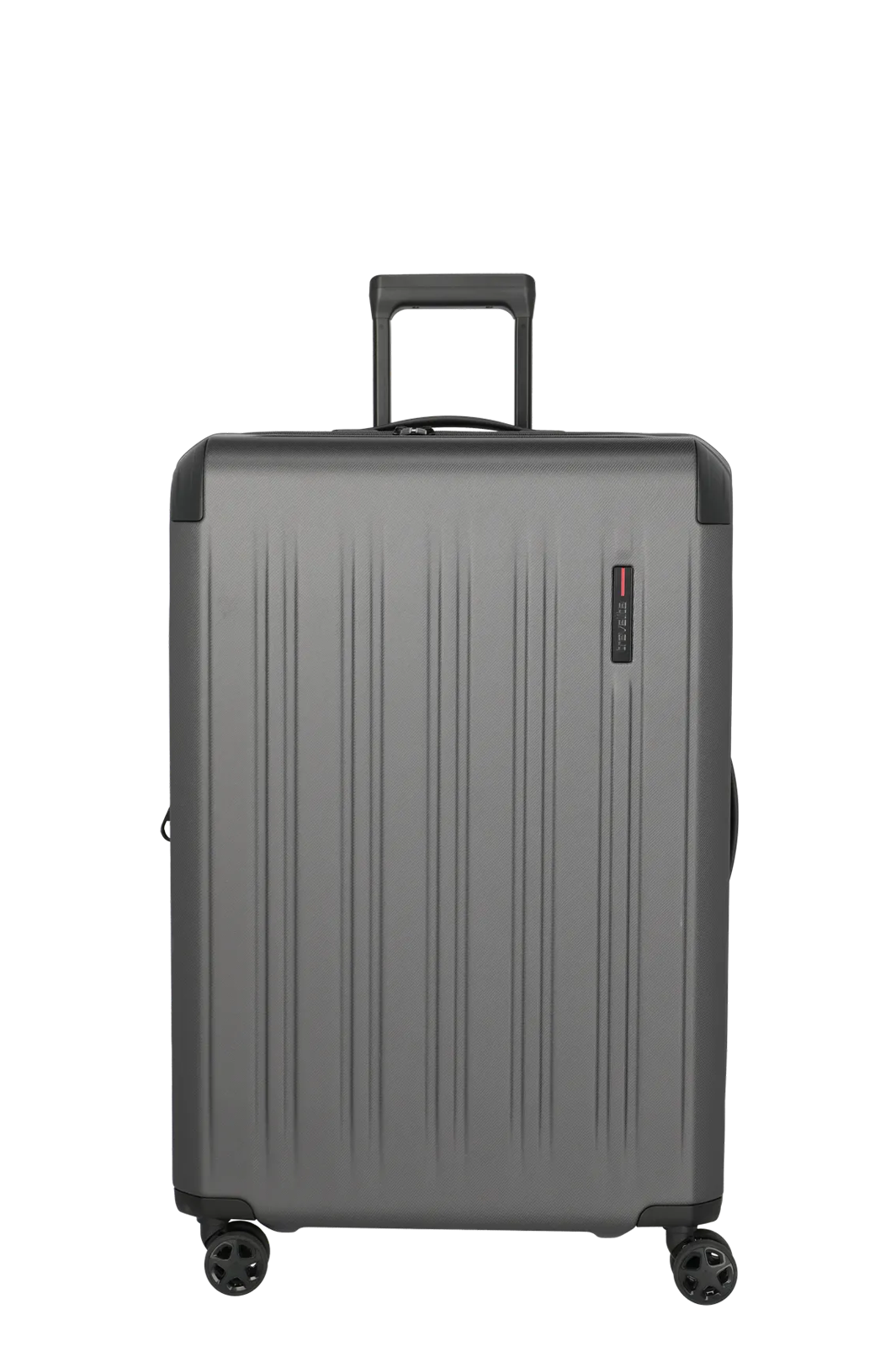
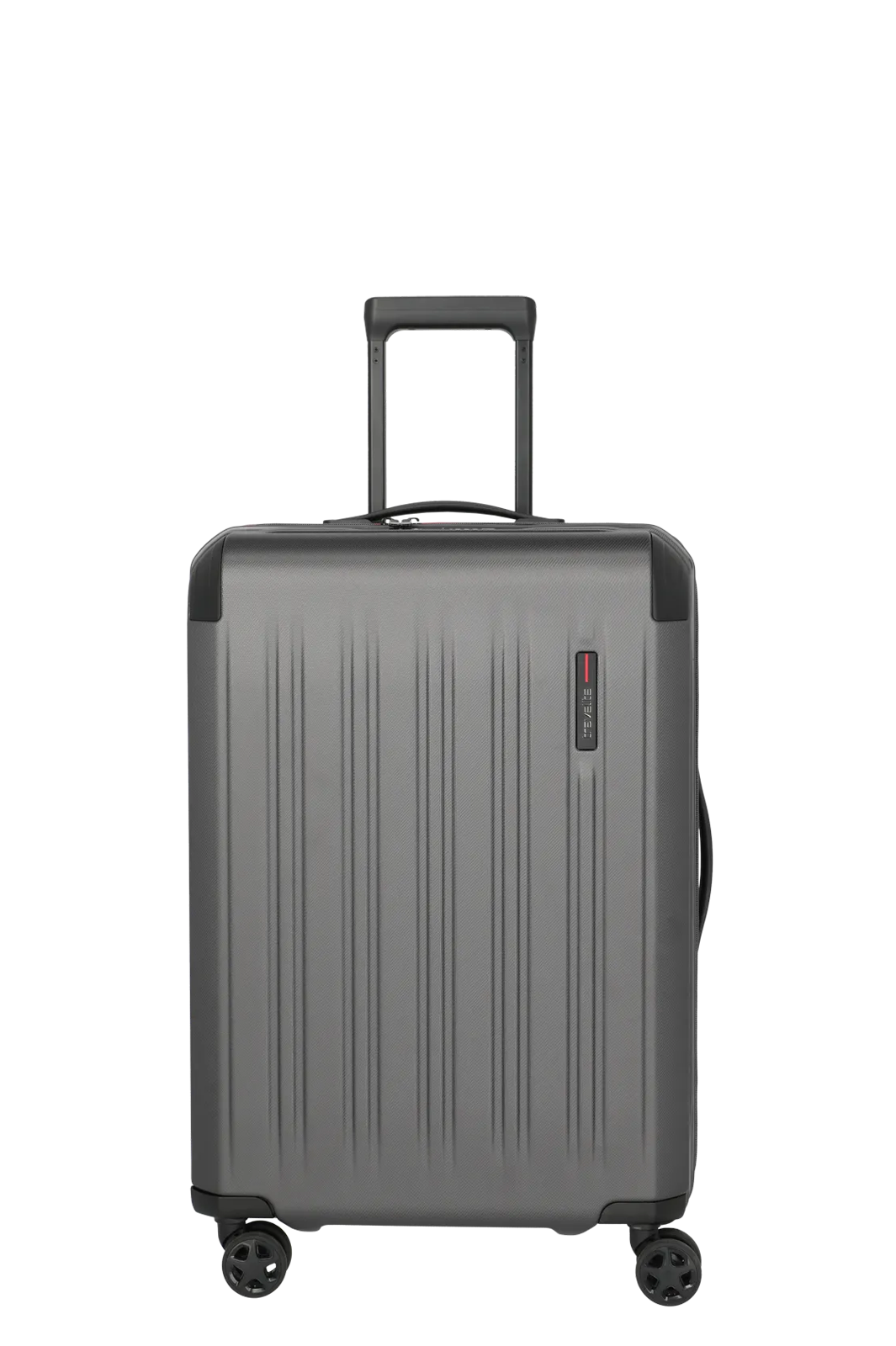
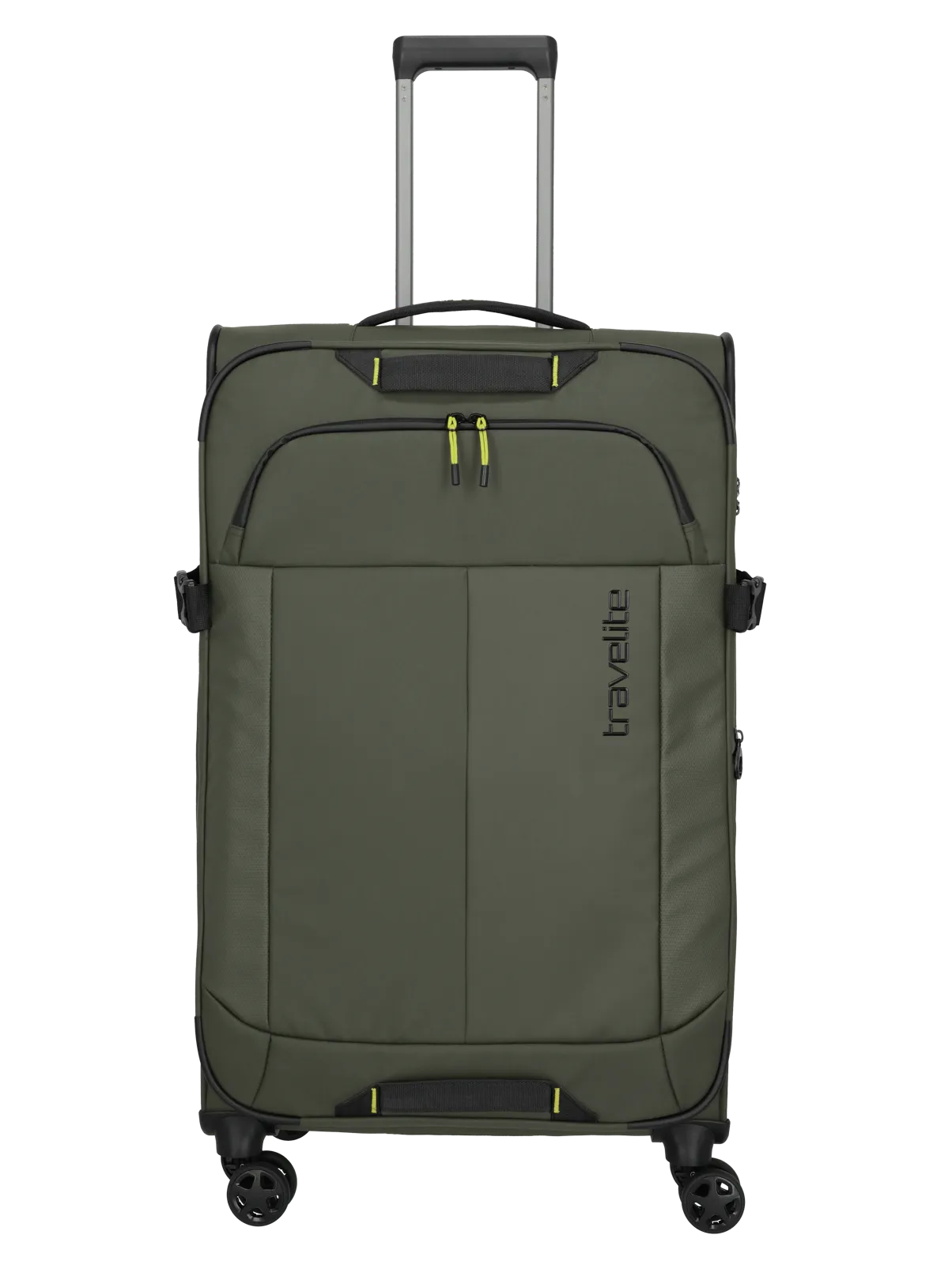
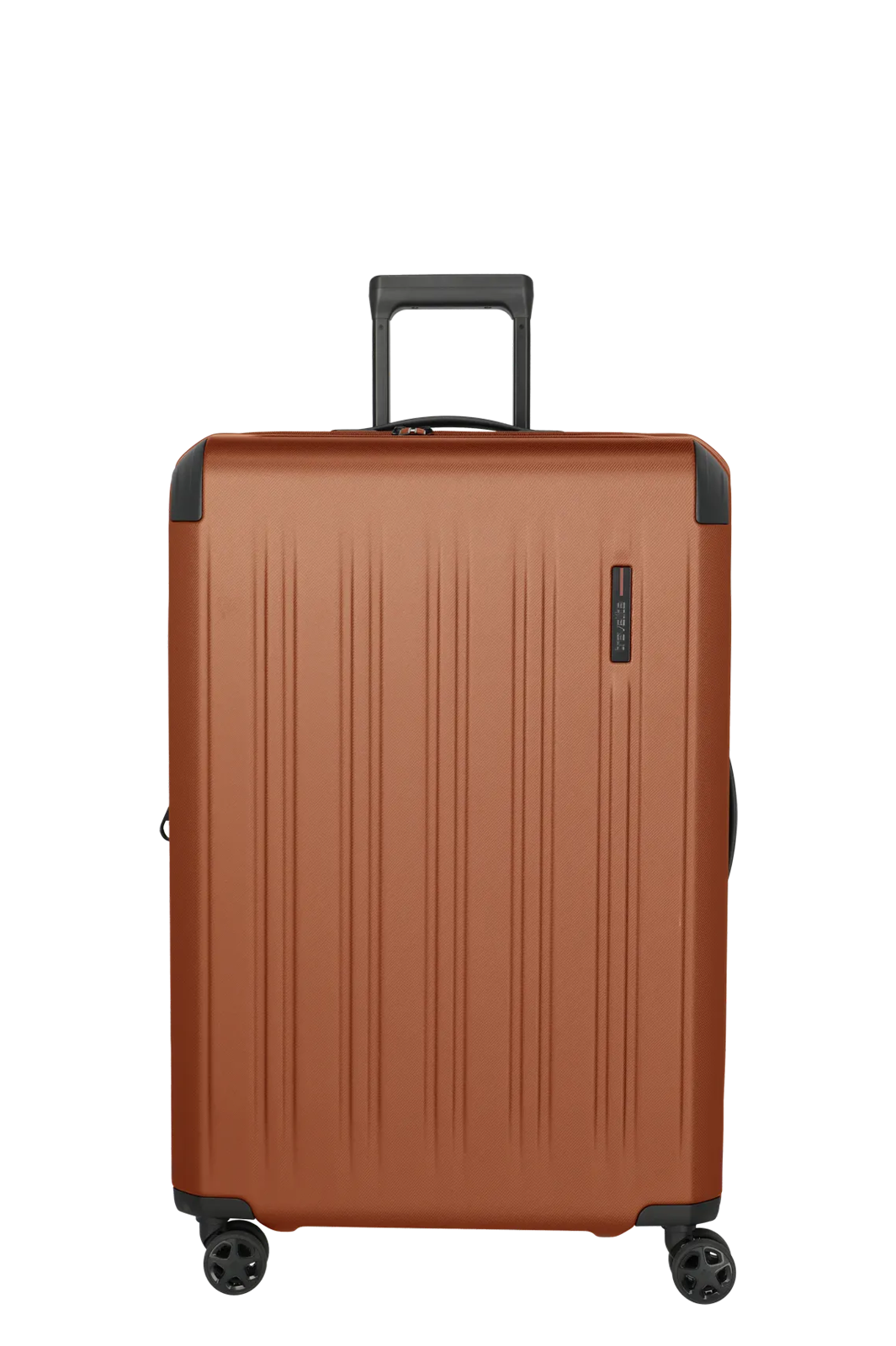
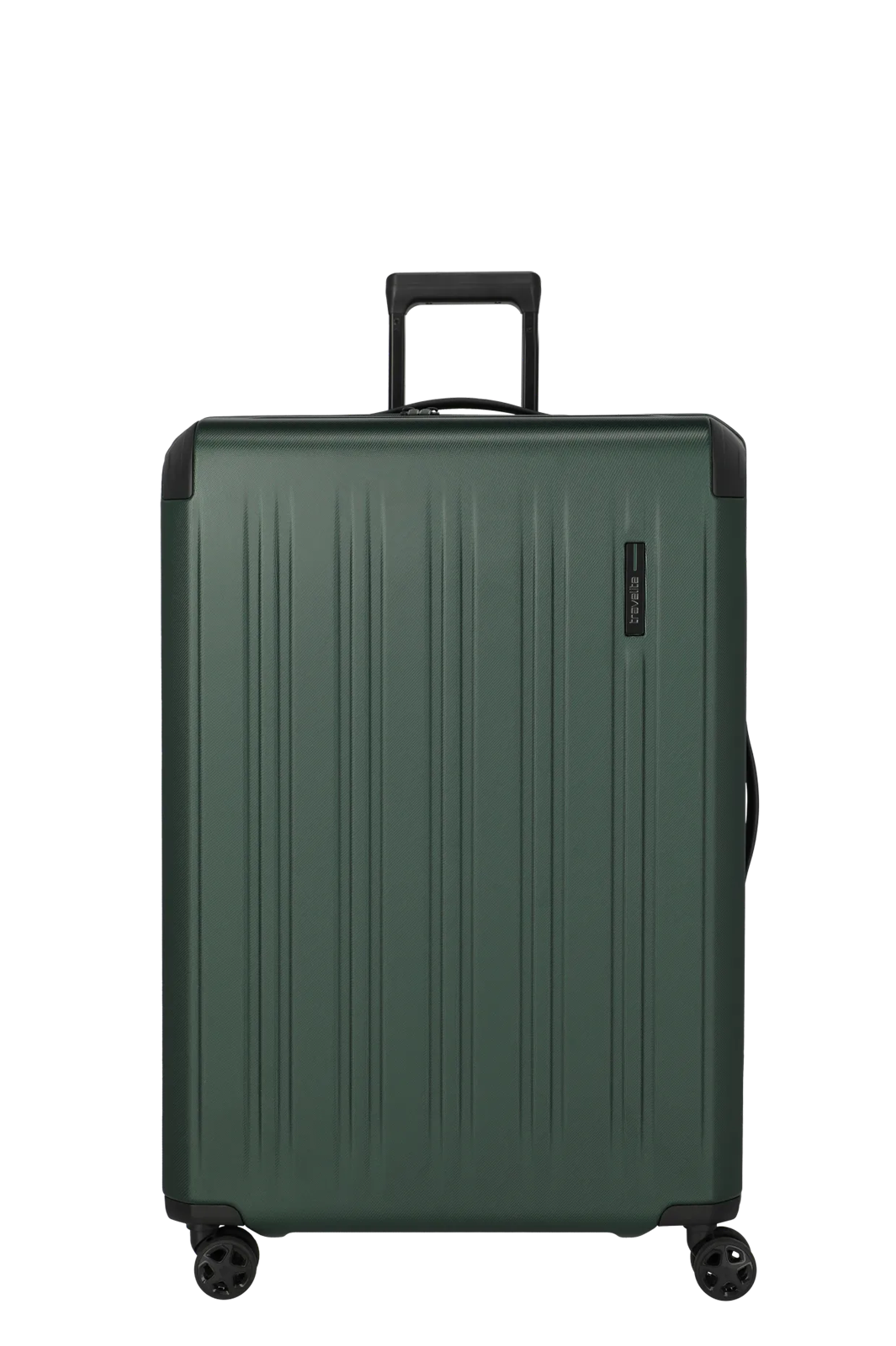
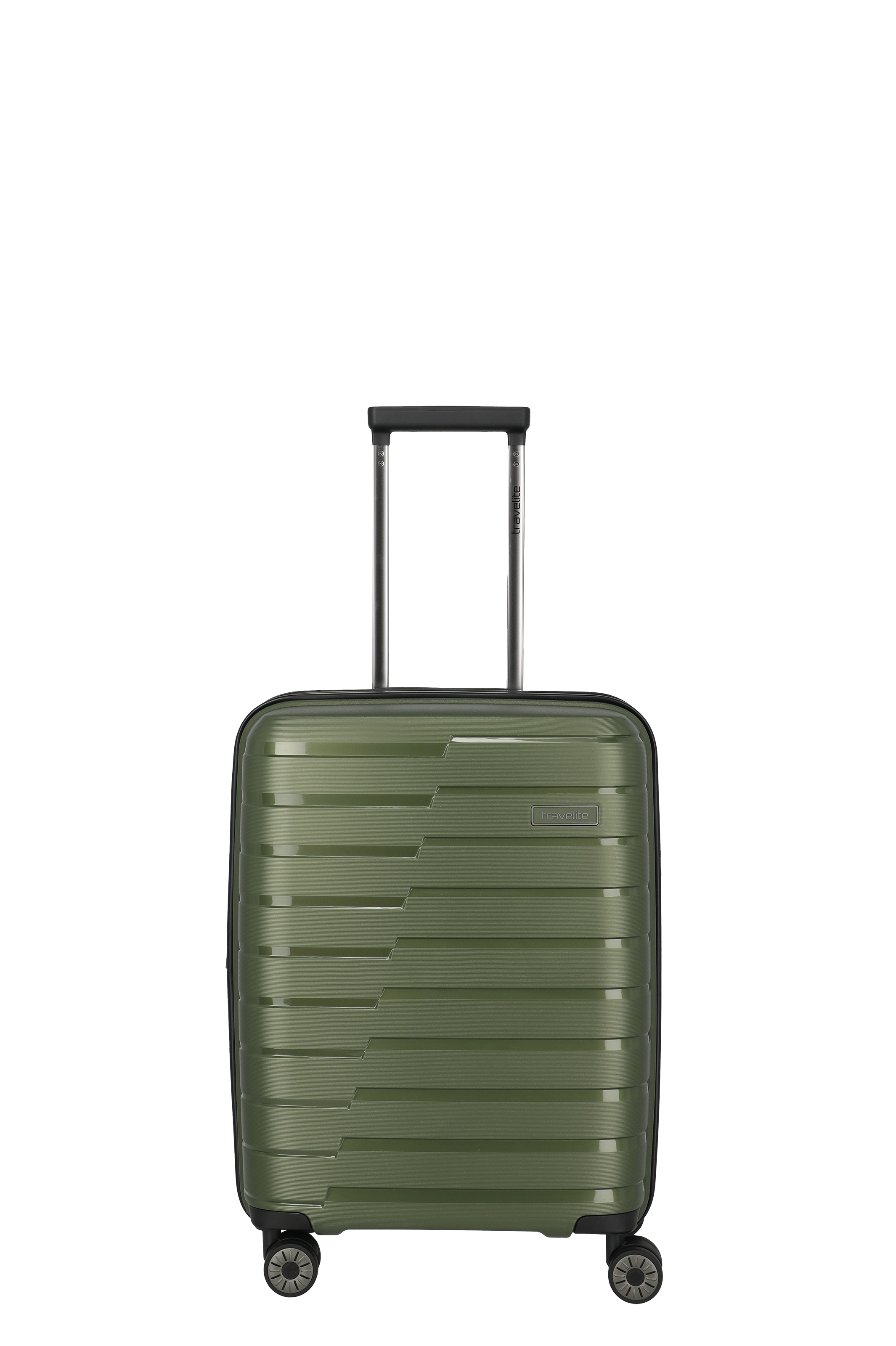
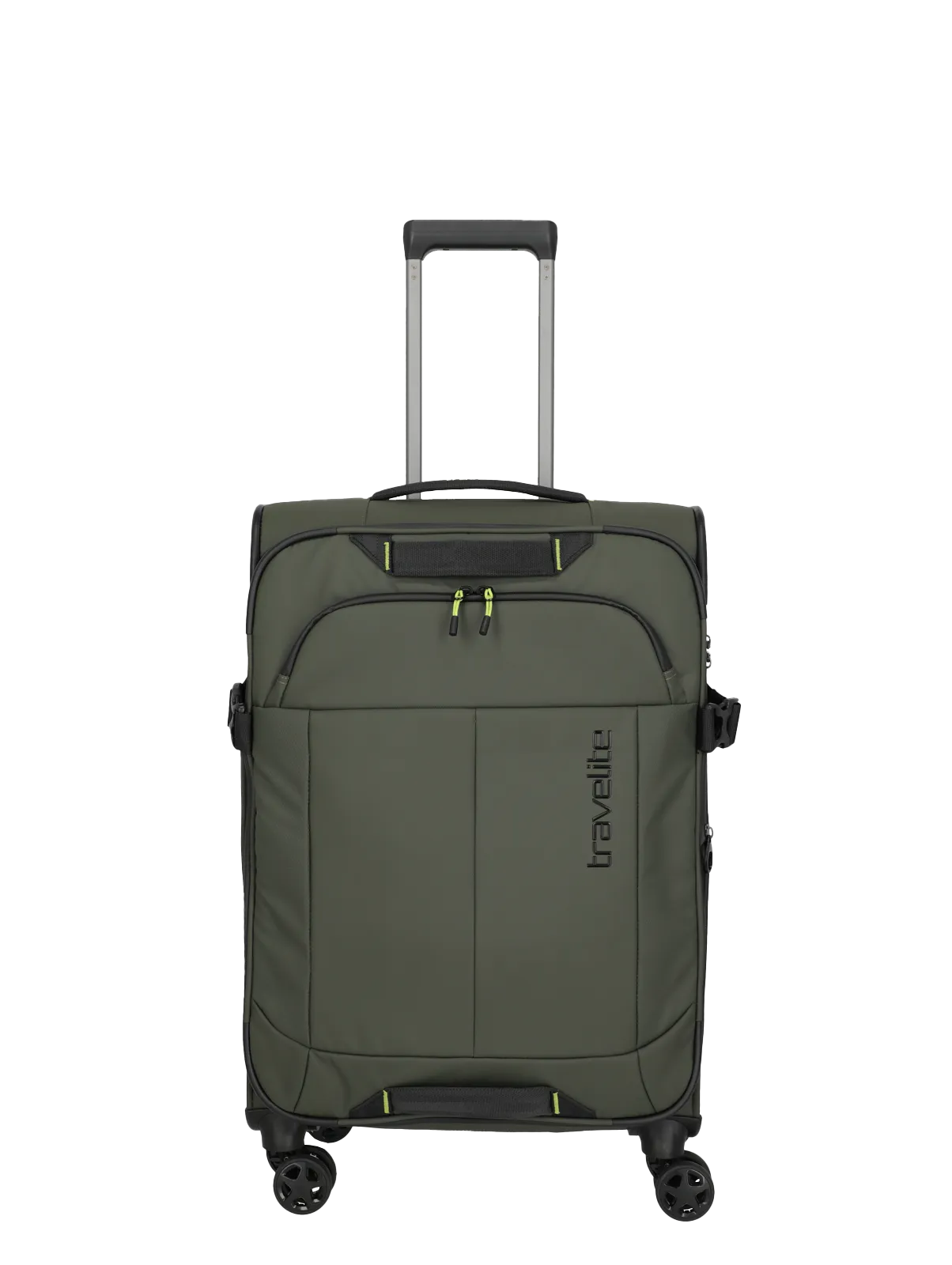
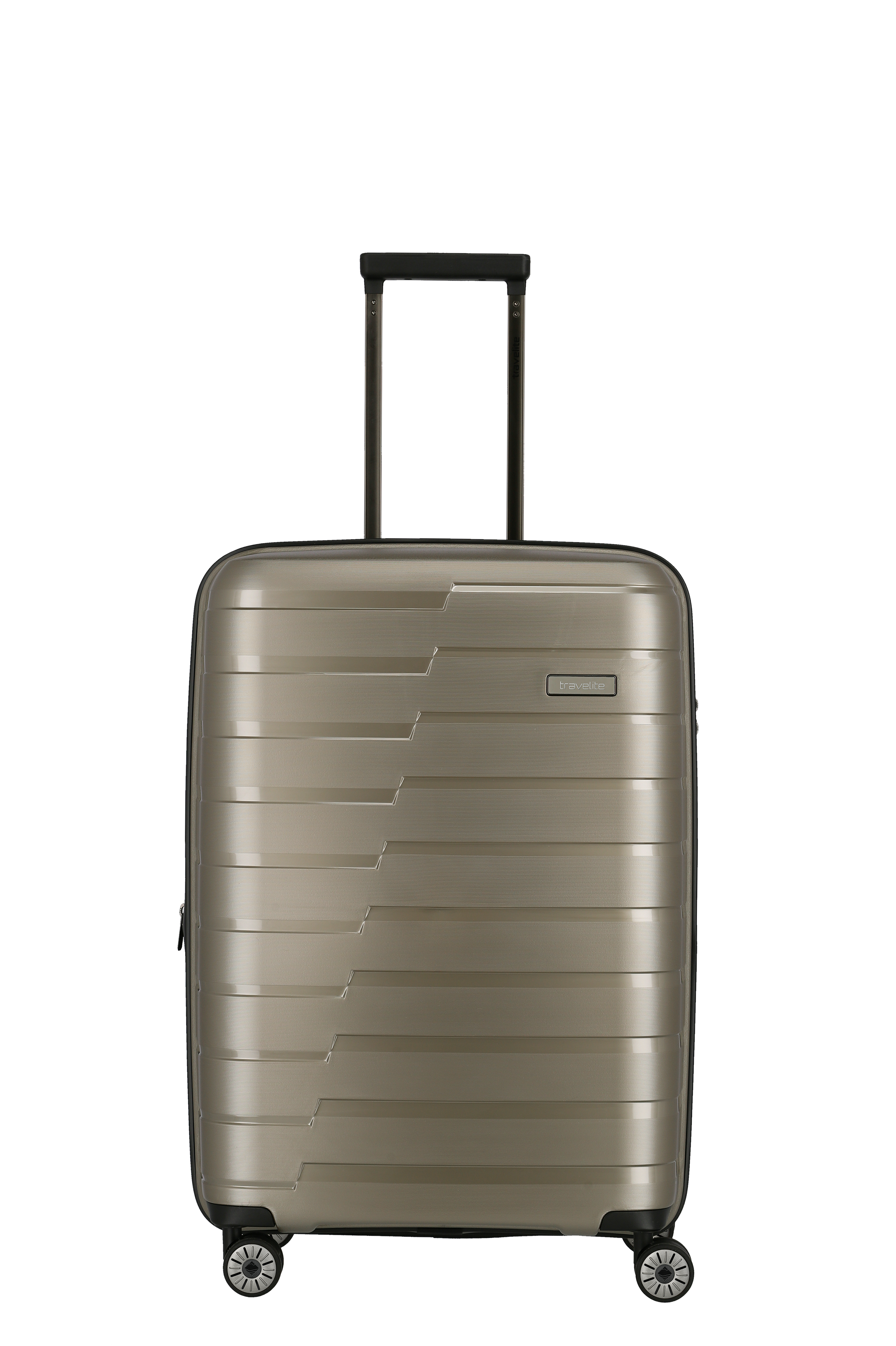
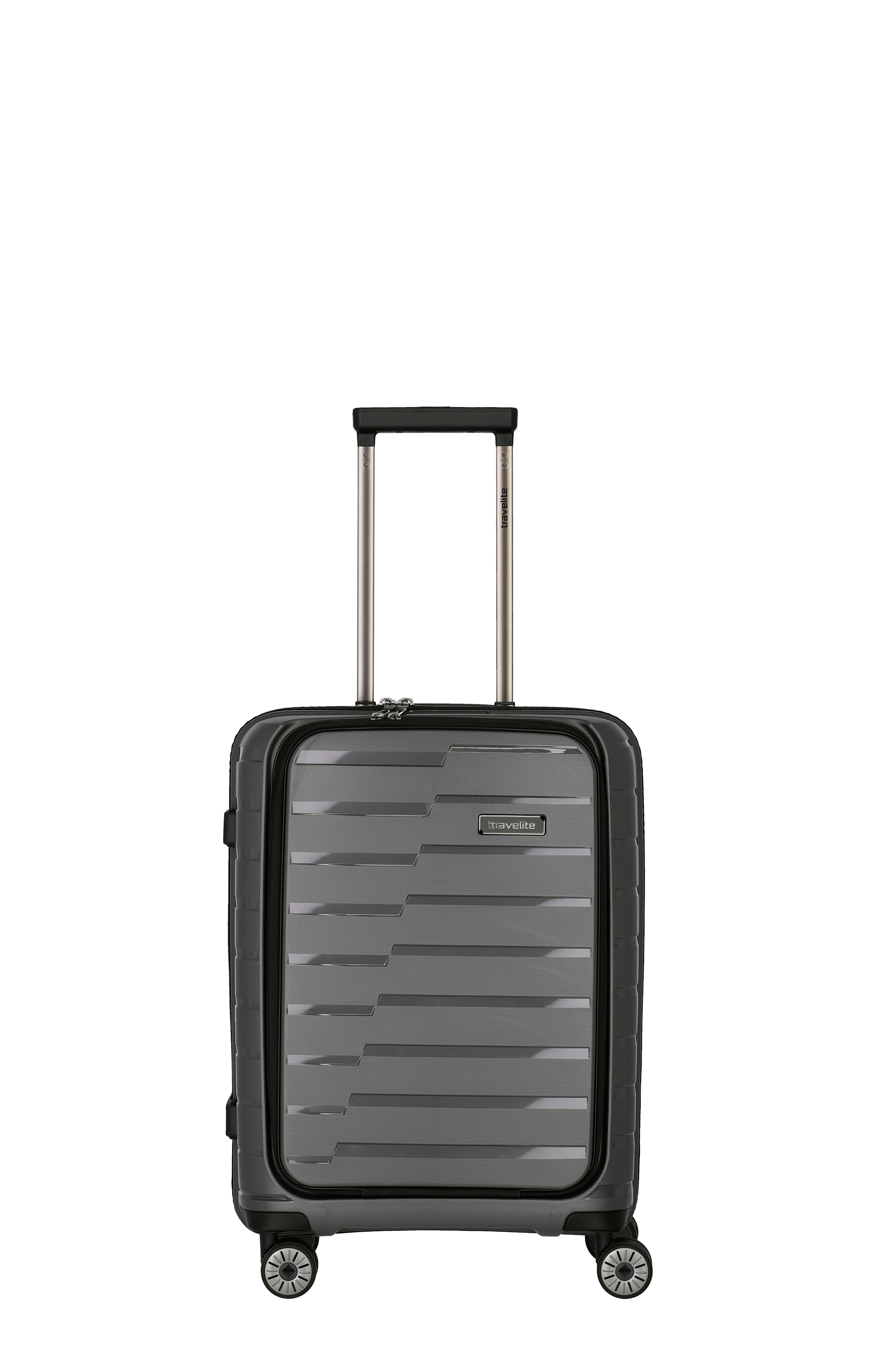
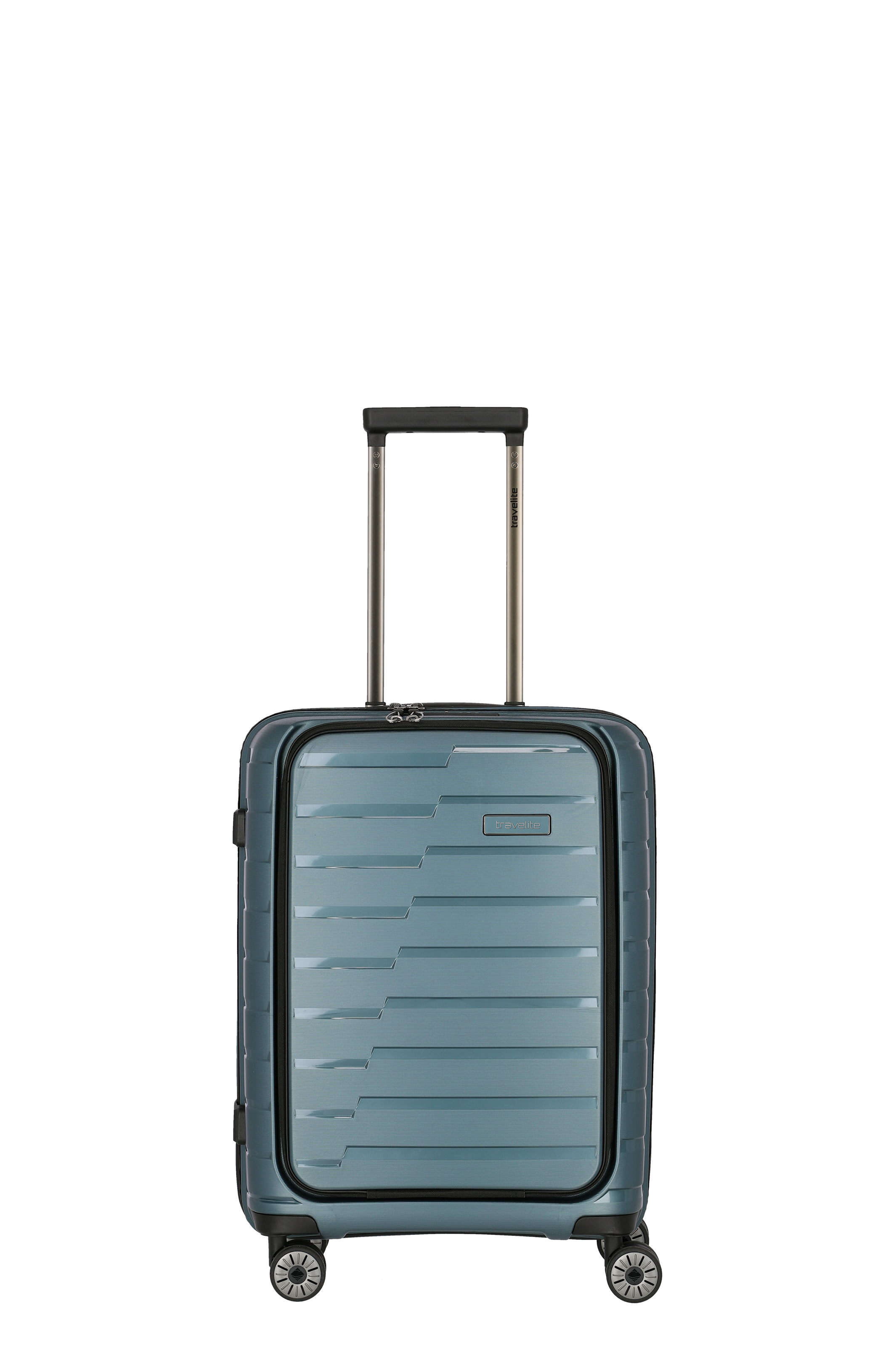
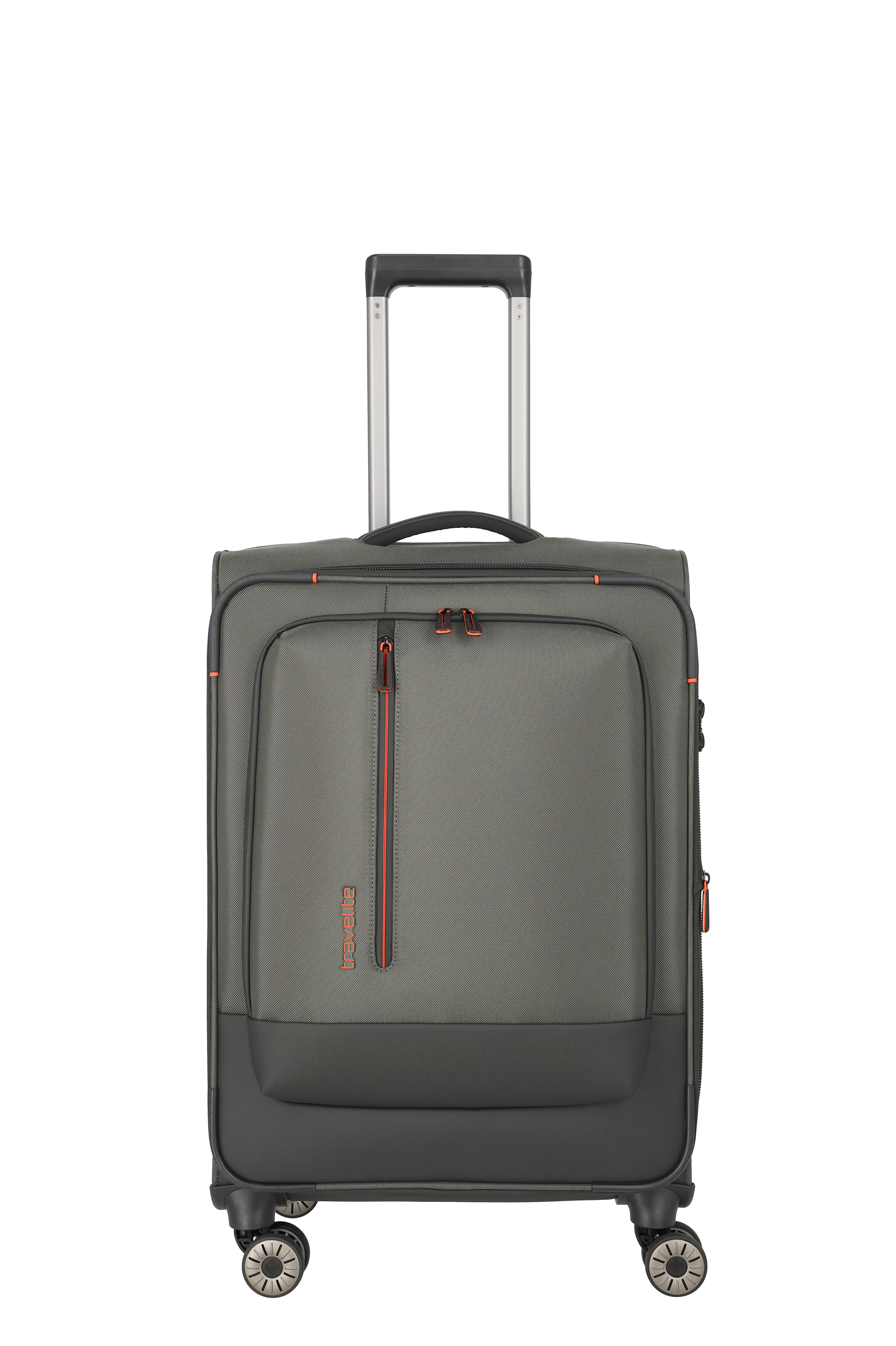
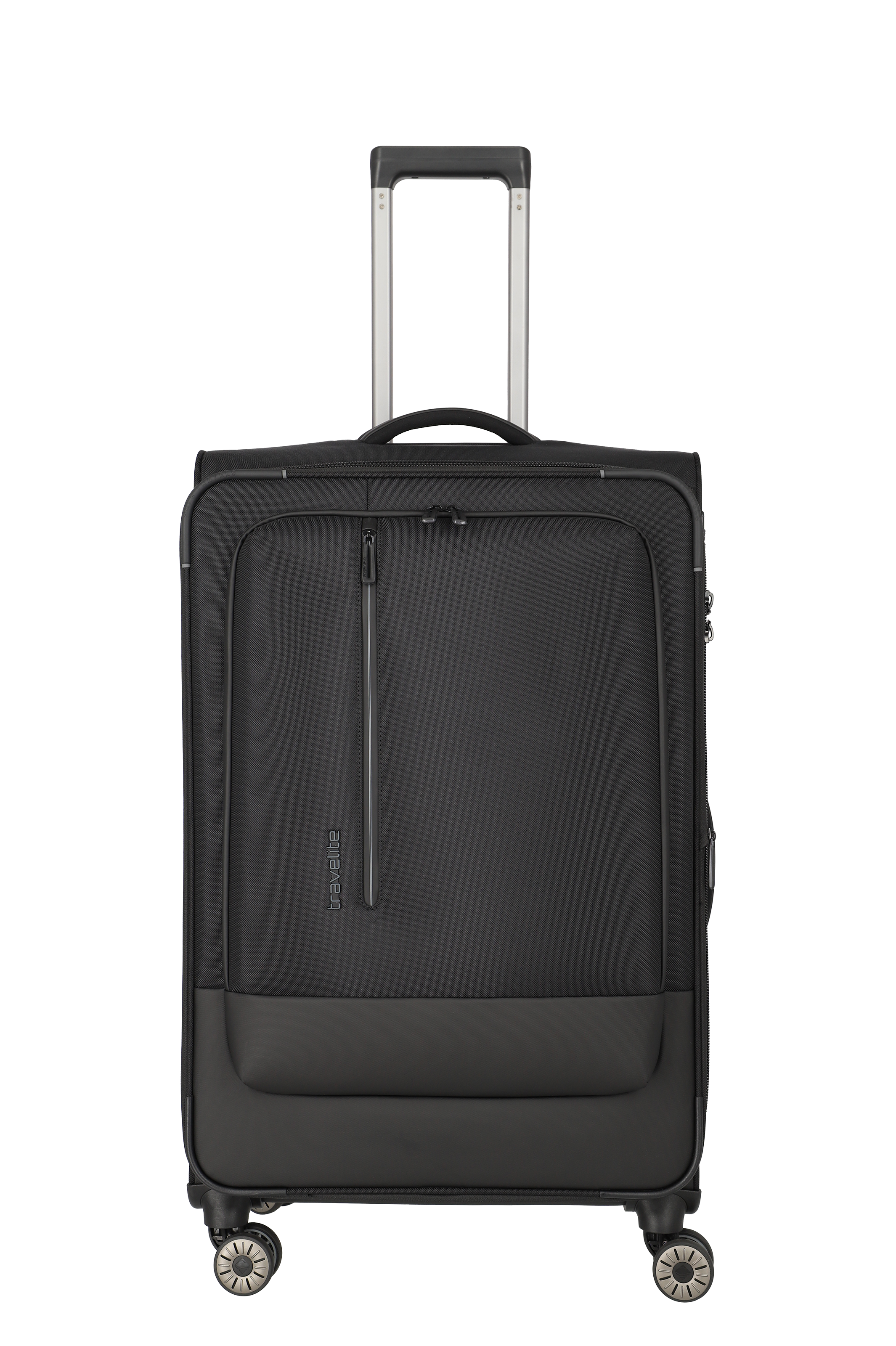
A TSA lock makes travelling easier, especially when security checks are carried out without you being present. At travelite At our online shop for travel luggage and travel accessories—offering suitcases, trolleys, backpacks, bags, weekender bags and toiletry bags for frequent and business travellers—you’ll find a wide range of suitcase models with built-in TSA locks, from hard-shell suitcases with classic zips to the robust aluminium suitcases from the ‘ Next ’ series. This ensures your luggage remains protected and your journey is free from unnecessary hassle at security checks.
Frequently asked questions about TSA locks
Can I use my TSA lock in all countries?
Yes, a TSA lock can be used worldwide. The standard is particularly widespread in the USA and Canada, but security authorities in large parts of Europe, Asia and Australia now also rely on the Travel Sentry system.
What happens if my TSA lock is damaged during a security check?
If your TSA lock is damaged during an official inspection, you can contact the relevant authority or your insurance company to clarify any potential claims. Unlike a standard lock, which may be broken open without further ado, there is a possibility of compensation in certain cases involving TSA locks.
How can I tell if a TSA lock is genuine?
You can recognise an approved TSA lock by the red diamond symbol from Travel Sentry or the torch symbol from Safe Skies. If this symbol is missing, it is a standard combination lock without TSA approval.
For many travellers, a TSA lock is an essential item whenever they’re taking international flights, particularly to the USA. Unlike a standard suitcase lock, it can be opened by authorised security authorities without damaging the lock or the suitcase. So, if your luggage is selected for screening, it remains securely locked and does not need to be forced open. This article explains what distinguishes a TSA lock from a standard combination lock, how the combination of a personal code and a master key works, how to set your lock correctly, and what to do if you ever forget the code.
What is a TSA lock?
TSA stands for the Transportation Security Administration, the US agency responsible for transport security. A TSA lock is a special type of luggage lock recognised by this agency. What makes it special is that TSA agents can inspect your luggage if necessary without breaking the lock or your suitcase. This is made possible by a universal set of keys, which is available exclusively to authorised security personnel.
A TSA lock can be recognised by one of two recognised symbols:
Travel Sentry: red diamond symbol
Safe Skies: red and white torch symbol
If neither of these symbols is present, it is a standard combination lock without TSA approval, which security authorities may force open if in doubt.
How does a TSA lock work?
For you as the owner, a TSA lock works just like a normal combination lock. You set your own combination and can change it at any time. In addition, the lock has a second access point: a keyhole that is compatible with a universal TSA key. This key is held exclusively by authorised security agencies such as the TSA in the USA.
If an inspection takes place, officials will open the lock using this master key, search the luggage and then lock it again. Your personal combination remains unaffected and stays active. This means that only you and authorised security staff will continue to have access to your suitcase, whereas standard combination locks without TSA approval may be destroyed during a necessary security check.
How does the TSA key work?
The TSA key is a standardised master key that allows security authorities to open a TSA lock without knowing the personal combination. The system was developed by Travel Sentry Inc., which licences the appropriate lock mechanisms to numerous luggage manufacturers. The keys themselves are held exclusively by authorised bodies such as the TSA in the USA or equivalent authorities in other countries.
If your suitcase is selected for screening, the officers will recognise from the red diamond symbol that they are authorised to open the lock using the master key. After the inspection, the lock is relocked; your own combination remains unchanged and continues to be active.
That is why your suitcase does not come with its own TSA key. This is no oversight, but part of the security concept: if every buyer were to receive such a key, the master key would no longer be restricted to authorised personnel. You yourself use only the combination you have chosen; key access is intended solely for inspection by the authorities.
Are TSA keys legal?
The official master keys are reserved exclusively for security authorities and are not intended for private individuals. The actual purpose of a TSA lock is to allow security checks to be carried out without damaging the lock. Your personal combination remains the standard security measure for accessing your luggage.
In 2015, a blueprint for the TSA master key was published online; since then, instructions for replicating it using a 3D printer have also been circulating on the internet. This does not alter the actual function of the system: TSA locks remain the recognised standard for enabling security checks without damaging the lock.
Is a TSA lock worth it?
The main benefit of a TSA lock is that your luggage does not need to be forced open during a security check. Without TSA approval, a lock may be broken if you cannot be contacted to open it when necessary – for example, if you have already moved on to your next destination. With a TSA lock, you’ll avoid this hassle, and your suitcase will simply be locked up again after security checks.
However, you shouldn’t expect complete protection against theft. As it cannot be ruled out that master keys may be duplicated without authorisation, a TSA lock offers little more security against unauthorised access than a standard combination lock. A TSA lock is therefore particularly useful as a practical safeguard against damage during official checks and as a deterrent, rather than as complete protection against theft.
For which countries do I need a TSA lock?
A TSA lock is particularly important when travelling to the USA and Canada. Security authorities there actively and regularly use the master key, so a TSA lock is more than just a precautionary measure in these countries.
However, the standard is also widely used outside North America, in around 80 countries and at approximately 800 airports:
USA and Canada: actively used by security authorities; highly recommended
EU, including Germany: not compulsory, but advisable in the event of random checks
Other countries: including the UK, Japan, Australia and large parts of Latin America and the Middle East
Do German customs officials have TSA keys?
Yes. German customs also use TSA keys, as the authority itself has confirmed. This is particularly relevant if you are not personally available for a necessary luggage inspection, for example because you have already travelled on. Thanks to the TSA lock, your luggage can be opened, inspected and resealed in such cases without the lock having to be broken.
Setting a TSA lock: step-by-step guide
A TSA lock is normally set to the default code 0-0-0 when you buy it. You can set your own code in just a few simple steps:
Step 1
Find the standard code
When you purchase your ‘ travelite ’ suitcase with a TSA lock, it is usually set to a standard code, often 0-0-0.
Step 2
Putting the lock into setting mode
To set your own code, you must first put the lock into setting mode. On your travelite suitcase, you do this by pressing or turning the lock’s shackle whilst it is open. On some models, there is a special button or lever that you need to press or slide. It’s best to check your lock’s instructions to find the correct mechanism.
Step 3
Setting your personal code
Now choose your own 3- or 4-digit code. Turn the number dials to set your desired combination. Choose a combination that is easy for you to remember but not obvious to others.
Step 4
Save settings
Once you have set your combination, return the lock to its starting position. This may involve pushing the shackle back into its original position or turning the setting dial back to its starting position. Your new code is now set.
Step 5
Test your lock
Finally, you should check that your new code works. Shuffle the numbers, then enter your new combination and try to open the lock. If it opens, you’ve done everything correctly!
Remember that it’s important to memorise your new code properly or keep it in a safe place. A TSA lock is a valuable tool for securing your luggage whilst travelling, and with your personal code, you’ll be even safer on your travels.
How do you open a ‘ travelite ’ suitcase?
How you open your ‘ travelite ’ suitcase depends on the specific model and locking system.
With most travelite zipped suitcases, you first open the built-in combination lock using your personal combination. Only then can the zips be unclipped and the suitcase opened.
On hard-shell suitcases such as the ‘ Next ’ series, a TSA combination lock fitted directly onto the sturdy aluminium frame fulfils this function instead of a traditional zip. Once the correct code has been entered, the frame can be unlocked and the suitcase opened.
If you’re unsure which locking system your specific model has, it’s worth checking the product page or the enclosed instructions.
Forgotten your code? Here’s how to get back in
If you’ve forgotten your combination, the first thing to do is to stay calm.
01
Try familiar codes: Test number sequences that you are familiar with, such as previous codes or combinations with personal significance. Often, after a few attempts, you’ll remember the correct number sequence.
02
Trial and error: With a three-digit combination lock, there are a maximum of 1,000 possible combinations; with a bit of patience, trying them all out usually takes around 20 minutes. For security reasons, TSA locks are deliberately designed without a reset button accessible from the outside.
03
Seeking help: If you’re at the airport, speak to a TSA agent or security staff. If you’re not at the airport, a professional locksmith can usually help – they can usually open the lock without causing any damage.
04
Last resort: Breaking the lock should really only be a last resort, as it will then need to be replaced.
Resetting a standard combination lock on a suitcase
Even without the TSA function, a standard combination lock on a suitcase can be reset. First, open the lock using the current combination or the factory setting, which is often 0-0-0. Then press the small adjustment button on the side of the lock with a pointed object such as a ballpoint pen; you will often hear or feel a slight click. Now set your new desired combination and release the button to save the setting. Finally, check that the lock opens with the new code.
TSA-approved lock suitcases from travelite
A TSA lock makes travelling easier, especially when security checks are carried out without you being present. At travelite At our online shop for travel luggage and travel accessories—offering suitcases, trolleys, backpacks, bags, weekender bags and toiletry bags for frequent and business travellers—you’ll find a wide range of suitcase models with built-in TSA locks, from hard-shell suitcases with classic zips to the robust aluminium suitcases from the ‘ Next ’ series. This ensures your luggage remains protected and your journey is free from unnecessary hassle at security checks.
Frequently asked questions about TSA locks
Can I use my TSA lock in all countries?
Yes, a TSA lock can be used worldwide. The standard is particularly widespread in the USA and Canada, but security authorities in large parts of Europe, Asia and Australia now also rely on the Travel Sentry system.
What happens if my TSA lock is damaged during a security check?
If your TSA lock is damaged during an official inspection, you can contact the relevant authority or your insurance company to clarify any potential claims. Unlike a standard lock, which may be broken open without further ado, there is a possibility of compensation in certain cases involving TSA locks.
How can I tell if a TSA lock is genuine?
You can recognise an approved TSA lock by the red diamond symbol from Travel Sentry or the torch symbol from Safe Skies. If this symbol is missing, it is a standard combination lock without TSA approval.
Functional cookies are absolutely necessary for the functionality of the web shop. These cookies assign a unique random ID to your browser so that your unhindered shopping experience can be guaranteed over several page views.
Activated cookies:
Saves which cookies have already been accepted by the user for the first time.
CSRF token:
The CSRF token cookie contributes to your security. It strengthens the security of forms against unwanted hacker attacks.
Cache handling:
The cookie is used to differentiate the cache for different scenarios and page users.
PayPal:
The cookie is used for payment processing via PayPal.
CAPTCHA integration
Timezone:
The cookie is used to provide the system with the user's current time zone.
Information on origin:
The cookie stores the referrer and the first page visited by the user for further use.
Cookie settings:
The cookie is used to store the cookie settings of the site user over several browser sessions.
Session:
The session cookie stores your shopping data over several page views and is therefore essential for your personal shopping experience.
Marketing cookies are used to display advertisements on the website in a targeted and individualized manner across multiple page views and browser sessions.
Bing Ads:
This cookie is used by Bing to gather anonymous information on how visitors are using the website.
Microsoft Conversion Tracking:
Cookie for Microsoft's tracking and advertising service.
Customa Tracking:
Stores the identified advertising source (campaign, referrer) for marketing attribution by Customa (Trust in Dialog Services GmbH).
Customa:
This cookie is used by customa (trust in dialog Services GmbH) for marketing and optimization purposes.
trbo:
trbo personalises content and product recommendations in this shop. To do this, information about your browsing and clicking behaviour (e.g. products viewed, shopping basket contents) is processed and stored in your browser in order to display personalised recommendations and pop-ups based on this information.
Open AI:
Used to measure and optimise our advertising campaigns. In doing so, usage data may be transmitted to OpenAI.
Google Ads Conversion:
We use the Google Ads Conversion Tag for optimised display and performance evaluation of our Google Ads ads (text/discovery ads) in order to show you the most suitable offers in your Google search. This means that adverts in your Google search or in your Google Discovery feed can be optimally tailored to your needs.
Google AdSense:
The cookie is used by Google AdSense to promote advertising efficiency on the website.
Facebook Pixel:
The cookie is used by Facebook to display personalized advertising offers based on user behavior to users of websites that integrate Facebook services.
Adcell:
Adcell uses cookies to analyse visitor traffic on the website. Furthermore, the origin of orders and the interaction of adverts can be tracked.
Google conversion tracking:
In order to show you the most suitable offers in your Google search, we use the Google Ads Conversion Tag for optimized playout and performance evaluation of our Google Ads (text/discovery ads). This way, ads in your Google search or in your Google Discovery feed can be tailored to your needs.
Tracking cookies help the shop operator to collect and evaluate information about the behaviour of users on their website.
Conversion and usertracking via Google Tag Manager:
Google Tag Manager allows tags to be integrated centrally via a user interface. Tags are small sections of code that can track activities. Script codes from other tools are integrated via the Google Tag Manager. The Tag Manager makes it possible to control when a specific tag is triggered.
Google Analytics:
Google Analytics is used for traffic analysis of the website. Thereby statistics about website activities can be created and read out.
Hotjar:
Hotjar cookies are used to analyze website activities of users. The site user is identified by the cookie over several page views and his or her behavior is analyzed.
These cookies allow the website to provide better functionality and personalisation. They can be set by us or by third-party providers whose services we have added to our pages. The purpose of these cookies is to provide you with a more personalised experience on our Site based on your previous visits and selections.
YouTube video:
This is a video player service. It can be used by the user to watch, share, comment on and upload videos.
Neocom purchase advisor:
Neocom cookies are used to provide and optimise the interactive product advice tool on our website. They enable personalised user guidance and allow user preferences to be saved during the advice session.
StoreLocator:
Allows Google Maps to be loaded on this page.
Action Bar:
Saves whether the action bar at the top has been clicked away by the user.
Privacy settings
To provide you with the best possible experience on our websites, we use cookies and various technologies. These help us to provide the functions of our sites, personalise content and adverts for you, and integrate social media.




.png?ts=1750248569)


_400x400 Kopie.png?ts=1760433160)
.png?ts=1750248453)