Person places transparent bag with liquids and other items in a box at an airport security checkpoint

These rules apply to liquids in hand luggage

These rules apply to liquids in hand luggage

Flight booked, suitcases packed, anticipation building – at last, it’s time to set off on that long-awaited holiday.

But before you can set off for the airport, you’ll also need to pack your hand luggage. Special rules apply here: liquids must not exceed 100 ml per container. This limit is laid down by law. For security reasons, you’re not allowed to carry larger containers of drinks or toiletries – regardless of which airline you’re travelling with.

We’ll explain which liquids you’re allowed to carry in your hand luggage, what exceptions apply, and how to get through security with ease.

Liquids in hand luggage: What applies according to the EU directive

The EU directive applies to liquids and gel-like products. The key factor here is the capacity of the containers, not the actual contents.

RuleWhat you need to bear in mind
Container sizeMaximum 100 ml per container
BagTransparent, resealable, maximum capacity of one litre
NumberOne bag per person
Security checkThe bag must be presented separately

Important: You must pay close attention to the container’s capacity. If you wish to take a cream in a 200-ml container that is only half full, you must still decant it into a smaller container. It is the maximum possible capacity, not the actual contents, that counts.

Some airports use modern CT scanners, where larger quantities were previously permitted at times. Don’t rely on this, however: the 100-ml limit remains the standard and is enforced at most security checkpoints. You can read about exactly how the security check process works in our article on airport security checks.

Information current as of

The rules on liquids in hand luggage are updated regularly. The information in this article is correct as of August 2026. The information provided by your departure airport and your airline is always definitive – check both shortly before your flight.

Changes to hand luggage rules

The 100-ml limit dates back to 2006 and is not set in stone for all time. It depends on the technology used at the security checkpoints.

New scanners at security checkpoints

More and more airports are switching to CT scanners, which scan hand luggage in three dimensions. These machines detect liquids so reliably that the volume restriction is no longer technically necessary. In most cases, you no longer need to remove electronics or liquids from your bag at these scanners either.

However, whether more than 100 ml is actually permitted at a specific airport does not depend solely on the technology, but on the approval of the respective devices at EU level. These approvals have been granted, suspended and revised in the past. It may therefore happen that different rules apply at two terminals of the same airport.

Our recommendation: Pack your liquids as if the 100-ml rule still applied – even if your departure airport has already made the switch. That way, you’ll definitely be on the safe side. This applies particularly to your return flight: the destination airport may still be using the old system.

What you should check before your flight

  • Check the current regulations on your departure airport’s website; they are usually listed under ‘Security Check’
  • The regulations at the destination airport for the return flight
  • For connecting flights: the regulations at the transit airport, particularly outside the EU
  • Dimensions and weight of your hand luggage with your airline, as these change more often than the rules on liquids

What actually counts as a liquid in hand luggage?

Contrary to what many people assume, it is not just drinks bottles that are affected by this rule. The following items must be placed in the bag:

Cosmetics and personal care products

  • Deodorant, including spray cans
  • Hairspray
  • Toothpaste
  • Creams
  • Make-up

Bath and shower

  • Perfume
  • Shampoo
  • Shower gel
  • Liquid soap

Miscellaneous

  • All types of drinks
  • Hand sanitiser
  • Yoghurt, honey, spreads
  • Gel-like products such as hair gel

Special case: hand sanitiser

Whether you’re allowed to carry hand sanitiser in your hand luggage depends on its alcohol content. Substances with an alcohol content of over 70 % are considered highly flammable and must not be carried in either hand luggage or hold luggage.

Most hand sanitisers fall within this limit: an alcohol content of 60 to 70 % is sufficient to effectively reduce bacteria, and many products also contain ingredients that prevent the skin from drying out. In most cases, you can therefore take your hand sanitiser with you in your bag without any problems – as long as the container does not hold more than 100 ml.

Solid alternatives save space in your bag

The simplest way to avoid any problems with liquids at security is not to bring them with you in the first place. That doesn’t mean you have to go without anything.

Some products can be replaced with solid alternatives, such as shampoo, deodorant, conditioner or toothpaste tablets. The practical advantage is that solid products do not count as liquids and therefore do not need to be placed in the one-litre bag. This leaves space in the bag for items that are only available in liquid form.

Another advantage: with solid shampoo, there’s no risk of anything leaking in your bag. You can easily store both in a toiletry bag with separate compartments.

Exceptions: These liquids are still permitted

There are exceptions in special cases. You are permitted to carry these products despite the EU directive:

Exception 01

Baby food

If you are travelling with a child under the age of two, you are allowed to carry baby food in your hand luggage. The containers may hold more than 100 ml and do not need to be placed in the bag.

This is subject to the child actually travelling with you and the quantity not significantly exceeding what is needed for the flight. You can find further information in our article on holidays with a baby.

Exception 02

Medicines

Essential medication is also exempt from these restrictions. Common examples include insulin, asthma inhalers and ice packs.

At the security check, you may sometimes be asked to provide proof of necessity. You can have your doctor certify that you require the medication. For international flights, there are multilingual medical certificate templates available, for example from the ADAC.

Important: Always check the import regulations of your destination country as well. Within the Schengen area, for example, you’ll need a medical certificate to carry antidepressants, as they are classified as controlled substances. If travelling to non-EU countries, check with the Foreign Office in advance.

Exception 03

Duty-free items

The carry-on regulations do not prevent you from going on a shopping trip in the duty-free area. If you buy liquids such as perfume or drinks there, you can take them on board.

Important: Depending on the airline, the items you purchase may count as part of your hand luggage and may incur an additional charge. In some cases, the maximum dimensions and weight limits may also apply. Regulations vary significantly from one airline to another.

Four tips for liquids in hand luggage

Want to be fully prepared for your trip? Then these four tips will help you get through security stress-free:

Tip 01

Take an empty bottle with you

You’ll get through security without any problems with an empty reusable bottle. After security, simply top it up at a water dispenser or in a café – this saves you from having to pay airport prices for drinks.

Tip 02

Use a zip-lock bag

A zip-lock bag from the supermarket meets the requirements. You can tell straight away from the packaging whether it meets the one-litre capacity requirement. It’s worth keeping it, so you’ll have it to hand for your next trip.

Tip 03

Check airline requirements

The same rules apply to liquids everywhere, but this is not the case for the dimensions and weight of your hand luggage. If you know this in advance, you’ll avoid any inconvenience and additional costs at the check-in desk. You can find an overview of this in the hand luggage guide.

Tip 04

Pack the bag so it’s to hand

Stow the bag right at the top or in an outside pocket. That way, you won’t have to unpack half your suitcase to get it out at security – and you won’t hold up the queue behind you.

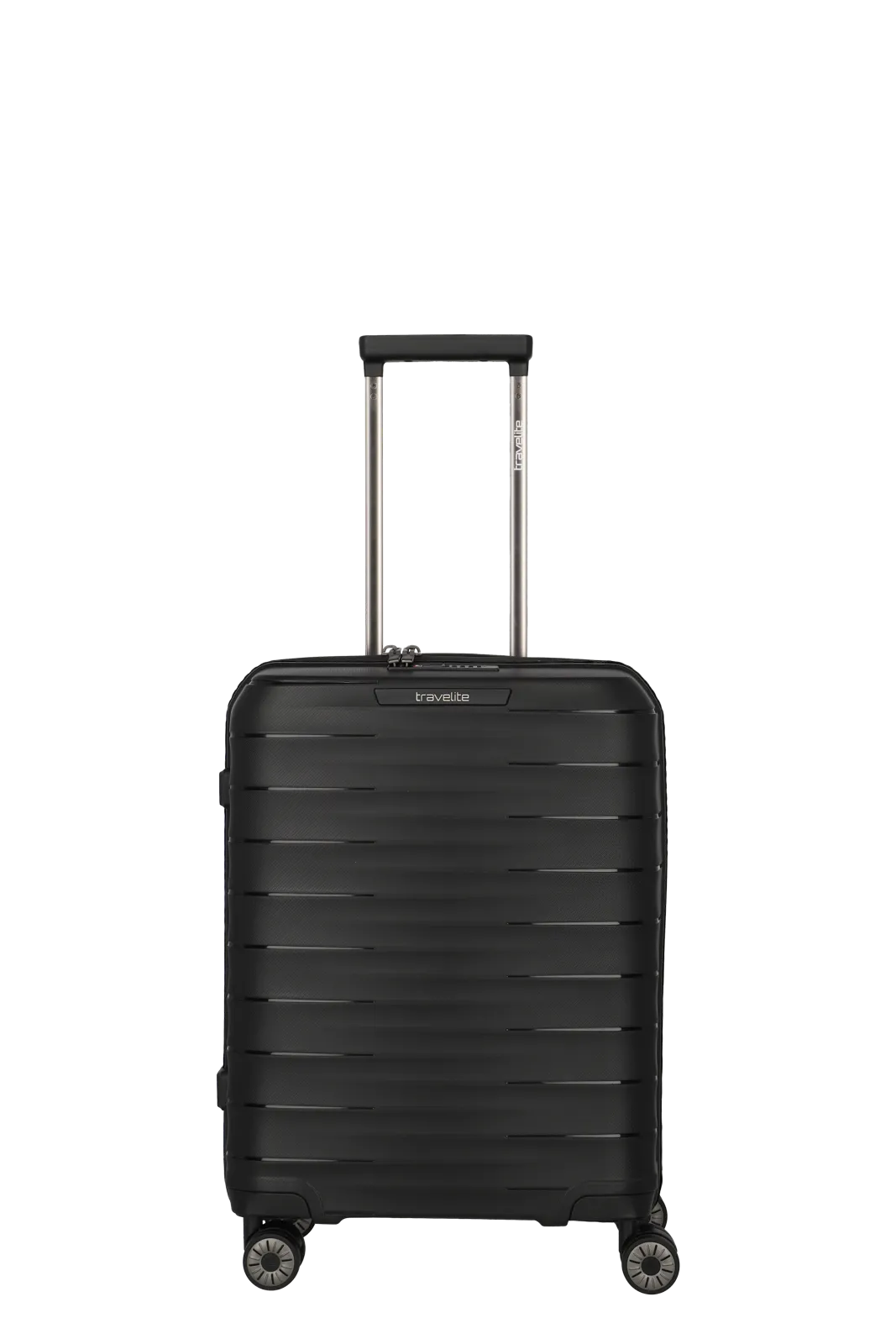
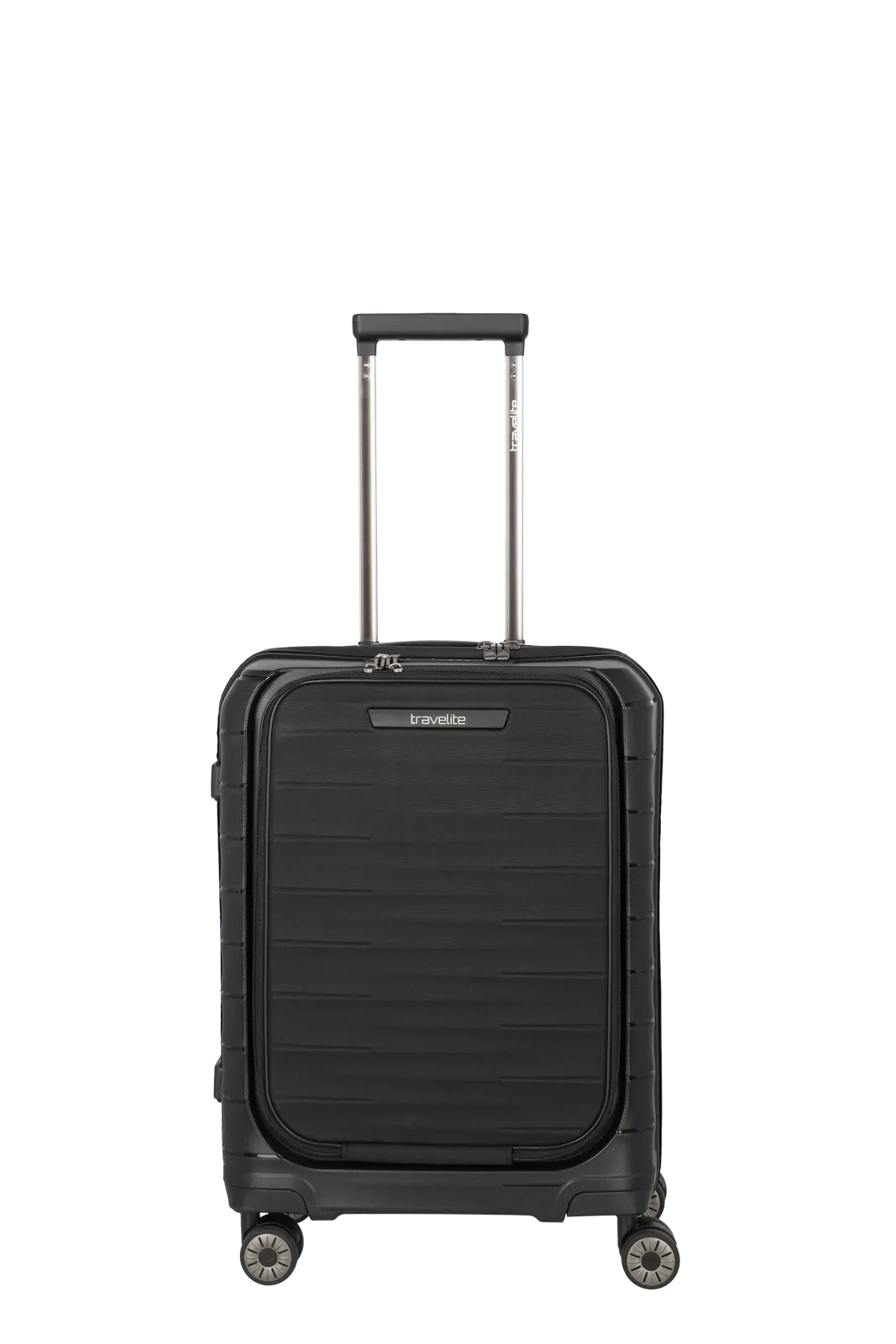
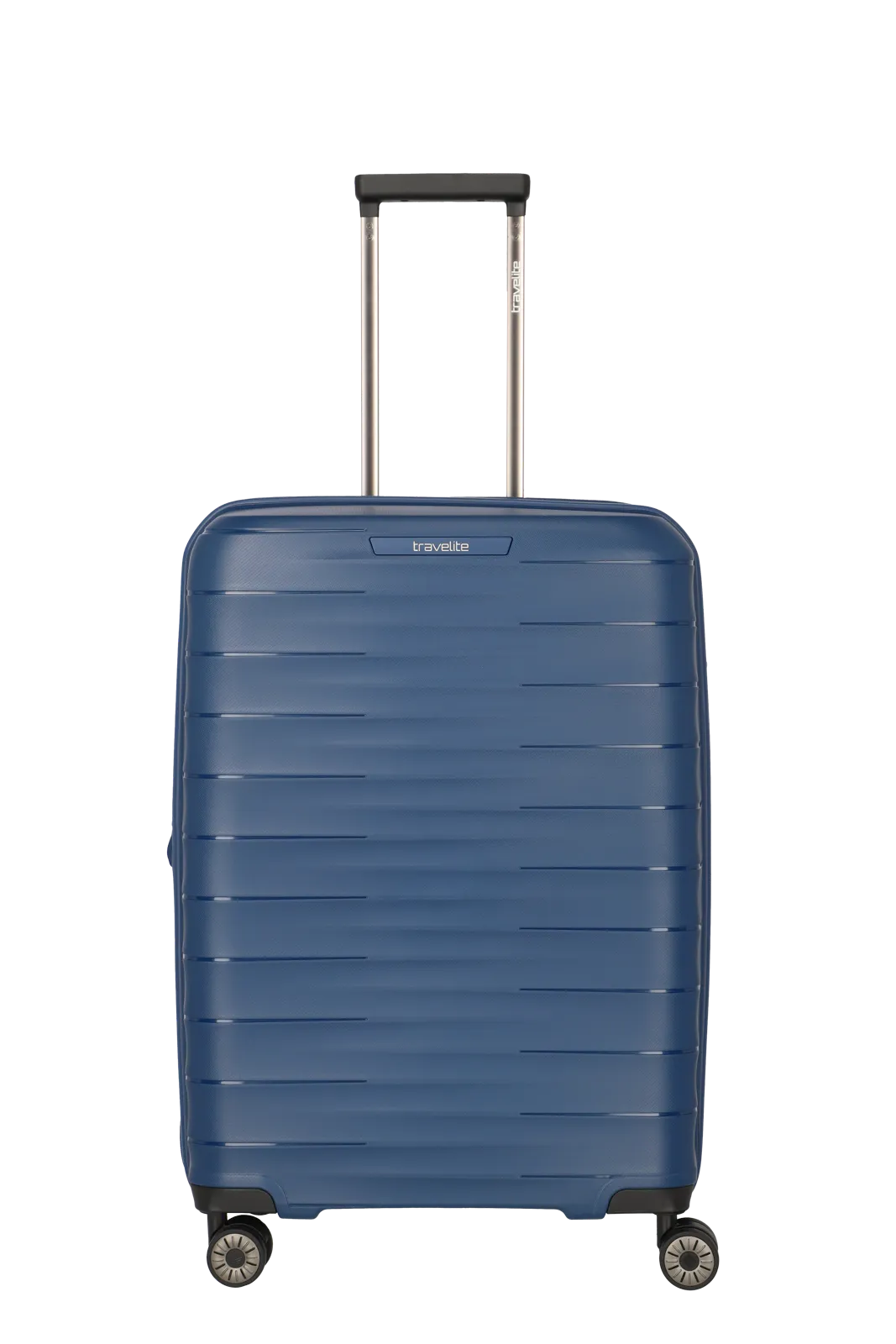
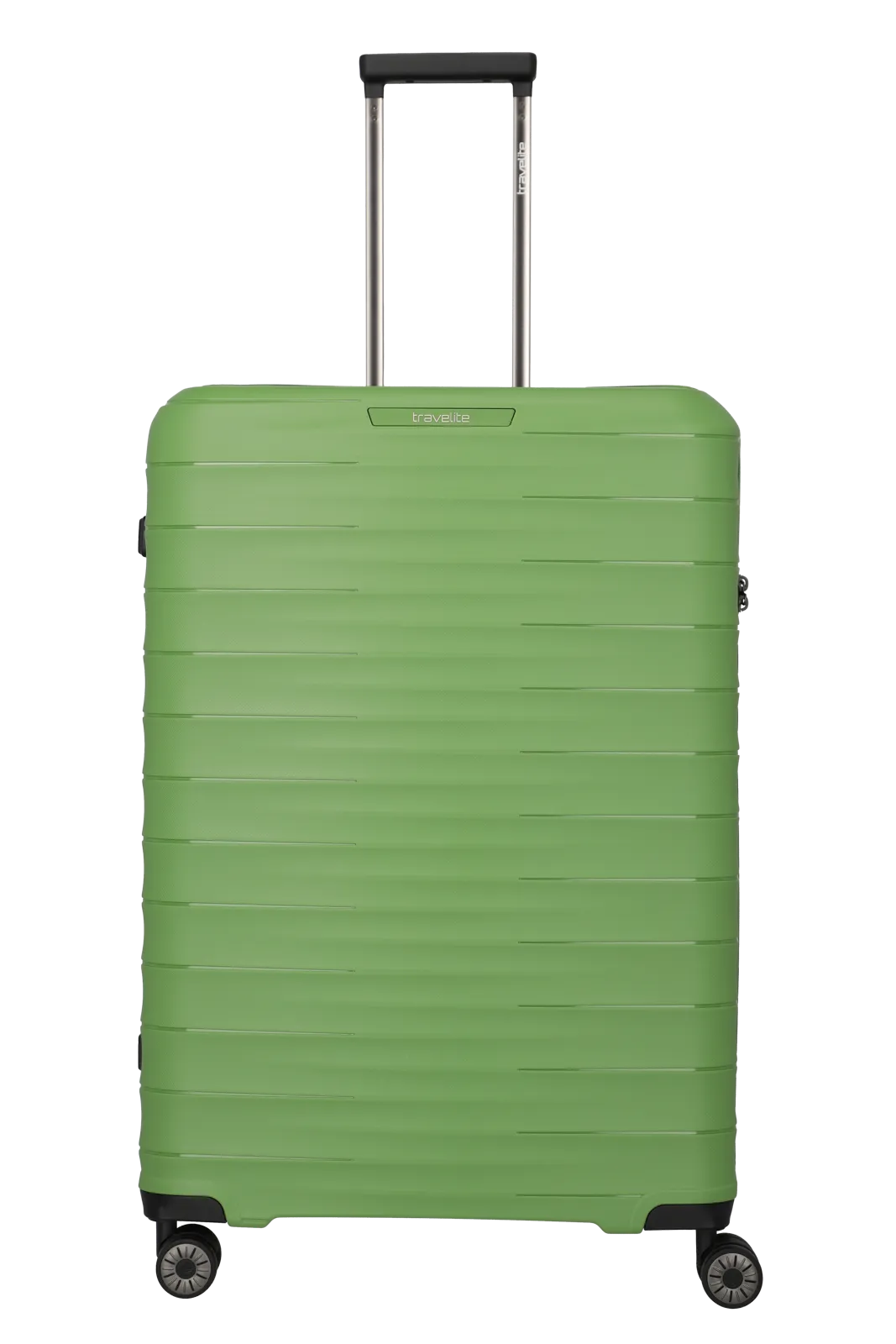
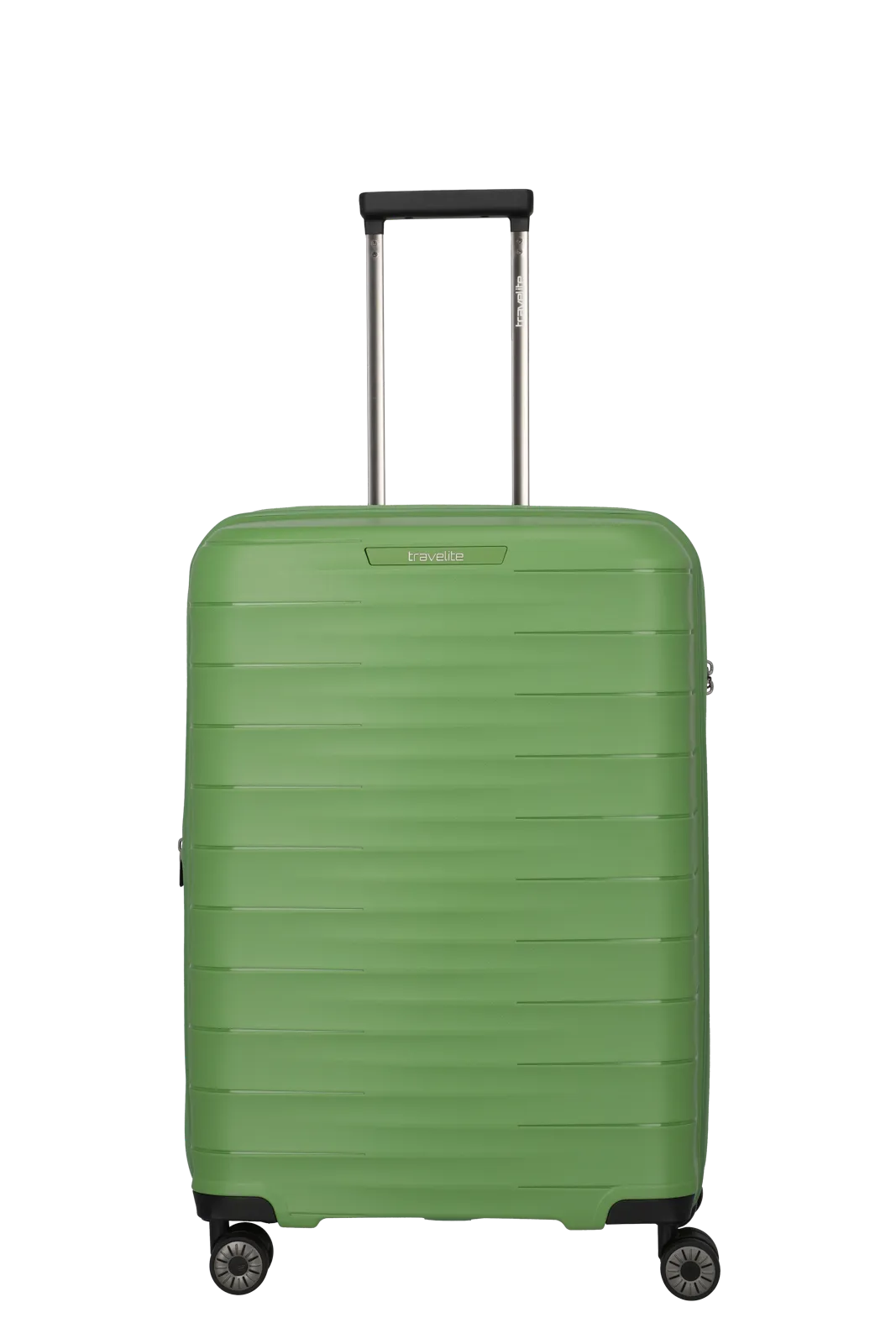
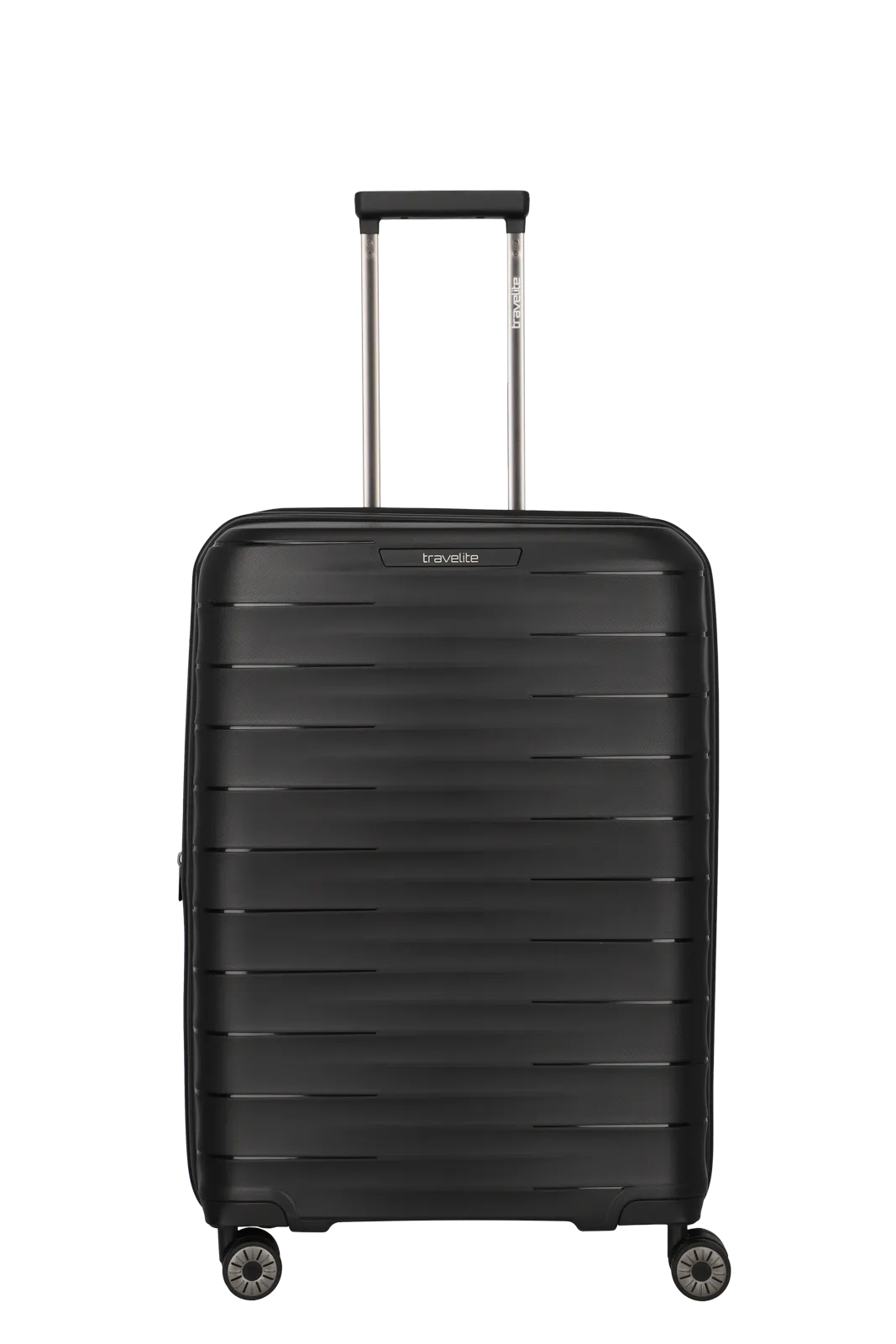
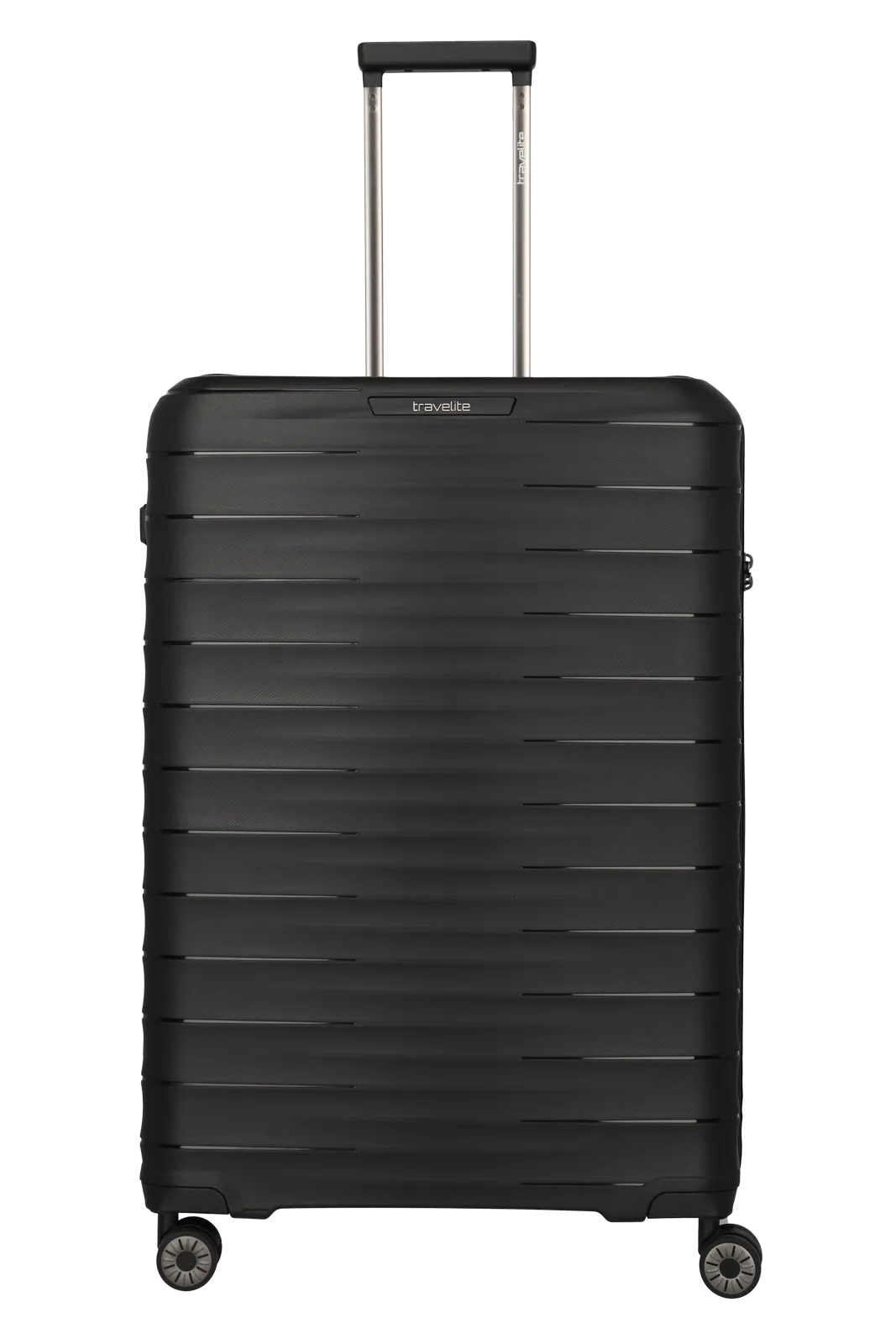
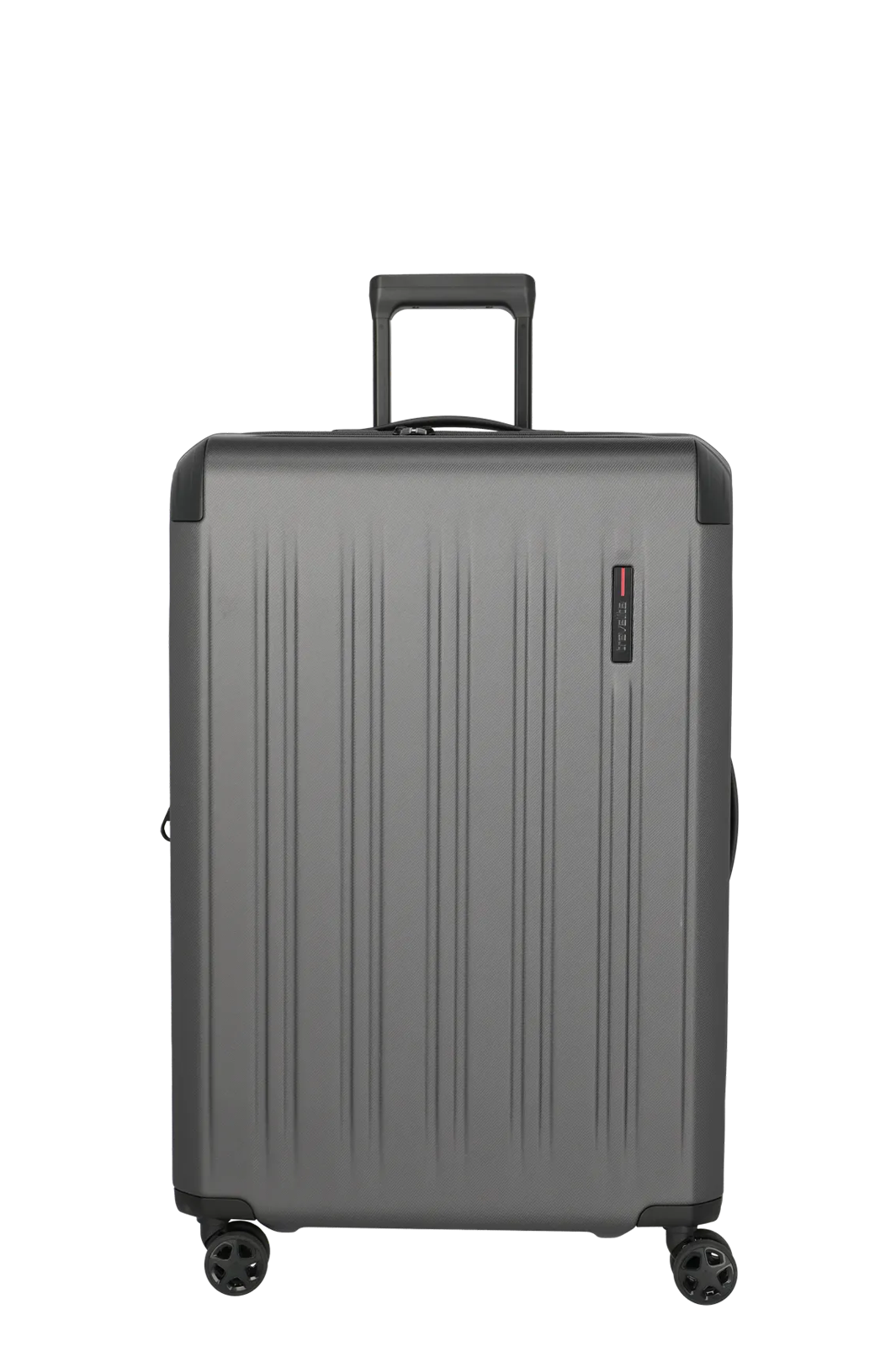
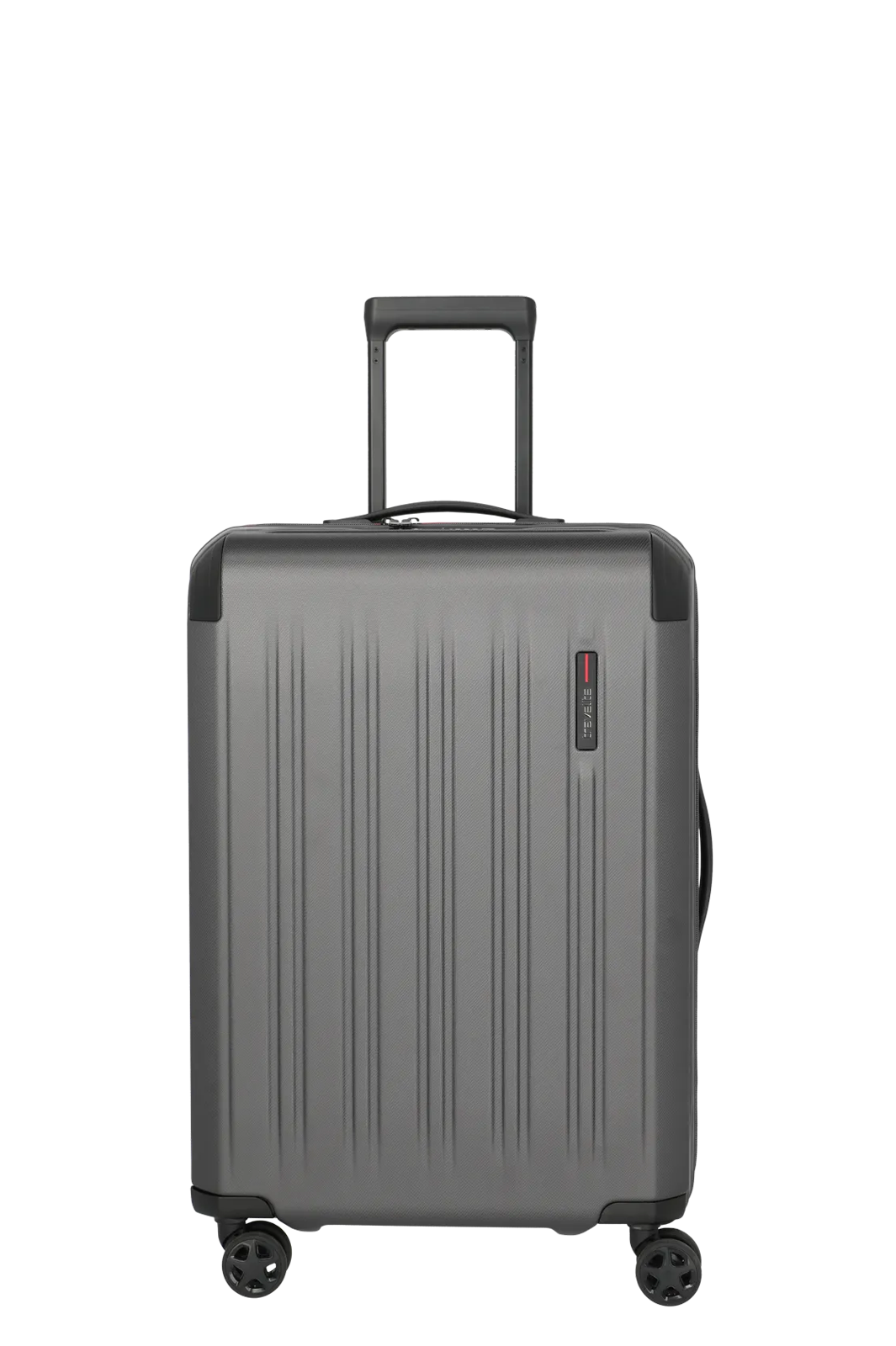
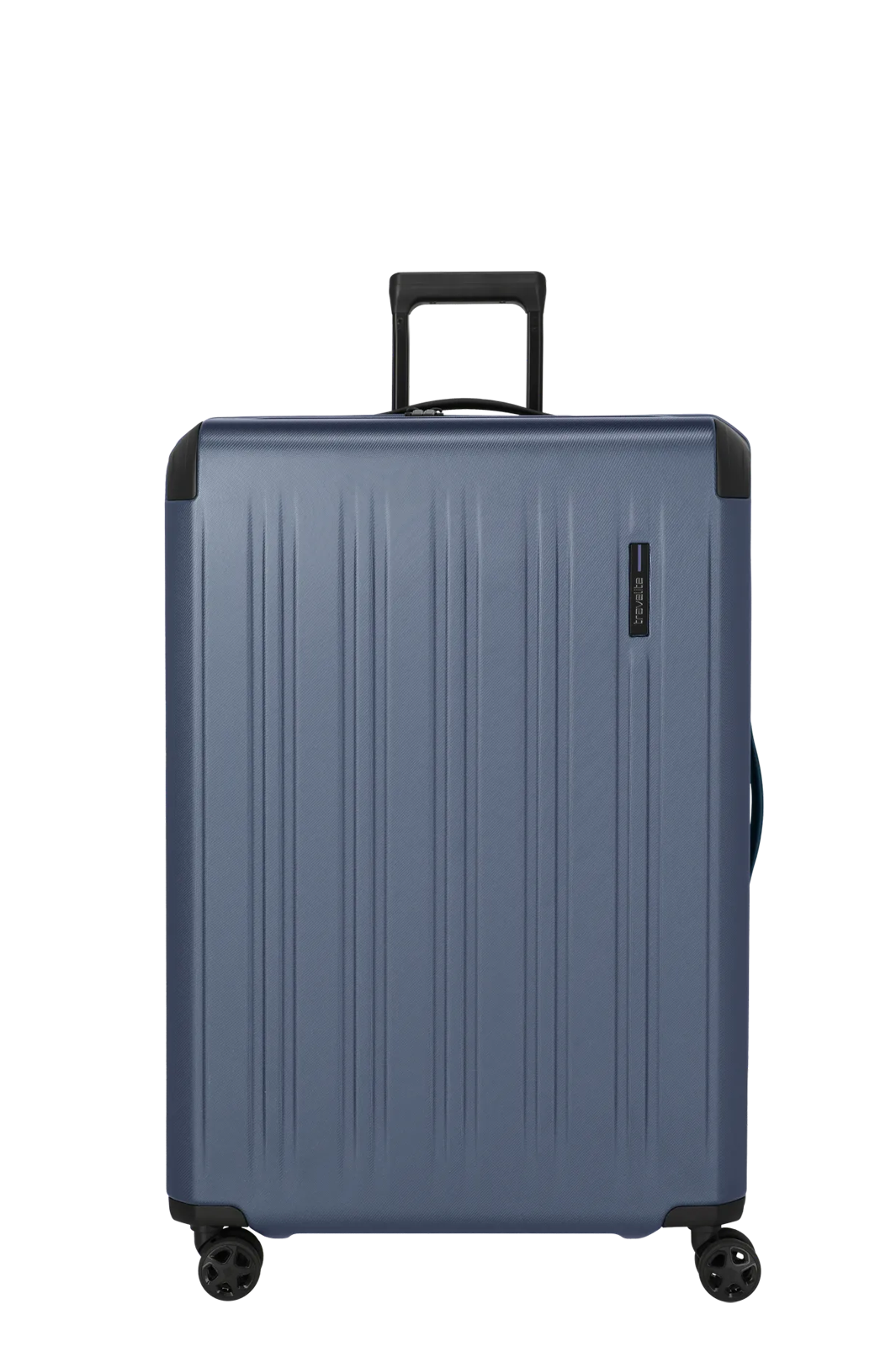
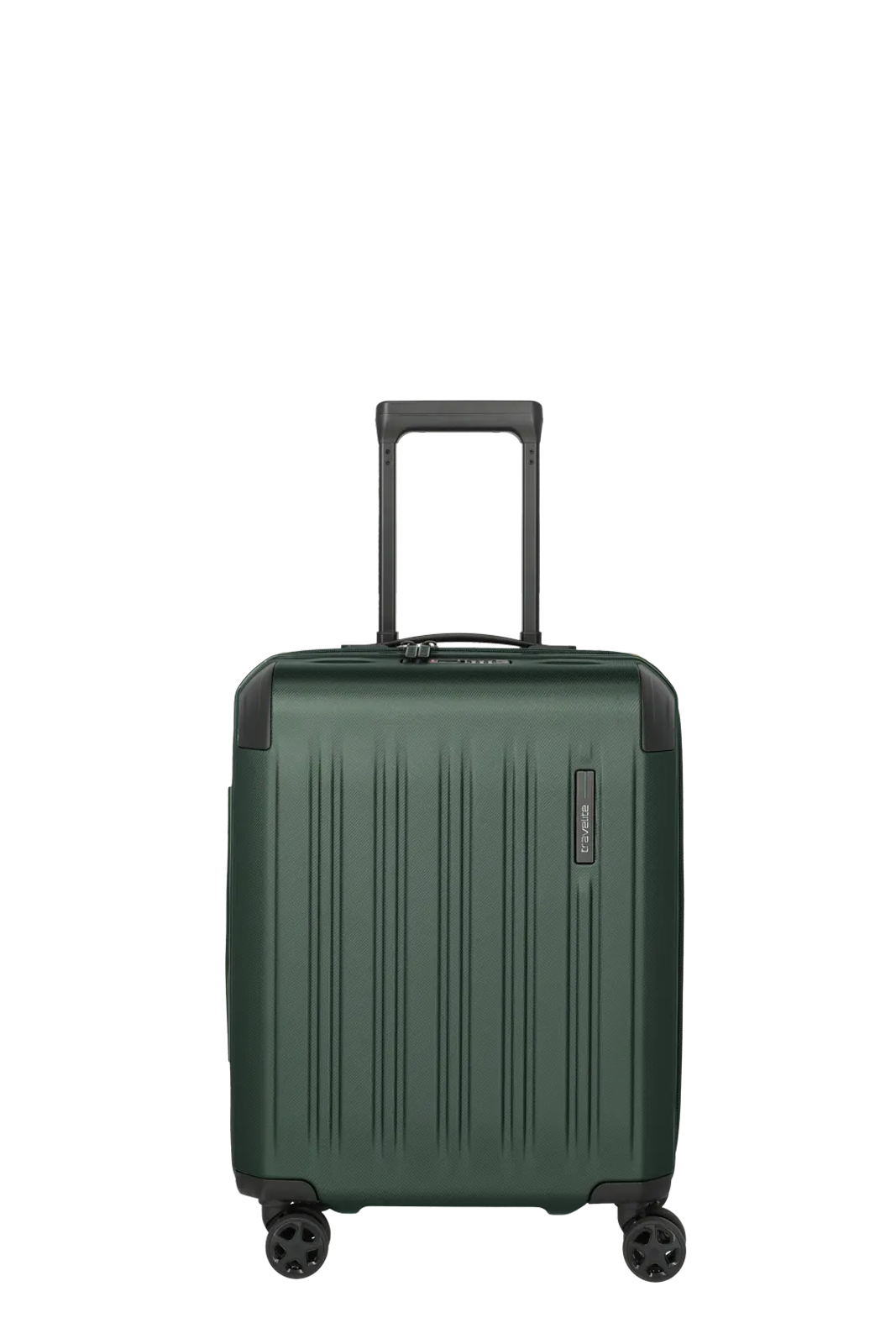
The right suitcase for your hand luggage

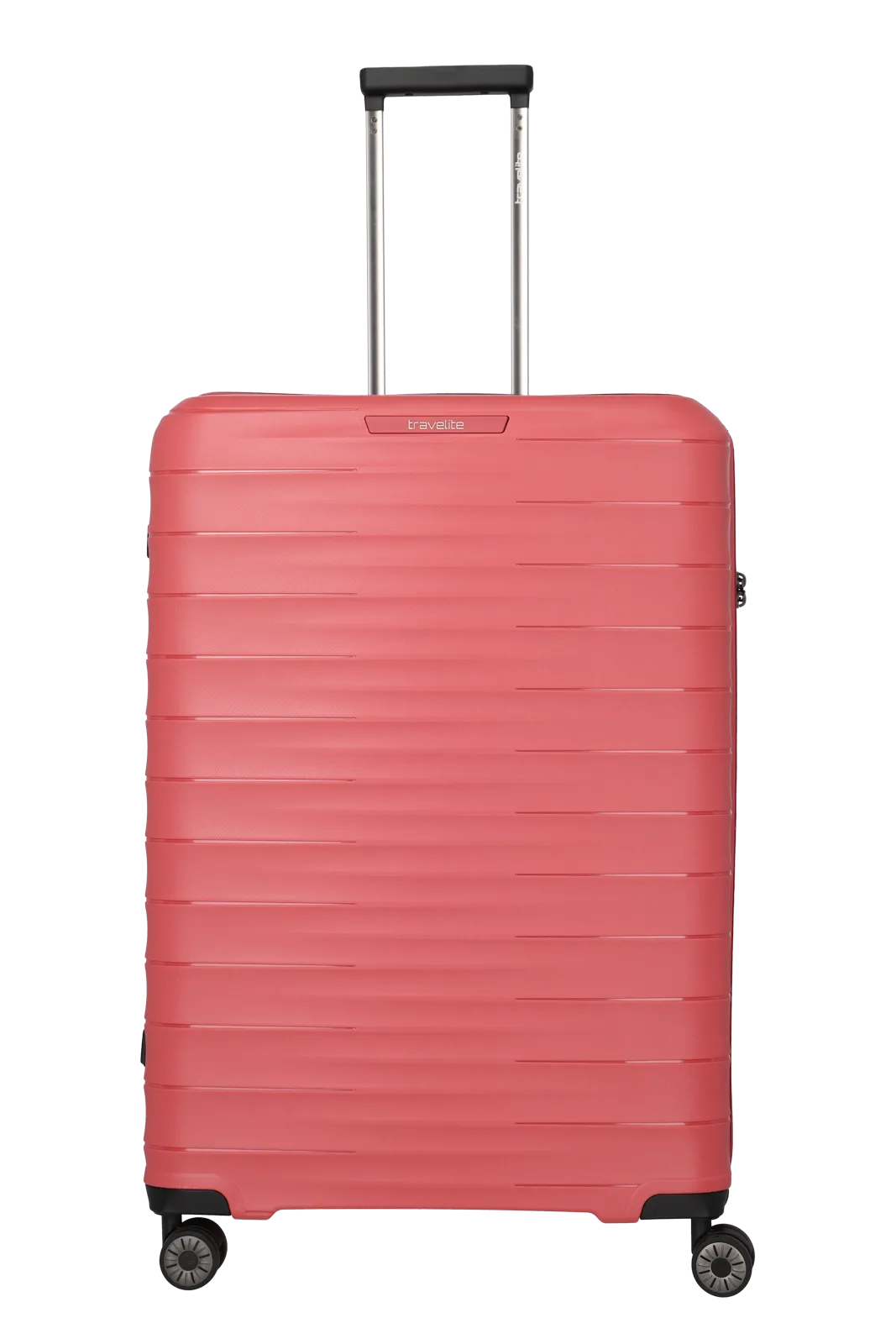
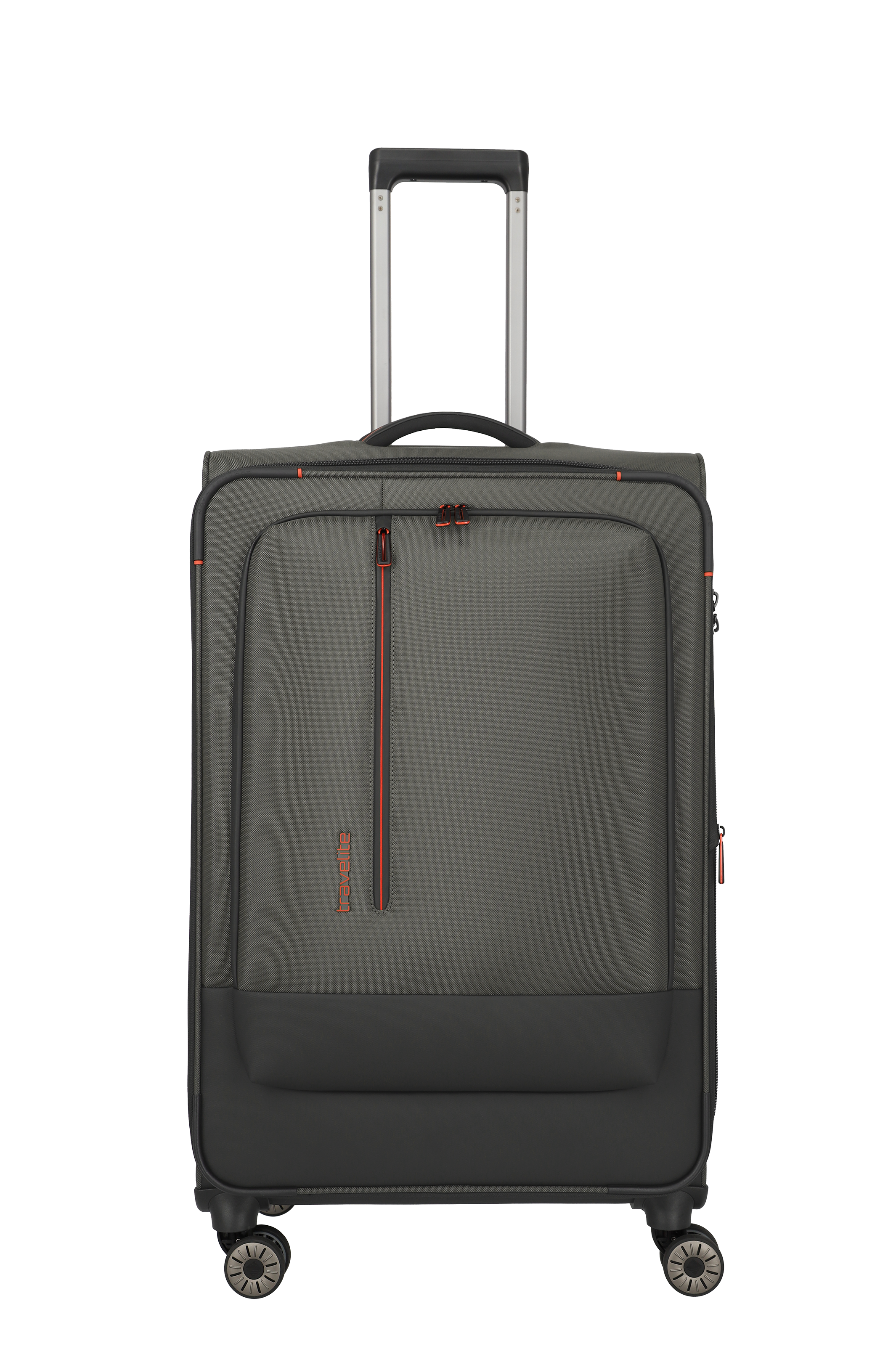
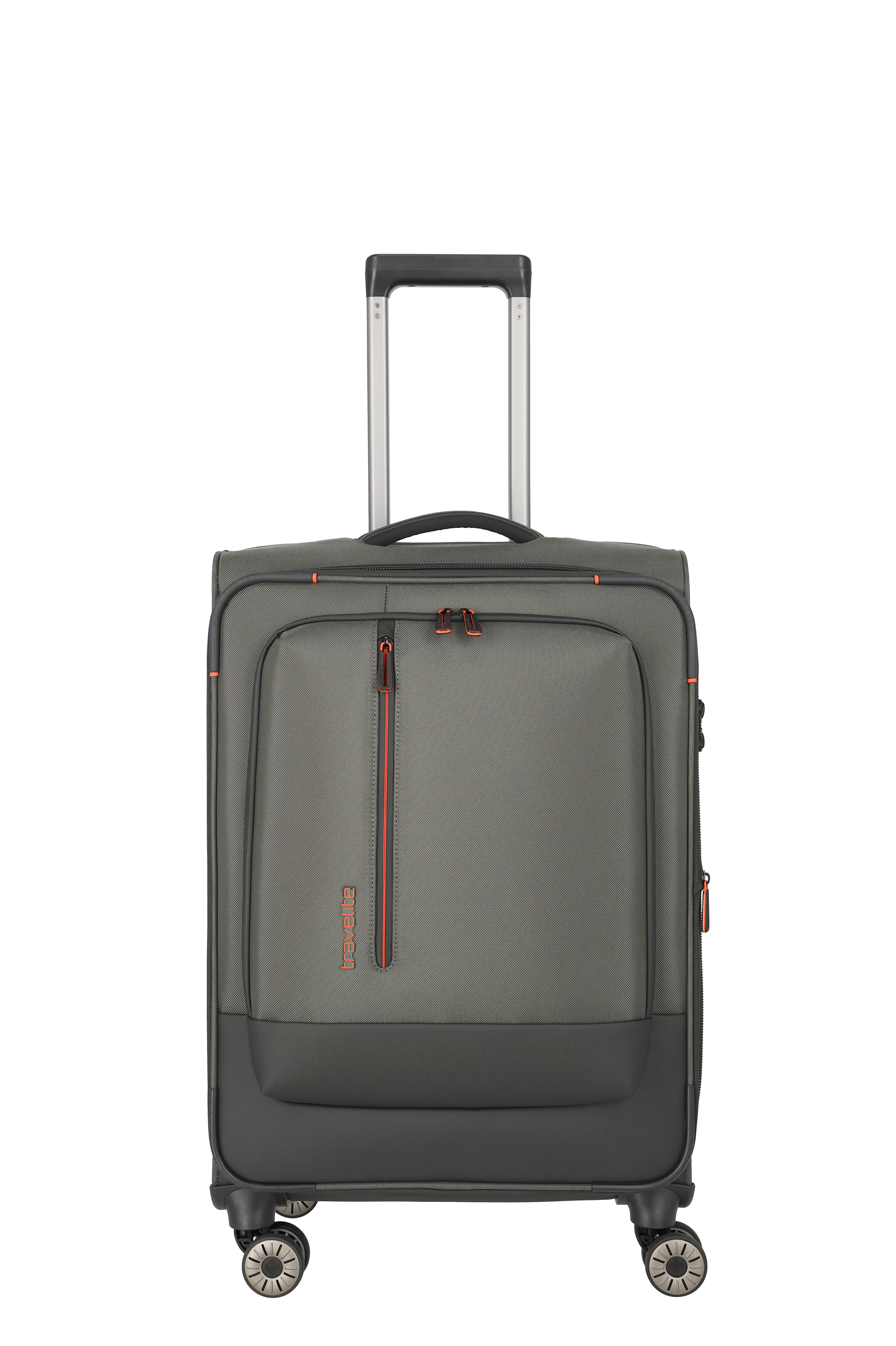
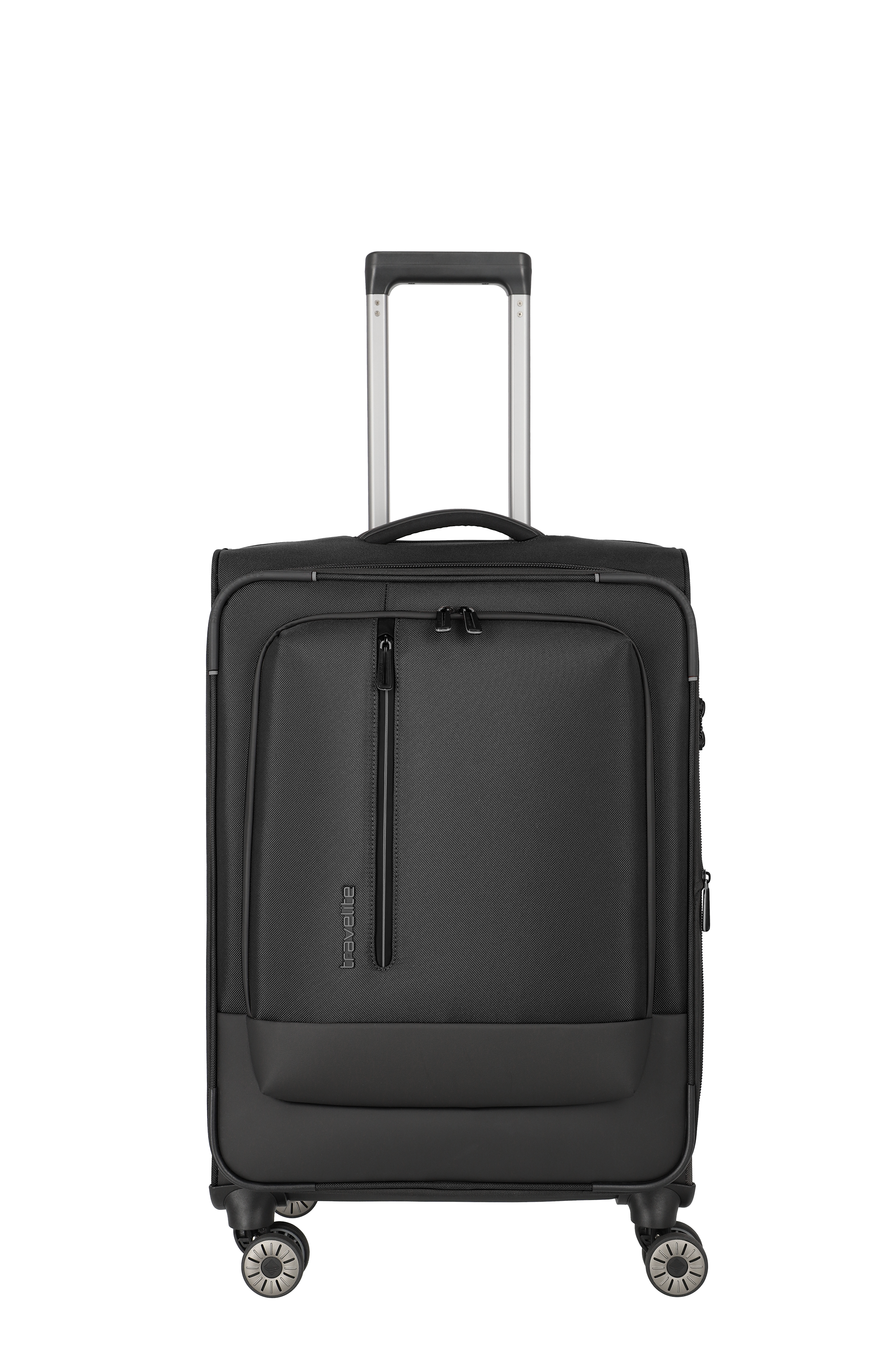
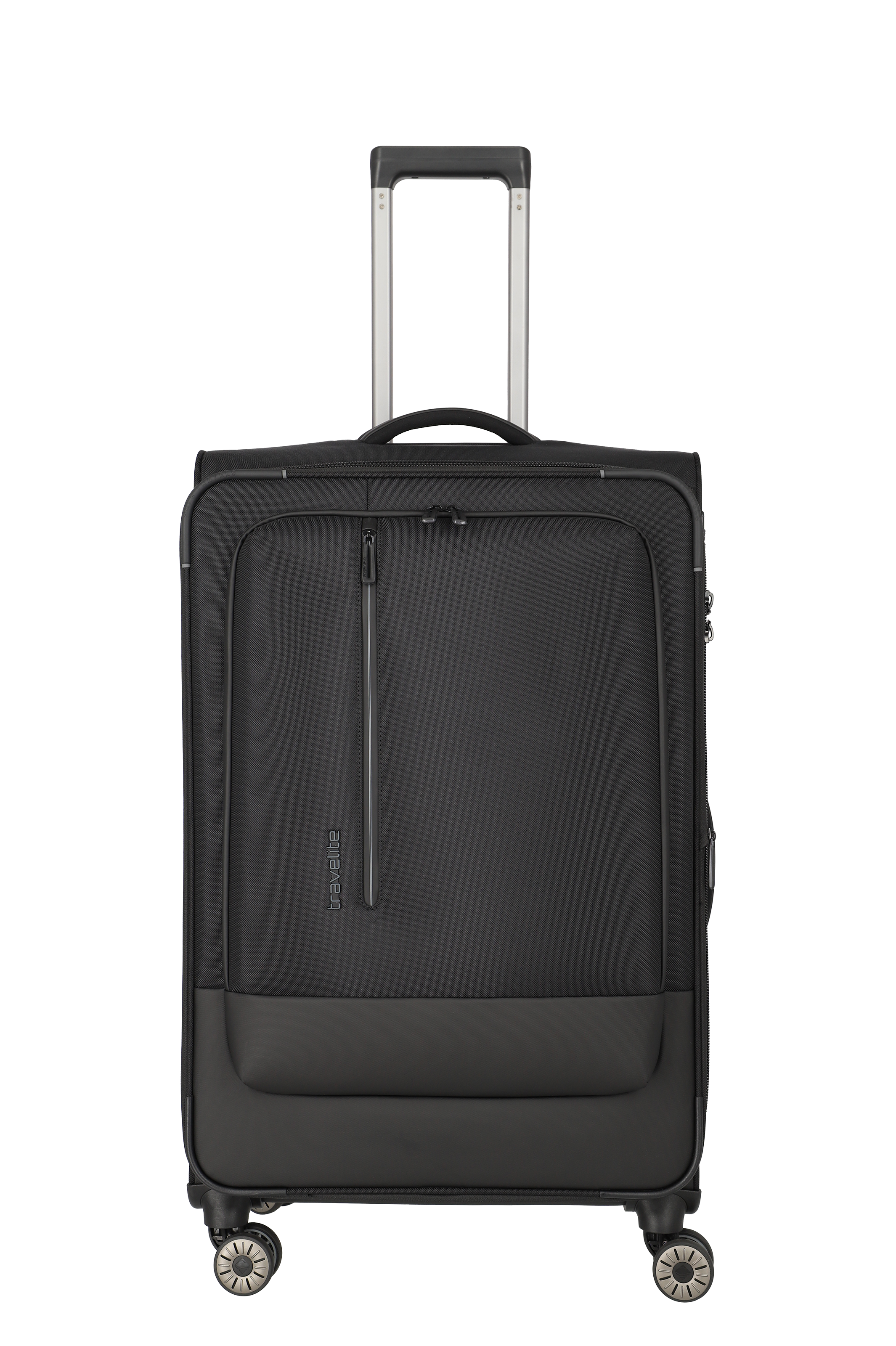
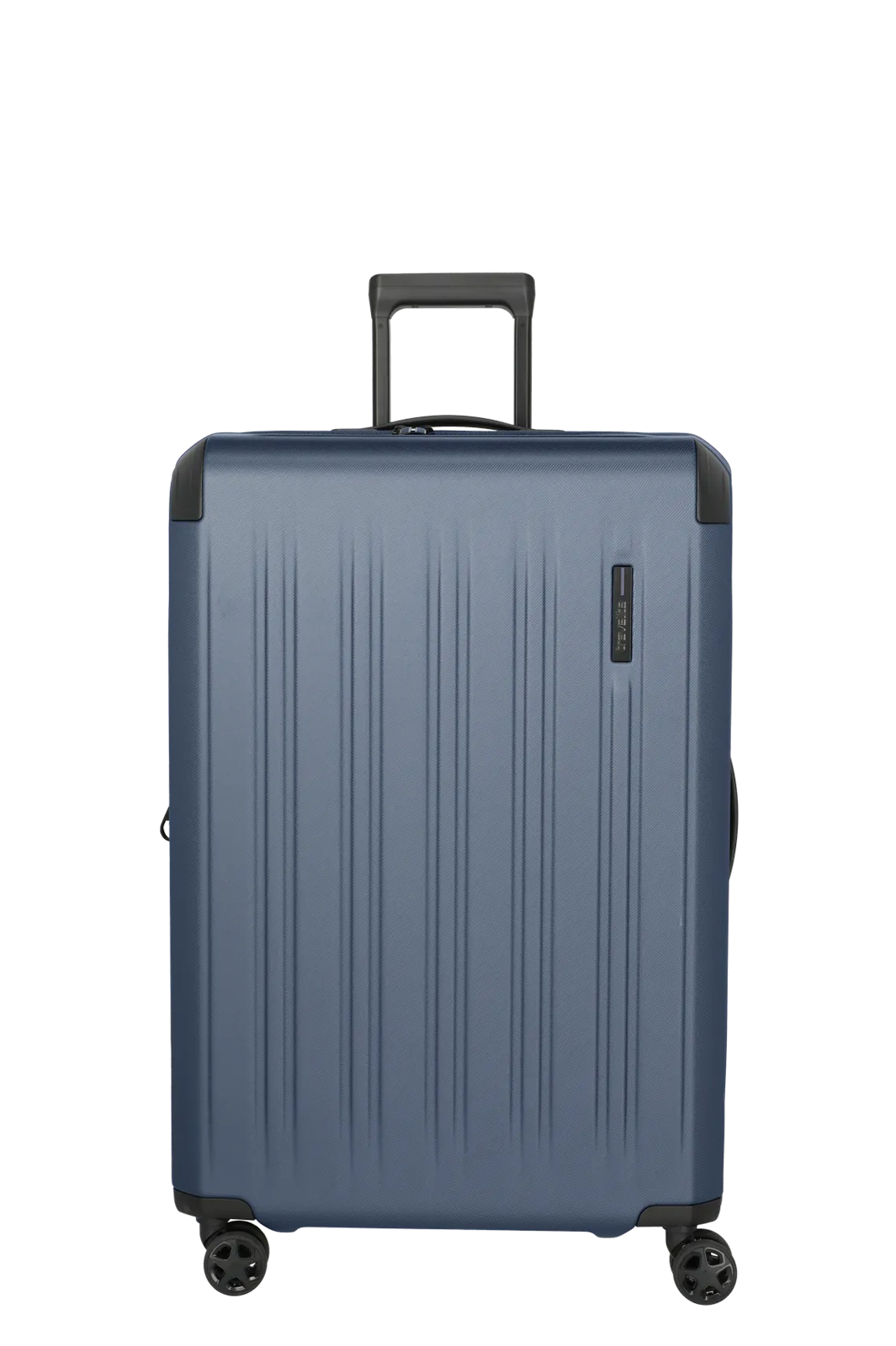
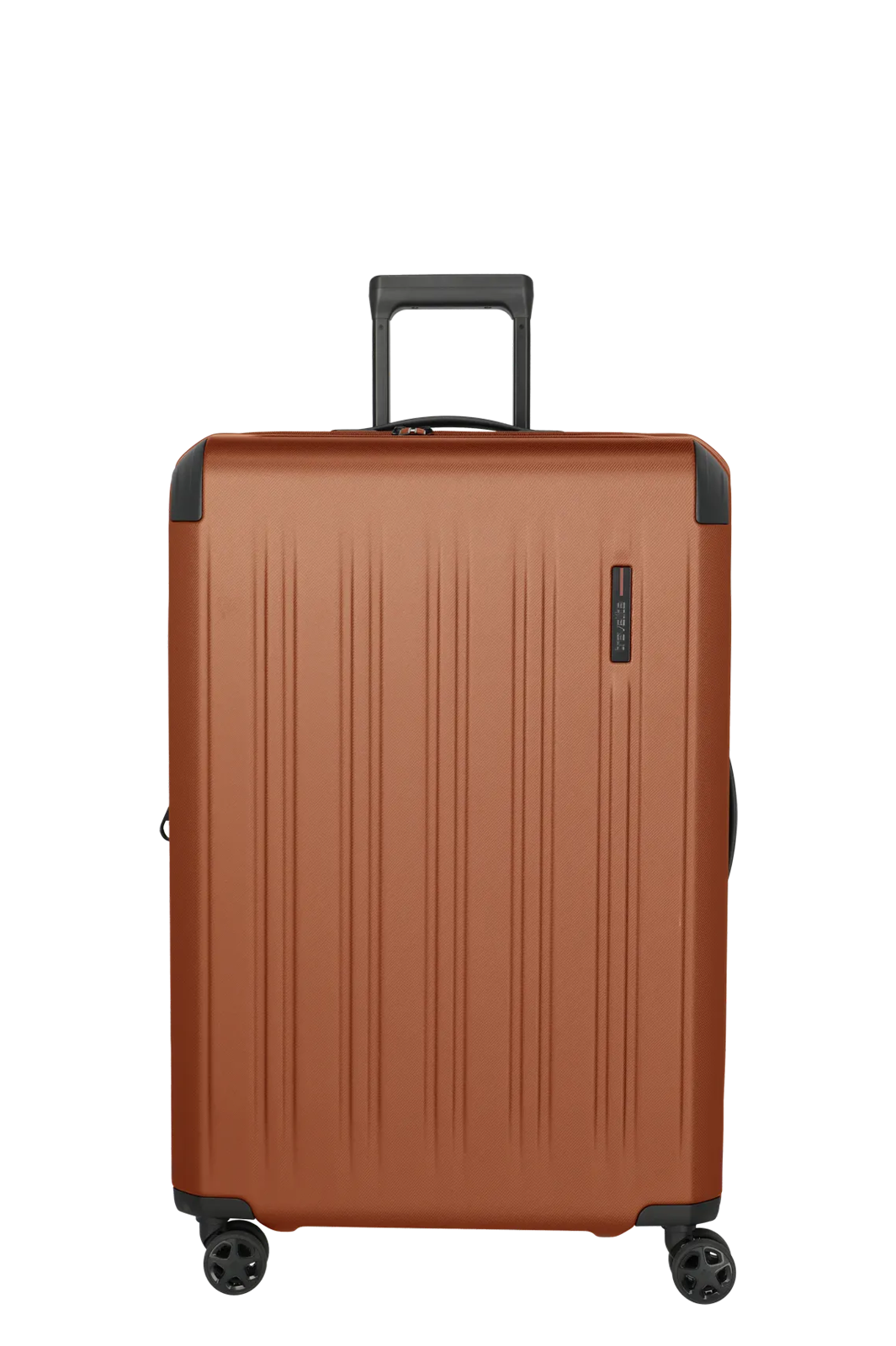
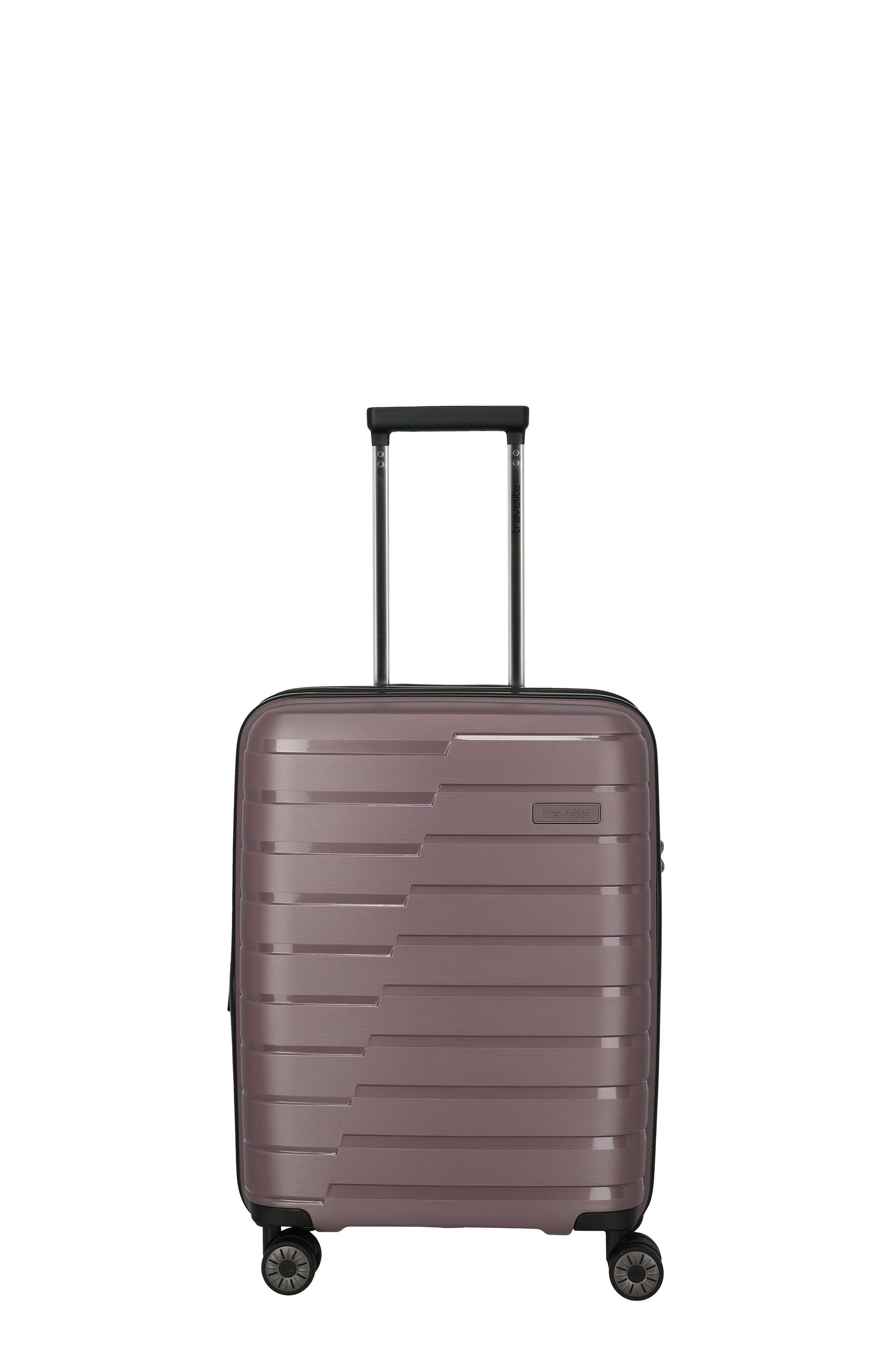
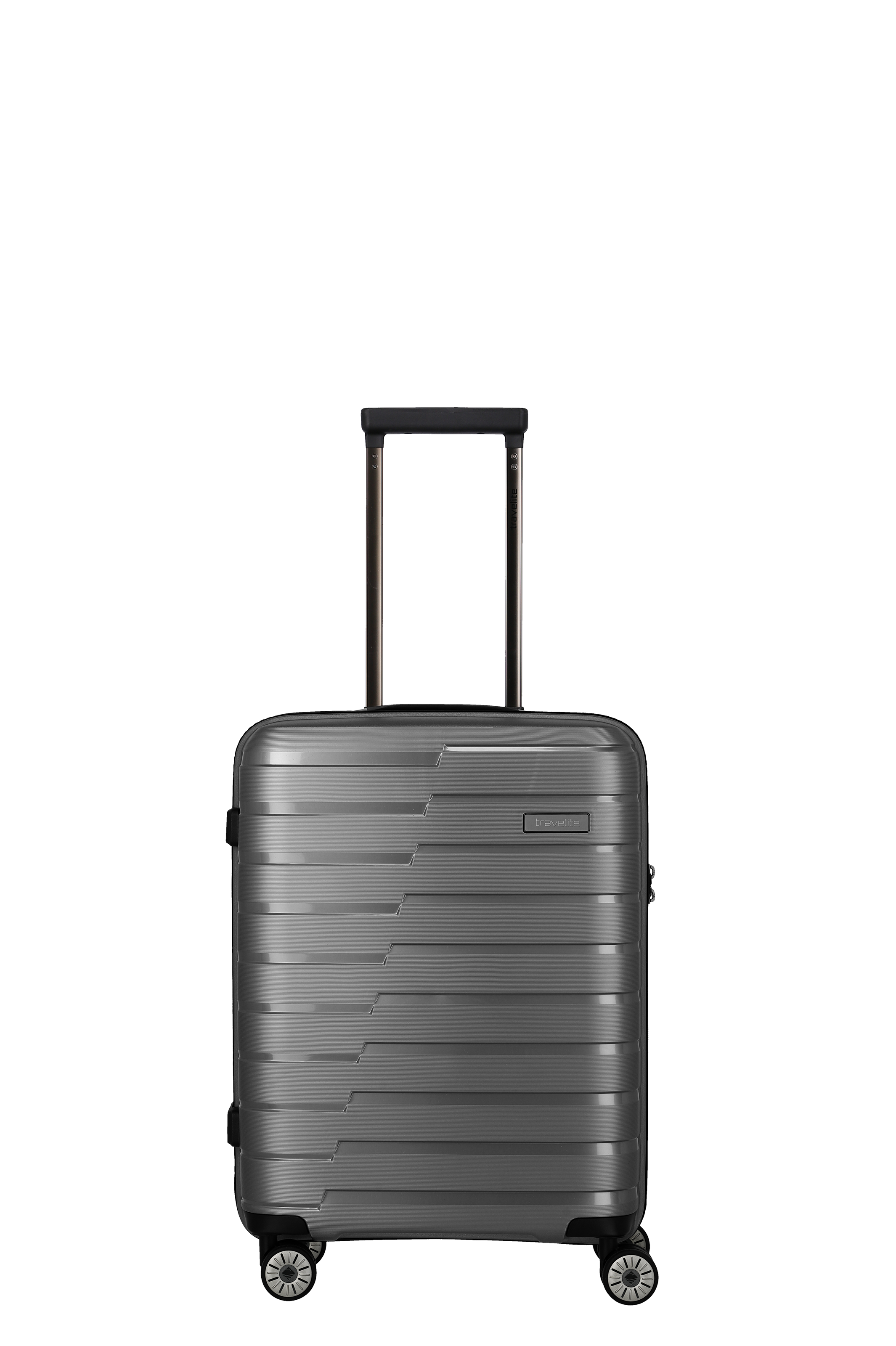
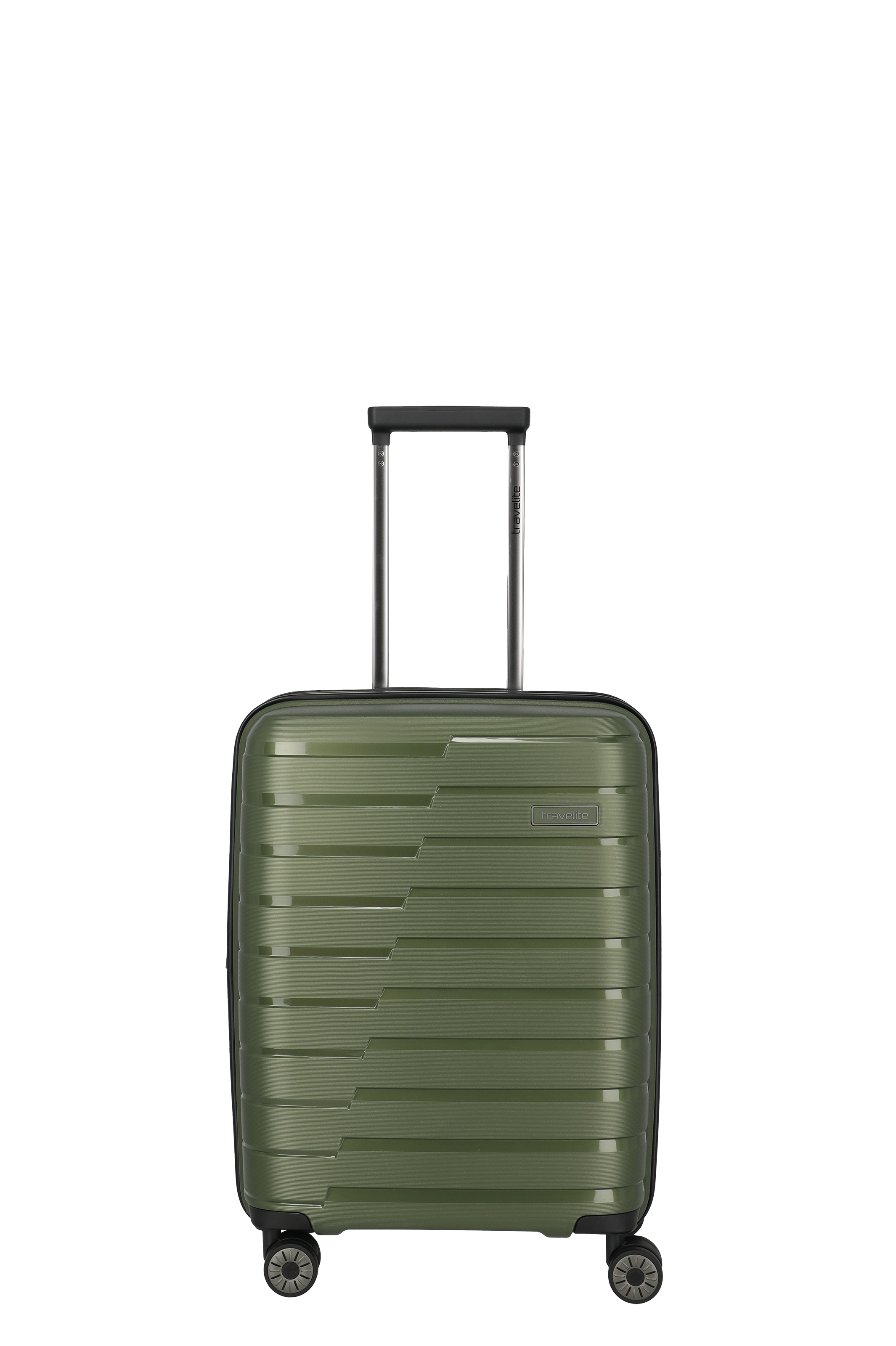
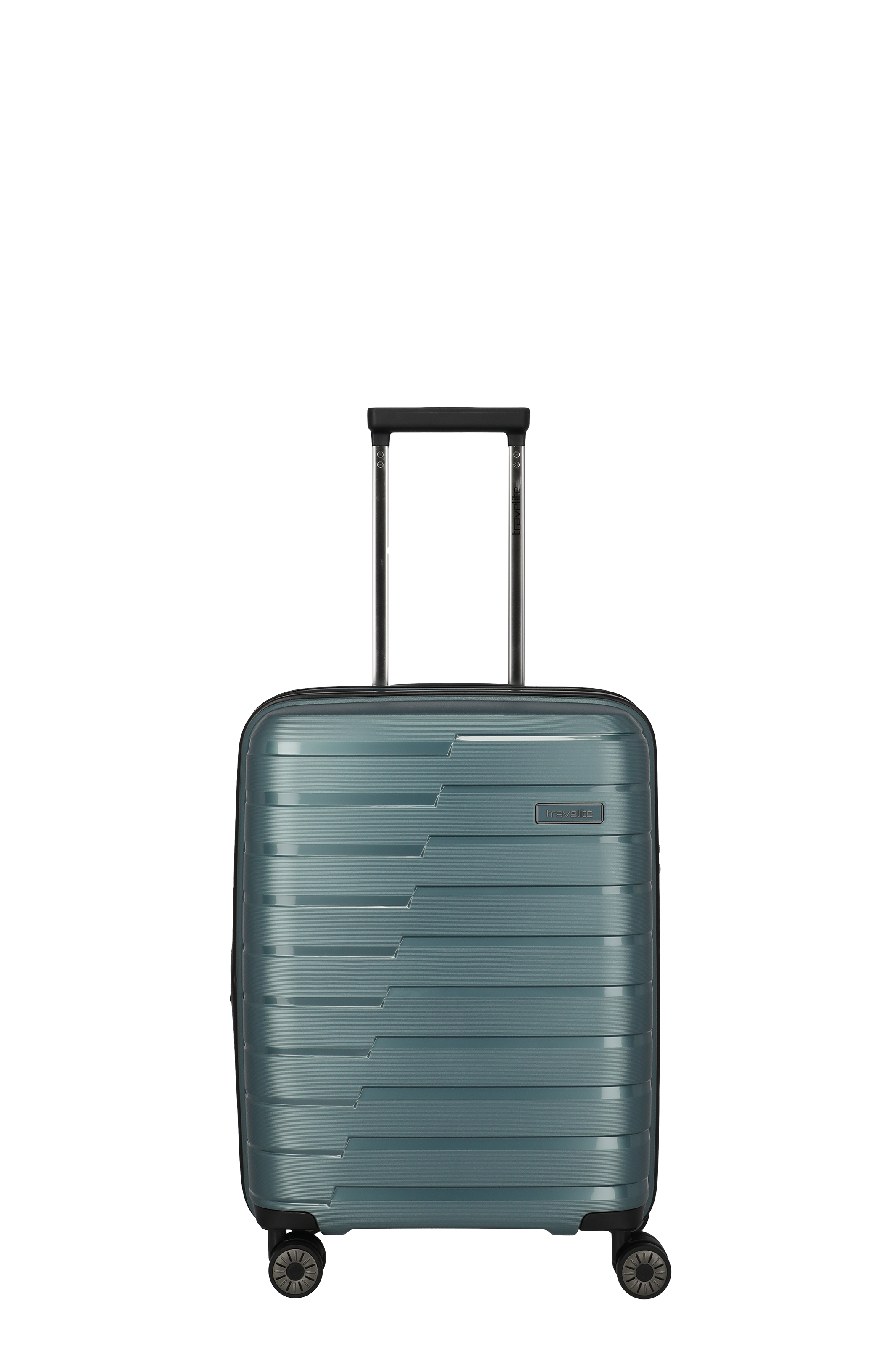
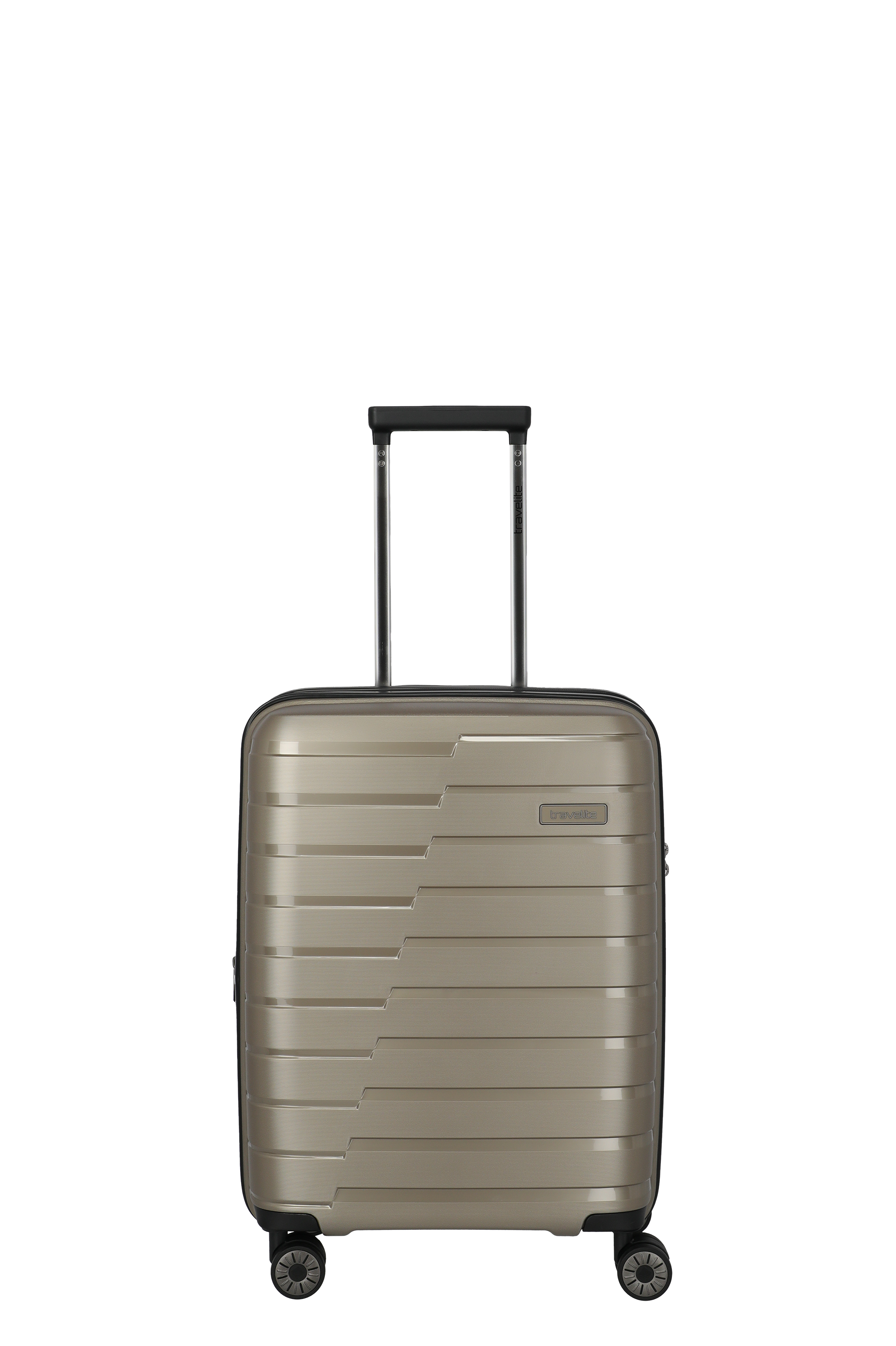
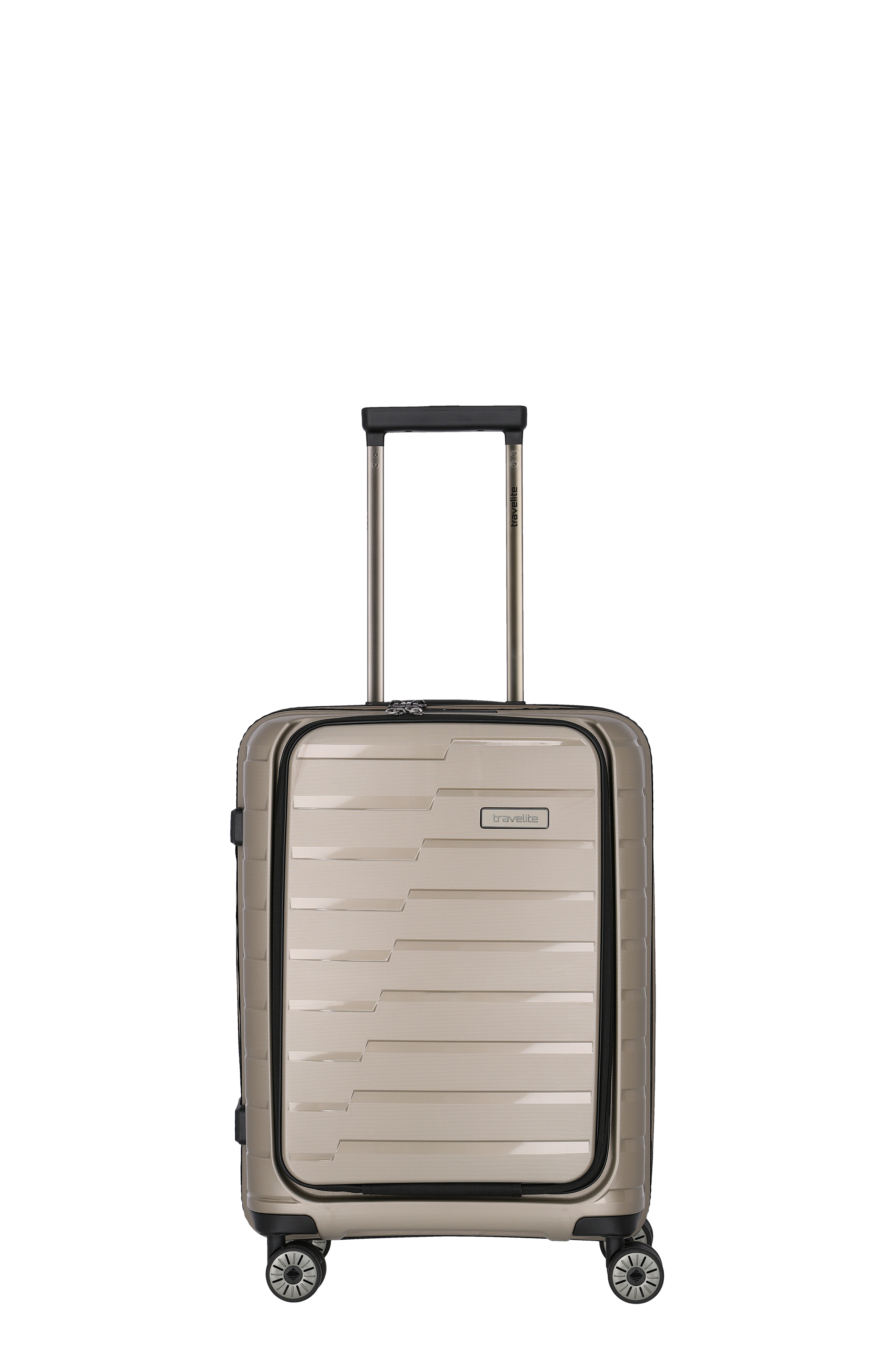
For the rules on liquids to apply at all, the item of hand luggage must first be permitted in the cabin. The most common dimensions are 55 x 40 x 20 cm; some airlines allow slightly larger sizes, whilst low-cost carriers allow significantly smaller ones.

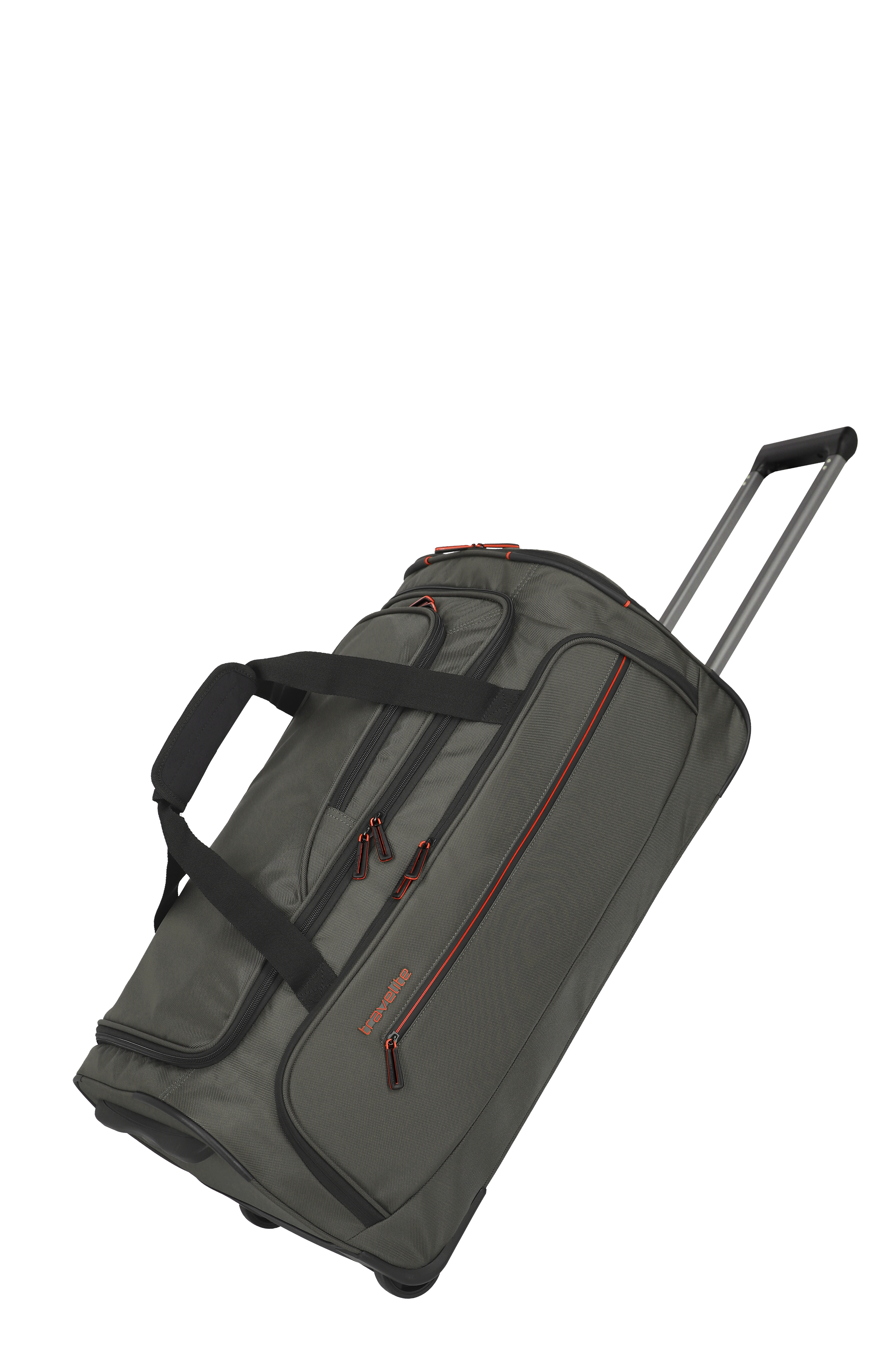
A standard cabin suitcase offers a sturdy structure and fits easily into the overhead locker. If you prefer to have your hands free, opt for a cabin-sized rucksack or a carry-on bag that fits under the seat in front of you.

We’ve compiled the exact dimensions and weights permitted by individual airlines in our hand luggage guide. And if you’re flying for the first time, it’s worth taking a look at our tips for flying for the first time beforehand.

Are you going on a longer trip? Then you’ll find the right model in our overview of small suitcases and cabin suitcases. We’ll show you the best way to pack in our tips on packing your suitcase.

Frequently asked questions about liquids in hand luggage

How many liquids am I allowed to carry in my hand luggage?

Each container must not exceed 100 ml. All containers must be placed together in a transparent, resealable bag with a maximum capacity of one litre. One bag is permitted per person.

Does a half-full 200-ml bottle count as 100 ml?

No. What matters is the printed capacity of the container, not the amount remaining. A half-full 200-ml bottle will be rejected at security. Transfer the contents to a smaller container beforehand.

Can I take an empty water bottle through security?

Yes, as long as it is completely empty. After security, you can refill it at a water dispenser or in a café. You must empty or hand in any full bottles over 100 ml beforehand.

Does the 100-ml rule also apply to toothpaste and deodorant?

Yes. In addition to liquids, the regulation also covers gels, pastes, creams and sprays. Toothpaste, deodorant, hair gel and hairspray must therefore also be placed in the bag. Solid forms such as deodorant sticks or solid shampoo are not included.

What happens to medicines at security?

You are also permitted to carry essential medication over 100 ml and do not need to pack it in the bag. Present it to security staff without being asked. Have a medical certificate to hand; for controlled substances, this is actually mandatory within the Schengen area.

Is the 100-ml rule being abolished?

At airports with new CT scanners, the restriction is no longer technically necessary, and some airports have therefore already relaxed it. However, there is no uniform abolition across the whole of the EU, and the regulations have been changed several times in the past. You should therefore always check the current regulations directly with your departure airport.

Can I take drinks bought in the duty-free shop on board?

Yes, they are purchased after passing through security and are therefore not subject to the 100-ml rule. Make sure the items remain in the sealed bag. If you have a connecting flight outside the EU, they may be checked again.

Flight booked, suitcases packed, anticipation building – at last, it’s time to set off on that long-awaited holiday.

But before you can set off for the airport, you’ll also need to pack your hand luggage. Special rules apply here: liquids must not exceed 100 ml per container. This limit is laid down by law. For security reasons, you’re not allowed to carry larger containers of drinks or toiletries – regardless of which airline you’re travelling with.

We’ll explain which liquids you’re allowed to carry in your hand luggage, what exceptions apply, and how to get through security with ease.

Liquids in hand luggage: What applies according to the EU directive

The EU directive applies to liquids and gel-like products. The key factor here is the capacity of the containers, not the actual contents.

RuleWhat you need to bear in mind
Container sizeMaximum 100 ml per container
BagTransparent, resealable, maximum capacity of one litre
NumberOne bag per person
Security checkThe bag must be presented separately

Important: You must pay close attention to the container’s capacity. If you wish to take a cream in a 200-ml container that is only half full, you must still decant it into a smaller container. It is the maximum possible capacity, not the actual contents, that counts.

Some airports use modern CT scanners, where larger quantities were previously permitted at times. Don’t rely on this, however: the 100-ml limit remains the standard and is enforced at most security checkpoints. You can read about exactly how the security check process works in our article on airport security checks.

Information current as of

The rules on liquids in hand luggage are updated regularly. The information in this article is correct as of August 2026. The information provided by your departure airport and your airline is always definitive – check both shortly before your flight.

Changes to hand luggage rules

The 100-ml limit dates back to 2006 and is not set in stone for all time. It depends on the technology used at the security checkpoints.

New scanners at security checkpoints

More and more airports are switching to CT scanners, which scan hand luggage in three dimensions. These machines detect liquids so reliably that the volume restriction is no longer technically necessary. In most cases, you no longer need to remove electronics or liquids from your bag at these scanners either.

However, whether more than 100 ml is actually permitted at a specific airport does not depend solely on the technology, but on the approval of the respective devices at EU level. These approvals have been granted, suspended and revised in the past. It may therefore happen that different rules apply at two terminals of the same airport.

Our recommendation: Pack your liquids as if the 100-ml rule still applied – even if your departure airport has already made the switch. That way, you’ll definitely be on the safe side. This applies particularly to your return flight: the destination airport may still be using the old system.

What you should check before your flight

  • Check the current regulations on your departure airport’s website; they are usually listed under ‘Security Check’
  • The regulations at the destination airport for the return flight
  • For connecting flights: the regulations at the transit airport, particularly outside the EU
  • Dimensions and weight of your hand luggage with your airline, as these change more often than the rules on liquids

What actually counts as a liquid in hand luggage?

Contrary to what many people assume, it is not just drinks bottles that are affected by this rule. The following items must be placed in the bag:

Cosmetics and personal care products

  • Deodorant, including spray cans
  • Hairspray
  • Toothpaste
  • Creams
  • Make-up

Bath and shower

  • Perfume
  • Shampoo
  • Shower gel
  • Liquid soap

Miscellaneous

  • All types of drinks
  • Hand sanitiser
  • Yoghurt, honey, spreads
  • Gel-like products such as hair gel

Special case: hand sanitiser

Whether you’re allowed to carry hand sanitiser in your hand luggage depends on its alcohol content. Substances with an alcohol content of over 70 % are considered highly flammable and must not be carried in either hand luggage or hold luggage.

Most hand sanitisers fall within this limit: an alcohol content of 60 to 70 % is sufficient to effectively reduce bacteria, and many products also contain ingredients that prevent the skin from drying out. In most cases, you can therefore take your hand sanitiser with you in your bag without any problems – as long as the container does not hold more than 100 ml.

Solid alternatives save space in your bag

The simplest way to avoid any problems with liquids at security is not to bring them with you in the first place. That doesn’t mean you have to go without anything.

Some products can be replaced with solid alternatives, such as shampoo, deodorant, conditioner or toothpaste tablets. The practical advantage is that solid products do not count as liquids and therefore do not need to be placed in the one-litre bag. This leaves space in the bag for items that are only available in liquid form.

Another advantage: with solid shampoo, there’s no risk of anything leaking in your bag. You can easily store both in a toiletry bag with separate compartments.

Exceptions: These liquids are still permitted

There are exceptions in special cases. You are permitted to carry these products despite the EU directive:

Exception 01

Baby food

If you are travelling with a child under the age of two, you are allowed to carry baby food in your hand luggage. The containers may hold more than 100 ml and do not need to be placed in the bag.

This is subject to the child actually travelling with you and the quantity not significantly exceeding what is needed for the flight. You can find further information in our article on holidays with a baby.

Exception 02

Medicines

Essential medication is also exempt from these restrictions. Common examples include insulin, asthma inhalers and ice packs.

At the security check, you may sometimes be asked to provide proof of necessity. You can have your doctor certify that you require the medication. For international flights, there are multilingual medical certificate templates available, for example from the ADAC.

Important: Always check the import regulations of your destination country as well. Within the Schengen area, for example, you’ll need a medical certificate to carry antidepressants, as they are classified as controlled substances. If travelling to non-EU countries, check with the Foreign Office in advance.

Exception 03

Duty-free items

The carry-on regulations do not prevent you from going on a shopping trip in the duty-free area. If you buy liquids such as perfume or drinks there, you can take them on board.

Important: Depending on the airline, the items you purchase may count as part of your hand luggage and may incur an additional charge. In some cases, the maximum dimensions and weight limits may also apply. Regulations vary significantly from one airline to another.

Four tips for liquids in hand luggage

Want to be fully prepared for your trip? Then these four tips will help you get through security stress-free:

Tip 01

Take an empty bottle with you

You’ll get through security without any problems with an empty reusable bottle. After security, simply top it up at a water dispenser or in a café – this saves you from having to pay airport prices for drinks.

Tip 02

Use a zip-lock bag

A zip-lock bag from the supermarket meets the requirements. You can tell straight away from the packaging whether it meets the one-litre capacity requirement. It’s worth keeping it, so you’ll have it to hand for your next trip.

Tip 03

Check airline requirements

The same rules apply to liquids everywhere, but this is not the case for the dimensions and weight of your hand luggage. If you know this in advance, you’ll avoid any inconvenience and additional costs at the check-in desk. You can find an overview of this in the hand luggage guide.

Tip 04

Pack the bag so it’s to hand

Stow the bag right at the top or in an outside pocket. That way, you won’t have to unpack half your suitcase to get it out at security – and you won’t hold up the queue behind you.

The right suitcase for your hand luggage

For the rules on liquids to apply at all, the item of hand luggage must first be permitted in the cabin. The most common dimensions are 55 x 40 x 20 cm; some airlines allow slightly larger sizes, whilst low-cost carriers allow significantly smaller ones.

A standard cabin suitcase offers a sturdy structure and fits easily into the overhead locker. If you prefer to have your hands free, opt for a cabin-sized rucksack or a carry-on bag that fits under the seat in front of you.

We’ve compiled the exact dimensions and weights permitted by individual airlines in our hand luggage guide. And if you’re flying for the first time, it’s worth taking a look at our tips for flying for the first time beforehand.

Are you going on a longer trip? Then you’ll find the right model in our overview of small suitcases and cabin suitcases. We’ll show you the best way to pack in our tips on packing your suitcase.

Frequently asked questions about liquids in hand luggage

How many liquids am I allowed to carry in my hand luggage?

Each container must not exceed 100 ml. All containers must be placed together in a transparent, resealable bag with a maximum capacity of one litre. One bag is permitted per person.

Does a half-full 200-ml bottle count as 100 ml?

No. What matters is the printed capacity of the container, not the amount remaining. A half-full 200-ml bottle will be rejected at security. Transfer the contents to a smaller container beforehand.

Can I take an empty water bottle through security?

Yes, as long as it is completely empty. After security, you can refill it at a water dispenser or in a café. You must empty or hand in any full bottles over 100 ml beforehand.

Does the 100-ml rule also apply to toothpaste and deodorant?

Yes. In addition to liquids, the regulation also covers gels, pastes, creams and sprays. Toothpaste, deodorant, hair gel and hairspray must therefore also be placed in the bag. Solid forms such as deodorant sticks or solid shampoo are not included.

What happens to medicines at security?

You are also permitted to carry essential medication over 100 ml and do not need to pack it in the bag. Present it to security staff without being asked. Have a medical certificate to hand; for controlled substances, this is actually mandatory within the Schengen area.

Is the 100-ml rule being abolished?

At airports with new CT scanners, the restriction is no longer technically necessary, and some airports have therefore already relaxed it. However, there is no uniform abolition across the whole of the EU, and the regulations have been changed several times in the past. You should therefore always check the current regulations directly with your departure airport.

Can I take drinks bought in the duty-free shop on board?

Yes, they are purchased after passing through security and are therefore not subject to the 100-ml rule. Make sure the items remain in the sealed bag. If you have a connecting flight outside the EU, they may be checked again.

Discover our products

Discover our products

Skip product gallery