Backpacking - flexible travelling with a backpack
Backpacking means travelling with as little luggage as possible and not sticking to a fixed travel plan. Instead of luggage belts and hotel transfers, night buses, spontaneous route changes and changing accommodation are often quite normal. The rucksack is more than just a piece of luggage – it determines how flexible you travel, how quickly you move on and how uncomplicated everyday life on the road remains.
If you decide to go backpacking, you plan roughly in advance, but deliberately leave room for spontaneous detours. It is precisely this mix of preparation and openness that makes backpacking so appealing for many – whether for a few weeks or several months.
What does backpacking mean?
Backpacking is not about ticking off as many places as possible in a short time. The focus is on a minimalist way of travelling, concentrating on the essentials. Travel is often by public transport, with overnight stays in hostels, guesthouses or small accommodations that can be booked flexibly.
Unlike a classic round trip, there is no fixed schedule. Length of stay, route and pace can be adjusted at any time. This requires some self-organisation, but at the same time creates a lot of freedom.
Planning a backpacker trip – basics before you start
Even though backpacking leaves plenty of room for spontaneity, solid basic planning ensures less improvisation is needed along the way. Those who address the route, budget and organisational questions in advance travel more relaxedly and can make conscious decisions on the road instead of having to react to situations.
Trip duration, route and travel time
The time available determines how far a trip can be sensibly planned. For shorter backpacking trips, it is worth focusing on one region instead of constantly changing locations. This leaves more time for local experiences.
For longer trips, seasonal factors play a greater role. Rainy seasons, extreme heat or high tourist demand can affect routes and length of stay. Rough route planning helps with orientation, but should remain flexible to allow for spontaneous reactions.
Budget and cost overview
A realistic budget provides security without restricting freedom. In addition to accommodation and transport costs, expenses for food, activities and unexpected situations should also be considered.
Backpacking provides many opportunities to manage costs – for example, through local transport, simple accommodation or self-catering. If you know your daily budget, you'll make decision on the road more relaxed.
Safety and preparation
Preparation includes valid travel documents, suitable insurance and a basic understanding of the country being visited. This includes entry regulations, medical recommendations and local peculiarities.
Digital copies of important documents and clear organisation in your luggage make everyday life easier. Valuables should be carried as close to the body as possible, especially when travelling longer distances or in larger cities.
Popular backpacking destinations
The choice of destination determines how much planning is necessary and how flexibly a backpacker trip can be organised. Infrastructure, distances and costs have a direct impact on everyday travel. Those who choose their destination to suit their own experience avoid unnecessary stress and can focus more on being on the road.
Backpacking for beginners
For beginners, countries are suitable where transport, accommodation and orientation can be organised easily. Short distances, clear routes and an existing backpacker infrastructure ensure that much can also be organised spontaneously.
- Thailand – very well-developed transport network, large selection of accommodation, many tried and tested travel routes
- Portugal – manageable distances, easy transport, pleasant prices
- New Zealand – well-structured travel offers, safe conditions, lots of nature in a small area
- Vietnam – clear north-south route, inexpensive transport options, lots of backpacker accommodation
These destinations make it possible to get used to travelling with a rucksack without constantly having to overcome new organisational hurdles.
Backpacking for experienced travellers
Those who have already gained experience often consciously look for less touristy regions. Everyday travel is less predictable here, but more intense. Planning, initiative and adaptability play a bigger role.
- Bolivia – long distances, simple means of transport, striking landscape contrasts
- Indonesia away from Bali – less infrastructure, longer journey times, more self-organisation
- Georgia – simple accommodation, flexible routes, few standardised processes
- Morocco – cultural differences, individual transport solutions, varied regions
Such destinations require a realistic assessment of time, budget and personal resilience.
Backpacking in Europe
Europe is particularly suitable for shorter or time-limited backpacking trips. The proximity of the countries enables flexible routes, spontaneous detours and easy adjustments on the go.
- Spain – good train and bus connections, many city routes, broad choice of accommodation
- Italy – combination of cities, coasts and nature, uncomplicated onward journey
- Croatia – compact routes, easily combined island and coastal routes
- Romania – inexpensive, less crowded, solid train connections
Thanks to good accessibility, rucksack trips and hiking holidays in Europe can also be planned at short notice or extended while underway.
The right equipment for backpackers
When backpacking, equipment determines how relaxed or strenuous everyday travel will be. Everything that is taken must be carried, stowed and used regularly. That's exactly why it's worth making conscious choices and focusing on functional, long-lasting solutions.
Rucksack or luggage – what matters
The central piece of equipment is the luggage itself. For classic backpacker trips, a rucksack is suitable that combines carrying comfort, organisation and flexibility. Particularly practical are models that can be adapted to different travel situations.
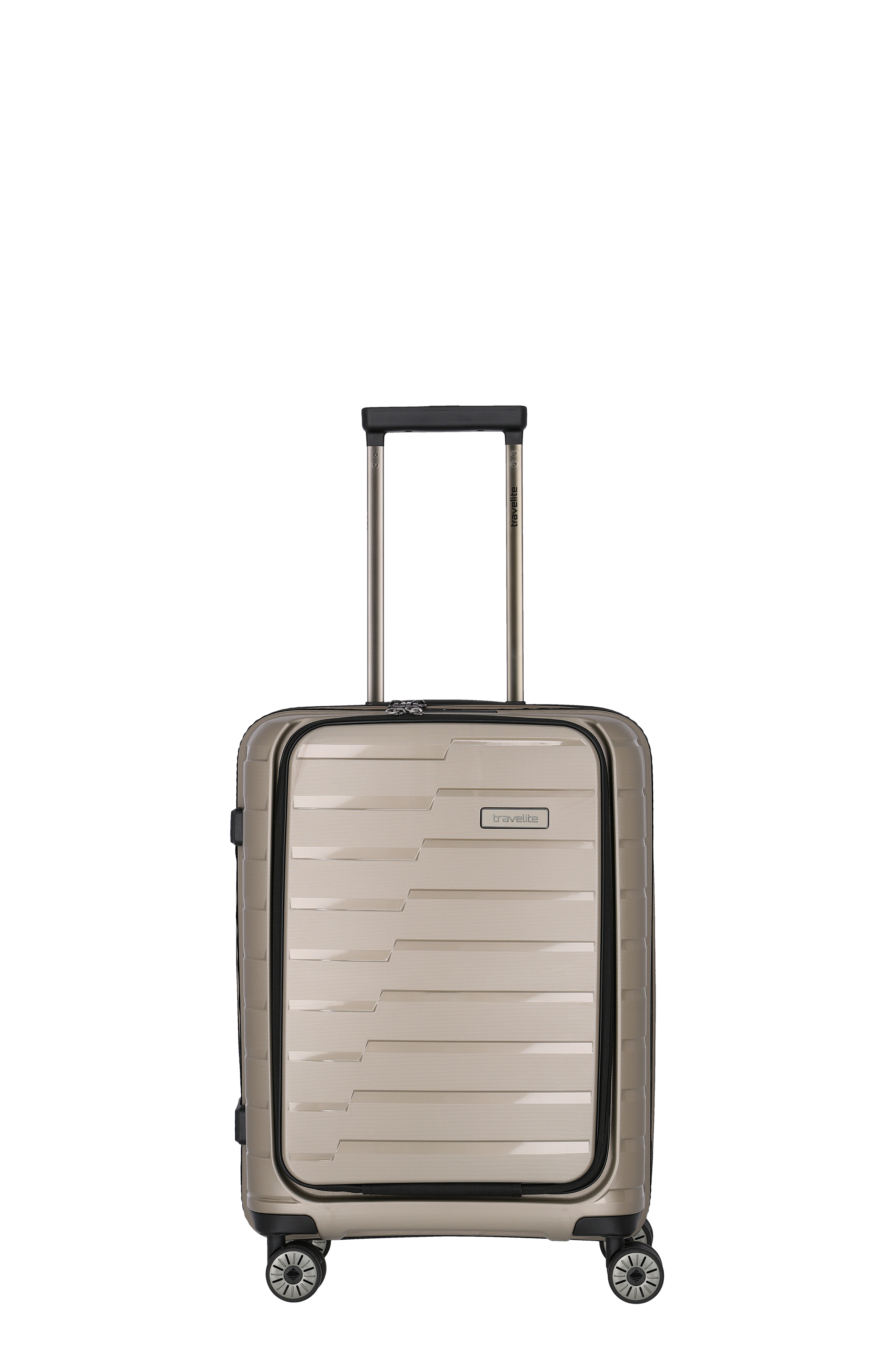
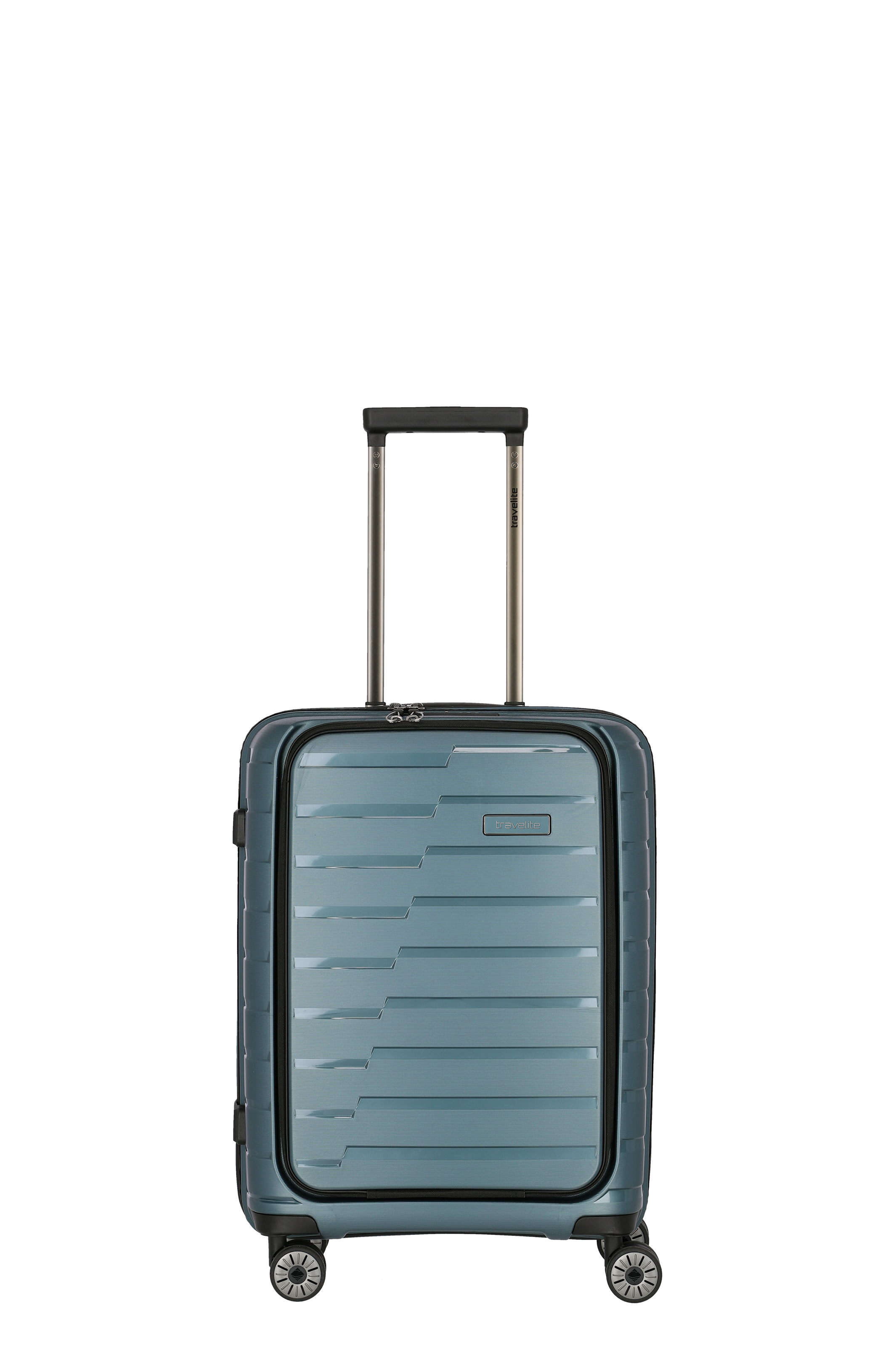
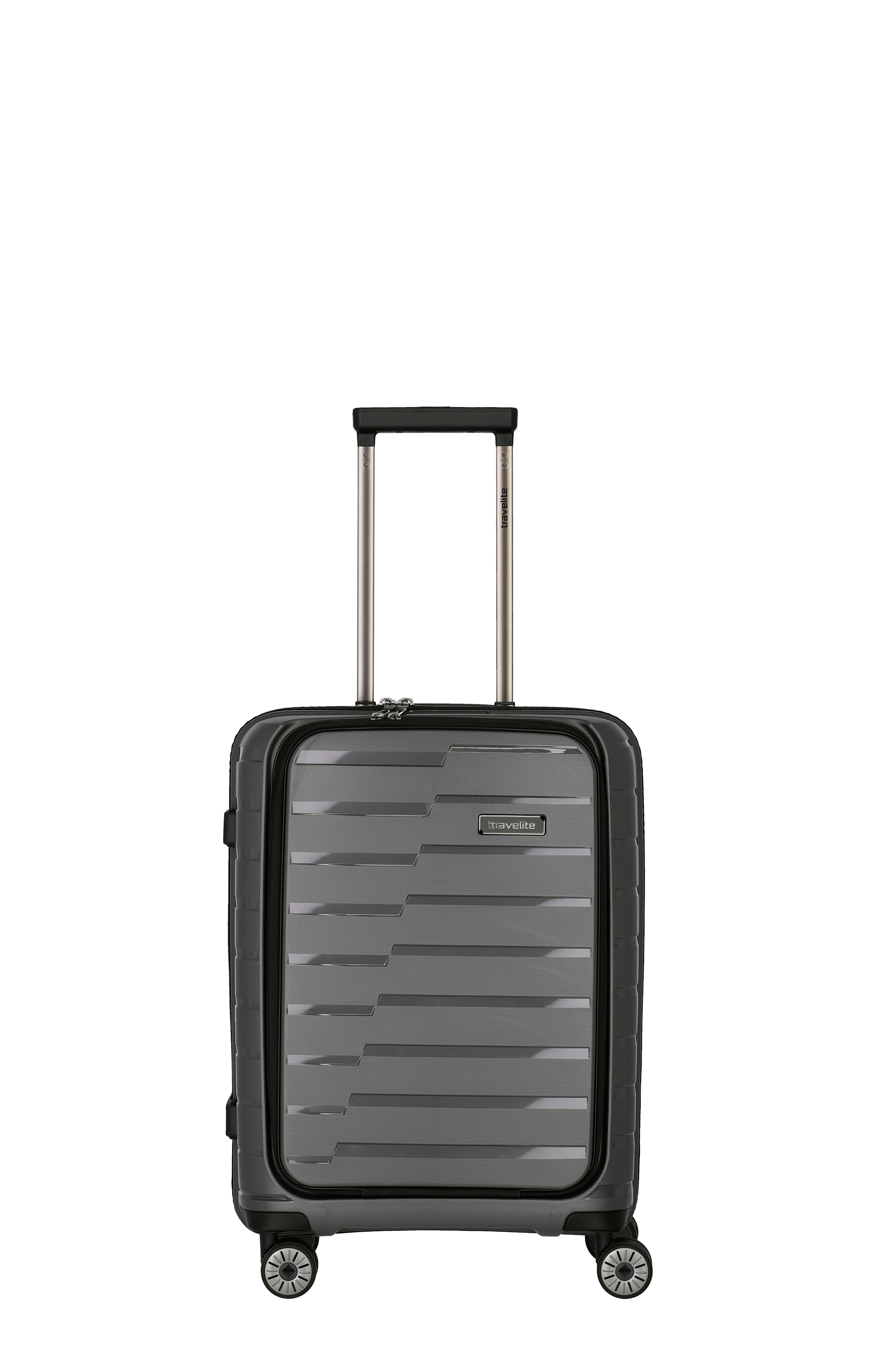
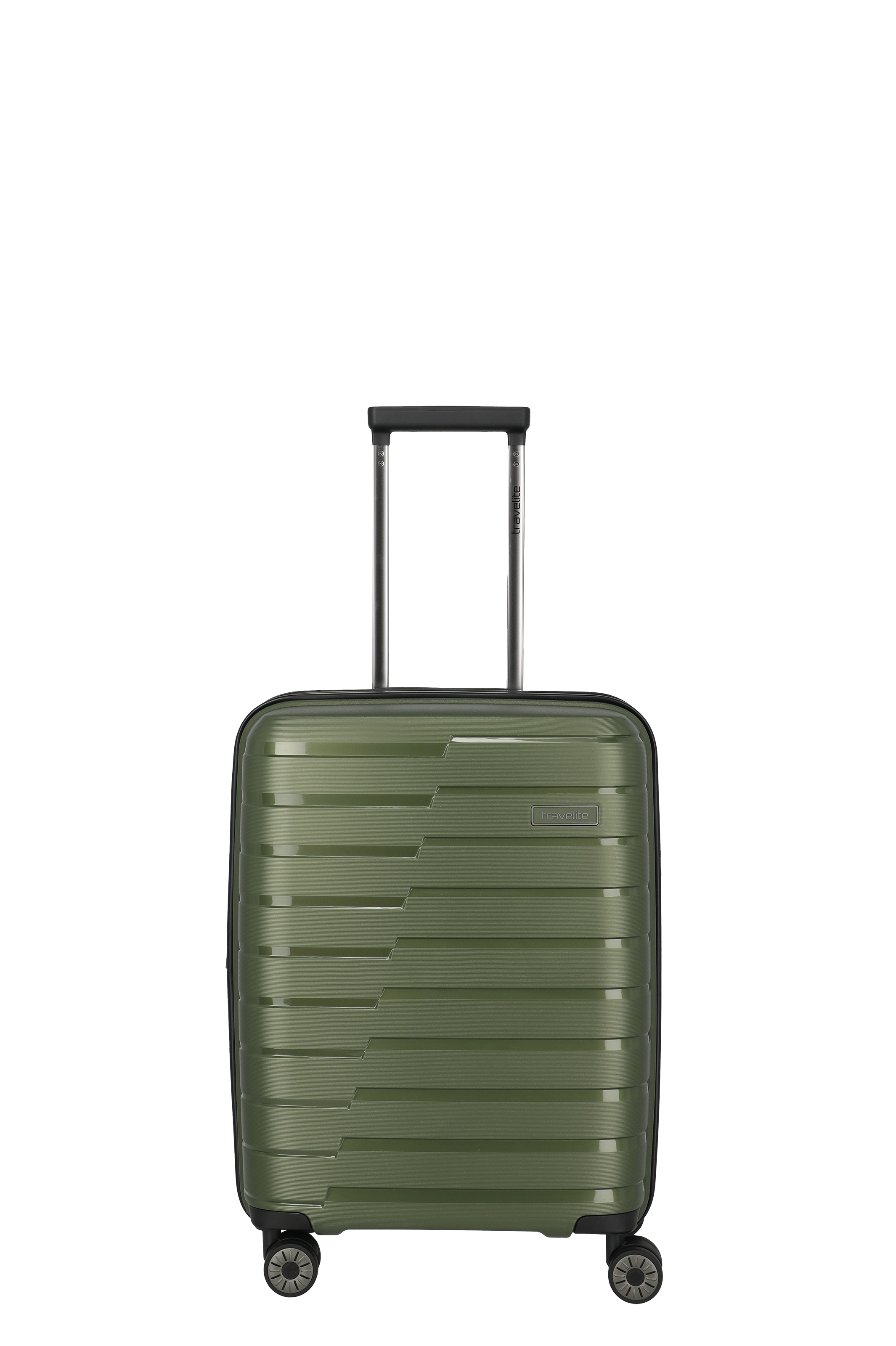
The Venture Line Rucksack by travelite is designed exactly for this use. It combines the advantages of an outdoor rucksack with the structure and accessibility of travel luggage. Thanks to its expandability, the volume can be flexibly adjusted – for example, for longer journeys or additional shopping on the road.
Smart compartment solutions ensure that clothing, technology and documents can be stored separately. This not only makes packing easier, but also ensures quick access when changing, in the hostel or at checkpoints. A solid carrying system with hip and chest straps distributes the weight evenly and remains comfortable even on longer trips.
What to look for in a backpacking rucksack:
- solid, comfortable carrying system with hip and chest strap
- robust, long-lasting materials for frequent use
- thoughtful internal layout with separate compartments
- expandable volume for variable travel needs
- as little weight as possible
Clothing and shoes
When backpacking, it's not about quantity but combinability. Clothing should be functional, quick-drying and suitable for different situations. Several light layers are more practical than single thick garments.
Proven choices:
- few, well-combinable basics
- clothes that are easy to wash
- robust, comfortable shoes for longer distances
- light alternatives for accommodation or short trips
Above all, shoes should be broken in before travelling to avoid blisters and injuries.
Technology, documents and organisation
For many backpackers, technology is part of everyday life, but should be kept to a minimum. Smartphone, chargers and, if necessary, an adapter are sufficient in most cases.
Clear organisation is worthwhile for documents and smaller items:
- store travel documents securely and within easy reach
- carry valuables close to your body
- use packing aids to keep things tidy
Good organisation saves time on the road and ensures everything can be found quickly – especially with frequent changes of accommodation.
Backpacking packing list – clear and practical
A good packing list helps to focus on the essentials. It prevents important things from being forgotten and also protects against taking too much. When backpacking, everything that ends up in the rucksack should be used regularly or fulfil a clear purpose.
Must-haves for every backpacker trip
This basic kit has proven itself regardless of destination:
- Clothing for different situations – few, well-combinable items for everyday life, travel and accommodation
- Hygiene articles in travel size – space-saving and easy to replace
- Documents and means of payment – stored safely and digitally backed up
- Small first aid kit – for minor injuries or everyday ailments
- Technology and charging cables – pared down to the essentials
This base covers most everyday situations and can be expanded to suit the travel profile.
Additional equipment depending on the destination
Depending on route, climate and type of travel, additional equipment can be useful:
- Trekking or outdoor accessories – for longer hikes or remote areas
- Mosquito net or insect protection – in tropical areas
- Waterproof bags – for high humidity or boat trips
- Warm clothing – for higher altitudes or cooler regions
The more precisely the trip is planned, the better the packing list can be adapted.
Packing tips for light and compact travel
Less luggage means more freedom of movement. It has proven helpful to question every item before packing: Will it really be used regularly, or is it only for emergencies?
Helpful:
- roll clothes instead of folding
- prefer multipurpose items
- distribute weight evenly
- regularly sort out on the road
A compact rucksack not only makes carrying easier, but also changing transport, checking in and storing from day to day.
Packing your rucksack correctly – order and comfort on the road
How the hiking rucksack is packed becomes noticeable after only a few kilometres. A well-thought-out packing method ensures even weight distribution, quick access and takes pressure off the back. Especially with frequent changes of location, organisation in your luggage pays off.
Heavy items should be placed as close to the back and in the middle section of the rucksack as possible. This keeps the centre of gravity stable and makes carrying more balanced. Lighter things can be stowed further outside or at the top.
Items used regularly on the road – such as rain jacket, water bottle or documents – belong in easily accessible compartments. Things needed less often can be stored deeper in the rucksack.
Packing cubes or pouches help to clearly separate categories. This saves time reorganising and prevents the entire rucksack from being emptied for every little thing. A basic structure also makes it easier to repack when changing accommodation.
Those who regularly reorganise their rucksack and sort out unnecessary things will travel long-term more relaxed and spare their back and shoulders.
Advantages and challenges of backpacking
Backpacking brings a lot of freedom, but also presents travellers with some particular demands. Anyone who consciously chooses this form of travel should know both sides. Many challenges can be cushioned with realistic planning and suitable equipment, whilst the advantages are often exactly what backpackers value most.
| Advantages of a backpacker trip | Typical challenges |
|---|---|
|
|
Many backpackers experience the switch between comfort and challenge as part of the travel experience. If you set off prepared and stay flexible, you can make full use of the advantages and handle the typical challenges confidently.
Backpacking tips for on the road
Everyday life when backpacking is rarely predictable. Those who stay flexible, travel attentively and act pragmatically will cope well with most situations.
- Behaviour in new countries – cultural differences often show up in everyday life. Observing, respectful demeanour and basic knowledge of dress, manners or local rules help to avoid misunderstandings and make encounters more relaxed.
- Sustainable travel – conscious decisions can also be made on the road. Using local accommodation, avoiding waste, using water sparingly and supporting local offers reduces your own footprint and enables more authentic travel experiences.
- Dealing with luggage while travelling – Luggage should be organised so that it can be moved quickly and stored safely. Valuables belong close to the body, frequently needed items within easy reach. A clear internal organisation saves time when changing and reduces stress.
Conclusion – setting off well prepared on a backpacker trip
Backpacking combines freedom with personal responsibility. Those who think in advance about route, budget and equipment create a solid basis for relaxed decisions on the road. Reduced luggage, clear organisation and realistic expectations noticeably lighten the everyday travel experience.
Durable, functional luggage solutions like those from travelite support this type of travel for many stages. In addition to classic rucksacks, flexible models such as the Venture Line Duffle Bag can also be a sensible addition – for example, with frequent changes of accommodation and short carrying distances. Thoughtful details and robust materials help to focus on what really matters: being on the road, experiencing things and finding your own rhythm.
Frequently asked questions about backpacking (FAQ)
What is backpacking?
Backpacking refers to a flexible form of travel, where you travel with light luggage – usually a rucksack. Instead of fixed travel plans, the focus is on spontaneous decisions, changing accommodation and individual routes. Travel is often by public transport and not with pre-booked round trips.
Which countries are suitable for backpacking?
Suitable backpacking countries have good infrastructure, affordable accommodation and simple transport. For beginners, Thailand, Vietnam, Portugal or New Zealand are proven options. Experienced backpackers often choose regions such as South America, Indonesia away from the main destinations, or Eastern Europe.
Which rucksacks are ideal for backpacking?
Rucksacks that combine carrying comfort, organisation and flexibility are best for backpacking. Important features include a solid carrying system with hip and chest straps, robust materials, a clear compartment layout and minimal weight. Models with expandable volume and clever compartments, like the Venture Line Rucksack from travelite, are particularly practical for longer trips.
How big should a backpacking rucksack be?
The ideal size depends on duration and type of travel. For backpacking trips of several weeks, rucksacks with about 50 to 70 litres volume have proven themselves. The maximum size is less important than a well-planned packing concept and the option to flexibly use the volume.
What definitely belongs on a backpacking packing list?
Basic gear includes functional clothing, travel-sized toiletries, travel documents, a small first aid kit, and technology and charging cables. Everything should be used regularly or serve several purposes, to avoid unnecessary weight.
Backpacking means travelling with as little luggage as possible and not sticking to a fixed travel plan. Instead of luggage belts and hotel transfers, night buses, spontaneous route changes and changing accommodation are often quite normal. The rucksack is more than just a piece of luggage – it determines how flexible you travel, how quickly you move on and how uncomplicated everyday life on the road remains.
If you decide to go backpacking, you plan roughly in advance, but deliberately leave room for spontaneous detours. It is precisely this mix of preparation and openness that makes backpacking so appealing for many – whether for a few weeks or several months.
What does backpacking mean?
Backpacking is not about ticking off as many places as possible in a short time. The focus is on a minimalist way of travelling, concentrating on the essentials. Travel is often by public transport, with overnight stays in hostels, guesthouses or small accommodations that can be booked flexibly.
Unlike a classic round trip, there is no fixed schedule. Length of stay, route and pace can be adjusted at any time. This requires some self-organisation, but at the same time creates a lot of freedom.
Planning a backpacker trip – basics before you start
Even though backpacking leaves plenty of room for spontaneity, solid basic planning ensures less improvisation is needed along the way. Those who address the route, budget and organisational questions in advance travel more relaxedly and can make conscious decisions on the road instead of having to react to situations.
Trip duration, route and travel time
The time available determines how far a trip can be sensibly planned. For shorter backpacking trips, it is worth focusing on one region instead of constantly changing locations. This leaves more time for local experiences.
For longer trips, seasonal factors play a greater role. Rainy seasons, extreme heat or high tourist demand can affect routes and length of stay. Rough route planning helps with orientation, but should remain flexible to allow for spontaneous reactions.
Budget and cost overview
A realistic budget provides security without restricting freedom. In addition to accommodation and transport costs, expenses for food, activities and unexpected situations should also be considered.
Backpacking provides many opportunities to manage costs – for example, through local transport, simple accommodation or self-catering. If you know your daily budget, you'll make decision on the road more relaxed.
Safety and preparation
Preparation includes valid travel documents, suitable insurance and a basic understanding of the country being visited. This includes entry regulations, medical recommendations and local peculiarities.
Digital copies of important documents and clear organisation in your luggage make everyday life easier. Valuables should be carried as close to the body as possible, especially when travelling longer distances or in larger cities.
Popular backpacking destinations
The choice of destination determines how much planning is necessary and how flexibly a backpacker trip can be organised. Infrastructure, distances and costs have a direct impact on everyday travel. Those who choose their destination to suit their own experience avoid unnecessary stress and can focus more on being on the road.
Backpacking for beginners
For beginners, countries are suitable where transport, accommodation and orientation can be organised easily. Short distances, clear routes and an existing backpacker infrastructure ensure that much can also be organised spontaneously.
- Thailand – very well-developed transport network, large selection of accommodation, many tried and tested travel routes
- Portugal – manageable distances, easy transport, pleasant prices
- New Zealand – well-structured travel offers, safe conditions, lots of nature in a small area
- Vietnam – clear north-south route, inexpensive transport options, lots of backpacker accommodation
These destinations make it possible to get used to travelling with a rucksack without constantly having to overcome new organisational hurdles.
Backpacking for experienced travellers
Those who have already gained experience often consciously look for less touristy regions. Everyday travel is less predictable here, but more intense. Planning, initiative and adaptability play a bigger role.
- Bolivia – long distances, simple means of transport, striking landscape contrasts
- Indonesia away from Bali – less infrastructure, longer journey times, more self-organisation
- Georgia – simple accommodation, flexible routes, few standardised processes
- Morocco – cultural differences, individual transport solutions, varied regions
Such destinations require a realistic assessment of time, budget and personal resilience.
Backpacking in Europe
Europe is particularly suitable for shorter or time-limited backpacking trips. The proximity of the countries enables flexible routes, spontaneous detours and easy adjustments on the go.
- Spain – good train and bus connections, many city routes, broad choice of accommodation
- Italy – combination of cities, coasts and nature, uncomplicated onward journey
- Croatia – compact routes, easily combined island and coastal routes
- Romania – inexpensive, less crowded, solid train connections
Thanks to good accessibility, rucksack trips and hiking holidays in Europe can also be planned at short notice or extended while underway.
The right equipment for backpackers
When backpacking, equipment determines how relaxed or strenuous everyday travel will be. Everything that is taken must be carried, stowed and used regularly. That's exactly why it's worth making conscious choices and focusing on functional, long-lasting solutions.
Rucksack or luggage – what matters
The central piece of equipment is the luggage itself. For classic backpacker trips, a rucksack is suitable that combines carrying comfort, organisation and flexibility. Particularly practical are models that can be adapted to different travel situations.
The Venture Line Rucksack by travelite is designed exactly for this use. It combines the advantages of an outdoor rucksack with the structure and accessibility of travel luggage. Thanks to its expandability, the volume can be flexibly adjusted – for example, for longer journeys or additional shopping on the road.
Smart compartment solutions ensure that clothing, technology and documents can be stored separately. This not only makes packing easier, but also ensures quick access when changing, in the hostel or at checkpoints. A solid carrying system with hip and chest straps distributes the weight evenly and remains comfortable even on longer trips.
What to look for in a backpacking rucksack:
- solid, comfortable carrying system with hip and chest strap
- robust, long-lasting materials for frequent use
- thoughtful internal layout with separate compartments
- expandable volume for variable travel needs
- as little weight as possible
Clothing and shoes
When backpacking, it's not about quantity but combinability. Clothing should be functional, quick-drying and suitable for different situations. Several light layers are more practical than single thick garments.
Proven choices:
- few, well-combinable basics
- clothes that are easy to wash
- robust, comfortable shoes for longer distances
- light alternatives for accommodation or short trips
Above all, shoes should be broken in before travelling to avoid blisters and injuries.
Technology, documents and organisation
For many backpackers, technology is part of everyday life, but should be kept to a minimum. Smartphone, chargers and, if necessary, an adapter are sufficient in most cases.
Clear organisation is worthwhile for documents and smaller items:
- store travel documents securely and within easy reach
- carry valuables close to your body
- use packing aids to keep things tidy
Good organisation saves time on the road and ensures everything can be found quickly – especially with frequent changes of accommodation.
Backpacking packing list – clear and practical
A good packing list helps to focus on the essentials. It prevents important things from being forgotten and also protects against taking too much. When backpacking, everything that ends up in the rucksack should be used regularly or fulfil a clear purpose.
Must-haves for every backpacker trip
This basic kit has proven itself regardless of destination:
- Clothing for different situations – few, well-combinable items for everyday life, travel and accommodation
- Hygiene articles in travel size – space-saving and easy to replace
- Documents and means of payment – stored safely and digitally backed up
- Small first aid kit – for minor injuries or everyday ailments
- Technology and charging cables – pared down to the essentials
This base covers most everyday situations and can be expanded to suit the travel profile.
Additional equipment depending on the destination
Depending on route, climate and type of travel, additional equipment can be useful:
- Trekking or outdoor accessories – for longer hikes or remote areas
- Mosquito net or insect protection – in tropical areas
- Waterproof bags – for high humidity or boat trips
- Warm clothing – for higher altitudes or cooler regions
The more precisely the trip is planned, the better the packing list can be adapted.
Packing tips for light and compact travel
Less luggage means more freedom of movement. It has proven helpful to question every item before packing: Will it really be used regularly, or is it only for emergencies?
Helpful:
- roll clothes instead of folding
- prefer multipurpose items
- distribute weight evenly
- regularly sort out on the road
A compact rucksack not only makes carrying easier, but also changing transport, checking in and storing from day to day.
Packing your rucksack correctly – order and comfort on the road
How the hiking rucksack is packed becomes noticeable after only a few kilometres. A well-thought-out packing method ensures even weight distribution, quick access and takes pressure off the back. Especially with frequent changes of location, organisation in your luggage pays off.
Heavy items should be placed as close to the back and in the middle section of the rucksack as possible. This keeps the centre of gravity stable and makes carrying more balanced. Lighter things can be stowed further outside or at the top.
Items used regularly on the road – such as rain jacket, water bottle or documents – belong in easily accessible compartments. Things needed less often can be stored deeper in the rucksack.
Packing cubes or pouches help to clearly separate categories. This saves time reorganising and prevents the entire rucksack from being emptied for every little thing. A basic structure also makes it easier to repack when changing accommodation.
Those who regularly reorganise their rucksack and sort out unnecessary things will travel long-term more relaxed and spare their back and shoulders.
Advantages and challenges of backpacking
Backpacking brings a lot of freedom, but also presents travellers with some particular demands. Anyone who consciously chooses this form of travel should know both sides. Many challenges can be cushioned with realistic planning and suitable equipment, whilst the advantages are often exactly what backpackers value most.
| Advantages of a backpacker trip | Typical challenges |
|---|---|
|
|
Many backpackers experience the switch between comfort and challenge as part of the travel experience. If you set off prepared and stay flexible, you can make full use of the advantages and handle the typical challenges confidently.
Backpacking tips for on the road
Everyday life when backpacking is rarely predictable. Those who stay flexible, travel attentively and act pragmatically will cope well with most situations.
- Behaviour in new countries – cultural differences often show up in everyday life. Observing, respectful demeanour and basic knowledge of dress, manners or local rules help to avoid misunderstandings and make encounters more relaxed.
- Sustainable travel – conscious decisions can also be made on the road. Using local accommodation, avoiding waste, using water sparingly and supporting local offers reduces your own footprint and enables more authentic travel experiences.
- Dealing with luggage while travelling – Luggage should be organised so that it can be moved quickly and stored safely. Valuables belong close to the body, frequently needed items within easy reach. A clear internal organisation saves time when changing and reduces stress.
Conclusion – setting off well prepared on a backpacker trip
Backpacking combines freedom with personal responsibility. Those who think in advance about route, budget and equipment create a solid basis for relaxed decisions on the road. Reduced luggage, clear organisation and realistic expectations noticeably lighten the everyday travel experience.
Durable, functional luggage solutions like those from travelite support this type of travel for many stages. In addition to classic rucksacks, flexible models such as the Venture Line Duffle Bag can also be a sensible addition – for example, with frequent changes of accommodation and short carrying distances. Thoughtful details and robust materials help to focus on what really matters: being on the road, experiencing things and finding your own rhythm.
Frequently asked questions about backpacking (FAQ)
What is backpacking?
Backpacking refers to a flexible form of travel, where you travel with light luggage – usually a rucksack. Instead of fixed travel plans, the focus is on spontaneous decisions, changing accommodation and individual routes. Travel is often by public transport and not with pre-booked round trips.
Which countries are suitable for backpacking?
Suitable backpacking countries have good infrastructure, affordable accommodation and simple transport. For beginners, Thailand, Vietnam, Portugal or New Zealand are proven options. Experienced backpackers often choose regions such as South America, Indonesia away from the main destinations, or Eastern Europe.
Which rucksacks are ideal for backpacking?
Rucksacks that combine carrying comfort, organisation and flexibility are best for backpacking. Important features include a solid carrying system with hip and chest straps, robust materials, a clear compartment layout and minimal weight. Models with expandable volume and clever compartments, like the Venture Line Rucksack from travelite, are particularly practical for longer trips.
How big should a backpacking rucksack be?
The ideal size depends on duration and type of travel. For backpacking trips of several weeks, rucksacks with about 50 to 70 litres volume have proven themselves. The maximum size is less important than a well-planned packing concept and the option to flexibly use the volume.
What definitely belongs on a backpacking packing list?
Basic gear includes functional clothing, travel-sized toiletries, travel documents, a small first aid kit, and technology and charging cables. Everything should be used regularly or serve several purposes, to avoid unnecessary weight.