
Check-in suitcases from travelite
For long journeys
Whether it’s two weeks in the Mediterranean or three months on the road: the right checked-in suitcase holds everything you need without weighing too much itself. travelite has been specialising in lightweight design for 75 years.
For long journeys
Whether it’s two weeks in the Mediterranean or three months on the road: the right check-in suitcase holds everything you need without weighing too much itself. travelite has been specialising in lightweight design for 75 years.





_400x400 Kopie.png?ts=1760433160)
.png?ts=1750248453)




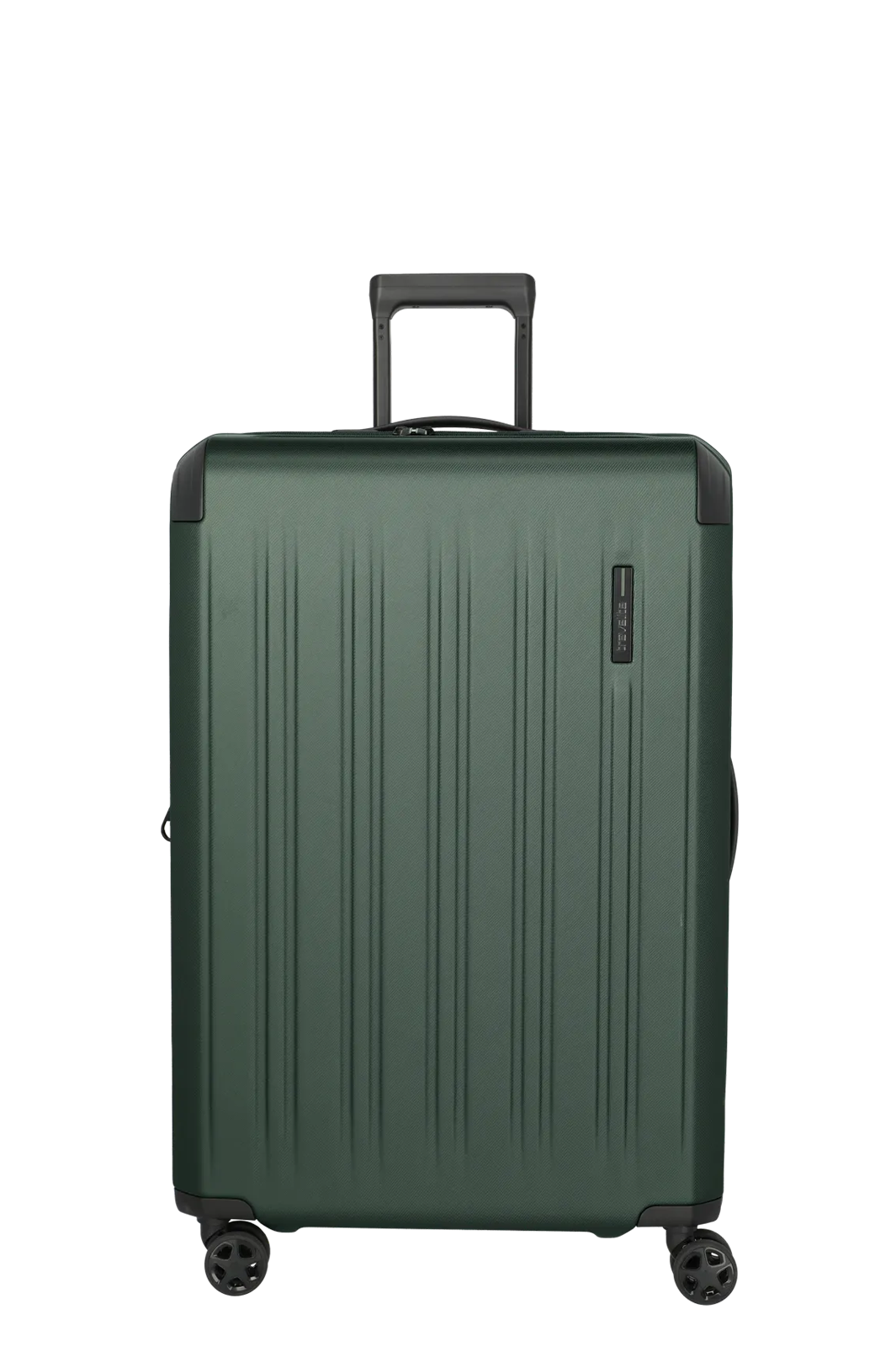


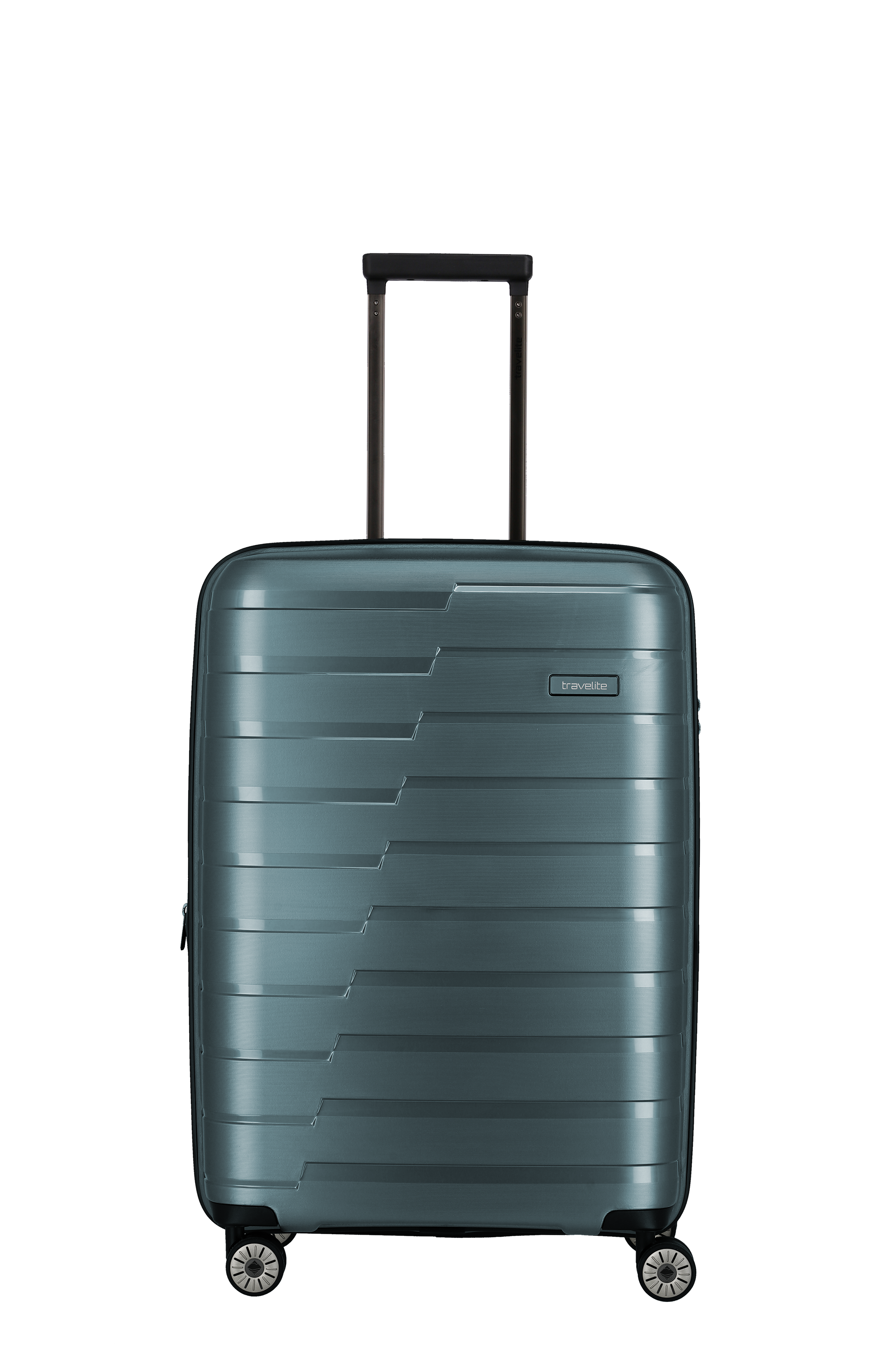
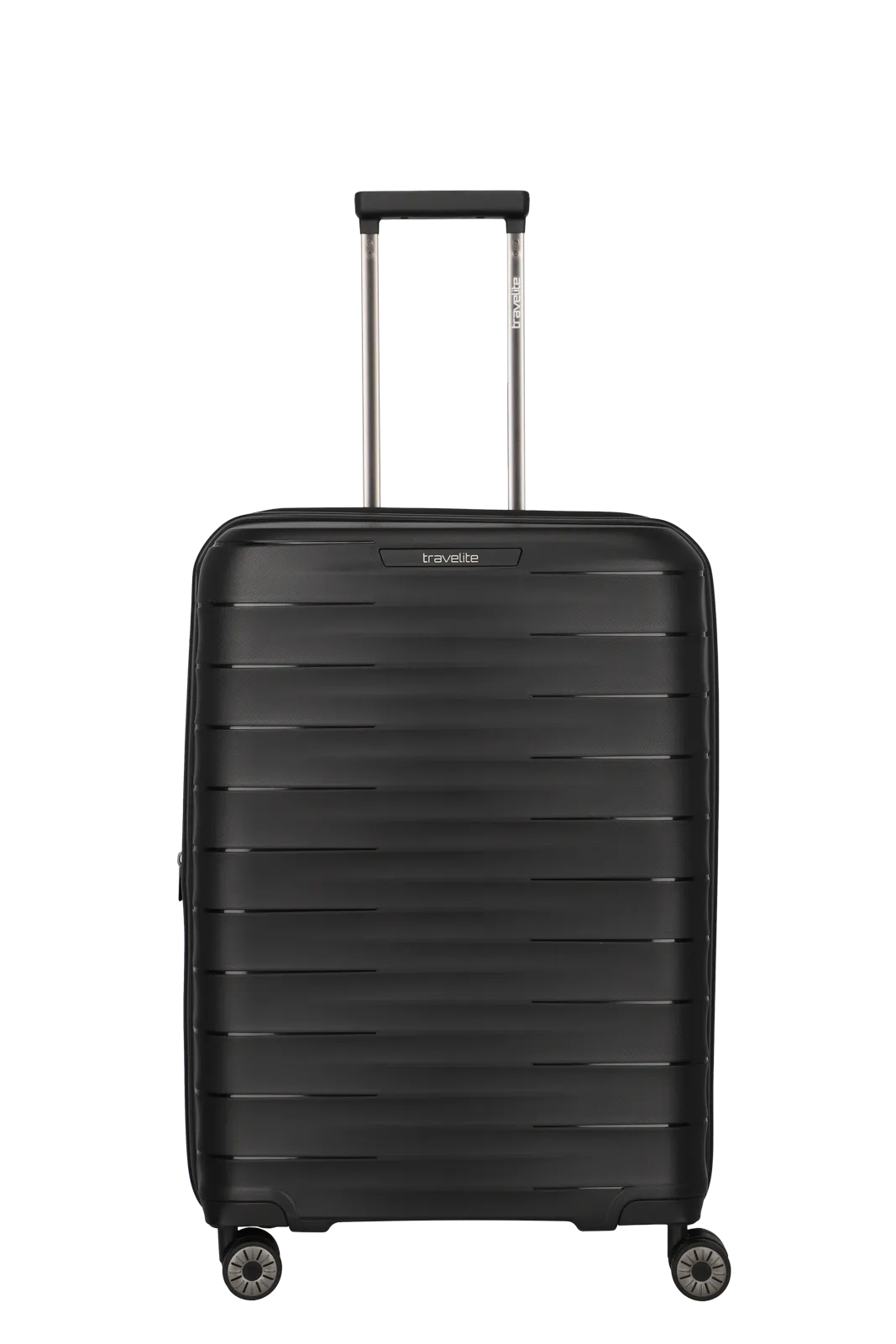
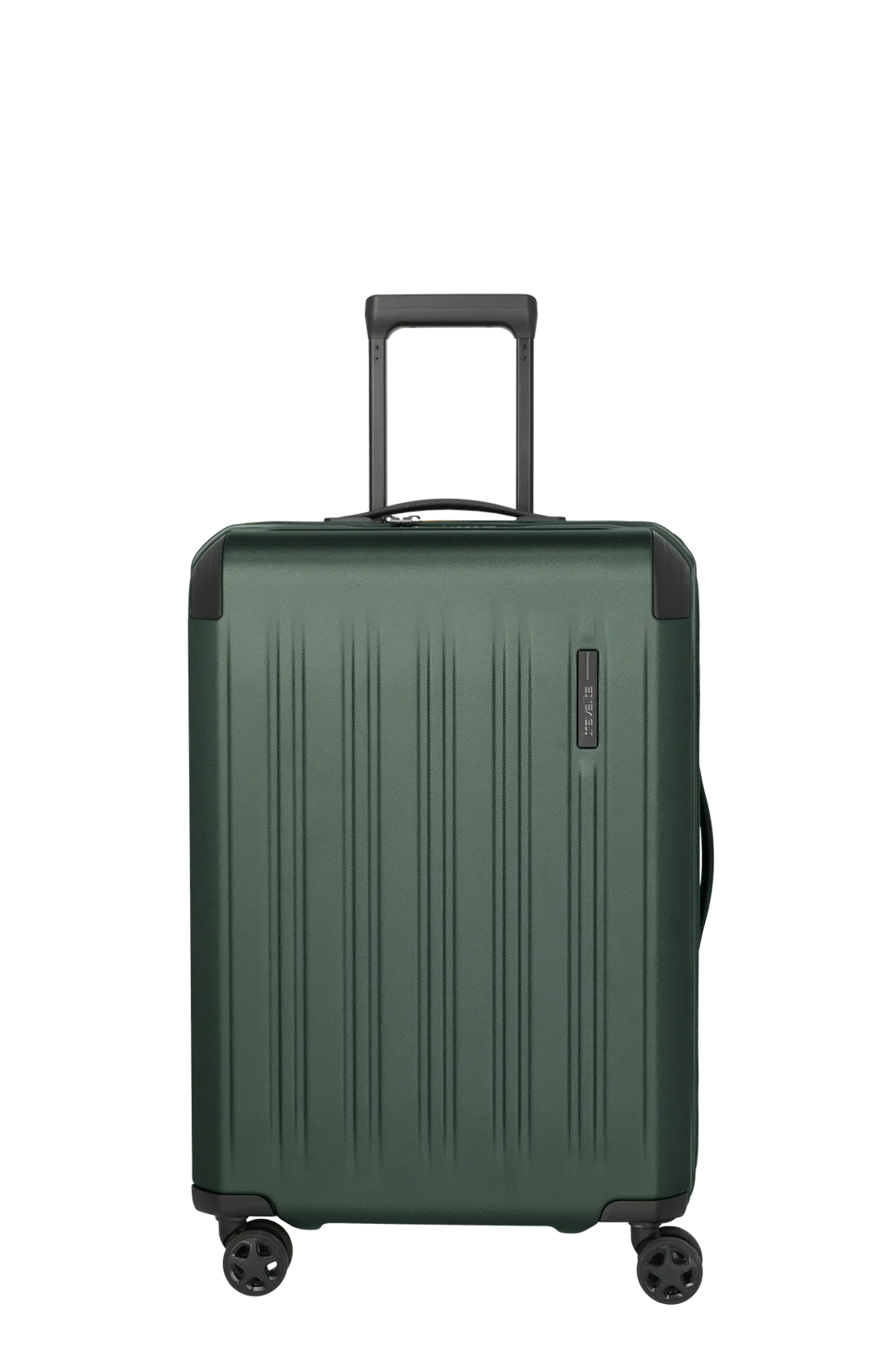

.png?ts=1750248569)


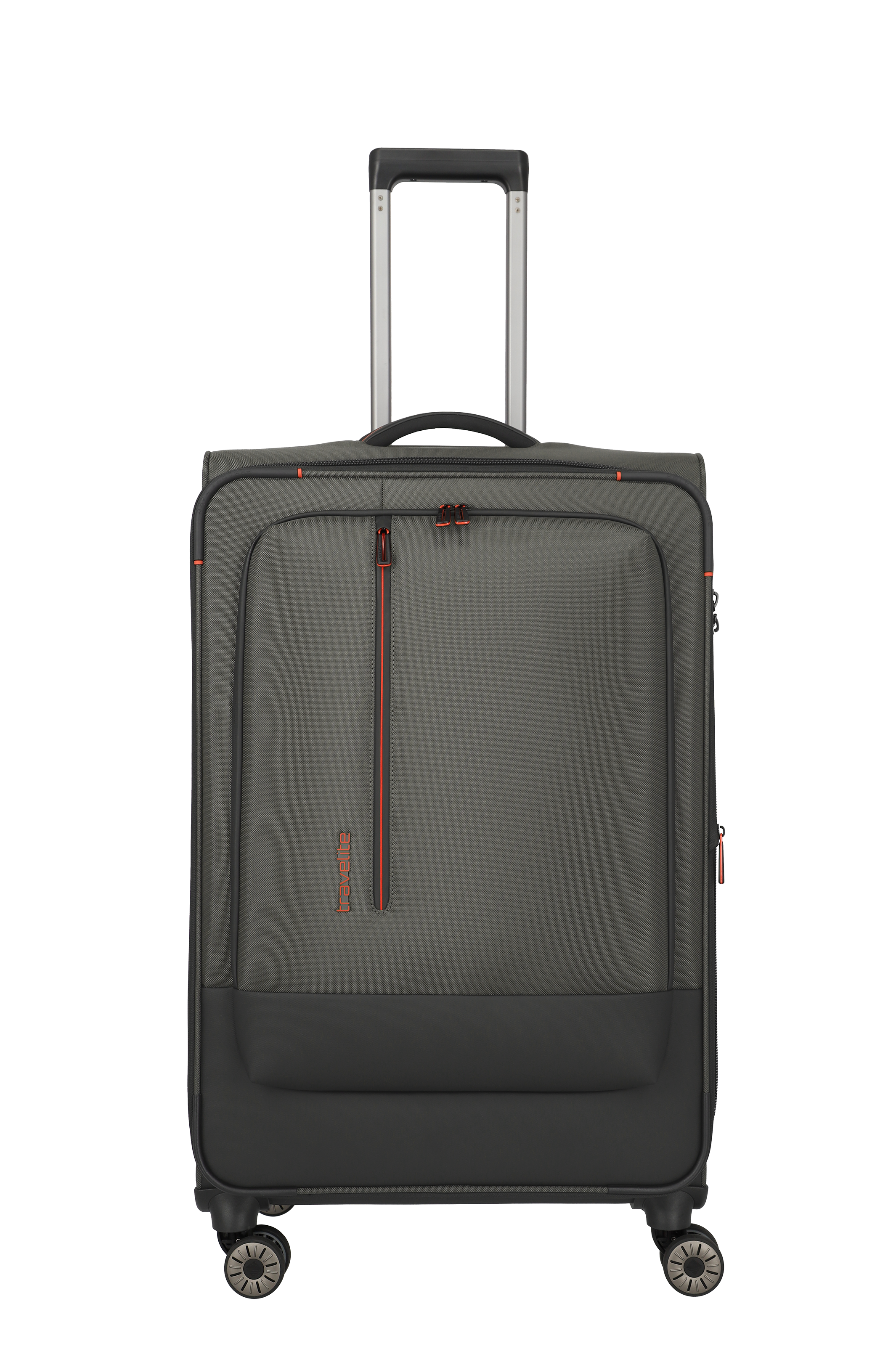
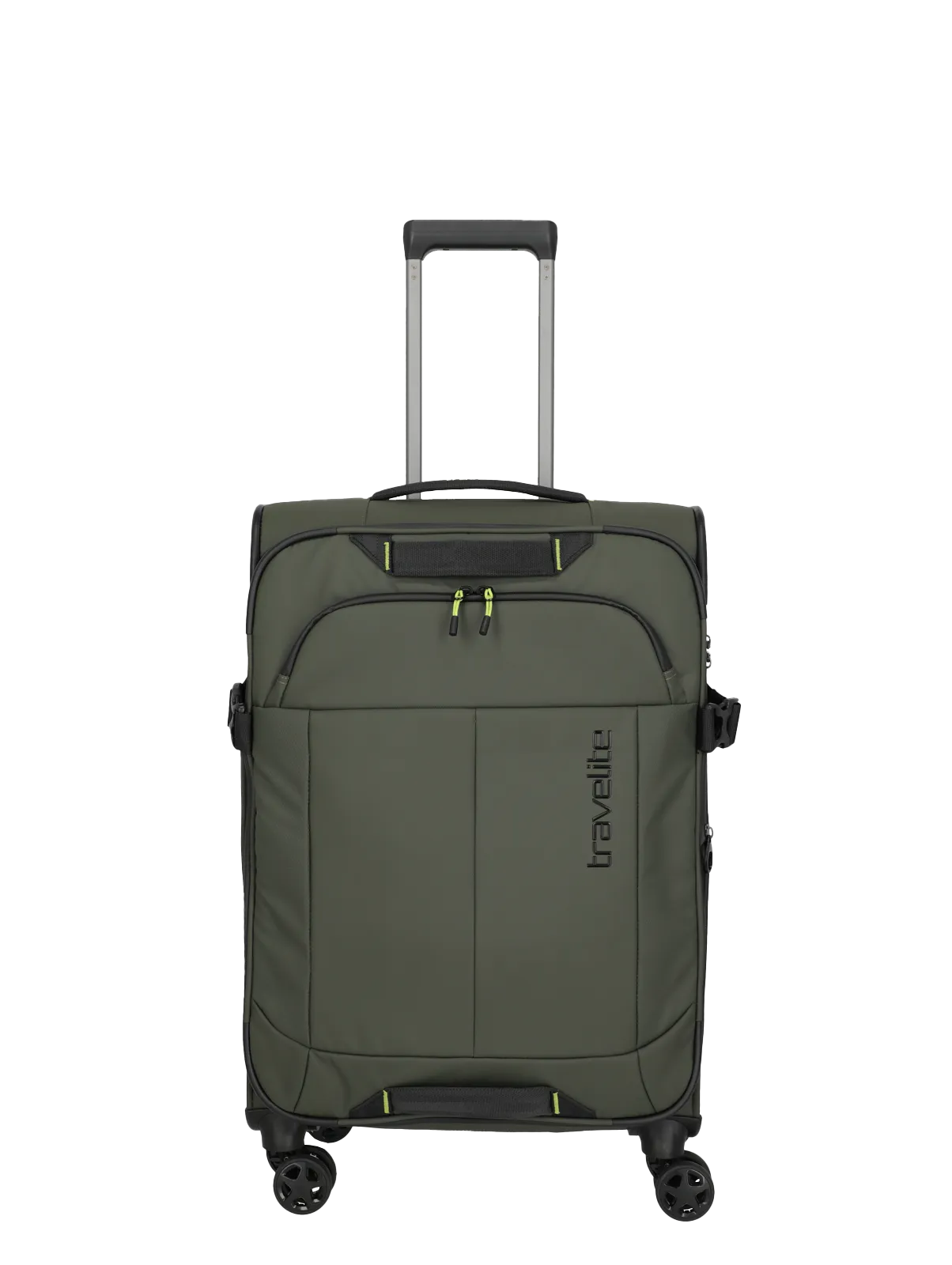
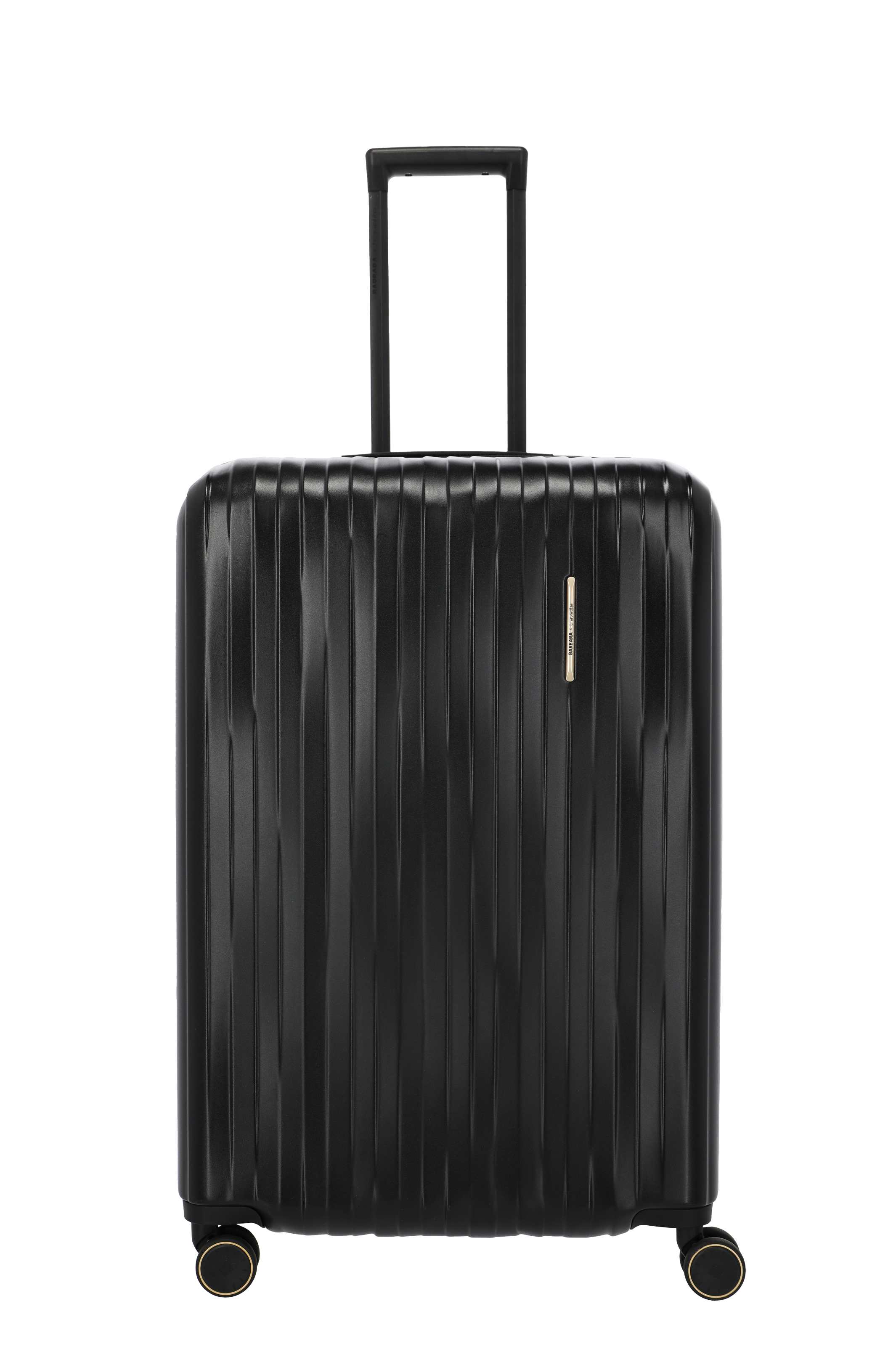


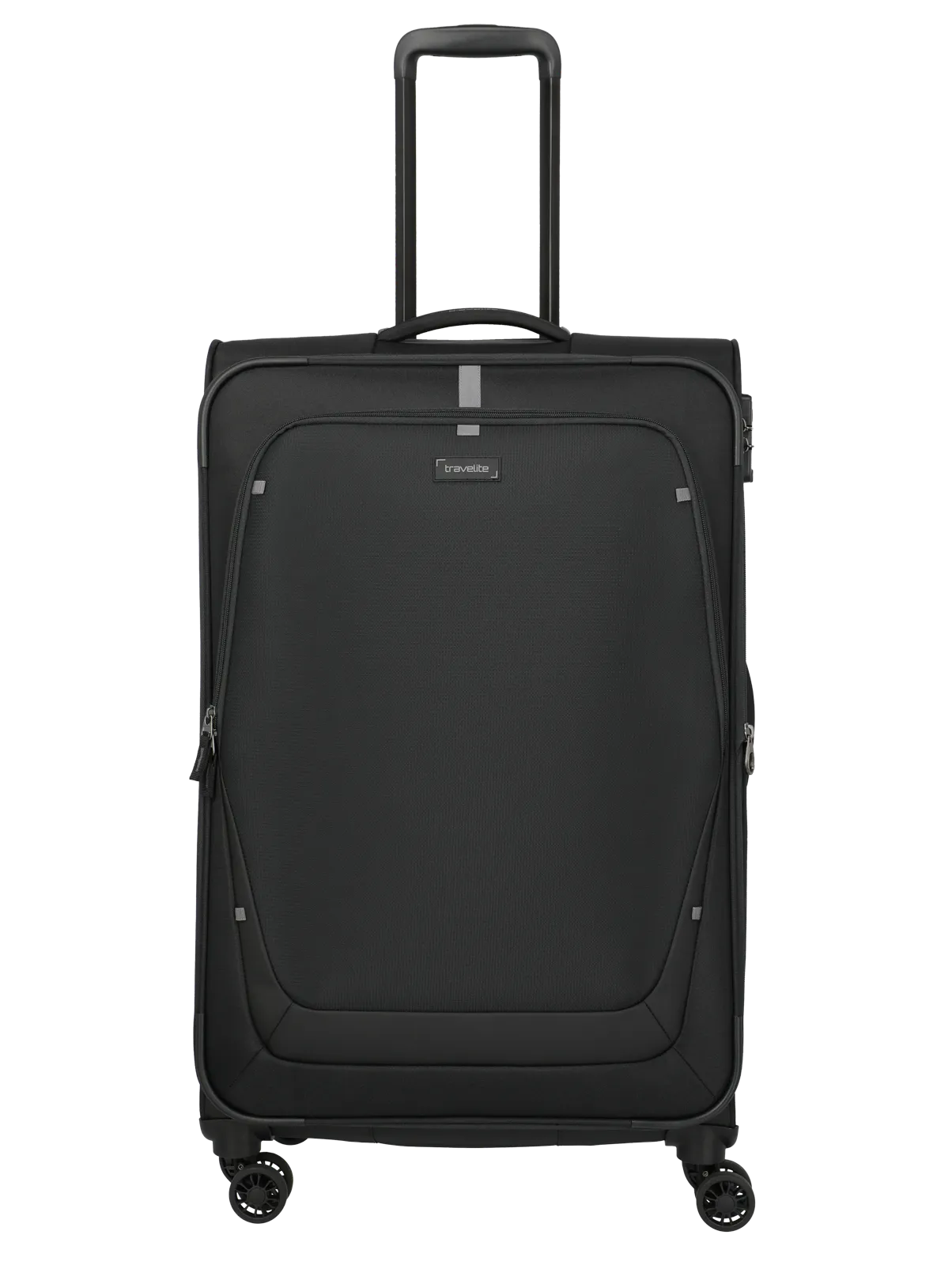
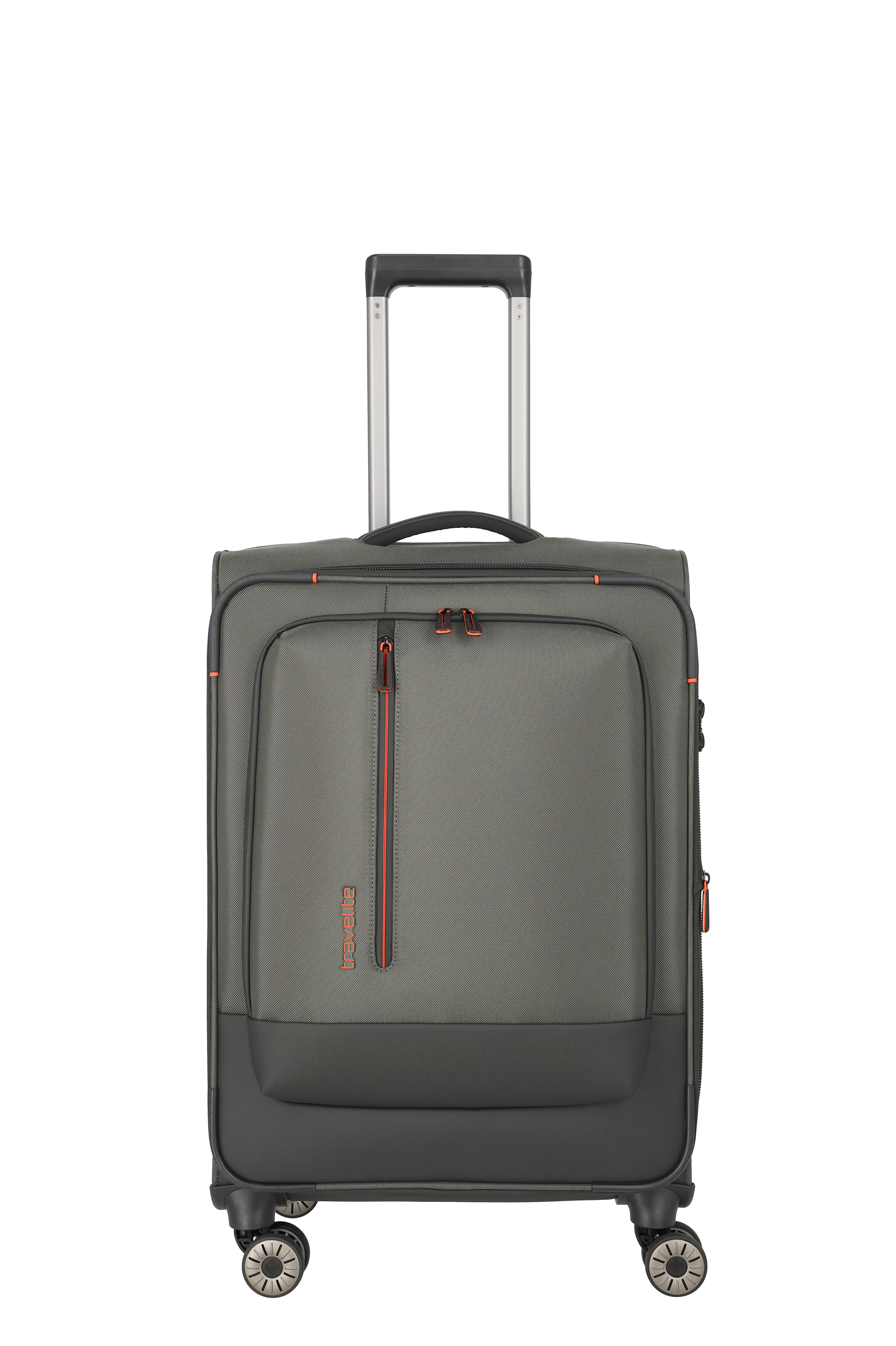
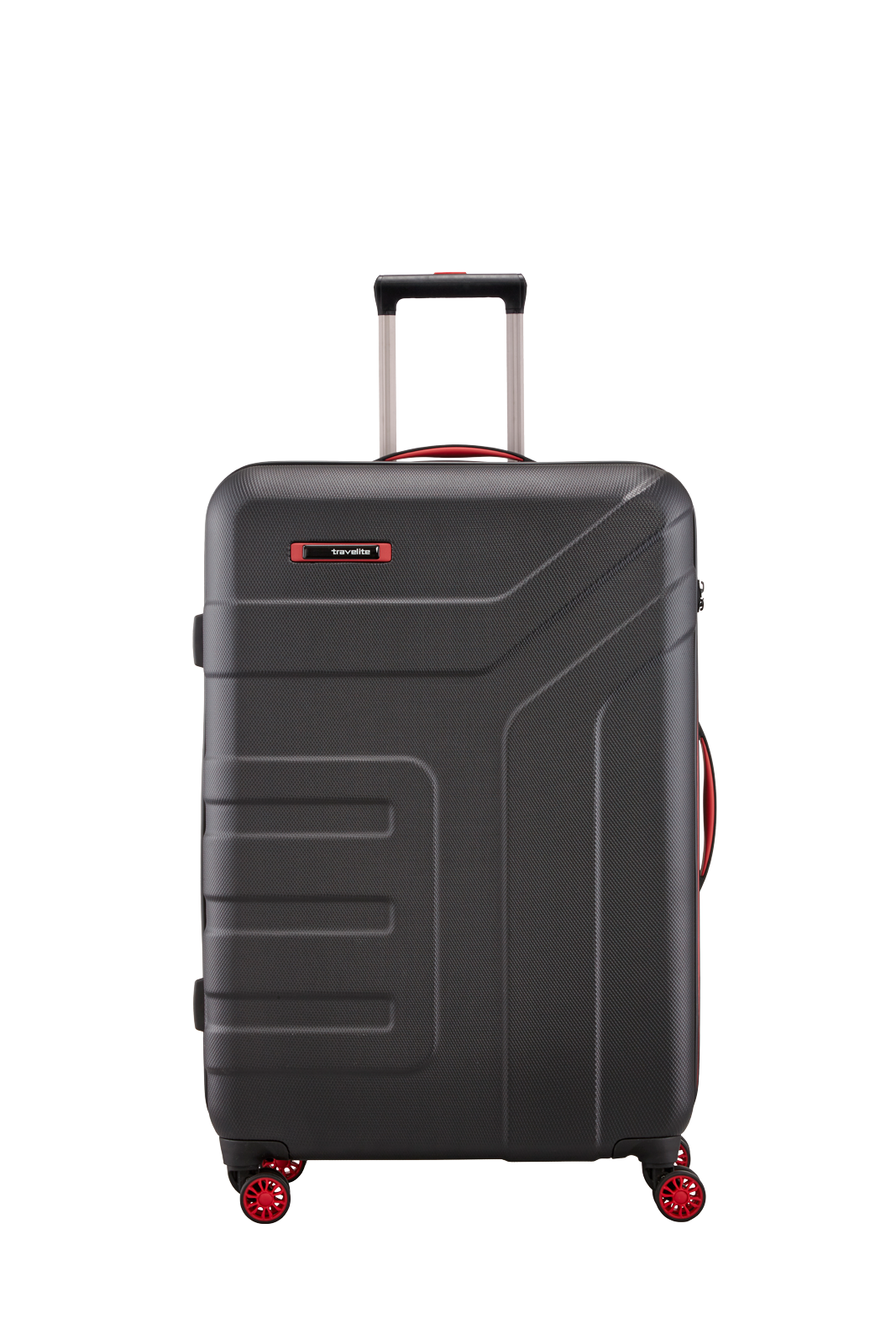
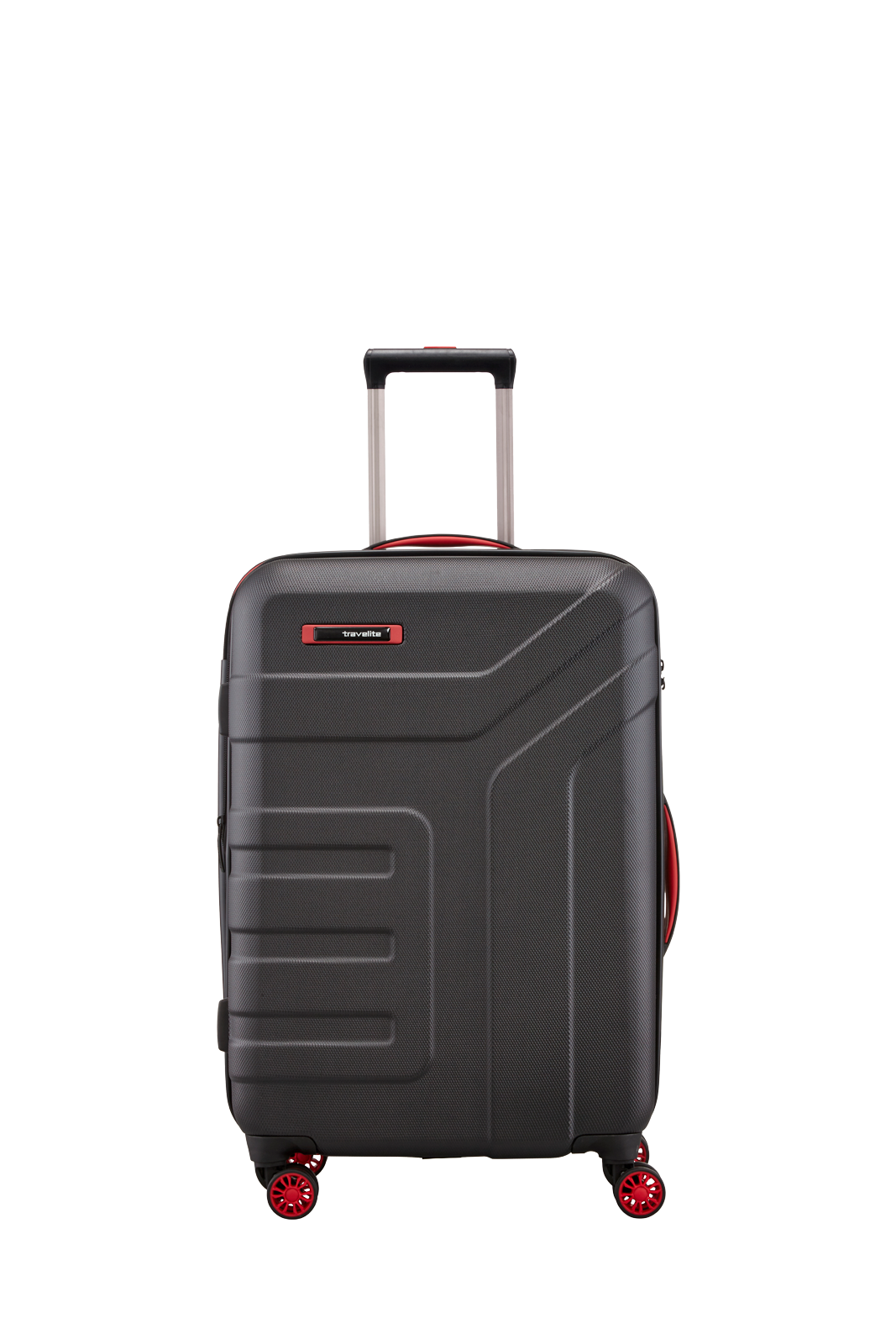
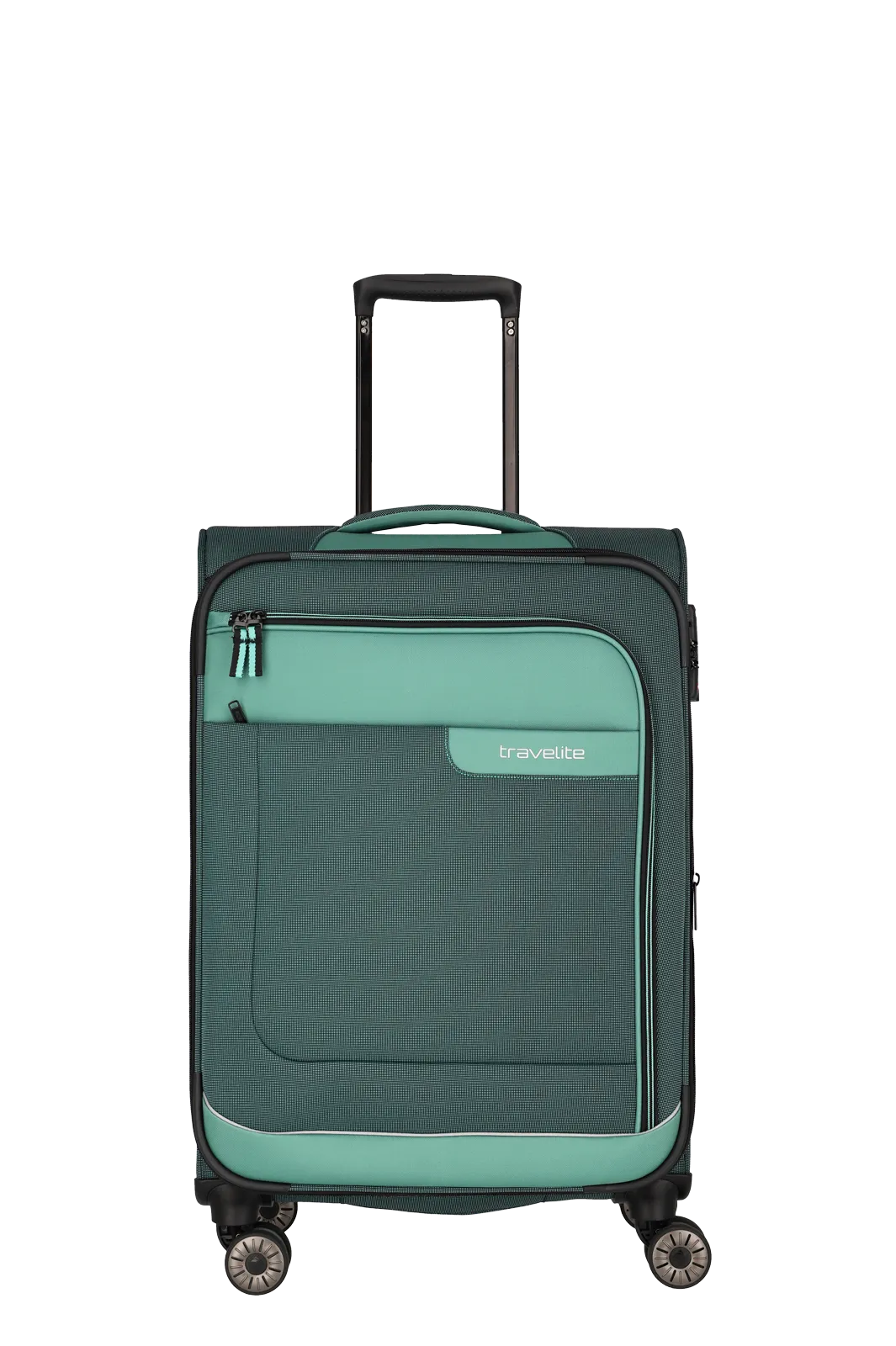

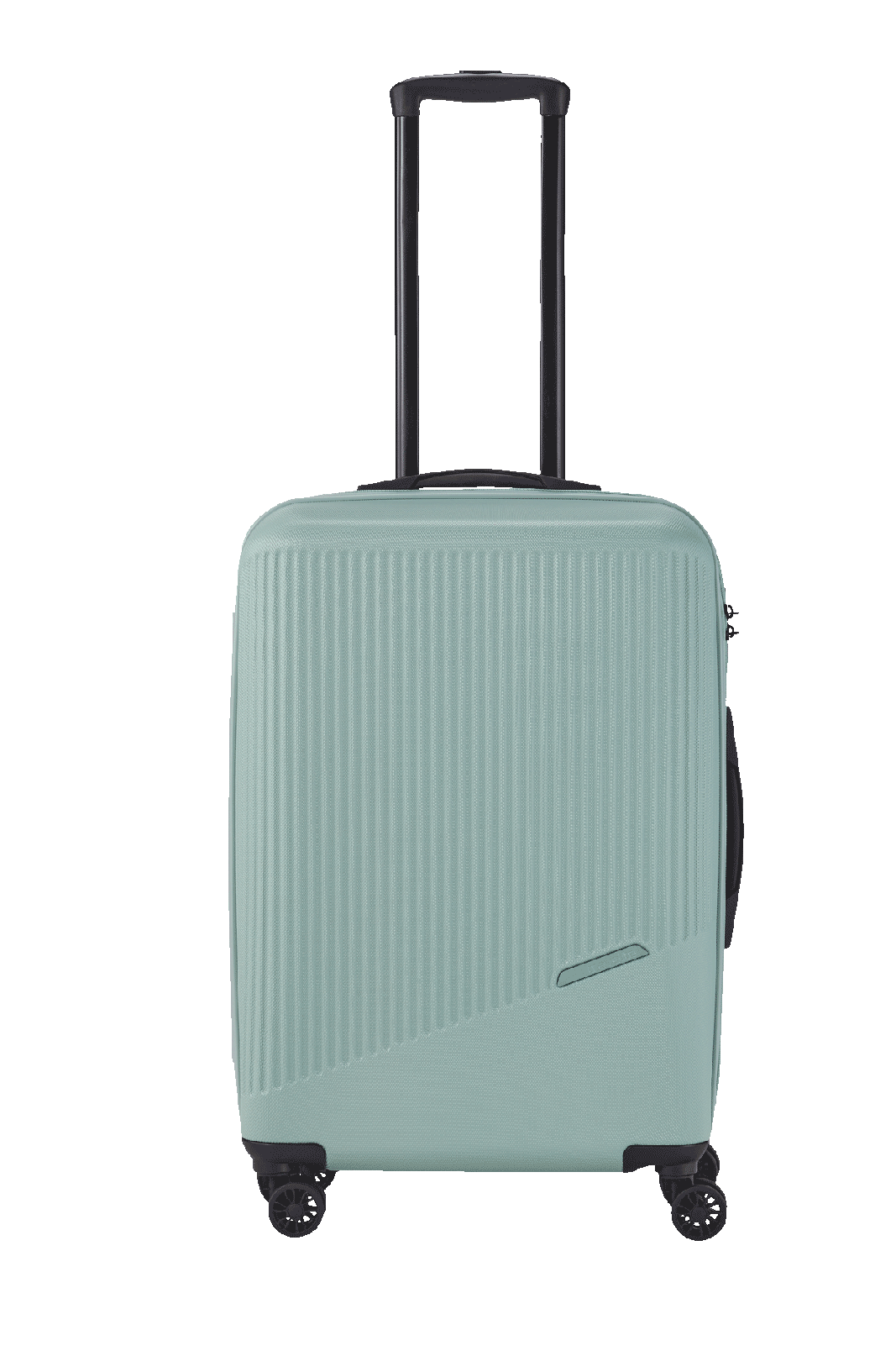
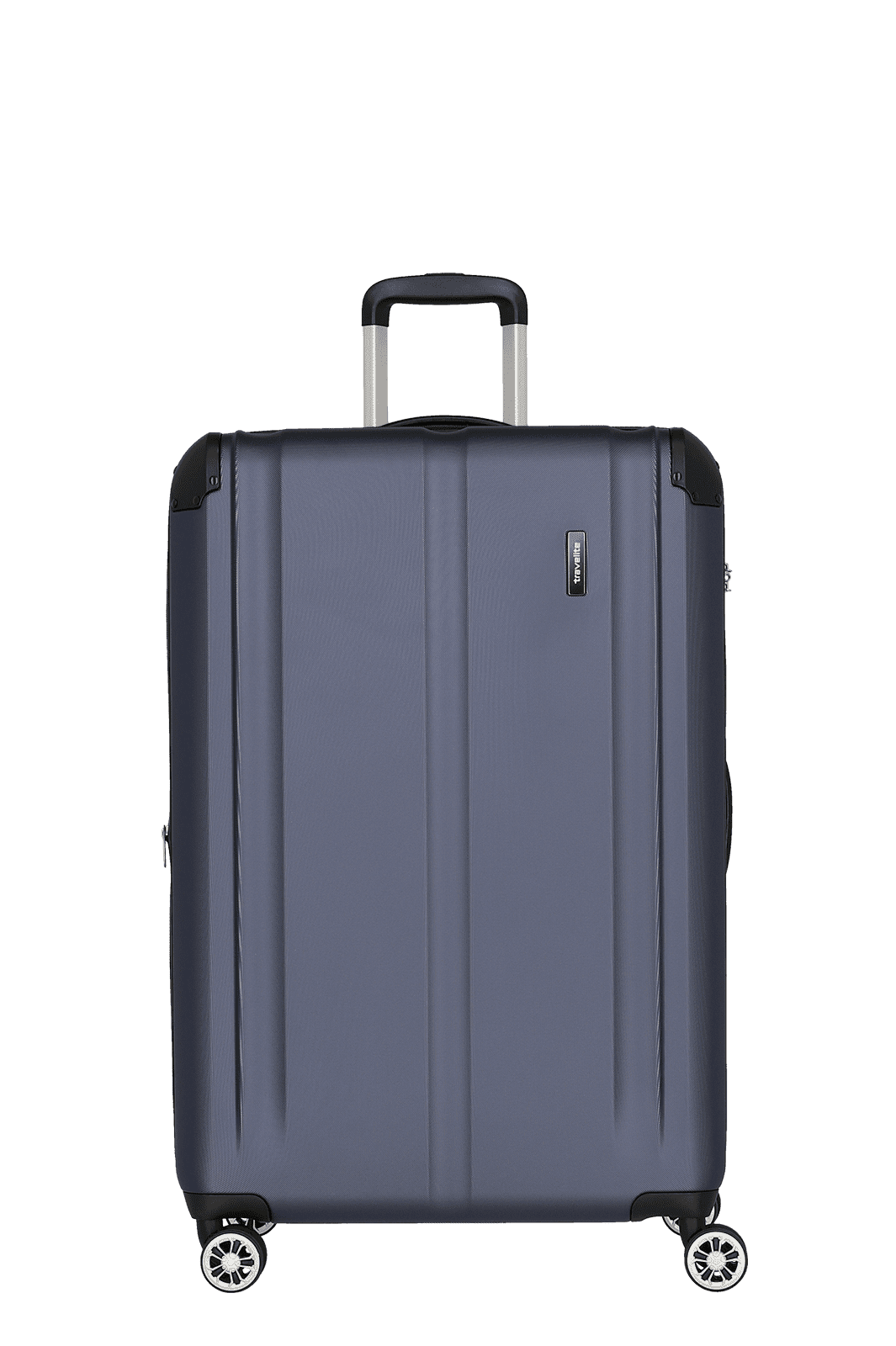
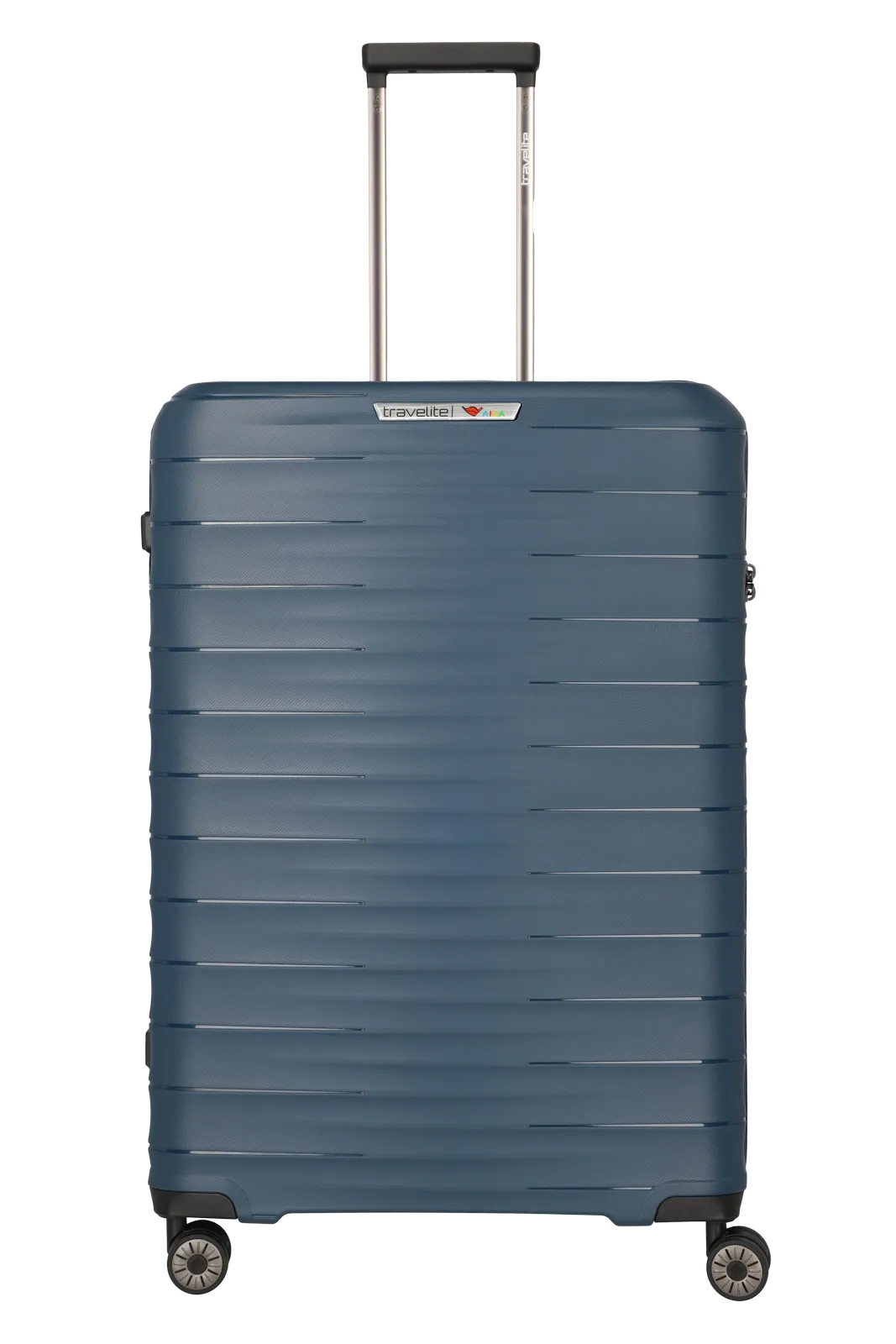
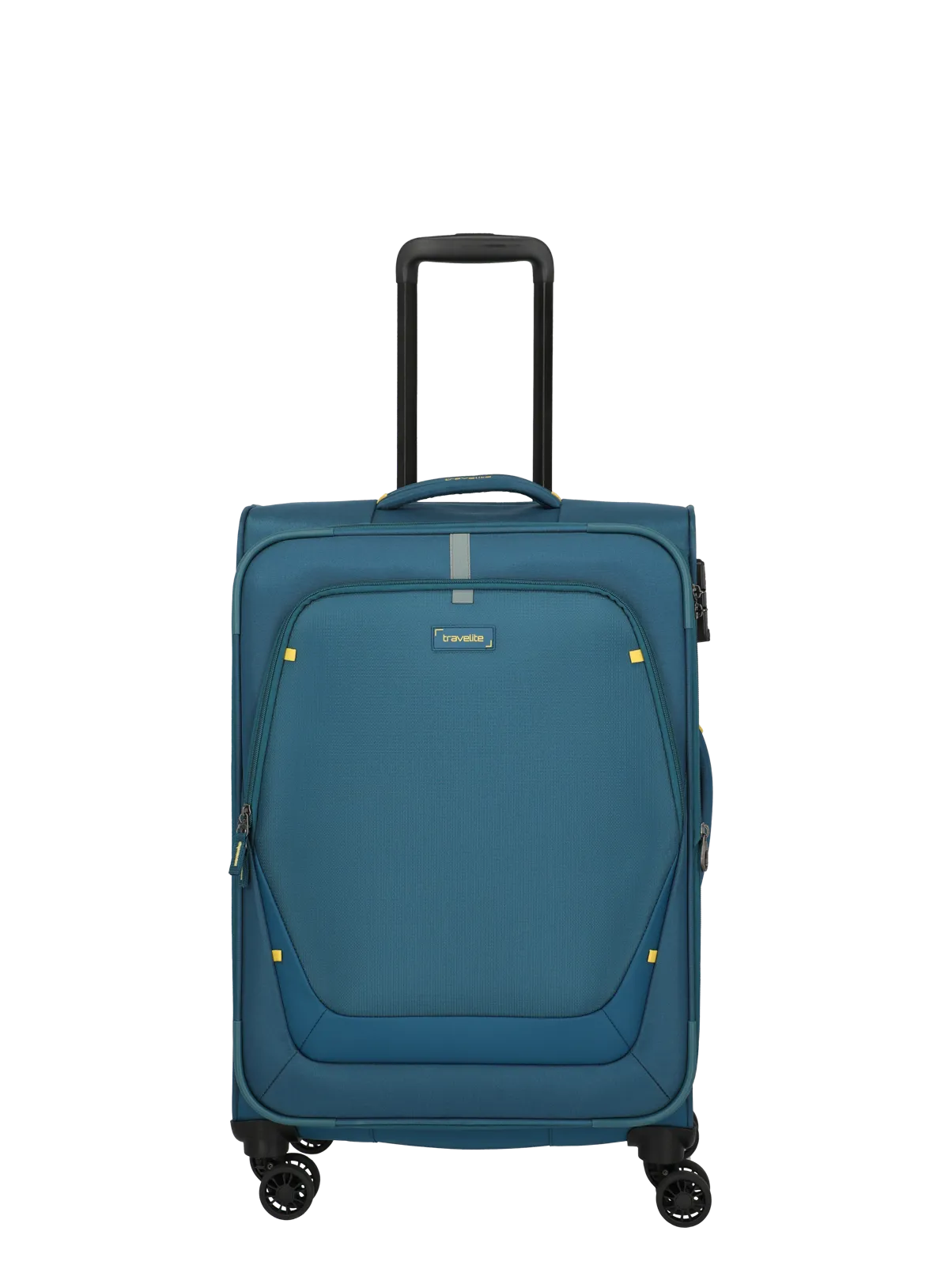
What is a checked-in suitcase?
A checked-in suitcase is luggage that is handed over at the airport during check-in and transported in the aircraft’s hold. Unlike a cabin suitcase, it is not taken into the cabin but arrives on the baggage carousel at the destination.
This has implications for choosing the right model. Check-in suitcases need to be more durable than cabin luggage, but can be significantly larger and heavier. Typical sizes start at around 63 cm in height and a volume of around 60 litres.
If you’re going away for more than a few days or simply want to take more with you than will fit in your hand luggage, a checked-in suitcase is the way to go. It’s the classic holiday luggage choice for trips lasting a week or more.
The correct dimensions and weights for checked-in luggage
Most Airlines use a linear measurement of 158 cm for checked-in luggage – that is, the sum of the height, width and depth. As long as your suitcase stays within this limit, it will fit into the luggage system of most airlines without any problems.
As for weight, the limits vary depending on the airline and fare type. In Economy class, 20 kg is common; many airlines allow 23 kg for higher-tier fares, whilst in the ‘ Business ’ category, the limit is often 30 kg or more. It’s worth checking the exact requirements of the respective airline before your flight.
This is precisely where the suitcase’s own weight plays a crucial role. A suitcase that weighs 4.5 kg itself leaves you with only 15.5 kg for your contents if the limit is 20 kg. A lightweight model weighing 3 kg gives you the same 20 kg of free baggage allowance, but with 17 kg of space for your belongings. travelite has consistently kept this in mind for 75 years: a lighter suitcase means more room for the things you really want to take with you.
Which size is best for which type of trip?
Choosing the right suitcase size depends primarily on the length of your trip and how much you want to take with you. As a general rule, hold luggage starts where hand luggage ends, and covers everything from a short week away to a month-long break.
Medium-sized suitcase
The M-sized suitcase is the all-rounder among checked-in luggage sizes. It holds enough for a week’s summer holiday or an extended city break, whilst remaining compact enough for smaller car boots and cramped hotel rooms. Ideal for anyone who travels light but doesn’t want to compromise when packing.
Large suitcase
The classic holiday suitcase for a two-week trip. Summer clothes, evening wear, beach gear and still room for souvenirs: the L suitcase has space for it all. The L is also a tried-and-tested choice for couples or families sharing a large suitcase.
Extra-large suitcase
For long journeys, family holidays or anyone who doesn’t want to compromise when packing. With the XL size, it’s particularly worth paying attention to the suitcase’s own weight, so that the airline’s weight limit isn’t used up by the empty suitcase alone.
If in doubt, it’s better to choose a size smaller and pack more carefully. A well-packed M-sized suitcase is easier to handle on the baggage carousel than a half-empty XL one.
Hard-shell or soft-sided – which is best as a hold luggage suitcase?
Both materials have their merits. Which one suits you best depends on your type of travel, what you’re packing and your personal preferences. travelite offers both options in its checked-in luggage range.
Hard-shell suitcases
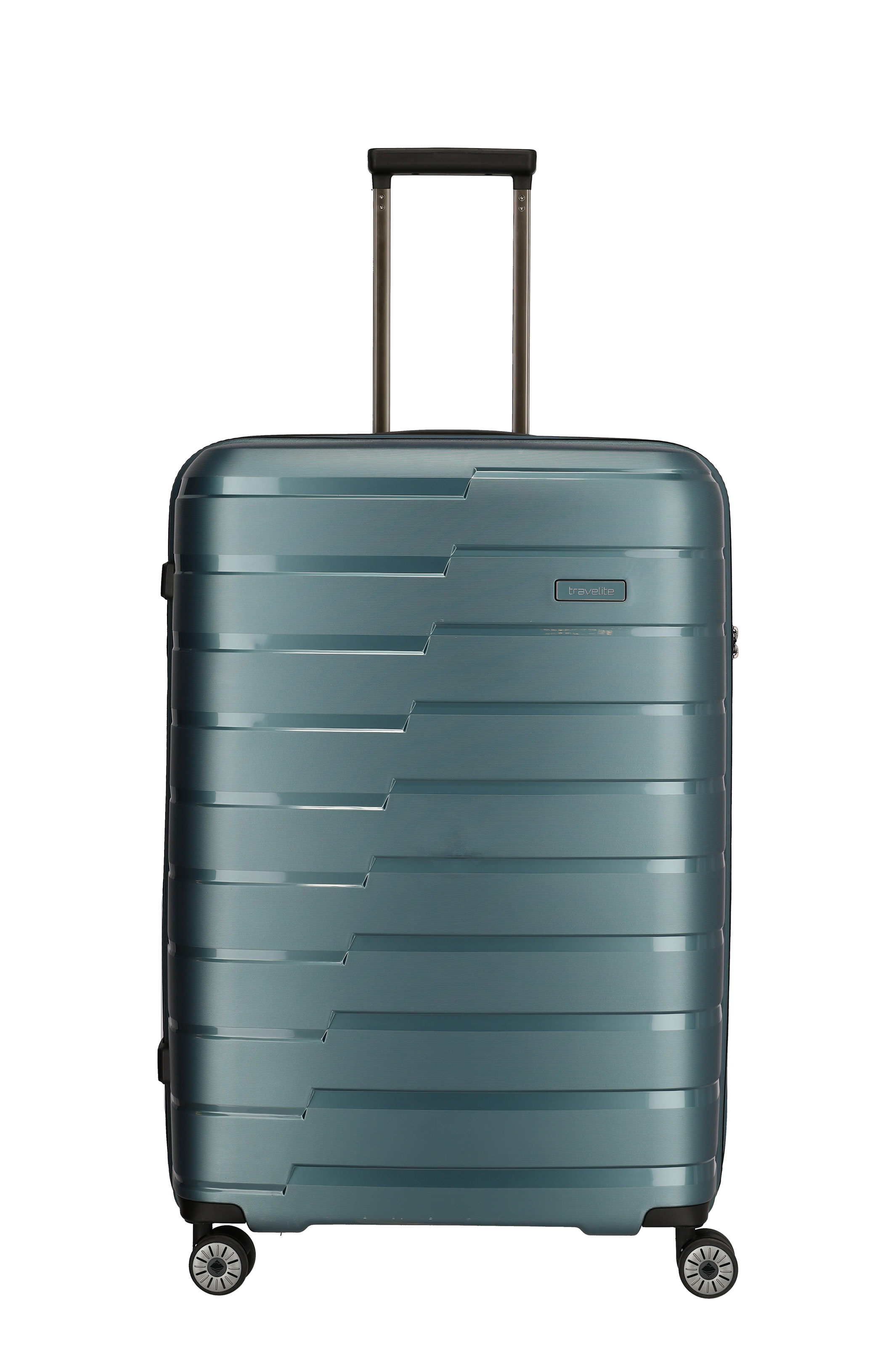
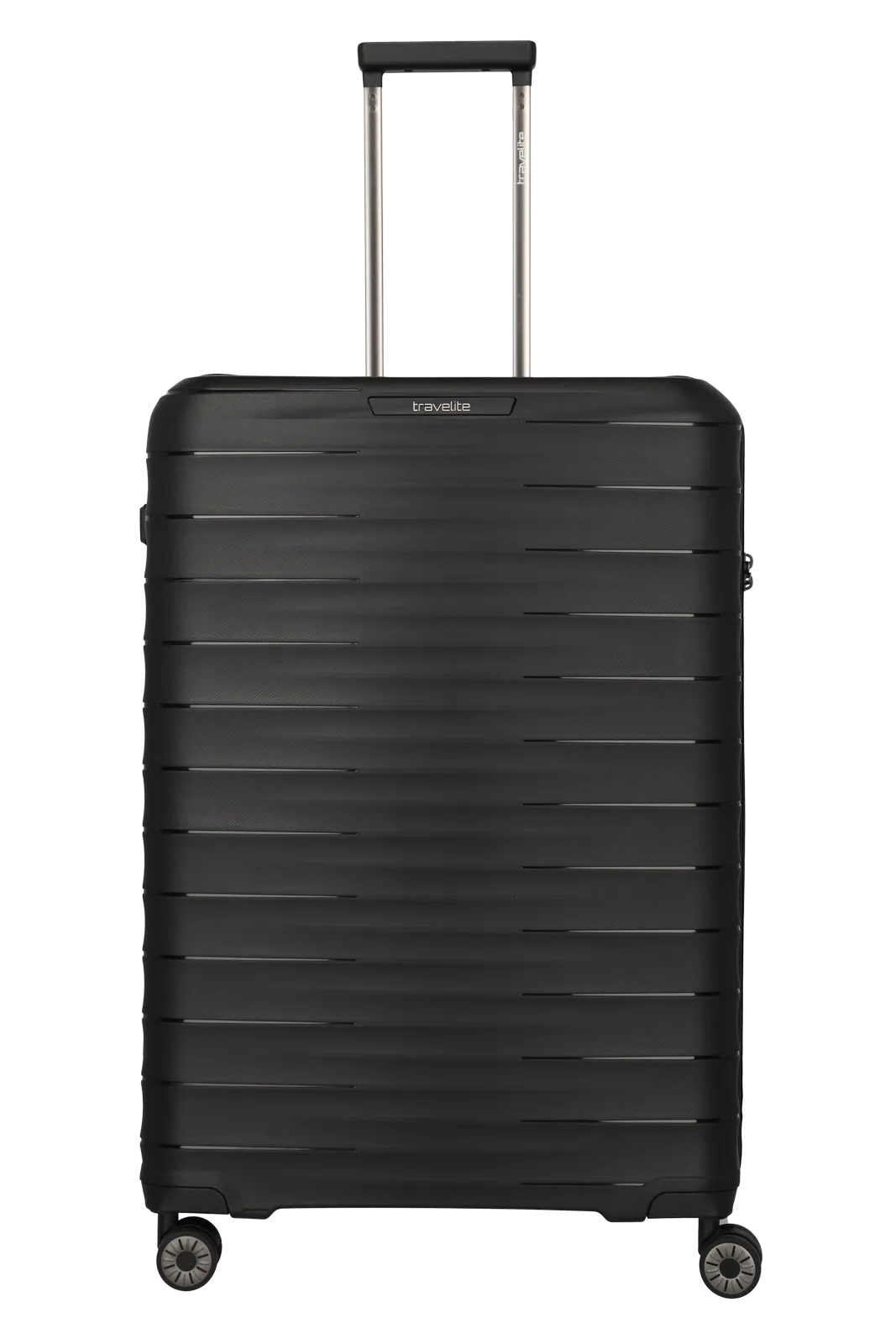
travelite ’ hard-shell suitcases are made from shatterproof polycarbonate or robust ABS. Both materials are designed for durability and can easily withstand rough handling of luggage at the airport. The advantages at a glance:
- High level of protection for delicate contents
- Dimensionally stable and water-repellent
- Lightweight despite its hard-shell construction
- Modern design in a range of colours
- 360° wheels for effortless manoeuvring
Many ‘ travelite ’ hard-shell models also feature a well-designed interior with elasticated packing straps and dividers. Some models can be expanded using an extension zip, which is particularly handy on the return journey when packing holiday souvenirs.
Soft-sided luggage
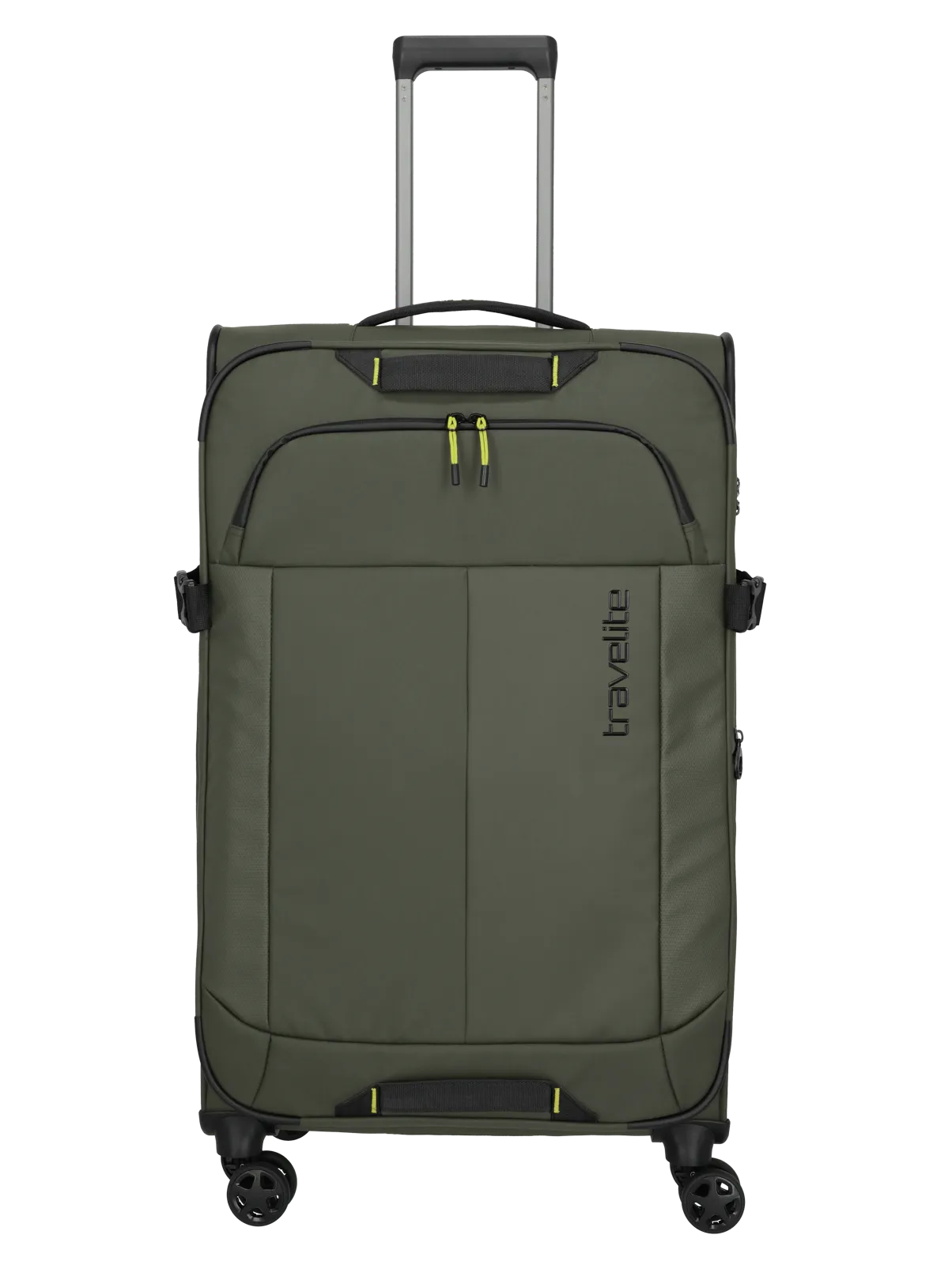
travelite ’s soft-sided suitcases are made from tear-resistant polyester and, despite their light weight, are designed to be durable. Soft-sided luggage is more flexible than hard-shell luggage and is easier to stow in tight overhead compartments or full boot spaces. The advantages at a glance:
- Particularly low weight
- Flexible, tear-resistant outer material
- Many models are water-repellent
- Expansion feature for increased packing capacity
- Easy to clean
Soft-sided luggage is particularly suitable for relaxed holidays where flexibility and weight are key considerations.
If you don’t want to compromise on sturdiness or style when checking in your suitcase, travelite offers an aluminium option with the ‘ Next ’ range. This high-quality aluminium suitcase offers maximum durability combined with a timeless design. The benefits:
- Exceptionally sturdy and durable
- Water- and dust-resistant
- Timeless, high-quality appearance
- Easy to clean
- TSA lock included
Aluminium suitcases are the right choice for frequent travellers who regard their suitcase as a long-term investment.
What should you look out for when buying a checked-in suitcase?
As well as size and material, there are a number of features that distinguish a good check-in suitcase from a very good one.
Wheels
High-quality dual wheels with 360° rotation are not a given when checking in luggage, but they are a feature that immediately stands out in everyday use. Good wheels run quietly, roll smoothly and cope effortlessly even on uneven surfaces.
TSA lock
Anyone travelling to the USA or frequently travelling between continents needs a TSA-approved lock. This allows the US security authorities to open and reseal your suitcase without damaging the lock. At travelite, the TSA lock is already built into many models.
Telescopic handle
A continuously adjustable telescopic handle may sound like a minor detail, but it makes a real difference on long walks through the airport. Look for a sturdy mechanism with no play and at least two – preferably three – height settings.
Interior layout
Packing straps, dividers and internal pockets ensure that the contents stay in place during transit. It’s particularly worth taking a look at the model’s interior layout when travelling for longer periods with more luggage.
Net weight
The lighter the suitcase, the more of your free allowance is left for the actual contents. The suitcase’s own weight is one of the most important purchasing criteria, yet it is often underestimated in product comparisons.
Check-in suitcases from travelite
The right checked-in suitcase makes a difference on every journey, particularly when the baggage carousel starts turning and the suitcase arrives undamaged. What really matters is the combination of the right size, the right material and the lightest possible weight, so that the airline’s weight limit applies to the contents rather than the suitcase itself.
travelite offers checked-in suitcases in all standard sizes, available as hard-shell and soft-sided options. With 75 years’ experience in the luggage sector, one thing remains central to our focus: travelling lighter without compromising on quality and functionality. Whether you’re planning a two-week summer holiday, travelling with the family or simply want to take more with you than will fit in your hand luggage: you’ll find the right model for your next trip in the travelite range.
Frequently asked questions about checked-in suitcases
What is the difference between a hold-bag and a cabin bag?
A cabin suitcase is taken into the cabin and must comply with the respective airline’s size restrictions for hand luggage, usually a maximum height of 55 cm. A hold luggage suitcase is checked in at the counter and transported in the hold. It can be larger and heavier, but must therefore be able to withstand more handling.
What size do I need for a two-week holiday?
For a two-week trip, an L-sized suitcase with a height of approx. 72–77 cm and a volume of 75–95 litres is generally recommended. If you want to take a lot with you or are travelling with your family, you can also opt for an XL suitcase.
How heavy can a checked-in suitcase be?
That depends on the airline and the fare you’ve booked. In Economy class, 20 kg is common; for higher-tier tickets, it’s often 23 kg; and in the ‘ Business ’ category, it’s frequently 30 kg. You can always find the exact limits on the respective airline’s website.
Is a hard-shell suitcase or soft luggage better for check-in?
Both are well-suited for use as checked-in luggage. Hard-shell suitcases provide better protection for fragile contents and are water-resistant. Soft-shell suitcases are more flexible, often lighter and can be expanded if necessary. The choice depends on your type of journey and your personal preferences.
Do I need a TSA lock?
Anyone travelling to the USA must have a TSA-approved lock. This allows the US security authorities to open the suitcase without damaging the lock. For travel within Europe, a TSA lock is not essential, but it does generally offer a practical security option.