

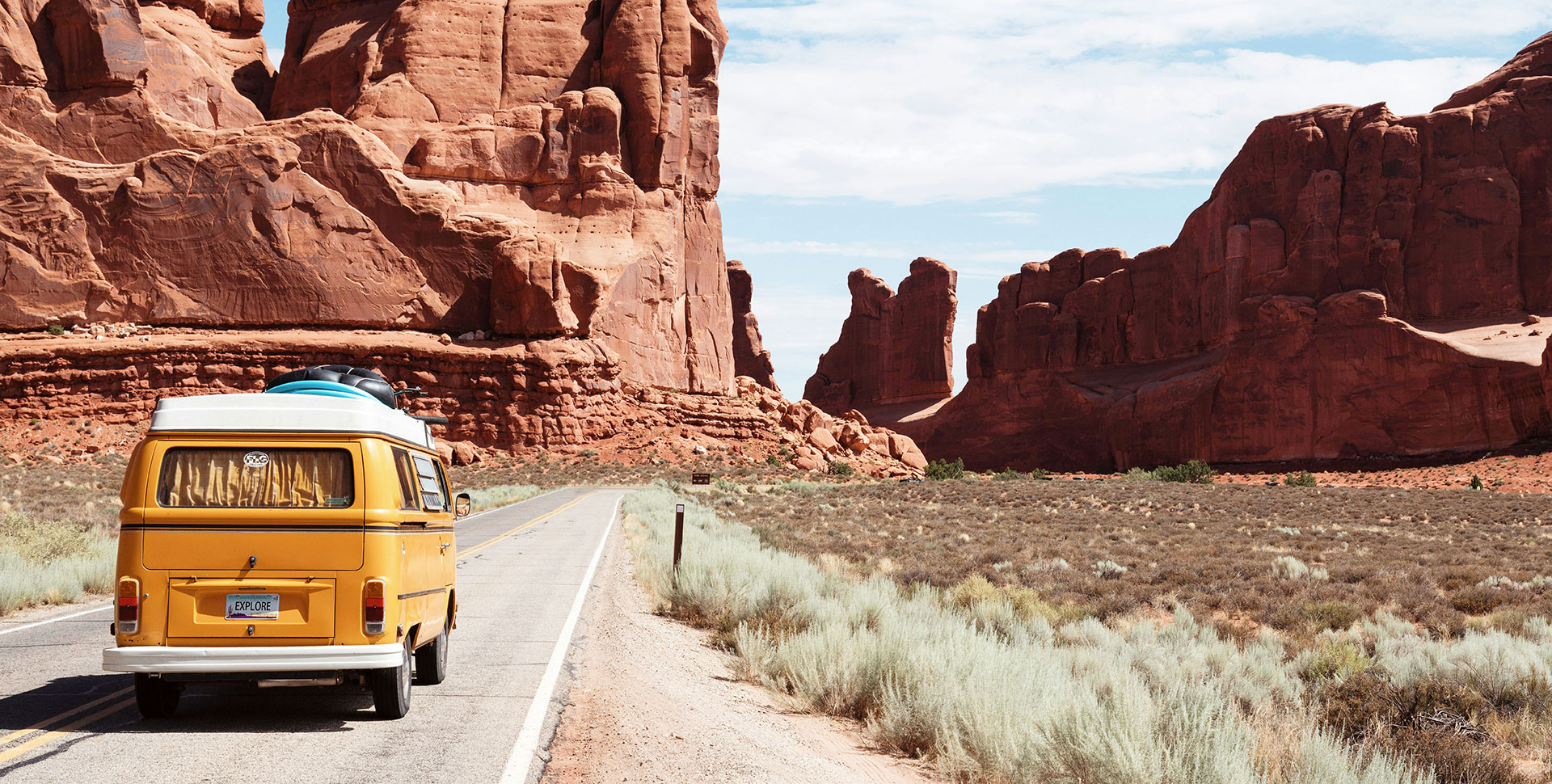
Your road trip through the US national parks
The national parks of the United States are among the most impressive natural wonders on Earth. Fiery red rocks, deep canyons, the world’s tallest trees, raging rivers and waterfalls – you’ll be in constant awe here.
There are a total of 63 national parks in the USA, spread across the whole country. Visiting them all would take several weeks – and would certainly exceed the number of days we have on holiday.
That’s why we’ve put together a road trip that you can do in two to three weeks – whilst still seeing the most impressive national parks. Get ready to visit places you’ve often seen on postcards – and now get to experience them in person:
Contents
- 01 The road trip through the US national parks begins
- 02 Your route through 5 US national parks
- 03 Arches National Park
- 04 Zion National Park
- 05 Grand Canyon National Park
- 06 Death Valley National Park
- 07 Yosemite National Park
- 08 US National Parks – our tip on how to save money
- 09 Conclusion: Five national parks, one road trip
- 10 FAQ on a road trip through the US national parks
The road trip through the US national parks begins
As a starting point for your road trip, we recommend flying to Salt Lake City. Here, you can either hire a campervan straight away or stay for a few days to get a first glimpse of the breathtaking landscapes. Utah’s capital lies at the foot of the impressive Wasatch Mountains and, with its unique backdrop, sets the perfect scene for your road trip.
Your route through 5 US national parks
Arches National Park
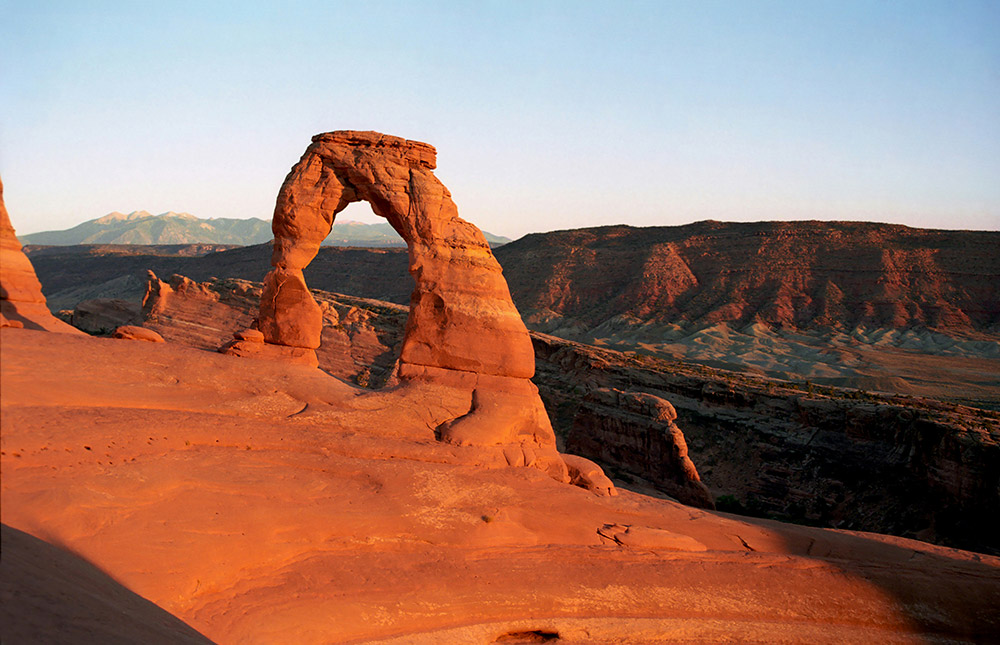
From Salt Lake City, it’s a four-hour drive to your first stop, Arches National Park. The park gets its name, ‘Arches’, from its many natural stone arches. Nowhere else in the world can you see such a large number of them. The Double Arch and the freestanding Delicate Arch, in particular, will impress you. On a drive along the Arches National Park Scenic Drive, you’ll also pass the 39-metre-high rock formation Balanced Rock and the Parade of Elephants. In the evening sun, these turn a fiery red – a sight you won’t forget in a hurry.
If you’d like to stay overnight in the park, you can book a pitch at the Devils Garden Campground in advance. There are washrooms, seating areas by the campfires and the chance to count countless twinkling stars at night.
Zion National Park
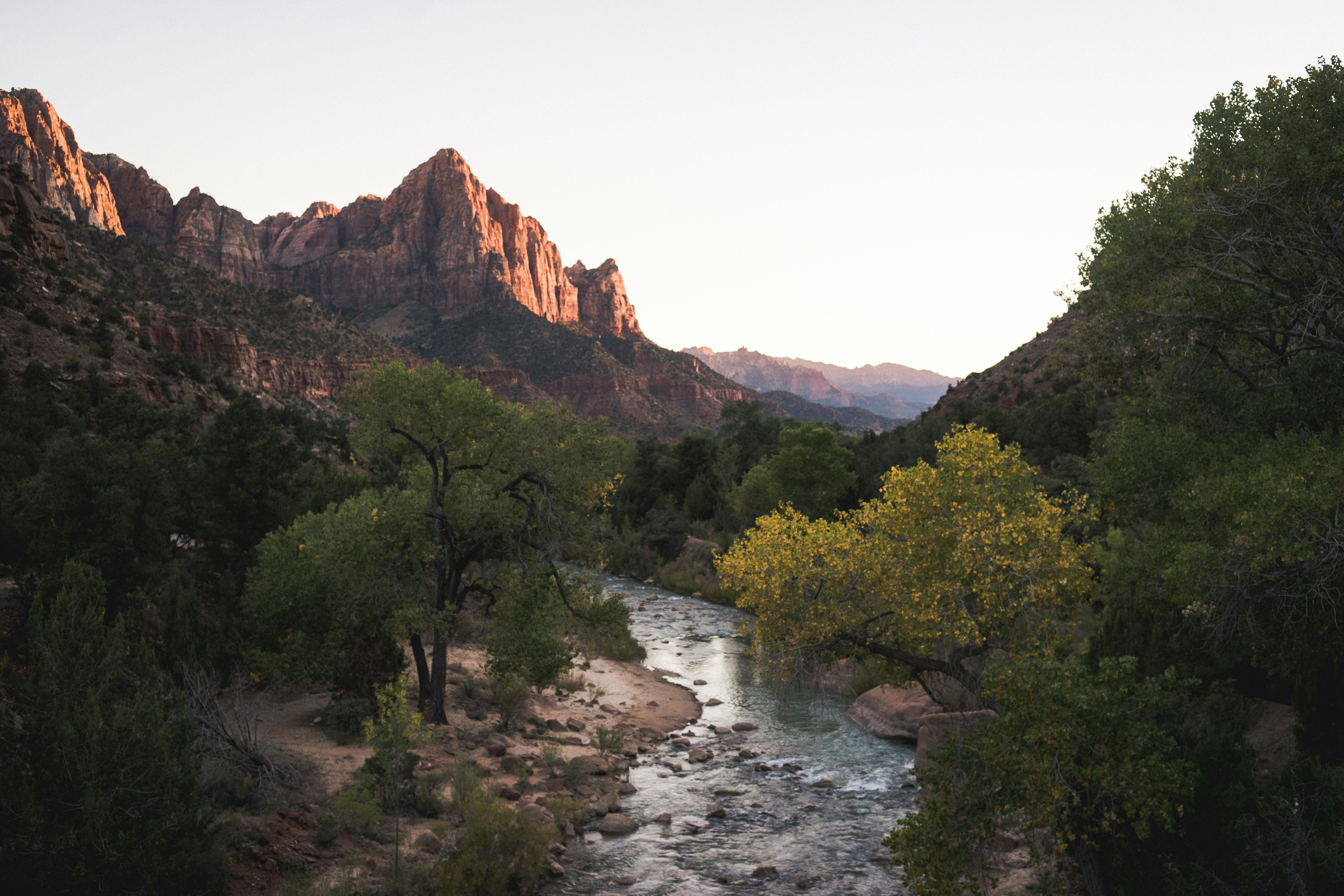
Your next stop is also in Utah, just a 5-hour drive from Arches National Park. This time you’re heading to Zion National Park – though not in your own motorhome, but on a shuttle bus. Between May and December, private vehicles are not permitted on the Scenic Drive.
The great thing is: the shuttle buses are completely free, depart every few minutes from the park’s south entrance and take you to the best sights such as Angel’s Landing, the West Rim Trail and the Emerald Pools.
The most important part of the park is the canyon through which the Virgin River winds its way. All around it, you’ll find wonderful walking trails that lead you through the rocky – yet green – landscape. Don’t forget to pack plenty of water in your rucksack during the summer months. Temperatures can sometimes climb as high as 40 degrees.
Grand Canyon National Park
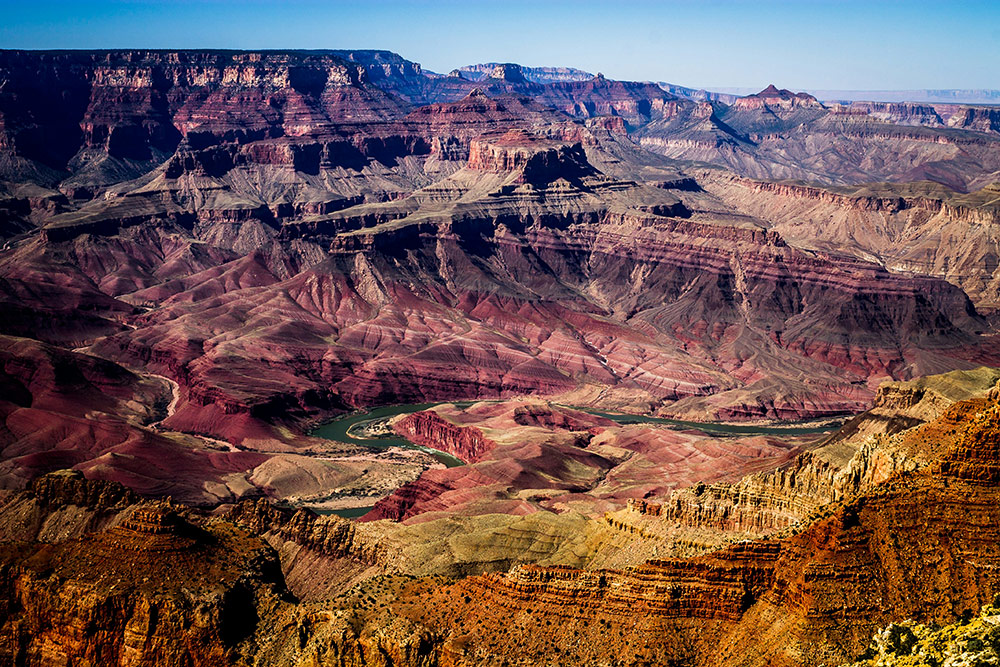
We leave the state of Utah and carry on to Arizona. Our destination: the most famous US national park, offering the ultimate ‘wow’ factor. We’re heading to the Grand Canyon National Park. You’ve no doubt seen photos of this gigantic rocky gorge before.
The canyon is divided into three sections: the West, South and North Rims. If it’s your first time there, you should visit the South Rim. Here, all the highlights are within walking distance of each other, there’s a proper village with restaurants, and all the viewpoints are easily accessible.
It’s the endless expanse, the experience of several vegetation zones on a single hike, and the rock formations that thrill us so much. The Grand Canyon really is unique.
Death Valley National Park
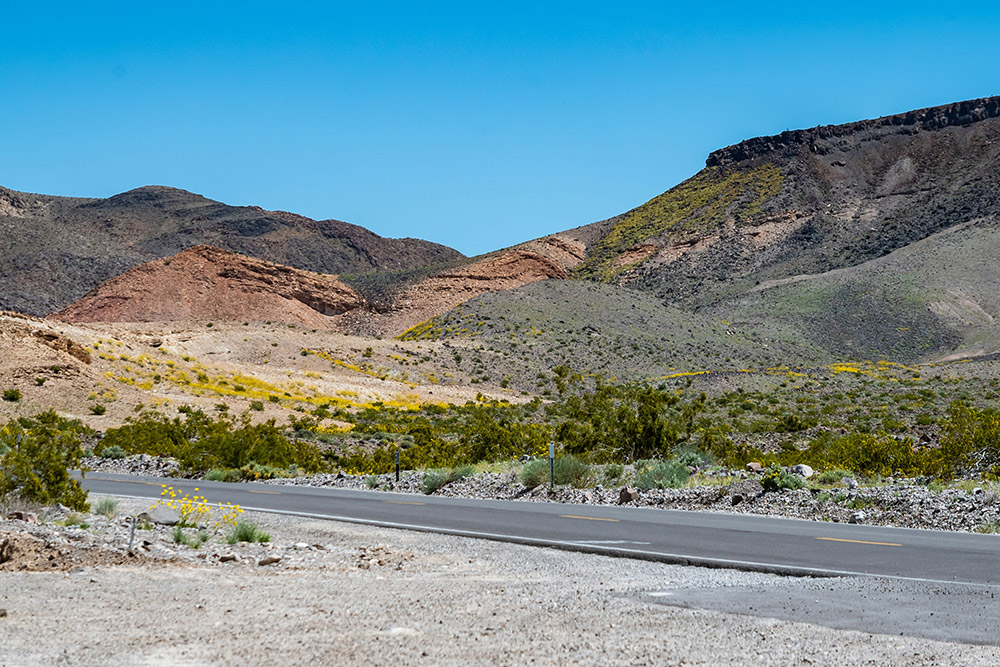
If you fancy a change of scene during your tour through the countryside, you could make your next stop in Las Vegas. The ‘City of Sin’, with its casinos, hotels and parties, lies on the route to our next destination, Death Valley National Park. Decide for yourself whether you’d like to stop off after a four-hour drive or carry on for the full six hours straight to the park in California’s Mojave Desert.
Three records await you in Death Valley National Park: the ‘Valley of Death’ is the hottest, driest and lowest-lying national park in the USA. It also offers countless interesting places to explore across an area of 13,600 square kilometres. Our highlights include: the Mesquite Sand Dunes, Ubehebe Crater, Badwater Basin and Devil’s Golf Course.
As there’s so much to see here, we recommend you plan to spend several days at this stop – and make sure you have plenty of water in your caravan.
Yosemite National Park
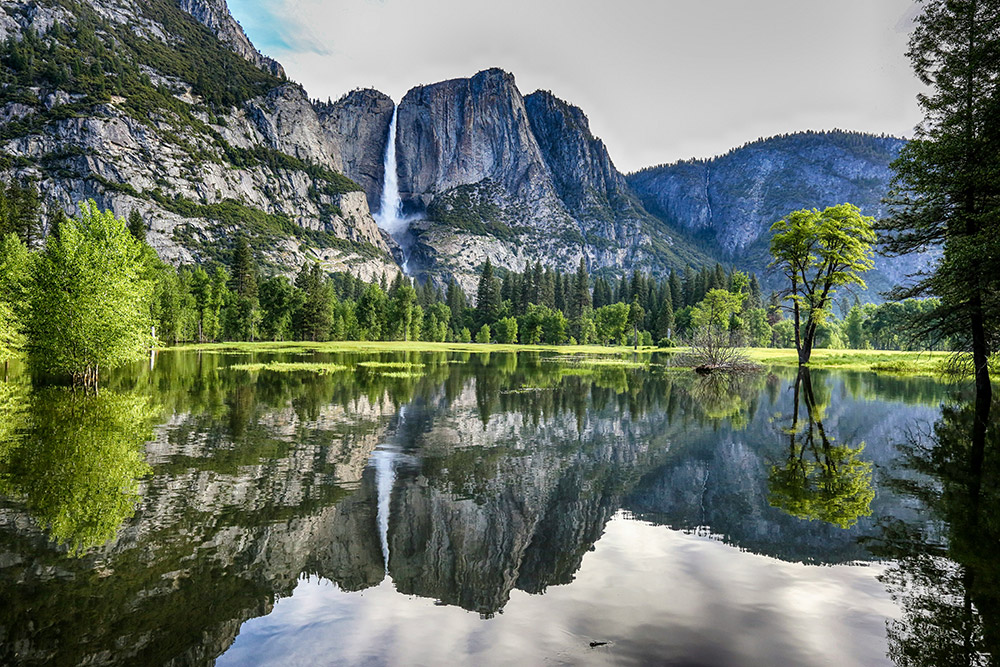
For our final stop, we have to drive three hours north. Even whilst in the caravan, you can look forward to mountains, waterfalls with a combined height of over 700 metres, gigantic trees and impressive hiking trails – and, of course, ‘El Capitan’, the iconic landmark in Yosemite National Park.
Ideally, your starting point should be Yosemite Valley. It’s the heart of the park, where you can easily park before setting off to explore.
If you’ve decided against a detour to the Sequoia National Forest, now is the perfect time to head to Mariposa Grove. The forest is home to huge sequoias – some of which are even among the largest trees in the world.
You can enjoy an incredible view from Glacier Point at an altitude of 2,200 metres. But don’t worry, you don’t have to hike all the way up there. In the summer months, the pass road is easily accessible by car. It takes just an hour from the valley and is definitely one of our top recommendations.
The best way to end your road trip through the US national parks is in San Francisco. Here you can return your motorhome and spend a few more days in the city before flying back to Germany.
US National Parks – our tip on how to save money
To enter the national parks, you have to pay an admission fee for each one. However, there is the ‘America the Beautiful’ Pass. This pass costs a one-off fee of 80 US dollars (around 75 euros) and gives you free access to over 2,000 recreational areas – including the national parks. The pass is worth it if you visit three or more parks.
With the pass, four adults in one vehicle can visit the parks. You can buy it on site – at the entrances to the national parks or at the relevant visitor centre.
Conclusion: Five national parks, one road trip
Arches, Zion, Grand Canyon, Death Valley and Yosemite: on this route, you’ll experience the most impressive national parks in the USA over two to three weeks – from fiery red rocks to gigantic trees.
Enjoy your road trip!
FAQ on a road trip through the US national parks
How many national parks are there in the USA?
There are a total of 63 national parks in the USA. Visiting them all would take several weeks, so our two- to three-week road trip takes in five of the most impressive parks: Arches, Zion, Grand Canyon, Death Valley and Yosemite.
Where does the road trip start and end?
As a starting point, we recommend Salt Lake City, where you can hire a campervan straight away. You can end your road trip in San Francisco and return your campervan there.
How do I get around Zion National Park?
Between May and December, private cars are not permitted on the Scenic Drive. Instead, free shuttle buses run every few minutes from the south entrance, taking you to the best attractions such as Angel’s Landing, the West Rim Trail and the Emerald Pools.
Which part of the Grand Canyon should I visit first?
The canyon is divided into the West, South and North Rims. For a first visit, the South Rim is recommended: here, all the highlights are within walking distance of one another, there is a village with restaurants, and all the viewpoints are easily accessible.
Is the ‘America the Beautiful’ Pass worth it?
The pass costs a one-off fee of 80 US dollars (around 75 euros) and offers free access to over 2,000 recreational areas, including the national parks. It pays for itself if you visit three or more parks, is valid for four adults in one vehicle, and is available at park entrances or in visitor centres.

























_400x400 Kopie.png?ts=1760433160)