Tips for long car journeys: how to make your journey a pleasure
Long car journeys can be exciting and full of anticipation for the destination, but they also come with their own challenges – especially when the whole family is on board. Tiredness, boredom and discomfort can quickly dampen the mood. But don’t worry – with the right tips for long car journeys, your trip will not only be more bearable but will actually become a real pleasure for the whole family. In this article, we’re sharing valuable advice to help you enjoy the journey in a relaxed and cheerful mood. From planning and food to entertainment ideas – we’ll show you how to reach your destination safely and happily. So fasten your seatbelts, sit back and look forward to a great journey!
Long car journeys can be a wonderful opportunity to discover new places, spend time with your family and escape the daily grind. However, to ensure the journey is pleasant and stress-free, there are a few important things you should bear in mind. Here are the best tips to make your long car journey a relaxed and safe experience.
01
1. Good planning is everything
Careful preparation is the key to a successful long car journey:
Plan your route: Use sat-nav systems and apps to find the best route and avoid traffic jams. Plan alternative routes in case you encounter traffic delays along the way.
Vehicle check: Before setting off, check your car’s tyre pressure, oil level, brakes and lights. A well-maintained vehicle is safer and more comfortable.
Plan in breaks: Regular breaks are important to help you relax and stay focused. Plan a stop every two hours to get some fresh air and stretch your legs.
02
2. Comfort whilst travelling
During long car journeys, it’s important that all passengers are seated comfortably:
Correct seating position: Make sure the seat is adjusted correctly to ensure a safe and relaxed sitting position. Children should travel safely in a child seat appropriate for their age, height and weight. For slightly older children who no longer need a child seat, there are, for example, suitable side panels for the headrests, which are also useful on longer journeys. This allows them to rest their heads comfortably whilst enjoying the journey.
Comfortable clothing: Wear loose-fitting, comfortable clothing that doesn’t restrict your movement. This ensures extra comfort during the journey.
Neck and lumbar cushions: Use neck and lumbar cushions to prevent stiffness and relieve pressure on your back.
03
3. Entertainment for the whole family
Long journeys can quickly become boring, especially for children. Make sure there’s plenty of variety and keep everyone in good spirits:
Music and audiobooks: Create a playlist of your favourite songs or download some exciting audiobooks. That way, the time will fly by.
Travelling games: Classic games such as ‘I spy’ or word games can provide plenty of fun and distraction.
Tablets and books: Download films, TV series and games onto tablets and pack books and comics to keep the children entertained.
04
4. Food and drink for the journey
Good food is essential for a pleasant journey:
Healthy snacks: Pack healthy snacks such as fruit, nuts, vegetable sticks and sandwiches. They’re not only tasty but also nutritious.
Stay well-hydrated: Take enough water with you to stay hydrated. Unsweetened drinks such as tea or juice spritzers are also a good choice.
Picnic breaks: Plan in some picnic breaks to recharge your batteries in the fresh air and enjoy the journey.
05
5. Safety first
Safety should always come first:
Vehicle equipment: Make sure your vehicle is well equipped. This includes a first-aid kit, high-visibility vests, a warning triangle and a torch.
Emergency numbers: Make a note of important emergency numbers and keep them to hand. In the event of an accident or a breakdown, you’ll be able to call for help quickly.
Take regular breaks: Take turns at the wheel or stop for breaks in good time to avoid fatigue. This will ensure you all stay safe and alert.
What’s the maximum length of time you should drive in one go?
Experts recommend taking a break of at least 15 minutes every two hours to avoid tiredness and health problems. In total, your daily driving time should not exceed eight hours. Whilst driving, watch out for signs of tiredness such as frequent yawning, heavy eyelids and difficulty concentrating. If you experience these symptoms, you must take a break immediately. Use your breaks to stretch your legs, get some fresh air and have a light snack. If possible, share the driving with a passenger to reduce the strain.
How to pack your car properly for long journeys: here’s how
Packing your car correctly is crucial for a safe and comfortable long car journey. A well-packed vehicle ensures stability, reduces the risk of accidents and enhances driving comfort. We’ve put together some practical tips on how to pack your car effectively.
Place heavy items at the bottom and at the front
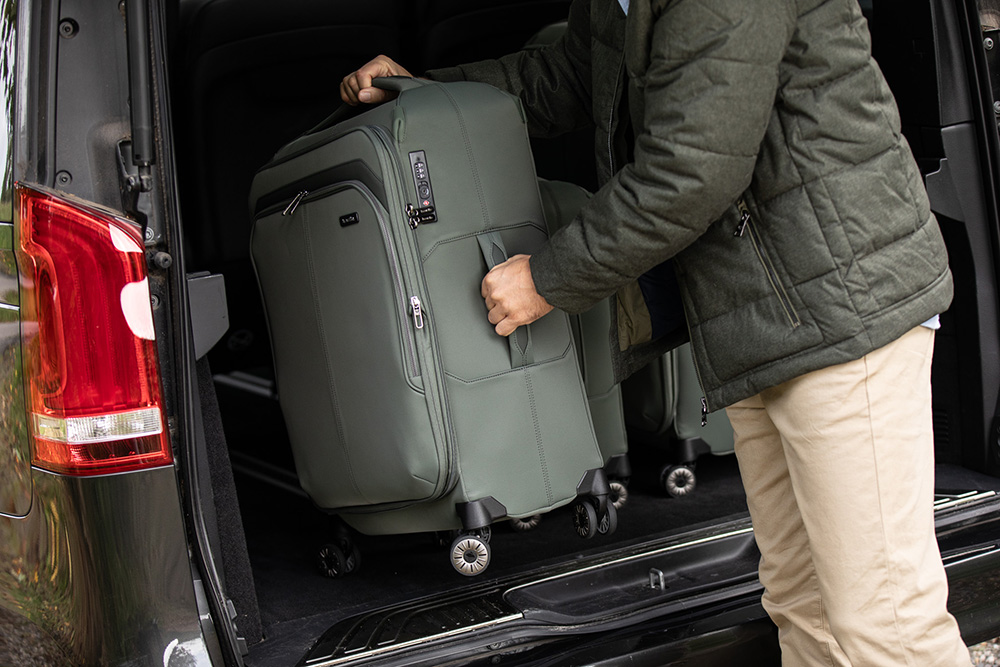
Start with the heaviest items, such as large suitcases, and place them as low and as far forward as possible in the boot. This helps to keep the car’s centre of gravity low and improves driving stability. It also reduces the risk of the vehicle tipping over during sudden manoeuvres.
Even distribution
Make sure you distribute the weight evenly on both sides of the car. Uneven loading can adversely affect handling and lead to the car leaning dangerously to one side, particularly when cornering or during sudden evasive manoeuvres.
Securing your luggage
Make sure all items are securely fastened to prevent them from sliding around during sudden braking or when cornering. Use tension straps or luggage nets to secure suitcases, travel bags and rucksacks and keep the load in place.
Be mindful of visibility
Pack your car so that your view through the rear-view mirror is not obstructed. Do not overpack the boot and ensure that your field of vision remains clear to guarantee a safe and comfortable journey.
Using roof boxes
If you need extra storage space, a roof box can be a good solution. Make sure the roof box is fitted correctly and that the weight is distributed evenly. Do not overload the roof box and stick to your vehicle’s maximum permitted roof load to avoid compromising road safety.
Keeping your cabin organised
Store smaller items safely inside the car. Use the storage compartments in the doors, the centre console and the glove box to stow loose items. Avoid placing heavy items on the rear seat, as these could be thrown forwards in the event of an accident and pose a hazard.
Please observe the weight limits
Make sure you do not exceed your vehicle’s maximum permissible load. You can find this information in the owner’s manual. Overloading can impair your control of the vehicle and lead to dangerous situations, so it is important to stick to the limits.
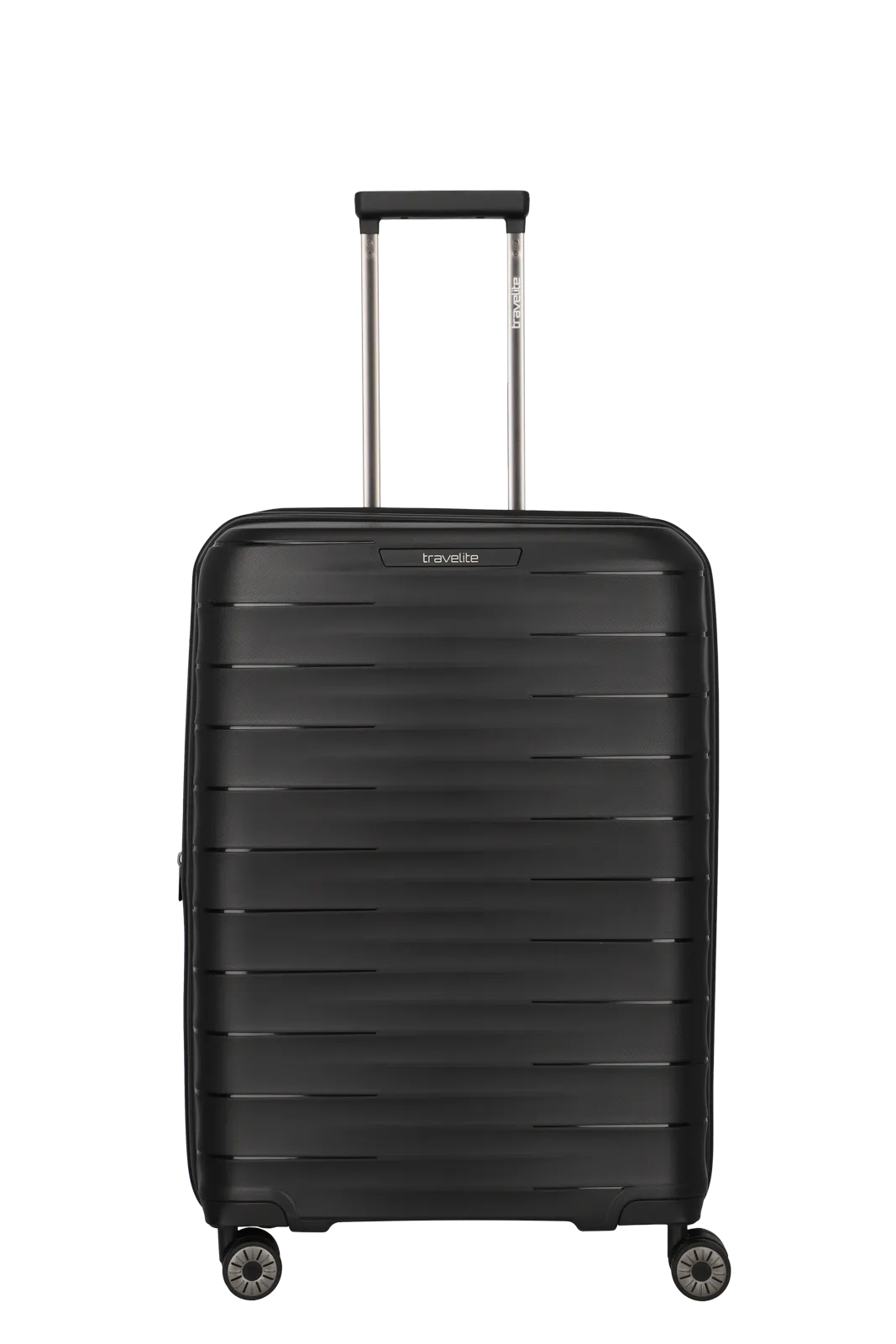
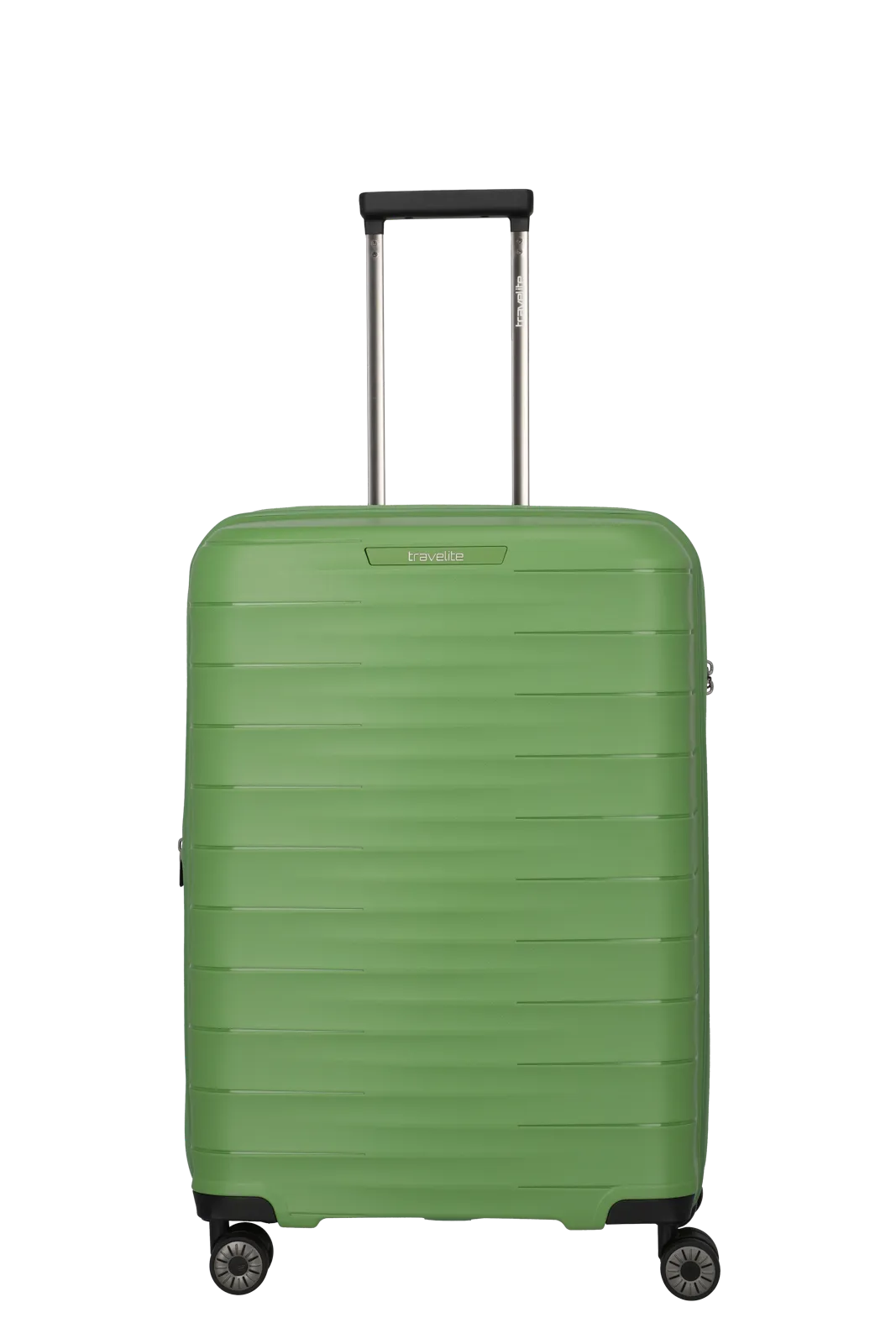
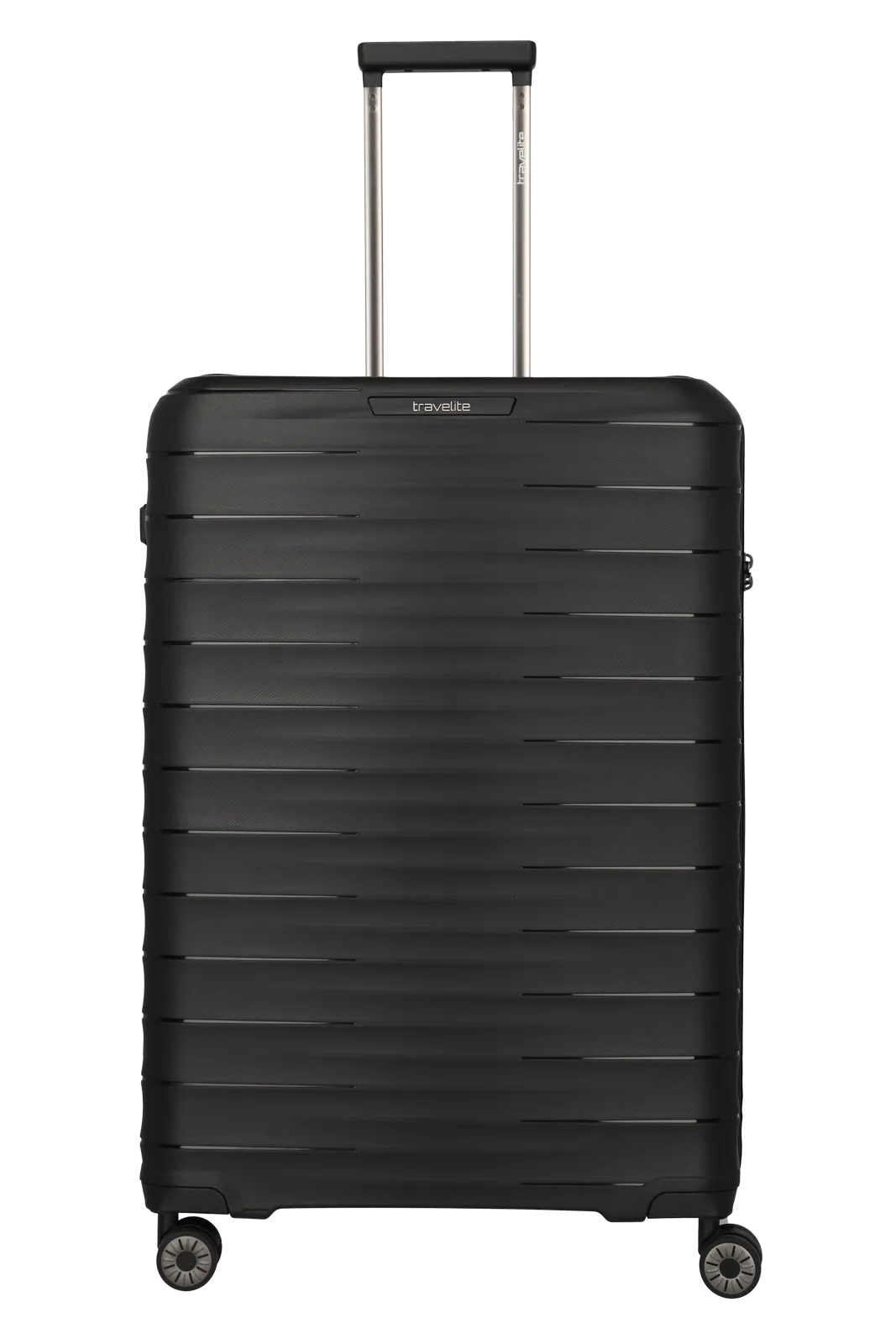
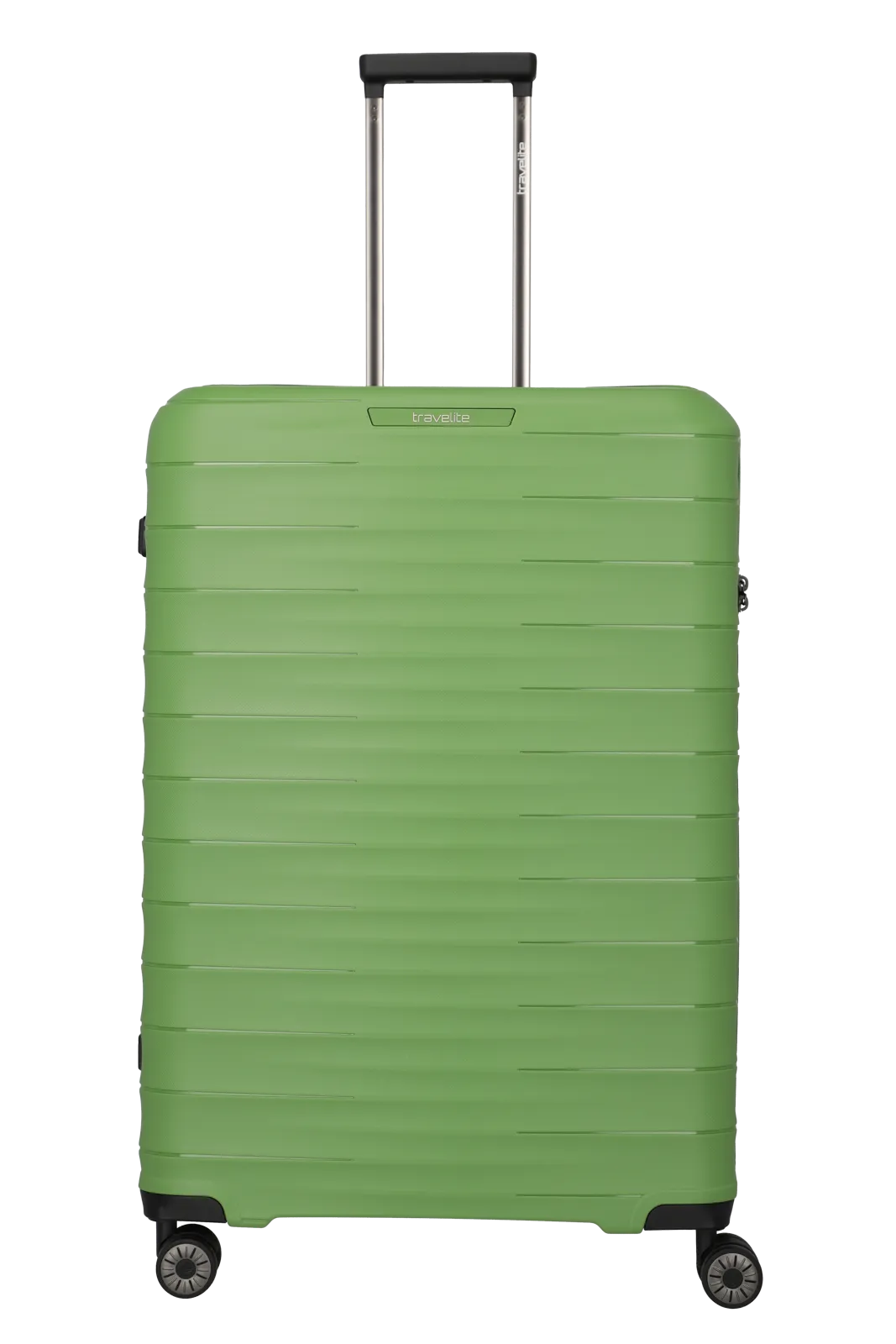
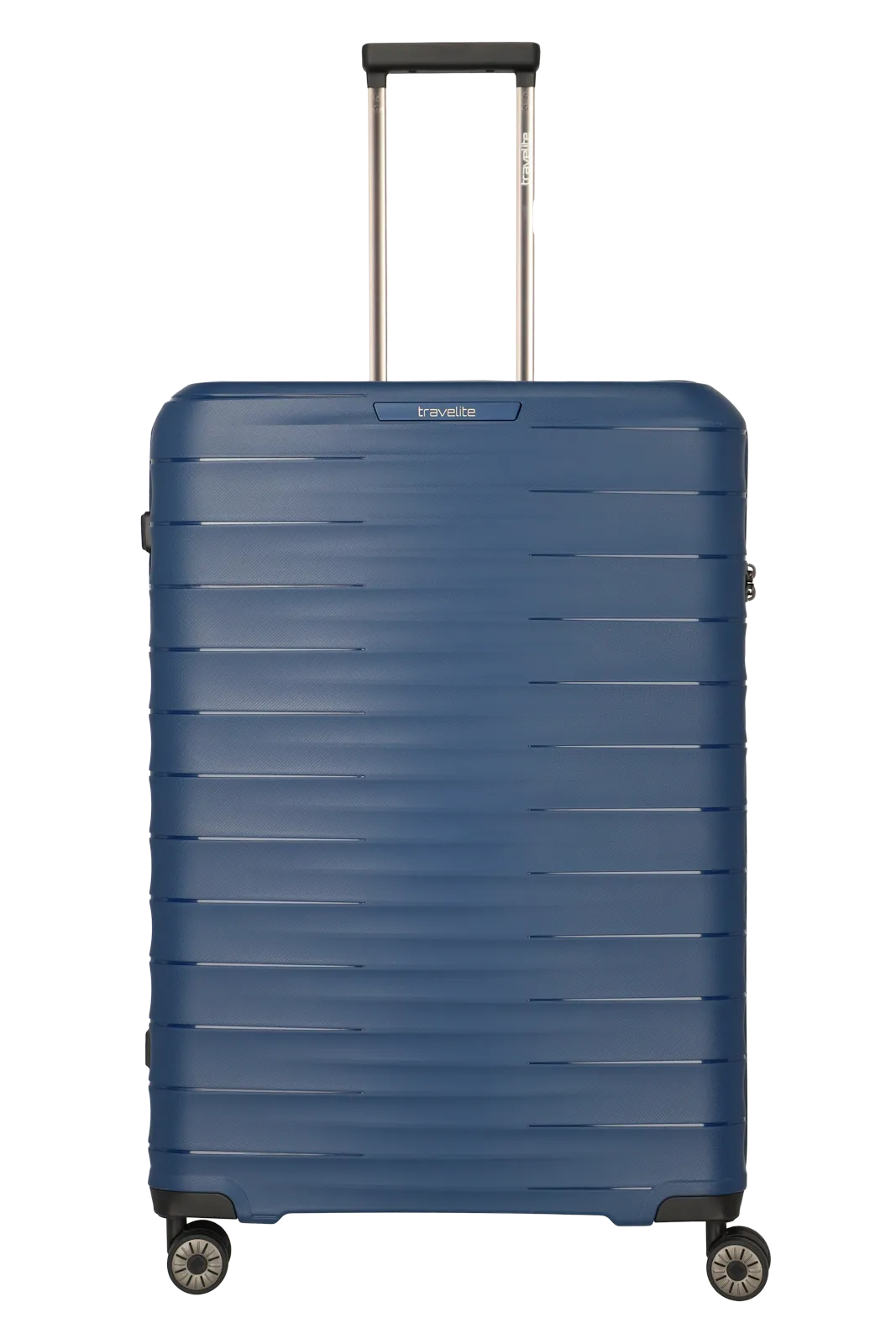
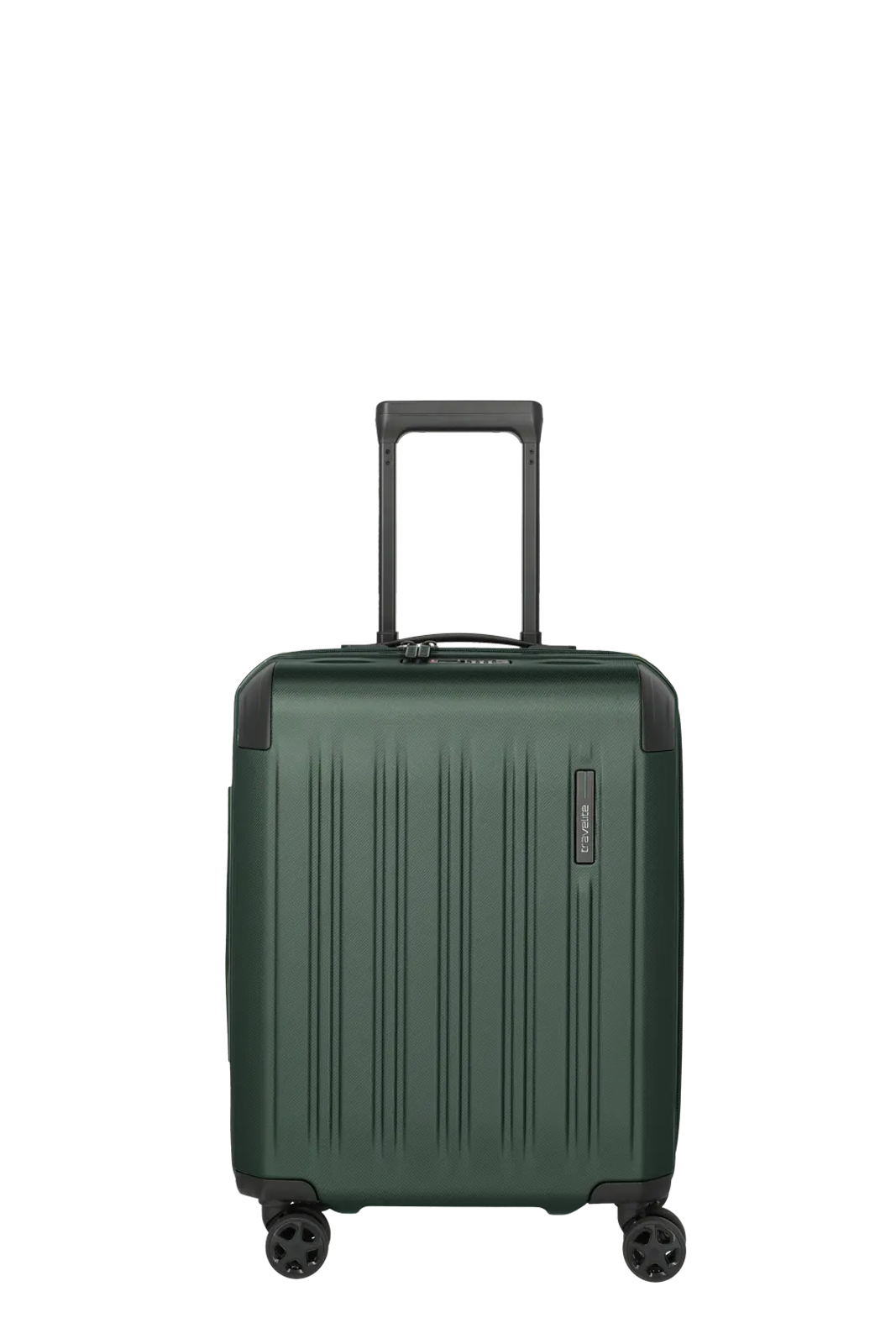
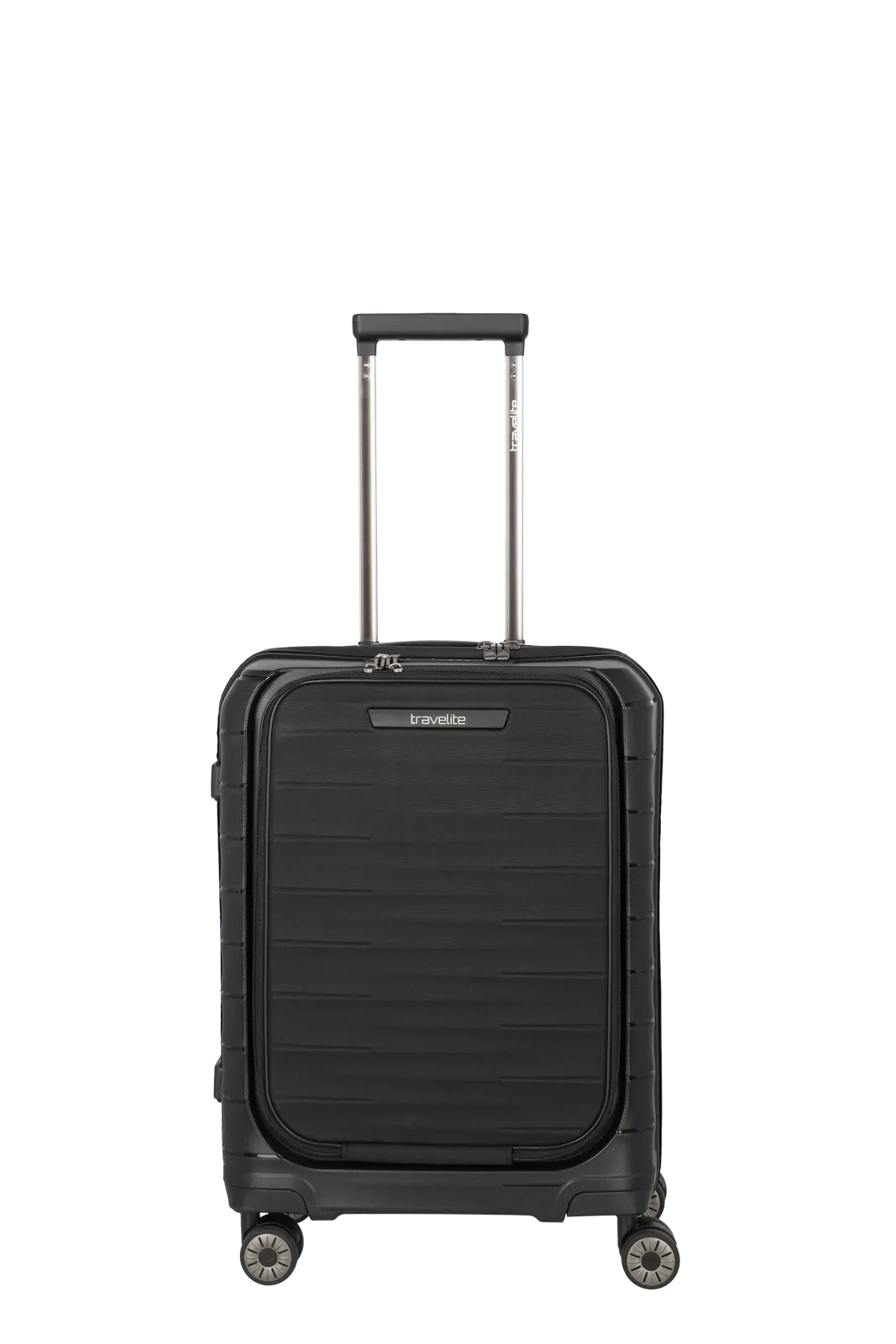
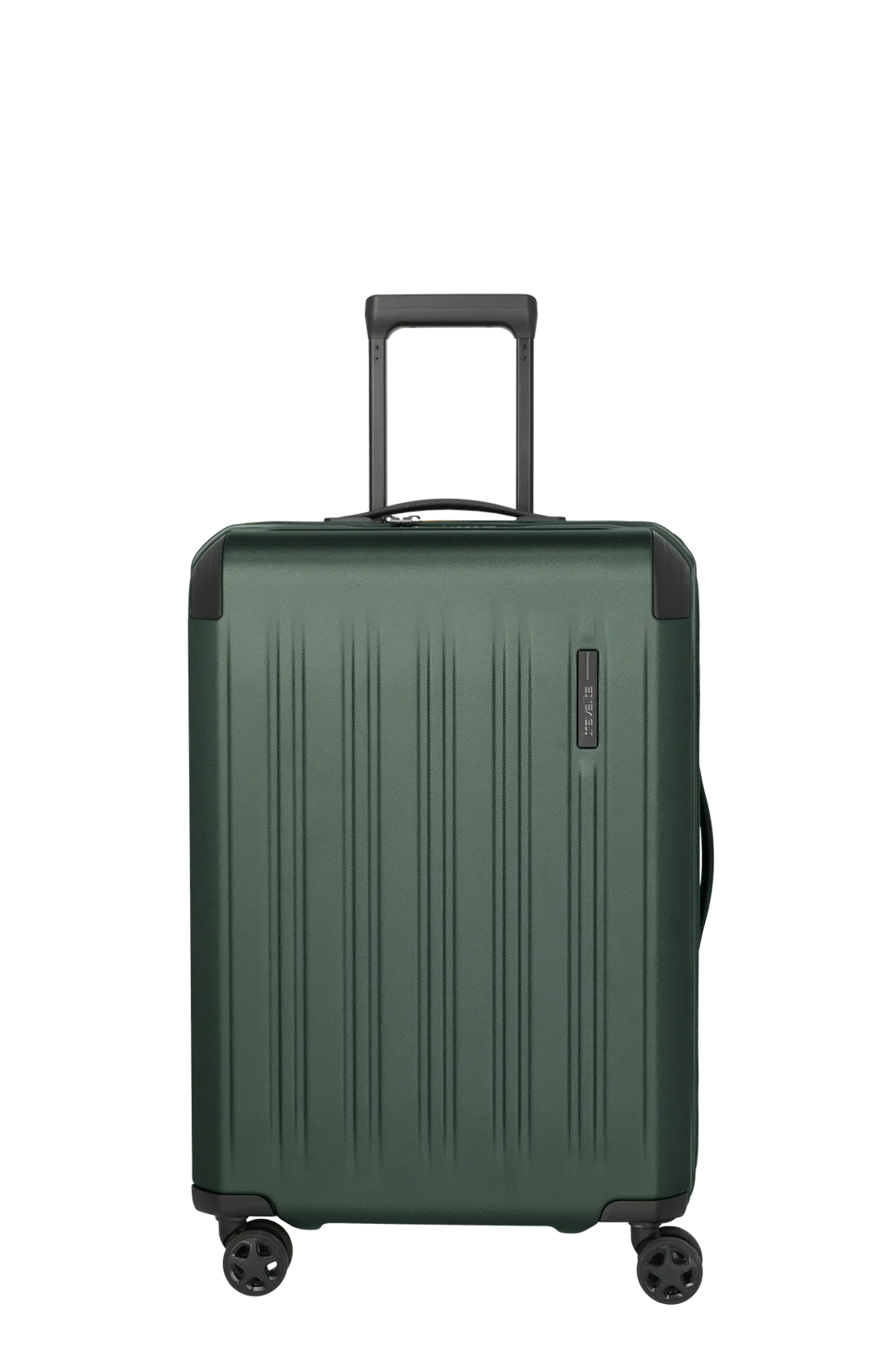
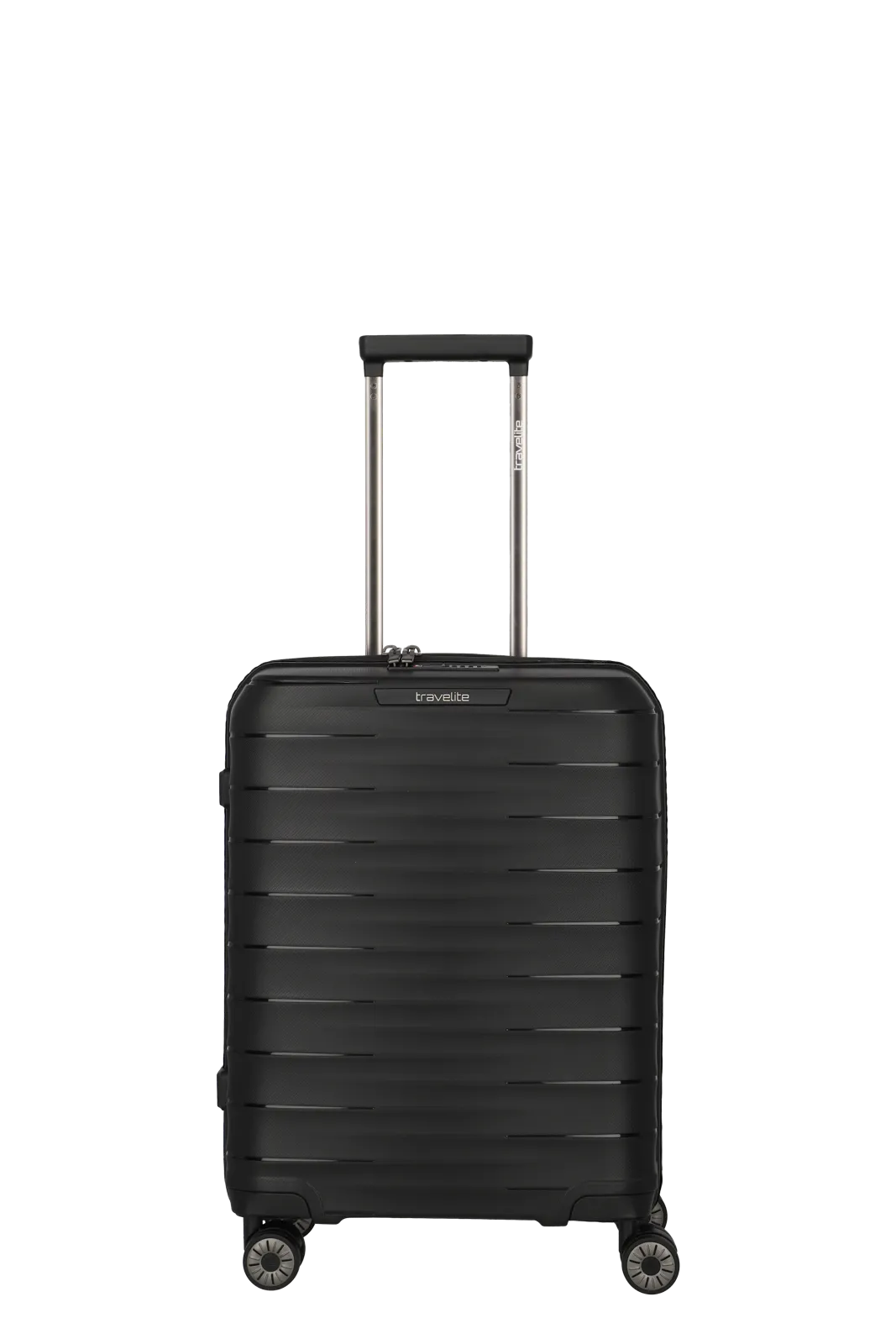
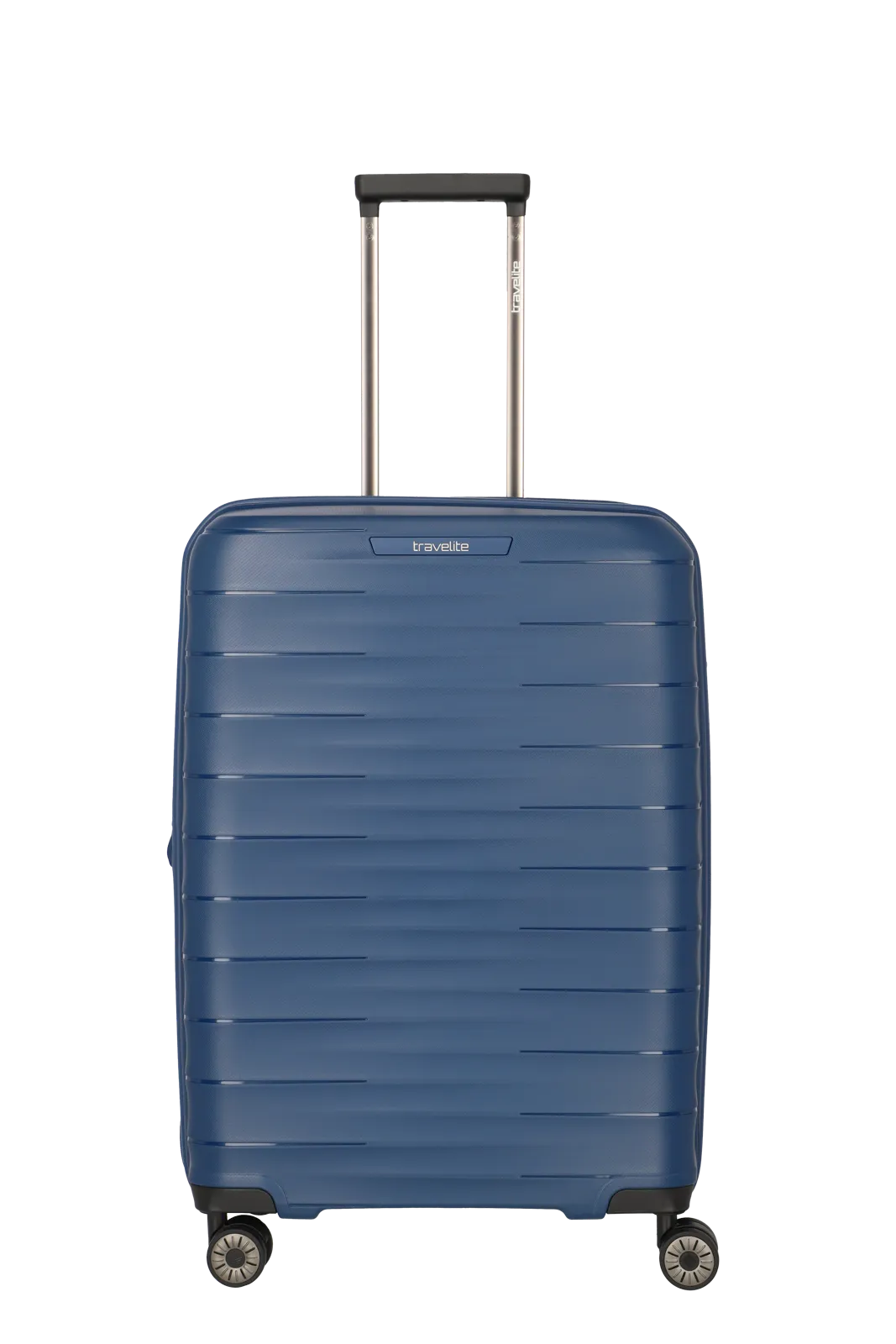
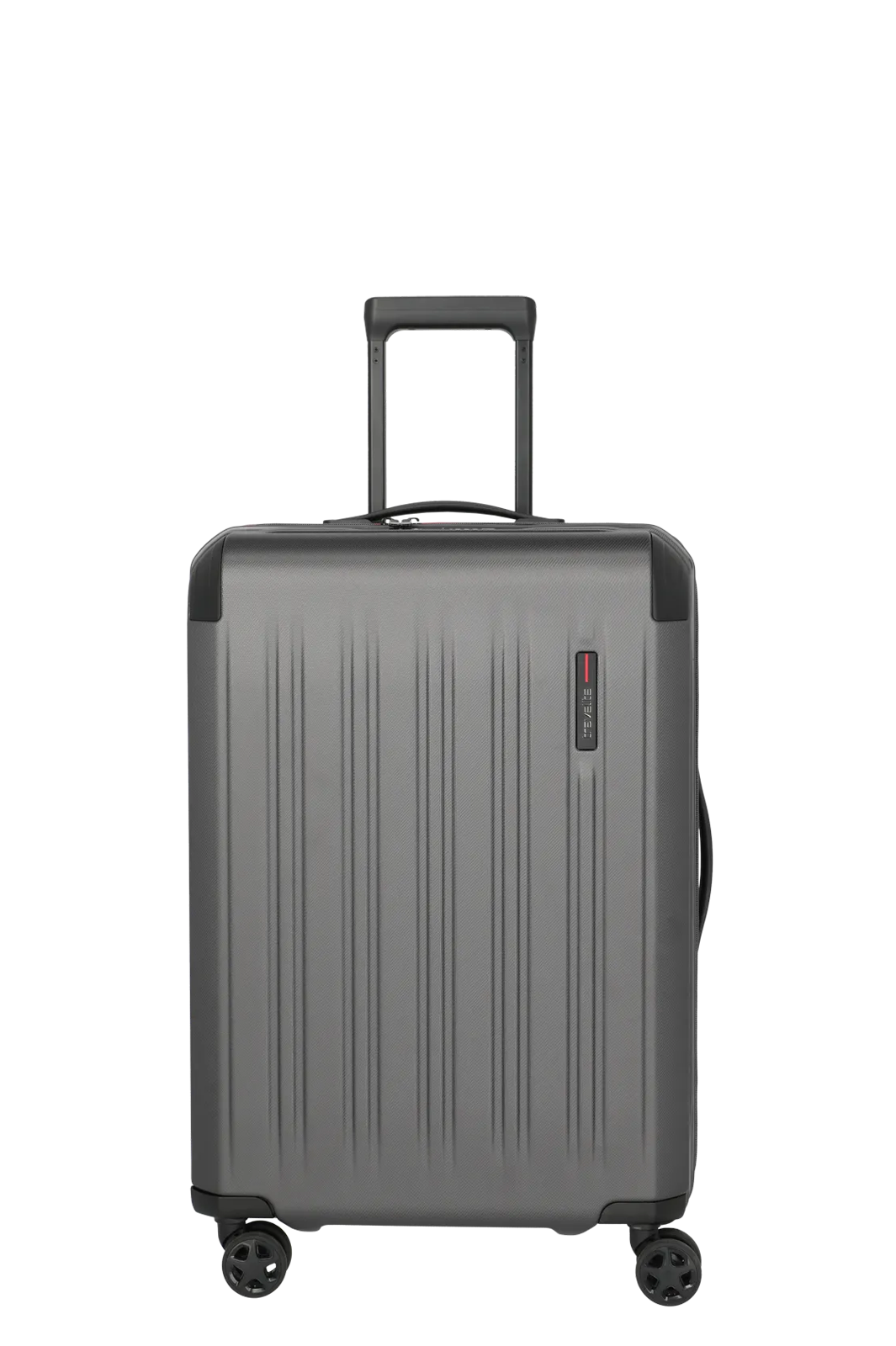
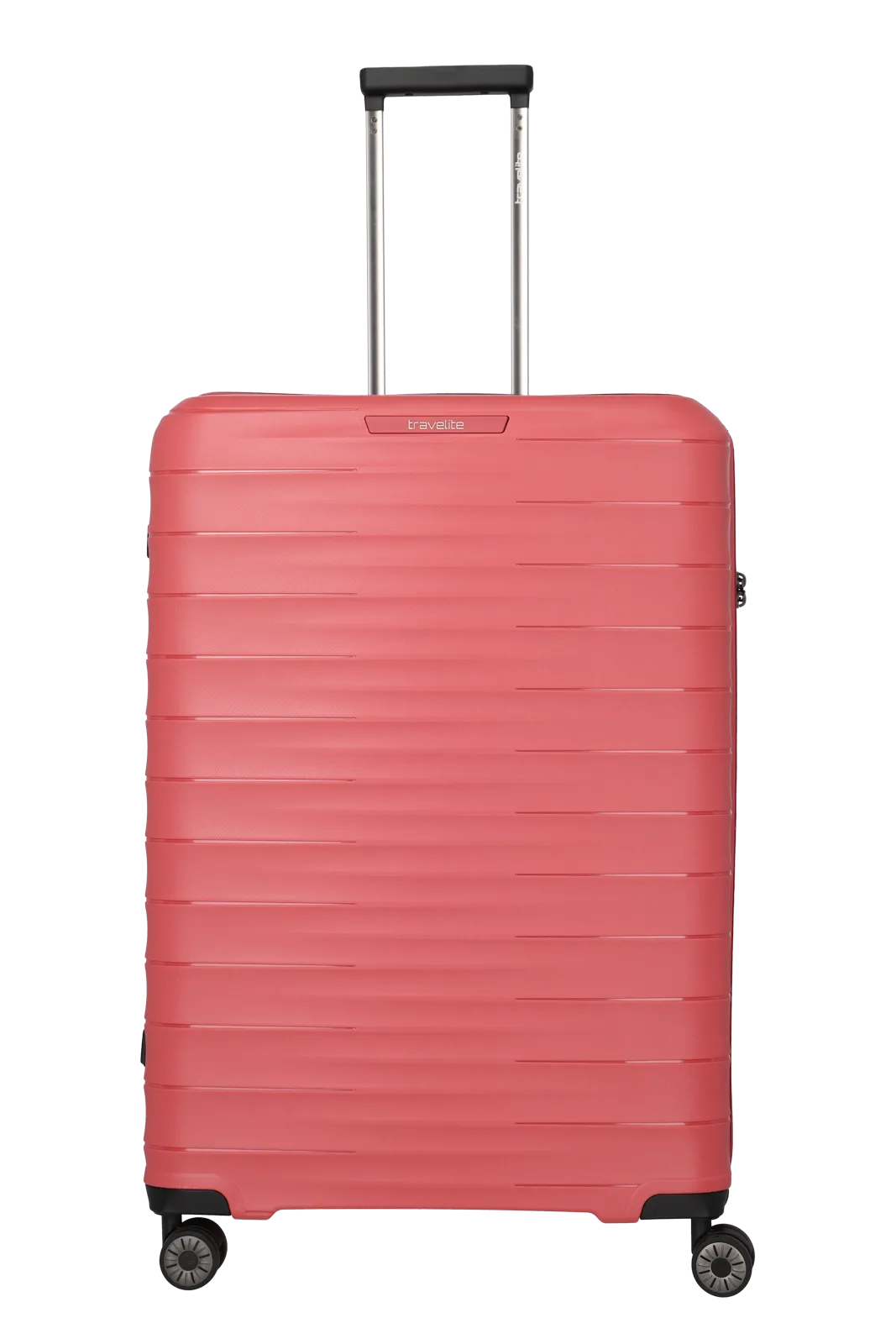
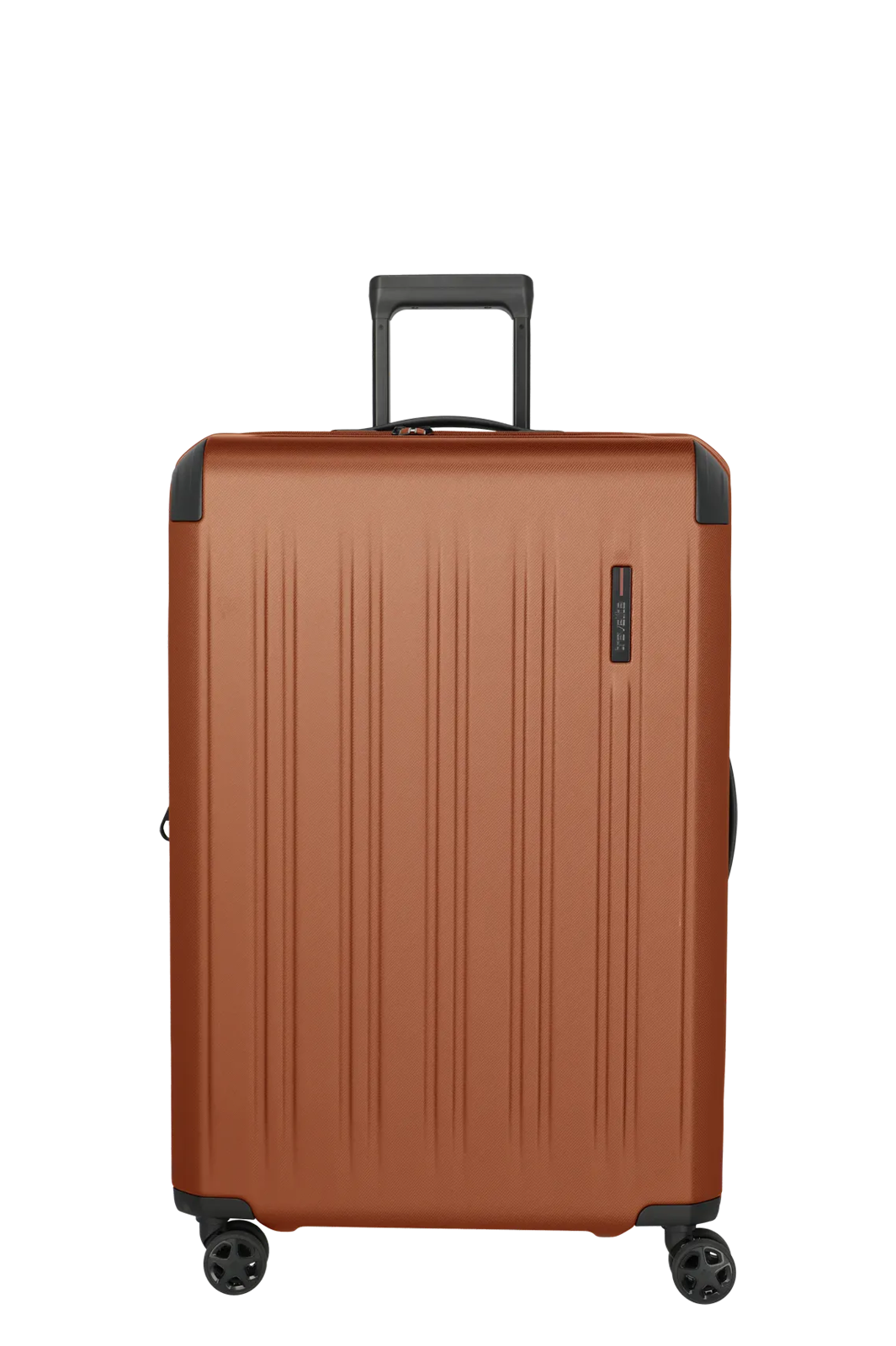
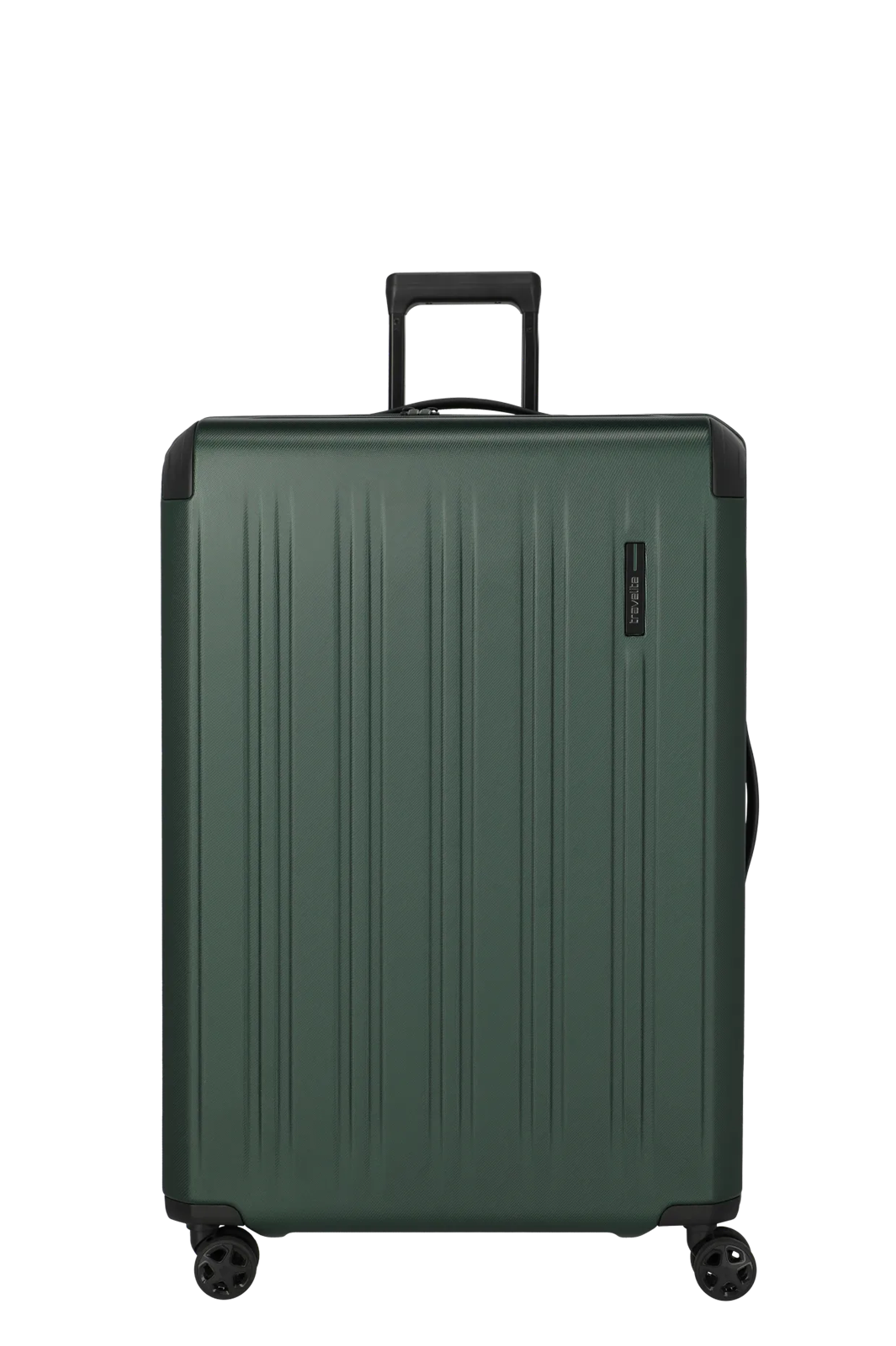
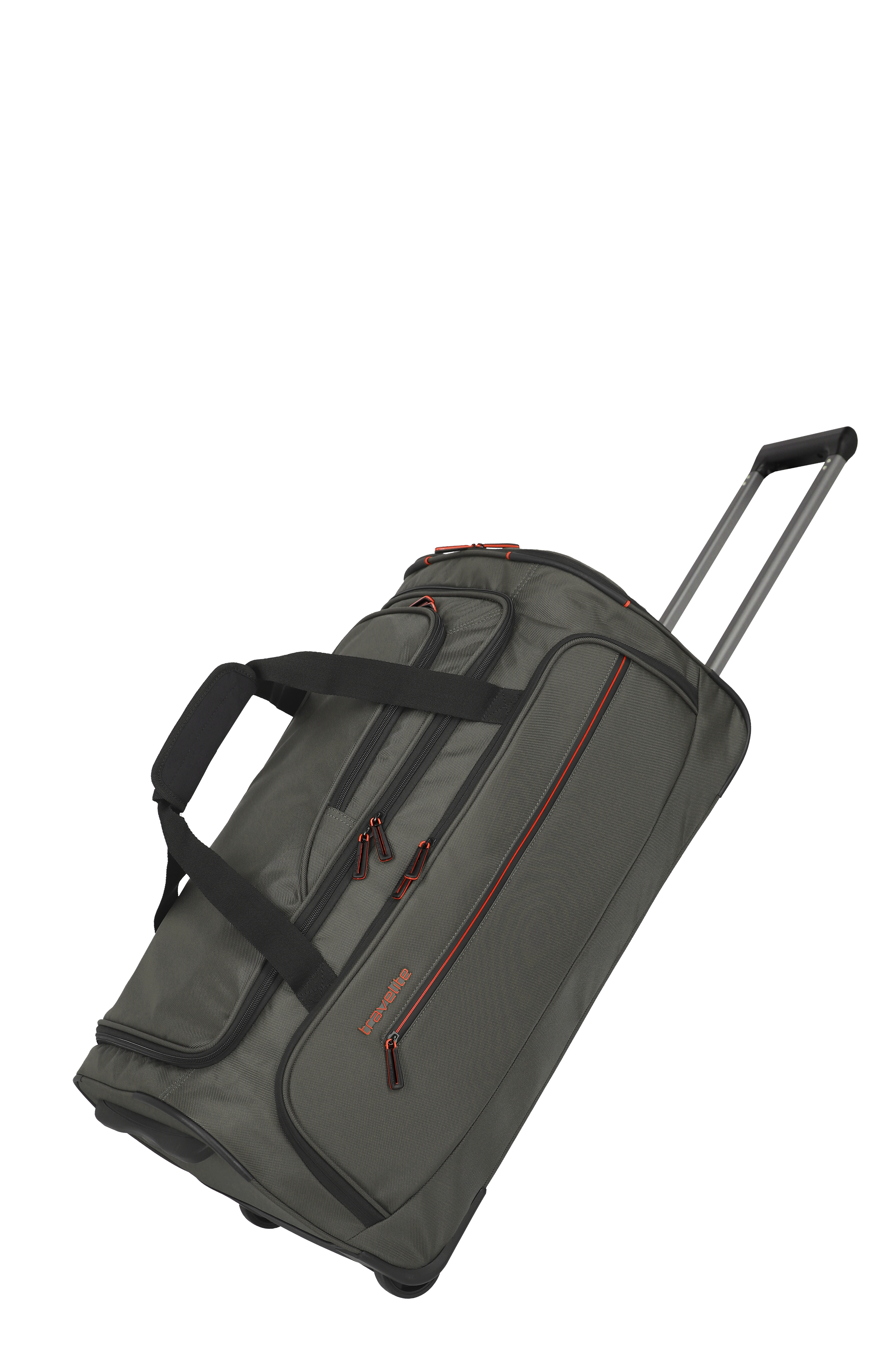
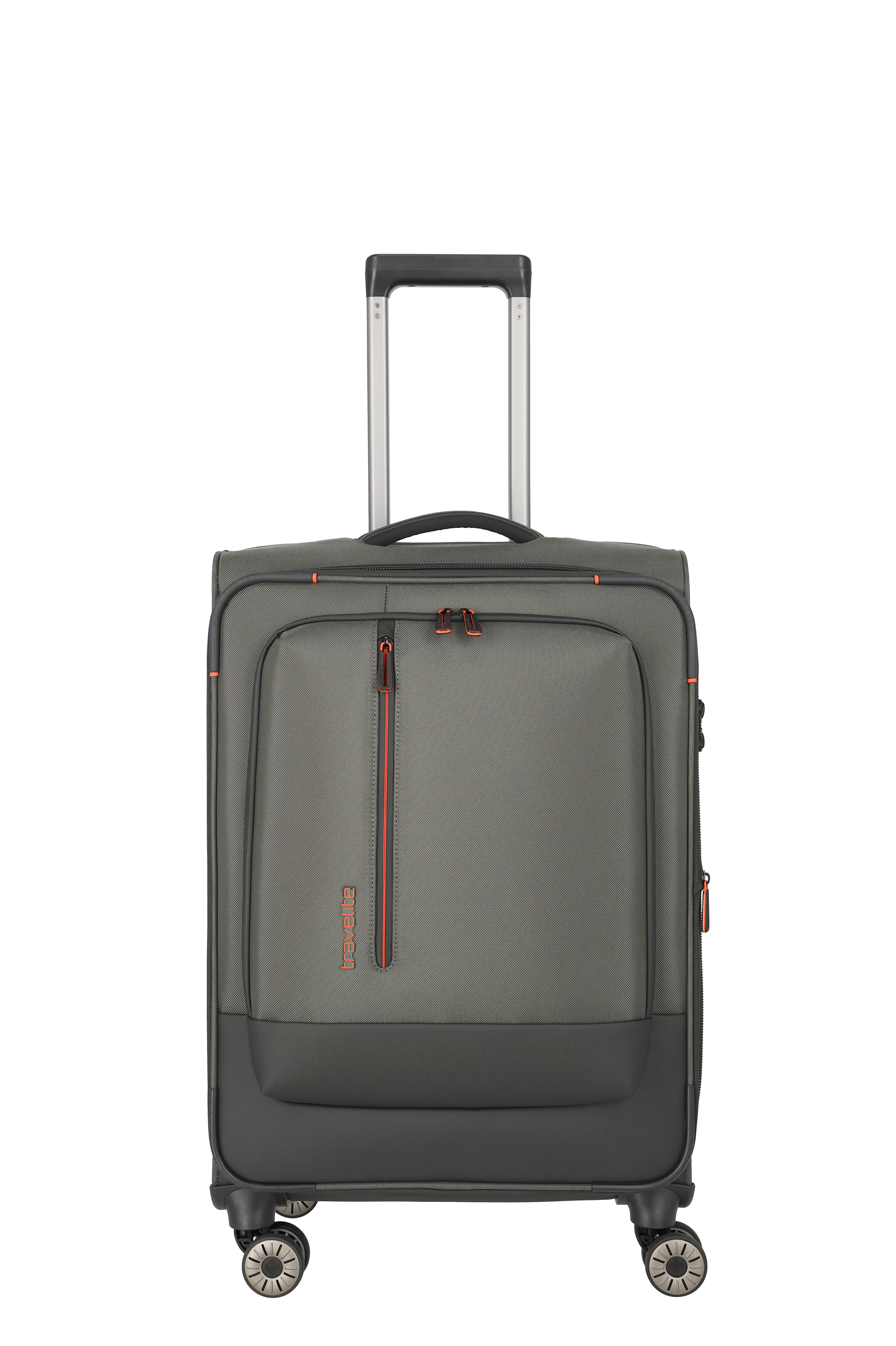
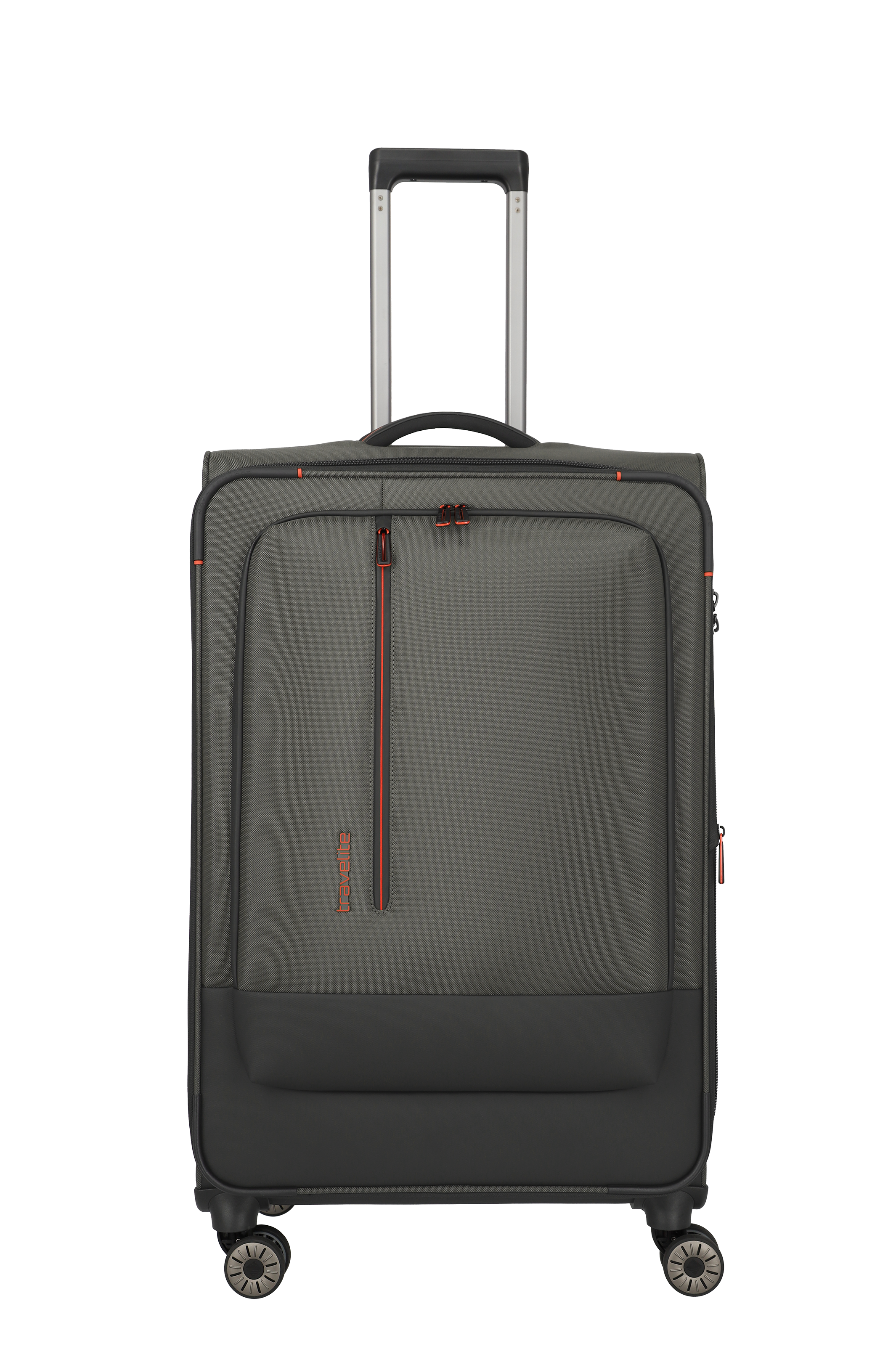
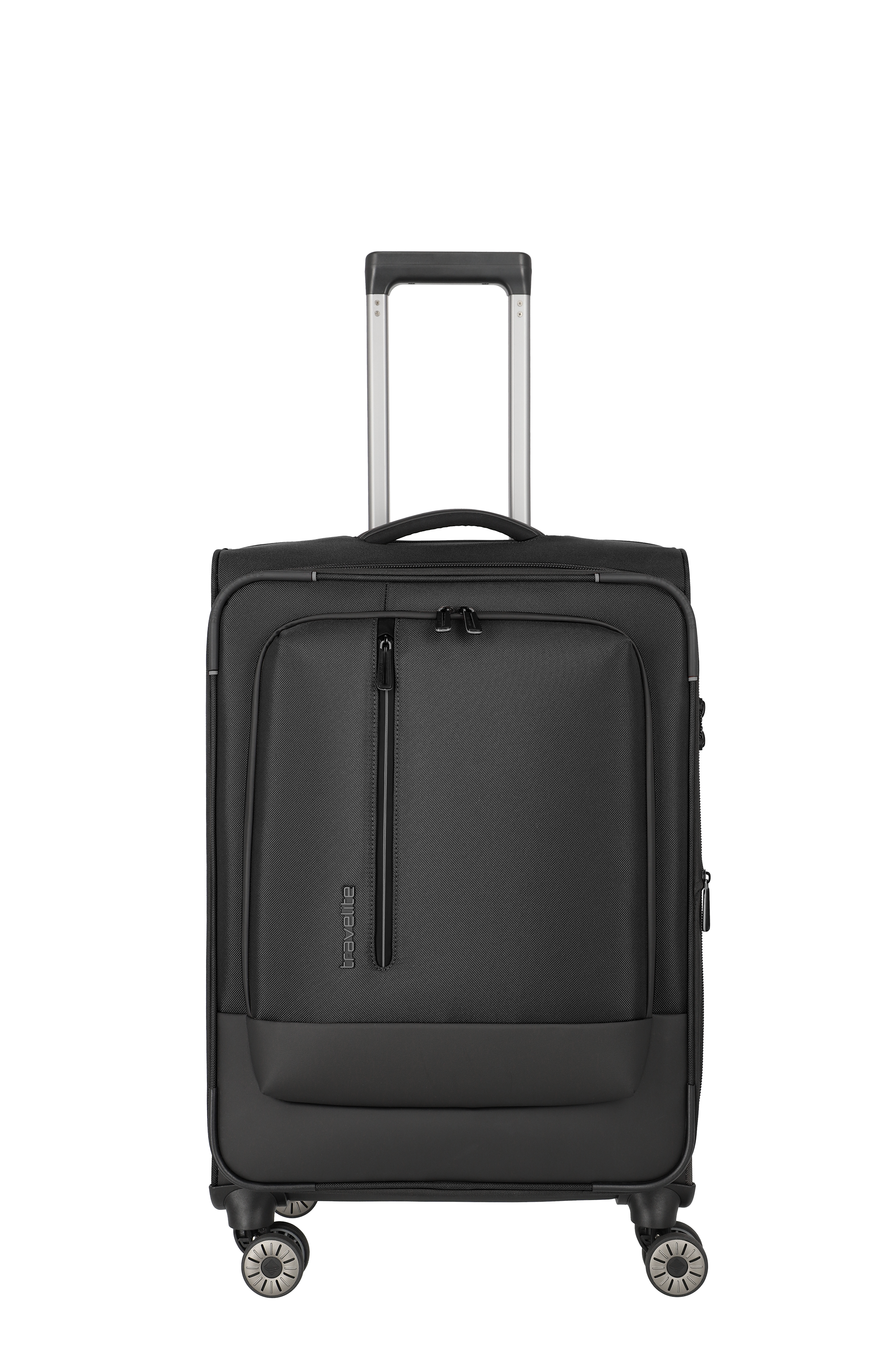
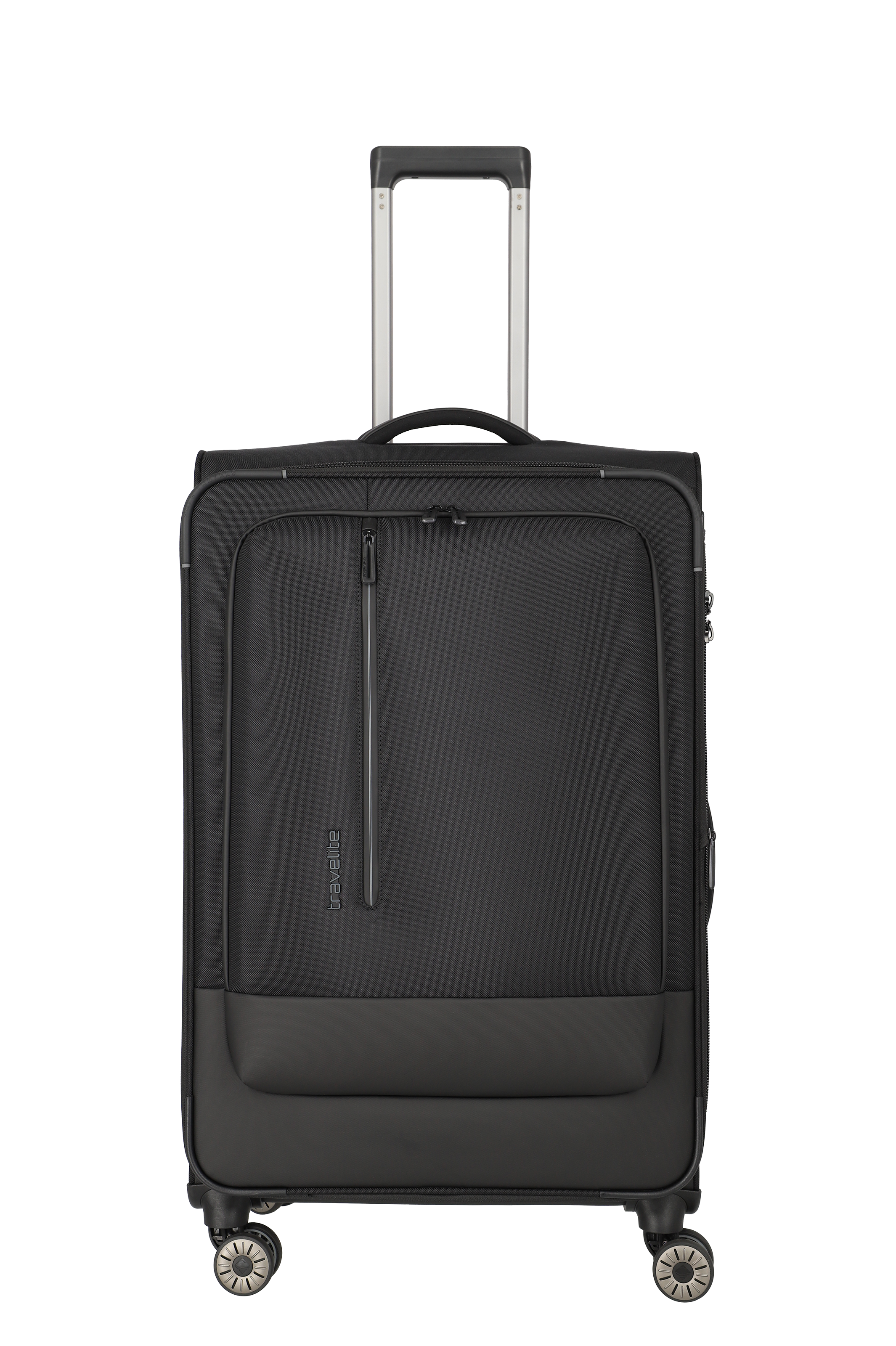
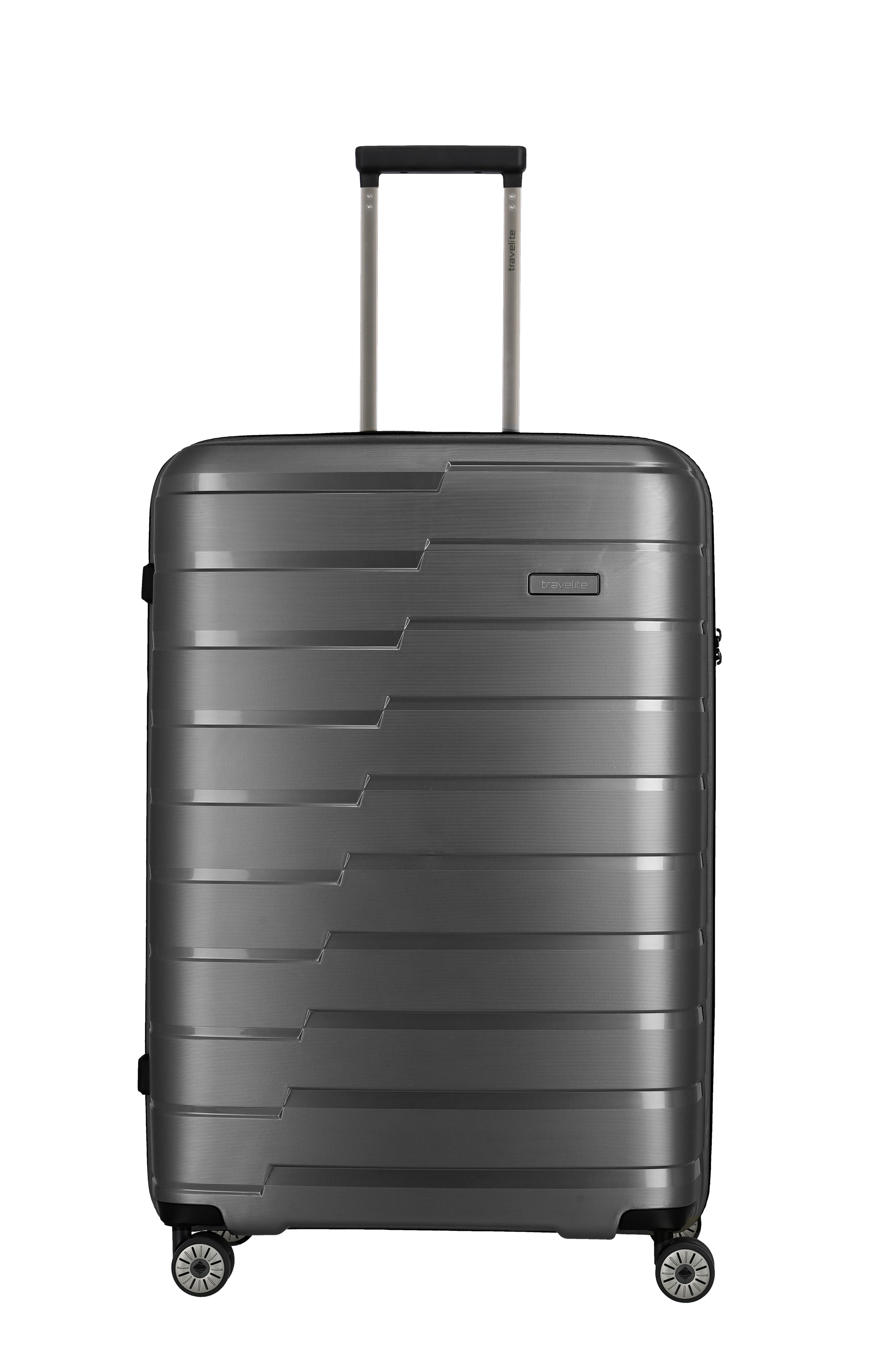
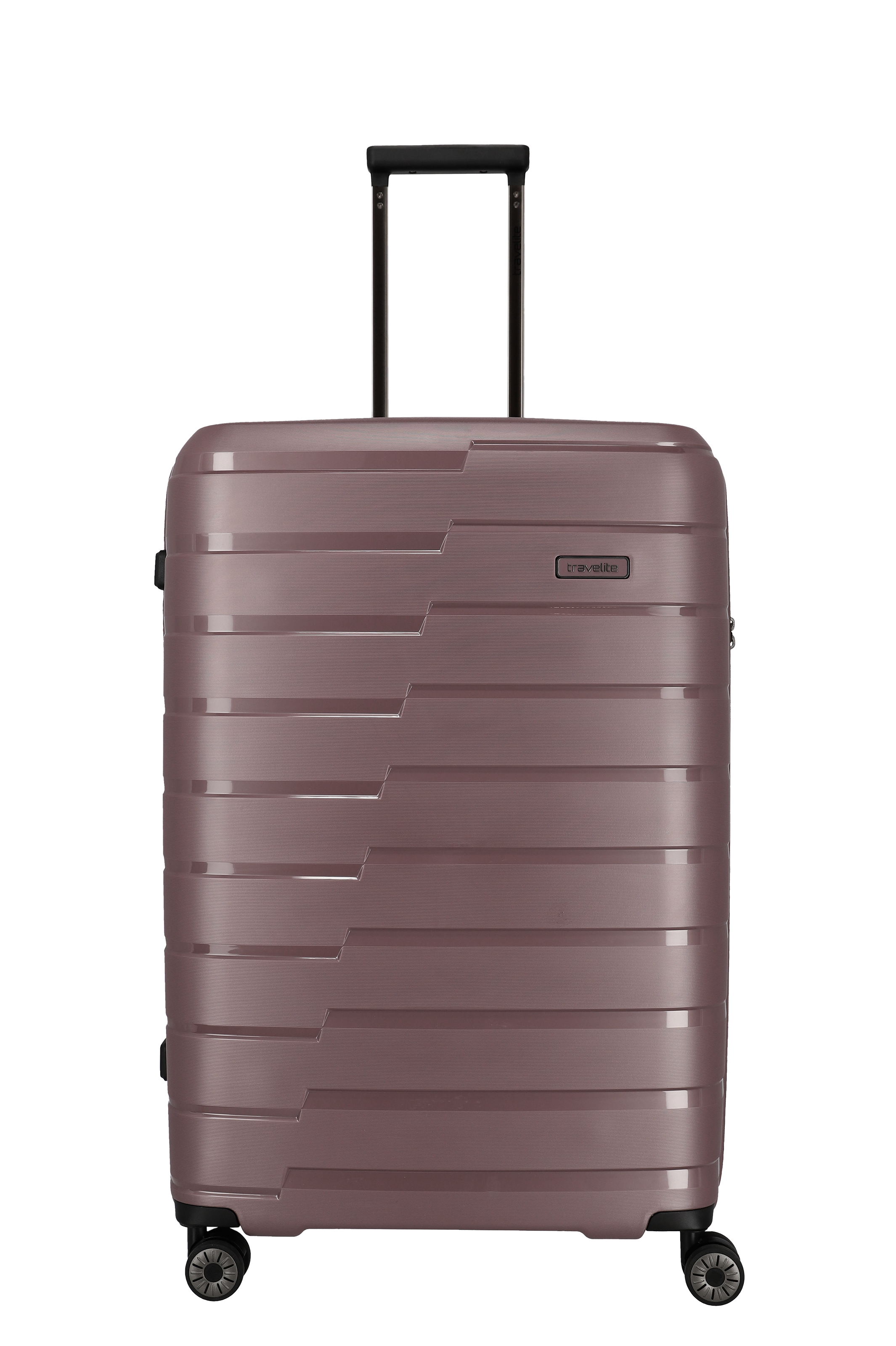
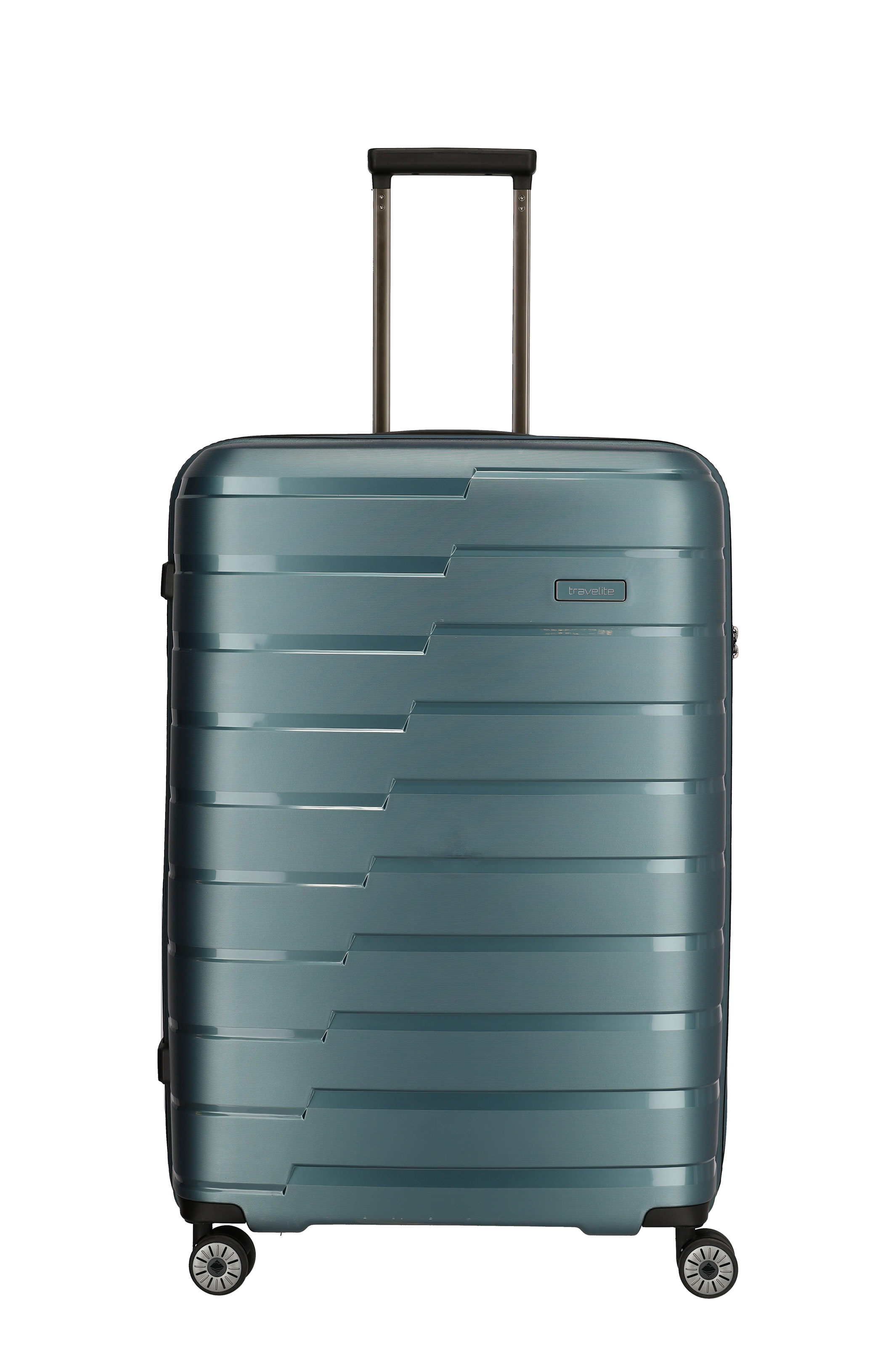
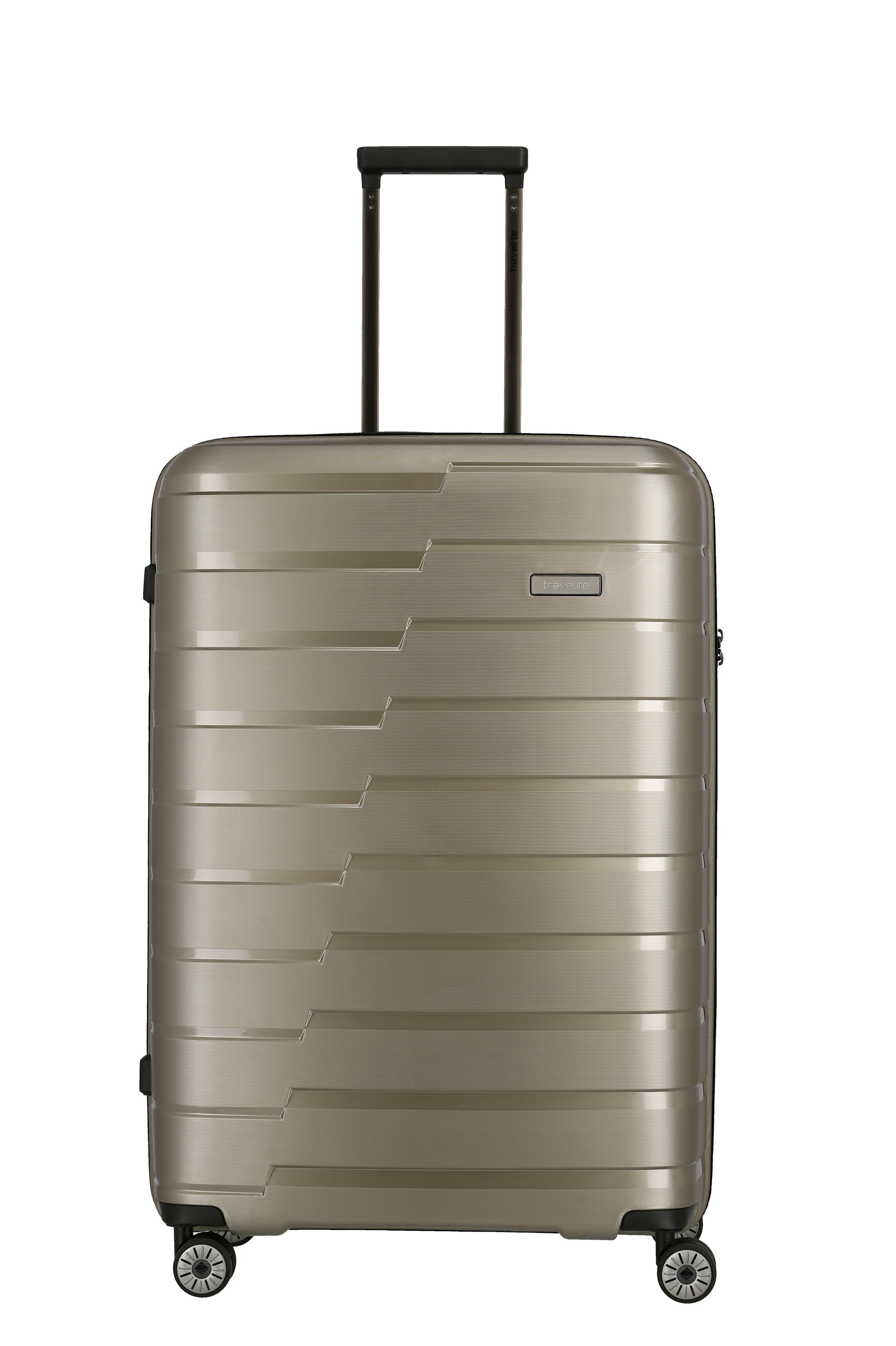
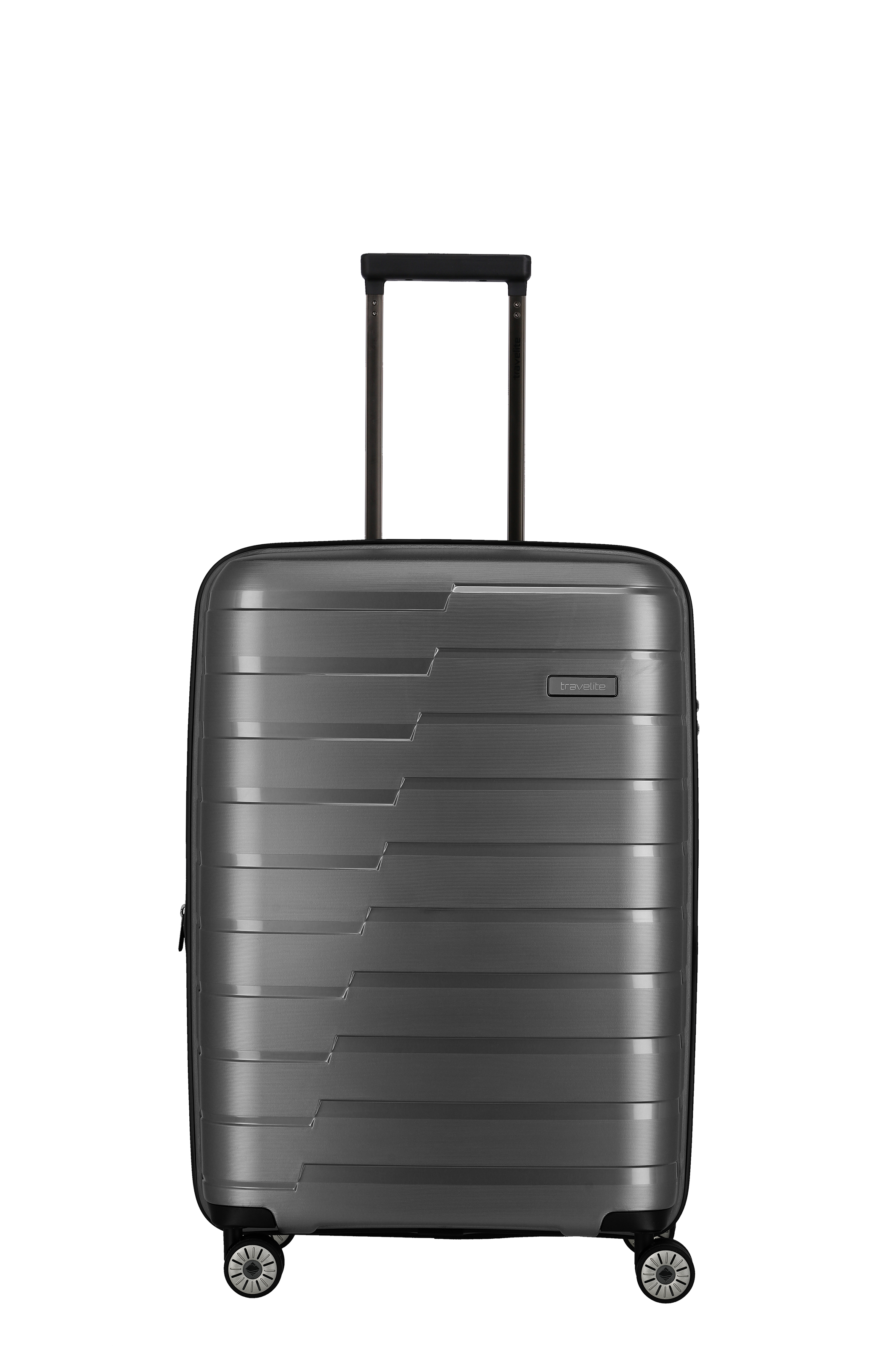
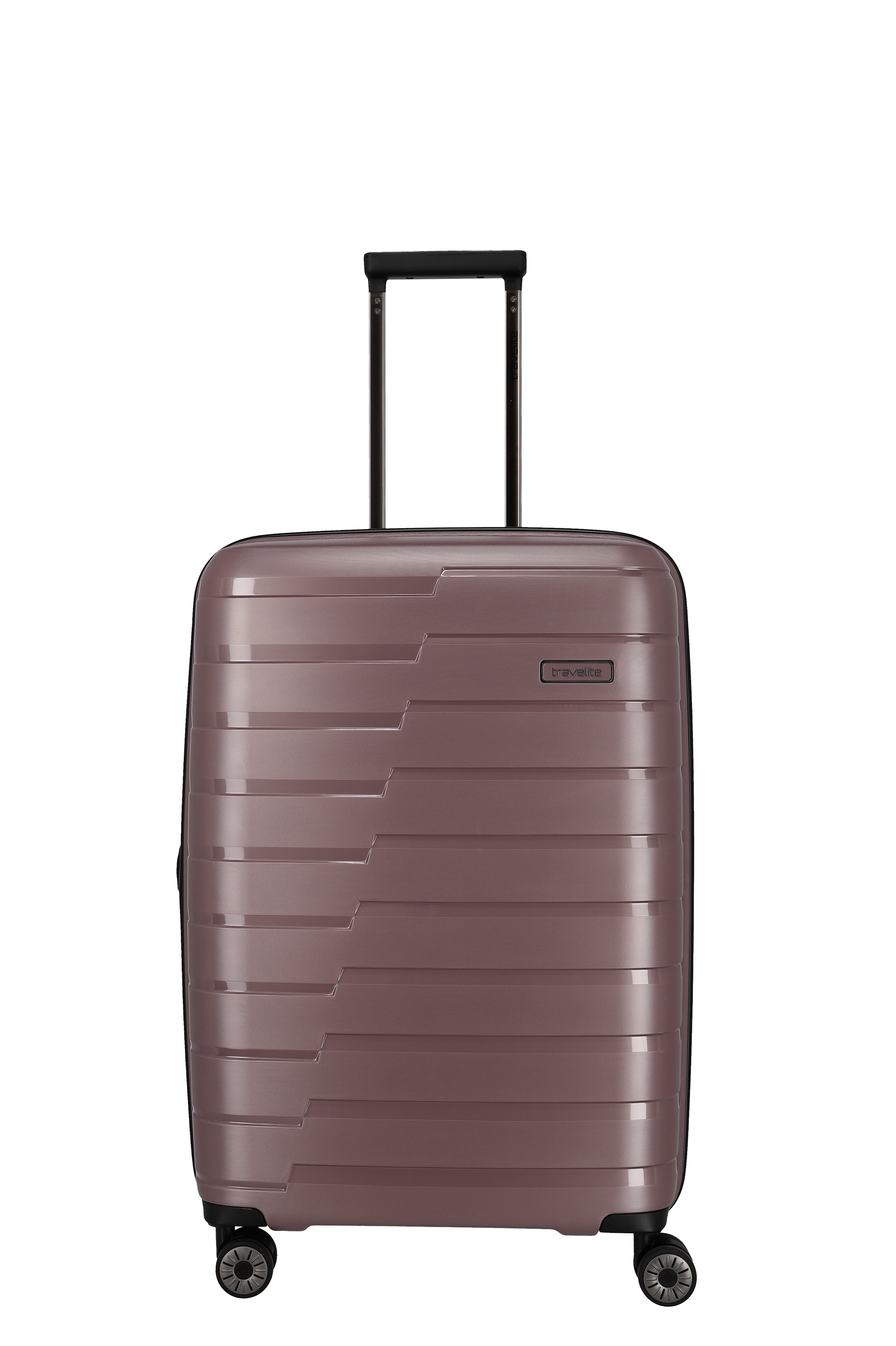
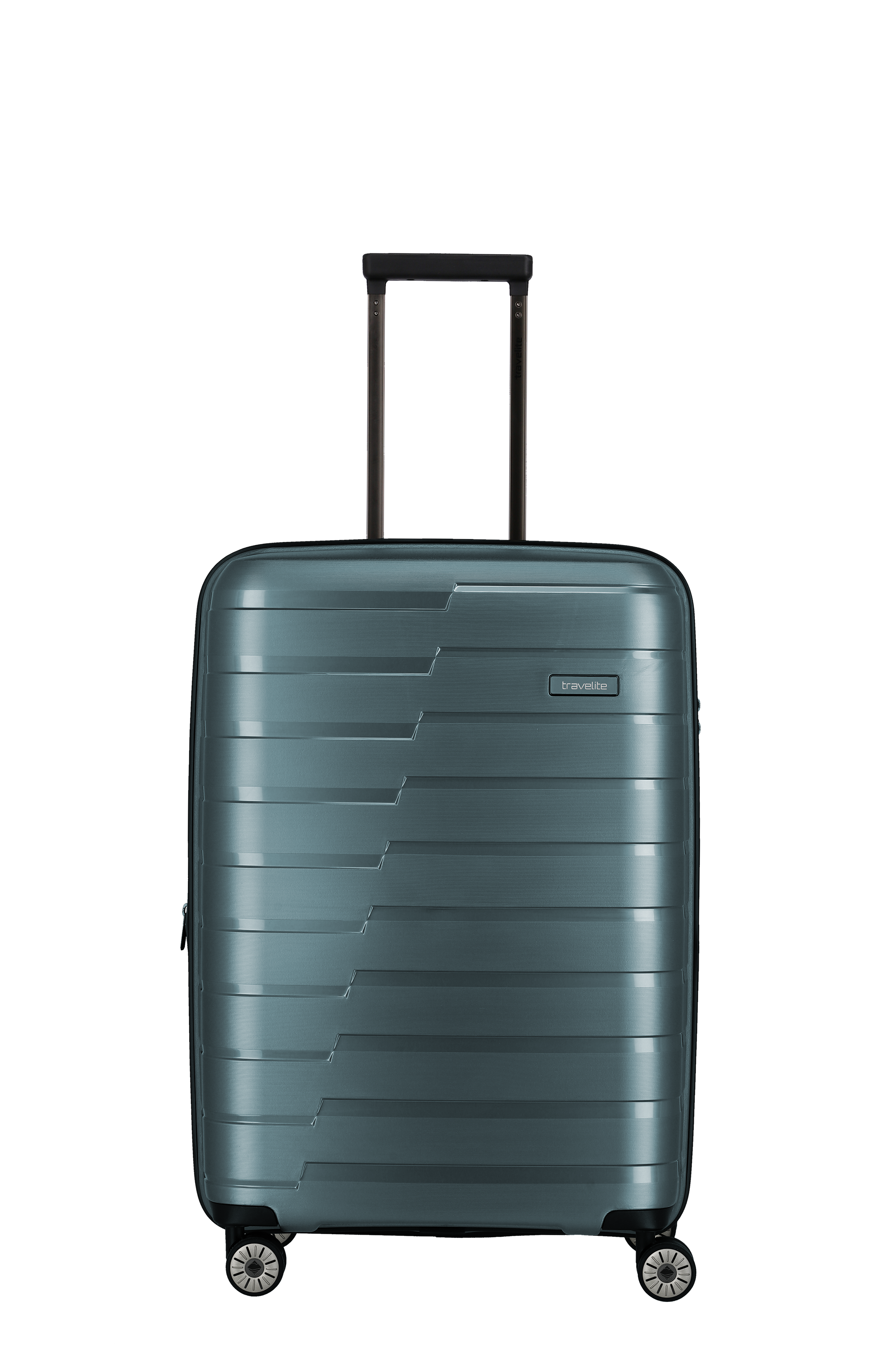
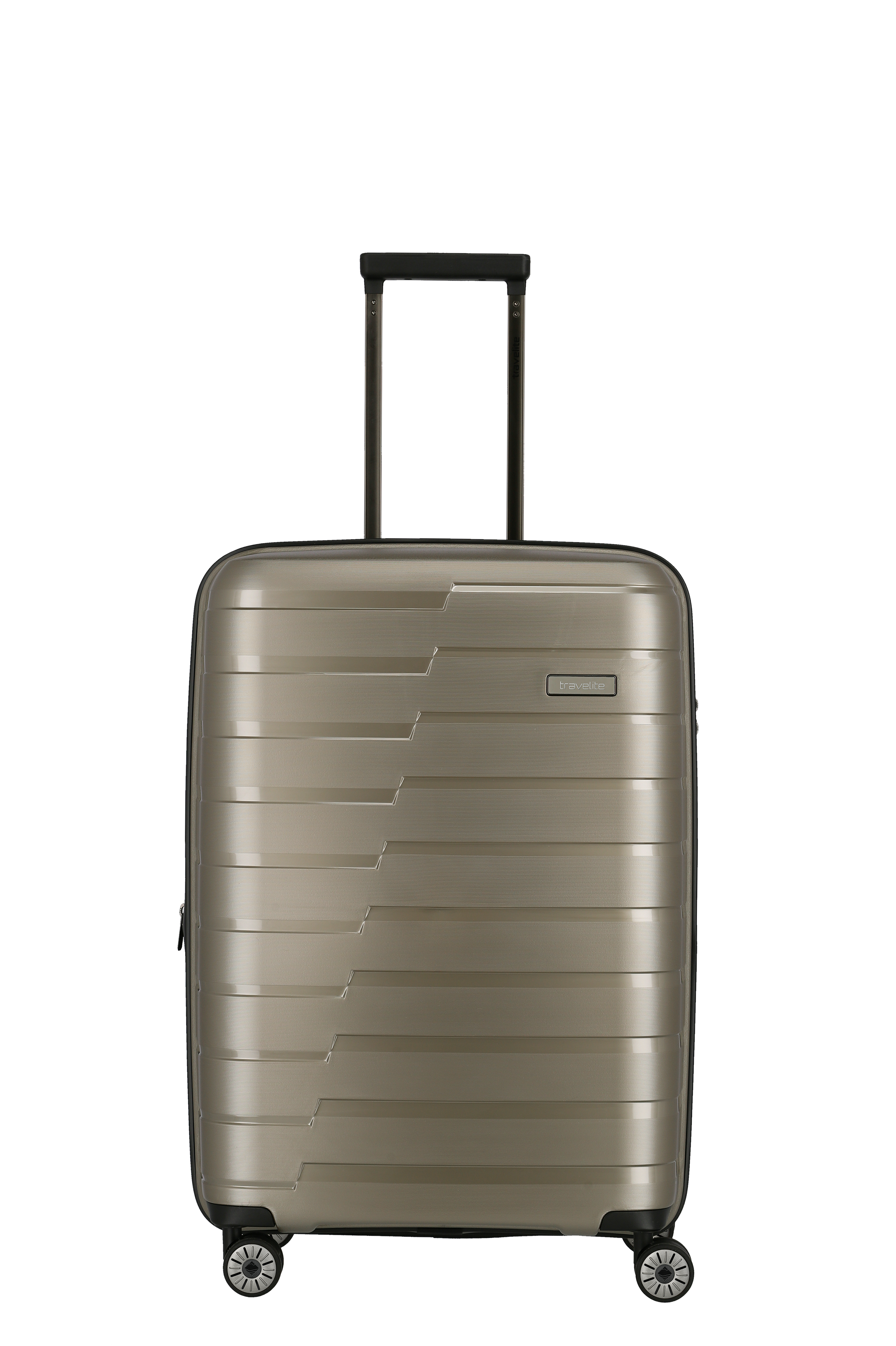
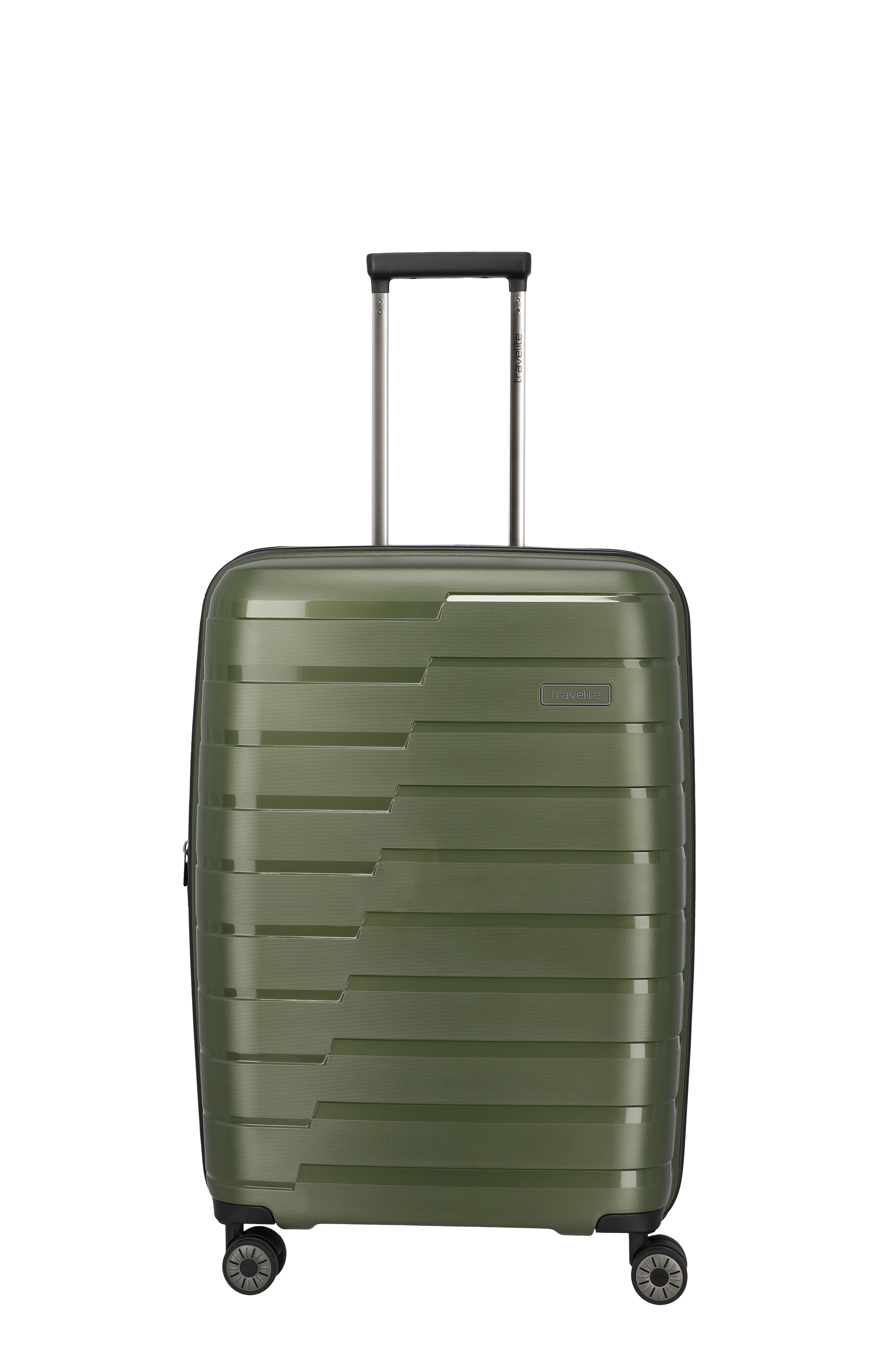
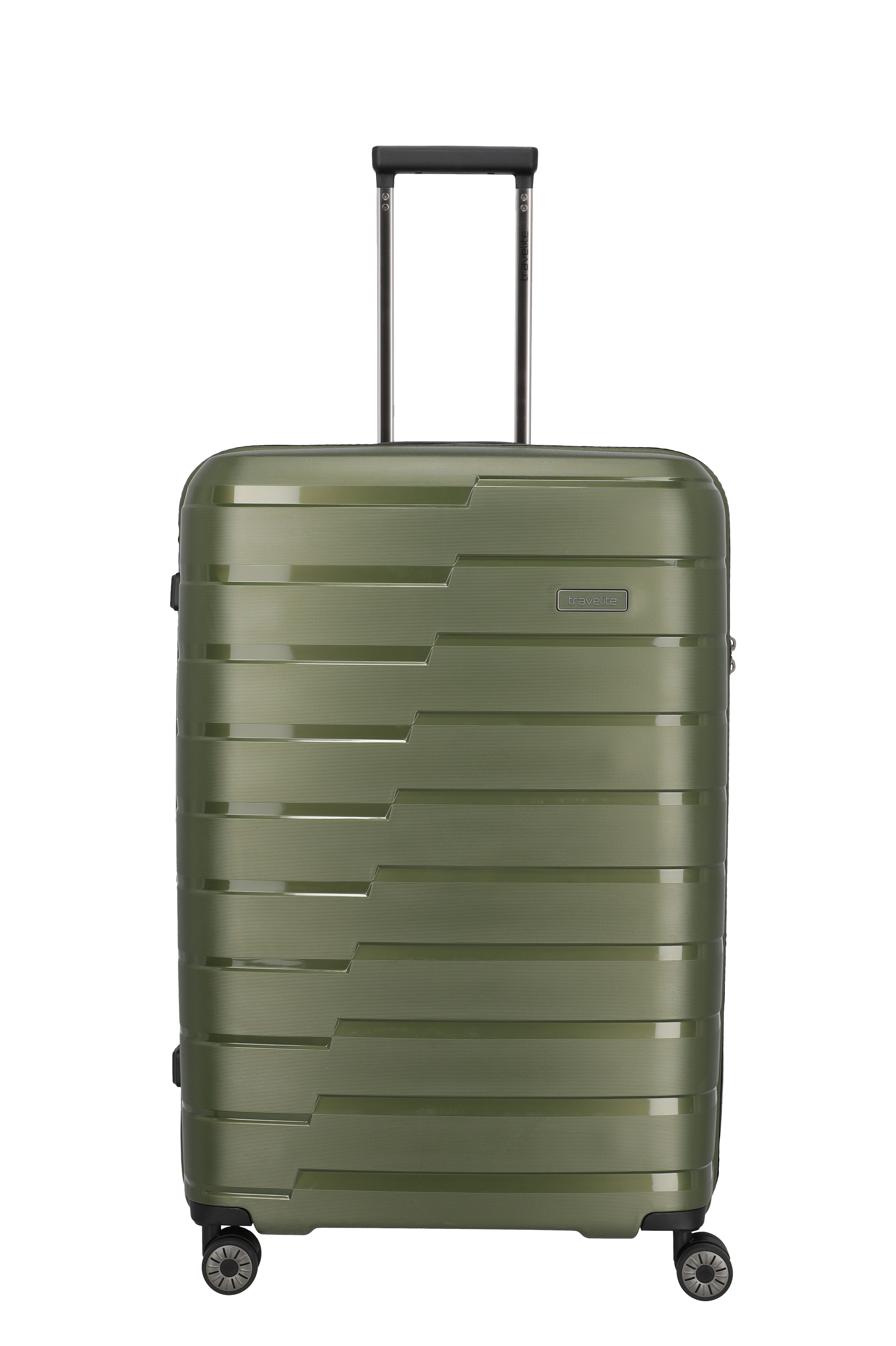
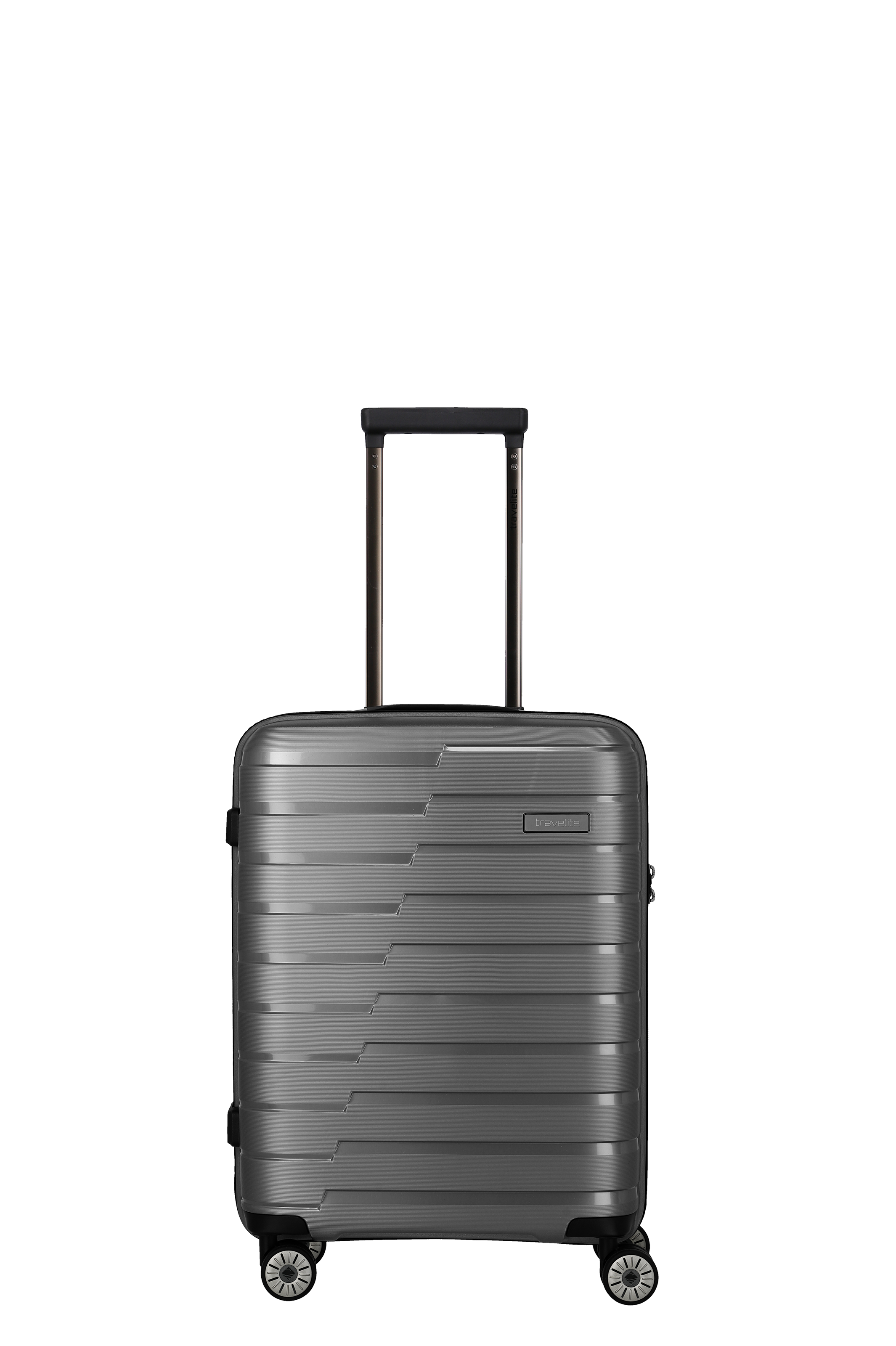
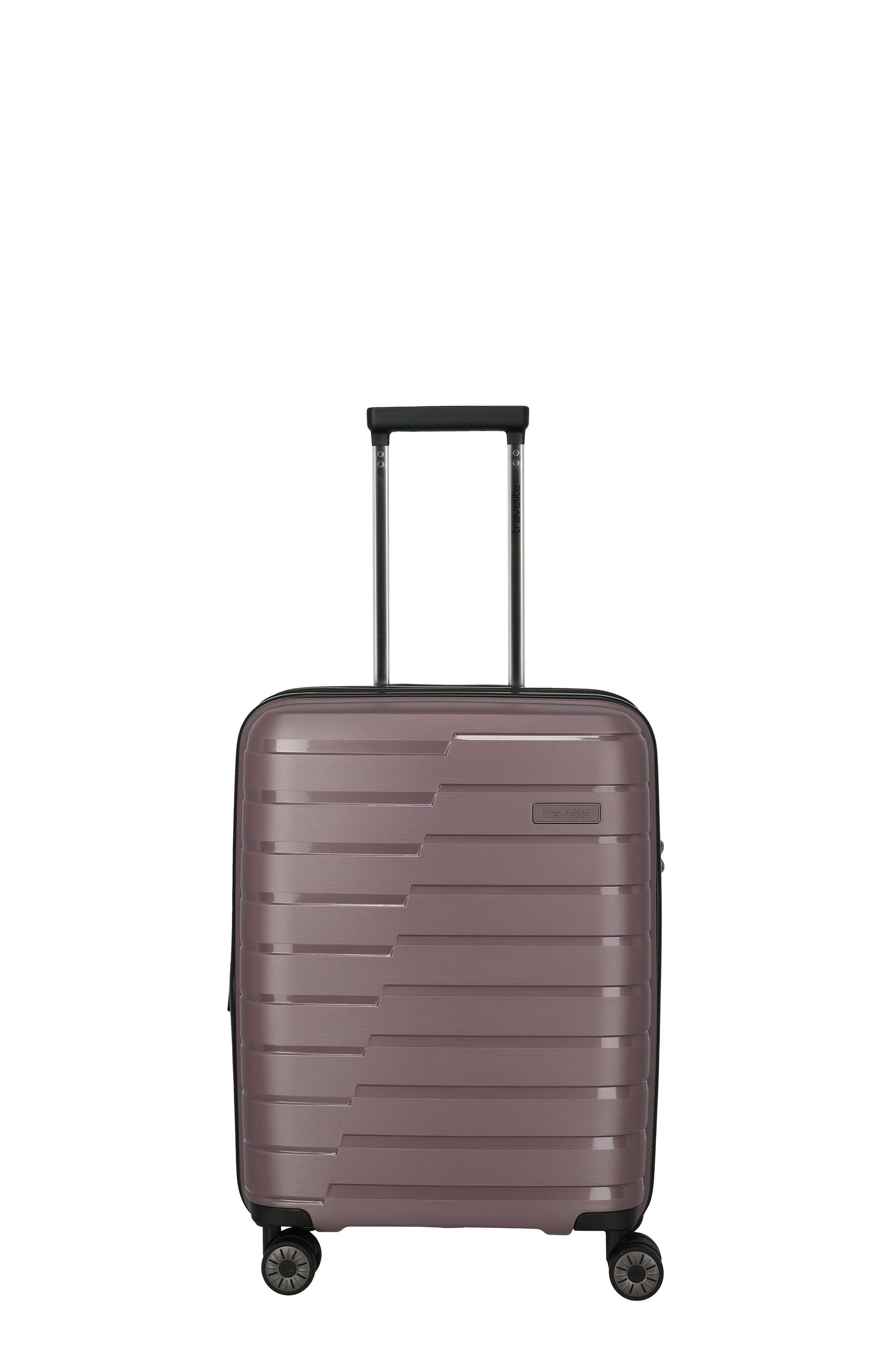
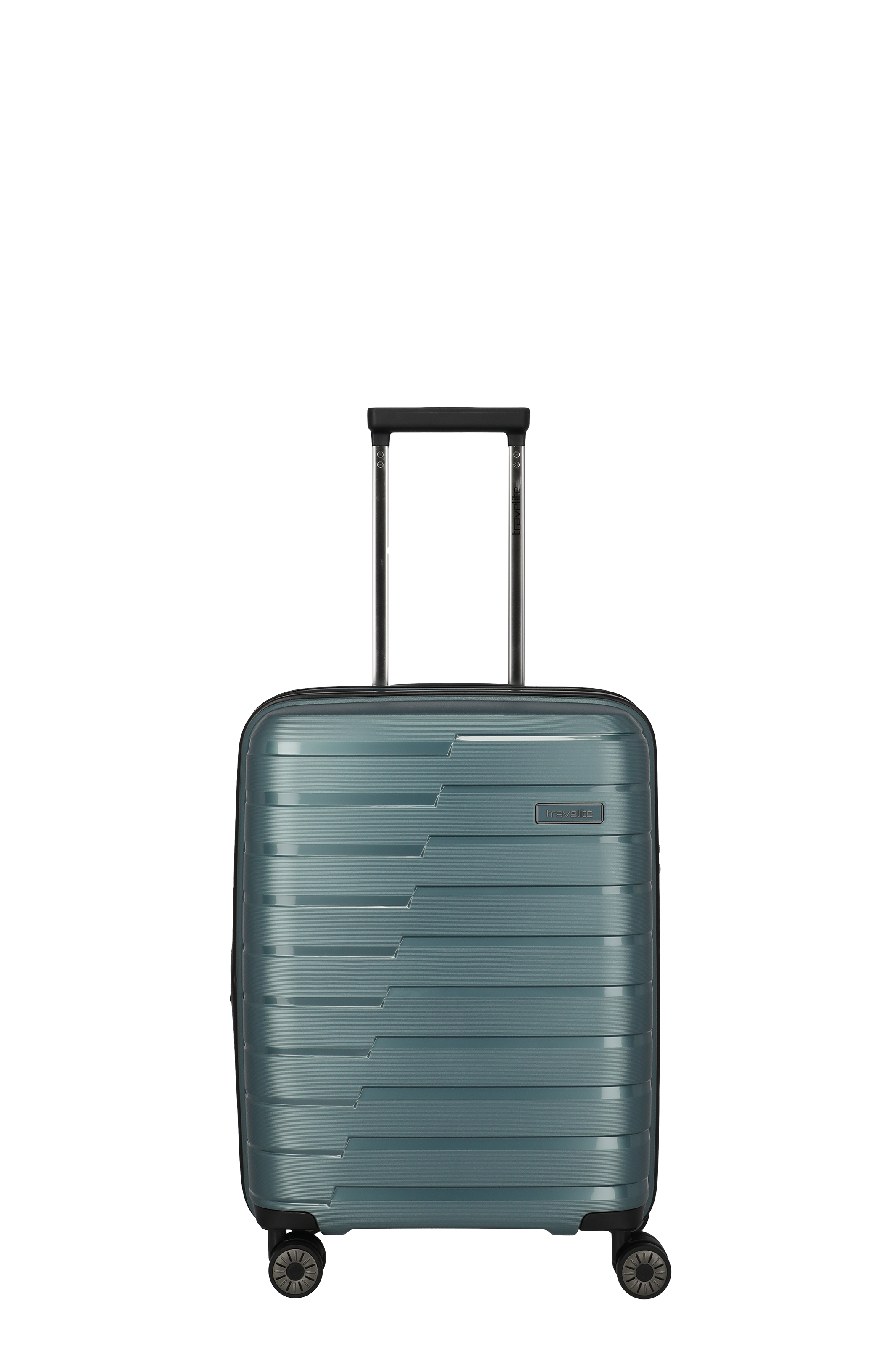
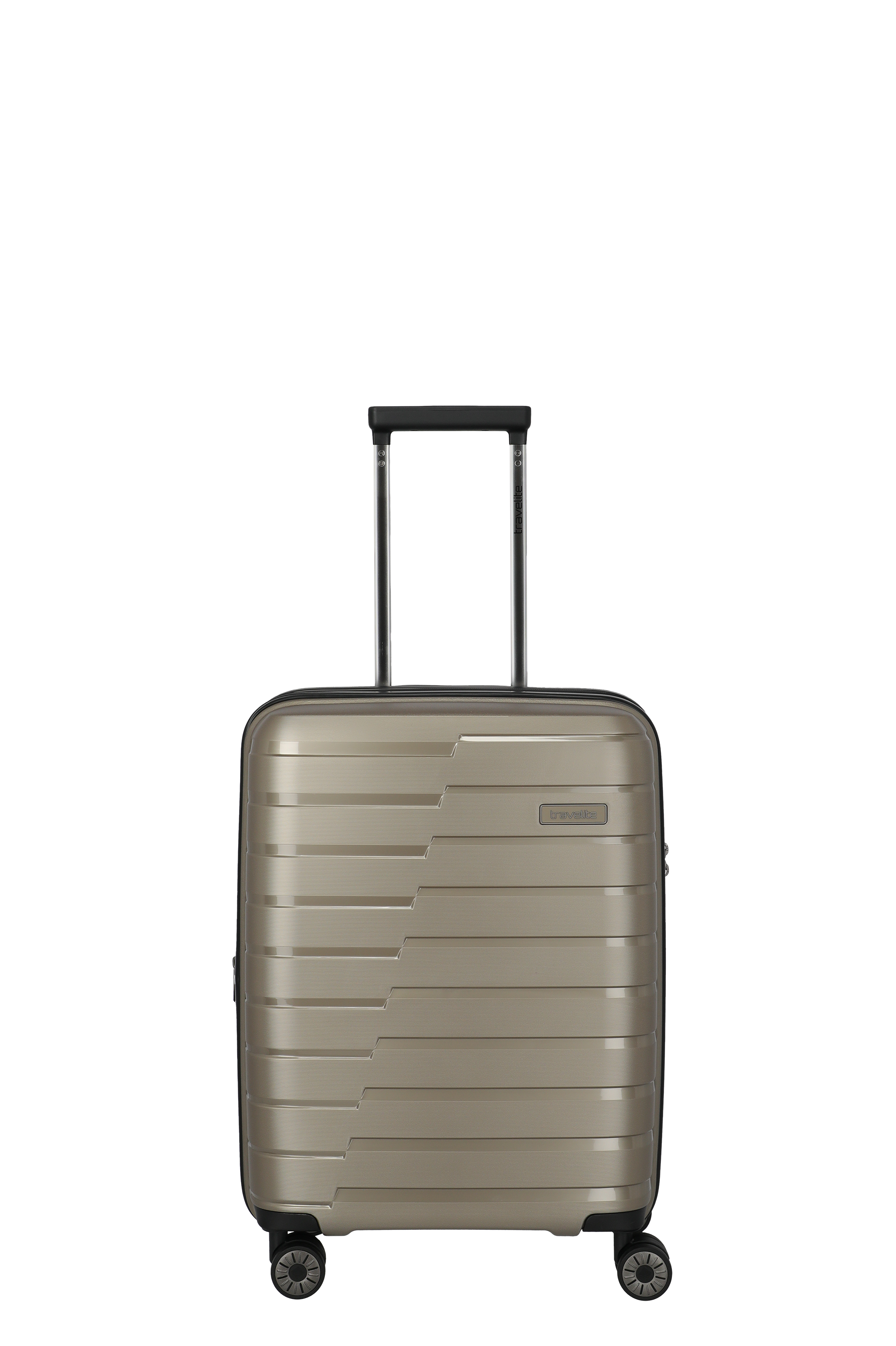
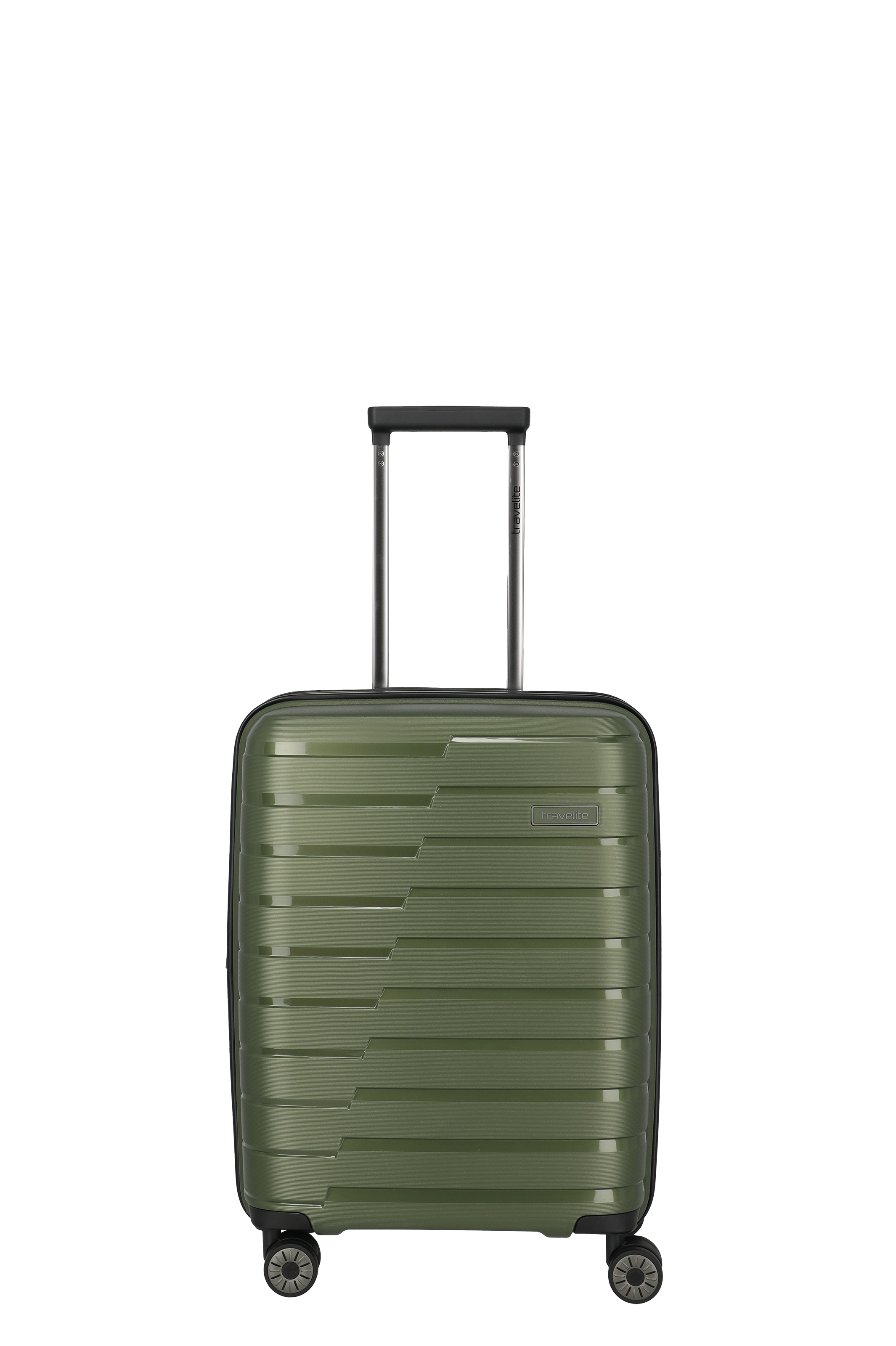
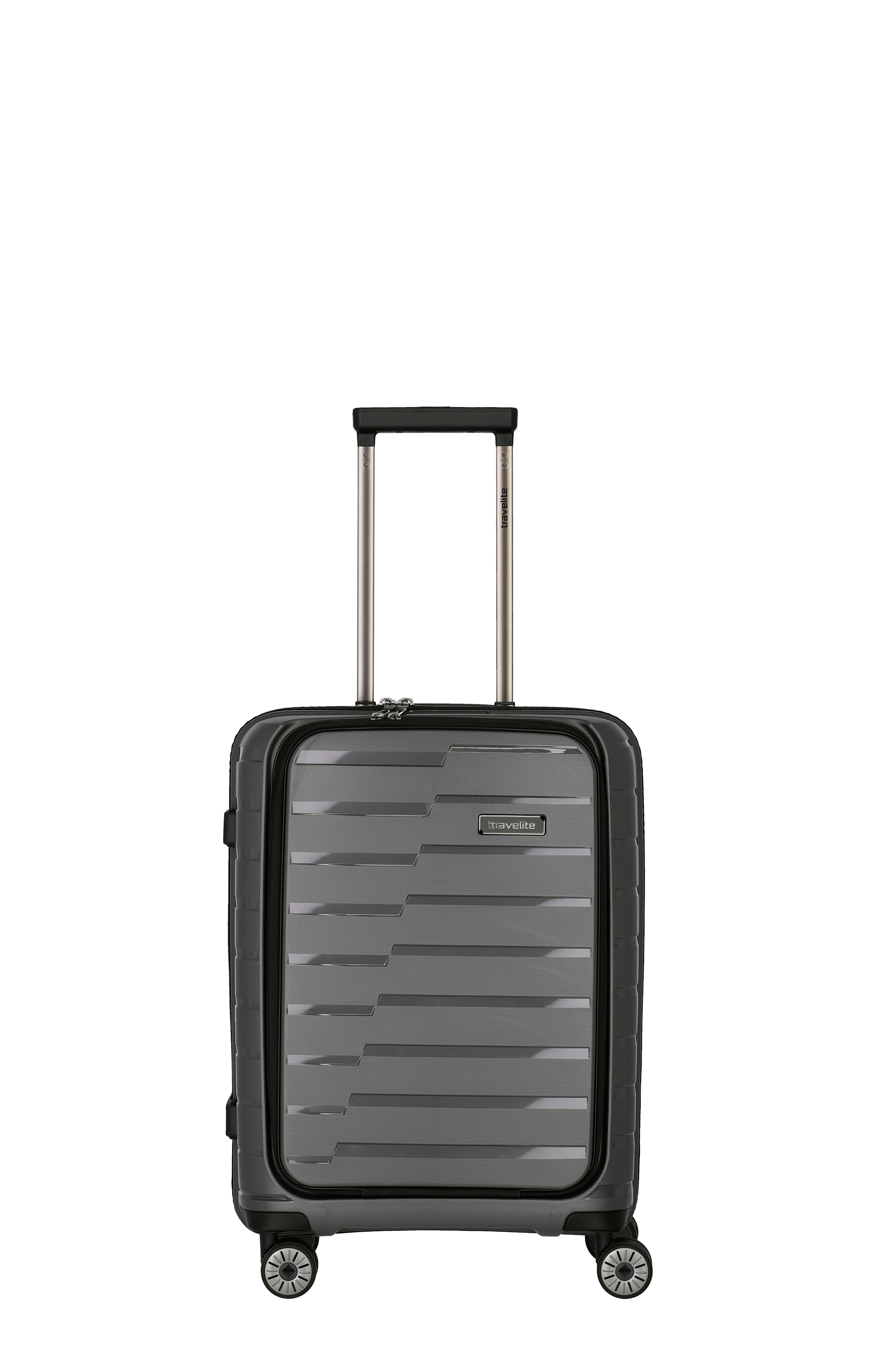
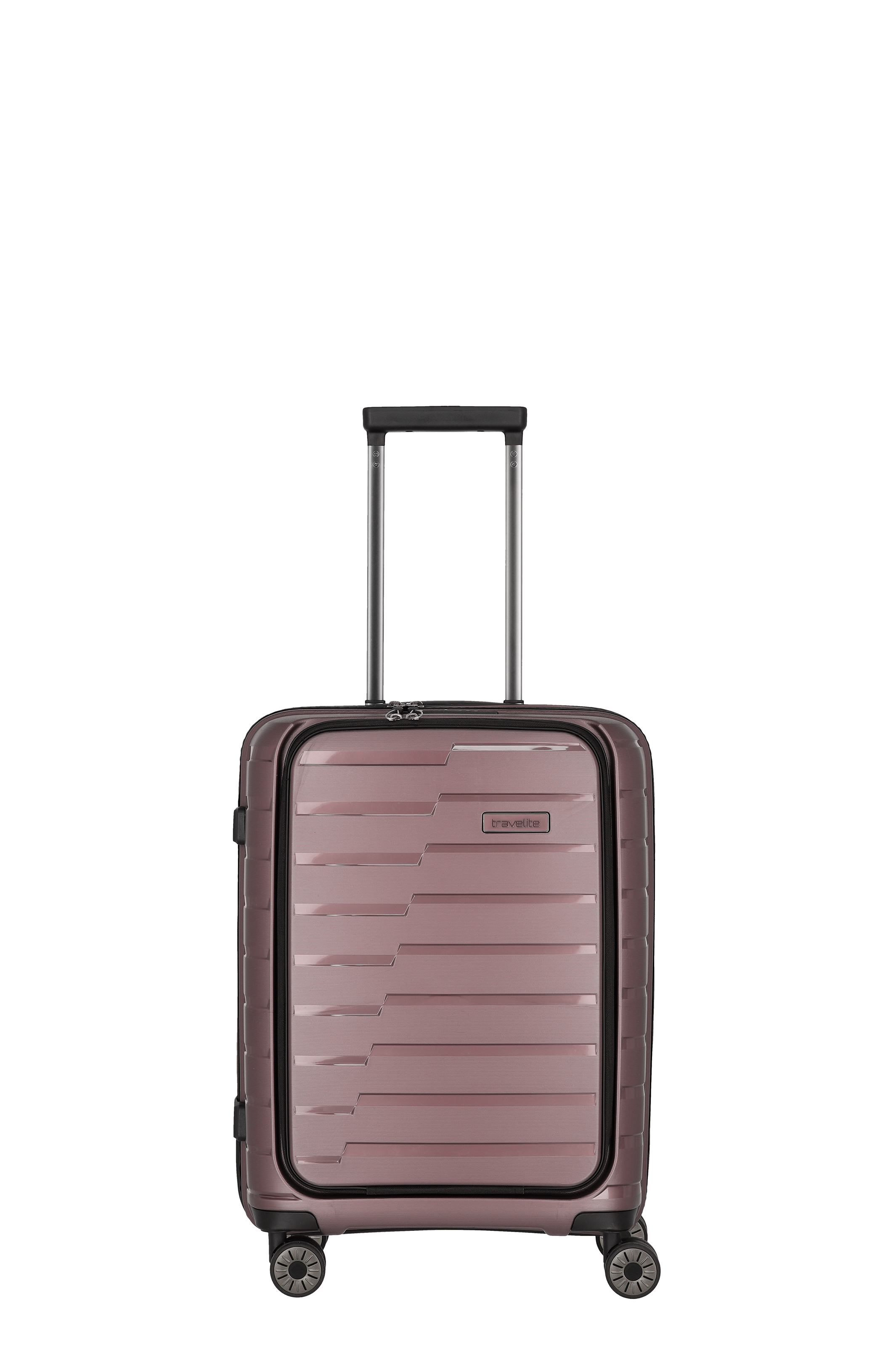
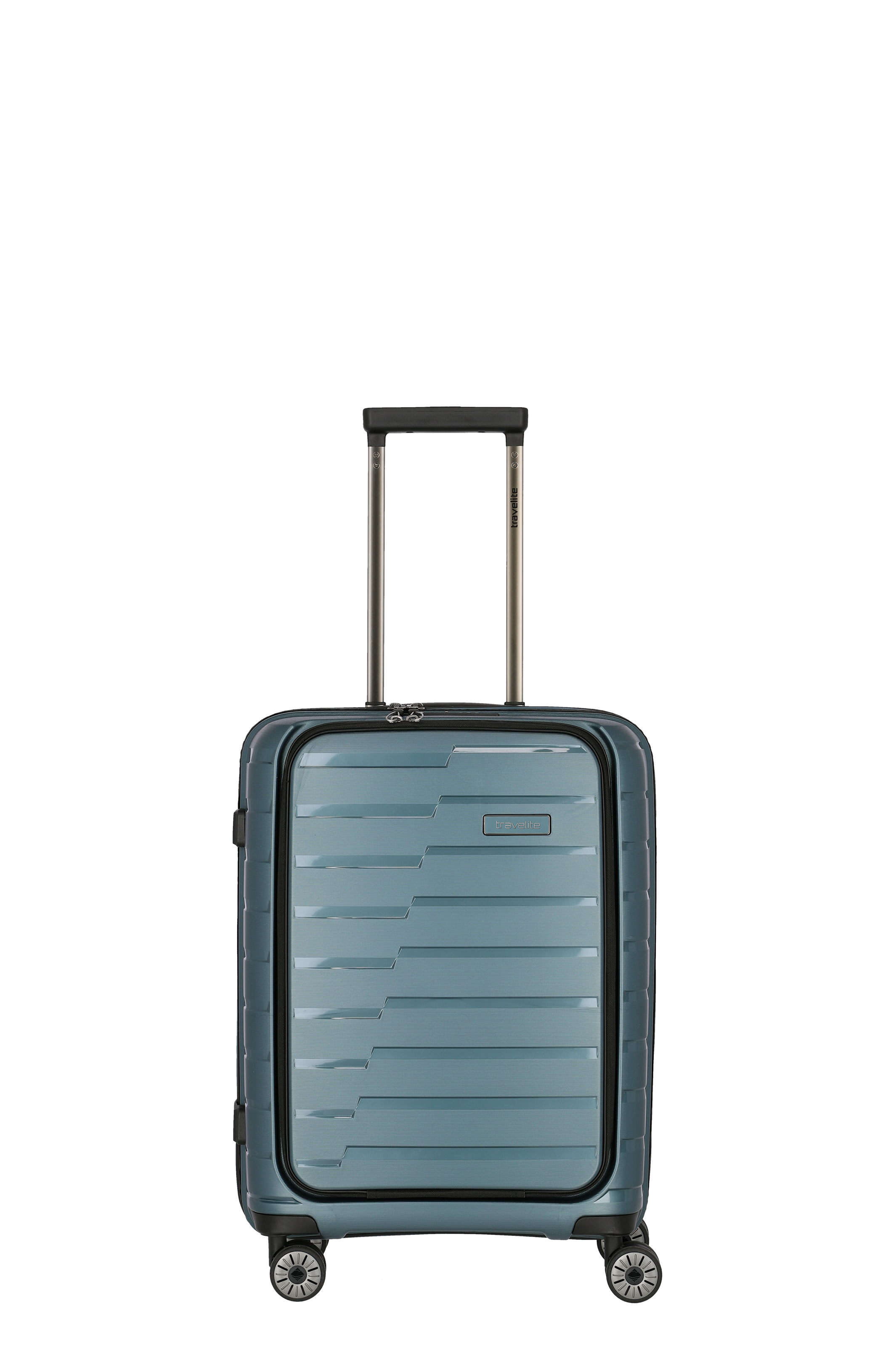
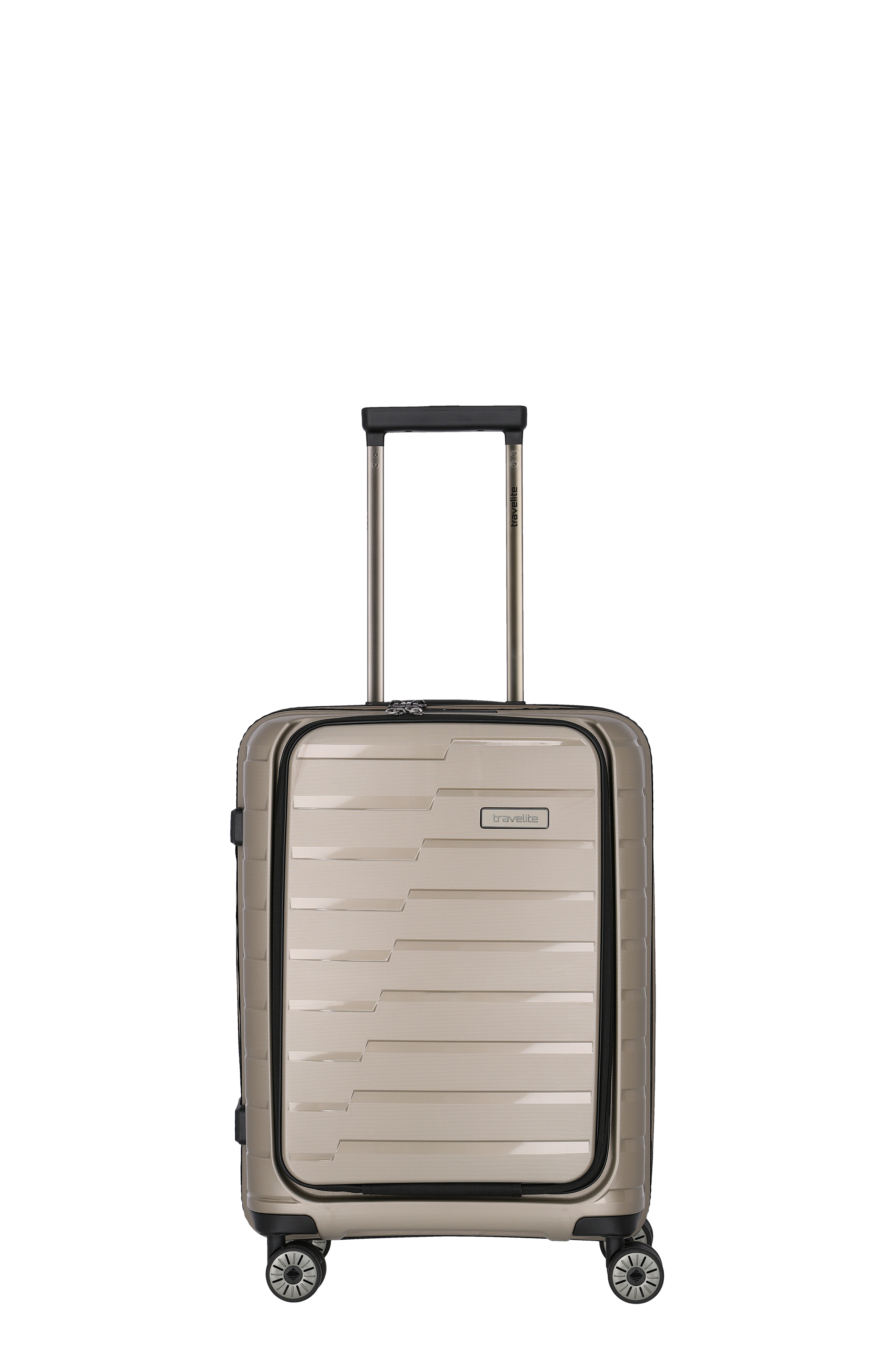
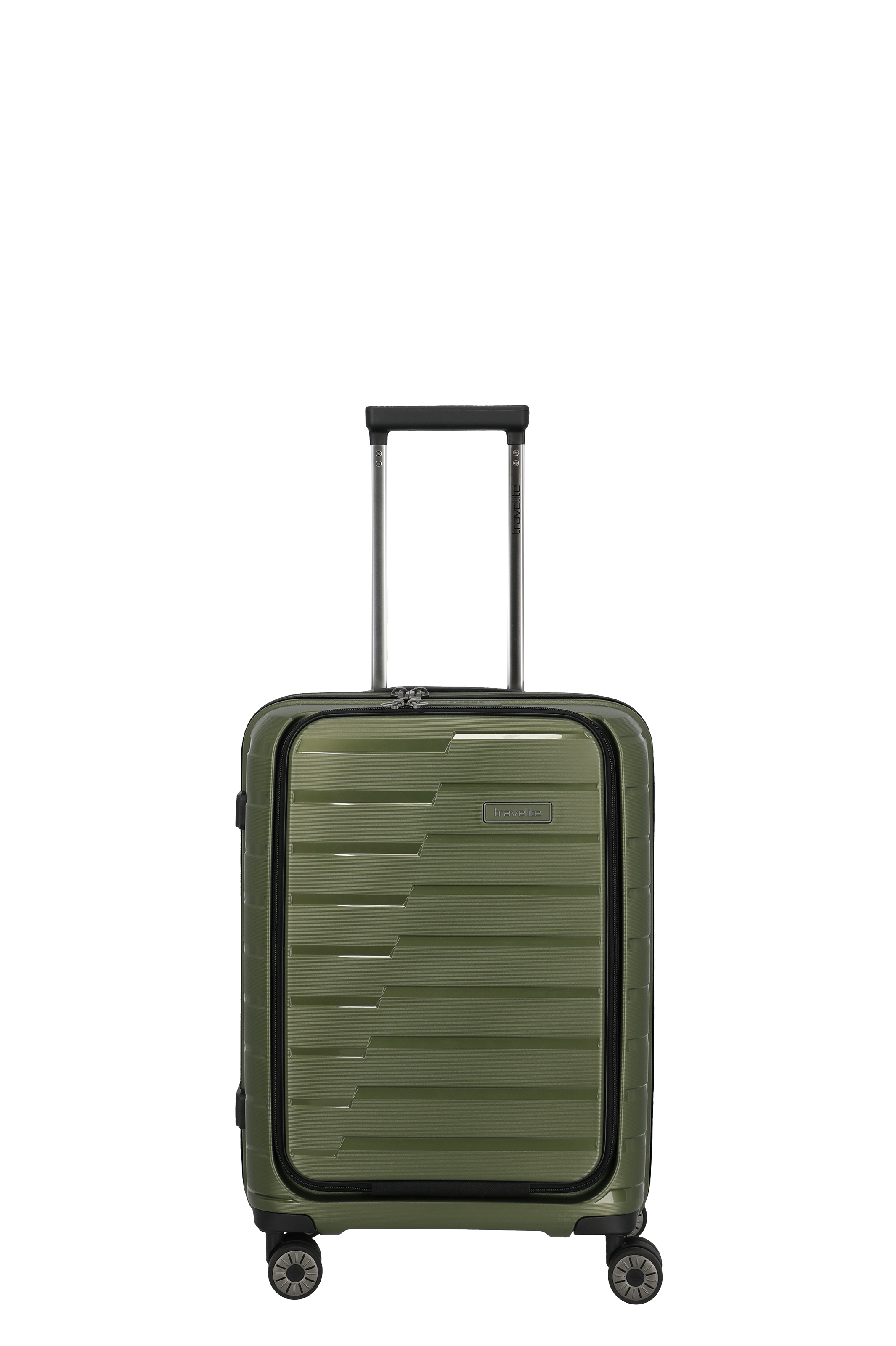
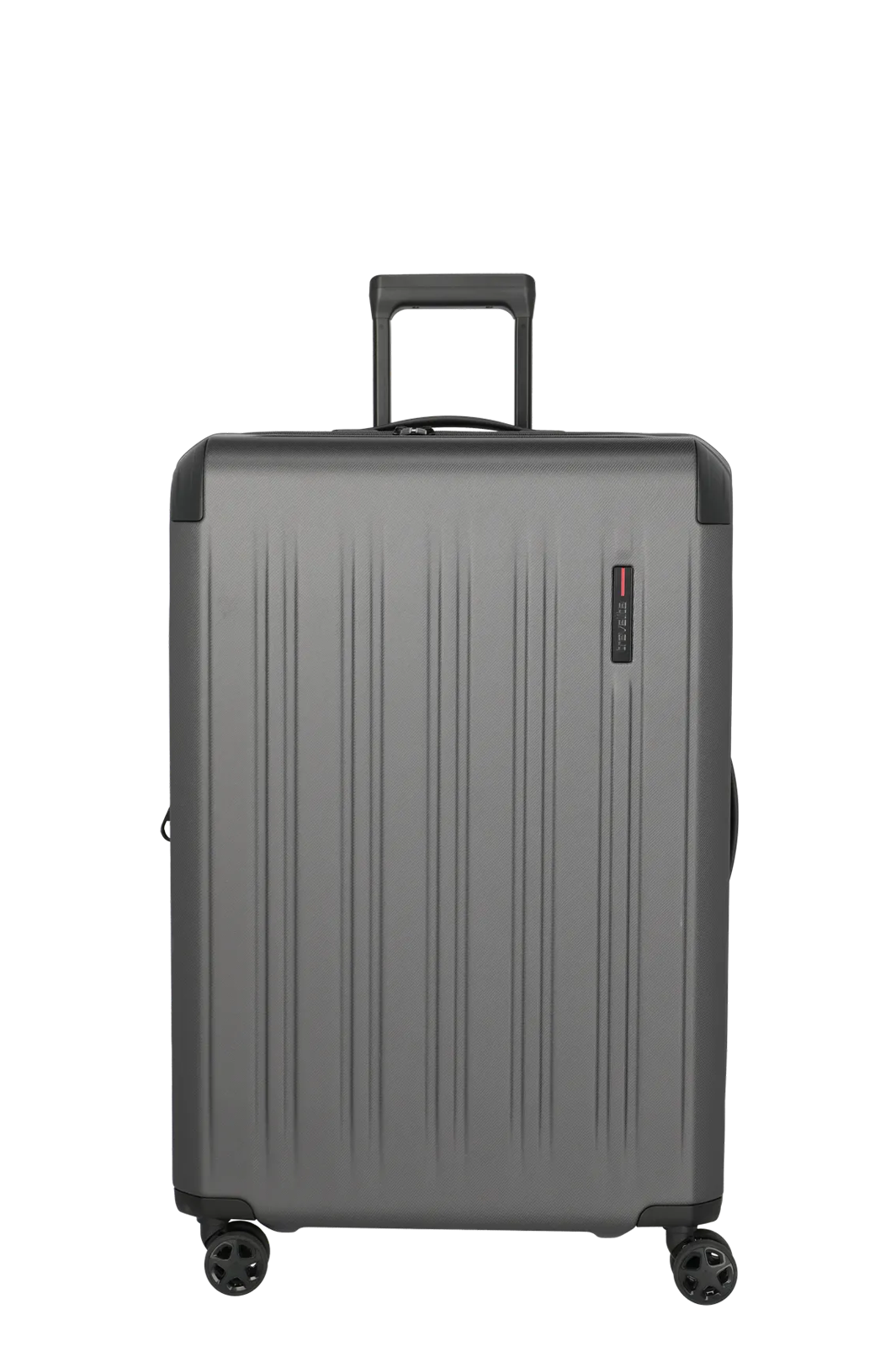
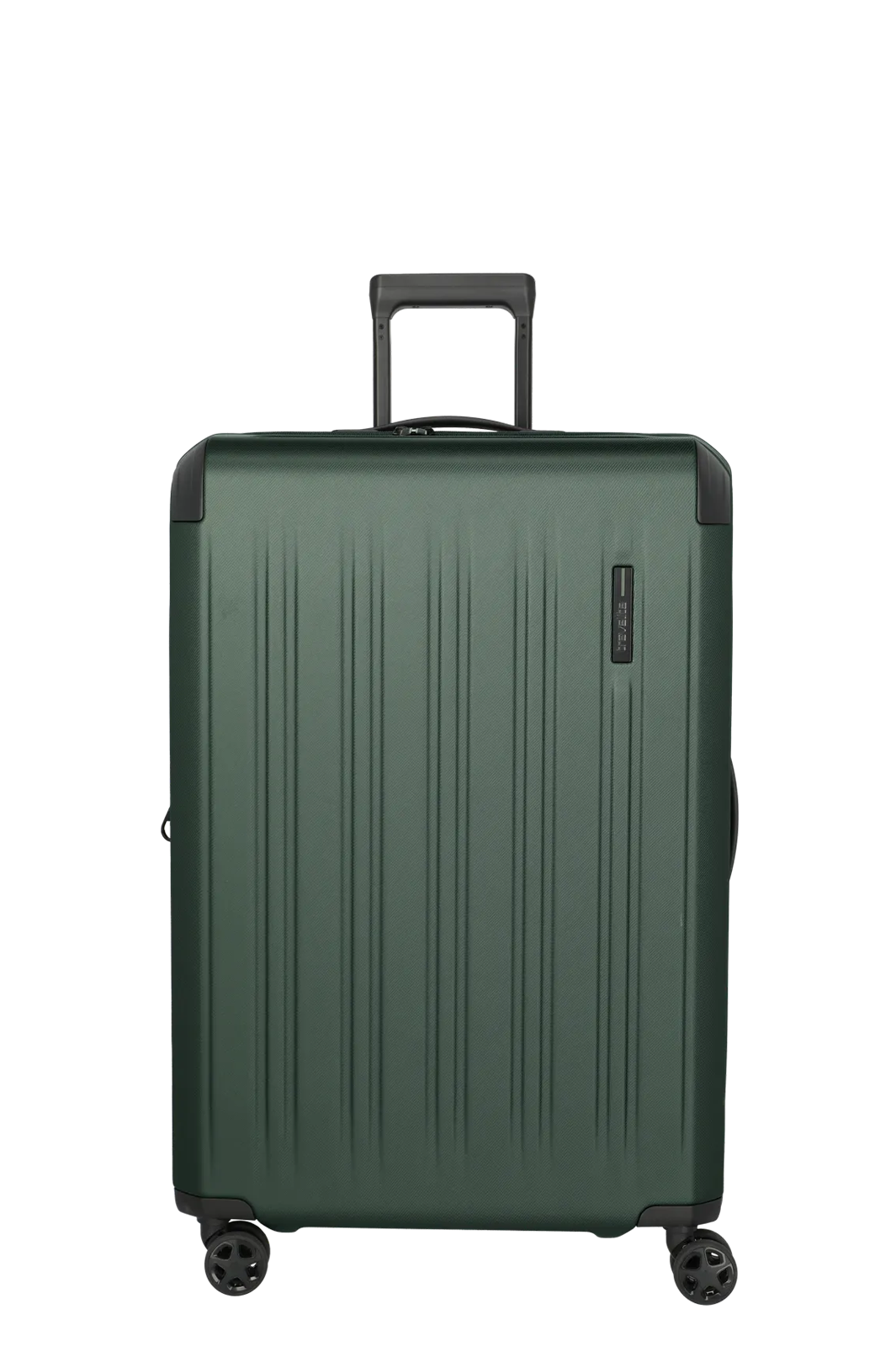
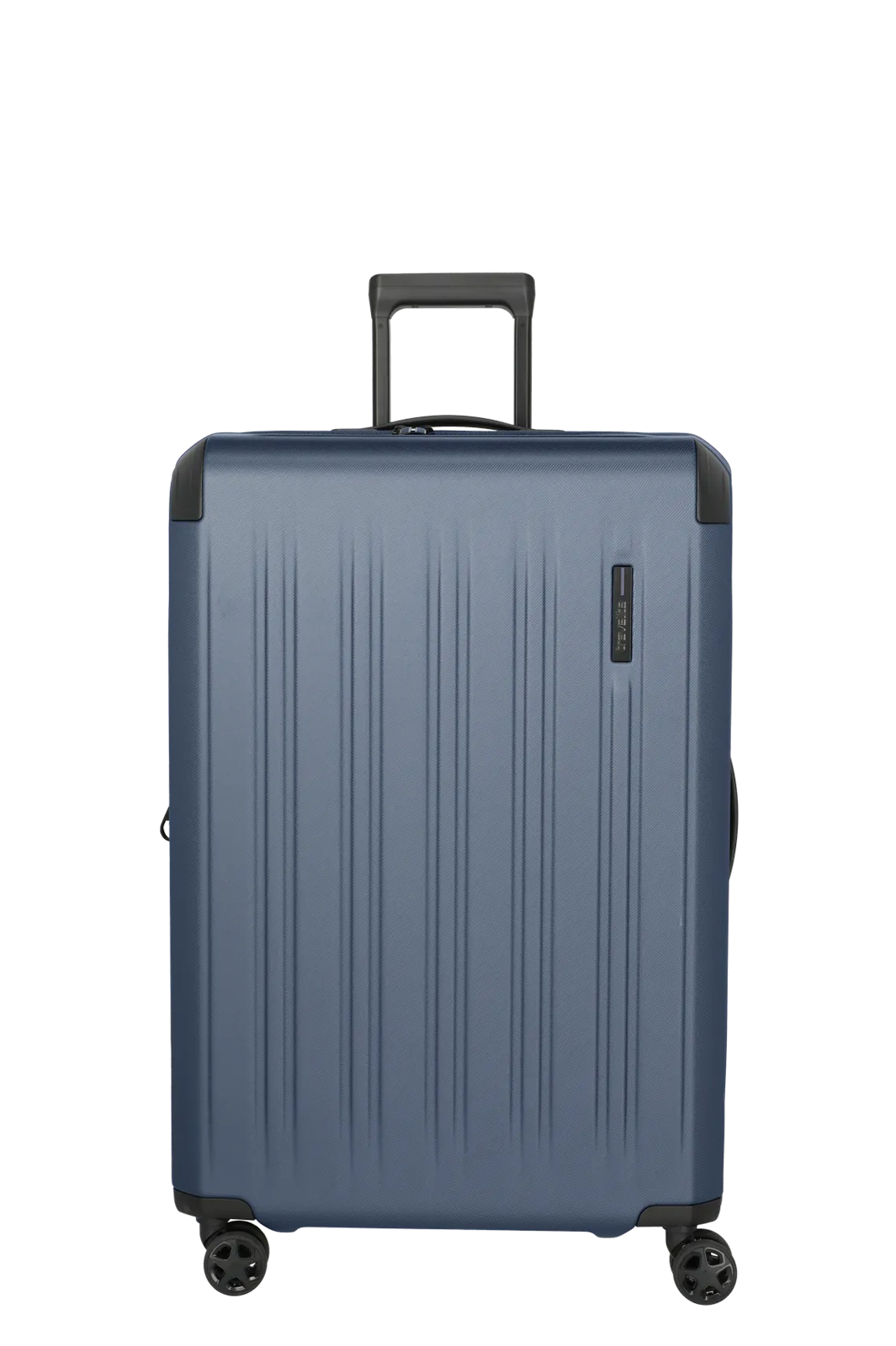
With these tips, your next long car journey is guaranteed to be a pleasure. Still need the right luggage for your next holiday by car? Then why not take a look at our hard-shell suitcases and soft luggage? You can find tips for long-haul flights here. We wish you a safe journey!
Functional cookies are absolutely necessary for the functionality of the web shop. These cookies assign a unique random ID to your browser so that your unhindered shopping experience can be guaranteed over several page views.
Activated cookies:
Saves which cookies have already been accepted by the user for the first time.
Cookie settings:
This cookie records which cookies were offered at the time consent was given, so that consent can be sought again should the cookie settings be changed.
CSRF token:
The CSRF token cookie contributes to your security. It strengthens the security of forms against unwanted hacker attacks.
Cache handling:
The cookie is used to differentiate the cache for different scenarios and page users.
PayPal:
The cookie is used for payment processing via PayPal.
CAPTCHA integration
Timezone:
The cookie is used to provide the system with the user's current time zone.
Information on origin:
The cookie stores the referrer and the first page visited by the user for further use.
Cookie settings:
The cookie is used to store the cookie settings of the site user over several browser sessions.
Session:
The session cookie stores your shopping data over several page views and is therefore essential for your personal shopping experience.
These cookies allow the website to provide better functionality and personalisation. They can be set by us or by third-party providers whose services we have added to our pages. The purpose of these cookies is to provide you with a more personalised experience on our Site based on your previous visits and selections.
YouTube video:
This is a video player service. It can be used by the user to watch, share, comment on and upload videos.
Neocom purchase advisor:
Neocom cookies are used to provide and optimise the interactive product advice tool on our website. They enable personalised user guidance and allow user preferences to be saved during the advice session.
StoreLocator:
Allows Google Maps to be loaded on this page.
Action Bar:
Saves whether the action bar at the top has been clicked away by the user.
These cookies are used to display personalised adverts.
Facebook Pixel:
For the placement and optimization of Facebook ads, you can agree to the integration of the Facebook Pixel in our shop.
Tracking cookies help the shop operator to collect and evaluate information about the behaviour of users on their website.
Conversion and usertracking via Google Tag Manager:
Google Tag Manager allows tags to be integrated centrally via a user interface. Tags are small sections of code that can track activities. Script codes from other tools are integrated via the Google Tag Manager. The Tag Manager makes it possible to control when a specific tag is triggered.
Google Analytics:
Google Analytics is used for traffic analysis of the website. Thereby statistics about website activities can be created and read out.
Hotjar:
Hotjar cookies are used to analyze website activities of users. The site user is identified by the cookie over several page views and his or her behavior is analyzed.
Marketing cookies are used to display advertisements on the website in a targeted and individualized manner across multiple page views and browser sessions.
Bing Ads:
This cookie is used by Bing to gather anonymous information on how visitors are using the website.
Microsoft Conversion Tracking:
Cookie for Microsoft's tracking and advertising service.
Customa Tracking:
Stores the identified advertising source (campaign, referrer) for marketing attribution by Customa (Trust in Dialog Services GmbH).
Customa:
This cookie is used by customa (trust in dialog Services GmbH) for marketing and optimization purposes.
trbo:
trbo personalises content and product recommendations in this shop. To do this, information about your browsing and clicking behaviour (e.g. products viewed, shopping basket contents) is processed and stored in your browser in order to display personalised recommendations and pop-ups based on this information.
Open AI:
Used to measure and optimise our advertising campaigns. In doing so, usage data may be transmitted to OpenAI.
Google Ads Conversion:
We use the Google Ads Conversion Tag for optimised display and performance evaluation of our Google Ads ads (text/discovery ads) in order to show you the most suitable offers in your Google search. This means that adverts in your Google search or in your Google Discovery feed can be optimally tailored to your needs.
Google AdSense:
The cookie is used by Google AdSense to promote advertising efficiency on the website.
Facebook Pixel:
The cookie is used by Facebook to display personalized advertising offers based on user behavior to users of websites that integrate Facebook services.
Adcell:
Adcell uses cookies to analyse visitor traffic on the website. Furthermore, the origin of orders and the interaction of adverts can be tracked.
Google conversion tracking:
In order to show you the most suitable offers in your Google search, we use the Google Ads Conversion Tag for optimized playout and performance evaluation of our Google Ads (text/discovery ads). This way, ads in your Google search or in your Google Discovery feed can be tailored to your needs.
Privacy settings
To provide you with the best possible experience on our websites, we use cookies and various technologies. These help us to provide the functions of our sites, personalise content and adverts for you, and integrate social media.





.png?ts=1750248569)








_400x400 Kopie.png?ts=1760433160)
.png?ts=1750248453)