They dance in brilliant colours on the horizon and attract many people to the far north every year. The Northern Lights are a natural spectacle that simply looks magical.
We’ve tracked down the best places for your Northern Lights trip and will tell you when and where to go to create unforgettable memories.
Northern Lights holiday: What are the Northern Lights?
In the past, there were many myths surrounding the Northern Lights: the indigenous peoples of Scandinavia said the lights were signs from the dead. They would wave white cloths to their deceased relatives. Others regarded the red lights as a prophecy from the heavens – an omen that a gigantic fire would soon break out.
Today, the Northern Lights are much better understood. We now know the physical explanation behind them:
The source of the lights is our Sun. Things are bubbling away inside that glowing, hot ball of gas. Time and again, it hurls tiny, high-energy particles into space – mainly electrons and protons. This so-called solar wind also blows towards Earth. However, Earth has a protective shield – a magnetic field that we cannot see. It successfully deflects the solar wind. There are only two weak spots through which the charged particles enter our atmosphere. Namely at our poles. Here, they collide with various atoms and molecules, releasing energy that we see as the Northern Lights.
Which colour the dancing lights then have depends entirely on which of the Earth’s atoms the Sun’s electrons and protons collide with. And at what altitude this happens. When they encounter oxygen at an altitude of 100 kilometres, a glowing green is produced. At an altitude of 200 kilometres, we see a rich red. Blue is produced when nitrogen is excited.
Northern Lights trip: the best places to see them
As mentioned earlier, solar winds only interact with our Earth’s atmosphere at two points – the North and South Poles. At the North Pole, they are referred to as the Northern Lights or Aurora Borealis. At the South Pole, they are known as the Southern Lights or Aurora Australis. For us, the easiest option is to take a Northern Lights trip to the north. After all, the journey from Germany to the North Pole is considerably shorter.
The best places for a Northern Lights holiday are in Norway, Finland, Sweden and Iceland. You can also admire this northern natural phenomenon in Canada, although the journey there from Central Europe is considerably longer.
01
Norway
The entire northern Norway is located within the Northern Lights oval. The Northern Lights belt stretches across the Lofoten archipelago, along the coast via Tromsø to the North Cape. The best spots are Uttakleiv Beach, Haukland Beach and Skagsanden Beach. On the island of Andøya, there’s even a Northern Lights research centre where everything is explained to you in detail. Things are a bit quieter on the island of Senja.
02
Finland
Northern Lapland is particularly well-suited for your Northern Lights trip. The top destinations are Rovaniemi – home of Father Christmas –, Ivalo, Inari and Kuusamo.
03
Sweden
Abisko National Park is one of the world’s best places to admire the Northern Lights. Kiruna and Åre are also wonderful destinations if you want to enjoy winter sports or go snow hiking during the day.
04
Iceland
If you want to combine your Northern Lights holiday with excursions into stunning natural scenery, Thingvellir National Park is your dream destination. This is where the North American and Eurasian tectonic plates meet, resulting in rock formations, crevices and gorges. Less touristy and almost even more beautiful: the Snæfellsnes Peninsula.
Incidentally, you can also take your Northern Lights trip to the Faroe Islands, the Shetland Islands or Greenland. However, the range of tourist facilities there is still rather limited.
When is the best time to go on a Northern Lights trip?
The Northern Lights aren’t visible 365 days a year. In Northern Lapland, the spectacle can be seen on around 200 nights. The Northern Lights season begins at the end of August and runs until the start of April. It’s best to plan your Northern Lights holiday for September, October, February or March. During these months, you’ll have the best chance of seeing the dancing lights in the sky. If you’re looking for even more winter action, December and January are also great months.
What makes the timing even better: a clear, cloudless sky and as much darkness as possible. Of course, you’ll need a bit of luck to be on your Northern Lights holiday exactly when these conditions are met. However, there are now plenty of apps to help you find the best time to go.
Best times to travel by region
Not all destinations offer the same chance of seeing the Northern Lights every month. Here’s an overview of when you’ll have the best chances in which regions:
| Region | Best months | Good to know |
| Norway | October to March | In February in particular, the nights are long, clear and often very stable. Around Tromsø, it’s worth checking out the local Northern Lights Festival at the end of January. |
| Finland | Late August to early April | In Northern Lapland, the darkest nights occur between November and February – perfect for clear visibility. |
| Sweden | December to March | Particularly in national parks such as Abisko, which benefit from a microclimate, the nights are often clearer than in other regions. |
| Iceland | September to March | January is a particularly popular time to visit. Thanks to the low levels of light pollution in many regions, you’ve got a good chance of spotting them even on cloudy days. |
Northern Lights trip: 3 extraordinary tours
We’ve already discussed the best places for your Northern Lights trip. Now let’s get a bit more specific. We’ve picked out three exceptional travel ideas for you:
Norway
Northern Lights holiday with huskies and whales
There’s plenty to do in Tromsø and the surrounding area. Norway’s largest city above the Arctic Circle invites you to stroll through its charming alleyways, take the cable car up Mount Storsteinen or go snowshoeing.
You can tailor your trip entirely to your own preferences, but there are also tour operators who’ll plan all the highlights for you. Typical five-day packages combine whale watching, husky sledging and Northern Lights tours – you’ll then need to organise your own travel to and from the destination.
Incidentally, you don’t necessarily have to fly to Norway for a Northern Lights holiday. Ferries run daily between Kiel and Oslo, from there, you can continue north by train or domestic flight.
Finland
Northern Lights tour through the wilderness
Guided tours depart from around Rovaniemi, taking you about 100 kilometres further north. Experienced guides know the best spots for viewing the Northern Lights and will visit several of them in a single evening.
What makes it particularly wonderful is that you’ll experience not only the natural spectacle in the sky, but all around you too. You’ll be walking through forests and across meadows in the snow. The air is clear, the horizon endless.
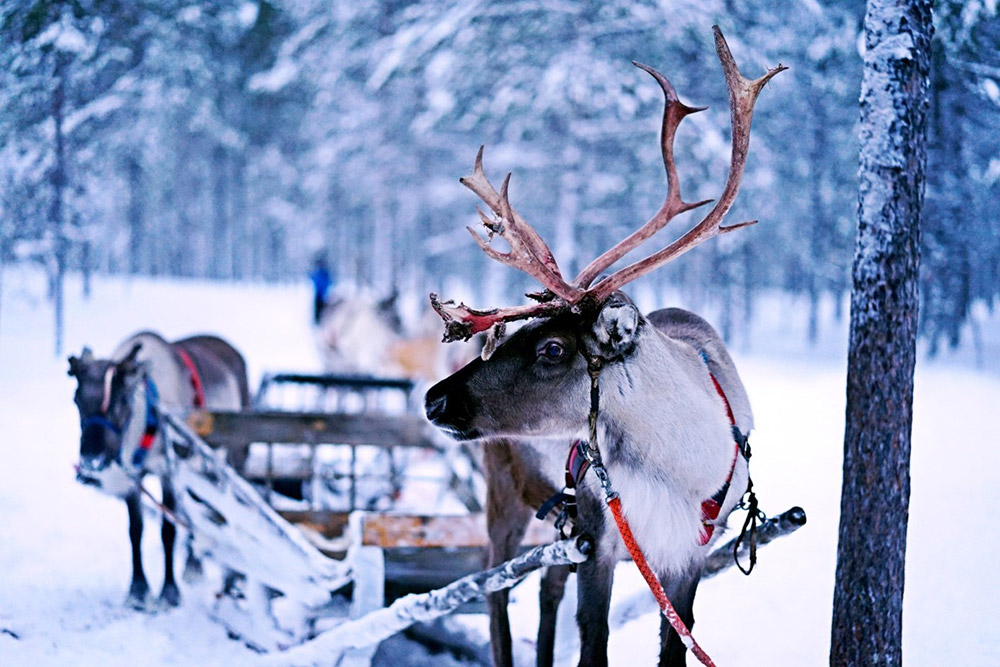
Fancy the all-round package? Then a multi-day tour combining a visit to a reindeer farm, an ice-fishing excursion and a dog-sled ride is well worth it.
Sweden
Northern Lights holiday with the family
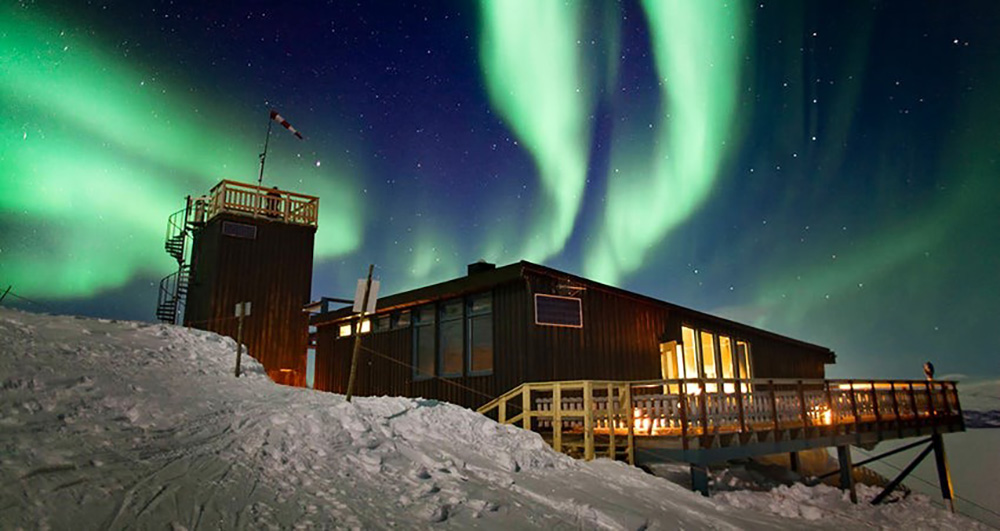
Would you like to go on an exciting Northern Lights trip as a family? The Aurora Sky Station in Björkliden is one of the best places to see the Northern Lights with children – without having to travel any further towards the Arctic.
A lift will take you up the 900-metre-high mountain to the observatory. You’ll glide through the silent night, with snow beneath you and the Northern Lights above, and you can simply sit back and relax. At the top, you’ll find a viewing tower and a large terrace with views of the mountains and – of course – the Northern Lights.
There are family-friendly hotels in the area, from which you can combine your Northern Lights holiday with day trips to the ski slopes.
For all trips to see the Northern Lights, we recommend that you allow plenty of time for your trip. That way, you’ll have much more time to enjoy everything and see even more. The rule of thumb is: the further afield you’re travelling, the longer you should stay at your holiday destination.
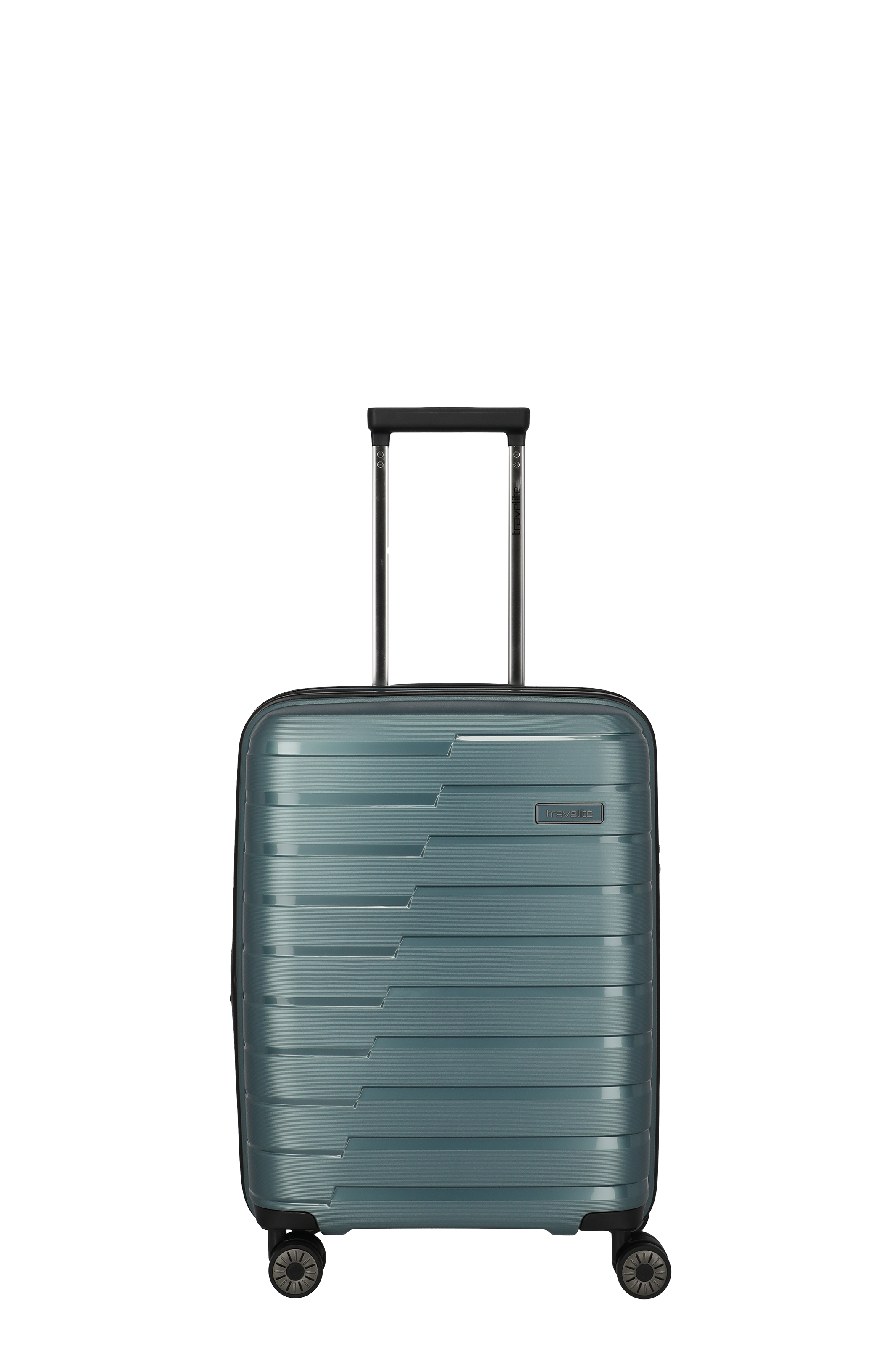
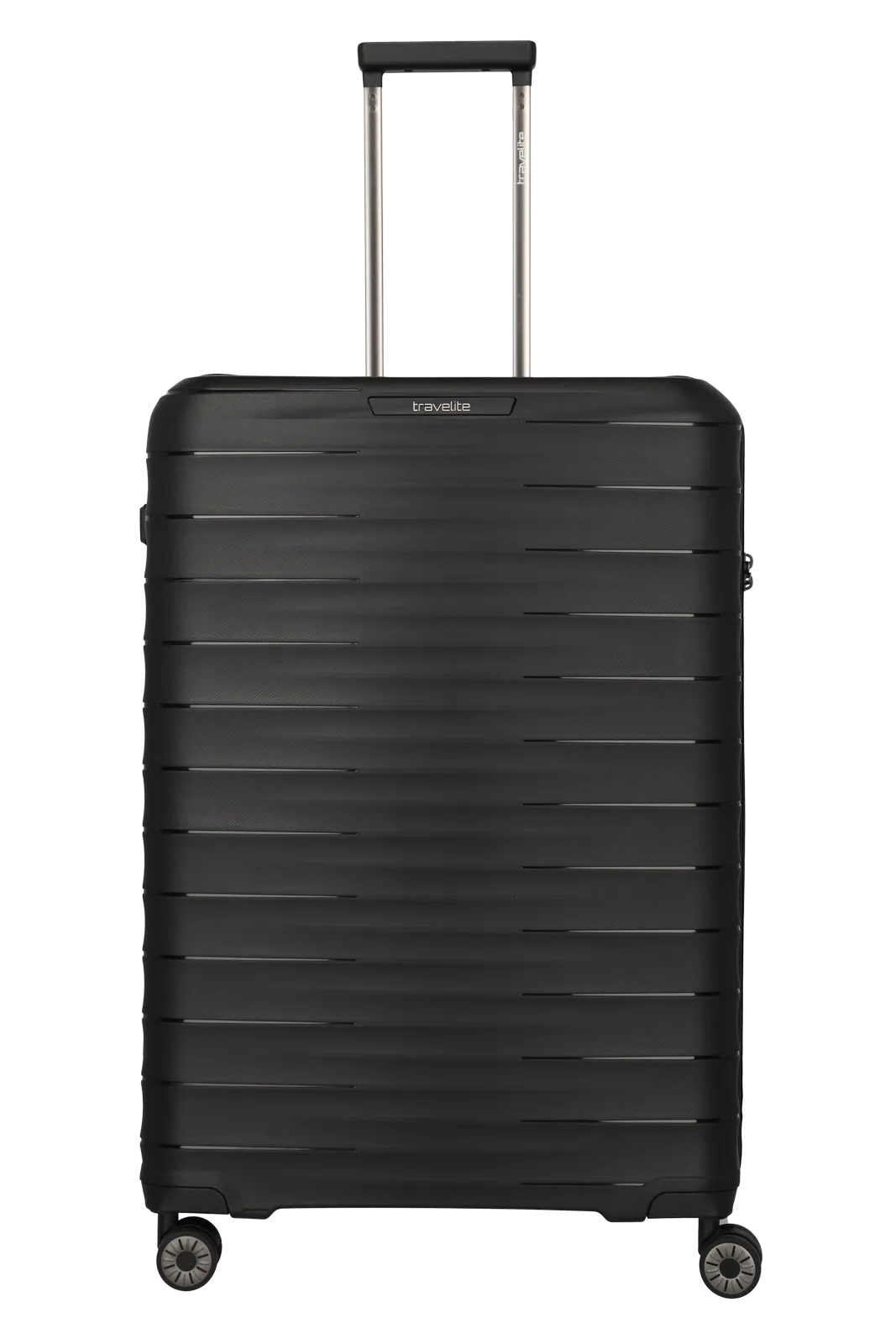
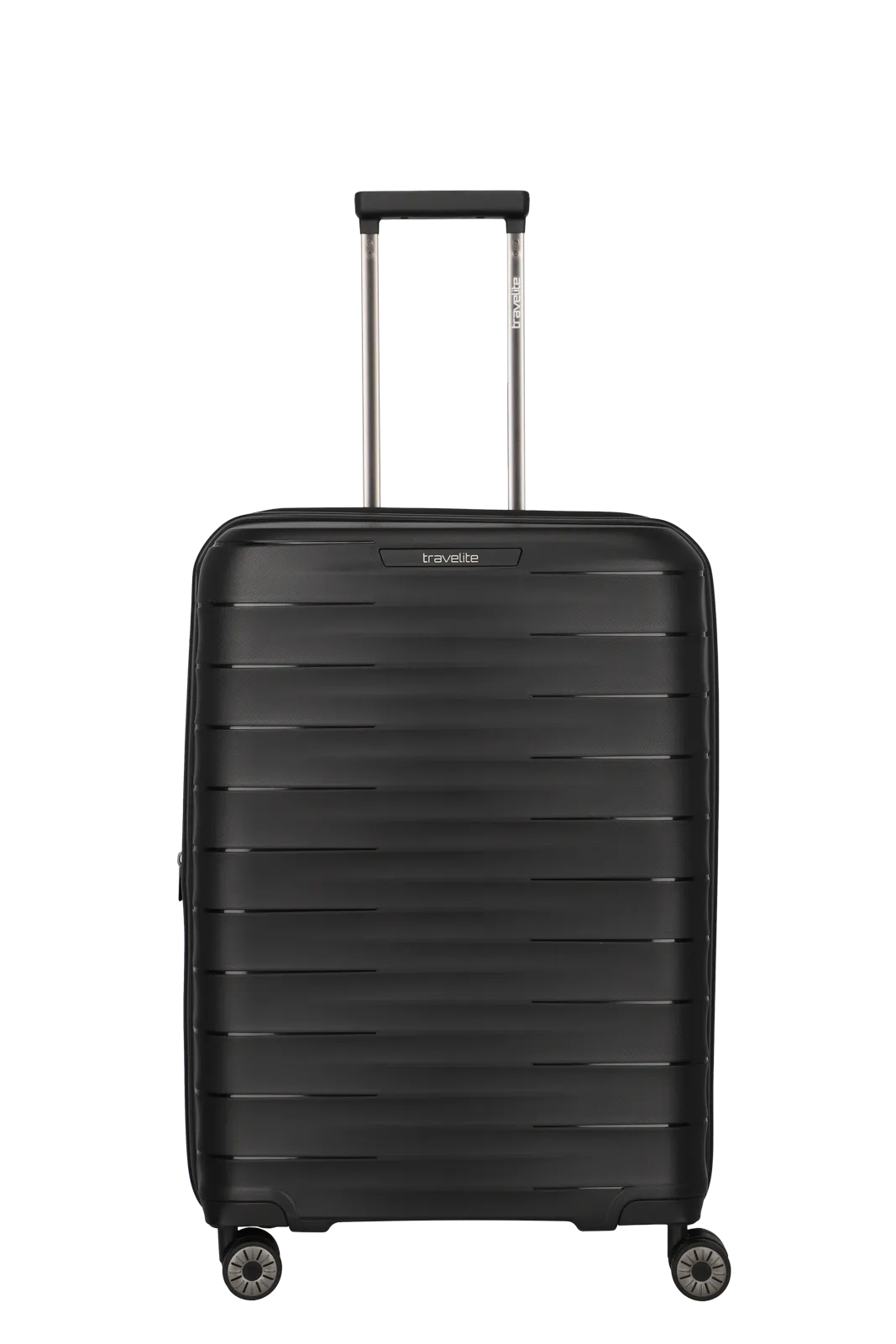
Many people recommend a minimum of 10 days for a Northern Lights trip; two weeks is even better. This also increases your chances of seeing more Northern Lights. You can see which size is best for a trip of this duration in our suitcases guide.
Insider tips for magical Northern Lights moments
As well as the well-known attractions, there are hidden gems that are less crowded and often even more impressive. Here are a few insider tips to make your trip special:
Norway
Away from the well-known Lofoten Islands, you can watch the Northern Lights in the small archipelago of Vesterålen. The area around Nyksund, a charming fishing village, is particularly peaceful and romantic. Another tip: the Lyngen Alps, a region with dramatic fjords and snow-capped mountains that provide a breathtaking backdrop for the Northern Lights.
Iceland
The Westfjords are less touristy than the capital region. Here you can experience undisturbed nights of the Northern Lights, particularly in places like Ísafjörður or Patreksfjörður. Lake Mývatn in northern Iceland not only offers a fantastic panorama of the Northern Lights, but also the chance to relax in warm thermal waters beneath the sky of the Aurora Borealis.
Finland
As well as well-known destinations such as Rovaniemi, Kittilä is a real hidden gem. Here you’ll find rustic log cabins, and you can often marvel at the Northern Lights right from your window. For the adventurous, a trip to Oulanka National Park is well worth it, where you can experience unspoilt nature and the fascinating play of light in the sky.
Sweden
In the Tärnaby-Hemavan region, you can not only admire the Northern Lights, but also go ski touring or snowshoeing away from the crowds. A real hidden gem for families and nature lovers.
Northern Lights holiday: How much does a trip to see the Northern Lights cost?
How much a Northern Lights trip costs depends entirely on your requirements, the duration of the trip, the destination and all the other activities you’d like to do.
If you’re planning your holiday yourself – for example, seven days in Tromsø – costs start in the low four-figure range, depending on the season and when you book. Organised trips with an excursion programme cost significantly more. So it’s entirely up to you how much you spend on a Northern Lights holiday.
In any case, we can tell you this: a trip to see the Northern Lights is worth every penny.
Information current as of
The prices quoted are indicative as at August 2026 and depend heavily on the season, when you book and your departure airport. During the peak season around Christmas and New Year, they are significantly higher. Check the current prices before you book.
Practical tips for your Northern Lights trip
A trip to the far north requires special preparation. With this list, you’ll be well prepared:
Clothing
- Thermal underwear, ideally made from merino wool
- Waterproof, insulated jacket and trousers
- Warm gloves and a hat
- Thick socks and lined winter boots
Accessories
- Camera: ideally a DSLR or mirrorless camera with manual settings
- Tripod: essential for clear long-exposure shots
- Thermos flask: for hot tea or coffee whilst you’re waiting for the lights
- Power bank: cold temperatures can drastically reduce battery life
Miscellaneous
- A head torch with a red light mode, so your eyes can adjust to the darkness
- Snacks and blankets, in case you have to wait outside for a long time
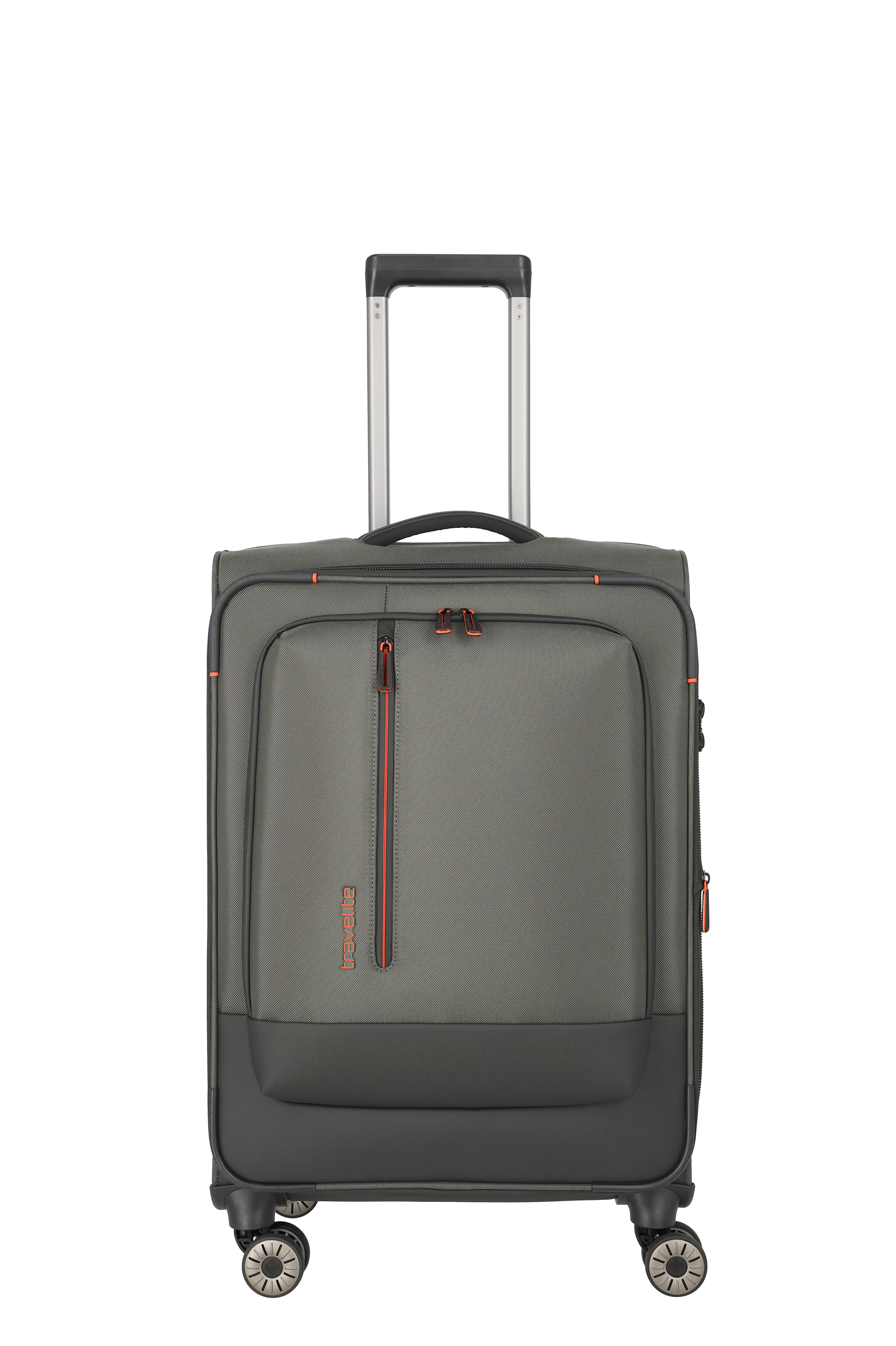
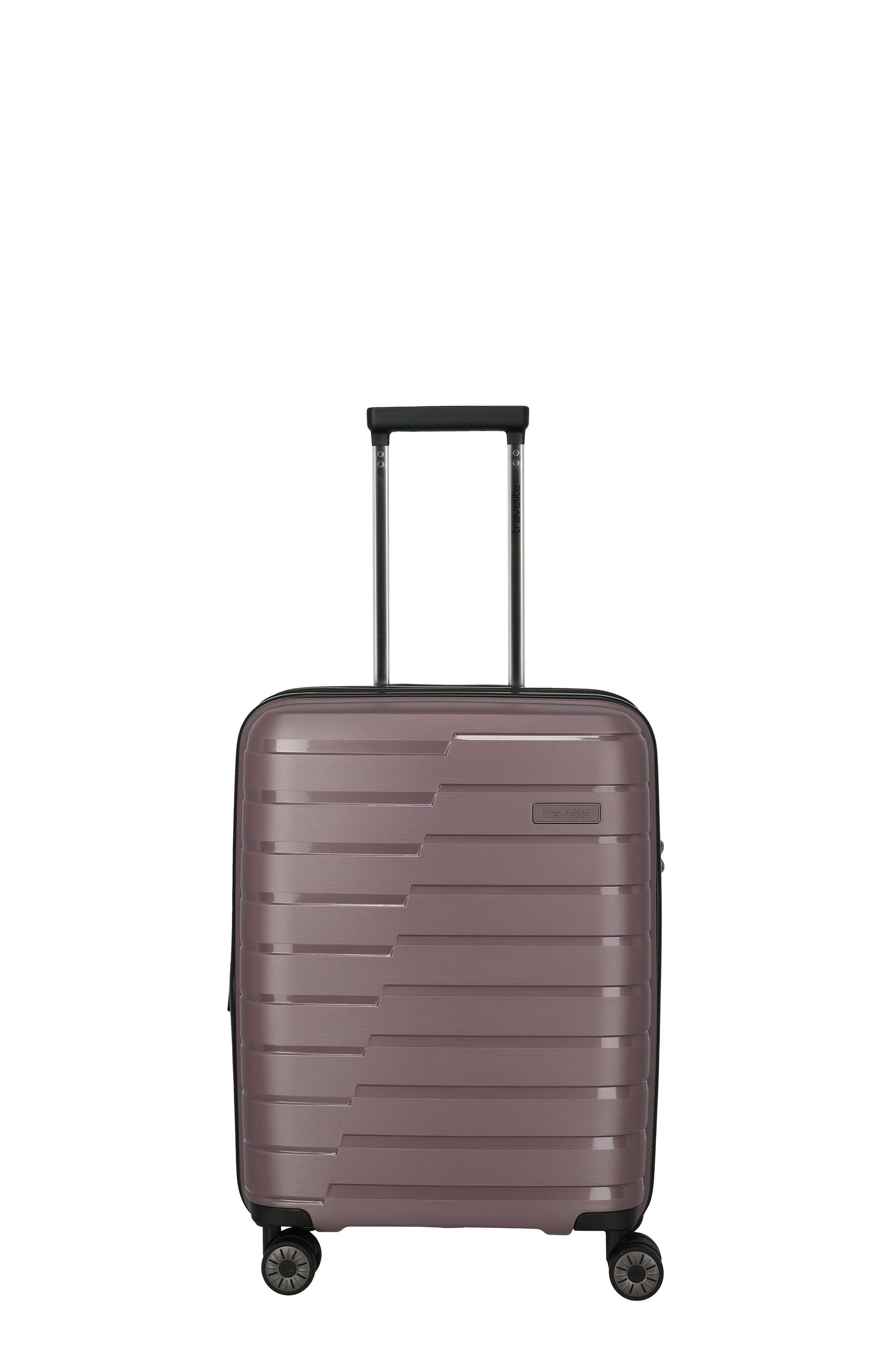
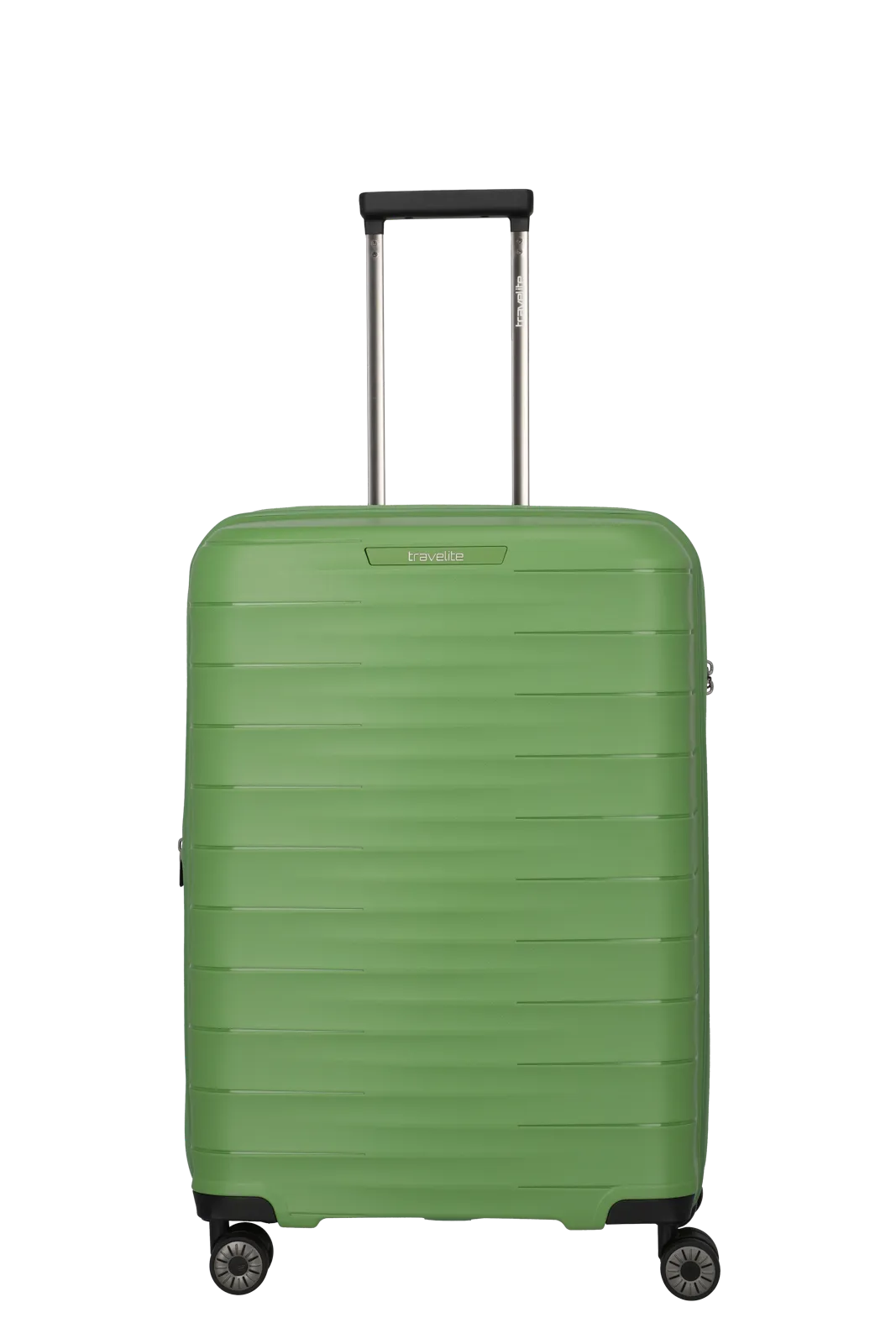
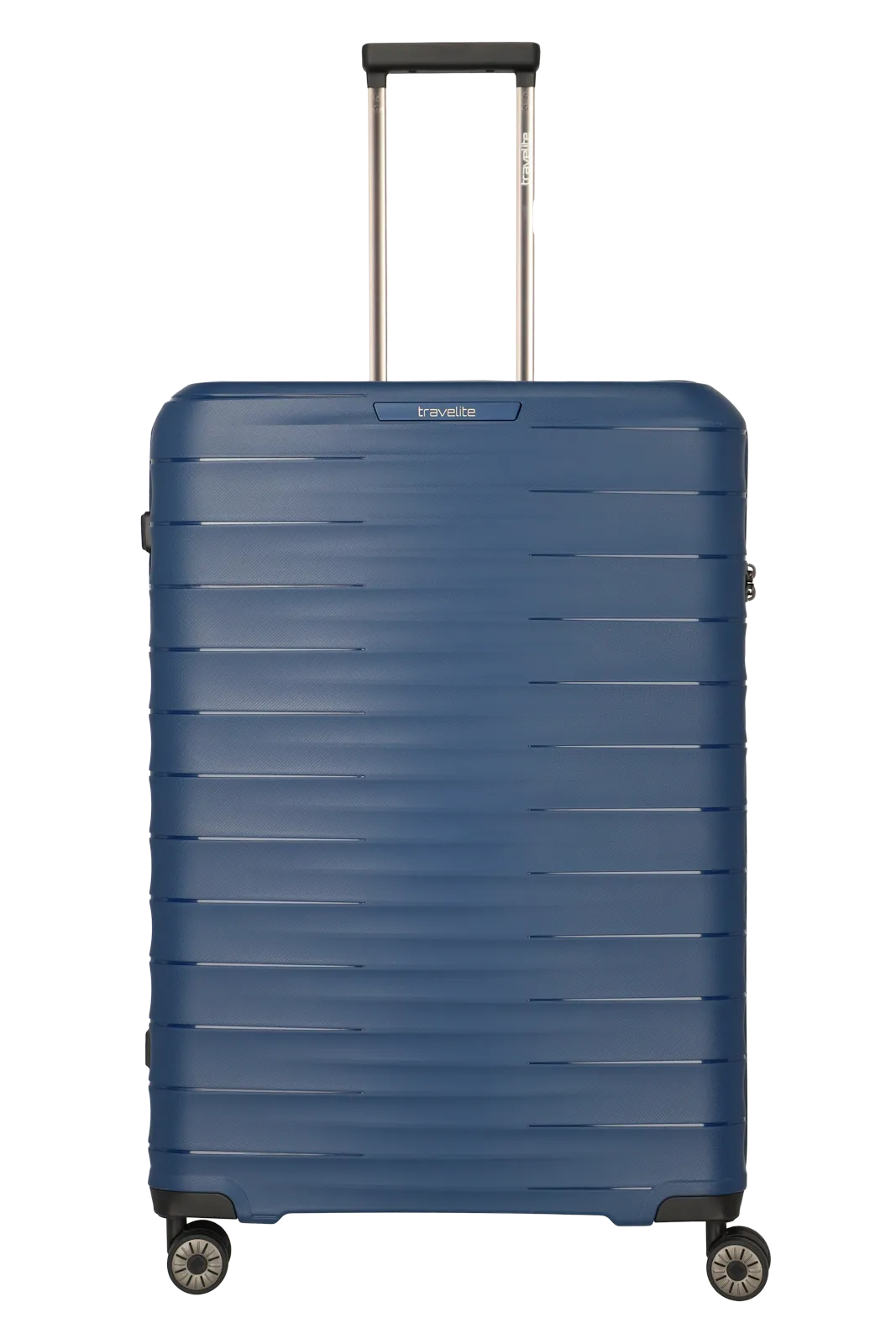
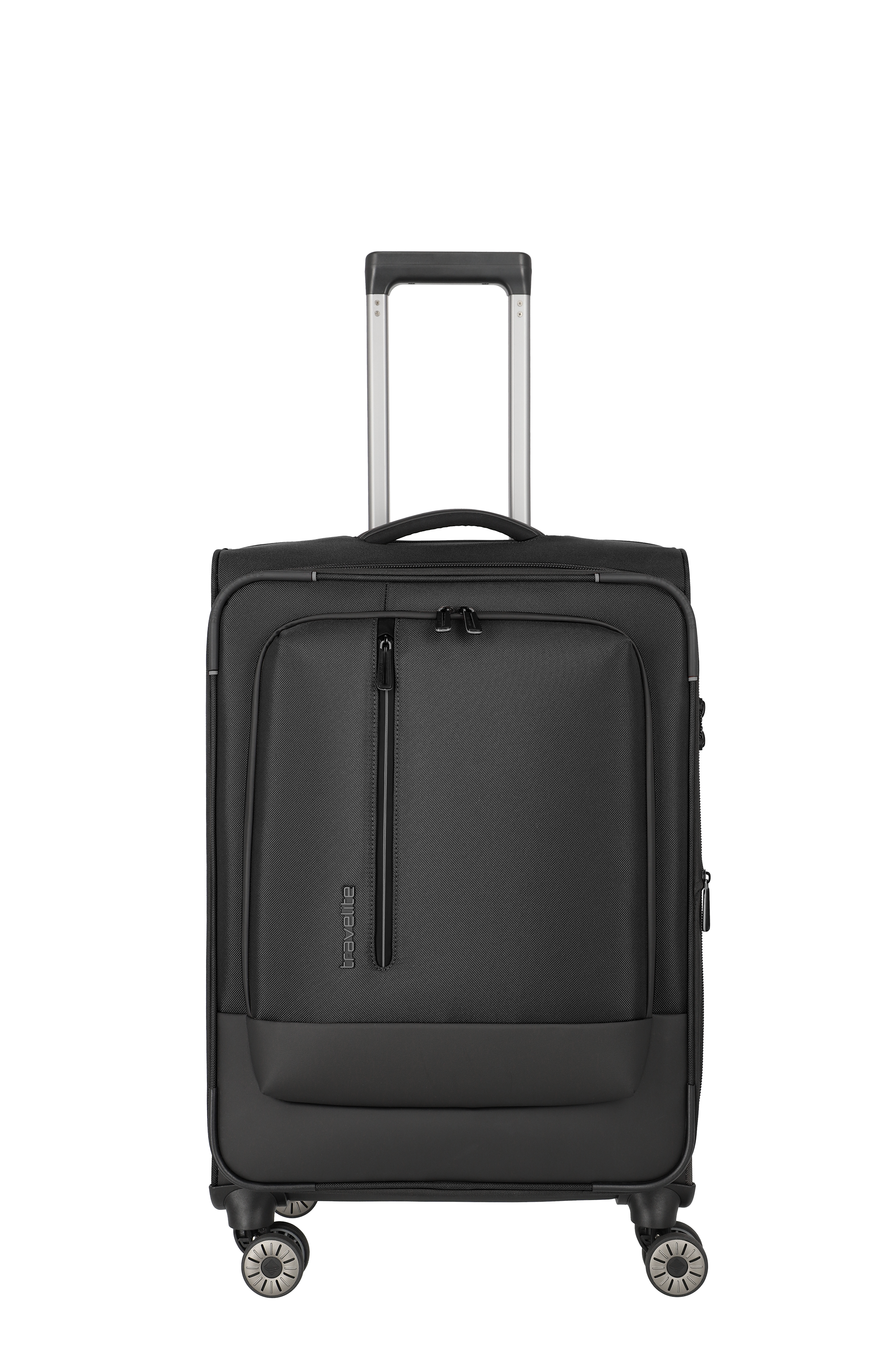
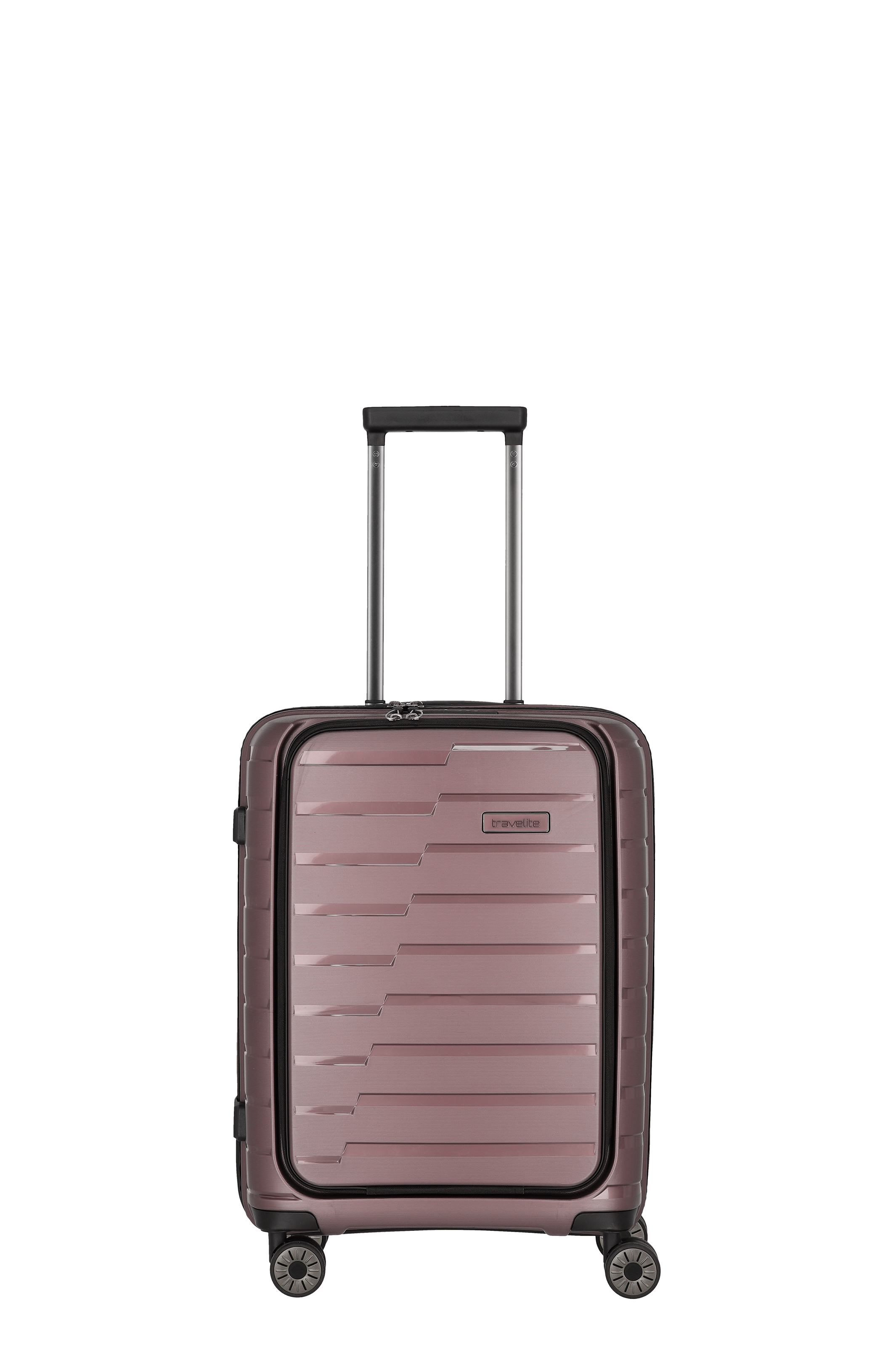
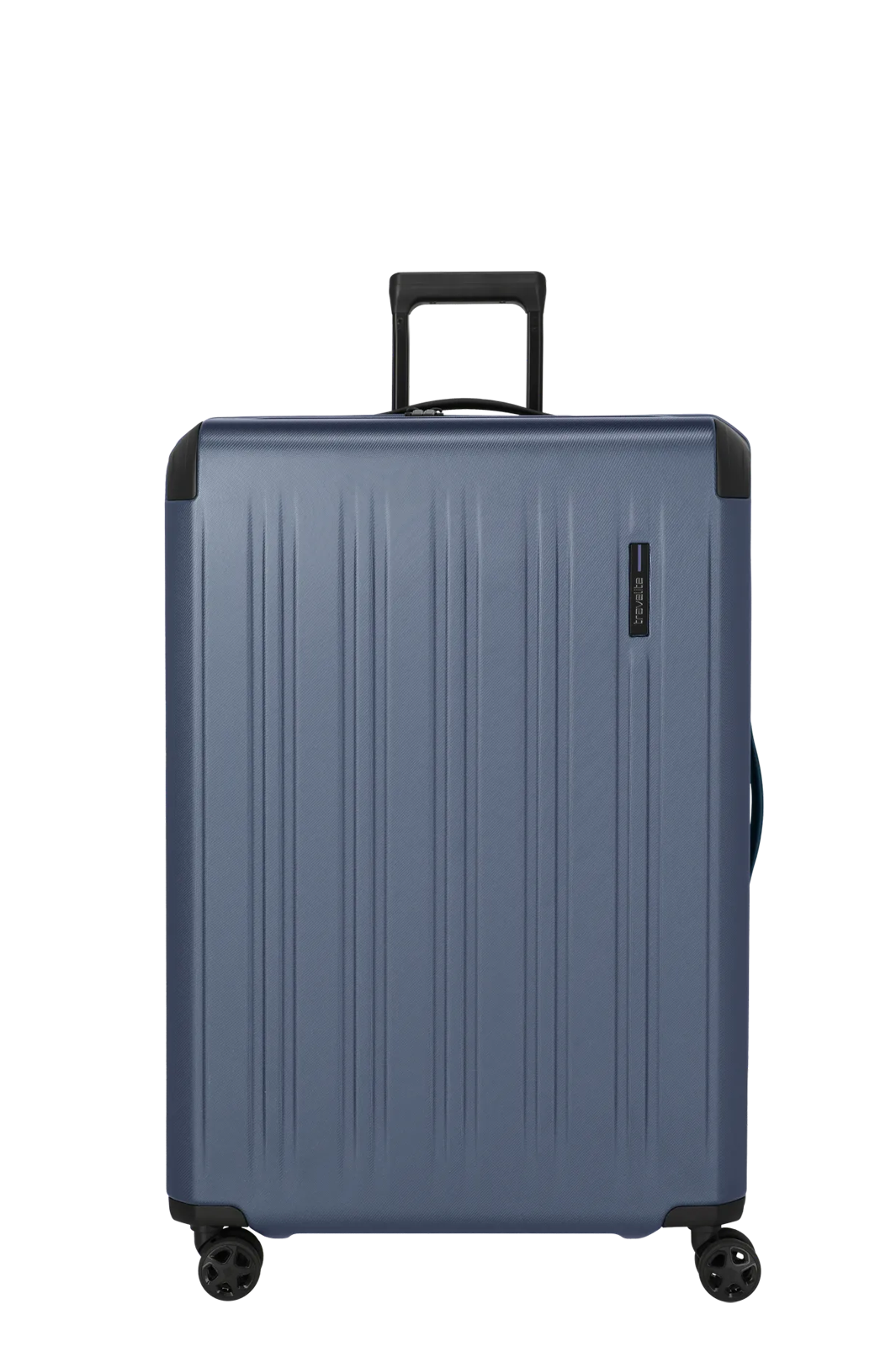
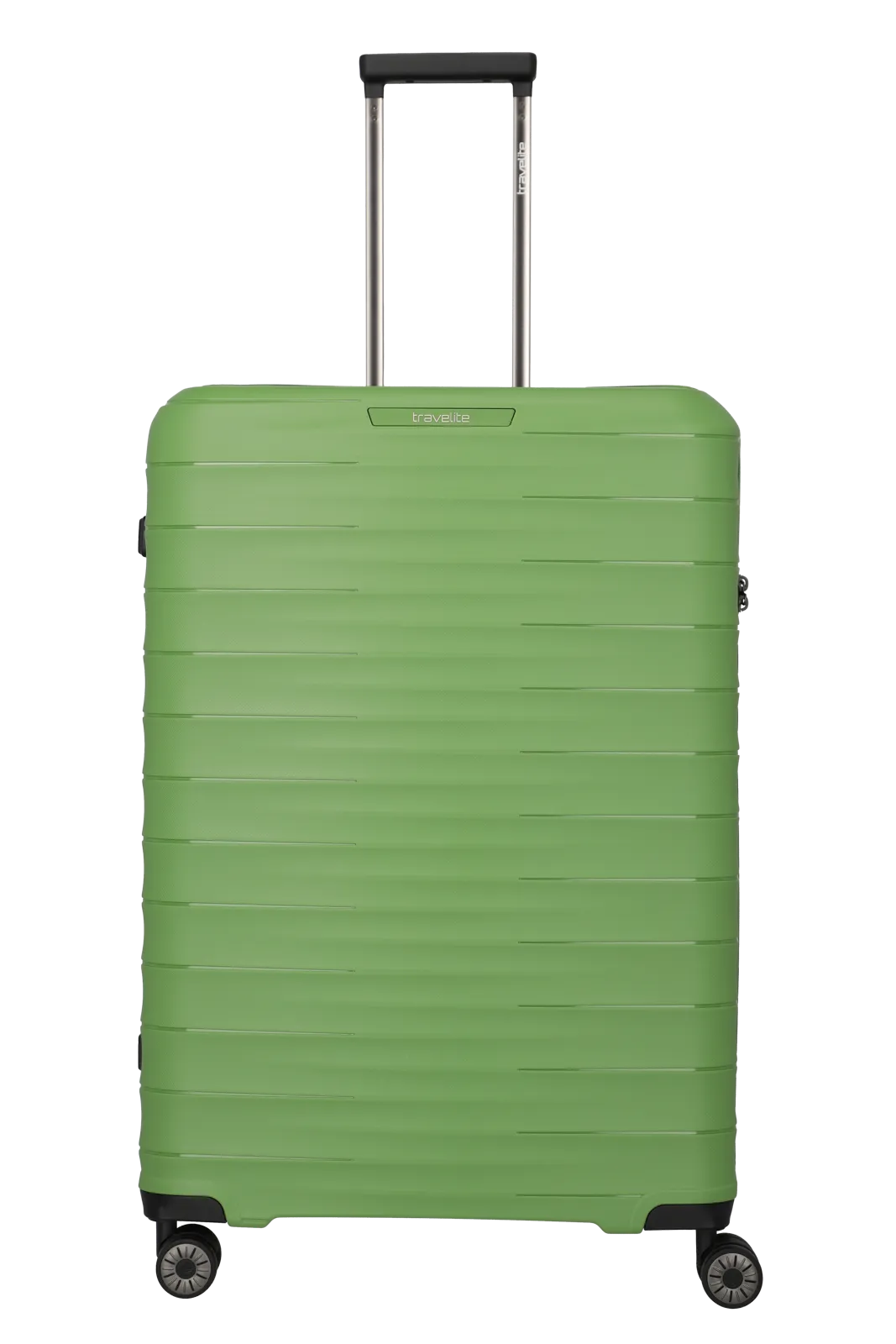
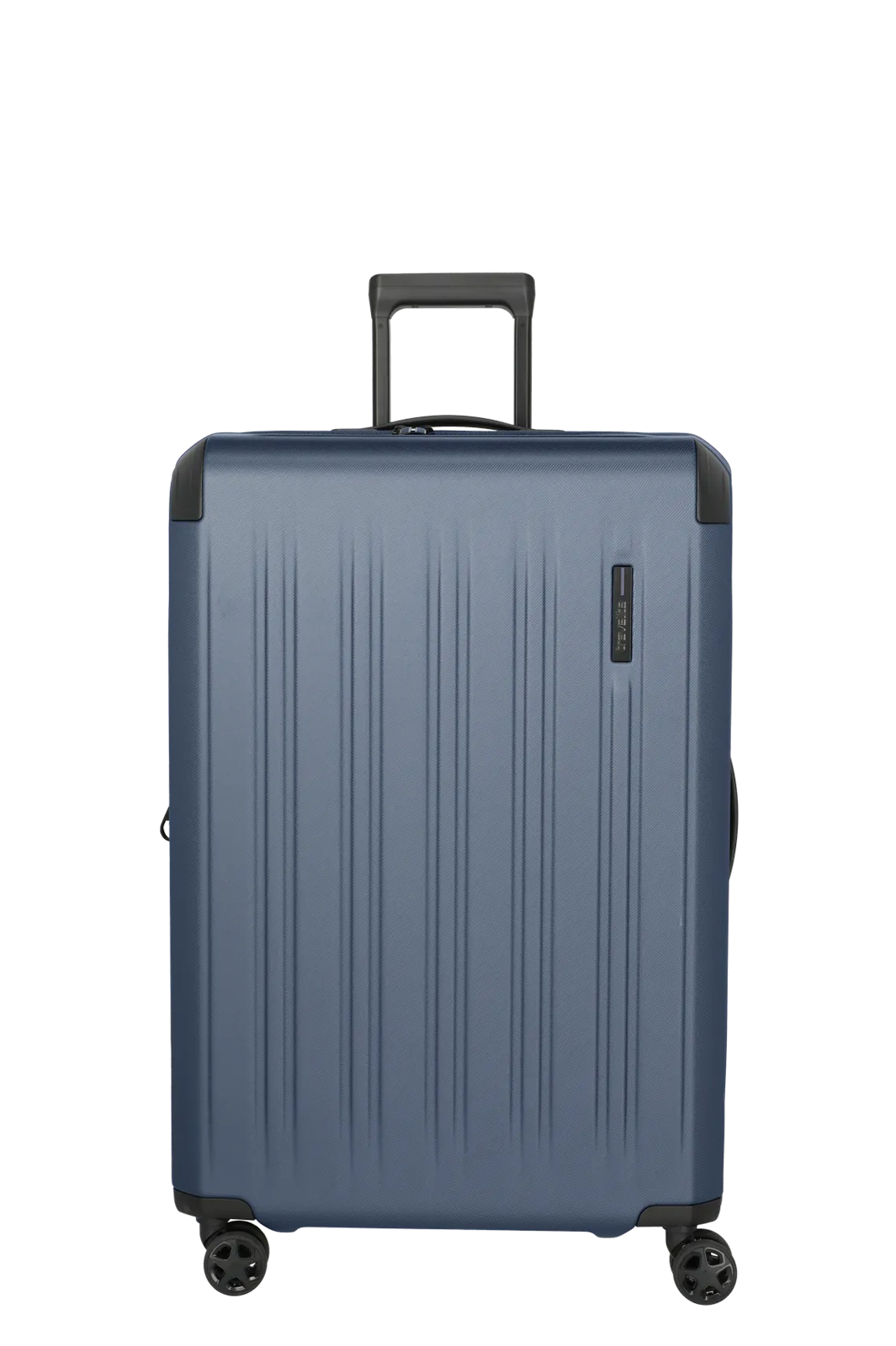
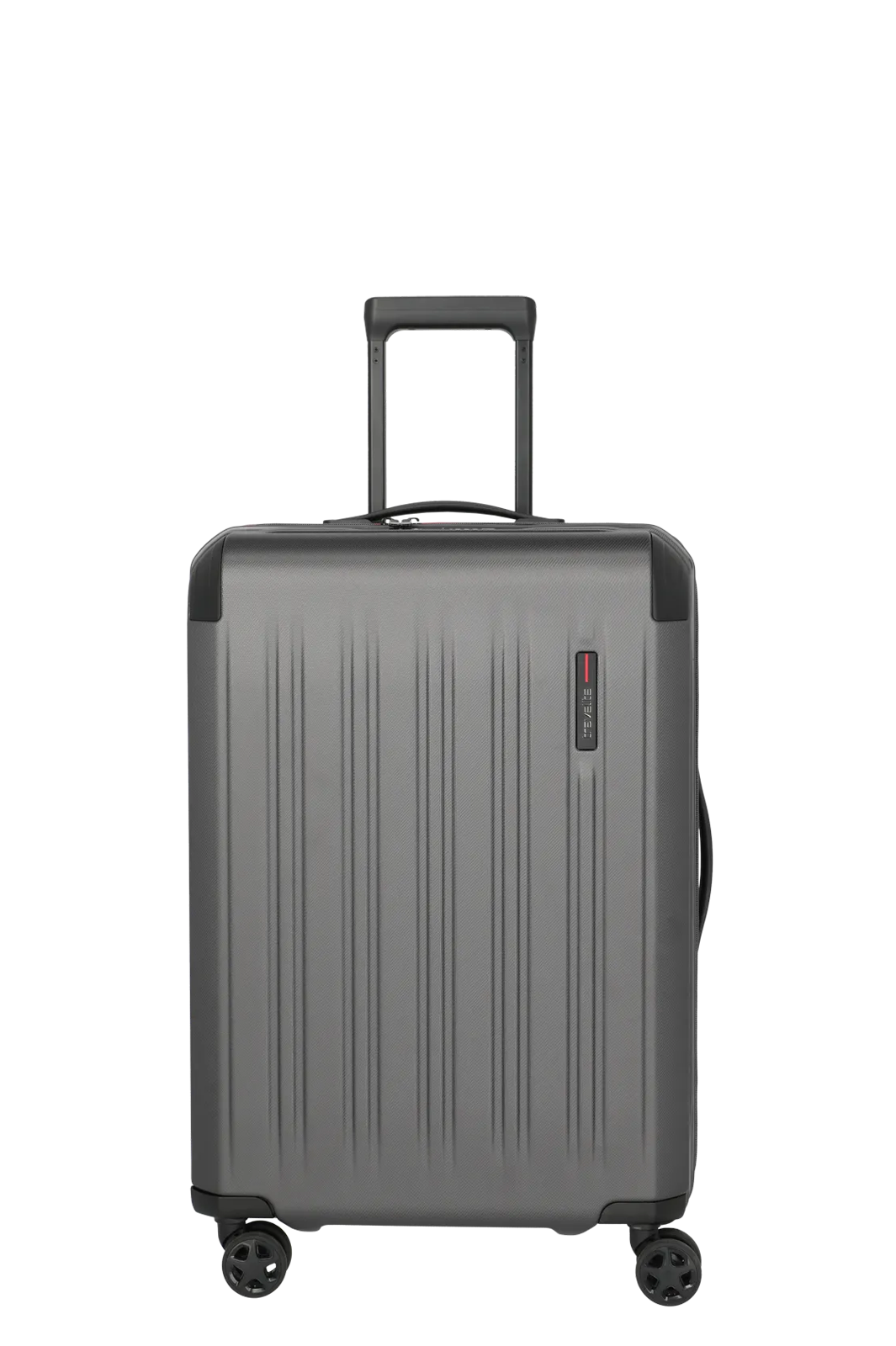
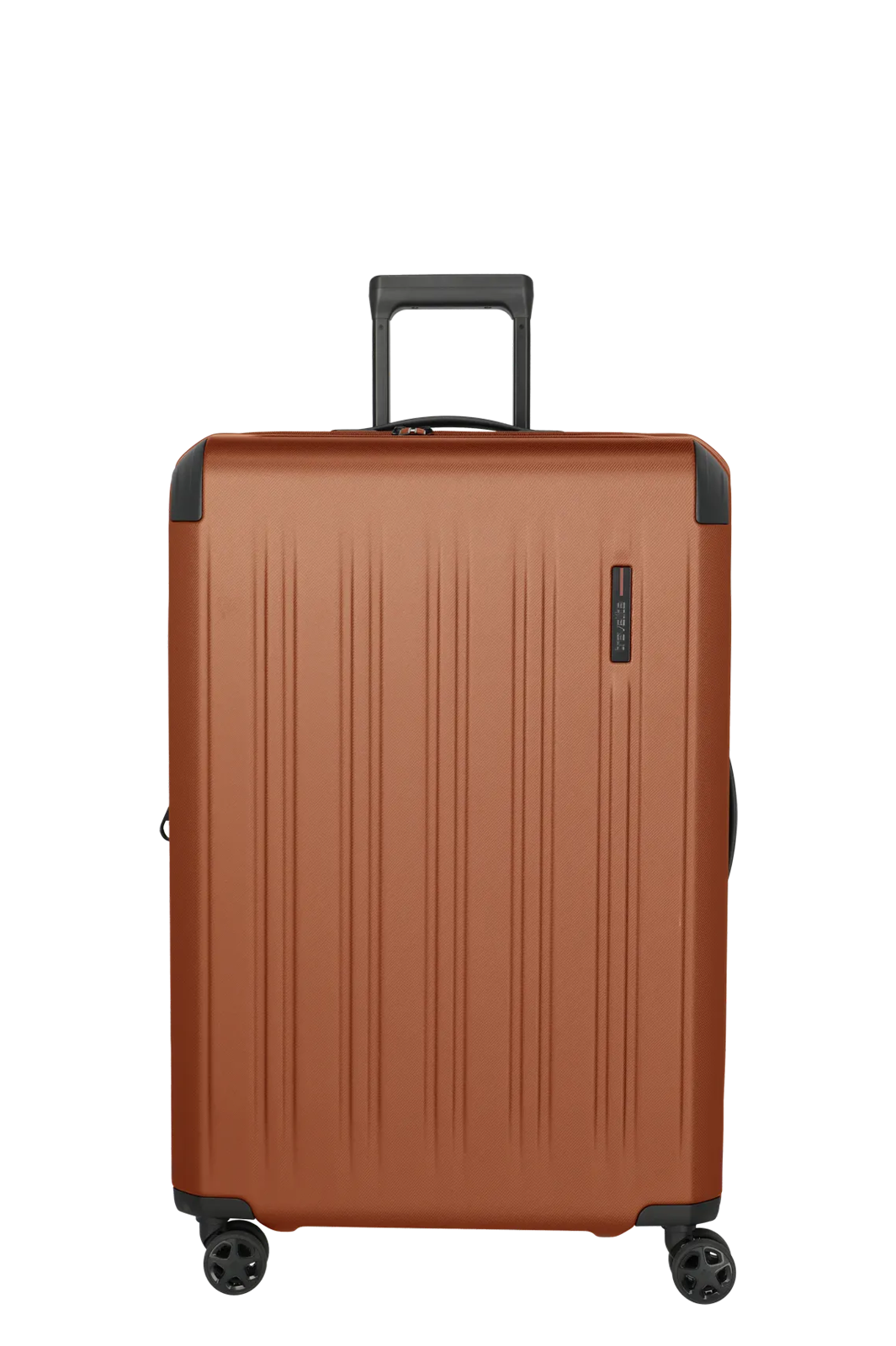
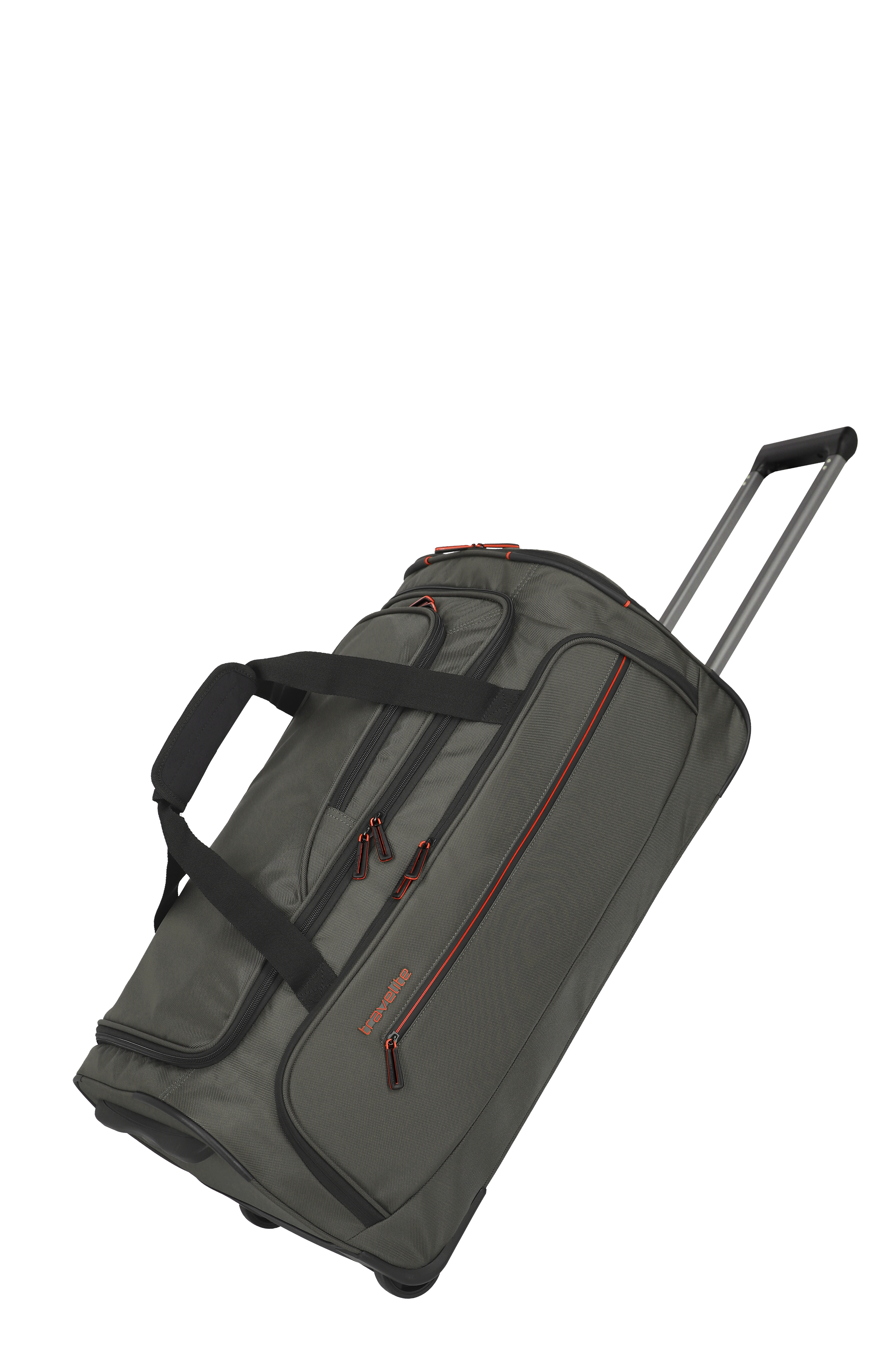
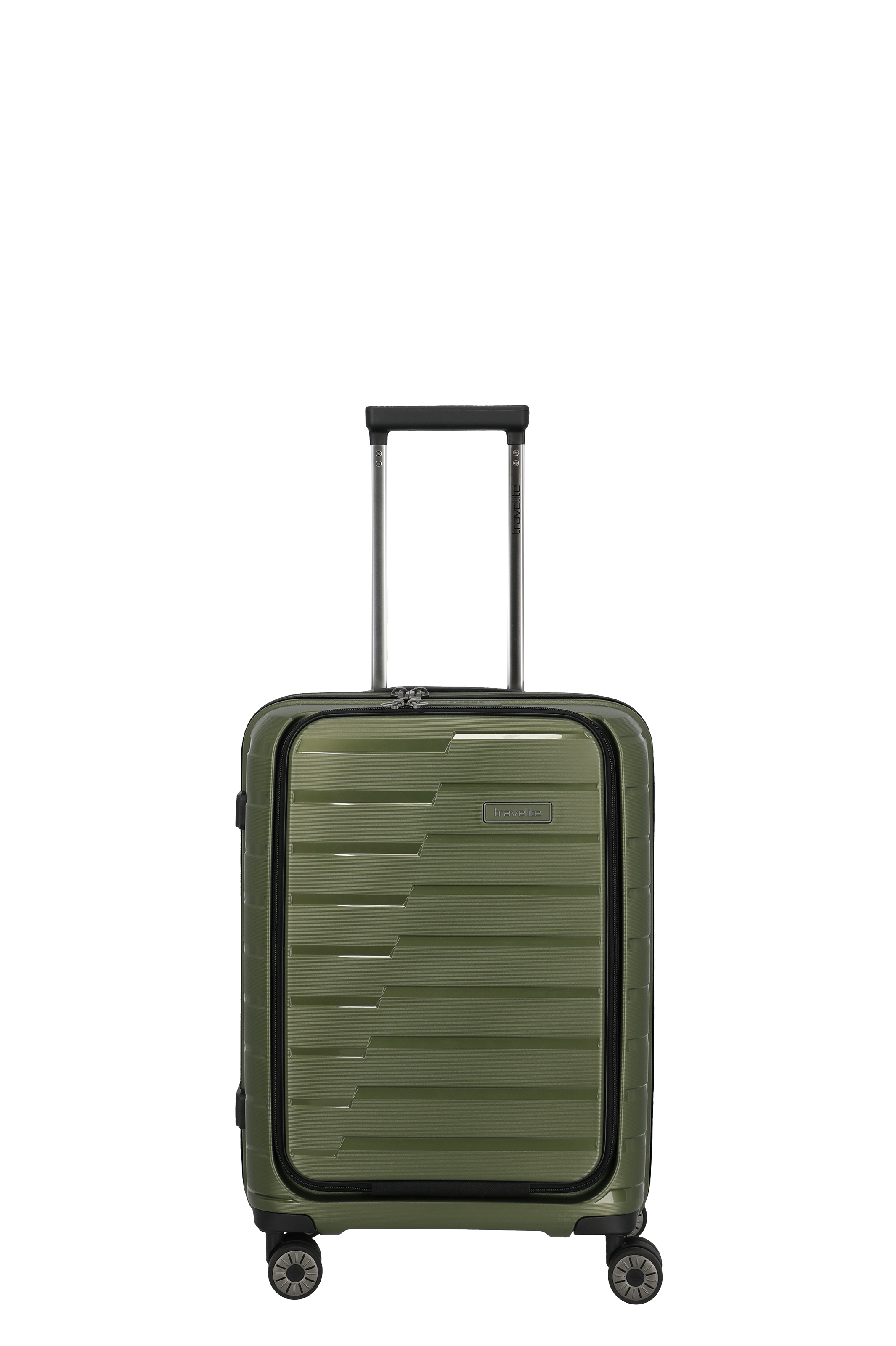
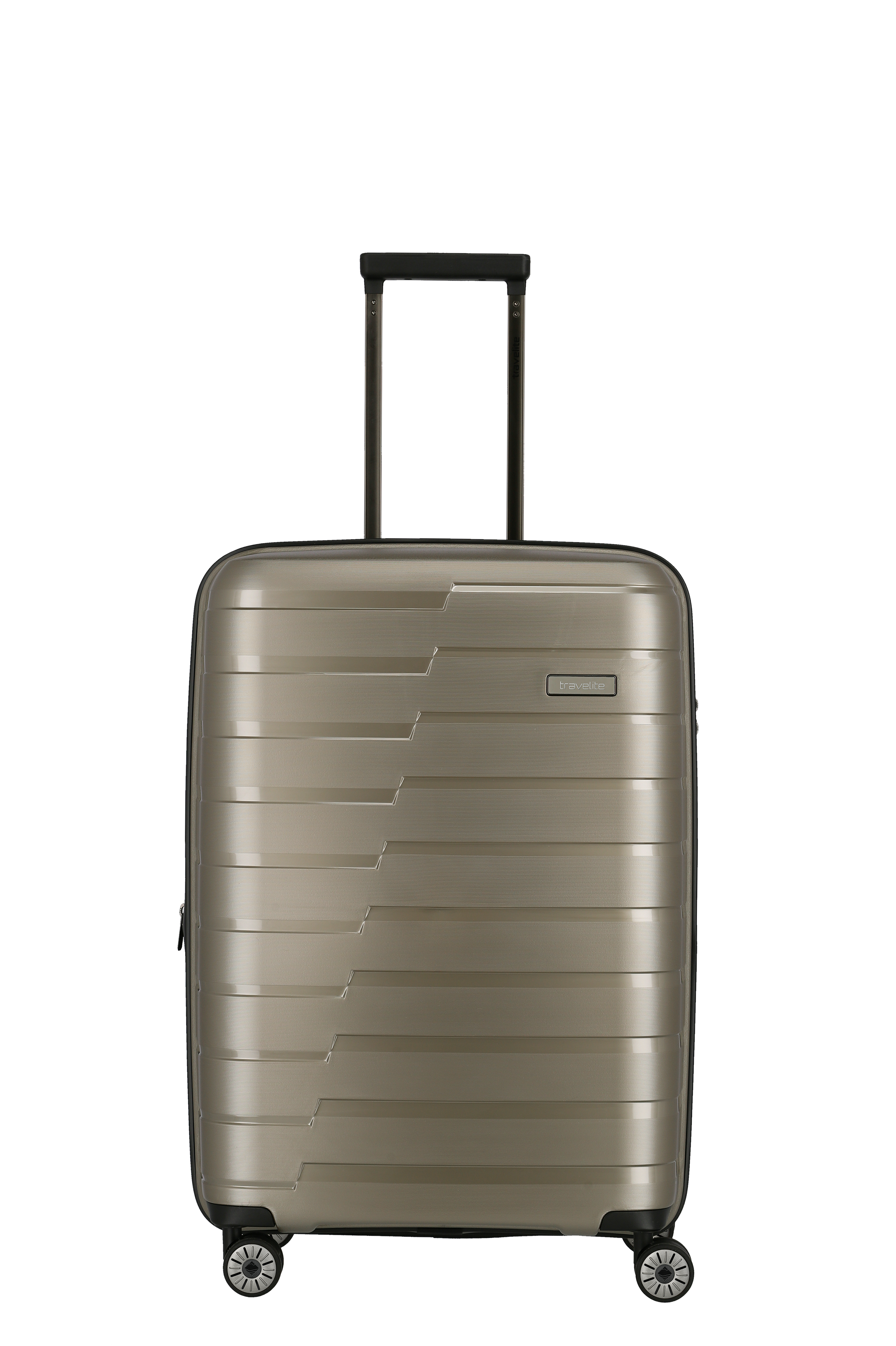
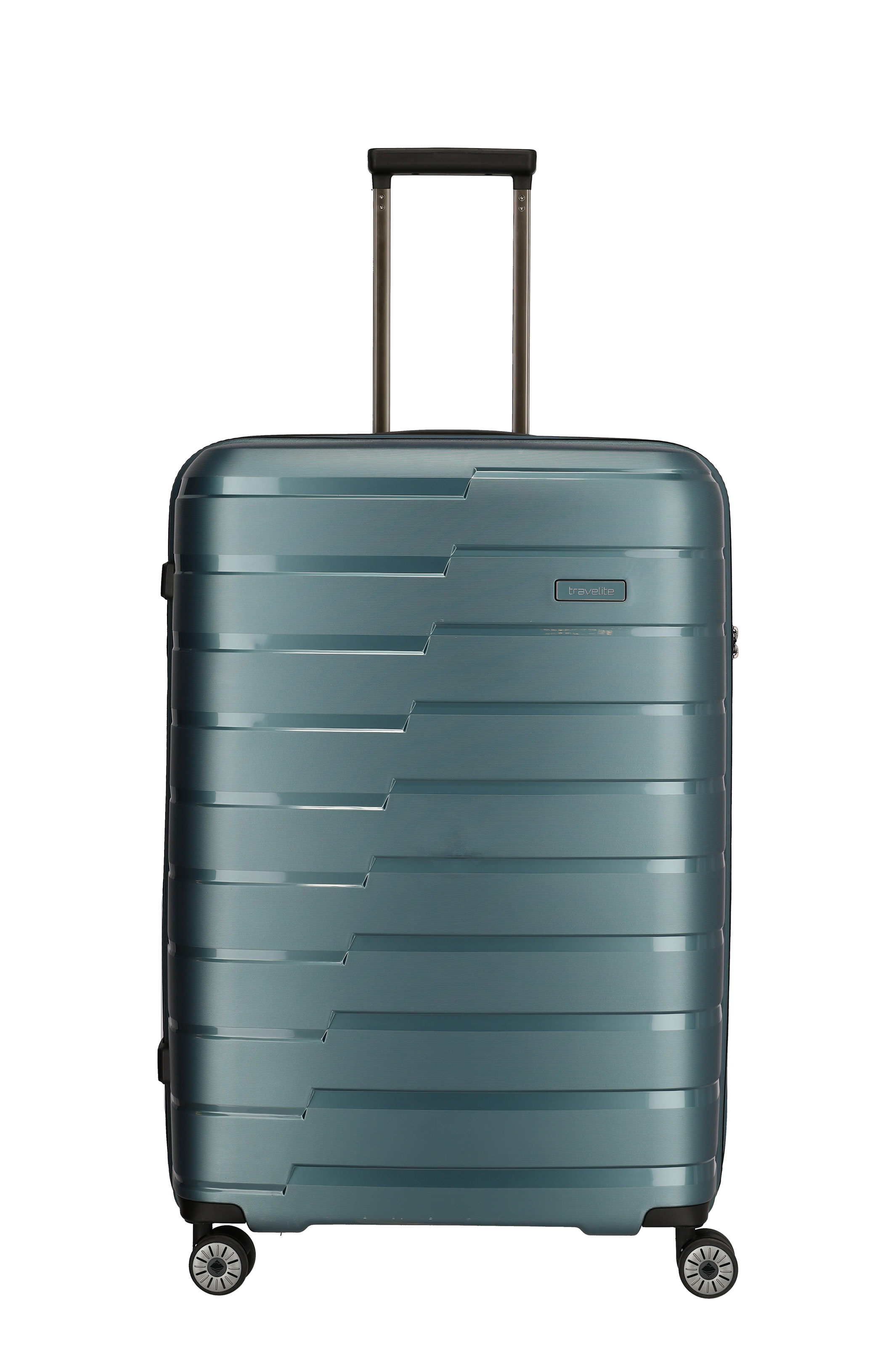
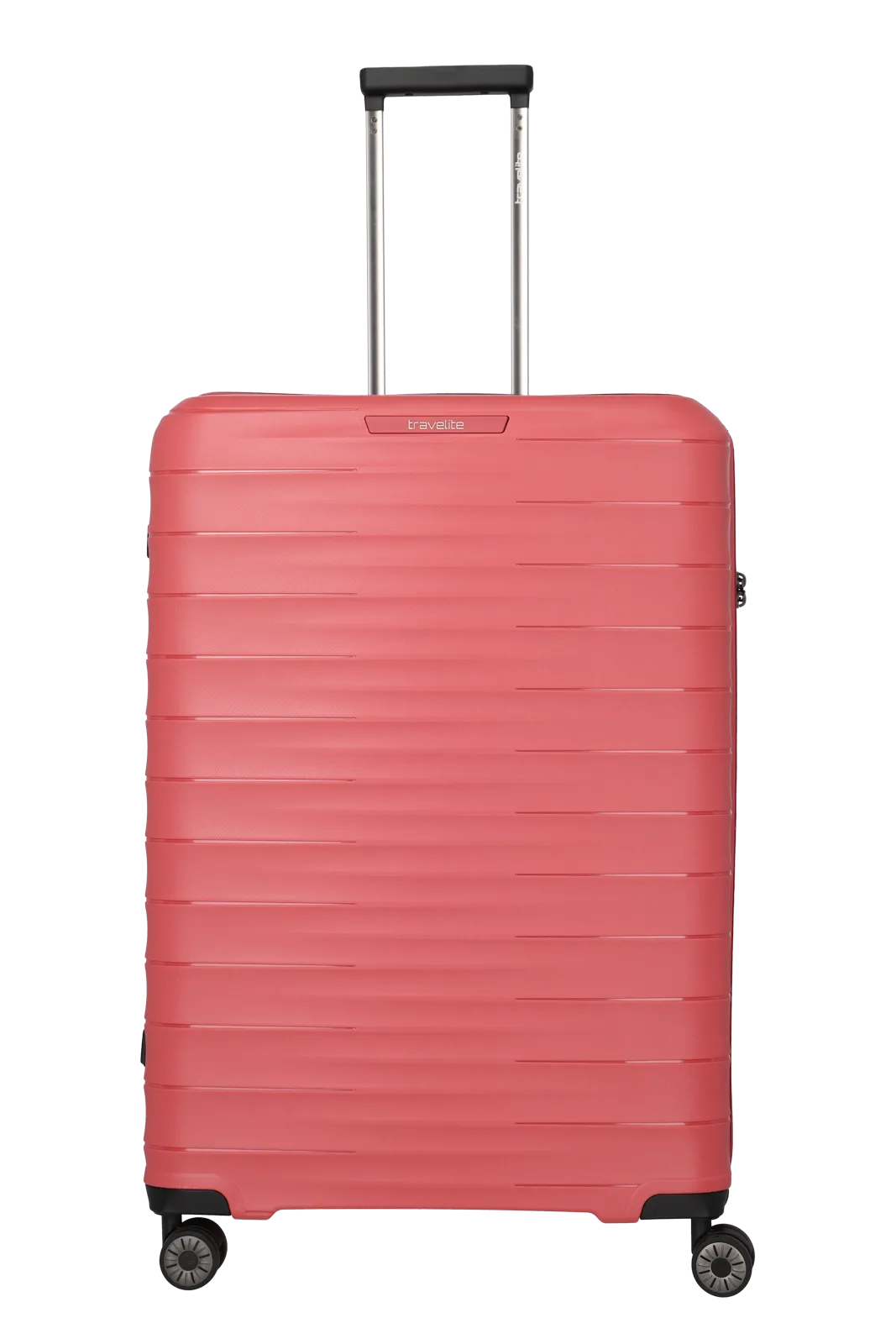
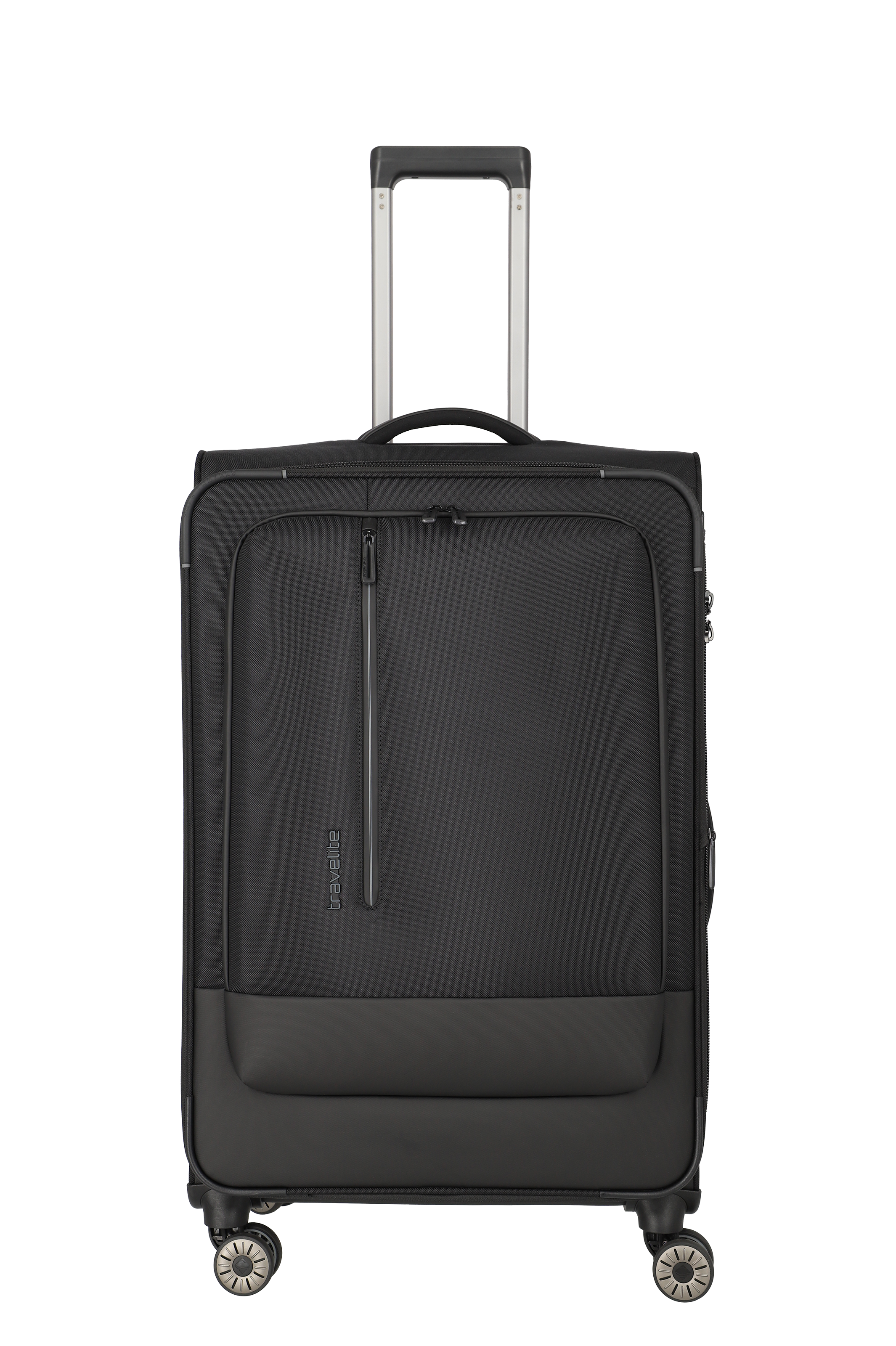
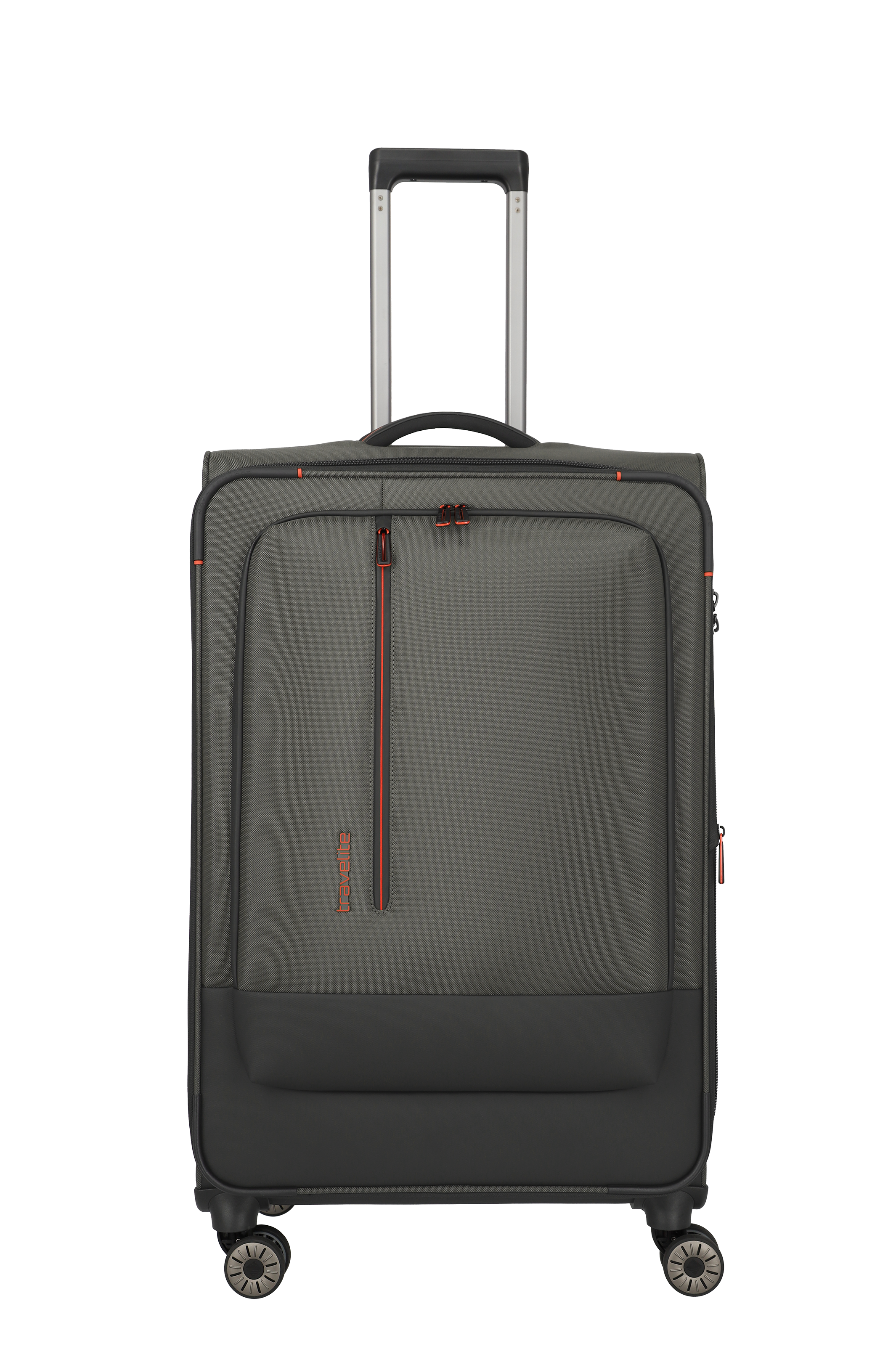
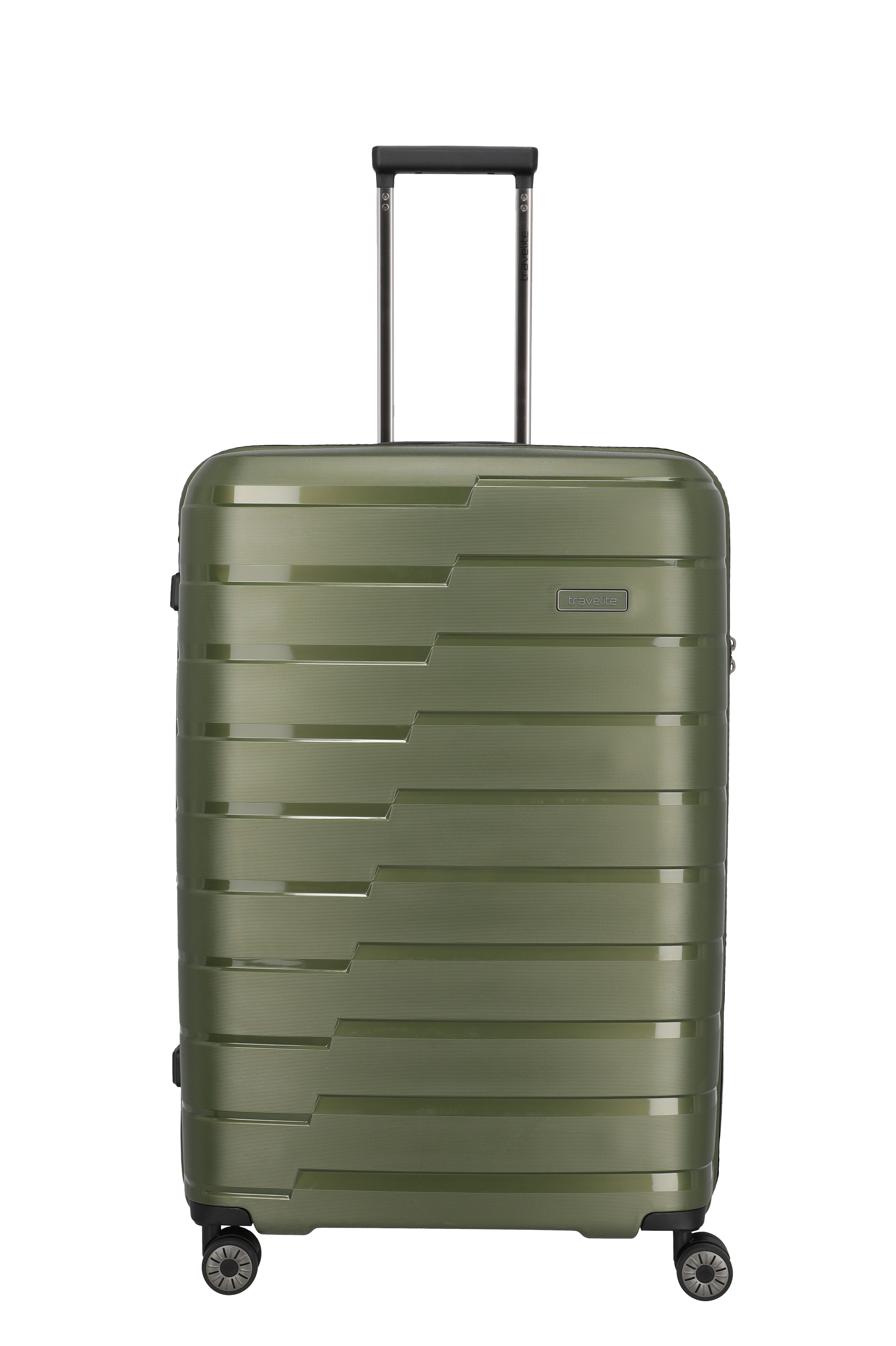
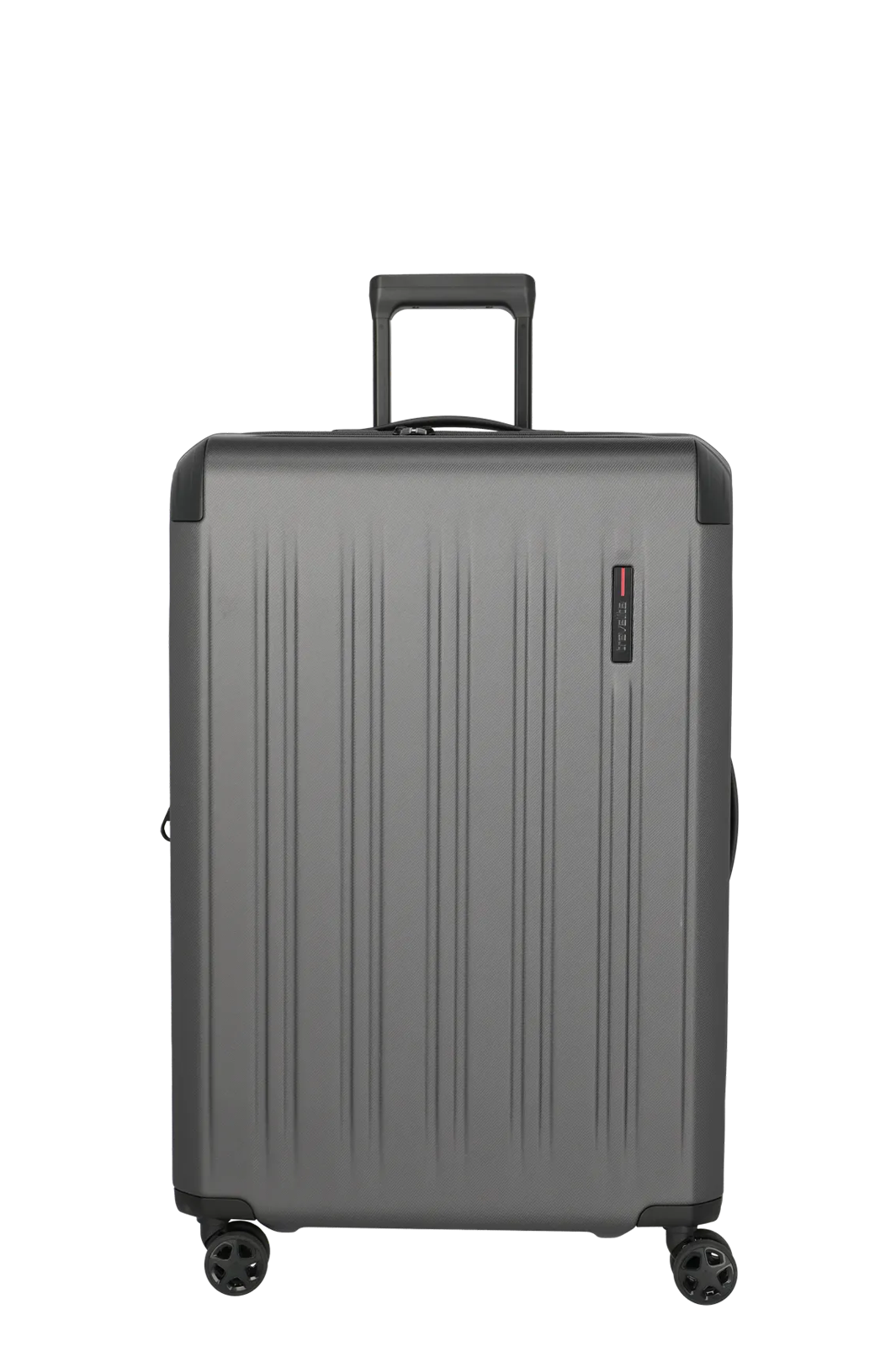
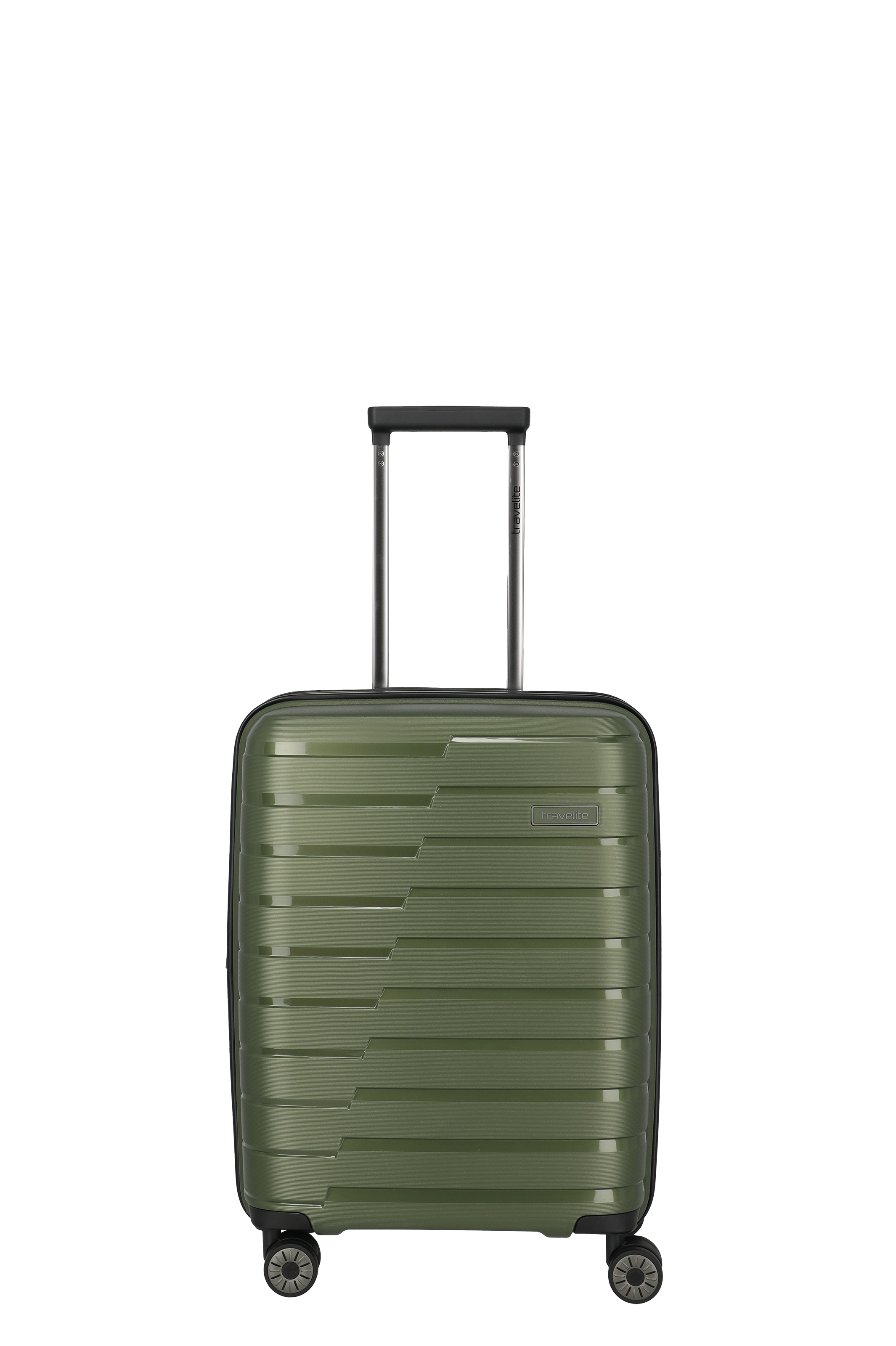
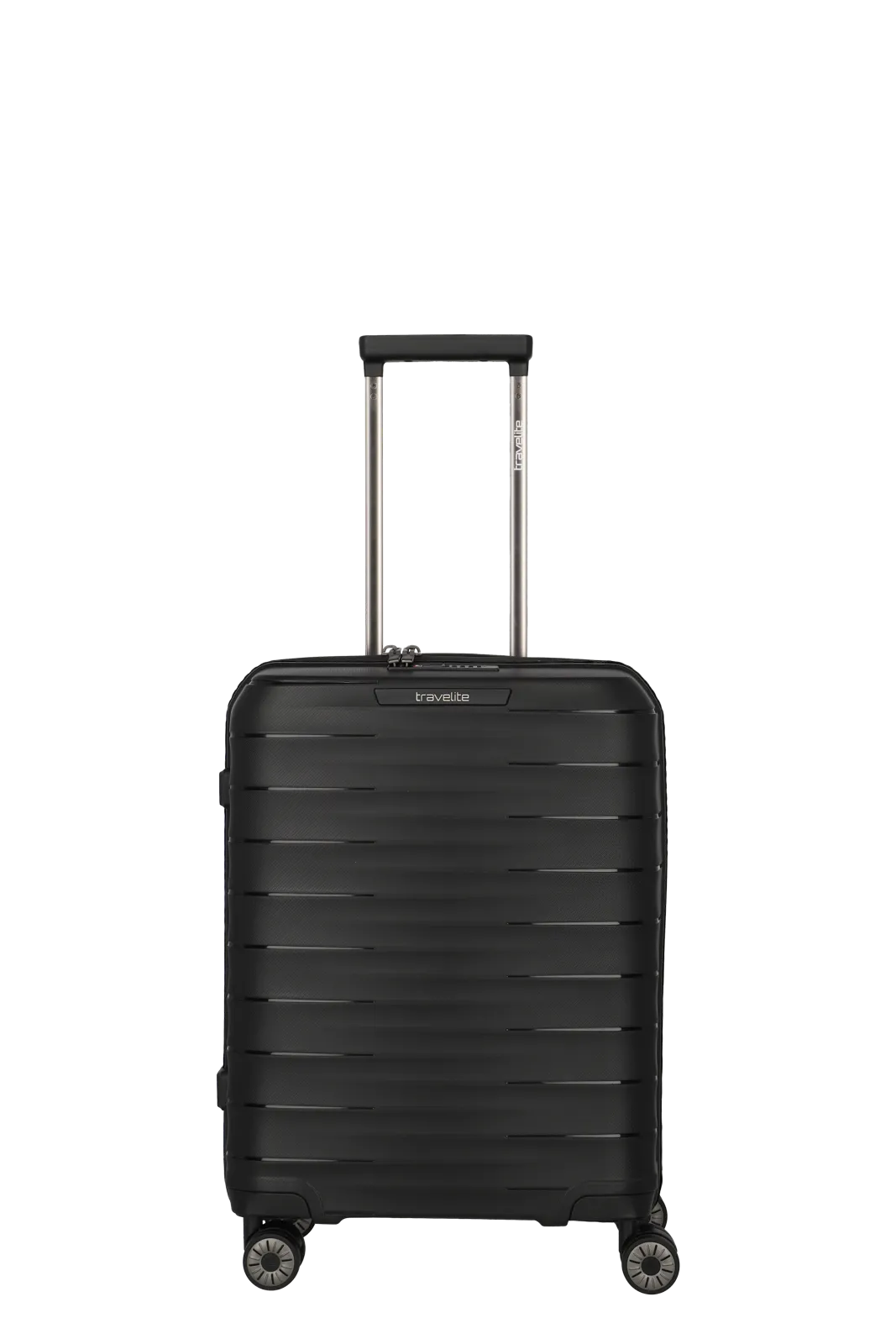
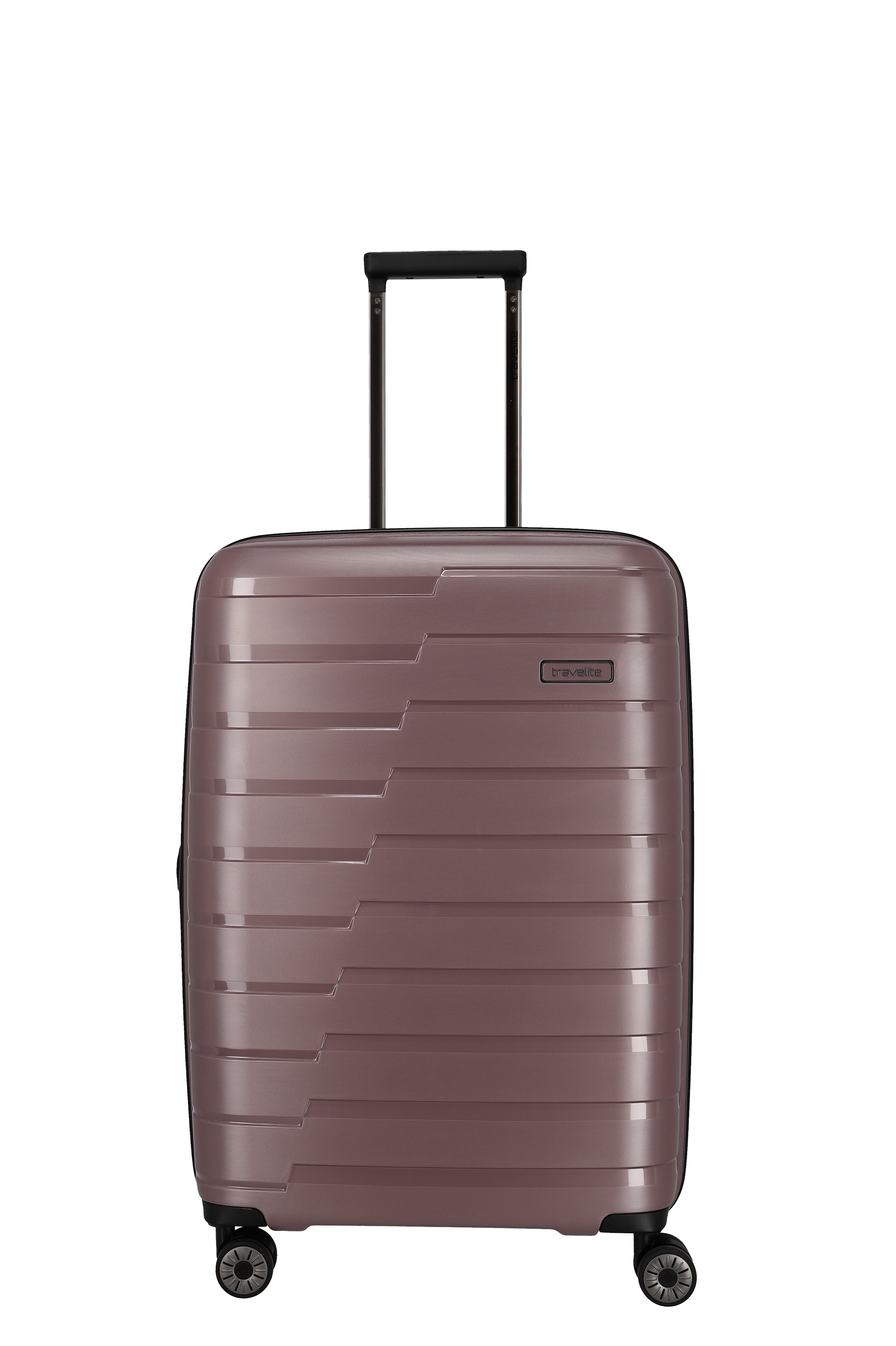
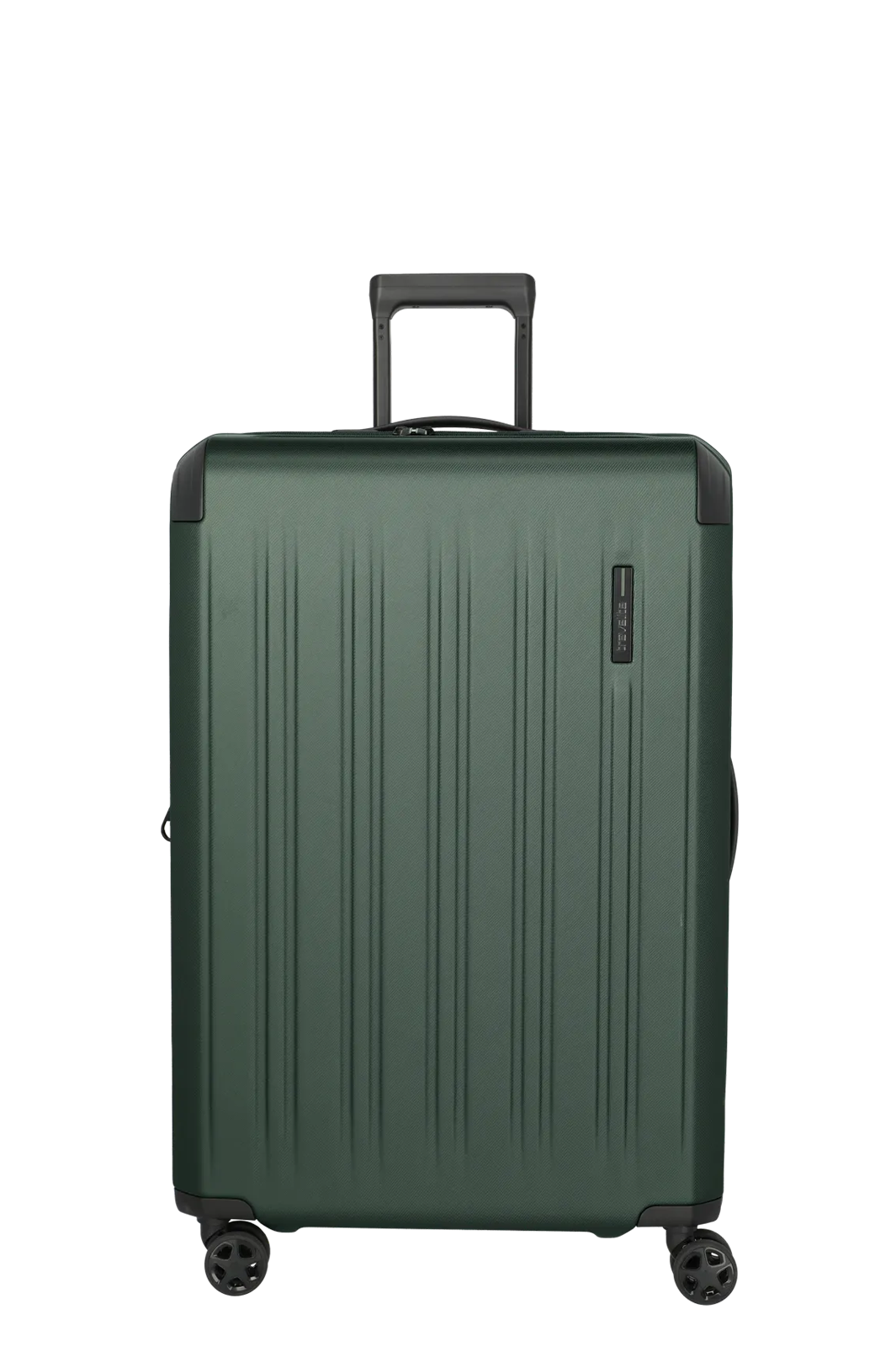
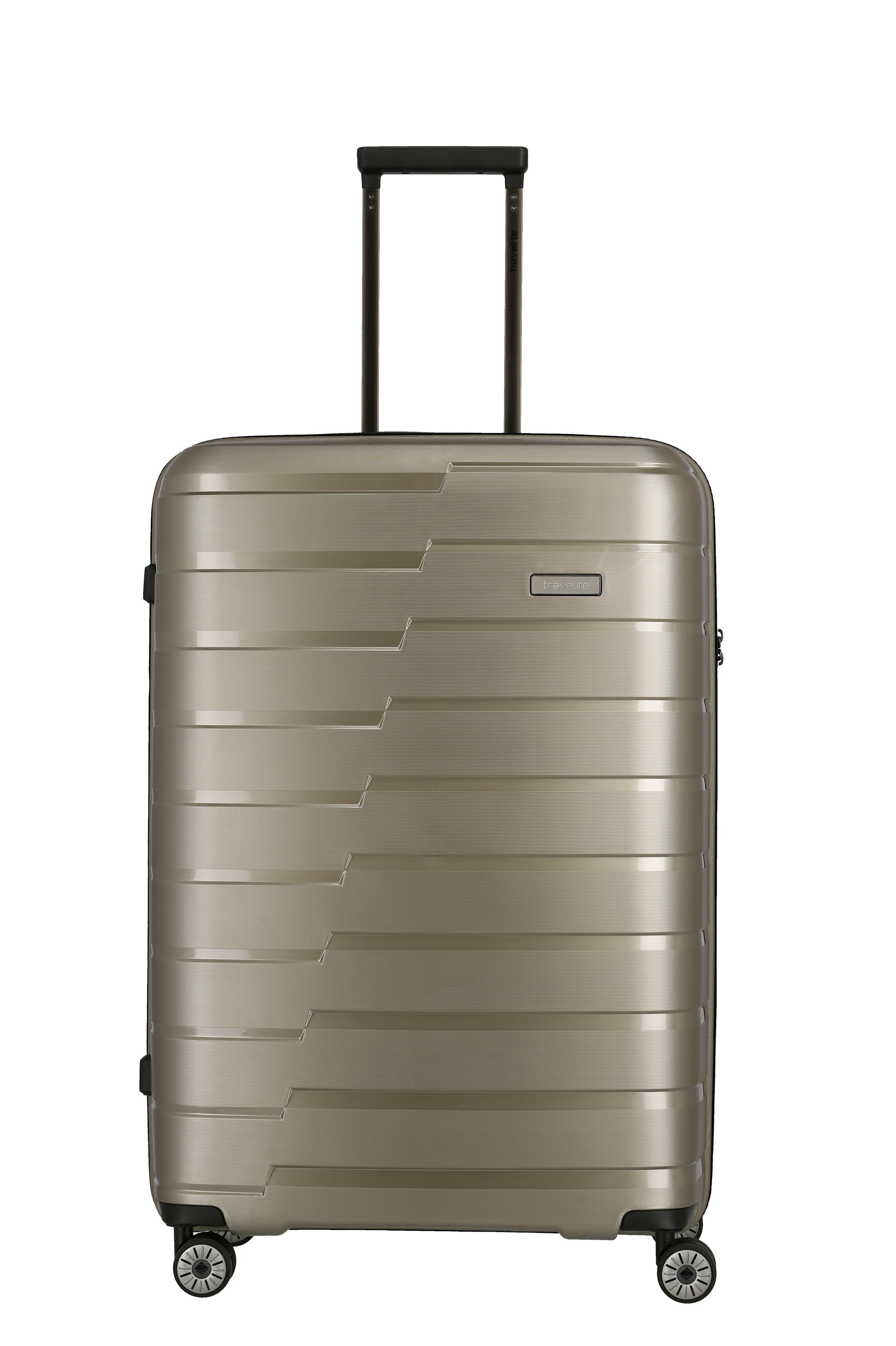
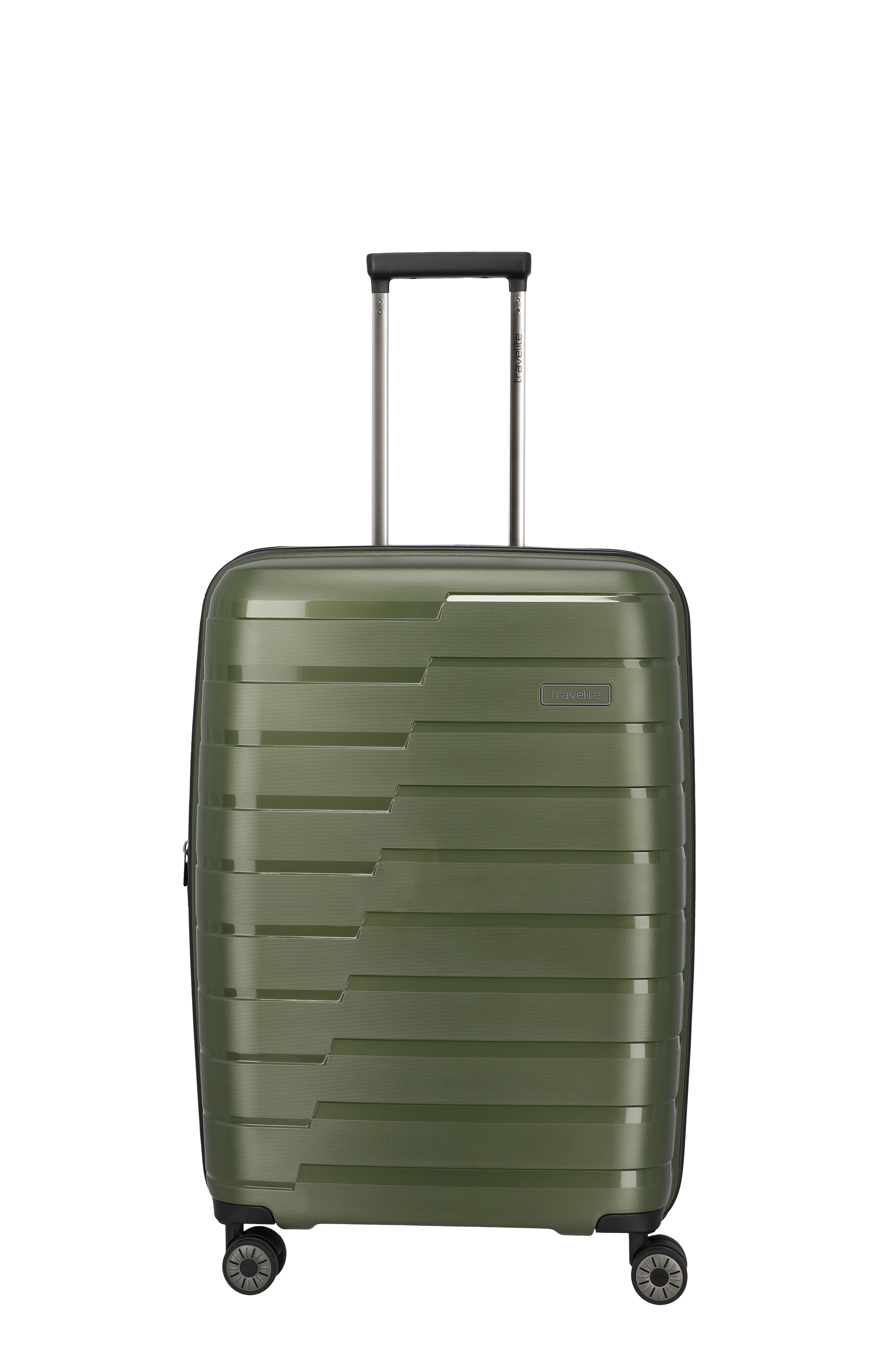
Winter clothing takes up a lot of space: a down jacket, boots and thermal clothing take up noticeably more room than a summer wardrobe. For a Northern Lights trip lasting ten days to two weeks, a large suitcase is therefore well worth it. If you’re travelling as a family, a set of suitcases is practical, as the sizes can be combined differently depending on the trip.
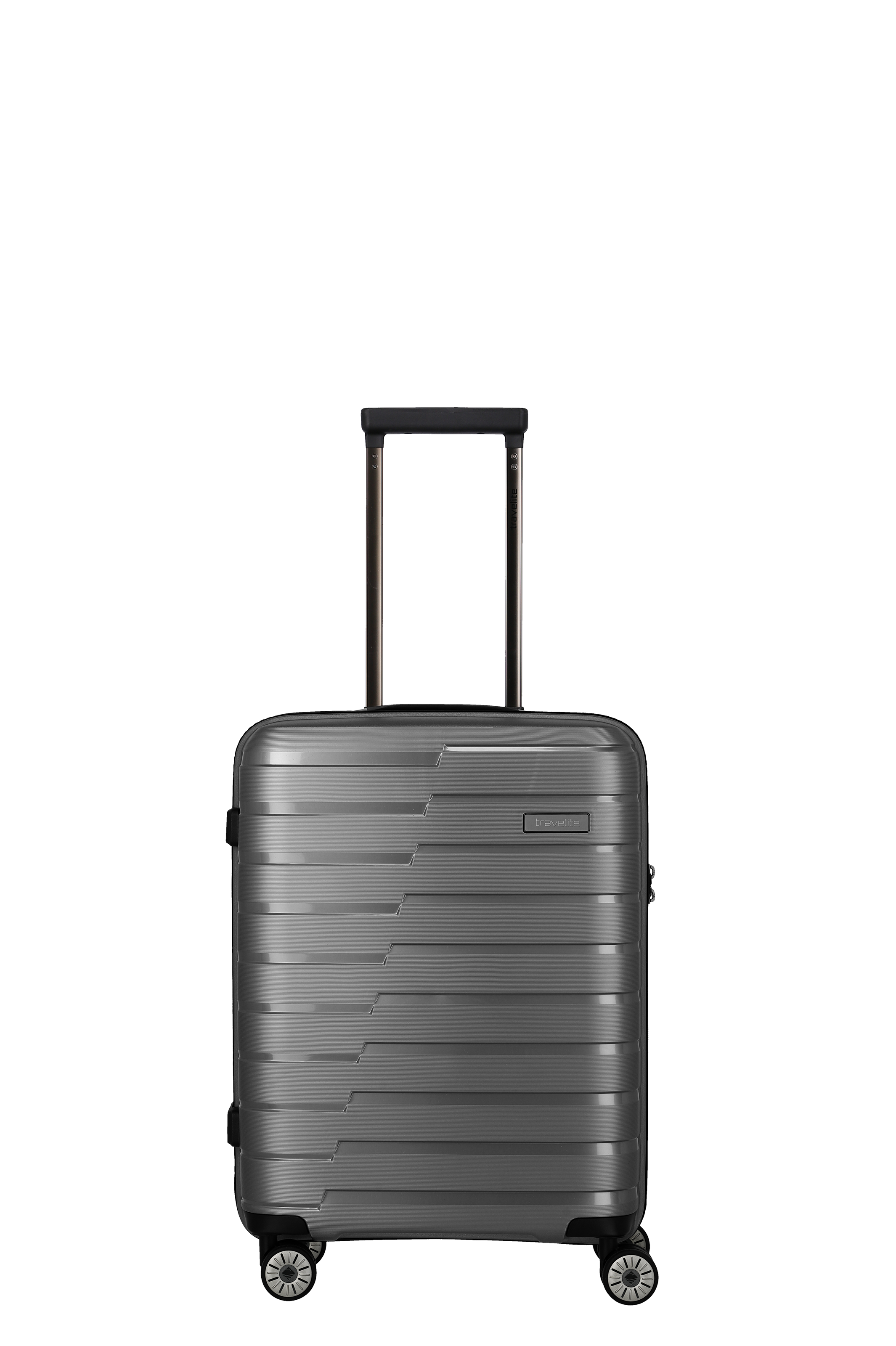
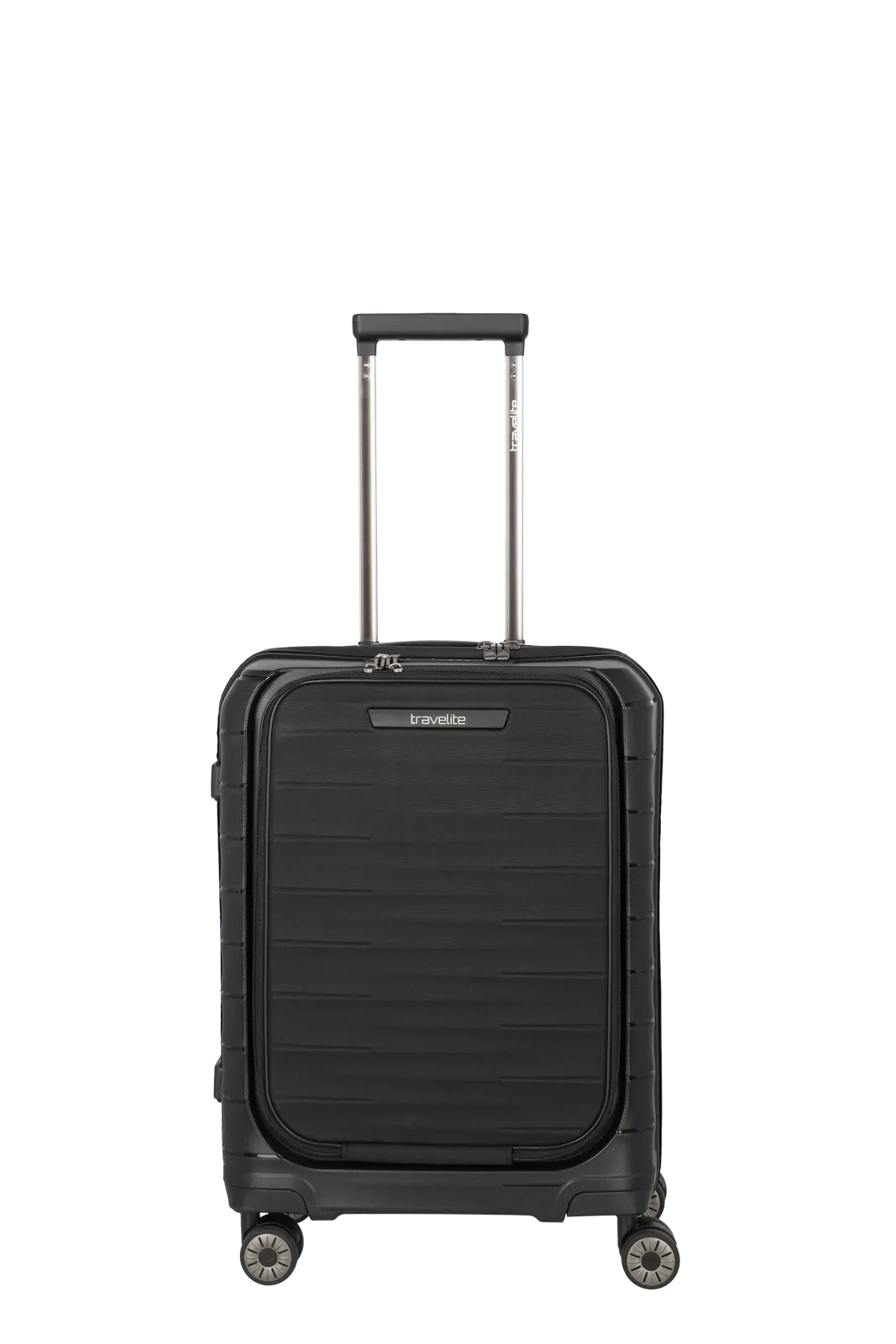
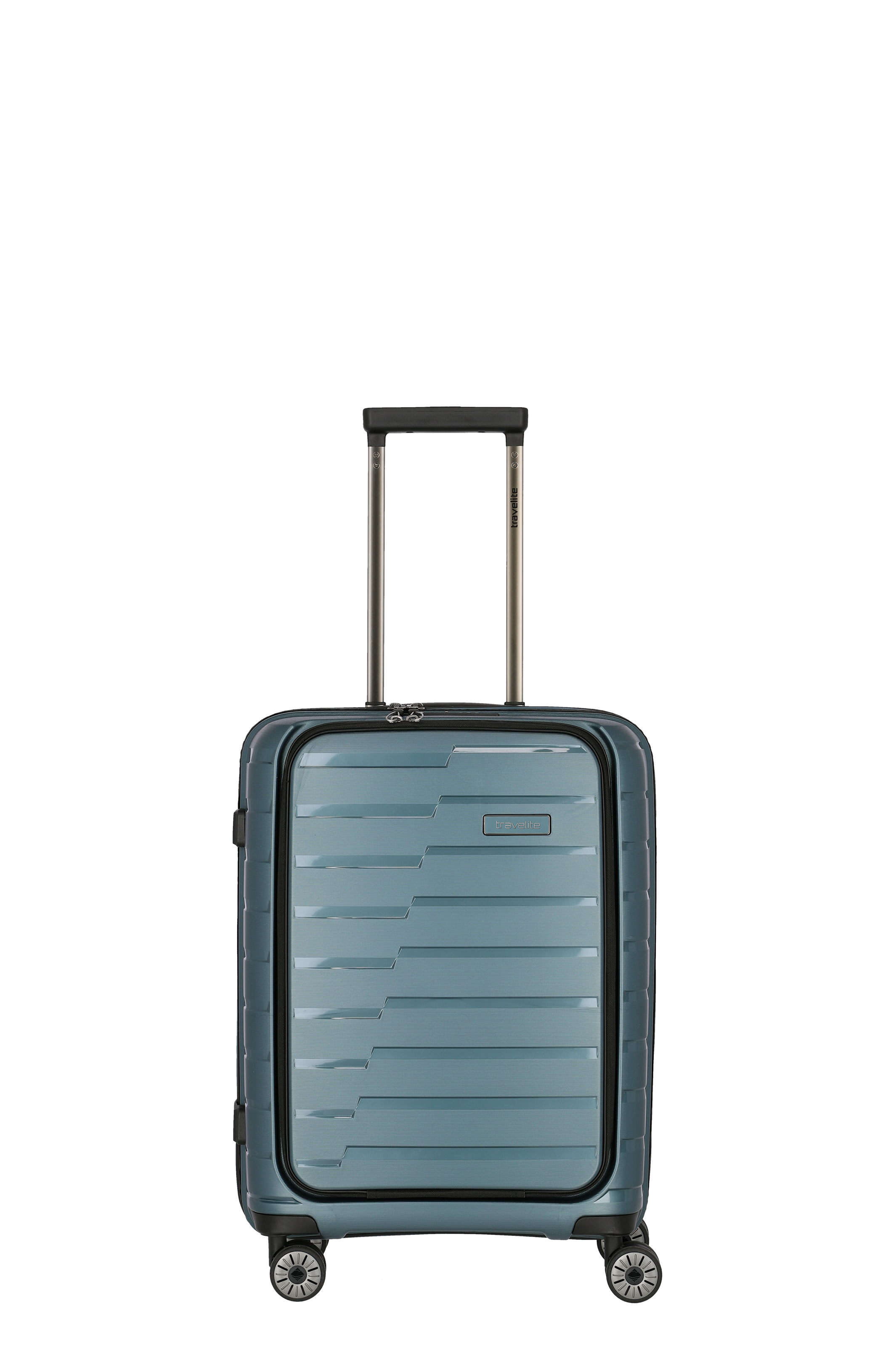
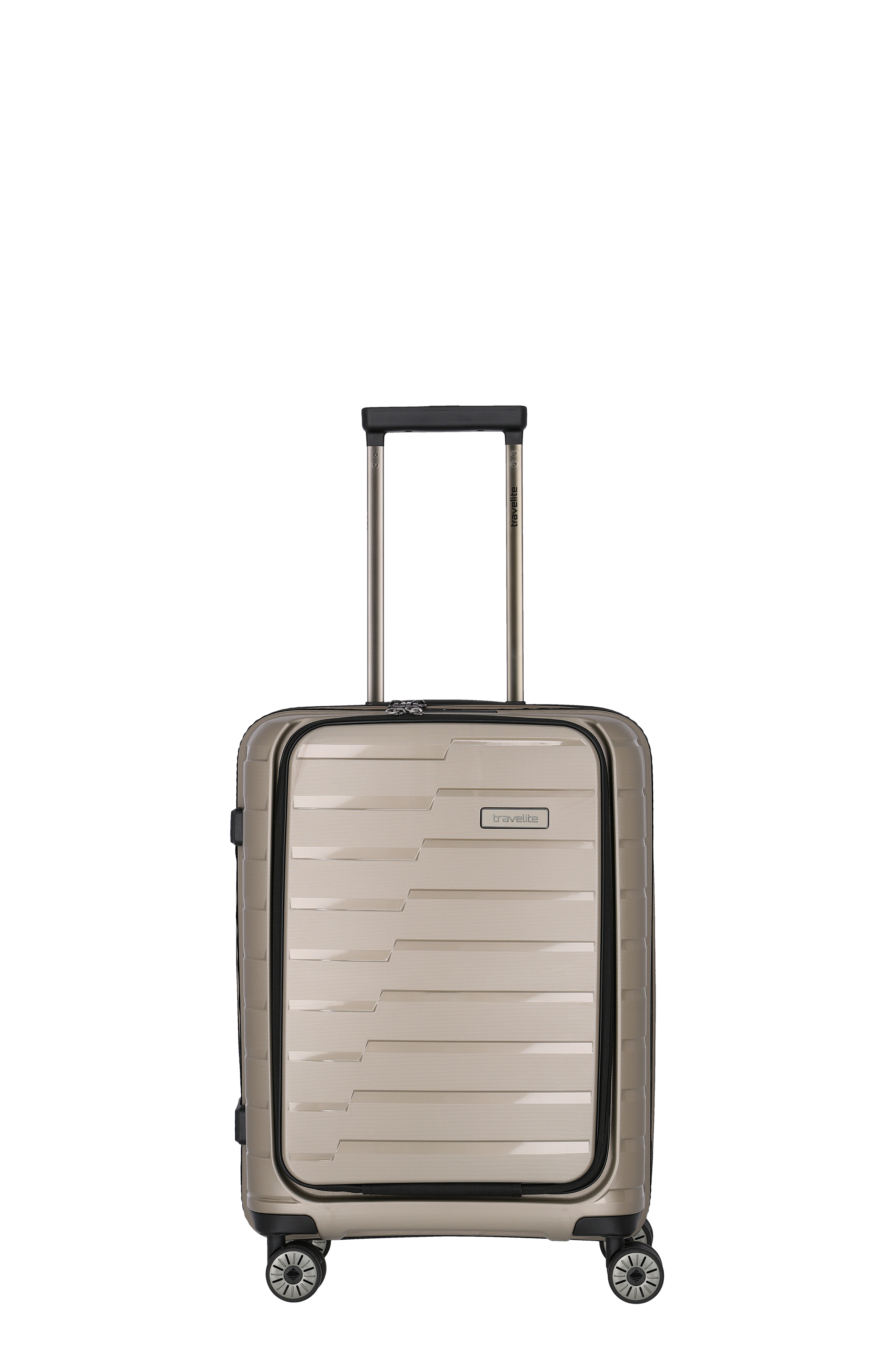
It’s best to carry your camera, tripod and power bank in your hand luggage. Firstly, because the cold in the hold damages the batteries, and secondly, because power banks aren’t allowed to be transported there anyway. You can find the dimensions and weight limits permitted by airlines in the hand luggage guide.
Northern Lights apps and tools – your virtual helper
The perfect night for seeing the Northern Lights depends on several factors: solar activity, the weather and darkness. There are now several apps and web services that combine these three factors and provide you with a forecast for the coming hours.
- Apps with map views and push notifications will alert you as soon as activity in your region increases.
- Services with a local focus on Scandinavia combine the Northern Lights forecast with a cloud forecast.
- Real-time maps of solar activity show how strongly the solar wind is currently striking the Earth’s atmosphere.
Photography tips – How to photograph the Northern Lights
Photographing the Northern Lights is an art, but with these tips you’ll succeed:
Use manual settings
- Aperture: F/2.8 or smaller
- Exposure time: 5 to 30 seconds, depending on the light intensity
- ISO: 800 to 1600
Focusing
- Set the focus manually to ‘infinity’. Use bright stars to focus.
Location
- Find a spot with as little light pollution as possible.
Timing
- Switch on your camera early and try out different settings. The Northern Lights can change quickly.
Frequently asked questions about the Northern Lights
What are the chances of actually seeing the Northern Lights?
In Northern Lapland, the spectacle is generally possible on around 200 nights a year. Whether you actually see it also depends on cloud cover and darkness. You should therefore plan for several nights: if you’re there for a week, your chances are significantly better than on a weekend trip.
At what time of day are the Northern Lights best seen?
The most active period is usually between 9 pm and 2 am, peaking around midnight. However, sightings are also possible earlier in the evening. Be ready and keep checking outside regularly; the lights can appear and disappear again within a matter of minutes.
Do you need a guided tour to see the Northern Lights?
It isn’t essential, but it is certainly helpful. Guides know the spots with little light pollution, will drive to other areas if it’s cloudy, and know where it’s sheltered from the wind. If you’ve hired a car and know your way around, you’ll manage just fine on your own.
How cold does it get on a Northern Lights trip?
In the interior of Lapland, temperatures of minus 20 degrees and below are normal between December and February. Along the Norwegian coast, it remains milder thanks to the Gulf Stream. The key is to dress in layers and make sure you don’t get chilled whilst waiting.
Can you photograph the Northern Lights with a mobile phone?
Modern smartphones cope surprisingly well in night mode, especially with bright Northern Lights. A small tripod is a huge help, as the exposure time is several seconds. For fainter displays, a camera with manual settings remains the better choice.
What luggage do I need for a Northern Lights trip?
For a trip lasting ten days to two weeks, a large suitcase is the right choice, as winter clothes take up a lot of space. Your camera, tripod and power bank should go in your hand luggage. Power banks are not allowed in the hold anyway, and the cold down there damages the batteries.




_400x400 Kopie.png?ts=1760433160)
.png?ts=1750248453)

.png?ts=1750248569)