

A seaside holiday by car: destinations, planning and the right luggage
After flying, the car is the second most popular means of transport for holiday travel: in 2025, 40 per cent of all holiday trips lasting five days or more were made by car. This offers tangible advantages for a seaside holiday. You decide the departure time and route yourself, and you can simply take your beach shelter, cool box and snorkelling kit with you. To ensure a relaxed journey, three things are key: the right destination, good planning and luggage that fits in your boot.
In a nutshell
- From Hamburg, you can reach the North Sea and the Baltic Sea in one to two hours, the North Sea coast in the Netherlands and Belgium in five to seven hours, and the Adriatic Sea in around 13 hours’ driving time.
- On your way south, depending on your route, you’ll need vignettes for Austria, Switzerland or Slovenia. In Italy, Croatia and France, you pay tolls based on the distance travelled.
- Plan to take a break every two hours.
- Several medium-sized suitcases and soft luggage make better use of the boot space than a single large suitcase.
Contents
- 01Why is a seaside holiday by car worth it?
- 02Where can you drive to the seaside?
- 03What do you need to plan before setting off for the seaside?
- 04What type of luggage is best for a holiday by car?
- 05Which type of luggage is best for which trip?
- 06How do you pack the car for a beach holiday?
- 07How do you organise a seaside holiday with children and a dog in the car?
- 08Conclusion: A relaxed drive to the seaside
- 09Frequently asked questions about seaside holidays by car
Why is a seaside holiday by car worth it?
A seaside holiday by car is well worth it because you can travel flexibly, take plenty of luggage with you and, as a family, it’s often cheaper than travelling by plane. There’s no baggage allowance. Whatever fits in the boot comes along: a parasol, a bodyboard, a pushchair or the dog’s bed.
On top of that, a driving holiday gives you the freedom to organise your time as you wish. You set off when it suits you, make stop-offs as and when you feel like it, and arrive directly at your accommodation. Once there, you’re mobile and can reach coves and beaches that are difficult to access without a car.
There is one caveat: the further south your destination is, the longer the journey takes. If you’re heading to the Adriatic or the Côte d’Azur from northern Germany, you should plan an overnight stop.
Where can you drive to the seaside?
By car, you can reach the North Sea and the Baltic Sea from Germany, as well as the coasts of the Netherlands, Belgium and Denmark, the Adriatic Sea in Italy, Slovenia and Croatia, and the French coasts on the Atlantic and the Mediterranean. The journey times from Hamburg are pure driving times according to the route planner; breaks and traffic jams should be factored in.
| Destination | Coast and beaches | Journey time from Hamburg | Vignettes and tolls whilst travelling |
|---|---|---|---|
| Timmendorfer Strand (Baltic Sea) | fine sandy beaches, calm waters | approx. 1 hour (80 km) | none |
| St. Peter-Ording (North Sea) | wide sandy beaches, tides | approx. 2 hours (140 km) | none |
| Blåvand (West Jutland, Denmark) | Dunes and long sandy beaches | approx. 4 hours (340 km) | none |
| Zandvoort (Netherlands) | Sandy beach near Amsterdam | approx. 5.5 hours (490 km) | none |
| De Haan (Belgium) | Sandy beach, coastal tram | approx. 7 hours (670 km) | none |
| Saint-Malo (Brittany, France) | Tidal coast, bays | approx. 12.5 hours (1,240 km) | Tolls by route |
| Bibione (Upper Adriatic, Italy) | flat sandy beaches | approx. 13 hours (1,280 km) | Austrian vignette, distance-based toll |
| Piran (Slovenia) | short coastline, old town by the sea | approx. 13 hours (1,300 km) | Vignettes for Austria and Slovenia |
| Poreč (Istria, Croatia) | Gravel and rocky bays | approx. 13.5 hours (1,340 km) | Vignettes for Austria and Slovenia, tolls based on distance |
| Nice (Côte d’Azur, France) | Pebble beaches, the Mediterranean | approx. 15 hours (1,420 km) | Depending on the route: Swiss vignette, tolls based on distance |
You’re not setting off from Hamburg?
Select your next town in the journey planner and see straight away how long it will take you to reach each destination listed in the table. Break times and information on vignettes and tolls are included too.
Pure journey time and distance according to the route planner (OSRM, map data © OpenStreetMap contributors), from the city centre, excluding traffic jams and breaks. As of October 2026. The location function uses only your browser; your location is not transmitted or stored.
The North Sea and the Baltic Sea in Germany
The German coast is the most obvious destination for a seaside holiday by car. Lübeck Bay, including Timmendorfer Strand, is about an hour’s drive from Hamburg, whilst St Peter-Ording can be reached in around two hours. This is just as suitable for a spontaneous weekend break as it is for a two-week stay in a holiday home. There are no tolls or vignette charges.
The Netherlands, Belgium and Denmark
Along the Dutch North Sea coast, long sandy beaches alternate with dunes. Zandvoort is right on Amsterdam’s doorstep, so you can combine a beach holiday with a city break. In Belgium, a coastal tram connects seaside resorts such as De Haan, so you can leave the car behind for a change. Denmark’s west coast around Blåvand is a classic destination for a holiday home break, with plenty of space in the dunes.
Italy: the northern Adriatic
For a holiday in Italy by car, the seaside resorts on the northern Adriatic coast, such as Bibione, Lignano, Caorle or, further south, Rimini, are the classic destinations. The beaches slope gently into the sea, making them popular with families. From Hamburg, you’ll be behind the wheel for around 13 hours; an overnight stop in southern Germany or Austria is a sensible way to break up the journey.
Croatia: Istria and Kvarner Bay
Istria is the nearest destination for a seaside holiday in Croatia by car. Towns such as Poreč and Rovinj are situated on pebble and rocky bays with clear water; the Kvarner Bay around Opatija and the island of Krk lie to the south. You don’t need a vignette in Croatia; on the motorways, you pay tolls based on the distance travelled.
Slovenia
The Slovenian coast is short but varied. Piran, with its Venetian-style old town, lies right on the waterfront and is ideal as a stop-off or a destination for a few quiet days. You’ll need an e-vignette to use motorways and expressways.
France: the Atlantic and the Mediterranean
A seaside holiday in France by car will take you either to the Atlantic or the Mediterranean. In Brittany, around Saint-Malo, the coast is shaped by the tides, whilst the Côte d’Azur offers pebble beaches and a mild climate. There is no vignette in France; most motorways charge tolls based on distance travelled. For low-emission zones in cities, you’ll need the French Crit’Air environmental sticker.
Tip for quieter beaches: In September, the water and air in the south are often still warm, but the peak season is over. If you’re not tied to school holidays and want to enjoy an affordable seaside holiday by car, you’ll find it easier to secure accommodation during the off-peak season and encounter fewer traffic jams.
What do you need to plan before your trip to the seaside?
Before setting off for the seaside, it’s best to plan your route and departure time, sort out vignettes and tolls for all transit countries, and check your documents and compulsory equipment.
Route and journey time
At the start of the holidays and at weekends during the summer holidays, the motorways heading south are particularly busy. If you set off early in the morning or during the week, you’ll avoid the worst of the traffic jams. For destinations more than ten hours’ drive away, an overnight stop breaks up the journey and ensures you arrive at the seaside well-rested.
Vignette and tolls by country
In Austria, a vignette is compulsory on motorways and expressways. An annual or two-month vignette purchased online is only valid 18 days after purchase; short-term vignettes for one or ten days are valid immediately. For some routes, such as the Brenner or Tauern motorways, you’ll also pay a route-based toll. In Switzerland, the annual vignette costs 40 francs; it’s best to buy it directly from the Federal Office for Customs and Border Security. Slovenia requires an e-vignette, whilst Italy, Croatia and France charge tolls based on the distance travelled. In the Netherlands, Belgium and Denmark, you can drive on the motorways toll-free in a car.
Documents and essential items
Your driving licence, vehicle registration certificate, identity card and your motor insurance card should be kept within easy reach in the glove compartment. The International Motor Insurance Certificate (formerly the Green Card) is not compulsory in Croatia, but it does make it easier to sort things out following an accident.
Pack a high-visibility vest for everyone in the car. In Italy and France, anyone getting out of the car following a breakdown outside built-up areas must wear a high-visibility vest; in Croatia, this is also compulsory within built-up areas. In Croatia and Slovenia, a spare bulb set is also compulsory. You’ll already have a warning triangle and first-aid kit on board from Germany anyway. In Croatia, you must drive with dipped headlights even during the day from 1 November to 31 March.
Plan in breaks
Where possible, don’t drive for more than two hours at a time and pick out suitable rest stops before you set off. If you notice the first signs of tiredness, such as burning eyes, frequent yawning or your mind wandering, a short nap of 15 to 20 minutes will help. On long journeys, it’s best to plan a driver change and avoid driving during the second half of the night.
What sort of luggage is best for a holiday by car?
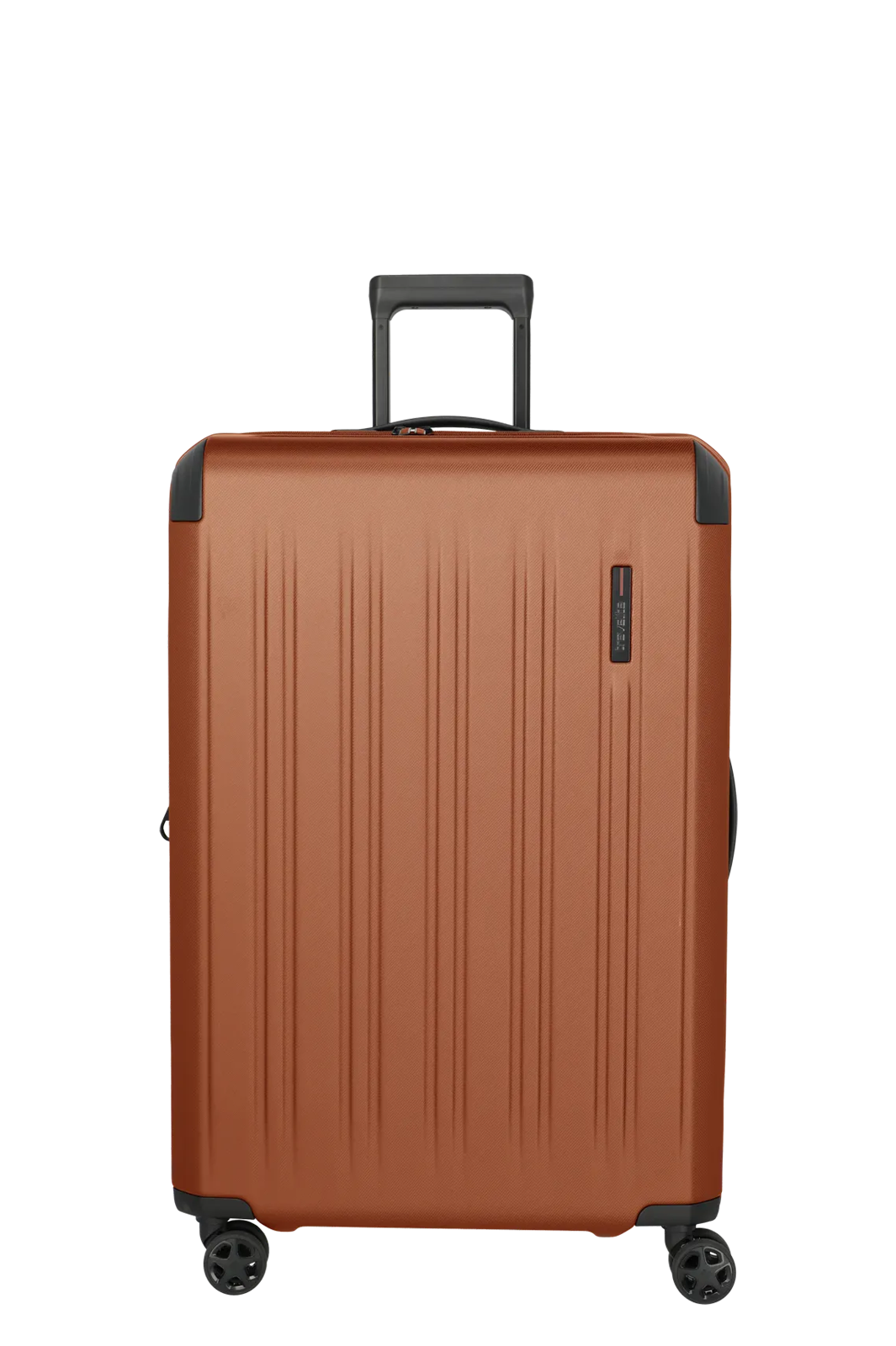
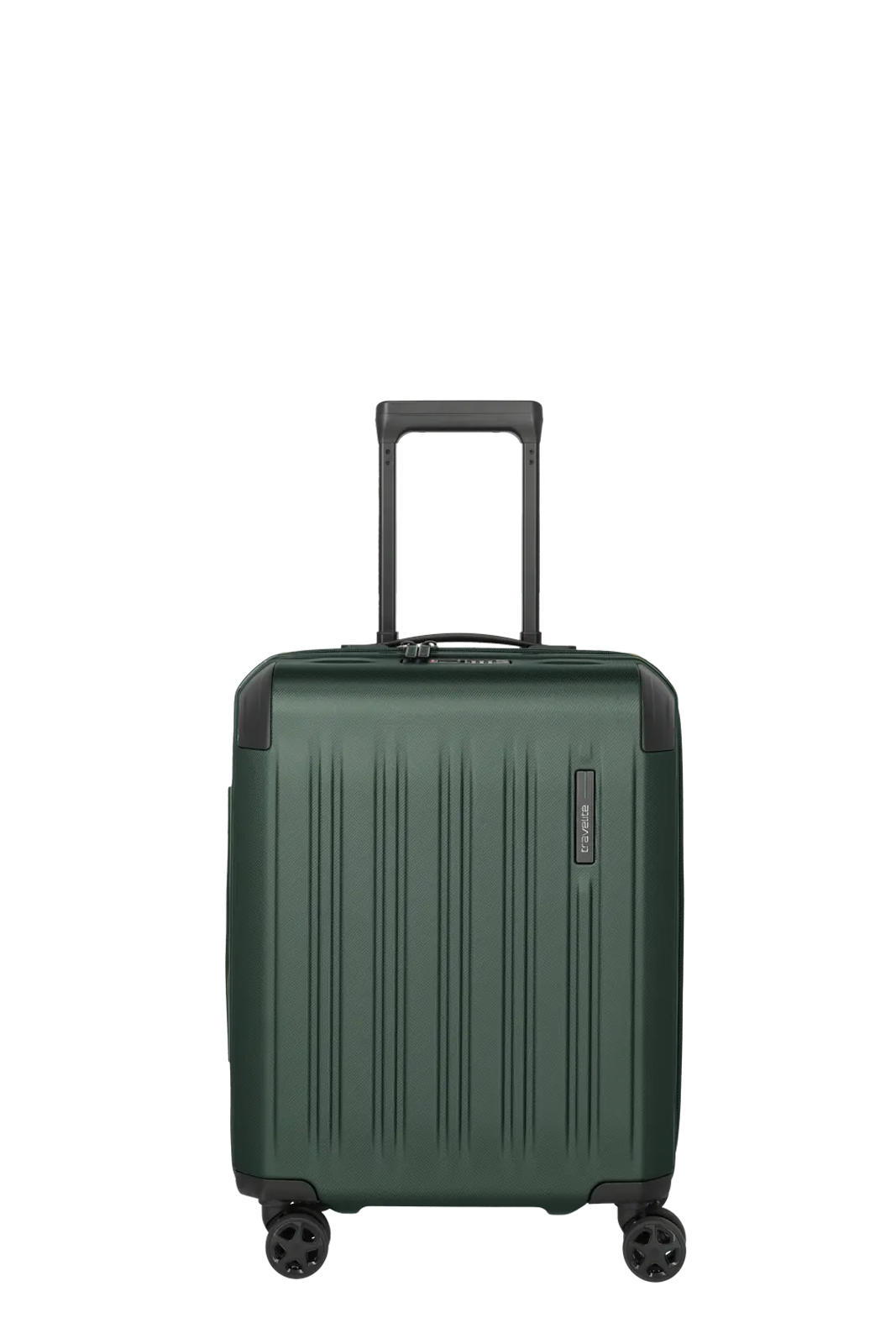
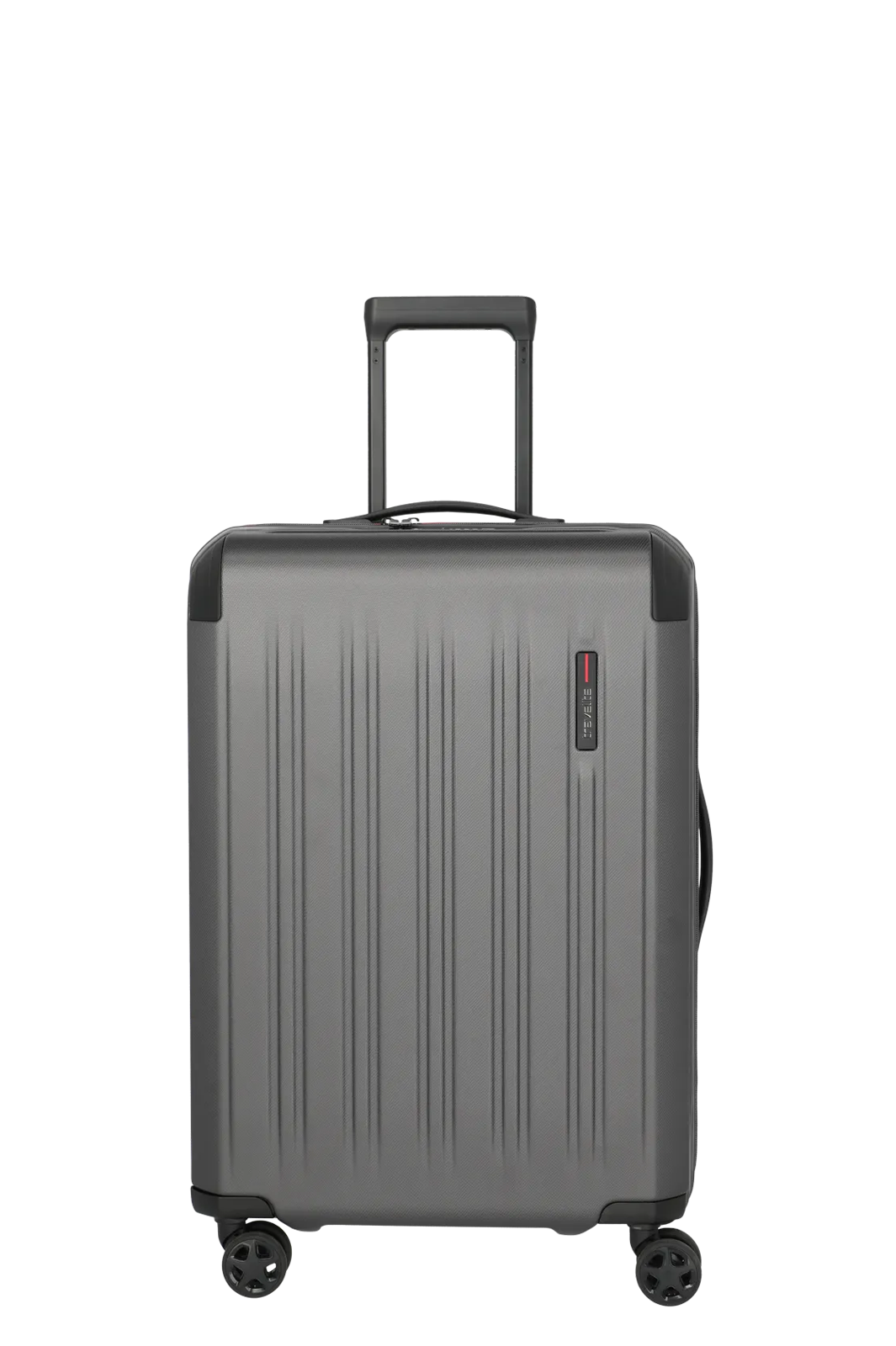
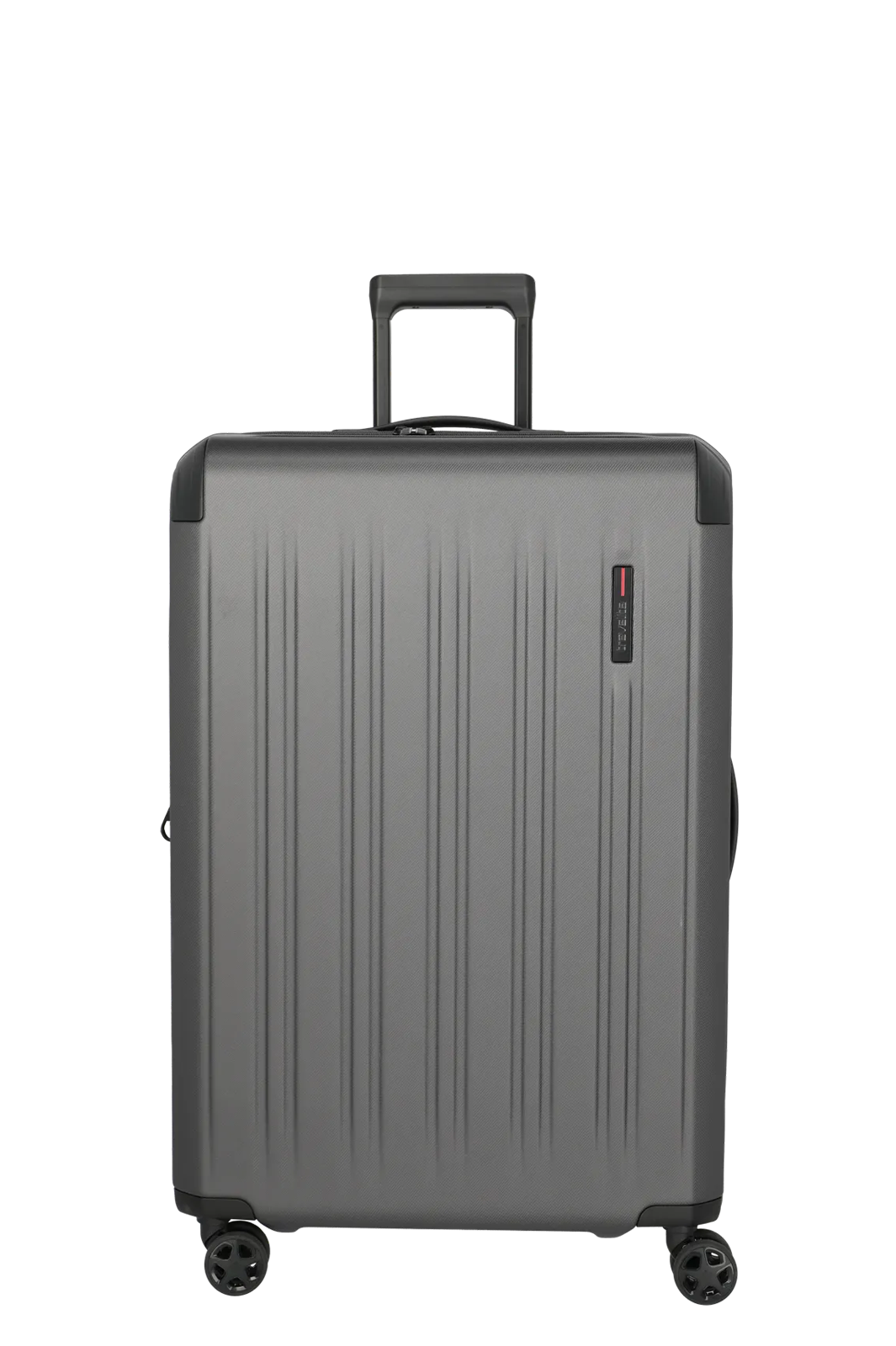
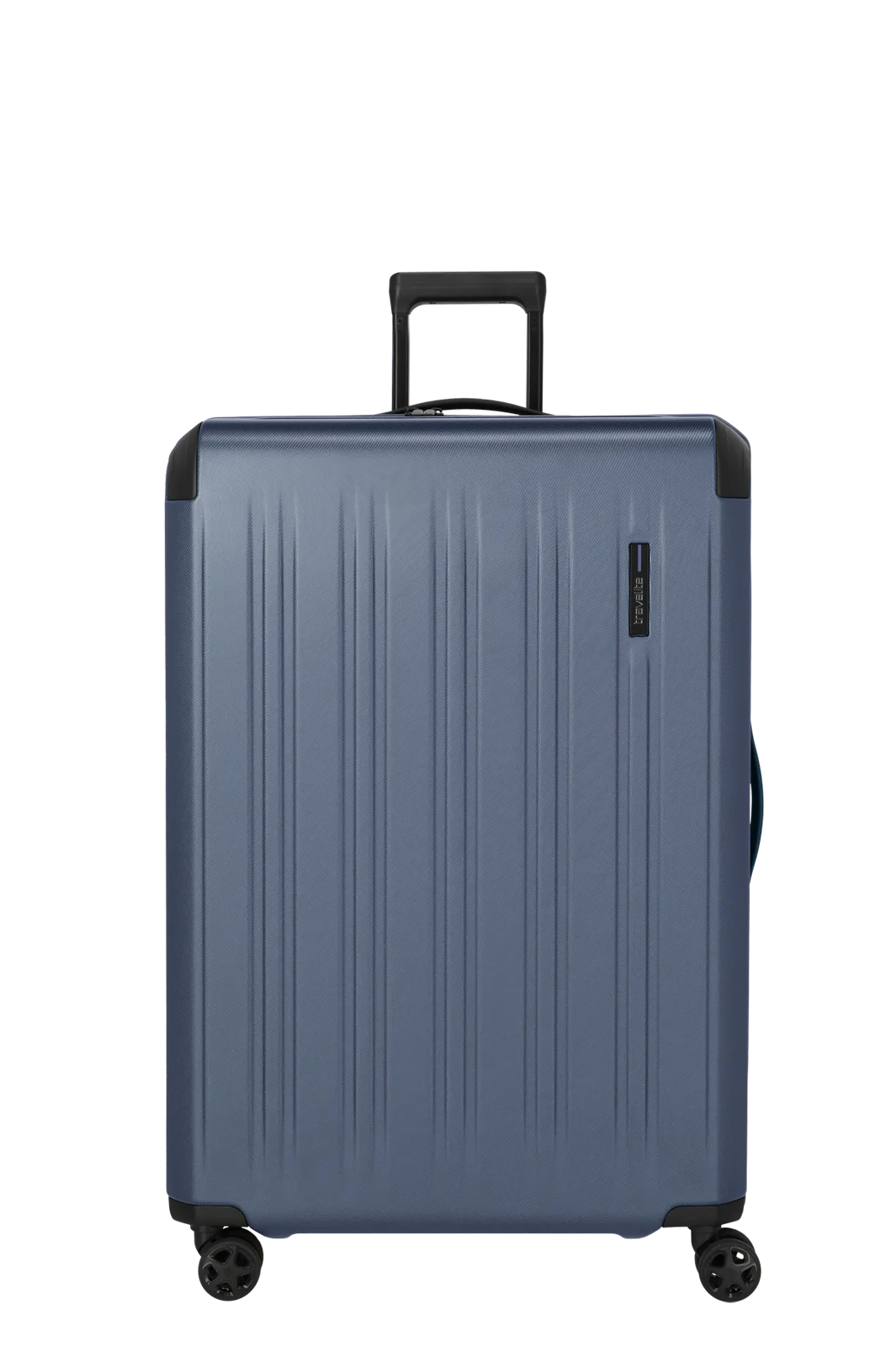
For a holiday by car, a combination of medium-sized suitcases, soft luggage and a small bag for on the go is ideal, as it makes the best use of the boot space. A single large suitcase is heavy to lift and often leaves space unused.
Hard-shell or soft luggage in the boot?
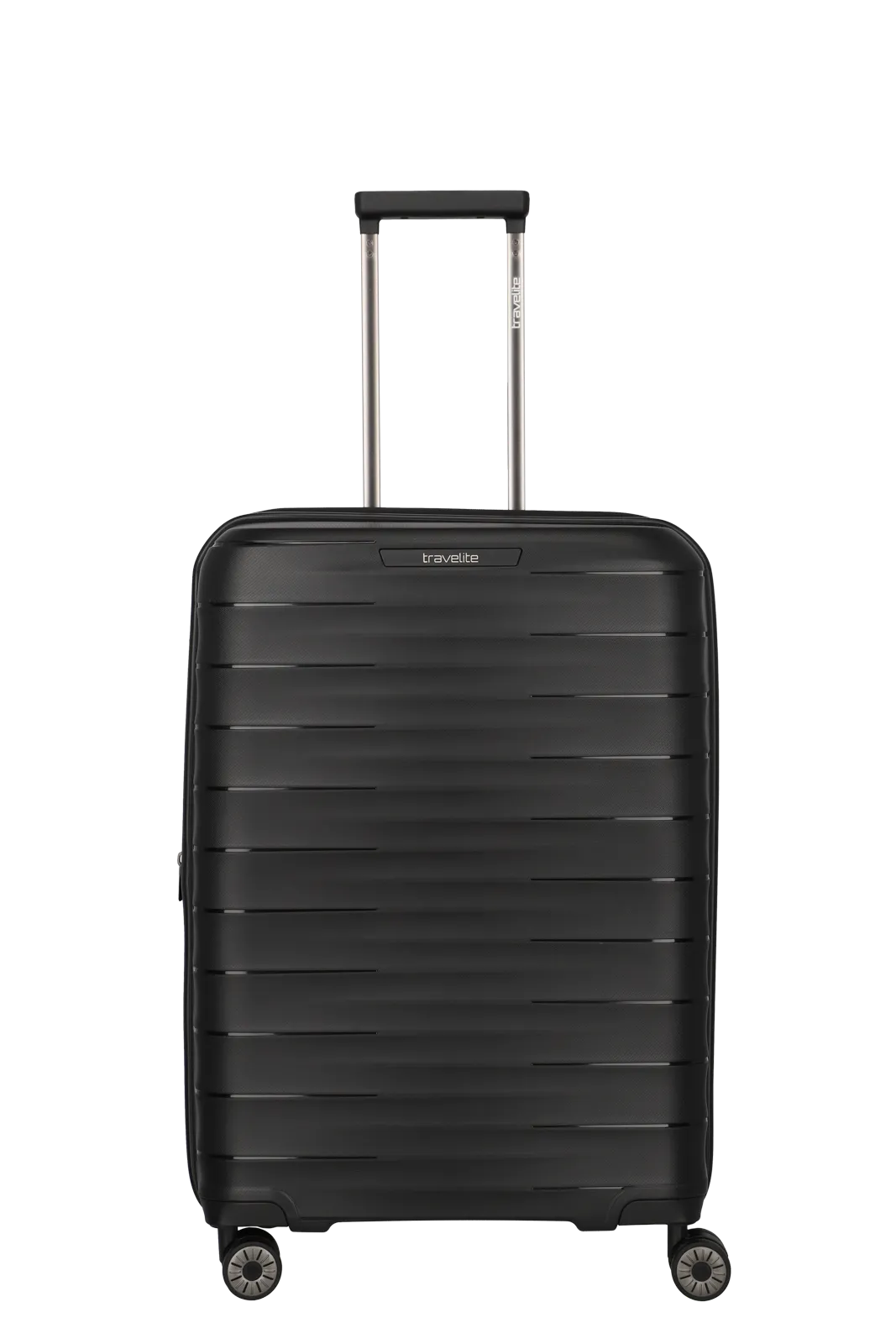
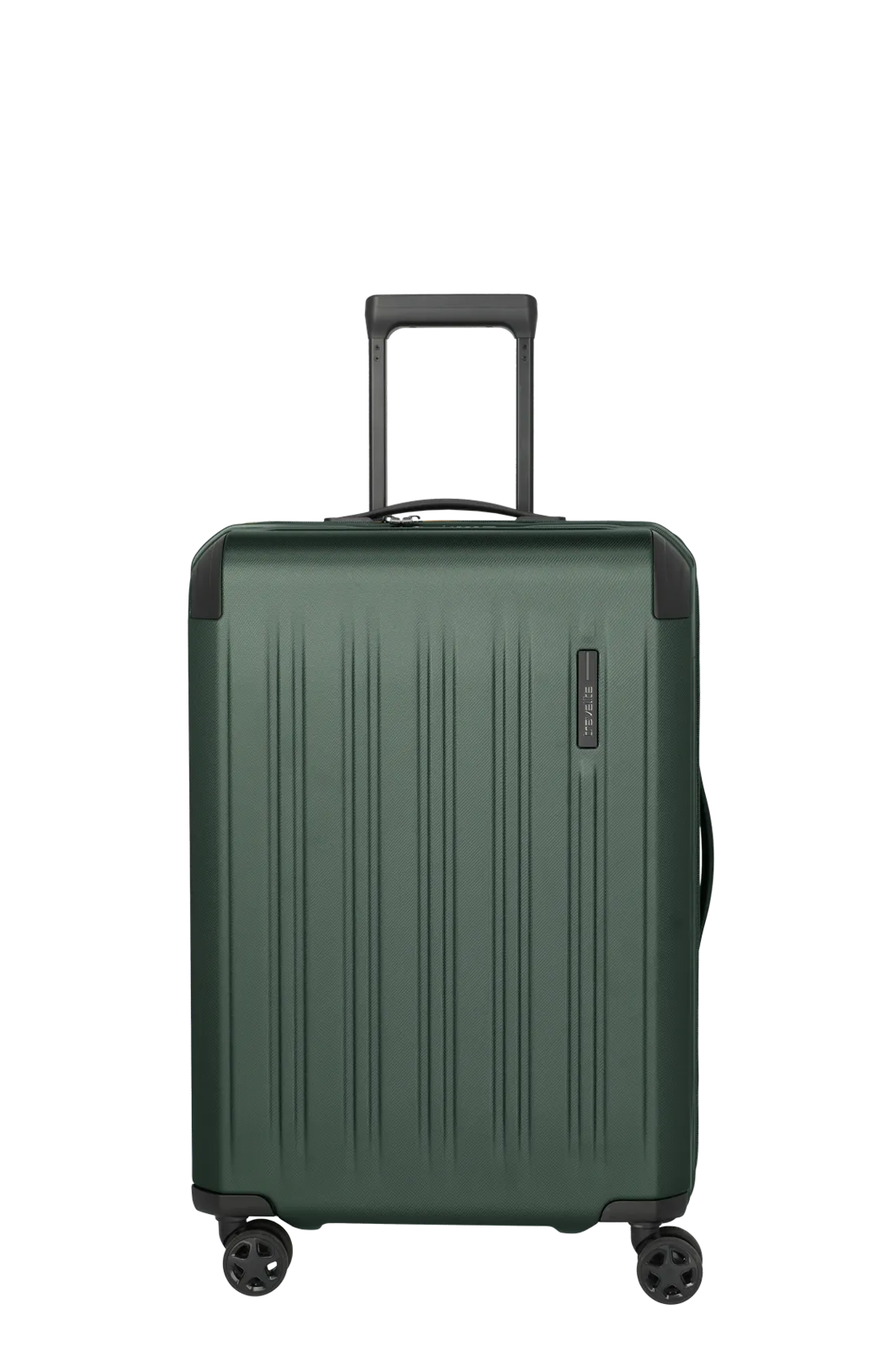
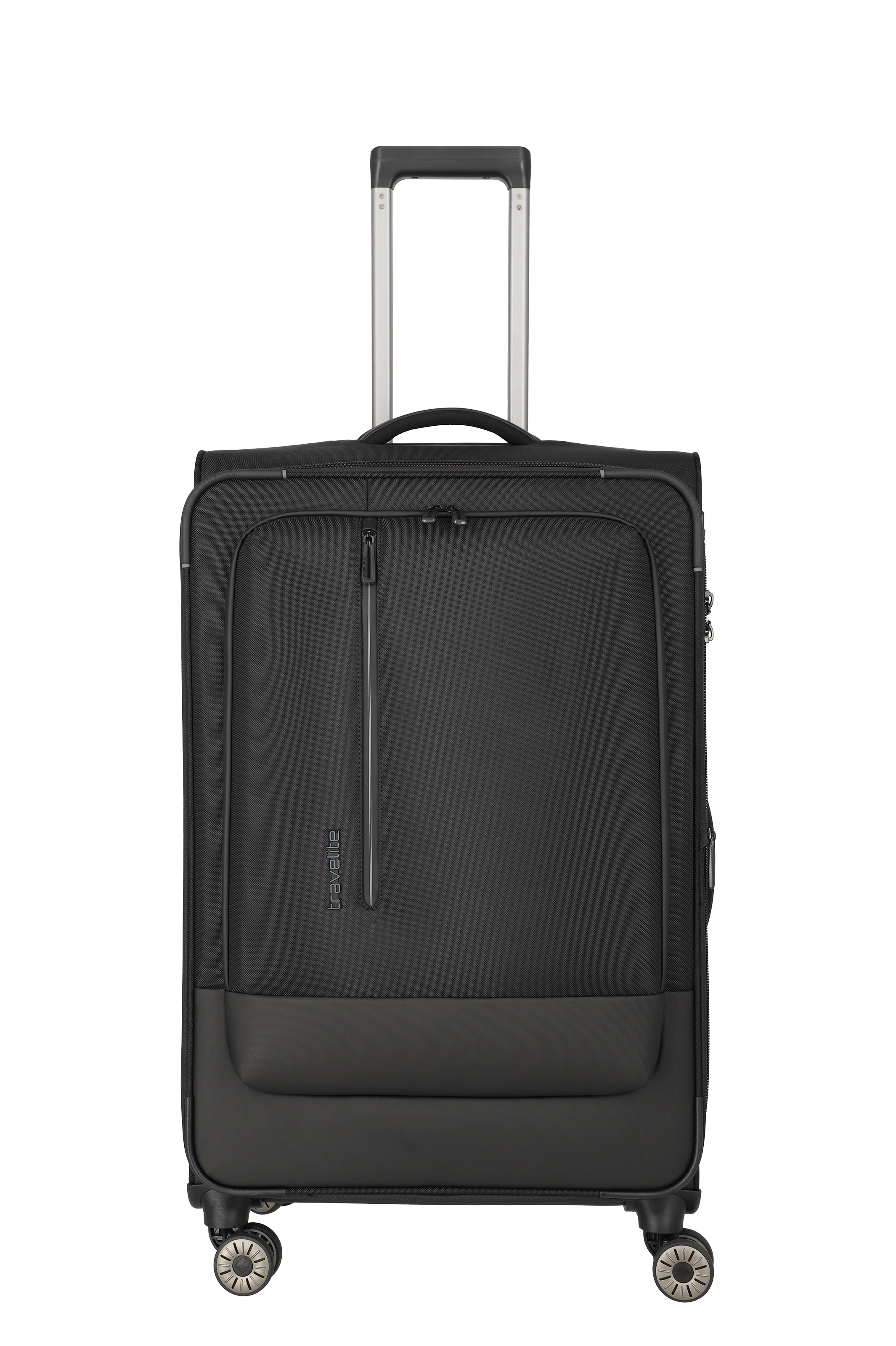
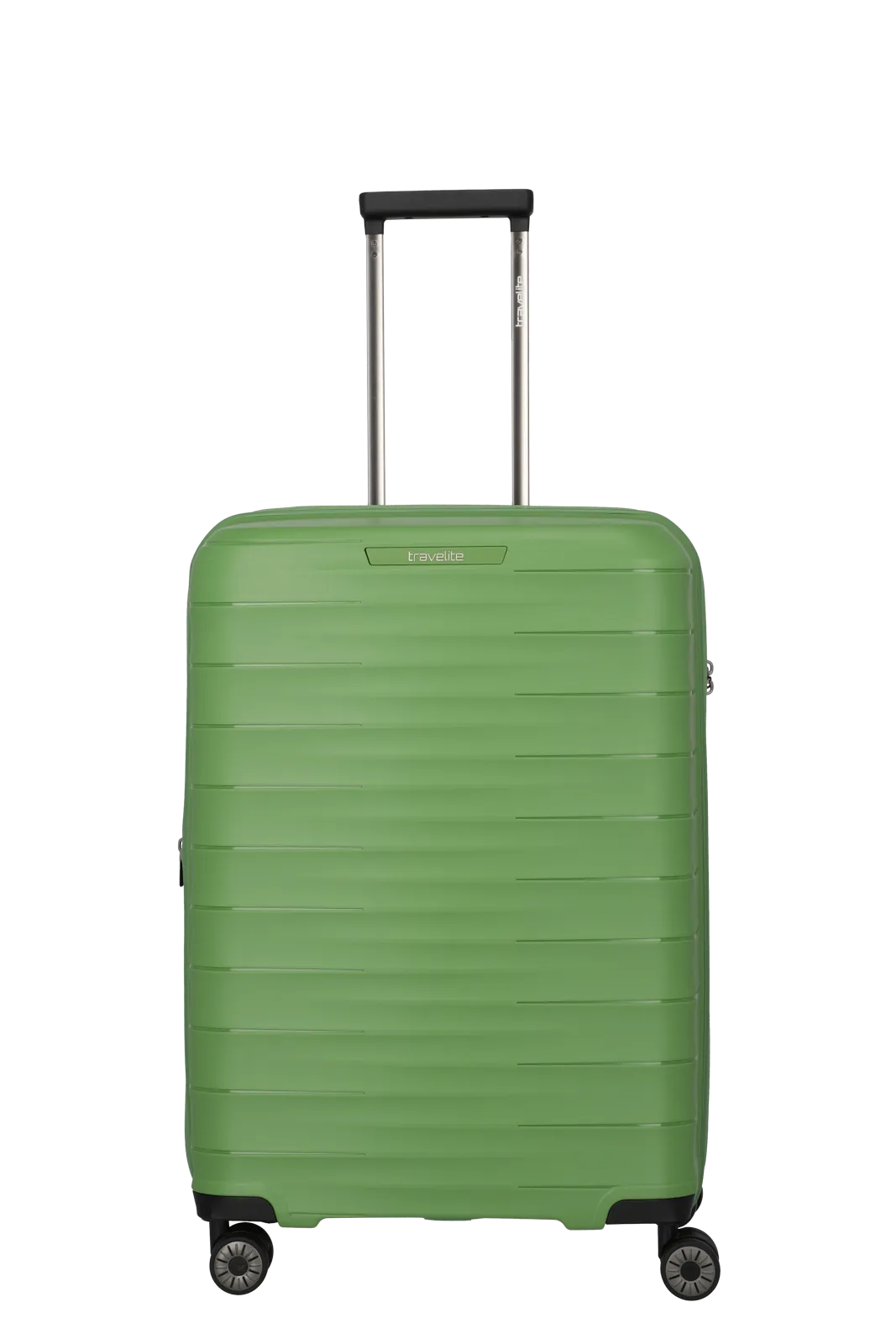
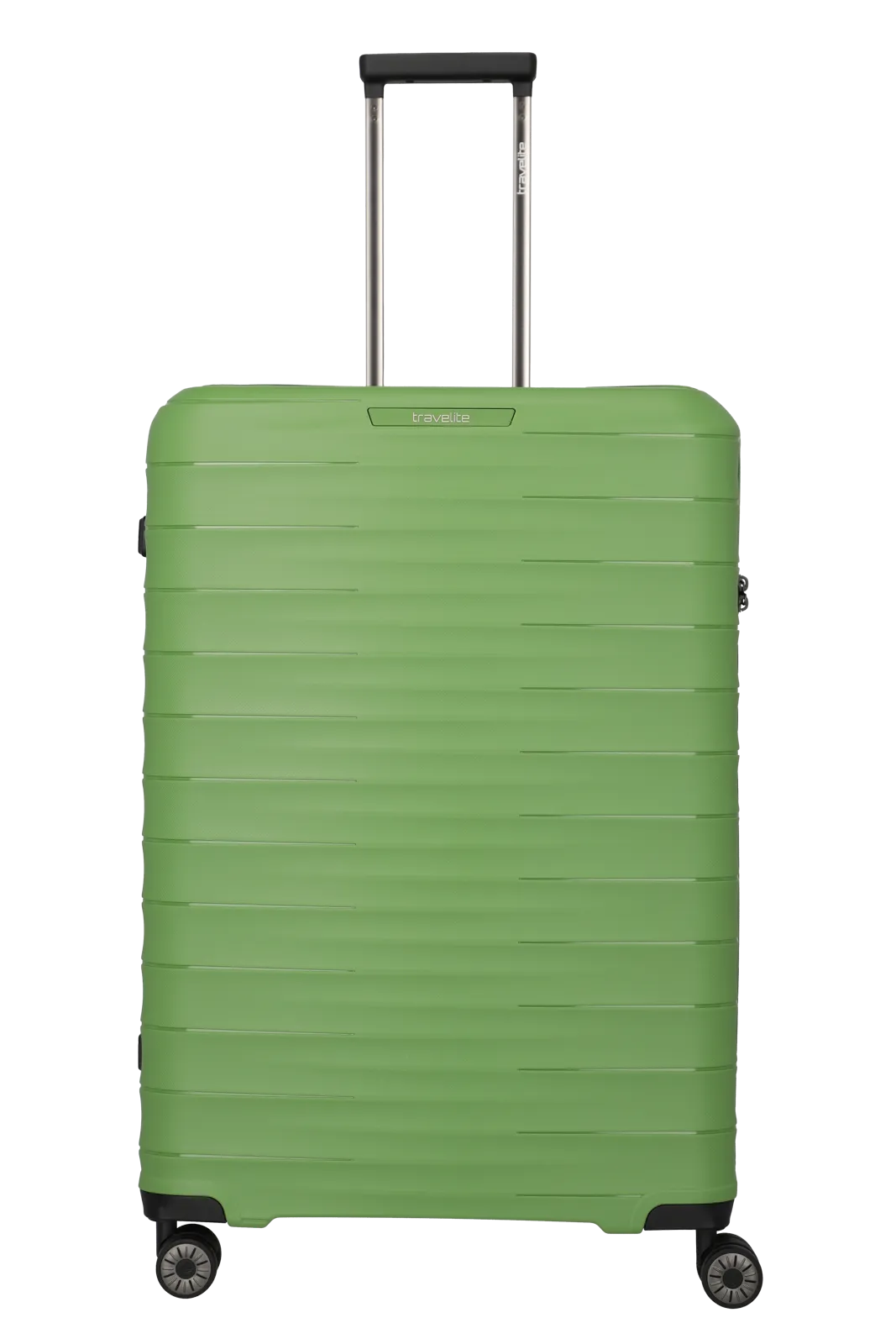
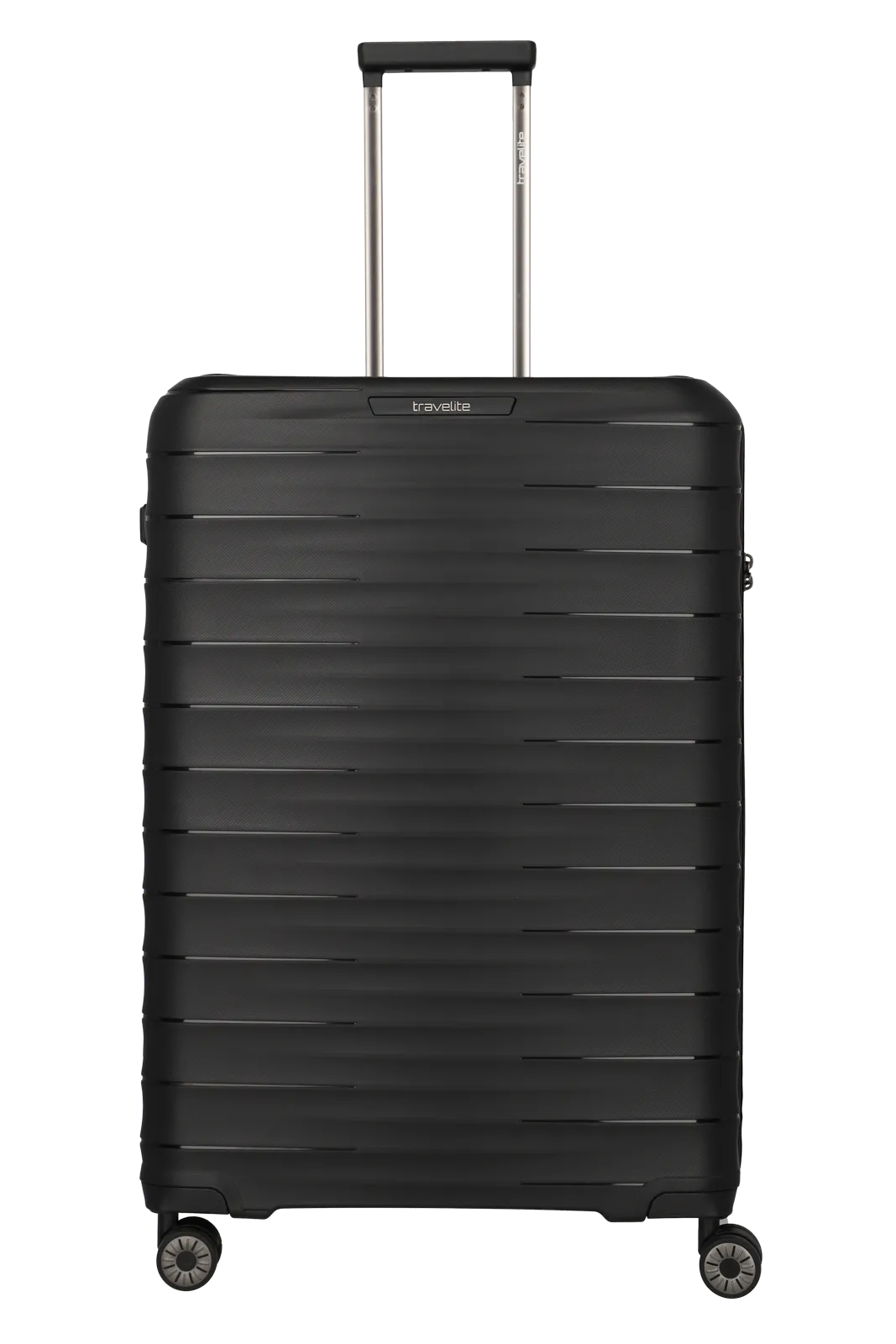
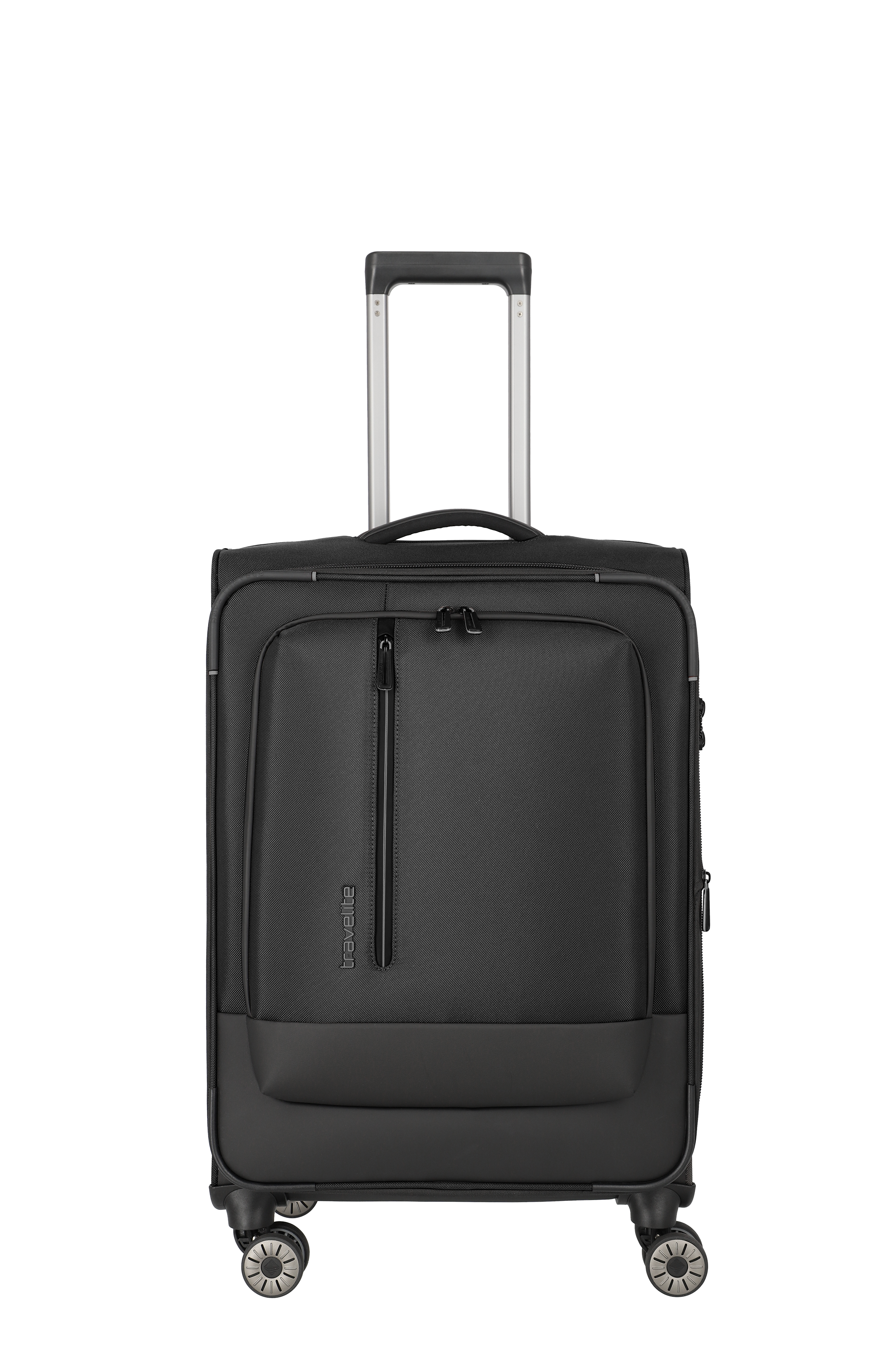
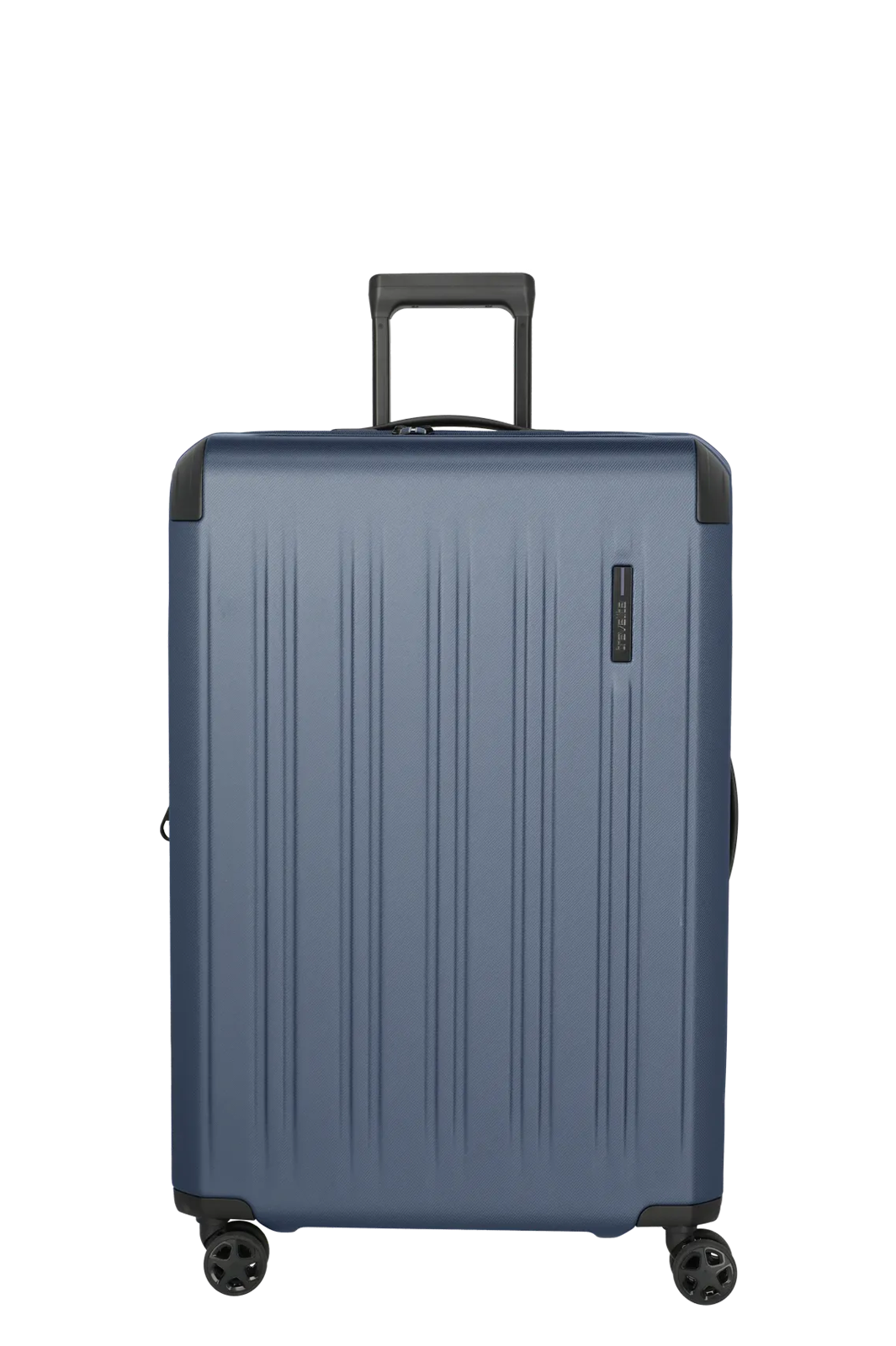
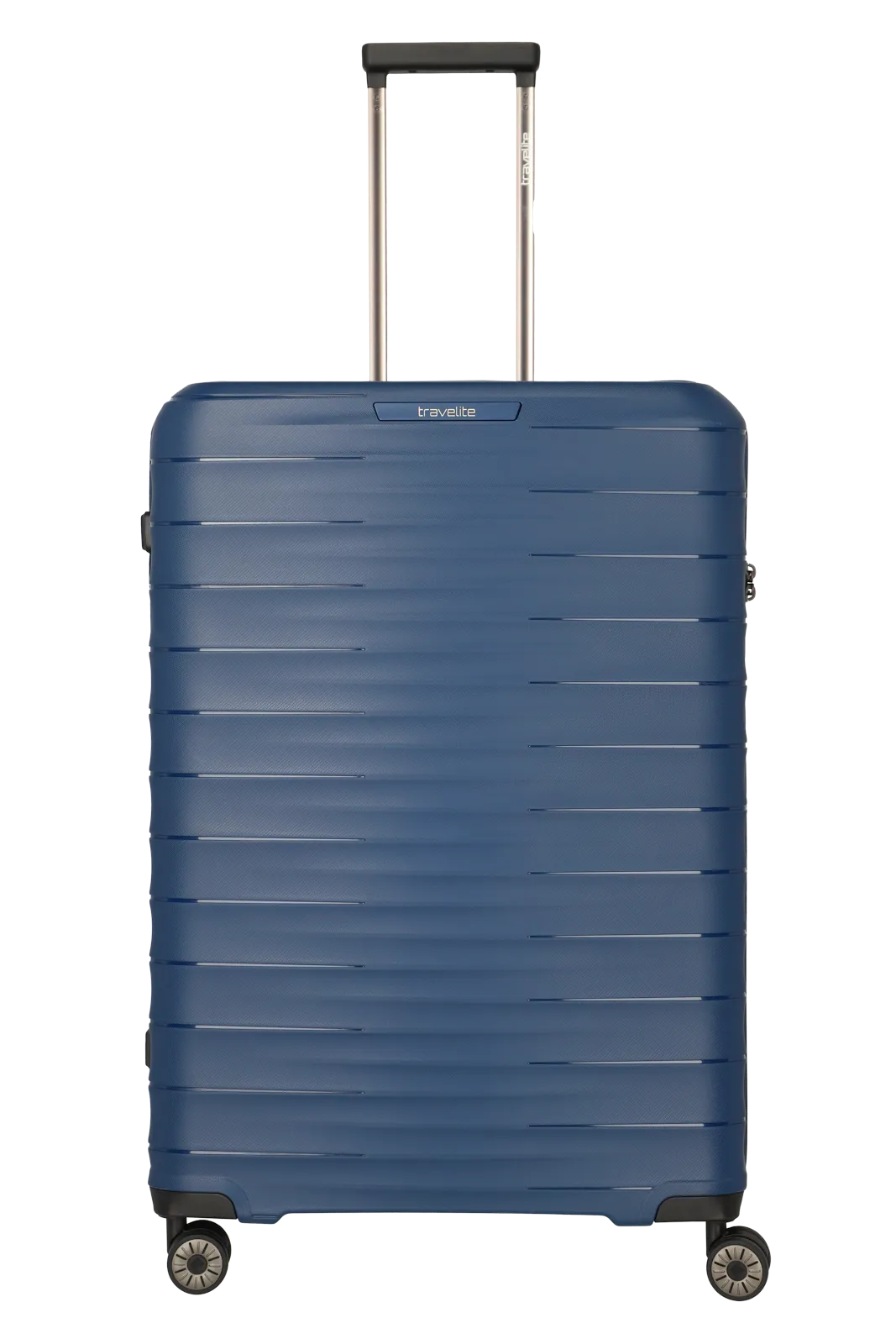
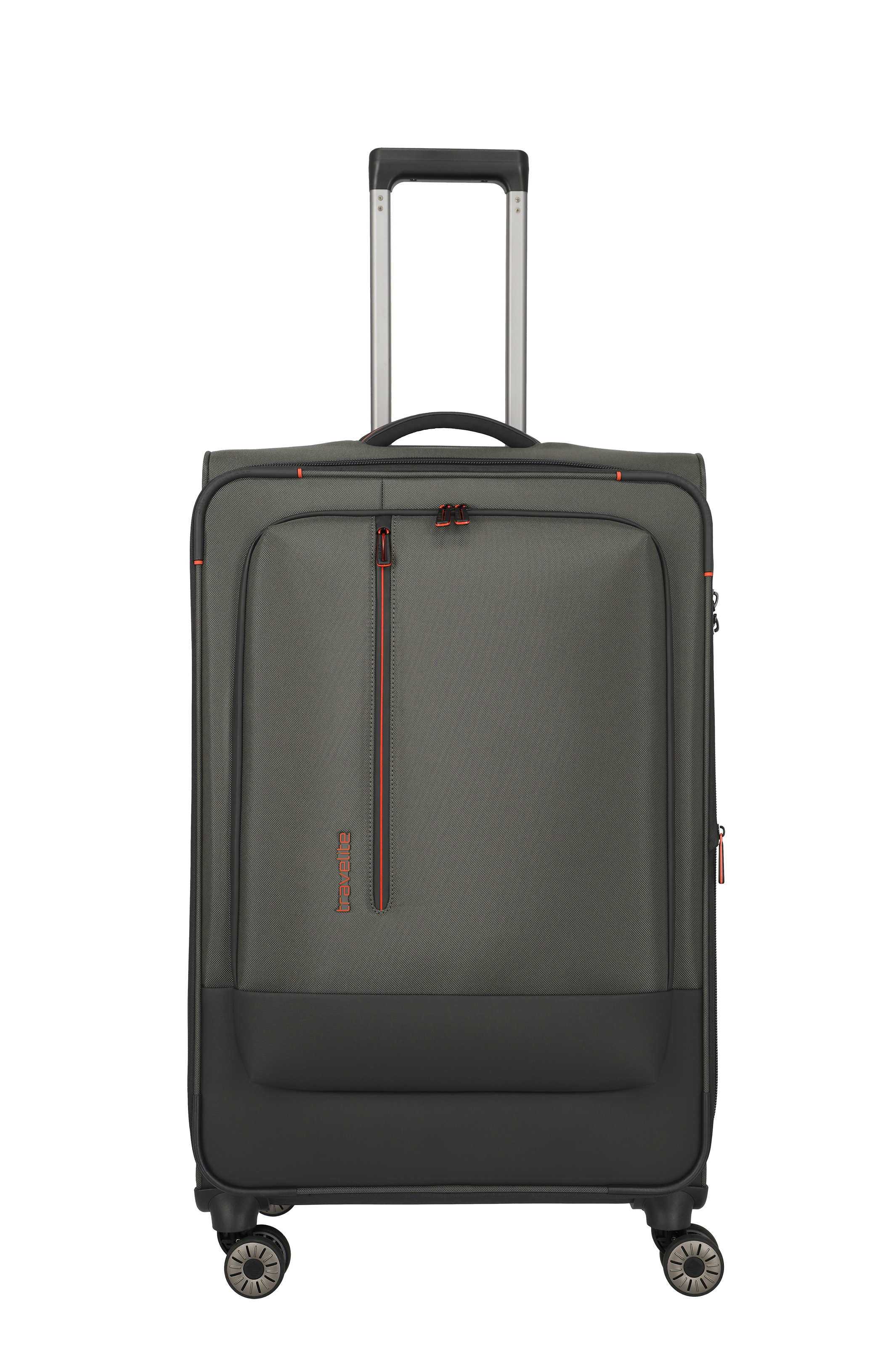
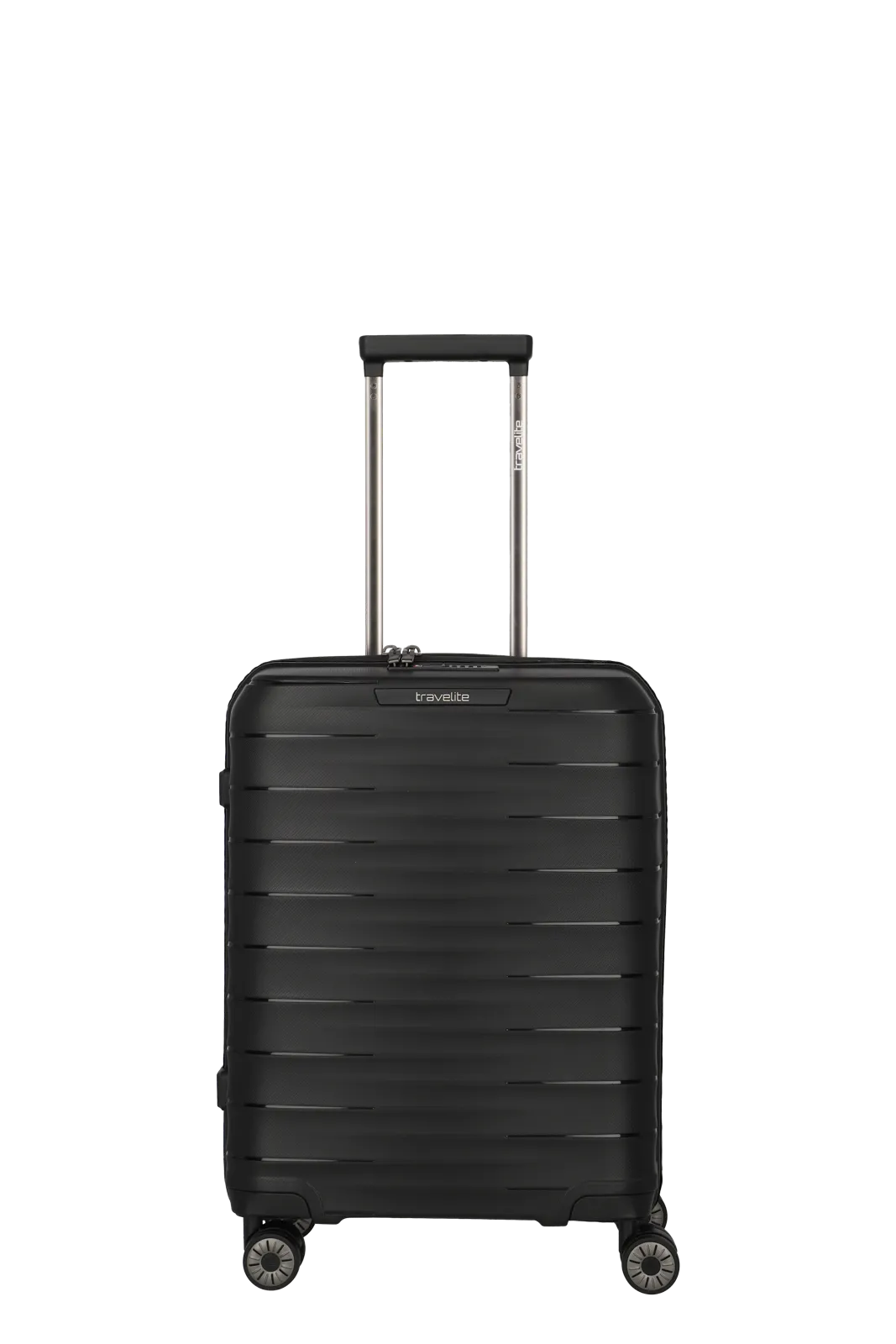
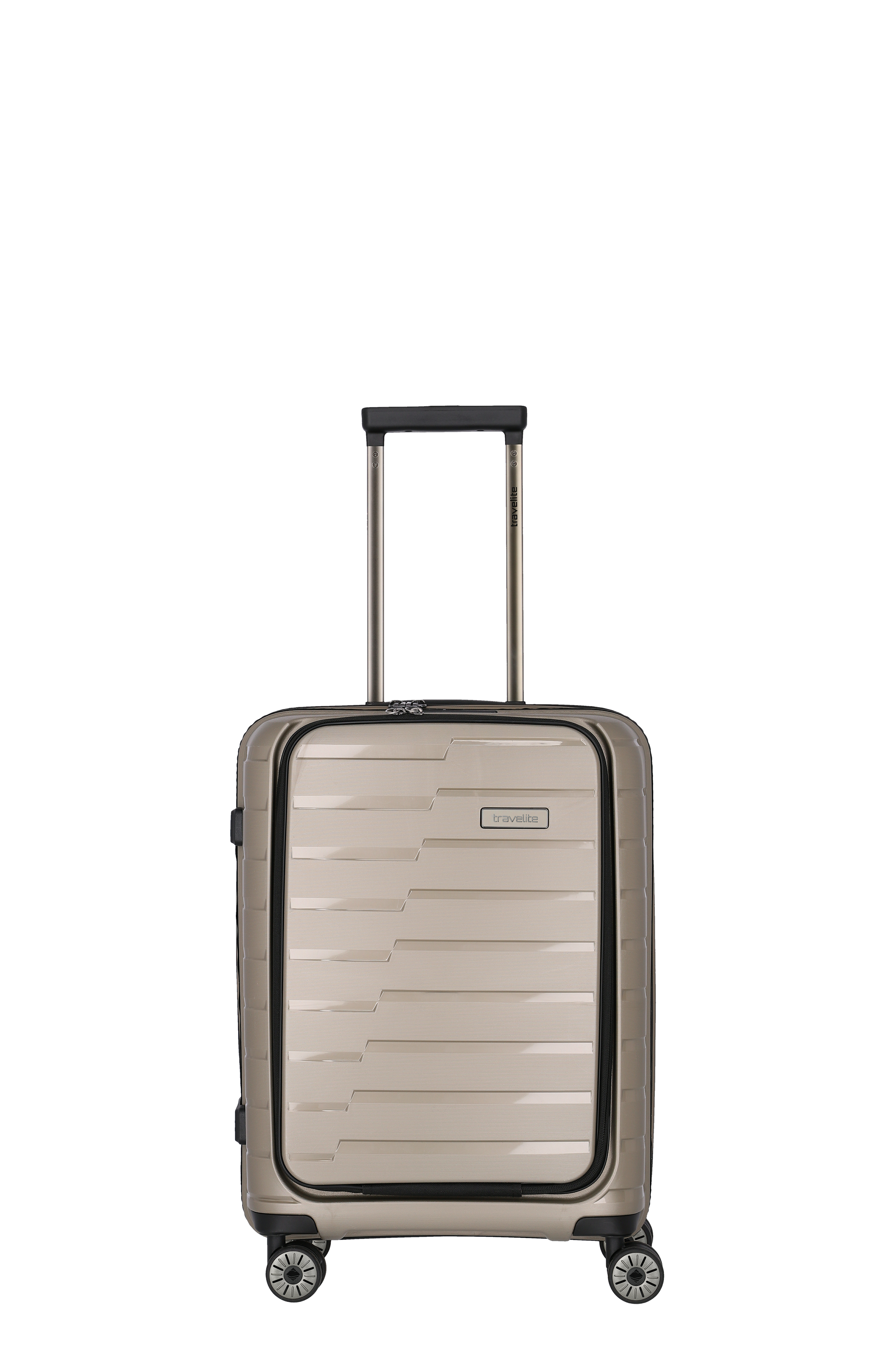
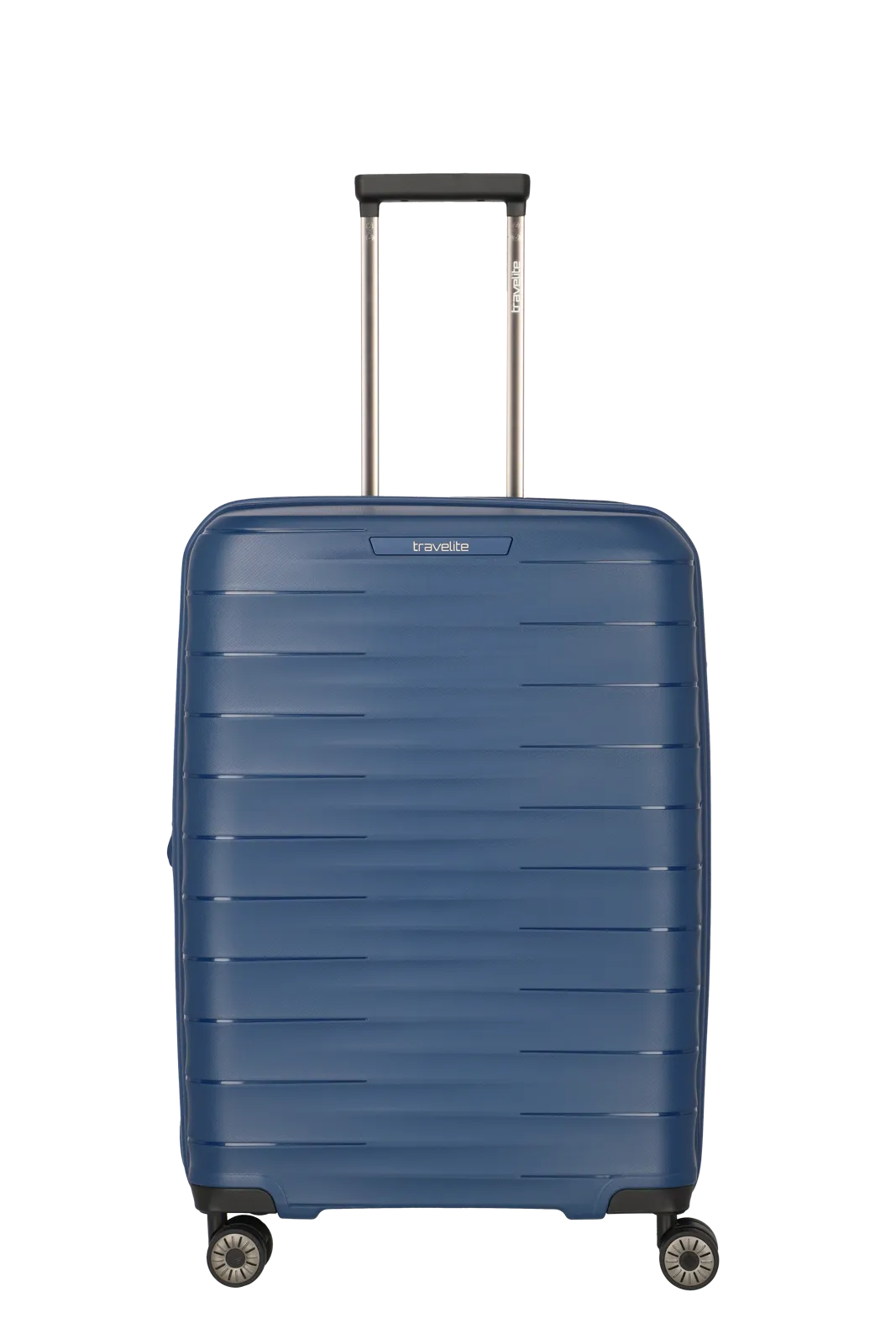
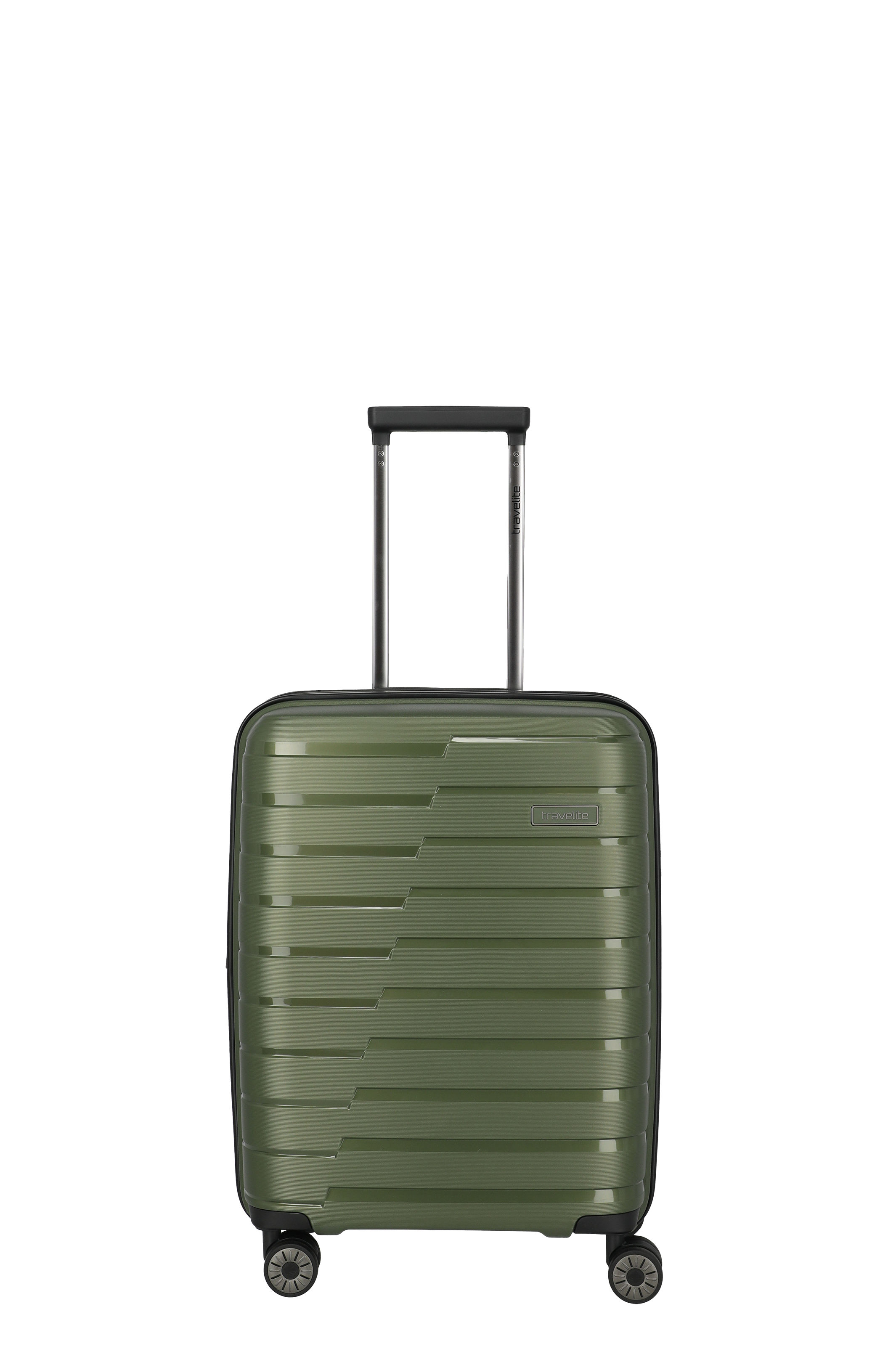
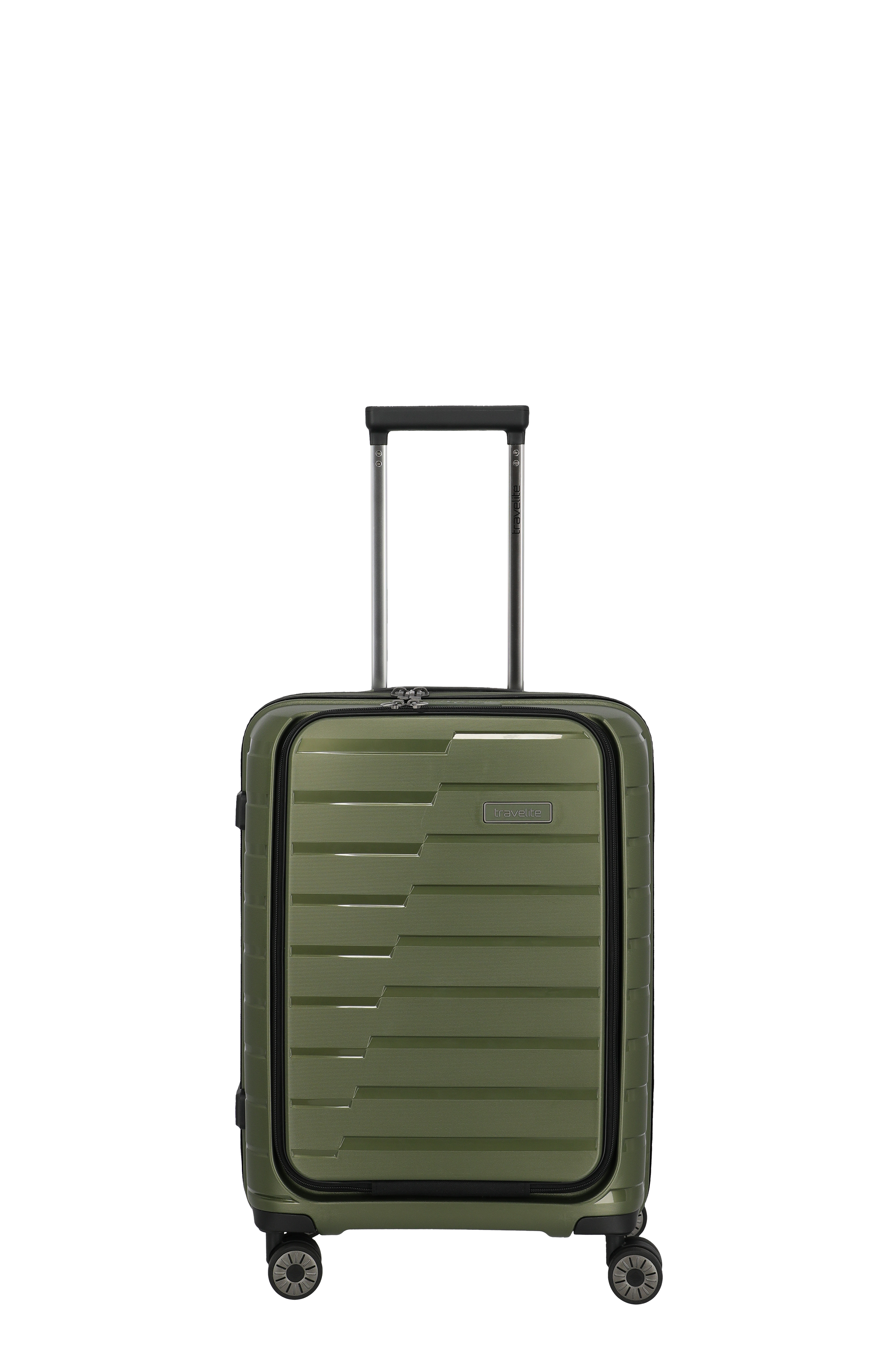
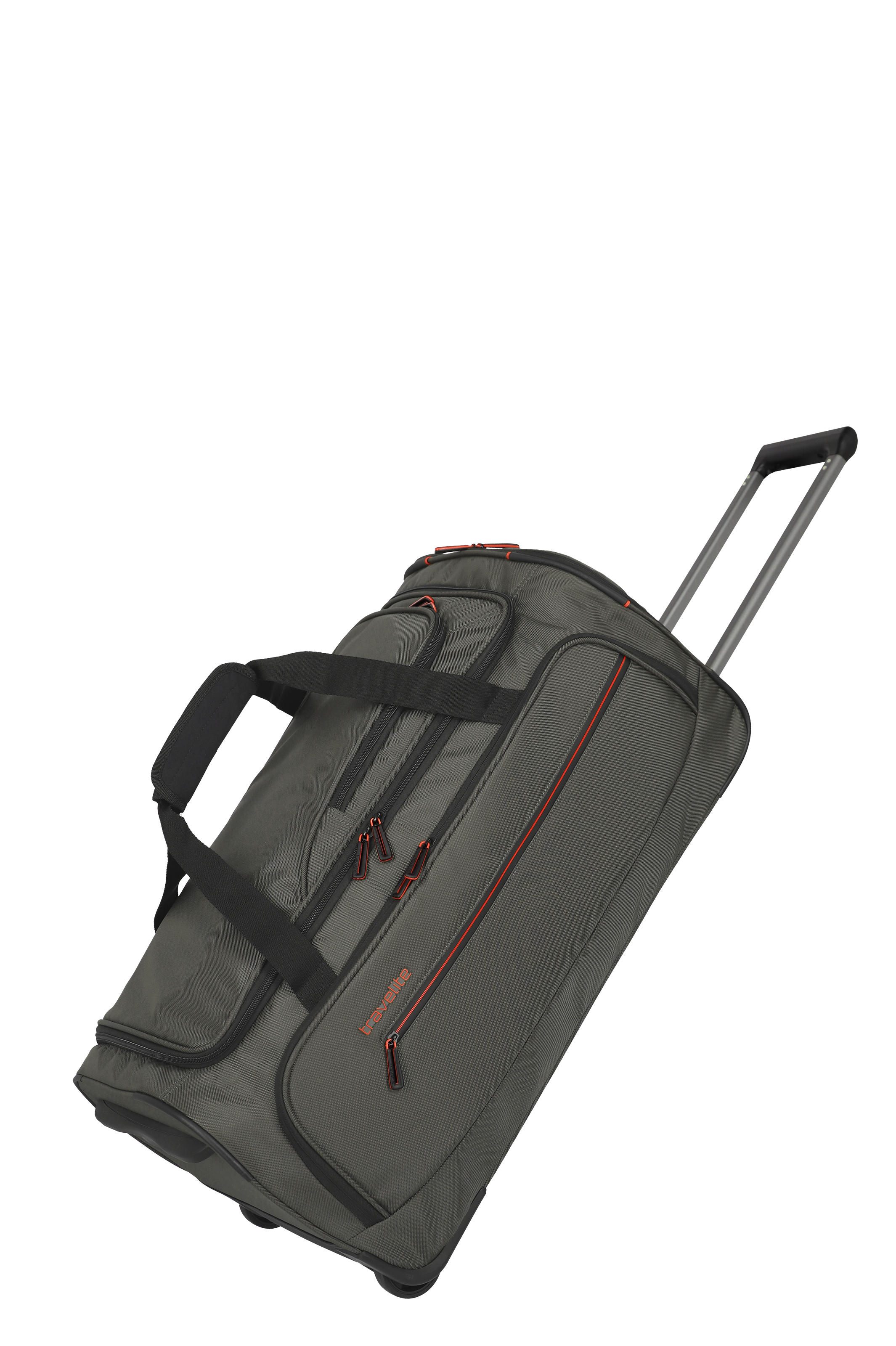
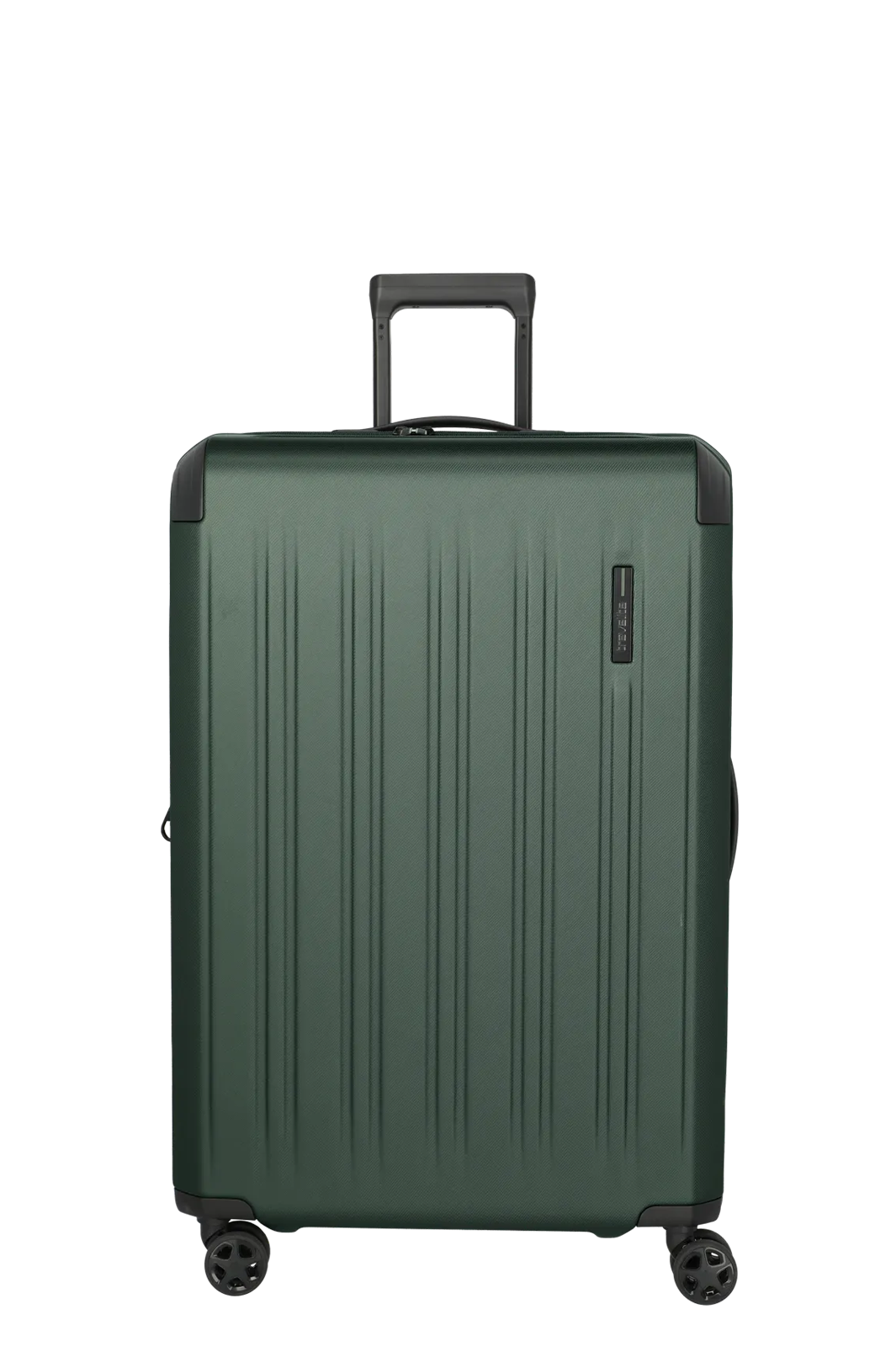
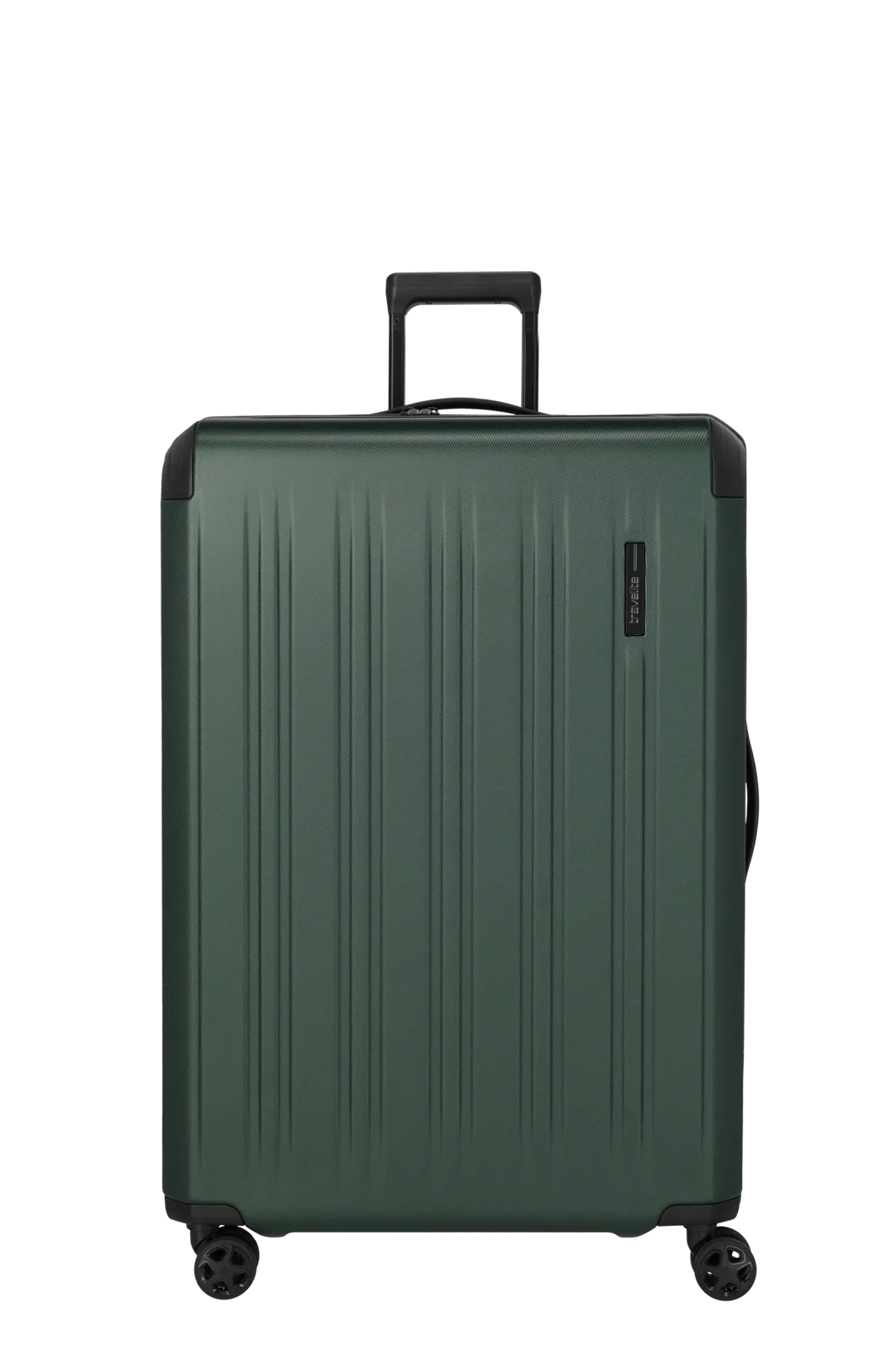
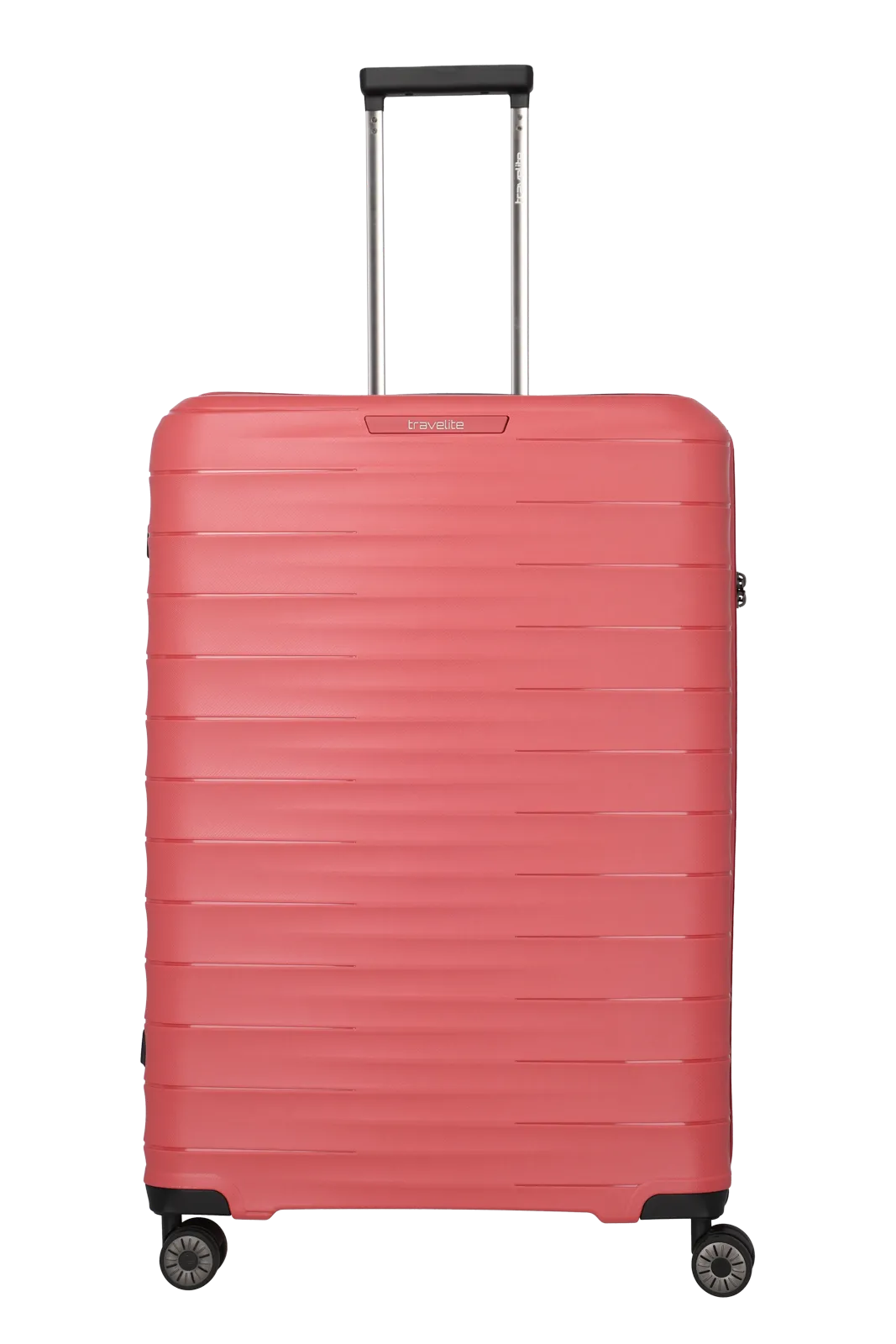
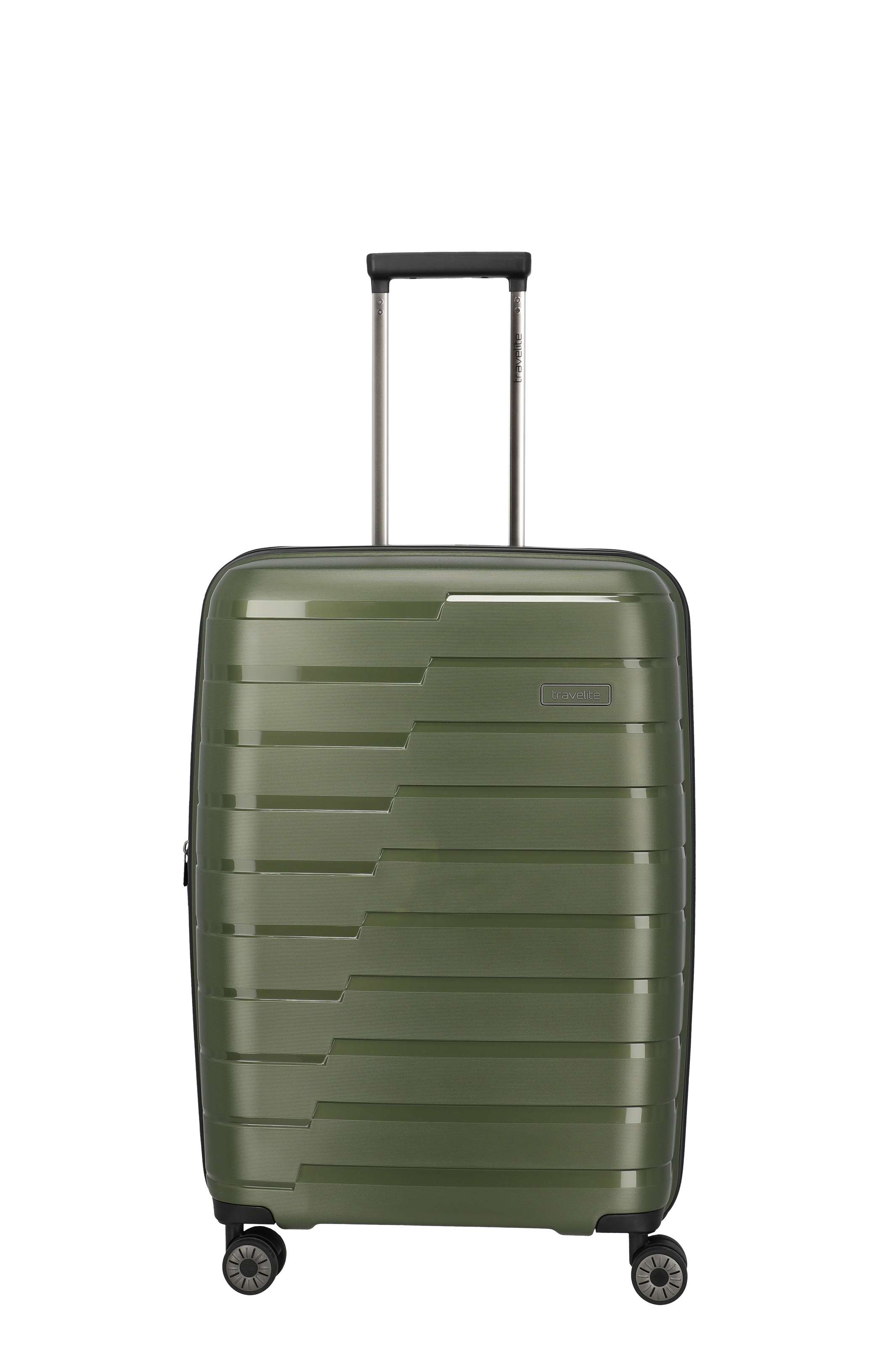
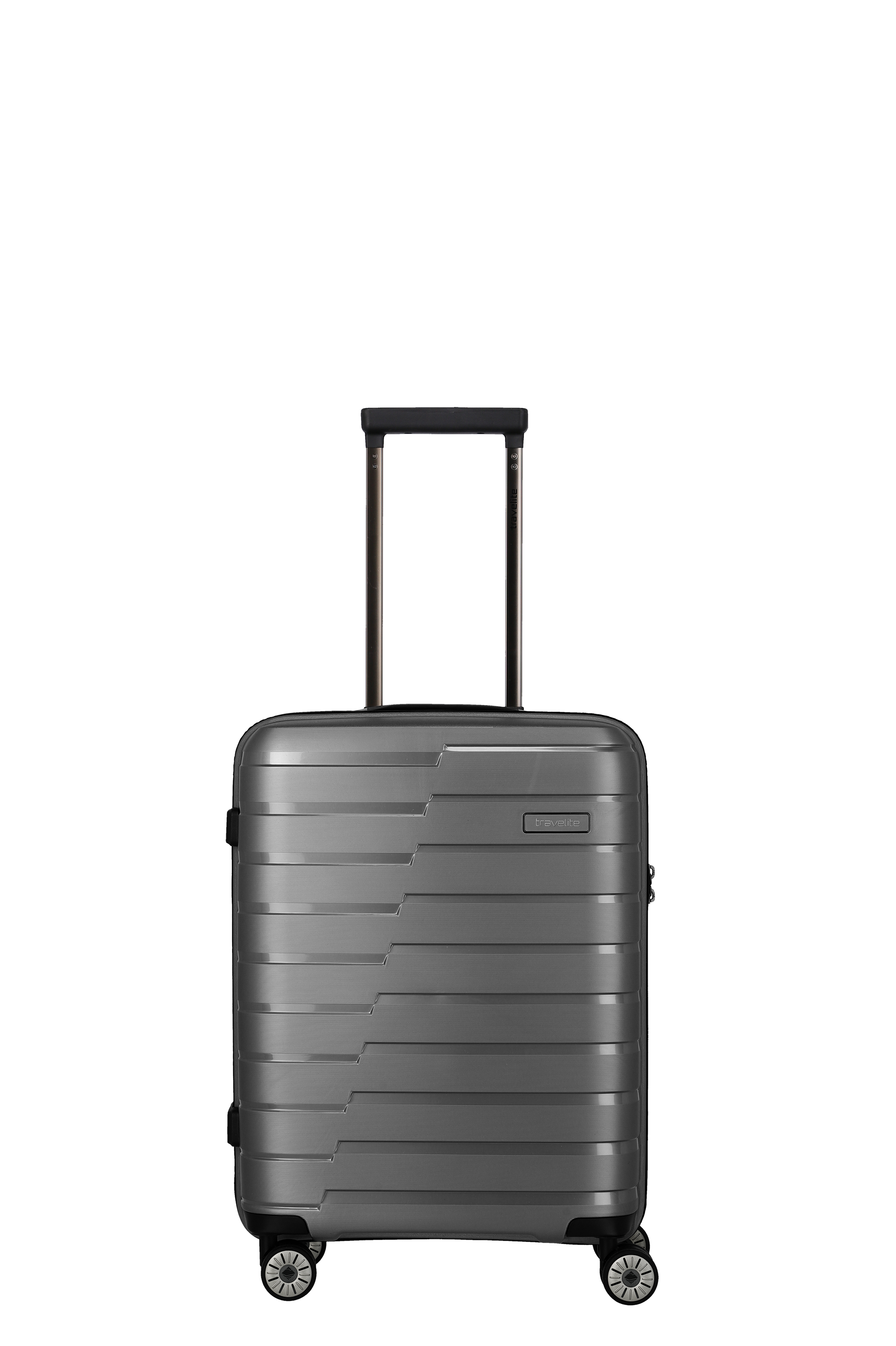
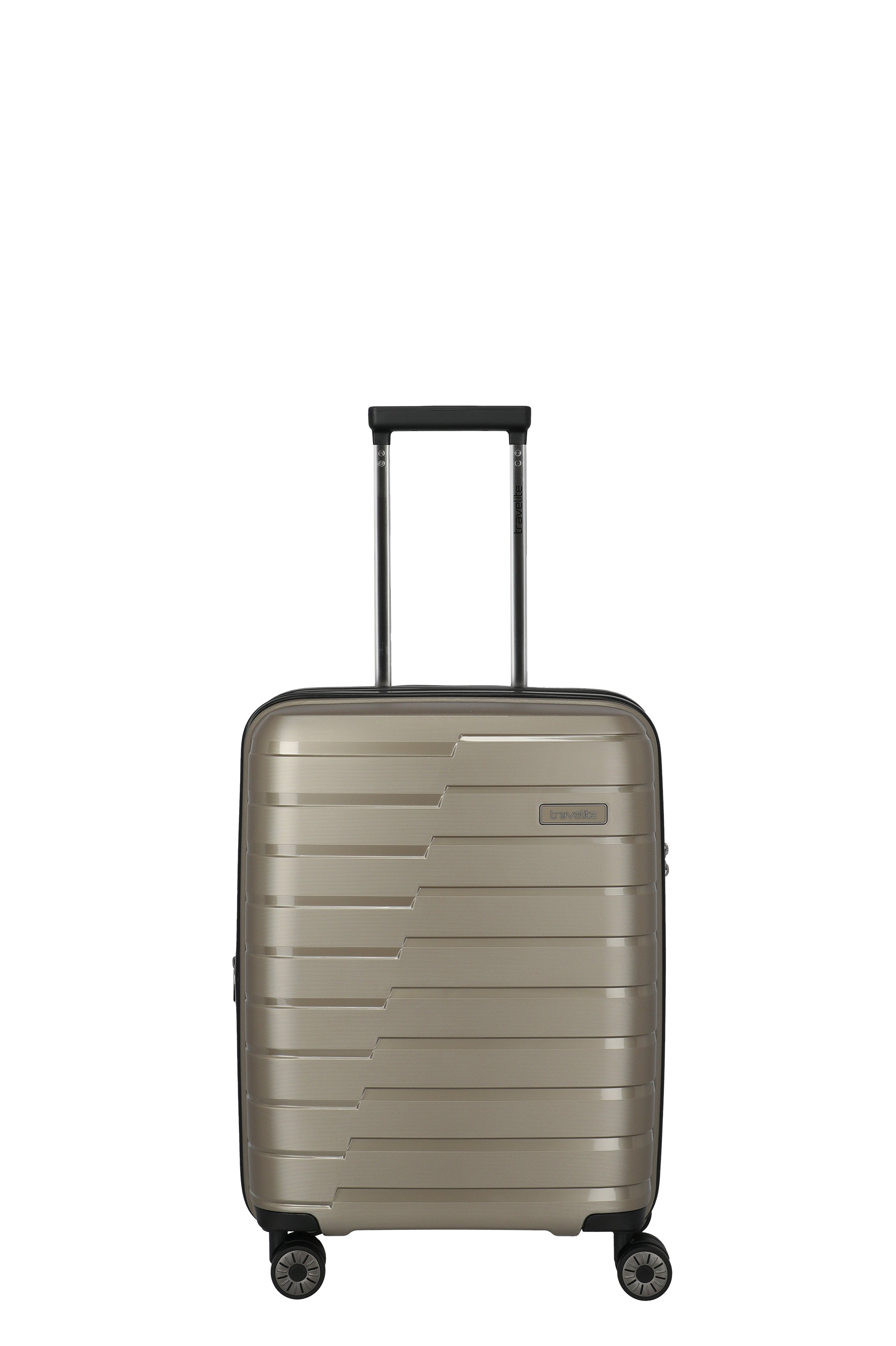
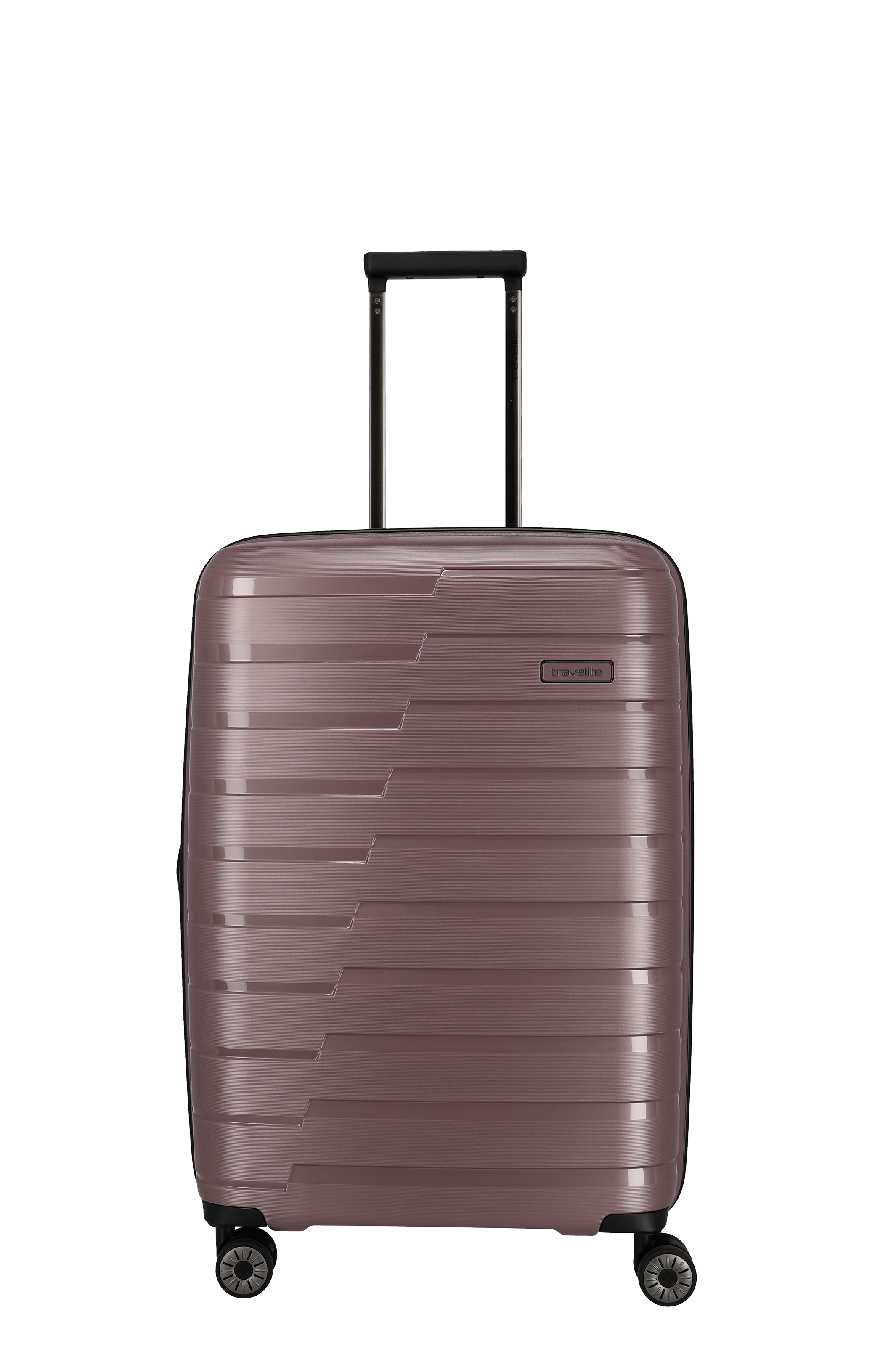
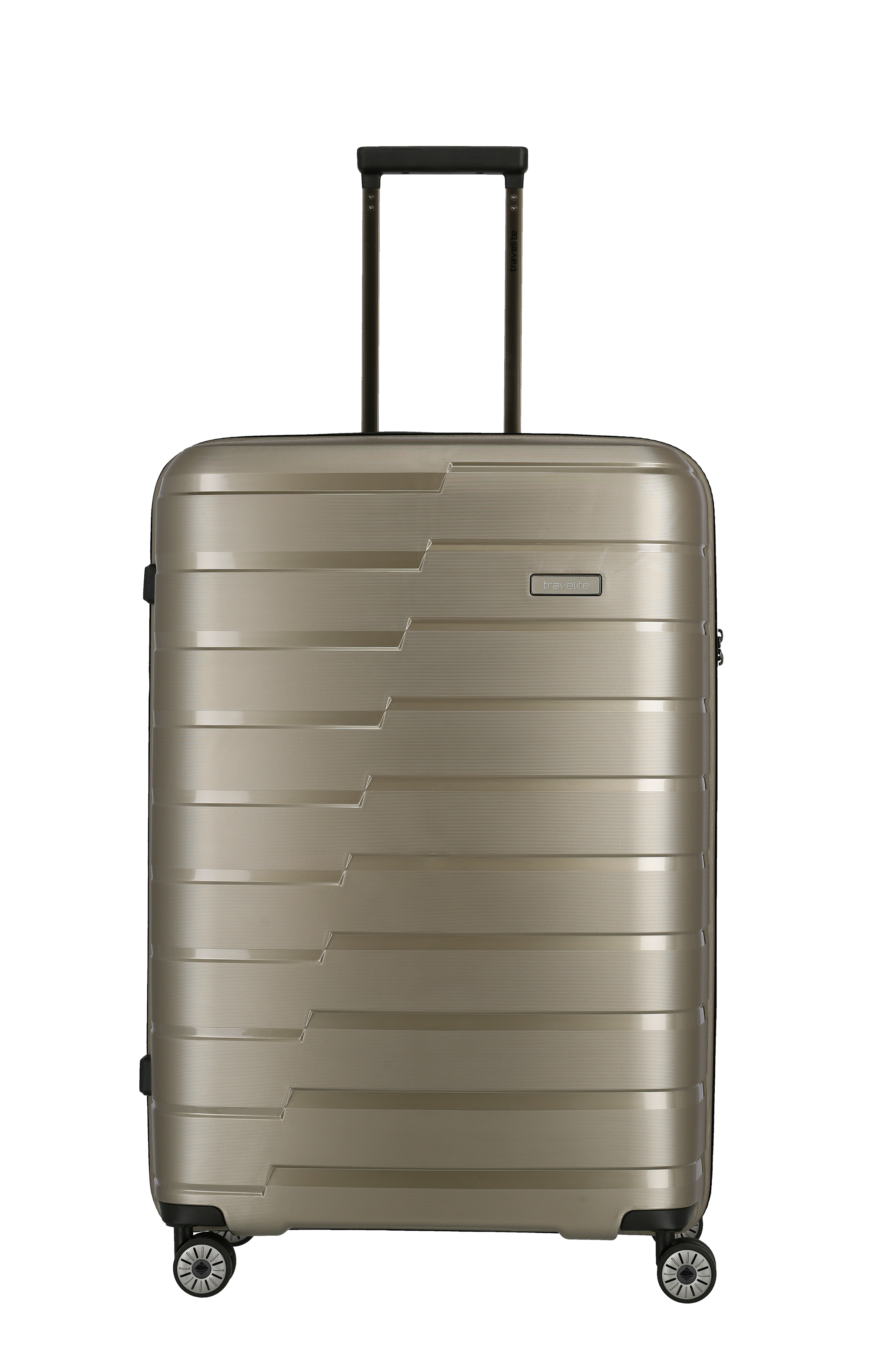
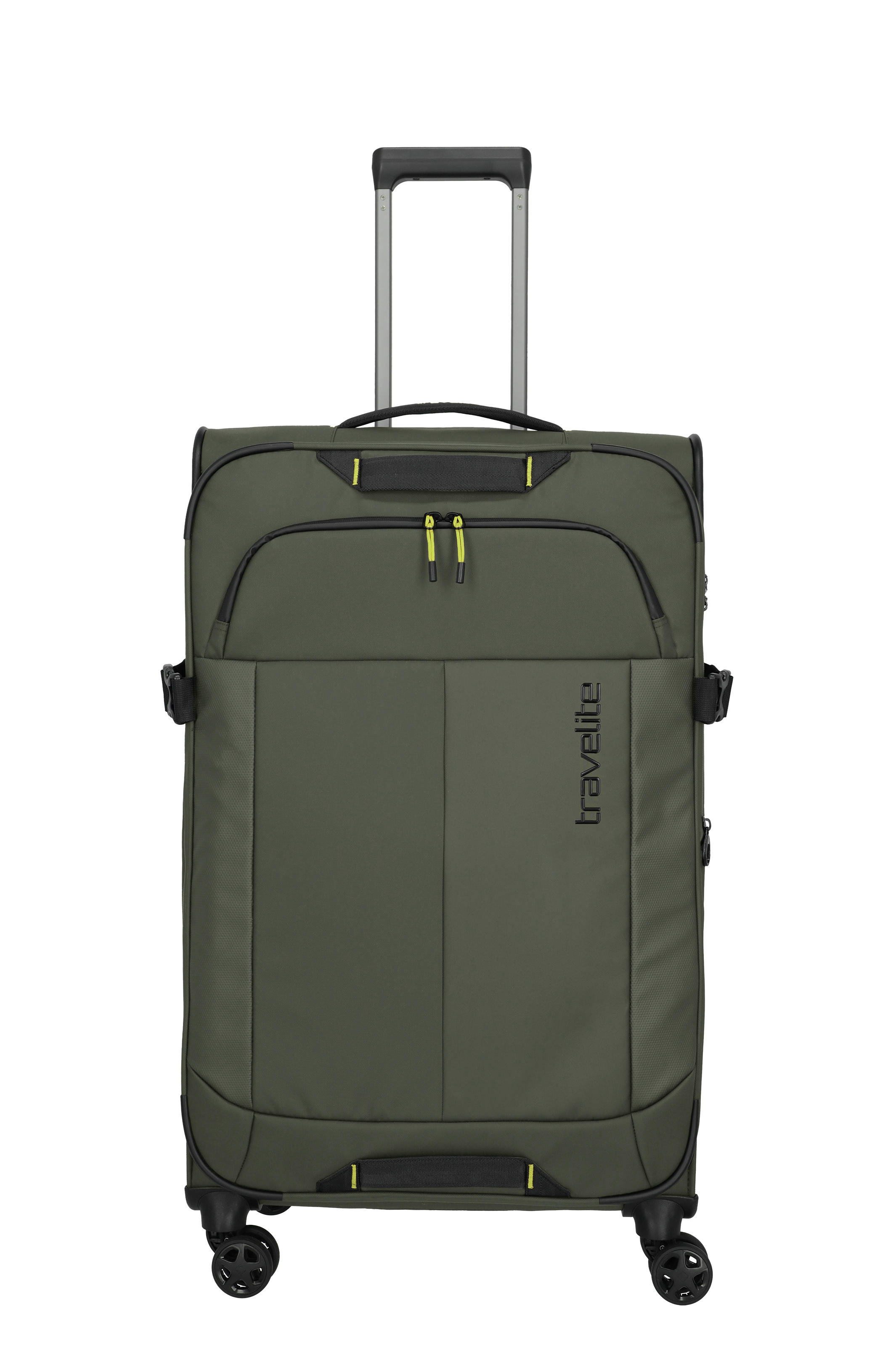
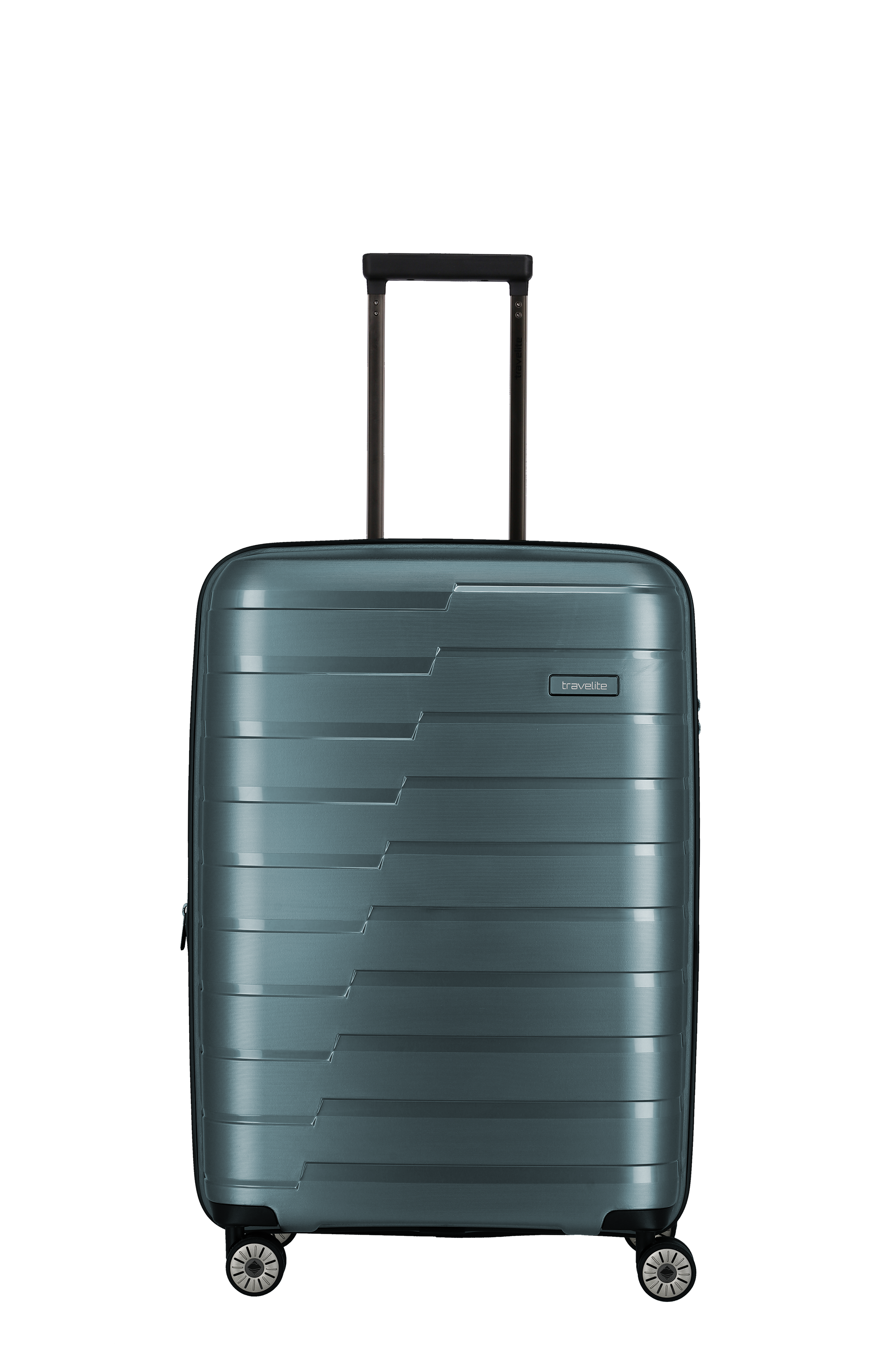
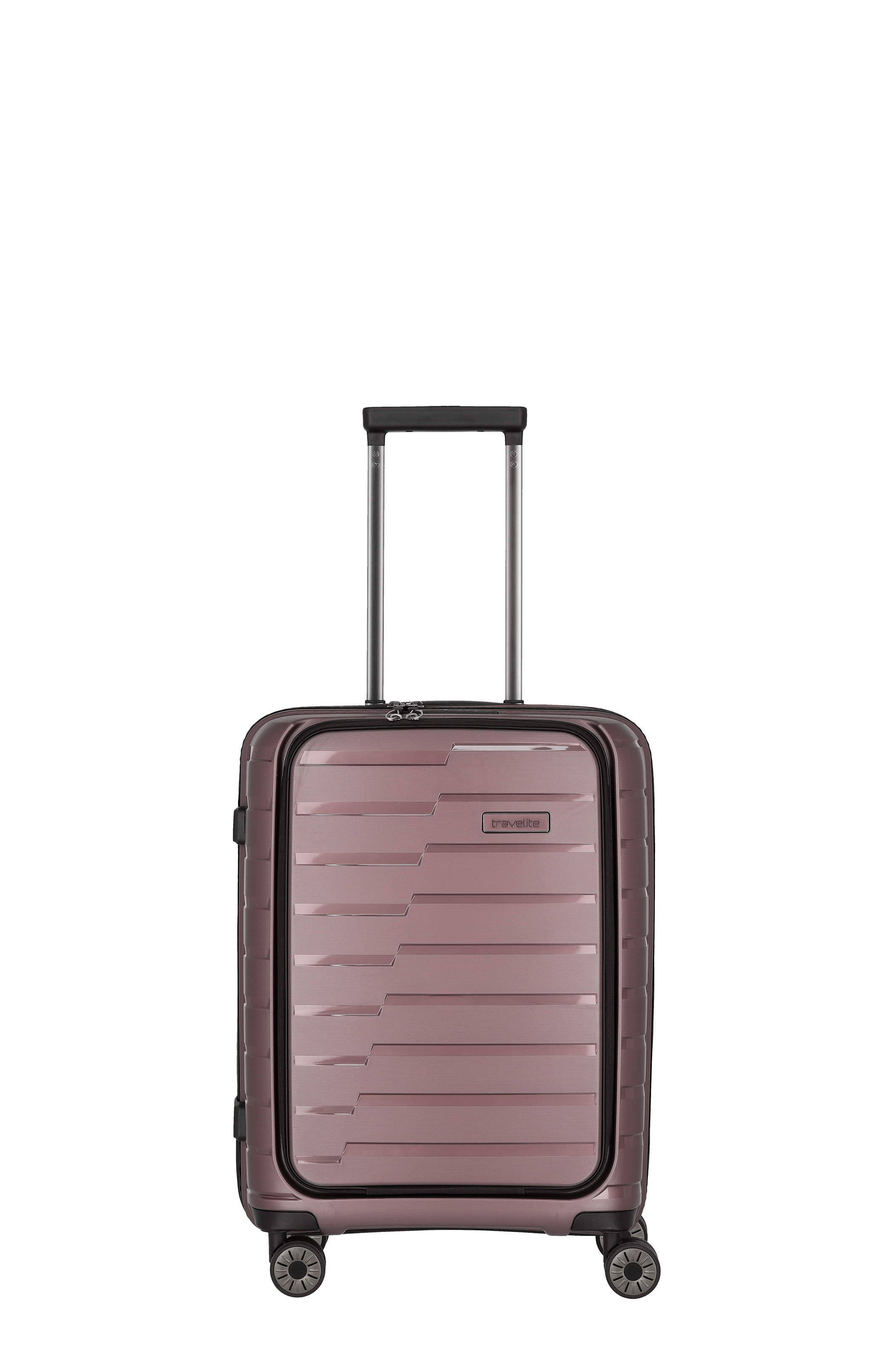
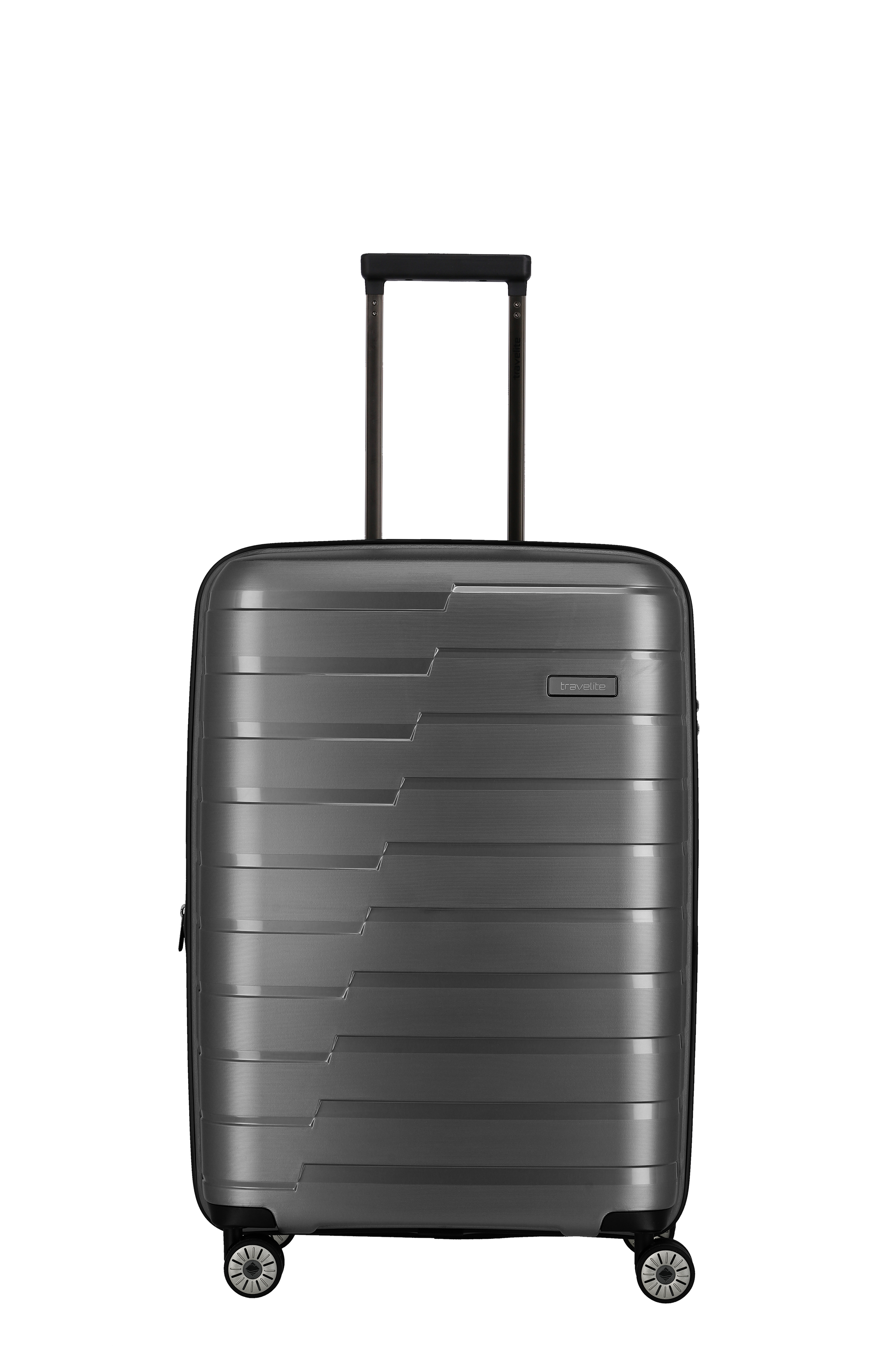
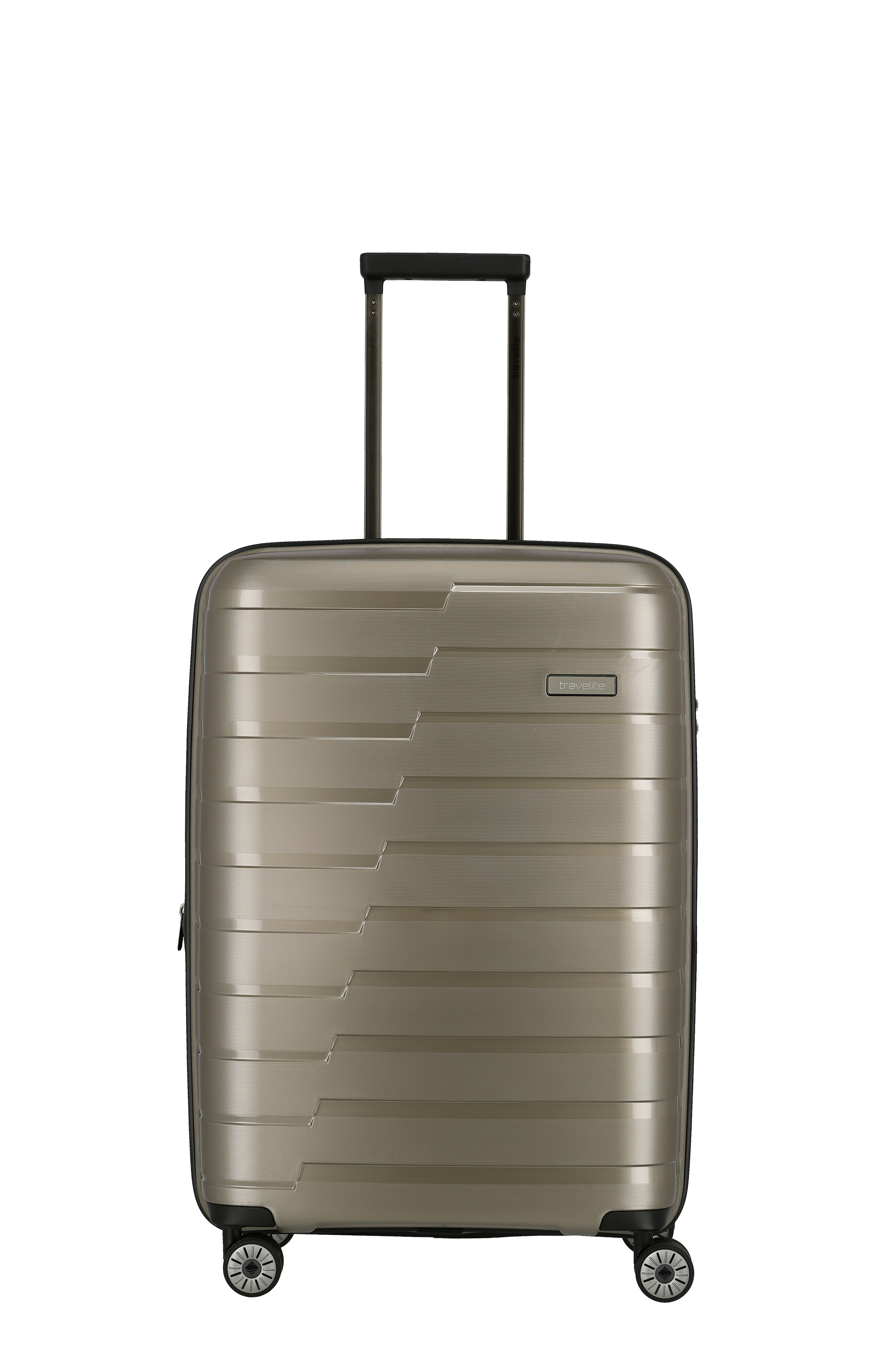
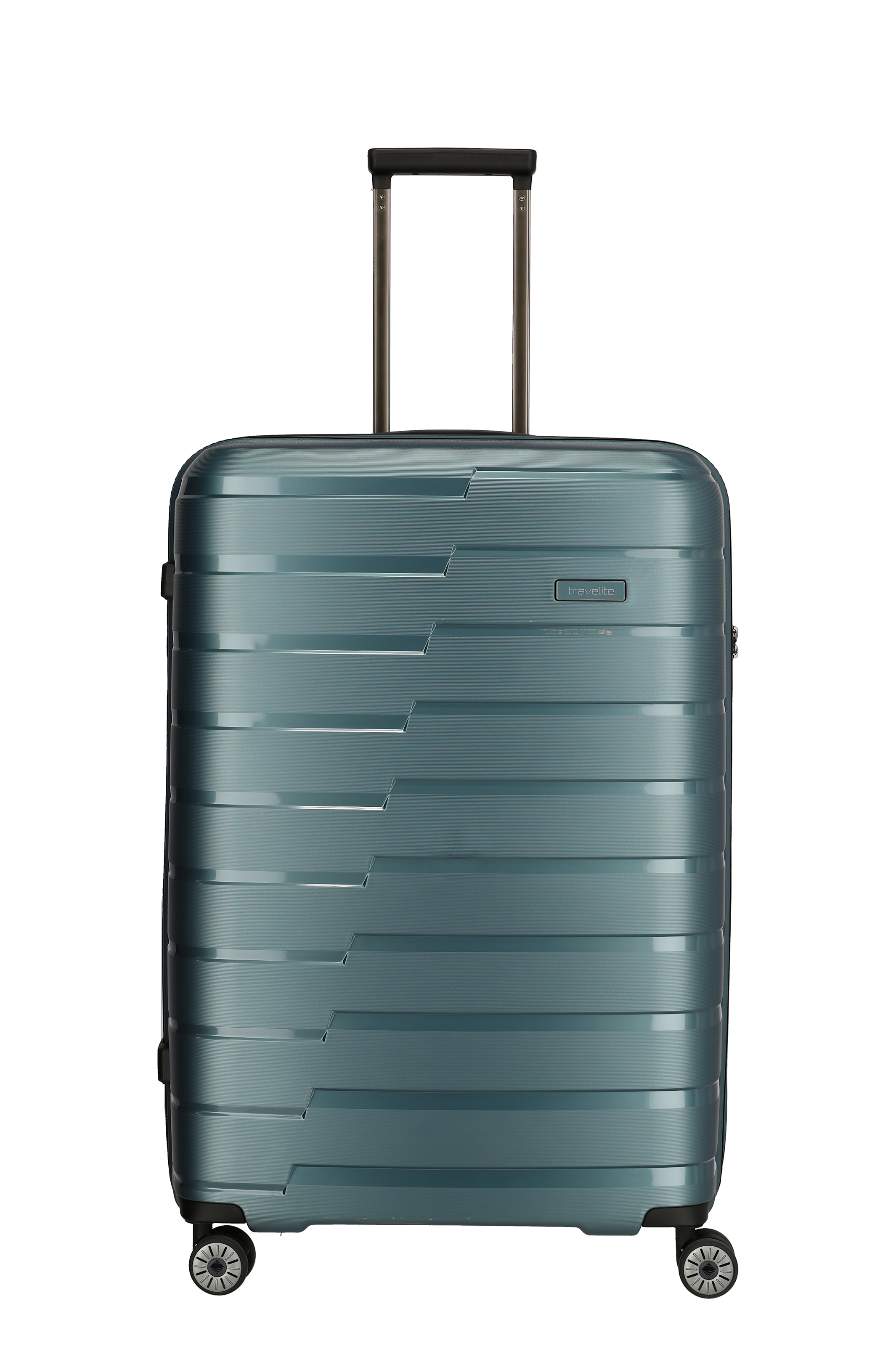
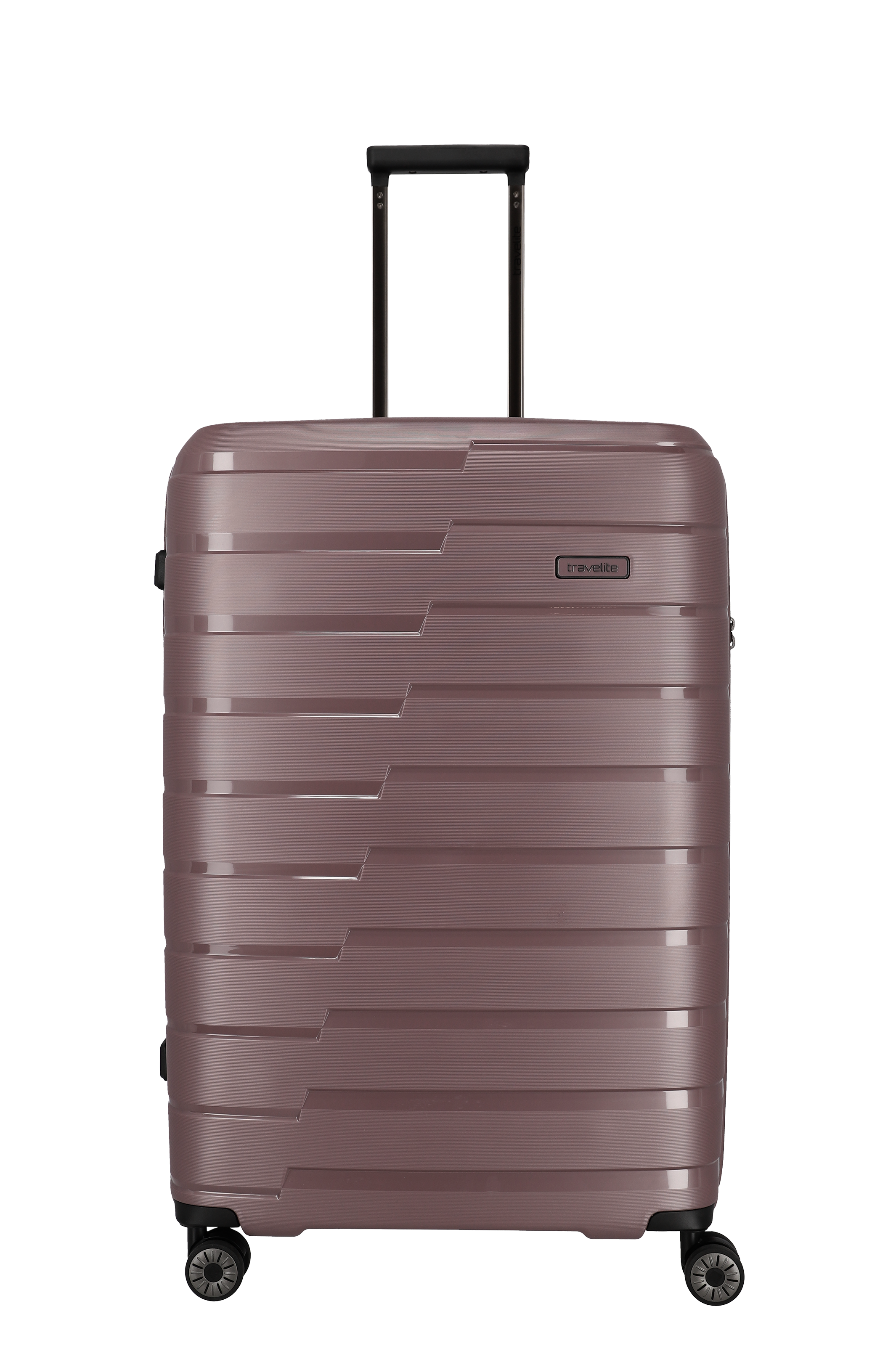
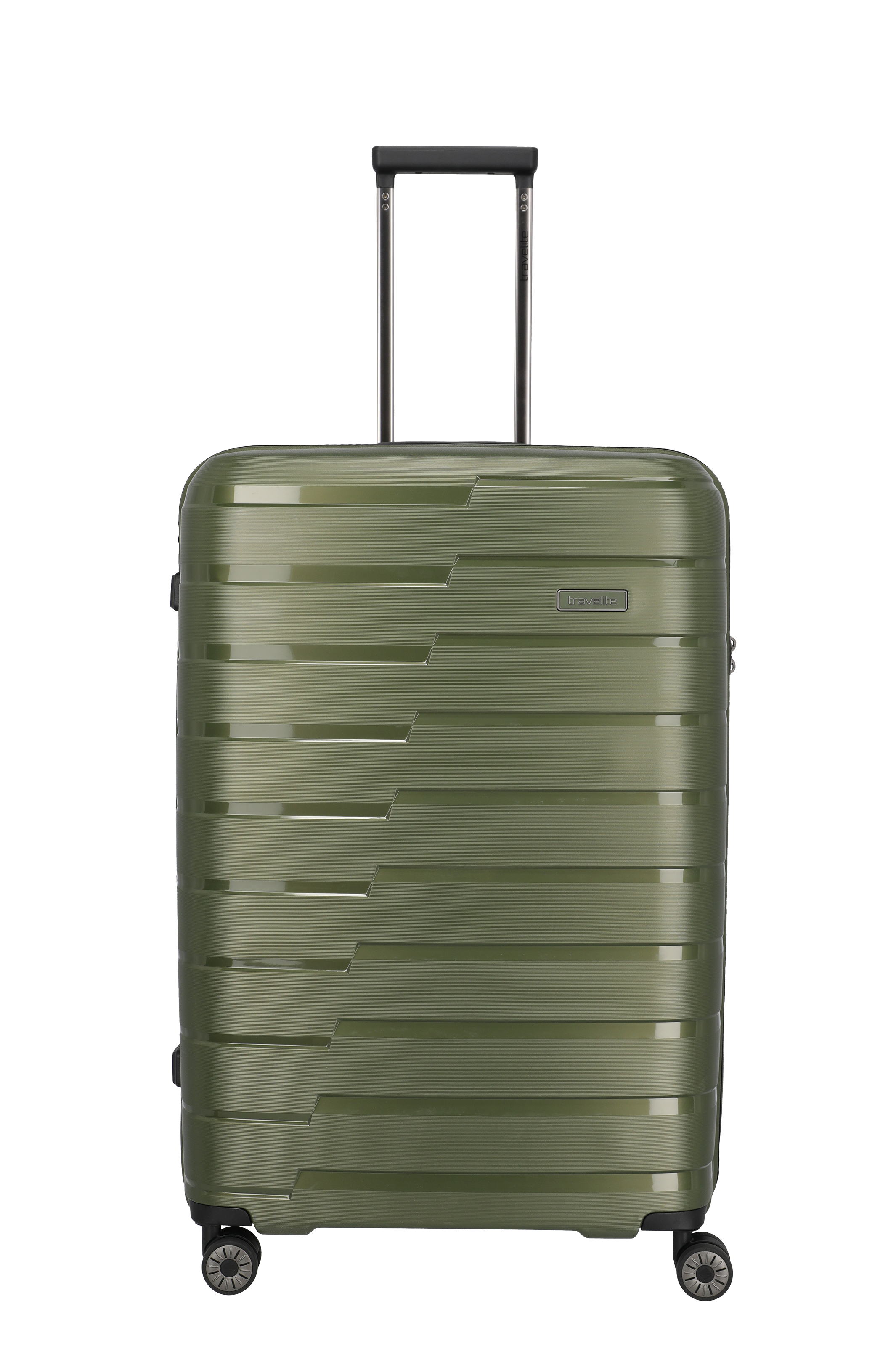
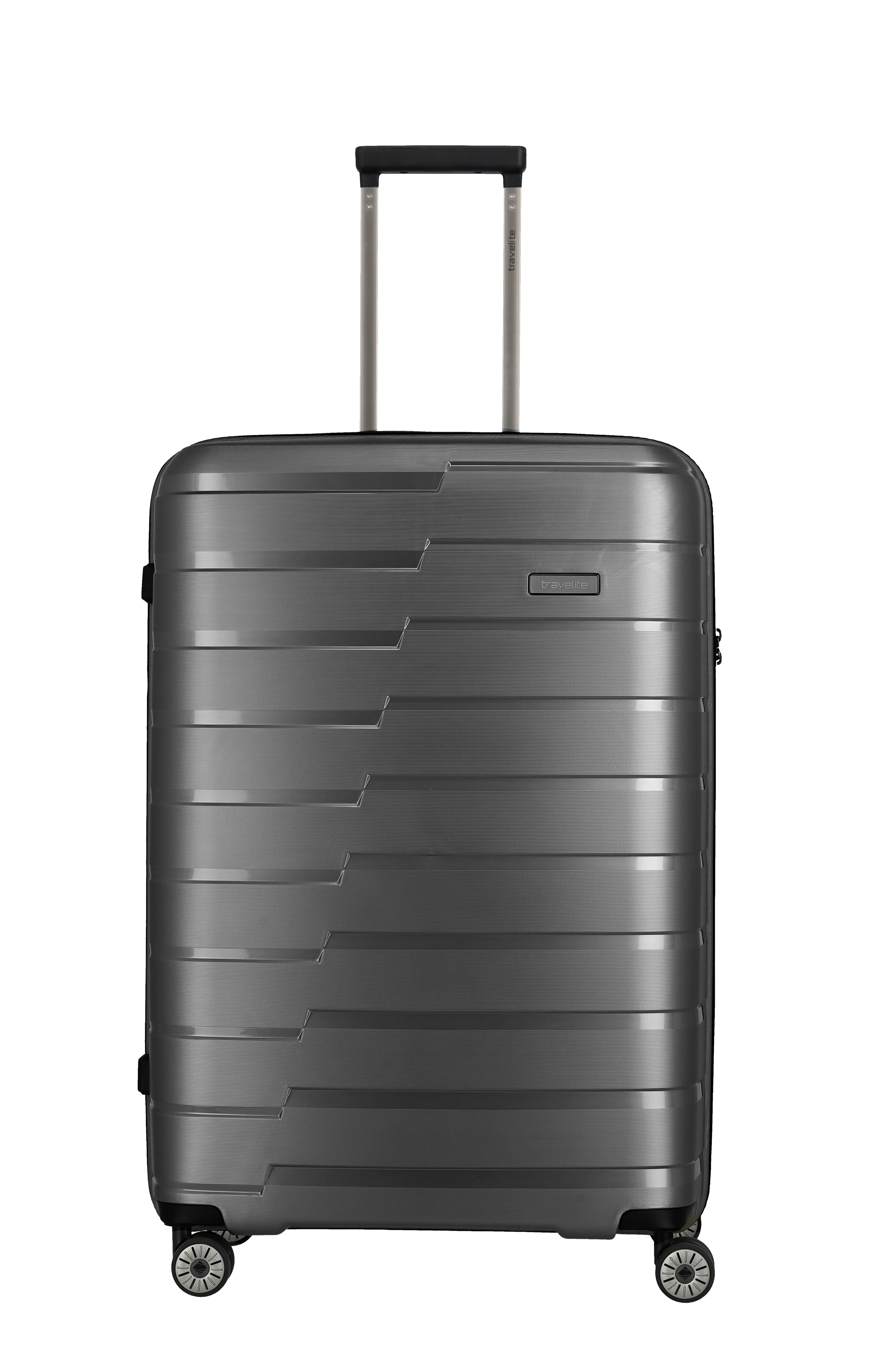
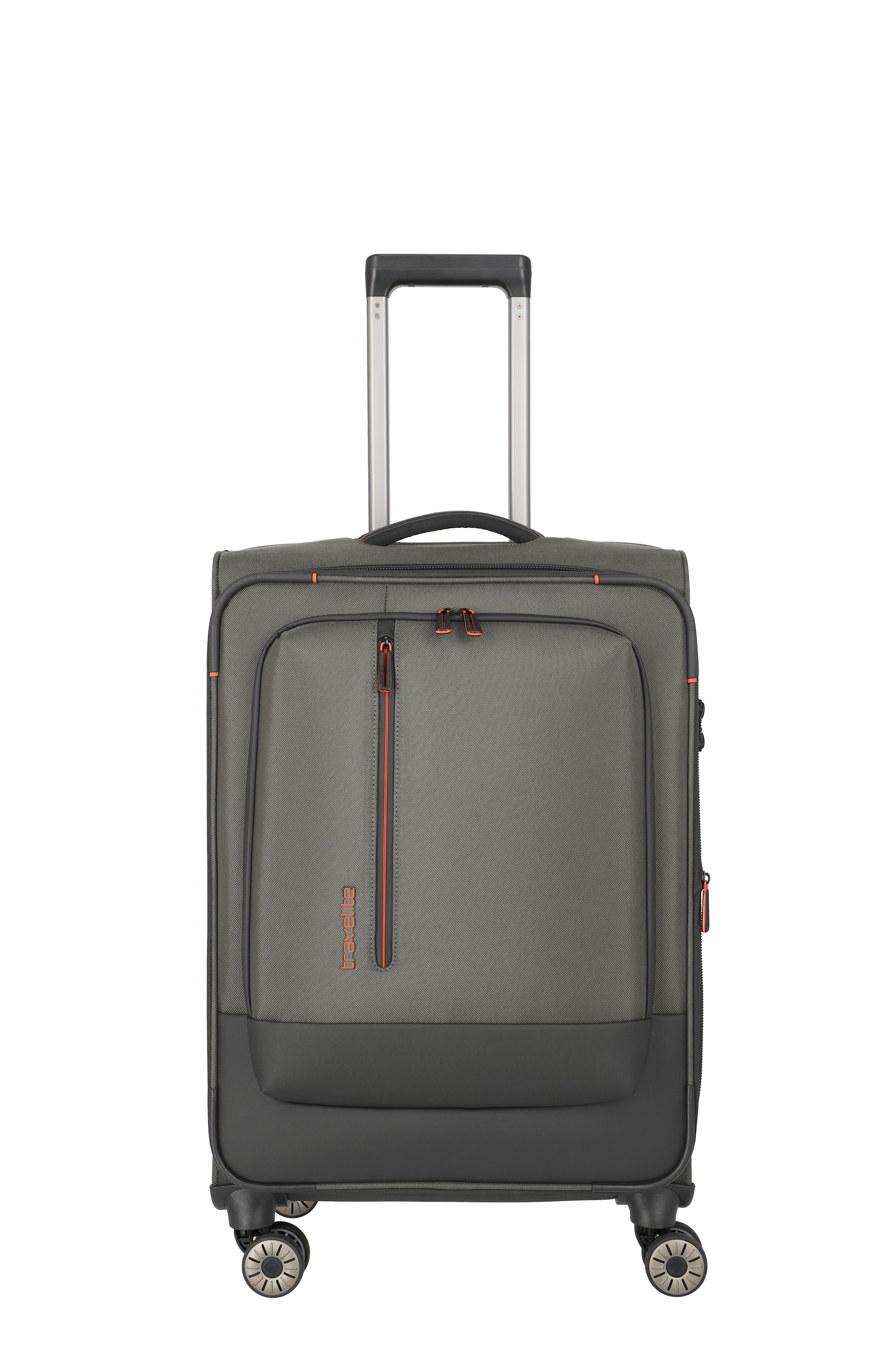
Hard-shell suitcases protect their contents from pressure if there are bags on top of them, and their flat surfaces make them easy to stack. A model such as the Air Base Trolley M – expandable, 67 cm high, with a volume of 71 to 82 litres and weighing 3.2 kg – works well as a base at the very bottom. Soft luggage, on the other hand, gives way and moulds itself to corners and wheel arches. The ‘ Crosslite ’ and ‘ Briize ’ ranges are available in several sizes; for example, Briize comes in heights of 55, 67 and 78 cm. When the boot is full, you can often squeeze a soft-sided bag –Trolley – into a gap where a hard-shell case wouldn’t fit.
Several medium-sized suitcases instead of one large one
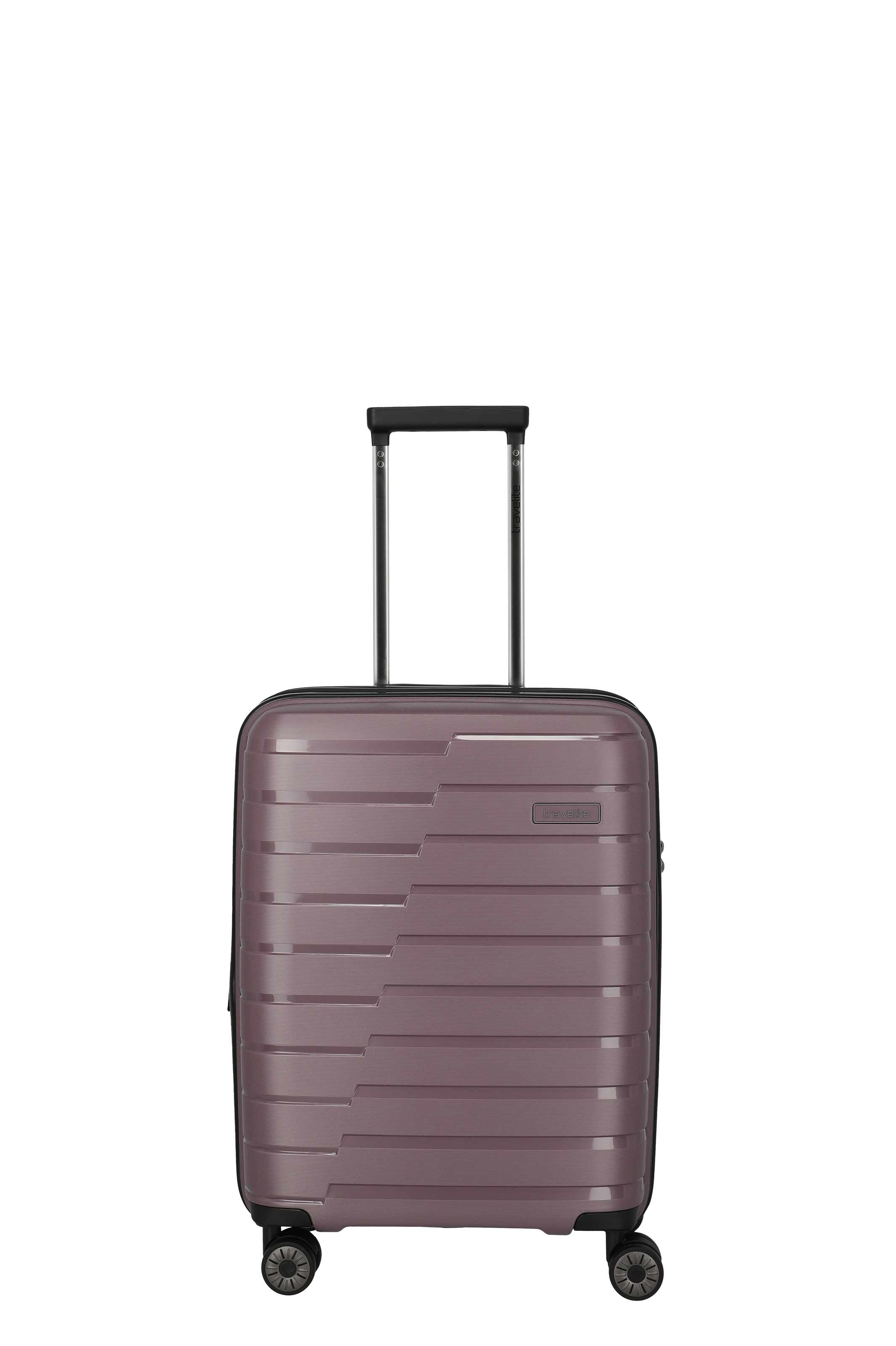
Two medium-sized suitcases are easier to carry and more flexible to arrange than one XL suitcase. An overview of suitcase sizes will help you find the right capacity for the duration of your trip. Expandable models with a stretch panel give you extra space for souvenirs on the return journey.
Travel bags and rucksacks as gap-fillers
Soft travel bags fit into gaps that hard-shell suitcases cannot fill. Travel bags with wheels save you the hassle of lugging your luggage from the car park to your holiday accommodation once you arrive, whilst models with a rucksack function are handy when you have to walk across sand or up stairs.
Within easy reach for the journey and your first day at the beach
Pack a small bag or rucksack for the car: snacks, drinks, charging cables, sunglasses and travel documents. Swimming gear, a towel and sun cream go right on top in the boot. That way, on the day you arrive, you won’t have to clear out the whole boot just to head straight to the water.
Keeping your suitcase tidy
Packing cubes keep beachwear, evening wear and laundry separate, so you can find everything quickly in your holiday home. A Toiletry Bag keeps sun cream and toiletries together.
Which type of luggage is best suited to which trip?
| Travel scenario | Luggage combination | Relevant category |
|---|---|---|
| Couple, long weekend on the Baltic Sea | One travel bag or one ‘ Weekender ’ per person, one toiletry bag | Weekender, Toiletry Bags |
| Family, two weeks on the Adriatic | two medium-sized suitcases as a base, a child’s suitcase, a wheeled travel bag for beach gear, and a rucksack for the journey | Hard-shell suitcases, children’s suitcases, wheeled travel bags |
| Road trip with an overnight stop | a small suitcase or bag just for an overnight stay, at the top of the boot | Soft luggage in size S, Weekender |
| A spontaneous short trip to the North Sea | a travel bag that doubles as a rucksack | Travel bags with rucksack function |
| Holidays with your dog | Soft luggage that wraps around a transport crate or dog bed | Soft luggage |
How do you pack the car for a beach holiday?
When loading the car, place heavy suitcases at the bottom and right up against the back seat, distribute the weight evenly and keep the rear view clear. Secure loose items so that they don’t fly forwards when you brake. Swimming gear, sun cream and beach toys from your packing list for your beach holiday should go in a separate bag, which you load last.
How do you organise a seaside holiday with children and a dog in the car?
When travelling with children, a seaside holiday by car works best if you adapt the journey to their routine: schedule long stretches of driving during their nap times, and keep games and audiobooks within easy reach. The rules for child seats vary from country to country. In Croatia, for example, children must be at least 1.50 m tall to sit in the front passenger seat. Having their own suitcase makes the little ones feel like proud fellow travellers.
If your dog is travelling with you within the EU, they will need an EU pet passport, a microchip and a valid rabies vaccination. After the initial vaccination, you must wait at least 21 days before you can travel. In the car, a pet carrier or a safety harness will keep your dog secure; water and a bowl should be within easy reach.
Conclusion: A relaxed drive to the seaside
A seaside holiday by car gives you freedom when it comes to your route, timetable and luggage. Choose a destination that suits your travel dates, sort out vignettes and tolls before setting off, and plan in breaks and an overnight stop if you’re travelling long distances. With the right mix of hard-shell suitcases, soft luggage and travel bags from travelite, you’ll fit everything into the boot and quickly find what you need when you arrive at your destination.
Frequently asked questions about seaside holidays by car
Where can you drive to the seaside?
From Germany, you can reach the North Sea and the Baltic Sea, the coasts of the Netherlands, Belgium and Denmark, the Adriatic Sea in Italy, Slovenia and Croatia, as well as the Atlantic and Mediterranean coasts of France by car. From Hamburg, the German coasts are one to two hours away, whilst the Adriatic is around 13 hours’ driving time.
Which car can fit four suitcases?
That depends on the boot capacity of your car and the size of the suitcases. Compare the boot capacity in litres with the volume of your suitcases and allow a bit of leeway for their shape and wheels. If space is tight, replace one suitcase with soft luggage or travel bags that can be squeezed into gaps.
How often should you take a break on long car journeys?
If possible, don’t drive for more than two hours at a time and plan your rest stops before setting off. If you start to feel tired, a short nap of 15 to 20 minutes will help.
Do you need a vignette for Croatia?
No, there is no vignette in Croatia. You pay the motorway toll based on the distance travelled. However, if you’re travelling via Austria and Slovenia, you’ll need the vignettes for both of those countries.
Which vignettes do you need on your way to Italy?
If you’re travelling through Austria, you’ll need the Austrian vignette and will also have to pay a distance-based toll on the Brenner or Tauern motorways. If your route takes you through Switzerland, you’ll need the Swiss vignette. In Italy itself, you pay a toll based on the distance travelled.
Is soft luggage or a hard-shell suitcase better for travelling by car?
Both have their place. Hard-shell suitcases protect the contents and stack well, which is why they are ideal as a base in the boot. Soft luggage adapts to gaps and makes better use of the remaining space.





_400x400 Kopie.png?ts=1760433160)