

For beginners and pros: Europe's most beautiful ski areas
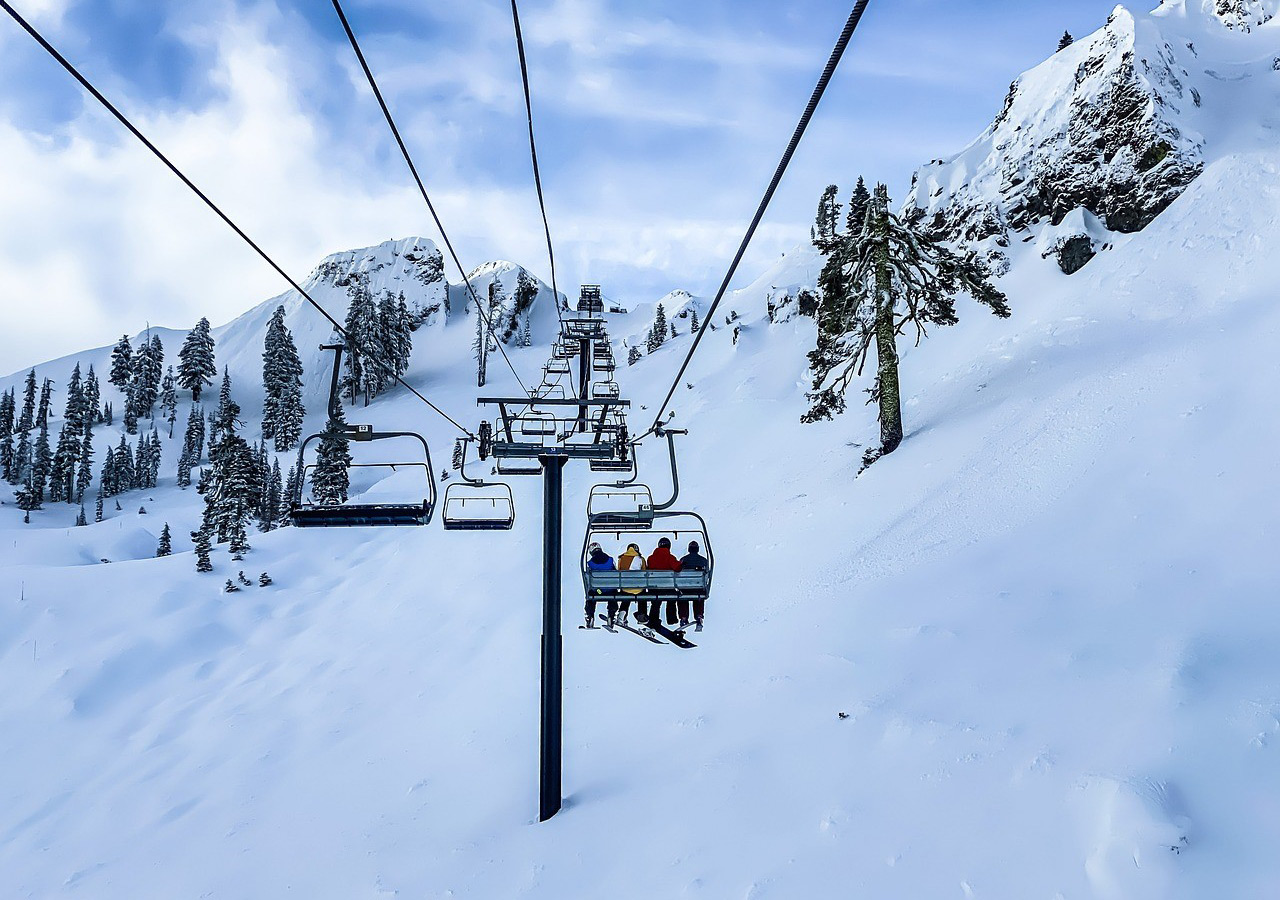
Anyone who has ever skied down a mountain through deep snow, breathing in the crisp, clear air and enjoying the unique views, will never want to do anything else again. A winter holiday on the slopes is an unrivalled experience. But where is the best place to go?
Whether you’re on skis, a sledge or a snowboard – from beginners to pros – we’ve picked out the six most impressive slopes in Europe. Among them is a ski resort that has even attracted James Bond.
Contents
- 01 For beginners – plenty of blue runs and ski schools
- 02 #1 Feldberg Ski Lift Network
- 03 #2 Ski resorts in Carinthia
- 04 #3 Savognin in the Swiss Alps
- 05 For pros – fancy a bit more adrenaline on the snow?
- 06 #1 Hollywood run on the Kaunertal Glacier
- 07 #2 Longest black run in Sarenne
- 08 #3 The Streif in Kitzbühel
- 09 Other destinations for winter holidays
- 10 Conclusion: Europe’s most beautiful ski resorts
- 11 FAQ on ski resorts in Europe
For beginners – plenty of blue runs and ski schools
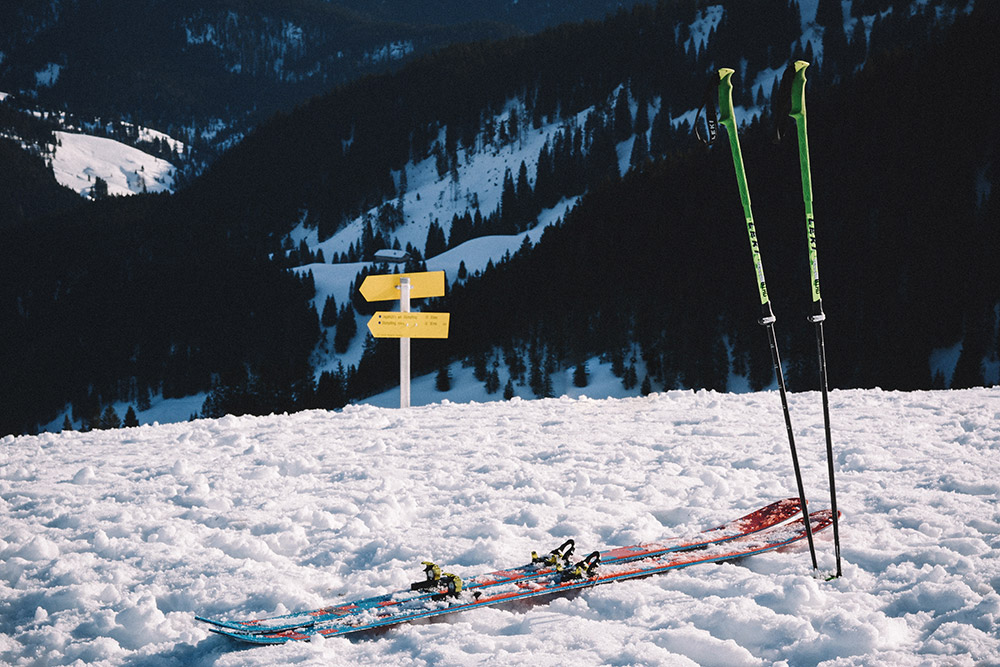
If this is your first skiing holiday, you should head to an area with plenty of ‘blue runs’. In Germany, Austria and Switzerland, the colour markings – blue, red and black – indicate the difficulty level of the slope. Blue is suitable for beginners; red runs are for those with a bit more experience; and black runs should only be tackled by those who are absolutely confident on their skis. In France you should, as a beginner, look out for ‘green runs’. It’s also always a good idea to start at a ski school to familiarise yourself with all the techniques and get a feel for ‘gentle slopes’.
#1 Feldberg Ski Lift Network
With 65 km of slopes, the Feldberg lift network is the largest ski resort in Germany. 27 kilometres of these slopes are marked blue – making them ideal for beginners. Arguably the most beautiful run is the floodlit slope, which takes you gently down from an altitude of 1,450 metres all the way to the valley.
Of course, when it comes to a skiing holiday, it’s always all about the slopes. However, the weather also plays a crucial role. The good news is that at Feldberg – idyllically situated in the Black Forest – you’ve got the best chance of enjoying plenty of sunshine and superb snow at the same time. February in particular is known for its above-average number of sunny days and the snowiest weeks. And should Mother Holle fail to make an appearance, around 20 kilometres of the slopes can be covered with artificial snow.
#2 Ski resorts in Carinthia
In Carinthia, beginners and those returning to the sport will find exactly what they’re looking for: powder snow, stunning mountains with blue runs, 40 ski schools and relaxing thermal baths after a strenuous day on the slopes.
Something unique to the Turracher Höhe: the ‘Pistenbutler’. These are ski guides who know the most spectacular spots, the most rustic huts and can fulfil every wish of the ski holidaymakers. For 20 years, they have been the region’s hallmark, looking after guests’ well-being with sun cream, tissues and – if requested – Prosecco.
If you’ve been skiing amidst mighty three-thousand-metre peaks over gentle ridges but want to try something different the next day, we recommend spending a few hours on a frozen natural lake. Under the open sky, for example, you can go ice skating on Europe’s largest natural frozen lake – the Weissensee – and immerse yourself in the cheerful hustle and bustle of ice skaters, ice hockey players and ice shooters.
#3 Savognin in the Swiss Alps
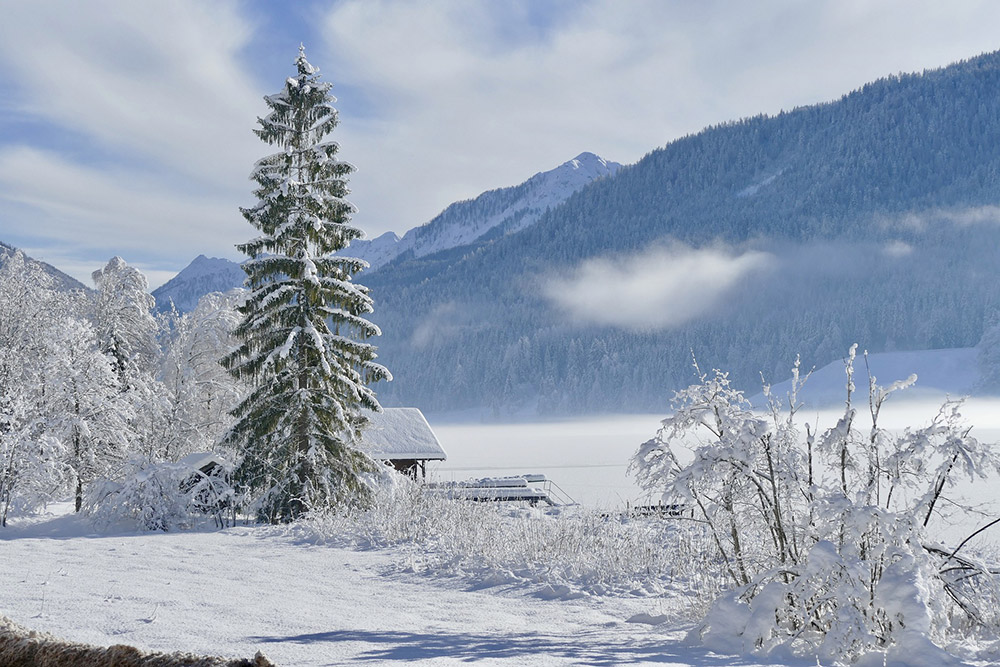
There are 600 ski resorts in the Alps. For beginners, Savognin in Switzerland in particular is a real paradise of blue runs, offering plenty of space to ski down the slopes at a leisurely pace. The widest run that you shouldn’t miss is the Heidipiste. Here you can practise carving – that is, turning on your edges.
For pros – fancy a bit more adrenaline in the snow?
Higher, faster, steeper – that’s the motto of the black runs. You really should only set foot on your skis here if you are absolutely experienced and confident. If that’s the case, get ready for some dizzying descents:
#1 Hollywood run on the Kaunertal Glacier
Vin Diesel in Triple X, Daniel Craig as James Bond – the Kaunertal Glacier offers so much action that Hollywood stars have already filmed here and were left utterly amazed.
However, only the most daring skiers dare to tackle one particular run: the Black Ibex. With a gradient of 87% it takes strong nerves, plenty of experience and the right equipment to make it down in one piece. Everyone who manages it, however, agrees: the view is worth all the adrenaline.
But even if you’re not an action hero, you can still ski on the Kaunertal Glacier. There are plenty of blue and red runs, as well as a children’s park and lots of ski schools where you can practise.
#2 Longest black run in Sarenne
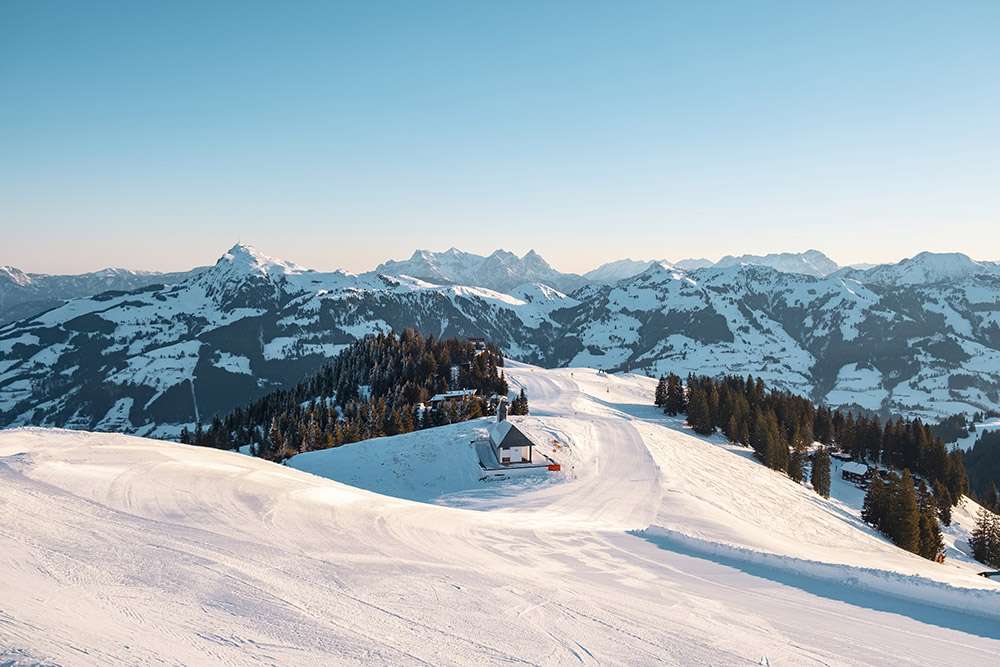
You’ll find the longest black run in the Alps in the Alpe d'Huez ski resort in France. The Sarenne winds its way down the Pic Blanc for 16 kilometres, giving you the chance to show off your carving skills. You’ll cover 1.800 metres in altitude, and you need to be aware that once you’ve got up to speed, there’s no stopping here.
In fact, it is not the gradient that makes the Sarenne a black run, but rather its length, over which there are neither lifts to turn back nor ski huts to take a breather.
However, you’ll be able to relax once you’ve reached the bottom. And you’re sure to be ravenous by then. Pop into one of the many restaurants in Alpe d'Huez – such as the “Taverne des Bergers”, which serves homemade French specialities.
#3 The Streif in Kitzbühel
It is considered the most dangerous downhill run in the World Cup. When the professionals race down here, they reach speeds of up to 145 km/h. It is an incredible spectacle to watch. For ‘ordinary’ skiers, however, the Streif in Kitzbühel is also skiable – provided they are truly experienced. Some sections are not groomed, after all. With a gradient of up to 85% a snow groomer doesn’t stand a chance here.
Anyone wanting to ‘warm up’ has a good chance of gradually getting to grips with the difficulty of the Streif. In the surrounding KitzSki area, there are 16 further black runs amongst the countless other runs.
You can also use the live webcams to check what the weather is like on site in advance.
More destinations for winter holidays
Do you love the snow and enjoy being active outdoors – but don’t always want to be on the slopes on skis? A winter holiday in Scandinavia is an experience unlike any other.
Whether it’s ice fishing, dog sledding, ski touring to the summits or snow hikes – absolutely anything is possible here. You can find our 5 tips for your winter holiday in Finland and beyond here.
Conclusion: Europe’s most beautiful ski resorts
Whether you’re a beginner on the blue runs at Feldberg, in Carinthia or in Savognin, or a pro on the Black Ibex, Sarenne and Streif: there’s a ski resort in Europe to suit every ability.
Those who prefer to stay off-piste will also find great alternatives in a Scandinavian winter.
FAQ on ski resorts in Europe
Which ski resorts are suitable for beginners?
For beginners, we recommend the Feldberg ski lift network in the Black Forest, the ski resorts in Carinthia and Savognin in Switzerland. There are plenty of blue runs and ski schools here.
What do the blue, red and black run colours mean?
In Germany, Austria and Switzerland, the colours indicate the level of difficulty: blue is suitable for beginners, red runs are for those with a little more experience, and black runs are only for highly experienced and confident skiers.
When is the best time to visit the Feldberg?
At the Feldberg, you’ve got the best chance of plenty of sunshine and glorious snow. February in particular is known for its above-average number of sunny days and the snowiest weeks.
Which runs are suitable for experts?
For professionals, we’d mention the Black Ibex on the Kaunertal Glacier with an 87 per cent gradient, the Sarenne in Alpe d’Huez – the longest black run in the Alps – and the Streif in Kitzbühel.
How long is the Sarenne?
The Sarenne winds its way down the Pic Blanc for 16 kilometres, covering an altitude difference of 1.800 metres. There are no lifts along the route to turn back, nor any ski huts to take a break at.



_400x400 Kopie.png?ts=1760433160)