



Hiking rucksacks for day trips and easy tours
A hiking rucksack offers space for everything you need for day hikes and excursions. Lightweight materials, practical compartments and a comfortable fit ensure that you stay mobile on the move and arrive relaxed.
A hiking rucksack offers space for everything you need for day hikes and excursions. Lightweight materials, practical compartments and a comfortable fit ensure that you stay mobile on the move and arrive relaxed.


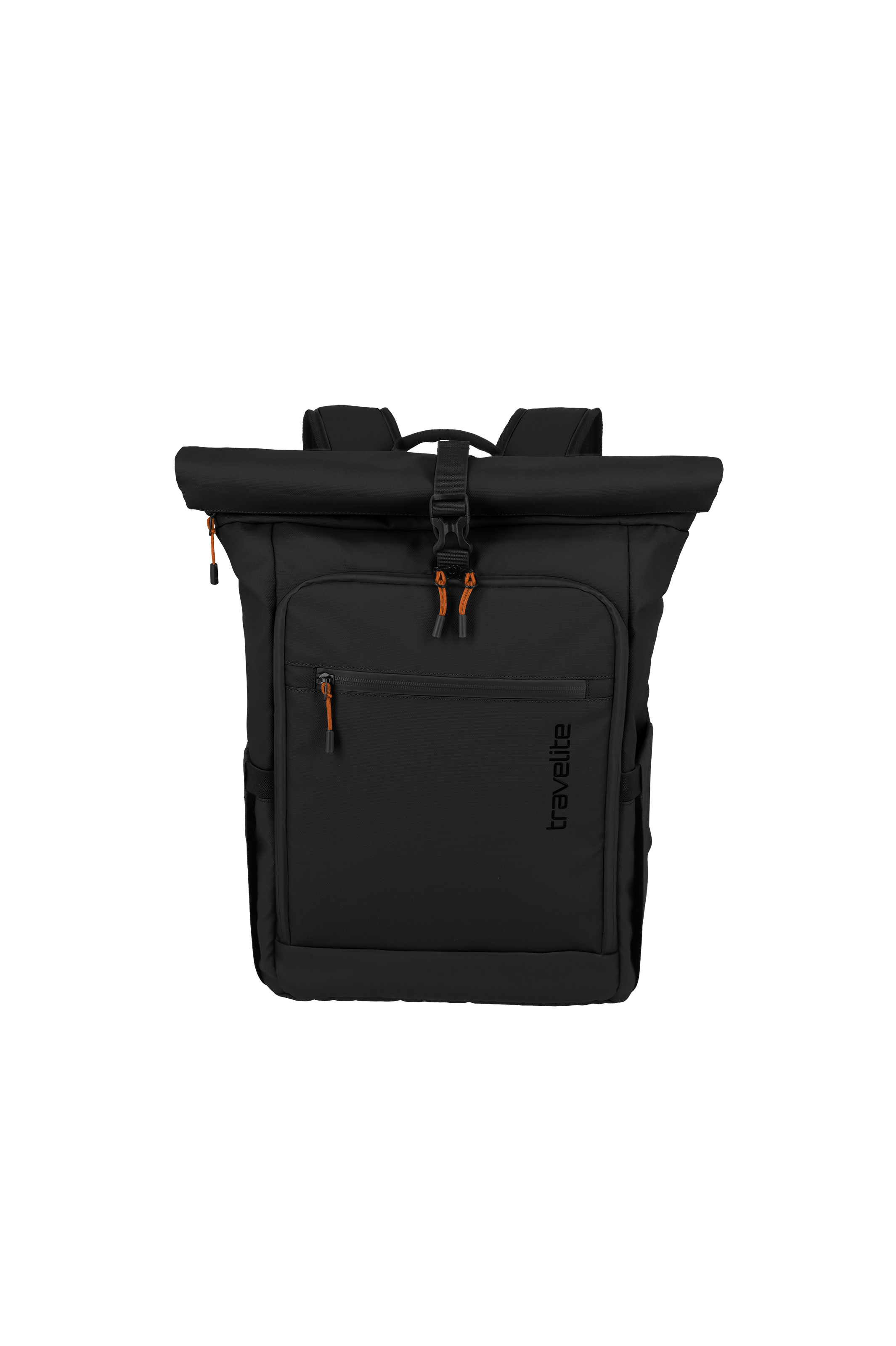


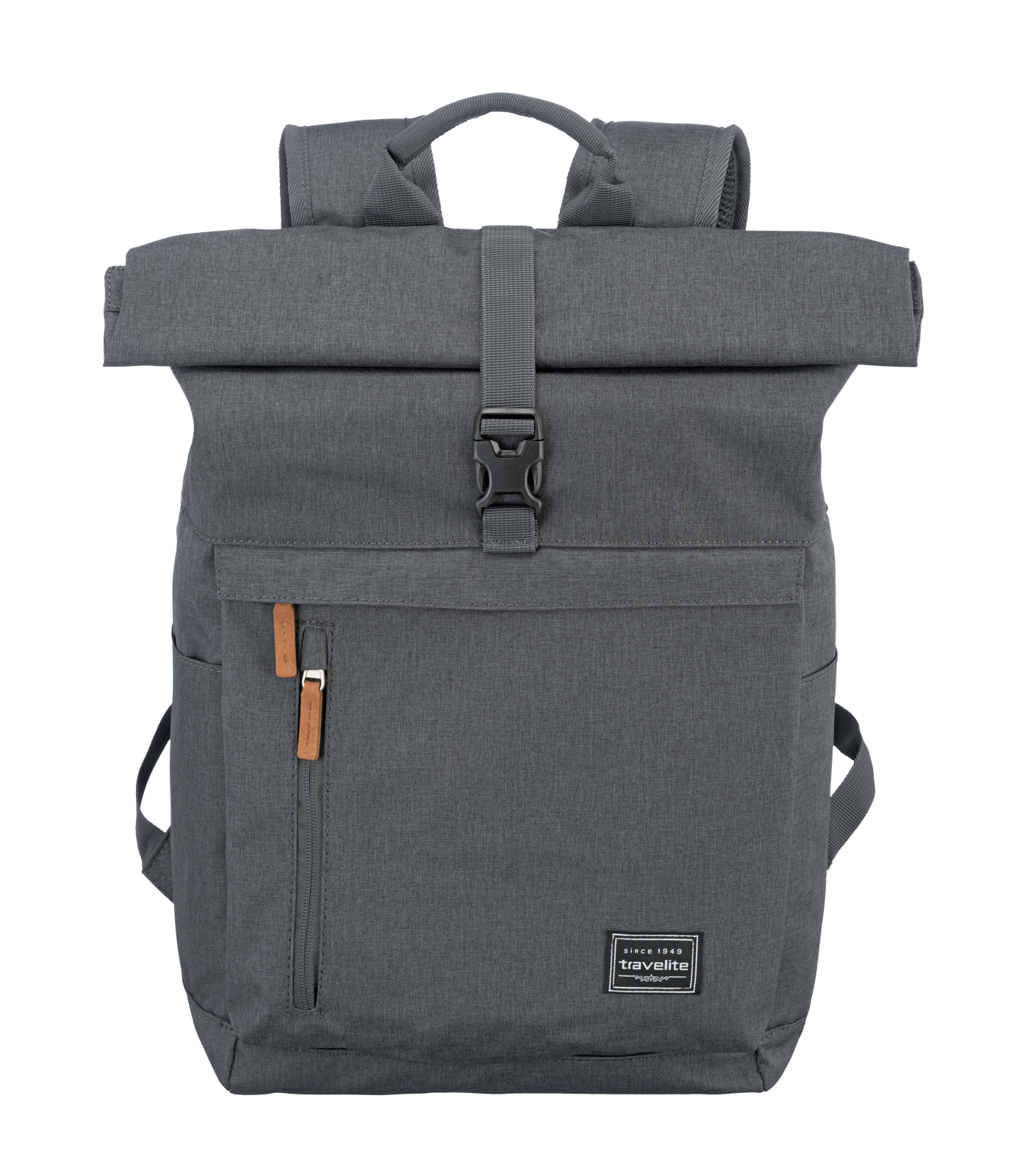
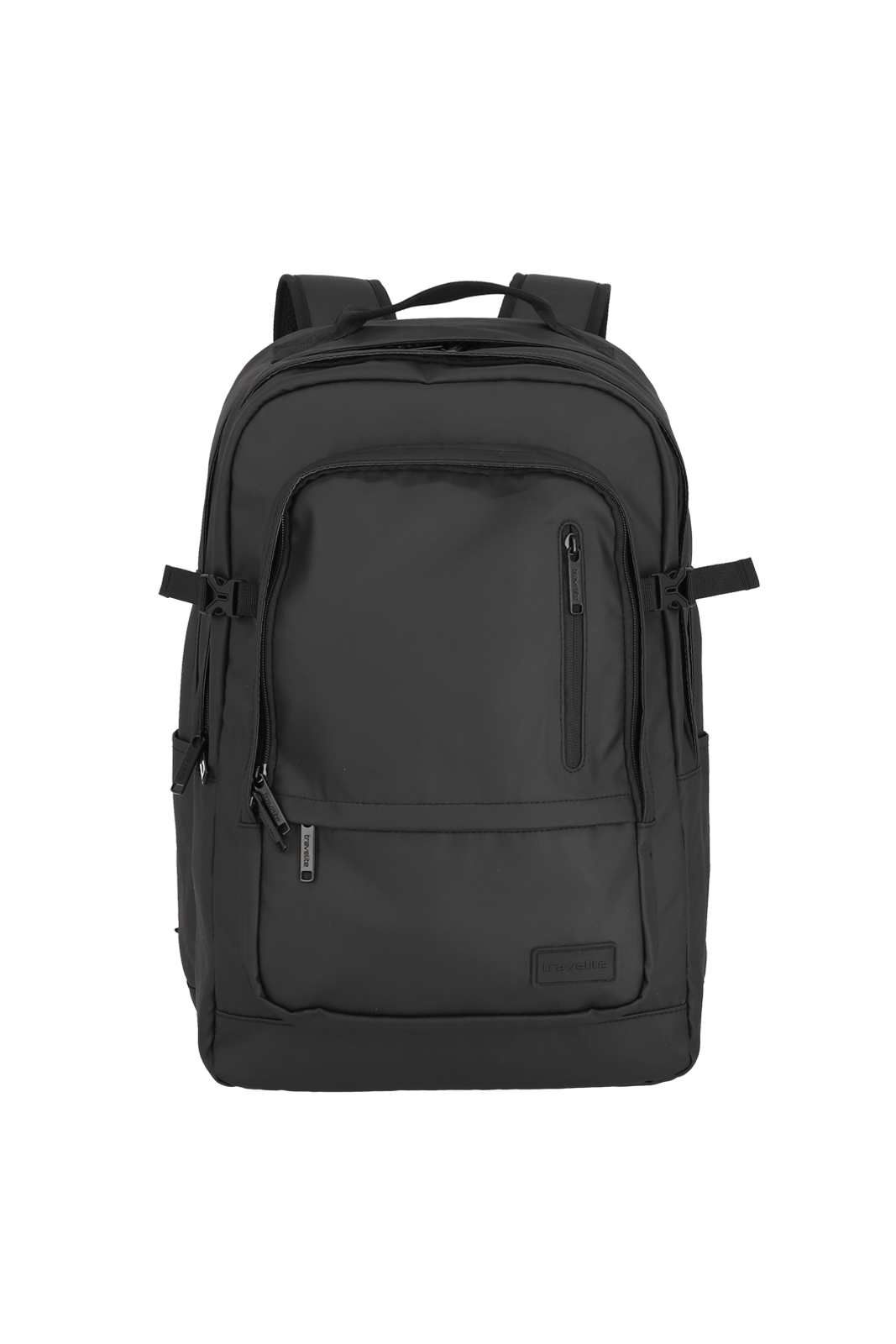


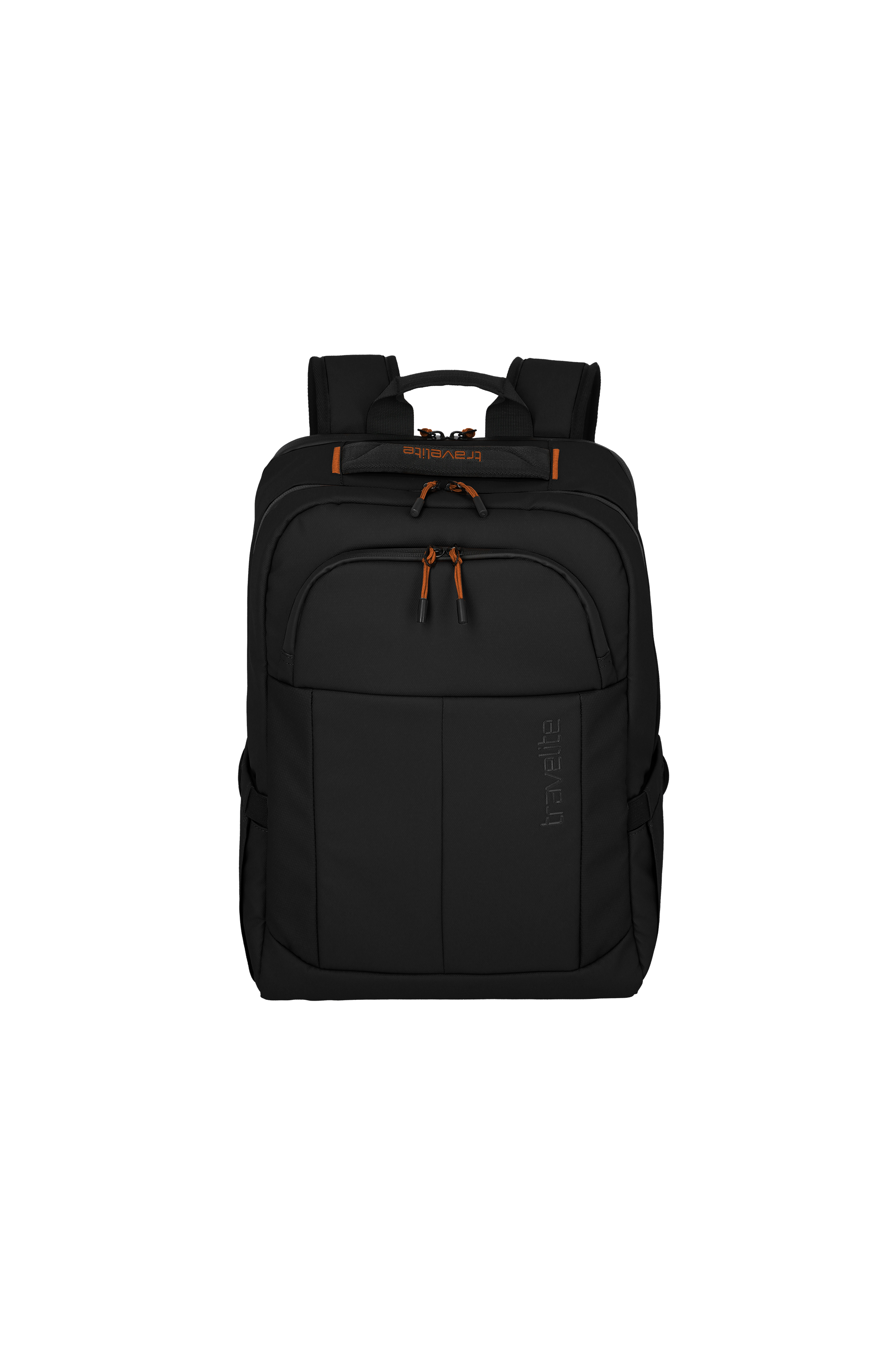
.png?ts=1750248331)

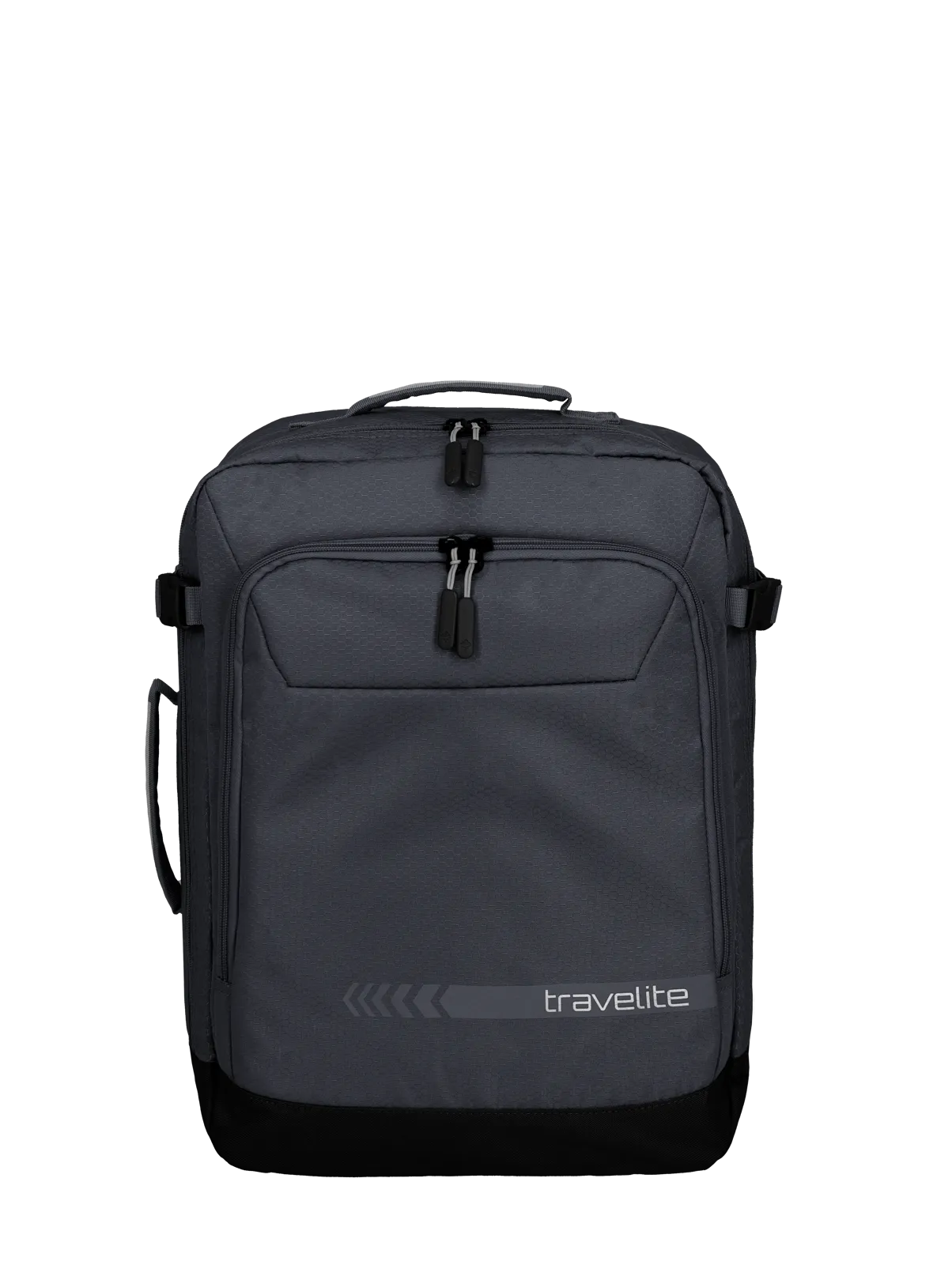
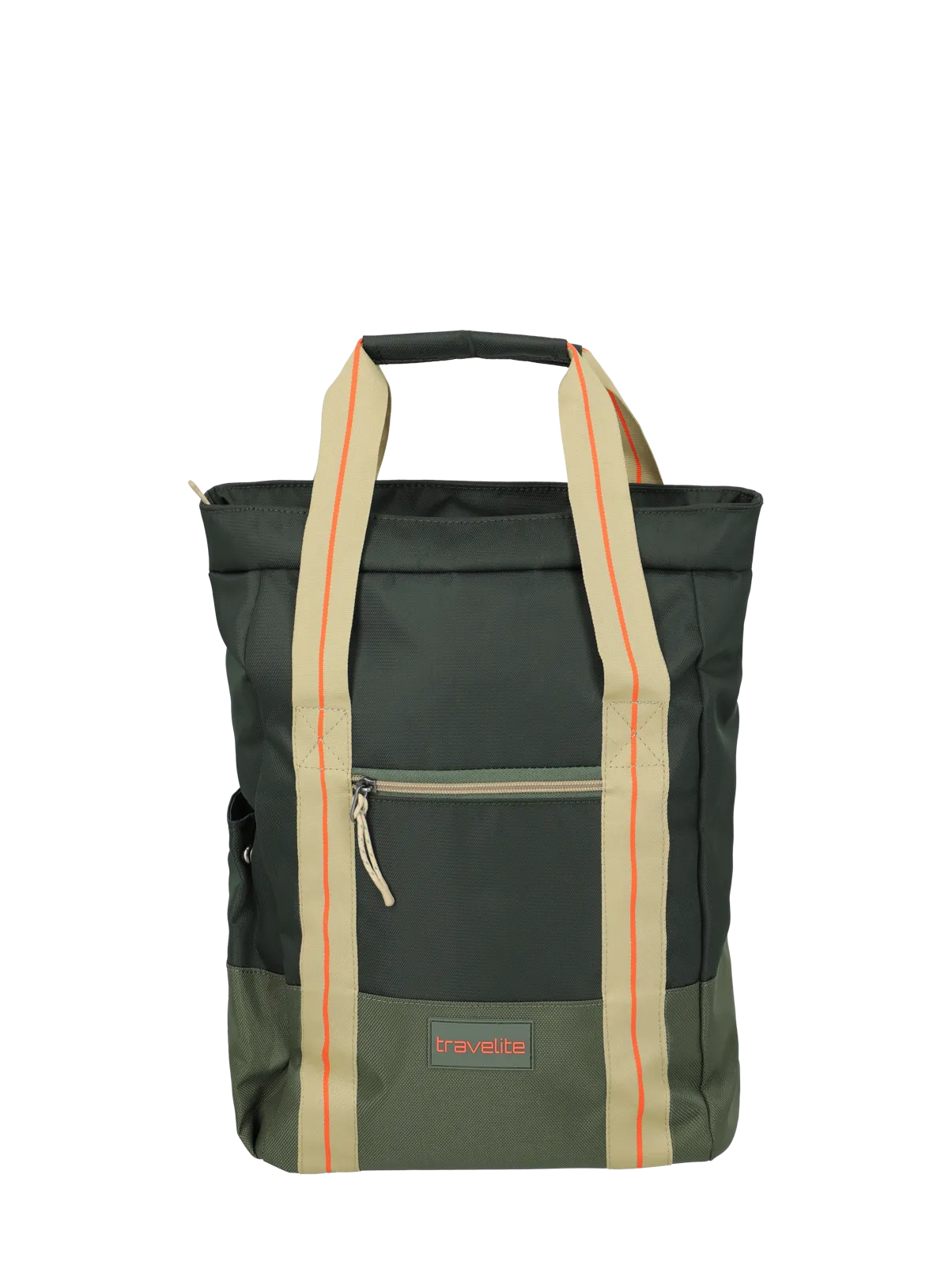
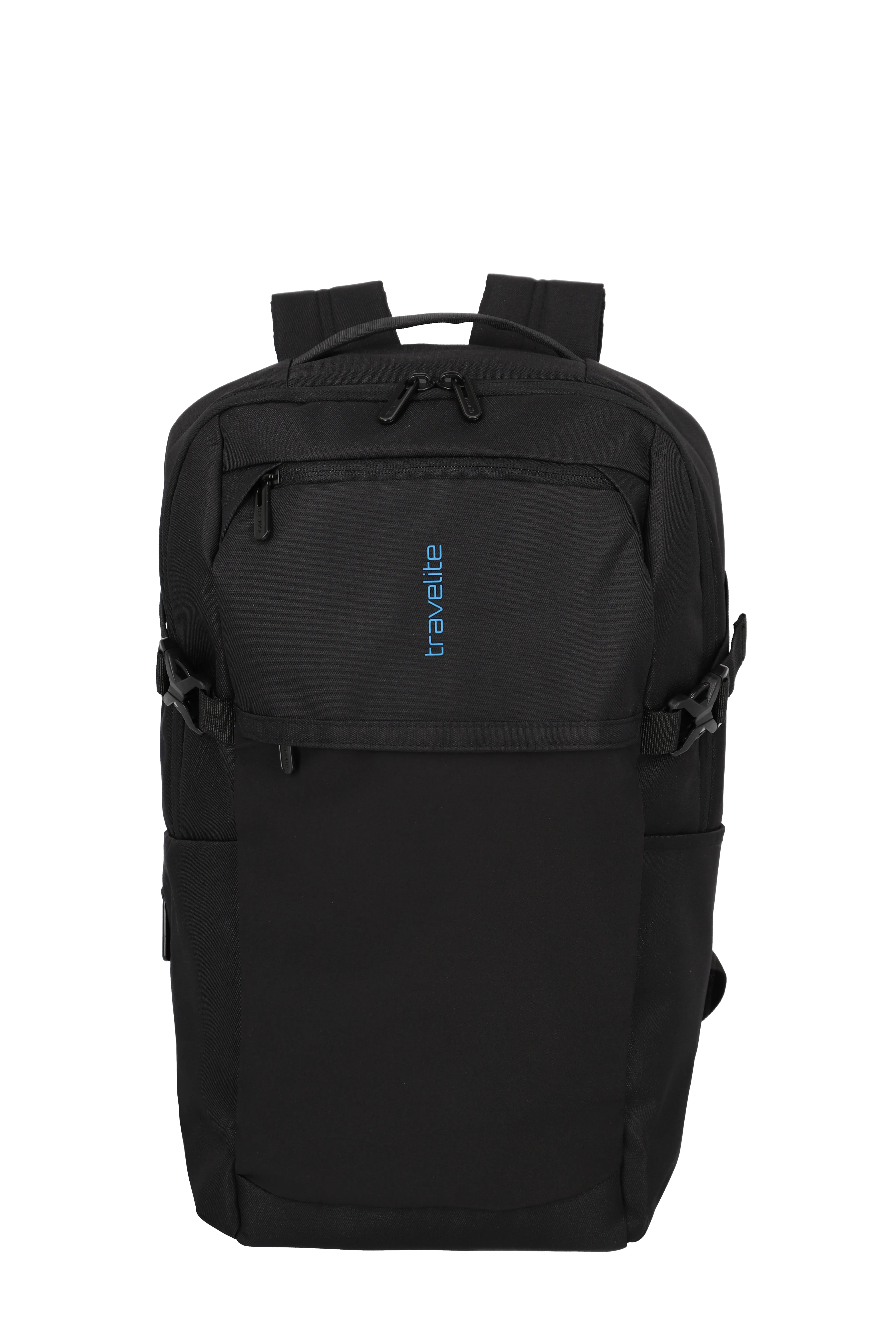


What characterises a hiking rucksack?
one hiking rucksack is designed for active days out and about in nature, where comfort and mobility are paramount. It is particularly suitable for day and leisure activities where a manageable load is sufficient and a comfortable fit is important.
Its strengths lie where classic leisure rucksacks reach their limits and larger travel rucksacks already have too much volume. Hiking rucksacks are designed for movement, sit close to the body and distribute the weight evenly without adding unnecessary bulk or restricting mobility.
Hiking rucksacks are characterised by a good balance between storage space, low weight and an ergonomic fit. They offer space for food, clothing and personal items without constricting or restricting freedom of movement.
Which tours are hiking rucksacks suitable for?
Hiking rucksacks are versatile and cover a wide range of activities that require lightweight luggage and comfortable carrying. They are particularly suitable for tours where you are travelling for several hours but do not need extensive equipment.
day hikes
For day hikes, hiking rucksacks are the perfect choice for carrying everything you need. This includes food, water bottles, an extra layer of clothing, sun protection or a rain jacket. Thanks to a sensible compartment layout, the contents remain well organised and quickly accessible without having to search for a long time on the go. The ergonomic fit ensures that the weight is evenly distributed and that even longer distances remain comfortable.
Walks and excursions in nature
Hiking rucksacks also offer clear advantages for shorter excursions or walks in nature. They take the strain off your hands, create space for smaller items of equipment and allow you to react flexibly to changing weather conditions. Especially on trips with family or friends, it is practical to have drinks, snacks or a change of clothes to hand.
Leisure and activity days
Hiking rucksacks show their versatility on active days when different activities are combined. Whether you're exploring new trails, taking part in outdoor activities or spending long periods outdoors, they are comfortable to carry and adapt to different situations. The compact format ensures that the rucksack does not get in the way, while providing sufficient storage space for the day.
Travelling with light luggage
Hiking rucksacks are also suitable for trips where mobility is a priority. They are easy to transport, easy to pack and flexible to use, for example on city trips, excursions from your holiday destination or as an additional companion to your suitcase. Thanks to their low weight and compact design, they remain comfortable to carry, even when travelling for long periods of time.
Comfort and freedom of movement with hiking rucksacks
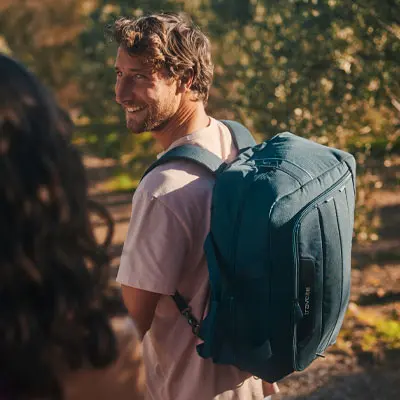
A hiking rucksack should also be comfortable to carry on longer tours. An ergonomic fit ensures that the rucksack sits close to the body and that the weight is carried stably without restricting freedom of movement.
Padded shoulder straps relieve pressure on the shoulders and neck and prevent pressure points when worn for long periods. In combination with a balanced weight distribution, the pack remains controllable and supports a natural posture.
This means that even longer distances can be travelled comfortably, whether on paved paths, narrow trails or at varying speeds.
The right size for a hiking rucksack
The right size of hiking rucksack depends on how much equipment you want to take with you on the go. For day and leisure activities, compact to medium sizes that offer sufficient storage space without weighing you down unnecessarily have proven themselves.
- Small hiking rucksacks (approx. 15-20 litres): Suitable for short hikes, walks and excursions with light luggage. There is space for a water bottle, snacks, personal items and possibly a thin jacket. The low volume keeps the rucksacks particularly light and offers maximum freedom of movement.
- Medium hiking rucksacks (approx. 20-30 litres): Designed for classic day hikes. In addition to food and drink, additional layers of clothing, rain or wind protection and smaller items of equipment can be easily stowed away. The rucksack remains compact, but offers sufficient reserves for changing conditions.
- Larger hiking rucksacks (from approx. 30 litres): Useful for longer day trips or activities where more equipment is required. This includes additional clothing, more food or accessories for a whole day out and about. Despite the larger volume, the rucksack should fit snugly around the body to ensure comfort and stability.
Regardless of the size: A hiking rucksack should only be as big as the intended use requires. A suitably sized rucksack is easier to pack, is more comfortable to wear and supports natural movement on the tour.
Material and workmanship
The material and workmanship have a major influence on how comfortable a hiking rucksack is to wear and how reliable it remains in use. Weight, robustness and durability play a key role, especially with regular use.
- Lightweight materials: Hiking rucksacks are made from materials that minimise their own weight. This takes the strain off your shoulders and back, especially if you are carrying the rucksack for several hours. A low weight has a positive effect, especially on longer distances or on changing terrain.
- Durable fabrics: In addition to weight, durability is crucial. Robust fabrics can withstand friction, frequent wear and contact with rougher surfaces. This means that the rucksack retains its shape and functionality even with intensive use.
- Clean workmanship: High-quality workmanship is particularly evident in sturdy seams and resilient zips. These areas are particularly stressed in everyday life. Cleanly finished transitions ensure that the rucksack can be used reliably and that there are no weak points.
The materials used protect the contents from external influences such as wind, dust or light rain. This is particularly important when travelling, when weather conditions do not remain constant and equipment or clothing need to stay dry.
Practical equipment for travelling
The features of a hiking rucksack determine how well the contents can be organised and how comfortably the rucksack can be used in everyday life and on tours. A well thought-out compartmentalisation makes access easier and saves time on the go.
- Structured interior organisation: A spacious main compartment in combination with additional inner compartments makes it possible to store clothing, food and accessories in a clearly organised way. This keeps the contents organised and easy to find on the go without having to search for a long time.
- outer compartments for quick access: External pockets provide space for items that are frequently needed, such as drinking bottles, snacks or smaller items of equipment. This means that all important items remain within easy reach without having to open the rucksack completely.
- attachment options for accessories: Additional attachment points expand the possible uses. Accessories can be attached on the outside if there is not enough space inside or if things need to be quickly accessible.
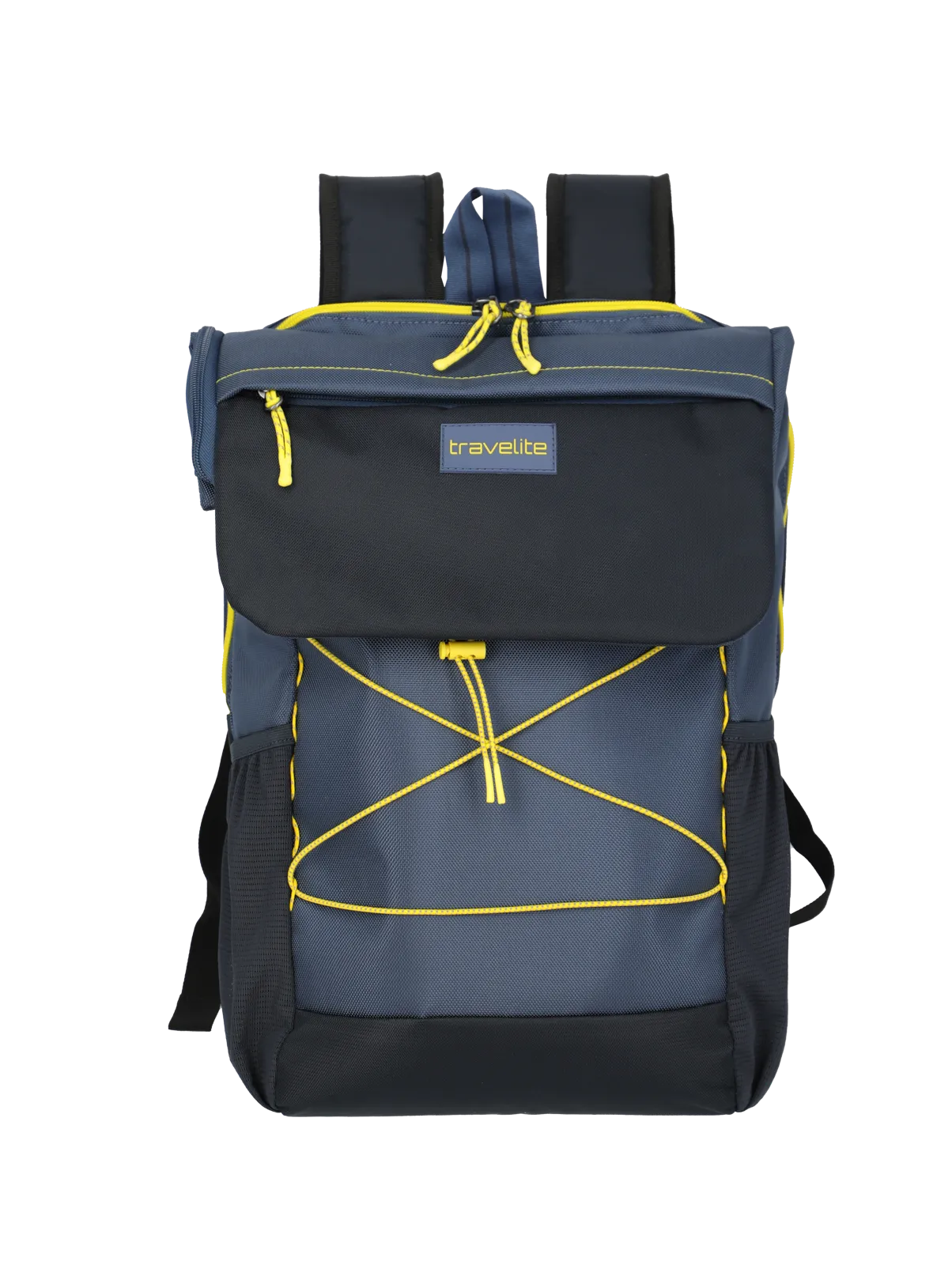
Hiking backpacks with a larger volume and clearly structured organisation are particularly suitable for active days with more equipment. Models such as the Venture Line backpack are designed to combine storage space, carrying comfort and a compact structure.
Discover hiking rucksacks for active days
A hiking rucksack should be suitable for the intended use and make the day out and about easier. A compact format is sufficient for short excursions and walks, while longer day hikes require more storage space and carrying comfort.
Size, fit and features influence how comfortable the rucksack is to wear. A well-fitting hiking rucksack distributes the weight evenly and stays close to the body so that food, clothing and accessories can be carried comfortably.
Discover the hiking backpacks from travelite and find the backpack that suits your area of use and your personal activity level.
What characterises a hiking rucksack?
one hiking rucksack is designed for active days out and about in nature, where comfort and mobility are paramount. It is particularly suitable for day and leisure activities where a manageable load is sufficient and a comfortable fit is important.
Its strengths lie where classic leisure rucksacks reach their limits and larger travel rucksacks already have too much volume. Hiking rucksacks are designed for movement, sit close to the body and distribute the weight evenly without adding unnecessary bulk or restricting mobility.
Hiking rucksacks are characterised by a good balance between storage space, low weight and an ergonomic fit. They offer space for food, clothing and personal items without constricting or restricting freedom of movement.
Which tours are hiking rucksacks suitable for?
Hiking rucksacks are versatile and cover a wide range of activities that require lightweight luggage and comfortable carrying. They are particularly suitable for tours where you are travelling for several hours but do not need extensive equipment.
day hikes
For day hikes, hiking rucksacks are the perfect choice for carrying everything you need. This includes food, water bottles, an extra layer of clothing, sun protection or a rain jacket. Thanks to a sensible compartment layout, the contents remain well organised and quickly accessible without having to search for a long time on the go. The ergonomic fit ensures that the weight is evenly distributed and that even longer distances remain comfortable.
Walks and excursions in nature
Hiking rucksacks also offer clear advantages for shorter excursions or walks in nature. They take the strain off your hands, create space for smaller items of equipment and allow you to react flexibly to changing weather conditions. Especially on trips with family or friends, it is practical to have drinks, snacks or a change of clothes to hand.
Leisure and activity days
Hiking rucksacks show their versatility on active days when different activities are combined. Whether you're exploring new trails, taking part in outdoor activities or spending long periods outdoors, they are comfortable to carry and adapt to different situations. The compact format ensures that the rucksack does not get in the way, while providing sufficient storage space for the day.
Travelling with light luggage
Hiking rucksacks are also suitable for trips where mobility is a priority. They are easy to transport, easy to pack and flexible to use, for example on city trips, excursions from your holiday destination or as an additional companion to your suitcase. Thanks to their low weight and compact design, they remain comfortable to carry, even when travelling for long periods of time.
Comfort and freedom of movement with hiking rucksacks
A hiking rucksack should also be comfortable to carry on longer tours. An ergonomic fit ensures that the rucksack sits close to the body and that the weight is carried stably without restricting freedom of movement.
Padded shoulder straps relieve pressure on the shoulders and neck and prevent pressure points when worn for long periods. In combination with a balanced weight distribution, the pack remains controllable and supports a natural posture.
This means that even longer distances can be travelled comfortably, whether on paved paths, narrow trails or at varying speeds.
The right size for a hiking rucksack
The right size of hiking rucksack depends on how much equipment you want to take with you on the go. For day and leisure activities, compact to medium sizes that offer sufficient storage space without weighing you down unnecessarily have proven themselves.
- Small hiking rucksacks (approx. 15-20 litres): Suitable for short hikes, walks and excursions with light luggage. There is space for a water bottle, snacks, personal items and possibly a thin jacket. The low volume keeps the rucksacks particularly light and offers maximum freedom of movement.
- Medium hiking rucksacks (approx. 20-30 litres): Designed for classic day hikes. In addition to food and drink, additional layers of clothing, rain or wind protection and smaller items of equipment can be easily stowed away. The rucksack remains compact, but offers sufficient reserves for changing conditions.
- Larger hiking rucksacks (from approx. 30 litres): Useful for longer day trips or activities where more equipment is required. This includes additional clothing, more food or accessories for a whole day out and about. Despite the larger volume, the rucksack should fit snugly around the body to ensure comfort and stability.
Regardless of the size: A hiking rucksack should only be as big as the intended use requires. A suitably sized rucksack is easier to pack, is more comfortable to wear and supports natural movement on the tour.
Material and workmanship
The material and workmanship have a major influence on how comfortable a hiking rucksack is to wear and how reliable it remains in use. Weight, robustness and durability play a key role, especially with regular use.
- Lightweight materials: Hiking rucksacks are made from materials that minimise their own weight. This takes the strain off your shoulders and back, especially if you are carrying the rucksack for several hours. A low weight has a positive effect, especially on longer distances or on changing terrain.
- Durable fabrics: In addition to weight, durability is crucial. Robust fabrics can withstand friction, frequent wear and contact with rougher surfaces. This means that the rucksack retains its shape and functionality even with intensive use.
- Clean workmanship: High-quality workmanship is particularly evident in sturdy seams and resilient zips. These areas are particularly stressed in everyday life. Cleanly finished transitions ensure that the rucksack can be used reliably and that there are no weak points.
The materials used protect the contents from external influences such as wind, dust or light rain. This is particularly important when travelling, when weather conditions do not remain constant and equipment or clothing need to stay dry.
Practical equipment for travelling
The features of a hiking rucksack determine how well the contents can be organised and how comfortably the rucksack can be used in everyday life and on tours. A well thought-out compartmentalisation makes access easier and saves time on the go.
- Structured interior organisation: A spacious main compartment in combination with additional inner compartments makes it possible to store clothing, food and accessories in a clearly organised way. This keeps the contents organised and easy to find on the go without having to search for a long time.
- outer compartments for quick access: External pockets provide space for items that are frequently needed, such as drinking bottles, snacks or smaller items of equipment. This means that all important items remain within easy reach without having to open the rucksack completely.
- attachment options for accessories: Additional attachment points expand the possible uses. Accessories can be attached on the outside if there is not enough space inside or if things need to be quickly accessible.
Hiking backpacks with a larger volume and clearly structured organisation are particularly suitable for active days with more equipment. Models such as the Venture Line backpack are designed to combine storage space, carrying comfort and a compact structure.
Discover hiking rucksacks for active days
A hiking rucksack should be suitable for the intended use and make the day out and about easier. A compact format is sufficient for short excursions and walks, while longer day hikes require more storage space and carrying comfort.
Size, fit and features influence how comfortable the rucksack is to wear. A well-fitting hiking rucksack distributes the weight evenly and stays close to the body so that food, clothing and accessories can be carried comfortably.
Discover the hiking backpacks from travelite and find the backpack that suits your area of use and your personal activity level.
Frequently asked questions about hiking rucksacks
A hiking rucksack is designed for day and leisure activities where comfort, freedom of movement and manageable luggage are important. It offers sufficient storage space for food, clothing and personal items and is designed for longer periods of carrying.
The right size depends on the intended use. A compact volume is sufficient for short excursions, while classic day hikes require more space for food, additional clothing and accessories. It is important that the rucksack is not larger than necessary.
A clearly organised compartment layout, padded shoulder straps and an ergonomic fit are important. Additional outer compartments and fastening options make it easier to access frequently used items.
Yes, thanks to their compact size and high carrying comfort, hiking rucksacks are also suitable for travelling light, for example for excursions at your holiday destination or active city trips.
A hiking rucksack should fit close to the body without constricting. The weight is distributed evenly so that the shoulders and back are relieved and even longer distances can be covered comfortably.