London is a city that demands a lot, and that’s exactly why it’s worth preparing well. Changeable weather, long walks, and special entry regulations mean that a well-thought-out packing list for London is more than just a simple checklist. Anyone travelling here unprepared will quickly notice that the wrong luggage or missing documents can make a city break unnecessarily complicated.
On any given day you’ll get sun, wind and rain, while sights and districts are usually explored on foot or by underground. Comfortable clothing, appropriate shoes and functional luggage are therefore essential. Alongside your passport and ETA for the UK, this packing list for London helps make sure nothing important is forgotten, so you can fully focus on your city trip.
Documents & entry – what you must have with you for London
Before you start packing clothes and tech, travel documents should be right at the top of your checklist. Since Brexit, different rules apply for entry to the UK than before. If you’re not well prepared here, you risk unnecessary stress at the airport. With the right documents, however, you’re on the safe side and can start your trip to London feeling relaxed.
Valid passport – prerequisite for entry
A valid passport is mandatory for entering London. ID cards are no longer accepted since Brexit. The passport must be valid for the entire duration of your stay. There is currently no requirement for additional minimum validity beyond your trip, but it’s still worth checking the expiry date.
Electronic travel authorisation for London
In addition to your passport, an ETA (Electronic Travel Authorisation) for the UK is being introduced gradually. This is an electronic entry authorisation that must be obtained before travelling online or via the app from the British Home Office.
From 2025, the ETA will also be compulsory for EU citizens. Applying usually takes just a few minutes and costs 16 pounds (about 18 euros). The ETA is valid for two years or until your passport expires, whichever is sooner. Without an approved ETA, entry may be refused, so it’s important to factor this in early.
Important: The British government points out that there are third-party websites offering ETA applications at much higher prices. It is therefore recommended to apply exclusively via official channels to avoid unnecessary extra costs.
Additional documents for your London trip
Alongside your passport and ETA, you should also pack these documents in your hand luggage:
- Proof of international health insurance, ideally digital and saved as a screenshot
- Booking confirmations for flight, hotel or train, preferably digital, optionally printed as well
- Driving licence if you’re planning to hire a car
This way, all your most important documents are to hand and you’ll be optimally prepared for your trip to London.
The right luggage for London
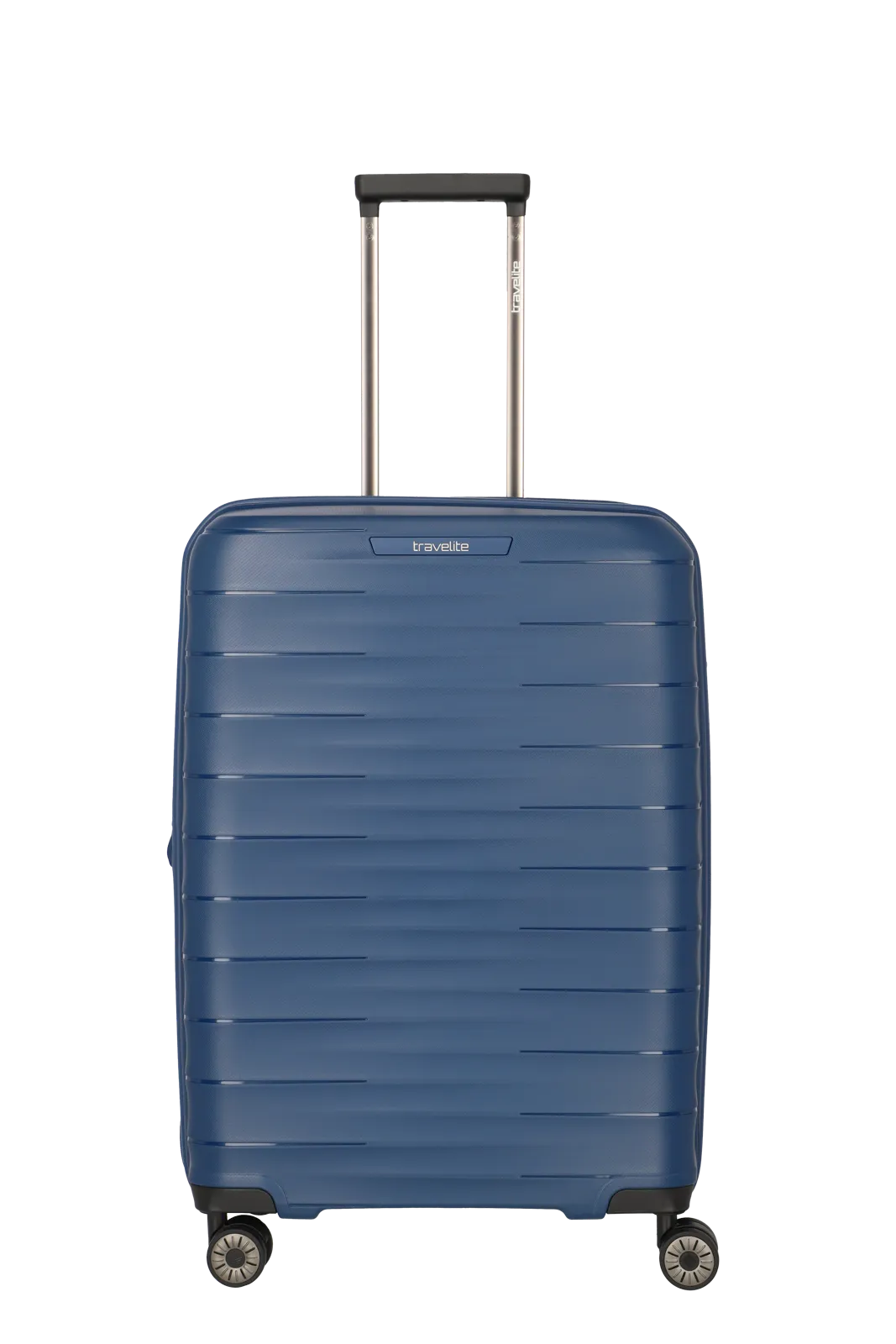
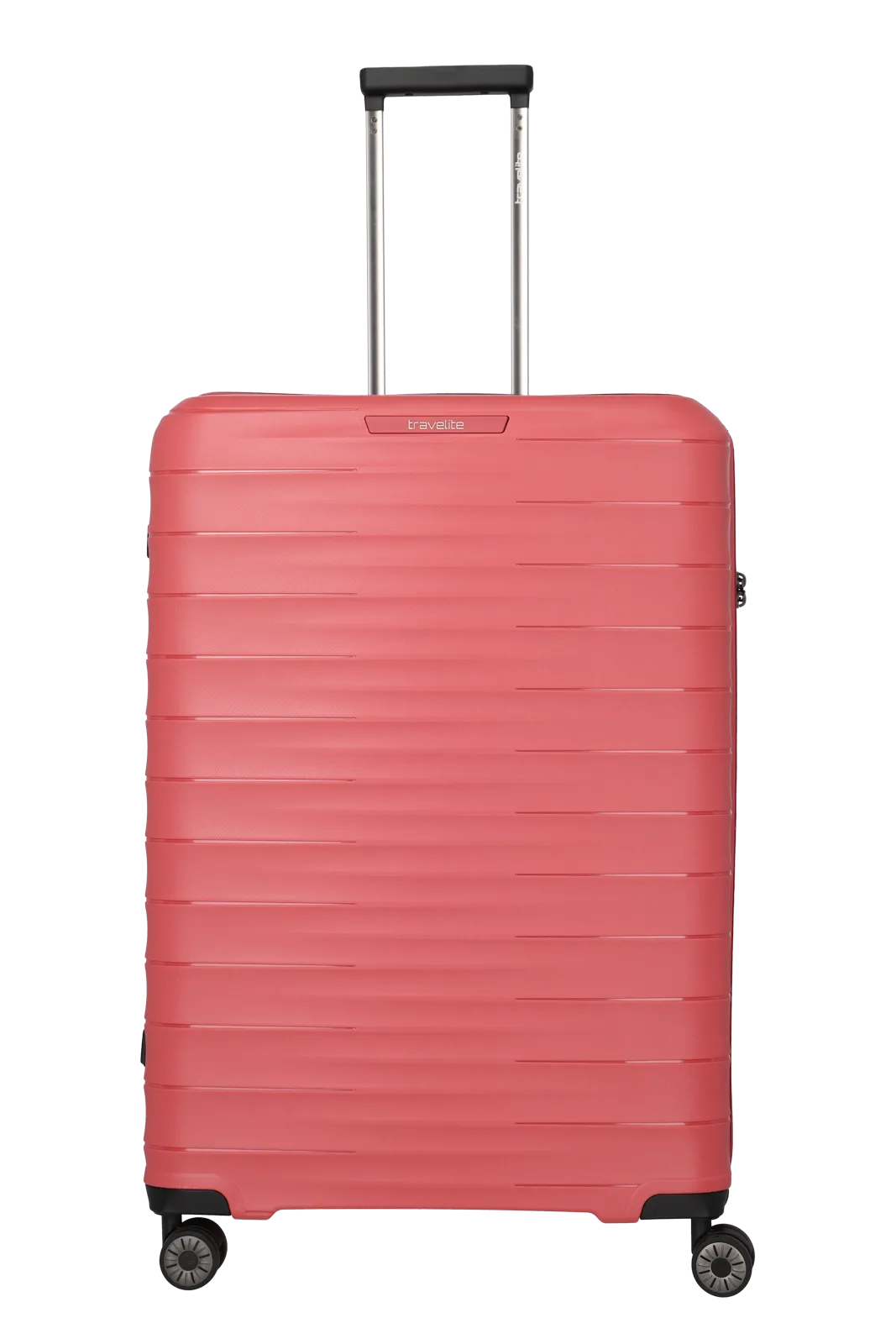
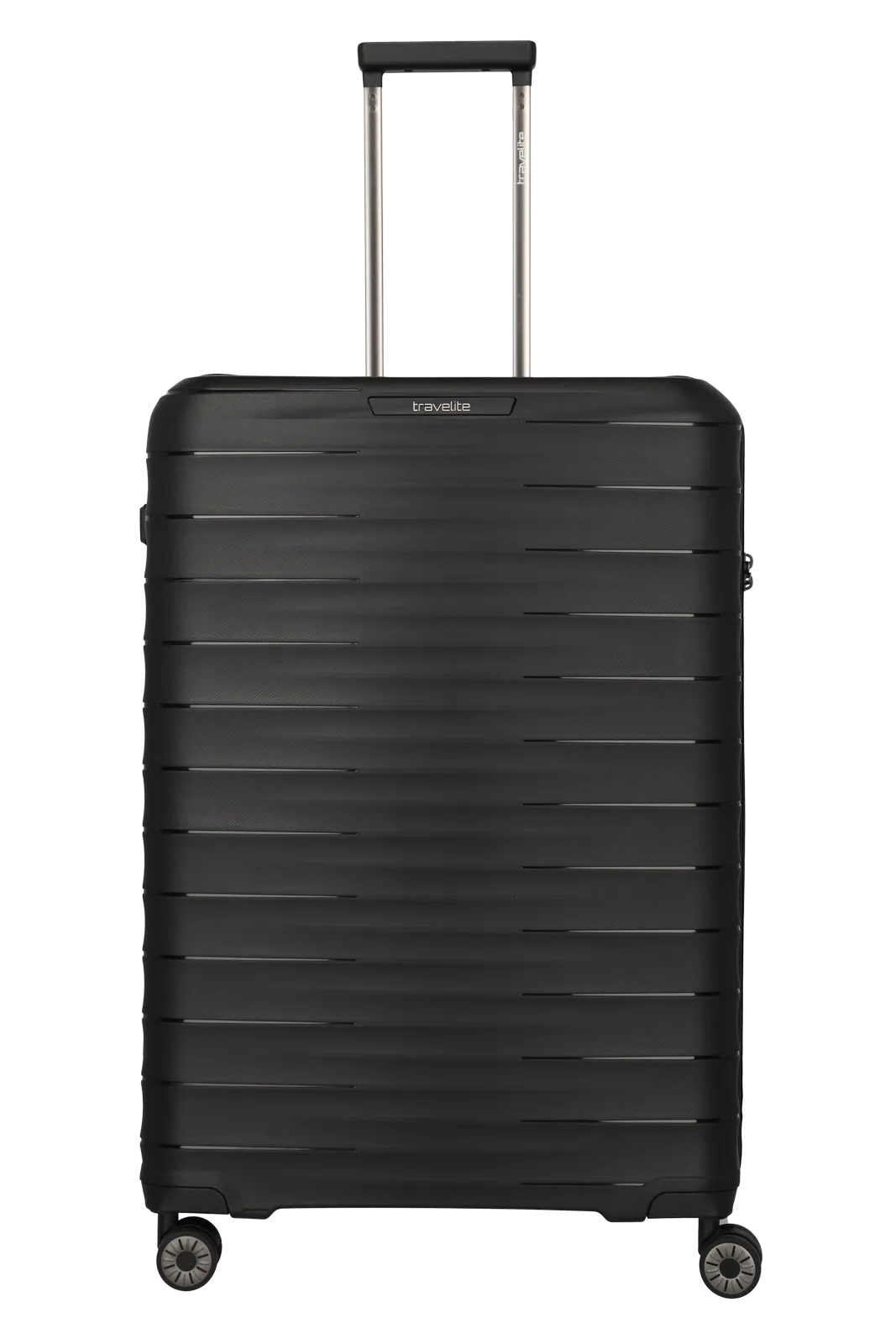
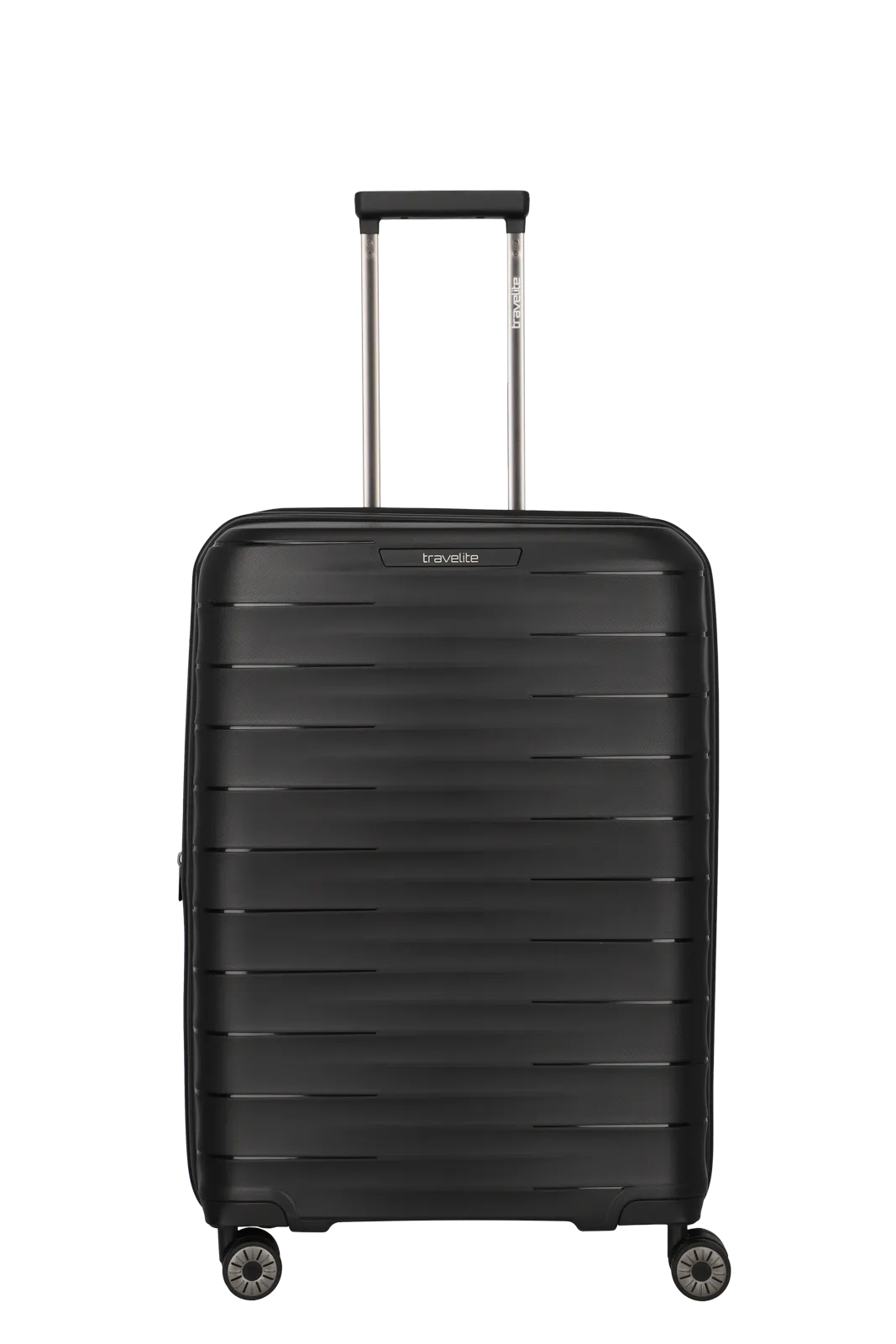
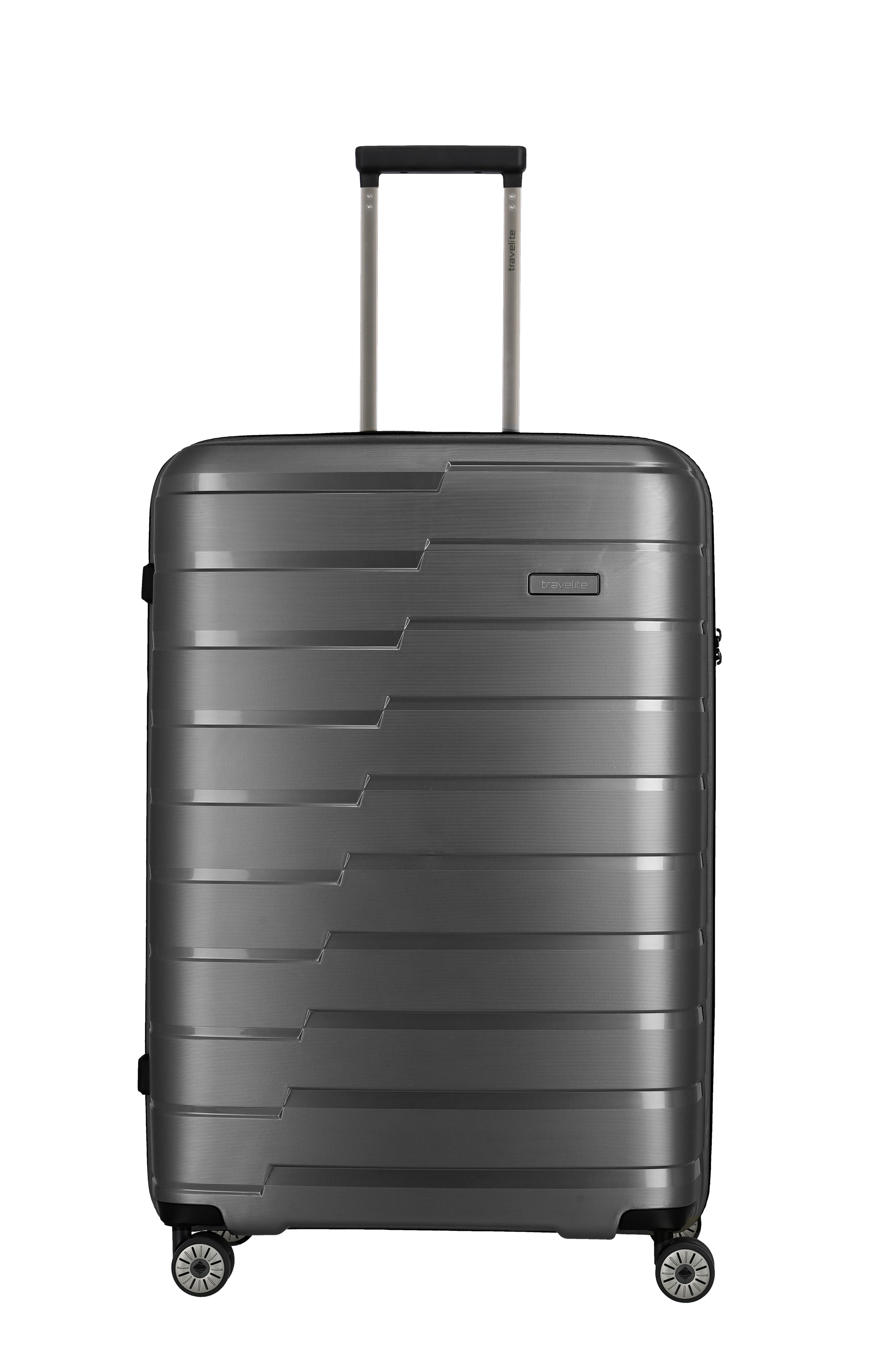
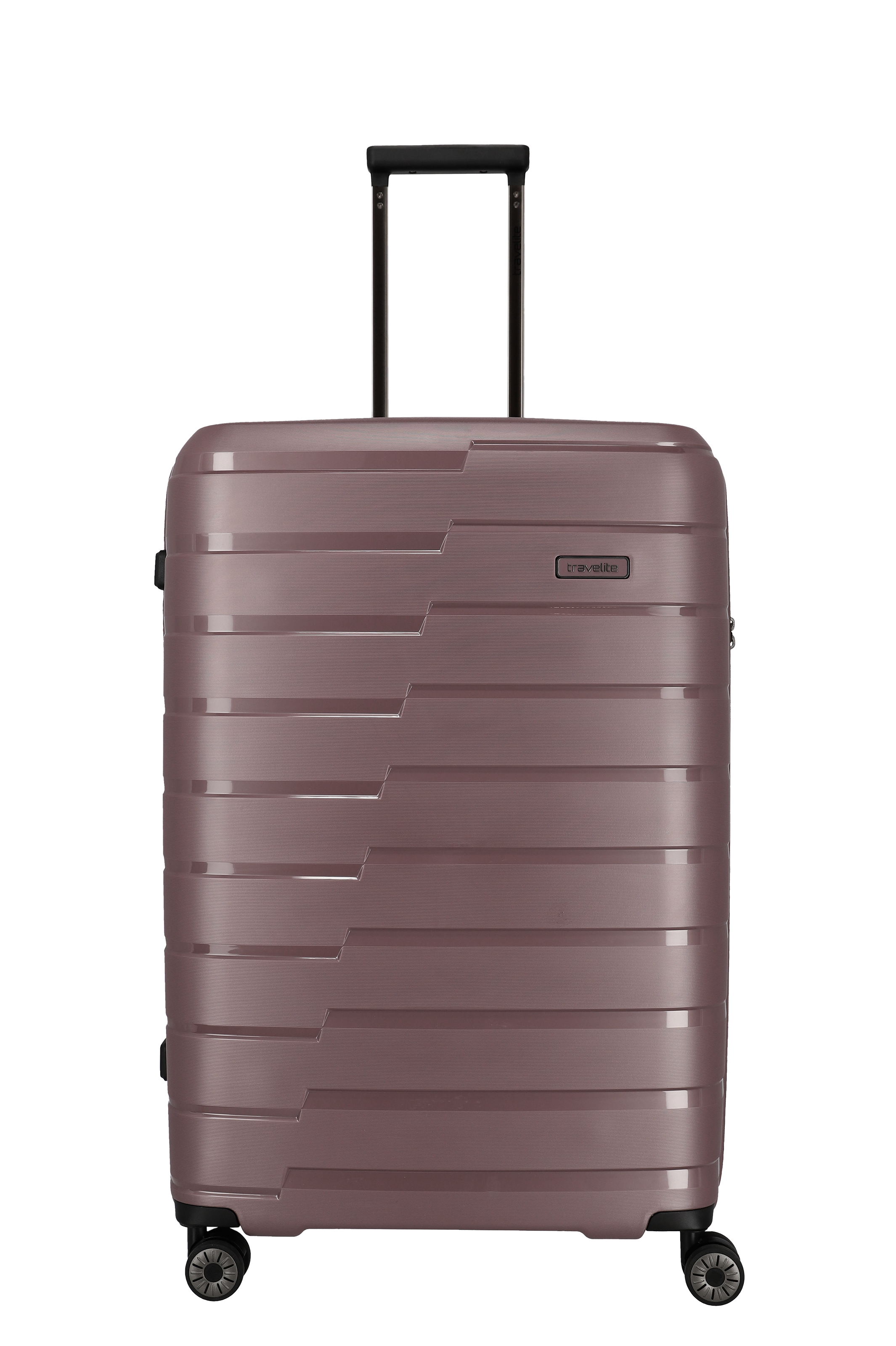
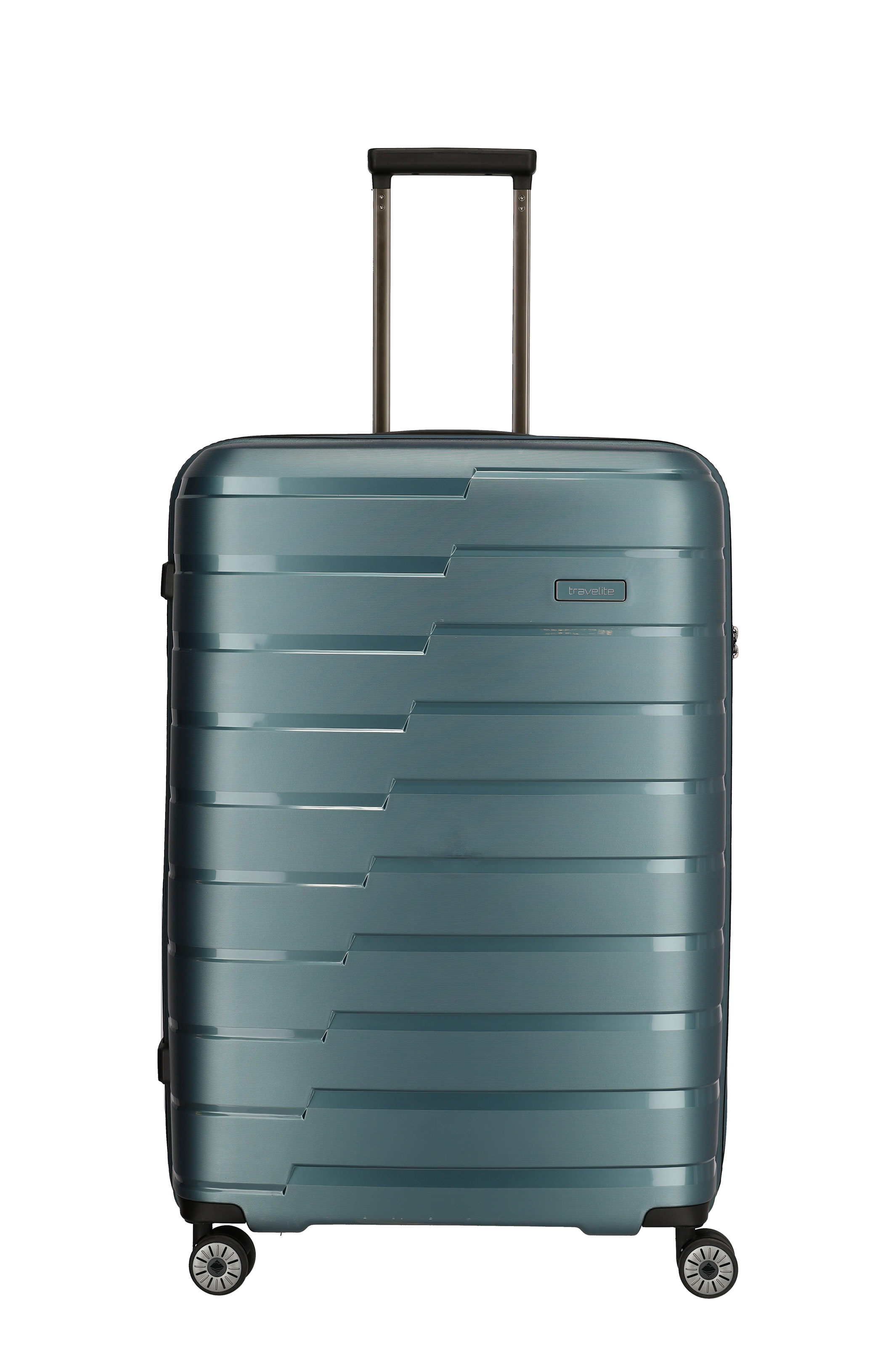
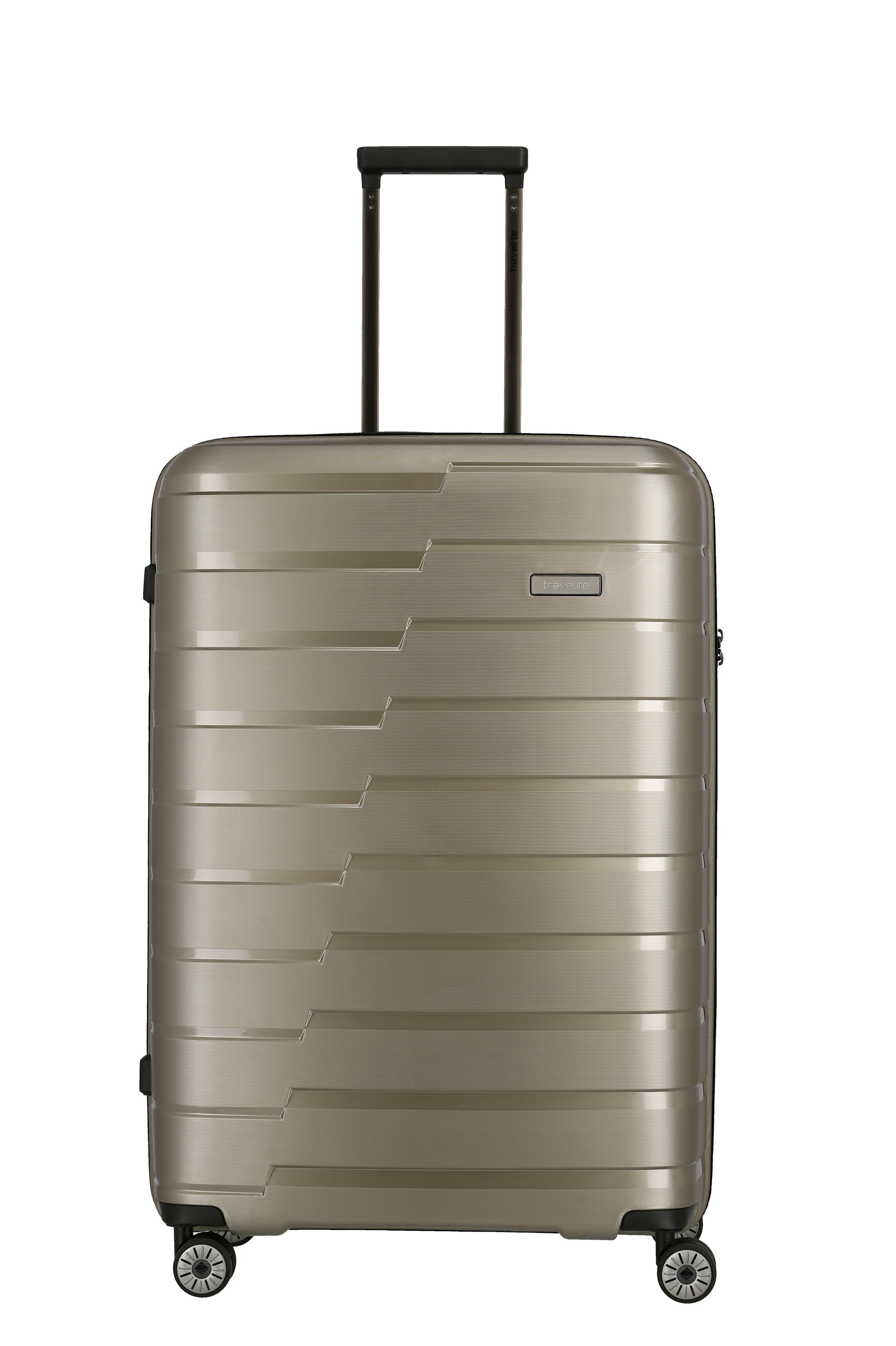
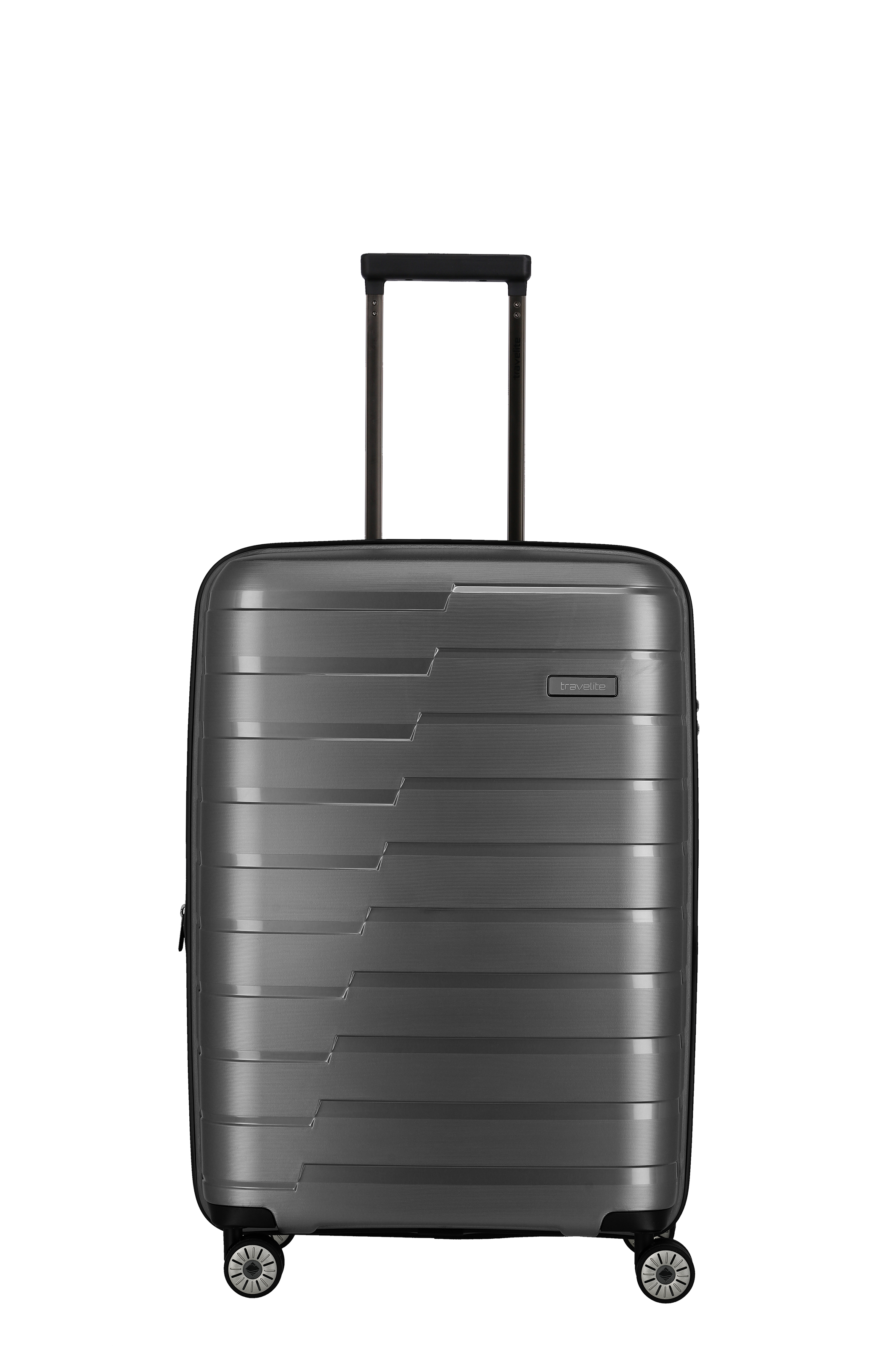
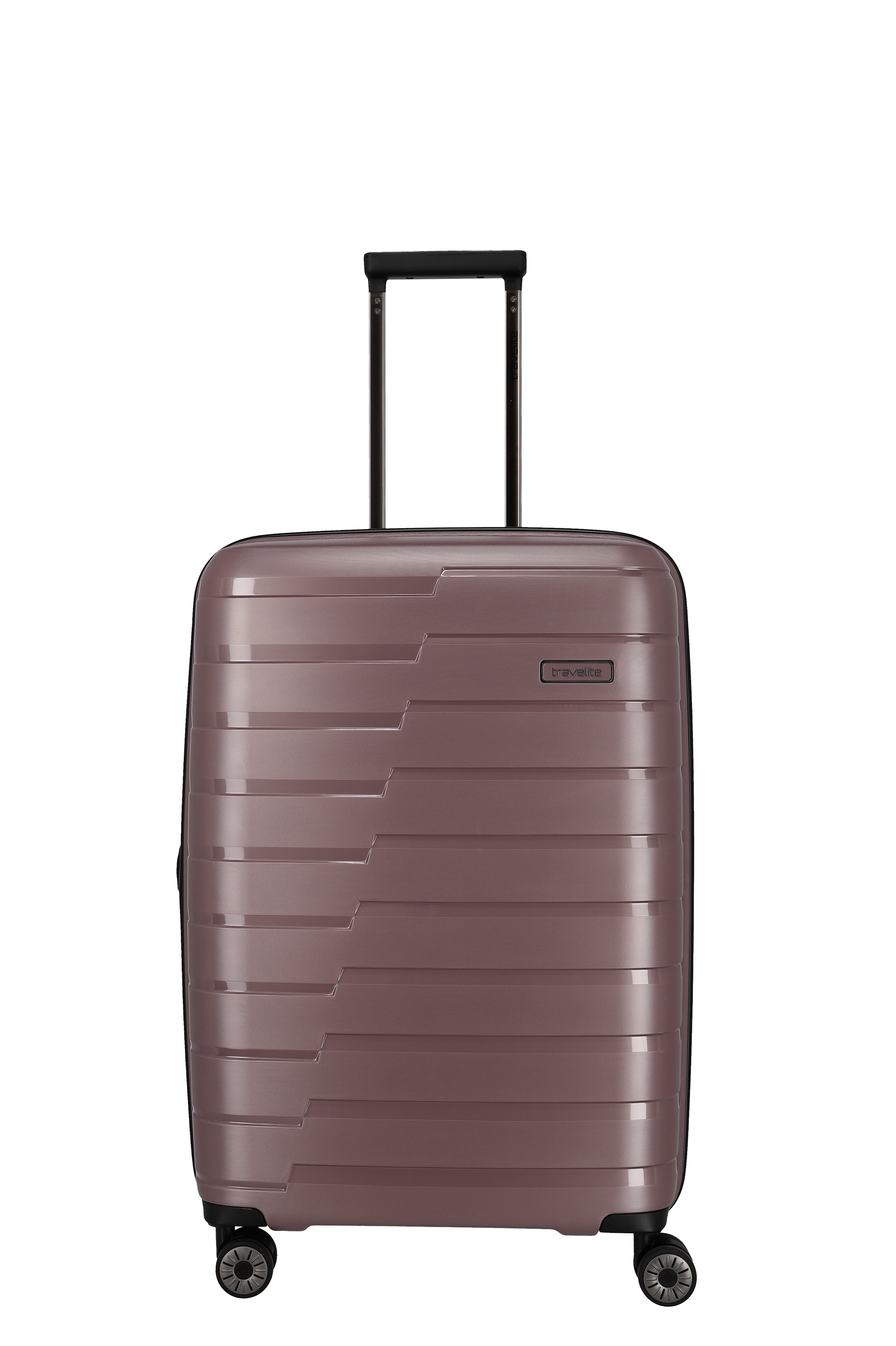
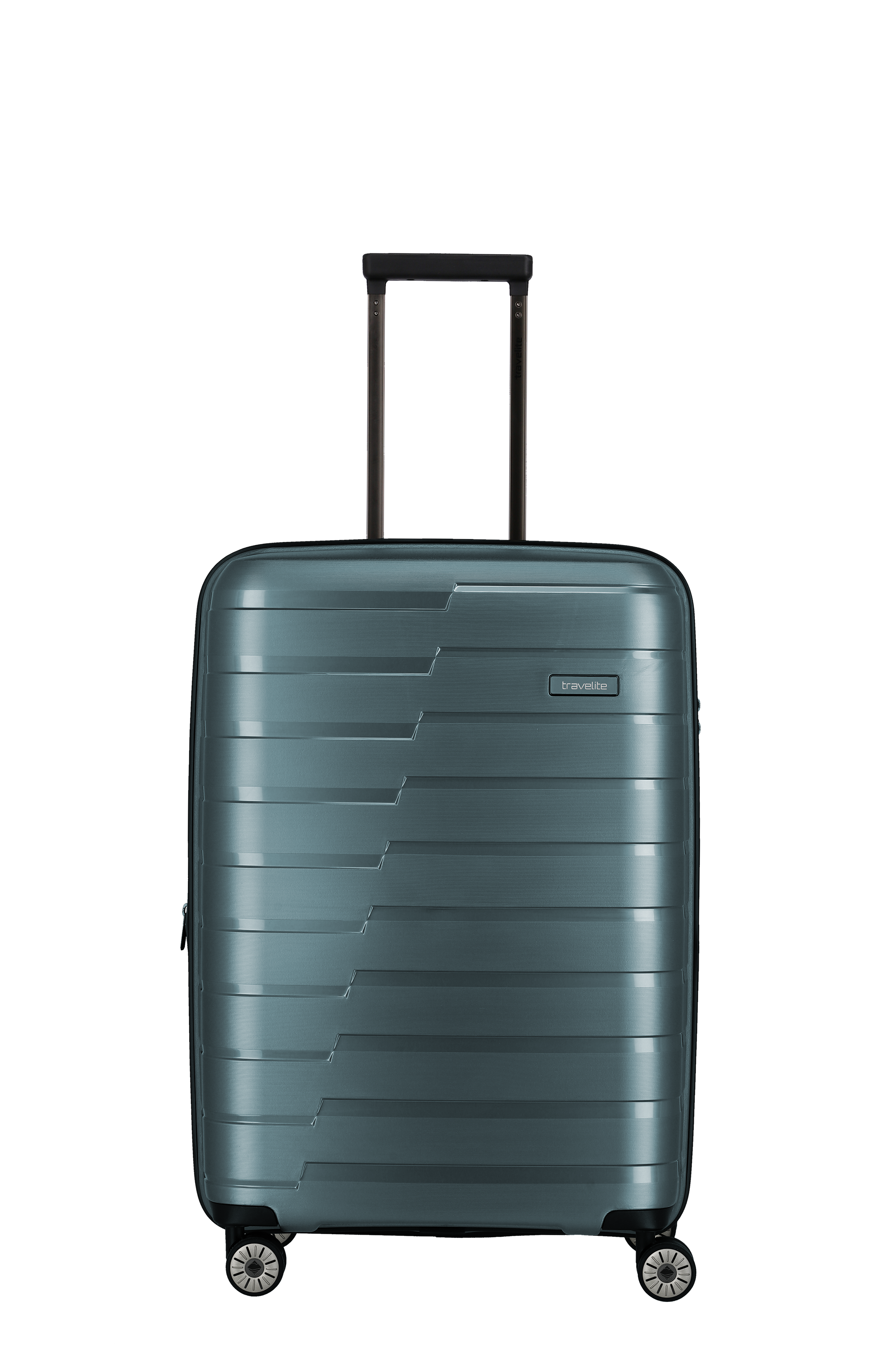
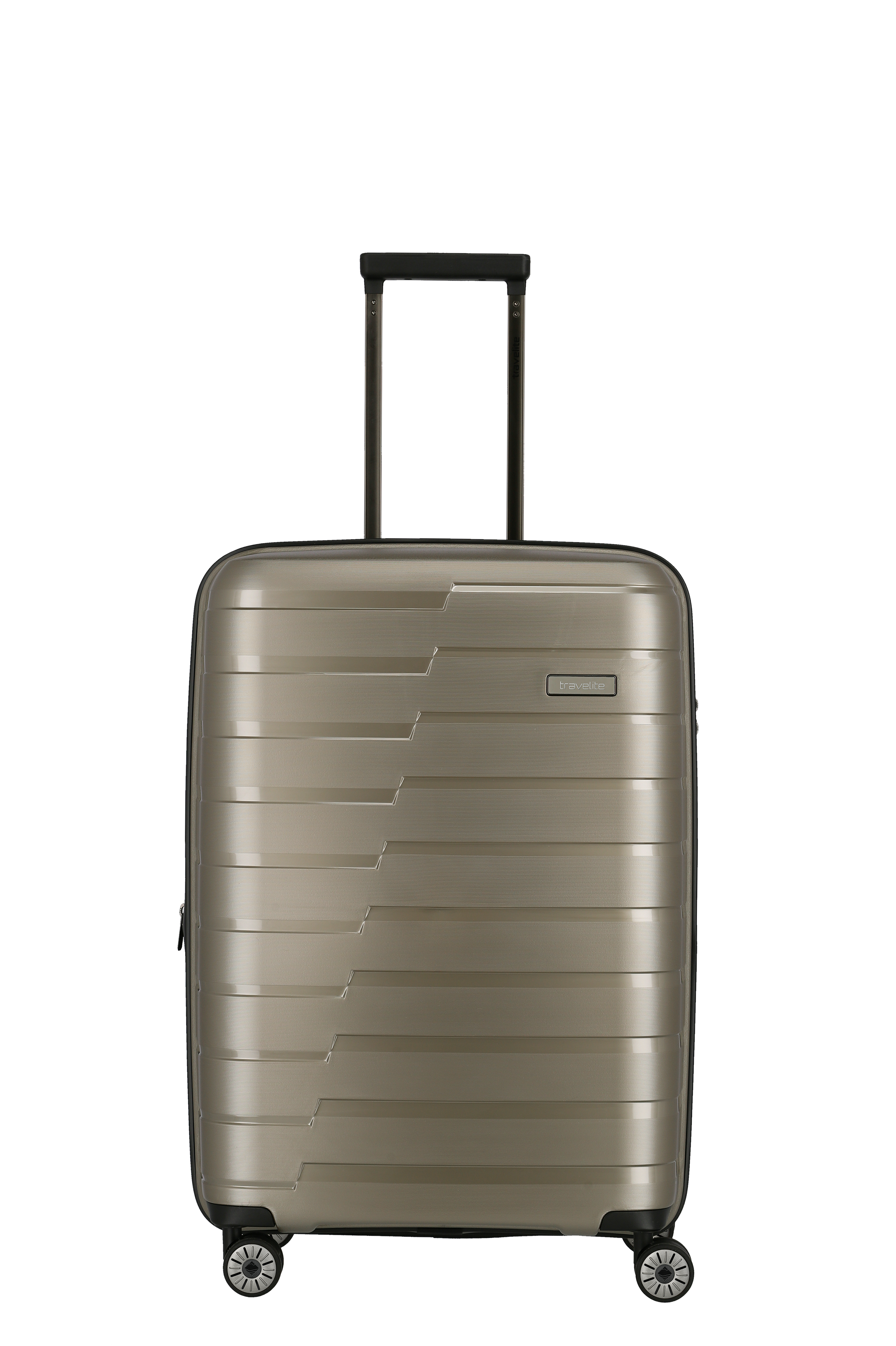
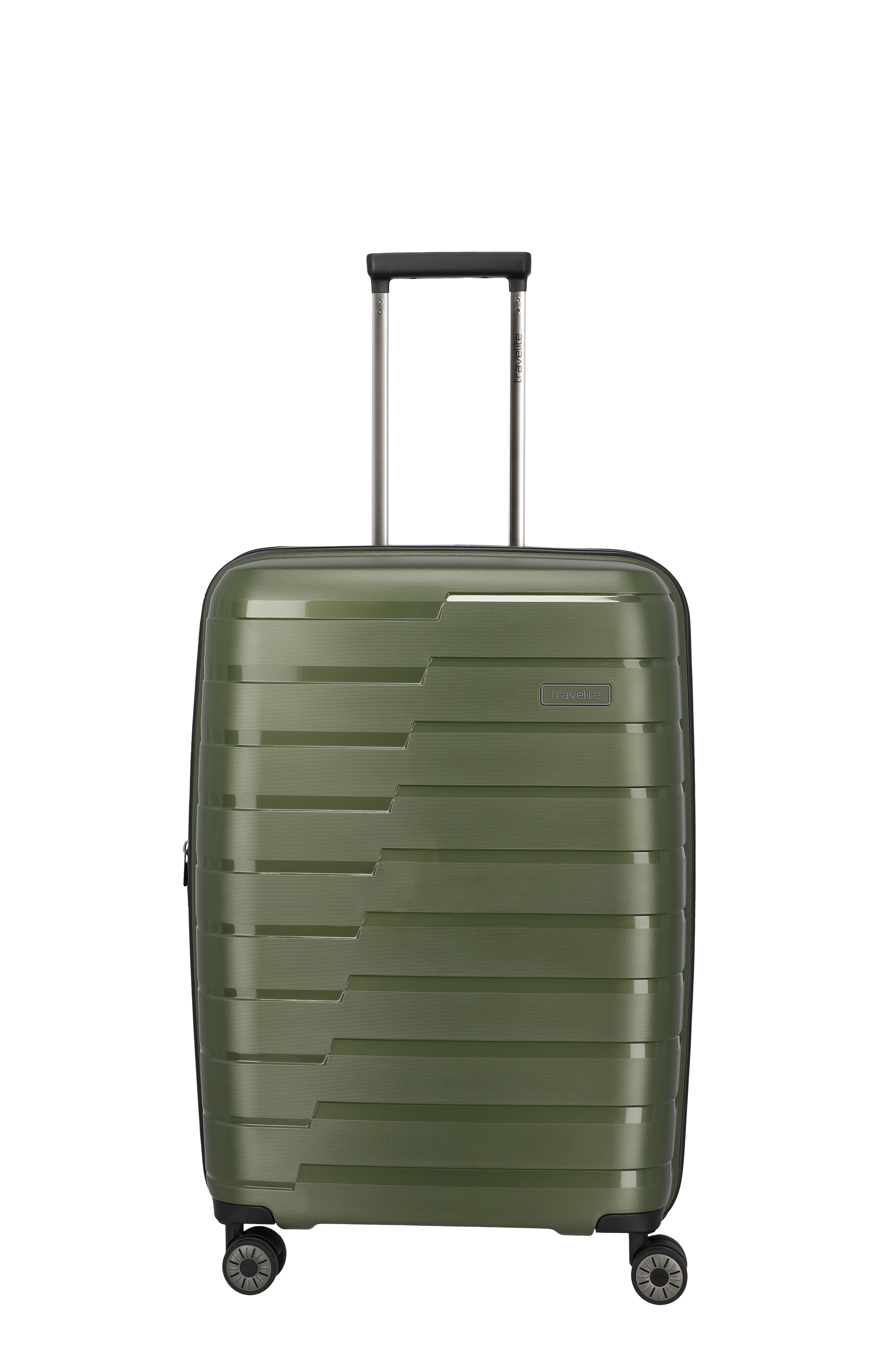
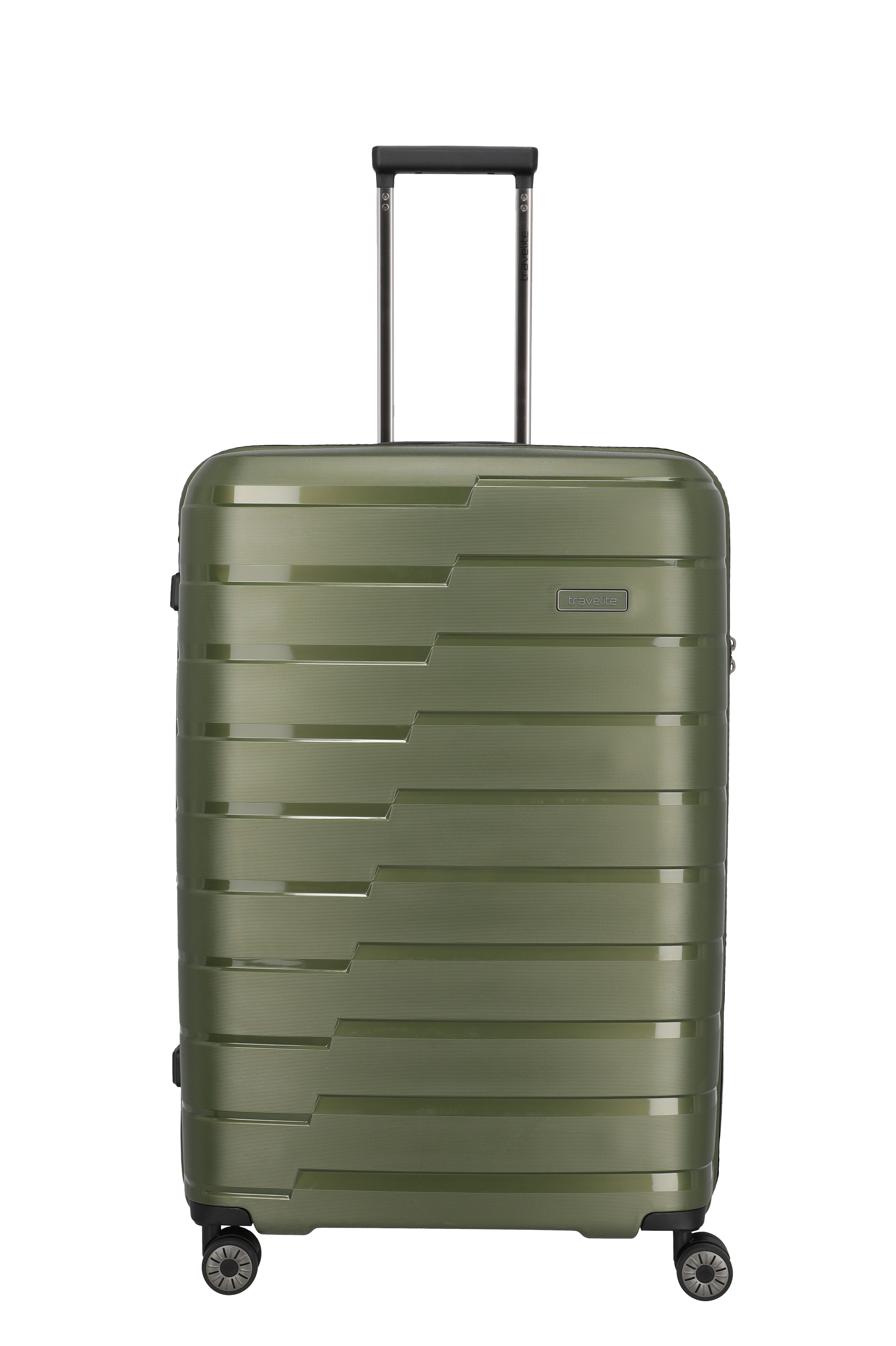
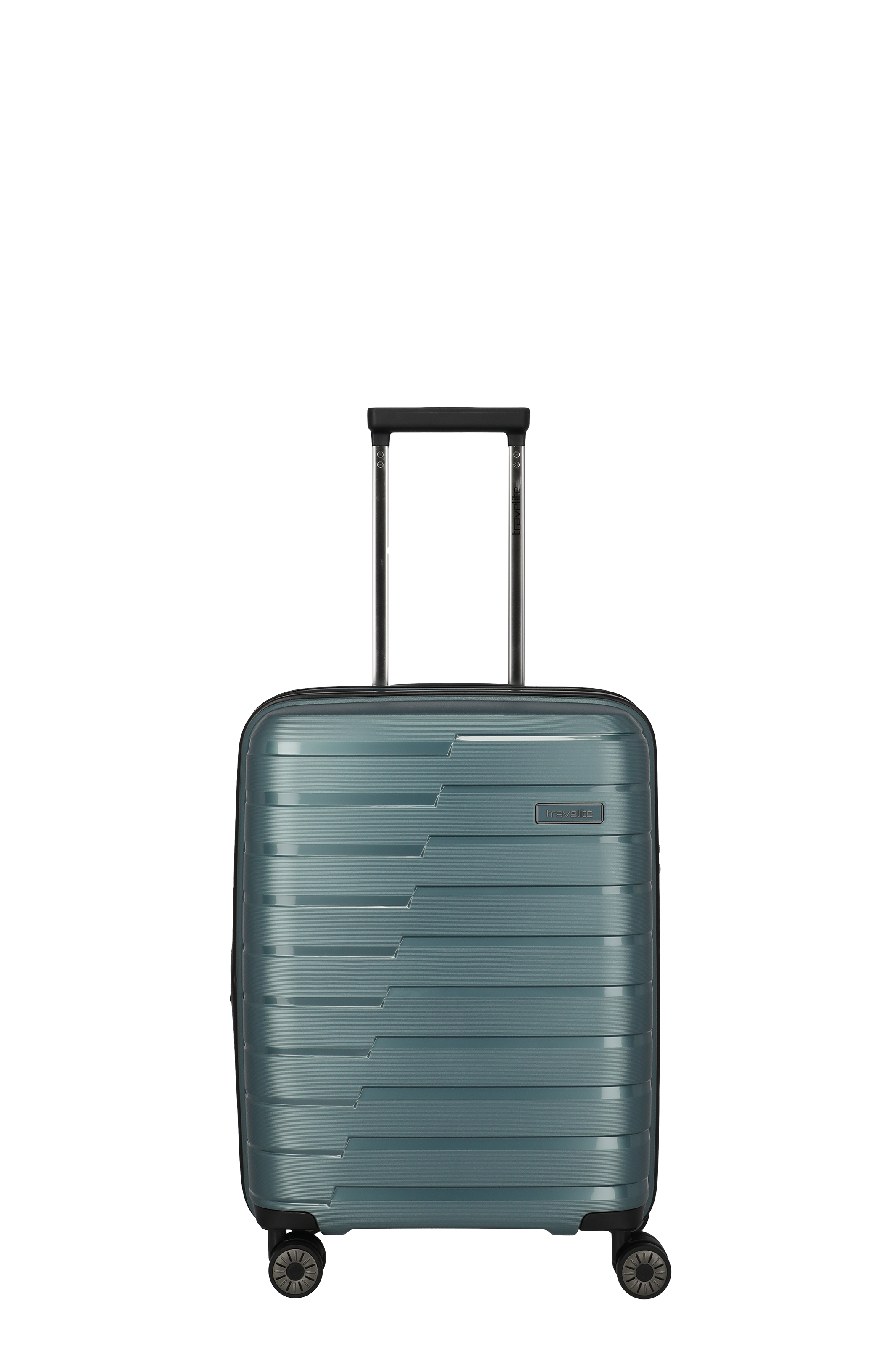
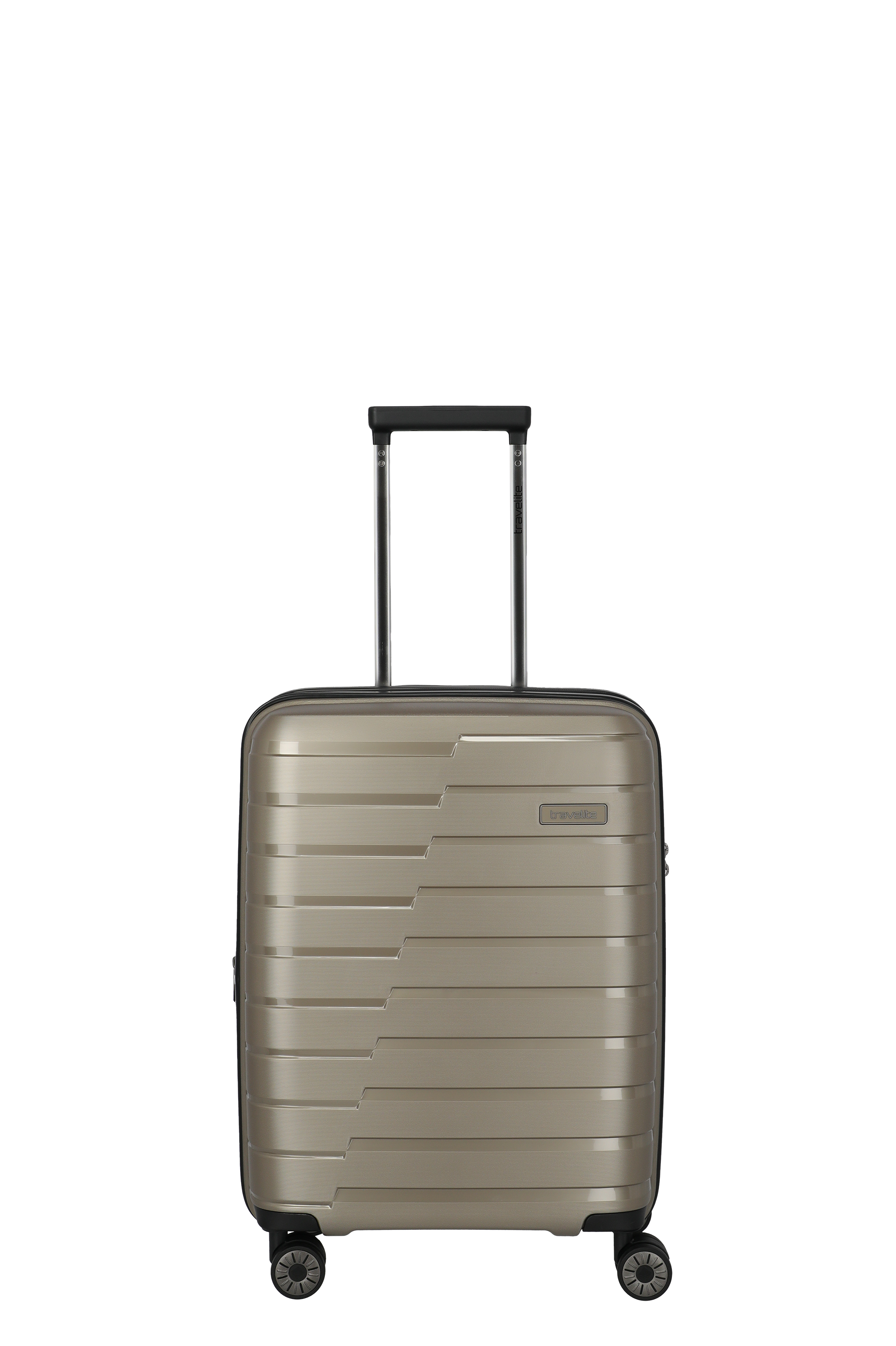
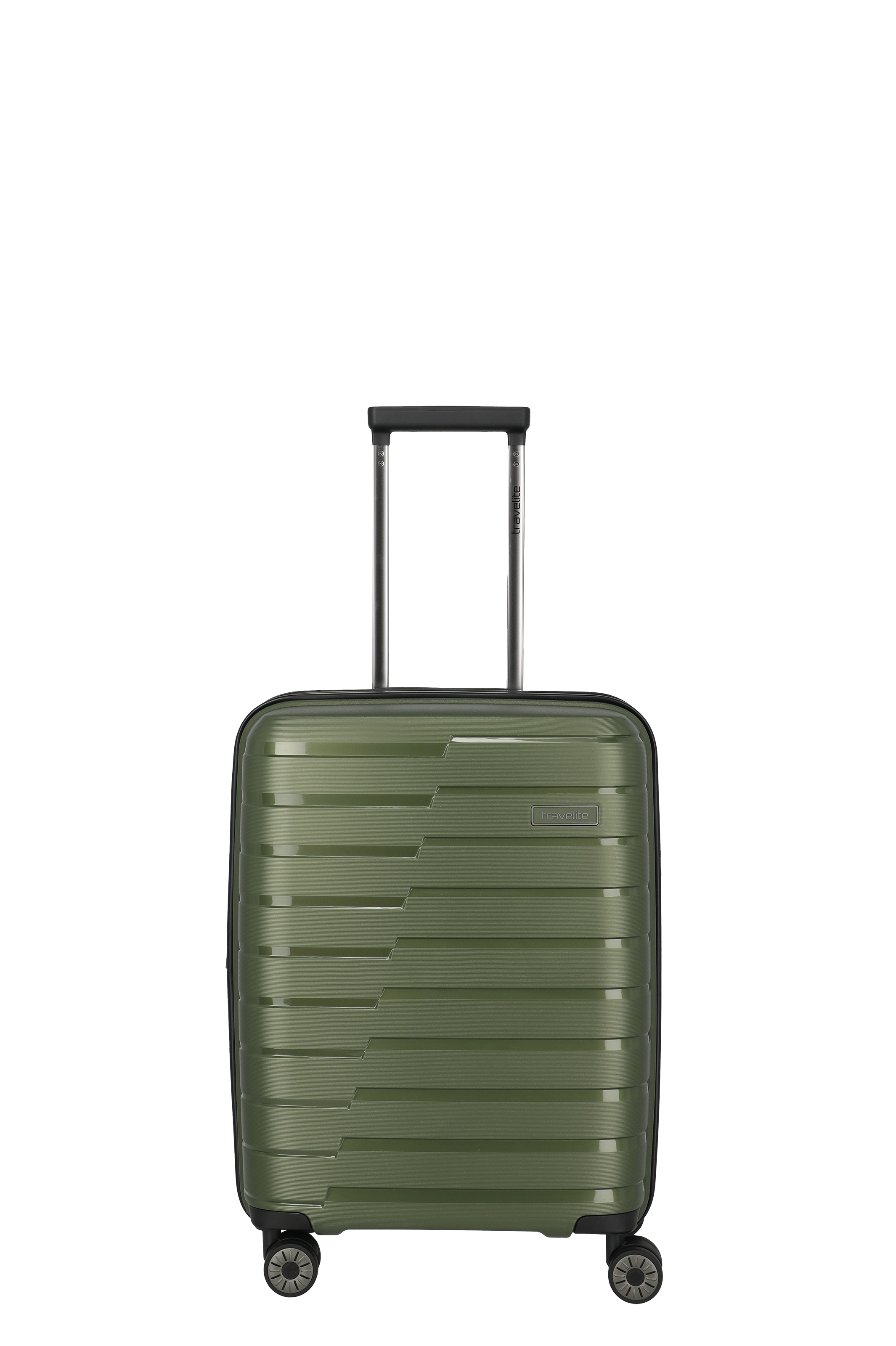
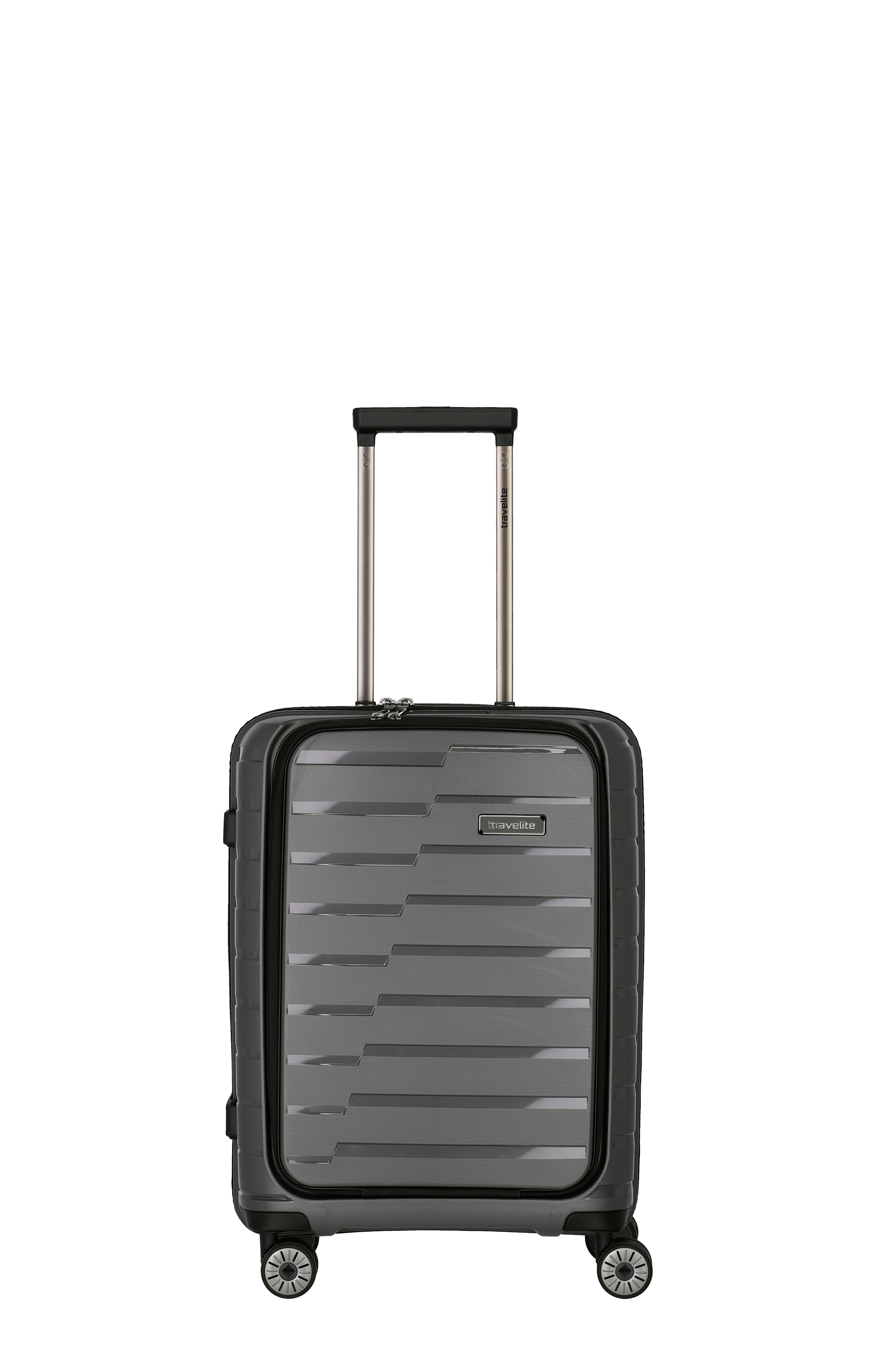
London is perfect for compact travel. Narrow tube stations, lots of stairs and long walks mean overly large or heavy luggage quickly becomes a burden. If you choose your luggage carefully, you’re much more flexible in the city and save time on arrival and departure.
Hand luggage or suitcase?
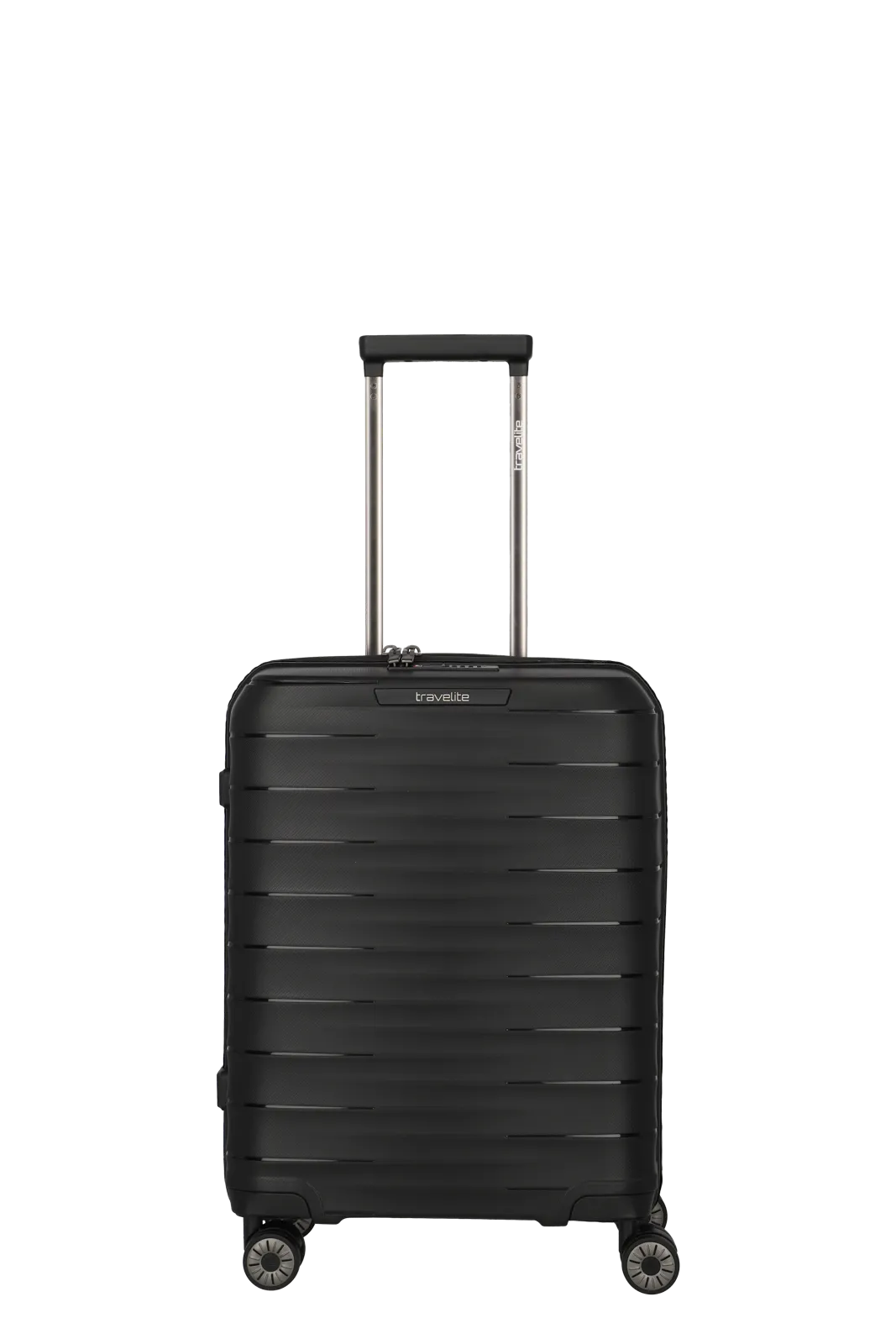
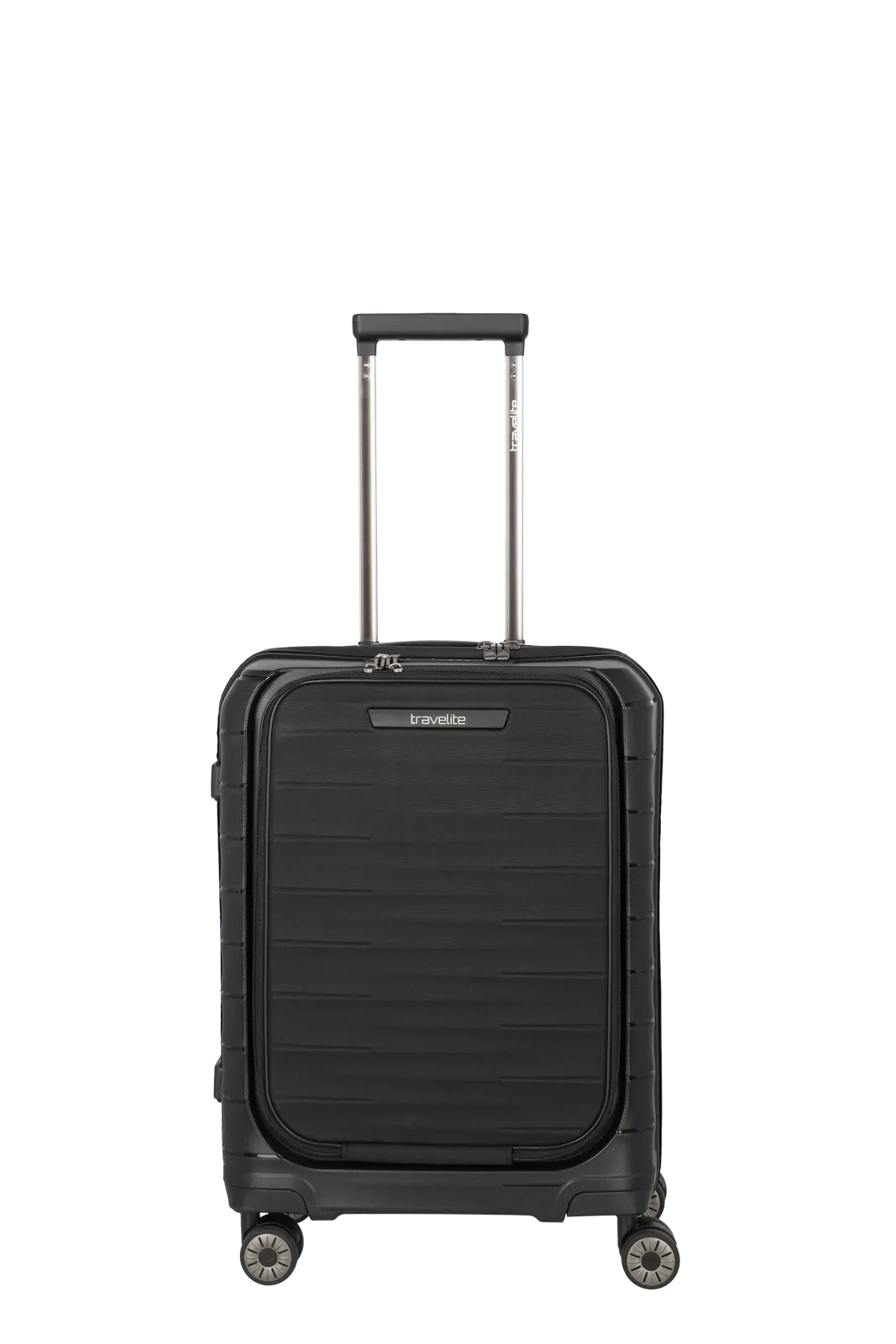
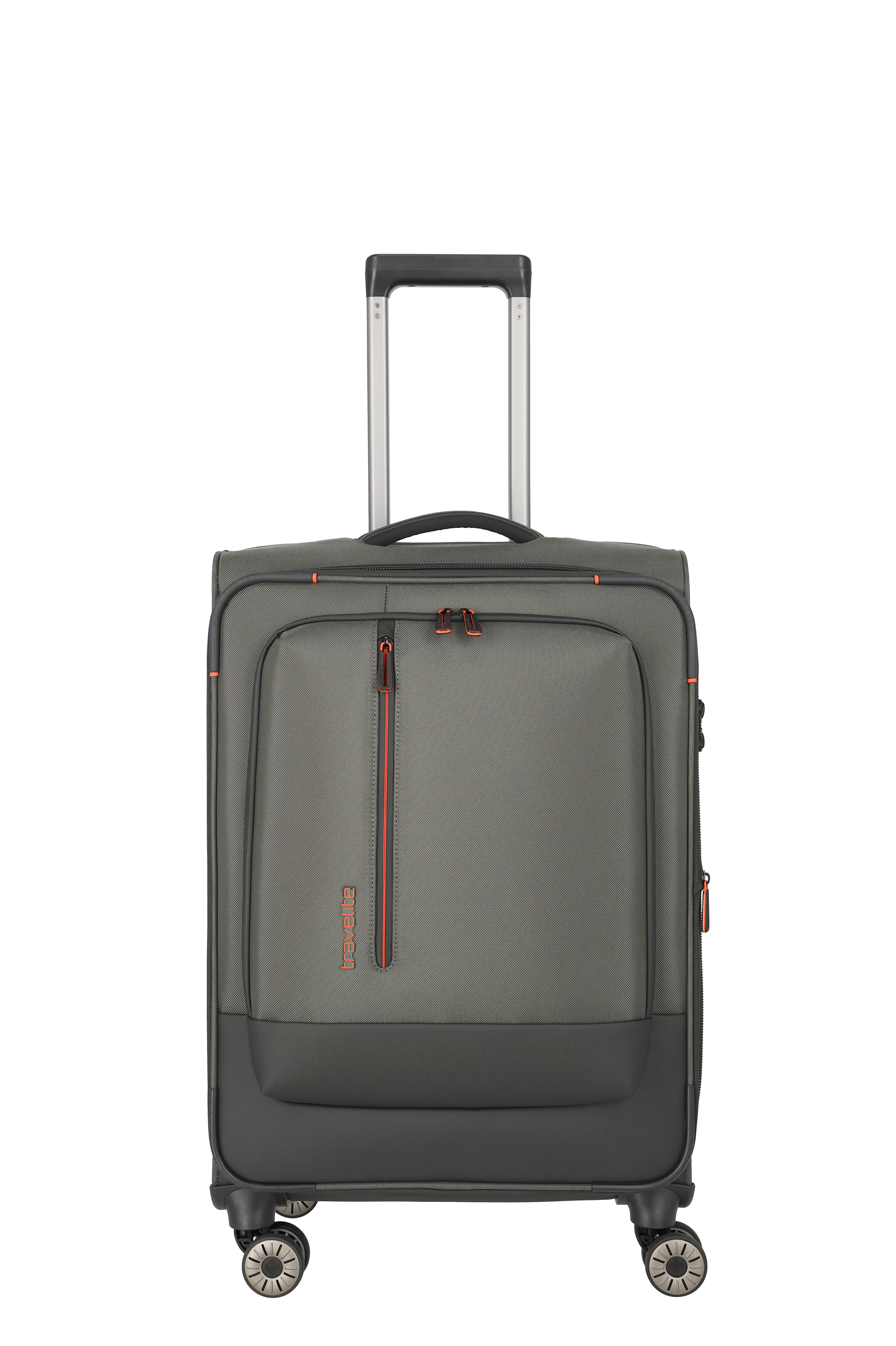
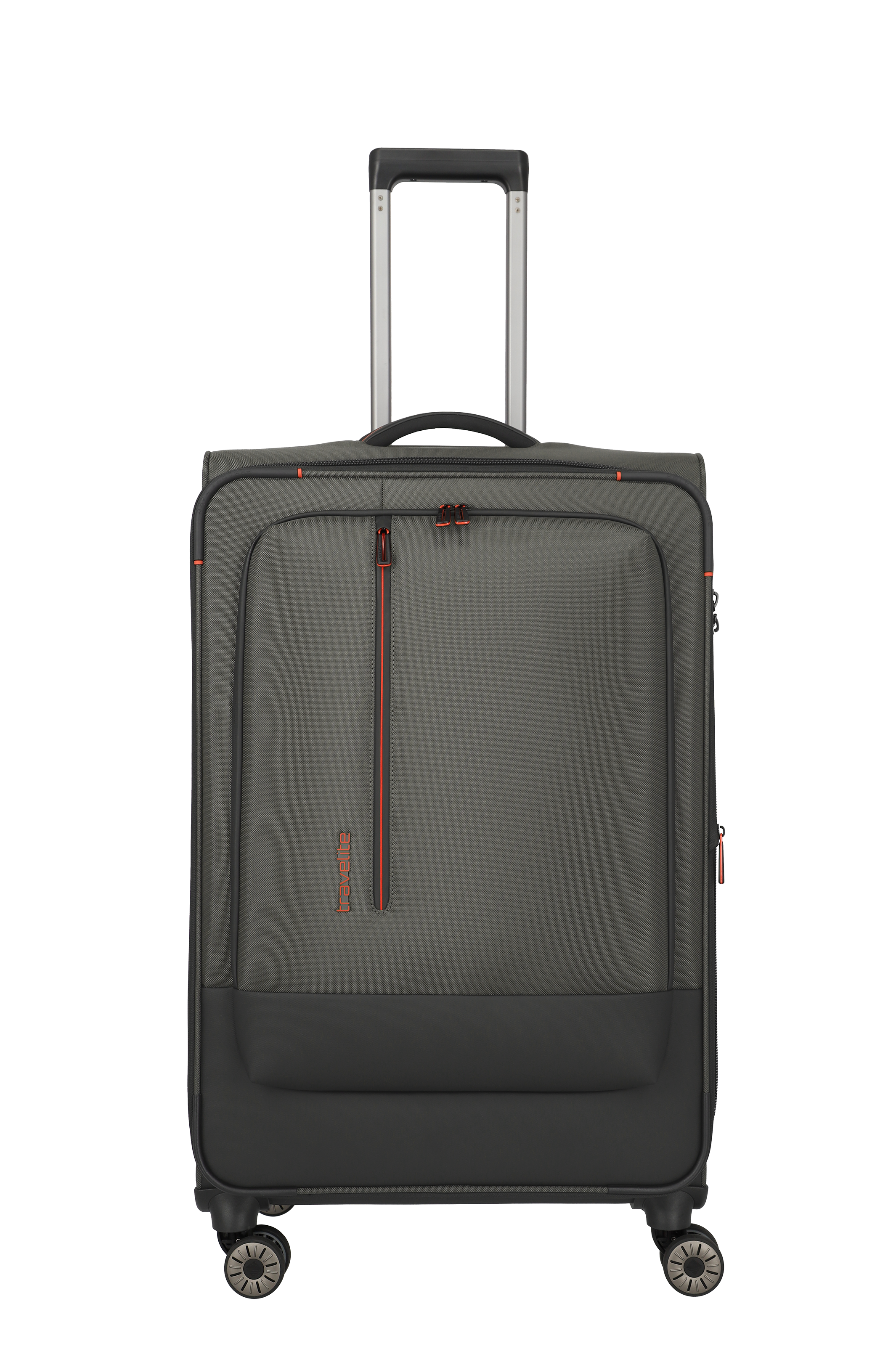
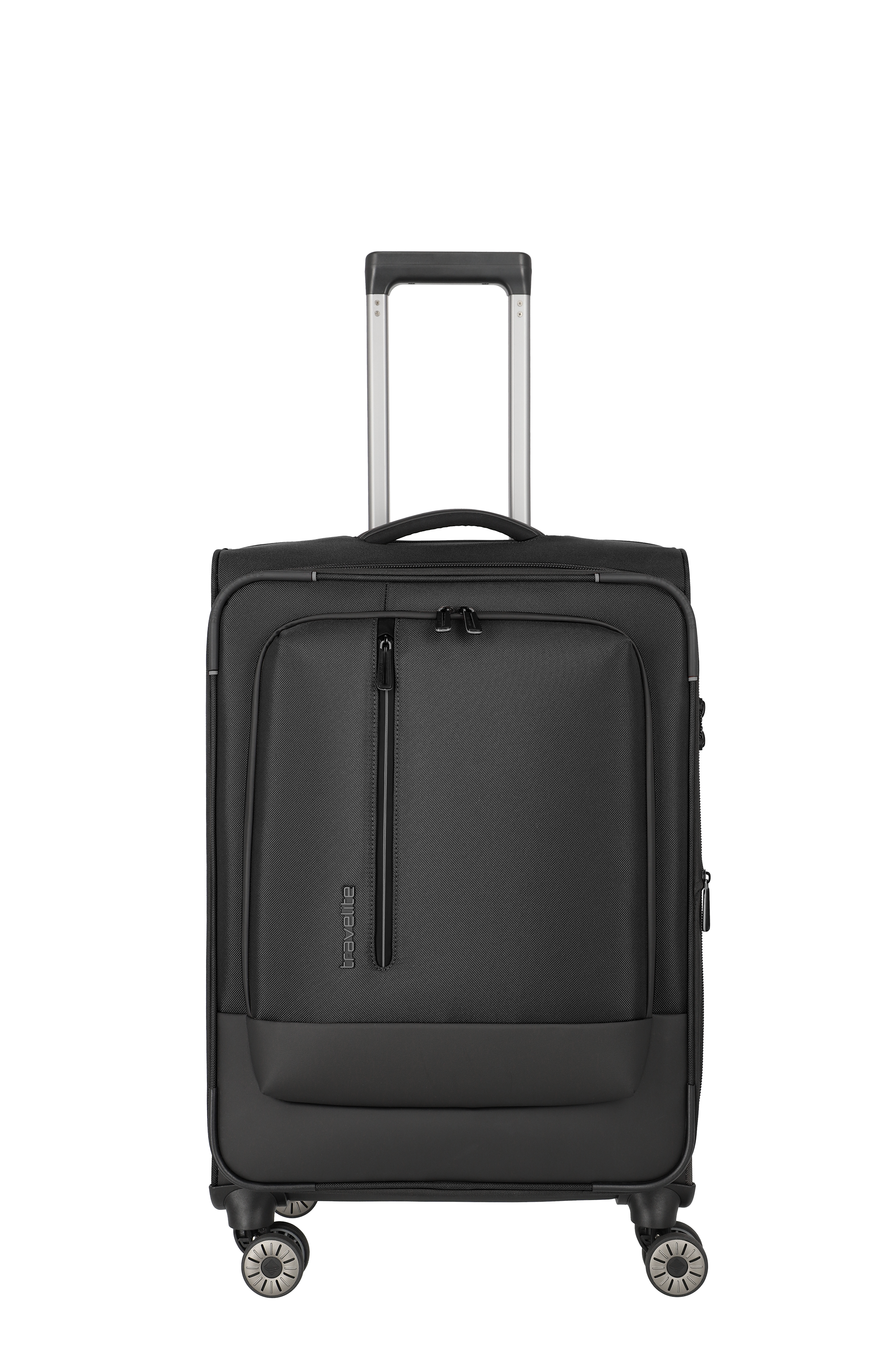
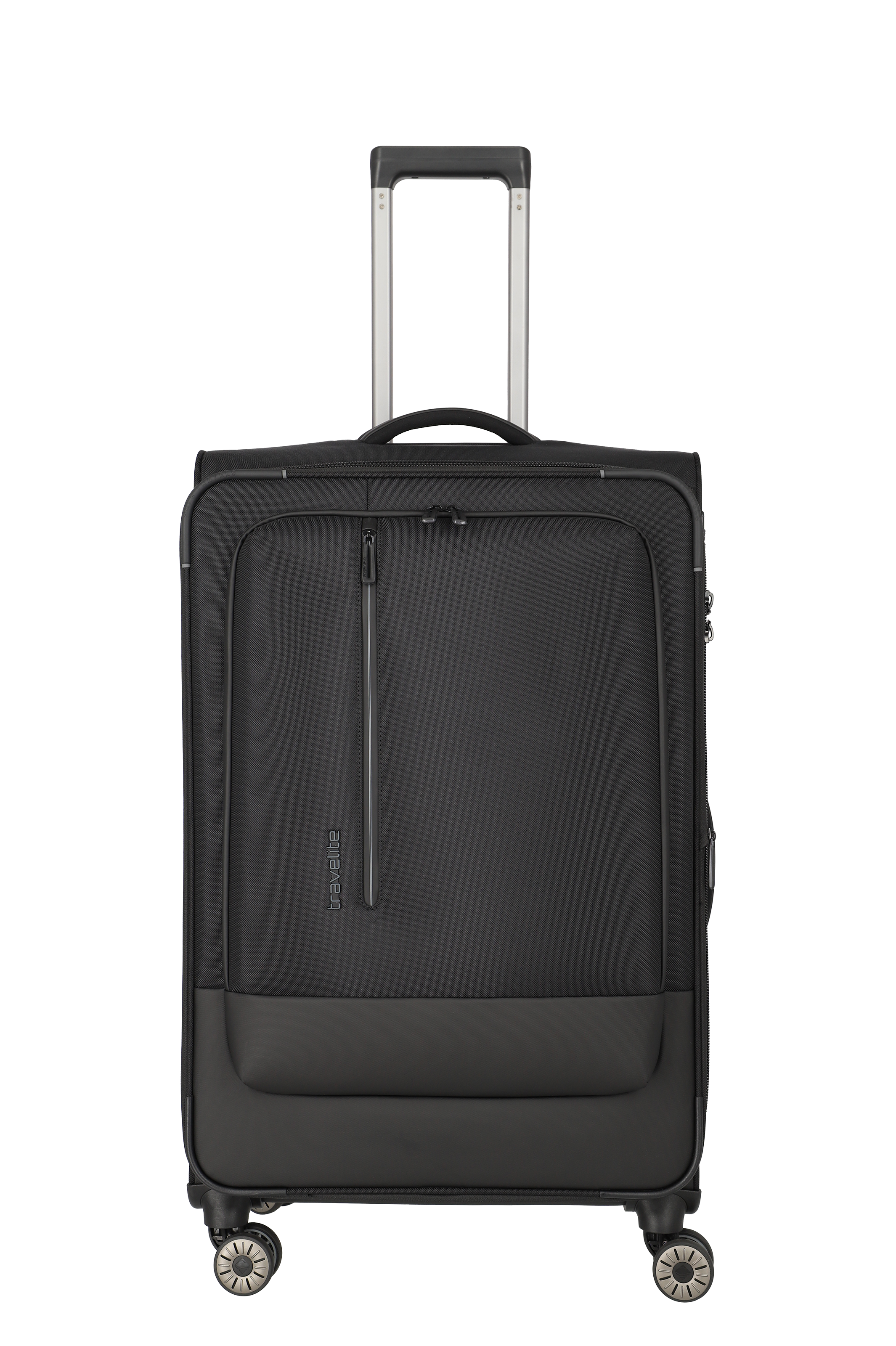
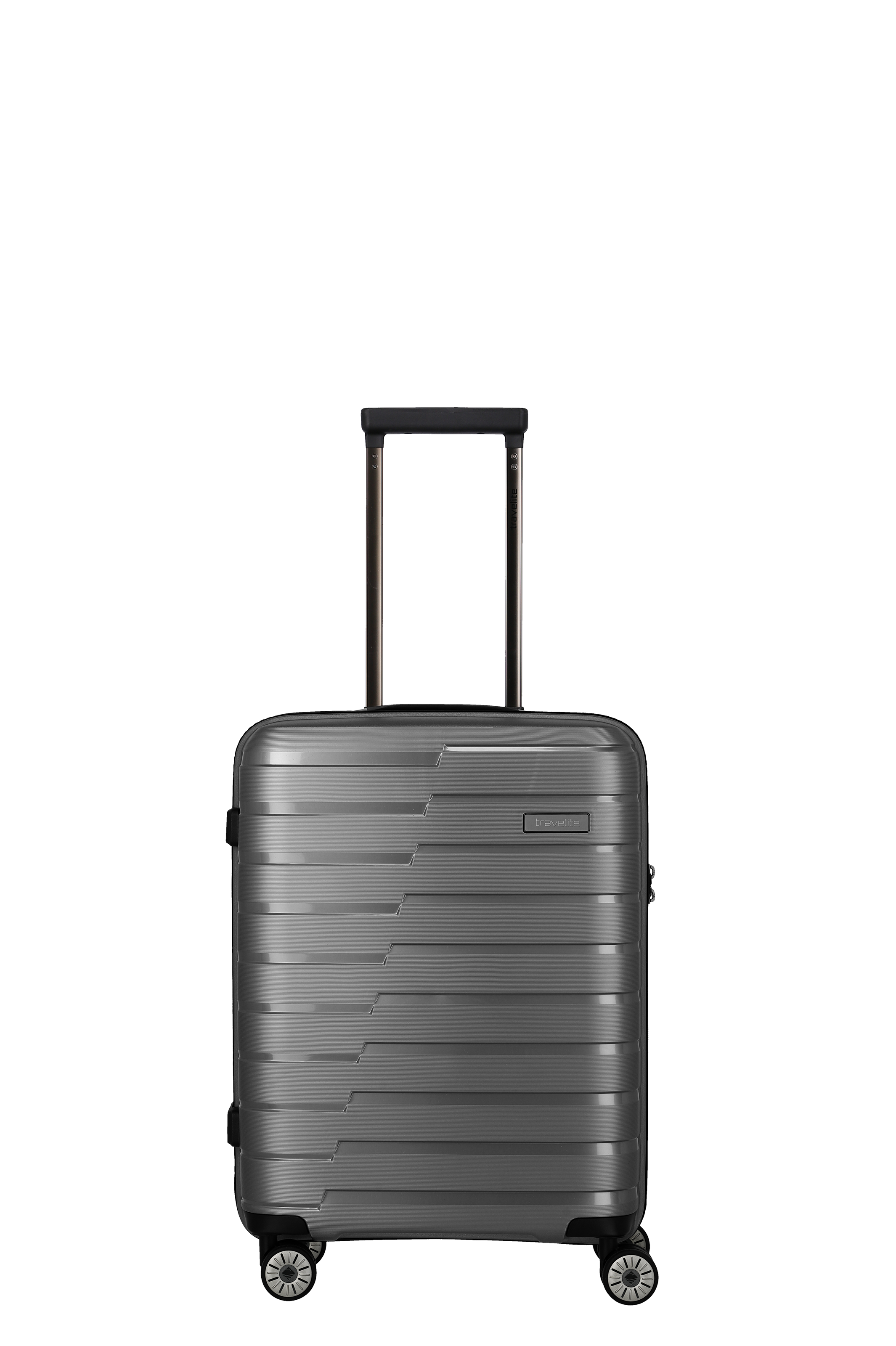
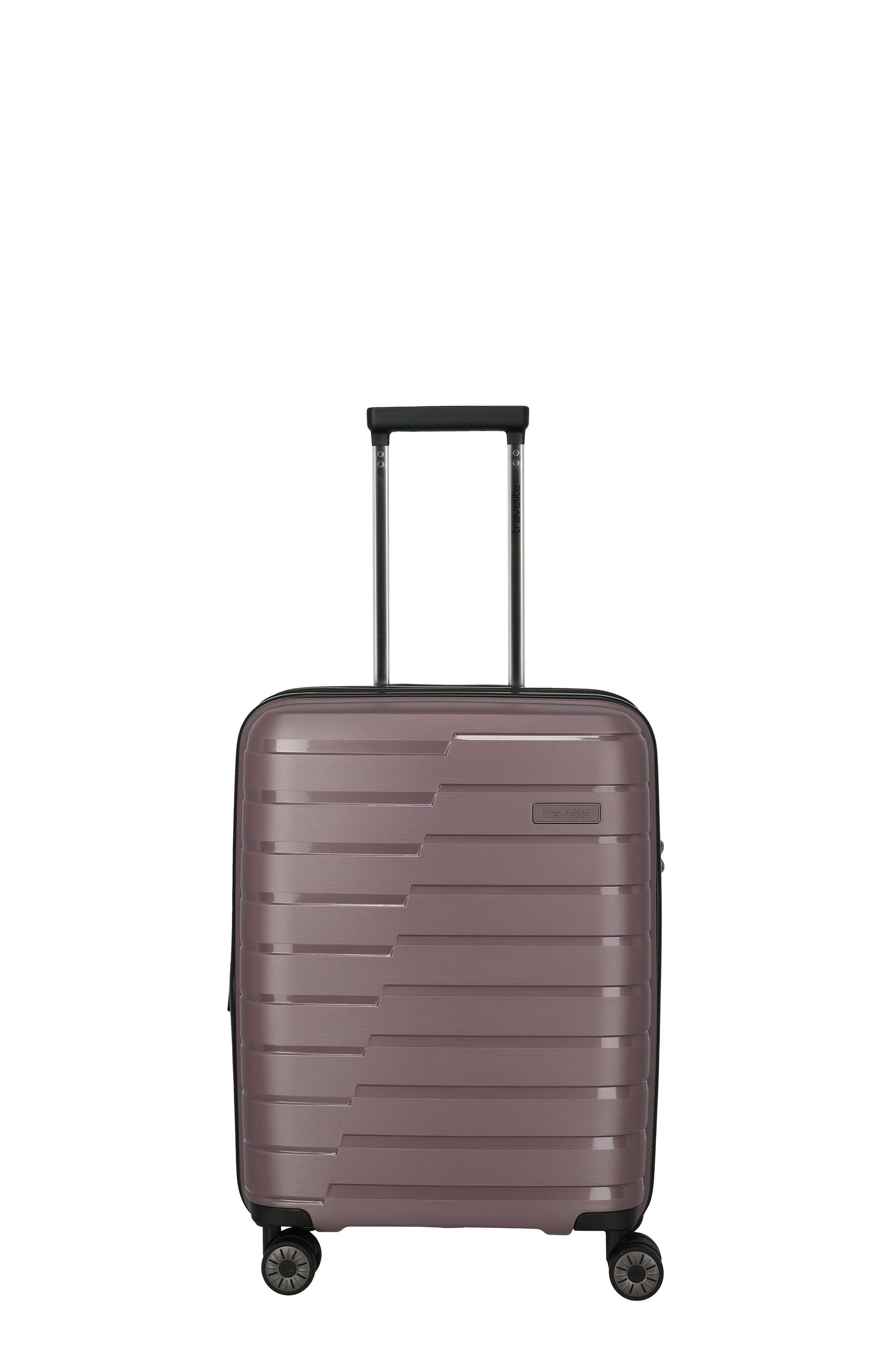
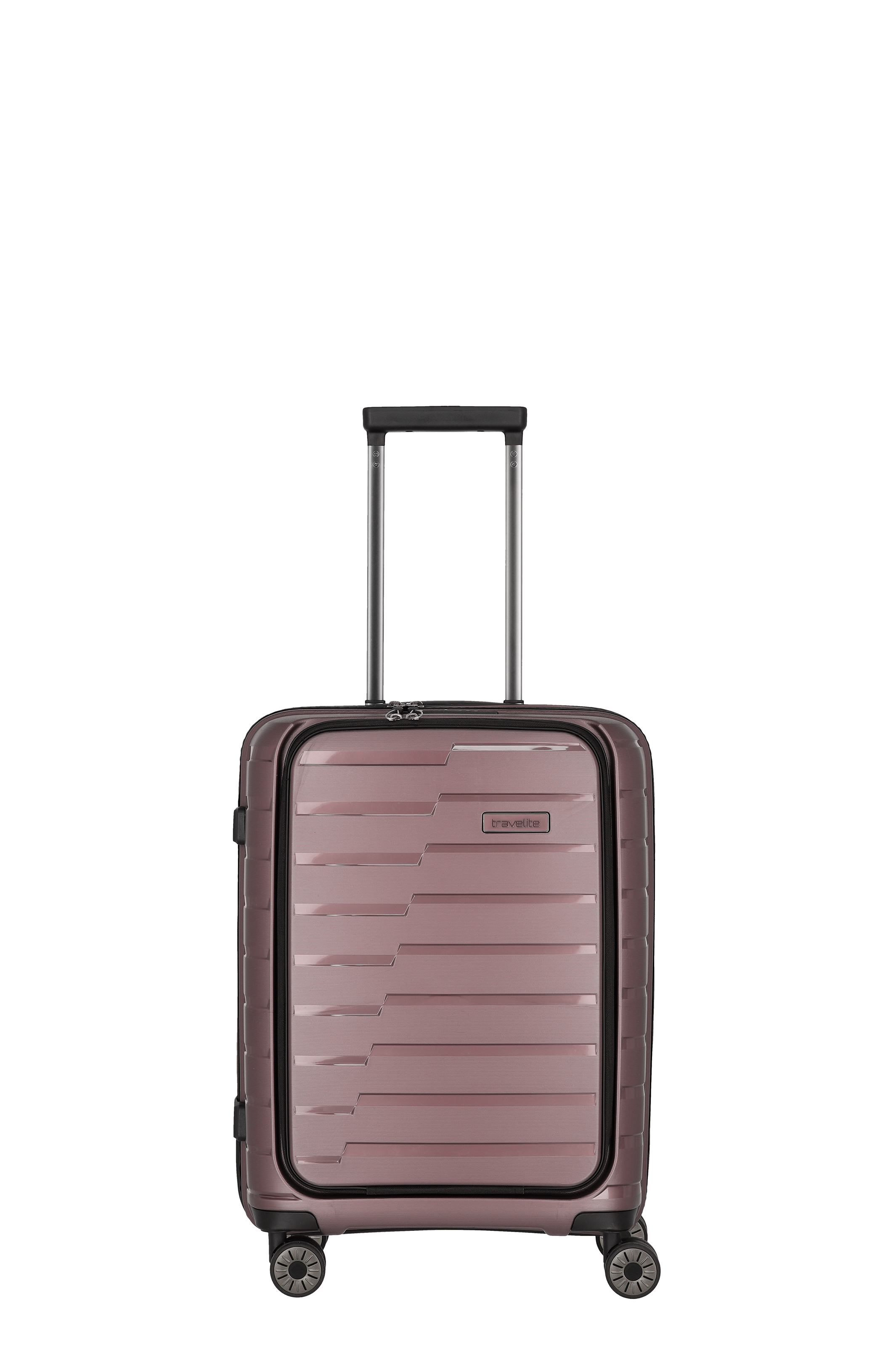
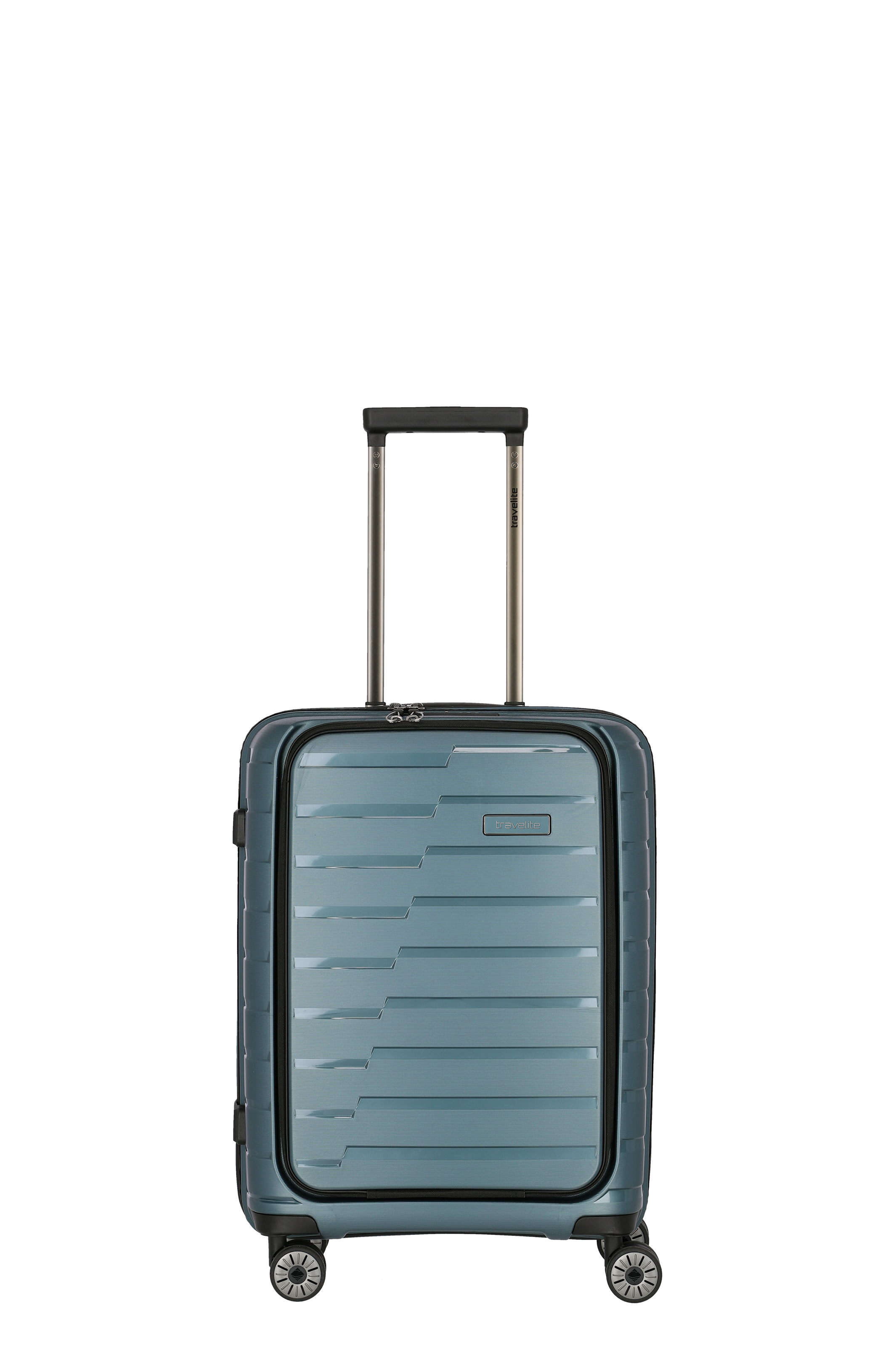
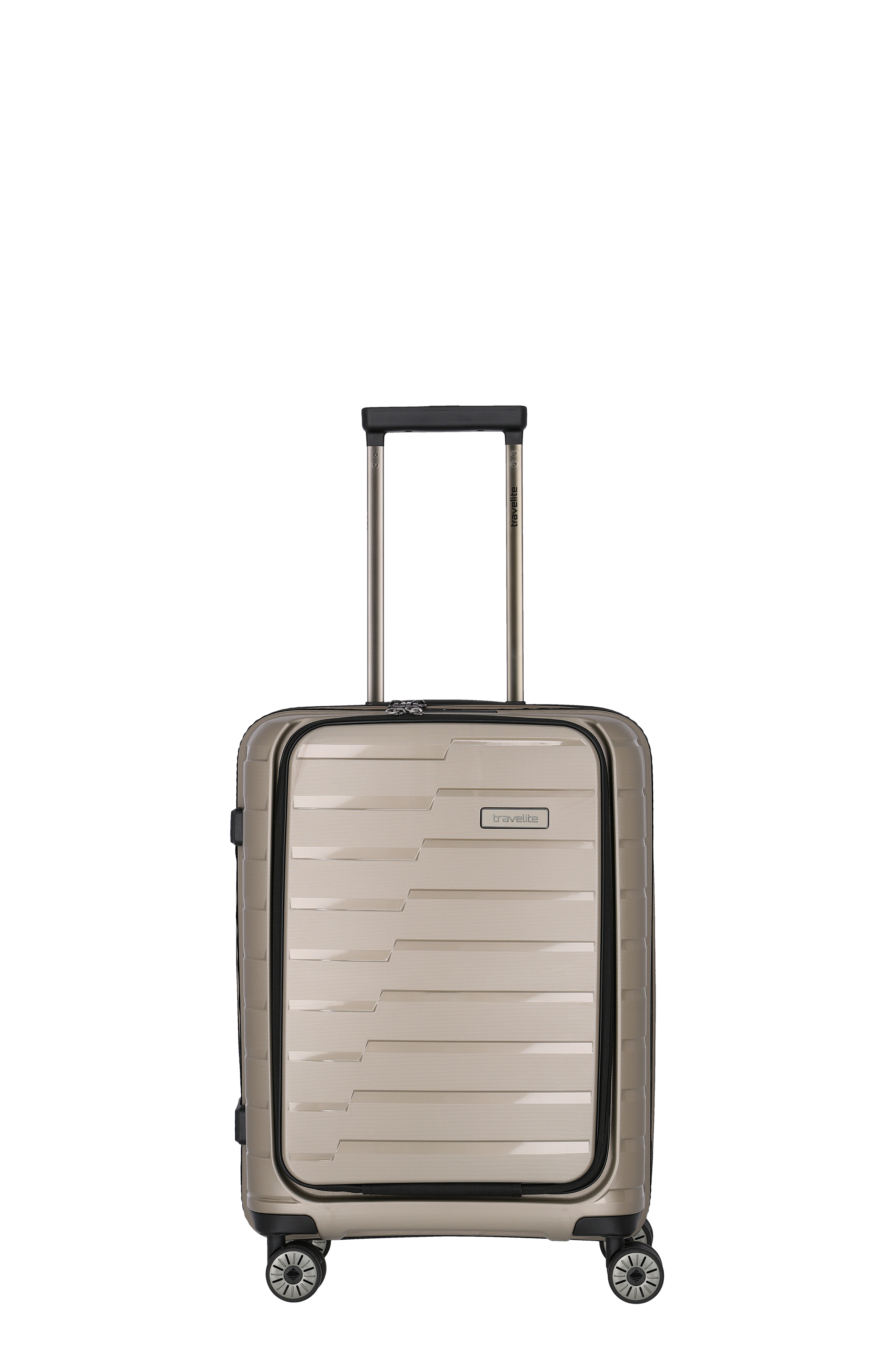
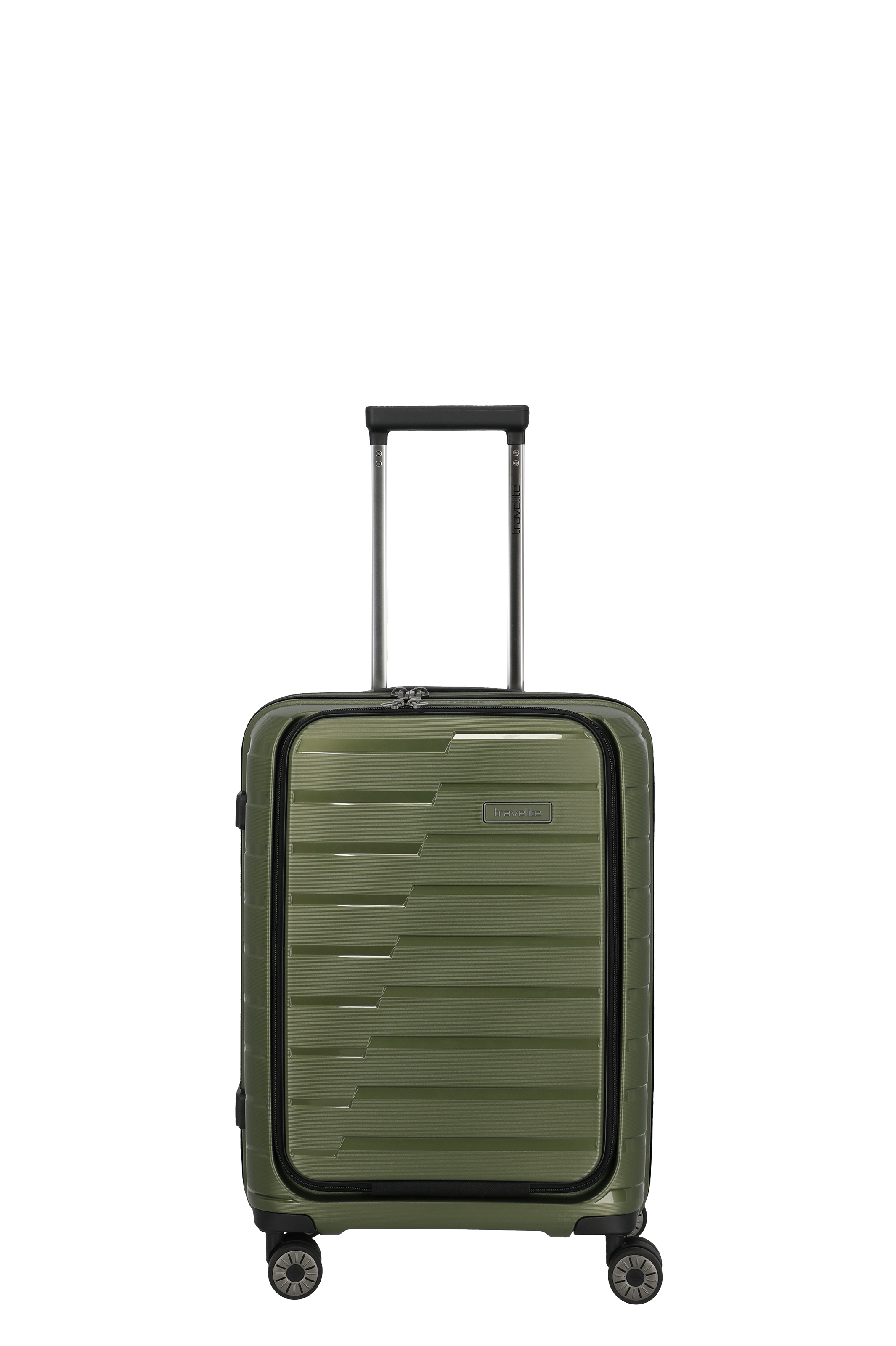
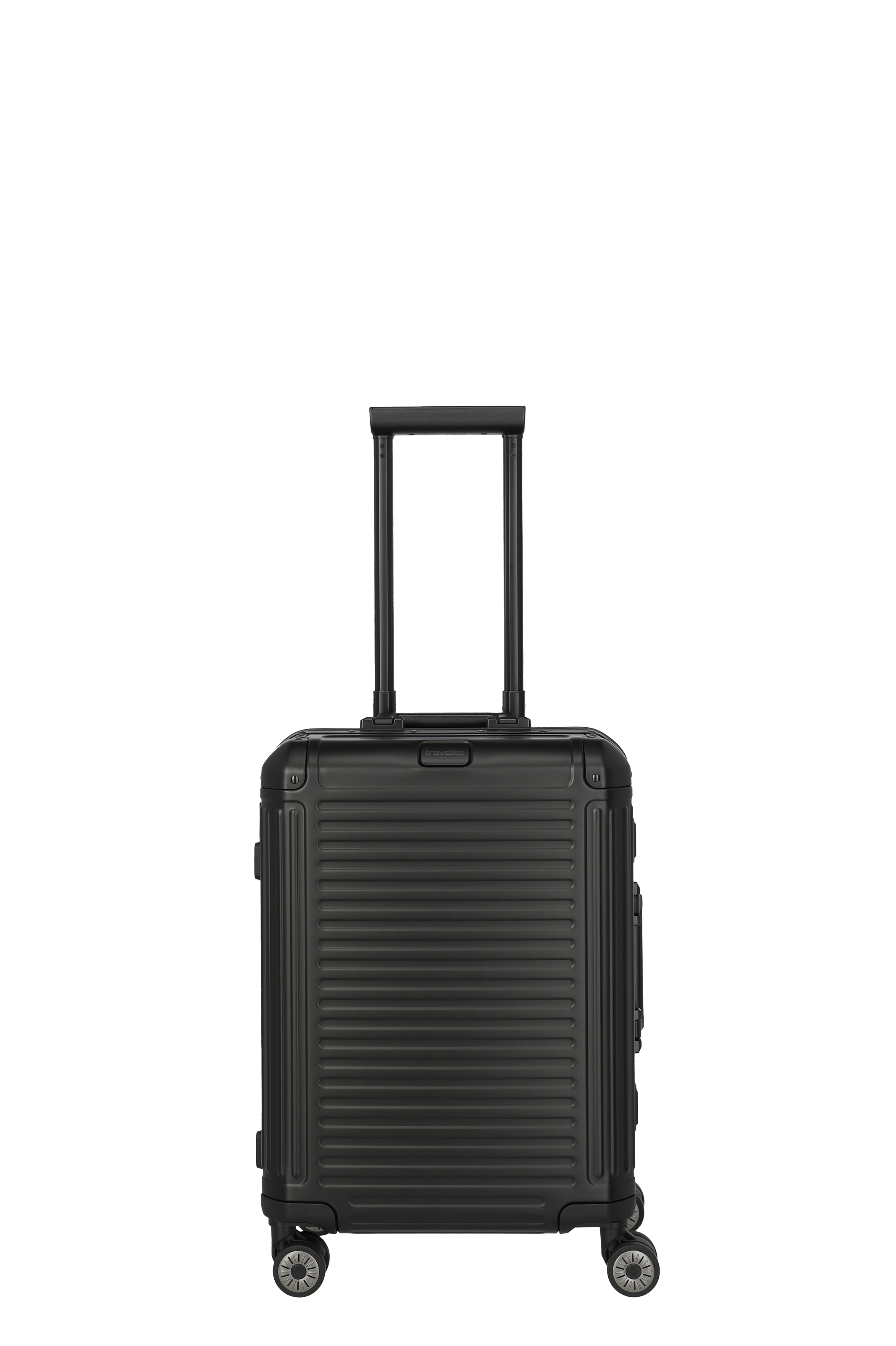
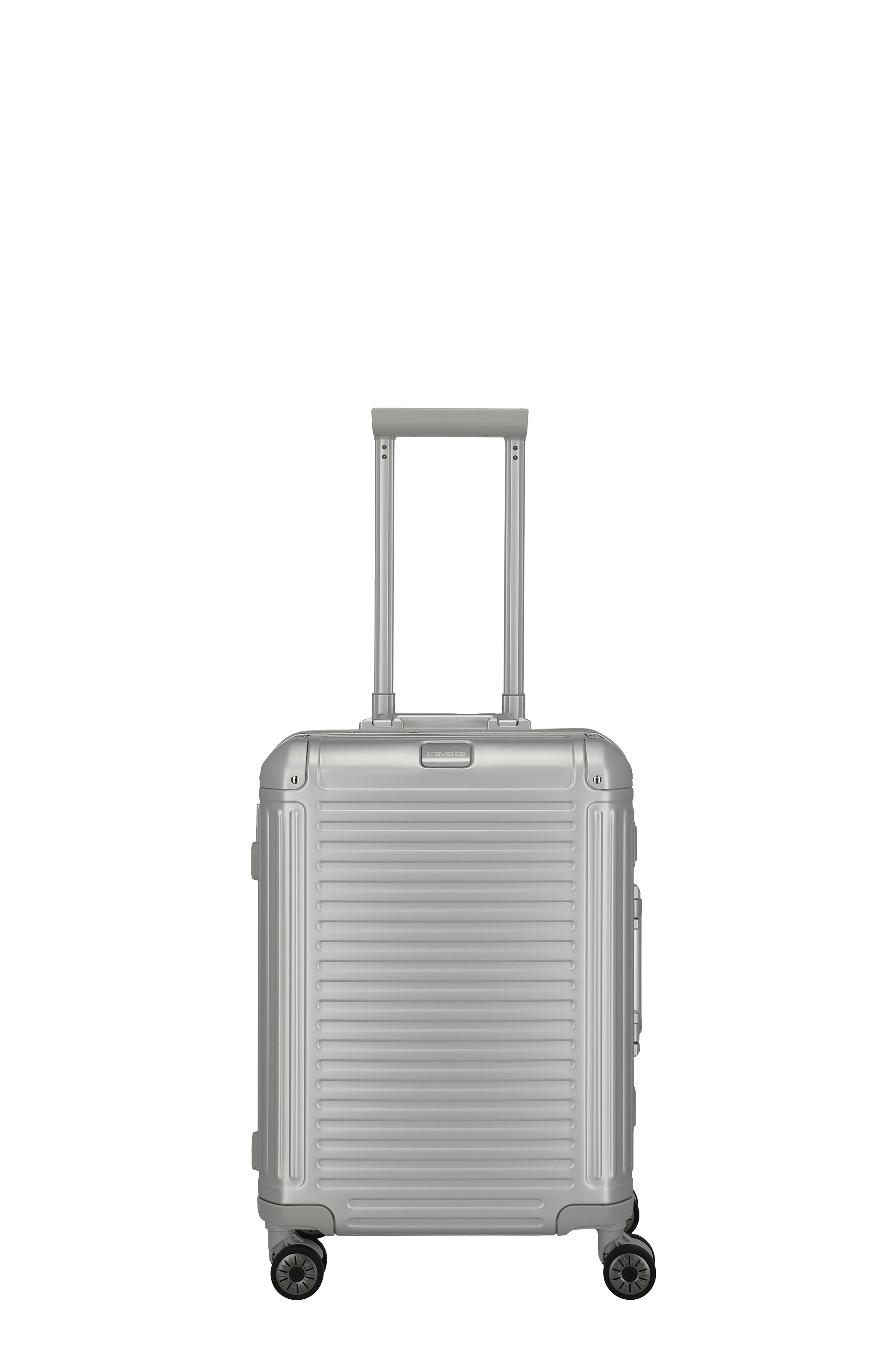
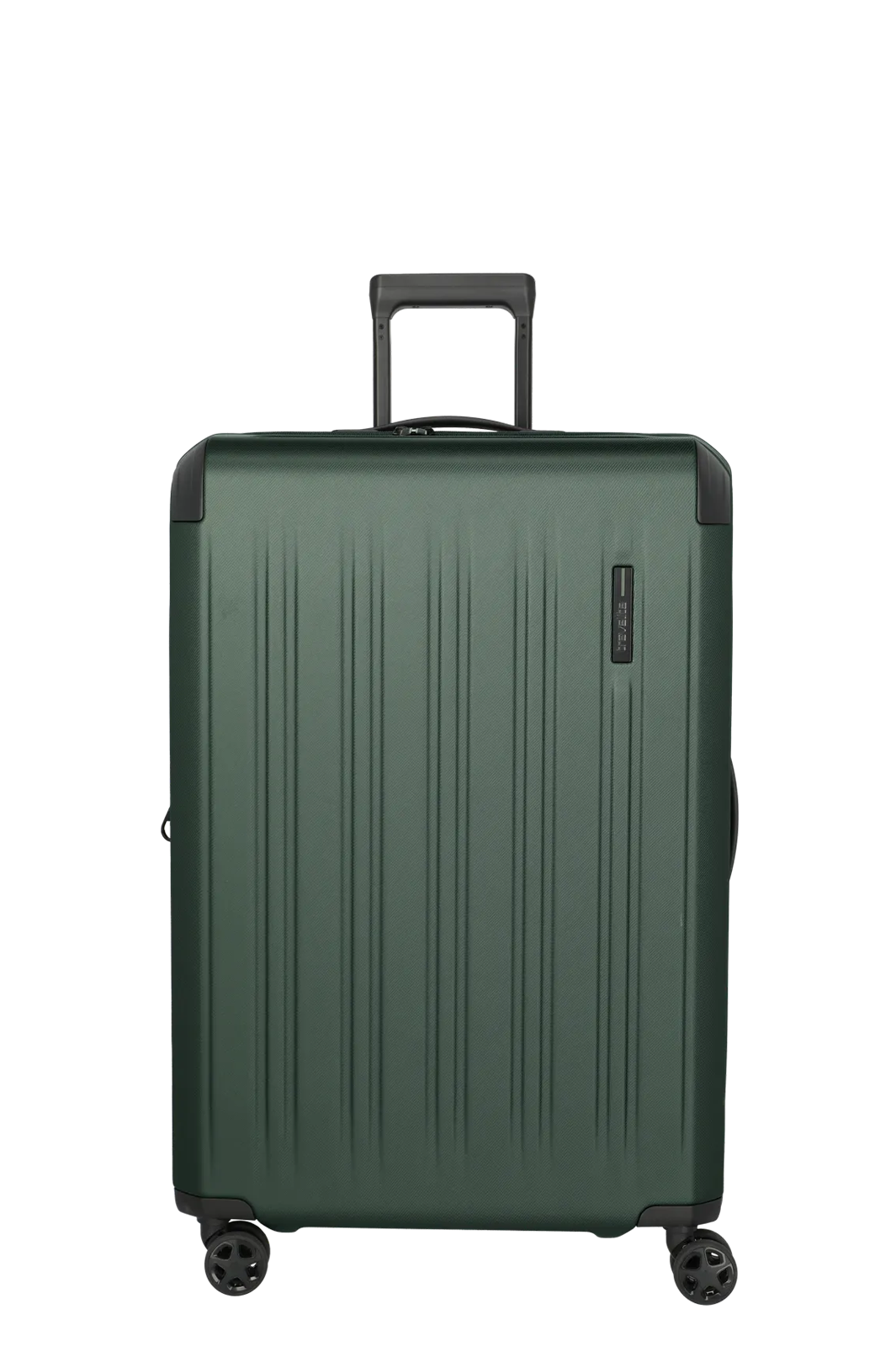
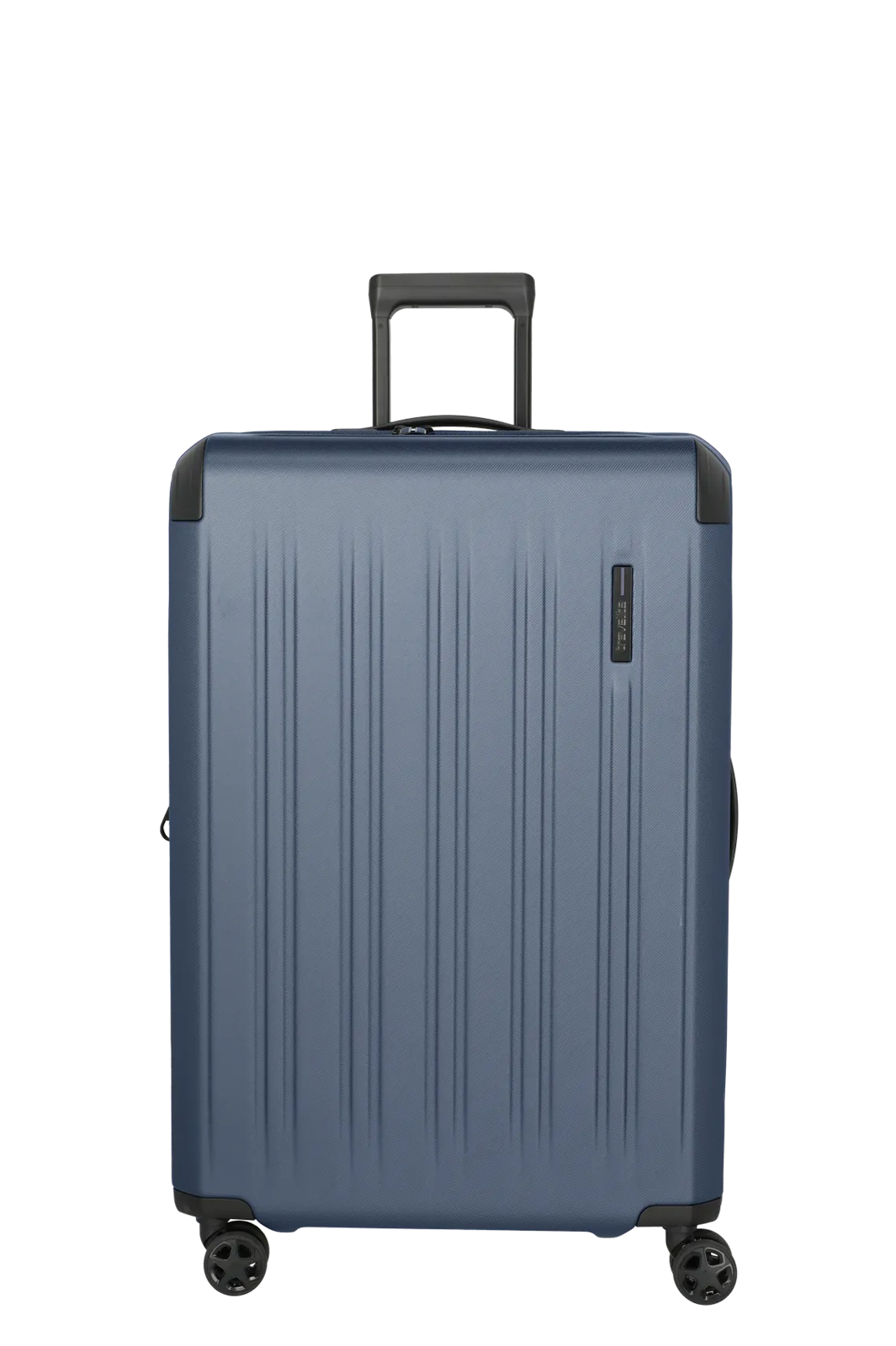
For a classic city break to London, a carry-on suitcase is often the best choice. Especially for weekend or short trips, a well-organised carry-on suitcase usually suffices. This saves waiting time at the baggage carousel and makes spontaneous travel easier.
Another advantage is with airlines like Ryanair or EasyJet, where hold luggage incurs extra cost. With hand luggage, you stay flexible and travel lighter around the city.
Hand luggage regulations for flights to London
The permissible hand luggage dimensions and weights vary depending on the airline. Typical airlines for London include Ryanair, EasyJet and British Airways, who all have their own rules. It’s important your suitcase fits not only in terms of size but also weight.
Before travelling, it’s worth checking your airline’s up-to-date hand luggage rules to avoid extra charges or stress at the gate.
Daypack for city tours
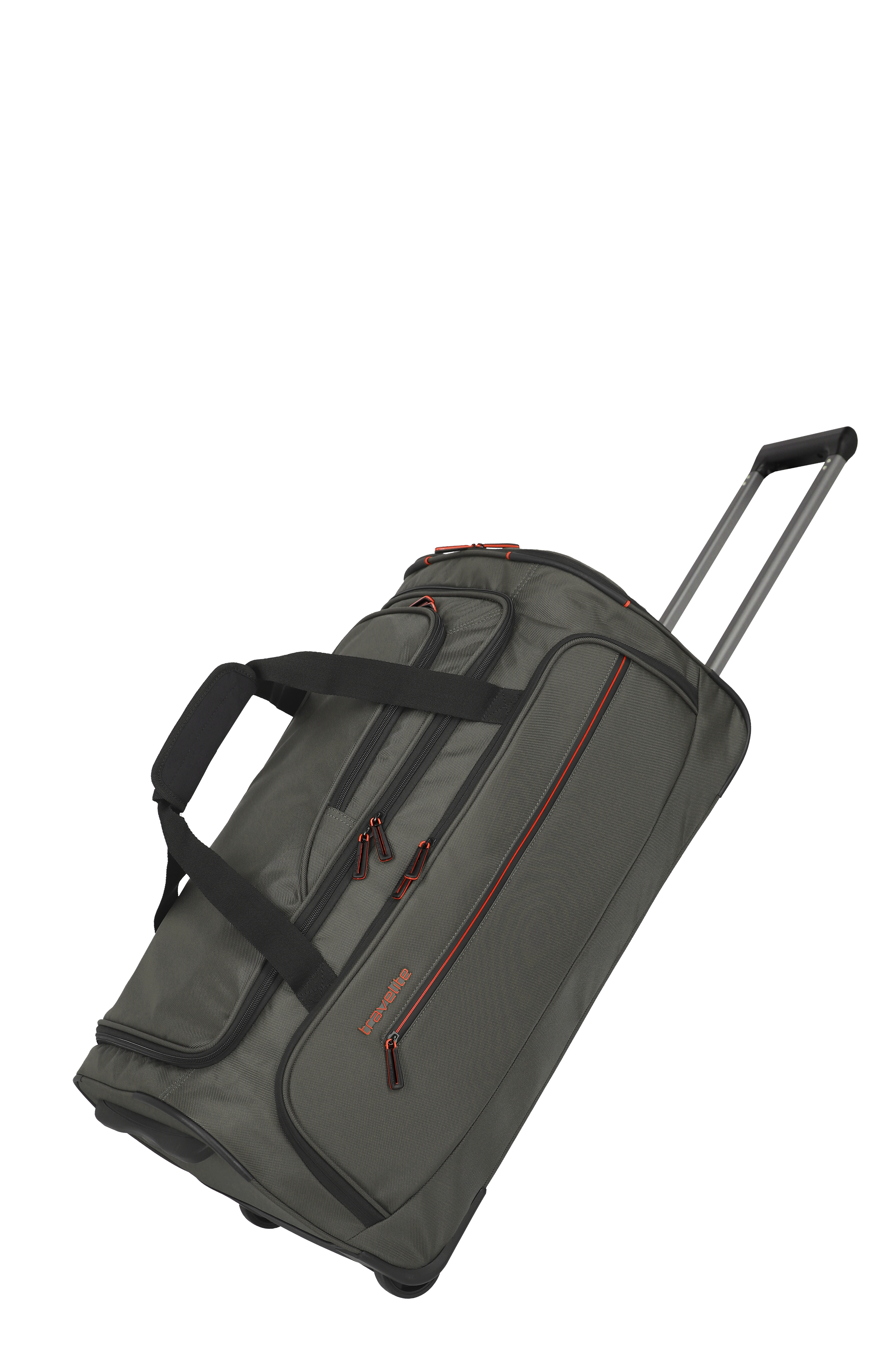
For sightseeing, museum visits and long days in the city, a backpack is the ideal addition to your suitcase. It should be lightweight, compact and well organised so you have everything important close at hand. A slim design works especially well on the Tube and busy walkways.
A daypack has space for water, a power bank, rain cover and valuables without being in the way as you walk. Water bottles can be filled up for free at many spots in London, such as museums, public buildings or cafés, which is handy on the go and also saves space and weight.
Safety in London – what to look out for
London is a safe city, but you should be particularly alert in busy spots. Preventing theft is especially important on the Tube, particularly at peak times and in crowded trains.
It’s recommended to wear your backpack on your front in such situations and use lockable pockets. Valuables should be kept close to your body so you can always keep them in sight. Phone chains are also helpful – both on the Tube and the street. In London, there are occasional incidents of phone snatchings, where phones are grabbed from people’s hands by passing cyclists. With a secure attachment, your phone is protected and you can feel relaxed even in big crowds.
Clothing for London – prepared for all weathers
London is famous for its changeable weather. Even on sunny days it can suddenly become chilly or rainy. If you pack flexibly, you’ll be comfortable all day and can react quickly to weather changes.
Several layers for changeable weather
The layering principle (onion principle) is especially useful in London. Several thin layers can be put on or taken off according to the temperature. A combination of t-shirt, jumper and light jacket offers maximum flexibility and suits almost any time of year. This way, you’re dressed appropriately morning, noon and night, without needing to take lots of items.
Protection from rain and wind
Rain is just part of London. The question is: raincoat or umbrella? While a compact umbrella can be handy, the often-strong wind in London favours a lightweight, waterproof jacket. It reliably protects against wet weather and stays comfortable in the wind, especially during longer city walks.
Shoes for many kilometres on foot
Comfortable trainers are a must-have for London. Attractions, shopping areas and parks are often several kilometres apart. It’s easy to walk ten or more kilometres per day. Well-cushioned, worn-in shoes ensure even long days stay comfortable.
Clothing according to the season
Depending on when you’re travelling, it’s worth adapting your packing list:
- Spring and autumn: Transitional jacket, thin scarf and possibly a hat are ideal for the often changeable temperatures. Mornings and evenings can be chilly, while it’s pleasantly mild during the day. A water-repellent jacket makes sense, as short showers are frequent in these seasons.
- Summer: Here, lightweight breathable clothes, sunglasses and sun protection are enough. London’s summer heat is often underestimated. The built-up city traps the heat, and the Tube especially can get very warm. The deep tunnels hold the heat produced by passengers and braking trains. Breathable clothes are therefore particularly important.
- Winter: A warm jacket, scarf, gloves and weatherproof shoes should go on your list. Temperatures are usually moderate, but wind and humidity make things feel colder. Especially for longer walks or waiting for buses, well-insulated clothing pays off.
Tech for your London trip
A few technical bits can make your stay in London more relaxed. Especially on the go, when navigation, tickets and communication are via smartphone, you should be well equipped.
Plug adapters for England
The UK uses Type G sockets. Without the right adapter, you can’t charge your devices. An adapter is essential for your London packing list, ideally in your hand luggage.
A small but useful fun fact: due to legal requirements, sockets in British bathrooms usually only work for shavers. Ordinary sockets without a special transformer are only allowed a good distance from the bath or shower. Devices such as hairdryer or hair straightener almost always work only in the room, not the bathroom.
Smartphone & accessories
The smartphone is essential in London for navigation, tickets, restaurant search or photos. A power bank keeps your battery going throughout long days. You should also bring charging cables and headphones, especially for longer Tube journeys. It’s also a good idea to have a phone chain, so your smartphone is secure and protected from loss or theft while you’re out.
Finances & transport in London
London has one of Europe’s most modern transport systems. If you know how to pay and get around, you’ll save time and money and get around the city with less stress.
How to pay in London
Contactless Payment is possible almost everywhere in London. Credit and debit cards are accepted in shops, restaurants and on public transport. Cash is needed less and less and is no longer really relevant for everyday life.
The hassle of ordering banknotes in pounds, which you often can’t change back after your trip, is now a thing of the past.
Oyster Card or contactless?
You can use two options for getting around: the Oyster Card or contactless payment with card or smartphone. For short stays, contactless payment is usually all you need, as there’s no need to buy a separate card. An Oyster Card can make sense if several people are travelling together or if special fares are being used.
The tap in, tap out system makes use especially fast and easy: when entering and leaving a station, simply hold your card or smartphone to the reader. It’s important not to forget to tap out to ensure the right fare is charged. If you ever forget, the daily fare cap usually applies, so you’re not overcharged. Prices depend on the zones you’re travelling in.
Toiletries and medicines for London
Even for a short city break, it’s worth planning in a few basics. Especially when you’re out and about a lot and the weather changes, little helpers are worth their weight in gold and keep you feeling comfortable throughout the trip.
Hygiene basics for the trip
The most important toiletries are toothbrush, toothpaste, deodorant and skin care. For air travel with hand luggage, travel sizes are particularly useful and save space in your suitcase.
They’re also necessary due to the 100 ml rule at the airport security check . In England this limit still applies, even at airports with modern CT scanners where your liquids can stay in the bag. As equipment isn’t yet standardised at all airports, travel sizes are generally recommended – regardless of where you’re flying from.
First-aid kit for your city trip
A small first-aid kit is also a must. Blister plasters are especially important for long days on your feet. It’s also worth packing painkillers and any personal medicines you take regularly. This way, you’re well prepared for any minor complaints.
London packing list to tick off
A clear checklist helps you keep track and not forget anything important. Sorted by category, the packing list is the perfect tool for preparing at home and a final check just before you leave.
Download now and print
Documents & finances
- Passport
- ETA for the UK
- International health insurance
- Credit or debit card
- Smartphone with wallet function
Luggage & bags
- Carry-on suitcase or compact suitcase
- Leisure backpack
- if required, bum bag or neck pouch
Clothing
Tech
- Type G plug adapter
- Smartphone
- Power bank
- Charging cable
- Headphones
- Phone chain
Hygiene & first aid
- Travel-size toiletries
- Blister plasters
- Painkillers
- Personal medication
This means you can tick off your London packing list step by step for a relaxed trip preparation.
Conclusion – travelling to London well prepared
A well thought-out packing list makes the difference between a stressful and a relaxed city break. London presents travellers with special challenges: changeable weather, long walks, special entry requirements and its own public transport payment system. If you take these points into account early, you’ll start your trip much more relaxed.
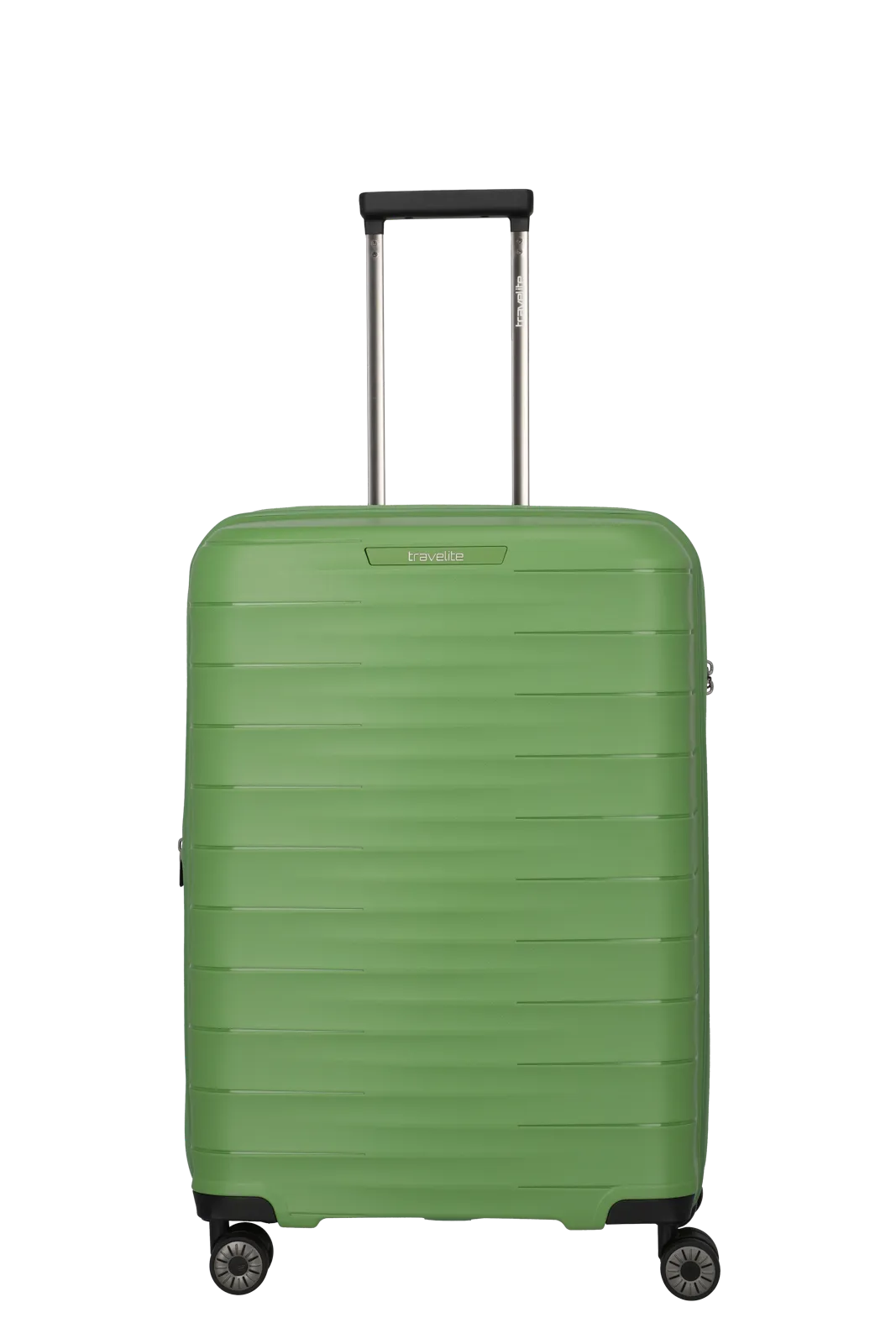
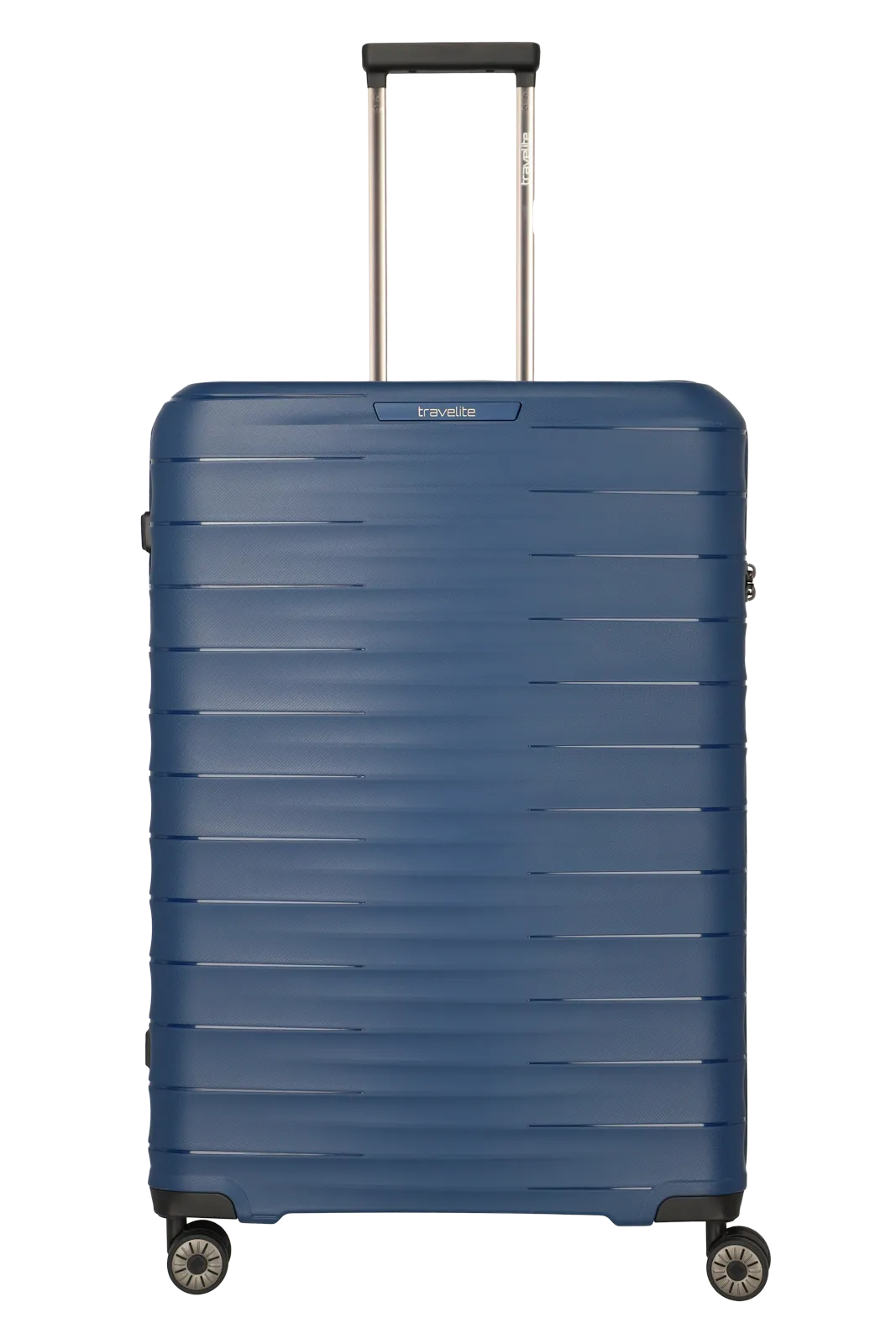
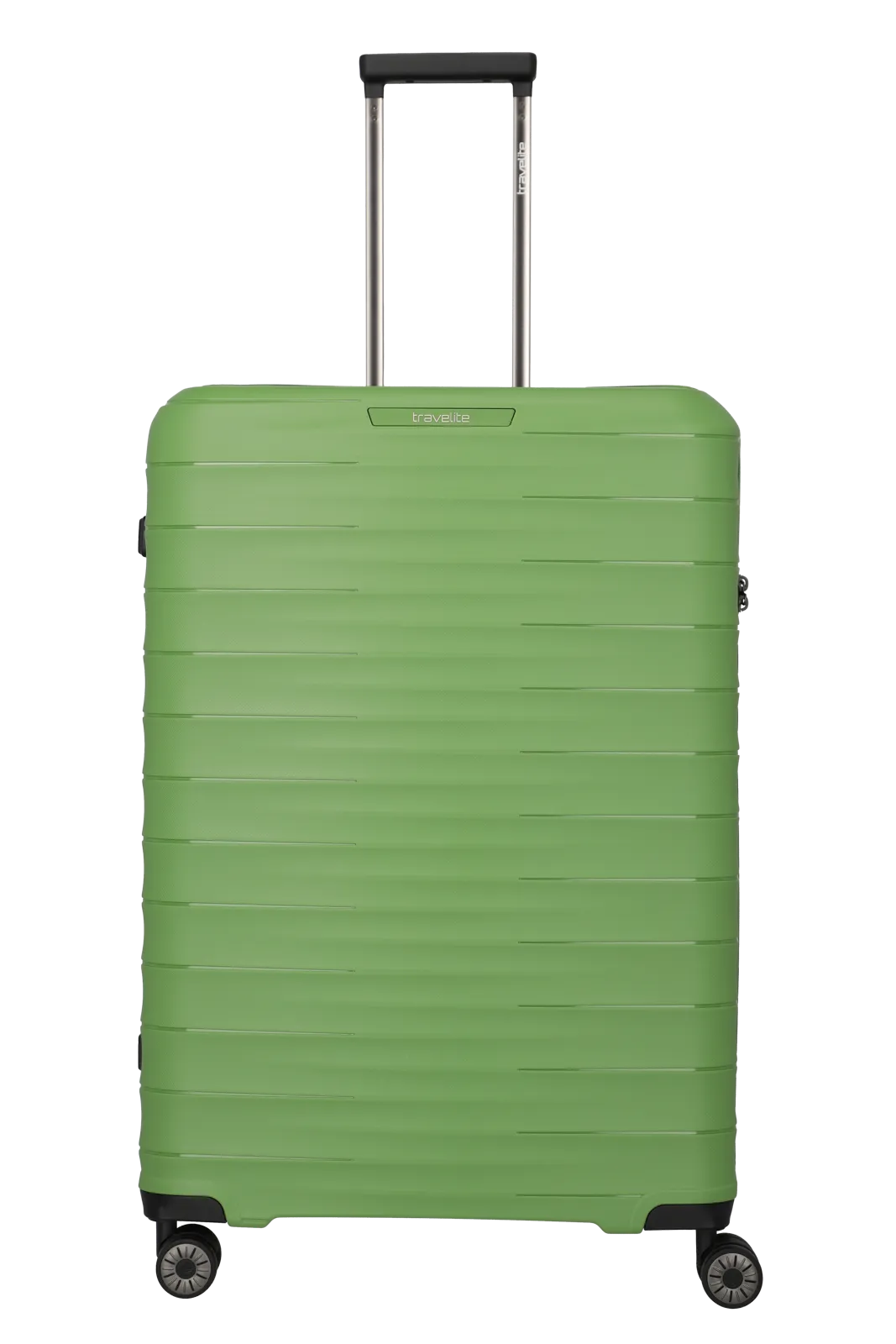
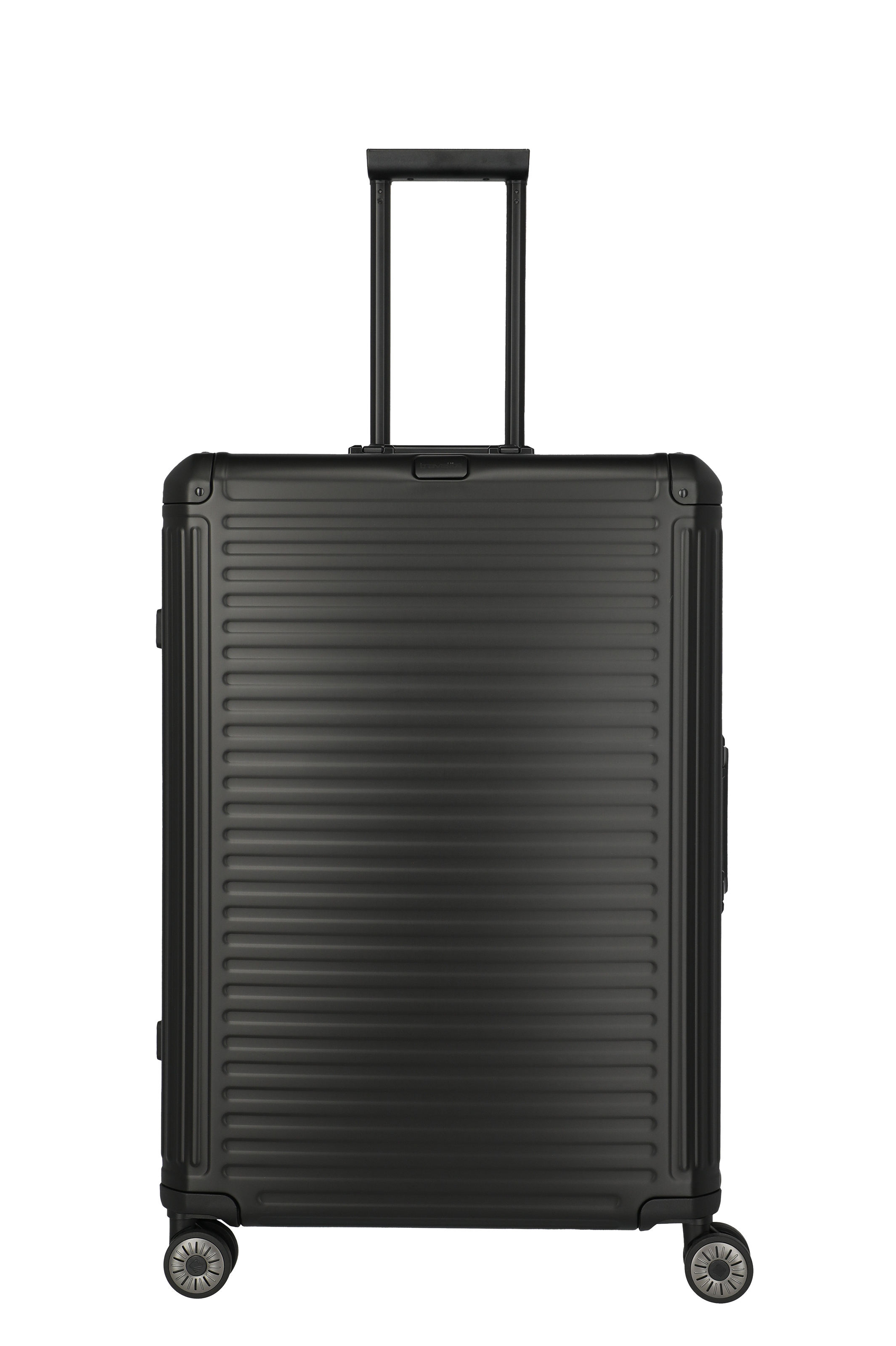
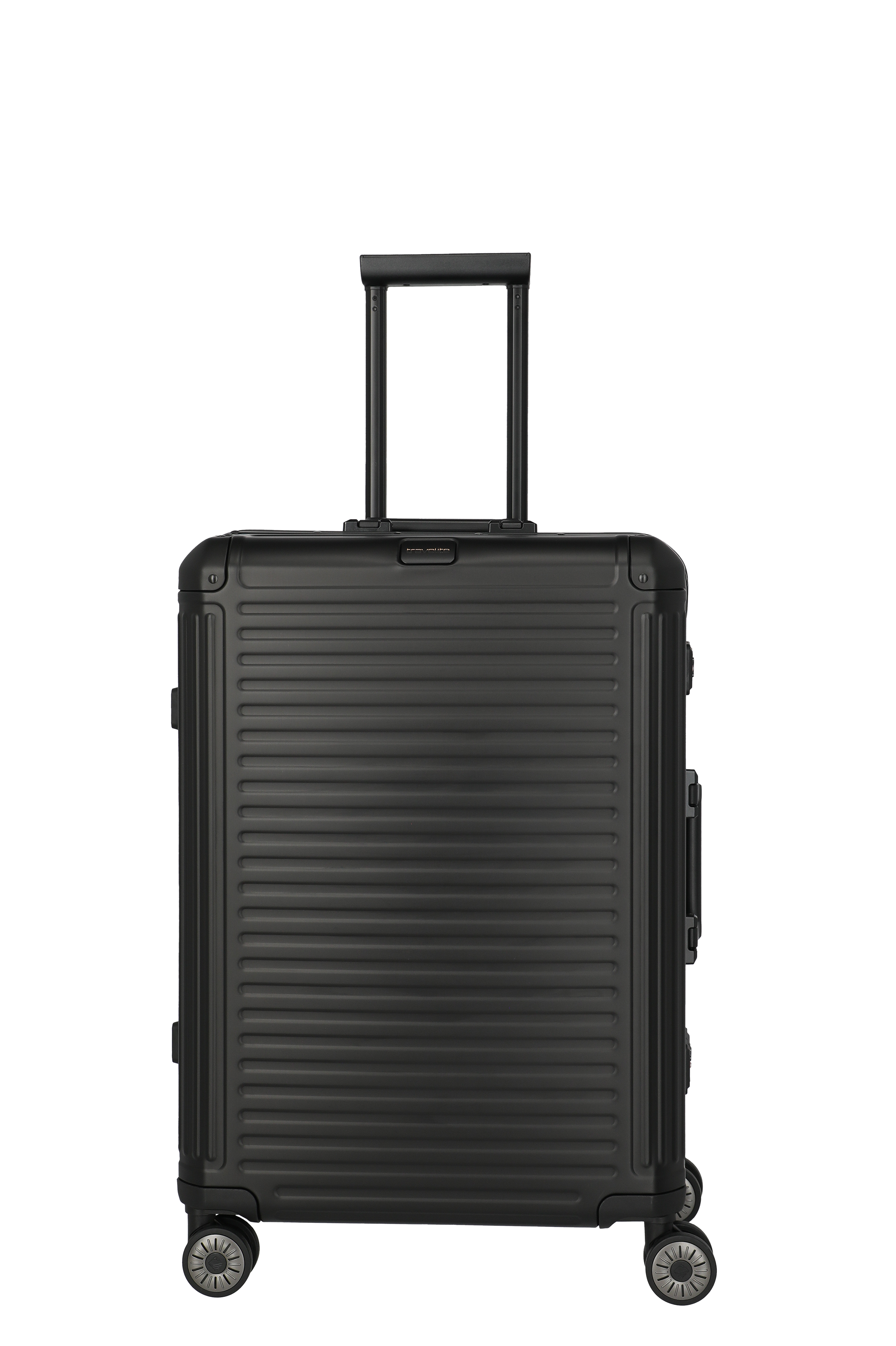
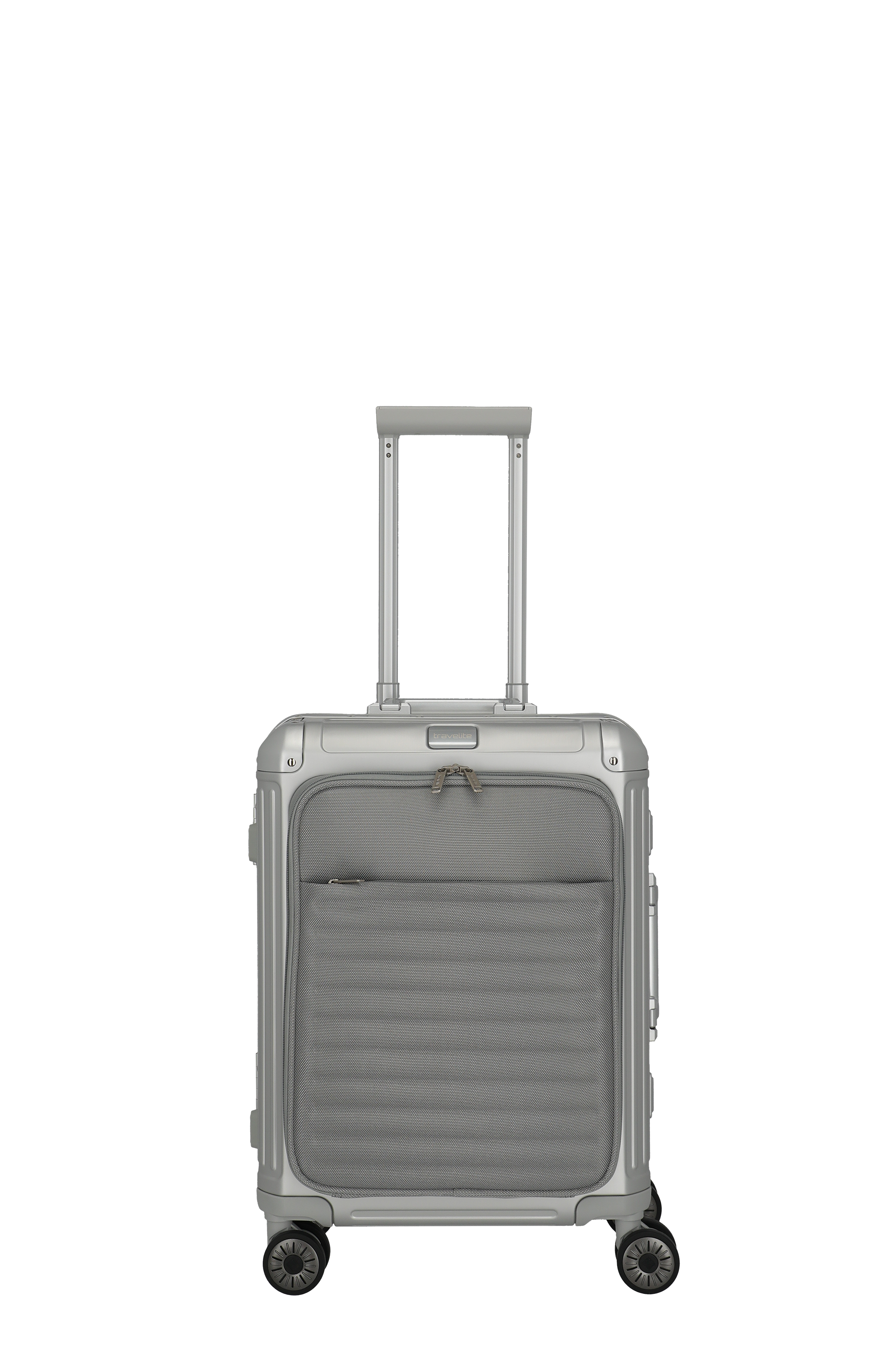
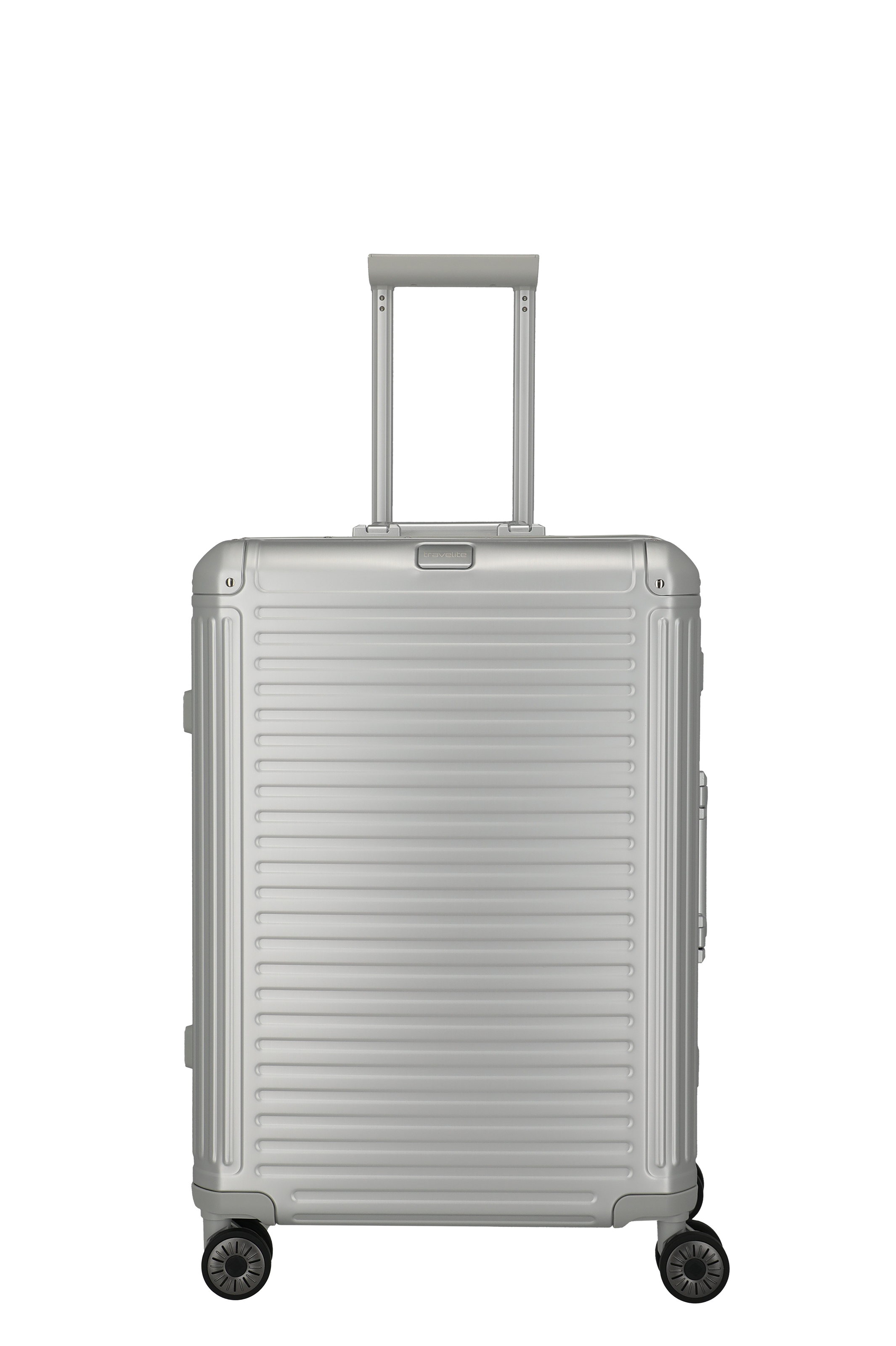
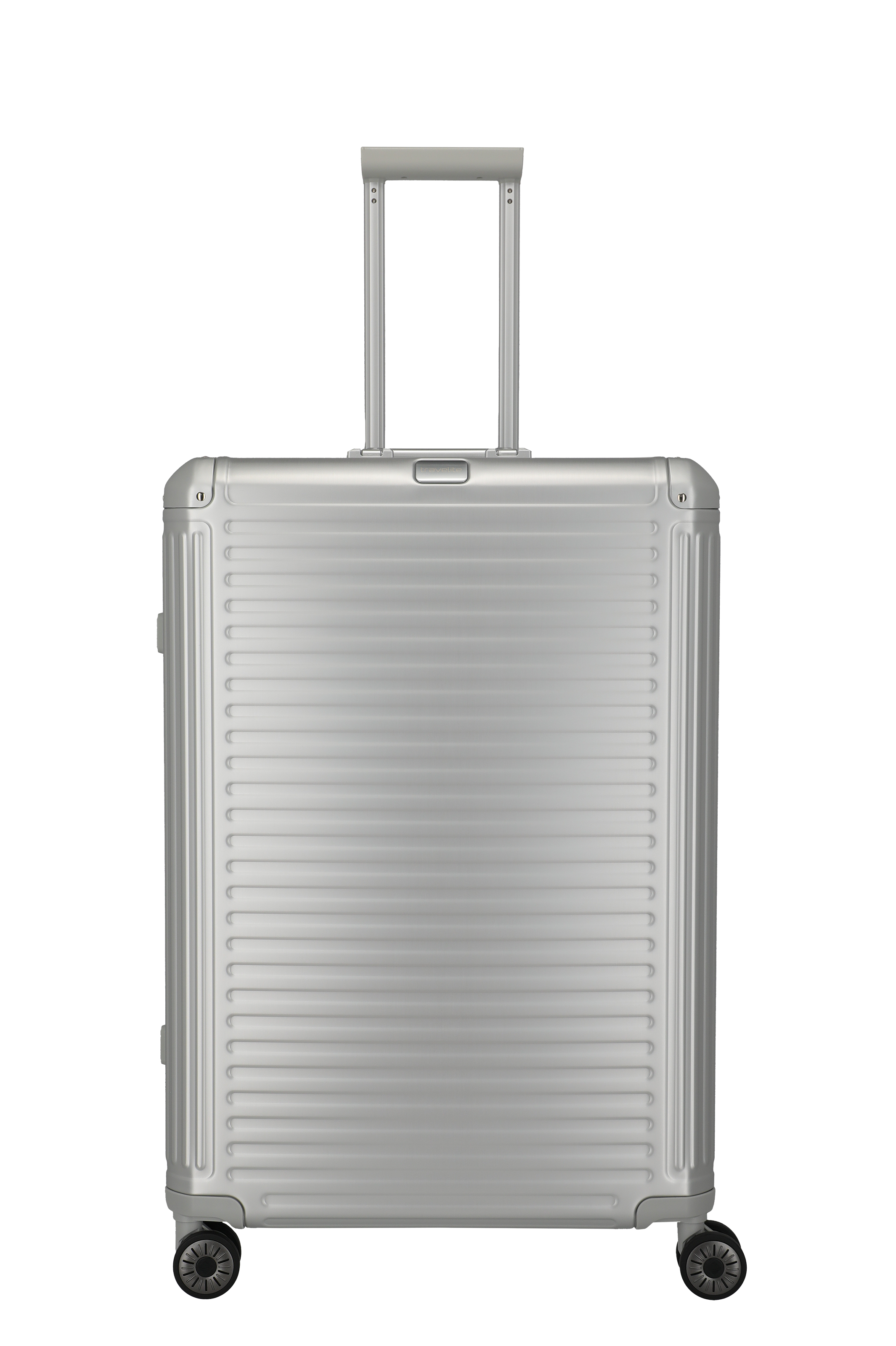
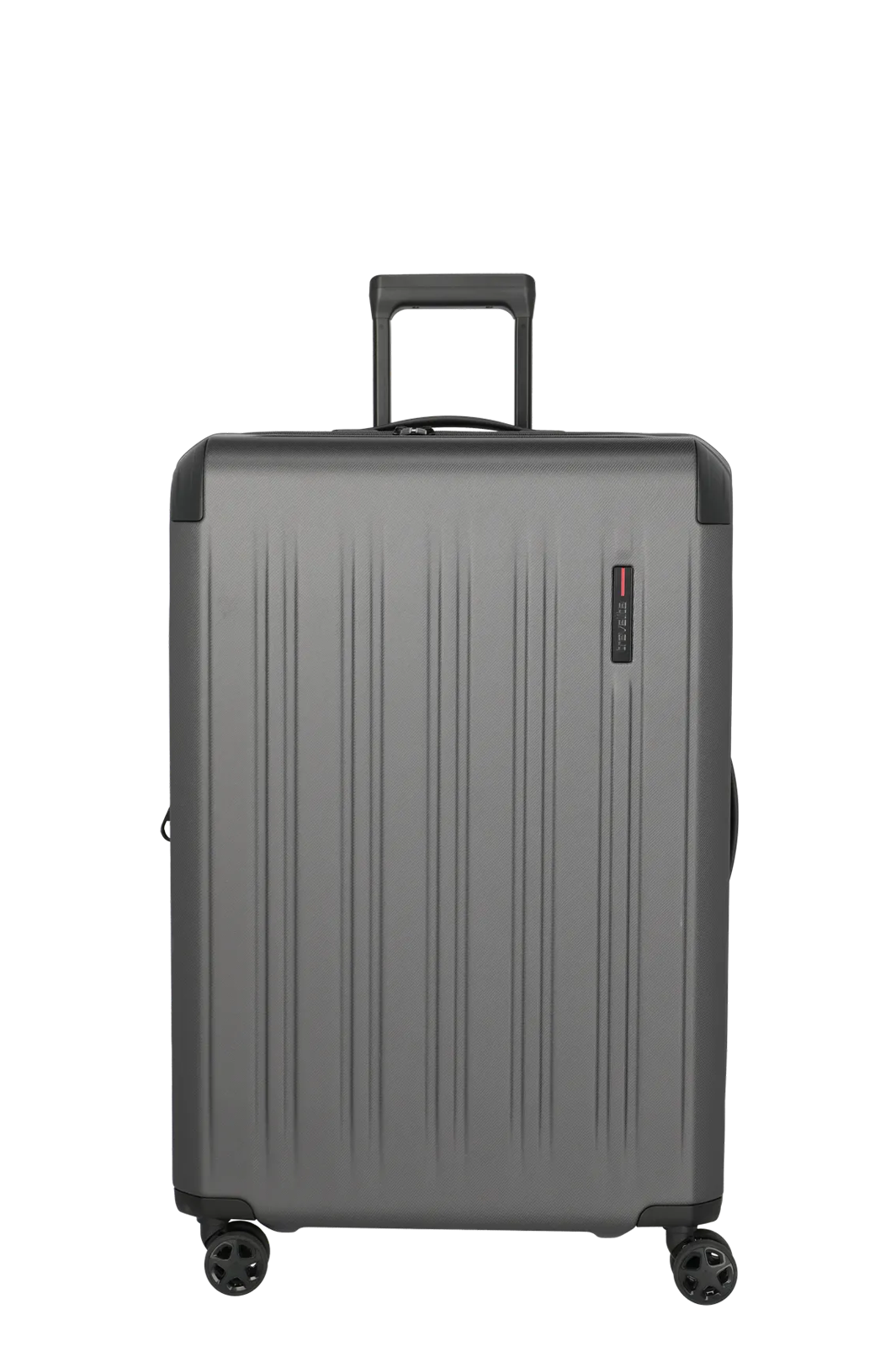
With the right luggage, comfortable clothing, suitable shoes and the documents you need, you’ll be well prepared for London. Suitable, functional luggage from travelite will help you travel light, organised and flexibly. This way, you can focus on the city, its sights and special flair – and enjoy your London trip from the very start.
FAQ – frequently asked questions about the London packing list
Do I need a passport for London or is an ID card sufficient?
You need a valid passport to travel to London. ID cards have not been accepted since Brexit. The passport must be valid for the entire duration of your stay. It is advisable to check the expiry date in good time before your trip.
Do I need an ETA to enter London?
Yes, from 2025, EU citizens also need an ETA to enter the UK. The electronic travel authorisation must be applied for online before departure. Without an approved ETA, it is not possible to enter London, so you should complete this step in good time.
What adapter is needed in London??
Type G plug sockets are used in London. German or European plugs don’t fit. A suitable adapter is therefore necessary to charge your smartphone, camera or other electronics.
Is hand luggage enough for a city break to London?
For a classic city break to London, especially for weekends or just a few days, hand luggage is usually enough. A well-organised carry-on suitcase has enough space and is much more practical in the city than large luggage.
Which clothes are best for London?
Layering is best. Several thin layers can easily be adjusted if the weather changes during the day. Regardless of the season, you should also pack a lightweight waterproof jacket.
Which shoes are recommended for London?
Comfortable, well-broken-in shoes are especially important for London. As you do many journeys on foot, your shoes should have good cushioning and be comfortable even on long walks.
What’s the best way to pay in London?
Contactless payment is used almost everywhere in London. Credit or debit cards as well as smartphones are accepted in shops, restaurants, and public transport. Cash is rarely needed.
Oyster Card or contactless payment – which is better?
For short visits, contactless payment is generally the easiest, as you don’t need to buy an additional card. The Oyster Card can be useful if you’re travelling with several people or using particular fares.






.png?ts=1750248569)







_400x400 Kopie.png?ts=1760433160)
.png?ts=1750248453)