

Northern Lights Norway: our tips for an unforgettable trip
Do you dream of experiencing the mystical Northern Lights in Norway? It’s no wonder! Norway offers one of the best backdrops in the world for admiring this fascinating natural phenomenon – the Northern Lights. But before you pack your bags and set off, we’d like to give you some valuable tips to ensure your trip to see the Northern Lights in Norway is unforgettable. Find out more about the best locations, the ideal time of year and the must-do activities to enjoy Norway’s Northern Lights in all their splendour.
Contents
- 01 Why Norway is a dream destination for the Northern Lights
- 02 Northern Lights in Norway: these are the best destinations for your Northern Lights experience
- 03 The best time of year to see the Northern Lights in Norway
- 04 What should I pack for a trip to see the Northern Lights in Norway?
- 05 Northern Lights in Norway: Conclusion
- 06 Frequently asked questions about the Northern Lights in Norway
Why Norway is a dream destination for the Northern Lights
The Nordic wonder of the Northern Lights, also known as the Aurora Borealis, exerts a magical pull on adventurers and nature lovers from all over the world. And if there’s one place that has emerged as the ultimate dream destination for observing this fascinating natural spectacle, it is undoubtedly Norway. Here are a few reasons why Norway is considered the perfect destination for Northern Lights enthusiasts:
1. Natural darkness and clear skies: Norway offers the ideal conditions for viewing the Northern Lights. In the northern regions of Norway, there is plenty of natural darkness during the winter season and often clear, cloudless skies, allowing the Northern Lights to shine in all their splendour.

2. A wide variety of locations: Norway boasts a wealth of places where you can admire the Northern Lights. From the northernmost regions such as Tromsø to the picturesque Lofoten Islands, Norway offers a wide range of breathtaking locations in which to experience the Aurora Borealis.
3. Adventure activities: Your trip to Norway to see the Northern Lights promises more than just the sight of this celestial phenomenon itself. You can also enjoy exciting activities such as husky sled rides, snowmobile tours and night-time adventures in the winter wilderness.
4. Cultural experiences: Norway is not only known for its natural wonders, but also for its rich culture and hospitality. You’ll have the chance to experience local traditions, culinary delights and the warm atmosphere of this Scandinavian country.
5. Unforgettable memories: Watching the Northern Lights in Norway is an unforgettable experience that you’ll cherish for the rest of your life. The dancing lights in the sky not only inspire awe, but also create a deep emotional connection with nature.
Northern Lights in Norway: these are the best destinations for your Northern Lights experience
Norway is undoubtedly one of the best destinations if you’re dreaming of an unforgettable Northern Lights experience and want to witness this breathtaking natural spectacle. But where exactly in Norway should you go to have the best chance of seeing the spectacular Northern Lights? Here are some of the best destinations in Norway that promise an unforgettable experience:
Tromsø
Tromsø: Tromsø, also known as the ‘Gateway to the Arctic’, is one of the most popular cities for viewing the Northern Lights. Its location far to the north of Norway means there’s a high probability of seeing the Northern Lights. The city also offers plenty of activities and tours to maximise your Northern Lights experience.
The Lofoten Islands
The Lofoten Islands: The picturesque Lofoten Islands are renowned not only for their breathtaking landscapes but also for their low levels of light pollution. This makes them the perfect place to see the Northern Lights in all their splendour.
Finnmark
Finnmark: The Finnmark region in the far north-east of Norway is another top destination for Northern Lights enthusiasts. Its remote location and clear skies offer ideal conditions for the Aurora Borealis.
Senja
Senja: Senja, Norway’s second-largest island, captivates visitors with its spectacular coastal landscapes and is an up-and-coming destination for Northern Lights viewing. The peaceful and unspoilt natural surroundings make for an unforgettable experience.
Alta
Alta: Alta is a town in Norway dedicated to the study and conservation of the Northern Lights. Here you’ll find the world’s first Northern Lights observatory and have the chance to learn even more about this fascinating phenomenon.
The best time of year to see the Northern Lights in Norway
Choosing the right time of year to travel is a crucial factor if you want to experience the spectacular Northern Lights in Norway first-hand.
Autumn (September – October): Autumn marks the start of the Northern Lights season in Norway. The days are getting shorter, the nights longer, and the first Northern Lights begin to dance across the sky. These months are perfect for experiencing the Northern Lights in pleasant temperatures before winter sets in.
Winter (November – March): The winter months are undoubtedly the best time to see the Northern Lights in Norway. During this period, the northern regions of the country experience the longest periods of darkness, creating ideal conditions for viewing the Northern Lights. The clear, cold nights offer a higher chance of witnessing this magical phenomenon.
Spring (April): Although the Northern Lights season in Norway is slowly drawing to a close in April, there may still be opportunities to see the Northern Lights before the midnight sun dispels the darkness in summer. This is a great time for travellers who prefer milder temperatures.
However, when choosing when to travel, you should definitely bear in mind that the visibility of the Northern Lights depends heavily on weather conditions. Norway’s harsh climate can be unpredictable, and even during the best seasons, clouds or snowstorms can obstruct your view of the Northern Lights. It is therefore advisable to be flexible and allow plenty of time for your Northern Lights trip to maximise your chances of witnessing this fascinating natural phenomenon.
What should I pack for a trip to see the Northern Lights in Norway?
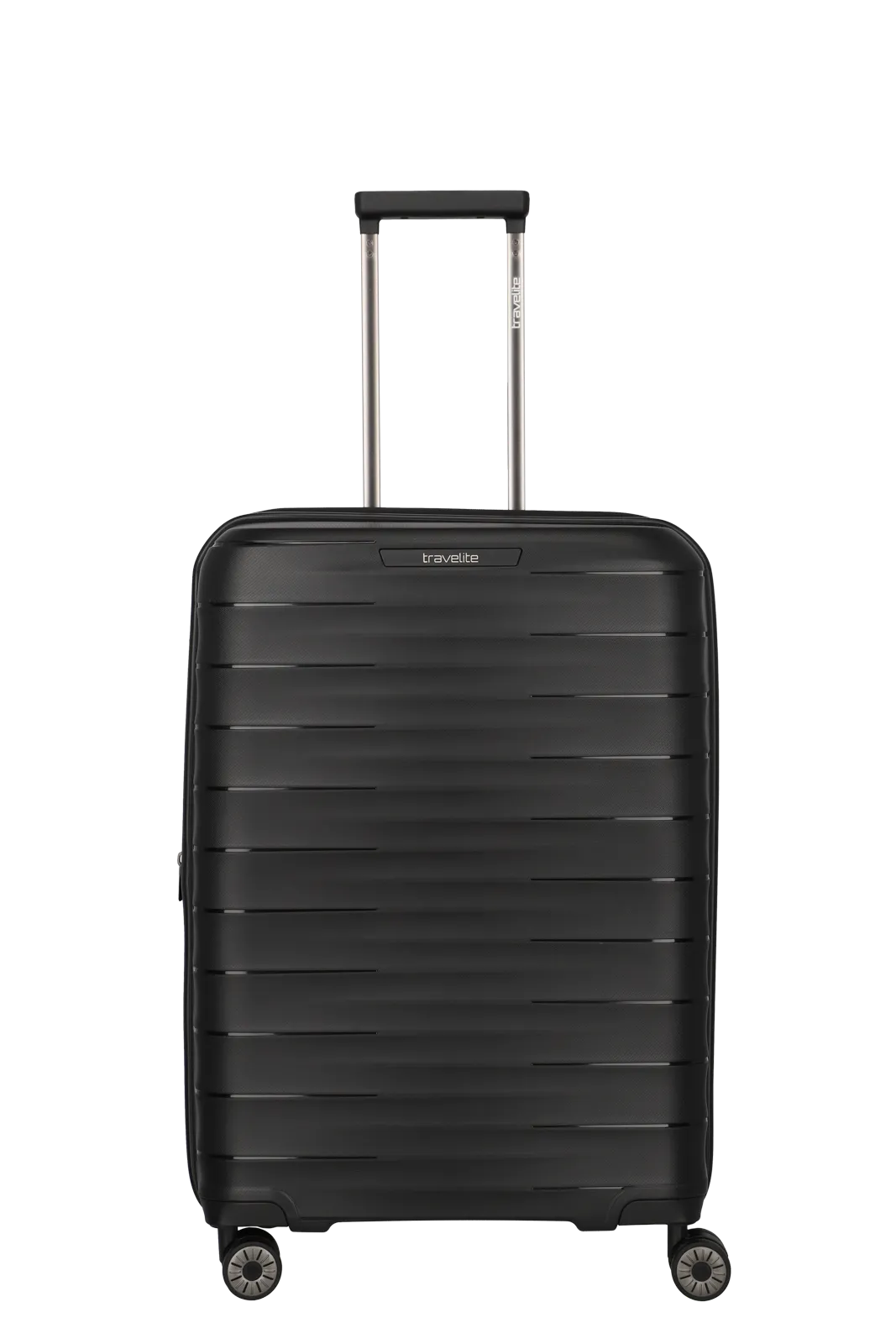
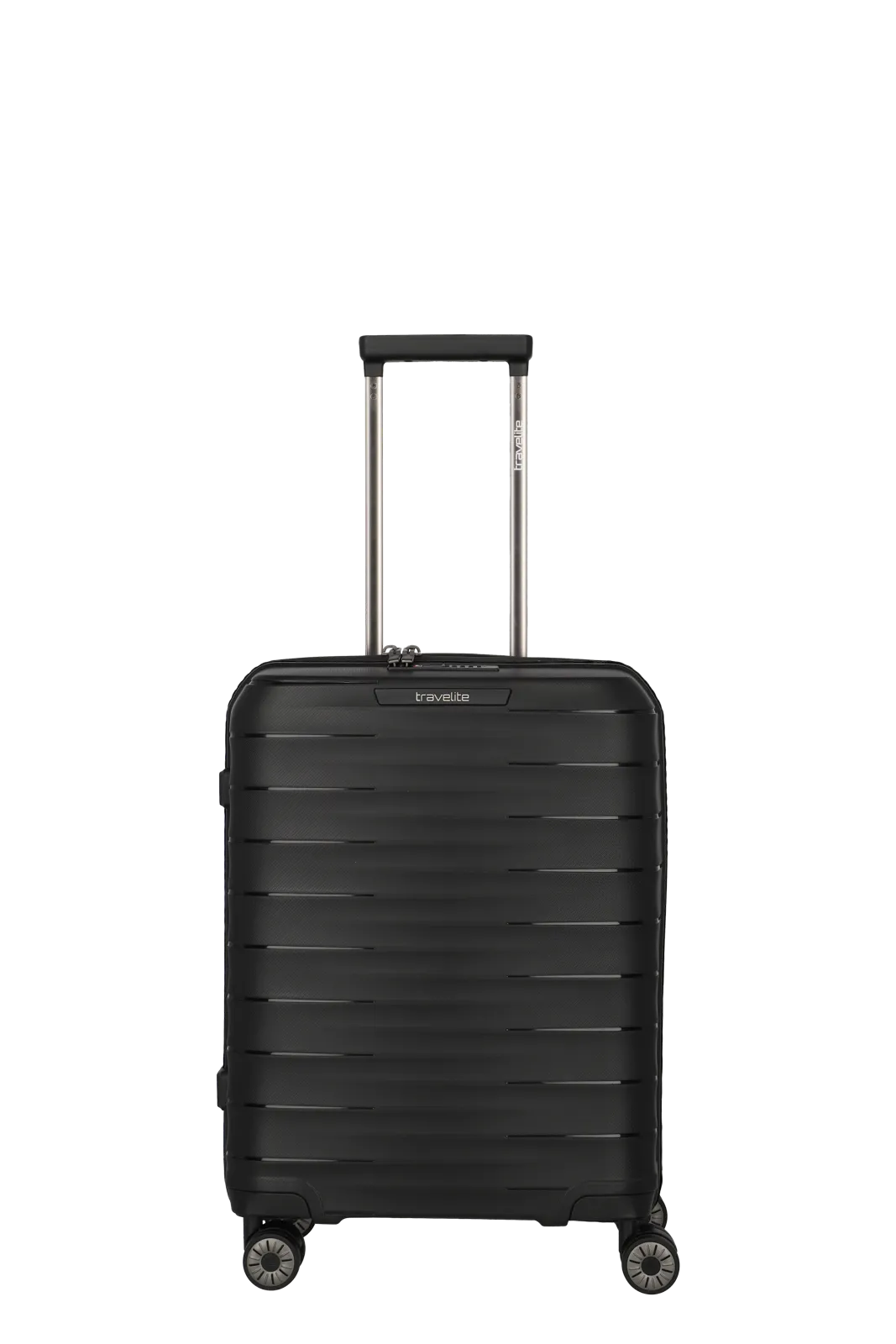
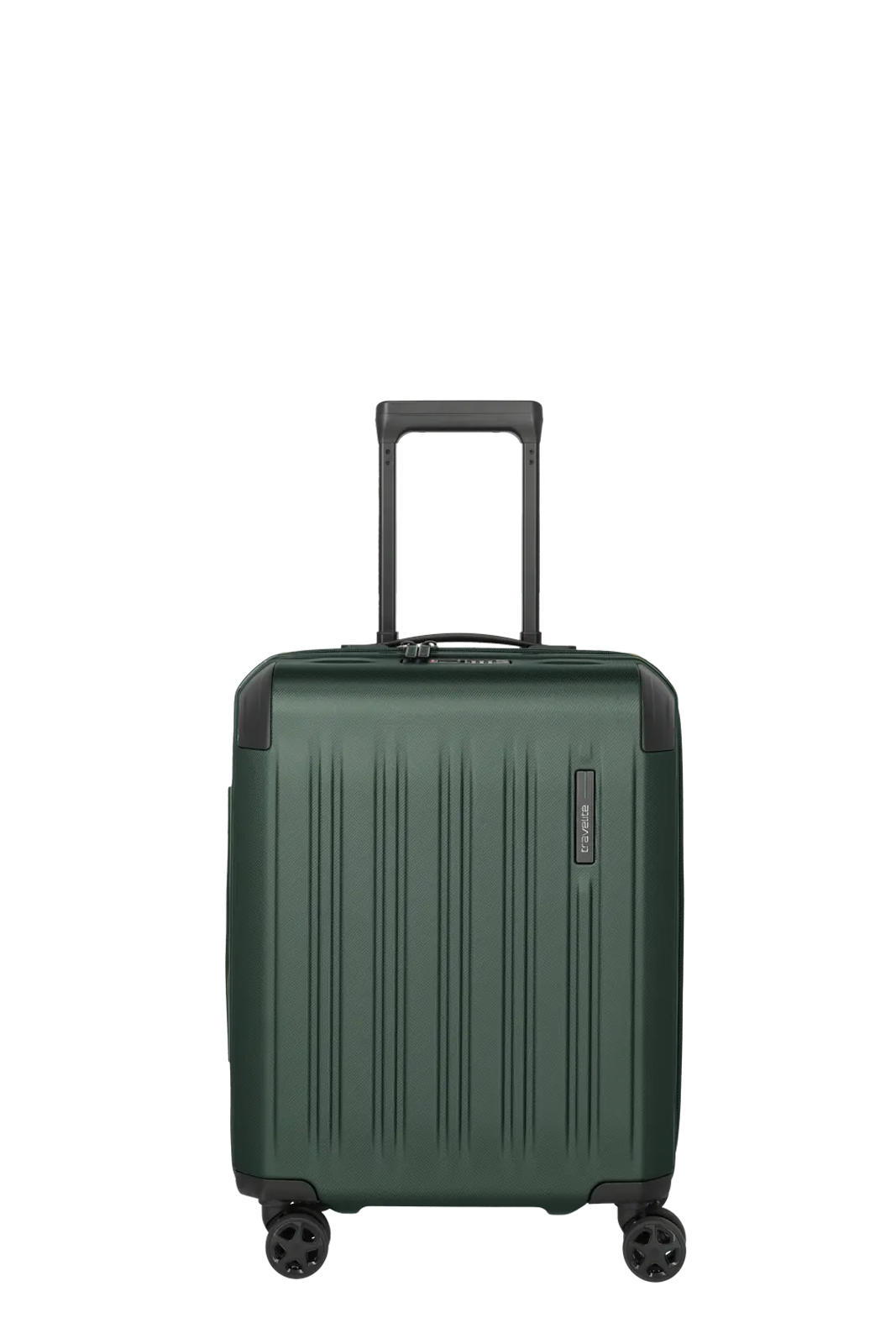
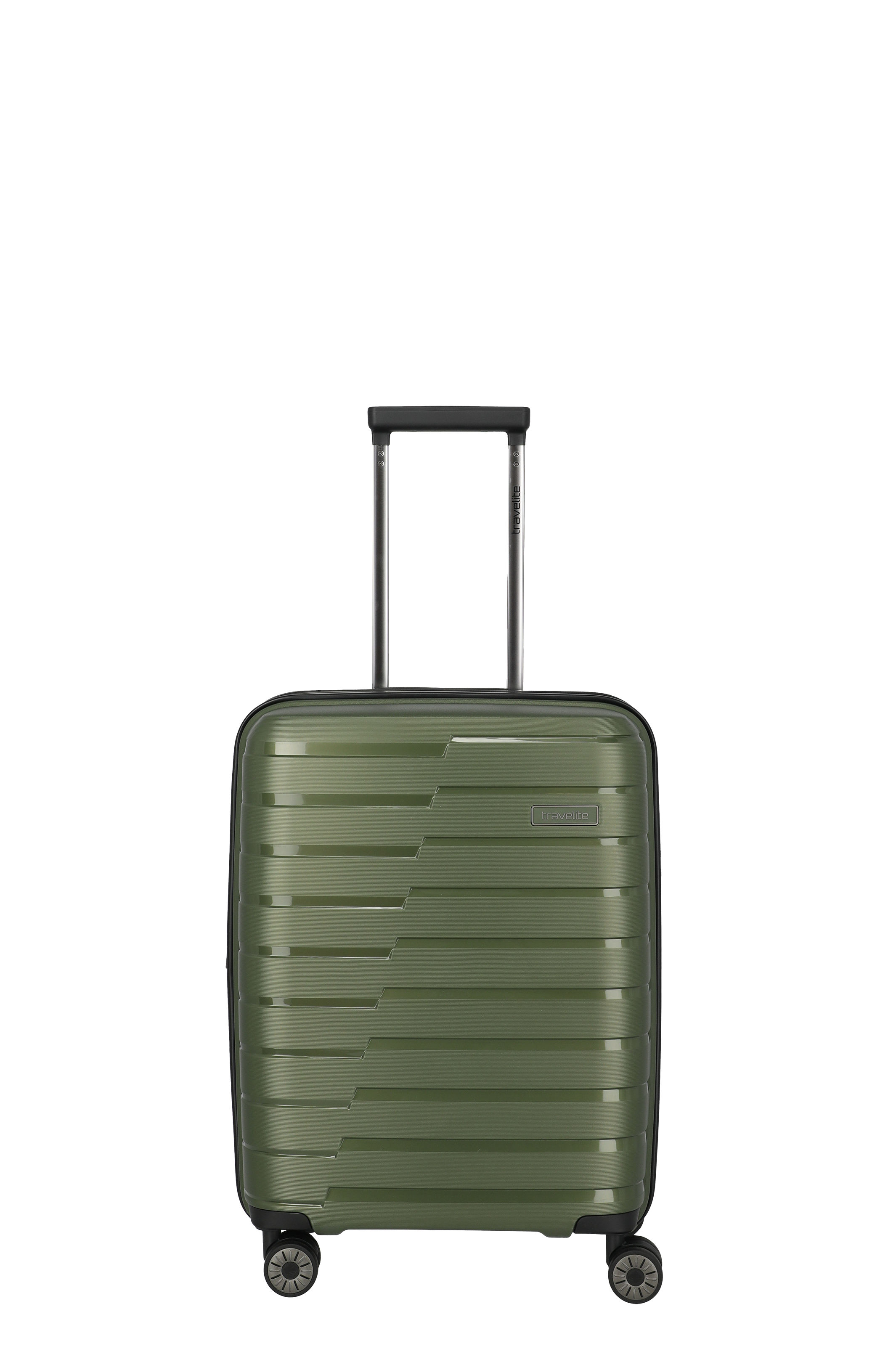
When travelling to see the Northern Lights in Norway, it’s essential to be well prepared and to pack the right gear to keep you warm and comfortable. You may need the following for your trip:
Warm clothing: Norway can get very cold in winter, especially in the northern regions. Make sure you pack warm, insulated clothing such as down jackets, woollen jumpers, thermal underwear and lined gloves. Don’t forget to pack warm socks and a hat or a scarf.
Winter boots: High-quality, waterproof winter boots are a must for keeping your feet dry and warm in cold weather. Boots with non-slip soles are particularly important when you’re out and about in snowy or icy areas.
Snow trousers: Snow trousers are recommended to protect you from the wet and cold, especially when taking part in activities in the snow.
Backpack: A good backpack is handy for keeping your gear and essentials such as cameras, snacks and water within easy reach.
Passport and documents: Make sure you have your passport and other important travel documents to hand. It can also be helpful to store digital copies of your documents on a secure device or in the cloud.
Adapters and chargers: Don’t forget to bring the right adapter for Norwegian sockets, as well as chargers for your electronic devices.
Money: It’s advisable to carry cash in Norwegian kroner, as credit cards aren’t accepted everywhere.
Medication and personal items: If you rely on prescription medication, don’t forget to take enough to last for the duration of your trip. Personal items such as a toothbrush, toiletries and perhaps a travel pillow can make your journey more comfortable.
Travel insurance: Travel insurance covering medical emergencies, trip cancellation and lost luggage is recommended to cover for unforeseen circumstances.
Camera equipment: If you want to photograph the Northern Lights, you should make sure your camera is well equipped. A tripod is essential for capturing steady images with longer exposure times. Don’t forget to take spare batteries and memory cards with you.
Northern Lights in Norway: Conclusion
The Northern Lights in Norway are undoubtedly a breathtaking natural spectacle that you shouldn’t miss. Norway offers the perfect backdrop for experiencing this phenomenon in all its glory. Plan your trip carefully to maximise your chances of an unforgettable experience.
Are you ready to explore the fascinating world of the Northern Lights in Norway? Pack your bags and set off on this unique adventure!
Frequently asked questions about the Northern Lights in Norway
When is the best time to see the Northern Lights in Norway?
You’ll have the best chances from November to March. During these months, the nights in northern Norway are at their longest and are often clear and cold. Nevertheless, plan for several nights, as clouds and snowfall can quickly obscure the view.
Can you also see the Northern Lights in autumn or spring?
Yes, the season begins in September and October and gradually winds down in April. In autumn, you’ll experience the first Northern Lights in milder temperatures. In April, they become less frequent due to the increasing daylight, but sightings are still possible.
Where in Norway do you have the best chance of seeing the Northern Lights?
Good locations include Tromsø, the Lofoten Islands, Finnmark, the island of Senja and Alta. Tromsø is located far to the north and offers plenty of tours. The Lofoten Islands and Senja stand out for their low levels of light pollution and spectacular coastal scenery.
What determines whether you’ll see the Northern Lights?
As well as darkness, the weather: if there are clouds or a snowstorm, the sky will remain obscured, even in the middle of the season. Remote locations with little artificial light improve visibility. With flexible planning and enough days to spend travelling, your chances of success will increase significantly.
What should you pack for a Northern Lights trip?
Pack warm layers such as thermal underwear, a woollen jumper, a down jacket, a hat and lined gloves. Waterproof winter boots with non-slip soles and snow trousers will keep you dry whilst out and about in the snow. A rucksack keeps your camera, snacks and water within easy reach whilst you’re out and about.
What do you need to photograph the Northern Lights?
A tripod ensures steady images during long exposure times. Take spare batteries and extra memory cards with you, as you’ll often take lots of photos during long nights.


_400x400 Kopie.png?ts=1760433160)