

From glamorous to rustic: camping rediscovered
Still not sure where your next trip should take you? Then why not give camping a go! Forget damp sleeping bags or hard sleeping mats: these days, campers have a wide range of options, from sites in the heart of nature to proper glamping destinations. We’ll help you find out what sort of camper you might be. And then all you have to do is choose…
Contents
- 01 Accommodation: Are you a fabric, wood or metal type?
- 02 Tent
- 03 Folding tent trailer
- 04 Roof tent
- 05 Camper van
- 06 Campervan
- 07 Caravans
- 08 Wood
- 09 The dilemma of choosing a pitch remains
- 10 The nature campsite
- 11 The luxury campsite
- 12 Glamping
- 13 Family campsites
- 14 Campsites for sports enthusiasts
- 15 Packing tips
- 16 Conclusion: Camping for everyone
- 17 FAQ on camping
Accommodation: Are you a fabric, wood or metal type?
There are two types of camper: those with solid walls around them (metal or wood) and those who camp in tents with nothing but fabric between them and the wilderness.
Tent
Sleeping in a tent is considered by many to be the most traditional way to go camping. Today, there are numerous types of tent available, ranging from quick-pitched pop-up tents and models with inflatable poles to multi-chamber tents for large families.
Folding tent hanger
A full-size family tent is compactly packed into a car trailer and unfolded on site. The tent can be unfolded from the flat trailer in just a few simple steps and remains securely attached to the trailer whilst on site.
Roof tent

It’s transported on the car roof and set up on the roof once you arrive. You sleep high above the ground, which reduces the risk of encountering creepy-crawlies, for example. However, you’ll need to be confident at climbing for night-time trips to the loo…
Camper van
Do you enjoy spontaneous trips and love touring? Then a compact campervan might be just the thing for you. Travelling in a van like this is hassle-free, as it drives almost like a car.
Motorhome
On the road, with your cosy home always with you: with a motorhome, you’re flexible whilst still enjoying a certain level of comfort, such as a bed, a kitchenette and a toilet. Driving a motorhome takes a bit of practice, but it’s not too difficult.
Caravans
Caravan enthusiasts are campers who like to stay in one place. You explore the local area from ‘your’ campsite: the caravan is unhitched and you remain mobile whilst staying on site.
Wood
If you find wooden accommodation particularly rustic, there are plenty of options: from camping barrels and circus caravans to traditional tree houses or chalets – numerous sites offer such gems.
The dilemma of where to stay remains
Not only are there plenty of campsites, but they also vary greatly in layout. Be sure to check out the detailed site maps!
The nature campsite
Here, you’ll be camping right in the heart of nature, in the middle of the mountains or on the beach. Natural campsites are usually off the beaten track (shops and pubs are further away) and generally have basic facilities. Electricity and water aren’t always available at every pitch. However, they’re often relatively cheap, though a hot shower may cost extra.
It’s best to ask yourself the following questions beforehand:
- Do you need your own electricity supply at your pitch?
- Do you have your own toilet, or do you not mind walking a bit further to the toilet block (even at night)?
- How important are hot showers to you if you don’t have your own?
- Do you need shared facilities such as washing machines, refrigeration, cooking facilities or even a freezer (which might be of interest to anglers)?
Tip: The Swedish campsite Getnö Gard is situated next to the Åsnen Nature Reserve in Småland and offers nature lovers fantastic pitches with views of the lake, as well as numerous outdoor activities. Electricity is included, as are hot showers.
The luxury campsite
Luxury campsites are often found in particularly beautiful locations, but not necessarily in secluded spots. There are frequently attractive day-trip destinations nearby, as well as shopping and nightlife options. The facilities can include a whole range of leisure options: from entertainment and spa treatments to creative courses or excursion packages – there’s plenty on offer. This is also reflected in the price ranges.
It’s best to ask yourselves the following questions beforehand:
- How important is a fixed budget to you? With this in mind, you should check the offers: what is included, and what do you need to book as an extra?
- Which items are essential? What can be left out?
Tip: There are campsites that are every bit as good as hotels in terms of what they offer, such as Rosenfelder Strand on the Baltic Sea.
Glamping
If you enjoy luxury camping but would prefer not to bring your own kit, glamping (GLAMorous CamPING) is the perfect option: simply hire comfortable accommodation at the campsite. Many campsites now offer glamping options. Here, you’ll need to check your budget beforehand: there’s no upper limit to the prices for glamping offers...
Family campsites

Places that offer plenty of fun and games are perfect for families. That’s why family campsites are often found, for example, near beaches with water sports facilities or on farms with animals and hands-on activities. What counts at these sites isn’t just well-designed play areas; additional activities such as craft or theatre groups are also important. When planning your budget, check the price ranges for each site: very young children often stay for free, whilst children aged twelve and over usually pay the adult rate.
Discuss the following with your family beforehand:
- Who wants to have an adventure on holiday?
- Does the family want to take part in activities together, or are specific children’s programmes important?
- What sort of local attractions are there, and how can we get to them?
- How important is peace and quiet to you? And how far are you prepared to travel to reach your destinations? Discuss with all your fellow travellers who wants to see what and when, and how this can best be combined. This prevents arguments whilst you’re there.
Tip: The Kühlungsborn Camping Park is a popular family campsite on the Baltic Sea. If you’re lucky, you might snap up one of the beach pitches.
Campsites for sports enthusiasts
Popular sports hubs are often situated right next to the relevant activity area, such as on a surfing beach or near good trekking trails. Sports campsites frequently collaborate with local providers. Depending on the sport, however, there may also be dedicated sports facilities, such as indoor riding arenas, climbing walls or swimming pools. Sports campsites tend to be in the higher price bracket. 100 euros a day for two adults and one child is quite common, and that’s without any sports courses booked.
Many sports campsites are popular meeting places for the respective ‘scene’. The atmosphere is relaxed and informal, characterised by talk of sport. At many sites, you can try out different sports. It’s best to ask beforehand:
- Do all your fellow travellers want to take part in that particular sport, or do you need alternative activities nearby?
- Do you need equipment or services relating to the gear nearby?
- Do you need courses, training programmes or coaches?

Tip: Kayakers love the emerald-green River Soča in Slovenia. The Koren campsite is the perfect base for this.
Packing tips
- Having several bags in different sizes and colours makes managing your camping kit easier: one colour for dirty laundry, one for swimwear, one for each traveller...
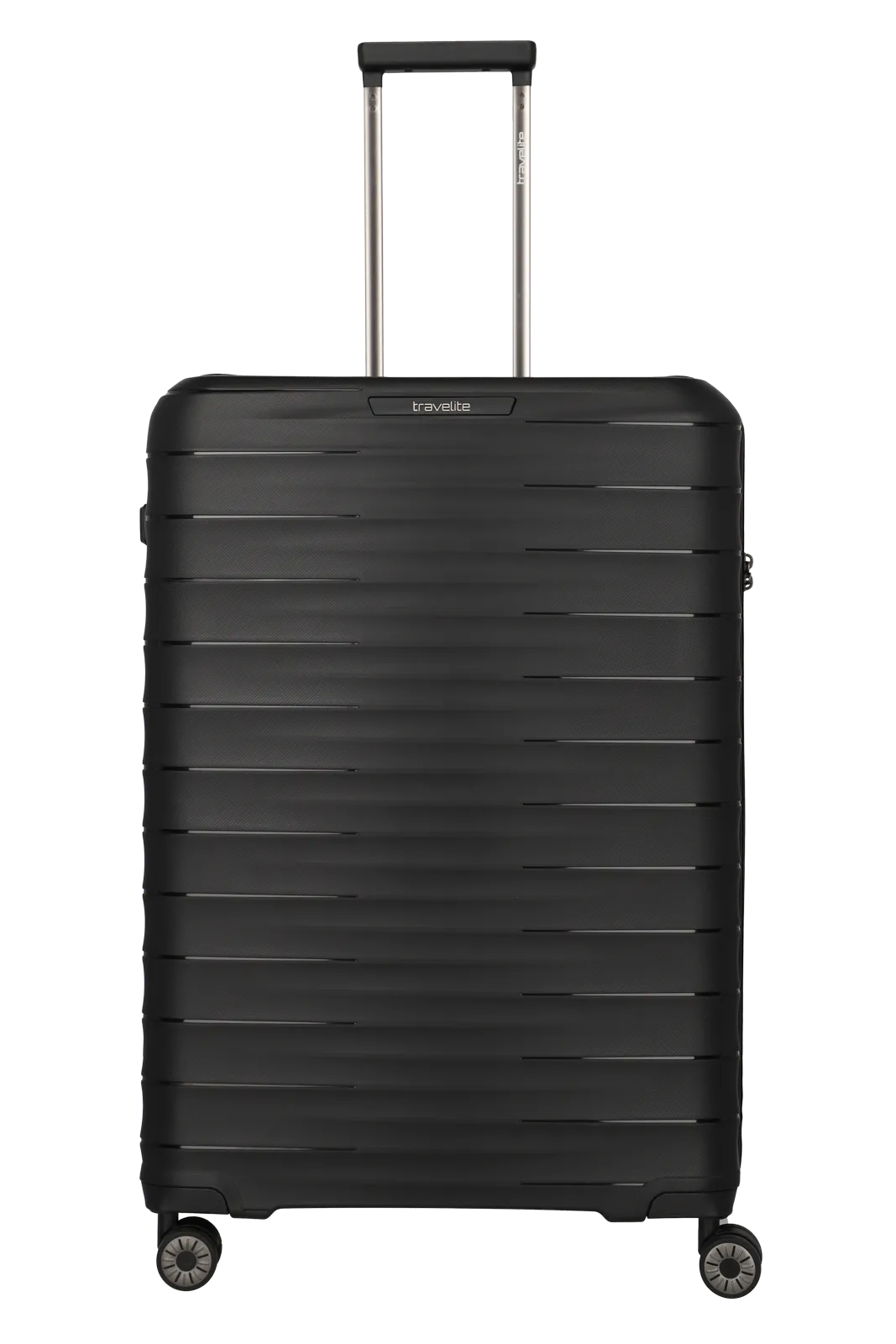
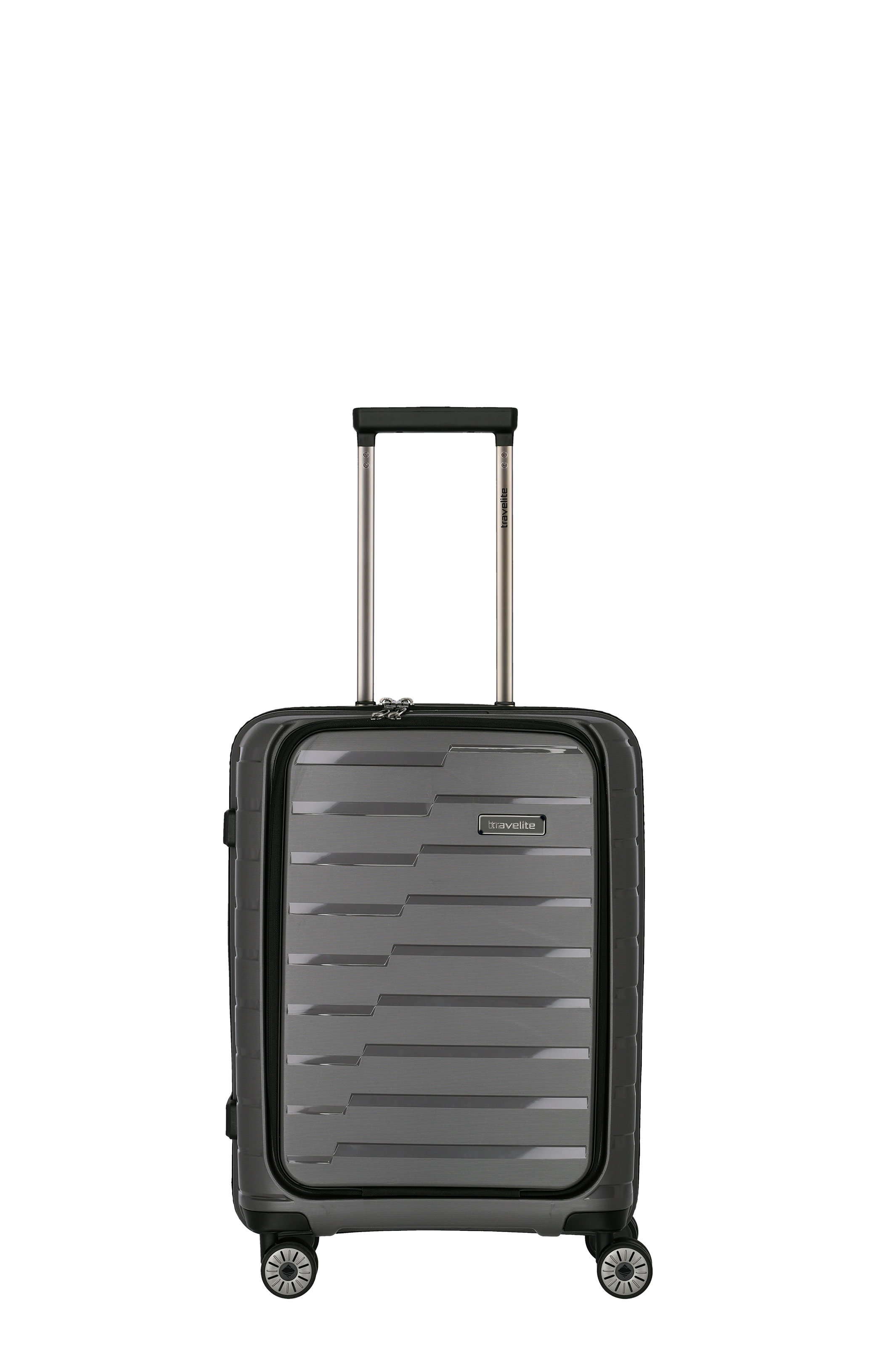
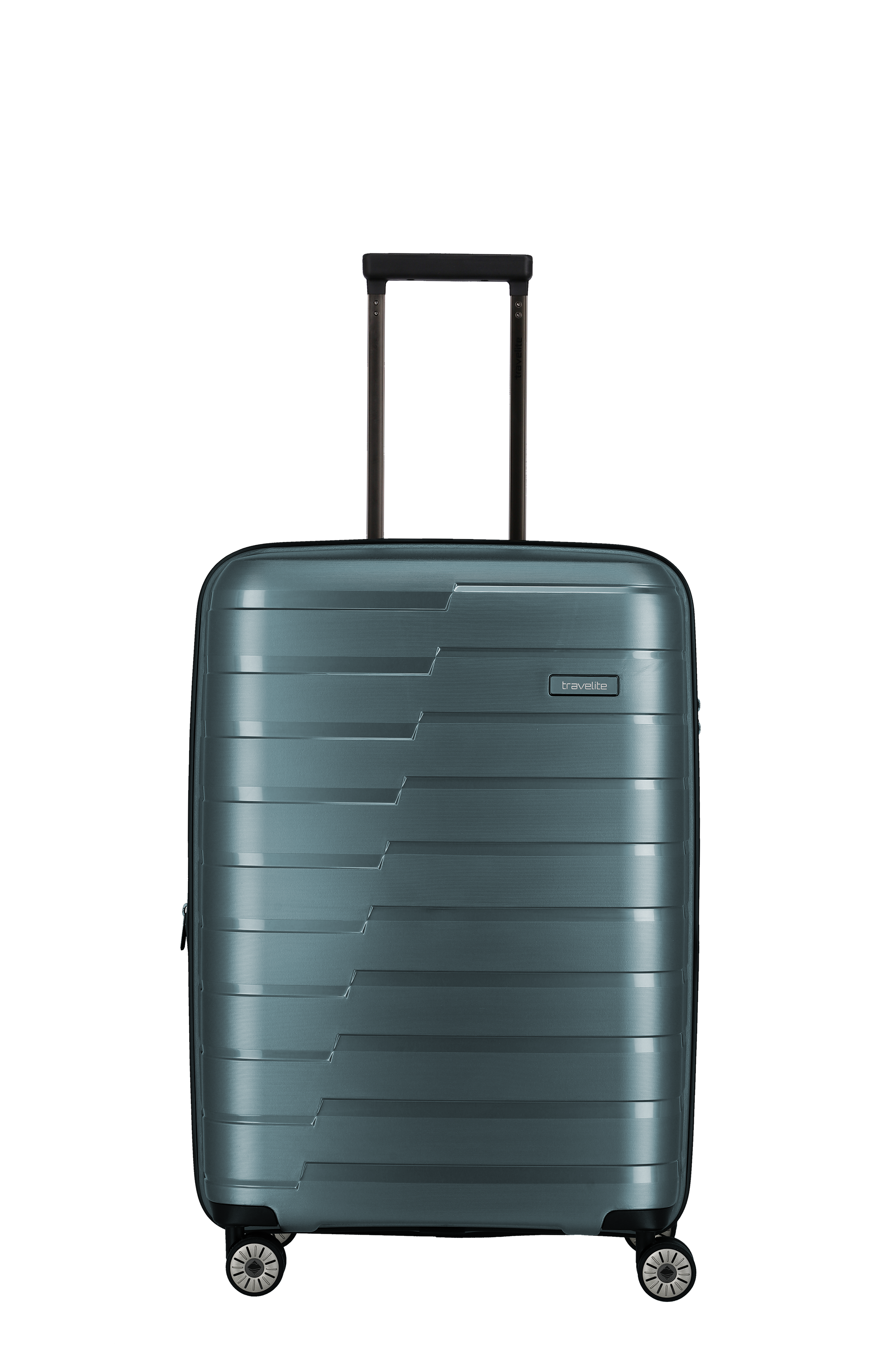
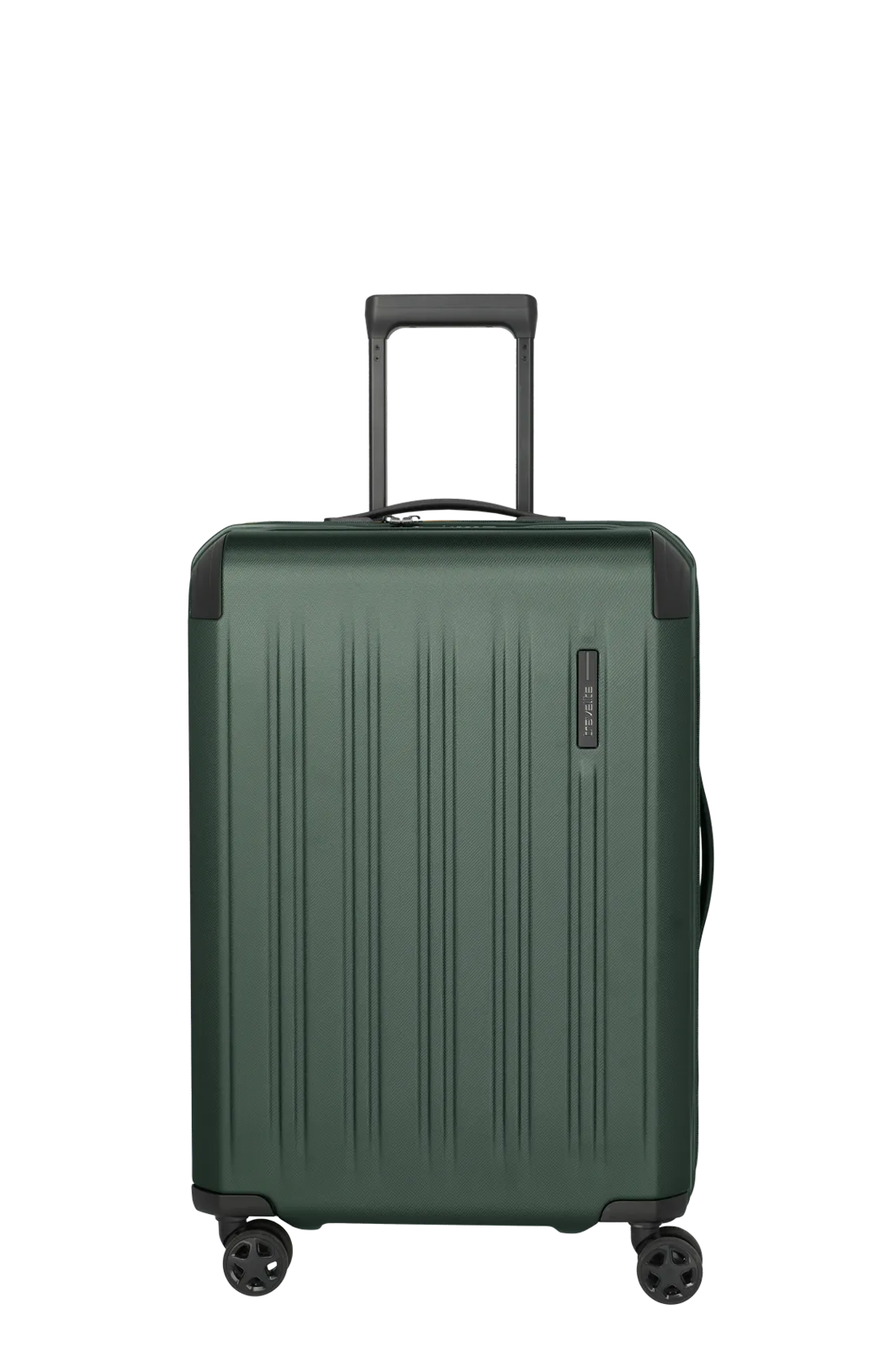
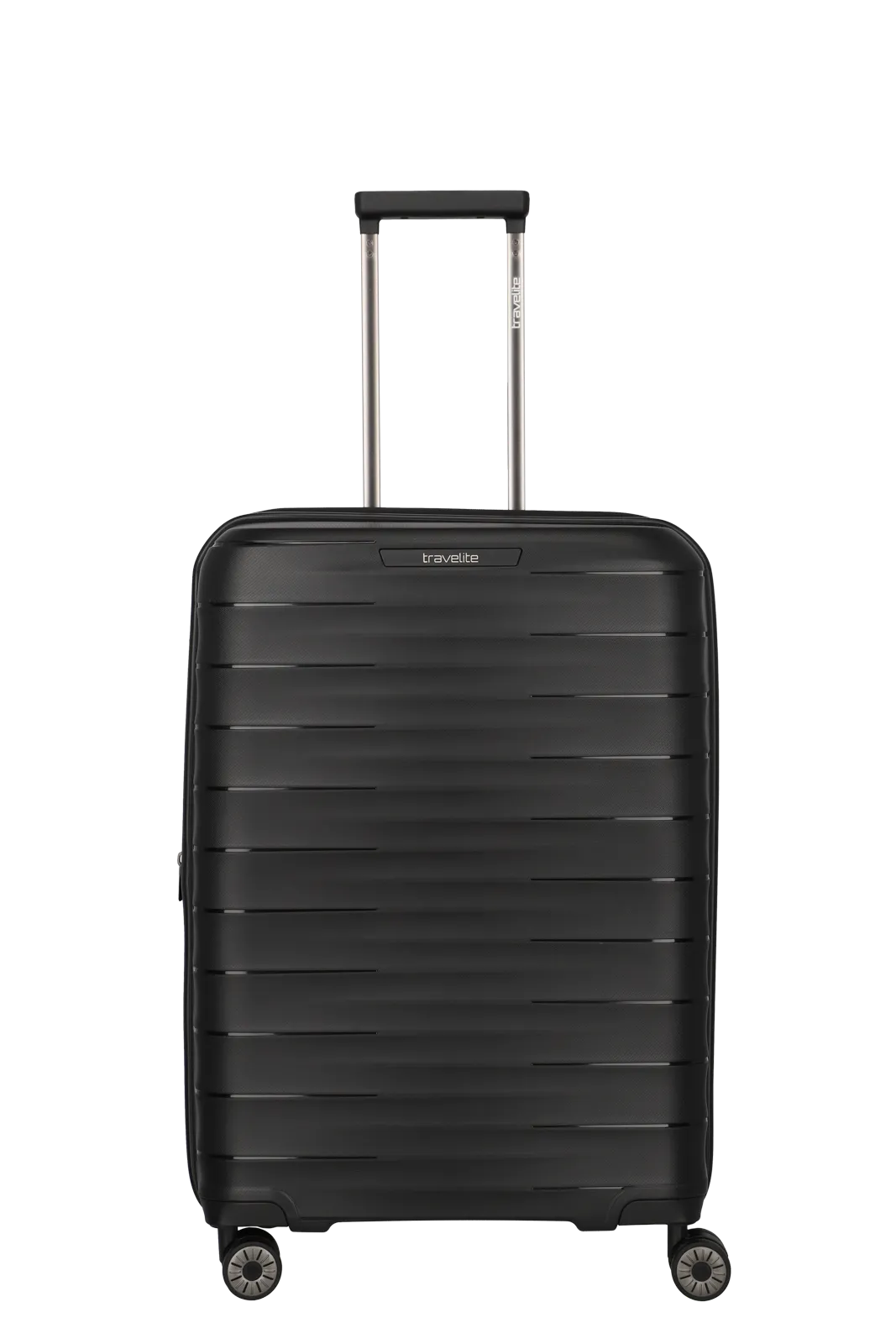
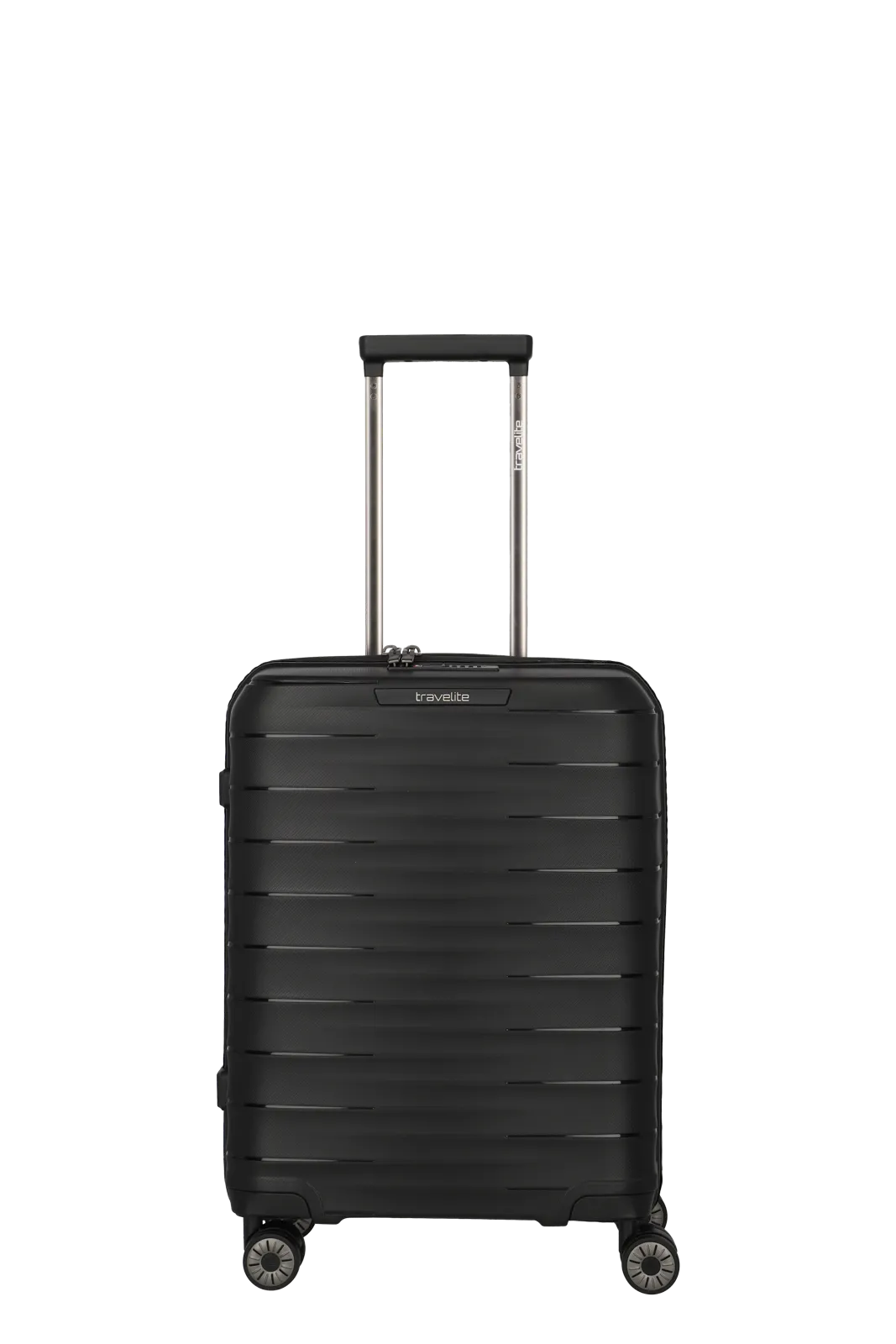
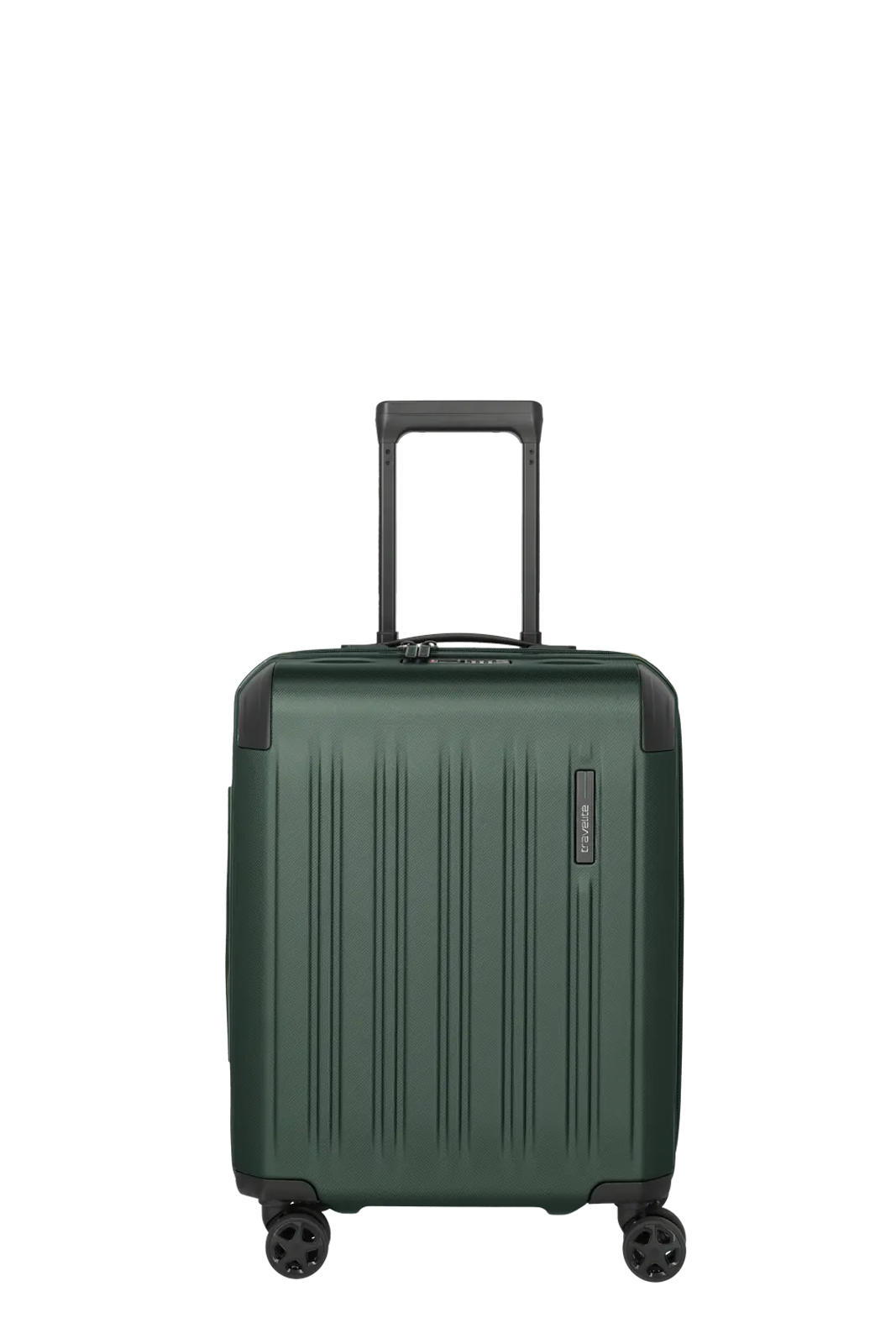
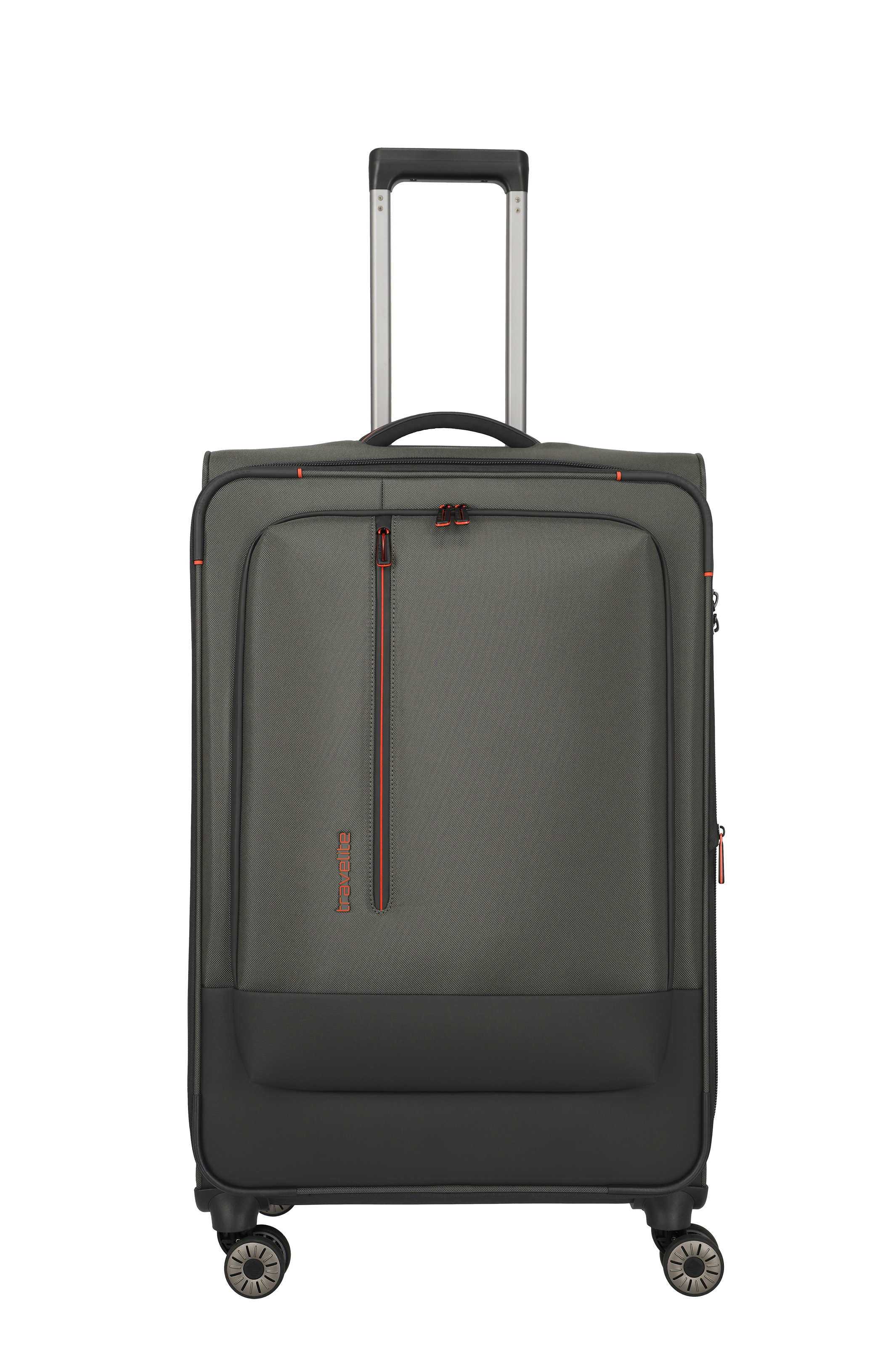
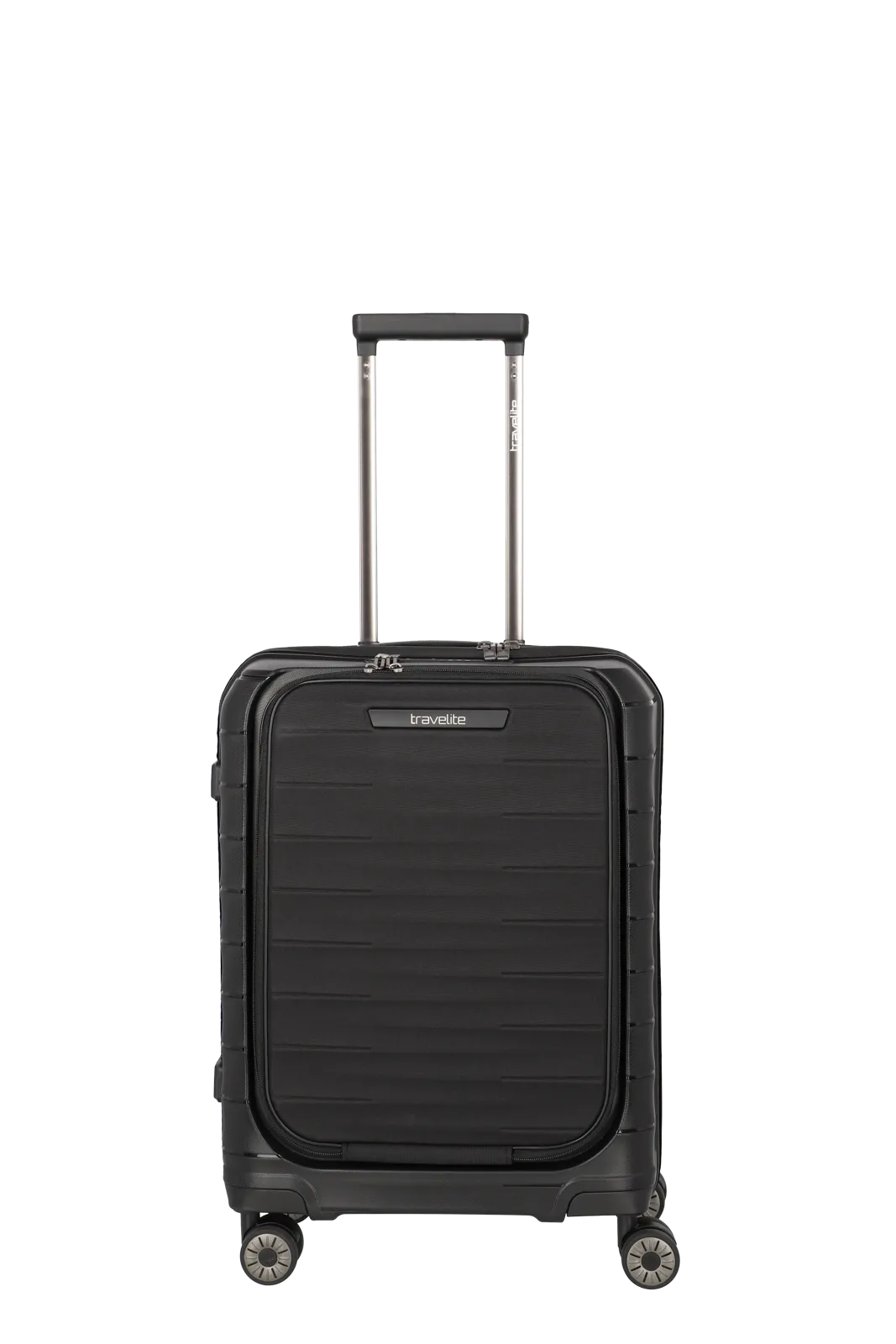
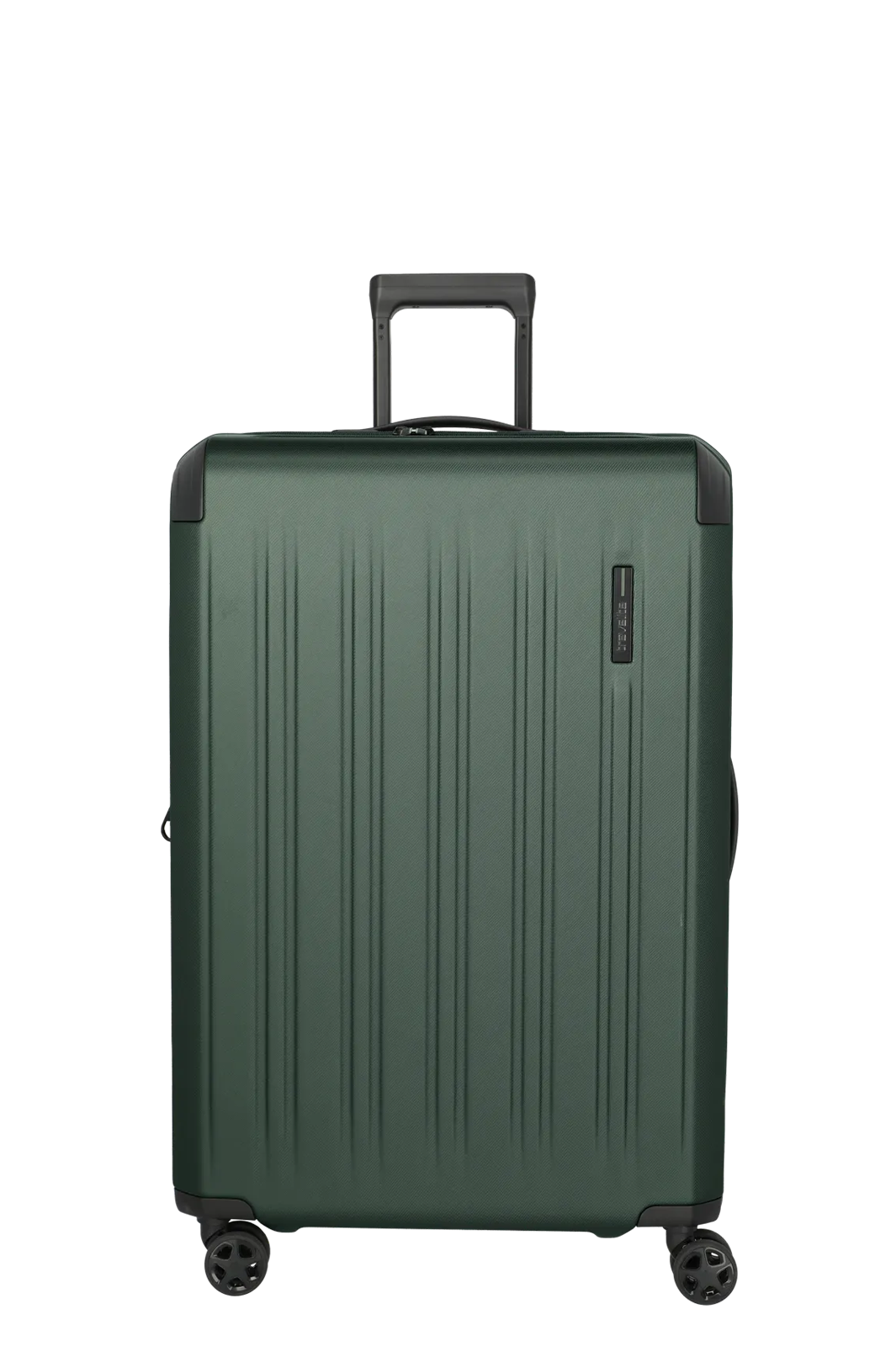
- An easy-to-close suitcase is ideal for reliable storage that also keeps creepy-crawlies out. Models are available in many sizes, so there’s a suitable option for every type of camping accommodation.
- Practical hanging toiletry bags are ideal for daily trips to the toilet block. Not all sites have enough storage space in the showers and other facilities…
- It’s also advisable to bring waterproof rucksacks or bags for day trips, whether for walking, cycling or canoeing. If you’re planning plenty of water sports, you should even consider fully waterproof transport equipment.
As you can see, anyone can go camping! With a bit of preparation and planning, you can have the holiday of a lifetime. And you might never want to go on holiday any other way again…
Conclusion: Camping for everyone
Whether it’s a tent, a roof tent, a camper van, a motorhome or glamping: camping today offers a wide range of options – from simple nature campsites to luxury sites.
With a bit of preparation and planning, you can have the holiday of a lifetime.
FAQ on camping
What types of accommodation are available when camping?
You can choose between fabric, wood and metal: tents, folding tent trailers, roof tents, camper vans, motorhomes, caravans or wooden accommodation such as camping barrels, circus wagons, tree houses and chalets.
What is glamping?
Glamping stands for ‘GLAMorous CamPING’. You simply rent comfortable accommodation at the campsite and don’t need your own gear. You should check your budget beforehand, as there’s no upper limit on the price of glamping offers.
What makes a nature campsite special?
You’ll be camping right in the heart of nature, in the mountains or on the beach. Natural campsites are usually off the beaten track and have basic facilities; not every pitch has electricity or running water. However, they are often relatively cheap, though a hot shower may cost extra.
Which campsites are suitable for families?
Family campsites are often located near beaches with water sports facilities or on farms with animals. Well-designed play areas and additional activities such as craft or theatre groups are important.
What are some packing tips for camping?
Having several bags in different sizes and colours makes organisation easier. A suitcase that’s easy to close keeps creepy-crawlies out, handy toiletry bags that can be hung up are useful in the toilet block, and waterproof rucksacks or bags are ideal for day trips.








_400x400 Kopie.png?ts=1760433160)